Barcelona is no ordinary city. It has a cathedral that has been under construction for over 140 years and is still the most visited building in Spain. It has a park designed by a man who thought nature and architecture should be the same thing. It has a waterfront that was a working port until the 1992 Olympics transformed it into one of the finest urban beaches in the Mediterranean. And it has a food culture that runs from the simplest pan amb tomàquet (bread rubbed with tomato and olive oil) to the most technically ambitious tasting menus in Europe, often within a few streets of each other.
The capital of Catalonia sits on the Mediterranean coast of northeastern Spain between the Collserola hills and the sea, a city of 1.6 million people in a compact grid that makes it one of the most walkable major cities in Europe.
Catalan identity, architecture, food, football, and the particular quality of the Mediterranean light that makes everything look slightly better than it would anywhere else combine into something that earns every superlative visitor’s reach for.
Give it four days. Three for the essential Gaudí and Gothic and one for the beach and the neighbourhood exploration that makes Barcelona feel personal rather than ticked off.
Barcelona City Essentials
Entry Requirements for Barcelona
- Citizens of EU and Schengen Area nations can travel to Spain without any visa requirements.
- Citizens of the US, UK, Canada, Australia, and most Western countries can visit without a visa for up to 90 days in any 180-day Schengen period.
- Indian nationals require a Schengen visa from the Spanish Embassy before departure.
- The EU’s ETIAS pre-travel authorisation for visa-exempt non-EU nationals is being progressively rolled out; check travel.ec.europa.eu before booking.
Getting There and Getting Around
Barcelona El Prat Airport (BCN) is 12 km southwest of the city center, with two main terminals (T1 and T2). The Aerobús runs every 5 to 10 minutes between both terminals and Plaça de Catalunya (the central hub of the city) in approximately 35 minutes, the fastest and most direct airport connection available.
The Renfe R2 Nord train connects T2 to Passeig de Gràcia and Barcelona Sants station in about 25 minutes but does not serve T1.
Taxis from the airport to the city centre are metered and take about 25 to 35 minutes.
The Aerobús Barcelona Airport Transfer is available through Thrillark for both directions: airport to city centre and city centre to airport, in a reliable direct coach with luggage space.
Getting around the city:
Barcelona’s public transport network is excellent and covers every area of the city with frequency.
- Metro: Eight lines (L1 to L12, with some gaps in numbering) cover the city comprehensively. The T-Casual 10-trip card gives significantly discounted fares compared to single tickets and works across Metro, bus, tram, and FGC suburban rail within the relevant zones. Single tickets and the T-Dia unlimited day pass are also available.
- Bus: An extensive network of day and night buses covers the entire city, with the Nitbus (night bus) network running when the Metro is closed.
- FGC (Ferrocarrils de la Generalitat de Catalunya): The suburban rail network covers Montserrat (change at Plaça Espanya for the rack railway to the monastery), Tibidabo, and other destinations outside the Metro network.
- Walking: The Eixample grid and the Gothic Quarter are best explored on foot. The beach promenade from Barceloneta to the Port Olímpic is one of the finest urban walks in Spain.
- Taxi and rideshare: Taxis are metered and widely available. Uber also operates in Barcelona. Bolt and Cabify are additional options.
- Barcelona Card: This is the city pass covering unlimited Metro, bus, tram, and FGC travel for 3, 4, or 5 days plus free or discounted entry to over 25 museums and attractions, available through Thrillark. It offers the best value for visitors covering multiple attractions and using public transport regularly across a multi-day stay.


Gaudí’s Barcelona
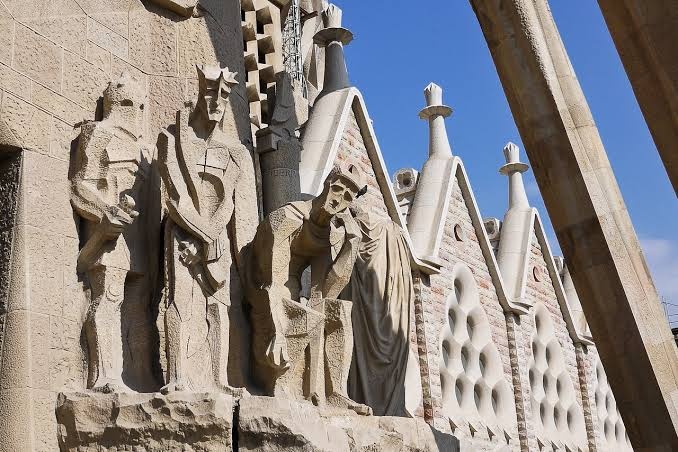
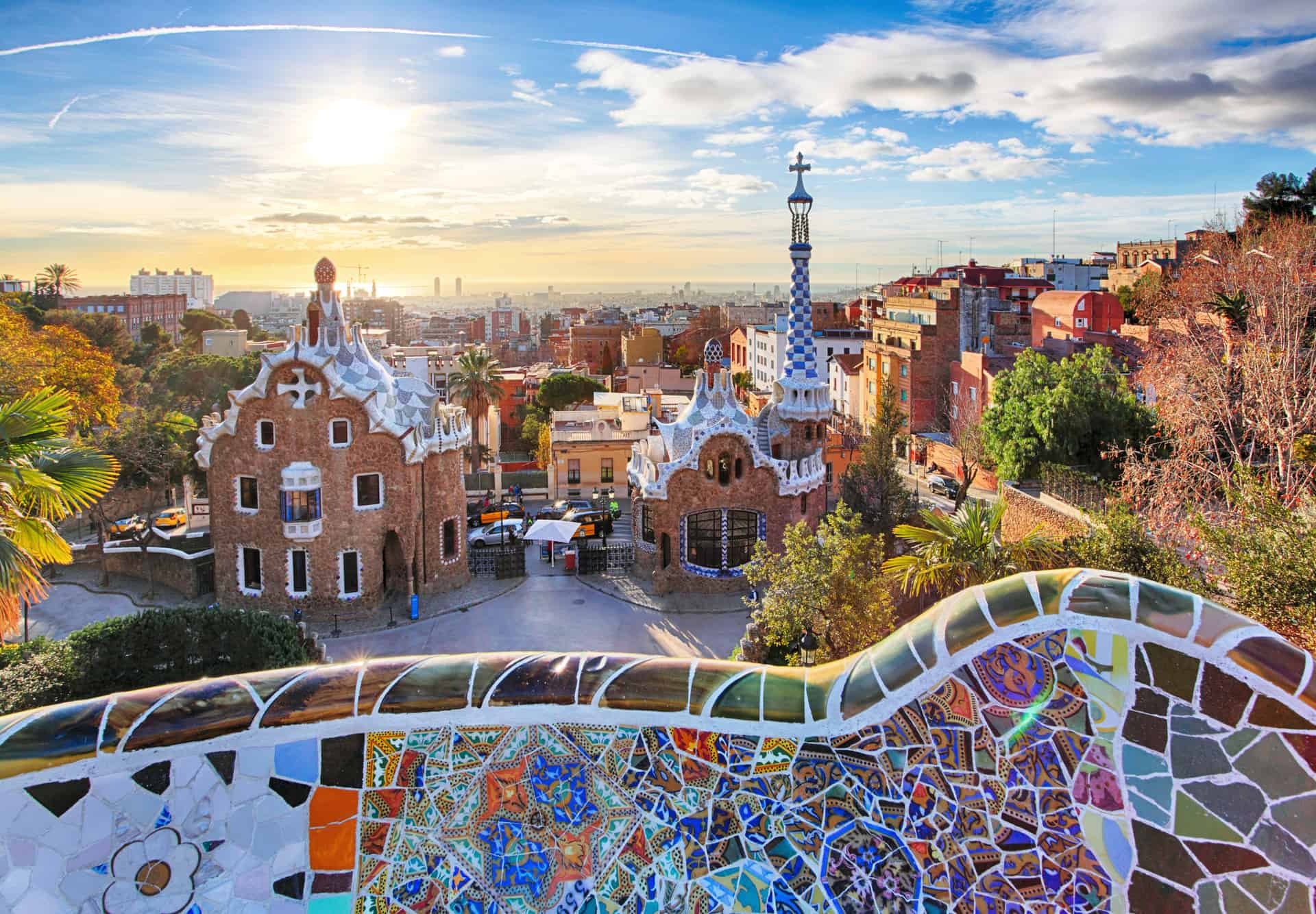
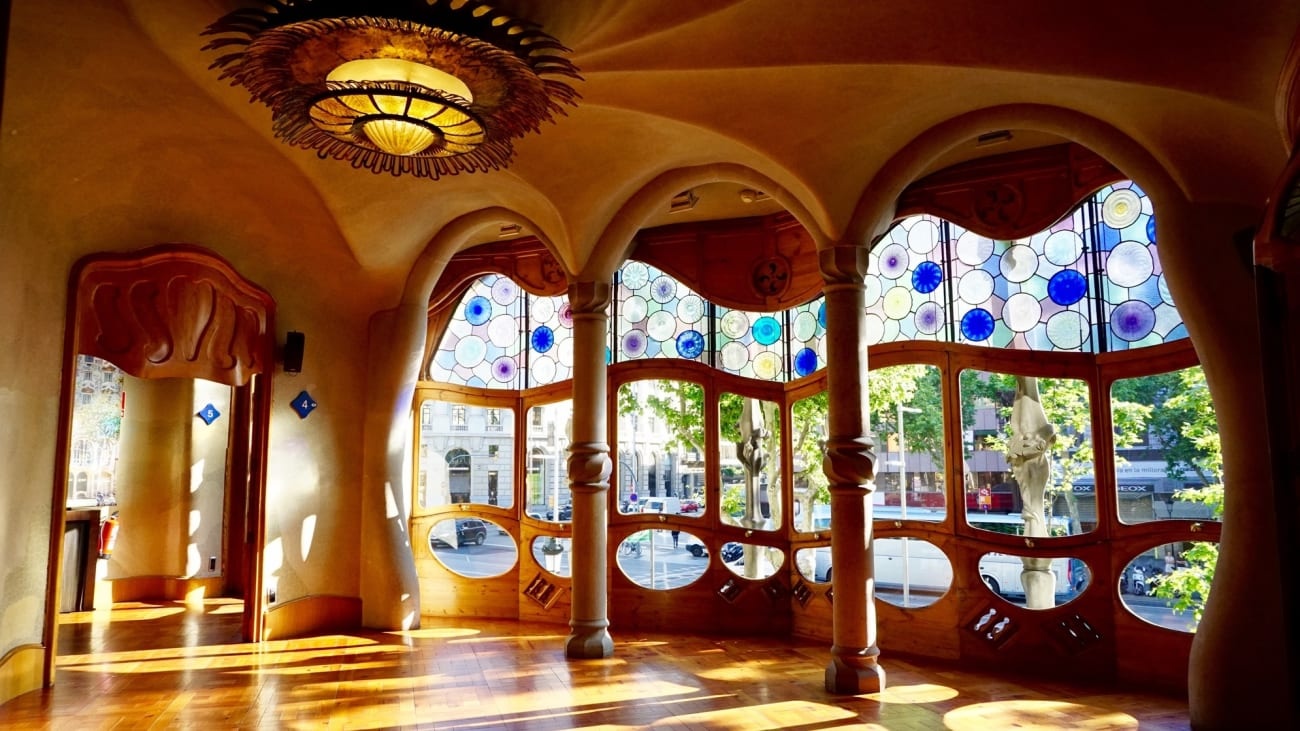
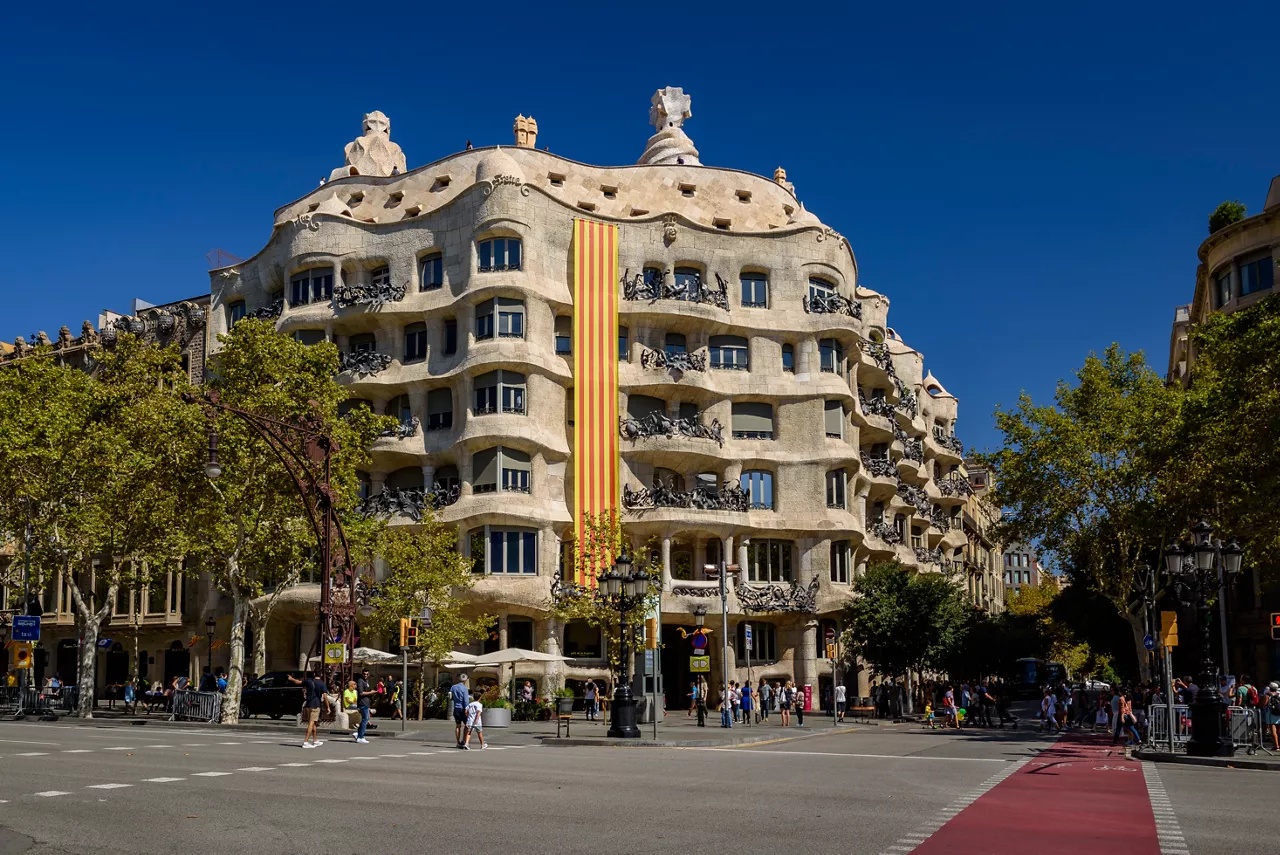
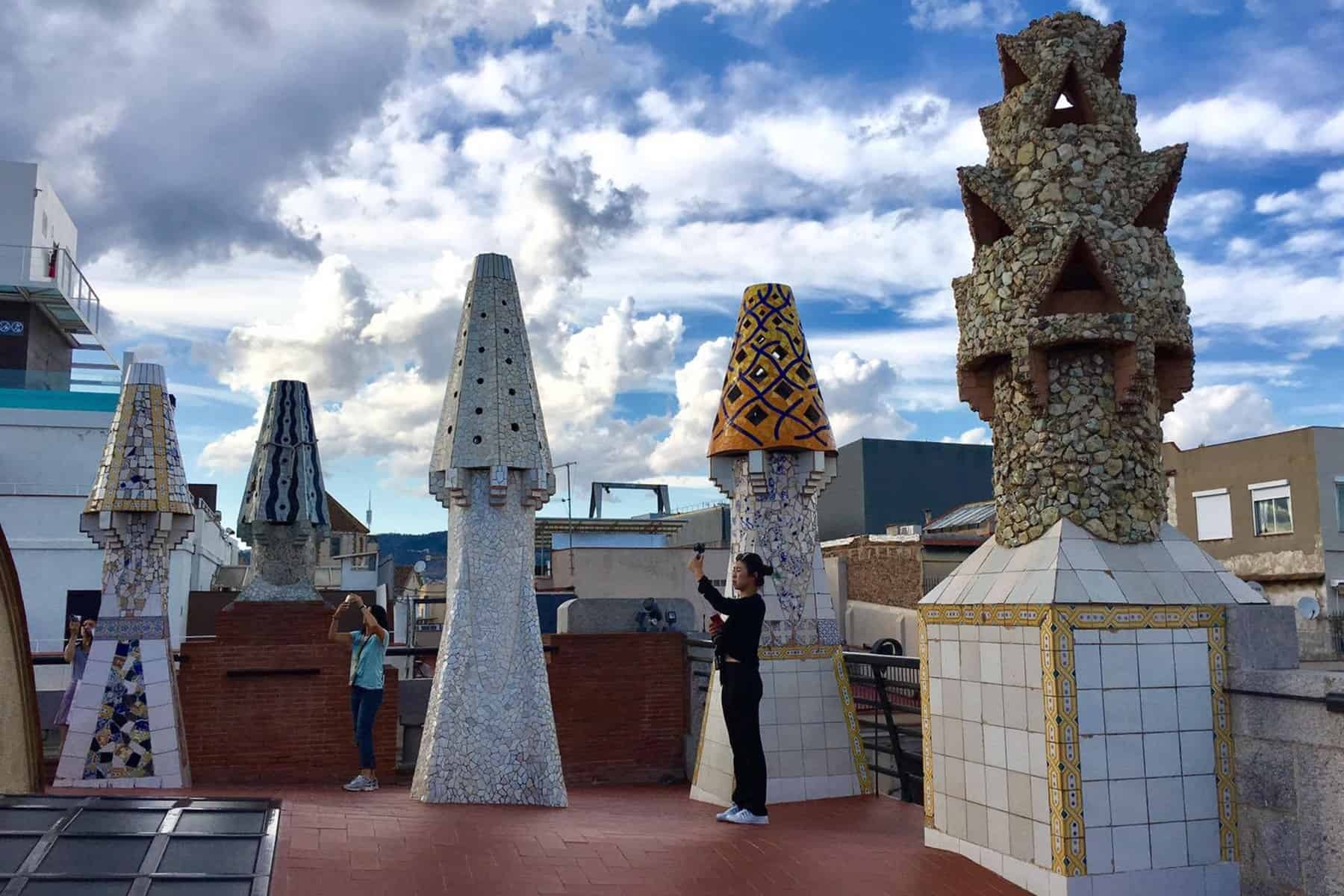
Antoni Gaudí (1852-1926) is the dominant architectural presence in Barcelona, a Catalan Modernisme architect who worked in the city for most of his career and left a body of work that transforms the experience of walking through it. Seven of his buildings are UNESCO World Heritage Sites. Understanding Gaudí is understanding Barcelona.
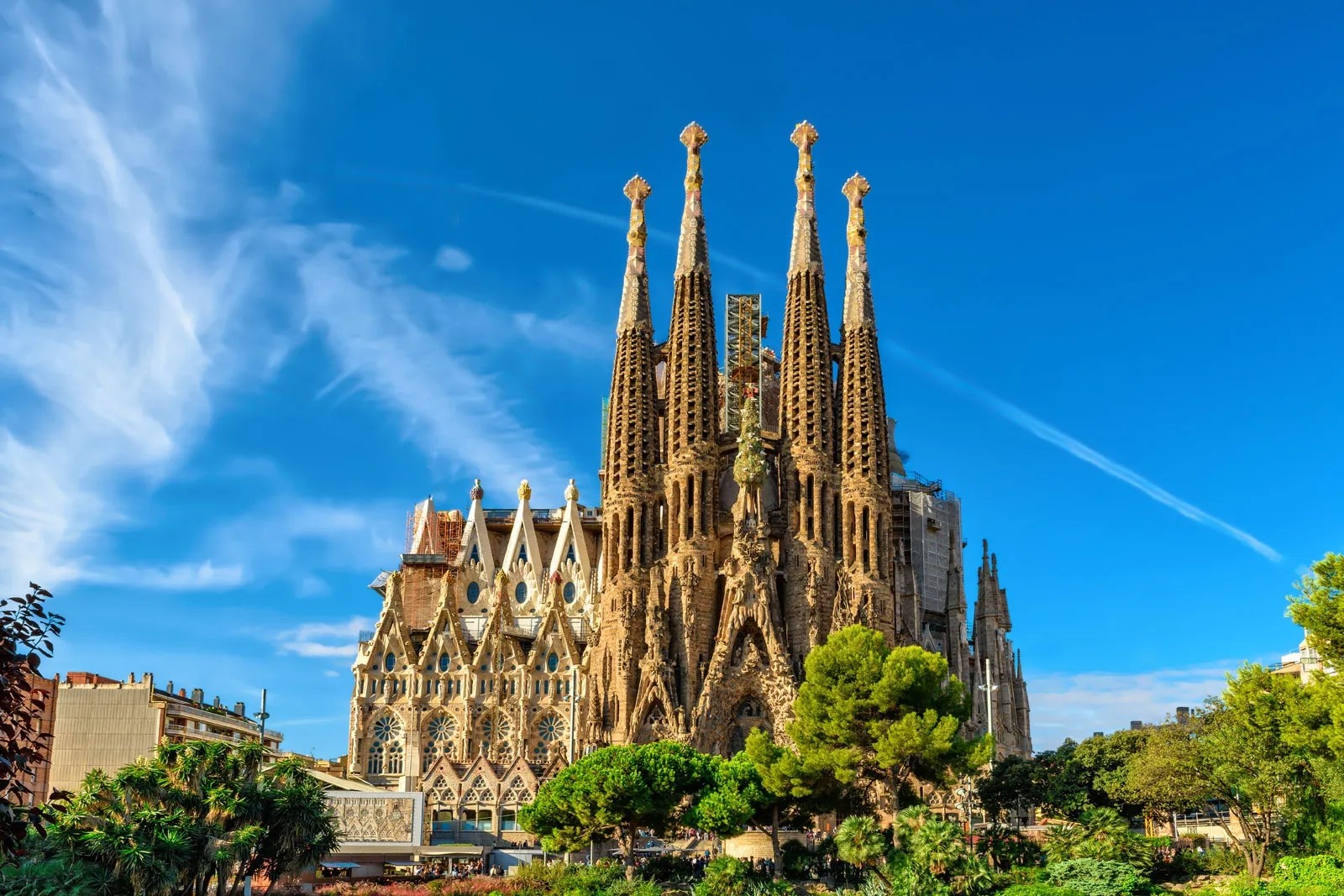
La Sagrada Família is the building that defines not just Gaudí but the entire idea of what a cathedral can be. Construction began in 1882. Gaudí devoted the final 43 years of his life to it, and it is buried in the crypt, and the building is still under construction, with completion expected in the early 2030s.
The interior, with its forest of branching columns and coloured light through the stained glass windows, is unlike any other interior in architecture. It is the most visited monument in Spain. Don’t forget to book the tickets weeks or months in advance.
Park Güell on the Carmel hillside was designed as a residential estate, failed commercially, and was donated to the city. What remains is one of the most extraordinary public spaces in Europe: the Dragon Staircase with its polychrome lizard, the Hypostyle Hall of Doric columns, and the serpentine trencadís bench at the top with the finest panoramic view of Barcelona. Entry to the ticketed Monumental Zone must be booked in advance.
Casa Batlló on the Passeig de Gràcia (remodelled 1904-1906) has the most colourful and most photographed Gaudí facade, with ceramic discs and bone-shaped columns and a maritime-themed interior. Casa Milà (La Pedrera), also on the Passeig de Gràcia (completed 1912), is the most structurally radical. It is a free-standing stone facade with no straight lines, topped by a rooftop of warrior-like chimneys.
Palau Güell in El Raval (1886-1890) is the first major Gaudí commission and the least crowded of the main buildings. Casa Vicens in Gràcia (1883-1885) was his debut work, covered in Moorish-influenced ceramic tiles and the least visited of all.


The Gothic Quarter and El Born
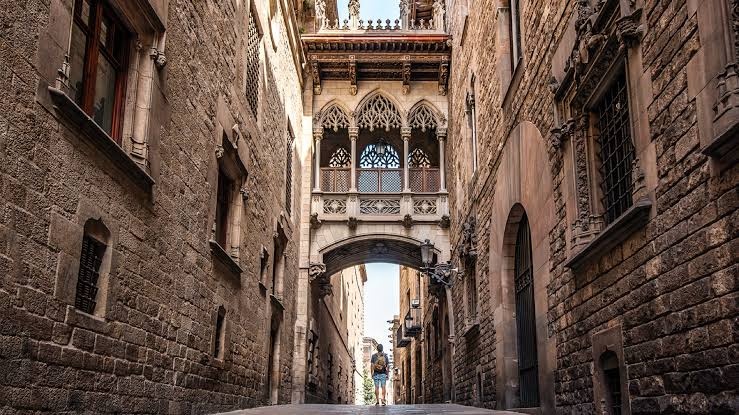
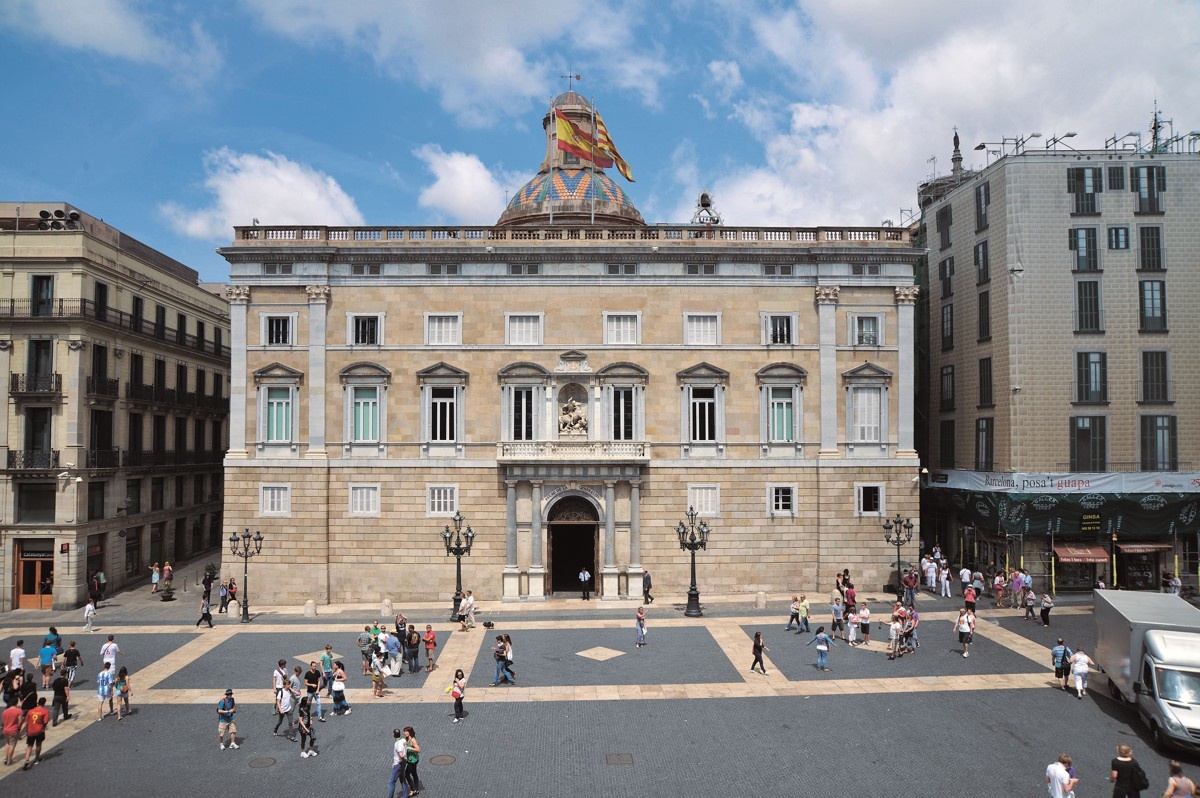
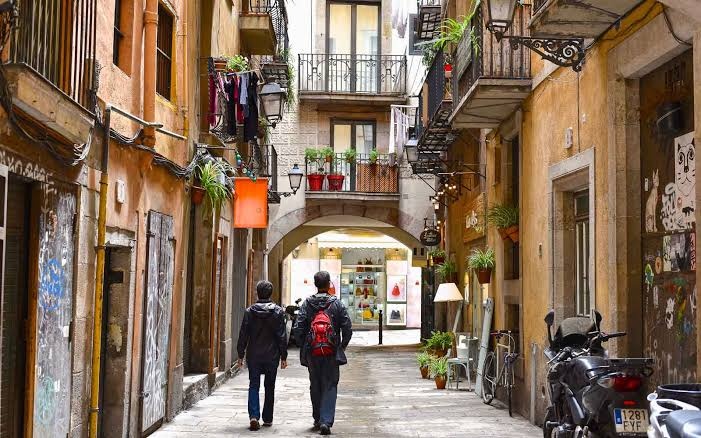
From the Gaudí buildings on the Passeig de Gràcia, the city moves east and downhill toward the medieval heart.
The Gothic Quarter (Barri Gòtic) is the oldest continuously inhabited part of Barcelona, built on and around the Roman walls of the ancient settlement of Barcino (founded around 15 BC). The medieval street pattern survives almost intact, with Roman foundations visible beneath the paving stones in the Plaça de Sant Jaume.
Barcelona Cathedral on the Plaça de la Seu was begun in 1298 and completed by 1450, with a 19th-century neo-Gothic facade. The cloister, with its 13 white geese maintained as a tribute to the 13-year-old Santa Eulàlia, is the most tranquil space in the Gothic Quarter.
El Born immediately east is the most fashionable neighbourhood in old Barcelona, with the Basílica de Santa Maria del Mar (1329-1384, the most perfectly proportioned Gothic church in Catalonia), the Born Cultural Centre over the excavated ruins of the 1714 siege, and the highest density of independent boutiques and bars in the old city.

Las Ramblas and El Raval
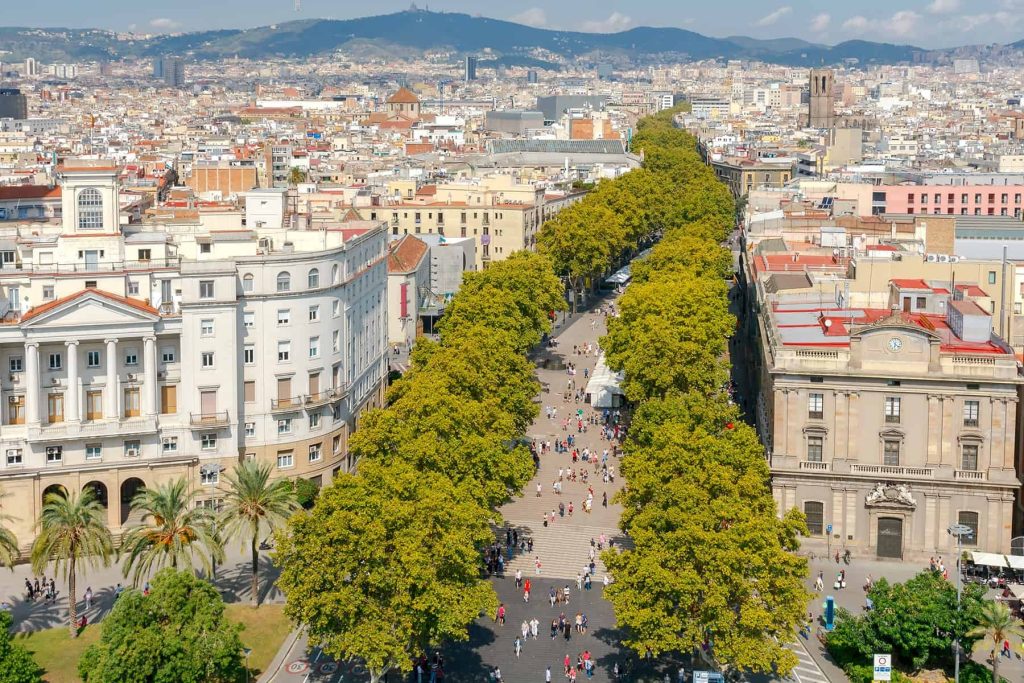
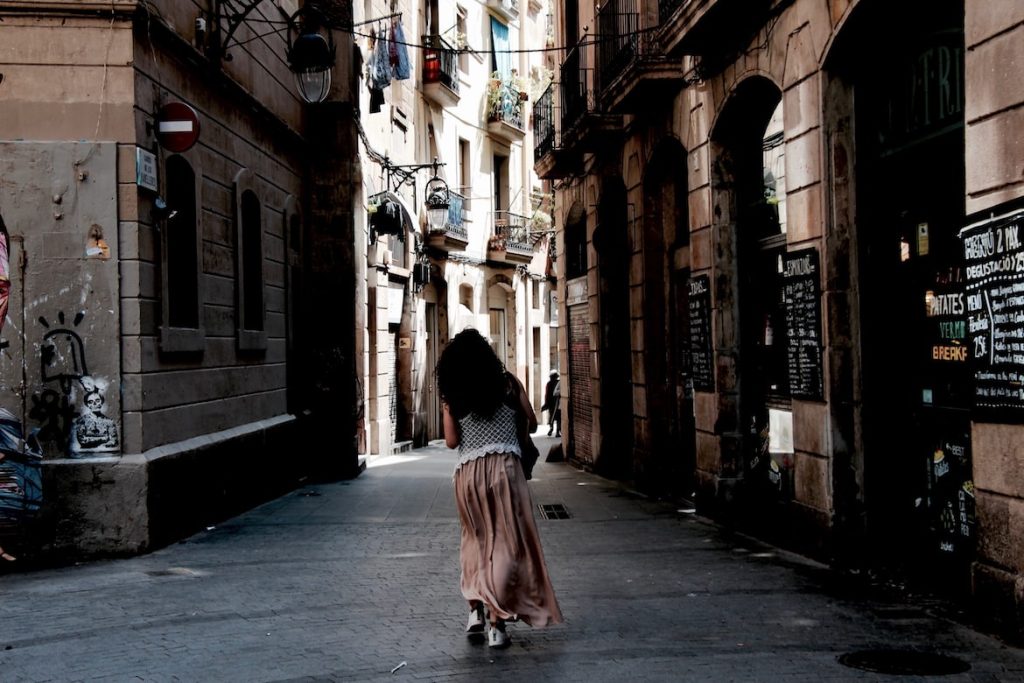
Las Ramblas is worth walking once, preferably in the morning before the crowds arrive. The 1.2 km tree-lined promenade runs from Plaça de Catalunya to the waterfront and has a genuine energy to it despite its tourist reputation, with flower stalls, the human statues, and the Boqueria market midway along all still worth stopping for. La Boqueria itself is visually spectacular and best approached with some selectivity: the stalls near the entrance are firmly tourist-facing, but the bars and counters deeper inside, particularly El Quim de la Boqueria, serve genuinely excellent food at honest prices to locals who have been using the market for years.
From Las Ramblas, heading west into El Raval reveals the most ethnically diverse and most creatively interesting neighbourhood in central Barcelona. What was historically the working-class quarter of the city is now home to the MACBA (Museum of Contemporary Art of Barcelona), housed in Richard Meier's striking white building completed in 1995, whose plaza has become the city's unofficial skateboarding hub. The permanent collection covers Catalan and Spanish art from the 1960s to the present, and the temporary exhibition programme is consistently among the most ambitious in Spain.
Montjuïc and the Olympic Legacy
From El Raval, heading southwest brings you to the hill of Montjuïc, the green hillside above the port that has been central to Barcelona's history and is now home to some of its most important cultural institutions.
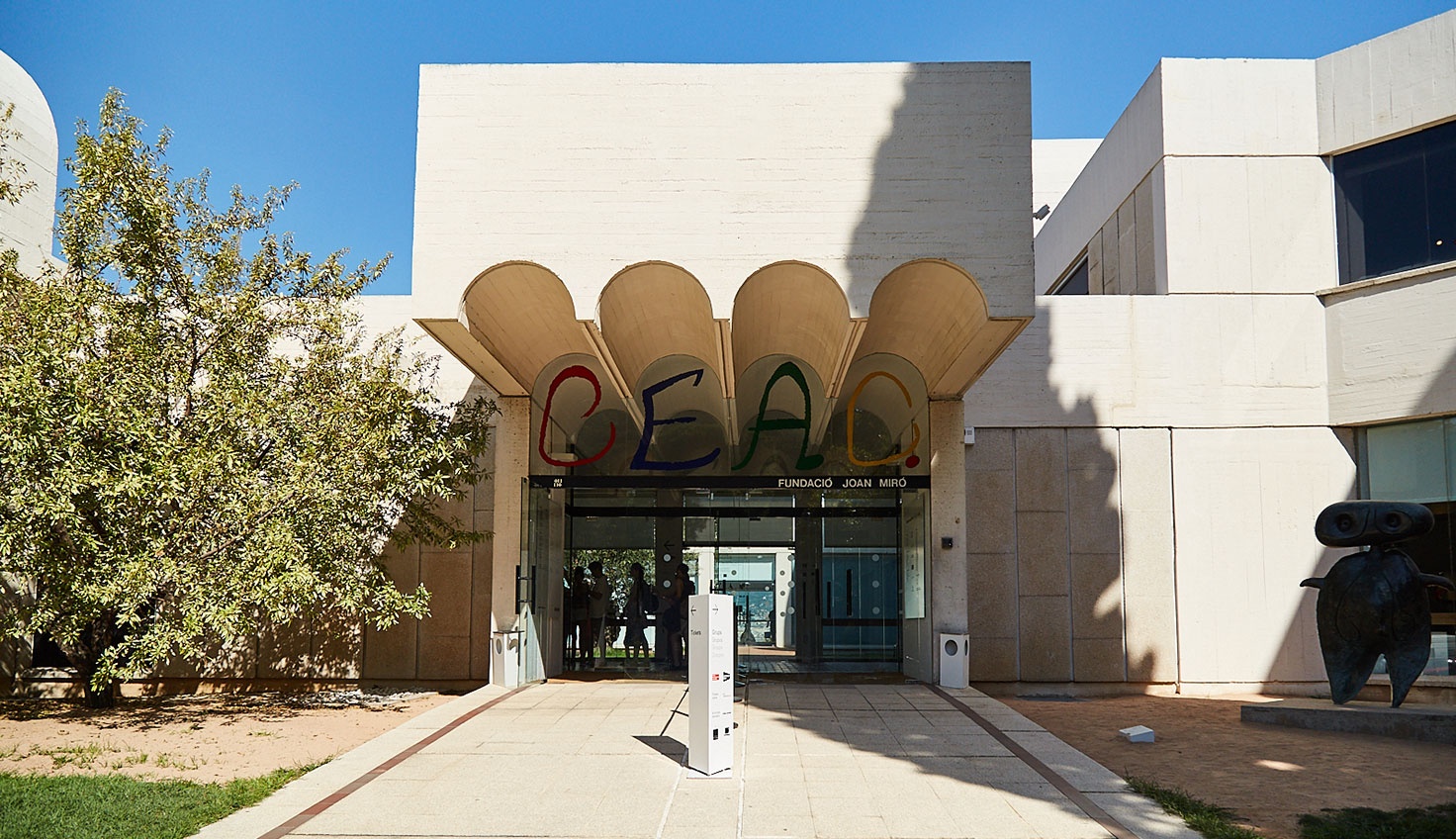
- The Fundació Joan Miró (1975, by Josep Lluís Sert) is the most important modern art museum in Barcelona, housing Miró's permanent collection of paintings, sculptures, and works on paper in a building he helped design and donated the collection to fill.
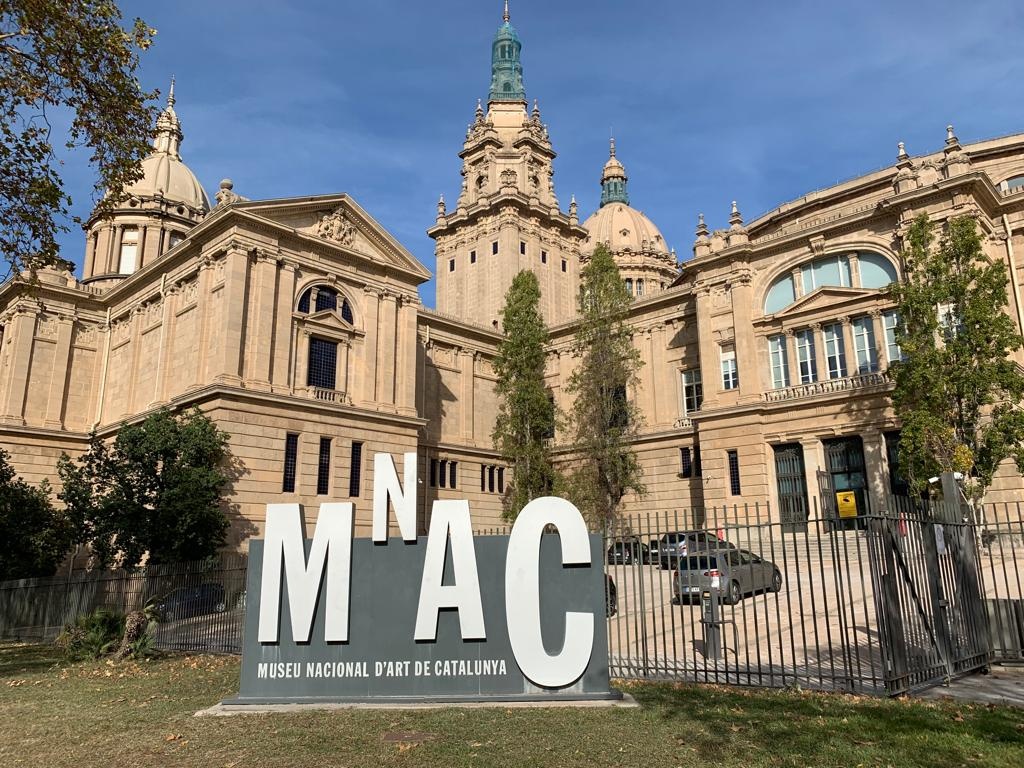
- The National Art Museum of Catalonia (MNAC) in the Palau Nacional holds the finest collection of Romanesque art in the world. This includes apse frescoes and altar frontals from small Pyrenean churches, reassembled in their original architectural context, alongside a Modernisme collection covering the period that produced Gaudí.
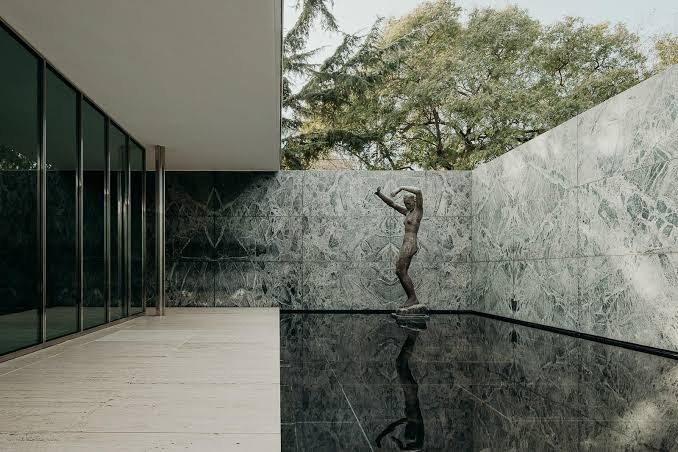
- The Mies van der Rohe Pavilion at the base of Montjuïc, rebuilt in 1986 from the original 1929 German Pavilion, is one of the most significant buildings of the 20th century. You’ll see a single-storey arrangement of marble, glass, water, and steel that defined the vocabulary of modern architecture.
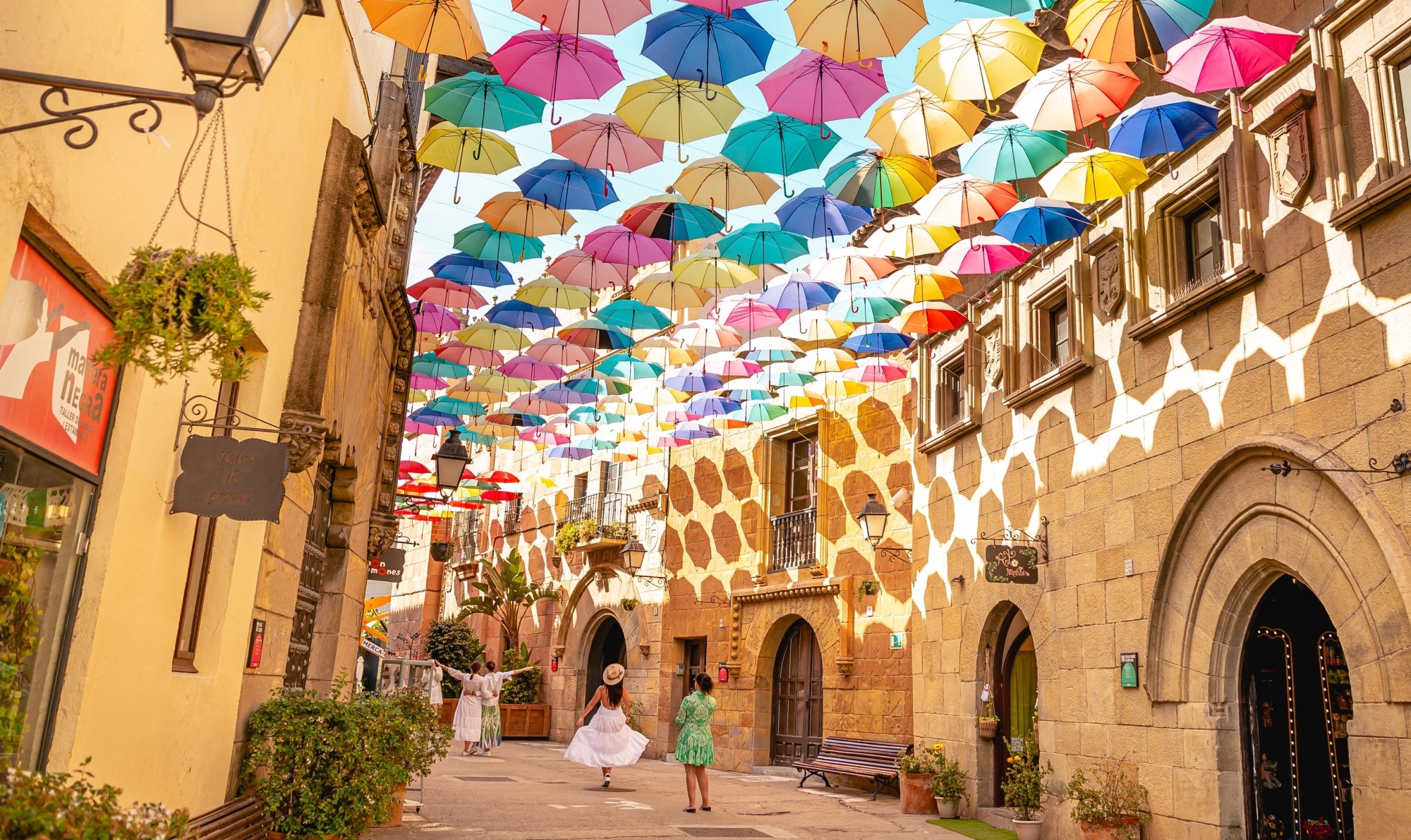
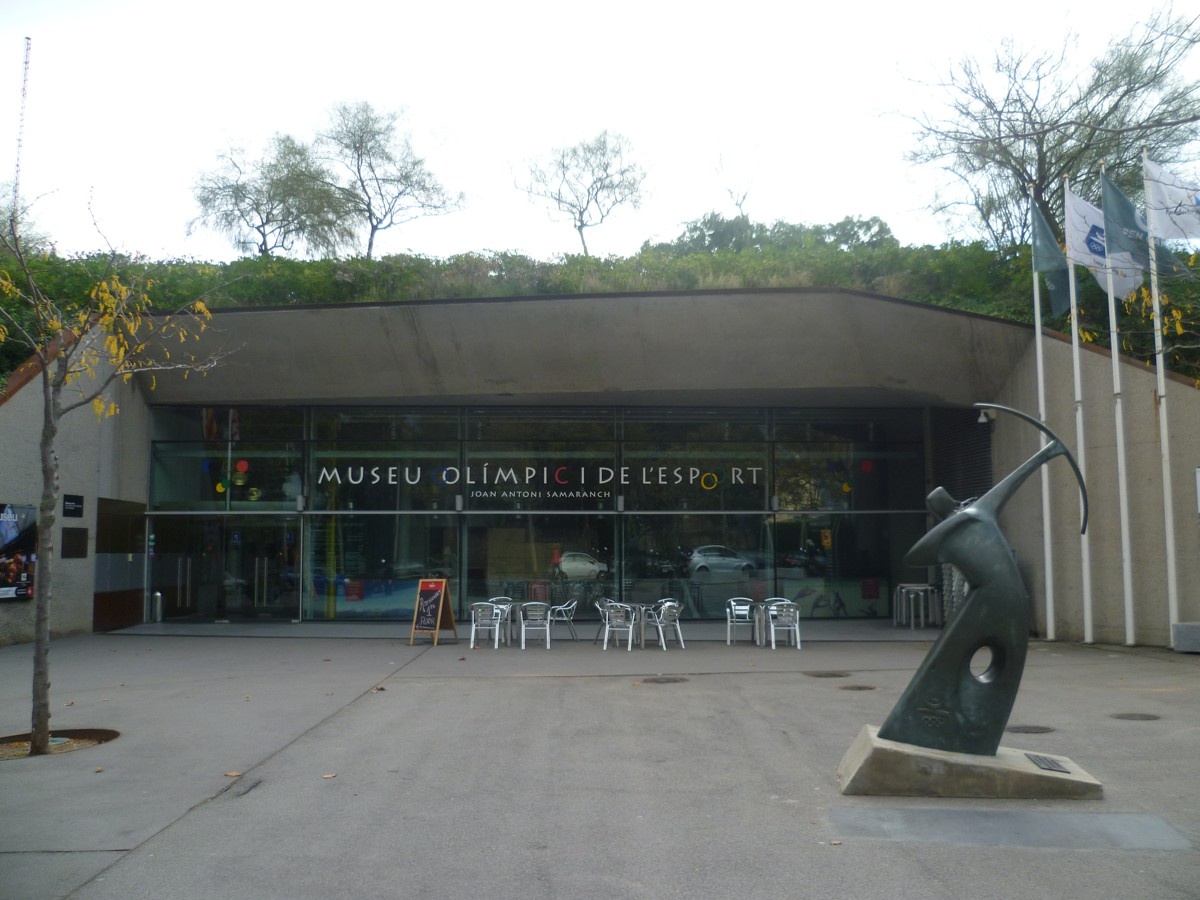
- Poble Espanyol is an open-air architectural museum from the 1929 International Exhibition with full-scale regional buildings, craft workshops, restaurants, and a flamenco venue. The Olympic and Sports Museum nearby recalls the 1992 Games that transformed the city.


The Eixample and Modernisme
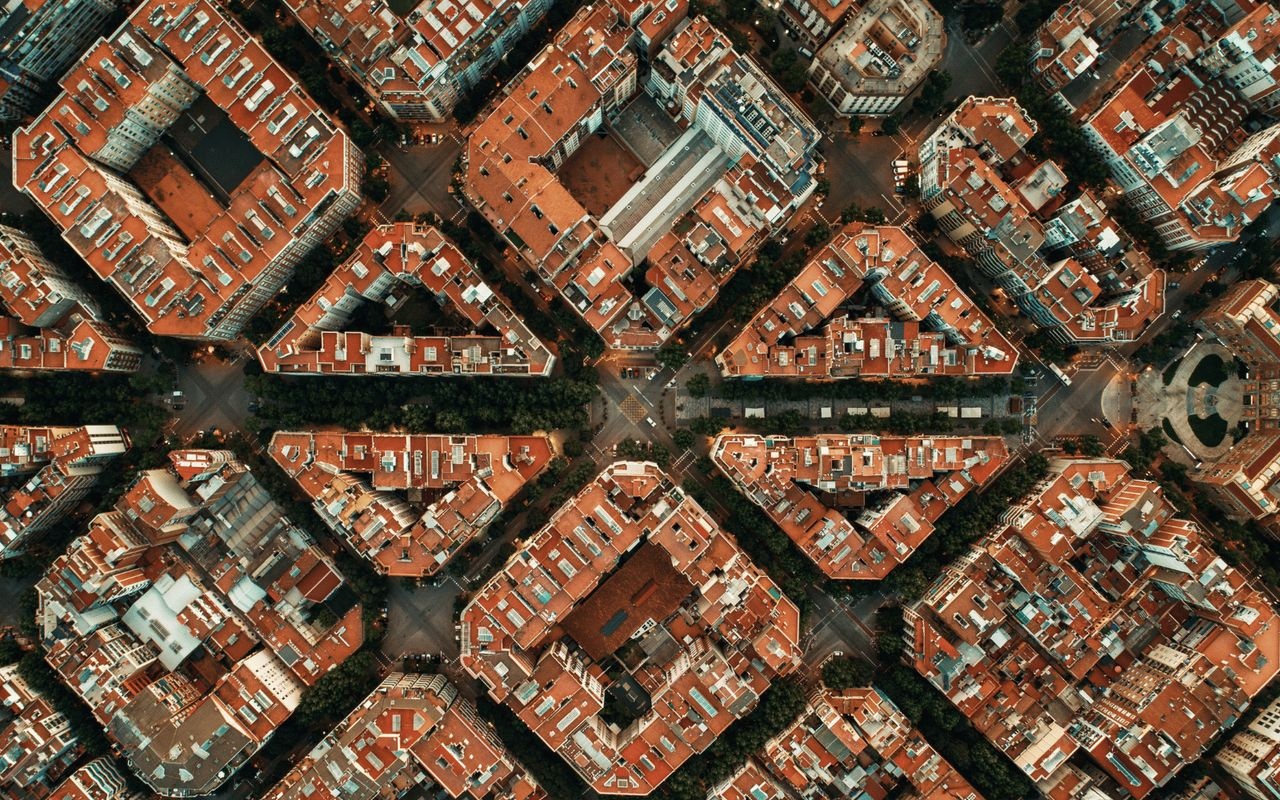
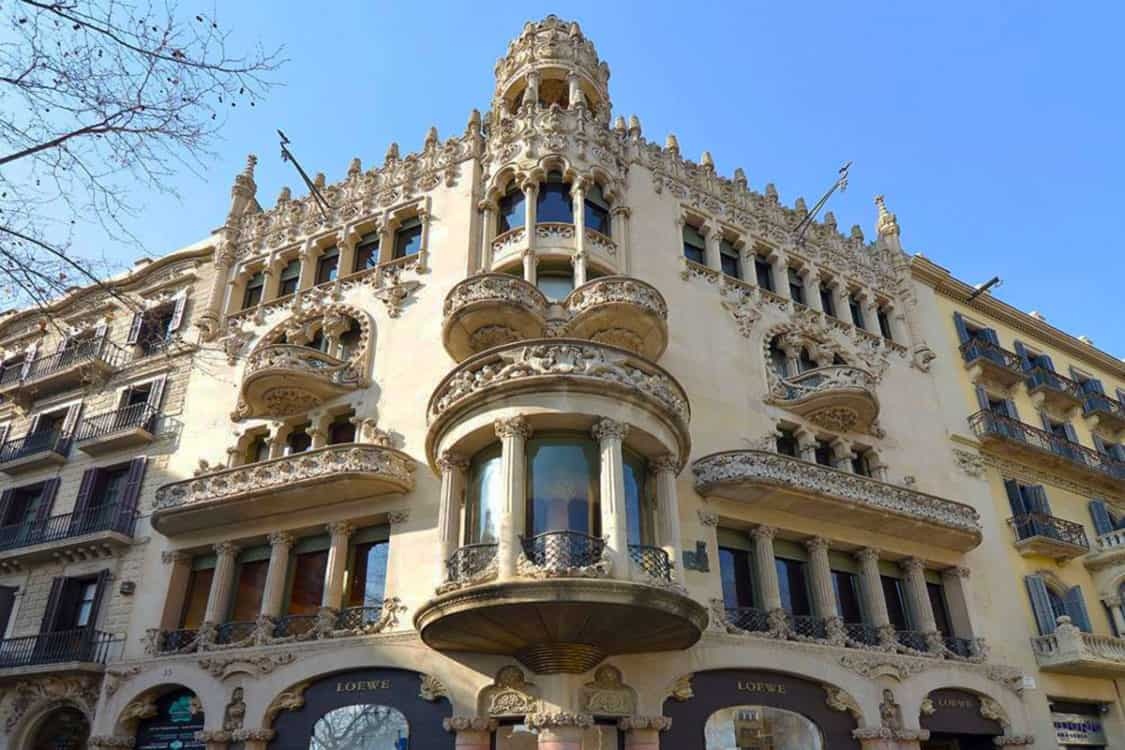
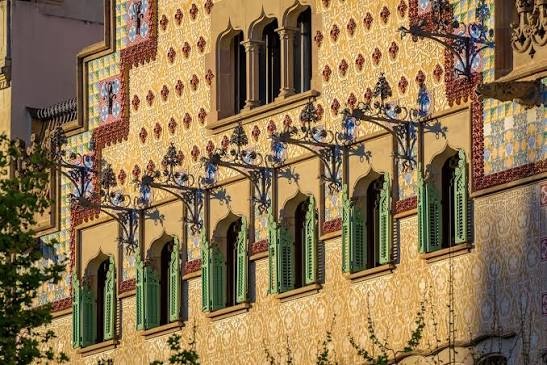
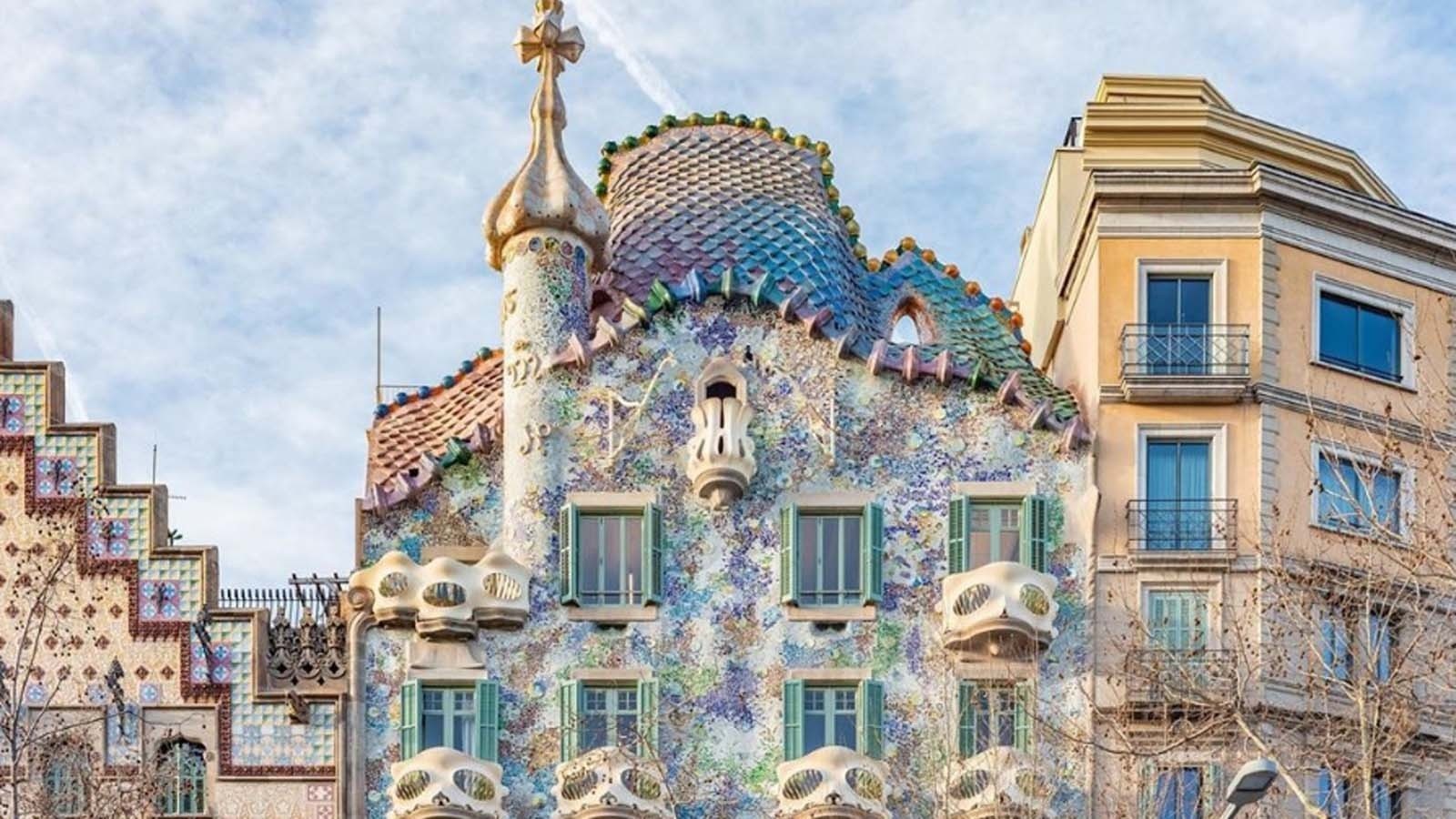
The Eixample grid, designed by Ildefons Cerdà in 1860, is where the Passeig de Gràcia runs through the most architecturally significant boulevard in Spain. The Block of Discord between Carrer d'Aragó and Carrer del Consell de Cent puts three Modernisme masterpieces side by side: Domènech i Montaner's Casa Lleó Morera, Puig i Cadafalch's Casa Amatller, and Gaudí's Casa Batlló.
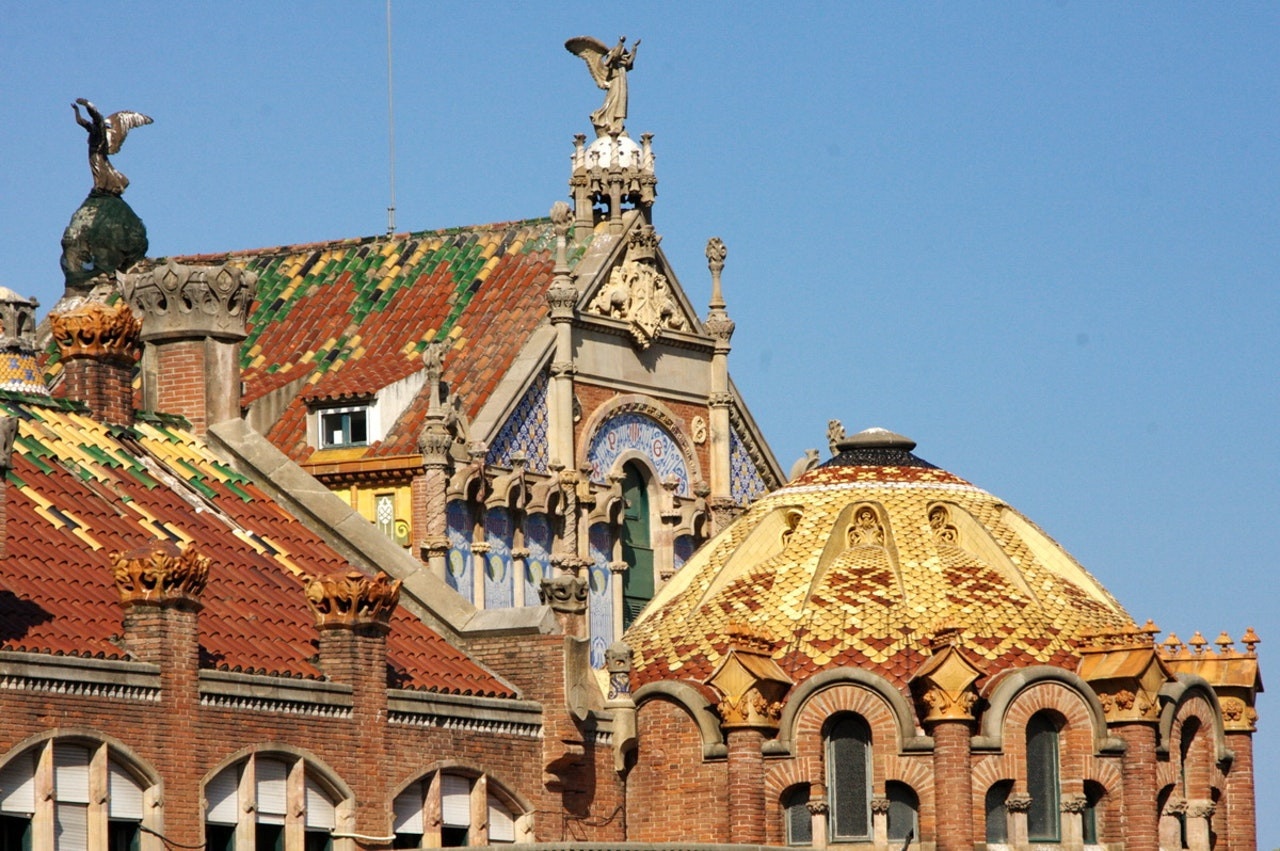
Sant Pau Art Nouveau Site at the north end of Avinguda de Gaudí is a UNESCO-listed hospital complex by Domènech i Montaner (1901-1930), as ambitious as anything Gaudí produced and significantly less visited.
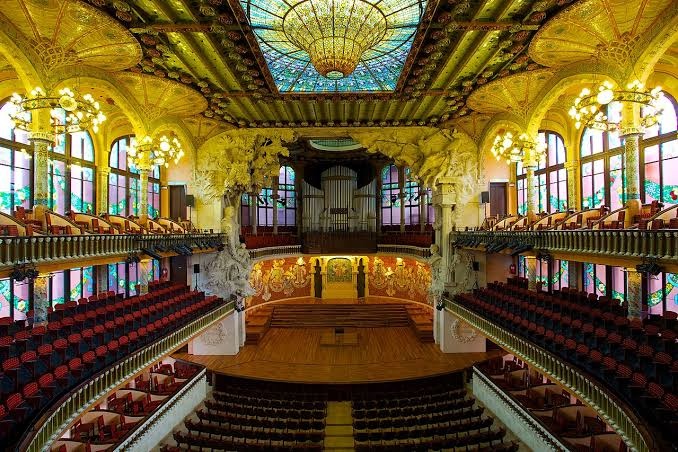
Palau de la Música Catalana in Sant Pere, also by Domènech i Montaner (1908), is a UNESCO World Heritage concert hall with a stained-glass skylight ceiling and decorative explosion that still runs live performances in one of the most beautiful interiors in Europe.


The Waterfront and Barceloneta
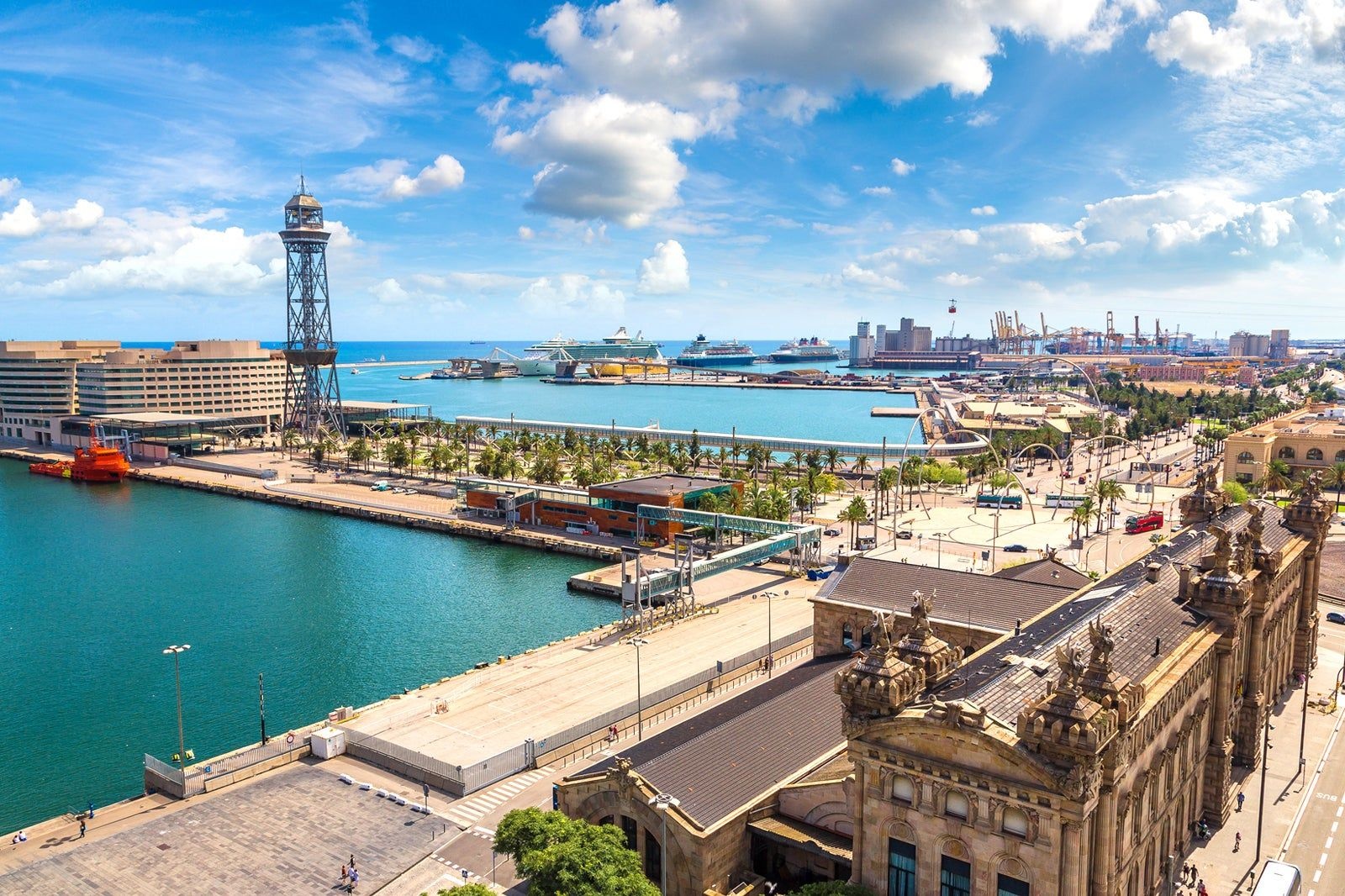
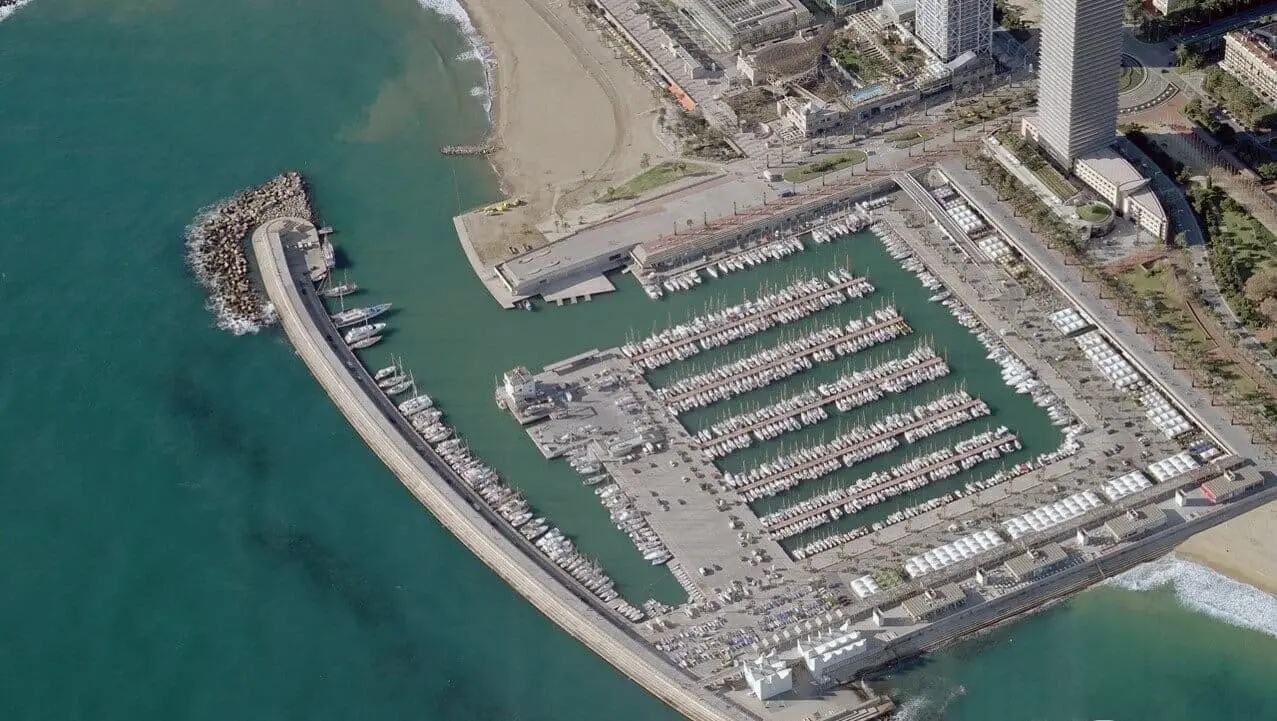
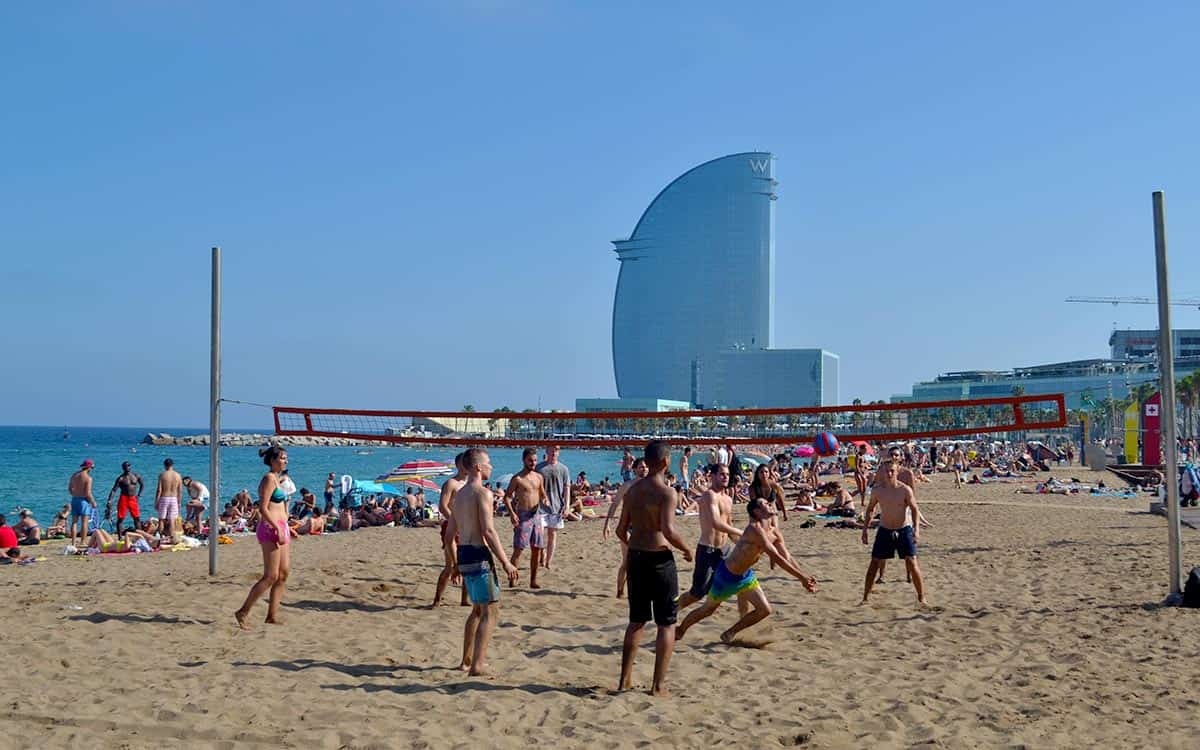
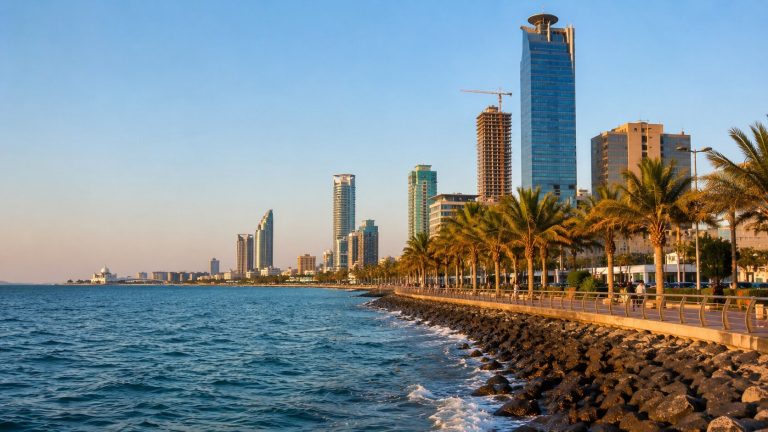
The 1992 Olympics gave Barcelona its waterfront, and the transformation was one of the most significant urban regeneration projects in European history. What had been an industrial port and working-class neighbourhood cut off from the sea was replaced with a 4.5 km coastal promenade, the Barceloneta beach, the Port Olímpic marina, and a public waterfront that now anchors the eastern edge of the city.
Port Vell (Old Port) is the historic harbour at the foot of Las Ramblas, now a leisure precinct with the pedestrian Rambla del Mar bridge, the Maremagnum shopping centre, and L'Aquarium de Barcelona, one of the largest aquariums in Europe with a 80-metre underwater tunnel and over 11,000 sea creatures.
Barceloneta is the 18th-century fishermen's neighbourhood that sits between the old port and the Olympic marina, a grid of narrow streets packed with seafood restaurants, and a 1.6 km beach backed by a promenade lined with chiringuitos (beach bars) from April through October. It is the most popular and most characterful stretch of sand in the city, loudest on summer evenings, and most beautiful at dawn.
The Port Olímpic marina to the north was built for the 1992 sailing events and is now the most active nightlife zone along the waterfront, with the two tallest towers in Barcelona flanking its entrance: the Torre Mapfre and the Hotel Arts, both 154 metres tall.
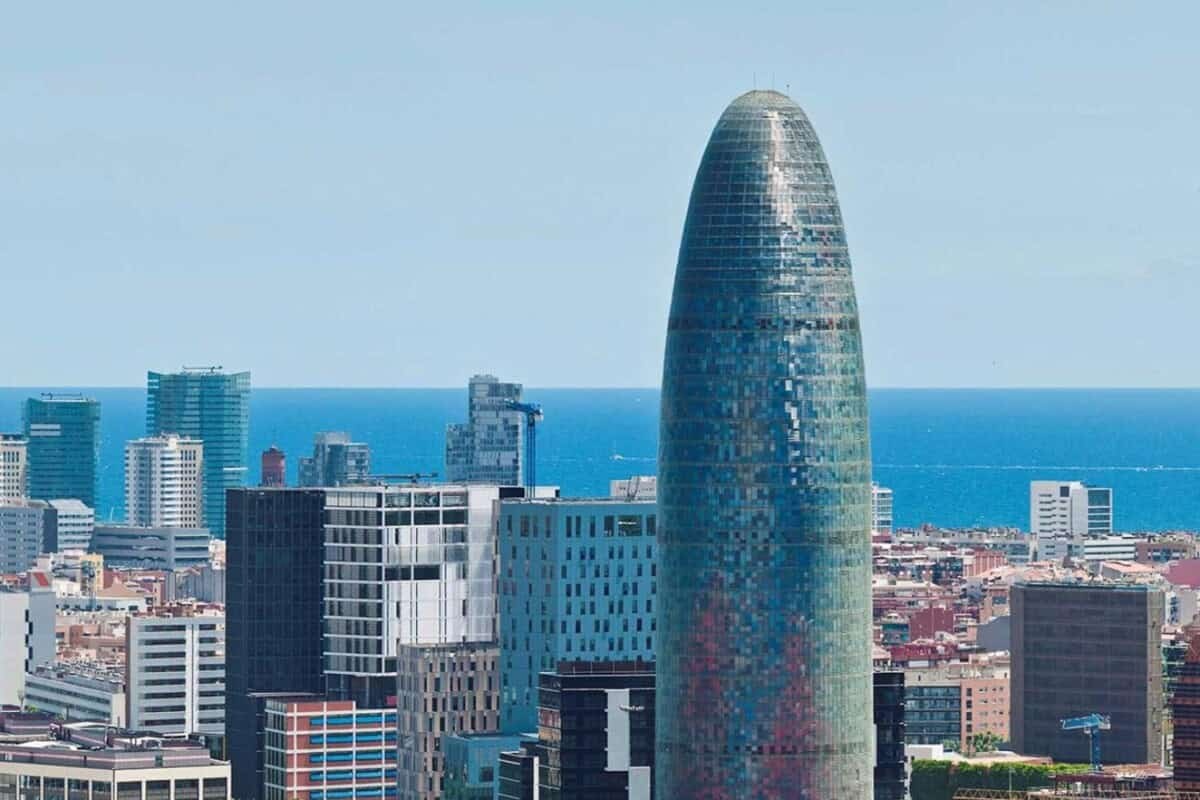
Mirador Torre Glòries at the summit of Jean Nouvel's extraordinary iridescent tower at the northern end of the Diagonal gives one of the finest panoramic views in Barcelona, with the full spread of the Eixample grid, the Gothic Quarter, the Mediterranean, and the Collserola hills visible simultaneously. Skip-the-line access is also available through Thrillark.
FC Barcelona and Camp Nou
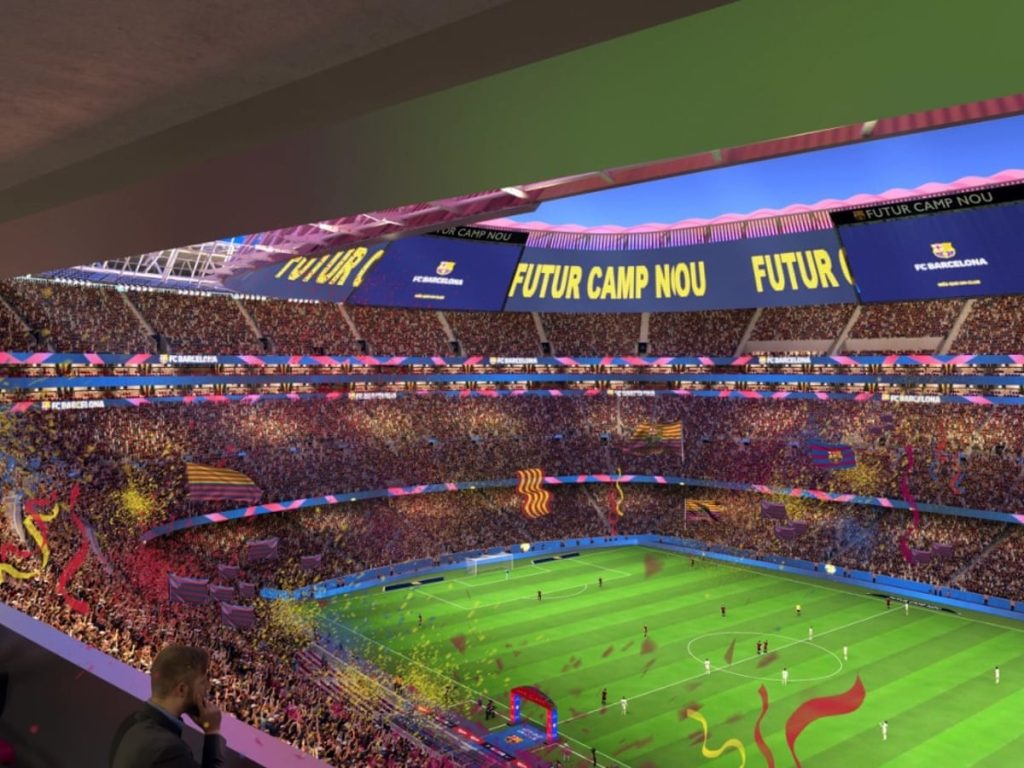
Camp Nou in the Les Corts neighbourhood is the largest football stadium in Europe, holding 99,354 spectators at full capacity, and the home of one of the most successful and most watched football clubs in the world.
The stadium is currently undergoing a major renovation to become the Spotify Camp Nou, but the club museum and stadium tour remain fully operational throughout.
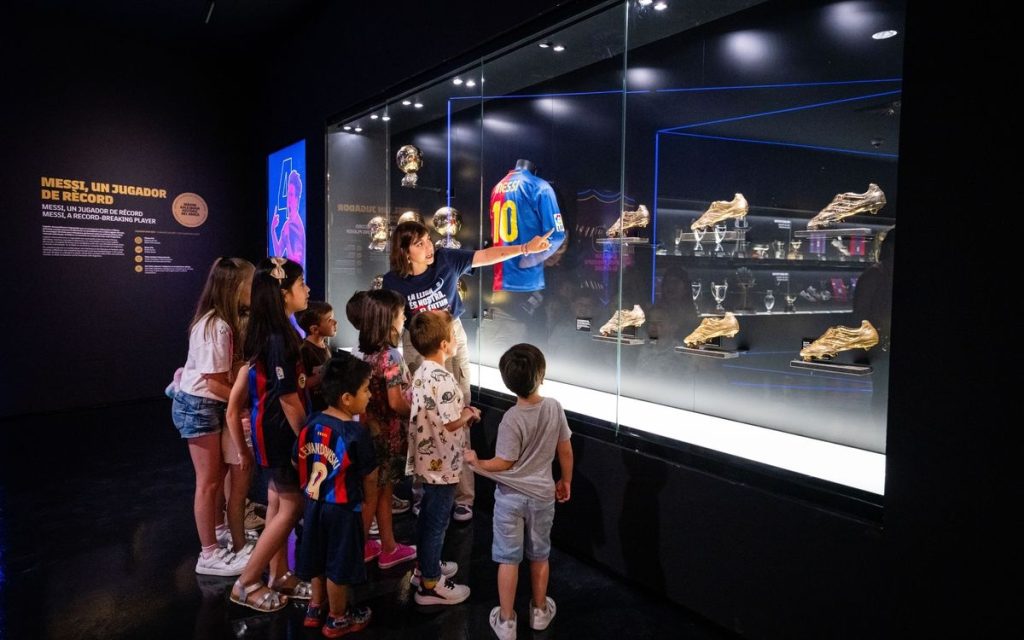
The FC Barcelona Museum is one of the most visited attractions in Barcelona regardless of football interest. You go on a comprehensive journey through the club's history across trophies, photographs, boots, kits, and footage covering every era from the club's founding in 1899 to the present, with access to the changing rooms, the press box, and the pitch-side tunnel that the players walk through on match days. Standing in the tunnel looking out at the scale of the stadium is one of those moments that works even if you have never watched a game of football in your life.
The Formula 1 Gran Premio MSC Cruises de Barcelona Catalunya 2026 takes place at the Circuit de Barcelona-Catalunya in Montmeló, approximately 30 km north of the city. The circuit has hosted the Spanish Grand Prix since 1991 and is one of the most technically demanding venues on the Formula 1 calendar, a circuit where teams bring significant upgrades each year because the thorough data collection from pre-season testing held here makes performance comparisons unusually precise.
Grandstand tickets cover a full race weekend from practice sessions through qualifying to the race itself, with the main grandstand giving the best view of the pit straight and the first corner, where most of the overtaking action at the start of the race tends to concentrate.

Top Things to Do in Barcelona and Ticket Options
- Go City Barcelona Explorer Pass lets you choose from a selection of Barcelona's top attractions with a 30-day window from first use. The selection covers the Sagrada Família, Park Güell, Montjuïc Cable Car, FC Barcelona Museum, Fundació Joan Miró, and more, and for visitors covering three or more paid attractions. It consistently saves compared to individual purchases.
- The Go City Barcelona All-Inclusive Pass gives access to all covered attractions on consecutive days, the best format for visitors planning an immersive multi-day Barcelona experience across Gaudí sites, museums, and day trips.
- Go City Barcelona Essentials Pass: 3 Attractions is the entry-level format covering three attractions from the Barcelona selection, ideal for shorter visits with a focused shortlist.
- Barcelona Self-Guided Audio Tour, covering Sagrada Família, Park Güell, and Casa Batlló, is the flexible self-paced format with detailed audio commentary at the three most visited Gaudí sites, for visitors who prefer to explore independently rather than on a guided tour.
- Barcelona Old Town Walking Tour with Flamenco Show and Tapas Dinner combines a guided evening walk of the Gothic Quarter and El Born with a traditional tapas dinner and a flamenco performance, covering the city's historical character, food culture, and performing arts in a single evening.
- The Barcelona Old Town Tapas Night Walking Tour is the food-focused format. It is a guided evening walk through the Gothic Quarter and El Born with stops at traditional tapas bars covering the essential Catalan small-plate culture across 2 to 3 hours.
- Aerobús Barcelona: Transfer Between Airport and City Centre runs every 5 to 10 minutes between both airport terminals and Plaça de Catalunya in approximately 35 minutes, the fastest and most direct connection between El Prat and the city centre.
- Casino Barcelona Ticket and 1 Mojito provides entry to the Casino Barcelona at the Port Olímpic with gaming floors, entertainment, and a welcome cocktail included.
- Casino Barcelona: Car Racing Simulator Ticket is the virtual racing experience at Casino Barcelona, with professional-grade driving simulators covering F1 and GT racing in a dedicated facility.
- The Barcelona Audio Guide app is the self-guided digital tour covering the city's major landmarks and neighbourhoods through a smartphone app, with content available for the Sagrada Família, Park Güell, the Gothic Quarter, and the Passeig de Gràcia.
- KBr Fundación MAPFRE Barcelona Photo Center ticket provides entry to one of the finest dedicated photography exhibition spaces in Spain, with a programme of international photography shows in the Eixample.
- The Caribe Aquatic Park Tour from Barcelona covers the water park in L'Hospitalet de Llobregat, approximately 10 km from central Barcelona, with wave pools, water slides, and family attractions.
- Barcelona Synagogue entry ticket gives access to the Sinagoga Major de Barcelona, one of the oldest surviving synagogues in Europe, in the heart of the Jewish Quarter within the Gothic Quarter.
- History Museum of Catalonia Skip the Line ticket covers the museum in the Palau del Mar on the Port Vell waterfront, tracing Catalan history from prehistoric times to the present with interactive exhibitions.
- Barcelona Museum Pass Articket Skip the Line covers six major art museums (MNAC, Fundació Joan Miró, Fundació Antoni Tàpies, MACBA, CCCB, and Museu Picasso) with skip-the-line access in a single pass valid for 12 months from first use.
- Tàpies Museum Skip the Line ticket provides priority access to the Fundació Antoni Tàpies in the Eixample, dedicated to the work of Catalan artist Antoni Tàpies and housed in an early Domènech i Montaner building.
- Moco Museum Barcelona Ticket covers the contemporary art and street art museum on the Passeig de Gràcia with works by Banksy, KAWS, Basquiat, and Yayoi Kusama.
- Banksy Museum Barcelona Ticket gives access to the dedicated Banksy exhibition space covering prints, canvases, and installations by the anonymous British street artist.
- Chocolate Museum Barcelona ticket covers the Museu de la Xocolata in El Born, tracing the history of chocolate from Mesoamerica to Catalonia with interactive exhibits and chocolate sculptures.
- Barcelona Escape Rooms: Casino Royal Theft is a themed multi-room escape experience in the Gothic Quarter built around a heist narrative, suitable for groups and families.
- The Barcelona Zoo ticket covers the city zoo in the Parc de la Ciutadella, one of the oldest in Spain, with primates, big cats, marine animals, and a significant bird collection.
- Locker Barcelona: Left Luggage Service provides secure luggage storage at a central Barcelona location, useful for visitors between hotel check-in times or on arrival and departure days.
- Los Tarantos Flamenco Show ticket covers the most celebrated flamenco tablao in Barcelona, in the Plaça Reial in the Gothic Quarter, running since 1963.
- Flamenco Show at Tablao Cordobes Barcelona ticket is the alternative flamenco tablao experience on Las Ramblas, one of the most established venues in the city.


Day Trips from Barcelona
- Montserrat (1 hour by FGC from Plaça d'Espanya, then rack railway) is the most important day trip. It is a dramatic 1,236-metre rocky massif with a Benedictine monastery housing the Black Madonna, patron saint of Catalonia.
- Girona (40 minutes by high-speed train) is the most beautiful medieval city in Catalonia, with the widest Gothic nave in the world, a Jewish Quarter, and the coloured houses over the Onyar River that served as King's Landing in Game of Thrones.
- Sitges (35 minutes by train) is the most enjoyable coastal town in easy reach. This is a cosmopolitan beach town with a well-preserved old quarter and excellent restaurants.
Food in Barcelona
Barcelona's food culture operates on two registers simultaneously, with the neighbourhood tapas and pintxos culture of the Gothic Quarter and El Born bacars, and the avant-garde Catalan cooking that made the city one of the most important restaurant destinations in the world after Ferran Adrià's El Bulli revolution of the 1990s and 2000s.
Barcelona's food culture runs from the simplest things (pan amb tomàquet, bread rubbed with ripe tomato and olive oil, which appears on every table in the city) to some of the most technically ambitious cooking in Europe.
Patatas bravas and jamón ibérico are the essential tapas. Fideuà (the Catalan noodle-based alternative to paella), gambas al ajillo, and fresh Barceloneta fish represent the maritime kitchen. Romesco sauce, calcots in season, and Pyrenean wild mushrooms are the distinctive Catalan ingredients.
Vermouth (vermut) is the pre-lunch ritual, particularly in Gràcia and El Born, at old marble-counter bars with anchovies and olives. La Boqueria is for the visual spectacle, and the Santa Caterina Market in El Born is for serious local food shopping.
When to Visit Barcelona
Barcelona rewards visitors year-round, but the season shapes the experience significantly, and getting the timing right makes a real difference.
Spring (April to June) is the best window, with temperatures from 18 to 26°C, the beaches accessible without the summer crowds, and the city fully operational across every museum, restaurant, and attraction. May is the ideal month, warm and clear and comfortable for both sightseeing and beach days in equal measure.
The Primavera Sound music festival in late May or early June brings significant additional visitors, so accommodation should be booked ahead if your dates overlap.
Autumn (September to October) runs a close second. September retains summer warmth (24 to 28°C) with noticeably thinning crowds, while October drops to a comfortable 18 to 22°C as the city settles into its most local, unhurried rhythm. The La Mercè festival in late September is Barcelona's biggest annual celebration, with free concerts, human tower competitions (castellers), and fire runs (correfocs) turning the entire city into a street party for several days.
Summer (July to August) is the hottest and most crowded period, with temperatures reaching 28 to 34°C and the beaches at full capacity. Hotel rates peak, the Sagrada Família and Park Güell are at their busiest, and early morning visits to all the Gaudí sites are essentially non-negotiable. That said, the evenings are extraordinary, the outdoor dining culture is at its most vivid, and the city has an energy in summer that is entirely its own.
Winter (December to February) is mild by northern European standards, with temperatures ranging from 10 to 15°C and the quietest tourist conditions of the year.
The Christmas market in front of the Cathedral, the Three Kings parade on 5 January (the most important gift-giving day in the Spanish tradition), and the significantly lower hotel rates make the winter months a genuine alternative for visitors whose priority is the architecture, the food, and the museums rather than the beach.
Practical Tips Before You Go
- Book the Sagrada Família well in advance. It is the most visited monument in Spain and the most important single booking in Barcelona. Same-day or walk-up tickets are almost never available.
- Book the Park Güell Monumental Zone timed entry in advance. The ticketed section sells out consistently from April through October.
- The T-Casual 10-trip card is the best public transport option for most visitors, covering Metro, bus, tram, and FGC within Zone 1 at a significantly reduced per-journey cost compared to single tickets. It is available at any Metro station.
- Pickpockets are active on Las Ramblas, the Metro, and in crowded tourist areas. Keep bags in front of you, use inside pockets, and be particularly alert when the Metro is busy.
- Catalan identity matters. Speaking Spanish rather than Catalan in neighbourhood establishments is entirely fine, but acknowledging the Catalan context (a simple gràcies or bon dia) is appreciated by locals. The city is bilingual and welcoming, but the cultural distinction from Spain more broadly is important and real.
- Lunch is the main meal. The Catalan dining rhythm has lunch from 2 pm to 4 pm as the primary restaurant service. Dinner rarely starts before 9 pm and the most popular restaurants fill from 9:30 pm to 11 pm. Eating at 7 pm marks you as a tourist, and eating at 9:30 pm is completely normal.
- The Aerobús is the fastest and most reliable airport connection.
Barcelona is the city that makes you feel the world would be better if more places tried this hard. The architecture is extraordinary, the food is excellent, the beach is right there, the football is either a source of joy or mild envy depending on your allegiance, and the combination of Catalan cultural identity, Mediterranean light, and 140 years of architectural ambition produces something that visitors return to repeatedly and still find new things in.
Head to Thrillark to book your Sagrada Família tickets, Gaudí house tours, Park Güell entry, FC Barcelona Museum, Fundació Joan Miró, the Barcelona Card, day trips to Montserrat and Girona, and everything else this extraordinary city has waiting for you.
Frequently Asked Questions About Barcelona
Do you need a visa to visit Barcelona?
EU and Schengen citizens need no visa. Citizens of the US, UK, Canada, Australia, and most Western countries can visit without a visa for up to 90 days in any 180-day Schengen period. Indian nationals require a Schengen visa from the Spanish Embassy. ETIAS, the EU's pre-travel authorization for visa-exempt non-EU nationals, is being progressively rolled out; check travel.ec.europa.eu before booking.
How do you get from Barcelona Airport to the city center?
The Aerobús runs every 5 to 10 minutes from both T1 and T2 terminals to Plaça de Catalunya in approximately 35 minutes and is the fastest direct connection. The Renfe R2 Nord train connects T2 to Passeig de Gràcia in about 25 minutes but does not serve T1. Taxis are metered and take 25 to 35 minutes to central Barcelona. Book the Aerobús through Thrillark for both your arrival and departure transfers.
How far in advance do you need to book the Sagrada Família?
As far as possible. During peak season (April to October), the Sagrada Família sells out its timed entry slots weeks or months ahead. In July and August, booking 2 to 3 months ahead is advisable. The Sagrada Família does not offer meaningful walk-up ticket availability. Book directly at the official website or through Thrillark, selecting a specific date and time slot.
What is the Barcelona Card, and is it worth it?
The Barcelona Card covers unlimited Metro, bus, tram, and FGC travel for 3, 4, or 5 consecutive days plus free or discounted entry to over 25 museums and attractions, including the MNAC, the Fundació Joan Miró, the Picasso Museum, and the Born Cultural Centre. For visitors making regular use of public transport and planning to visit multiple museums, it consistently saves money. Available through Thrillark.
What is the difference between the Go City Barcelona passes?
The Go City Barcelona All-Inclusive Pass gives access to all covered attractions on consecutive days and suits visitors planning intensive multi-day sightseeing. The Go City Explorer Pass lets you choose a set number of attractions from the full list with a 30-day window, best for visits with a specific shortlist. The Go City Essentials Pass covers 3 attractions from a curated selection and is the most affordable format for shorter visits. All three are available through Thrillark.
What is the Sagrada Família and why does it matter?
La Sagrada Família is Antoni Gaudí's masterwork and the defining building of Barcelona: a Roman Catholic basilica begun in 1882 and still under active construction, expected to be completed in the early 2030s. Gaudí spent the last 43 years of his life on the building and is buried in the crypt. The interior, with its branching columns and multicolored light through the stained glass windows are unlike any other interior in architecture. It is the most visited monument in Spain and the essential Barcelona experience.
What are the best day trips from Barcelona?
Montserrat (1 hour by FGC train and rack railway) is the most important: a dramatic rocky massif with the Benedictine monastery housing Catalonia's patron saint, the Black Madonna. Girona (40 minutes by high-speed train) is the most beautiful medieval city in Catalonia. Sitges (35 minutes by train) is the most appealing beach town in easy reach. The Montserrat, Girona, and Costa Brava Tour from Barcelona through Thrillark combines three destinations in a single guided day.
Browse by themes