
Popular Tours & Activities

USD $
- Language
- English ✓
- Arabic (عربى) ✓
- Deutsch ✓
- Français ✓
- Italiano ✓
- Español ✓
- Turkish ✓
- Chinese (简体中文) ✓
Currency
- U.S. Dollar (US$)
- Thai Baht (฿)
- British Pound (£)
- Singapore Dollar (S$)
- Saudi Arabian Riyal (﷼)
- Qatari Riyal (ر.ق)
- Malaysian Ringgit (RM)
- Kuwaiti Dinar (د.ك)
- Indian rupee (र)
- Australian Dollar (A$)
- Euro (€)
- UAE Dirham (د.إ)
Help & Support
Log In
Log In
My Bookings
Why join Tripx?
DISCOUNT
1
Get exclusive deals & discounts only available to our members.
WISHLISTS
2
Create your own alerts and wish-lists so you never miss out.
RECOMMENDATIONS
3
Get personalized recommendations and checkout faster.
My bookings
My bookings

20 Things to Do in Chinatown Kuala Lumpur
Popular Tours & Activities

Highlights of Chinatown Kuala Lumpur
- Home to Iconic Street Markets like Petaling Street
- Famous for Street Food and Traditional Chinatown Flavors
- Rich Cultural Heritage with Temples and Historic Streets
- Creative Spaces, Museums, and Art Hubs
- Gateway to Central Market and Key City Attractions
Top Things to Do in Chinatown Kuala Lumpur
Petaling Street, Central Market, and Sri Mahamariamman Temple are among the most popular attractions in Chinatown, Kuala Lumpur. These iconic spots reflect the area’s strong Chinese heritage while drawing both first-time visitors and returning travelers looking for authentic local experiences.
Food lovers will find Chinatown KL especially rewarding, with street food stalls, traditional kopitiams, dessert shops, and local cafés lining the streets. Whether it’s sampling classic noodles, herbal drinks, or exploring trendy cafés inside heritage buildings, the neighborhood offers endless choices for casual dining and discovery.
Beyond shopping and food, Chinatown KL is home to creative and cultural spaces such as REXKL, museums, art hubs, and historic lanes. With easy access to nearby city landmarks and public transport, the best places to visit in Chinatown, Kuala Lumpur, make it a must-include stop on any Kuala Lumpur itinerary.
01 Aquaria KLCC

Highlights of Aquaria KLCC
- The 90-Meter Underwater Tunnel: This is the aquarium’s crown jewel. A moving walkway carries you through a massive transparent tunnel, where sand tiger sharks, giant stingrays, and green sea turtles swim directly over your head in a 2.5-million-liter ocean tank.
- The Living Ocean: This exhibit replicates the natural habitat of the deep sea. It features a spectacular shipwreck scene where schools of colorful fish and predatory sharks coexist, providing a glimpse into the "theater" of the underwater world.
- Evolution Zone (Piranha Tank): Witness the feeding frenzy of red-bellied piranhas and learn about ancient aquatic life. This section also features the electric eel and various species of prehistoric-looking fish.
- Touch Pool (Gene Pool): This is an interactive area designed for both children and adults. Under the supervision of staff, you can gently touch exotic species like the brownbanded bamboo shark, horseshoe crabs, and chocolate-chip sea stars.
Visiting Information
-
Opening Hours:
-
Open Daily: 10:00 AM – 8:00 PM
-
Last admission: 7:00 PM
-
-
Duration:
Most visitors spend 1.5–2 hours exploring the various zones.
-
Best Time to Visit:
Weekday mornings are much quieter compared to other days. If visiting on weekends, try to arrive right at 10:00 AM to avoid the heavy afternoon crowds and school groups.
How to Reach Aquaria KLCC
- By LRT: Take the Kelana Jaya Line to KLCC Station. From there, walk through the Suria KLCC shopping mall and follow the underground pedestrian tunnel signs toward the "KL Convention Centre."
- By MRT: Take the Putrajaya Line to Persiaran KLCC Station, which is a short walk from the convention centre entrance.
- By Foot: If you are at the Petronas Twin Towers or KLCC Park, look for the West Entrance of the Convention Centre. Aquaria is located on the Concourse Level.
Don’t Miss
- The Feeding Sessions: Check the daily schedule at the entrance. Watching the professional divers hand-feed the sharks and rays in the Aqua Theatre is an exhilarating experience that happens at specific times throughout the day.
- The Asian Small-clawed Otters: Head to the Stream zone (near the entrance) to see the world's smallest otter species. These highly intelligent and social creatures are famous for "juggling" pebbles to practice their dexterity. Try to catch their feeding sessions, when they are most active and vocal, showcasing their incredible hand-eye coordination as they snatch snacks from their keepers.
- Giant Water Rats (Nutria): In the "Forest to Coast" section, look for these surprisingly large and social semi-aquatic rodents, which are a fan favorite for their playful behavior.
- The Spider Crabs: In the "Deep Sea" zone, marvel at the Japanese spider crabs, the largest known crustaceans in the world, which look like something out of a science fiction movie.
Insider Tip
Once you finish your tour, don't just head back the way you came. Follow the signs to the Convention Centre exit. It leads you directly to the best view of the KLCC Park fountains, perfectly timed for the 8:00 PM light show if you visit in the evening.
02 Genting Highlands

Highlights of Genting Highlands
- Scenic cable car experience: One of the best ways to reach Genting Highlands is via the Genting Skyway or Awana SkyWay cable car. The ride offers breathtaking views of lush rainforests and mist-covered hills, providing a memorable start to your highland adventure.
- Theme parks & entertainment: Genting Highlands is home to popular attractions such as SkyWorlds Outdoor Theme Park and Skytropolis Indoor Theme Park. These parks feature rides and attractions for all ages, making Genting a top choice for family-friendly fun as well as thrill seekers.
- Shopping, dining & leisure: SkyAvenue Mall is the main shopping and lifestyle hub at Genting Highlands, offering international brands, local shops, cafés, and a wide range of dining options. Visitors can also enjoy live shows, cinemas, and entertainment venues within Resorts World Genting.
Visiting Information
-
Opening Hours:
It is open daily for 24 hours, with attractions, cable cars, and malls operating at varying hours. Most major attractions are open from morning until late evening.
-
Duration:
-
Best Time to Visit:
How to Reach Genting Highlands
- By Car/Taxi: Genting Highlands is approximately 50 km from Kuala Lumpur and can be reached in about 1–1.5 hours by car or taxi, depending on traffic.
- By Bus and Cable Car: Take a bus from Kuala Lumpur to the Awana Bus Terminal, then transfer to the Awana SkyWay cable car for a scenic ride up to the resort.
- By Tour: Many visitors opt for half-day or full-day Genting Highlands tours that include transportation and cable car access.
Don’t Miss
- Chin Swee Caves Temple: Located midway up the mountain, Chin Swee Caves Temple is a peaceful cultural attraction featuring pagodas, statues, and panoramic valley views. It’s easily accessible via the cable car and offers a quieter, more spiritual experience away from the main resort crowds.
- SkyCasino experience: For adults, Genting’s SkyCasino is a major attraction offering a world-class gaming environment. Even if you’re not planning to play, the atmosphere and scale of the casino are impressive to see.
- Photo spots & viewing decks: Genting Highlands has several scenic viewpoints and open decks where you can capture misty mountain landscapes and sunset views. These spots are perfect for photography and short breaks between activities.
Insider Tip
Weather in Genting Highlands can change quickly, so carry a light jacket or rain cover and plan outdoor activities earlier in the day for the best experience.03 Batu Caves

Highlights of Batu Caves
- Iconic Lord Murugan statue & colorful staircase: Standing over 40 meters tall, the golden statue of Lord Murugan is one of the largest of its kind in the world. The 272 brightly painted steps leading to the Temple Cave are instantly recognizable and provide stunning photo opportunities along the climb.
- Temple Cave & limestone formations: At the top of the staircase lies the vast Temple Cave, featuring soaring ceilings, natural rock formations, and Hindu shrines. Sunlight streaming through the cave openings creates a dramatic setting that blends spirituality with natural beauty.
- Cultural and religious significance: Batu Caves is a major Hindu pilgrimage site, especially during the annual Thaipusam festival. Visitors can witness daily rituals, offerings, and prayers that highlight the site’s deep religious importance and living cultural heritage.
Visiting Information
-
Opening Hours:
-
Duration:
-
Best Time to Visit:
How to Reach Batu Caves
- By Train: Take the KTM Komuter train from Kuala Lumpur Sentral to Batu Caves Station. The station is located directly opposite the cave complex.
- By Taxi/Ride-Hailing: Batu Caves is easily accessible by Grab or taxi and takes about 30 minutes from central Kuala Lumpur, depending on traffic.
- By Tour: Batu Caves is often included in half-day or full-day city tours departing from Kuala Lumpur.
Don’t Miss
- Ramayana Cave: Located at the base of the hill, Ramayana Cave features colorful statues and murals depicting scenes from the Hindu epic Ramayana and is often overlooked by visitors.
- Local souvenirs & offerings: Browse stalls near the entrance selling religious items, snacks, and souvenirs for a more immersive local experience.
- Photo ops with the resident monkeys: Although you should be cautious around them, the macaques roaming the steps and plaza make for fun and memorable photo moments. Don’t forget to keep your belongings secure!
Insider Tip
Dress modestly with covered shoulders and knees, and watch out for monkeys around the steps. They’re curious and known to grab food or loose items.04 Colmar Tropicale

Highlights of Colmar Tropicale
- French-inspired village architecture: Colmar Tropicale recreates the look and feel of a traditional French town, complete with pastel-colored buildings, timber-framed houses, and quaint squares. Walking through the village feels like stepping into Europe, making it one of the most photogenic spots near Kuala Lumpur.
- Scenic hilltop setting: Surrounded by lush greenery and cool mountain air, the resort offers beautiful views of the surrounding hills. The quieter environment makes it ideal for relaxed walks, nature appreciation, and short getaways.
- Cafés, dining & leisure activities: The village features cafés, restaurants, and small shops where visitors can enjoy European-style meals, desserts, and drinks. Leisure activities such as archery, cycling, and spa experiences are also available within the resort area.
Visiting Information
-
Opening Hours:
- It is open 24/7.
- Most activities are open from 10:00 AM to 6:00 PM.
-
Duration:
-
Best Time to Visit:
How to Reach Colmar Tropicale
- By Car/Taxi: Colmar Tropicale is about 55 km from Kuala Lumpur and takes around 1–1.5 hours by car or taxi, depending on traffic.
- By Tour: Many day tours from Kuala Lumpur include Colmar Tropicale as part of a Bukit Tinggi itinerary, often combined with nearby attractions.
Don’t Miss
- Japanese Village nearby: Just a short drive away, the Japanese Village offers traditional gardens, koi ponds, and a serene atmosphere that contrasts beautifully with the European theme.
- The 6-Story Viewing Tower: At the end of the French Village, there is a clock tower. Climb to the top floor for the absolute best view of the entire Berjaya Hills mountain range.
- Village square photo spots: The central square and bridges offer the best angles for capturing the colorful buildings and European-style scenery.
- Sunset views: If you stay later in the day, the soft evening light adds a magical touch to the village and surrounding hills.
Insider Tip
Colmar Tropicale is best enjoyed as a relaxed sightseeing stop rather than a rushed visit. This is why it is recommended to wear comfortable walking shoes and bring a camera, as nearly every corner is photo-worthy.05 Sunway Lagoon Theme Park

Highlights of Sunway Lagoon Theme Park
- Multiple theme zones in one park: Sunway Lagoon features several distinct zones, including the Water Park, Amusement Park, Extreme Park, Wildlife Park, and Nickelodeon Lost Lagoon. Each zone offers a different experience, from adrenaline-pumping rides to kid-friendly attractions.
- World-class water attractions: The Water Park is a major highlight, home to wave pools, water slides, and river rides. Attractions like the Vuvuzela and surf-style wave pools make it especially popular in Malaysia’s tropical climate.
- Thrill rides & adventure experiences: For adrenaline seekers, the park offers extreme rides such as high-speed coasters, bungee-style attractions, and interactive adventure activities designed to push your limits.
Visiting Information
-
Opening Hours:
- General Hours: 10:00 AM – 11:00 PM (Wed–Mon)
- Night Park: 6:00 PM – 11:00 PM (Wed–Mon)
- Weekly Closure: Closed every Tuesday
- Exception: Open on Tuesdays during Malaysian School & Public Holidays
-
Duration:
-
Best Time to Visit:
How to Reach Sunway Lagoon Theme Park
- By Train & Shuttle: Take the LRT Kelana Jaya Line to USJ7 Station, then transfer to the BRT Sunway Line, which stops directly at Sunway Lagoon.
- By Taxi/Ride-Hailing: Sunway Lagoon is easily accessible by Grab or taxi and takes about 30–40 minutes from central Kuala Lumpur, depending on traffic.
- By Car: On-site parking is available at Sunway Pyramid Mall and nearby parking areas.
Don’t Miss
- Nickelodeon Lost Lagoon: This jungle-themed zone is perfect for families and younger visitors, featuring colorful water slides and interactive play areas inspired by popular Nickelodeon characters.
- Wildlife Park encounters: Take time to visit the Wildlife Park to see a variety of animals up close, offering a calmer break between high-energy rides.
- Surf-style wave pool: The massive wave pool provides a beach-like experience in the heart of the city and is a great place to relax or play between rides.
Insider Tip
Start your day at Sunway Lagoon by heading straight to the most popular rides and water slides during the first hour after opening, when queues are shortest.06 KL Tower

Highlights of KL Tower
- Observation Deck & Sky Deck views: KL Tower features an enclosed Observation Deck as well as the open-air Sky Deck, offering breathtaking 360-degree views of Kuala Lumpur. On clear days, visitors can see major landmarks such as the Petronas Twin Towers, Merdeka 118, and the surrounding cityscape.
- Sky Box experience: For thrill seekers, the Sky Box is a glass-bottomed ledge extending from the Sky Deck. Stepping inside gives a heart-racing perspective of the city far below and is one of the most popular photo experiences at the tower.
- Dining with a view: The tower is home to Orbit, a revolving restaurant that serves buffet-style meals while slowly rotating to showcase the city skyline. This is an ideal spot for a memorable lunch or dinner.
Visiting Information
-
Opening Hours:
Open Daily: 10:00 AM to 8:00 PM
-
Duration:
Most visitors spend 1–2 hours enjoying the observation areas and taking photos.
-
Best Time to Visit:
Late afternoon to early evening is ideal to catch daylight views, sunset, and city lights in one visit.
How to Reach KL Tower
- By Taxi / Ride-hailing: KL Tower is easily accessible by Grab or taxi. From the drop-off point, a short uphill walk or shuttle ride leads to the tower entrance.
- By Public Transport: Take the LRT or MRT to nearby stations such as Dang Wangi or Bukit Nanas, followed by a short taxi ride or walk.
- By Shuttle: A paid shuttle service operates from the base of the hill up to the tower entrance for convenience.
Don’t Miss
- Sunset city views: Watching the city transition from daylight to illuminated night views is one of the most rewarding experiences at KL Tower.
- Sky Forest Walk: Explore the KL Forest Eco Park nearby, which offers canopy walks and nature trails with unique views of the tower rising above the trees.
- Night photography: KL Tower is beautifully lit after dark, making it a great subject for cityscape and long-exposure photography.
Insider Tip
If you want clear skyline views, check the weather and visit on a dry day. Haze and rain can significantly reduce visibility from the observation decks, especially in the late afternoon.
07 Museum of Illusions Kuala Lumpur

Highlights of the Museum of Illusions Kuala Lumpur
- Optical illusion exhibits: The museum showcases a wide variety of visual illusions that play with perspective, scale, and depth. From rooms that make you appear tiny or gigantic to tilted spaces that challenge balance, every exhibit is designed to surprise and entertain.
- Interactive & photo-friendly rooms: Unlike traditional museums, this attraction encourages hands-on interaction and photography. Visitors can pose, experiment, and capture creative photos that appear impossible at first glance.
- Educational yet entertaining: Each illusion is backed by simple explanations of how the human brain perceives images, making the experience both fun and informative for kids and adults alike.
Visiting Information
-
Opening Hours:
-
Duration:
-
Best Time to Visit:
How to Reach the Museum of Illusions Kuala Lumpur
- By MRT: Take the MRT Kajang Line and get down at Bukit Bintang Station. The museum is a short walk from the station.
- By Monorail: Use the KL Monorail and get down at Bukit Bintang Station, then walk towards the museum.
- By Taxi / Ride-hailing: The location is easily accessible by Grab or taxi. Ask for “Museum of Illusions Bukit Bintang.”
Don’t Miss
- Ames Room: This cleverly designed room creates dramatic size illusions, allowing one person to appear giant while another looks tiny. It is the perfect room for playful photos.
- Infinity Room: Step into a space filled with mirrors and lights that give the illusion of endless depth, creating striking visual effects.
- Vortex Tunnel: Walking through this rotating tunnel challenges your balance and perception, even though the walkway itself remains stable.
Insider Tip
Bring a fully charged phone and visit with at least one other person. Many illusions work best when someone helps take photos from the correct angles shown on the floor markers.08 Kuala Lumpur Hop-On Hop-Off Sightseeing Bus Tour

Highlights of the Kuala Lumpur Hop-On Hop-Off Bus Tour
- Flexible sightseeing at your own pace: With unlimited hop-on hop-off access for the duration of your ticket, you can choose which attractions to explore and how long to spend at each stop. Simply rejoin the bus when you’re ready to continue your journey.
- Open-top panoramic views: The double-decker buses feature open-top seating, offering excellent views of Kuala Lumpur’s skyline and streets. It’s a great way to take photos and get oriented in the city without navigating public transport.
- Key landmarks & attractions covered: The tour covers two routes - the city route (red) and the garden route (green). The city route focuses on skyscrapers and the modern city center (KLCC, KL Tower, Bukit Bintang). While the garden route focuses on nature and heritage (National Museum, Bird Park, National Palace, Merdeka Square).
Visiting Information
-
Operating Hours:
-
Ticket Validity:
-
Duration:
How to Use the Hop-On Hop-Off Bus
- Boarding points: You can start the tour from any designated stop along the route. Major boarding points are usually located near popular attractions and hotels.
- Audio & Live Commentary: Onboard audio guides are available in multiple languages, providing background information about the sights as you travel. However, many buses now favor live English-speaking guides over audio guides.
- Ticket options: Tickets can be purchased online on trusted platforms like Thrillark or at selected kiosks, with digital and printed options available.
Don’t Miss
- Complete one full loop first: Riding the full route once before hopping off helps you understand the city layout and decide which attractions you want to explore in detail.
- Upper deck seating: Choose the open-top upper deck for the best views, especially for landmarks like the Petronas Twin Towers and KL Tower.
- Evening city views: If available with your ticket, late-afternoon rides offer beautiful lighting for photos as the city transitions toward evening.
Insider Tip
Start the tour early in the day and plan your longest stops in the middle of the route. This helps you avoid missing the last buses and makes better use of your hop-on hop-off time.
09 Petaling Street Market

Highlights of Petaling Street Market
- Street shopping & bargain finds: Petaling Street is renowned for its affordable shopping, with stalls offering a wide range of items, including clothes, bags, accessories, watches, sunglasses, souvenirs, and small electronics. Here, bargaining is common and expected, adding to your fun and interactive shopping experience.
- Street food & local flavors: The market is a hotspot for Malaysian-Chinese street food, with popular items like Hokkien mee, roasted chestnuts, grilled skewers, herbal drinks, and fresh fruit. The food stalls are especially lively in the evening, filling the street with aromas and crowds.
- Cultural atmosphere & heritage: Beyond shopping, Petaling Street offers a glimpse into Kuala Lumpur’s Chinese heritage. Traditional shop-houses, nearby temples, and old trading streets give the area a strong cultural identity that blends history with modern city life.
Visiting Information
-
Opening Hours:
-
Duration:
-
Best Time to Visit:
How to Reach Petaling Street Market
- By MRT: Take the MRT Kajang Line and get down at Pasar Seni Station. From there, it’s a short 5-minute walk to Petaling Street.
- By LRT: Use the LRT Kelana Jaya Line or Ampang/Sri Petaling Line and get down at Pasar Seni Station, then walk towards Chinatown.
- By Taxi / Ride-hailing: Petaling Street is easily accessible by Grab or taxi. Ask for “Petaling Street” or “Chinatown Kuala Lumpur.”
Don’t Miss
- Explore the side streets: Check out nearby lanes such as Lorong Panggung and Jalan Sultan, which feature street art, cafés, and heritage buildings.
- Try classic Chinatown snacks: Don’t leave without tasting local favorites like iced herbal tea, grilled meat skewers, or traditional Chinese desserts.
- Visit nearby landmarks: Sri Mahamariamman Temple and Central Market are both within walking distance and pair well with a Petaling Street visit.
Insider Tip
Some of the best traditional coffee shops (kopitiams) are located on the second floor of the old shophouses surrounding the market.10 Central Market Kuala Lumpur

Highlights of Central Market
- Authentic Arts & Crafts: This is the best place in the city to find high-quality Malaysian handicrafts. You’ll find authentic Batik textiles, hand-woven songket, intricate wood carvings, and locally made pewter.
- Cultural Segregation by Zones: The market is cleverly divided into lanes representing Malaysia's three main ethnicities – Lorong Melayu (Malay Lane), Lorong Cina (Chinese Lane), and Lorong India (Indian Lane), each showcasing traditional goods specific to that culture.
- The Annexe Gallery: Located behind the main building, this space hosts contemporary art exhibitions, workshops, and performances, providing a platform for local artists and creative minds. Here, you can also see permanent indie boutiques, a 3D art museum, and "selfie" museums.
- Kasturi Walk: Running alongside the main building, this covered outdoor pedestrian mall features kiosks selling snacks, accessories, and local souvenirs under a giant traditional kite (Wau Bulan) structure.
Visiting Information
-
Opening Hours:
-
Duration:
-
Best Time to Visit:
Midday is perfect to escape the tropical heat, as the main building is fully air-conditioned.
How to Reach Central Market
- By MRT/LRT: Take either the MRT Kajang Line or the LRT Kelana Jaya Line to Pasar Seni Station. The market is directly across the street from the station exit.
- By Bus: The GOKL City Bus (Purple Line) stops right in front of Central Market.
- By Taxi / Ride-hailing: Simply pin “Central Market” or “Pasar Seni” on your Grab app.
Don’t Miss
- DIY Batik Painting: Many stalls on the ground floor and the Annexe offer quick workshops where you can paint your own Batik masterpiece to take home. So don’t forget to check them out.
- Fish Spa Therapy: On the ground floor, you can find traditional fish spas where tiny fish nibble away dead skin from your feet. This is a unique (and ticklish) experience!
- Traditional Cafés: Visit the upper-floor food court or the famous Precious Old China restaurant for authentic Nyonya (Peranakan) cuisine.
Insider Tip
For a truly unique souvenir, look for the DIY 3D wooden puzzles of Kuala Lumpur’s landmarks at the ARCH store, or head to the back of the market to find caricature artists who can draw a personalized portrait of you in minutes.
11 Sri Mahamariamman Temple

Highlights of Sri Mahamariamman Temple
- The Raja Gopuram (Entrance Tower): The most iconic feature is the 75-foot-tall, five-tiered tower. It is intricately adorned with 228 Hindu deities hand-sculpted by artisans from southern India, creating a breathtaking kaleidoscope of colors and stories.
- The Silver Chariot: Housed within the temple is a massive chariot made of 350 kg of silver. Every year during the festival of Thaipusam, this chariot carries the statues of Lord Murugan and his consorts in a grand procession from this temple all the way to the Batu Caves.
- Symbolic Architecture: The temple’s layout is designed to represent a human body lying on its back, with the Gopuram (tower) at the feet and the main inner sanctum acting as the head, guiding devotees toward a spiritual connection.
- Ornate Prayer Hall: The main hall features beautifully decorated ceilings with hand-painted murals and Spanish/Italian tiles, centered around the shrine of Goddess Mariamman, the protector of the Earth. It is a magnificent sight on its own.
Visiting Information
-
Opening Hours:
- Open Daily: Typically from 6:00 AM – 8:30 PM (Note: Some areas may close briefly in the early afternoon between 12:00 PM and 4:00 PM).
- Friday: Open until 9:30 PM
- Saturday: Open until 9 PM
-
Duration:
-
Best Time to Visit:
How to Reach Sri Mahamariamman Temple
- By MRT/LRT: Take the Kajang Line (MRT) or Kelana Jaya Line (LRT) to Pasar Seni Station. The temple is a simple 5-minute walk from the station, located on Jalan Tun H.S. Lee.
- By Foot: If you are already at Petaling Street or Central Market, the temple is just a 2-minute walk away.
- By Taxi / Ride-hailing: Ask for "Sri Mahamariamman Temple Chinatown."
Don’t Miss
- The Ashta Lakshmi Pillars: Look for the eight female figures carved into the pillars of the main hall. These represent the eight forms of Lakshmi, the goddess of wealth and prosperity, each bestowing a different kind of blessing (such as courage, knowledge, or success) upon the devotees.
- Observe a Ritual: If you visit during prayer times, you can watch the priests perform traditional rituals accompanied by the sounds of the nadaswaram (oboe) and thavil (drum).
- The Garland Weavers: Just outside the temple entrance, you will see local vendors skillfully weaving fresh jasmine, marigolds, and roses into intricate garlands (malai). The scent of these flowers, mixed with burning incense from inside, creates the signature aroma of the area.
- Nearby Contrast: Just down the street is the Guan Di Temple, a famous Taoist temple. Seeing the two in such proximity highlights Kuala Lumpur's beautiful religious harmony.
Insider Tip
As this is a sacred place of worship, ensure your shoulders and knees are covered. If your attire is too short, the temple staff usually provides wraps/sarongs at the entrance for free or a small donation.12 Kwai Chai Hong (Little Ghost Lane)

Highlights of Kwai Chai Hong
- The Red Bridge (Hong Qiao): Upon entering, you’ll walk across a striking red wooden bridge. This is a popular photo spot and serves as a symbolic portal, transporting visitors from modern KL into the nostalgic world of the 1960s.
- Interactive Storytelling Murals: The walls are adorned with six vivid murals by local artists, depicting daily life in old Chinatown, from a calligrapher writing scrolls to children playing with marbles. Look for QR codes next to the murals, because scanning them plays soundtracks that bring the art to life with the voices and sounds of that era.
- Heritage Restoration: The project involves 10 restored pre-war shophouses. You’ll see original architecture like faded blue wooden shutters, vintage brickwork, and hand-carved ventilation tiles that are over 80 years old.
- Seasonal Art Installations: Kwai Chai Hong frequently hosts rotating art installations, particularly during Chinese New Year and the Mid-Autumn Festival, turning the alley into a dazzling display of lanterns and contemporary art.
Visiting Information
-
Opening Hours:
Open Daily: 9:00 AM – 12:00 AM (Midnight)
-
Duration:
Most visitors spend 30–45 minutes for photos, but you can stay longer if you visit the surrounding speakeasies and cafés.
-
Best Time to Visit:
Weekday mornings are best for quiet photography. However, after 7:00 PM, the alley glows with atmospheric lanterns, making it a perfect spot for a pre-dinner stroll.
How to Reach Kwai Chai Hong
- By MRT/LRT: Take the Kajang Line (MRT) or Kelana Jaya Line (LRT) to Pasar Seni Station. Use Exit A (Jalan Panggung), and the entrance is just a 4-minute walk away, hidden behind the row of shophouses on Lorong Panggung.
- By Foot: It is located directly between Jalan Petaling and Lorong Panggung, making it an easy stop during a Chinatown walking tour.
- By Taxi / Ride-hailing: Use "Kwai Chai Hong" as your destination in the Grab app.
Don’t Miss
- The Oldest Lamppost: Tucked in a corner near the entrance is a cast-iron lamppost estimated to be over 100 years old. It is believed to be the only surviving one from the first set of electric streetlights installed in KL in the early 1900s.
- The "Kung Fu Hustle" Landlady: One of the most famous murals features a lady in hair curls with a cigarette, reminiscent of the iconic landlady from the movie Kung Fu Hustle.
- Hidden Speakeasies: The back doors of the shophouses lead to some of KL’s coolest hidden bars and eateries, such as Concubine KL or The Rabbit Hole, which come alive late at night.
Insider Tip
For the best local breakfast, head to Ho Kow Hainan Kopitiam just around the corner before you visit the alley. It has been around since 1956 and is legendary for its Hainanese coffee and kaya toast. Just be prepared to queue on weekends!
13 Guan Di Temple (Kuan Ti Temple)

Highlights of Guan Di Temple
- The 59 kg Copper Guan Dao: The temple’s most famous relic is a massive ceremonial pole weapon (a crescent blade) weighing 59 kg. It is located near the main altar, and devotees believe that touching or lifting this weapon three times will bring them special protection, courage, and a turn of good luck.
- Lingnan Architecture: The temple is a beautiful example of traditional southern Chinese architecture. Look for the vibrant orange facade, the intricate roof ridges adorned with porcelain dragons and mythical lions, and the heavy red doors guarded by fierce "Door Gods."
- The Statues of Loyalty: At the main altar, you’ll see the imposing figure of Guan Di in a green robe. He is flanked by his godson, Guan Ping, and his faithful general, Zhou Cang, who is often depicted holding the legendary weapon.
- Hanging Coiled Incense: Large, spiral-shaped incense coils hang from the ceiling, slowly burning for days. They create a serene atmosphere and fill the temple with a constant, meditative aroma that is essential in Taoist worship.
Visiting Information
-
Opening Hours:
Open Daily: Generally from 7:00 AM – 7:00 PM.
-
Duration:
Most visitors spend about 15–20 minutes exploring the main hall and the artifacts.
-
Best Time to Visit:
Early morning (8:00 AM – 10:00 AM) is best to see local devotees offering prayers and light incense before the day’s heat sets in.
How to Reach Guan Di Temple
- By MRT/LRT: Take the Kajang Line (MRT) or Kelana Jaya Line (LRT) to Pasar Seni Station. It is a short 5-minute walk from the station.
- By Foot: It is located directly across the road from the Sri Mahamariamman Temple on Jalan Tun H.S. Lee. You can easily visit both within the same 30-minute window.
- By Taxi / Ride-hailing: Simply pin “Guan Di Temple Chinatown.”
Don’t Miss
- The Threshold Step: When entering, remember the traditional etiquette – step over the high wooden threshold rather than on it. Stepping on the threshold is considered disrespectful to the "home" of the deity.
- Divination (Kau Chim): You can try your hand at traditional Chinese fortune-telling. Devotees shake a bamboo cylinder until a single stick falls out. The number on the stick corresponds to a written prophecy that a temple helper can help you interpret.
- The Wood Carvings: Unlike many modern temples that use concrete, many of the original statues and altar details here are carved from high-quality wood, which is rare for temples of this age in the city.
Insider Tip
If you are a photography enthusiast, stand at the temple entrance and look back toward the street. The contrast between the ancient, red temple pillars and the modern skyscrapers in the background makes for an incredible "old meets new" photo.
14 Kasturi Walk

Highlights of Kasturi Walk
- The Wau Bulan Canopy: This massive architectural feature provides shade and rain protection, making it an all-weather shopping spot. Its design pays homage to the Kelantanese tradition of kite-flying, a key symbol of Malaysian national identity.
- Open-Air Kiosks: The walk is lined with uniform kiosks selling a variety of items, including fashion accessories, high-quality t-shirts, localized souvenirs, and traditional trinkets.
- The "Street Food" Hub: Kasturi Walk is famous for its localized snacks. It’s a great place to find Putu Bambu (steamed rice flour in bamboo), freshly pressed sugarcane juice, and localized versions of pastries and fritters.
- Heritage Backdrop: On one side of the walk, you have the Art Deco facade of Central Market; on the other, you have a row of beautifully restored 19th-century Neo-Classical shophouses, providing a stunning historical backdrop for photos.
Visiting Information
-
Opening Hours:
-
Duration:
-
Best Time to Visit:
How to Reach Kasturi Walk
- By MRT/LRT: Exit at Pasar Seni Station. Kasturi Walk is literally at the station's doorstep, running parallel to the Central Market main building.
- By Foot: It is the natural "entryway" to the Central Market. If you are coming from Petaling Street, it is a 3-minute walk westward.
- By Taxi/Ride-hailing: Set your destination to "Kasturi Walk" or "Central Market."
Don’t Miss
- Local Fruit Stalls: Look for vendors selling pre-cut tropical fruits like dragon fruit, mango, and jackfruit. Many stalls now offer "durian tastings" for those brave enough to try the King of Fruits in small portions.
- Handmade Caricatures: You’ll often find local street artists under the canopy who can whip up a personalized cartoon portrait of you in under 10 minutes. It is a fun alternative to mass-produced souvenirs.
- Traditional Malay Snacks: Keep an eye out for Keropok Lekor (fried fish crackers) or Apam Balik (pancake with peanuts and corn). These are authentic Malaysian "street eats" that are cheap and delicious.
Insider Tip
Kasturi Walk is one of the few places where you can find fixed-price souvenirs that are still reasonably cheap. If you find bargaining at Petaling Street too stressful, come here. The prices are clearly marked on most kiosks, and while slightly higher than a "bargained" price, the quality is often more consistent.
15 Chan She Shu Yuen Clan Ancestral Hall

Highlights of the Ancestral Hall
- Shek Wan Pottery: The roof and facade are decorated with exquisite 100-year-old terracotta sculptures from the famous Shek Wan kilns in China. These "roof dramas" depict scenes from Chinese mythology and classic literature, intended to entertain the ancestors watching from above.
- Intricate Wood Carvings: The interior is a masterclass in Cantonese craftsmanship. Look for the gilded wood carvings on the beams and panels, which feature auspicious symbols like dragons, phoenixes, and bats (representing luck).
- Ancestral Altar (De Xing Hall): The main hall houses a massive, ornate altar dedicated to the three great ancestors of the clan. The walls are lined with rows of ancestral tablets, where family members still come to pay their respects today.
- The "Mini-Museum" Rooms: Two recently curated exhibition rooms offer a glimpse into the history of early Chinese immigrants in Malaya, explaining how clan houses acted as a vital support network for newcomers finding their feet in Kuala Lumpur.
Visiting Information
-
Opening Hours:
-
Duration:
-
Best Time to Visit:
How to Reach Chan She Shu Yuen
- By MRT: Take the Kajang Line to Merdeka Station. It is a short 5-minute walk from the station exit.
- By LRT: Take the Kelana Jaya Line to Pasar Seni Station or the Ampang Line to Plaza Rakyat. From either, it is about a 10-minute walk toward the southern end of Jalan Petaling.
- By Foot: If you are at the main Petaling Street gate, just walk straight south until you reach the end of the street. The temple’s bright orange and grey facade is hard to miss.
Don’t Miss
- The Gable "Wok Ears": Look at the side of the building to see the unique "Wok Ear" (hǔěrwū) style gables. These high, curved walls were a sign of status and served as a traditional firebreak in southern Chinese architecture.
- The "Gold" Highlights: Inside the worship hall, pay attention to the gold-leaf detailing. During the late afternoon, the sun often hits these carvings, creating a warm, celestial glow throughout the sanctuary.
- The Merdeka 118 View: Standing in the courtyard and looking up offers one of the city’s most famous photo opportunities, with the ancient, intricate temple roof juxtaposed directly against the futuristic Merdeka 118, the second-tallest building in the world.
Insider Tip
While entry to the temple is generally free, there is sometimes a small maintenance fee to enter the specific museum/exhibit rooms. It is well worth the small change to support the preservation of such a rare historical site.
16 Merdeka Square (Dataran Merdeka)

Highlights of Merdeka Square
- The 95-meter Flagpole: Standing tall at the southern end of the square, this is one of the tallest free-standing flagpoles in the world. It marks the exact spot where independence was proclaimed. Look for the black marble plaque at its base, which commemorates this historical moment.
- Sultan Abdul Samad Building: Dominating the skyline across the road, this architectural masterpiece features a blend of Moorish and Victorian styles. With its shimmering copper domes and a 41-meter-high clock tower (often called Malaysia’s "Big Ben"), it is arguably the most photographed building in the country.
- Royal Selangor Club: Facing the square is this mock-Tudor-style building, which served as a social hub for the British elite in the late 1800s. The square itself was originally the club's cricket pitch.
- The River of Life: Located just behind the Sultan Abdul Samad building, this is the point where the Klang and Gombak rivers meet. At night, the area is transformed with "blue pool" lighting and mist effects, creating a magical atmosphere.
Visiting Information
-
Opening Hours:
-
Duration:
-
Best Time to Visit:
- Golden Hour (6:30 PM): The sunset light hitting the copper domes is stunning.
- Nighttime: After 8:00 PM, the Sultan Abdul Samad building is fully illuminated, and the nearby River of Life begins its mist and light shows.
How to Reach Merdeka Square
- By LRT: Take the Kelana Jaya Line or Ampang/Sri Petaling Line to Masjid Jamek Station. From there, it is a 5-minute walk following the signs toward "Dataran Merdeka."
- By MRT: Take the Kajang Line to Pasar Seni Station. It is about a 10-minute walk through the heritage district.
- By Bus: The GOKL City Bus (Red Line) stops near the square.
- By Taxi / Ride-hailing: Set your destination to "Dataran Merdeka" or "KL City Gallery."
Don’t Miss
- I Love KL Sign: Located right outside the Kuala Lumpur City Gallery at the corner of the square, this iconic red sculpture is the "must-have" photo op for every visitor.
- Victorian Fountain: Tucked away in a corner near the flagpole is an ornate fountain brought over from England in 1897. It features intricate carvings of lions and is a rare piece of European heritage in the square.
- National Textile Museum: Housed in a stunning heritage building on the edge of the square, this museum offers a cool, air-conditioned break to see the beautiful fabrics of Malaysia.
Insider Tip
For the best view of the entire square without the crowds, head to the Kuala Lumpur Memorial Library nearby or grab a seat at one of the cafes in the KL City Gallery.
17 River of Life

Highlights of the River of Life
- The Blue Pool (Kolam Biru): At night, the area surrounding the Masjid Jamek mosque is illuminated by a striking cobalt-blue lighting system. This, combined with a specialized misting system, creates a "dancing" cloud effect over the water that is truly ethereal.
- Masjid Jamek (The Backdrop): The project frames the Masjid Jamek Sultan Abdul Samad, KL’s oldest brick mosque. Its elegant domes and arches reflected in the river provide a view that feels like a scene from One Thousand and One Nights.
- Art Murals: The walls along the riverbanks have been turned into a massive open-air gallery. These giant murals, painted by local artists, depict the history of the river, from traditional tin mining scenes to the diverse flora and fauna of Malaysia.
- The "Muddy Confluence" Point: You can stand at the very tip of the peninsula where the two rivers meet. Clear glass walkways and viewing platforms allow you to look directly down into the swirling waters where the city began.
Visiting Information
-
Opening Hours:
- It is open 24 hours, as it is a public walkway.
- The Light & Mist Show: Typically starts at 7:00 PM and runs until 11:00 PM (the mist show occurs at intervals, usually every 15–30 minutes).
-
Duration:
-
Best Time to Visit:
How to Reach the River of Life
- By LRT: Take the Kelana Jaya or Ampang/Sri Petaling Line to Masjid Jamek Station. The riverfront is directly behind the mosque.
- By Foot: It is a 5-minute walk from Merdeka Square or a 10-minute walk from Central Market. The district is designed to be highly pedestrian-friendly.
- By Taxi/Ride-Hailing: Use "Masjid Jamek" or "River of Life" as your drop-off point.
Don’t Miss
- The Dancing Fountains: Near the bridge connecting to Merdeka Square, there are synchronized fountains that "dance" to music during the evening light shows.
- The "Mist" Experience: Stand on the bridge directly behind the mosque during the misting cycle. It’s the perfect way to cool down, and the fog makes for incredible, moody photos of the skyscrapers piercing through the clouds.
- Heritage Bridge (Lebuh Pasar Besar): This old bridge offers the best symmetrical view of the river confluence. It's the "money shot" for photographers.
Insider Tip
For a unique perspective, visit the Lebuh Pasar Besar bridge at the blue hour (just after sunset).
18 Chinatown Street Food Tour

Highlights of the Food Tour
- The Birthplace of KL Hokkien Mee: Visit the original Kim Lian Kee stall, the open-air one at the crossroads. Unlike versions elsewhere, KL-style Hokkien Mee is thick, braised in dark soy sauce, and infused with "Wok Hei" (breath of the wok) over a traditional charcoal fire.
- Legendary Morning Porridge: Hon Kee Porridge has been a staple since 1949. Their signature is raw carp fish porridge, where the fish is sliced so thin that it cooks instantly when you stir it into the hot, silky congee.
- The "Muah Chee" Queen: Look for Madam Tang, a local icon who has been snipping glutinous rice balls for over 50 years. Her muah chee is famous for being incredibly soft and generously coated in finely crushed peanuts and sugar.
- Silky Soy Desserts: Kim Soya Bean is the most famous cart in the market. Their Tau Foo Fah (tofu pudding) is legendary for its velvet-like texture and its signature spicy-sweet ginger syrup.
Visiting Information
-
Best Time to Start:
- Breakfast (7:30 AM – 9:30 AM): For porridge, beef noodles, and the wet market vibe.
- Dinner (6:00 PM – 9:00 PM): When the heavy charcoal-fried dishes and claypot rice stalls come alive.
-
Duration:
Allow 2–3 hours to move between stalls and wait in the inevitable (but fast-moving) queues.
-
What to Bring:
- Cash (Small Notes): Most traditional carts and alleyway stalls are cash-only.
How to Navigate the Food Tour
- Start Point: Begin at the intersection of Jalan Petaling and Jalan Hang Lekir. This is the "Ground Zero" for street food.
- The Hidden Lane: Don’t be afraid to enter Madras Lane (off Jalan Petaling). It looks like a narrow alley, but inside you'll find the city's most famous Curry Laksa and Yong Tau Foo (stuffed tofu/vegetables).
Don’t Miss
- Air Mata Kucing: Grab a cup of this "Cat’s Eye" drink at the famous corner stall. It’s a refreshing iced beverage made from dried longan, monk fruit, and winter melon. It is the perfect "cool-down" for the KL heat.
- Koon Kee Wantan Mee: Tucked away in a small shop lot, their springy noodles topped with caramelized char siew (barbecued pork) have been a local favorite since the 1940s.
- Sweet Potato Balls: Keep an eye out for a small cart nearby where golden, chewy sweet potato balls are deep-fried in a giant wok. They are the ultimate "pop-in-your-mouth" market snack.
Insider Tip
For a "secret" flavor hack at Madras Lane, locals don't just pick one soup. Ask the vendors for a "Mix" (Champuran) of Curry Laksa and Asam Laksa. You'll get the creamy richness of the curry combined with the tangy, spicy fish broth of the Asam Laksa for a complex flavor profile you won't find on the standard tourist menu.
19 Kuala Lumpur Bird Park

Highlights of Kuala Lumpur Bird Park
-
Free-flight aviary experience: The park is designed to allow birds to fly freely within large enclosed zones, creating a natural and immersive environment. Visitors can walk among colorful parrots, hornbills, peacocks, and flamingos without cages obstructing views.
-
Wide variety of bird species: Kuala Lumpur Bird Park houses over 3,000 birds representing hundreds of species, including tropical birds from Southeast Asia as well as exotic species from around the world.
-
Landscaped gardens & waterfalls: Beautifully maintained pathways, ponds, and waterfalls add to the park’s serene atmosphere, making it enjoyable even beyond bird watching.
Visiting Information
-
Opening Hours:
Open Daily: 9:00 AM to 5:30 PM
-
Duration:
Most visitors spend 1.5–2.5 hours exploring the park at a relaxed pace.
-
Best Time to Visit:
Morning is the best time to see birds actively feeding and flying, and the weather is cooler for walking.
How to Reach Kuala Lumpur Bird Park
- By Taxi / Ride-hailing: The Bird Park is easily accessible by Grab or taxi. Ask for “Kuala Lumpur Bird Park” or “Perdana Botanical Gardens.”
- By Train: Take the KTM Komuter or MRT to Kuala Lumpur Sentral, then a short taxi ride or walk brings you to the park.
- By Tour: The Bird Park is often included in city sightseeing tours and family-friendly itineraries.
Don’t Miss
- Bird feeding sessions: Scheduled feeding times allow you to see birds up close and observe their natural behaviors. Don’t forget to check the daily timetable upon arrival.
- Hornbill & flamingo areas: These sections are particularly popular for photography due to the birds’ size, colors, and open surroundings.
- Photo opportunities on pathways: Birds often perch along railings and walkways, creating unique and memorable photo moments.
- The Hornbill Restaurant: Located right next to the park, this restaurant allows you to dine on a veranda where wild hornbills often land on the railings. You don't need a park ticket to eat here, but it's a perfect post-tour lunch spot.
Insider Tip
Wear neutral or bright solid colors rather than dark clothing. Birds are naturally curious and are more likely to come closer or perch nearby, making your visit more interactive and photo-friendly.
20 REXKL
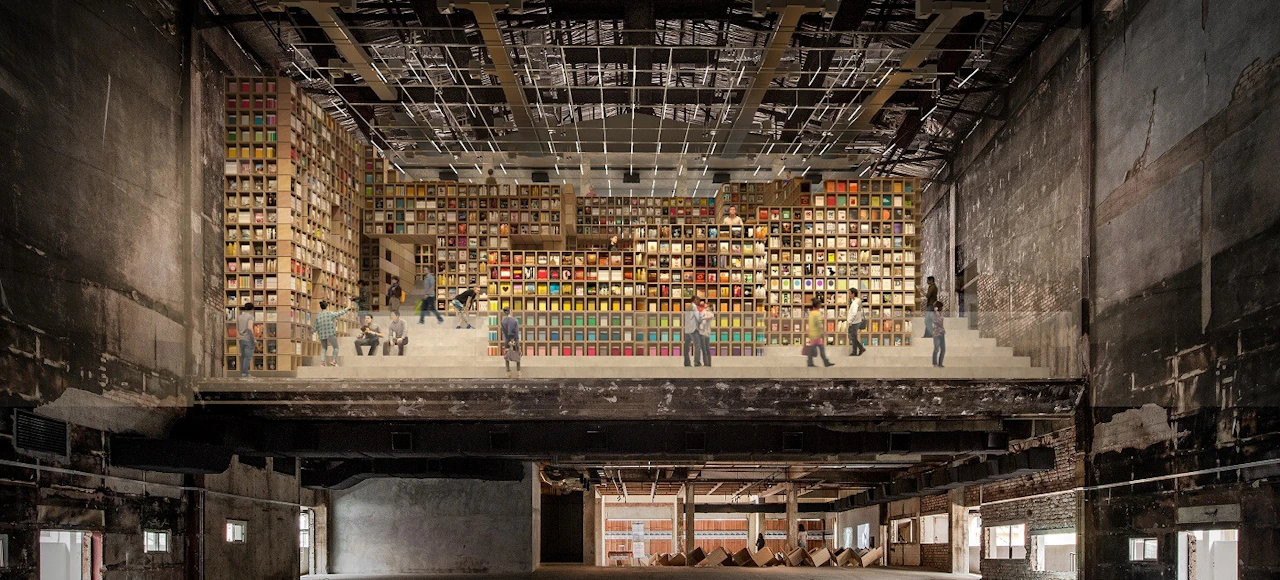
Highlights of REXKL
- BookXcess flagship bookstore: One of the main draws of REXKL is BookXcess, an eye-catching bookstore set inside the former cinema hall. With towering shelves, cozy reading corners, and a striking central staircase, it’s both a book lover’s paradise and a popular photo spot.
- REXPERIENCE (RXP): This is an immersive digital art gallery located on the first floor. It uses high-tech projection mapping to turn the old cinema hall into a 360-degree sensory experience. It often features rotating shows like "Escape²" or "Annihilation."
- Creative spaces & pop-up events: REXKL regularly hosts exhibitions, workshops, film screenings, talks, and pop-up markets. The space supports local artists and entrepreneurs, making every visit slightly different depending on what’s happening.
- Cafés & community vibe: Several cafés and eateries are scattered throughout the building, offering a relaxed place to unwind. The overall atmosphere is casual, creative, and community-driven, ideal for slow exploration.
Visiting Information
-
Opening Hours:
-
Monday - Thursday: 8:30 AM - 10:00 PM
-
Friday - Sunday: 8:30 AM - 12:00 PM
- Timing varies for individual vendors.
-
-
Duration:
Most visitors spend 1–2 hours browsing, reading, and enjoying the cafés.
-
Best Time to Visit:
Afternoon to early evening is ideal, especially on weekdays when it’s quieter and easier to explore.
How to Reach REXKL
- By MRT: Take the MRT Kajang Line and get down at Pasar Seni Station. REXKL is about a 5–7 minute walk from the station.
- By LRT: Use the LRT Kelana Jaya Line or Ampang/Sri Petaling Line to Pasar Seni Station, then walk towards Jalan Sultan.
- By Taxi / Ride-hailing: REXKL is easily accessible by Grab or taxi. Ask for “REXKL” or “Rex Cinema Kuala Lumpur.”
Don’t Miss
- Cinema hall interiors: Look closely at how the old cinema structure has been preserved and creatively repurposed. It adds character and nostalgia to the space.
- Local artisan products: Pop-up stalls often sell handmade crafts, art prints, and locally designed items that make for unique souvenirs.
- Photo-worthy staircases & shelves: The dramatic staircases and tall bookshelves inside BookXcess are some of the most photographed spots in REXKL.
Insider Tip
Check REXKL’s event schedule before visiting. Timing your trip with a talk, exhibition, or weekend market can turn a casual stop into a memorable cultural experience.
Related Articles
Why Is Muzium Negara a Must-Visit Landmark in Kuala Lumpur?

Dragon Boat Festival 2026 Summer in Malaysia!

Where to Go on Easter Holidays in Malaysia

Conquering Escape Rooms: Penang vs. Petaling Jaya

Berjaya Times Square Theme Park Escapade
From Colmar Tropicale to Batu Caves: A Day of Discovery

Day Trips from Kuala Lumpur

KidZania Kuala Lumpur: Where Kids Rule the City

Unveiling the Wonders of Petrosains – The Discovery Centre

Kuala Lumpur with Kids: The Best Activities
Join us to make Travel more meaningful 💙

0
TOTH ERIKA
Reviewed 2 years agoMuch cheaper than the official site, bought the day when visited the aquarium, and everything was ok
The Lost World Aquarium Tickets (Formerly The Lost Chambers)

0
Lidia
Reviewed 2 years agoDe moeite waard. Gewoon wouuu. Prachtig, zoiets moois. Geweldig. Zeker een aanrader om te bezoeken. Kom zeker terug
Dubai Miracle Garden Tickets

0
Mariela Valverde Gámez
Reviewed 2 years agoAmazing, I love it
Museum of Illusions Dubai Tickets

0
Wassana Franck
Reviewed 3 years agoHigh technology, beautiful buildings architecture
Dubai Museum of The Future Tickets

0
Wassana Franck
Reviewed 3 years agoBeautiful place , nice arrangement! Lovely flowers everywhere! Thanks to Trillak for skipping the very long waiting queue for us! Best tickets purchasing platform ever!
Dubai Miracle Garden Tickets

0
Abhishek Mishra
Reviewed 3 years agoGot the ticket at the highest possible discount compared to other websites. Process was smooth and easy.
Ferrari World Abu Dhabi Tickets

0
jofre
Reviewed 3 years agoIncredible
Buffet Dinner at Atlantis The Palm

0
Saif
Reviewed 3 years agoVery beautiful place and managed so well.
Dubai Miracle Garden Tickets

0
Kurton Bernard
Reviewed 3 years agoAmazing service and such a good experience
Parasailing Adventure

0
Nathaniel John Fraser
Reviewed 3 years agoWould recommend Ferrari World for the thrill seekers. A brilliant day out. Warner Brothers World is a great day out too
Yas Island Abu Dhabi: Multi-Park Hopper Pass - Save up to 50%

0
Louie Jane Pacleb Lazaro
Reviewed 3 years agoIt was a nice experienceD and that will never happened if I ddnt get the cheapest ticket, thank you for the friendly price plus, promo code so its totally minus and cheapest compare to other website. Thank you!
Dubai Aquarium And Underwater Zoo Tickets

0
Giordano
Reviewed 3 years agoTutto ok e semplice e veloce
Dubai Museum of The Future Tickets

0
Ehtemaryam Price
Reviewed 3 years agoThis experience was the highlight of our short vacation to Dubai! Booking on Thrillark website was super easy and they sent a driver to pick us up at our hotel. The driver's name was Comando, and he told us all about Dubai, and he was really knowledgeable, which made our trip enjoyable. When you book with them tell them to send you to Comando ????
Evening Desert Safari in Dubai with BBQ Dinner

0
Mayur Raut
Reviewed 3 years agoThe Abra ride is from festival city to business bay canal and back with some stunning views of the skyline. Would recommend going between 6 to 7 pm to catch the sunset.
Abra Ride in the Dubai Water Canal

0
EDP
Reviewed 3 years agoGood experience. Should include to your bucket list of places to visit in Dubai, especially if you have kid/s.
Green Planet Dubai Tickets

0
Pushpinderjit singh sambhi
Reviewed 3 years agoVery helpful staff warm welcoming everything is outstanding
Topgolf Dubai Tickets

0
PSAROUDAKI Maria
Reviewed 3 years agoExcellent
Overnight Desert Safari Abu Dhabi

0
Jodi De Matos
Reviewed 3 years agoFantastic show. What a wonderful experience. Thrilling!
La Perle by Dragone Show Tickets

0
guest
Reviewed 3 years agoenjoyable but food is expensive
Wild Wadi Water Park Tickets

0
customer
Reviewed 4 years agoGreat view
Ain Dubai Views Tickets

0
anu aggarwal
Reviewed 4 years agoIt was good but on money terms it was costly
Dubai Garden Glow Tickets

0
Selen Kaydar
Reviewed 4 years agoGreat view and worth to wait in line
Ain Dubai Views Tickets
0
TOTH ERIKA
Reviewed 2 years agoQuick service, much cheaper than on official site of The lost chambers
The Lost World Aquarium Tickets (Formerly The Lost Chambers)
0
Lidia
Reviewed 2 years agoHeel vlot en goede prijs
Dubai Miracle Garden Tickets
0
Mariela Valverde Gámez
Reviewed 2 years agoGood price tickets. And fast service
Museum of Illusions Dubai Tickets
 Tours
Tours Tickets
 Aerial Sightseeing
 Trustpilot
 in Dubai