
UAE Bird Watching Spots: Best 8 Places To Visit
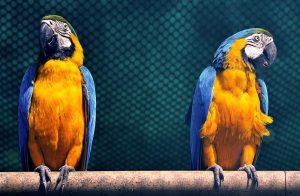
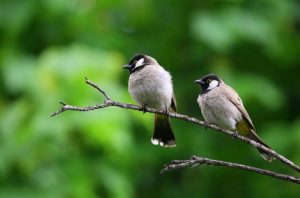
Did you know the UAE is one of the best birdwatching destinations in the world? Famous for its soaring skylines and vast deserts, the country is also home to a remarkable variety of birdlife, and birdwatchers travel here from across the globe to see it. More than 470 species have now been recorded in the UAE, including both migratory and resident birds, making it a rewarding place to observe everything from flamingos to raptors. The nation’s growing network of protected areas and reserves has also turned it into a leading destination for eco-tourism. Thanks to its position along major migratory flyways linking Europe, Asia, and Africa, the UAE offers something special: birdwatchers can spot rare species throughout the year. This guide walks you through the best birdwatching spots in the country, from coastal sanctuaries to desert lakes and mountain slopes. Whether you’re a beginner or a seasoned enthusiast, these locations promise an enriching wildlife experience and an unforgettable adventure in this avian paradise. The Best Time to See Birds in the UAE In the UAE, November through March is the finest time of year to go birdwatching. During these cooler months, migratory species from Europe, Asia, and Africa arrive in large numbers, and the milder weather makes outdoor activity far more comfortable. A number of resident species can be seen year-round. The summer months of June through September are the least suitable. The heat and humidity make daytime outings difficult during the hottest hours, and many migratory birds head for cooler climates during this period. The UAE’s Top Birdwatching Spots The UAE is widely regarded as one of the best places in the Middle East for birdwatching. The species recorded here are a mix of migratory, resident, and introduced birds, and even the most experienced birdwatchers are delighted by the variety on offer. If you want to see the most striking and fascinating birds, plan to visit the locations below. Eastern Mangroves, Abu Dhabi The Eastern Mangroves area in Abu Dhabi is one of the UAE’s top birdwatching locations. Numerous birds can be seen in its network of mangrove-fringed lagoons. Species frequently spotted here include the black-crowned night heron, little egret, and western reef heron. Kayak rentals are also available, letting visitors explore the mangroves and get up close to the birds. Al Wathba Wetland Reserve, Abu Dhabi Al Wathba Wetland Reserve is a fantastic place to go birdwatching in the UAE. More than 260 species have been recorded here, and many migratory birds, including the Greater Flamingo, Common Teal, and Common Greenshank, call the reserve home. Al Wathba is the only site in the Arabian Gulf where the Greater Flamingo breeds regularly. Guided tours allow guests to learn more about the local wildlife and wetland ecology. Masafi, Fujairah The Masafi area of Fujairah offers excellent birdwatching, especially in winter when migratory species visit the region. Among the birds most frequently seen here are the Common Kestrel, Black-winged Stilt, and European Roller. Ras Al Khor Wildlife Sanctuary, Dubai Tucked into the heart of Dubai at the end of Dubai Creek, Ras Al Khor is one of the few protected urban wetlands in the world and has been recognized as a Ramsar Wetland of International Importance since 2007. Flamingos, herons, and egrets all gather here, and three bird hides give visitors a unique view of the wildlife. The Flamingo Hide offers up-close views of the sanctuary’s famous Greater Flamingos, while the Mangrove Hide is popular for spotting raptors and waders. Entry is free, and the sanctuary is at its best between November and March. Sir Bani Yas Island, Abu Dhabi Situated off Abu Dhabi’s coast, this island was once the private reserve of Sheikh Zayed bin Sultan Al Nahyan, the founding father of the UAE. Today, thousands of free-roaming animals, including Arabian oryx, gazelles, giraffes, cheetahs, and hyenas, share the island with a wide variety of birdlife, making it a memorable spot for wildlife lovers. Wadi Wurayah National Park, Fujairah Wadi Wurayah is a 129-square-kilometre protected mountain area in Fujairah. More than 100 bird species can be found here, including the White-eared Bulbul, Grey Francolin, and Arabian Partridge. Visitors can join guided hikes to take in the area’s varied birdlife and dramatic scenery. Umm Al Quwain Marshes The marshes of Umm Al Quwain are another excellent place to go birdwatching. More than 200 species can be found here, including the Common Kingfisher, Black-winged Stilt, and Eurasian Spoonbill. Al Qudra Lakes, Dubai This man-made oasis in the desert is home to a wide variety of birds, including flamingos and the occasional Houbara bustard. It offers a peaceful escape from the city, and the best times for photography are early morning and late afternoon, when the birds are most active. With its clear waters set against a striking desert backdrop, Al Qudra Lakes is a serene place to connect with wildlife. Dubai Safari Park Dubai Safari Park is a great stop for anyone who enjoys seeing birds up close. Its lush aviaries house a colorful range of species, including the African Grey Parrot and various birds of prey, and the daily bird show is one of the park’s most popular attractions. Feeding a parrot or watching owls in action makes for an unmissable experience for nature lovers. Jebel Ali Wetland Sanctuary, Dubai Jebel Ali Wetland is one of Dubai’s hidden gems. Recognized as a Wetland of International Importance, this sanctuary is home to more than 120 species, including elegant herons and flamingos. Its scenic marshes and sandy beaches form a peaceful backdrop for observing wildlife, and you may also spot turtles and other marine life along the way. Local conservation groups organize birdwatching tours to help visitors learn about the area’s vital ecosystems. Dubai Creek Park Dubai Creek Park is one of the most pleasant birdwatching spots in the city and a welcome escape from the urban bustle. This large green park sits alongside the scenic Khor Dubai, with water views and plenty of greenery. More than 140 local and migratory species