Ever imagined spotting a koala while gazing out over Sydney Harbour?
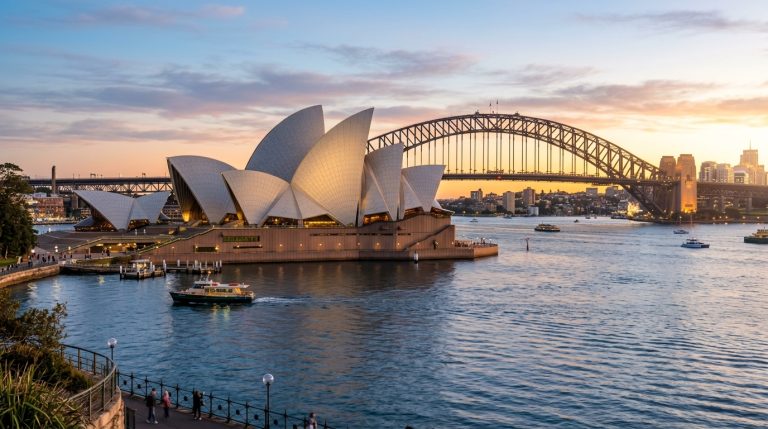
That’s exactly the kind of moment Taronga Zoo Sydney is famous for. More than just a zoo, it’s one of Sydney’s most iconic attractions, where world-class wildlife experiences meet sweeping views of the Opera House and Harbour Bridge. Set on a hillside overlooking the water, Taronga Zoo offers an experience that feels uniquely Australian from the moment you arrive.


Overview of Taronga Zoo Sydney — what makes it iconic
Opened in 1916, Taronga Zoo Sydney has evolved into a globally respected conservation and education destination. Its harbourfront location, expansive natural-style habitats, and strong focus on wildlife protection set it apart from traditional zoos. As you explore, you’ll move through themed precincts that showcase animals in environments designed to reflect their natural habitats, often with spectacular city and ocean views as your backdrop.
Why it’s a must-visit wildlife destination in Australia
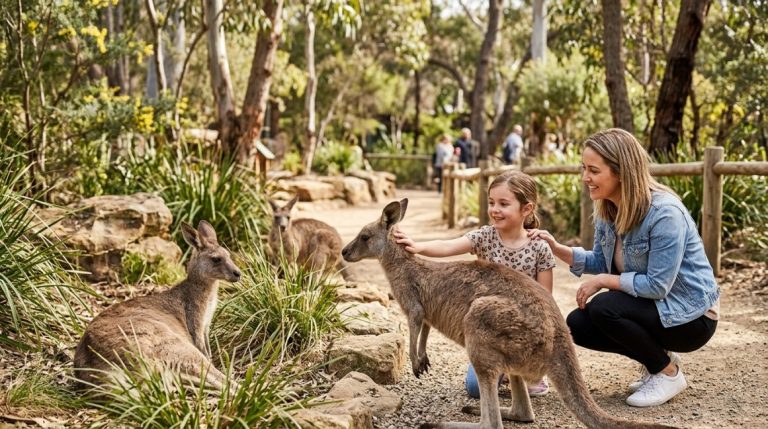
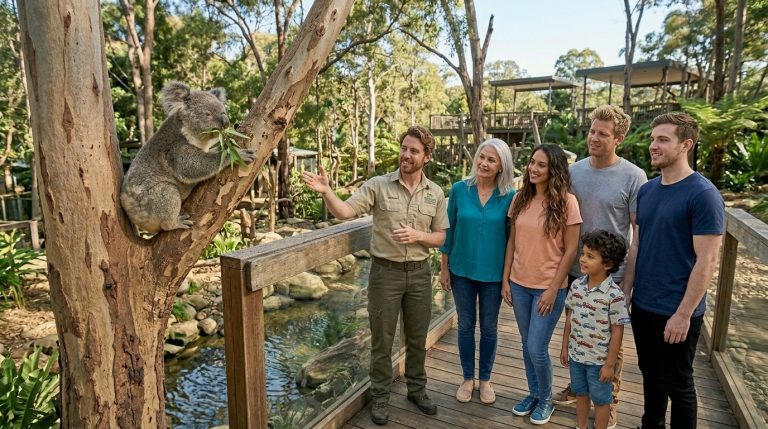
Taronga Zoo is one of the best places in Australia to experience native wildlife alongside rare and endangered species from around the world. You can see koalas, kangaroos, and wombats in the Nura Diya Australia precinct, observe Western Lowland Gorillas in the African Savannah, and learn about marine life within the Great Southern Oceans precinct, which highlights Australia’s unique coastal ecosystems. Whether you’re a first-time visitor to Sydney or a returning local, Taronga Zoo offers an experience that’s fun, educational, and genuinely meaningful.
Quick highlights you’ll love
- Meet iconic Australian animals like koalas, kangaroos, and wombats in the Nura Diya Australia precinct
- Explore immersive areas such as Tiger Trek, African Savannah, and Great Southern Oceans
- Watch daily keeper talks and free-flight bird presentations
- Choose from different overnight experiences, including Roar and Snore (glamping) or the Wildlife Retreat at Taronga (luxury eco-stay)
- Enjoy uninterrupted Sydney Harbour views throughout the zoo
Best times of year to visit
Taronga Zoo is open year-round, but the most comfortable times to visit are spring (September–November) and autumn (March to May), when the weather is mild and animals are generally more active. Winter (June to August) tends to be quieter and cooler, making it ideal if you prefer fewer crowds, though it’s worth noting that operating hours are shorter, with earlier closing times, and some tropical animals may be less active or spending time in heated indoor spaces during cooler mornings. No matter the season, arriving early in the day gives you the best chance to see animals at their most active.
In this complete Taronga Zoo visitor guide, you’ll find everything you need to plan your visit, including ticket options, transport tips, must-see animals, shows and experiences, accessibility information, and insider tips to help you make the most of your day.
Taronga Zoo at a Glance
Taronga Zoo Sydney is a large, immersive wildlife destination, and planning ahead makes a big difference. Here’s a clear snapshot of what to expect, from location and timings to visit duration and ticket options, so you can plan your day properly.
Location & Setting
Taronga Zoo is located on Bradleys Head Road, Mosman, set across a steep, bushland hillside overlooking Sydney Harbour. The elevated location delivers some of the most scenic viewpoints of the Opera House, Harbour Bridge, and harbour waters you’ll find anywhere in the city.
Important 2026 Update:
The Sky Safari cable car is closed for major reconstruction in 2026. This means visitors can no longer glide over the zoo to reach the upper entrance. Instead, access to the top of the zoo is managed via shuttle buses and walking routes. While the views remain spectacular, it’s important to plan for more walking, especially given the zoo’s hilly terrain.
Opening Hours
As of 2026, Taronga Zoo Sydney operates with an earlier opening time, allowing visitors to catch peak animal activity:
- Opening time: 9:00 AM daily
- Typical closing time: 5:00 PM
- Winter closing: 4:30 PM (June to August)
Last Entry Policy (2026):
Last entry is strictly 4:00 PM on days with a 5:00 PM closing to ensure all guests can safely explore and exit the zoo. Arriving early is strongly recommended, as many animals are most active and fed in the morning hours.
How Long Should You Plan to Spend at Taronga Zoo?
Due to its size and steep layout, Taronga Zoo is not a quick visit.
- Recommended visit time: 4 to 5 hours minimum
- Ideal for: A half-day experience
While it’s possible to see highlights in around 3 hours, this usually means missing:
- Major keeper talks and shows
- The full Tiger Trek experience
- Time to rest and enjoy scenic lookout points
To fully experience the zoo, especially without the Sky Safari, allowing at least half a day is the best approach.
Quick Facts About Taronga Zoo
- Established: 1916
- Size: Approximately 28 hectares
- Animals: Over 5,000 animals
- Species: 350+ species from Australia and around the world
- Status: Heritage-listed site
- Managed by: Taronga Conservation Society Australia
- Flagship precinct (2026): Nura Diya Australia, replacing older Australian walk-through experiences
History & Background of Taronga Zoo Sydney
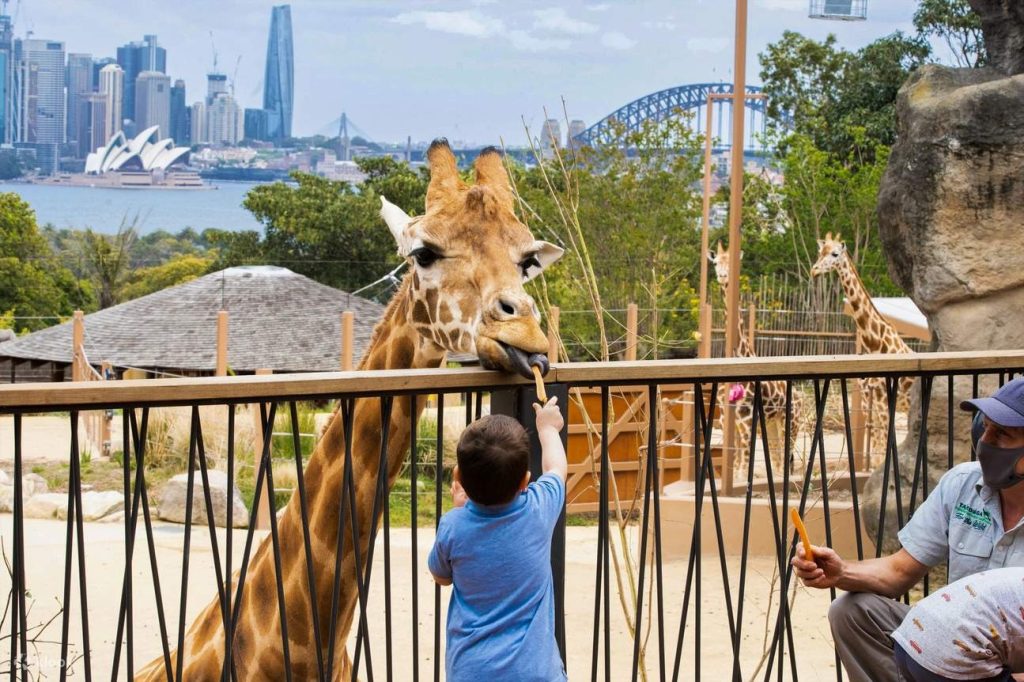
Taronga Zoo Sydney has a fascinating history stretching back over a century. The zoo originally opened at Moore Park, closer to the city centre, but quickly outgrew its limited 15-acre site. In 1916, it was relocated to Bradleys Head in Mosman, a dramatic 28-hectare (~69-acre) harbourside location that offered far more space for animals and visitors alike. This massive four-fold expansion allowed the zoo to pioneer “bar-less” enclosures, replacing traditional cages with naturalistic habitats. The relocation was such a significant logistical feat that it was nicknamed “Operation Noah’s Ark”, with animals literally ferried across Sydney Harbour on a flat-top barge.
Over the decades, Taronga Zoo evolved from a simple exhibition space into a world-class conservation institution. It introduced habitat-based precincts, developed scientific breeding programs, and expanded educational initiatives. The zoo now serves as a global leader in wildlife conservation, focusing on protecting species both in Australia and internationally. In 2026, the zoo houses over 5,000 animals across more than 350 species, including native Australian wildlife in the Nura Diya Australia precinct, a name derived from the Dharug language meaning “this country”, highlighting First Nations storytelling and connection to the land.
Some iconic species have moved or been updated in recent years. The elephants that were once a major draw (Tang Mo and Pak Boon) were relocated in April 2025 to Monarto Safari Park in South Australia to join a larger social herd. Their former habitat has been transformed into the Rhino Reserve, home to a Greater One-Horned Rhino named Hari and Asian Water Buffalo, reflecting the zoo’s ongoing evolution and commitment to conservation priorities.
Taronga Zoo is operated by the Taronga Conservation Society Australia (TCSA), a not-for-profit organisation dedicated to saving wildlife from extinction, protecting habitats, and supporting global conservation initiatives. Every ticket purchased directly contributes to these programs, allowing visitors to play a meaningful role in wildlife protection and education.
Visitors should also note operational updates that affect the 2026 experience. The Seal Presentation, one of Taronga’s most popular shows, now operates under a mandatory digital queuing system during weekends and school holidays. Guests must scan a QR code inside the zoo to secure a spot for a specific session, as simply showing up early no longer guarantees entry. Internal transport has also changed: with the Sky Safari cable car closed for reconstruction, the Taronga Wildlife Express train is the main way to move between upper and lower zoo levels. Unlike the old Sky Safari access for some ticket holders, the Wildlife Express is a paid service costing AUD $5 per person (one-way).
Taronga Zoo’s evolution reflects the broader transformation of modern zoos, from mere animal displays to conservation-driven, educational, and immersive wildlife experiences. Its origins, from Moore Park to Mosman, its pioneering bar-less enclosures, and its ongoing updates in 2026, all demonstrate a commitment to animal welfare, visitor engagement, and global conservation. Today, Taronga offers more than just a place to see animals, it is a living legacy of wildlife protection, First Nations storytelling, and education, set against one of the world’s most iconic natural backdrops.
From its beginnings at Moore Park to today’s harbourside location, Taronga Zoo Sydney stands as a world-class conservation and education hub. Every exhibit and program reflects a century of innovation, animal welfare, and First Nations storytelling. Visiting the zoo is more than seeing wildlife, it’s a chance to connect with nature and support global conservation efforts.
Getting There & Map Overview
Getting to Taronga Zoo Sydney
Ferry from Circular Quay
One of the most scenic ways to reach Taronga Zoo is via the F2 public ferry from Circular Quay. While the ferry typically runs every 30 minutes, during mid-morning or late afternoon gaps can extend to 45 to 60 minutes. Private operators like Captain Cook or Fantasea Zoo Express run less predictable schedules, often every 60 to 90 minutes, so check departure times in advance.
Bus Options
- Route 100: Connects Sydney CBD (QVB) directly to the zoo’s main area in Mosman.
- Route 238: Local shuttle from Taronga Wharf (lower entrance) to the Top Zoo Entrance and onwards to Balmoral. Visitors arriving by ferry should look specifically for the 238 bus to reach the upper zoo without a strenuous uphill walk.
Sky Safari Closure (Important 2026 Update)
The iconic Sky Safari cable car is closed for reconstruction and is expected to reopen in late 2027/2028. Visitors cannot rely on this aerial transport. Instead:
- Take the 238 bus from the wharf to the Main Entry (Top)
- During school holidays, the Taronga Zoo Free Shuttle provides additional transport from the lower entrance to the top
This ensures guests avoid the steep uphill walk while exploring the zoo.
Driving & Parking
- Address: Bradleys Head Road, Mosman
- All-day flat rate: AUD $24 (up from $22 in previous years)
- Free 90-minute grace period applies only until 4:00 PM and not during events like Vivid Sydney or Wild Lights
Tip: Arrive early during weekends or school holidays to secure a spot; consider ride-sharing or public transport during busy periods
Accessibility Transport Options
- Assistance vehicles (electric carts) are primarily for pre-booked guests with mobility requirements
- For general visitors: the accessible 238 bus or the school holiday shuttle (with wheelchair ramps) are the only ways from the wharf to the top
Map & Layout Overview
Tiered Zoo Layout
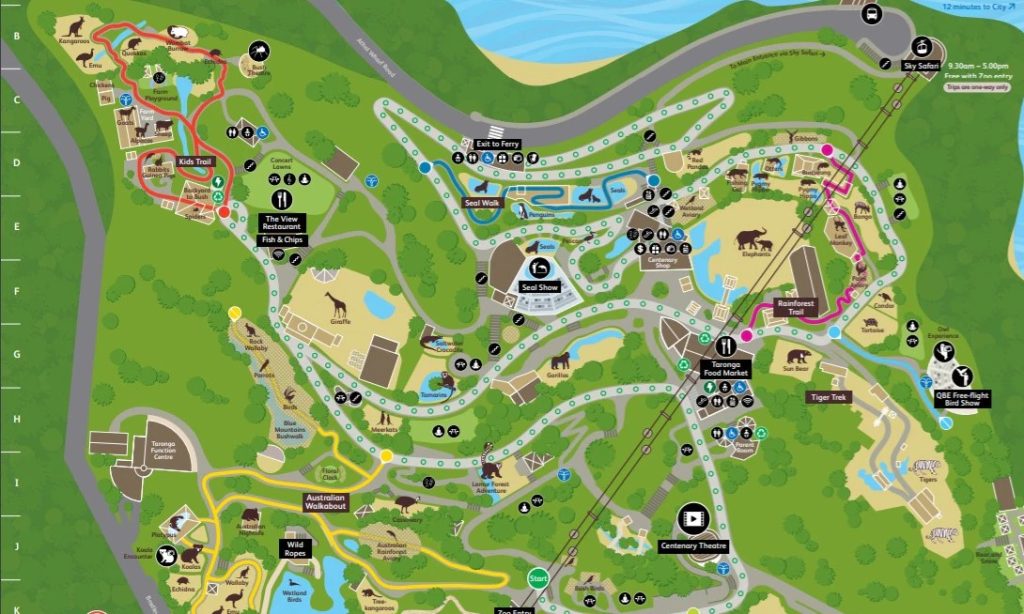
Taronga Zoo is built on a steep harbourside hill, with exhibits arranged from the upper entrance (top) down to the ferry wharf (bottom). Upper precincts, including African Savannah, Tiger Trek, and Nura Diya Australia, offer panoramic views of Sydney Harbour and the city skyline.
Recommended Top-to-Bottom Route
With the Sky Safari closed, the most efficient way to explore the zoo is:
- Take the ferry to Taronga Wharf
- Immediately board the 238 bus or Zoo Shuttle to the Main Entry (Top)
- Walk downward through all the exhibits and precincts, enjoying presentations, shows, and scenic viewpoints along the way
- End back at the wharf for your return ferry
Map Tip: Including a top-to-bottom route map in your blog helps visitors visualize the layout, plan breaks, and schedule animal presentations effectively. Make sure to highlight bus stops, shuttle points, key exhibits, and accessibility routes.
Animals & Exhibits – What to See at Taronga Zoo
Signature Animal Encounters
Taronga Zoo is home to a diverse range of iconic species, offering visitors immersive wildlife experiences.
Sumatran Tigers & Tiger Trek
The Tiger Trek is a ground-level immersive walking trail designed to resemble an Indonesian village and forest. Visitors can view the Sumatran Tigers roaming their naturalistic habitat while learning about conservation efforts from nearby interpretive signage. While there are slight elevation points for better viewing, it is not a series of elevated walkways, so visitors should plan for a walking experience.
Western Lowland Gorillas
The gorillas are housed in the African Savannah precinct, which mimics their natural habitat and provides opportunities to observe social behaviour. Keeper talks provide insights into diet, enrichment, and conservation.
Chimpanzees
The chimpanzees are not located in the African Savannah. They reside in their own heritage-listed Chimpanzee Sanctuary further up the hill, near the center of the zoo. This separate habitat highlights their complex social structures and conservation needs.
Australian Wildlife Highlights
In Nura Diya Australia, the First Nations storytelling precinct, visitors can spot native animals like koalas, kangaroos, wombats, and echidnas. Inside this precinct, the Nocturnal Country (Nguwing Nura) showcases nocturnal species, blending cultural education with wildlife observation.
Rhino Reserve & Asian Water Buffalo
Following the relocation of elephants in 2025, the former elephant habitat now features the Greater One-Horned Rhino named Hari and a small herd of Asian Water Buffalo, with interpretive signage detailing conservation initiatives.
Other Exotic Animals
The zoo also houses species such as giraffes, zebras, snow leopards, and meerkats, providing a global wildlife experience for visitors.
Interactive Zones & Special Features
Amphibian & Reptile Conservation Centre (ARC)
A climate-controlled zone that is a must-visit during rainy days or extreme heat, the ARC highlights endangered reptiles and amphibians and demonstrates the zoo’s conservation and breeding programs.
Backyard to Bush Farm
Children can observe baby farm animals in close proximity, but direct petting is generally restricted in 2026 due to animal welfare and hygiene standards. Staff-led encounters or specific “meet the animal” windows may allow limited interaction.
Great Southern Oceans / Seal Theatre
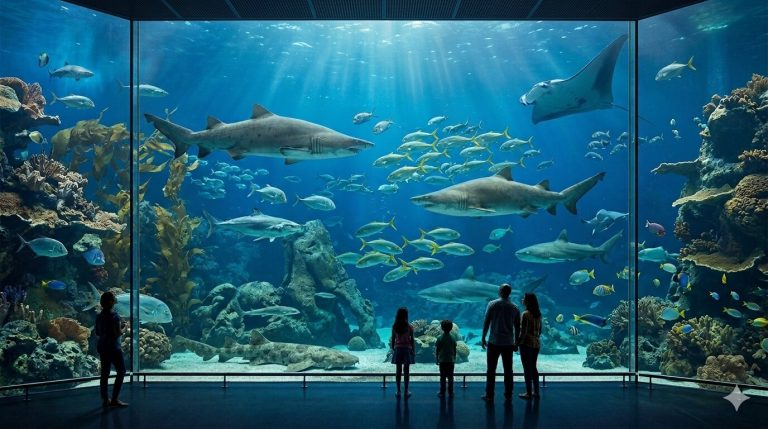
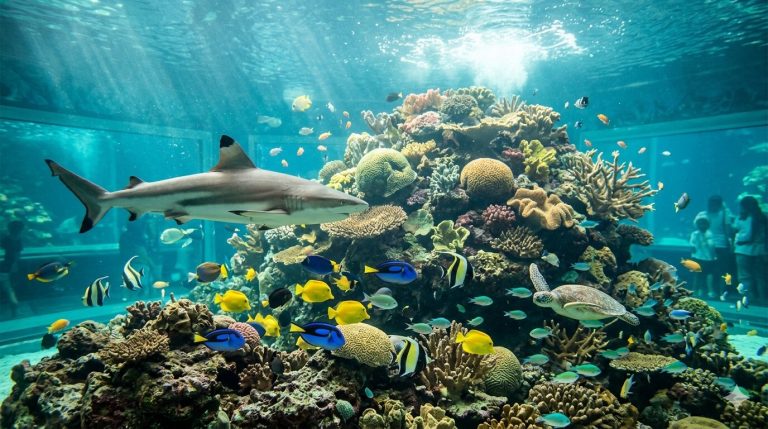
The official marine area, featuring seals and other ocean species, provides educational encounters on marine conservation. Note: this area was never officially called “Seal Bay”.
Nocturnal and Specialized Habitats
Explore creatures like quolls, sugar gliders, and other nocturnal species inside carefully designed habitats. These areas are particularly engaging for visitors interested in seeing animals rarely active during the day.
Shows & Talks (Daily Schedule 2026)
Taronga Zoo offers a range of educational shows and keeper presentations, many of which now require planning via the Taronga App:
QBE Free-Flight Birds Presentation
A spectacular bird show included with admission. Performances are weather-dependent and subject to venue capacity, filling up 15–20 minutes before showtime. The 3:00 PM show is typically less crowded than the 12:00 PM show.
Keeper Talks
Available throughout the day for gorillas, tigers, reptiles, marsupials, and more. Some popular presentations, such as the Seal Show, now require mandatory QR code registration through the Taronga App during weekends and school holidays. Simply showing up will not guarantee entry.
Specialized Talks & Demonstrations
These include primate insights, rhino feedings, and other interactive learning opportunities, often paired with educational signage.
Visitor Tip: Use the Taronga App to check showtimes, register for QR-code-required presentations, and plan your route for a smooth top-to-bottom visit. Physical schedule boards exist but are secondary for mandatory activities in 2026.
Experiences You Can Book at Taronga Zoo
Taronga Zoo offers a variety of interactive and immersive experiences for visitors wanting a closer connection to wildlife or a unique zoo adventure. These are mostly ticketed experiences and should be planned ahead for the best experience.
- Keeper for a Day Experiences:
The Keeper for a Day program is divided by age group: Junior Keepers (8–11) and Cadet Keepers (12–17). Adults can participate in a behind-the-scenes intensive tour. Participants primarily assist with enrichment preparation and care for smaller, safe species, rather than feeding large animals like tigers or gorillas, due to strict health and safety regulations.
- Animal Encounters:
In 2026, bookable encounters include Giraffes (feeding), Koalas (photo/viewing), Meerkats, Capybaras, Dingoes (new in Nura Diya), and Little Penguins (school holidays only). Direct interactions with seals or butterflies are not offered as bookable experiences. Many encounters are first-come, first-served on the day, available at the Retail Shop at Top Plaza or via the Taronga App, so advance planning on arrival is key.
- Overnight Experiences – Roar & Snore vs Wildlife Retreat:
Roar & Snore is a glamping-style experience in heritage-listed buildings/tents at the top of the zoo, offering evening and early-morning activities. The Wildlife Retreat is a luxury on-site hotel, integrated into the sanctuary, providing exclusive Sanctuary Tours where guests may see animals like the platypus in private. Both require advance booking, especially during school holidays.
- Adventure & Activity-Based Experiences – Wild Ropes & Zoo Adventures:
The Wild Ropes Treetops Adventure operates as a separate ticketed attraction near the top entrance and is run by an external partner, not the zoo. Specific time slots must be booked in advance. Zoo Adventures is a school holiday program for kids, offering themed educational activities and behind-the-scenes learning, not a general tour for all visitors.
Booking Tips for 2026:
- Use the Taronga App for same-day bookings, QR-code registration for popular presentations, and updates on availability.
- Arrive early for high-demand encounters like Giraffes, Koalas, or Little Penguins during school holidays.
- Plan overnight or adventure activities in advance, as slots are limited.
Practical Visitor Information
- Accessibility Services
Taronga Zoo is committed to providing an inclusive experience for all visitors. Manual wheelchairs are available free of charge with a deposit, while electronic mobility scooters require a daily rental fee and must be booked at least 24 hours in advance due to limited availability. Assistance animals are welcome, but the zoo now requires 48–72 hours’ notice via an online form to ensure welfare and safety, as certain exhibits (like Tiger Trek or walkthrough aviaries) are restricted for assistance dogs.
- Facilities
Dining options at Taronga Zoo include cafes, kiosks, and the Taronga Food Market, which serves a variety of Modern Australian cafe-style foods such as burgers, fish and chips, gourmet sandwiches, and pastries. Contrary to earlier reports, the Food Market does not serve international specialty cuisines as a standard offering. Visitors can enjoy picnic areas and scenic rest stops throughout the zoo, ideal for a break while exploring.
- Cashless Policy
Taronga Zoo operates a strictly 100% cashless environment. No kiosks, cafes, or shops accept physical cash. For visitors who only have cash, the zoo provides a Taronga Cashless Card, an EFTPOS-style gift card. Cash can be deposited at Cash-to-Card kiosks located at the Top Plaza or Lower Entry, and the card can then be used for all transactions within the zoo.
- Wi-Fi Availability
Free Wi-Fi is available at key locations, including the Main Entry (Top Plaza), the Taronga Food Market, and Forage & Graze, but coverage is limited in lower animal trails and bushwalk areas due to the zoo’s hilly terrain and dense vegetation.
- Lost Property & Visitor Services
The zoo maintains a lost and found desk at the main entrance where items are logged and stored. First aid stations and trained staff are available throughout the park for emergencies, and visitor services staff can assist with directions, accessibility needs, or general inquiries.
Insider Tips & Tricks for Visiting Taronga Zoo
- Arrive at 9:00 AM when the Top Plaza gates open to secure first-come, first-served animal encounters.
- The Little Penguin Encounter is only available during NSW School Holidays and usually takes place around 2:00 PM.
- Animal exhibits open at 9:30 AM, so early arrival is primarily for booking encounters, not seeing feeds immediately.
- Secure a digital token via the Taronga App for the Seal Show, as spots fill within minutes of opening.
- Walk top-to-bottom to avoid uphill fatigue and maximize viewing time.
- Morning light provides the best photography opportunities, especially at harbour-facing exhibits.
- On hot or rainy days, visit climate-controlled exhibits like the Amphibian & Reptile Conservation Centre (ARC).
Sample Itineraries
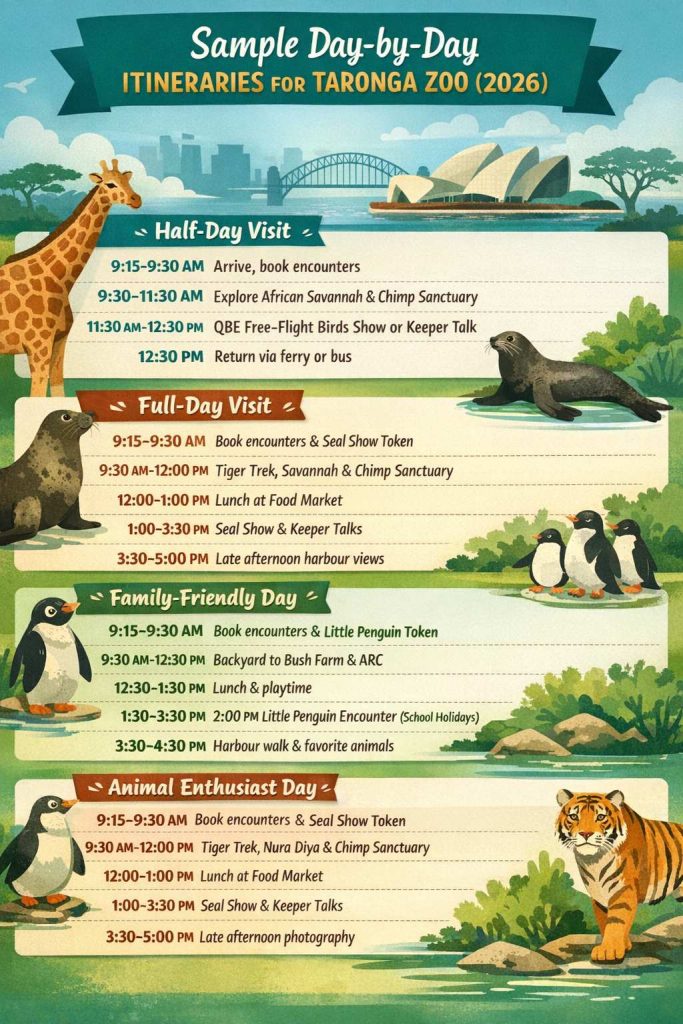
Conservation & Education at Taronga Zoo
- Taronga’s Legacy Species & Research Focus
Taronga Zoo has a dedicated commitment to its Legacy Species, a specific group of 10 animals (5 Australian, 5 Sumatran) that the zoo has pledged to protect for the next decade. Iconic examples include the Platypus, Regent Honeyeater, and Greater Bilby. While the Eastern Bongo remains a conservation success story for Taronga globally, it is primarily managed at Taronga Western Plains Zoo in Dubbo, not the Sydney site. This focus allows visitors to understand which species are central to the zoo’s 2026 conservation strategy.
- How Your Visit Supports Wildlife Protection
Every ticket purchased contributes directly to vital wildlife programs. Taronga is a not-for-profit organization, reinvesting revenue into conservation, habitat development, and animal care initiatives. A major 2026 highlight is the new Taronga Wildlife Hospital, set to be one of the largest wildlife hospitals globally. Visitors will eventually be able to see behind-the-scenes treatments and surgeries through specialized viewing windows. Additionally, programs like the Corroboree Frog release (500 frogs returned to the wild in 2025) showcase tangible conservation outcomes funded by guest support.
- Educational Programs & Kids’ Involvement
The Taronga Institute of Science & Learning serves as the educational hub, offering world-class workshops where children and students can observe scientists at work in live labs through glass walls. Hands-on engagement is carefully managed: children meet keepers and see animals up close in Education Learning Spaces, while direct contact is limited to certain species like goats and sheep in Backyard to Bush Farm to ensure animal welfare and hygiene. School holiday programs, like Zoo Adventures, allow kids to learn through structured, safe experiences that combine observation, enrichment, and interactive education.
- Sustainability & Community Impact
Revenue from admissions, shops, and cafes is reinvested into initiatives such as the new Sustainability Hub, which supports Taronga’s goal of Net Zero by 2030. By visiting, guests actively contribute to conservation research, species recovery projects, and eco-friendly innovations that extend well beyond the Sydney site.
Nearby Sydney Attractions
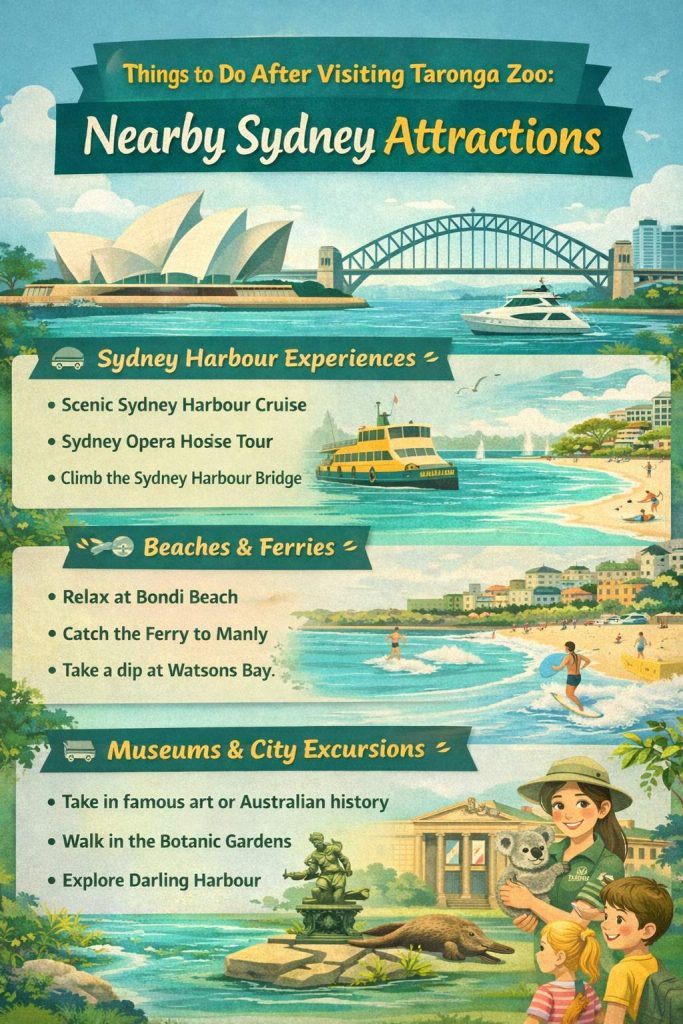
Final Tips & Checklist for Visiting Taronga Zoo
- Pack essentials: Sunscreen, water bottle, camera, and comfortable walking shoes for the zoo’s hilly terrain.
- Check seasonal opening hours: Summer closes at 5:00 PM, while winter (June-August) closes at 4:30 PM.
- Download the official Taronga Zoo app: Use it for navigation, live show times, and securing mandatory digital tokens for the Seal Show during peak periods.
- Book animal encounters early: Available at the Top Plaza Retail Shop from 9:30 AM or via the app to avoid missing popular experiences like Giraffes, Koalas, or Little Penguins (school holidays only).
- Arrive early: Maximize quiet paths, early encounters, and scenic harbour views. Gates open at 9:30 AM for general admission.
- Use cashless payment options: The zoo is fully cashless; EFTPOS and Taronga Cashless Cards are available onsite.
- Accessible transport: For visitors with mobility needs, use the 238 bus from the wharf or the school holiday shuttle to reach the top entrance, as manual and electric mobility aids have specific booking requirements.
Why a Visit to Taronga Zoo Sydney is Unforgettable
A visit to Taronga Zoo Sydney is more than just a day among fascinating animals, it’s an immersive experience that combines wildlife adventure, conservation education, and breathtaking harbour views. From the majestic Tiger Trek and heritage-listed Chimpanzee Sanctuary to hands-on learning programs at the Taronga Institute of Science & Learning, there’s something for everyone, whether you’re a family, a wildlife enthusiast, or a first-time visitor.
By planning your visit carefully, securing digital tokens for popular shows, booking animal encounters early, and following the top-to-bottom route, you can make the most of your time across the zoo’s 28 hectares. Your ticket doesn’t just grant entry; it directly supports global conservation programs, new wildlife facilities, and educational initiatives, leaving a lasting impact on wildlife and future generations.
For hassle-free planning, visitors can book your Taronga Zoo Sydney tickets through Thrillark, which provides official tickets with instant confirmation, mobile-friendly e-tickets, and clear pricing in AUD. Thrillark tickets include general admission, access to all animal precincts, scheduled keeper talks, and free-flight bird shows (subject to availability), ensuring a smooth and worry-free entry experience.
Whether it’s your first visit or a return trip, Taronga Zoo offers a memorable, educational, and inspiring experience that celebrates Australia’s unique wildlife and the global effort to protect it.
Frequently Asked Questions (FAQs) – Taronga Zoo Sydney
Browse by themes
Taronga Zoo: Nearby Attractions