

Category: Bucket List Ideas

FIFA World Cup 2026 San Francisco Bay Area Guide Levi's Stadium
Bucket List Ideas
Niya Mariam Santhosh

FIFA World Cup 2026 San Francisco Bay Area Guide: Attractions Near Levi’s Stadium

The San Francisco Bay Area is one of the most beautiful corners of America to catch the FIFA World Cup 2026.  Levi’s Stadium in Santa Clara hosts six matches: five group-stage games and a Round of 32 knockout fixture, and around it lies everything from world-famous city icons to redwood forests and wine country.  This guide is built around the questions fans are actually asking, with enough detail to plan the whole trip.  Where is Levi’s Stadium? Levi’s Stadium sits in Santa Clara, in the South Bay – the heart of Silicon Valley and a world away from the foggy hills you picture when you think “San Francisco.” It holds around 71,000 fans, and for the tournament, it’s officially called “San Francisco Bay Area Stadium,” in line with FIFA’s neutral-naming rules.  Crucially, it’s about 45 miles (roughly an hour’s drive) south of the city of San Francisco itself and only a short hop from San Jose, the Bay Area’s largest city.  That distance is the single most important thing to plan around. Plenty of first-time visitors assume the stadium is in downtown San Francisco and book hotels accordingly, only to face a long daily commute.  Decide early whether you want to be close to the football or close to the city lights, because you usually can’t have both without travel time. What’s Right Next to the Stadium? You genuinely don’t have to go far to fill a day around Levi’s Stadium. The immediate area has more than enough to anchor a match day. How do I get from San Francisco to Levi’s Stadium? The most reliable routes are Caltrain (with a connection to VTA light rail near the stadium) or driving, though traffic on Highway 101 can be heavy on match days. Caltrain runs down the peninsula from San Francisco toward the South Bay, and on big event days, there are usually special transit services and shuttles laid on to handle the crowds. If you’re staying in San Francisco, the honest advice is to treat the journey as a real commitment: allow well over an hour each way and leave early to beat both traffic and security queues.  Returning after a night match can be especially slow as tens of thousands of fans leave at once, so build patience into your plans and check the latest event-day transit guidance before you set off. What are the must-see attractions in San Francisco? If you make the trip into the city (and you absolutely should), these are the classics that earn their reputation. What’s there to do in San Jose & Silicon Valley? The South Bay has plenty to offer on the days you’re not heading north. It’s also handy, since it’s right on the stadium’s doorstep. What day trips can I take from the Bay Area? Some of California’s best escapes are within easy reach, ideal for a free day between matches. Where should I stay for the Bay Area matches? If your trip is centered on Levi’s Stadium, staying in Santa Clara, San Jose, or Sunnyvale keeps you close to the action and cuts your daily travel time right down. The smart choice if football is the priority. These areas have plenty of hotels geared toward stadium events and put the South Bay’s restaurants and attractions on your doorstep. If you’d rather have the iconic city experience and don’t mind the commute, San Francisco gives you the famous sights, the nightlife, and the postcard scenery. Just be realistic and budget the time and cost of getting down to the stadium on match days.  Some fans split the difference, basing themselves in the South Bay for game days and spending a separate stretch in the city for sightseeing. How do I get around the Bay Area? The region is well connected by public transit once you learn the network: BART links San Francisco, Oakland, and the East Bay; Caltrain runs down the peninsula toward the South Bay; and VTA light rail serves Santa Clara and San Jose, including stops near the stadium.  For city sightseeing, this combination plus rideshare is usually far easier than dealing with San Francisco’s notoriously tough and expensive parking. A rental car comes into its own for the things transit can’t easily reach, like the wine country, the coast, and the redwoods, but it can be a liability in the dense city core.  The area is also served by three airports: San Francisco (SFO), San Jose (SJC), and Oakland (OAK). So compare flights into each, as the closest one to your base can save real time. Plan Ahead and Make It Count Bay Area favorites like the Alcatraz ferry, wine-country tours, and the Monterey aquarium sell out fast in summer, and World Cup crowds will push demand even higher. Booking in advance is genuinely the difference between a smooth trip and a string of sold-out disappointments. From an Alcatraz tour to a redwoods day trip or a Napa wine tasting, Thrillark helps you turn your days between matches into unforgettable experiences. Browse our San Francisco Bay Area tours and tickets and book early, so when the match ends, your next adventure is ready. Frequently Asked Questions

Read More »
FIFA World Cup 2026 USA
Bucket List Ideas
Niya Mariam Santhosh

FIFA World Cup 2026 USA: Stadiums, Schedule, Host Cities & Fan Travel Guide

Forget everything you thought you knew about the World Cup. The 2026 edition is the biggest one ever, with 48 teams, 104 matches, and three countries throwing the party at once: the USA, Canada, and Mexico.  From June 11 to July 19, 2026, the football world basically moves to North America, and the USA is the main stage, hosting 78 of those matches, including the quarter-finals, both semis, and the big one: the Final. Whether you’re chasing your national team or just want a summer you’ll be bragging about for the next decade, this is where your trip begins. Every stadium, every key date, and the good stuff to do between matches. Let’s go. The Need-to-Know Bits Where the Magic Happens: All 11 US Stadiums Host City Stadium FIFA Tournament Name Why It Matters New Jersey MetLife Stadium (East Rutherford, NJ) New York New Jersey Stadium The Final (July 19) Dallas AT&T Stadium (Arlington, TX) Dallas Stadium Semi-final (July 14); match magnet Atlanta Mercedes-Benz Stadium Atlanta Stadium Semi-final (July 15); match magnet Miami Hard Rock Stadium (Miami Gardens, FL) Miami Stadium Third-place match (July 18); quarter-final Los Angeles SoFi Stadium (Inglewood, CA) Los Angeles Stadium Quarter-final; Team USA’s opener Boston Gillette Stadium (Foxborough, MA) Boston Stadium Quarter-final Kansas City Arrowhead Stadium Kansas City Stadium Quarter-final Philadelphia Lincoln Financial Field Philadelphia Stadium Round of 16 Seattle Lumen Field Seattle Stadium Group + knockout; Team USA match San Francisco Bay Area Levi’s Stadium (Santa Clara, CA) San Francisco Bay Area Stadium Group + knockout Houston NRG Stadium Houston Stadium Group + Round of 16 The other five live up north and south of the border: BMO Field (Toronto) and BC Place (Vancouver) in Canada, plus Estadio Azteca (Mexico City), Estadio BBVA (Monterrey), and Estadio Akron (Guadalajara) in Mexico.  Fun detail: from the quarter-finals on, every single match is played on US soil. Mark Your Calendar (and Maybe Call in Sick) Good news for USA fans: all three group games are out West, bouncing between LA and Seattle. Basically, a built-in road trip with a flight in the middle. Dallas and Atlanta rack up the most matches of any US city, and MetLife (the biggest US venue) gets the grand finale. Beyond the 90 Minutes: What to Do in Each City Because let’s be honest. You’re not flying across the world just to sit in a stadium. (Okay, maybe you are. But still.) Here’s how to turn the gaps between matches into the trip itself. West Coast Central & South East Coast & Southeast Sneaky-Good Side Trips Got a few free days? These are right there: Make Every Day Count The football will hand you unforgettable nights, but the days in between are where you’ll actually discover America. A Grand Canyon flight out of Vegas. Whale watching off San Diego. An airboat skimming the Everglades. The whole skyline from the top of New York. Thrillark turns your travel days into the stories you’ll still be telling long after the final whistle. Pick your city above, open the full guide, and book early. The good stuff sells out fast. Quick Answers for the Curious Popular Attractions in the USA

Read More »
SkyPoint Observation Deck Gold Coast Guide
Activities
Niya Mariam Santhosh

SkyPoint Observation Deck Gold Coast: The Ultimate 2026 Guide

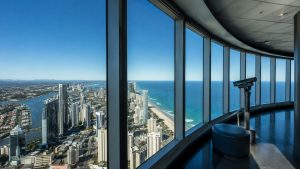
The Gold Coast is famous for big experiences, and SkyPoint delivers one of the biggest.  Perched on level 77 of the iconic Q1 building in Surfers Paradise, SkyPoint is Australia’s only beachside observation deck, sitting 230 metres above sea level with 360-degree views stretching from the New South Wales border to the Gold Coast Hinterland and out across the Pacific Ocean.  Whether you’re after a sunrise breakfast with a view, a sundowner as the sky turns gold, or the full adrenaline hit of climbing to the top of one of Australia’s tallest buildings, SkyPoint has an experience for you. This guide covers everything you need to know before you go. Why SkyPoint Observation Deck Is a Must-Visit in Gold Coast Most cities have an observation deck. The Gold Coast has one that sits directly above one of Australia’s most famous beaches, and that makes all the difference. From level 77 of the Q1 building, you don’t just look out over a skyline; you look out over Surfers Paradise Beach, the entire coastal strip, the lush green wall of the Hinterland, and on a clear day, all the way south to the NSW border. It’s a view that genuinely reframes the scale of the Gold Coast in a way that no beach walk or rooftop bar can replicate. SkyPoint is a recognized Best of Queensland Experience. It has earned a tick of quality from Tourism Queensland through consistently delivering something genuinely worthwhile.  It’s not just a glass room you stand in for five minutes and leave. There’s dining, a climb experience, events, an annual pass programme, and an elevator that’s been newly renovated into something worth experiencing in its own right. There is more happening at level 77 than most people expect. The Q1 building itself is part of the story. Completed in 2005, it was the world’s tallest residential building at the time of its construction and remains one of Australia’s most recognisable architectural landmarks.  The distinctive spire rising above the upper floors is visible from much of the Gold Coast, and standing at the base of it, or better yet, climbing it, brings the building’s scale into sharp personal focus. SkyPoint is suitable for every kind of visitor: families looking for a memorable morning out, couples wanting a special dinner setting, thrill-seekers ready to clip into a harness and step outside the building, and anyone who simply wants the best view the Gold Coast has to offer. It delivers on all counts. The Views from SkyPoint  Standing at the observation deck on level 77, 230 metres above Surfers Paradise, the view stretches in every direction without obstruction.  To the east, the Pacific Ocean rolls out to the horizon, with the Surfers Paradise beachfront directly below. It is the same stretch of sand you’ve been walking on, now looking like a golden ribbon from above.  To the west, the Gold Coast Hinterland rises in a wall of green: Lamington National Park, Springbrook, and the ranges that frame the coast.  To the south, the coastline curves toward the NSW border. To the north, the full extent of the Gold Coast stretches toward Brisbane. The viewing experience changes completely depending on the time of day you visit. Morning visits in the early hours offer clear air, soft light, and a relatively quiet deck, which is perfect for photography.  Sunset is when SkyPoint genuinely comes alive: the observation deck stays open until 9 pm, meaning you can watch the sky transition from afternoon blue to the full spectrum of sunset colours before the city lights take over.  After dark, the Gold Coast glitters below in a way that feels entirely different from the daytime view. It is almost cinematic. SkyPoint has introduced an After Dark discounted entry ticket for the evening hours, available at the SkyPoint lobby upon arrival. The After Dark window runs from 6 pm to 9 pm in winter months (June to August) and adjusts seasonally. It’s a great option if you’re happy to skip the daytime views and come specifically for the city-lights experience. The observation deck itself is enclosed with floor-to-ceiling glass on all sides, so the views are unobstructed regardless of weather. On rare days when the Gold Coast gets low cloud or rain, the deck can sit above the cloud line, which is a different kind of spectacular. SkyPoint Climb: For Those Who Want to Go Higher If standing inside a glass building at 230 metres isn’t enough for you, SkyPoint has an answer: step outside. The SkyPoint Climb is Australia’s highest external building climb, taking you 270 metres above sea level on an open-air walkway to the summit of the Q1 spire. It is one of the Gold Coast’s most genuinely thrilling experiences and the kind of thing you’ll be telling people about for years. The experience starts at SkyPoint Climb Mission Control on the ground floor with a safety briefing and fitting into a purpose-designed climb suit and full-body harness. You then take the high-speed elevator to level 77, pass through a fully enclosed glass airlock that serves as your gateway to the outside of the building, and climb a stairway to the summit. You are approximately 30 metres above the observation deck level, harnessed to a purpose-built safety rail system throughout.  An expert climb leader guides the group, pointing out the Gold Coast’s geographical, historical, and cultural landmarks as you ascend. The whole experience lasts around 90 minutes. Three climb options are available: Day Climb, Twilight Climb, and Night Climb, each offering a completely different atmosphere and view.  The Twilight Climb, timed to coincide with sunset, is arguably the most popular and books out the fastest.  Practical requirements to know before booking:  After the climb, a Climb & Dine Package is available, combining the Day Climb with observation deck entry and a food and beverage voucher at SkyPoint Bistro+Bar. If you’re going to go to the effort of climbing the building, rewarding yourself with a meal at the top is an entirely

Read More »
Adventure Cove Waterpark Singapore Complete Guide
Activities
Niya Mariam Santhosh

Adventure Cove Waterpark Singapore: The Ultimate 2026 Guide

Singapore doesn’t do anything by halves, and Adventure Cove Waterpark is proof. Tucked inside Resorts World Sentosa on Sentosa Island, this isn’t just a place to cool off from the equatorial heat – it’s a full-day water adventure with adrenaline-pumping slides, a lazy river, a wave pool, and something you won’t find at most waterparks in the world: a snorkeling lagoon where you swim alongside 20,000 tropical fish.  Whether you’re a thrill-seeker, a family with young kids, or someone who just wants to float in a pool with a thousand neon fish gliding past, Adventure Cove has you completely covered. This guide tells you everything you need to know before you add Adventure Cove Waterpark to your Singapore itinerary. Why Adventure Cove Waterpark Belongs on Your Singapore Itinerary Most waterparks are fun. Adventure Cove is a genuinely exceptional day out, and the difference comes down to one thing: variety. You’re not just bouncing between water slides here; you’re snorkeling through a coral reef habitat, riding Southeast Asia’s first hydromagnetic coaster, drifting down a 620-metre adventure river, and bodysurfing in a wave pool, all in the same park. It’s the kind of place where you look up and realise five hours have disappeared without you noticing. Adventure Cove is operated by Resorts World Sentosa (RWS), which also runs Universal Studios Singapore and S.E.A. Aquarium. So the production values and attention to detail are exactly what you’d expect from a world-class resort operator.  The park is designed to feel like an immersive tropical adventure from the moment you walk in, with lush theming, clear signage, and facilities that are genuinely well-maintained. It’s one of those parks where everything just works. It’s also surprisingly versatile. Families with young children will find plenty of gentler rides and a well-equipped kids’ play area. Older kids and adults will make a beeline for the speed slides. Couples can snorkel together or rent a private cabana for the afternoon. And if you’re a marine life enthusiast, Rainbow Reef and RayBay alone are worth the visit. There is no version of this visit where you run out of things to do. Sentosa Island is already one of Singapore’s most packed entertainment precincts. It is home to Universal Studios, SEA Aquarium, and Palawan Beach, and Adventure Cove slots seamlessly into a multi-day Sentosa itinerary. Plan for a full day and don’t try to squeeze it into a half-day visit. You’ll regret leaving early. Rides and Attractions at Adventure Cove Waterpark  Let’s start with the headline act. Riptide Rocket is Adventure Cove’s signature thrill ride and Southeast Asia’s first hydromagnetic coaster. This is a water ride with a rocket launch mechanism that sends riders through sudden drops, high-speed twists, and a section where you briefly go uphill before plummeting down. It’s the one that gets the screams, and it absolutely deserves them. Queue for this one first thing when the park opens, before the lines build up. Duelling Racer is exactly what it sounds like. It is a steep, fast mat slide where you race a friend or family member lying face-down at full speed. It’s competitive, it’s hilarious, and it’s one of those rides where everyone does it more than once.  Spiral Washout is a high-speed body flume that sends riders through a giant bowl before flushing them out at the bottom. Whirlpool Washout follows a similar concept, spinning riders around a massive funnel before the inevitable drop. Not everything is about speed. The Adventure River is a 620-metre lazy river that winds through the park, complete with tunnels, wave sections, currents, and surprise water jets. This is a lazy river that actually keeps you on your toes.  The Wave Pool delivers consistent surf-style waves that are perfect for bobbing around in, and the Bucket Treehouse water playground is a multi-level splash zone designed for younger visitors that will keep kids occupied for as long as you let them stay. The two marine experiences are in a category of their own. Rainbow Reef is a free-flow snorkeling lagoon where you swim through a habitat of over 20,000 tropical fish across more than 40 species. The snorkeling gear is provided, and the experience is genuinely mesmerizing, especially for first-time snorkelers.  RayBay is an interactive ray pool where you can observe and interact with rays up close in a shallow, open enclosure that feels more like a marine encounter than a waterpark attraction.  Rainbow Reef and Marine Encounters: The Experience That Sets Adventure Cove Apart There are waterparks, and then there are waterparks with 20,000 fish. Rainbow Reef is one of the things that makes Adventure Cove genuinely unlike anywhere else in Singapore or Southeast Asia.  You’re handed a snorkeling mask and fins at the entry point, given a brief orientation, and then you’re in. Next thing you know, you’re floating through a purpose-built coral reef habitat surrounded by humphead wrasses, unicornfishes, porcupinefishes, and dozens of other tropical species that glide past you as if you’ve become part of their world. The reef is maintained to a high standard, and the water visibility is excellent. You can do as many laps as you like during your visit, and most people end up going back multiple times throughout the day. If you’ve never snorkeled before, this is as good an introduction as exists anywhere in the world – calm water, no currents, and fish that are so used to visitors they’ll swim right up to your mask. RayBay is a different kind of marine encounter. It is shallower, more interactive, and centred around the park’s resident rays in an open wading enclosure. You can observe the rays swimming around you, and dedicated keeper sessions offer closer interaction under trained supervision.  It’s a gentler experience than Rainbow Reef, but one that tends to be a particular hit with children who want to get close to the animals without submerging fully. Both experiences are significant reasons to choose Adventure Cove over other waterparks in Singapore and the region. If marine life is anywhere

Read More »
Singapore Night Safari with Tram Ride Complete Guide
Activities
Niya Mariam Santhosh

Singapore Night Safari with Tram Ride: The Ultimate 2026 Guide to the World’s Best Nocturnal Zoo

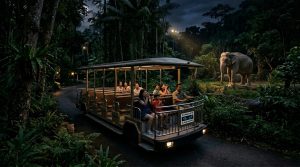
Most wildlife parks put their animals to bed when the sun goes down. Singapore’s Night Safari does the exact opposite, and that one decision turned a plot of jungle on the edge of Mandai into the world’s first and most celebrated nocturnal wildlife park.  When the gates open at dusk, and the jungle comes alive with rustling, growling, and glowing eyes in the dark, you’ll understand immediately why this place is unlike anything else on earth.  This guide covers everything you need to know before you go, from the tram ride, the trails, the shows, the practical stuff, and how to book your tickets without the stress. What Makes the Singapore Night Safari Worth Your Evening The Singapore Night Safari is not just a zoo that happens to be open at night. It’s a purpose-built nocturnal wildlife experience that has been designed from the ground up around the idea that animals are at their most active, most alert, and most fascinating after dark.  As night falls, you step into a mysterious world alive with over 1000 animals from around the globe, many of them endangered. Lions prowl, leopards stalk, and creatures you’d never catch awake at midday go about their evening routines while you watch from just metres away.  Part of what makes it so special is the atmosphere. The lighting throughout the park is designed to replicate natural moonlight. It is dim enough to feel genuinely wild, but bright enough to actually see what’s going on.  The air is cooler, the jungle sounds are turned up, and the whole experience has a slightly cinematic quality that day zoos simply can’t replicate. It’s not unusual to hear gasps from people on the tram when a deer suddenly materialises out of the darkness right beside them. The Night Safari sits within Mandai Wildlife Reserve in the north of Singapore, alongside the Singapore Zoo, Bird Paradise, River Wonders, and Rainforest Wild ASIA. Unlike the world-class Singapore Zoo, this after-dark safari offers the whole family a magical glimpse into the world of nocturnal animals, with stealthy predators, glowing eyes in the dark, and animals you’d never catch awake during the day. It’s a completely different vibe, and it absolutely stands on its own as a destination.  Plan to spend around 3 to 4 hours here. That’s enough time to do the tram ride, catch a show, and walk at least two or three of the trails without feeling rushed. Come hungry (there’s decent food on-site) and come ready to be genuinely surprised by what comes out of the dark. The Tram Ride: The Heart of the Night Safari Experience Hop aboard the open-air tram for a guided journey through six distinct geographical zones, bringing you face-to-face with incredible creatures from every continent. This is the signature experience, the thing everyone comes for, and it absolutely lives up to the hype.  The tram cruises through themed zones inspired by far-flung regions like the Himalayan foothills and Nepalese river valley. Each zone has been landscaped and designed to feel like a different part of the world, and the transitions between them are surprisingly convincing.  The tram ride lasts around 40 minutes, taking you through habitats including the Himalayan foothills, Equatorial Africa, and the Indian subcontinent.  The animals aren’t behind conventional cages. They roam in open enclosures separated by natural barriers, which means you occasionally get something walking right up alongside the tram.  You can spot deer, elephants, and big cats under soft lighting designed to replicate moonlight. Elephants materialize out of the trees, rhinos lumber past, and on a good night, a leopard might be draped across a branch just above eye level.  The tram commentary is informative without being dry. Guides point out animals you might have missed and share facts about nocturnal behaviour that genuinely reframe how you see the animals. The ride is included with your entry ticket, which makes it one of the best-value inclusions of any wildlife park in Southeast Asia. Sit on the right side of the tram if you want to be closest to the open habitats as you move through them. One practical note: tram queues can get long, especially between 7:30 pm and 9 pm when the park is at its busiest. It is strongly recommended that you book your timeslot in advance and arrive early to get on one of the first trams of the evening. The wait at peak hour can stretch to 45–60 minutes, but if you’re there when the park opens at 6:00 pm, you’ll be on a tram within minutes.  Walking Trails: Get Closer to the Wild on Foot If you want a closer look, hop off and explore the four walking trails – they’re wide, well-marked, and surprisingly stroller-friendly. Each trail has a distinct character and takes you into habitats that the tram simply can’t reach, with animals visible at much closer range and in much more intimate settings.  The trails are self-guided, and most people do two or three in a single visit. Each one takes roughly 15 to 30 minutes, depending on how much time you spend at each viewing area.  The Tiger Trail takes you to a fascinating crossroads where the animals of the African savannah and the Asian tropics live side by side. It is a combination that sounds unlikely but makes for one of the most visually dramatic stretches in the entire park.  The Pangolin Trail is dedicated to Southeast Asia’s native wildlife and is not one to skip. Here you’ll find the critically endangered Sunda pangolin, Asian small-clawed otters, common palm civets, leopard cats, and the endearing Sunda slow loris going about their nocturnal routines in naturalistic settings.  If you see a pangolin up close, know that you’re looking at one of the most trafficked animals on earth. It puts the conservation work at Mandai Wildlife Reserve into sharp perspective. The Leopard Trail puts you within a whisker of Asia’s indigenous wildlife. The name says it all, but the trail delivers far more

Read More »
The Ultimate Sydney Opera House Guide for 2026 Everything You Need to Know Before You Go
Activities
Niya Mariam Santhosh

The Ultimate Sydney Opera House Guide for 2026: Everything You Need to Know Before You Go

Sydney’s most iconic building isn’t just a pretty postcard; it’s a living, breathing world of art, drama, history, and harbour views that will genuinely blow your mind.  Whether you’re a first-timer wide-eyed at the sails or a return visitor finally booking that backstage tour, this guide has everything you need to experience the Sydney Opera House like a pro. We’re talking history, architecture, performances, practical tips, tickets, and all the insider stuff nobody else tells you. So buckle up. Why the Sydney Opera House Should Be at the Top of Your List Let’s get one thing straight: the Sydney Opera House is not just a building you photograph from a ferry and tick off your list. It’s a UNESCO World Heritage Site, one of the busiest performing arts centres on the planet, and the architectural equivalent of a mic drop.  Sitting on Bennelong Point on the edge of Sydney Harbour in New South Wales, it draws over 10 million visitors a year, and every single one of them has a moment where they stop, look up, and think, “Okay, wow!” The Opera House is situated on land that the Gadigal people of the Eora Nation have known as Tubowgule for thousands of years. That deep cultural significance doesn’t disappear behind the tourist brochures. It’s woven into the very identity of the place, including the nightly First Nations light projection on the sails called Badu Gili. This isn’t just a venue; it’s a meeting point of ancient stories and cutting-edge art. With over 2,000 performances staged every year, from world-class opera and ballet to comedy, film, talks, and experimental theatre, the Opera House never really sleeps. It hosts resident companies including Opera Australia, the Sydney Symphony Orchestra, the Australian Ballet, and the Sydney Theatre Company. You could visit ten times and have an entirely different experience each time. Which, honestly, is a very good excuse. Don’t come here just to stand outside and Instagram the tiles. Come in to hear the stories, feel the scale of the Concert Hall, and understand why this building changed architecture forever. The rest of this guide will show you exactly how to do that. The History of the Sydney Opera House: Controversy, Drama, and a Danish Architect Before those famous sails rose above the harbour, Bennelong Point was home to Fort Macquarie, a colonial-era fortification built between 1817 and 1821, later demolished in 1901.  In its place came a rather unglamorous tram depot, which operated from 1902 until 1958, when someone had the vision to ask, “What if we built something extraordinary here instead?” That someone was NSW Premier Joseph Cahill, who pushed for an international design competition in 1956. Two hundred and thirty-three entries arrived from 32 countries. The winning design? A radical, almost unbuildable concept by a relatively unknown Danish architect named Jørn Utzon. Here’s where it gets spicy. Utzon’s sketches were reportedly pulled from the rejected pile by legendary architect Eero Saarinen, who saw something nobody else did in those sweeping shell forms.  The project began in 1959, but construction was nothing short of a saga. The costs ballooned from an estimated AU$7 million to a final AU$102 million, and the engineering challenges were so complex that new mathematical methods had to be invented just to make the roof work. The solution? Each shell is actually a segment of the same sphere. It is a geometric trick that allowed the pre-cast concrete sections to be mass-produced. Then came the political drama. A new Liberal government in 1965 transferred project control away from Utzon, effectively stripping him of authority over payments and decisions. By 1966, he resigned and left Australia, never to return and never to see his completed masterpiece in person.  The interior was finished by architect Peter Hall, a point of ongoing debate among purists who argue the acoustic compromises made during this phase are still felt in the concert hall today. On 20 October 1973, Queen Elizabeth II officially opened the Sydney Opera House to a fireworks-lit harbour and a world that had been watching for 14 years.  In 2004, a small act of reconciliation happened: the Utzon Room, the only interior space Jørn Utzon personally designed, was completed following a renewed collaboration with the architect before his death in 2008.  In 2007, the building received UNESCO World Heritage status, one of the very few structures ever inscribed within living memory. The NSW State Archives hold the original competition drawings, construction records, and even the minutes from the Opera House Committee. If you’re a history nerd, it’s all there. The Architecture and Tours of the Sydney Opera House: What’s Inside and How to See It Most buildings make sense the moment you look at them. The Sydney Opera House does the opposite. The more you learn about how it was built, the more impossible it seems.  Those iconic roof shells are covered with 1,056,000 self-cleaning ceramic chevron tiles manufactured in Sweden, creating that distinctive shimmer that shifts with the Sydney light all day long.  The podium base is clad in pink granite from Tarana, New South Wales, and every curved shell segment was derived from the same sphere using a pioneering “pinwheel” geometry system, allowing 2,194 pre-cast concrete sections to be assembled on-site like a giant jigsaw puzzle.  No building before it had ever been constructed this way, and the engineering is every bit as jaw-dropping as the view from the harbour. Inside, the Opera House holds six major performance venues. The Concert Hall seats 2,679 people and houses the world’s largest mechanical tracker-action organ with 10,244 pipes.  The Joan Sutherland Theatre is where Opera Australia and The Australian Ballet perform, while the Drama Theatre, Playhouse, Studio, and the small but stunning Utzon Room complete the lineup. Every angle of this building reveals something new, which was entirely intentional. The best way to experience all of this is on a tour. The Official 1-Hour Guided Walking Tour runs daily in English, French, German, Spanish, Japanese, Korean, and Mandarin. It

Read More »
How to Book Wild Life Sydney Tickets Online
Bucket List Ideas
Niya Mariam Santhosh

WILD LIFE Sydney Zoo Tickets: How to Book Online (2026)

Most people visiting Sydney for the first time put the Opera House, the Harbour Bridge, and Bondi Beach at the top of the list. What regularly surprises them is finding one of their favourite experiences of the whole trip tucked inside a building on the Darling Harbour waterfront.  WILD LIFE Sydney Zoo isn’t a compromise zoo for visitors who can’t make it to the outback – it’s a genuinely immersive encounter with over 100 species of Australian wildlife across ten themed habitat zones, all within 1.5 hours of the CBD.  Koalas, kangaroos, crocodiles, Tasmanian devils, platypuses, wombats, and some of the more obscure creatures of Australia’s extraordinary wildlife – all in one place, all under one roof.  This guide covers everything you need to book your tickets and make the most of the visit. What Is WILD LIFE Sydney Zoo? Opened in September 2006 as Sydney Wildlife World and later rebranded, WILD LIFE Sydney Zoo is a wildlife park on Aquarium Wharf in Darling Harbour, operated by Merlin Entertainments.  It covers 7,000 square metres across ten distinct habitat zones and houses around 6,000 animals spanning over 100 native Australian species, making it the largest collection of Australian animal and plant life under a single roof anywhere in the country. The zoo sits at 1-5 Wheat Road, Darling Harbour NSW 2000, directly adjacent to SEA LIFE Sydney Aquarium and Madame Tussauds Sydney. The three attractions share the same waterfront stretch, which makes the precinct a natural anchor for a full day of Sydney sightseeing without needing to travel far between stops. What sets WILD LIFE Sydney Zoo apart from a standard animal exhibit is the design philosophy behind it. Rather than presenting animals in cages or behind glass barriers, the zoo recreates the actual landscapes they come from, including red sand trucked in from central Australia for the Kangaroo Walkabout, lush tropical foliage for the Daintree Rainforest habitat, and rocky escarpments for the wallaby zone.  The upper-level exhibits are open-air, enclosed by a large stainless steel mesh roof designed to resemble the ribs of the rainbow serpent of Aboriginal mythology when seen from above. The result is a zoo that feels genuinely immersive rather than purely observational. Curious about what else awaits you at WILD LIFE Sydney Zoo? Check out our guide “WILD LIFE Sydney Zoo: Your Complete 2026 Visitor’s Guide”. What to Know Before You Book Your WILD LIFE Sydney Zoo Tickets A standard WILD LIFE Sydney Zoo ticket covers full access to all ten habitat zones for the duration of your chosen time slot, with a Digi Photo Pass covering eight digital photos included in the price.  Online booking delivers big savings compared to walk-up pricing, and peak pricing applies to weekends, school holidays, and public holidays. The Koala Encounter is an add-on experience that allows visitors to enter the koala enclosure on the Rooftop for a supervised photo with the animals. Booking this at the same time as general admission rather than on the day is strongly recommended, as encounter slots are limited and fill quickly on busy days. For visitors planning to see more of Sydney’s waterfront attractions, combo options are available through Thrillark that bundle WILD LIFE Sydney Zoo with neighbouring attractions at a combined rate that undercuts buying them individually.  The SEA LIFE Sydney Aquarium + WILD LIFE Sydney combo ticket pairs two of Darling Harbour’s most popular attractions in a single booking. It is a natural combination that takes visitors from Australia’s land animals to its marine life in the same afternoon, with both venues sitting directly next to each other on Aquarium Wharf. The WILD LIFE Sydney + Madame Tussauds Sydney combo ticket combines the wildlife park with the wax museum two doors down. It’s a strong option for visitors who want a full Darling Harbour day, covering two completely different types of experience in one convenient ticket. Concession pricing is available for eligible cardholders with a valid ID, and children aged 15 and under must be accompanied by an adult aged 18 or over.  The Merlin Annual Pass provides unlimited entry to WILD LIFE Sydney Zoo and eight other attractions across New South Wales, Victoria, Queensland, and Auckland for 12 months. How to Book WILD LIFE Sydney Zoo Tickets on Thrillark Walk-up tickets are available at the entrance, but come at the full gate rate. It’s always higher than advance online pricing, and offers no guarantee of entry during peak periods when the zoo reaches capacity. Booking through Thrillark puts every ticket category in one place, at the lowest available online rate, with your confirmation in your inbox within seconds of payment. Here’s how to book. Step 1: Find the listing and pick your date  Open Thrillark and search for WILD LIFE Sydney Zoo tickets. The product page shows the key inclusions, cancellation policy, and other important information you need to know about the zoo. Once you’ve gone through all the details, click “Book Now.”  Next, select your preferred date. If your schedule has flexibility, checking across a few dates is worth doing to compare availability and pricing across different periods of the week. Step 2: Select your ticket type  Once your date is locked in, the full range of available ticket options loads beneath it. Each listing shows what’s included, any relevant restrictions, and the price. Take a moment to read through before committing. Deciding between standard admission, the Koala Encounter bundle, and the combo options is easier to do now than at the entrance. Select the ticket that fits your group and hit “Select.” Step 3: Choose your entry preference  Depending on the ticket type you’ve selected, you may be asked to confirm a preferred entry time or session window. Pick the option that fits your plans and click the “Continue to Payment” option. Step 4: Set your guest count  Adjust the adult and child numbers using the + and − buttons. The running total at the top of the screen updates with each change. Confirm the count carefully

Read More »
WILD LIFE Sydney Zoo Complete Guide
Activities
Niya Mariam Santhosh

WILD LIFE Sydney Zoo: Your Complete 2026 Visitor’s Guide

You don’t need to leave the city to see Australia’s most iconic animals. WILD LIFE Sydney Zoo sits right in Darling Harbour, smack in the middle of Sydney’s CBD, and it’s home to over 100 native Australian species across ten themed zones.  Koalas, kangaroos, Tasmanian devils, wombats, cassowaries, and one very special platypus, all under one roof, all within a short walk of your hotel. It’s the kind of place that works whether you’ve got a full day or just a free morning, and it’s honestly one of those visits that feels a lot bigger than it looks on the map. What makes WILD LIFE Sydney Zoo different from other wildlife experiences is how close you actually get. This isn’t peering through fences from a distance – it’s walking through enclosures, watching keepers hand-feed Tasmanian devils, and standing close enough to a koala that you could count its eyelashes.  It’s compact, it moves at your pace, and it’s the kind of experience that hits differently when you’re actually standing in it. Families love it, solo travelers love it, and anyone who thought they were too cool for a zoo always leaves proven wrong. What’s Inside: 10 Zones, Zero Boring Moments WILD LIFE Sydney Zoo is home to 10 interactive zones, and each one is better than the last.  Start at Tricky Tongues and Treetops, where two echidnas waddle through leafy foliage while Kofi the Goodfellow’s tree kangaroo leaps between branches above your head. This is a zone you genuinely won’t see anywhere else.  The Devil’s Den is home to the Tasmanian devil, a critically endangered species, and if you time your visit right, you might even catch feeding time, which is as chaotic and brilliant as it sounds. Wallaby Cliffs is where the yellow-footed rock wallabies live alongside Ringo the bare-nosed wombat, one of the zoo’s most beloved residents. Step into the Daintree Rainforest, and you’re walking through a full recreation of Queensland’s iconic rainforest. It is home to Princess, the Southern cassowary, Latoya the pademelon, and a satin bowerbird, among others.  The Kangaroo Walkabout showcases western grey kangaroos alongside king parrots and bush-stone curlews. Say hello to Dot, Dusk, Nutmeg, Kirby, Julie and Frankie.  At Crocodile Billabong, you can go eye-to-eye with freshwater crocodiles from both a bird’s-eye platform above and a surface viewing deck below. It is properly immersive and surprisingly thrilling.  The Platypus Pool is the quiet showstopper of the whole zoo. It is one of the very few places in the world where you can watch a platypus up close, so take your time here and look carefully among the logs and branches if she’s hiding. When the lights drop at Nightfall, the real fun begins. Bilbies and sugar gliders come alive in this nocturnal habitat where the lighting is flipped to let you watch them in their natural active state.  Over in the Bug Box, tucked inside the Daintree Rainforest zone, you’ll find giant snails, stick insects, spiders, and all the creepy-crawlies that make kids squeal and adults pretend they’re not fascinated.  And finally, the Koala Rooftop. This is your chance to get up close to Australia’s most iconic animal, with an optional koala encounter that takes you right inside the enclosure for a photo you’ll be showing people for years.  Keeper talks run throughout the day across multiple zones, so grab the schedule at the entrance and plan your route around the ones you don’t want to miss. Experiences Worth Every Penny A standard WILD LIFE Sydney Zoo ticket gets you into all ten zones, and that alone is a great day out. But if you want to go from great to genuinely unforgettable, the add-on experiences are where it’s at.  Breakfast with the Koalas is a guided morning session inside the koala habitat. Here, you eat breakfast while koalas go about their morning routine around you, with a keeper on hand to tell you everything about them. It’s intimate, it’s exclusive, and it fills up weeks in advance, so this is one to book the moment you decide you’re going. The Koala Photo experience is exactly what it sounds like. NSW law means you can’t hold a koala anywhere in the state, but this gets you standing right beside one for a proper professional photo. You’re close enough to see the texture of their fur and hear them breathe. It sounds simple, but in reality, it’s one of those moments that genuinely stops you. WILD Encounters takes things a step further with hands-on guided sessions involving reptiles, birds, and wombats. Its availability changes by season, so check what’s running when you’re visiting.  And if you’ve got older kids or a group looking for something a bit different, the Immersive Gamebox next door offers a tech-powered interactive experience that’s a solid bolt-on to the day. Best Time to Visit WILD LIFE Sydney Zoo Timing your visit right makes a real difference to the experience. The single best time to arrive is right at opening – 10 am sharp The platypus is most active in the morning; the animals across most zones are livelier before the afternoon heat settles in, and crowds are at their thinnest first thing. If you can manage a weekday visit, even better. Weekends get busy, and school holiday periods in particular can make the more popular zones feel cramped. Speaking of school holidays, the main ones to be aware of are the July winter break and the December to January summer holidays. These are peak periods for families, and the zoo gets noticeably busier, with longer waits around the Koala Rooftop and Kangaroo Walkabout in particular.  If you’re visiting during these windows, booking the earliest available entry time and heading straight to Platypus Pool first is a smart move. It’s the quietest zone early on, and the one most people save for later.  Shoulder seasons like autumn and late winter are genuinely the sweet spot. You get comfortable temperatures, manageable crowds, and animals that are active and easy to spot.

Read More »
Siam Niramit Show Phuket Booking Guide
Activities
Niya Mariam Santhosh

Siam Niramit Show Phuket Tickets: How to Book Online (2026)

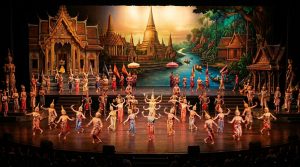
Most evenings in Phuket follow a familiar script – sundowner, seafood, maybe a show. Siam Niramit tears that script up entirely.  A theatrical production on a scale most visitors don’t expect to find anywhere outside a major world city, it puts over 100 performers, 500 costumes, a 70-metre stage, and two decades of refinement into 80 minutes that consistently rank as the highlight of people’s entire Thailand trip.  If you’re spending any time in Phuket and looking for an evening that actually means something, this is where to spend it. Here’s everything you need to book your tickets and make the most of the full experience.  What Is Siam Niramit Phuket? Siam Niramit first launched in Bangkok in 2005, quickly establishing itself as the definitive cultural show in Thailand. The Phuket edition opened in 2010 and expanded the concept further with more attractions, a larger venue, and a full pre-show experience that begins well before the curtain rises.  Located at 55/81 Moo 5, Chalermprakiat Ratchakan Thi 9 Road, Ratsada, Mueang Phuket, it sits in the heart of Phuket City rather than the tourist resort strip, which gives the venue a distinct character from most of the island’s nighttime attractions. The production is housed in a dedicated theatre with over 2,000 seats, a 70-metre wide stage, and a fan-shaped stepped layout ensuring unobstructed sightlines from every position in the house.  The main show runs for 80 minutes without intermission and features over 100 performers in more than 500 costumes, accompanied by cutting-edge special effects, live rivers of water flowing across the stage, real rain, thunder and lightning, and ancient Thai boats – all of it deployed in service of a narrative journey through the history and mythology of the Kingdom of Siam. What makes Siam Niramit genuinely distinctive from Phuket’s other evening entertainment is the scale of ambition behind it. This isn’t a dinner show with a cultural performance tacked on. It’s a full theatrical production that has been refining itself for two decades, and the craftsmanship of the staging, choreography, and costumes reflects that maturity. What’s Included: The Pre-Show Village & Main Performance The Siam Niramit experience begins well before the show itself. The venue opens at 5:30 pm, and arriving early is not optional; it’s how the full evening is designed to work. Guests who turn up at showtime miss approximately half of what’s on offer. Also, keep in mind that it is closed on Tuesdays. The pre-show experience centers on a recreated 100-year-old Thai village built within the venue grounds. Strolling through it gives visitors an immersive introduction to traditional Thai regional life – architectural styles, local crafts, street food, and performances from different parts of the country.  Performers in traditional regional costumes greet guests throughout the village, providing photo opportunities and cultural context that make the main show considerably more meaningful when it begins. The Naga Courtyard is a highlight of the pre-show grounds. It is a dramatic architectural space where guests gather before the theatre opens. Traditional Thai street food and the optional buffet dinner are available from 6 pm, and the range covers both Thai classics and international alternatives, catering to mixed groups and families with different palates.  Thai martial arts demonstrations and traditional music performances run throughout the pre-show period, adding movement and energy to the village experience. The main show at 8:30 pm is structured around three thematic acts. The first covers the journey through the history of the Siamese dynasty, with the courts, battles, and ceremonial traditions of the kingdom across different eras.  The second is a mythological voyage through three worlds drawn from Buddhist cosmology, with heaven, earth, and the underworld rendered with the kind of visual spectacle that the 70-metre stage was built to contain.  The third closes with a celebration of Thai festivals and the living cultural traditions that connect the historical narrative to the present. Real water flows across the stage throughout, and the combination of live performance, physical effects, and theatrical technology produces moments that audiences consistently describe as unlike anything they’ve experienced in a theatre before.  Cameras are not permitted inside the main theatre, but are safely stored in lockers provided at the entrance and returned promptly after the show. What to Know Before You Book Your Siam Niramit Tickets Siam Niramit Phuket offers several ticket configurations that cover different levels of the experience. Standard Siam Niramit Show tickets cover entry to the pre-show village and the main 80-minute performance. Seats are arranged across three tiers – Silver, Gold, and Platinum – with the higher categories placing you closer to the action and giving you the clearest view of the aerial sequences that make Siam Niramit’s staging so distinctive.  The dinner add-on includes the Thai-Western buffet from 6 pm. Visitors who consistently rate their Siam Niramit experience most highly are almost universally those who opted for dinner. It anchors the pre-show period, extends the time in the village, and turns the evening into a proper four-hour event rather than just a show. The buffet is well-regarded and covers a broad enough range to satisfy most preferences. Hotel transfer packages are available for visitors who prefer a fully organized evening without arranging their own transport. Return transfers from most Phuket hotels are included in these packages, making them particularly practical for visitors staying in Patong, Kata, or Karon who would otherwise need to arrange transport to Phuket City independently. Visitors who want everything taken care of in one place can book the Siam Niramit Show Phuket Ticket with Dinner and Hotel Transfers, which covers return transport from most Phuket hotels, the pre-show buffet, and seated admission to the main performance.  How to Book Siam Niramit Phuket Tickets on Thrillark Siam Niramit Phuket is a popular show, and seats fill ahead of time on busy evenings. Booking through Thrillark locks in your seat at the lowest available online rate, with instant confirmation in your inbox the moment payment clears. So, here’s your step-by-step guide on booking your

Read More »
Siam Niramit Show Complete Guide
Activities
Niya Mariam Santhosh

Siam Niramit Show Phuket: The Complete 2026 Guide to Phuket’s Most Spectacular Evening 

You’ve done the beaches. You’ve done the temples. You’ve eaten your body weight in Pad Thai. And now someone in your group says, “There’s this show in Phuket Town that’s apparently insane” – and they are absolutely not wrong.  Siam Niramit Phuket is not just a show. It is a full-blown, jaw-dropping, what-on-earth-am-I-watching theatrical experience that covers 700 years of Thai history on one of the largest stages in the world, with more special effects, flying performers, and mythological serpents than you were expecting on a Tuesday evening in southern Thailand.  It holds a 4.8 out of 5 on Google Reviews from over 10,000 people and has won more tourism awards than most attractions collect in a lifetime. If you’re spending any time in Phuket and you skip this, you will absolutely regret it at the airport. What Is Siam Niramit Phuket? The name itself is a clue. “Siam” is the former name of the Thai kingdom. The word that conjures ancient royalty, golden temples, and centuries of civilization. “Niramit” means “Created by Magic.” Put them together, and you have arguably the most accurate two-word description of any show anywhere on the planet.  Siam Niramit first launched in Bangkok in 2005 as Thailand’s definitive cultural production, then opened its Phuket chapter with even more attractions and entertainment added on top. It has been winning awards – Thailand Tourism Gold Awards, TripAdvisor Halls of Fame, and Tourism Authority of Thailand Awards of Excellence – and packing houses ever since. What separates it from every other evening option in Phuket is sheer, unapologetic ambition. The stage is 70 metres wide and covers more than 5,000 square metres, making it one of the largest stages in the world.  Over 100 performers take it every single night, dressed in 500 handcrafted costumes, moving through 100-plus gigantic scenic sets with special effects so good they make you question whether you’re watching live theatre or a Hollywood production. Real water flows on stage. Performers fly above the audience on aerial rigs. Pyrotechnics, lasers, fog, and moving platforms transform entire scenes in seconds. This is what “world-class” actually looks like. But here is what most guides completely miss: Siam Niramit Phuket is not just the show. Gates open at 5:30 PM, and the main performance doesn’t start until 8:30 PM – meaning three full hours of pre-show experiences, including an authentic recreated Thai village, a mythological courtyard designed for photographs that will break your camera roll, live cultural performances, and a buffet of world-famous Thai street food.  The show is the headline act, but the full evening is a cultural universe in its own right. Write this in your notes right now: arrive early. The Main Show: Three Acts, One Unforgettable Night The Siam Niramit Phuket performance runs for approximately 80 minutes across three acts, without a single intermission, because once it starts, nobody is leaving their seat for any reason.  Act One, Journey Back into History, takes audiences through over 700 years of the Thai Kingdom: the rise of ancient civilizations, the rich regional cultures of the Central Plain, the North, the Northeast, and the South; and the traditions that shaped Thailand into what it is today. The stage design, choreography, and sheer scale of this opening act alone would justify the cost of an evening in Phuket. It is that good. Act Two, Journey Beyond Imagination, is the one that produces genuine, involuntary gasps. Thai Buddhist mythology takes the stage in full force – Heaven, Earth, and the Underworld brought to vivid, astonishing life.  Heaven floods the theatre with divine beings and performers soaring above the audience on aerial rigs in formations that look physically impossible. Hell is theatrical, detailed, and, as one visitor memorably put it, “quite scary indeed,” with scenes drawn from mythological punishment that are simultaneously terrifying and mesmerizing. The special effects here (the lighting, the pyrotechnics, the real water, the fog) reach a level that makes it genuinely hard to process that everything happening in front of you is live. Act Three, Journey Through Joyous Festivals, is the grand finale that sends everyone home smiling. Traditional Thai celebrations erupt across the full 70-metre stage, with Loi Krathong, Songkran, royal ceremonies, and folk festivals, in an explosion of colour, music, and energy that brings the whole audience to life.  This is where the show shifts from spectacular to joyful and from awe-inspiring to celebratory, and it is the perfect emotional landing after everything that came before it. Songs, traditional dance, martial arts, acrobatics – everything converges in a finale that the 100-plus-person cast delivers like they mean every single second of it. Before the Show: The Pre-Show Experience You Cannot Miss Most visitors who arrive at Siam Niramit Phuket at 8:15 PM spend the drive home asking why nobody told them to come at 5:30. So, come at 5:30.  The first unmissable stop is the 100 Year Thai Village, a meticulously built recreation of traditional Thai life from a century ago, representing all four regions of Siam: the Central Plain, the North, the Northeast, and the South.  Each house is constructed to reflect the actual geography, climate, and social customs of its region. Northern houses sit on stilts for flood seasons; southern roofs slope steeply to handle tropical rain, and walking through them feels less like a theme park and more like a very convincing time machine.  There are live performances happening around you and cultural activities to join, and it is the kind of experience that sneaks up on you and becomes one of your favourite parts of the whole evening. Then there is the Naga Courtyard, which is the pre-show area that quietly becomes the highlight of the whole night for a significant number of visitors. The centrepiece is a 30-metre Naga, the mythological semi-divine serpent from Thai culture, guardian of rivers and fertility, illuminated by vivid laser lights against the Phuket night sky.  Surrounding it is the Thai Pavilion, modeled after the royal pavilion inside Phraya Nakhon Cave,

Read More »