
Category: Food

Disneyland California Complete Guide
Activities
Niya Mariam Santhosh

Disneyland California: The Complete Guide to the Happiest Place on Earth

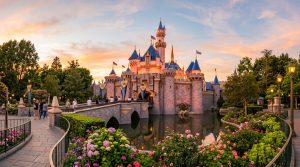
There is exactly one place on Earth where you can watch a fireworks show over a fairy-tale castle, eat a Monte Cristo sandwich in a New Orleans bayou, duel with a lightsaber on an alien planet, and ride a runaway mine train through haunted canyons – all before dinner.  That place is Disneyland Park in Anaheim, California, and it has been quietly (or not so quietly) making people cry happy tears since July 17, 1955. The Disneyland Resort is bigger than just the park, though. It’s a full destination: two theme parks (Disneyland Park and Disney California Adventure Park), three on-site hotels, the free-to-enter Downtown Disney District, and enough dining, shopping, and entertainment to fill a long weekend without setting foot on a single ride.  Whether this is your first pilgrimage or your fifteenth, this guide covers everything you need to know to make the most of every magical minute.  Seventy Years of Magic: A Quick History Walt Disney opened Disneyland on July 17, 1955, in Anaheim, California, and it was, by his own admission, an unfinished mess on opening day. Rides broke down, the asphalt was still wet, and counterfeits flooded the parades. Walt later called it “Black Sunday.” Visitors called it the greatest day of their lives, and the park never looked back.  It was the first theme park of its kind in the world, designed not around thrill rides, but around storytelling, immersion, and the idea that a park could be as beautiful and intentional as a film set. Seven decades of expansion followed: from the original 160 acres and 18 attractions in 1955 to the sprawling resort it is today, with two full theme parks, dozens of lands, and hundreds of attractions.  2026 marks the 70th anniversary, and Disneyland is celebrating in style, with dazzling new entertainment, a special nighttime spectacular, and anniversary décor throughout the resort. It’s one of those rare moments when the park’s own history becomes part of the magic. The 9 Lands of Disneyland Park Disneyland Park is organized into nine distinctly themed lands, each with its own atmosphere, architecture, food, and attraction lineup. Here’s your map at a glance: Land The Vibe Don’t Miss Main Street, U.S.A. Turn-of-the-century small-town America; your arrival and departure point The view of Sleeping Beauty Castle at the end of the street; Emporium shopping; Mickey-shaped beignets Adventureland Tropical jungles, tiki culture, and ancient temples Jungle Cruise, Indiana Jones Adventure, Adventureland Treehouse Bayou Country Creole-inspired marshland with Southern charm Tiana’s Bayou Adventure (the reimagined log flume) Frontierland Wild West landscapes and pioneer spirit Big Thunder Mountain Railroad, the Mark Twain Riverboat, Rancho del Zocalo Restaurante New Orleans Square Jazz-infused Creole architecture and mystery Haunted Mansion, Pirates of the Caribbean, Café Orleans, Blue Bayou Restaurant Fantasyland Classic Disney fairy tales brought to life Peter Pan’s Flight, “it’s a small world,” Matterhorn Bobsleds, Sleeping Beauty Castle Walkthrough Mickey’s Toontown Colorful, cartoon-world chaos, perfect for little ones Mickey & Minnie’s Runaway Railway, Goofy’s How-to-Play Yard, CenTOONial Park Tomorrowland Retro-futuristic space-age adventure Space Mountain, Buzz Lightyear Astro Blasters Star Wars: Galaxy’s Edge A fully immersive visit to the remote planet of Batuu Star Wars: Rise of the Resistance, Millennium Falcon: Smugglers Run, Oga’s Cantina The Must-Ride Attractions With dozens of attractions across the park, strategy is everything. So let’s talk about the rides worth building your entire day around. Start with the crown jewel. Star Wars: Rise of the Resistance in Galaxy’s Edge is not just a ride; it’s a multi-room, multi-sensory experience that drops you into the middle of an epic battle between the Resistance and the First Order, complete with a life-size Star Destroyer hangar and full-scale AT-AT walkers.  Nothing else in any theme park on Earth quite feels like it. Use Lightning Lane, arrive early, and thank yourself later. From the future-facing frontier, step back into the classics, because Disneyland’s legends hit different.  Haunted Mansion has been terrifying and delighting guests since 1969, sending doom buggies through a ghost-filled estate of 999 happy haunts. Right around the corner, Pirates of the Caribbean is the original Disney dark ride masterpiece – the one that inspired the films, not the other way around, and it’s still as atmospheric as ever.  Venture deeper into the park, and Indiana Jones Adventure straps you into a rickety troop transport barreling through the Temple of the Forbidden Eye, while Space Mountain has been shooting riders through the dark cosmos since 1977 and shows absolutely zero signs of slowing down.  Capping it all off, the Matterhorn Bobsleds, Disneyland’s original thrill coaster, send you careening through icy tunnels past a genuinely roaring yeti. Tiana’s Bayou Adventure reimagined the former Splash Mountain as a joyful, music-filled voyage with Princess Tiana and her critter crew through the Louisiana bayou, ending in a glorious splash. It opened in 2024 and has already earned its place among the park’s most beloved attractions, which, given the competition, is saying something. For families traveling with little ones, Mickey & Minnie’s Runaway Railway in Mickey’s Toontown is a must. It is a trackless dark ride with no height requirement and the kind of cartoon chaos that makes kids and adults equally giddy.  “it’s a small world” is a non-negotiable rite of passage, and Peter Pan’s Flight consistently draws lines that defy rational explanation but reward every single wait. Finally, for the thrill-seekers who want speed without going full Space Mountain just yet, Big Thunder Mountain Railroad, “the wildest ride in the wilderness,” is your mine-train sweet spot, delivering genuine thrills without the pitch-black darkness.  And before you leave Galaxy’s Edge, make absolutely sure you’ve piloted the Millennium Falcon on Smugglers Run, because sitting in that cockpit and blasting into hyperspace is exactly as cool as it sounds. Shows, Characters & Nighttime Spectaculars Rides are only half the story at Disneyland. The park’s entertainment calendar is stacked with shows, parades, character experiences, and nighttime events that turn a great day into an unforgettable one. Fantasmic! is the park’s legendary nighttime spectacular. It is

Read More »
Six Flags Great America vs Six Flags Great Adventure
Activities
Niya Mariam Santhosh

Six Flags Great America vs Six Flags Great Adventure: Which Theme Park Is Better in 2026?

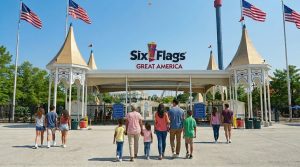
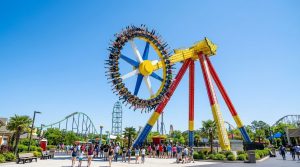
Two Six Flags parks. One epic debate.  Whether you’re planning a summer road trip, comparing options for a family vacation, or just settling a very important argument with your group chat, we’ve got you covered.  Six Flags Great America in Gurnee, Illinois, and Six Flags Great Adventure in Jackson, New Jersey, are two of the biggest and most beloved parks in the entire Six Flags Entertainment Corporation family, and they’re both genuinely excellent. But excellent in different ways. We’re breaking down every major category head-to-head so you can figure out which park deserves your time, your money, and your screaming this year. The Quick Verdict: Head-to-Head Comparison Category Six Flags Great America Six Flags Great Adventure Location Gurnee, IL (45 mi N of Chicago) Jackson, NJ (90 mi from NYC) Opened 1976 1974 Park Size 300 acres Larger multi-attraction complex Roller Coasters 17 coasters 14 coasters Signature Coaster Wrath of Rakshasa (2025) El Toro (2006) Record Holders Goliath, Maxx Force, American Eagle, Wrath of Rakshasa El Toro, Jersey Devil Coaster Water Park Hurricane Harbor Chicago (separate gate) Hurricane Harbor NJ (separate gate) Bonus Attraction — Wild Safari (now included with admission in 2026) On-Site Hotel — Savannah Sunset Resort & Spa 2026 Highlight 50th Anniversary celebration (June 20–Aug 9) Shoreline Pier new area + Boardwalk Nights Seasonal Event Fright Fest Fright Fest Best For Coaster variety & historic landmarks Thrill intensity & multi-attraction day Roller Coasters: Quantity vs. Intensity This is the big one, and honestly, both parks punch hard. Six Flags Great America wins on sheer numbers with 17 coasters as of the 2026 season, making it one of the most coaster-dense parks in the country.  The range is remarkable: you’ve got the record-shattering Wrath of Rakshasa (the steepest dive coaster on Earth, with a 96-degree drop and five inversions), the beloved wooden ACE Landmark American Eagle, the Guinness-record-holding Goliath, the blistering launch speed of Maxx Force (0 to 78 mph in 1.8 seconds), and the world’s first inverted coaster, Batman: The Ride. Whether you want history, records, or raw variety, Great America delivers. Six Flags Great Adventure has fewer coasters but a lineup that coaster enthusiasts regularly name among the best in the world.  El Toro, a 181-foot wooden beast with a 76-degree drop and relentless airtime, is the stuff of legends, widely considered one of the greatest wooden coasters ever built. Nitro is one of the most re-rideable hyper coasters anywhere, and Jersey Devil Coaster is the tallest, fastest, and longest single-rail coaster in the world.  The newest addition, The Flash: Vertical Velocity (2025), brings launched-shuttle thrills to the lineup. And while Kingda Ka is now gone (permanently closed and removed in 2025), what remains is still a collection that would headline any park in the country. Verdict: Six Flags Great America is without a doubt the winner with 17 coasters and more record-holders. But Great Adventure’s top-tier rides are arguably more intense, so thrill purists may disagree. Unique Attractions & Experiences Here’s where Six Flags Great Adventure pulls away from the pack in a big way: Wild Safari Off-Road Adventure.  More than 1,200 animals roam in a guided open-air safari experience that simply has no equivalent at any other Six Flags park. It’s a genuine wildlife encounter bolted onto a world-class coaster park, and that combination is almost impossible to find anywhere else. Six Flags Great America doesn’t have a wildlife safari, but it does have a 50th-anniversary summer event (June 20–August 9, 2026) that’s a genuine one-of-a-kind experience this year: a nighttime spectacular, nightly drone show, a legacy museum with historic artifacts, and anniversary-themed food and merchandise. It’s a very specific moment in the park’s history, and 2026 is the year to be there for it. Great Adventure also now has Shoreline Pier (debuting late spring 2026), a brand-new area in the reimagined Boardwalk section with five attractions, including a spinning coaster, wave swinger, flat rides, and a coastal food lineup.  After dark, Boardwalk Nights brings live entertainment and a nighttime atmosphere to the same area. Verdict: Six Flags Great Adventure is the better choice. The Wild Safari alone is a game-changer, and Shoreline Pier adds another layer on top. Family & Kids’ Offerings Both parks take families seriously, but they approach it slightly differently. Six Flags Great America has three dedicated children’s themed areas (more than Great Adventure) with classics like Lil’ Devil Coaster equivalents, gentle spinners, and kid-sized thrills across Kidzopolis and Hometown Park.  The park’s historic Columbia Carousel, the double-decker 100-foot centerpiece that’s been spinning since 1976, is a genuine family icon. The park is also in the middle of expanding its kids’ zone for 2026, with new enhancements coming to the former Camp Cartoon area. Six Flags Great Adventure has its own junior coaster (Lil’ Devil Coaster), the Giant Wheel, a classic Carousel, and family flat rides like Sky Zooma, Storm Chaser, and Enchanted Teacups.  The addition of Wild Safari is particularly valuable for families. It’s a built-in gentle alternative for anyone not ready to tackle El Toro. Winner: Let’s call it a tie. Great America has more dedicated kids’ areas, but Great Adventure’s Safari inclusion makes it more compelling for mixed-age families in 2026. Location & Accessibility Six Flags Great America sits in Gurnee, Illinois, right off I-94, making it a straightforward day trip from Chicago (45 minutes) or Milwaukee (50 minutes).  It draws from two major metro areas simultaneously, which is great for visitors but can mean bigger crowds on summer weekends.  CTA bus routes and Pace buses serve the park for those without a car. Six Flags Great Adventure is in Jackson Township, New Jersey, about 90 minutes from New York City via the NJ Turnpike and I-195. It’s also accessible from Philadelphia and the broader tri-state area.  The traffic reality is similar to Great America: summer weekends and Fright Fest nights can get brutal near the I-195 exits, so early arrival is key. There’s no transit option quite as convenient as Chicago’s bus connections. Verdict: Six

Read More »
Six Flags Great Adventure Complete Guide
Activities
Niya Mariam Santhosh

Six Flags Great Adventure: The Complete Guide to the East Coast’s Wildest Park

Brace yourself, because Six Flags Great Adventure in Jackson, New Jersey, is not messing around. This is one of the largest theme park complexes in the country, sitting on a sprawling property in Ocean County that somehow manages to fit a world-class coaster park, a drive-through safari with over 1,200 animals, and a full-scale water park all on the same piece of land.  New York City is about 90 minutes away. Your adrenaline is about 10 minutes away from getting absolutely obliterated. The park is home to an elite coaster lineup that has drawn enthusiasts from across the world for decades, a DC Comics superhero zone that reads like a dream for comic fans, and kid-friendly rides tucked in for the smallest members of the crew.  Whether you’re a first-timer from the tri-state area or a returning coaster fanatic who keeps coming back for El Toro, this guide covers everything you need to know to plan the perfect visit. From Jersey Pines to Coaster Paradise: A Quick History Six Flags Great Adventure opened in 1974 in Jackson Township, carved out of the New Jersey Pine Barrens and dreamed up by entrepreneur Warner LeRoy.  From the beginning, the park had grand ambitions. The original concept included a drive-through safari (yes, from day one), and the theme park opened alongside it as a sprawling, festival-inspired destination unlike anything else in the region.  Six Flags acquired the park in 1977 and began the long process of turning it into the coaster powerhouse it is today. The decades that followed were a string of headline-grabbing additions: Batman: The Ride and Medusa, then Nitro’s 230-foot hypercoaster dropping in at the turn of the millennium, then the arrival of El Toro in 2006, a wooden rocket that immediately became one of the most celebrated coasters in the world.  In July 2024, Six Flags merged with Cedar Fair to form the new Six Flags Entertainment Corporation, and the park kept evolving: The Flash: Vertical Velocity launched as a brand-new addition in 2025, while the former record-holder Kingda Ka permanently closed and was removed in 2024. The skyline has changed, but the thrills haven’t slowed down one bit. The Coaster Lineup: Your Complete Hit List Great Adventure’s coaster collection is the reason enthusiasts plan whole road trips around this park. Here’s every major ride worth knowing, organized so you can plan your attack: Coaster Type Height Top Speed Don’t Miss Because… El Toro Wood coaster 181 ft 70 mph Jaw-dropping 76° drop and relentless airtime. One of the best wooden coasters on Earth Nitro B&M Hyper coaster 230 ft 80 mph Tallest coaster in the park; smooth, fast, and insanely re-rideable Jersey Devil Coaster Single-rail coaster 130 ft 58 mph The narrow track and rapid transitions make it feel faster than the numbers suggest The Flash: Vertical Velocity Launch shuttle coaster ~172 ft 59 mph The park’s newest coaster (2025); rockets forward and backward through 4 inversions BATMAN: The Ride B&M Inverted coaster 105 ft 50 mph Classic inverted thrills with dangling feet and tight corkscrews Medusa B&M Floorless coaster 142 ft 61 mph Riders’ feet dangle freely on a smooth, looping journey Superman: Ultimate Flight B&M Flying coaster 109 ft 60 mph You ride face-down at 60 mph. It’s basically flying The Joker 4D Free Spin coaster 120 ft 50 mph Seats spin independently, so no two rides are ever the same Skull Mountain Indoor coaster 40 ft 35 mph A fun, all-ages indoor ride, perfect during bad weather The Dark Knight Coaster Indoor wild mouse N/A N/A Themed indoor ride; great for families and weather delays Lil’ Devil Coaster Junior coaster N/A N/A The perfect first coaster for kids Beyond Coasters: Safari, Water Park & Family Fun Here’s the thing most first-timers don’t fully appreciate until they arrive: Six Flags Great Adventure is actually three parks in one. The main theme park is just the beginning. Wild Safari Off-Road Adventure is unlike anything else attached to a Six Flags property. You board a guided, open-air safari vehicle through base camp and spend about an hour rolling through sections populated by more than 1,200 animals, including giraffes, lions, tigers, bison, bears, kangaroos, and baboons, among others.  It’s closer in feel to a genuine wildlife encounter than a zoo visit, and it’s a brilliant pace changer for families with younger kids or anyone suffering from coaster fatigue.  Note that it operates seasonally and isn’t a quick 20-minute detour. So plan it deliberately. Hurricane Harbor New Jersey is the park’s on-site water park, open seasonally and separately gated. It covers the full waterpark playbook: large body slides, raft slides, a wave pool, a lazy river, and splashy kids’ zones.  In the peak heat of July and August, many visitors flip their schedules: waterpark midday and coasters in the cooler evening hours.  One caveat: thunderstorms shut it down quickly, so if the forecast looks unstable, anchor your day in the main theme park instead. For the little ones who haven’t hit height requirements yet, the park’s kids’ zone delivers: Lil’ Devil Coaster, Sky Zooma, Storm Chaser, Enchanted Teacups, Buccaneer, and Congo Rapids (minimum 36 inches with an adult) give younger riders plenty of action. The Giant Wheel (Ferris wheel) and the classic Carousel round things out nicely for the whole family. Eat, Drink, & Shop the Park Let’s be honest. Theme park food is never cheap, and Great Adventure is no exception. What it does have is variety.  The full-service and quick-service spread includes Johnny Rockets for burgers and shakes, Primo’s Pizzeria for oversized slices, Totally Kickin’ Chicken for crispy comfort food, plus the inevitable funnel cakes, soft pretzels, frozen lemonade, and Dippin’ Dots carts that appear every few hundred feet like delicious checkpoints. For families on a budget, a smart move is to pack a cooler in the car and take a midday break in the parking lot. Guests can typically exit and re-enter the park on the same day.  There’s also a Wawa on Route 537 near

Read More »
Navy Pier Chicago Complete Guide
Activities
Niya Mariam Santhosh

Navy Pier Chicago: The Complete Guide to Chicago’s Lakefront Playground

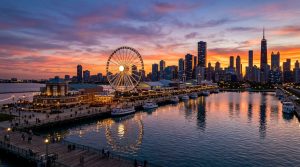
Picture this: a strip of pure fun stretching six city blocks straight out into Lake Michigan, topped with a giant Ferris wheel, stuffed with deep-dish pizza, and sprinkled with fireworks all summer long. That’s Navy Pier – Chicago’s lakefront crown jewel, the most visited destination in the entire Midwest, and the place locals lovingly call “The People’s Pier.” Roughly 9 million people a year wander its 50-plus acres, and honestly, it’s easy to see why. Sitting pretty at 600 E. Grand Avenue in the Streeterville neighborhood, the Pier is open year-round and packs in rides, museums, theater, boat cruises, rooftop bars, and enough snacks to require a stretchy waistband.  Best part? Walking onto the Pier itself is free. You only pay for the attractions you actually want to do.  Whether you’ve got toddlers, a date, a camera, or just a serious craving for a Chicago-style hot dog, the Pier’s got your afternoon (and probably your evening) covered.  From Shipping Dock to Showstopper: A Quick History Here’s a fun party fact: Navy Pier started life in 1916 as a working shipping and recreation dock. It was originally called Municipal Pier, then renamed Navy Pier in 1927 to honor the Navy personnel who served in World War I.  Over the decades, it has worn many hats: cargo hub, military training site, and even a university campus. By the early ’90s, the Pier had gotten a little sleepy, so Chicago gave it a glow-up and reopened it in 1995 as the entertainment wonderland we know today, and more than 240 million guests have streamed through since.  The big birthday came in 2016, when the Pier celebrated its 100th anniversary by unveiling the brand-new Centennial Wheel, the lakefront Polk Bros Park, and the Peoples Energy Welcome Pavilion.  These days, it just keeps leveling up, with the swanky Sable hotel, the Navy Pier Marina, and the soar-over-the-city FlyOver Chicago ride all part of its second-century glow-up. Rides, Wheels & Wonders If the Pier has a superstar, it’s the Centennial Wheel. It is a nearly 200-foot icon of the Chicago skyline with cozy, climate-controlled gondolas that serve up jaw-dropping 360-degree views of the city and the lake in any season.  Feeling fancy? Book the VIP gondola with plush seats and a genuine glass bottom. Beyond the Wheel, here’s your hit list: Attraction The Vibe Don’t Miss Centennial Wheel Nearly 200 feet of skyline-soaring glory in enclosed gondolas The glass-bottom VIP gondola for special occasions Pier Park An old-school fairground right on the water The wave swinger, drop tower, 1920s-style musical carousel, and spinning tea cups FlyOver Chicago A fully immersive flight-simulator ride Wind, mist, and scents as you “soar” over Chicago landmarks Amazing Chicago’s Funhouse Maze Chicago’s only self-paced, full-sensory maze Getting happily lost in 4,000 square feet of tunnels and games Amazing Chicago’s Time Freak A high-speed, all-ages racing game Beating the clock for bragging rights The Butterfly House An indoor exhibit full of live, free-flying butterflies A peaceful breather from the crowds Round it out with mini-golf, indoor golf, and a rotating cast of games, and you’ve got hours of fun before you’ve even left this stretch of the Pier. Culture, Cruises & Lakefront Adventures Navy Pier isn’t all spinning rides and funnel-scented air. It’s got serious culture too.  The Chicago Children’s Museum is three glorious floors of organized chaos for kids around 10 and under, where they can dig for dinosaur bones, scramble up a three-story schooner, and splash around a water playground.  Grown-ups, meanwhile, can catch a show at the Tony Award-winning Chicago Shakespeare Theater, home to “The Yard,” an engineering marvel of nine moveable towers that reshape the stage for every production, with more than 650 performances a year. Out in the fresh air, Polk Bros. Park greets you at the Pier’s entrance with a dramatic fountain shooting from more than 150 jets, plus performance lawns set against the skyline. And because this is a pier, you’ve absolutely got to get on the water: choose from laid-back sightseeing cruises, elegant dining cruises, the historic Tall Ship Windy, white-knuckle speedboat thrill rides, or architecture tours along the Chicago River.  Prefer two wheels? Grab a bike, e-bike, or quadcycle and roll along the gorgeous lakefront trail. Eat Your Way Down the Pier Let’s be real. Half the reason to visit is the food, and the Pier delivers a greatest-hits tour of Chicago classics.  Crowning it all is Offshore Rooftop & Bar, the nation’s largest rooftop bar, perched atop Festival Hall with panoramic lake-and-skyline views, cocktails, and cozy fire pits. It’s the kind of spot that makes you want to cancel your evening plans and just… stay. Hungry for the icons? Dig into a deep-dish masterpiece at Giordano’s, grab the world-famous “cheezborger” at Billy Goat Tavern, and save room for a five-flavors-stacked-sky-high cone from The Original Rainbow Cone.  There’s Southern comfort food at celebrity chef Art Smith’s Reunion, island vibes at Jimmy Buffett’s Margaritaville, sports and barbecue at Harry Caray’s Tavern, and the buttery-caramel-cheddar magic of Garrett Popcorn.  Basically, come hungry, leave happy, regret nothing. Plan Your Perfect Pier Day Getting there is half the adventure. The Pier sits at 600 E. Grand Avenue with two on-site parking garages (East and West) plus valet at Entrance 2 and complimentary EV charging.  Pre-booking parking online saves a headache. Carless? Hop a CTA bus (routes 29, 65, 66, and the aptly named 124 Navy Pier), transfer in from Metra, glide over on a seasonal water taxi (May through September), or grab a Divvy bike at the Polk Bros Park station. A few pro tips to make your day shine: How to Book Navy Pier Tickets on Thrillark Online booking consistently delivers a lower rate than the box-office price for Navy Pier attractions, and for peak-day visits (summer weekends, fireworks nights, and public holidays), it is the smartest way to lock in your spot before the lakefront crowds roll in.  Thrillark lists every Navy Pier ticket category clearly at the lowest available online rate, with instant

Read More »
Six Flags Great America Complete Blog
Activities
Niya Mariam Santhosh

Six Flags Great America: Your Complete Guide to the Thrill Capital of the Midwest

Buckle up, because Six Flags Great America isn’t just an amusement park; it’s a 275-acre adrenaline factory sitting pretty in Gurnee, Illinois, smack between Chicago and Milwaukee.  Roughly 45 miles north of the Windy City, it’s close enough for a day trip but big enough to eat that whole day alive (in the best way). With 11 themed lands, 44 total attractions, and a jaw-dropping 16 roller coasters, this place has more than earned its self-given nickname: the “Thrill Capital of the Midwest.” Whether you’re a coaster fanatic chasing inversions or a parent wrangling a stroller full of snacks, there’s a corner of this park built for you.  From Bicentennial Park to Coaster Powerhouse: A Quick History The story starts back in 1976, when the Marriott Corporation opened the park as Marriott’s Great America, themed around American history just in time for the nation’s bicentennial. It was designed using a clever circular layout nicknamed the “Duell loop,” which lets you stroll past every themed land while staff scurries around unseen in the middle.  Original headliners included the Whizzer coaster and the double-decker Columbia Carousel, both of which are still spinning today. In 1984, Six Flags swooped in, bought the park, renamed it Six Flags Great America, and brought the Looney Tunes gang along for the ride. From there, it became a coaster arms race: the world’s first inverted coaster (Batman: The Ride) debuted here in 1992, record-breaking giants like Raging Bull and Goliath followed, and the park kept reinventing itself.  In July 2024, Six Flags merged with rival Cedar Fair into the newly formed Six Flags Entertainment Corporation, making Cedar Point an official sister park, and the thrills have only kept coming. Get to Know the 11 Themed Lands Half the fun of Great America is that every section feels like its own little world. Here’s your lay of the land: Themed Land The Vibe Star Attractions Carousel Plaza The grand entrance, with skyline views from up high 100-foot Columbia Carousel, 330-foot Sky Trek Tower, and the launch coaster Maxx Force Hometown Square A turn-of-the-century small-town feel with classic flat rides The historic Whizzer coaster County Fair The park’s biggest land and an absolute coaster goldmine American Eagle, Goliath, Demon, X-Flight, Sky Striker, and the newest beast, Wrath of Rakshasa Southwest Territory A Wild West throwback Raging Bull, the Viper woodie, and the towering Giant Drop Yukon Territory Rugged Klondike charm Logger’s Run, the kiddie-sized Little Dipper, and Sprocket Rockets Orleans Place A French Quarter feel Superman: Ultimate Flight, The Dark Knight Coaster, and the giant Rue Le Dodge bumper cars Mardi Gras Carnival color and celebration The splashy Roaring Rapids river rapids ride DC Universe The superhero hub (formerly Yankee Harbor) Batman: The Ride, The Flash: Vertical Velocity, and The Joker Metropolis Plaza The park’s tiniest land The interactive Justice League: Battle for Metropolis dark ride Kidzopolis & Hometown Park Two pint-sized zones for the littlest thrill-seekers A cluster of gentle, kid-friendly rides The Coaster Hall of Fame Sixteen coasters. Let that sink in. Here are the heavy hitters you’ll want to map out first. Wrath of Rakshasa is the new kid on the block (2025) and an absolute monster. It is a Bolliger & Mabillard Dive Coaster that plunges down a beyond-vertical 96-degree drop with a record-setting five inversions.  Raging Bull, the tallest coaster in the park at 202 feet, is a “hyper-twister” that throws relentless airtime and diving spirals at you at 73 mph. Goliath is a wooden record-breaker that debuted in 2014, claiming three Guinness World Records, and it still holds the marks for fastest wooden coaster and longest drop on wood. Then there’s the legendary lineup: Batman: The Ride, the world’s very first inverted coaster (1992); American Eagle, the dual-track racing wooden coaster that still reigns as the tallest, fastest, and longest of its kind; and Maxx Force, which launches you from 0 to 78 mph in about 1.8 seconds. It has the fastest acceleration of any coaster in North America.  Don’t sleep on Superman: Ultimate Flight (you ride face-down like you’re flying), X-Flight (a wing coaster with five inversions), The Joker (a flippy 4D free-spin), or the historic Whizzer and Demon from the class of 1976.  Whatever your thrill tolerance, there’s a track with your name on it. Splash, Spin & Chill: Beyond the Coasters Not everything here tries to turn you upside down. The park’s three classic water rides are perfect for cooling off mid-afternoon: Roaring Rapids sends you bouncing down a churning river, while Logger’s Run and Aquaman Splashdown deliver old-school log-flume splashdowns.  Add in family favorites like the Great America Scenic Railway, the enormous Rue Le Dodge bumper cars, and the interactive Justice League dark ride, and there’s plenty of fun that won’t rattle your fillings. Want a full-on water day? That’s where Hurricane Harbor Chicago comes in. A 20-acre water park right next door with 25 slides, a wave pool, and splash zones for all ages. Just remember the key detail: since 2021, it’s been a separately gated park, so it’s not automatically bundled with your theme-park entry. If you want both in one trip, look for a combo ticket or a pass tier that covers them together. Plan Your Epic Day Getting there: Pro tips to maximize the magic: Don’t miss the seasonal events: How to Book Six Flags Great America Tickets on Thrillark Online booking consistently delivers a lower rate than the gate price at Six Flags Great America, and for peak-day visits (weekends, summer break, and US public holidays), it is the only reliable way to guarantee entry when the park is operating near capacity. Thrillark lists every Six Flags Great America ticket category clearly at the lowest available online rate, with instant confirmation to your inbox within seconds of payment. Here’s how to book. Step 1: Find the listing and pick your date Open Thrillark and search for Six Flags Great America tickets. The product page shows the key inclusions, cancellation policy, and other important

Read More »
Yas Waterworld Abu Dhabi Complete Guide
Activities
Niya Mariam Santhosh

Yas Waterworld Abu Dhabi: Everything Inside the Middle East’s Biggest Water Park

Picture this: it’s a warm Abu Dhabi morning, you’ve got a rubber ring under one arm, and ahead of you is a six-storey water slide built for six people at once. That’s not the dramatic finale of your day at Yas Waterworld. That’s just one ride.  Welcome to the biggest, boldest water park in the Middle East – a place where serious adrenaline meets a genuinely charming Emirati story, all spread across roughly 15 hectares on Yas Island. If you’re trying to figure out whether it’s worth a day of your trip, here’s the short answer: yes. Here’s the long answer: what the park actually is, what’s waiting inside, and how to get in without any fuss. What Exactly Is Yas Waterworld? Yas Waterworld sits on Yas Island, the same entertainment strip that’s home to Ferrari World, SeaWorld, and Warner Bros. World. But while its neighbours are indoor, air-conditioned worlds, Yas Waterworld is all about sunshine, splashing, and slides. It’s big. We’re talking 70-plus rides, slides, and attractions packed into one park, across an area about the size of 15 football fields and ranging from gentle floats to drops that’ll have you reconsidering your life choices halfway down.  Several of these rides exist nowhere else on the planet. And it’s not just enthusiasm talking. The park has collected more than 65 industry awards, including being named the Middle East’s Leading Water Park at the World Travel Awards in both 2023 and 2024. What makes it stand out from the average water park, though, isn’t the size or the awards. It’s that the whole place is built around a story. The Legend of the Lost Pearl Long before skyscrapers and theme parks, this region’s fortune came from the sea. Specifically from pearl diving, a tough and storied part of Emirati heritage. Yas Waterworld takes that history and turns it into an adventure. The park follows a young Emirati girl named Dana, who sets off on a quest to find a legendary lost pearl. That’s the thread running through everything, right down to the giant glowing pearl that sits at the heart of the park.  As you move around, you’re not just hopping between random slides; you’re wandering through an unfolding tale, complete with an expanded “Lost City” area full of newer rides and immersive spaces. There’s even an interactive treasure-hunt game woven into the park, so families can chase clues between rides and turn a normal day out into something closer to a real-life adventure.  It’s this storytelling layer that gives Yas Waterworld a personality most water parks simply don’t have. You’re exploring a world, not queuing in a car park with a slide bolted on. Here’s why people fall for it: The Rides That’ll Get Your Heart Racing Let’s talk about the big stuff, because this is probably why you’re here. Dawwama is the park’s headline act, and for good reason. It’s the world’s largest six-person tornado water slide. You and five others pile into a giant raft, get flung through a tunnel, and then are spat into an enormous funnel where you swirl back and forth like water circling a drain. It’s chaotic, it’s loud, and everyone climbs out grinning. Bandit Bomber is the one that surprises people. It’s the Middle East’s longest suspended roller coaster, and it threads right over the park with water and special effects firing off as you ride. You can even trigger water jets and air blasters at the riders below, and they can fire back. It’s a coaster and a water fight in one. For the genuinely fearless, there’s Bubble’s Barrel, a giant surfable sheet wave pumping thousands of litres of water per second, plus the Sebag six-lane mat racer for settling who’s quickest in the family. Add a lineup of steep, fast body and tube slides that send you straight down with very little time to think about it, and there’s no shortage of nerve-testers. The clever part is the four thrill levels. The park is designed so a hardcore thrill-seeker and a nervous first-timer can wander around together, each finding rides that suit them.  Just a heads up: many of the big rides have height or age requirements, so it’s worth checking those before you join a queue with the kids. For Families, Kids and Anyone Who’d Rather Float Not everyone wants to be hurled down a funnel, and Yas Waterworld gets that. If you’ve got little ones, there are dedicated zones built just for them – splash pads, interactive fountains, toddler-sized slides, and play areas where small kids can have their own adventure safely.  For families who want to ride together, there are multi-person raft rides where everyone shares the experience (and the screaming). When you need to slow down, the Amwaj Wave Pool is the park’s social hub, perfect for bobbing around between rides. And then there’s the lazy river, which winds for over 300 metres past waterfalls, rain showers, and little cave sections, letting you flop onto a ring and drift while the day melts away.  Plenty of shaded spots and relaxation areas mean you can genuinely spend a full, unhurried day here without feeling rushed from one slide to the next. That mix is the real magic. There’s something for every age and every nerve level, all in one place. Food, Cabanas and Good-to-Know Extras A full day of swimming builds a serious appetite, and the park has a good spread of restaurants and cafés to keep everyone fuelled. Fan favourites include spots like Dana’s Diner and Chubby’s Kitchen. A few practical things that make the day smoother: Two things to know before you go. First, Yas Waterworld runs Ladies’ Day sessions on certain days, where entry is limited to women and young boys. Check ahead so it doesn’t catch you out.  Second, getting there is easy: the free Yas Express shuttle loops around Yas Island, connecting the attractions and hotels, so you don’t necessarily need a car. How to Book Yas Waterworld Tickets on Thrillark

Read More »
SkyPoint Observation Deck Gold Coast Guide
Activities
Niya Mariam Santhosh

SkyPoint Observation Deck Gold Coast: The Ultimate 2026 Guide

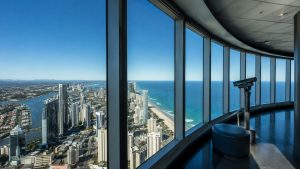
The Gold Coast is famous for big experiences, and SkyPoint delivers one of the biggest.  Perched on level 77 of the iconic Q1 building in Surfers Paradise, SkyPoint is Australia’s only beachside observation deck, sitting 230 metres above sea level with 360-degree views stretching from the New South Wales border to the Gold Coast Hinterland and out across the Pacific Ocean.  Whether you’re after a sunrise breakfast with a view, a sundowner as the sky turns gold, or the full adrenaline hit of climbing to the top of one of Australia’s tallest buildings, SkyPoint has an experience for you. This guide covers everything you need to know before you go. Why SkyPoint Observation Deck Is a Must-Visit in Gold Coast Most cities have an observation deck. The Gold Coast has one that sits directly above one of Australia’s most famous beaches, and that makes all the difference. From level 77 of the Q1 building, you don’t just look out over a skyline; you look out over Surfers Paradise Beach, the entire coastal strip, the lush green wall of the Hinterland, and on a clear day, all the way south to the NSW border. It’s a view that genuinely reframes the scale of the Gold Coast in a way that no beach walk or rooftop bar can replicate. SkyPoint is a recognized Best of Queensland Experience. It has earned a tick of quality from Tourism Queensland through consistently delivering something genuinely worthwhile.  It’s not just a glass room you stand in for five minutes and leave. There’s dining, a climb experience, events, an annual pass programme, and an elevator that’s been newly renovated into something worth experiencing in its own right. There is more happening at level 77 than most people expect. The Q1 building itself is part of the story. Completed in 2005, it was the world’s tallest residential building at the time of its construction and remains one of Australia’s most recognisable architectural landmarks.  The distinctive spire rising above the upper floors is visible from much of the Gold Coast, and standing at the base of it, or better yet, climbing it, brings the building’s scale into sharp personal focus. SkyPoint is suitable for every kind of visitor: families looking for a memorable morning out, couples wanting a special dinner setting, thrill-seekers ready to clip into a harness and step outside the building, and anyone who simply wants the best view the Gold Coast has to offer. It delivers on all counts. The Views from SkyPoint  Standing at the observation deck on level 77, 230 metres above Surfers Paradise, the view stretches in every direction without obstruction.  To the east, the Pacific Ocean rolls out to the horizon, with the Surfers Paradise beachfront directly below. It is the same stretch of sand you’ve been walking on, now looking like a golden ribbon from above.  To the west, the Gold Coast Hinterland rises in a wall of green: Lamington National Park, Springbrook, and the ranges that frame the coast.  To the south, the coastline curves toward the NSW border. To the north, the full extent of the Gold Coast stretches toward Brisbane. The viewing experience changes completely depending on the time of day you visit. Morning visits in the early hours offer clear air, soft light, and a relatively quiet deck, which is perfect for photography.  Sunset is when SkyPoint genuinely comes alive: the observation deck stays open until 9 pm, meaning you can watch the sky transition from afternoon blue to the full spectrum of sunset colours before the city lights take over.  After dark, the Gold Coast glitters below in a way that feels entirely different from the daytime view. It is almost cinematic. SkyPoint has introduced an After Dark discounted entry ticket for the evening hours, available at the SkyPoint lobby upon arrival. The After Dark window runs from 6 pm to 9 pm in winter months (June to August) and adjusts seasonally. It’s a great option if you’re happy to skip the daytime views and come specifically for the city-lights experience. The observation deck itself is enclosed with floor-to-ceiling glass on all sides, so the views are unobstructed regardless of weather. On rare days when the Gold Coast gets low cloud or rain, the deck can sit above the cloud line, which is a different kind of spectacular. SkyPoint Climb: For Those Who Want to Go Higher If standing inside a glass building at 230 metres isn’t enough for you, SkyPoint has an answer: step outside. The SkyPoint Climb is Australia’s highest external building climb, taking you 270 metres above sea level on an open-air walkway to the summit of the Q1 spire. It is one of the Gold Coast’s most genuinely thrilling experiences and the kind of thing you’ll be telling people about for years. The experience starts at SkyPoint Climb Mission Control on the ground floor with a safety briefing and fitting into a purpose-designed climb suit and full-body harness. You then take the high-speed elevator to level 77, pass through a fully enclosed glass airlock that serves as your gateway to the outside of the building, and climb a stairway to the summit. You are approximately 30 metres above the observation deck level, harnessed to a purpose-built safety rail system throughout.  An expert climb leader guides the group, pointing out the Gold Coast’s geographical, historical, and cultural landmarks as you ascend. The whole experience lasts around 90 minutes. Three climb options are available: Day Climb, Twilight Climb, and Night Climb, each offering a completely different atmosphere and view.  The Twilight Climb, timed to coincide with sunset, is arguably the most popular and books out the fastest.  Practical requirements to know before booking:  After the climb, a Climb & Dine Package is available, combining the Day Climb with observation deck entry and a food and beverage voucher at SkyPoint Bistro+Bar. If you’re going to go to the effort of climbing the building, rewarding yourself with a meal at the top is an entirely

Read More »
Singapore Night Safari with Tram Ride Complete Guide
Activities
Niya Mariam Santhosh

Singapore Night Safari with Tram Ride: The Ultimate 2026 Guide to the World’s Best Nocturnal Zoo

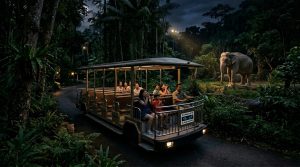
Most wildlife parks put their animals to bed when the sun goes down. Singapore’s Night Safari does the exact opposite, and that one decision turned a plot of jungle on the edge of Mandai into the world’s first and most celebrated nocturnal wildlife park.  When the gates open at dusk, and the jungle comes alive with rustling, growling, and glowing eyes in the dark, you’ll understand immediately why this place is unlike anything else on earth.  This guide covers everything you need to know before you go, from the tram ride, the trails, the shows, the practical stuff, and how to book your tickets without the stress. What Makes the Singapore Night Safari Worth Your Evening The Singapore Night Safari is not just a zoo that happens to be open at night. It’s a purpose-built nocturnal wildlife experience that has been designed from the ground up around the idea that animals are at their most active, most alert, and most fascinating after dark.  As night falls, you step into a mysterious world alive with over 1000 animals from around the globe, many of them endangered. Lions prowl, leopards stalk, and creatures you’d never catch awake at midday go about their evening routines while you watch from just metres away.  Part of what makes it so special is the atmosphere. The lighting throughout the park is designed to replicate natural moonlight. It is dim enough to feel genuinely wild, but bright enough to actually see what’s going on.  The air is cooler, the jungle sounds are turned up, and the whole experience has a slightly cinematic quality that day zoos simply can’t replicate. It’s not unusual to hear gasps from people on the tram when a deer suddenly materialises out of the darkness right beside them. The Night Safari sits within Mandai Wildlife Reserve in the north of Singapore, alongside the Singapore Zoo, Bird Paradise, River Wonders, and Rainforest Wild ASIA. Unlike the world-class Singapore Zoo, this after-dark safari offers the whole family a magical glimpse into the world of nocturnal animals, with stealthy predators, glowing eyes in the dark, and animals you’d never catch awake during the day. It’s a completely different vibe, and it absolutely stands on its own as a destination.  Plan to spend around 3 to 4 hours here. That’s enough time to do the tram ride, catch a show, and walk at least two or three of the trails without feeling rushed. Come hungry (there’s decent food on-site) and come ready to be genuinely surprised by what comes out of the dark. The Tram Ride: The Heart of the Night Safari Experience Hop aboard the open-air tram for a guided journey through six distinct geographical zones, bringing you face-to-face with incredible creatures from every continent. This is the signature experience, the thing everyone comes for, and it absolutely lives up to the hype.  The tram cruises through themed zones inspired by far-flung regions like the Himalayan foothills and Nepalese river valley. Each zone has been landscaped and designed to feel like a different part of the world, and the transitions between them are surprisingly convincing.  The tram ride lasts around 40 minutes, taking you through habitats including the Himalayan foothills, Equatorial Africa, and the Indian subcontinent.  The animals aren’t behind conventional cages. They roam in open enclosures separated by natural barriers, which means you occasionally get something walking right up alongside the tram.  You can spot deer, elephants, and big cats under soft lighting designed to replicate moonlight. Elephants materialize out of the trees, rhinos lumber past, and on a good night, a leopard might be draped across a branch just above eye level.  The tram commentary is informative without being dry. Guides point out animals you might have missed and share facts about nocturnal behaviour that genuinely reframe how you see the animals. The ride is included with your entry ticket, which makes it one of the best-value inclusions of any wildlife park in Southeast Asia. Sit on the right side of the tram if you want to be closest to the open habitats as you move through them. One practical note: tram queues can get long, especially between 7:30 pm and 9 pm when the park is at its busiest. It is strongly recommended that you book your timeslot in advance and arrive early to get on one of the first trams of the evening. The wait at peak hour can stretch to 45–60 minutes, but if you’re there when the park opens at 6:00 pm, you’ll be on a tram within minutes.  Walking Trails: Get Closer to the Wild on Foot If you want a closer look, hop off and explore the four walking trails – they’re wide, well-marked, and surprisingly stroller-friendly. Each trail has a distinct character and takes you into habitats that the tram simply can’t reach, with animals visible at much closer range and in much more intimate settings.  The trails are self-guided, and most people do two or three in a single visit. Each one takes roughly 15 to 30 minutes, depending on how much time you spend at each viewing area.  The Tiger Trail takes you to a fascinating crossroads where the animals of the African savannah and the Asian tropics live side by side. It is a combination that sounds unlikely but makes for one of the most visually dramatic stretches in the entire park.  The Pangolin Trail is dedicated to Southeast Asia’s native wildlife and is not one to skip. Here you’ll find the critically endangered Sunda pangolin, Asian small-clawed otters, common palm civets, leopard cats, and the endearing Sunda slow loris going about their nocturnal routines in naturalistic settings.  If you see a pangolin up close, know that you’re looking at one of the most trafficked animals on earth. It puts the conservation work at Mandai Wildlife Reserve into sharp perspective. The Leopard Trail puts you within a whisker of Asia’s indigenous wildlife. The name says it all, but the trail delivers far more

Read More »
The Ultimate Sydney Opera House Guide for 2026 Everything You Need to Know Before You Go
Activities
Niya Mariam Santhosh

The Ultimate Sydney Opera House Guide for 2026: Everything You Need to Know Before You Go

Sydney’s most iconic building isn’t just a pretty postcard; it’s a living, breathing world of art, drama, history, and harbour views that will genuinely blow your mind.  Whether you’re a first-timer wide-eyed at the sails or a return visitor finally booking that backstage tour, this guide has everything you need to experience the Sydney Opera House like a pro. We’re talking history, architecture, performances, practical tips, tickets, and all the insider stuff nobody else tells you. So buckle up. Why the Sydney Opera House Should Be at the Top of Your List Let’s get one thing straight: the Sydney Opera House is not just a building you photograph from a ferry and tick off your list. It’s a UNESCO World Heritage Site, one of the busiest performing arts centres on the planet, and the architectural equivalent of a mic drop.  Sitting on Bennelong Point on the edge of Sydney Harbour in New South Wales, it draws over 10 million visitors a year, and every single one of them has a moment where they stop, look up, and think, “Okay, wow!” The Opera House is situated on land that the Gadigal people of the Eora Nation have known as Tubowgule for thousands of years. That deep cultural significance doesn’t disappear behind the tourist brochures. It’s woven into the very identity of the place, including the nightly First Nations light projection on the sails called Badu Gili. This isn’t just a venue; it’s a meeting point of ancient stories and cutting-edge art. With over 2,000 performances staged every year, from world-class opera and ballet to comedy, film, talks, and experimental theatre, the Opera House never really sleeps. It hosts resident companies including Opera Australia, the Sydney Symphony Orchestra, the Australian Ballet, and the Sydney Theatre Company. You could visit ten times and have an entirely different experience each time. Which, honestly, is a very good excuse. Don’t come here just to stand outside and Instagram the tiles. Come in to hear the stories, feel the scale of the Concert Hall, and understand why this building changed architecture forever. The rest of this guide will show you exactly how to do that. The History of the Sydney Opera House: Controversy, Drama, and a Danish Architect Before those famous sails rose above the harbour, Bennelong Point was home to Fort Macquarie, a colonial-era fortification built between 1817 and 1821, later demolished in 1901.  In its place came a rather unglamorous tram depot, which operated from 1902 until 1958, when someone had the vision to ask, “What if we built something extraordinary here instead?” That someone was NSW Premier Joseph Cahill, who pushed for an international design competition in 1956. Two hundred and thirty-three entries arrived from 32 countries. The winning design? A radical, almost unbuildable concept by a relatively unknown Danish architect named Jørn Utzon. Here’s where it gets spicy. Utzon’s sketches were reportedly pulled from the rejected pile by legendary architect Eero Saarinen, who saw something nobody else did in those sweeping shell forms.  The project began in 1959, but construction was nothing short of a saga. The costs ballooned from an estimated AU$7 million to a final AU$102 million, and the engineering challenges were so complex that new mathematical methods had to be invented just to make the roof work. The solution? Each shell is actually a segment of the same sphere. It is a geometric trick that allowed the pre-cast concrete sections to be mass-produced. Then came the political drama. A new Liberal government in 1965 transferred project control away from Utzon, effectively stripping him of authority over payments and decisions. By 1966, he resigned and left Australia, never to return and never to see his completed masterpiece in person.  The interior was finished by architect Peter Hall, a point of ongoing debate among purists who argue the acoustic compromises made during this phase are still felt in the concert hall today. On 20 October 1973, Queen Elizabeth II officially opened the Sydney Opera House to a fireworks-lit harbour and a world that had been watching for 14 years.  In 2004, a small act of reconciliation happened: the Utzon Room, the only interior space Jørn Utzon personally designed, was completed following a renewed collaboration with the architect before his death in 2008.  In 2007, the building received UNESCO World Heritage status, one of the very few structures ever inscribed within living memory. The NSW State Archives hold the original competition drawings, construction records, and even the minutes from the Opera House Committee. If you’re a history nerd, it’s all there. The Architecture and Tours of the Sydney Opera House: What’s Inside and How to See It Most buildings make sense the moment you look at them. The Sydney Opera House does the opposite. The more you learn about how it was built, the more impossible it seems.  Those iconic roof shells are covered with 1,056,000 self-cleaning ceramic chevron tiles manufactured in Sweden, creating that distinctive shimmer that shifts with the Sydney light all day long.  The podium base is clad in pink granite from Tarana, New South Wales, and every curved shell segment was derived from the same sphere using a pioneering “pinwheel” geometry system, allowing 2,194 pre-cast concrete sections to be assembled on-site like a giant jigsaw puzzle.  No building before it had ever been constructed this way, and the engineering is every bit as jaw-dropping as the view from the harbour. Inside, the Opera House holds six major performance venues. The Concert Hall seats 2,679 people and houses the world’s largest mechanical tracker-action organ with 10,244 pipes.  The Joan Sutherland Theatre is where Opera Australia and The Australian Ballet perform, while the Drama Theatre, Playhouse, Studio, and the small but stunning Utzon Room complete the lineup. Every angle of this building reveals something new, which was entirely intentional. The best way to experience all of this is on a tour. The Official 1-Hour Guided Walking Tour runs daily in English, French, German, Spanish, Japanese, Korean, and Mandarin. It

Read More »
Siam Niramit Show Phuket Booking Guide
Activities
Niya Mariam Santhosh

Siam Niramit Show Phuket Tickets: How to Book Online (2026)

Most evenings in Phuket follow a familiar script – sundowner, seafood, maybe a show. Siam Niramit tears that script up entirely.  A theatrical production on a scale most visitors don’t expect to find anywhere outside a major world city, it puts over 100 performers, 500 costumes, a 70-metre stage, and two decades of refinement into 80 minutes that consistently rank as the highlight of people’s entire Thailand trip.  If you’re spending any time in Phuket and looking for an evening that actually means something, this is where to spend it. Here’s everything you need to book your tickets and make the most of the full experience.  What Is Siam Niramit Phuket? Siam Niramit first launched in Bangkok in 2005, quickly establishing itself as the definitive cultural show in Thailand. The Phuket edition opened in 2010 and expanded the concept further with more attractions, a larger venue, and a full pre-show experience that begins well before the curtain rises.  Located at 55/81 Moo 5, Chalermprakiat Ratchakan Thi 9 Road, Ratsada, Mueang Phuket, it sits in the heart of Phuket City rather than the tourist resort strip, which gives the venue a distinct character from most of the island’s nighttime attractions. The production is housed in a dedicated theatre with over 2,000 seats, a 70-metre wide stage, and a fan-shaped stepped layout ensuring unobstructed sightlines from every position in the house.  The main show runs for 80 minutes without intermission and features over 100 performers in more than 500 costumes, accompanied by cutting-edge special effects, live rivers of water flowing across the stage, real rain, thunder and lightning, and ancient Thai boats – all of it deployed in service of a narrative journey through the history and mythology of the Kingdom of Siam. What makes Siam Niramit genuinely distinctive from Phuket’s other evening entertainment is the scale of ambition behind it. This isn’t a dinner show with a cultural performance tacked on. It’s a full theatrical production that has been refining itself for two decades, and the craftsmanship of the staging, choreography, and costumes reflects that maturity. What’s Included: The Pre-Show Village & Main Performance The Siam Niramit experience begins well before the show itself. The venue opens at 5:30 pm, and arriving early is not optional; it’s how the full evening is designed to work. Guests who turn up at showtime miss approximately half of what’s on offer. Also, keep in mind that it is closed on Tuesdays. The pre-show experience centers on a recreated 100-year-old Thai village built within the venue grounds. Strolling through it gives visitors an immersive introduction to traditional Thai regional life – architectural styles, local crafts, street food, and performances from different parts of the country.  Performers in traditional regional costumes greet guests throughout the village, providing photo opportunities and cultural context that make the main show considerably more meaningful when it begins. The Naga Courtyard is a highlight of the pre-show grounds. It is a dramatic architectural space where guests gather before the theatre opens. Traditional Thai street food and the optional buffet dinner are available from 6 pm, and the range covers both Thai classics and international alternatives, catering to mixed groups and families with different palates.  Thai martial arts demonstrations and traditional music performances run throughout the pre-show period, adding movement and energy to the village experience. The main show at 8:30 pm is structured around three thematic acts. The first covers the journey through the history of the Siamese dynasty, with the courts, battles, and ceremonial traditions of the kingdom across different eras.  The second is a mythological voyage through three worlds drawn from Buddhist cosmology, with heaven, earth, and the underworld rendered with the kind of visual spectacle that the 70-metre stage was built to contain.  The third closes with a celebration of Thai festivals and the living cultural traditions that connect the historical narrative to the present. Real water flows across the stage throughout, and the combination of live performance, physical effects, and theatrical technology produces moments that audiences consistently describe as unlike anything they’ve experienced in a theatre before.  Cameras are not permitted inside the main theatre, but are safely stored in lockers provided at the entrance and returned promptly after the show. What to Know Before You Book Your Siam Niramit Tickets Siam Niramit Phuket offers several ticket configurations that cover different levels of the experience. Standard Siam Niramit Show tickets cover entry to the pre-show village and the main 80-minute performance. Seats are arranged across three tiers – Silver, Gold, and Platinum – with the higher categories placing you closer to the action and giving you the clearest view of the aerial sequences that make Siam Niramit’s staging so distinctive.  The dinner add-on includes the Thai-Western buffet from 6 pm. Visitors who consistently rate their Siam Niramit experience most highly are almost universally those who opted for dinner. It anchors the pre-show period, extends the time in the village, and turns the evening into a proper four-hour event rather than just a show. The buffet is well-regarded and covers a broad enough range to satisfy most preferences. Hotel transfer packages are available for visitors who prefer a fully organized evening without arranging their own transport. Return transfers from most Phuket hotels are included in these packages, making them particularly practical for visitors staying in Patong, Kata, or Karon who would otherwise need to arrange transport to Phuket City independently. Visitors who want everything taken care of in one place can book the Siam Niramit Show Phuket Ticket with Dinner and Hotel Transfers, which covers return transport from most Phuket hotels, the pre-show buffet, and seated admission to the main performance.  How to Book Siam Niramit Phuket Tickets on Thrillark Siam Niramit Phuket is a popular show, and seats fill ahead of time on busy evenings. Booking through Thrillark locks in your seat at the lowest available online rate, with instant confirmation in your inbox the moment payment clears. So, here’s your step-by-step guide on booking your

Read More »