
SEA LIFE Melbourne Aquarium: Everything You Need to Know Before You Visit (2026)
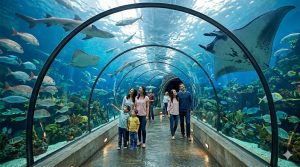
If you’re planning a Melbourne trip and wondering whether the aquarium is worth your time, the answer is – yes, it is. This guide will give you everything you need to know before your visit, in one place. SEA LIFE Melbourne Aquarium sits right on the Yarra River, in a striking ship-shaped building at the corner of Flinders and King Streets. Opened in 2000 and now home to over 10,000 animals across 550+ species, it’s one of Australia’s most-visited aquariums, and one of the few places in the world where you can watch King Penguins waddle past real snow, come face-to-face with a saltwater crocodile, and drift through a glowing bioluminescent reef, all in a single afternoon. Owned by Merlin Entertainments (the same group behind LEGOLAND and Madame Tussauds), SEA LIFE Melbourne packs a genuinely impressive range of marine life and interactive zones into a self-guided, one-way journey across four levels. Whether you’re visiting with a toddler, a teenager, or a partner who claims they’re “not really into fish,” there’s almost always something that stops you in your tracks. What Animals Will You See at SEA LIFE Melbourne? This is the question most people type before they book and the answer is more diverse than you’d expect. The star of the show right now is Pesto, a King Penguin who hatched in January 2024 and became an internet sensation after growing to a record-breaking 23.5 kg by nine months old. Pesto lives in the Penguin Playground alongside a colony of King and Gentoo Penguins, in a sub-Antarctic habitat complete with real ice and snow. It’s the undeniable highlight for most visitors, adults included. Beyond penguins, the aquarium’s centrepiece is a 2.2-million-litre oceanarium, one of the largest “in the round” tanks in the world, filled with grey nurse sharks, sandbar whaler sharks, green sea turtles, stingrays, and thousands of tropical fish. You walk through an underwater tunnel as marine life glides above and around you. Other animals you’ll encounter include Tawny Nurse Sharks, Leopard Sharks, Fiddler Rays, seahorses, cuttlefish, jellyfish, weedy seadragons (one of the few aquariums in the world to have bred them in captivity), and rainforest creatures in a dedicated freshwater zone. The newest addition is Coowonga, Melbourne’s only saltwater crocodile, viewable from above and through underwater windows. Exhibits at SEA LIFE Melbourne: Zone by Zone The aquarium is laid out as a self-guided route across four levels, with each themed zone flowing naturally into the next. Here’s what you should expect from the highlights: Opening Hours, Location & Getting There How Long Should You Allow? Most visitors spend 1.5 to 2 hours moving through SEA LIFE Melbourne at a comfortable pace. If you’re visiting with young children, planning to catch animal talks and feeding sessions, or adding on one of the premium experiences, budget up to 3 hours. The aquarium operates on a timed-entry system (particularly during school holidays and weekends), so you won’t be rushed out. Once you’re in, you can stay until closing. The one-way route keeps the flow moving naturally, though you can double back to favourite exhibits. One practical tip from experienced visitors: avoid the first session on weekends and school holidays. The aquarium fills quickly from 9:30am. Arriving at 11:30am–12:30pm often means crowds have spread across the zones rather than all bottlenecking at the entrance at once. Is SEA LIFE Melbourne Good for Kids? An Age-by-Age Guide SEA LIFE Melbourne is genuinely one of Melbourne’s best options for families, but different ages get different things from it. Under 5s love the Rocky Shores touch zone (hands-on with real sea creatures), the large colourful fish in the oceanarium tunnel, and the penguins. The 4D cinema can be overwhelming for very sensitive toddlers, so give it a miss if your child is noise-averse. Ages 5–12 get the most from the full visit. The shark tunnel, the bioluminescent Night on the Reef zone, the jellyfish displays and the penguin feeding sessions all hit differently at this age. The aquarium also runs Aussie Animal Passport events during school holidays (kids get 50% off during select periods), with activities and stamps across zones. Teenagers (13+) are the trickiest audience for any aquarium, but the premium add-ons change the equation here. Shark Dive Xtreme – a cage-free in-water dive with sharks, rays and sea turtles – is rated 13+ and is genuinely one of the most thrilling animal encounters in Australia. The Glass Bottom Boat and VR experiences also hold attention well for this age group. Mini Marine Mornings is a dedicated sensory-friendly session (Monday mornings) for children with sensory sensitivities with reduced noise, softer lighting and smaller crowds. A genuinely thoughtful addition worth knowing about if it’s relevant for your family. The Premium Add-On Experiences Worth Knowing About General admission gets you a lot, but SEA LIFE Melbourne has a strong line-up of upgrade experiences that can make the visit genuinely extraordinary rather than just good. Shark Dive Xtreme is the headline. A cage-free in-water experience in the main oceanarium, available on weekends, where you swim alongside Tawny Nurse Sharks, Leopard Sharks, Green Sea Turtles and Rays. You don’t need any previous shark diving experience. It’s rated as one of Australia’s most exhilarating animal encounters, and the reviews back that up. Penguin Passport is a 45-minute behind-the-scenes experience where you suit up in Antarctic gear and step onto the ice to meet the penguins up close. Limited spots, so booking ahead is essential. Glass Bottom Boat is a shorter, more accessible experience. You ride a boat over the main oceanarium tank, watching sharks and rays below through a clear glass floor. Ideal for visitors who want something special but aren’t up for a dive. Jelly Lab Experience is a guided behind-the-scenes tour with one of the aquarium’s marine scientists, focused on jellyfish biology and care. Reviewers consistently praise the knowledgeable guides. Behind the Scenes Tour gives you access to areas visitors don’t normally see, including animal preparation areas and research facilities. All these experiences need to be