
Category: Travel Tips

Captain Explorer DUKW®️ Tour in Singapore
Budget Travellers
Meenakshi Nair

Navigating Singapore Anew: A Captain Explorer DUKW®️ Tour Experience

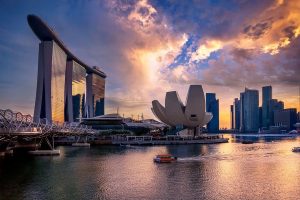
Setting Sail in Singapore   Singapore is a city-state offering diverse attractions, from towering skyscrapers to lush gardens and mouth-watering food. If you’re looking for a unique and exciting way to experience all that this vibrant city offers, look no further than the Captain Explorer DUKW®️ Tour. This amphibious adventure takes you on a tour of Singapore’s top landmarks and attractions on land and water. Join us for a one-of-a-kind experience that’s sure to be the highlight of your trip. Meet the DUKW®️: The Amphibious Marvel History and significance: The DUKW (pronounced “duck”) is a legendary six-wheeled amphibious truck.  Born out of World War II necessity, the DUKW was crucial to Allied victories. DUKW stands for the manufacturer’s designation: D for 1942 (model year), U for utility (amphibious), K for all-wheel drive, and W for dual rear axles. They were vital in amphibious landings, transporting troops, supplies, and equipment from ships to beaches.   Engineering Feats: The DUKW’s design was a mastery of engineering to conquer land and water. Built upon the GMC CCKW truck chassis, it added a watertight hull for buoyancy and a propeller for water propulsion. It can also transport 25 soldiers, an artillery piece, or 5,000 pounds of cargo; the DUKW ensured the efficient movement of personnel and supplies.   All Aboard: While primarily a military vehicle, some DUKWs have found new life in civilian applications. Today, DUKWs are used for recreational purposes, offering unique amphibious tours in tourist destinations. Depending on the specific use, boarding a DUKW might involve climbing steps or ramps, depending on the configuration. Cruising Through the City: Sightseeing on land You can even explore cruising along the city without a ship with Captain Explorer DUKW! Just imagine exploring a city not just from the streets but also from the water aboard a unique amphibious vehicle. Your journey begins on land with live commentary pointing out historical landmarks, architectural wonders and hidden gems. Have that splashdown fun moment during the smooth transition from land to water. You can also witness the city’s iconic landmark with DUKW!   Singapore Flyer: I’m sure you’ve seen this giant Ferris wheel. Singapore Flyer is one of the tallest observation wheels in the world, and it is 165 meters high! If you’re in Singapore, the Singapore flyer is a visit as it allows you to soak into the beautiful aerial view of Singapore. The wheel was opened in 2008 and has now become one of the iconic landmarks of Singapore. Visitors can enjoy a 30-minute ride in these air-conditioned capsules. You can witness the stunning city views along with Marina Bay and Gardens by the Bay, and you can even see some nooks of Malaysia and Indonesia without being there!   Esplanade: Esplanade, also known as “The Durian” due to its resemblance to the spiky fruit, is a performing arts centre located along the waterfront of Marina Bay. Opened in 2002, it hosts various productions, such as concerts, dance performances, musicals, and theatrical plays. The unique architectural design symbolises Singapore’s artistic and cultural identity with its two spiky shells.   Helix Bridge:  The Helix Bridge is a pedestrian bridge known for its unique double helix design. It links Marina Bay with Marina South and provides scenic views of the bay area, especially at night when illuminated. Opened in 2010, the bridge is a popular spot for leisure walks and offers stunning photo opportunities.   Marina Bay Sands: Marina Bay Sands is an integrated resort complex featuring a hotel, casino, convention centre, museum, and shopping mall. The three towers are connected at the top by a skypark, offering breathtaking views of the city skyline and harbour. The resort is known for its luxurious amenities, world-class entertainment options, and iconic architectural design. A Blend of Experiences DUKW tour is a blend of different experiences! With its traditional city tour, boat cruise, and land exploration, this experience should be on your itinerary. The entire family can enjoy this experience, which creates lasting memories and offers a chance to witness the city from different angles. Handy Tips for a Seamless DUKW Experience Wear comfortable and quick-drying clothes since the journey transitions between land and water. Apply a broad spectrum sunscreen, wear shades and consider taking a hat too. Ensure you carry a waterproof camera to capture many pictures on land and in the water. Bring your medication, water, and snacks, especially when travelling with your little ones. By carefully listening to the tour guide’s briefing session, you can gain significant information about the vehicle’s operation. It is mandatory to wear life jackets during a water voyage, ensure a proper fit, and feel free to ask for assistance. Find a comfortable seat and secure any loose belongings before the tour begins. Consider your fellow passengers and avoid loud noises and disruptive behaviour. Carry some cash, while most shops won’t accept digital payments. Consider taking a light raincoat or poncho, considering the weather forecasts. Book tickets during off-peak season for a leisurely experience. After all, have fun, relax and be in your element! Farewell, Captain Explorer As your Captain Explorer DUKW®️ tour concludes, you step off the vessel with a newfound appreciation for Singapore’s multifaceted charm. You’ve cruised past iconic landmarks, explored hidden corners, and experienced the city from a unique amphibious perspective. This unforgettable experience serves as a reminder that sometimes, the most remarkable discoveries lie not just in new destinations but also in revisiting familiar places with a fresh perspective. FAQs What is the Captain Explorer DUKW®️ Tour? This tour explores Singapore’s landmarks by land and water aboard a unique amphibious DUKW vehicle.   How can I book the Captain Explorer DUKW®️ Tour? Bookings can be made online through the Captain Explorer website or partnering travel agents.   Is the tour suitable for children? Yes, the DUKW®️ tour can be a fun and engaging experience for children of most ages.   Are life jackets provided? Yes, life jackets are mandatory for all passengers during the water portion of the tour.
Read More »
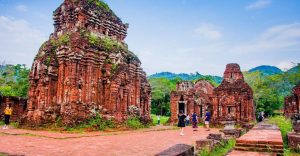
Discovering the ancient ruins during the My Son Discovery Tour and Cruise.
Bucket List Ideas
Meenakshi Nair

Decoding History: A Personal Journey on My Son Discovery Tour and Cruise

Overview of the My Son Discovery Tour and Cruise   My Son Discovery Cruise is the best choice if you are looking for a glimpse into Vietnam’s Rich cultural heritage and natural beauty. In this tour, you can explore the historical ruins of My Son, a UNESCO World Heritage Site. Explore the remnants of the Hindu Temple built by the renowned Champa Kingdom, and you will learn about their unique architecture and religious history from the guide. So, being part of this My Son Discovery Tour and cruise during your Vietnam journey provides a well-rounded experience, combining historical and cultural immersion with a scenic boat ride. Decoding Cham Architecture Explore Cham architecture before visiting My Son Discovery Heritage Site. It can contribute more to your knowledge of Vietnamese culture and customs. Cham architecture flourished in central Vietnam between the 4th and 13th centuries AD. It is an exciting blend of indigenous influences and Indian inspiration! Cham architecture uplifted Vietnam to another perspective, which is the reason behind the legacy of the charming temples in Vietnam.   Hallmark Features: Cham architecture has peculiar qualities that distinguish it from other styles. Tower temples, or Kalans, are the most recognisable among them. They are made using fired bricks and rise in tiers, symbolising Mount Kailash. The next are false doors carved out and depicting deities and mythical creatures.   Evolution of styles: Cham’s architecture is all about the evolution of styles, and they have succeeded through that transition. Starting in the 7th -9th century, the Early style mainly depicts more superficial structures with influences from India’s Gupta architecture. Hoa Lai Style emerged in the 9th-10th t century, introducing multiple towers within a single complex and ornately carved sandstone elements. After that emerged the Dong Duong Style during the late 9th century, emphasising spatial planning and the use of entrances. Then comes the Thap Mam Style, which appeared by the 11th-14th century, which was a gradual decline in ornamentation with a focus on functionality. Enduring Legacy: My Son Sanctuary is a legacy of Vietnam as it is one of the most historical complexes. It is now regarded as a UNESCO World Heritage Site, showcasing over 70 temple structures and highlighting Cham Architecture. Po Nagar Towers, located in Nha Trang, is a well-preserved tower that offers a glimpse into the architectural mastery of Champa Kingdom. The allure of history and exploration When visiting the My Son discovery heritage sites, it’s essential to know the history of the Champas Kingdom. My son’s sanctuary served as the religious and political heart of the Champa kingdom during the 4th and 13th centuries AD. The Temples are dedicated to Shiva, the Hindu god Stads, as a testament to the Champa’s unique and cultural blend of indigenous and Indian influences. Later, war and time have taken their toll, and My Son’s 70 remaining structures offer a glimpse into the Champa’s architectural mastery and devotion to Shaivism. The property has been converted into a UNESCO World Heritage Site, attracting visitors for the My Son’s Discovery experience with a combined scenic boat cruise. River Journey: Scenic views and landscapes My son’s discovery cruise offers breathtaking scenery embellished with lush greenery, charming villages, and the tranquillity of flowing water. Enjoy the scenic journey along the Thu Bon River and take pictures with your loved ones. Just imagine the gentle breeze as you soak in the picturesque background, complementing your exploration of the historic My Son temples. This scenic cruise and historical exploration add a level to your journey! Tips for an Unforgettable Journey Always opt for a comfortable shoe with a good grip for uneven terrain at the temple complex. Bring a hat, sunglasses and sunscreen to escape from the Vietnamese sun. Hydration is the key, so bring a reusable water bottle and stay hydrated. If you travel during the rainy season, ensure you carry insect repellent. Bring a camera to capture the beauty of My Son and scenic landscapes during the cruise. While visiting religious sites, wear modest clothes that cover shoulders and knees. Always carry some Vietnamese Dong (VND) for additional purchases. Consult a doctor before your trip if you are prone to seasickness. Bring ginger candies or anti-nausea medication to treat motion sickness. Wrapping up the My Son Discovery Tour and Cruise As the curtain closes on this blog, I hope you all will be left with a profound sense of awe and a deep understanding of Vietnam’s Vibrant history. Champa Kingdom is all about architectural brilliance and unwavering faith. The serenity of a river cruise adds an extra touch of tranquillity, etching a picture-perfect landscape memory in your memory! This journey is about sightseeing and a portal into a bygone era! Witness the aesthetic carvings on the temple walls and bring that curiosity to excavate more profoundly into the Champa civilisation. This tour caters to every person because we are keeping that perfect balance of history and beauty of My Son. Use this trip and decode the whispers of the past at My Son Discovery Heritage Site and Cruise journey! FAQs Is My Son worth visiting? Yes, My Son is one of the most significant surviving examples of a Champa monument, and as such, it is classified as a UNESCO World Heritage Site. This distinct culture introduced Indian religious principles and honoured Shiva, Vishnu, and Krishna.   How old is My Son in Vietnam? My Son Sanctuary dates from the fourth to the thirteenth century CE. The property is in central Vietnam’s rugged Duy Xuyen District, bordering Quang Nam Province.   Which God is worshipped in My Son’s Sanctuary? Under Bhadravarman’s rule in the fourth century, work on the temple dedicated to the worship of Shiva-Bhadresvara was initially initiated at My Son.   How big is the My Son Sanctuary? My Son Sanctuary consists of many historic Cham temples dispersed throughout a two-kilometre-wide valley encircled by hills and mountains.   Who built My Son? My Son Sanctuary was built in the 4th century by King Bhadravarman and completed

Read More »
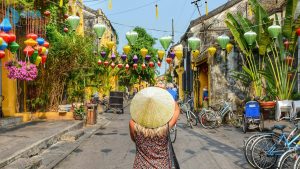
Visitors travelling to Hoi An by utilising the Hoi An Scooter Rentals.
Adventure
Meenakshi Nair

Hoi An Scooter Rental Zooming Through Hoi An: The Ultimate Scooter Rental Guide

About Hoi An    The city of Hội An, located on the central coast of Vietnam, is well-known for its canal-cut Ancient Town, which has been maintained. The architecture of the ancient port city, which is a mash-up of centuries and styles, including colourful French colonial buildings, intricate Vietnamese tube homes, Japanese Covered Bridge with its pagoda, and wooden Chinese shophouses and temples, reflects the city’s melting-pot past. An incredibly well-preserved example of a 15th–19th century Southeast Asian commercial port is Hoi An Ancient Town. The street layout and structures inside this singular cultural site reflect the diverse range of influences that have come together throughout time. Here’s why a scooter adventure in Hoi An is an unforgettable experience! You can get away from the crowds, conquer narrow lines and explore hidden spots inaccessible by car. Explore the underrated cafes and places with a local touch. Unlike fixed tours, you are the captain of your journey! You can stop wherever you want—for a photo corner, a refreshing drink, or breathtaking scenery. Feel the wind in your hair as you hop off the alleys of Hoi An Village! This is just another level feeling if you’re wandering in a two-wheeler. You can independently socialise and bond with the locals, exploring the nooks and corners. After all, when you explore a new destination, it is essential to live like a local! A Scooter ride offers flexibility and freedom, and it can create unique memories. You can also make fun of every impromptu plan. Things to Keep in Mind Before Your Scooter Journey Safety should be your priority, and ensure a valid international driver’s license before your journey.  Make sure you ride cautiously, be mindful of the traffic regulations, and avoid riding under alcohol. Hoi An is one of the most crowded places in Vietnam, so be courteous to pedestrians and other vehicles. Download offline maps and grab a local one for proper guidance throughout the journey. Also, create a list of places and things to do for each day. Try to study a few Vietnamese phrases. This can help you build a bond with the locals and prepare for your journey. Where Dreams Meet Reality: Finding Rental Shops Thrillark’s Hoi An Scooter Rental: You can travel through the streets of Vietnam on high-quality motor vehicles for rent. You can enjoy Vietnam conveniently with a wide range of scooters and semi-automatics. With simple and hassle-free processing, exploring the city streets has never been this easy.   Rent Moto Hoi An: You choose from a list of motorcycles and scooters from Rent Moto Hoi An at Quang Nam. The shop will be open 24/7, providing flexibility to the customers.  Contact: +84 979 161 167 Location : 371 Cửa Đại, Cẩm Châu, Hội An, Quảng Nam, Vietnam   HIN – Motorbike Rental Hoi An: Located at Quang Nam, HIN – Motorbike Rental Hoi An provides quality vehicles for rent at an affordable price. The shop timings are from 7:30 – 10:30 pm. Contact : +84 905 514 606 Location : 74 Tôn Đức Thắng, Sơn Phong, Hội An, Quảng Nam, Vietnam Top Places to Visit at Hoi An Scooter is one of the best ways to explore Hoi An because you can limit yourself only in your journey! Also, you can explore several tourist hotspots without rushing. Hidden gems can also be explored without any hurry. All you need to consider is your safety and the routes.   Hoi An Ancient Town: This ancient town is a maze of narrow lanes with vibrant shophouses, temples, and pagodas. It is also considered a UNESCO World Heritage Site! A scooter is one of the best ways to explore the city without crowds.   Cua Dai Beach: If you’re looking for a healthy ray of sunshine, this is your place. Located 5km east of Hoi An, Cua Dai Beach offers breathtaking scenery with pristine beaches and soft white sands. It will be an excellent afternoon dip after your scooter ride.   Tra Que Vegetable Village: Tra Que Vegetable Village is about 8km northwest of the town. Here, you can experience the rural side of Hoi An! You can also ride through the scenic countryside and explore the village’s lush vegetable gardens. If you’re interested in joining a cooking class to learn the recipes of Vietnamese dishes, Tra Que has excellent choices.   Thu Bon River: Thu Bon River offers a leisurely scenic scooter ride with breathtaking scenery and a glimpse into local life. The cruise port is the perfect stop during your ride to admire the colourful fishing boats or enjoy a fresh seafood lunch at a riverside restaurant.   My Son Sanctuary: This UNESCO World Heritage Site is the best choice if you’re looking for a historical adventure. Located 50km southwest of Hoi An, a cluster of abandoned Cham ruins offers a glimpse into a lost civilisation. Embrace the Freedom Of Exploration So, what are you waiting for? Freedom is just a gear away, so ditch the usual rush and crowds. Hoi An is all yours, so explore it at your own pace. Explore every nook and corner of Hoi An and fly through the hidden alleys. Embrace the countryside and create memories. Hop on a scooter, unlock freedom, and zoom into the heart of Hoi An! FAQ How much does it cost to rent a scooter in Vietnam? It would cost around 140,000 VND to rent a scooter in Vietnam.   Do you need a license to rent a scooter in Vietnam? While most rentals allow you to rent a scooter with only identifications, we suggest you drive only with driving skills and your local license.   How can I book a scooter? Most rentals allow online booking, phone calls, or booking through your hotel.   What types of scooters do you offer? Rental companies typically offer various engine sizes (50cc, 125cc, 150cc) to suit your experience and passenger needs.   What’s included in the rental price? You should check with each company, but most

Read More »
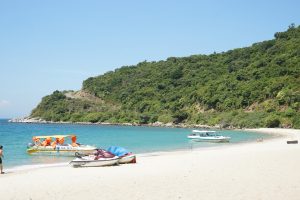
A beautiful scenery of Cham Islands with diverse marine life and crystal clear waters.
Bucket List Ideas
Meenakshi Nair

The Ultimate Guide to Cham Islands Day Tour: Highlights and Proper Greeting of a Remarkable Voyage

About the Charm of Cham Islands   Cham Islands is your lucky charm if you’re looking for a beautiful escape during busy schedules! The Cham Islands are a series of eight tiny islands in Quảng Nam that are a component of the Cu Lao Cham Marine Park, a UNESCO-recognized global biosphere reserve located in Vietnam’s South China Sea (East Sea). You can reach the islands from the beach at Cửa Đại. Vietnam has designated the islands as a national scenic site. Hòn Lao (pearl), Hòn Dài (long), Hòn Mồ (tomb), Hòn Khô mẹ, Hòn Khô con (dry), Hòn Lá (leaf), Hòn Tai (ear), and Hòn Ðng (east wind) are the islands that are gathered together under the name Cham Islands. The Cham Islands are managed by the Tân Hiệp Commune of Hội An City, which is located in the Quảng Nam Province. The majority of the islanders’ jobs are in fishing. History of Cham Islands Cham Islands, also known as Cu Lao Cham, is not only famous for its hidden destinations but also holds a history dating back thousands of years. According to the archaeological evidence, the reports suggest that the island was nearly 3000 years ago. It is believed that Malayo-Polynesian people were the first inhabitants of the islands. During the archaeological excavations, remnants like dikes, rice terraces and 17th-century temples are found at the sites. Cham Islands are also connected to trading countries, as they were a perfect resting spot for ships travelling Southeast Asia. Eventually, during the 7th century, the Cham Islands became a vital part of the maritime trade route that initiated the trade between China, India, and the Spice Islands. Cham people thus created a strong bond between the countries. Things to do at Cham Islands Dive into the underwater world: The Cham Islands are the best place for your next snorkelling or scuba diving experience. Its crystal clear waters and vibrant coral reefs will be a visual treat for divers. Some of the best diving spots at the Cham Islands include the Ba Trao peninsula, Hon Lao Island, and Bai Ong Beach.   Relax on pristine beaches: The best thing to do in the Cham Islands is to explore the pristine beaches. The beaches of the Cham Islands have their charms. They are the perfect option for swimming and sunbathing while sipping a freshly made Pina Colada. Bai Ong Beach is famous for its calm waters and soft white sand. While Bai Lnag Beach is known as a traditional fishing village, Bai Xep Beach is the ideal spot for relaxation.   Explore historical sites: Cham Islands is also the proud owner of many historical sites. The Cham people’s presence is evident throughout the islands’ history. Hai Tang Pagoda is a 17th-century Buddhist temple with intricate architecture. The brilliant craftsmanship of the Cham people can be seen through these works. Au Thuyen, also known as Harbor Cave, can also be considered a historical site as it was used as a shelter by Cham sailors.   Experience local culture: Cham Islands is not only about visiting the pristine beaches; it offers many activities! Traditional fishing villages in the Cham Islands are famous worldwide. These villages are the best part of the Cham Islands tour; you can learn history from them. You can even interact with the locals and learn about their way of life. Also, the best part about these villages is that you can also have samples of authentic Vietnamese cuisine and seafood dishes the islands are famous for! Locating the Gem: Where Are Cham Islands? These stunning islets are in Tan Hiep commune in Hoi An, Quang Nam province. Although the archipelago’s eight islands have somewhat cryptic names, they have some of Vietnam’s most incredible beaches. Travel Options: From Hoi An to Da Nang The distance between Hoi An and Da Nang is crucial to know if you’re going by land. There will be 11 miles (17 km) in total on your excursion. You may use a tourist bus, minivan, private cab, or Grab, the most convenient alternative for visitors, to go from Hoi An to Da Nang. Bus or minivan travel takes around one hour, and bus tickets range from $5 to $17 per person. What Should You Carry on your Cham Islands Tour? Pack swimwear to enjoy the beaches, and make sure that you opt for rashguards or quick drying material. Bring a hat, sunglasses and spf 50 sunscreen for protection. Essentials including beach towel, sandals and water shoes are recommended. Always make sure that you carry cash for buying snacks, drinks ad souvenirs. Bring your own mask, fins and snorkel if you plan to snorkel independently. Don’t forget to carry your camera along with a waterproof case if you plan to take underwater photos. Carry a dry bag to keep your belongings while exploring the water-themed activities. If you are prone to seasickness consider packing medication to ensure a comfortable journey. About Thrillark’s Cham Islands Tour Are you visiting Vietnam on a tight schedule? No worries—Thrillark has got you covered! Thrillark’s Cham Island Tour is the best choice if you want to explore Vietnam quickly. Thrillark’s Cham Island Tour is the best pick if you’re about to explore Vietnam! Starting from Da Nang, our Cham Island Tour includes pick-and-drop service, Transportation, Speed boat Life vests, Snorkelling masks, Lunch, an MPA Visiting Fee, and an Entrance ticket to Bai Chong. FAQs Is Cham Islands worth it? Yes, the Cham Islands are worth visiting for their beautiful marine life, natural beauty, and cultural diversity.   Where is Cham Islands located? Cham Islands are located in the off-coast area of Hoi An in Central Vietnam in the Quang Nam Province.   How do you get to Cham Islands? To reach Cham Islands, you can take a boat or ferry from Cua Dai Beach in Hoi An.   How long does it take to get to Cham Island from Hoi An? The boat ride from Hoi An to Cham Island typically takes 30 to

Read More »
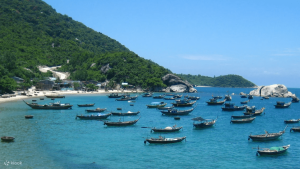
Tourists enjoying and discovering the marine life on their Cham Islands One Day Tour
Budget Travellers
Meenakshi Nair

Discovering Vietnam’s Marine Life: How To Make Your Cham Islands One-Day Tour Insightful and Enjoyable

Cham Islands is a small group of eight islands located on the coast of Hoi An, Vietnam. Cham Islands are known for their crystal clear waters, beautiful coral reefs, and rare marine life. The island also has underrated spots for snorkelling and diving, which makes this island a complete tourist destination. Cham islands also own many artistic and cultural corners, including the ancient temples and shrines from the Cham Empire. Even though Cham Islands is a growing tourist destination, they maintain the island sustainably without harming nature. The best part about this is that Thrillark has now launched the Cham Islands Day Tour from Da Nang. Vietnam is home to many underrated spots at affordable rates. So, if you are here this holiday season, make it a priority to visit Cham Islands! About Thrillark’s Cham Islands Tour Are you visiting Vietnam on a tight schedule? No worries—Thrillark has got you covered! Thrillark’s Cham Island Tour is the best choice if you want to explore Vietnam quickly. Thrillark’s Cham Island Tour is the best pick if you’re about to explore Vietnam! Starting from Da Nang, our Cham Island Tour includes pick-and-drop service, Transportation, Speed boat Life vests, Snorkelling masks, Lunch, an MPA Visiting Fee, and an Entrance ticket to Bai Chong. Stops at Cham Islands Tour 1. Sculpture Shop Cham Islands One Day Tour starts at a Handicrafts Sculpture shop, where you can discover Vietnam’s rich culture and craftsmanship. You can shop your favourite picks as a token of love for your loved ones or as a memory to remember your Vietnam trip!   2. Cua Dai Quay Cua Dai Quay is a picturesque fishing village in Central Vietnam’s beautiful beach area at the intersection of Thu Bon River, Truong Giang River and De Vong River. It is famous for its pristine beaches and stunning scenery. This place is the perfect escape into nature from your busy schedule! If you’re a fan of seafood, this is your place! Cua Dai Quay has many local restaurants that provide authentic Vietnamese seafood! Visitors can also take part in engaging fishing tours to explore the surrounding countryside. If you’re a lazy bee searching for peace, you can relax, chill on the shore, and soak up in the sun.   3. Au Thuyen Au Thuyen is a traditional fishing village in central Vietnam. It is known for its distinctive floating boat houses (thuyen) that shelter fishing boats during storms. The town is a popular destination for tourists who want to experience the local way of life and learn about traditional fishing techniques. Visitors can take a boat tour to explore the village and witness the daily activities of the fishermen. Au Thuyen provides a unique and authentic glimpse into Vietnam’s fishing communities’ rich culture and history.   4. Hai Tang Pagoda Hai Tang Pagoda is a historic Buddhist temple in Ho Chi Minh City, Vietnam. Built in the 17th century, the pagoda is a popular tourist attraction due to its stunning architecture and peaceful atmosphere. Visitors can explore the intricate carvings, statues, and paintings that adorn the temple and enjoy the tranquil gardens and scenic views. The pagoda is considered a spiritual oasis in the bustling city and is a must-visit destination for those seeking a moment of serenity.   5. The Ong temple The Ong Temple, also known as the Fujian Assembly Hall, is a cultural and historical landmark in Hoi An, Vietnam. Built by the Fujian Chinese community in the 17th century, the temple served as a place of worship, community centre, and meeting hall. Today, visitors can admire the temple’s ornate architecture, intricate carvings, and colourful murals. The temple is also home to a beautiful garden and a small museum that showcases the history and culture of the Fujian Chinese community.   6. Houng Beach Houng Beach is a beautiful coastal destination in Vietnam. It offers pristine waters, white sandy beaches, and breathtaking sunsets. Visitors can indulge in water-based activities such as swimming, snorkelling, and surfing or relax and soak up the sun. Lush green forests surround the beach, offering a peaceful escape from the hustle and bustle of city life. It’s a must-visit destination for anyone looking for a serene and picturesque retreat. Interesting Facts about Cham Islands Archaeologists believe that the islands were first settled by the Cham people around 3,000 years ago and were an important stop on the ancient Silk Road. The Cham Islands have a diverse ecosystem with marine life, lush forests, and seagrass meadows. The Cu Lao Cham Marine protected area covers more than 33,000 hectares. Cham Islands were known for their pristine and unspoiled beaches, including the Bai Chong, Bai Ong and Bai Xep. The Islands offer a variety of adventure activities, such as snorkelling and diving, which allow you to explore the vibrant coral reefs and colourful fish. Between April and August, whale sharks can sometimes be spotted in the water around the Cham Islands. FAQs Is Cham Islands worth it? The Cham Islands are worth visiting for their beautiful marine life, natural beauty, and cultural diversity.   Where is Cham Islands located? Cham Islands are located in the off-coast area of Hoi An in Central Vietnam in the Quang Nam Province.   How do you get to Cham Islands? To reach Cham Islands, you can take a boat or ferry from Cua Dai Beach in Hoi An.   How long does it take to get to Cham Island from Hoi An? The boat ride from Hoi An to Cham Island typically takes 30 to 40 minutes.   How do I get from Da Nang to Cham Island? If you’re coming from Da Nang, you can travel to Hoi An and then take a boat to Cham Islands from Cua Dai Beach.  

Read More »
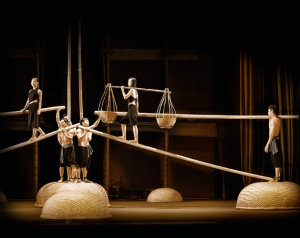
Vivid colors, captivating acrobatics, and a glimpse into Vietnamese culture. Immersed in the magic of the AO Show!
Couple Travel
Meenakshi Nair

Cultural Extravaganza: A Night at the A O Show in Saigon Opera House

An O Show is a cultural gem waiting to be explored in the heart of Ho Chi Minh City amidst the busy streets and modern skyscrapers. This performance crosses the boundaries of a typical theatre experience, highlighting the vibrant tapestry of Vietnamese culture woven with contemporary artistic expression. AO Show should be on your bucket list if you’re visiting Vietnam for the first time. A O Show opens a window into the Vietnamese culture. If you are an artistic freak, you can immerse yourself in the heart of Vietnam through this art form. The show takes place in a historical setting, and you can witness the grandeur of the Saigon Opera House, which highlights the background of the show. History and significance of Saigon Opera House Saigon Opera House was formerly known as the municipal theatre of Ho Chi Minh City. This complex was once a majestic landmark which used to narrate tee tales of Vietnam’s Colonial past and its rich artistic values. The Opera House was built by French architects between 1887 and 1897. It truly portrayed the rich tradition and grandeur of the French Third Republic’s architectural mastery. During French colonial rule, the opera house was the venue for European cultural events like operas, ballets, and theatrical experiences. After Vietnam’s independence, the opera house also served as the National Assembly building. Opera House was used as a radio station during the Vietnam War. It was after the Vietnam War that the opera house underwent restoration, and later, it was converted into a venue for artistic expression. The architectural mastery of the Opera House should be appreciated all the time! Opera house follows a European Design. With its horseshoe-shaped auditorium and grand facade, the opera house serves as one of the prominent complexes in Vietnam. Exploring Vietnamese heritage through art Vietnam has a rich and deep history of art forms, each woven through the soul of the city and the heart of the local people. Exploring through this rich artistic landscape offers a deep exploration into the roots of their history.   Lacquerware : This complex artform is all about applying layers of lacquer into variou surfaces. This depicts the scenes of the daily Vietnamese lifestyle, mythology and religious stories.   Silk Painting: Silk painting has a delicate nature and vibrant history as it is showcased through vibrant colours. This kind of painting mainly depicted landscapes, historical figures and traditional motifs.   Woodblock Prints : Woodblock prints are a kind of unique prints done on wooden blocks which features the bold lines, vivid colors, folklores, historical events and everyday life.   Water Puppetry: This is a captivating show where hand-carved puppets are put together to make them onto the water stage, syncing traditional music and narrating folk tales and historical legends.   Ca Tru Singing: Ca Tru Singing is a soulful art form of singing with a single-stringed instrument called “dan bau”, which expresses emotions and stories through soothing melodies and poetic lyrics.   Royal Court Music : This is a form of Vietnamese Classical music which features a varity of intruments and complex arrangements. Royal Court Music mainly depicts the rich cultural heritage of the Vietnamese courts. Deepening the Experience: Themes and narratives explored The show is all about the evolution of Vietnam through the ages, from a rural landscape to a busy metropolis. The nation’s rapid growth and modernization with the essence of Vietnamese traditions are portrayed. Human Connection narratives are also familiar in the play, including the importance of family bonds and communities. For depicting the depth of the plot, acrobatic feats and synchronized movements are also being used. This adds a power of collective effort and thus it celebrates the spirit of collaboration.  The show also integrates the elements that depict Vietnamese people’s deep connection to nature. According to the Vietnamese culture, bamboo is often considered a symbol of growth and power. Thus, bamboo is integral to acrobatics, reflecting the harmonious relationship between man and nature. The show also points out the cycle of life in different ways in a chronological flow. The transition from the innocence of childhood to the struggles and victories of adulthood is being represented. Expressing appreciation for the A O Show As the curtain falls, i hope you all had a lasting impression about the A O Show. This show is not merely about a performance, but it depicts the real life and values of the rich landscapes, cultural tapestry and  Vietnamese people itself. So if youre someone who loves to investigate the tales of the historic places, this is your token! While after experiencing the AO Show and stepping out the majestic saigon opera house, im sure you will be surprised! The show itself contributes a visual treat for your eyes and gaves you a vibrant energy! There you can excavate deeper into the history of Saigon and more. FAQs Is there a dress code for Saigon Opera House? Saigon Opera House has no dress code, but most visitors prefer wearing smart casuals.   What is the meaning of the AO show? AO Show is one of the most celebrated shows in Vietnam. AO means Village and City in Làng Phố. How many seats are there in the Saigon Opera House?   Who built the Saigon Opera House? French architect Eugene Ferret created the Saigon Opera House in 1898, emulating the “flamboyant” architectural style of the French Third Republic.   What architectural style does the Opera House feature? It reflects the flamboyant style of the French Third Republic, incorporating European influences with a touch of Eastern flair.   What shows are typically held at the Opera House? The Opera House hosts various performances, including opera, ballet, contemporary dance, orchestral concerts, and even local cultural shows.  

Read More »
Jebel Jais Zip Line: Adventurers soaring over Ras Al Khaimah's rugged landscapes
Adventure
Meenakshi Nair

Jebel Jais Zip Line: The Crown Jewel of Ras Al Khaimah’s Attractions

Ras Al Khaimah, which is nestled among palm groves provides an attraction with a blend of richness and splendour. It is one of the niche destinations across the United Arab Emirates. Jebel Jais Zip Line stands out as one of the best Crown Jewels of Ras Al Khaimah, offering an experience with the ultimate escapade, melding the thrill of a fast-paced descent with the breathtaking grandeur of the Hajar Mountains. The attraction of travellers to Ras al Khaimah The triumph story of the Jebel Jais Zip Line has made Ras Al Khaimah one of the best places to go on vacation. Ras Al Khaimah has become an exciting destination for those in search of adventure. Ras Al Khaimah has become an international attraction and draws major tourism to this place. This strange request for a fusion of extreme sports and unspoiled nature attracts tourists from around the world. The Jebel Jais Zip Line is ideal for those who want to study different kinds of tourist attractions other than the usual ones For instance, the city’s newly updated image includes a zip line that exceeds all the glitter and glamour of other places within UAE. With it, tourists can watch the breathtaking, mad, and Hajar Mountains wilderness while sailing on mountain tops. About Ras Al Khaimah Ras Al Khaimah is present in the upper part of the United Arab Emirates. To highlight a unique aspect of the United Arab Emirates, this place Ras Al Khaimah is undertaking enormous efforts directed towards the growth of tourism. Ras Al Khaimah has become a shelter for people seeking to be closer to nature, who are in pursuit of true feeling, away from the masses on tourist routes. It also helps people with its varied natural surroundings, wealthy history, and artistic heritage. About Jebel Jais Mountains Jebel Jais, which belongs to the UAE, forms part of the Hajar mountain. Jebel Jais is more than 1900 metres high and therefore provides an impressive background to the landscapes around it that contain mountain ranges, deep fissures and wide valleys. The Jebel Jais zip line itself is now Standing with thrill and Ras al Khaimah’s attempt at rebranding as an adventure sports destination. Holding Guinness records The Jebel Jais Zip Line, also known as Jebel Jais Flight, earned itself a coveted spot among the Guinness World Records. Jebel Jais Zip Line consequently gained international recognition due to the Guinness world record. It is the longest zip line in the world, stretching over 2.83 kilometres. This magnificent achievement placed the emirate in the spotlight, attracting adventurers and thrill-seekers from all over the world. Experience Adventure Travel The United Arab Emirates’ Ras Al Khaimah plays host to an adventure tourism hub. The Jebel Jais Zip Line forms part of this process since it offers a compelling and lively experience that substitutes the traditional desert safaris as well as the lavish retail adventures synonymous with this region. With the supplementary zip line, there’s a new set of travellers who come here looking for adrenaline in amongst nature’s opulence. Those courageous enough to fly on the Jebel Jais Flight begin their trip from the launch pad lying at the top of the mountains. As they go by, riders experience a blur of acceleration at breakneck speeds through an incredible view while enjoying a gusty wind that gives them a heightened sense. A Harmony of Velocity and Landscape The flawless blend of stunning natural beauty and high-speed excitement is what sets the Jebel Jais Zip Line apart. There is a symphony of wonder and excitement as riders soar into the air, given odd views of the untamed Hajar Mountains. An exciting experience that is not for the faint of heart, Participants in this airborne travel may reach speeds of up to 150 km/h. About journey through a zipline It follows the string of ziplines that are connected with various platforms, making the journey exciting for the visitor. While riding their way across the zigzag zip line, riders overlook deep ravines, rocky outcrops, and green valleys. Moments of stopped time provide a pause in this travel where participants can just immerse into the magnificence of the views around them. Follow Safety Precautions and Dress Properly Wear sensible shoes that can provide good foot support with closed-toed sandals. Make sure your clothing is comfortable. Listen carefully to the knowledgeable staff when they give a safety briefing. While the Jebel Jais zip line is an amazing experience, safety is still number one. Safety is the most significant aspect of design and the total experience has to follow international standards. Modern safety equipment and knowledgeable guides go along to ensure a safe and enjoyable trip. Be aware of and strictly comply with all safety precautions, including that concerning proper body position and wearing a harness. Furthermore, it enhances your pleasure and safety level. In pack layers, remember that there will be temperature fluctuation as a result of the area being mountainous. Improving the travel industry in Ras Al Khaimah It is not only adventure lovers that like Jebel Jais Zip Line. In terms of economy, Ras Al Khaimah has reaped a lot through the attraction that saw the expansion of travel and tourist industries. The surge of tourists who desire to try the zip line has given rise to an overabundance of lodges, eating places, and means of transportation. This is because the increase in tourists has been beneficial even to many local companies like adventure tour operators and gift stores, among others. The zip line is a major source of funds, both directly and indirectly, for many residents in the emirate and has triggered job creation. Interaction with the Community Integration The Jebel Jais Zip Line has grown to be a hub for intercultural dialogue and neighbourhood involvement in complement to its economic significance. A sense of pride and ownership has been fostered by the local communities’ involvement in the attraction’s design and management. Cultural Influence Incorporating classic cultural components into the entire experience gives

Read More »
Couple Travel
Meenakshi Nair

Feasting in the Desert: The Unforgettable Experience at Al Hadheerah Desert Restaurant, UAE

UAE – the country of delicious cuisines! If you are in the UAE, don’t miss the Al Hadheerah Desert Restaurant. Located in the heart of the desert in the UAE, Al Hadheerah Desert Restaurant has its own way of attracting people. The uniqueness in the taste and the ambience captivates people’s hearts! If you are planning for a memorable dinner with your loved ones, Al Hadheerah Desert Restaurant is the right choice! Set under the stars in the Arabian desert, with amazing platters of mouth-watering dishes, blended with live performances of folk, and with a falcon demonstration, the Al Hadheerah Desert Restaurant is people’s favorite! What to remember while you are in the Al Hadheerah Desert Restaurant? There are key points to remember while visiting the Al Hadheerah Desert Restaurant. Reservations: Al Hadheerah Desert Restaurant has a reservation system that needs to be done in advance. If you are visiting during peak and weekend hours, reservations are crucial for a dine-in table. Arrival time: Try arriving early before your reservation to explore and capture the surroundings. The sunset will be the best company for you! Dress code: Al Hadheerah Desert Restaurant does not have much of a dress code restriction. Wear something light and comfortable when you are visiting the restaurant. Choose your outfits that suit the desert climate. Explore well: Al Hadheerah Desert Restaurant has live cooking stations and entertainment that customers can enjoy. Check if camel rides are possible and try that also. Exciting events: Al Hadheerah Desert Restaurant has many events, including live performances, traditional music and dance, and falconry displays. Participate in the cultural aspect performances and cherish these memories! Click pictures: Do not forget to take your camera or mobile phone to the Al Hadheerah Desert Restaurant. The desert views, the live performances and the restaurant’s ambience should get to your gallery! Stay hydrated: Al Hadheerah Desert Restaurant, as we all are aware of, is situated in the desert regions. To stay active and to enjoy the views and the performances, drink more water and stay hydrated. Dietary preferences: If dietary or allergy restrictions exist, inform the restaurant staff. They will help you accommodate the suitable food options! Where is the Al Hadheerah Desert Restaurant located? Al Hadheerah Desert Restaurant is located in the Bab Al Shams Desert Resort & Spa in the UAE. With amazing desert views and a great dining experience, the Al Hadheerah Desert Restaurant makes people fall in love! If you are craving for a traditional mix of Emirati and Arabic cuisines, Al Hadheerah Desert Restaurant is the right place! What’s included in Al Hadheerah Desert Restaurant? Live cooking stations with more than 10 middle eastern cuisines Buffet with soft drinks Live entertainment and performances Bellydance Alcoholic beverages Alfresco seating Al Hadheerah Desert Restaurant’s signature dish – Lamb Ouzi cooked underground. Vegetarian, poultry and other seafood dishes Must try in Al Hadheerah Desert Restaurant Al Hadheerah Desert Restaurant has some best dishes that should go in your must-try list. Mixed grills: Their grill is an assortment of kinds of meats like chicken, lamb, chickens dn beef. Al Hadheerah Desert Restaurant is known for its perfectly grilled dishes! The flavors and the tenderness of the meat is what people love here! Baked bread: Freshly baked bread gives the tastes of an arabic flavor. Do not forget to taste their traditional dips and savoury sauces along with the bread! Mandi and Kabsa: Al Hadheerah Desert Restaurant has one of the best mandi platters with kabsa. These are traditional rice platters served with meat like lamb or chicken. The dish has the mouth-watering blend of spices and the tender meat spread at the top, making the whole dish delicious! Mezze: The mezze platters are small dishes that have hummus and baba ghanoush . The stuffed vine leaves make the whole dish look and taste perfect! The Mezze platter of Al Hadheerah Desert Restaurant is known for the middle east taste! Shawarma: Shawarma lovers, Al Hadheerah Desert Restaurant has some of the best platters that offer the Middle Eastern taste! If you are in the restaurant, walk to the live kitchens and watch the chef cook the shawarma. Meat wrapped in flatbread with veggies and sauces looks drooling! Desserts: Al Hadheerah Desert Restaurant offers various kinds of desserts like the kunafa, baklava and Umm Ali. Infused with the nuts and species, the desserts are a must-try! Apart from the platters and cuisines, Al Hadheerah Desert Restaurant is also popular for the cultural experience and the ambiance! Don’t miss the vibrant and live performances in Al Hadheerah Desert Restaurant! Right time to visit Al Hadheerah Desert Restaurant Visiting the Al Hadheerah Desert Restaurant depends on your itinerary, weather preferences and conveniences. With the desert setting and live performances, the whole expense becomes memorable! Weekdays or weekends? Al Hadheerah Desert Restaurant is usually bustling with crowds during the weekends, mainly on Friday evenings. If you are thinking of a quieter dinner, choose some day in the week. If you want to dine with a crowd and enjoy the atmosphere, choose weekends! Weather-wise: Weather-wise, Al Hadheerah Desert Restaurant can be really hot during the summer months like June to August. Visiting during October to early April gives much of a cooler experience. It will be more comfortable for outdoor activities and dining! Daytime or evenings? Al Hadheerah Desert Restaurant usually opens in the later afternoons. If you want to witness the beautiful sunset by the desert side, visit the restaurant during the open hours. Why choose Thrillark? Thrillark is one of the best platforms that connect people to local tour operators for vacationing seamlessly. We customize your itinerary plans based on your preferences, budget and travel styles. Thrillark assures complete guidance throughout your vacation in UAE. We will assist you in planning your itinerary and make your desires align with the plan! FAQs Is alcohol included in Al Hadheerah Desert Restaurant Yes, you can get alcoholic beverages in Al Hadheerah Desert Restaurant   What are all the

Read More »
Exploring the colorful streets of Havana, Cuba, immersed in vibrant life and colonial heritage
Adventure
Meenakshi Nair

The Complete Travel Guide to Cuba: Step into the Vibrant Life and Colonial Heritage

There are only a few places in the world that have the perfect combo of deeply routed history and are fresh and eager to make their mark. Cuba is one of a kind. A great destination to spend your long weekend along the beaches and get lost in the magnificent architecture. Cuba is a Caribbean island country located in the northern Caribbean Sea, where the Gulf of Mexico, and the Atlantic Ocean meet. Apart from the sun-kissed stunning beaches and cars, Cuba has a perfect blend of history, Natural splendour, and culture. Let us now explore the vibrant nightlife and colonial heritage to create the ideal holiday experience. How to get a Tourist card? A visa is required to enter a country’s borders. To visit the nation lawfully, one just needs a tourist visa – also known as the “Tourist card”  that Cuba provides. Compared to procedures in many other countries, applying for a tourist card is a simple and uncomplicated process. A lot of airlines and travel agencies assist in obtaining a Tourist card; typically, these services are included in vacation packages. You can apply for a tourist card online or at the Cuban diplomatic office that is closest to you. Best season to visit Cuba November through April is the ideal time of year to travel to Cuba. In essence, Cuba has two seasons: the rainy season, which runs from May to October, and the dry season, which runs from November to April. The greatest months to visit beaches are November through April when the weather is cool and dry. Cuba is also renowned for its outdoor activities, so you may take advantage of the weather without worrying about rainy days. The greatest time to escape cold and enchant Havana’s streets is during this season when there are seven to ten hours of daylight. Additionally, you may experience Cuba’s colorful culture from November to April, when all of the country’s main summer festivals take place. The Havana Jazz Music Festival occurs in January as well. The months of May through October are the least busy with tourists. However, you might benefit from it by enjoying a more affordable experience. Best Places to Stay There is a wide range of accommodation faculty in Havana and the neighbouring towns of Cuba.   Hotels Cuba has a wide variety of hotels, ranging in price from affordable to luxurious. They are compassionate have a good ambiance and provide offer quality service. In case you are unable to acclimate to the new Cuban food, you may indulge your taste buds at the hotel restaurants, that often have pools with restaurants. If you decide to go on a family holiday in Cuba, hotels are the best place to stay.   Casa Particular Casa Particular, is a form of accommodation where the Cuban locals rent rooms in their houses to tourists. The casa particular is also called Me casa, su casa – is popular in many nations but it is most popular in Cuba.It is a fantastic way to experience Cuban hospitality and learn more about the culture. We can support the Cuban community and save money while casa particulars are more affordable compared to the hotels.   Campismos Campisoms refers to campsites in specified camp locations. The Campisoms are well-known in Cuba and are distinctive to the country. Campisoms are primarily intended for domestic and international tourists. They are more affordable and nature-centric accommodations and a terrific way to experience the true essence of Cuba.   Historic Hotels The cities of Trinidad and Havana both have historic hotels. They combine a modern environment with rich cultural architecture. They possess great cultural significance. They can be a little pricey, but if you want to remain in luxury, you can choose to do so.   Country homes Authentic Cuban homes may be found in Cuba’s rural districts, providing a more relaxed and comfortable stay. They provide a relaxing stay away from the rush of the cities.   Resorts Several resorts in Cuba provide a variety of entertainment options as part of their package deals. These all-inclusive resorts are the ideal choice for a beach vacation. Best Foods to Try Cuban cuisine is a fusion of Spanish and Caribbean cuisine. Their recipe shares the cooking techniques from Spain and Caribbean-influenced flavours and spices. The must-try dishes that are ;   Ropa vieja It is a meal made up of shuddered beef, slowly cooked in sour tomato sauce along with onions, peppers, and other spices.   Moros Y Cristianos The white rice and black beans are cooked together, and it is worth trying not only for its taste but also for the historical influence of morons and Christians on Cuban culture.   Tostones Tostones are the most popular and addictive snack. They are green plantains that have been flattened into discs and then fried until they become crispy. They are typically served as a side dish or snack. Top 10 Places to Visit Santiago de Cuba Santiago de Cuba is Cuba’s second-largest city after Havana. It is situated in the island’s south. Santiago de Cuba is well-known for its historical significance in the Cuban War of Independence.They have a rich culture, colorful traditions, and the greatest musical taste in all of Cuba. Unlike Havana and Trivanad, the atmosphere is relatively peaceful, and you may spend time hiking in the mountains.   Vinales valley Vinales Valley is a typical tourist spot in Cuba. It was Inscribed as a UNESCO World Heritage site as a natural and cultural landscape because of its use of traditional tobacco growing techniques.You can get the best food along with some rum and drinks. The square mountains of the Vinales Valley can’t let you take your eyes off them can also have adventure and go on a hike and horse ride which costs only a few dollars..   Habana Vieja Habana Vieja is also called Old Havana. It has the heart of Cuba. It has been inscribed on a UNESCO World Heritage list. The

Read More »
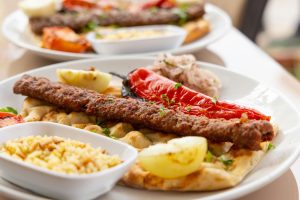
A colorful spread of Turkish dishes including baklava and kebabs, representing the diverse culinary delights of Turkey
Couple Travel
Meenakshi Nair

From Baklava to Kebabs: The Ultimate Food Tour of Turkey

The tremendous land of Turkey is famous for its wide variety of heritage cuisines like Ottoman cuisine, Turkish vegetarian cuisine and Seljuk cuisine. A lot of fusion and innovation happened way back 500 – 600 years. Their landscape is rich in flora and fauna. They have abundant healthy herbs and fruits. Corn comes from the Eastern region of the landscape, whereas Olives are from the Aegean islands. The Southeastern Anatolian region is known for its Kebabs and Thrace for Pastries. More than 30 varieties of eggplants grow throughout the region. Undoubtedly, Turkey is a destination for food. This article from Thrillark explains the heritage Turkish cuisine in detail, the special foods of Turks, some spellbound facts on their kitchen setup, the 500-year-old guidelines followed and lots more. What will Turkish cuisine contain? People of Turkey love their meals very much and always prefer to consume a balanced and healthy diet. The olden classic Turkish palace kitchens used fresh ingredients rather than preserved or seasoned ingredients. Consuming a healthy diet became a habit during the 13th century. Sultans of the medieval period only allowed two meals per day. Hence, they wanted healthy and balanced food to gain energy. These preferences are followed even today in most parts of the region. From mouthwatering Baklava to Kebabs, most Turkish dishes are made out of Olive oil. These virgin Olive oils give an additional flavor to their food. Most Turks are vegetarians, and most of their delectable dishes contain the following ingredients; Beans Lentils Chickpeas Onions Tomatoes Potatoes Zucchini Eggplants Cabbage Carrot Spinach Cauliflower Pastry dishes Yoghurt Rice Bell peppers Okra Marshmallow Herbs Plums Apricots Pomegranates Pears Apples Grapes Mulberry Turks prefer dried seedless currants in almost all their dishes. Cheese is one of the significant ingredients of all their breakfast. Apart from these, Pickles made from all kinds of vegetables are another popular food item the Turks love and prefer. Top 13 Quintessential Turkish Foods Baklava This Turkish dish is considered the Queen of Turkish Desserts. Turkey’s desserts fall into one of three categories: Syrup-based, milk-based, or fruit-based. This Baklava is a Syrup-based dessert. It is an oven-baked dessert pastry made using filo dough, nutritious chopped nut varieties and Sugar syrup. It is considered precious because, until 1990, baklava was a celebration dessert. Turks serve this only during Ramadan and feast. Kuru Baklava, the dry Baklava, is known for its longer shelf life.   Borek Borek is an everyday Turkish Savory Pastry Dish. It is the staple food of the high plateaus of central Anatolia. They are served hot as well as cold. They have various varieties of Borek like Cigarette borek, Long borek, Water borek, Tray borek and lots more.   Piyaz Popularly known as Fasulye Piyazi. It means a dish with Beans and Onions. With Beans as its secret and predominant ingredient, Piyaz salads are a chart-topping dish in Turkey.   Dolma Dolma means Stuffing. The well-renowned Turkish cuisine is famous for its cold vegetable dish, the Dolma. Most of these dishes are stuffed, without meat. Twenty-four different varieties of Dolma are available across Turkish cuisine.   Chicken Shish Kebab The Chicken Shish Kabobs from the Mediterranean region are famous for their tender and juicy taste. The cube-sized Chicken breasts are marinated overnight by combining classic Middle Eastern and regular spices. This dish plays a crucial role in Lebanese-style barbecues.   Turkish Coffee Turkish coffee made of fine granules of roasted coffee beans is usually served in porcelain cups. Ideally, Kahve (The Turkish Coffee) is served after every meal or with dessert. It is called the Coffee Ritual in Turkey.   Turkish Tea Turks love brewed tea a lot. They serve tea to all their guests and all their business customers.   Lahmacun According to a few Ottoman explorers of the 17th and 18th centuries, Lahmacun takes its name from the Arabic word. It’s a pastry made using meat and low-fat mince mixed with tomato and garlic paste. It is the classic Ottoman-period Pizza. It is a 300-year-old dish and the most favourite lunchtime snack.   Yatsilik Yatsilik is a meal consumed after dinner. A plate of Yatsilik will contain seasonal fresh fruits, dry nuts and black tea.   Meatballs It is one of the most popular menus of the Turks. It is a National delight iconic dish. More than 100 different varieties of this dish are available throughout the region.    Gozleme It is a popular street food in Turkey, served in all tourist attractions. It is also known as the Turkish Pancake.   Durum Wraps It is a Turkish wrap filled with kebabs. It is one of the best-selling street foods. Ayran Ayran is the yoghurt drink of Turkey. It is the most consumed and favourite drink of Turks. Apart from these, we can find plenty of ice cream varieties. People of Kahramanmaras consume a particular variety of ice cream with a knife, fork or stick.   There is no shortage of delicious, Yummy and Appetizing food varieties on the streets of the bustling cities of Turkey. An interesting fact is that most of the dishes are served cold and hot as well. Not only vegetarian and chicken kebabs are famous in Turkey, but Turks prefer Offal dishes to regular meat. In fact, the Offal dishes are far cheaper than the meat. Turkey also has fresh seafood. In fact, the availability of fresh seafood is plentiful. Since seafood is costly, Turks treat it as an infrequent dish. Spellbound Facts of Turks and Turkish Kitchen Turks value the dishes prepared, the Kitchens, the dining place and all food-related things. The ancient kitchens from where such beautiful dishes originated have some spellbound facts. Here are a few interesting facts from Thrillark. Asevi and Asdami are the names of the traditional places where Turks prepared their delicious food. Tandir, Ocak or Ocaklik is the name of the place where their bread and pastries get cooked. The traditional empires prepared their Luscious dishes using Tandir and Kuzine. Turks use Rust Proof Steel,

Read More »