

Category: Travel Tips

Chiang Mai Hidden Gems: Underrated Spots Tourists Miss
Activities
Sandhya Satheesan

Chiang Mai Hidden Gems: Underrated Spots Tourists Miss

Do you want to travel to Chiang Mai and see more than just the usual tourist spots? While most visitors head straight to the Old City temples, Doi Suthep, and the night bazaars, there’s so much more waiting to be discovered. Hidden temples, mountain trails, artisan villages, and local food markets reveal a quieter, more authentic side of the city. Exploring these hidden gems lets you experience Chiang Mai the way locals know it, rich in culture, nature, and traditions. Chiang Mai, often celebrated as the cultural heart of Northern Thailand, carries with it the legacy of the former Lanna Kingdom. Its old-world charm, mountain backdrop, and vibrant traditions make it one of the most visited destinations in the country.  Just beyond the usual tourist spots, Chiang Mai hides another side, quiet temples in the forest, hilltop views, artisan villages, jungle trails, and food traditions that many travelers miss. These places tell a deeper story of the city’s culture and people. They offer what most visitors are looking for: authenticity, calm, and a closer connection to local life. By stepping off the beaten path, you can experience the true heart of Northern Thailand, Chiang Mai, that is not only seen but also felt. This guide highlights some of the city’s best-kept secrets and invites curious travelers to look beyond the obvious and enjoy the unexpected. Landscape and Nature: Mountains, Rivers, and Forests in Chiang Mai Chiang Mai’s landscapes are defined by towering mountains, winding rivers, and lush forests that shape both the environment and the culture of Northern Thailand. While Doi Suthep is the city’s most famous peak, the region is full of natural hideaways that offer both serenity and adventure. Exploring these spots not only reveals breathtaking scenery but also showcases the deep connection between local communities and their surrounding ecosystems. 1. Doi Suthep Pui National Park: Beyond the Golden Temple Doi Suthep Pui National Park has splendid options to try on your trip. Most visitors make their way up to Wat Phra That Doi Suthep, a hidden gem in the national park. The park has a beautiful and hundred-year-old forest path, Monk’s Trail, which links the city to Wat Pha Lat, a jungle temple where mossy stones and gentle streams create an atmosphere of peace. Further along, waterfalls like Huay Kaew and Monthathan provide refreshing breaks for hikers, combining spiritual calm with natural beauty. 2. Mae Kampong Village: A Living Forest Community Mae Kampong Village is nestled in the east hills of Chiang Mai. It is more than a scenic escape; it’s a thriving example of community-based eco-tourism. Mae Kampong Village is surrounded by the forest and streams; the village runs traditional homestays that immerse travelers in local life while supporting conservation. You can stay there and enjoy the forest, streams, and the everyday life of the locals. The nearby waterfall adds to the charm, making it a perfect retreat for those seeking both cultural exchange and natural immersion. 3. Bua Thong Sticky Waterfall: Nature’s Playground Bua Thong is not a typical waterfall; it is called the sticky waterfall. Unlike the other waterfalls, as the name suggests, the surface of Bua Thong is sticky, and you can walk on it. Sounds adventurous at the same time, fun, right? It is the best sport to spend time with your family and friends. So why not pack your bag and walk through the waterfall with your loved ones and capture the moment?  4. Huay Tung Tao Lake: A Local Leisure Spot  Just a short drive from the city, Huay Tung Tao Lake is a favorite weekend escape for locals. Framed by mountains, its bamboo huts stretch along the water’s edge, where you can enjoy simple Thai meals, fresh fish, and an unhurried pace of life. It’s not just about the view but about participating in Chiang Mai’s culture of relaxation. 5. Highland Retreats: Doi Ang Khang & Mon Jam If you are seeking sweeping views and cooler weather, the highland areas of Doi Ang Khang and Mon Jam are ideal getaways. These mountain ridges are famous for their flower gardens, terraced farming projects, and seasonal cherry blossoms that transform the hillsides into pastel pink landscapes. With their panoramic viewpoints and agricultural initiatives, they showcase both the beauty and resilience of highland communities. Hidden Spiritual Heritage of Chiang Mai  Chiang Mai’s soul is inseparable from its Buddhist heritage. Beyond the well-visited temples of the Old City and the golden summit of Doi Suthep lies a quieter spiritual world, forest monasteries, meditation retreats, and centuries-old shrines that embody the Lanna Kingdom’s legacy and its enduring ties to Buddhist practice. Visiting these lesser-known temples offers not only architectural beauty but also a chance to experience the meditative calm that defines Northern Thailand’s spiritual life. 1. Wat Umong: The Forest Temple of Stillness  Tucked within a forested grove, Wat Umong is unlike any other temple in Chiang Mai. Built over 700 years ago, it is famous for its moss-covered chedis and underground meditation tunnels, where flickering candles illuminate Buddhist murals and inscriptions. The temple’s rustic setting emphasizes simplicity and introspection, making it a favorite among those seeking a contemplative retreat away from the city’s bustle. It is the perfect place to take a break and slow down.  2. Wat Jed Yod: A Bridge to India Built in the 15th century, Wat Jed Yod stands out for its striking architectural influence from the Mahabodhi Temple in Bodh Gaya, India, where the Buddha attained enlightenment. With its seven spires symbolizing the seven weeks after enlightenment, the temple highlights the deep cultural exchange between the Lanna Kingdom and India. A cultural crossroad can be seen there; Wat Jed Yod has to be the number one place you must visit.  3. Wat Pha Lat: A Forest Sanctuary on the Monk’s Trail  Although often overshadowed by its mountaintop neighbor Doi Suthep, Wat Pha Lat is one of Chiang Mai’s most serene temples. Nestled in the jungle along the Monk’s Trail, it combines natural beauty with spiritual tranquility. Waterfalls,

Read More »
Pattaya Floating Market
Best Time to Visit
Niya Mariam Santhosh

Floating Markets Near Pattaya: A Complete 2026 Guide

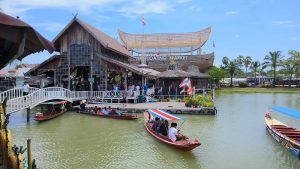
Picture wooden boats gliding along canals, piled high with tropical fruits, sizzling street food, and handmade crafts. This is one of Pattaya’s most magical experiences: the floating markets. They’re not just tourist attractions, but living proof of Thai culture. Even today, they remain active social hubs where food, trade, and tradition flow together.  The city’s very own Four-Regions Floating Market brings Thailand’s flavors and traditions together in one colorful spot, while nearby provinces offer authentic alternatives for those who want to explore further. Packed with the latest updates for 2026, this guide makes exploring floating markets near Pattaya simple, fun, and unforgettable.  Top Floating Markets to Visit in Pattaya From Pattaya’s own buzzing Four Regions Floating Market to the charming riverside gems just a short trip away, each market unwraps a different layer of Thai culture. Whether you’re after sizzling seafood, Instagram-worthy canals, or a walk through living history, these markets won’t disappoint.  Pattaya Floating Market (Four Regions Market) The Pattaya Floating Market, also known as the Four Regions Floating Market, is one of the city’s top attractions and a cultural gem you can’t miss. The concept is designed around Thailand’s four main regions – North, Northeast, Central, and South. The market combines traditions, architecture, and flavors of these regions.  Located only 15–20 minutes from central Pattaya along Sukhumvit Road, it’s easy to reach by taxi, Grab, tuk-tuk, or songthaew. The star of the show here is the food. Take a stroll along the wooden alleyways or hop on a boat to taste local favorites like steaming boat noodles, sweet and creamy mango sticky rice, and freshly grilled giant prawns. Be prepared to be tempted by each corner of the market. Keep in mind, the boat rides usually wrap up around 6:00 PM. Go on a shopping spree for souvenirs like handicrafts, Thai silk, and OTOP products (unique “One Tambon One Product” items). There’s something for every budget.  Don’t miss out on cultural shows and performances to complete the experience. Traditional dance, Thai music, and even Muay Thai staged over the water add energy and authenticity to your visit, making it more than just a shopping stop.  The Pattaya Floating Market is open daily from 9:00 AM to 8:00 PM. Plan your visit around 9:00–11:00 AM to avoid huge crowds and midday sun. Weekends bring the biggest crowds, so if you want to enjoy the lively energy, visit around this time.  Amphawa Floating Market (Samut Songkhram) If you’re looking for a floating market with an authentic local vibe, the Amphawa Floating Market in Samut Songkhram is the place to be. Unlike the tourist-heavy markets, this one is loved by locals who gather along the riverside.  The highlight of this place? As night falls, you can be part of a magical firefly boat tour, where the trees along the canals light up like fairy lights.  Stalls line the canals with sizzling seafood grills, from giant prawns to squid skewers, alongside traditional Thai sweets and refreshing iced drinks. The atmosphere is lively and colorful, making it a dream spot for both foodies and photographers.  Not sure when to visit? The best time to visit the Amphawa Floating Market is Friday to Sunday evenings, when the market is at its peak. Reaching Amphawa from Pattaya takes about 3.5 to 4 hours by car, or you can opt for a more relaxed journey by train, followed by a quick local van ride.  Set aside at least half a day to explore the market, with an average budget of about ฿500–฿800 per person.  Damnoen Saduak Floating Market (Ratchaburi) Known for vibrant canals filled with colorful wooden boats, the Damnoen floating market is one of Pattaya’s most iconic places to visit. While it’s often quite tourist-packed, it still remains one of the most photogenic and energetic floating markets in the country, perfect for postcard-worthy photos.  The best time to visit Damnoen Saduak is early in the morning, ideally between 7:00 and 9:00 AM. Arriving early can help you escape the harsh midday heat and take in the vibes before the crowd hits.  Ready to explore? You’ve got two options. The first option is paddle boats. They are slow and intimate, ideal for soaking in the details of the markets and shops directly from the vendors. This will cost you around ฿200–300 per person.  Want a faster option? Long-tail boats are available for about ฿400–600 per boat, depending on the route and operator.  Many travelers combine their trip by visiting the Maeklong Railway Market, located just 20 minutes away. Here, you can see stalls set up right along the tracks, and vendors quickly pull everything back as a train passes through. Sounds like an experience worth witnessing, right?  Getting to Damnoen Saduak takes about 3–4 hours by car or van from Pattaya, so it’s best planned as a full-day trip. Visit with a budget around ฿700–฿1,000 per person, including transport, a boat ride, and food.  Khlong Suan 100-Year Market (Chachoengsao) Step back in time at Khlong Suan 100-Year Market and experience a bygone era with traditional wooden shop houses, vintage signs, and narrow walkways that seem frozen in time. A visit here feels more like entering a museum than a market.  The flavors at this market reflect the market’s Chinese-Thai heritage. You can expect everything from crispy fried snacks and steamed dumplings to traditional Thai sweets and aromatic noodles. Don’t forget to try the old-style iced coffee or herbal drinks, still served in retro glass bottles.  Are you a culture and history enthusiast? This market is great for those of you who prefer authenticity over crowds. Khlong Suan is all about atmosphere, nostalgia, and simple pleasures.  Located about 1.5 to 2 hours from Pattaya by car, it makes for an easy half-day or day trip. The journey feels like a true local adventure as you pass through small towns and green landscapes.  Lanpho Naklua Seafood Market  Lanpho Naklua Seafood Market is an absolute must for seafood lovers. Unlike the other floating markets, this one is all

Read More »
Best Waterfalls Around Chiang Mai: Hidden Treks & Easy Access Spots
Activities
Sandhya Satheesan

Best Waterfalls Around Chiang Mai: Hidden Treks & Easy Access Spots 2026

When people think of Chiang Mai, they often imagine glittering temples, bustling night bazaars, and cozy mountain cafes. But just beyond the city streets lies another side of Chiang Mai, its breathtaking waterfalls. Hidden in lush jungles and national parks, these cascades are where locals escape the heat and travelers discover the wild beauty of Northern Thailand. If you are an adventure trekker who loves weaving through forest trails to find secluded falls, or the casual visitors who prefer easy-to-reach spots perfect for a refreshing dip or a picnic with friends. No matter your pace, Chiang Mai’s waterfalls promise a slice of nature that feels worlds away from city life. This guide will help you choose the right waterfall experience for your trip, if you’re searching for an adventurous jungle trek, a family-friendly picnic spot, or a quick escape just outside the city. You’ll find hidden gems known only to locals, popular falls worth the hype, and practical tips on how to reach them. With clear directions and seasonal advice, this guide makes chasing waterfalls in Chiang Mai easier, safer, and far more rewarding. When to Go for a Waterfall Experience Season Months Waterfall Experience Best For Rainy Season June to October Waterfalls are at their fullest, powerful cascades, lush and green surroundings. Photographers, nature lovers, adventure trekkers Cool Season November to February Mild weather, lighter flows, but great for hiking, clear skies, and comfortable exploring. Hikers, families, casual day-trippers Hot Season March to May Smaller flows, but natural pools are perfect for swimming and cooling off. Swimmers, locals escaping the heat, picnics Quick Guide to Visiting Waterfalls in Chiang Mai Distance from the City Most waterfalls are located 30 minutes to 1.5 hours from Chiang Mai’s Old City. Popular ones like Huay Kaew and Sticky Waterfall are closer and easier to reach, while hidden jungle cascades in Doi Inthanon or Mae Wang require longer drives or short treks. How to Get There What to Pack Easy Access Waterfalls in Chiang Mai Not every waterfall around Chiang Mai requires a long trek into the jungle; some are just a quick ride away and perfect for families, picnics, or short half-day trips. Here are the best easy-access options: 1. Huay Kaew Waterfall The closest waterfall to Chiang Mai city, located at the base of Doi Suthep mountain. It’s a popular spot for locals to cool off, and you can combine it with a temple visit to Wat Phra That Doi Suthep. Great for a quick visit, especially if you’re short on time. Visiting Huay Kaew Waterfall will save you time and give you a top-notch experience of nature.  2. Monthathan Waterfall Set inside Doi Suthep-Pui National Park, this 9-tier waterfall offers shaded jungle paths and scenic picnic spots. Easy to reach by scooter or songthaew, it’s less crowded than Huay Kaew and a refreshing escape just minutes from the city. If you want silence and sometimes to be alone without any rush, then Monthathan Waterfall is waiting for you.   3. Mae Sa Waterfall A 10-tier cascade that’s one of Chiang Mai’s most family-friendly waterfalls. The shaded forest trails make it ideal for walking between levels, and the picnic areas invite you to spend a full afternoon relaxing. Located along the Mae Rim route, it’s easy to combine with nearby attractions like elephant sanctuaries or the Queen Sirikit Botanic Garden. While visiting  Mae Sa Waterfall, you can also explore the elephant sanctuaries and other nearby attractions. We promise it won’t be a bad experience; you will fall completely in love with Chiang Mai.   4. Tad Mok Waterfall Hidden inside Sri Lanna National Park, Tad Mok is a lovely single-drop waterfall reached by a short, easy hike. With a natural swimming area at its base, it’s perfect for cooling off on a hot day. Less touristy than Mae Sa, it offers a peaceful vibe and a more local experience. Dive into the local side of Chiang Mai and experience it like never before.  Hidden & Adventurous Waterfalls in Chiang Mai If you’re someone who craves a little adventure, Chiang Mai’s jungles hide some of Thailand’s most dramatic and unique waterfalls. These spots often require a drive, a trek, or a willingness to get off the beaten path, but the reward is unforgettable scenery and fewer crowds. 1. Bua Thong (Sticky) Waterfall Unlike any other, this limestone waterfall is famous because you can climb directly up the cascading surface without slipping. The mineral-rich rocks provide your feet with a secure grip, making it both fun and safe for kids and adults. A playful and unique experience about an hour’s drive from the city. It is the perfect destination for you if you’re looking for quality time with your family.  2. Wachirathan Waterfall Located inside Doi Inthanon National Park, Wachirathan is a powerful multi-level cascade that plunges into misty pools. The spray creates rainbows on sunny days, making it a photographer’s favorite. Easy to access from the park road, but still feels wild and dramatic. It perfectly showcases the raw power and beauty of Northern Thailand’s landscapes. If you stop for a quick photo or linger longer to soak in the mist and sound of rushing water, Wachirathan leaves a lasting impression and sets the tone for exploring the other stunning waterfalls within the parkHidden & Adventurous Waterfalls in Chiang Mai. 3. Mae Ya Waterfall One of Thailand’s tallest and most spectacular waterfalls, Mae Ya plunges over 260 meters in a wide curtain of white water. Set deep inside Doi Inthanon, it requires a bit of effort to reach but rewards you with jaw-dropping views and one of the most majestic waterfall experiences in the country. Mae Ya Waterfall will make your heart stop for a moment.  4. Siriphum Waterfall Also in Doi Inthanon National Park, Siriphum is a striking pair of twin falls that tumble side by side down cliffs. Best visited during the rainy season when the water flow is strongest, this waterfall feels serene and less crowded compared to Wachirathan. It is

Read More »
Discover Chiang Mai’s hidden cultural gems—local temples, festivals, food rituals & Lanna traditions. Travel slow, connect deeper, live the culture.
Activities
Sandhya Satheesan

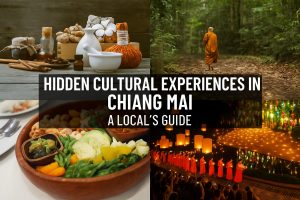
Hidden Cultural Experiences in Chiang Mai: A Local’s Guide 2026

Have you ever visited a city and felt like you only scratched the surface, seeing the highlights but missing the soul of the place? That’s exactly how many travelers experience Chiang Mai. They stroll through the glittering temples, shop at the night markets, maybe even take a trip up the mountains, and then leave without realizing how much more there is to discover. Are you interested to learn about Chiang Mai’s hidden culture? It’s not about secret spots you’ll never find on a map. It’s about the everyday traditions, family-run crafts, and quiet rituals that shape local life. The stories and experiences reveal the city’s true character and history. This guide will help you go beyond the postcard version of Chiang Mai. Think of it as an invitation to travel like an insider, not just a tourist. Ready to see a side of the city that most visitors miss? Let’s dive in. The Soul of Chiang Mai: Lanna Heritage & Daily Life Imagine stepping into a small wooden house on the outskirts of Chiang Mai. In the corner, a grandmother lights a candle at the family shrine, murmuring a prayer while her grandson places a few jasmine flowers beside it. Outside, the sound of temple bells drifts through the air, and the smell of sticky rice steaming on the stove fills the kitchen. In this simple, everyday scene lies the heart of Chiang Mai, its Lanna heritage, still alive in daily life. The roots of this soul stretch back to the Lanna Kingdom (13th to 8th century), a flourishing northern realm whose influence shaped the city’s architecture, crafts, music, and cuisine. Even today, you’ll see its traces everywhere: in the sweeping curves of temple roofs, in the rhythms of traditional Lanna music, and in the flavors of dishes like Khao Soi. What makes Chiang Mai unique is that these traditions are lived, not staged. Families keep shrines in their homes, Buddhist rituals bring communities together, and artisans continue age-old crafts like weaving, wood carving, and umbrella painting. For locals, these practices aren’t cultural performances; they are simply life. As a traveler, the most meaningful way to engage with this heritage is with respect and humility. Observe quietly during temple prayers, join almsgiving if invited, or learn a traditional craft directly from artisans. Supporting community cooperatives, dressing modestly, and listening more than you speak will open doors to experiences that feel authentic and heartfelt. In return, Chiang Mai reveals not just its beauty, but its soul. Hidden Spiritual & Temple Experiences  Chiang Mai’s temples aren’t just postcard-perfect photo spots; they’re living, breathing spaces where spirituality weaves into everyday life. Beyond the famous ones you’ll see on every travel brochure, there are quieter corners that offer a more personal connection to the city’s soul. Here are a few ways to experience them: 1. Wat Umong  Picture yourself walking through a quiet forest at the edge of the city. The air is cool, filled with birdsong, and the trees cast shifting patterns of light and shade. Suddenly, you stumble upon moss-covered tunnels that lead into the heart of an ancient temple. This is Wat Umong, a 700-year-old meditation temple that feels worlds away from the busy streets of Chiang Mai. Built in the 14th century, Wat Umong is famous for its underground passageways, once used by monks for meditation. Above ground, crumbling stone stupas rise between the trees, while scattered Buddhist proverbs on signs invite you to pause and reflect. The temple’s peaceful lake, home to fish and turtles, adds to the sense of calm.  It’s where monks still practice deep meditation, and travelers can join short retreats or simply sit quietly under the shade of banyan trees. Unlike the bustling temples in the city center, here you’re encouraged not just to look, but to listen inwardly. For respectful visitors, the best way to experience Wat Umong is by slowing down: dress modestly, walk gently through the tunnels, and allow the stillness to guide you. It’s less of a tourist stop and more of a doorway into Chiang Mai’s spiritual heartbeat. 2. Wat Pha Lat  Imagine walking through a forest, and after 40 minutes of walking, you discover a stone bridge, mossy shrines, and statues of mythical creatures guarding a quiet sanctuary. This is Wat Pha Lat, the hidden monk’s trail temple, tucked into the foothills of Doi Suthep. Unlike grand temples crowded with tourists, Wat Pha Lat feels like it belongs entirely to the forest. The temple was once a resting place for monks walking the pilgrimage trail up to Doi Suthep, and it still carries that sense of seclusion and sacred stillness. Here, monks chant softly by the waterfalls, locals come for evening prayers, and travelers can sit in silence while the jungle wraps around them. Wat Pha Lat is less about sightseeing and more about being present. Every stone, every carving, every fluttering leaf feels part of a larger meditation. For those who take the trail, the journey itself is as spiritual as the destination. Instead of treating Wat Pha Lat as just another stop on a checklist, travelers are encouraged to slow down and simply be part of its silence. Walk softly, breathe in the forest air, and let the sound of flowing water guide you. This is not a place for rushing or snapping endless photos; it’s a sanctuary where the greatest gift is to sit quietly and feel the calm that generations of monks have cherished. 3. Neighborhood Community Temples  While most visitors flock to Chiang Mai’s famous temples, the city’s real spiritual heart often beats quietly inside small neighborhood community temples. These are the places where locals gather in the evenings, bringing flowers, incense, and offerings after a long day. The atmosphere is far from touristy; there are no ticket counters, no big golden monuments, just families, elders, and young monks carrying on the rhythms of daily devotion. Joining evening prayers at a small community temple feels less like sightseeing and more like sharing a quiet

Read More »
Hidden Gems in Pattaya: Offbeat Places Only Locals Know
Activities
Niya Mariam Santhosh

Hidden Gems in Pattaya: Offbeat Places Only Locals Know 2026

When you hear “Pattaya,” what’s the first thing that comes to mind? Most people associate the city with vibrant nightlife, crowded beaches, and tourist-packed streets. But beyond the city’s flashy reputation lies a quieter, more authentic side that only a few take the time to explore.  Discovering Pattaya’s hidden gems is not about avoiding the crowds; it’s about experiencing the city the way locals do. Imagine discovering peaceful temples, savoring food at hidden local spots, strolling through lively markets far from the tourist trail, or finding a quiet stretch of sand all to yourself.  That’s exactly what this guide will help you do. Whether it’s your first visit or your fifth, these lesser-known gems will make you feel like you’ve uncovered a side of the city most people miss.  Hidden Beaches & Secluded Islands of Pattaya While Pattaya’s main beaches often steal the spotlight, some of the city’s best escapes lie in its quieter shores. These spots offer calm waters, soft sands, and a glimpse of local life. It’s perfect for visitors who dislike crowds.  Hat Nang Ram (Nang Ram Beach) Hat Nang Ram, often referred to as “Dancing Girl Beach,” is a hidden treasure located about 20 kilometers south of Pattaya City near the Sattahip Naval Base. If there’s one beach in Pattaya that feels like it was made for slowing down, it’s this one. Compared to Pattaya’s main beaches, Hat Nang Ram is clean, calm, and surprisingly quiet. Worried about safety? Well, fear no more, because this beach is tucked inside a military-protected area.  There are no blaring jet skis or pushy vendors here. Just the sound of waves, a cool sea breeze, and the occasional fishing boat on the horizon. Sounds peaceful, right? On a clear day, you can even spot two little islands just offshore, perfect for kayaking or simply admiring from the beach.  It’s a spot that locals cherish. You’ll understand why when you finally experience it.  Hat Nang Rong Just down the coast from Nang Ram lies its quieter, humbler neighbor, Hat Nang Rong. Unlike a few other beaches, this one does not try to get your attention with big attractions. Instead, it wins you over with simplicity.  With golden sand, soft waves, and rows of pine trees offering natural shade, it’s the kind of place where you just want to stretch out with a book or take a long nap to the sound of the sea.  Looking for a romantic setting to spend time with your better half? Hat Nang Rong is an ideal choice. On the other hand, families can enjoy safe swimming and picnic vibes.  Just a heads up. There aren’t many restaurants around, but that’s what adds to the simplicity.  Koh Sak & Koh Krok Ever dreamt of jumping on a boat and finding yourself on a tiny island with hardly anyone else around? Well, that dream can turn into reality if you visit Koh Sak or Koh Krok. Just a short ride away from Pattaya, these little islands feel like a secret escape.  Koh Sak is a horseshoe-shaped island with calm and crystal-clear waters. It’s ideal for swimming, kayaking, or simply floating under the sun without the noise of large crowds.  Situated close to Koh Sak, Koh Krok is a favorite among those who love the underwater world. Being a hotspot for coral reefs, the island is ideal for snorkeling.  Both the islands have limited facilities. You’ll find a few stalls selling snacks, drinks, and gear rentals if you want to try snorkeling. The fewer the facilities, the more natural beauty shines, don’t you agree? Naklua Beach Ever wondered what Pattaya was like before it became the Pattaya you see now? Naklua Beach is your ticket to the past.  It’s where fishing boats still line the shore, where the air smells of salt and freshly grilled seafood, and where time slows down to match the tide. Take a walk around, and you’ll see fishermen sorting their nets or heading out for the day. The scene feels very authentic and rooted in tradition.  Naklua becomes truly special thanks to the simple restaurants serving fresh seafood. Giant prawns, spicy crab, squid grilled to perfection, and many more mouthwatering dishes. It is one of the most underrated places in Pattaya.  Pattaya’s Local Temples & Spiritual Escapes Pattaya offers its guests peaceful corners where history, culture, and spirituality come alive. From grand temples and sacred gardens to awe-inspiring landmarks carved into mountains, these spots invite you to slow down, reflect, and experience the city’s spiritual soul.  Wat Yansangwararam (Wat Yan) Wat Yansangwararam, better known as Wat Yan, is one of Pattaya’s most significant temples, both spiritually and historically. The temple is surrounded by lush gardens and serene lakes. It is tightly connected to Thailand’s royal family.  Fascinated by architecture? Walking through the grounds, you’ll notice a mix of Thai, Indian, Chinese, and Japanese architectural influences, blended in perfection. Locals and visitors alike come here not just to admire the intricate designs but to meditate, pray, or simply enjoy the calm. The meditation gardens are particularly soothing. Want to add to the already peaceful atmosphere? Head towards the nearby hill and you’ll be rewarded with breathtaking views of the countryside.  Viharn Sien (Anek Kuson Sala) Viharn Sien, also called Anek Kuson Sala, is just a short distance away from Wat Yan.  Built as a friendship project between Thailand and China, more than a temple, Viharn Sien is a gold mine of Chinese art, culture, and history. It is home to hundreds of artifacts ranging from ancient Chinese sculptures to delicate porcelain and bronze statues.  The highlight of them all is the stunning collection of deities and terracotta warrior replicas, which makes the place feel like a living museum. Locals often visit to pay respect, while tourists admire the exhibition.  The blend of spirituality and culture makes Viharn Sien a unique spot. For anyone with an interest in culture beyond Thailand, this is a must-visit. Khao Chi Chan (Buddha Mountain) Khao Chi Chan, or

Read More »
Top Family-Friendly Activities in Chiang Mai
Activities
Sandhya Satheesan

Top Family-Friendly Activities in Chiang Mai 2026

Planning a family trip, and you’re wondering where to go? Chiang Mai is the best destination to escape from hectic life and relax with your family. Chiang Mai is one of Thailand’s top family-friendly destinations, offering the perfect mix of culture, adventure, and relaxation. Unlike the hustle and bustle of Bangkok or the party atmosphere of Phuket, Chiang Mai has a calmer, more laid-back vibe, making it ideal for families traveling with kids.  Here, little ones can learn about Thai traditions, enjoy outdoor adventures, and connect with nature in a safe and welcoming environment. From ethical elephant encounters and exciting water parks to interactive museums and hands-on workshops, the city truly has something for every age group. The best time to plan a family trip is between November and February, when the weather is cool and pleasant, making outdoor activities even more enjoyable for kids. Chiang Mai isn’t just a travel destination-it’s an experience that brings families closer together. Whether it’s the joy of watching your kids feed elephants, their laughter as they splash around in water parks, or the awe in their eyes while exploring ancient temples, every moment here becomes a memory worth keeping.  With its blend of culture, nature, and fun-filled activities, Chiang Mai offers families not just a holiday, but a chance to slow down, connect, and create stories they’ll cherish long after the trip ends. This blog will guide you through the very best family-friendly adventures, tips, and hidden gems to make your Chiang Mai journey as smooth and unforgettable as possible.  Outdoor & Wildlife Adventures in Chiang Mai 1. Chiang Mai Zoo & Aquarium A classic stop for families, the Chiang Mai Zoo & Aquarium combines wildlife and underwater wonders in one place. Your kids can visit the famous panda house, walk through the massive aquarium’s underwater tunnel, and hop on the child-friendly tram that makes exploring the large grounds much easier. It’s both fun and educational, with plenty of animal encounters to keep children entertained.  2. Elephant Nature Park If your family loves animals, the Elephant Nature Park is a must-visit. Unlike traditional camps, this sanctuary focuses on rescue and rehabilitation, skipping the harmful elephant rides. Families can feed the gentle giants, watch them bathe in the river, and learn about wildlife conservation. It’s an inspiring, hands-on experience that teaches children the value of compassion and protecting animals. 3. Chiang Mai Night Safari For a truly unique adventure, take the family to the Chiang Mai Night Safari. This open-style zoo lets you hop on a tram and watch animals in their natural habitats after dark. Kids will be thrilled to spot giraffes, zebras, tigers, and more, all while enjoying live animal shows and interactive feeding sessions. It feels like stepping into a real-life jungle adventure. 4. Bua Thong Sticky Waterfalls One of Chiang Mai’s most unusual natural attractions, the Sticky Waterfalls at Bua Thong are perfect for active families. Kids and adults can walk through the grippy limestone surface, and kids can safely climb up the cascading rocks without slipping. It’s a mix of adventure and play in a beautiful forest setting, great for cooling off on a hot day. 5. Grand Canyon Water Park Thinking about a place that has floating playgrounds, giant slides, and inflatable obstacle courses? The Grand Canyon Water Park is every child’s dream. Life jackets are provided, making it safe for younger kids, too. Whether they’re splashing around in shallow pools or tackling the bigger slides, this water park promises a day full of fun and laughter for the whole family. 6. Huay Tung Tao Lake For a more relaxed outing with your family, head to Huay Tung Tao Lake, just outside the city. Families can rent paddle boats, cycle around the scenic lakeside, or simply unwind in bamboo huts while enjoying delicious local food served right to your table. It’s the perfect spot for a laid-back family picnic with mountain views in the background. Cultural & Educational Experiences Chiang Mai isn’t just about wildlife and adventure; it’s also a cultural treasure chest where kids can learn through hands-on, interactive experiences. Exploring temples, museums, and cultural shows provides families with an opportunity to immerse themselves in Northern Thailand’s traditions in a fun and memorable way. 1. Family-Friendly Temples Chiang Mai is splendid with temples and cultural buildings, but luckily, a few stand out for their history, atmosphere, and family-friendly accessibility. Wat Chedi Luang and Wat Phra Singh are among them.  Wat Chedi Luang, located right in the heart of Chiang Mai’s Old City, just a short walk from Tha Pae Gate, is easy to fit into your trip. It is known as the Temple of the Great Stupa, is one of those places in Chiang Mai that instantly takes you back in time. Walking around the temple grounds, you’ll come across the main assembly hall with its striking standing Buddha, the sacred City Pillar shrine said to protect Chiang Mai, and even a replica of the famous Emerald Buddha, which was once housed here before being moved to Bangkok.  One of the most unique experiences is the chance to join monk chats, where you can sit down with young monks and have an open, friendly conversation about Buddhism, culture, or even everyday life in Thailand. The massive naga and elephant carvings also fascinate younger visitors. With its mix of history, spirituality, and peaceful atmosphere, it’s the kind of place where you’ll want to slow down, take it all in, and connect with the soul of the city. Wat Phra Singh is known as the Temple of the Lion Buddha, is one of Chiang Mai’s most beloved temples and a place that really shows off the beauty of traditional Lanna architecture. It’s famous for the Phra Singh Buddha image, one of the most sacred statues in northern Thailand, which locals come to worship and visitors come to admire. Wat Phra Singh, Known for its golden pagodas and beautifully decorated murals, this temple is a smaller and easy to

Read More »
Best Night Markets in Pattaya for Food, Shopping & Entertainment
Best Time to Visit
Niya Mariam Santhosh

Best Night Markets in Pattaya for Food, Shopping & Entertainment

Visiting Pattaya, but its night markets are not in your itinerary? Night markets in Pattaya are a must-visit for first-time visitors because of the city’s lively mix of food, shopping, and entertainment. Unlike Bangkok or Phuket, Pattaya’s markets offer a unique charm. The city blends authentic Thai street food, bargain shopping, and fun performances.  Whether you’re here to eat, shop, or simply soak in the atmosphere, Pattaya’s night markets promise an experience you won’t forget. In this guide, we’ll explore the top night markets in Pattaya where you can eat like a local, shop for unique finds, and enjoy the buzzing nightlife atmosphere.  Top Night Markets in Pattaya Looking for a true taste of Pattaya at night? Picture yourself walking through glowing stalls, sampling street eats, picking up quirky finds, and soaking in the electric atmosphere. With so many night markets in Pattaya, it can be hard to pick the best ones. That’s why we’ve put together this list of must-visit markets where you can enjoy everything from street food and fashion to music and local culture.  1.  Thepprasit Night Market Only got time to visit one market in Pattaya? Then make sure you visit the Thepprasit Night Market. It is one of the most popular weekend markets in the city, operating Friday to Sunday from 5 pm to around 11 pm.  It’s a paradise for foodies, shopaholics, and anyone looking for some entertainment.  It’s cloud nine for foodies, with stalls lining the streets. These stalls serve grilled seafood, traditional Thai desserts, and even exotic snacks you might not find elsewhere.  Other than the food, you’ll find stalls selling clothes, accessories, and souvenirs. If you want to try out some bargaining for fun, head over here, but make sure you’re respectful.  To add to the lively vibe, there’s often live music and street performers keeping the crowd entertained. Tip: If you want to explore the market with fewer crowds, arrive early in the evening. You can even try out the best food varieties by waiting in shorter lines. On the other hand, if you’re here for the lively atmosphere, head in later in the evening when the place is crowded.  2. Pattaya Night Bazaar  An air-conditioned market is obviously what you would want if you are looking for a more comfortable experience. Located right in the heart of the city, near Beach Road, is the Pattaya Night Bazaar.  Unlike the other open-air markets in Pattaya, this night bazaar is fully air-conditioned. This makes it a great place to explore during hot or rainy weather. It is also located in a central location, which makes transportation convenient if you’re staying at a nearby hotel.  Inside, you’ll find plenty of stalls selling quick snacks, fruit shakes, and light bites to keep you refreshed while you shop. The bazaar is especially popular for handicrafts, budget-friendly clothing, souvenirs, and even tailor shops where you can get custom-made outfits at good prices.  Tip: When compared to outdoor markets, these prices are already pretty good. But don’t be afraid to bargain politely. Most sellers are willing to give small discounts, especially if you buy multiple items.  3. Jomtien Night Market Set right along the beachfront is the Jomtien Night Market. This market is a great choice for visitors who prefer enjoying a more laid-back, relaxing evening.  While soaking up the ocean view, sample a variety of cuisine options like seafood skewers, fresh smoothies, and traditional pad Thai.  You’ll also find stalls selling beachwear, handmade goods, and casual souvenirs, making it a great stop after a day on the sand. Tip: If you want to experience the perfect seaside experience, time your visit around sunset and take a stroll along Jomtien Beach.  4. Pattaya Floating Market Pattaya’s Floating Market is one of the unique attractions in the city, offering a cultural twist of shopping and dining. Spread across canals, you can find vendors selling goods from traditional wooden boats.  Food lovers can enjoy Thai sweets, noodle dishes, and refreshing coconut ice cream, while shoppers can browse handicrafts and locally made products.  That’s not it! The highlight of the experience is the cultural shows, including dance, music, and even fire performances. The visitors get a taste of Thai tradition.  Tip: If you want to have a comfortable time exploring the market, it’s ideal to visit by early evening. This way, you can avoid large crowds.  5. Soi Buakhao Market Soi Buakhao Market is where you need to go if you want a less touristy and more authentic atmosphere.  The market is famous among locals for its cheap street eats, Thai BBQ, and hearty curries. And the best part? It’s very pocket-friendly. This is a place where people go shopping for everyday deals, electronics, and clothing rather than keepsakes.  While the market may not have big performances, the nearby local bar scene adds to the fun. Just head straight to it when you want a change of scene from the crowded stalls.  Tip: Visit in the evening, grab dinner, then mix it with Soi Buakhao’s nightlife for a truly local experience. If you are looking to go beyond these popular spots, a couple of smaller markets are worth a visit. With plenty of cheap eats and quick snacks, Rung Ruang Market is a local favorite, especially for those staying nearby. For seafood lovers, the Naklua Fish Market is a must. Here you’ll find freshly caught seafood sold at bargain prices, which you can either take home to cook or have grilled on the spot.  Must-Try Foods in Pattaya Night Markets Category Must-Try Items Why Try It?  Seafood Grilled prawnsCrabSquid They are freshly cooked over charcoal, packed with flavor, and usually cheaper than restaurants. Thai Street Food Pad Thai Satay skewers Som tam (papaya salad) Fried insects These dishes have classic Thai flavor and are great for both first-timers and food explorers. Desserts Mango sticky riceCrispy roti Coconut ice cream They are sweet and refreshing, and the perfect way to cool down after spicy dishes. Drinks Thai iced tea Fruit smoothiesLocal beers They are

Read More »
Foodie's guide to Pattaya
Best Time to Visit
Niya Mariam Santhosh

Foodie’s Guide to Pattaya: Must-Try Dishes, Street Food & Seafood Restaurants

In Pattaya, food is more than fuel – it’s the heartbeat of the city. Whether you’re a street food adventurer or a seafood lover chasing the perfect sunset meal, every turn in the city delivers a feast of flavors.  From comforting Thai classics to ocean-fresh feasts, Pattaya serves up flavors that are as vibrant as the city itself. In this guide, you’ll find the dishes that define the city, the street food worth lining up for, and the seafood restaurants that turn dinner into an experience.  What are Pattaya’s Must-Try Dishes?  Pattaya is a melting pot of flavors where every meal feels like a new adventure. From fiery street food classics to rich curries and fresh seafood straight from the Gulf of Thailand, the city has flavors to please every palate. If you are a first-time visitor wondering what to try, here’s a list of must-try dishes that will make your trip deliciously memorable.  1. Som Tum (Papaya Salad): Som Tum isn’t your average veg salad. Imagine crunchy strips of green papaya tossed with lime juice, garlic, chili, fish sauce, and a handful of peanuts. The result? An explosion of flavors for your taste buds. This crunchy, tangy, and addictively spicy salad is perfect for a side dish or light meal. Just a warning, the chili kick is not for the faint-hearted.  To try this dish, head to Thepprasit Night Market or Soi Buakhao Market, where street vendors prepare it freshly, right in front of you. 2. Pad Thai & Pad See Ew: Pad Thai is Thailand’s most famous noodle dish. It is made with stir-fried rice noodles tossed in tamarind sauce with tofu, shrimp, and peanuts. You get a mix of sweet, savory, and nutty flavours in every bite. This dish put Thai food on the world map.  Pad See Ew, on the other hand, is a soy-sauce-based noodle dish with Chinese broccoli and pork or chicken. It is richer and less tangy than Pad Thai. Street food carts along Pattaya’s Walking Street or casual eateries like Mae Sri Ruen Noodle Restaurant serve these dishes.  3. Tom Yum Goong (Hot & Sour Prawn Soup): Tom Yum Goong is a must-have soup in the city that balances spicy, sour, and aromatic flavors with lemongrass, kaffir lime, galangal, and plump prawns. It’s not just some soup, it’s a party in a bowl.  Head to Leng Kee Restaurant on Central Pattaya Road to try out an authentic Tom Yum. It is a favourite among both locals and tourists.  4. Green Curry & Massaman Curry: Thai curries don’t just fill your stomach, they fill your soul.  Green Curry, made with green chillies simmered in coconut milk, eggplant, and Thai basil, is a spicy, fragrant dish. Want to elevate the experience? Then try it with a bowl of rice.   Massaman Curry is a dish influenced by Persian flavors. Often cooked with beef, potatoes, and peanuts, this dish is milder and creamy.  Modern Thai restaurant, Rimpa Lapin, with a sea view, is a great choice to try out the dish. 5. Laab (Spicy Minced Meat Salad): This Northeastern Thai specialty features minced pork or chicken tossed with lime, chili, roasted rice powder, and fresh herbs. Its spicy and tangy flavour pairs beautifully with sticky rice. Feel like having a bite? Head straight to Isaan-style street food stalls around Soi Buakhao Market and Terminal 21 food court. 6. Moo Ping (Grilled Pork Skewers): Juicy marinated pork skewers grilled over charcoal, that’s Moo Ping.  Locals often pair these sweet, smoky skewers glazed with a hint of caramelized sugar with sticky rice. Honestly, you’ll want more than just one skewer. Moo Ping can either be a quick snack or a great breakfast choice.  It is usually available in the early mornings at local street corners, local vendors outside 7-Eleven stores or at the Pattaya Night Bazaar. You’ll definitely smell it before you see it.   7. Pla Pao (Salt-Grilled Fish): If there’s one dish that screams “beach town,” it’s Pla Pao. This seafood delicacy is made of whole fish stuffed with lemongrass, coated in a salt crust, and grilled until smoky and tender. A spicy dipping sauce is usually served with it. Pla Pao is truly a Thai seafood showstopper. Tear it apart, dunk it in the spicy seafood sauce, and eat it with your hands. It’s finger-licking good.  It is served at the seafood stalls of Jomtien Beach or try it from the Lan Pho Naklua Seafood Market for the freshest catch. 8. Mango Sticky Rice: Mango Sticky Rice is the ultimate Thai dessert. Ripe mango slices with glutinous sticky rice drizzled in sweet coconut cream. Sounds tempting, doesn’t it? This light, sweet and comforting dessert has made its way across the world and won the hearts of sweet tooths. It’s the perfect ending to a spicy Thai feast. You can find this dessert at stalls near Thepprasit Night Market or along Beach Road where mangoes are always fresh and juicy. Street Food in Pattaya Pattaya’s Street Food Hotspots Pattaya’s street food scene is a feast on every corner.  Wandering through the city means following the scent of sizzling skewers and the buzz of night markets. This foodie map will take you straight to the heart of the city’s street eats.  1. Thepprasit Night Market:  If you are a foodie, then it is mandatory to visit Pattaya’s biggest and most famous food market. So make your way towards the Thepprasit Night Market.  This weekend-only market serves everything from grilled seafood and spicy salads to Thai desserts. Here you’ll find rows of sizzling grills, giant seafood skewers, spicy papaya salads, Thai pancakes, and even exotic snacks like fried insects. This is an ideal location for foodies who want to explore new dishes.  Even though the market is pretty crowded, it is perfect for trying out a little bit of everything in one night.  If you want to avoid the biggest crowd, it is best to arrive early in the evening.  2. Jomtien Night Market:  If trying out

Read More »
Foodie’s Guide to Chiang Mai: Best Street Eats, Northern Thai Dishes & Cafes
Activities
Sandhya Satheesan

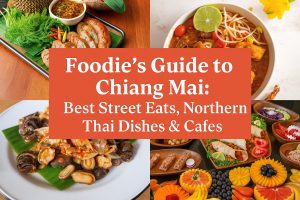
Foodie’s Guide to Chiang Mai: Best Street Eats, Northern Thai Dishes & Cafes

If you think Chiang Mai is only known for its ancient temples and Lanna-style architecture, then you are wrong; it’s also a paradise for food lovers. From sizzling night markets to cozy mountain-view cafes, the city is brimming with flavors that reflect centuries of history and a melting pot of cultures. What makes Northern Thai cuisine so unique is how different it is from the food you’ll find in Bangkok or the south. Forget the heavy use of coconut milk and seafood; here, the focus is on earthy spices, smoky flavors, sticky rice, and a perfect balance of sour, salty, and herbal notes. Meals are often shared family-style, with small plates that encourage tasting and variety. The flavors of Chiang Mai tell the story of its past. Rooted in Lanna heritage, the food has been shaped by Burmese curries, Shan and Yunnanese noodle traditions, and the freshness of hill-tribe ingredients. The result is a cuisine that’s hearty, comforting, and deeply tied to the region’s identity. In this guide, we’ll take you through Chiang Mai’s culinary journey, from bustling street food stalls serving quick bites to traditional dishes you can’t leave without trying, and finally, the city’s thriving modern cafe culture that blends global trends with local charm. Whether you’re a curious traveler or a dedicated foodie, Chiang Mai promises an unforgettable dining adventure. Northern Thai Cuisine – A Primer If Bangkok is all about spicy curries and seafood, Northern Thai cuisine is a completely different world. Here in Chiang Mai, food feels slower, heartier, and deeply rooted in tradition. Meals revolve around sticky rice, rolled into small balls and eaten with your hands, paired with a variety of dips, curries, and grilled meats. The flavors are bold yet balanced. Instead of fiery heat, you’ll often find herbal freshness and smoky depth. Ingredients like galangal, turmeric, kaffir lime, lemongrass, and homemade chili pastes set the tone, giving Northern dishes their distinctive aroma. Many recipes also feature fermented elements from pickled vegetables to preserved fish, which add layers of tanginess and umami. This unique cuisine is a product of Chiang Mai’s history and geography. Burmese influences brought rich, slow-cooked pork curries; Lao traditions shaped the famous laab (minced meat salad); while Yunnanese settlers introduced comforting noodle soups. All of these culinary threads come together to create a tapestry of flavors you won’t find anywhere else in Thailand. Dining in the north also has its rhythm. Meals are often shared family-style, with a spread of curries, chili dips, fresh and steamed vegetables, and grilled meats. Sticky rice is the anchor, eaten with your hands to scoop up dips or paired with meat. It’s a communal way of eating that makes every meal feel like a celebration. Take your taste buds on a vacation and try Northern Thai Cuisine with us, and make it more flavorful and tasteful. We promise your stomach will not be mad at you in this food run. Chiang Mai Street Food Scene When the sun sets in Chiang Mai, the city transforms into a bustling kitchen. Markets spill over with sizzling woks, fragrant curries, and endless trays of skewers, dumplings, and sweets. If you are in hunt for legendary dishes or just grazing through the stalls, these night markets are the beating heart of the city’s food culture.  Famous Street Food Markets 1. Chang Phuak Gate (North Gate) Night Market In Chang Phuak Gate Night Market, you’ll find the city’s most iconic street food vendor, the Cowboy Hat Lady, famous for her tender Khao Kha Moo (stewed pork leg over rice). Affordable, hearty, and packed with locals every night, it’s a must-stop for food lovers. 2. Chiang Mai Gate Market (South Gate) By day, Chiang Mai Gate Market it’s a hub for fresh produce, fruits, and breakfast bites like rice porridge and fried dough sticks. By evening, the gates come alive with street stalls selling everything from grilled chicken to mango sticky rice, perfect for an authentic local dinner. 3. Warorot Market (Kad Luang) Warorot Market holds the true taste of Northern Thailand. Here you’ll find traditional nam prik (chili dips), sausages, dried herbs, and spices ideal for anyone wanting to explore Chiang Mai’s food culture beyond street snacks. It’s less touristy and more of a local’s market. 4. Sunday Walking Street (Tha Pae Gate) If a foodie’s dream and a cultural feast rolled into one place, then it is Sunday Walking Street. Alongside handicrafts and souvenirs, you’ll find endless rows of street eats, think crispy spring rolls, grilled skewers, coconut ice cream, and sweet pancakes. It’s crowded but worth the stroll. 5. Saturday Wua Lai Walking Street Saturday Wua Lai Walking Street is smaller and less chaotic than Sunday’s version, but just as delicious. The street is lined with stalls serving local snacks, Northern curries, and fresh juices, all while you browse traditional silverware and handmade crafts. 6. Chiang Mai Night Bazaar Chiang Mai Night Bazaar is more tourist-oriented, but still great if you want variety under one roof. With dedicated food courts and stalls serving Thai, Chinese, and even Indian dishes, it’s an easy place to sample different flavors in one go. Must-Try Street Food Dishes Chiang Mai’s street food isn’t just about filling your stomach; it’s about discovering flavors that tell the story of the north. From rich curries to simple grilled bites, here are the dishes you absolutely shouldn’t miss: 1. Khao Soi Khao Soi is the crown jewel of Northern Thai cuisine. This coconut curry noodle soup combines silky egg noodles, tender chicken or beef, and a rich, slightly spicy broth, topped with crispy noodles, pickled mustard greens, and lime. Creamy, tangy, and utterly comforting. 2. Sai Oua (Northern Thai Sausage) Chiang Mai Street vendors have a street food superstar, then it should be Sai Oua. Packed with herbs, lemongrass, kaffir lime leaves, and chili, this grilled pork sausage bursts with flavor in every bite. Best enjoyed with sticky rice and a spicy dipping sauce. 3. Nam Prik Ong & Nam Prik Noom The duo of

Read More »
Getting Around Chiang Mai: Complete Transport Guide for Travelers
Budget Travellers
Sandhya Satheesan

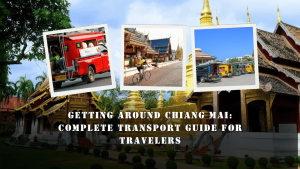
Getting Around Chiang Mai: Complete Transport Guide for Travelers

Excited for your Chiang Mai trip? Getting around a new city is often as important as the attractions themselves, and in Chiang Mai, transport plays a big role in shaping the travel experience. Unlike Bangkok, with its modern BTS Skytrain and MRT systems, or Phuket, where taxis and tourist shuttles dominate, Chiang Mai relies more on local and informal modes of transport. This difference can surprise first-time visitors, but it also adds to the city’s charm and authenticity. Tourists in Chiang Mai will find a blend of traditional and modern travel options. From iconic red songthaews and tuk-tuks to app-based ride-hailing services like Grab, the city offers choices that range from budget-friendly to highly convenient. For longer journeys, buses, trains, and flights connect Chiang Mai to other parts of Thailand and neighboring countries, making it a well-linked regional hub.  This blog will help you to understand how these transport systems work and when to use each to save time, money, and hassle while enjoying a more authentic Chiang Mai experience.  Transport Infrastructure & City Layout Old City   A square-shaped historic core surrounded by a moat and ancient walls. This is the cultural heart, packed with temples, guesthouses, markets, and cafes. Walkable and atmospheric, it’s where many tourists base themselves. It’s the kind of place that invites you to slow down. Instead of rushing from sight to sight, you wander, you linger, you discover. One moment you’re standing in awe at the towering ruins of Wat Chedi Luang, and the next, you’re laughing with a vendor while trying your first bite of khao soi. The Old City isn’t just Chiang Mai’s historic center; it’s where the city’s heart still beats. Nimmanhaemin  A trendy, modern district west of the Old City. Popular with expats, digital nomads, and younger travelers, it’s known for chic cafes, nightlife, and boutique hotels. If the Old City is Chiang Mai’s historic soul, then Nimmanhaemin is its trendy heartbeat. Think chic cafes with latte art, rooftop bars, boutique shops, and a creative buzz that attracts expats, students, and digital nomads. By day, it’s all coffee and co-working vibes; by night, it transforms into a hotspot for cocktails, live music, and street food adventures. Nimman is where tradition meets modern lifestyle, with a dash of Instagram flair. Night Bazaar & Riverside  East of the Old City along the Ping River. Best known for evening markets, food stalls, and lively bars. When the sun sets in Chiang Mai, the Night Bazaar and Riverside come alive. Stalls spill over with handmade crafts, colorful textiles, and sizzling street food aromas that make it impossible not to stop for a bite. Along the Ping River, you’ll find lively bars, cozy restaurants, and even a few hidden jazz clubs that keep the energy flowing late into the night. Whether you’re hunting for souvenirs, sampling local eats, or just soaking in the atmosphere, this area is Chiang Mai’s ultimate evening playground. 2. Main Transport Hubs Arcade Bus Terminal  The main intercity hub for buses to Bangkok, Chiang Rai, Pai, Lampang, and other northern provinces. The Arcade Bus Terminal is Chiang Mai’s main gateway for travelers heading in or out of the city. It’s two terminals (Arcade 2 & 3) sitting side by side, serving long-distance routes to Bangkok, Chiang Rai, Pai, and beyond. The vibe here is busy but organized ticket counters lined up, snack shops for last-minute bites, and plenty of waiting space.  If you’re planning an onward journey, this is where you’ll likely catch your bus. Book tickets a day in advance, especially for popular routes, and keep small change handy for snacks and water. Chang Phueak Bus Terminal  Chang Phueak Bus Terminal is the smaller, more local cousin of the big Arcade station. Located just north of Chiang Mai’s Old City, it mainly serves short-distance routes to nearby towns like Mae Rim, Fang, and Chiang Dao. The atmosphere here feels a lot more relaxed, think local commuters, small buses and minivans, and ticket counters that are easy to navigate. It’s not flashy, but it’s the go-to hub if you’re planning a quick escape into Chiang Mai’s countryside.  Chiang Mai International Airport (CNX)  A smaller terminal for short northern routes, including Mae Rim and Chiang Dao. Chiang Mai International Airport is the city’s modern gateway to the world. Just a short 10–15 minute ride from the Old City, it’s small enough to feel stress-free but big enough to connect you to everywhere you need to go, whether it’s a quick hop to Bangkok, a beach escape down south, or even international routes to Vietnam, China, and beyond.  Since it’s so close to the Old City, you can grab a red songthaew or even walk there if you’re nearby. The airport is surprisingly easy to navigate, with friendly staff, plenty of food options, and a calm, laid-back vibe compared to the hustle of Bangkok’s airports. For most travelers, it’s the first hello and last goodbye to Chiang Mai-and it sets the tone perfectly: welcoming, convenient, and just the right size. Chiang Mai Railway Station  East of the Old City, it offers day and overnight trains to Bangkok and central Thailand. The sleeper train to Bangkok is especially popular among budget travelers. Stepping into Chiang Mai Railway Station feels like stepping back in time, in the best way possible. Located just east of the Old City, this charming station is the gateway for travelers arriving by train from Bangkok and other parts of Thailand.  The overnight sleeper train from Bangkok to Chiang Mai is especially popular with backpackers and budget travelers, offering a scenic and relaxing journey through the countryside. The station itself is simple yet full of character, with its retro vibe, friendly vendors selling snacks, and a slower pace that perfectly matches Chiang Mai’s laid-back lifestyle. It’s not just a travel hub, it’s part of the journey, a gentle transition into the laid-back rhythm of the north. 3. Future Developments Chiang Mai Light Rail Transit (LRT)   A planned urban rail system designed

Read More »