

Category: Travel Tips

How to Book Underwater World Pattaya Tickets
Activities
Niya Mariam Santhosh

Underwater World Pattaya Tickets: How to Book Online (2026)

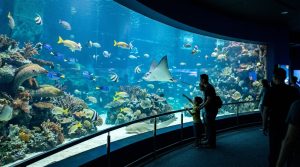
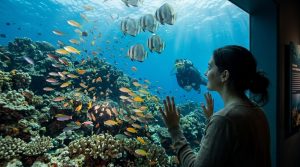
Pattaya’s reputation is built on beaches, nightlife, and the kind of holidays that don’t require much planning. But tucked along Sukhumvit Road in the Jomtien area sits an attraction that consistently surprises the visitors who find it – Thailand’s first modern aquarium and still one of the most absorbing ways to spend a few hours in the city.  Underwater World Pattaya isn’t the flashiest entry on a Pattaya itinerary, but it’s the one that tends to stay with you longest. A 105-metre transparent tunnel through shark-filled water will do that.  This guide walks you through everything from what’s inside, how to book your tickets online to where to find it and how to time your visit for the best possible experience. What Is Underwater World Pattaya? Opened in 2003, Underwater World Pattaya holds the distinction of being Thailand’s first modern aquarium, and over two decades later, it remains the only full-scale aquarium in Pattaya city.  Located at 22/22 Moo 11, Sukhumvit Road, Nongprue, Bang Lamung, Chonburi, the attraction sits roughly 9 kilometres from Pattaya Beach towards Rayong, about 20 minutes by road. The aquarium is home to over 5,000 marine animals spanning hundreds of species, displayed across a series of themed zones that take visitors through ecosystems ranging from tropical coral reefs and open ocean environments to freshwater giants and reptile habitats.  The centrepiece is a 105-metre transparent acrylic tunnel, the longest of its kind in Thailand, that passes through three distinct underwater environments and puts sharks, rays, giant groupers, and schools of colourful reef fish directly overhead and on both sides simultaneously. It’s the kind of experience that makes you briefly forget you’re standing on dry land. Beyond the tunnel, the aquarium is designed with as much focus on interaction and education as on observation.  Scheduled feeding shows, touch pool experiences, a dedicated koi fish feeding area, and a unique Magic Tank installation give the visit a texture that goes considerably deeper than simply walking past tanks of fish. What’s Inside: Zones, Exhibits & Feeding Shows Underwater World Pattaya is structured across five primary zones, each representing a distinct aquatic ecosystem, connected by the 105-metre underwater tunnel that runs through three of them. The Coral Reef Zone is the first section of the tunnel and the one that sets the tone for everything that follows. The transparent acrylic walls give visitors a 180-degree view of vibrant tropical reef fish moving through carefully recreated coral environments. It is an immediate and vivid introduction to the biodiversity that the aquarium has assembled. The Open Ocean Zone is where the tunnel delivers its most visceral moments. Blacktip reef sharks, eagle rays, Big Eye Jack, and Fat Giant Groupers occupy the same space, circling overhead and alongside visitors at close range. This is the zone most people photograph, and the one most children talk about on the way out. Feeding shows here take place at 11 am and 4 pm daily, with professional divers entering the water to feed the sharks and rays at scheduled times. It is one of the most compelling spectacles the aquarium offers. The Giant of Siam Zone closes out the tunnel with a sunken ship environment housing some of the largest freshwater species on display, including the arapaima, one of the largest freshwater fish in the world. The feeding show for this zone runs at 11:30 am and 3:30 pm. The shipwreck setting gives this section a distinct atmosphere from the brighter reef and ocean zones that precede it. The Touch Pool Zone is built around rock pool recreations sourced from coastal areas around Thailand. Visitors can handle starfish, sea cucumbers, and other intertidal species directly. It’s a hands-on counterpoint to the observation-only experience of the tunnel. For younger visitors in particular, this tends to be the zone they want to return to most. The Jellyfish Zone houses what is described as the largest jellyfish display in Thailand – a glowing, ethereal environment that provides one of the aquarium’s most visually striking moments.  Beyond these primary zones, Underwater World Pattaya also features a Reptile Zone with frogs, snakes, and chameleons; an Otter Tank; a dedicated Koi Fish feeding area; and the Magic Tank, a one-of-a-kind installation in Thailand built around a mystical gravity-interactive concept that visitors consistently describe as unlike anything they’ve seen in an aquarium before. Feeding show schedule: Timing your arrival to catch at least one feeding show (ideally in the Open Ocean Zone) adds a significant dimension to the visit and takes no planning beyond checking the schedule on arrival. Curious about what else awaits you at the aquarium? Read our blog “Underwater World Pattaya: Complete Visitor Guide 2026” to learn more before you make up your mind. What to Know Before You Book Your Underwater World Pattaya Tickets Underwater World Pattaya’s admission structure is straightforward, with tickets covering full access to all zones, the 105-metre tunnel, and all standard exhibits for the duration of your visit. Adult and child tickets are the two standard categories. Children with a height of 89 cm or below enter free of charge with no booking requirement. Thai passport holders and non-Thai visitors are priced separately, so selecting the correct category when booking matters. Presenting the wrong ticket at entry creates a problem that’s far easier to avoid at the booking stage than to resolve at the gate. Premium add-on experiences, including the Dive With Sharks programme for certified divers and the Sleepover With Sharks and Rays camp for school groups, are available at an additional cost and require separate booking directly with the aquarium. These are not included in standard admission tickets. How to Book Underwater World Pattaya Tickets on Thrillark Online booking consistently delivers a lower rate than the gate price at Underwater World Pattaya, and for visitors with a specific date or time in mind, it removes any uncertainty about availability on a busy day.  Thrillark lists Underwater World Pattaya tickets clearly across all categories at the lowest available online rate, with your confirmation and

Read More »
Underwater World Pattaya Complete Guide
Activities
Niya Mariam Santhosh

Underwater World Pattaya: Complete Visitor Guide 2026

If Pattaya’s heat starts getting a little too intense or the beach plans suddenly disappear because of rain, there’s one place that almost always works out – Underwater World Pattaya.  It’s cool, indoors, family-friendly, and packed with everything from sharks and giant stingrays to colorful coral fish and massive freshwater species you probably didn’t even know existed. The biggest highlight here is the famous underwater tunnel where fish glide right above your head while you casually walk through like you’re inside an ocean documentary. But there’s more to it than just the tunnel.  You’ll find touch pools, jellyfish zones, feeding shows, reptiles, and interactive exhibits that make the visit feel relaxed and entertaining rather than overly educational. This guide covers everything you need to know before visiting Underwater World Pattaya, including what’s inside, feeding shows, timings, visitor tips, honest expectations, and whether it’s actually worth your time. About Underwater World Pattaya Located along Sukhumvit Road near Jomtien, Underwater World Pattaya is Pattaya’s main aquarium attraction and one of the easiest family activities to fit into any itinerary.  Unlike giant mega-aquariums in cities like Bangkok or Singapore, this one feels smaller and more manageable, which honestly works in its favor for many visitors. You won’t spend half a day trying to cover endless sections here. Most people comfortably explore the aquarium in around 1.5 to 2 hours, making it perfect for families with children or travelers looking for a relaxed indoor activity between beach visits and sightseeing. The aquarium focuses on marine life from Thailand and nearby regions, with a mix of saltwater and freshwater species. The atmosphere is calm, easygoing, and surprisingly photogenic. Why People Visit the Underwater World Pattaya There’s a reason Underwater World Pattaya keeps appearing on almost every Pattaya itinerary.  For starters, it’s fully indoors and air-conditioned, which instantly makes it appealing in a city that can get extremely hot during the day. It’s also one of the best places to visit when Pattaya’s weather suddenly changes, and beach plans no longer work out. The aquarium is especially popular with families because it’s easy to explore and doesn’t feel overwhelming. Kids usually enjoy the interactive touch pools, colorful fish displays, and the excitement of seeing sharks and giant rays swimming overhead.  Since the attraction is compact and stroller-friendly, parents can comfortably explore without turning it into an exhausting day. One of the biggest highlights for most visitors is the underwater tunnel. Walking through the glass tunnel while marine life glides above your head feels surprisingly immersive, and it’s easily the most photographed part of the aquarium. The lighting and moving sea creatures make it perfect for photos, short videos, and travel reels. Another reason people like Underwater World Pattaya is that it doesn’t require a huge time commitment. Unlike some attractions that take up an entire day, this aquarium can be explored comfortably in around 1.5 to 2 hours. That makes it easy to combine with other Pattaya activities while still feeling like a worthwhile stop. What You’ll See Inside Underwater World Pattaya The biggest highlight inside Underwater World Pattaya is easily the famous underwater tunnel, and it’s the main reason many people visit the aquarium in the first place. Stretching around 105 meters long, the acrylic tunnel gives you a full 180-degree ocean view while sharks, giant stingrays, and schools of fish glide right above your head.  Walking through it feels surprisingly immersive, especially during feeding sessions when the tanks become much more active and energetic. The tunnel is also the best photography spot in the entire aquarium. Between the curved glass walls, blue lighting, and constantly moving marine life, it creates that classic aquarium atmosphere people usually want for travel photos and Instagram reels.  Even if you’ve visited larger aquariums before, the tunnel here still manages to feel fun and visually impressive without the overwhelming crowds you sometimes get at places like SEA LIFE Bangkok Ocean World. Beyond the tunnel, the aquarium is divided into several themed sections that keep the experience varied from start to finish. The Coral Reef Zone adds a huge burst of color with tropical reef fish swimming through coral displays designed to recreate natural underwater ecosystems. You’ll spot clownfish, butterflyfish, angelfish, and plenty of brightly colored reef species moving around in every direction.  The lighting in this area makes the colors stand out beautifully, giving the whole section a calm and relaxing atmosphere that younger kids especially seem to enjoy. Things get more dramatic once you enter the Open Ocean Zone. This area focuses on larger marine predators and deep-water species, including sharks and giant stingrays.  Compared to the brighter coral sections, the tanks here feel darker and moodier, which gives the entire space a more cinematic vibe. During feeding sessions, this becomes one of the busiest and most exciting parts of the aquarium as divers enter the tanks while sharks circle nearby. If you enjoy marine documentaries or ocean wildlife content online, this section will probably end up being your favorite. One of the more unique sections inside Underwater World Pattaya is the Giant of Siam exhibit, which focuses on massive freshwater fish species found across Thailand and Southeast Asia. Instead of colorful reef fish, this area is all about giant river creatures like enormous catfish, arapaima, freshwater stingrays, and other oversized species that honestly look unreal in person.  Some visitors end up spending more time here than expected simply because the size of these fish is hard to fully process until you see them up close. It also gives the aquarium a slightly different identity compared to standard ocean-focused aquariums. The aquarium also includes smaller but visually interesting jellyfish displays where glowing tanks and floating jellyfish create a relaxing, almost hypnotic atmosphere. Nearby, there’s a reptile and amphibian section featuring snakes, frogs, and other smaller creatures that help break up the marine exhibits and keep the experience from feeling repetitive. For families, the touch pool is usually one of the biggest highlights. Visitors can gently interact with

Read More »
Adventure Waterpark Desaru Coast Booking Guide
Activities
Niya Mariam Santhosh

Adventure Waterpark Desaru Coast Tickets: How to Book Online (2026)

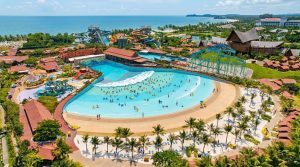
Southern Johor has been quietly building one of Southeast Asia’s most compelling resort destinations, and Adventure Waterpark Desaru Coast sits right at the centre of it.  Spread across a sweeping stretch of Malaysian coastline and set against the backdrop of a traditional fishing village, this isn’t a water park you squeeze into a morning; it’s the kind of place that justifies an overnight stay, a full day in the water, and a second visit for everything you didn’t get to the first time.  Whether you’re crossing over from Singapore for the weekend or building Desaru Coast into a longer Johor Bahru itinerary, getting your tickets sorted online before you arrive makes the whole experience go considerably more smoothly.  This guide covers everything, from what the park offers to everything you need to know before booking your tickets. What Is Adventure Waterpark Desaru Coast? Adventure Waterpark Desaru Coast is one of the largest waterparks in the world, located within the premium Desaru Coast integrated resort in Bandar Penawar, Johor, Malaysia. The park sits next to Hard Rock Hotel Desaru Coast along the Persiaran Pantai waterfront and spans a site large enough to contain over 20 rides, slides, and attractions spread across five distinct themed zones.  The scale of what’s been built here, and the quality of the headline attractions, put it in a different category from most regional waterparks. What gives the park its character beyond sheer size is the design sensibility running through it. The aesthetic draws from the fishing village heritage of the surrounding coastline, with architecture and theming that root the experience in a genuinely Malaysian identity rather than a generic tropical resort template.  The result is a park that feels considered and specific to its location. Something that stands out when most large-format waterparks are interchangeable from one country to the next. The park caters to the full visitor spectrum. Thrill-seekers have access to rides that rank among the most technically ambitious in the region. Families have entire zones built specifically around younger visitors. And anyone who wants to spend half a day drifting along a lazy river, watching the world go by from a beachside cabana, and eating between sessions will find Adventure Waterpark has thought carefully about that experience too. What’s Inside: Rides, Zones & Attractions Adventure Waterpark Desaru Coast is organized across five themed zones, each with its own identity and its own set of attractions. Understanding the layout before you arrive helps you move through the park efficiently and ensures you don’t miss the headline experiences in the time available. Penawar Falls Penawar Falls mixes family-friendly fun with high-energy thrills. Swinging Ship brings classic pirate ship excitement without getting soaked, while Surf Wall lets guests test their balance on an artificial wave where wipeouts are part of the experience. For adrenaline seekers, Riptide delivers sharp twists, steep drops, and a fast splashdown that makes it one of the park’s most talked-about attractions. Penawar River This zone combines relaxing experiences with exciting raft and tube slides. The Penawar River is a scenic lazy river surrounded by greenery and themed fishing village views, perfect for slowing things down between rides. Wild Whirl sends riders spinning through a giant bowl and corkscrew tunnel, while Super Twister adds enclosed tunnels, funnels, and fast turns for a more intense water slide adventure. Shipwreck Reef Shipwreck Reef is home to the park’s biggest headline attractions. The Tempest is the tallest and longest slide experience in the park, packed with massive funnels and dramatic drops that are even more fun on repeat rides. Kraken’s Revenge takes things further with Southeast Asia’s first water coaster, combining uphill launches, looping twists, and a high-speed plunge that feels closer to a roller coaster than a traditional waterslide. Tidal Wave Beach Tidal Wave Beach features one of the world’s largest wave pools, offering everything from gentle rolling waves to powerful surges across a massive sandy shoreline. It’s one of the best places in the park for relaxing, floating, or taking photos. Guests wanting extra comfort can rent a beachside cabana, which provides a shaded private space with added perks like snacks, drinks, meals, and secure storage. Kids Ahoy Designed especially for younger visitors, Kids Ahoy is filled with splash zones, mini slides, and interactive water play areas. Scallywags offers fun water playground features for children of different ages, while Starfish Splash gives kids their first exciting waterslide moments. Li’l Warriors’ Hideout is tailored for toddlers and younger children, featuring smaller slides and safe splash areas perfect for family playtime. Still need to know more before you commit? Our “Adventure Waterpark Desaru Coast: The Complete 2026 Guide” is here to help.  What to Know Before You Book Your Adventure Waterpark Desaru Coast Tickets Adventure Waterpark Desaru Coast operates a straightforward one-day admission structure, with tickets covering full access to the park’s five zones, all rides, and the wave pool for the entire operating day.  The key distinctions are between Malaysian (MyKad) and non-Malaysian visitor rates and between adult and child/senior categories. Adult tickets cover visitors aged 12 to 59. Child and senior tickets apply to visitors aged 3 to 11 and those 60 and above. Children under 3 enter free.  A school holiday surcharge applies to all tickets – RM10 for MyKad holders and RM15 for non-MyKad visitors – during Malaysian public and school holiday periods, so factoring this into your planning if your visit falls during those windows is worth doing before you book. The park has a maximum daily capacity of around 12,000 guests. On peak days (weekends, Malaysian public holidays, and school holiday periods), this cap is reached, and walk-up visitors can be turned away at the gate.  Booking your Adventure Waterpark Desaru Coast tickets in advance through Thrillark is the only reliable way to guarantee your entry, regardless of how busy the day gets. How to Book Adventure Waterpark Desaru Coast Tickets on Thrillark Turning up without a booking and hoping for the best works on quiet weekdays. It’s a

Read More »
Adventure Waterpark Desaru Coast Complete Guide
Activities
Niya Mariam Santhosh

Adventure Waterpark Desaru Coast: The Complete 2026 Guide 

Picture this: You’re going down a 24-foot drop in total darkness, your stomach somewhere up in the Johor sky, your friends screaming beside you, and in about 20 seconds, you’re going to do it all over again.  Welcome to Adventure Waterpark Desaru Coast, Malaysia’s most thrilling wet day out, and honestly, one of Southeast Asia’s best-kept open secrets. Whether you’re a Singaporean looking for the perfect weekend escape across the Causeway, a Malaysian family plotting a school-holiday adventure, or a couple who wants to hold hands on a lazy river (and then terrify each other on a funnel slide), this park delivers.  Every. Single. Time. Here’s everything you need to know about rides, routes, hotels, tips, and everything else you need to know before your visit. What Is Adventure Waterpark Desaru Coast? Set against the atmospheric backdrop of a traditional Malaysian fishing village on the Johor coastline, Adventure Waterpark Desaru Coast is not your average splash pool.  Opened in 2018 and sprawling across approximately 10 hectares, it is marketed as one of Asia’s largest waterparks, and it earns that title with its sheer scale, variety, and the crown jewel of the whole operation: one of the biggest wave pools in the world. The park sits inside the Desaru Coast integrated tourism precinct in Bandar Penawar, Johor. Think of Desaru Coast as a little resort universe where the waterpark is the loudest, splashiest, most chaotic star of the show. What sets it apart from other waterparks in the region? Two things.  First, it houses Southeast Asia’s first-ever water coaster – Kraken’s Revenge, a ride that defies gravity and your expectations.  Second, it has five distinct themed zones (Penawar Falls, Shipwreck Reef, Tidal Wave Beach, Kids Ahoy, and Penawar River), so the park genuinely has something for every age, every energy level, and every appetite for adventure. One important thing to set straight before you get too excited: this is a water-based park end-to-end. There are no dry theme park rides and no indoor air-conditioned attractions. You’re here to get soaking wet, sunburned (reapply that sunscreen), and absolutely spent by 5 PM. Compare it to Universal Studios Singapore or Sentosa’s Adventure Cove, and you’re comparing apples to waterfalls. This is its own magnificent, waterlogged thing. Quick facts: How to Get to Adventure Waterpark Desaru Coast Getting here is half the adventure, and there are three very different ways to do it depending on your budget, travel style, and how dramatically you want to arrive. The most fun option is the ferry from Tanah Merah Ferry Terminal to Desaru Coast Ferry Terminal. It is a breezy 90-minute crossing with the typical schedule departing Singapore at 10:10 AM SGT and returning at 5:30 PM MYT. Fares run approximately S$70 one-way and S$108 return, including terminal fees.  Book online in advance because this route sells out fast on weekends and school holidays.  One weather caveat: during the Northeast Monsoon season (roughly late November to February), rough seas can divert ferries to Tanjung Pengelih, with a coach transfer onward. For families with car seats, luggage, or grandparents in tow, driving via Tuas Second Link onto the Senai-Desaru Expressway E22 is the more comfortable call. It’s about 220 km from Tuas and roughly 2.5 hours off-peak.  However, on Saturday mornings, the Tuas queues can increase to 3–4 hours, so aim to leave Singapore by 6:30–7:00 AM on weekends. Don’t forget to carry MYR cash for the tolls and parking. If budget is the priority, Causeway Link buses to JB Sentral with onward connections toward Desaru will get you there for less. Just allow extra time for customs at Johor checkpoints. Once you reach the Desaru Coast Ferry Terminal by any route, the park is a 10-minute drive away.  Hard Rock Hotel guests get a complimentary shuttle; everyone else can use Grab or a pre-booked resort transfer. All Rides & Attractions: Every Single One, With Height Rules This is the section you really came for. Here’s every named attraction across the five zones, from the ones that’ll have you reconsidering your life choices to the ones your three-year-old will demand to ride forty times. Ride / Attraction Zone Type Height Rule What to Expect Swinging Ship Penawar Falls Pendulum ride 110 cm minimum A replica pirate ship that arches up to 180° in both directions. Mild enough for younger kids, great fun for all ages. The only ride where you won’t get wet. Surf Wall Penawar Falls Standing wave 107 cm minimum A safe, high-energy surf simulator where beginners and enthusiasts alike can catch and ride a radical artificial wave. You will fall. Everyone falls. That’s the point. Penawar River Penawar River Lazy river None (under 122 cm accompanied by adult) A 350-metre shaded floating circuit through lush greenery and riverside fishing village scenes. The perfect decompression between adrenaline hits. Penawar Huts are rentable along the banks. Wild Whirl Penawar River Raft slide 122 cm minimum A steep entry channel into a wide-open bowl, then a corkscrew tunnel to the pool below. Super Twister Penawar River Tube slide 122 cm minimum Multiple high-energy turns, enclosed tunnels, and funnels. Great stepping stone for riders not quite ready for The Tempest. Riptide Penawar Falls Speed slide 122 cm minimum Steep multi-angle twister sections at alarming speeds, building to a high-velocity descent and splashdown. The one everyone Instagrams. The Tempest Shipwreck Reef Tube slide 122 cm minimum The park’s headline ride. Longest and tallest slide, with a 24-ft drop and two funnels. Fits 2–4 riders (max 320 kg combined). First ride: pure panic. Second ride: pure love. Kraken’s Revenge Shipwreck Reef Water coaster 110 cm minimum Southeast Asia’s first-ever water coaster. A roller coaster and flume hybrid that takes riders 30 m up, through a full 360° horizontal loop, then a 27-metre plunge to a splashing finish at up to 70 km/h. Defies physics. Delivers screams. Tidal Wave Beach Tidal Wave Beach Wave pool None One of the largest wave pools in the world, with nearly three acres and over

Read More »
Aquaria KLCC Booking Guide
Budget Travellers
Niya Mariam Santhosh

Aquaria KLCC Ticket: How to Book Online (2026)

If you are spending any amount of time in Kuala Lumpur, Aquaria KLCC is not something you stumble into. It is something you come back from telling everyone about.  Sharks overhead, otters doing their thing ten feet away, and piranhas eyeing you from behind glass. It is the kind of place that makes a strong case for staying an extra hour every single time. It sits directly beneath the Kuala Lumpur Convention Centre, a short walk from the Petronas Twin Towers, and covers 60,000 square feet of ocean, river, rainforest, and reef all in one underground loop.  This guide walks you through the process of booking your Aquaria KLCC tickets online, what to expect upon arrival, and how to make the most of your visit. What Is Aquaria KLCC? Aquaria KLCC is a full-scale oceanarium built into the Concourse Level of the Kuala Lumpur Convention Centre, right in the heart of the Golden Triangle. It launched on 20 August 2005 and was purpose-built by marine design specialists from New Zealand to go well beyond the typical fish-in-a-tank format. And two decades later, it still delivers on that ambition. The collection runs to over 5,000 creatures from more than 150 species. What makes it genuinely interesting is the range – this is not just an aquarium of fish. You move through reconstructed ecosystems: a highland stream teeming with otters, a flooded Amazonian forest with arapaima bigger than a grown adult, a reptile floor with tokay geckos and tarantulas, and eventually the deep open ocean.  Each zone has its own logic, its own atmosphere, and its own crowd of creatures that do not look like anything you have seen before. The centerpiece that most people come specifically to see is the Living Ocean tunnel – 90 metres of transparent underwater walkway with sand tiger sharks, giant groupers, and green sea turtles moving in every direction around you.  A slow conveyor belt carries you through if your feet need a rest, but most people just stand still and stare. It is one of those experiences that does not photograph as well as it feels. Aquaria KLCC pulled in 1.29 million visitors in 2024 alone and consistently ranks among Asia’s top five aquariums. The appeal crosses age groups, travel styles, and how many times you have already been to KL. For the full breakdown of every zone, feeding session times, and what to prioritize on a first visit, head to our detailed Aquaria KLCC Complete Guide. Aquaria KLCC Ticket Types: What to Know Before You Book Pricing at Aquaria KLCC is split between Malaysian citizens and international visitors, with MyKad holders accessing a lower rate at every ticket tier. Within each group, there is a choice between a standard all-day ticket and a weekday-only option that offers a better rate in exchange for a narrower validity window. The weekday ticket covers Monday through Friday and is not valid on weekends or Malaysian public holidays. This applies even if the ticket itself has a validity period that extends beyond your visit date.  If your trip falls across a weekend, the all-day ticket is the correct one to select. Children between 3 and 12 get a reduced rate across all ticket types, and any child under 3 walks in free, provided a paying adult is with them. A couple of things that catch visitors off guard: Aquaria KLCC caps daily entry at 400 people at any given time, which means popular dates do sell out online before the day arrives. And the no re-entry rule is firm. Step outside for any reason, and your ticket is spent. Neither of these is a problem if you plan ahead, but both become a problem very quickly if you do not. How to Book Aquaria KLCC Tickets on Thrillark Counter tickets at Aquaria KLCC cost more than buying online, and the walk-in queue on a busy Saturday can take longer than the first two exhibits combined.  Booking through Thrillark gets you the best available online rate with an instant confirmation, and if you are combining Aquaria KLCC with other KL stops like the Petronas Towers or Petrosains, you can handle every booking in one place rather than managing separate platforms for each. Here is how to book your Aquaria KLCC tickets on Thrillark: Step 1: Find the listing and pick your date  Search for Aquaria KLCC tickets on Thrillark. The product page shows all available ticket types, what each one covers, and the cancellation policy. Once you have gone through the details, click “Book Now” and choose your visit date. If you have flexibility, comparing a weekday versus a weekend date is worth doing – the price difference is real. Step 2: Choose your ticket type  After selecting your date, the available ticket options appear with full details on inclusions and eligibility. Confirm you are choosing the right category – Malaysian or international, weekday or all days – before hitting “Select.” Step 3: Set your guest count  Adjust adult and child numbers using the + and − buttons. The total updates in real time. Get the count right before moving forward. Making changes after payment is a more involved process than it needs to be. Step 4: Enter your guest details  Add your full name, email address, and contact number. Your e-ticket goes to the email you enter here the moment payment goes through, so double-check the address before clicking “Next.” Step 5: Pay and confirm  Choose your preferred payment method and complete the checkout. Click “Confirm & Pay” to finalize. Step 6: Receive your e-ticket and walk straight in  Your confirmation email and QR code arrive within seconds. At the Aquaria KLCC entrance, show the QR code alongside your MyKad or passport, and you will go through the turnstile.  No detour to the counter, no queue, no ambiguity about whether your booking went through. Planning Your Visit: Hours, Location & Tips Aquaria KLCC sits at the Concourse Level of the Kuala Lumpur Convention Centre on Jalan Pinang,

Read More »
Aquaria KLCC complete guide
Activities
Niya Mariam Santhosh

Aquaria KLCC: The Complete Guide to KL’s Most Jaw-Dropping Underwater World (2026)

Picture this: you’re standing in the middle of Kuala Lumpur, skyscrapers above, a shopping mall around you, and somehow, a sand tiger shark is gliding right over your head. That’s Aquaria KLCC for you. Equal parts “wait, is this real?” and “I need to come back tomorrow.” Whether you’re a first-timer ticking off Malaysia’s best attractions or a KL local looking for a rainy-day adventure, this guide covers everything, from what’s inside to how to grab your tickets without overpaying. What Is Aquaria KLCC? (And Why Everyone’s Talking About It) Aquaria KLCC is a state-of-the-art oceanarium in Kuala Lumpur, operated by Aquawalk Sdn Bhd, spanning 60,000 square feet beneath the Kuala Lumpur Convention Centre in the city’s Golden Triangle district.  That’s right! This entire ocean world sits underground, right below one of the world’s busiest urban centres.  Opened to the public on 20 August 2005, the facility was designed by New Zealand-based aquarium specialists Marinescape Ltd. to provide an educational experience on global aquatic ecosystems. Two decades later, it’s still one of the most visited attractions in Southeast Asia.  An amazing showcase of 5,000 land-bound and aquatic creature exhibits, Aquaria KLCC features Malaysia’s longest underwater tunnel, showcasing iconic Malaysian species, including green sea turtles, sand tiger sharks, and giant groupers. In 2024, it welcomed 1.29 million visitors, reflecting a robust recovery and sustained popularity post-pandemic. And it keeps getting better.  Ranked one of the top 5 aquariums in Asia, Aquaria KLCC sits just a 10-minute walk from the Petronas Twin Towers. If you’re hunting for the best things to do in Kuala Lumpur, this one belongs right at the top of your list.  Opening Hours, Location & How to Get There The facility is designed to be accessible for strollers and wheelchairs, ensuring a comfortable experience for all guests.  Inside Aquaria KLCC: Every Zone, Every Exhibit This is the good stuff. The aquarium’s layout guides visitors through various themed zones, starting from the highlands and flowing downstream to the ocean. Think of it as a journey. Highland rivers to the deep open sea, all in one building.  Here’s your zone-by-zone guide: Daily Feeding Schedule: Zone Feeding Time Touch Pool 10:45 AM The Stream 11:15 AM & 4:30 PM Living Ocean 12:30 PM & 3:30 PM Evolution Zone 4:00 PM Weird & Wonderful 1:00 PM Flooded Forest 5:30 PM The Coastal 5:45 PM Station Aquarius 12:15 PM & 3:15 PM Arrive at the designated feeding station around 5 to 10 minutes earlier to get a better view.  Visitor Tips: How to Have the Best Possible Visit Ready to Book? Here’s Where to Get Your Aquaria KLCC Tickets By now you know what’s waiting for you inside, and trust us, you want to be there for it. Here’s the short version for booking your Aquaria KLCC tickets: Option 1 – Official Website: Head to aquariaklcc.com to book direct. No middleman, straightforward process, valid e-ticket on your phone. Option 2 – Thrillark (Recommended): Book your Aquaria KLCC tickets through Thrillark for the best available deals online. Instant confirmation, digital QR code, straight to the turnstile. Both options mean you skip the walk-in counter queue entirely. Just present your QR code and MyKad or passport at the gate, and you’re good to go. What to bring on the day: Pro tip: No time-slot booking is required. Show up anytime during operating hours. But if you want to catch feeding sessions, plan your arrival around the schedule. Is Aquaria KLCC Worth It? Absolutely, yes. Where else in the world can you walk through a 90-metre tunnel with sharks swimming over your head, touch a horseshoe crab, watch otters play, and be back at a rooftop bar in time for sunset and that too all in the same afternoon?  Aquaria KLCC is the rare kind of attraction that delivers on its hype, for kids and adults alike. Book your tickets through Thrillark, time your visit around a feeding session, and get ready for one of the most genuinely memorable hours you’ll spend in Kuala Lumpur. FAQs About Aquaria KLCC Aquaria Klcc Near By Attractions

Read More »
Australian National Maritime Museum Ticket Booking Guide
Activities
Niya Mariam Santhosh

Australian National Maritime Museum Ticket: How to Book Online (2026)

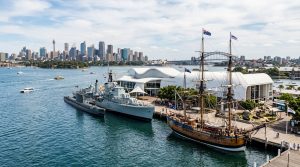
Sydney has no shortage of things to do, but the Australian National Maritime Museum is the kind of attraction that quietly outperforms every expectation. Most visitors budget a couple of hours and end up staying all day. Most first-timers leave wishing they’d come sooner.  Sitting right on the edge of Darling Harbour, it’s one of those rare places where history doesn’t sit behind glass; it floats right in front of you, and you can climb inside it.  This guide covers everything you need to book your tickets online, understand what you’re getting, and arrive fully prepared for one of Sydney’s best days out. What Is the Australian National Maritime Museum? Few museums in Australia can claim to offer what the Australian National Maritime Museum delivers at its Darling Harbour waterfront address. Established in 1991 and federally operated, it sits at 2 Murray Street in the heart of Sydney, and while its collection runs to 160,000 items, the real draw isn’t the numbers. It’s the fact that some of those items are full-sized warships and submarines moored right outside the door, waiting to be climbed into.  The museum is built around two distinct experiences: free indoor galleries and a paid outdoor fleet, and knowing the difference before you book makes the entire visit go more smoothly. Inside, the galleries tell Australia’s maritime story from multiple angles – First Nations seafaring culture, the journeys of early European explorers, the waves of immigration that shaped modern Australia, naval defence history, and the science of the ocean itself.  Displays are interactive and media-rich rather than static, making them genuinely engaging for visitors of all ages. The standout addition for 2026 is the Navy 125 Exhibition, a landmark display commemorating 125 years of the Royal Australian Navy that opened in February and sits at the heart of the indoor experience.  Rotating temporary exhibitions add further depth throughout the year, with Ur Wayii (Incoming Tide) among the current highlights. Step outside, and the scale of what the museum has assembled at its docks becomes immediately apparent. The HMAS Onslow, a fully preserved Cold War-era submarine, can be descended into and explored from bow to stern. The HMAS Vampire, Australia’s last remaining big-gun destroyer, sits alongside the HMB Endeavour replica and the Bark James Craig, a painstakingly restored 19th-century tall ship.  Before heading to the fleet, Action Stations is worth visiting first. Its immersive cinematic experience about life in the Royal Australian Navy gives every subsequent vessel boarding a richer layer of meaning.  The Cape Bowling Green Lighthouse completes the outdoor picture, though it remains closed until 17 June 2026 while hosting a Vivid Sydney installation. Want a more detailed guide on the Australian National Maritime Museum? Then check out our blog “Australian National Maritime Museum: Complete Visitor Guide (2026).” Ticket Types: What to Know Before You Book The Australian National Maritime Museum operates on a two-tier model that most booking platforms don’t explain clearly enough.  Permanent indoor galleries are free to enter and require no ticket. The See It All ticket unlocks everything else, including the outdoor fleet, Action Stations, the lighthouse, and all special exhibitions. The See It All ticket covers full access to every vessel open on the day, Action Stations, all permanent galleries, all temporary special exhibitions, a complimentary audio guide, and access to volunteer-led guided tours.  Family tickets bundle up to 2 adults and 3 children at a combined rate that meaningfully undercuts buying individually, and are the natural starting point for any group visiting with kids. Concession pricing is available for full-time students, pensioners, and seniors aged 60 and over (valid photo ID required at entry). Children aged 3 and under enter free.  Australian Defence Force veterans, serving members, and current cadets also receive free entry across all ticket tiers. Companion Card holders receive concession pricing, with a complimentary caregiver ticket redeemable at the door. One important note: some areas are currently temporarily closed, including the 3D Cinema, Kids on Deck, and the library. Vessel availability can also vary day to day due to maintenance or weather. Checking the museum’s website or your Thrillark booking page before visiting confirms exactly what’s open on your date. How to Book Australian National Maritime Museum Tickets on Thrillark Gate pricing is always higher than what you’ll find online, and on busy days, vessel access fills up before walk-up visitors reach the front of the queue.  Booking through Thrillark puts every ticket category in one place, at the lowest available online rate, with instant confirmation to your inbox. For visitors combining the museum with other Sydney attractions, such as SEA LIFE Sydney Aquarium, Sydney Tower Eye, or anything else in the Darling Harbour precinct, Thrillark lets you sort everything in one transaction rather than managing multiple platforms and confirmations. Here’s exactly how to book: Step 1: Find the listing and pick your date  Open Thrillark and search for Australian National Maritime Museum tickets. The product page shows the key inclusions, cancellation policy, and other important information you need to know about the museum.  Once you’ve gone through all the details, click “Book Now.”  Next, select your preferred date. If your schedule has flexibility, checking across a few dates is worth doing to compare availability and pricing across different periods of the week. Step 2: Select your ticket type  Once your date is locked in, the full range of available ticket options loads beneath it. Each listing shows what’s included, any relevant restrictions, and the price. Take a moment to read through before committing. The difference between a gallery-only visit and the See It All ticket is significant, and that decision is easier to make now than when you’re already at the entrance. Select the ticket that fits your group and hit “Select.” Step 3: Choose your entry preference  Depending on the ticket type you’ve selected, you may be asked to confirm a preferred entry time or session window. Pick the option that fits your plans and click the “Continue to Payment” option. Step 4:

Read More »
Australian National Maritime Museum Complete Guide
Adventure
Niya Mariam Santhosh

Australian National Maritime Museum: Complete Visitor Guide (2026)

Sydney has a way of anchoring its best experiences to the water, and nowhere is that more true than at the Australian National Maritime Museum.  Sitting right on the edge of Darling Harbour, this is one of those rare attractions that rewards you differently depending on whether you’re eight years old or eighty, and one that most visitors, even longtime Sydney locals, admit they’ve been underestimating.  It’s often overlooked, but it absolutely shouldn’t be. Rain or shine, it’s well worth your time. This guide covers everything you need before you visit – what’s inside, how to book, where to find it, and how to make the most of a full day on the waterfront. What Is the Australian National Maritime Museum? The Australian National Maritime Museum is a federally operated maritime institution in Darling Harbour, Sydney. It opened in 1991 and has grown into one of the most distinctive cultural attractions in the country – not because of what’s on its walls, but because of what’s moored at its docks.  The museum’s collection spans 160,000 items, from an impressive fleet of historic vessels to galleries filled with fascinating artifacts, exhibitions, and interactive displays that bring to life stories of exploration, immigration, naval service, and Indigenous maritime culture. What genuinely sets it apart from every other museum in Sydney is the outdoor fleet. The museum has one of the largest and most diverse in-water fleets in the world, including the Cold War submarine HMAS Onslow, naval destroyer HMAS Vampire, and a stunning replica of Captain Cook’s tall ship HMB Endeavour.  These aren’t display pieces behind glass. They’re vessels you can board, explore, and descend into, guided by volunteers whose knowledge of maritime history is matched only by their enthusiasm for sharing it. Set along the waterfront at 2 Murray Street, the museum combines indoor galleries with a fleet of historic ships and a submarine that visitors can board, covering exploration, trade, migration, defense, and leisure, offering a comprehensive look at how the ocean has shaped Australia’s past and present. What’s Inside: Galleries, Vessels & Exhibitions The Australian National Maritime Museum operates across two distinct experiences: the permanent indoor galleries, which are free to enter, and the outdoor fleet and special exhibitions, which require a paid ticket. The permanent galleries cover the full breadth of Australia’s relationship with the sea. They explore maritime deep-time history and the connections between Indigenous Australians and the sea, maritime defense history, immigration by sea, and ocean science, with interactive displays and multimedia installations throughout.  At the center of the Indigenous maritime gallery is a video art installation by the Mulka Project that anchors the exhibition’s themes with genuine cultural weight. The Navy Gallery is one of the most significant spaces in the building. In 2026, the Royal Australian Navy marks its 125th anniversary, and the museum has installed a major new commemorative exhibition, the Navy 125 Exhibition, which opened on 28 February 2026 as the most advanced and comprehensive naval display in the museum’s history. Action Stations is an immersive cinematic experience that shows the inner workings of the Royal Australian Navy like never before, exploring the danger and drama of military life at sea. Visiting this pavilion before heading out to the docks is the single best thing you can do to contextualise the vessels. The stories it tells make stepping aboard HMAS Vampire or descending into HMAS Onslow significantly more meaningful. The outdoor fleet is where the museum earns its reputation. Depending on the day of your visit, you may find one or more ships available to tour: the HMAS Onslow submarine, the HMAS Vampire, the last remaining big gun ship in the nation, and the tall ship James Craig, which took 30 years to restore and is one of the world’s few remaining 19th-century barques that are still seaworthy.  The HMB Endeavour, a full-size replica of Captain Cook’s ship, is also accessible via a gangway from HMAS Vampire’s deck and gives visitors a hands-on experience of 18th-century seafaring that no landlocked exhibit could replicate. Notable exhibits inside the main building include a working triple-expansion marine steam engine, the figurehead from Victorian colonial naval vessel HMVS Nelson, and a Fleet Air Arm Sikorsky S-70B-2 Seahawk helicopter suspended from the ceiling. The museum also runs a consistently strong program of temporary exhibitions. 2026 highlights include the Ocean Photographer of the Year exhibition and Ur Wayii (Incoming Tide), a major First Nations maritime exhibition. These rotating shows are worth checking ahead of your visit, as they frequently become the most talked-about element of the day. Practical Tips for Visiting the Australian National Maritime Museum A few things that will make a meaningful difference to your experience before you arrive. Opening Hours & Location The Australian National Maritime Museum is open daily from 10 am to 4 pm during regular hours, with last vessel boarding at 3:10 pm.  During school holidays, hours extend to 9:30 am to 5 pm, with the last vessel boarding at 4:10 pm. Entry to the permanent galleries is free. The museum is located at 2 Murray Street, Darling Harbour, Sydney NSW 2000. It is right on the waterfront next to Pyrmont Bridge, in the heart of the Darling Harbour precinct. Getting there is straightforward from anywhere in central Sydney. The No. 389 bus stops directly outside. Light rail and train services run to nearby stations, with a short walk to the waterfront. A ferry stop at Darling Harbour provides one of the more scenic approaches to the museum. For those driving, a parking complex sits nearby, though public transport is the more practical option for most visitors given the central location. Best Time to Visit & Nearby Attractions Weekday mornings outside NSW school holiday periods are the best conditions for a visit to the Australian National Maritime Museum. Crowd levels on weekday mornings are noticeably lower, queue times at the submarine and popular vessels are shorter, and the volunteers have more time to engage with individual visitors when the gallery isn’t

Read More »
ArtVo Melbourne Complete Guide
Activities
Niya Mariam Santhosh

ArtVo Melbourne: Everything You Need to Know (2026) 

ArtVo Melbourne isn’t the kind of place you walk through and observe. It’s the kind of place you walk into and disappear.  As Australia’s first immersive trick-art gallery, it flips everything you expect from a cultural outing on its head: the art only works when you’re physically inside it, and the staff actively encourage you to touch everything. The photo you leave with will definitely confuse everyone who sees it in the best possible way. First opened at The District Docklands in 2016 and now returning with a complete gallery refresh on 30 May 2026, ArtVo is bigger, bolder, and more technically ambitious than any previous version of itself.  Whether you’re a first-time visitor or coming back to see what’s changed, this guide covers everything from what’s inside, how to get there, how to book, and how to make sure your photos actually do the experience justice. What Is ArtVo Melbourne? Trick art is a discipline that has been around for centuries, but ArtVo Melbourne has built an entire experience around it at a scale that makes it feel like something genuinely new.  The concept is deceptively simple: large-scale murals painted directly onto walls and floors, designed with such precision that when you stand in exactly the right spot and a camera is pointed at you from the correct angle, the flat surface disappears entirely and you appear to be inside the scene.  You’re not looking at a dragon, you’re in its mouth. You’re not observing a waterfall, you’re standing at its edge. The camera, not the eye, is the instrument the art is designed for. The gallery spans over 1,400 square metres across 11 distinct themed zones, with more than 80 hand-painted artworks completed by 15 artists using over 1,000 litres of paint and 800 hours of work. Each zone has its own visual identity and its own set of scenarios to step into. Here’s what you’ll find inside: What makes ArtVo Melbourne genuinely different from every other Melbourne attraction is that participation isn’t optional – it’s the entire mechanism of the experience. There are no ropes, no “do not touch” signs, no passive observation. The art only works when you’re inside it, and the staff actively guide you there. Who Is ArtVo Melbourne For? The honest answer is almost everyone, but it’s worth being specific about why different groups get different things out of it. Families with children find ArtVo Melbourne particularly well-suited to mixed-age groups precisely because the experience doesn’t require a shared baseline of art knowledge or cultural context.  A seven-year-old and their grandparent can both be equally delighted by appearing to surf a massive wave together, and the physical, playful nature of the experience keeps younger visitors genuinely engaged rather than restless. Couples visiting Melbourne find ArtVo a refreshing alternative to the standard date-night roster. The combination of playfulness, creativity, and guaranteed good photos makes for an afternoon that generates shared memories rather than just shared presence in the same space. Friend groups, especially those with an eye for content, find the gallery almost designed for them. The variety of zones means there’s a scenario for every personality, and the competitive instinct to find the best pose at each installation naturally extends the visit. Solo visitors are equally well catered for. The staff are experienced at helping solo visitors get the shots they came for, and the self-guided format means there’s no social pressure to move at anyone else’s pace. School groups have a dedicated booking pathway, with ArtVo Melbourne’s educational framing around art, perspective, and optical science giving the visit genuine curriculum relevance beyond the obvious entertainment value. ArtVo Melbourne’s Themed Zones: What to Expect in 2026 The 2026 reopening on 30 May marks the most significant evolution of the gallery since it first opened.  The Fantasy theme introduced in this refresh isn’t a single zone; it’s a narrative thread that runs across the entire gallery, connecting the individual themed areas into a more cohesive journey. The ocean segment of the Fantasy theme introduces underwater environments that dwarf anything in the previous Aquatic Adventure zone, with bioluminescent creatures and deep-sea landscapes that have been designed specifically with the camera angle in mind.  The polar ice caps section creates stark, blue-white environments of glaciers and aurora skies that provide some of the most striking visual contrast of any installation in the gallery.  The space segment takes visitors into the cosmos with astronaut scenarios, planetary backdrops, and zero-gravity illusions that remain some of the most technically complex trick-art environments attempted anywhere in Australia.  The forest dreamscape closes the Fantasy thread with ancient woodland, mythical creatures, and soft-light environments that feel genuinely otherworldly. Beyond the Fantasy theme, the 2026 refresh has introduced new sculptural elements throughout the gallery, like three-dimensional physical props that extend beyond the flat wall and interact with the painted perspective to create layered illusions that the purely two-dimensional murals couldn’t achieve alone. Tips for Getting the Best Photos at ArtVo Melbourne ArtVo Melbourne is fundamentally a photography experience, and a few simple principles before you walk in will make a significant difference to what you walk out with. Opening Hours, Location & How to Get There ArtVo Melbourne Tickets and Booking When it comes to booking ArtVo Melbourne tickets, the golden rule is simple: don’t wait until you’re at the door. Walk-up tickets are available at the gate, but they come at the highest possible price point and offer no guarantee of entry on days when the gallery is running near capacity.  Booking in advance locks in a lower rate, confirms your slot, and means you arrive with a QR code ready to scan rather than a queue to join. ArtVo Melbourne’s ticketing covers a range of visitor categories, including adults, children aged 5 to 15, students, seniors, and concession holders, with children under 4 entering completely free.  Family packages bundle multiple tickets at a combined rate that meaningfully undercuts buying individually, making them the natural starting point for any group visiting

Read More »
ArtVo Melbourne Tickets Everything You Need to Know Before You Go
Activities
Niya Mariam Santhosh

ArtVo Melbourne Tickets: Everything You Need to Know Before You Go

Melbourne has no shortage of things to do, but when you’re weighing up the best ways to spend your time in this city, ArtVo Melbourne consistently earns its place near the top of the list.  From laneway coffee culture to world-class sporting events, things to do in Melbourne span every taste and budget, but ArtVo pulls off something genuinely different from all of it. It’s not a gallery in the traditional sense, and it’s not a typical tourist attraction either. It’s a place where you become part of the art, where the walls react to how you stand in front of them, and where the best souvenir you’ll take home isn’t something you bought in a gift shop – it’s a photo that makes everyone ask where on earth it was taken.  If you’re building out your Melbourne itinerary and wondering where to carve out a few hours, this is the answer. And the only thing you really need sorted before you arrive is your ticket.  What exactly is ArtVo Melbourne? ArtVo is Melbourne’s immersive art experience. It’s a sprawling, larger-than-life collection of interactive 3D murals and optical illusions designed specifically to be explored, photographed, and played with.  Forget the “don’t touch the art” rule. Here, touching (and jumping, leaning, and dramatically posing in front of) the art is entirely the point. Spread across a seriously impressive floor space, ArtVo’s installations are crafted by international artists who understand exactly how a flat wall becomes a mind-bending scene when the camera angle is just right. You’re not a passive observer; you’re the main character in every frame. It’s equal parts art venue, photography playground, and genuinely good fun for anyone from curious solo visitors to families looking for something more memorable than a standard tourist tick. Melbourne has earned its reputation as Australia’s cultural capital, and ArtVo slots neatly into that identity while doing something most venues here simply don’t. ArtVo is a perfect fit for couples, families, friend groups, and creative solo travelers who want a Melbourne memory that’s worth more than a stock-standard skyline shot. Want to learn more about ArtVo Melbourne? Then read our blog “ArtVo Melbourne: Everything You Need to Know (2026).” ArtVo Melbourne Ticket Prices (2026) ArtVo’s pricing is structured to cover different visitor types– adults, children, and group configurations – with the clearest savings available to those who book in advance through trustworthy platforms like Thrillark rather than turning up and paying at the door. ArtVo Melbourne’s standard tickets cover full access to ArtVo’s installations from open to close. Pricing runs across three categories: adults, children (ages 4–14), and kids under 4 who walk in completely free. That free infant entry is a genuine saving for families with little ones and applies without any conditions. Family bundles consistently undercut the cost of buying four individual tickets and are the obvious starting point for any group with children in tow. The savings aren’t symbolic; they’re meaningful enough to make the choice easy. Gate pricing is always higher than what you’ll find online. Booking through Thrillark locks in a lower rate and guarantees your slot, which matters on peak days when sessions fill ahead of time. If you’re visiting on a weekend or during school holidays, this is not a step to skip. How to Book ArtVo Melbourne Tickets on Thrillark: Step-by-Step Guide Step 1: Find the listing and pick your date  Open Thrillark and search for ArtVo Melbourne tickets. The product page shows the key inclusions, cancellation policy, and other important information you need to know about ArtVo.  Once you’ve gone through all the details, click “Book Now.”  Next, select your preferred date. If your schedule has flexibility, checking across a few dates is worth doing to compare availability and pricing across different periods of the week. Step 2: Select your ticket type  Once your date is locked in, the full range of available ticket options loads beneath it. Each listing shows what’s included, any relevant restrictions, and the price. Take a moment to read through before committing. Select the ticket that fits your group and hit “Select.” Step 3: Choose your entry preference  Depending on the ticket type you’ve selected, you may be asked to confirm a preferred entry time or session window. Pick the option that fits your plans and click the “Continue to Payment” option. Step 4: Set your guest count  Adjust the adult and child numbers using the + and − buttons. The running total at the top of the screen updates with each change. Confirm the count carefully before moving forward. Adjusting a booking after payment is always more effort than getting it right the first time. Step 5: Enter your guest details  Your full name, email address, and contact number are required here. The email field is the critical one. Your e-tickets are sent there immediately after payment clears. Read it back before hitting “Next.” A typo at this stage creates an avoidable problem on the day. Step 6: Pay and confirm  Choose your payment method and work through the checkout. The process is secured throughout. Hit “Confirm & Pay” when you’re ready. Step 7: Receive your e-ticket and head straight in  Your booking confirmation and QR code land in your inbox within seconds of payment. On the day, pull up the email at the ArtVo entrance, scan the code, and walk in.  No ticket window, no queue, no uncertainty about whether your spot is actually confirmed. When to Visit and When to Avoid the Crowds Timing your ArtVo visit smartly is the difference between a relaxed, unhurried session where you can set up the perfect shot at each installation and a shoulder-to-shoulder scramble with every Instagram account in Melbourne. The busiest periods are weekends, Victorian school holidays, and public holiday windows.  Late afternoon slots tend to draw the biggest crowds as people wrap up the rest of their day and funnel in together. The sweet spot is a weekday morning, outside of school term breaks, in the first

Read More »