

Category: Travel Tips

Phuket Travel Guide 2025: Best Itineraries, Things to Do & Local Tips
Activities
Tanisha Mathew

Phuket Travel Guide 2026: Best Itineraries, Things to Do & Local Tips

Let us guess, you’re planning a trip to Thailand and not sure what to do in Phuket this year? You’re not alone. With its stunning beaches, rich culture, and tropical vibes, Phuket continues to top the charts for travelers, but in 2026, this iconic island is rewriting the rulebook on what a holiday should feel like. This Phuket travel guide 2026 is your one-stop resource to discover where to visit in Phuket, what’s new, and how to experience the island like a local (or a well-informed digital nomad). With so much information floating around, it’s easy to feel lost in a sea of generic tips and outdated recommendations. Should you stick to Patong Beach? Explore the hidden waterfalls? Visit a new wellness retreat or join a revived Thai festival? The truth is, Phuket has evolved and so should the way you explore it. In 2026, the island is embracing a new wave of travel trends. From eco-conscious hotels and digital nomad workspaces to wellness retreats like Anantara’s newly launched Layan Life spa and the return of vibrant local cultural festivals, Phuket is balancing sustainability, soul, and adventure like never before. Whether you’re here to reset, recharge, or roam freely, there’s a version of Phuket that’s tailored for you. So let’s dive in. Phuket in 2026 isn’t just a destination, it’s an invitation to live your dream island escape, your way.   How to Plan Your Trip to Phuket in 2026 🧳 How to Plan Your Trip to Phuket in 2025 📆 Ideal Length of Stay & Phuket Itinerary Tips If you’re wondering how many days you need in Phuket, the sweet spot is between 4 to 10 days. That gives you enough time to explore the famous beaches, day-trip to nearby islands, and unwind with a Thai massage or two. For a shorter visit, a 3-day express Phuket itinerary can still pack in iconic spots like Big Buddha, Old Town, and a Phi Phi Islands speedboat tour. 🌤️ Best Time to Visit Phuket & Weather Guide When it comes to the best time to visit Phuket, aim for the dry season from November to April. These months offer sunny skies and ideal beach weather, perfect for island hopping and sunsets by the sea. May to October brings more rain but fewer crowds and better hotel deals. Sargassum seaweed may affect some beaches during the summer monsoon, but popular resorts usually clean up quickly. ✈️ Flights & Airport Transfers Flying into Phuket International Airport (HKT) is a breeze, with direct routes from Asia, Europe, and the Middle East. For smoother and more sustainable travel, check out Siam Green Airport Transfers, an eco-friendly option supporting Phuket’s green goals. Ride-hailing apps and shared minivans are also great for reaching Patong, Kata, Kamala, and other hotspots. 🛂 Visa & Entry Requirements (2026 Updates) Thailand visa requirements in 2026 are more traveler-friendly than ever. Citizens from over 60 countries can enter visa-free for up to 30 or 60 days, depending on their passport. If you’re planning to work remotely, the Thailand Long-Term Resident Visa (LTR) makes it easier for digital nomads to legally stay and work from Phuket for extended periods. How to Get Around in Phuket? Getting around Phuket is an adventure in itself, with plenty of options to suit every traveler’s style and budget. Public transport in Phuket includes local buses, known as songthaews, which are bright blue and run set routes between Phuket Town and the island’s main beaches. These buses are a budget-friendly way to travel, but they can be slow due to frequent stops and traffic. Tuk-tuks and ride-hailing services like Grab offer more flexibility and comfort, making them popular for quick trips or late-night rides. For a detailed guide, check out our comprehensive blog on getting around in Phuket. If you’re looking for more freedom, renting a motorbike is a top choice for exploring Phuket’s hidden gems. Motorbikes are affordable and give you the flexibility to travel at your own pace, but safety is a major concern. Accidents are common, and most rental shops offer limited or no insurance, so it’s crucial to ask about coverage and consider additional insurance for peace of mind. Car hire is another great option for families or groups, but be sure to check the insurance policy carefully. Many companies claim to offer “full insurance,” but this often excludes important coverage like collision or theft. Always drive cautiously, and remember that a credit card is usually required for car rentals. For those who prefer a hassle-free experience, private transfers and group tours are widely available in Phuket. Private airport transfers can be booked in advance, ensuring a smooth journey from the airport to your hotel with a professional driver. Group tours are perfect for exploring the island’s highlights without the stress of navigating unfamiliar roads. Whether you’re traveling solo or with a group, these services offer comfort, convenience, and local insights, making your Phuket adventure even more enjoyable Where to Stay in Phuket  (Zone-by-Zone) Phuket offers a diverse range of accommodations, each catering to different travel styles and preferences. Choosing the right Phuket accommodation for your Phuket trip can truly enhance your experience, so let’s explore the island zone-by-zone to help you find your perfect Phuket hotel or resort. North Phuket : Family Beach Areas & Eco Retreat Picks Heading north on the island brings you to quieter, more expansive stretches of sand like Mai Khao Beach, making it ideal for family beach holidays in Phuket. Here, you’ll discover luxurious resorts designed with families in mind, often featuring extensive kids’ clubs and swimming pools.  Follow Mai Khao’s coast south to reach Nai Yang Beach – pass the working fishing boats at the north end to find quieter sands and quality accommodations further along For those seeking a serene escape and a connection with nature, the north also boasts fantastic eco-retreats in Phuket, emphasizing sustainability and tranquility away from the crowds.   West Phuket (Kata, Karon): Balanced Value & Vibe The western beaches of Kata
Read More »
Where to Party in Bangkok Best Nightlife, Bars & Clubs Guide
Bucket List Ideas
Tanisha Mathew

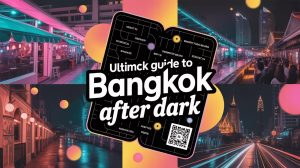
Where to Party in Bangkok: Best Nightlife, Bars & Clubs Guide

You know that sinking feeling when you’re standing on a Bangkok street corner at 10 PM, scrolling through countless venue reviews and still having no clue where to go? Yeah, we’ve all been there. Nothing kills the vibe faster than bouncing between dead bars or getting stuck in some overpriced tourist trap while the real party happens somewhere else entirely. Don’t worry – we’ve done the legwork for you, uncovering the spots where Bangkok actually comes alive after dark. Best Rooftop Bars in Bangkok (2025 Edition) Bangkok’s skyline transforms into a glittering dreamscape after dark—and what better way to soak it in than from a rooftop bar? Whether you’re chasing sunset cocktails or late-night vibes, the best rooftop bars in Bangkok (2025) offer you unforgettable views and a well-deserved night out. Let’s start with a legend, Sky Bar at Lebua. Perched on the 63rd floor of State Tower, this iconic spot rose to fame after The Hangover Part II, and it still delivers cinematic views of the Chao Phraya River and the city skyline. You should try their  signature cocktails like the Hangovertini and , but be sure to book a table in advance and arrive in smart casuals,no flip-flops or tank tops. Drinks start around THB 500, and while there’s no official happy hour, the views alone are worth the splurge. If you’re looking for something dynamic yet relaxed, Octave Rooftop Lounge & Bar at the Marriott Hotel Sukhumvit is a crowd favorite. Spread across three levels, it offers you a 360-degree view that feels almost unreal at golden hour. It’s ideal for those searching online for bangkok rooftop bar with sunset view. Octave’s happy hour runs daily from 5 PM to 7 PM with buy-one-get-one drink deals, and the vibe is casual upscale, stylish but not stiff. For those seeking luxury with a touch of romance, Vertigo & Moon Bar at Banyan Tree Bangkok is hard to top. Imagine sipping champagne under the stars while the city glitters beneath you, that’s the magic here. The menu leans toward fine dining, so it’s perfect for anniversary dinners or impressing someone special. Make a reservation well in advance, especially on weekends, and remember the dress code is strictly smart elegant. Over by the river, Above Riva at Riva Surya Bangkok offers a more intimate, serene rooftop experience. Tucked away from the city’s hustle, this hidden gem overlooks the old city and the Chao Phraya, with chilled cocktails and soft lighting that feels like a secret escape. It’s a favorite for those who Google things like romantic rooftop bars near Khao San Road. You don’t need a reservation during weekdays, but it’s wise to call ahead for sunset spots. And for something fresh, young, and Insta-famous, Tichuca Rooftop Bar has taken Bangkok’s rooftop scene by storm. Located in Thonglor, its bamboo-themed jungle design and twinkling lights have made it a viral hit on TikTok. Expect a trendy crowd, strong drinks, and a playlist that keeps the energy high. There’s no formal dress code, but it’s a place where everyone’s dressed to be seen. Arrive early or prepare for a queue—this one’s popular for a reason. Looking for more ways to explore the city from above? Don’t miss our Ultimate Guide to Rooftop Bars in Bangkok (2025 Edition) where we uncover even more sky-high gems, from budget-friendly balconies to ultra-luxe lounges. Whether you’re searching for the best views in Bangkok at night or just trying to find a rooftop that matches your vibe, this list will help you navigate the city’s sky-high nightlife. Book ahead, dress well, and get ready to sip, snap, and savour Bangkok from the top. Top Nightclubs to Party in Bangkok (2025) If you’re hunting for the top nightclubs to party in Bangkok, you’re in for a wild ride. The city’s clubbing scene pulses with energy—there’s something for every kind of night owl, whether you’re into EDM drops, underground techno, or glitzy dance floors with a VIP twist. From Sukhumvit to RCA and Thonglor, Bangkok nightlife in 2025 is vibrant, diverse, and alive all week long. Levels Club & Lounge on Sukhumvit Soi 11 is a favorite among tourists and first-time partygoers. It’s got a little bit of everything: commercial beats, hip-hop, and an easygoing crowd that’s always ready to dance. Entry is often free before midnight on weekdays, and after that, it’s around THB 300 with a drink. The age limit is 20+, and Friday and Saturday nights are especially buzzing. Next up, Onyx RCA is where the bass really drops. Known as Bangkok’s premier EDM club, this spot draws big-name DJs and festival-level lighting and sound. Expect a cover charge of THB 400–500, usually including one drink, and an age limit of 20+. RCA is the place to be for those Googling “best EDM clubs in Bangkok 2025” or looking for a full-on rave vibe. For those who crave more than just music, Sing Sing Theater near Phrom Phong is a feast for the senses. Designed like a vintage Chinese opera house, this club delivers immersive visuals, themed performances, and world-class DJs. The crowd skews trendy and creative, the entry fee varies by event (often THB 500+), and the music ranges from electro-pop to global beats. It’s also one of the most Instagrammable nightclubs in Bangkok—perfect for a stylish night out. If your taste leans toward underground techno and minimalist style, Beam Club in Thonglor hits the mark. With its industrial aesthetic, Funktion-One sound system, and no-nonsense dance floor, Beam is a haven for purists. Entry is around THB 500, and it’s strictly 20 and up. Saturdays are the best night to go if you’re chasing Bangkok’s true techno spirit. Lastly, for a more polished party vibe, The Club @ Koi brings high-end nightlife to the 39th floor of Sathorn Square. Think chandeliers, dress codes, and occasional celebrity sightings. The music shifts from commercial EDM to R&B and hip-hop depending on the night. Cover charge is typically THB 600 with a drink, and a stylish

Read More »
Loy Krathong Festival 2025
Best Time to Visit
Tanisha Mathew

Ultimate Guide to Loy Krathong Festival 2026 (Thailand’s Festival of Lights)

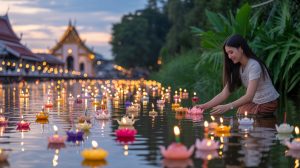
Ever wondered what it feels like to be part of a floating dream? Thailand’s Festival of Lights, more famously known as Loy Krathong is exactly that. Picture thousands of candlelit lotus-shaped baskets drifting down rivers, shimmering under a full moon, while wishes and worries are gently carried away by water and wind. It’s more than a beautiful sight – it’s a soulful celebration of renewal, gratitude, and Thai tradition. But here’s the thing – most travelers miss the deeper meaning behind the sparkle. Loy Krathong 2026 will take place on the full moon night of the 12th lunar month, which anticipated around November 24-25, 2026. Whether you’re planning your first trip to Thailand or coming back for more, this Loy Krathong 2026 travel guide will help you experience the festival like a local, not just a spectator. From Chiang Mai’s twin celebration with Yi Peng to Bangkok’s riverside magic and hidden local gems, this guide is your key to unlocking one of Thailand’s most cherished and unforgettable festivals. The Origins & Mythology Behind Loy Krathong Loy Krathong, often called Thailand’s Festival of Lights, began centuries ago during the Sukhothai Kingdom. What started as a royal ceremony has evolved into one of the most spiritually moving festivals in Southeast Asia. People often ask about the real origin of Loy Krathong—its story is rooted in both history and sacred tradition, with the early Thai kings using it as a ritual to give thanks to the rivers and nature. Over the years, Buddhist rituals in Thailand became closely tied to Loy Krathong. Floating a krathong isn’t just about beauty—it’s about letting go of past regrets, easing suffering, and symbolically releasing anger and sorrow. Some wonder whether Loy Krathong is a Buddhist festival. While it is influenced by Buddhist teachings, it also carries Brahmanic elements, such as invoking natural deities and cosmic balance. Central to the celebration is the act of paying tribute to Phra Mae Khongkha, the Goddess of the Waters. Many want to know who is honored during Loy Krathong, and this divine figure is at the heart of it all. She represents fertility, flow, and forgiveness—qualities that mirror the river itself. Offering a krathong becomes a quiet prayer to her, a thank-you for nourishment and a gentle apology for any harm done to the water. The festival is also surrounded by the enduring legend of Nang Noppamas, a woman of the ancient Sukhothai court said to have crafted the first lotus krathong to impress the king. Her story lives on in Loy Krathong parades and pageants, although historians still debate whether she was a real historical figure. For many, her image has become a symbol of elegance and devotion. What does Loy Krathong truly mean for people today? It’s the emotional release – floating away your bad luck, negative energy, and emotional baggage, all while inviting peace and prosperity. Tied deeply to the belief in karma and merit-making, the act of participating in Loy Krathong is thought to cleanse the spirit and bring blessings in return. Whether you’re a traveler or a local, there’s something almost healing about joining in this ancient dance of light and water. 🌟 Did You Know? What is the true meaning of Loy Krathong? It’s more than floating candles—it’s a way to release negativity, express gratitude, and invite good karma into your life. Is Loy Krathong a Buddhist festival? While it’s rooted in Buddhist values like detachment and merit-making, it also blends in Brahmanic traditions and nature worship. Who is Phra Mae Khongkha? She’s the Thai Goddess of the Waters. People float krathongs to honor her and ask for blessings and forgiveness. Was Nang Noppamas real? Her story adds royal romance to the festival’s origin, but historians still debate her existence. She’s now a cultural icon of grace and beauty. Why do people float krathongs? To let go of bad luck, anger, and sadness—and to send out wishes under the moonlight. It’s a symbolic act of emotional renewal. Explore more magical experiences and spiritual festivals across Thailand with Thrillark. Interlinked Thai Festivals Infographic Interlinked Thai Festivals: Loy Krathong, Yi Peng & Kathin Ceremony Loy Krathong Celebrated across Thailand, this festival takes place on rivers and lakes. People release beautifully decorated banana-leaf rafts (krathongs) onto the water to pay respects to the water goddess and let go of negativity. Yi Peng Unique to Northern Thailand, especially Chiang Mai, Yi Peng is known for the release of thousands of sky lanterns, creating a magical glowing sky. It often coincides with Loy Krathong. Kathin Ceremony Held between October and November, Kathin is a Buddhist festival where laypeople offer new robes and other essentials to monks, reinforcing community and merit-making. ✨ How They Coexist & Overlap Loy Krathong and Yi Peng often fall on the same day, making Chiang Mai the ultimate destination to witness both river and sky illuminated with lights. Kathin can sometimes be celebrated around the same time, adding a layer of spiritual depth to your journey. 🎒 Travel Planning Tips Best Time: Plan your visit around the full moon of the 12th Thai lunar month (usually November). Where to Go: Chiang Mai is the top choice to experience Loy Krathong + Yi Peng together. For a traditional Kathin Ceremony, consider a visit to a countryside temple in October-November. Pro Tip: Book your accommodations well in advance and check for local temple schedules to catch Kathin rituals. Discover Top Things to Do in Chiang Mai Top Destinations to Celebrate Loy Krathong Each region in Thailand offers its own version of Loy Krathong, blending ancient charm with local flavor. Whether you’re chasing candle-lit ruins, sky lanterns, or seaside serenity, there’s a perfect spot waiting to light up your night. Here’s your mini city guide to where Loy Krathong shines brightest in 2025. Sukhothai In Sukhothai, the birthplace of Loy Krathong, the celebration takes you back to where it all began. The Sukhothai Historical Park transforms into a glowing time capsule, with candle-lit ruins, traditional dance performances, and

Read More »
Hidden Gems of Bangkok You’ve Never Heard Of (But Should Visit)
Activities
Tanisha Mathew

Hidden Gems of Bangkok You’ve Never Heard Of (But Should Visit)

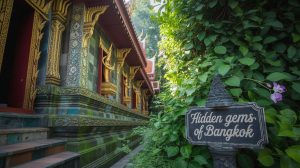
Hidden gems of Bangkok are what truly set your trip apart. Tired of seeing the same travel spots over and over—Wat Pho, the Grand Palace, Khao San Road? Don’t worry, you’re not alone. These places are iconic, yes, but if every traveler visits them, does it still feel like your Bangkok adventure? The truth is, most first-time visitors land in tourist traps without realizing it. You head out looking for something authentic and end up paying triple for mango sticky rice or getting stuck in a sea of selfie sticks and overpriced tuk-tuk rides. Sure, those sights are worth checking off your list—but they’re just a small slice of what this vibrant city has to offer. So, what are the non-touristy things to do in Bangkok or the hidden gems of Bangkok? Think winding back alleys splashed with hidden street art, quiet riverside communities that time forgot, low-key speakeasies, and sacred temples where locals still go to pray—not pose. In this guide, we reveal the best hidden places in Bangkok that most travelers overlook—but really shouldn’t. Whether you’re on your second trip or just want to see the city like a local, these offbeat Bangkok experiences will completely change the way you explore the Thai capital. Ready to ditch the usual itinerary and dive into unique places to visit in Bangkok that even locals whisper about? Let’s go beyond the obvious. Bangkok’s Living Heritage: Discover Culture Keepers and Forgotten Communities Step off the beaten path and explore the hidden cultural experiences in Bangkok that most tourists overlook. This is where the city’s soul lives—not behind glass in a museum, but in the hands of artisans, the hum of quiet alleyways, and the warm stories passed down through generations. These forgotten communities in Bangkok preserve the city’s heritage with quiet pride, offering an experience far more authentic than any tourist brochure. Ban Bu Bronze Village – Bangkok’s Last Living Bronze Workshop Nestled by the canals of Khlong Bangkok Noi in Thonburi, Ban Bu Bronze Village keeps an ancient tradition alive. Artisans here still craft bronze bowls using centuries-old Ayutthaya techniques. As you approach, you’ll hear the rhythmic clink of metal echoing through the air. Families transform their homes into open-air workshops, where molten bronze glows and steady hands shape each piece with care. To explore this side of the city, join a Bangkok Bike Tour that takes you through the quiet lanes of Thonburi, passing hidden temples and communities like Ban Bu. Ride at your own pace and witness a slower, more soulful Bangkok unfold before your eyes. Looking for a broader perspective? Hop on a Chao Phraya River Cruise from nearby ICONSIAM. Float past landmarks like Wat Arun and Wat Kalayanamit, as live Thai music and a buffet dinner add charm to the evening. Prefer something more immersive? Take a Bangkok Temples and Canals Tour—a long-tail boat journey through the khlongs of Thonburi that unveils canal-side life and iconic temples just minutes from Ban Bu. Kudi Chin – A Hidden Riverside Blend of Thai-Portuguese Culture Just across the river lies Kudi Chin, a tranquil riverside neighborhood where Thai and Portuguese heritage still thrive. Start with a warm kanom farang from Thanusingha Bakery, a treat with Portuguese roots. Then wander through pastel-colored homes, the red-domed Santa Cruz Church, and the Baan Kudichin Museum, where stories of this multicultural enclave come to life. Enrich your visit with a Thai Cooking Class nearby. Learn to make iconic dishes like Pad Thai or Green Curry and connect Kudi Chin’s unique food legacy to Thailand’s vibrant culinary culture. Want to add a scenic spin? Board a Chao Phraya River Cruise from a nearby pier. As you sail past Wat Kalayanamit, visible from Kudi Chin’s peaceful banks, watch the temple spires glow at dusk. For a day trip, explore an Amphawa or Damnoen Saduak Floating Market Tour, just 1–1.5 hours away, perfect for experiencing Thailand’s riverside life that echoes the charm of Kudi Chin. Charoen Chai & Baan Kao Lao Reung – Chinatown’s Time Capsule Step into Charoen Chai, one of Chinatown’s lesser-known streets, and you’ll stumble upon the Baan Kao Lao Reung Museum. Tucked inside a preserved shophouse, this museum captures the intimate history of the Chinese-Thai community through vintage cinema posters, heirlooms, and handwritten notes. Most travelers miss it—but those who visit walk away with a deeper understanding of Bangkok’s multicultural heritage. Want to see another side of the neighborhood? Head to Rajadamnern Stadium for a Muay Thai Live Show or Training Session, just a short 20–25-minute ride away. Watch Thailand’s national sport come alive or try it yourself—an exhilarating contrast to the museum’s quiet nostalgia. Alternatively, hop on a Bangkok Temples and Canals Tour that begins near Chinatown and drifts through Thonburi’s hidden waterways. Or ride through secret alleys on a Bangkok Bike Tour, weaving your way through old-school corners that still echo with stories—just like Charoen Chai. Creative Corners & Artisan Spaces in Bangkok Bangkok isn’t just temples and traffic—it’s also a buzzing hub of creative spaces and local art scenes that often fly under the radar. If you’re looking to explore the city’s artsy, offbeat side, these hidden spots are where Bangkok’s imagination truly comes alive. Float down the quiet waters of Khlong Bang Luang and you’ll land at the Artist House (Baan Silapin)—a 200-year-old wooden home that feels more like a time-lost village than a city corner. Here, shadow puppet shows share space with café vibes, canal breezes, and a cozy art market that celebrates community creativity. Across town, the Charoen Krung art scene pulses through graffiti-covered walls, industrial warehouses, and some of the most exciting contemporary art galleries in Bangkok. At Warehouse 30, you’ll find design cafés and edgy installations, while nearby spots like ATT 19 and Speedy Grandma are redefining what Thai art can be. It’s Bangkok with a Berlin twist—gritty, stylish, and wildly original. For travelers who crave culture with a creative spark, these art spaces in Bangkok offer a fresh, vibrant lens on the city

Read More »
How to get around in Bangkok?
Sustainable Tourism
Tanisha Mathew

Getting Around Bangkok: The Ultimate 2026 Transportation Guide

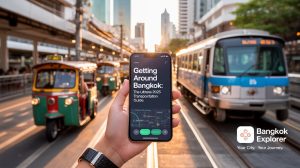
How do I get around Bangkok without losing my mind? If that question’s crossed your mind while planning your Thailand adventure, you’re not alone. Bangkok’s transportation network is a thrilling mix of the ultra-modern and the wonderfully chaotic. From the sleek BTS Skytrain zipping above traffic jams to color-splashed tuk-tuks weaving through narrow lanes, the options are endless—but navigating them can feel like a puzzle for first-time visitors. The real challenge? Choosing the right ride. What works for a quick mall hop in Sukhumvit might not cut it for a lazy river cruise or a midnight snack run in Chinatown. Traffic, distance, comfort level, and—let’s be honest—how much you’re willing to spend, all matter. But don’t worry. We’ve untangled Bangkok’s transit maze into a clear, traveler-friendly guide that helps you move smart, not just fast. Whether you’re a budget backpacker, a family on-the-go, or just someone chasing all the best things to do in Bangkok in 2026 – this guide is your go-to. Because in a city like Bangkok, how you get there is just as exciting as where you’re going. Public Transport in Bangkok: The Fastest & Easiest Way BTS Skytrain: Soaring Above the Traffic The BTS Skytrain truly is a “tiny hinge swinging open big doors” for Bangkok. Even though it covers a specific portion of the city, its Sukhumvit Line and Silom Line are absolute game-changers for reaching the most visited areas. The Sukhumvit Line stretches from Mo Chit all the way to Samrong, while the Silom Line runs from National Stadium through bustling business and nightlife districts to suburban Bang Wa. These two vital lines intersect at the Siam interchange, which is right in the heart of the Siam area, a fantastic spot to explore some rooftop bars in Bangkok. Riding the elevated BTS system not only gets you where you need to go quickly but also offers a unique bird’s-eye view of the city’s vibrant streets below. For seamless travel, grabbing a Rabbit Card smartcard is a smart move, making fares super easy. While individual ticket prices range from THB 16 to 59, a one-day unlimited pass for THB 150 (approximately INR 375) offers excellent value for a full day of exploration. It’s truly the fastest and easiest way to navigate the city’s central hubs, providing convenient travel for both tourists and locals. MRT Subway: Unearthing Bangkok’s Gems Complementing the BTS, the MRT Subway is Bangkok’s underground metro system, reaching areas the Skytrain doesn’t, like the vibrant Chinatown, the sprawling Chatuchak Weekend Market, and the historic Rattanakosin Island. The popular Blue Line connects central areas such as Chinatown and Chatuchak, forming a loop through the city and stopping at significant cultural sites and business districts. The Purple Line, on the other hand, serves the outer suburbs, making it a handy option for those staying or visiting areas like Nonthaburi. The MRT operates from 5:30 AM to midnight on weekdays and 6 AM to midnight on weekends, with trains arriving every 5 minutes during peak hours, ensuring a smooth commute. A single-journey token costs between THB 21 and THB 71. Plus, there are discounts available for children under 14 (50%) and students up to 23 years old (10%), which you can get at ticket offices. For frequent riders, a stored-value card is a great option. It costs THB 180 (approximately INR 450) and includes THB 100 in travel value, a refundable THB 50 deposit, and a THB 30 issuing fee. This card can be topped up at machines, via TrueMoney Wallet, or through Krungthai NEXT, making the MRT a truly best public transport option for exploring diverse parts of Bangkok. Airport Rail Link: Your Direct Gateway to the City For a swift and stress-free journey from Suvarnabhumi Airport directly into the city, the Airport Rail Link is an excellent choice, allowing you to completely bypass unpredictable highway traffic. The express service whisks you to Makkasan station in approximately 22 minutes, where you can connect with the MRT Blue Line at Phetchaburi Station. If your destination is closer to the BTS Skytrain, the journey to Phaya Thai station takes about 26 minutes, offering a direct interchange with the BTS Sukhumvit Line. Operating daily from 5:30 AM to midnight with trains departing every 9 minutes, the Airport Rail Link conveniently connects Suvarnabhumi Airport to several stations including Lad Krabang, Ban Thap Chang, Hua Mark, Ramkhamhaeng, Makkasan, Ratchaprarop, and Phaya Thai. The fare from Suvarnabhumi Airport to Phaya Thai Station (BTS interchange) is THB 45 (approximately INR 112), and to Makkasan Station (MRT interchange) it’s THB 35 (approximately INR 87). This efficient link is a lifesaver for travelers, ensuring a speedy and easy commute directly to the heart of Bangkok. Buses in Bangkok: Budget-Friendly but Tricky If you’re searching how to travel cheap in Bangkok or best budget transport in Bangkok 2026, buses might pop up, but they come with a learning curve. Local Buses: Best for Budget Travelers Bangkok’s local buses are as affordable as it gets. The older, non-air-conditioned red and blue buses can cost as little as 8 THB, but they’re hot and often packed. The newer yellow, orange, and blue air-conditioned buses offer more comfort for just a few extra baht. Keep some small change handy—it’s cash only, and there’s no real timetable, which can be confusing for first-timers. Want to track routes like a local? Download the ViaBus app. It’s your best bet for real-time bus locations and figuring out where to hop on. Airport Buses & Transfers: Cheap Connections Flying into Bangkok? Look out for the Airport Express Shuttle at Suvarnabhumi—it’s a solid option to avoid pricey taxis. There’s also a free shuttle between Suvarnabhumi (BKK) and Don Mueang (DMK) airports, which is super handy if you’re catching a budget domestic flight. Minivans also run from both airports to various city spots and are wallet-friendly too. Hop-On Hop-Off Buses: Easy for Tourists If you’re new in town and just want to hit the highlights, try the Elephant Hop-On Hop-Off Bus. It’s tourist-friendly,

Read More »
23 Bangkok Travel Tips You Must Know Before Visiting (2025 Guide)
Travel Tips
Tanisha Mathew

23 Bangkok Travel Tips You Must Know Before Visiting (2026 Guide)

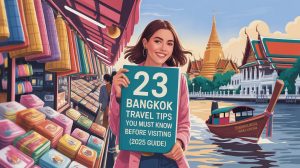
You step off the plane in Bangkok, and BAM –  the humid air hits you, tuk-tuks are honking everywhere, and you can smell the aroma of the pad thai wafting through the air mixed with exhaust fumes. You’re thinking, “What have I gotten myself into?” Welcome to Bangkok! The city that will simultaneously overwhelm and enchant every first-time visitor. Here’s the truth about Thailand’s capital: it’s a beautiful chaos. One minute you’re dodging motorbikes in street markets, the next you’re finding peace in golden temples. Bangkok doesn’t just challenge your travel skills – it rewrites them completely!  These 23 Bangkok travel tips are your secret toolkit to: ✔ Pack smarter (monsoon surprises? Spicy food regrets? Avoided.) ✔ Stay safe (no, that “friendly” gem scammer isn’t your BFF) ✔ Navigate like a local (RIP overpriced tuk-tuks, hello secret river taxis!) ✔ Respect Thai culture (because nobody wants that awkward temple photo fail) We’re going to demystify everything you need to know before visiting Bangkok, from essential Bangkok packing tips to keeping yourself safe and sound. We’ll delve into the nuances of Thai cultural etiquette so you can confidently immerse yourself, and share some incredible local Bangkok hacks that will make your trip smoother, more authentic, and way more fun. Get ready to transform that first-timer apprehension into pure, unadulterated excitement for your first trip to Bangkok! What to Pack for Bangkok: Your Essential Thailand Packing List 2026 Wondering what to pack for Bangkok’s tropical heat? Here’s your ultimate Bangkok packing checklist that’ll keep you comfortable in Thailand’s bustling capital. Smart packing for Bangkok can make or break your travel experience. 1. Lightweight Breathable Clothing for Bangkok Weather Bangkok’s tropical climate demands clothes that breathe with you. Pack cotton and linen while leaving denim at home – think flowy dresses, cotton tees, and linen pants that survive Bangkok’s famous humidity. Your Bangkok clothing essentials should include modest tops for temples and lightweight long sleeves for sun protection. 2. Essential Bangkok Sun Protection and Bug Spray Bangkok’s sun is intense, and mosquitoes love tourists. High SPF sunscreen is crucial when exploring Chatuchak Market or walking along the Chao Phraya River. Pack DEET-based bug spray to avoid becoming their favorite meal during your Bangkok adventure. 3. Comfortable Walking Shoes for Bangkok Streets You’ll walk tons in Bangkok, so comfortable footwear is essential. Pack breathable sneakers for markets and flip-flops for temples where you’ll remove shoes. Avoid new shoes that might cause blisters during street food tours. 4. Bangkok Travel Snacks and Hydration Essentials A reusable water bottle is crucial for surviving Bangkok’s heat while being eco-friendly. Pack healthy snacks from home since finding familiar options initially might be challenging. Staying hydrated is key in Bangkok’s year-round tropical climate. 5. Power Bank and SIM Card for Bangkok Connectivity Your phone works overtime in Bangkok – navigating BTS, translating menus, capturing moments. A portable power bank ensures you never get stranded without GPS when exploring Bangkok’s streets. Consider a Thailand eSIM for affordable data without expensive roaming charges. 6. Thailand Visa Requirements Before You Travel Before booking flights to Thailand, check your visa requirements on the government website. Most passports get you a 30-day free visa, but it’s always safer to double-check. Once you’re in Thailand, extending for another 30 days is super easy at any immigration office. Most offices require you’re at least 15 days into your trip before extending. Bring a photocopy of your passport photo page and visa stamp page, plus proof of accommodation, a passport photo, and 1900 THB (around $53 USD). Then BAM, you’re in paradise for another 30 days without any hassle. Don’t overstay your Thailand visa – you’ll be charged 500 THB ($14 USD) daily and get an “overstay” stamp that hurts future visa applications. Just play by the rules and everything stays sweet for your Bangkok adventure. Cultural Etiquette & Local Customs in Thailand: What You Need to Know Getting to know a few Thai cultural etiquette tips will truly enhance your visit and show respect to the locals. Thailand is known as the “Land of Smiles,” and embracing their customs will make you feel right at home. Understanding these nuances is key for a truly immersive Thailand travel experience. Thailand Temple Dress Code: What to Wear Thai temple etiquette requires covering shoulders and knees when visiting any temple. Women need long pants or below-knee skirts with sleeved tops, while men need long trousers and shirts with sleeves. Many temples provide sarongs if you’re underdressed, but come prepared to show proper Thailand cultural respect. Thai Body Language: Never Touch Heads or Point Feet The head is sacred in Thai culture, so never touch anyone’s head, including children. Your feet are considered lowest and dirtiest, so pointing feet at people or Buddha statues is deeply offensive. When sitting in temples, tuck your feet away from people and religious objects to show respect. Thailand Shoe Etiquette: Remove Before Entering Thai customs require removing shoes before entering homes, temples, and traditional buildings. Look for shoe piles at entrances as your cue to remove yours too. This Thailand tradition keeps sacred spaces clean while showing respect for the area you’re entering. Respecting Thai Monarchy: Understanding Lèse-Majesté Laws Thailand has strict lèse-majesté laws protecting the monarchy, making disrespectful royal family comments illegal. Avoid political discussions about Thai royalty and stand respectfully during the national anthem. Show appropriate reverence when visiting royal palaces or seeing royal images. Respecting Thai Monks and Buddhist Culture You’ll encounter orange-robed monks throughout Thailand who are highly respected in Thai culture. Never touch monks, especially women, and don’t sit next to them on transport or position yourself higher than them. These Buddhist etiquette rules show deep respect for Thailand’s spiritual traditions. The Power of Smiling in Thai Culture Thai people love to smile and resolve conflicts peacefully rather than through confrontation. Getting angry or confrontational isn’t commonplace in Thailand, as locals work out problems with smiles and patience. Embrace this positive Thai cultural norm and you’ll have much

Read More »
Bangkok with Kids: Safe Places to Stay & Areas to Avoid
Travel Guides
Tanisha Mathew

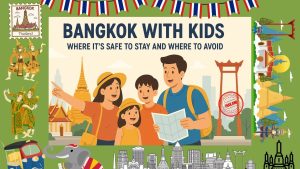
Bangkok with Kids: Where It’s Safe to Stay and Where to Avoid

Traveling to Bangkok with kids sounds exciting, right? You must have already imagined visiting the vibrant temples with them, and having delicious street food probably fills your mind. But then, a flicker of worry arises in your mind, thinking about how you will navigate through the famous Bangkok chaos with your little ones in tow? Will it be safe? With its buzzing streets, endless markets, and neon-lit chaos, not every corner of the city is built for tiny feet and strollers. One wrong pick on the map can turn your dream family getaway into a stressful scramble. That’s why knowing where to stay and where to avoid matters more than you think. This guide takes the guesswork out, spotlighting family-friendly neighborhoods you’ll love and a few spots best skipped when traveling with little ones. Let’s make Bangkok a breeze for your whole crew. Areas in Bangkok to Avoid When Traveling with Kids While Bangkok offers an incredible family adventure, some areas are better suited for adult travelers seeking a different kind of experience. To ensure your family enjoys the best of family travel Bangkok, it’s wise to know which Bangkok neighborhoods to avoid with children. Steering clear of these areas can make all the difference for a smooth and enjoyable trip, helping you find truly kid-friendly Bangkok accommodations. First, consider Nana (Sukhumvit Soi 4). This bustling street is primarily known for its vibrant nightlife and adult entertainment venues. While it’s generally not unsafe during the day, the atmosphere can be crowded and noisy, featuring a strong focus on bars and clubs that aren’t ideal for young eyes and ears. If you’re looking for a peaceful environment will find it quite unsuitable for your Bangkok family vacation. Similarly, Patpong, located in the Silom area, is famous for its night markets but also for its go-go bars and adult shows. The risk of inappropriate exposure for children is high here, making it a place many parents prefer to skip. This area can be intensely over-commercialized and chaotic, detracting from a relaxed family trip to Bangkok that you desire. Then there’s Khao San Road, often labeled the ultimate backpacker hub. While not inherently dangerous, its loud party vibe, late-night revelry, and budget accommodations cater to a different demographic. It lacks the kid-oriented amenities and peaceful atmosphere that you seek for a comfortable Bangkok stay with kids. The Victory Monument Area acts as a major transportation hub, constantly buzzing with traffic and commuters. While not unsafe, it’s not particularly family-friendly either, offering limited green spaces or attractions designed to entertain children. For families prioritizing accessibility to Bangkok family attractions, this area might feel more like a transit point than a desirable place to stay. Lastly, neighborhoods around BTS Bearing/On Nut on the far east of Sukhumvit, while safe, can be inconvenient for sightseeing and exploring the city’s main tourist attractions.  They are mostly residential or industrial, lacking the density of family-friendly restaurants Bangkok or kid-specific attractions that make a family trip enjoyable. You might find yourselves spending a lot of time commuting rather than experiencing Bangkok’s charm. ✅ Pro Tip Box: If your itinerary requires you to visit one of these areas for a specific sight or transit reason, always consider doing so during the day and ensuring your family’s accommodation is in a more suitable, family-friendly Bangkok area. This strategy helps maximize your enjoyment while minimizing potential discomfort. Kid-Friendly and Safe Areas to Stay in Bangkok When it comes to family trips, where you stay in Bangkok can make or break the experience. Luckily, there are several neighborhoods that combine convenience, comfort, and kid-friendly fun. These areas offer a peaceful retreat from the city’s buzz while keeping you close to Bangkok’s best attractions for families. Sukhumvit Sukhumvit, especially the stretch from Asoke to Thonglor, is a top pick for families. With easy BTS access via Asoke, Phrom Phong, and Thonglor stations, it’s simple to get around. This area is packed with family-friendly hotels, stylish serviced apartments, and lifestyle malls like EmQuartier, which has a dedicated kids’ play zone. Plus, nearby Benjasiri Park offers green space for little ones to burn off some steam. Sathorn Sathorn is a quieter, more upscale neighborhood perfect for families seeking peace and comfort. It’s close to Lumphini Park, one of the city’s largest green areas—ideal for picnics, walks, or paddle boating with kids. The area is filled with spacious, high-end serviced apartments that offer pools and family suites, making it feel like a home away from home. Ari  Ari is a relaxed, residential neighborhood that blends a trendy vibe with family-friendly charm. It’s not overly touristy, but it’s well-connected by BTS and known for its cafes, bakeries, and parks that welcome kids with open arms. The calm pace and local community feel make it a favorite among expat families. Riverside (Chao Phraya area) The Riverside area along the Chao Phraya River is perfect for a scenic and serene family escape. Resorts like Anantara, Avani, and the Mandarin Oriental offer luxurious yet spacious grounds where kids can roam freely. It’s quieter, more laid-back, and offers a unique way to explore Bangkok—by riverboat! It’s also great for temple visits and cultural sightseeing without the usual crowds. Silom Silom, particularly around Lumphini Park, is another safe and central area ideal for families. The park itself is a huge bonus, giving kids space to play while parents relax. This area is walkable, clean, and home to several well-rated family hotels with easy access to transport and shopping. Choosing a family-safe area doesn’t mean giving up the Bangkok adventure—it means enjoying it with less stress and more smiles. Top Family-Friendly Hotels and Accommodations in Bangkok Finding the right hotel in Bangkok when traveling with children can make all the difference. From pools to play zones and babysitting services, here’s where comfort meets convenience for families. Sukhumvit is a dream for families who love being close to shopping, dining, and BTS stations. Adelphi Suites offers spacious family rooms and an on-site restaurant that

Read More »
Best Time to Visit
Meenakshi Nair

Top 5 Dubai City Tours in 2026: Discover the Best of Tradition and Innovation

Welcome to Dubai, the glittering city where futuristic skylines meet timeless Arabian charm. If you’re planning your visit to this dynamic destination in 2026, get ready for an unforgettable experience. From record-breaking architecture to rich cultural landmarks, Dubai is a treasure trove of attractions. In this guide, we spotlight the Top 5 City Tours in Dubai that every traveller should explore, designed for every interest, from history buffs and shopaholics to architecture lovers and adventure seekers. Dubai City Tours at a Glance Tour Name Duration Main Highlights Ideal For Traditional Dubai Tour 4 hours Jumeirah Mosque, Bastakiya, Dubai Museum, Gold Souk, Burj Khalifa History & Culture Lovers Blue Mosque Half-Day Tour 4 hours The Pointe, Burj Al Arab, Blue Mosque, Gold Souk, Al Fahidi, Heritage House Architecture & Culture Traditional Shopping Tour 4 hours Antique Museum, Gold & Spice Souks, Meena Bazaar, Textile Market Shopping Enthusiasts Dubai Night City Tour 4 hours Souk Madinat, JBR, City Walk, Dubai Frame, Dubai Garden Glow Nightlife & Urban Charm Full-Day City Tour 8 hours Old & Modern Dubai, Burj Al Arab, Palm Monorail, Atlantis, Marina, Malls First-Time Visitors Traditional Dubai Tour Explore Dubai’s roots with a guided journey through its historic districts. Begin in Jumeirah, capturing the beauty of Burj Al Arab and Jumeirah Mosque. Travel back in time in Bastakiya and the Dubai Museum, sail the creek in an “Abra” boat, shop in the Gold Souk, and end your day at the iconic Burj Khalifa and Dubai Mall. Know Before You Go: Dubai Half-Day City Tour with Blue Mosque Visit This half-day tour is a perfect blend of religion, architecture, and heritage. Start with a scenic view at The Pointe and Burj Al Arab, then visit the stunning Blue Mosque. Cross the creek via water taxi to the Spice Souk and end at Al Khayma Heritage House in Al Fahidi. Know Before You Go: Traditional Dubai Shopping Tour A dream come true for shoppers! Visit authentic markets including the Antique Museum, Gold & Spice Souks, Meena Bazaar, and the Textile Market. Ideal for picking up souvenirs and learning about traditional crafts. Know Before You Go: Dubai Night City Tour Experience Dubai after dark, starting with Souk Madinat Jumeirah and moving through the vibrant JBR, Box City, City Walk, Dubai Frame, and Garden Glow. End with a photo stop at Burj Khalifa and the dancing Dubai Fountain. Know Before You Go: Full Day Dubai City Tour Explore both sides of Dubai, its historic roots and modern marvels. Begin at Burj Al Arab, tour Bastakiya and the Dubai Museum, ride a monorail to Atlantis on Palm Jumeirah, walk The Marina, and shop at Dubai Mall and Mall of the Emirates. Know Before You Go: Tips for Travellers Emergency Contacts in Dubai Service Number Police 999 Ambulance 998 Fire Services 997 Plan Your 2026 Dubai Adventure Today! Dubai’s city tours offer more than just sightseeing, they provide a window into the soul of the UAE. Whether it’s marvelling at modern engineering or sipping tea in a centuries-old district, your Dubai city tour will leave you with unforgettable memories. And if you want to explore without spending a dirham, check out our guide on 5 Amazing Things to Do in Dubai for Free for unique, budget-friendly experiences.Planning your trip in the hotter months? Don’t miss our blog on the Top Places to Visit in Dubai This Summer for cool escapes and seasonal highlights. Book early, dress smart, and dive into Dubai with Thrillark! FAQs What are the main highlights of the traditional Dubai tour? The tour covers historical areas like Al Fahidi, Bastakiya district, Dubai Museum, the Dubai Creek, and traditional souks (markets). Is the traditional Dubai tour suitable for children? Yes, the Traditional Dubai Tour is family-friendly and suitable for children. What is the Blue Mosque, and why is it a significant stop on the tour? The Blue Mosque, also known as Al Farooq Omar Bin Al Khattab Mosque, is an iconic religious site with stunning Ottoman and Andalusian architecture. Can I enter the Blue Mosque during the tour? The tour includes an exterior visit and photo stop at the Blue Mosque, but entrance to the mosque may not be part of the itinerary. What makes the traditional Dubai shopping tour unique? This tour offers a blend of cultural exploration and shopping in traditional markets like the Gold and Spice Souks, Meena Bazaar, and more. Is bargaining acceptable in traditional markets? Yes, bargaining is a common practice in traditional markets, and you can negotiate prices with vendors. What are the major attractions covered during the Dubai Night City Tour? The tour includes stops at iconic locations like Souk Madinat Jumeirah, Jumeirah Beach Residency, Box City, Dubai Garden Glow, Dubai International Financial Centre, and more. Can I take photographs during the night tour? Yes, photography is usually allowed at the various stops during the night tour. It’s a great opportunity for capturing the city’s illuminated beauty. Are there any age restrictions for the full-day Dubai City Tour? Full Day Dubai City Tours are generally suitable for all ages, including families with children. How long does the full-day Dubai City Tour typically last? The duration of the tour can vary but often lasts the entire day, with multiple stops at major attractions.

Read More »
Bucket List Ideas
Meenakshi Nair

29 Unmissable Experiences in Dubai You Need to Try!

Dubai is your ultimate destination for 2025 for a stellar package of adventure, tranquillity, and luxury. You name it, and Dubai has them all. Everything is served on a platter in this Emirati nation, and you will be in awe of the impeccable ideas of innovation blended in culture and history. A perfect blend of modernity rooted in traditional and cultural beliefs, Dubai complements all its landmark attractions on the same level. Are you looking for adventure thrills, a romantic getaway, a family tour, a luxury immersion, or a desert safari? We have got you covered. This blog brings 29 exciting experiences to try in Dubai on your next visit. Pack your bags, book your tickets, and let’s begin the journey of our lifetime. Open your to-do list and jot down your adventure right away with this ultimate traveller’s guide in Dubai. Hot Air Balloon Ride Let’s start it slow and sumptuous with a breezy hot air balloon ride above the Arabian Desert in the wee hours of the early morning. Witness a majestic sunset and live in the moment of sand animals and the oasis. Tick this off your list of must-do experiences in dubai, be it for families, couples, or friends. Enjoy the landscape of the vast deserts or opt for an overnight camp stay with an Authentic Barbeque dinner before your early morning ride. It is truly one of the best experiences in Dubai. Al Qudra Lake Are you on your honeymoon? Or another romantic getaway with your loved ones? Then Al Qudra Lake is your spot for a pristine picnic beside the unique artificial oasis. Popularly known as the Love Lake, lovebirds and families often visit this beauty for leisure. It is also a perfect sunset point, with animals and exotic birds wandering while you enjoy your joyous picnic. Count down your days to this unmissable Dubai experience and enjoy Dubai in its natural habitat. Burj Khalifa Top Levels The tallest building in the world deserves to be on the list of top experiences in Dubai. A visual spectacle for all, you must visit the 124th and 125th levels for the ultimate observation adventure. Head to the 124th level to occupy your comfortable spot in the observation deck to capture the brightness of downtown Dubai, or level up to the 125th level for the indoor viewing deck for the 360-degree panoramic picture of the city. Sky Dive Experience Let’s get it going with the peak of adventure and adrenaline with Sky Dive Dubai. Warm up those energy cells and plunge into the frosty air for this once-in-a-lifetime adventure, an activity you must do in Dubai. Seize the moment and picture a view like no other during your free fall from the racing height. Another item in your Dubai bucket list is off the radar. Sign up for your drop-off spot, and before you think twice, take the leap. Kite Beach Activities A haven for watersports enthusiasts and adventure lovers, Kite Beach is all you look for on a weekend with friends and family. With views of Burj Al Aarab in the backdrop, you can lounge, relax, swim or embark on a day of beach activities. The perfect spot for beach lovers, you can swim to your heart’s content or play some engaging volleyball, or if you want to lounge, let’s call it a sunbathing experience. Global Village Grab your chance to tour the world in a merry-go-round adventure in Dubai’s celebrated Global Village. As we count down the best experiences in Dubai, Global Village stands out for its unique concept of enjoying the world with your fingertips: Try different regional cuisines, traditional handicrafts, and their heirloom souvenirs. Be it the challenging Turkish ice creams or the stuffed potatoes, the food street is a natural blessing. Explore 90 countries and enjoy your extravagant shopping experience.  Dhow Cruise An evening immersed in delectable dining on the most romantic cruise of Dubai with its splendid design is how your Dhow cruise ride on Dubai Marina will look. With the stage set with lit candles and refreshing drinks, experience the other side and fall in love with old Dubai. A major contestant in the list of top experiences in Dubai, enjoy picked-out dishes and celebrate special occasions in this celebrity cruise. Al Seef Old Dubai A day in Al Seef is a day well spent in the art of history and culture. Witness the tallest Christmas tree in Dubai when visiting during the winter season and enjoy the old Dubai aesthetics souqs that sum up a perfect Instagram feed for your page. Take a boat ride to Abra Creek and enjoy the authentic sail past this merchant destination. Walk along the lanes of heritage souqs and call it a day with some tasty ramen from Wokyo Ramen. Museum of Candy The world’s first Museum of Candy, with more than 15 candy-themed zones, definitely deserves to be one of the unmissable Dubai experiences. Who doesn’t love a scoop of ice cream or a cotton candy stick in the middle of your travel expedition? This is real world, Wonka Factory, with interactive games, prizes, unlimited ice creams, candy bath with gummy bears and more. Float from sweetopia to candy paradise to a fervent night in Paris. Hatta Wadi Hub A scenic destination of mountains and water from the Hatta Dam is a gateway on the outskirts of Dubai city. Enjoy numerous kayaking packages available at the Hatta Dam tourist centre. Head to the Hatta Wadi Hub and catch a good view of the Greenland and water bodies from the viewpoint. Sign up for thrilling activities and rides in the hub and spend your day with fun and laughter. Green Planet Dubai An indoor rainforest, home to approximately 3000 plants and various animals, is a refreshing walk in the middle of your city life. The forest has a 35-meter-high life-sustaining tree, the largest ever man-made tree in the world. The green landscape of the garden is filled with exotic birds and animals,

Read More »
Budget Travellers
Meenakshi Nair

A Sustainable Journey Through Dubai

Dubai is famous for its iconic skyscrapers, world-class shopping, and luxurious lifestyle. But did you know it’s also becoming a leader in sustainable tourism? Whether you’re a conscious traveler or just looking to reduce your impact, Dubai offers plenty of green options. In this guide, you’ll discover: The top eco-friendly attractions in Dubai Practical sustainable travel tips Answers to frequently asked questions about green tourism in the city Explore Dubai’s vibrant culture and natural beauty while keeping your travel responsible and sustainable. 1. The Sustainable City The Sustainable City is a pioneering residential community designed with sustainability at its core. It is located in Dubailand and features eco-friendly villas, solar-powered homes, and community farms. The city promotes a zero-carbon lifestyle with car-free zones, electric buggies, and cycling tracks. Visitors can tour the community to learn about its green initiatives, including waste recycling, water conservation, and urban farming. The lush greenery and modern architecture contrast with the traditional urban landscape, making it a must-visit for those interested in sustainable living. 2. Al Qudra Lakes Al Qudra Lakes, located in the Al Marmoom Desert Conservation Reserve, offer a serene escape into nature with a focus on conservation. These man-made lakes are home to diverse wildlife, including over 170 bird species. The area is perfect for birdwatching, cycling, and picnicking, with minimal environmental impact. The nearby Last Exit food truck park provides various dining options with a sustainable twist. Al Qudra Lakes is an excellent example of how urban development and nature can coexist harmoniously. 3. Dubai Miracle Garden Dubai Miracle Garden, the world’s most extensive natural flower garden, is a testament to sustainable horticulture. Located in Dubailand, the garden spans 72,000 square meters and features over 50 million blooming flowers arranged in stunning designs and structures. The garden uses eco-friendly irrigation systems that recycle wastewater to nourish the plants. This colourful attraction provides a visual feast and demonstrates how innovative landscaping techniques can support sustainability. Visiting the Dubai Miracle Garden is a delightful way to appreciate nature’s beauty in an eco-friendly setting. 4. Green Planet Green Planet, an indoor tropical rainforest located in City Walk, Dubai, offers an immersive experience that promotes environmental awareness and conservation. Home to over 3,000 plants and animals, this biodome replicates the ecosystem of a natural rainforest. Visitors can explore different rainforest layers, from the forest floor to the canopy, learning about the importance of biodiversity and sustainability. Green Planet’s educational programs and interactive exhibits make it a perfect destination for families and nature enthusiasts who want to understand the vital role of rainforests in our ecosystem. 5. Ripe Market Ripe Market is a popular weekly event that champions local produce, artisans, and sustainable products. Held in various locations across Dubai, including the Dubai Police Academy Park and Times Square Center, the market offers a platform for small businesses to showcase their eco-friendly goods. Visitors can find organic fruits and vegetables, handmade crafts, and sustainable fashion items. The market also features workshops and activities focused on healthy living and sustainability. Ripe Market is an excellent place to support local businesses and find unique, environmentally friendly products. Know Before You Visit Dubai Dubai is hot and sunny year-round, with extremely high temperatures in the summer. Dress comfortably and stay hydrated. While Dubai is quite liberal, modest dress is appreciated, especially in public areas. Respect local customs and traditions. Public displays of affection and inappropriate behaviour are frowned upon. Taxis and ride-hailing services are readily available, and the metro is convenient for getting around. Carry reusable water bottles and bags, and try to minimize waste during your visit. FAQs Are there many eco-friendly hotels in Dubai? Yes, Dubai has several eco-friendly hotels prioritising sustainability through energy conservation, waste reduction, and water-saving measures. How can I travel sustainably within Dubai? Use public transportation, rent bicycles, or walk when possible. Electric taxis and ride-sharing options are also available. Are there vegetarian or vegan dining options in Dubai? Absolutely. Many restaurants in Dubai offer vegetarian and vegan menus, and several dedicated plant-based eateries are across the city. Can I find sustainable shopping options in Dubai? Yes, Dubai has numerous stores and markets, like Ripe Market, that offer sustainable and locally made products.

Read More »