Category: Family Travel

From Colmar Tropicale to Batu Caves: A Day of Discovery

If you are in Malaysia looking to satisfy your thirst for adventure, read on. In between the beautiful green landscapes of Malaysia is a path of fun waiting to be explored, starting from the stunning landscapes from Colmar Tropicale to the Batu Caves. A trip down this route promises a blend of architectural marvels, cultural richness, and natural beauty that will satisfy your spirit of adventure. Colmar Tropicale: A Taste of Europe in Asia The route begins at Colmar Tropicale, a picturesque French-themed village located in the beautiful hills of Bukit Tinggi. As you step into this charming region, you’ll be greeted by cobblestone streets, pastel-coloured buildings adorned with flower boxes, and the sweet aroma of freshly baked pastries rising from pretty little cafes. You can take a walk through the colourful gardens, where blooming flowers and manicured lawns create a stunning landscape. Stop by the majestic Colmar Square, the heart of the village, where street performers are constantly entertaining visitors and outdoor cafes offering the perfect spot for people watching. The Japanese Village From Colmar Tropicale, you can go further into the Bukit Tinggi Highlands to explore the unique sights of the Japanese Village. Take your step into a world of Zen as you wander through carefully landscaped gardens, complete with bonsai trees, koi ponds, and traditional Japanese architecture. Take a moment to meditate by the cascading waterfall or participate in a tea ceremony to experience the art of Japanese hospitality firsthand. Whether you’re clicking pictures of the colourful cherry blossoms or seeking inner peace in a garden, the Japanese Village offers a peaceful escape within the natural beauty of Bukit Tinggi. Lunch With A View After a morning of exploration, treat your taste buds to a feast of Malaysian cuisine at one of the nearby restaurants overlooking the lush hillsides. From fragrant curries and tasty satays to refreshing tropical fruits, Malaysian cuisine offers a wide array of flavours which is sure to leave you wanting for more. Enjoy your meals while taking in the views of the surrounding countryside, and let the beauty of nature add to your dining experience. Batu Caves: Malaysia’s Spiritual Heritage Your trip ends with a visit to the Batu Caves, one of Malaysia’s most iconic landmarks. These towering limestone cliffs marked with Hindu shrines greet you as you ascend the steep staircase leading to the one-of-a-kind cavernous temple complex. A colossal statue of Lord Murugan, standing tall, greets you at the entrance. You can find a certain peacefulness in the midst of the rhythmic chants and festivities that often fill the air. Explore the intricate cave temples filled with colourful murals and statues depicting scenes from Hindu mythology, and feel the spiritual energy that surrounds this sacred site. Shopping and Souvenirs Before concluding your day trip, take some time to browse the bustling markets and souvenir shops near Batu Caves. Here, you’ll find a huge selection of unique handicrafts, traditional clothing, and locally made goods to commemorate your journey through Malaysia. Whether you’re searching for a hand-carved wooden sculpture or a colourful batik textile, these markets offer the perfect opportunity to find a special memento for your trip to the country. A Day to Remember As the sun sets on our day of discovery, take some time to take in the all beautiful sights you saw throughout the day – from the charming streets of Colmar Tropicale to the spiritual sanctuary of Batu Caves. A trip exploring from Colmar Tropicale to Batu Caves promises an unforgettable experience that will satisfy your sense of adventure and leave you longing to return. So, pack your bags and set out on this beautiful experience, where every corner reveals a new side of Malaysia’s uniqueness. Frequently Asked Questions (FAQs) Can I visit Colmar Tropicale and Batu Caves in one day? Yes, it’s possible to visit both Colmar Tropicale and Batu Caves in one day, especially if you start early in the morning. However, keep in mind that visiting both destinations thoroughly may require careful planning and time management. Consider prioritizing your must-see attractions and allocating sufficient time for travel between the two locations.   Is Colmar Tropicale a real French village? Colmar Tropicale is a French-themed resort located in Malaysia’s Bukit Tinggi Highlands. While it mirrors the architecture and ambiance of a traditional French village, it is a purpose-built tourist destination inspired by the town of Colmar in France.   How do I get to Colmar Tropicale? Colmar Tropicale is approximately a 1.5 to 2-hour drive from Kuala Lumpur, Malaysia’s capital city. Visitors can either drive there or take a taxi. Some tour operators also offer day trips that include transportation to and from Colmar Tropicale.   Are there accommodations available at Colmar Tropicale? Yes, Colmar Tropicale offers various accommodations, including hotel rooms, suites, and apartments designed to resemble French cottages. Visitors can choose to stay overnight to fully enjoy themselves in the European-inspired atmosphere.   What should I wear to visit Batu Caves? Batu Caves is a sacred Hindu site, so visitors are advised to dress modestly out of respect for the religious customs. This typically means covering your shoulders and knees. Comfortable shoes are also recommended as you’ll need to climb a steep staircase to reach the caves.  

Read More »

Sipping Stories: Egg Coffee Adventures in Hanoi

A trip to the Vietnamese city of Hanoi is always a special affair. In this rustic old city, the intoxicating aroma of freshly brewed coffee fills the air, and the streets buzz with the energy of daily life. And if you are looking for things to do while in the city, in the middle of this bustling metropolis lies a hidden gem of Vietnamese culture: egg coffee. Read on to find more about Hanoi’s bustling cafe scene as we dive into the origins, flavours, and cultural significance of the city’s beloved beverage. The Origins Of Egg Coffee Egg coffee, or cà phê trứng, is proof of the creativity and resourcefulness of the Vietnamese people. Its origins can be traced back to the 1940s, during the French colonial period, when milk was scarce and expensive. Faced with this challenge, Nguyen Van Giang, a bartender at Cafe Giang in Hanoi, came up with a brilliant solution: he combined whisked egg yolks with condensed milk and strong Vietnamese coffee to create a creamy, tasty drink that would soon capture the hearts of locals and travellers alike. Hanoi’s Coffee Culture Hanoi’s coffee culture is as unique and diverse as the city itself, offering a selection of cafes and coffee shops to suit every taste and preference. From traditional Vietnamese cafes adorned with wooden furniture and vintage decor to modern cafes with sleek interiors and rooftop views, there’s no shortage of places to enjoy a cup of egg coffee. Whether you’re seeking a cozy spot to ruffle over a book or a lively atmosphere to catch up with friends, Hanoi’s cafe scene has something for everyone. Egg Coffee Adventures The moment you take your first sip of egg coffee, you’ll understand why it has become a beloved staple of Vietnamese cuisine. The velvety-smooth texture of the egg foam blends perfectly with the rich, bold flavour of Vietnamese coffee, creating a one-of-a-kind treat for the senses. Whether enjoyed hot or cold, each sip is a delightful mouthful of flavour and aroma that will leave you wanting more. Hanoi’s Egg Coffee Hotspots While egg coffee can be found at cafes throughout Hanoi, there are a few establishments that have earned a reputation for serving the best in town. Cafe Giang, the birthplace of egg coffee, continues to attract visitors with its authentic recipe and cozy ambiance. For a modern twist on tradition, head to Cafe Dinh, where you can sample innovative variations of egg coffee infused with flavours like coconut and matcha. And for those willing to explore off the beaten path, there are many cozy cafes in Hanoi’s lesser-known neighborhoods, offering unique interpretations of this beloved beverage. The Local Culture Beyond its culinary delights, Hanoi also offers a collection of cultural experiences waiting to be enjoy. Take some time to roam through the historic streets of the Old Quarter, where ancient temples and pagodas stand alongside bustling markets and busy street vendors. Talk with locals as you move through traditional craft villages and artisan workshops to know more about the rich history of Vietnamese culture and heritage.   Whether you’re a coffee addict or simply seeking to enjoy yourself in the local lifestyle, egg coffee offers a unique glimpse into the soul of Hanoi, inviting you to enjoy each moment and create memories that will last a lifetime. So why not grab a cup, settle in, and let the stories of Hanoi unfold before you, one sip at a time? Frequently Asked Questions(FAQs) What exactly is egg coffee, and what does it taste like? Egg coffee is a unique Vietnamese beverage made by whisking together egg yolks, condensed milk, and strong Vietnamese coffee. The result is a creamy, tasty drink with a rich, bold flavour that is both sweet and mouth watering.   Where can I find the best egg coffee in Hanoi? While egg coffee can be found at cafes throughout Hanoi, some of the best-known cafes include Cafe Giang, Cafe Dinh, and  some other lesser know ones in the city’s lesser-known neighborhoods.   Is egg coffee served hot or cold? Egg coffee can be enjoyed hot or cold, depending on personal preference. Both variations offer a delightful combination of flavours and textures that are sure to satisfy your taste buds.   Can I learn how to make egg coffee myself? Absolutely! Many cafes in Hanoi offer hands-on workshops where you can learn the art of making egg coffee from skilled baristas. Alternatively, you can find recipes online and try your hand at making it at home.   What other types of coffee can I try in Hanoi? Hanoi is renowned for its diverse coffee culture, offering a wide range of traditional Vietnamese coffee drinks as well as international favorites like cappuccinos and lattes. Be sure to explore the menu at different cafes to discover new and exciting flavours.  

Read More »

Paddy Fields and Fishing Villages: Sekinchan Exploration

If you are looking to escape the hustle and bustle of the city, visit Sekinchan, a peaceful village located along Malaysia’s western coastline. A trip through its picturesque paddy fields and quaint fishing villages is sure to be a one of a kind experience. From the unaffected cycle of rural life to the warm welcome offered by the village community, Sekinchan beckons travellers seeking a peaceful atmosphere amidst nature’s beauty and Malaysian cultural heritage. Through The Paddy Fields A trip to the village generally kicks off with a visit to the beautiful green paddy fields of Sekinchan, where the age-old tradition of rice cultivation is still followed. Stretching across vast areas of the village, these fields not only sustain the local economy but also serve as reminders to the region’s agrarian roots. Here, farmers toil under the sun, their weathered hands tending to the delicate rice plants with care and reverence. As you move through the fields accompanied by the soothing natural symphony of rustling leaves and chirping birds, you will be reminded of the beauty found in simplicity and the connection between humanity and nature. Life In The Fishing Village From the paddy fields, we move on into the heart of Sekinchan’s fishing villages, where the rhythm of a villager’s life is dictated by the ebb and flow of the tides. Here, weathered wooden boats bob gently in the harbour, after their countless trips to the sea. The fishermen here, with their weather-beaten faces and salt-stained clothes, mend their nets and will have countless stories to tell of their days and nights in the sea. The air here is thick with the briny scent of the ocean, and mixed with the aroma of freshly caught seafood at bustling markets. The streets are lined with colourful shophouses and small homes of the villagers. Enjoying Culinary Delights No journey through Sekinchan would be complete without enjoying its delicious range of culinary offerings, which is made from the local agricultural produce and also seafood. Head to a local eatery and you can have a feast made of fragrant rice dishes, such as nasi lemak along with tasty sides like fried anchovies and spicy sambal. Freshly caught seafood takes centre stage in dishes like butter prawns, chilli crabs, and steamed fish, each bursting with flavour and authenticity. And let’s not forget about dessert – be sure to sample local delights like cendol, a refreshing treat made with shaved ice, coconut milk, and palm sugar, guaranteed to satisfy your sweet tooth and cool you down on a balmy day. Cultural Experiences In the Village Don’t forget to enjoy yourself in Sekinchan’s vibrant culture by participating in traditional activities and celebrations that celebrate the community’s heritage. Attend colourful festivals, where lion dances and cultural performances bring the streets to life with energy and excitement. Also try to visit local artisans and learn about traditional crafts like batik painting and basket weaving. Each of these activities have a lot of significance in the local culture since these were passed down through generations. Take part in communal activities, from rice planting ceremonies to fishing competitions, with the warm and welcoming inhabitants who proudly preserve their cultural identity in a rapidly changing world. Appreciating Nature’s Bounty Beyond its cultural heritage, Sekinchan is also blessed with natural beauty that will leave visitors awe-inspired. Take a leisurely stroll along the coastline and feel the soft sand beneath your feet as you watch the waves gently caress the shoreline. You can also see some truly breathtaking sunsets that paint the sky in hues of pink and gold, casting a warm glow over the sea. For those looking for adventure, go on a boat tour of the nearby mangrove forests, home to a rich ecosystem teeming with life and biodiversity waiting to be explored.   Whether wandering through lush paddy fields, exploring charming fishing villages, or enjoying some  mouthwatering local cuisine, Sekinchan offers a truly unique experience that nourishes everyone who visits the village. So, why not plan your visit today and discover the beauty of this hidden gem for yourself? So slow down, enjoy the moment, and find yourselves in the simple pleasures of life. Frequently Asked Questions(FAQs) How do I get to Sekinchan? Sekinchan is easily accessible by car from major cities like Kuala Lumpur and Penang. The journey takes approximately 1.5 to 2 hours from Kuala Lumpur and 3 to 4 hours from Penang.   What is the best time to visit Sekinchan? The best time to visit Sekinchan is during the dry season, which typically occurs from June to August. During this time, you can enjoy clear skies and pleasant weather for exploring the paddy fields and fishing villages.   Are there accommodations available in Sekinchan? Yes, Sekinchan offers a range of accommodations to suit every budget, including guesthouses, homestays, and hotels. It’s advisable to book your accommodations in advance, especially during peak tourist seasons.   Can I participate in rice planting or harvesting activities? While visitors may not typically participate in rice planting or harvesting activities, there are guided tours available that provide insight into the rice cultivation process. These tours often include visits to paddy fields and demonstrations by local farmers.   What souvenirs can I buy in Sekinchan? Sekinchan is known for its locally produced goods, including rice-based products, seafood snacks, and handicrafts. Be sure to visit the local markets and shops to pick up unique souvenirs to commemorate your visit to this charming destination.  

Read More »

Aquatic Wonders: A Journey through Lotte World Aquarium, Hanoi

The city of Hanoi is filled with a vibrant energy, its streets lined with ancient temples and bustling markets. But if you are looking for things to do in Hanoi that takes you on a break from the urban buzz, Check out the Lotte World Aquarium. Trust me, this isn’t your average visit to the city aquarium. As the largest indoor aquarium in Vietnam, it’s a full-on adventure, perfect for all ages (or lack thereof!). Following the Ca Ong’s Call The moment you step inside, the magic begins. Rather than just putting generic tanks on display, the Lotte World Aquarium takes you on a themed journey guided by Ca Ong, the mythical Vietnamese protector of sailors. The 650 metre path through the complex winds through four distinct zones, each specifically designed to transport you to a different underwater world. Freshwater Frenzy The trip through the Lotte World Aquarium Hanoi begins from Fresh Town, which is a colourful tribute to Southeast Asia’s freshwater ecosystems.  Imagine playful otters swimming underwater, schools of neon fish darting through lush aquatic plants, and the prehistoric-looking archerfish launching themselves out of the water to catch unsuspecting insects above the surface.  This is sure to provide a unique perspective to the complex web of life that lives beneath the surface. Beach Bum for a Day Next stop down the path is the Beach Walk. Here, you will get to see a true to life recreation of the beach environment, with even the salty tang of the sea filling your nostrils. Take this opportunity to sunbathe (virtually, of course) alongside cute sea turtles, see a group of seahorses clinging to coral, and click some pictures of yourself surrounded by all these tropical creatures – each one more dazzling than the last. Pro tip: Look out for the resident clownfish – you might just find Nemo hiding amongst the anemones! Deep Sea Delights Sea Adventure is where things get truly epic.  This zone boasts the showstopper of the Lotte World Aquarium: a colossal curved acrylic tank, the largest of its type in Southeast Asia.  As you approach the tank you will surely be stunned as majestic sharks glide effortlessly alongside beautiful stingrays, their shadows moving against the simulated sunlight that filters through the water.  There are also schools of colourful fish moving in different formations, creating a scene straight out of an underwater movie .  der of the vastness hidden in the depths of the ocean..  Oceanic Majesty  Your trip ends in the Ocean Square, a breathtaking recreation of the deepest of ocean depths.   Here, the awe-inspiring 2 million litre main tank takes the centre stage.  Picture this: a massive acrylic window, offering a glimpse into the mysterious world of the seabed.  You can see sharks, eels, and an incredible array of other marine creatures swimming through underwater. It serves as a gentle remin Beyond the Glass: Interactive Fun But Lotte World Aquarium isn’t just about beautiful displays.  Here, learning meets entertainment through various interactive experiences like:    Touch Tank Time:  Channel your inner marine biologist at Vietnam’s largest touch pool!  Interact with fascinating creatures like starfish and sea cucumbers, feeling their unique textures and learning more about their adaptations. It’s a hands-on experience that’ll leave you with a newfound appreciation for these gentle creatures of the sea.    Knowledge Is Power:  Throughout the day, the aquarium will have various informative talks by passionate marine life experts.  Learn more about ongoing conservation efforts, the importance of protecting our oceans, and the incredible creatures that call them home.  These talks are a fantastic way to gain a deeper understanding of the underwater world and the vital role it plays in our planet’s health. Final Verdict: A Dive Worth Taking Whether you’re a marine life enthusiast or simply curious to learn more about the depths of the ocean, Lotte World Aquarium offers an unforgettable experience. With its range of diverse exhibits, interactive elements, and focus on education, it’s a guaranteed crowd-pleaser for the whole family. So, on your next trip to Hanoi, be sure to take the time to visit this aquatic wonderland. Who knows, you might just leave with a newfound respect for the magic that lies beneath the waves. Frequently Asked Questions(FAQs) What can I expect to see at the Lotte World Aquarium? Lotte World Aquarium boasts over 31,000 marine animals representing 400 species! Explore a range of exhibits showcasing vibrant coral reefs, majestic sharks, playful penguins, and even local Vietnamese freshwater creatures.   How long does it take to explore the aquarium? The aquarium’s self-guided tour allows you to explore at your own pace. However, expect to spend at least 2-3 hours to fully explore the entire aquarium complex.   Does the Lotte World Aquarium offer any special programs or tours? Absolutely! The aquarium caters to curious minds with educational programs and tours. These programs might include presentations by marine biologists, interactive touch pools, or feeding demonstrations.   What amenities are available at the aquarium? The aquarium provides a comfortable and enjoyable experience for all. Amenities include: Spacious cafe serving refreshments and light meals. Gift shop offering souvenirs and marine-themed memorabilia. Photo zone for capturing special memories of your visit. Restrooms and baby care facilities.   What are some must-see exhibits at the Lotte World Aquarium? The aquarium boasts diverse exhibits, but a few standouts include: The Ocean Tank: See the dancing cownose rays and other majestic sea creatures in this colossal tank. The Vietnamese Freshwater Zone: Learn more about the local aquatic life, and the rich biodiversity of Vietnam’s rivers and lakes. The Underwater Tunnel: Take a stroll through a transparent tunnel surrounded by  colourful groups  of fish and other marine life.    

Read More »

Embarking on a Spiritual Odyssey: The Hindu Temple Tour from Dubai to Abu Dhabi

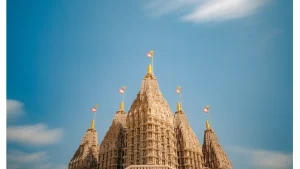
The followers of Swaminarayan Sampradaya, which is one of the traditions that exist in Hinduism, have founded the largest Hindu temple in the country of United Arab Emirates. The BAPS Hindu Mandir began construction over 25 years ago, according to the records of the heritage division of the Abu Dhabi Executive Affairs Authority. If you are looking for things to do in Abu Dhabi as part of your spiritual odyssey, the largest stone temple in the region is a fantastic option as it serves as a centre of worship, learning and community. Travelling To The Mandir The temple is located between Dubai and Abu Dhabi, or a 40 minute drive from Jebel Ali along Al Taf Road (E16), on land measuring 27 acres (11 hectares), gifted by the UAE government, in the Abu Mureika area of Abu Dhabi. It’s half an hour from Abu Dhabi mainland with no traffic. Architecture Of Spirituality Through the design of the temple, 14 tales from ancient civilizations across the world, from the Arab world to China are told. This is to symbolise the belief that while a religion can present itself in a particular form, as can a temple in its architecture, faith will resonate with all humanity from a singular temple at the same time.   The temple compound also houses an architectural masterpiece called The Divine Eye, in which the holy rivers Ganga, Yamuna and Saraswati are represented in a whirlpool-like sculpture by the future-forward Indian studio, Apical Reform. The structure also frames the temple through the void in its middle, a concept based on the ancient Indian concept of the third eye as a spiritual window; the merging of the rivers also represents the endless potential of humanity.   The temple also has its seven spires cut to represent each of the seven emirates symbolising inclusivity and mutual respect. Just inside the entrance to the complex, two streams of water are visible, representing the rivers Ganga and Yamuna, two of Hinduism’s three most holy waters, which appear as a shaft of light at the temple’s plinth honouring the goddess of wisdom and music. Constructing The Symbol Of Spirituality It took more than 2,000 artisans in Rajasthan and Gujarat working hard to hand-carve red sandstone and Italian marble blocks, which were then shipped and assembled on-site in the UAE. More than 20,000 tonnes of stone and marble which totalled to more than 700 containers were shipped from approximately 5,000 kilometres away over a period of three years for the construction. The hand-carved stone comes from the Arasur quarry in the Indian state of Rajasthan, and it was assembled over four years by 2,000 sculptors in the building yard at the Kutch district. More than 13,000 architectural stones were hand-crafted to fit together without any mortar or metal in the traditional Indian way. No amount of reinforced steel or concrete was used in the construction of the temple, making it dedicated to nature. The main temple building is absolutely enormous with a height of 32.9 metres, 79.8 metre length, and 54.8 metres width. Built to accommodate a capacity between 8,000 and 10,000 people, other buildings on the compound include prayer halls, a community centre, a children’s park, an amphitheatre and a library. There are 402 pillars carved in white marble, each unique in design. Several intricate and beautiful patterns are carved into this masterpiece of a building. With scenes that have been plucked out of Indian scriptures and representations of deities and spiritual gurus. Even the brackets and the domes of the spires have been constructed using these designs. Before they got down to chiselling, the artisans would first sketch the designs on paper and then trace it on stone. To put just how laborious that this process is, it could take up to four artisans an entire year to complete just one of the many, many pillars featured here. Few Things To Keep In Mind Here’s what you should know before you go:   There is a dress code in place for visitors to the Mandir. All clothing must cover your neck, the elbows, and the ankles. The BAPS Mandir is open to visitors of all faiths and backgrounds. It is a place of peace and reflection, and all are welcome to come and learn about Hinduism. Photography is not permitted inside the Mandir.  Bags, food, and drinks are not allowed inside the Mandir.  Remove your shoes before entering the Mandir.  A Destination In Your Spiritual Odyssey While the United Arab Emirates is home to decades-old Hindu places of worship, the Baps Hindu Mandir is the first to be built using traditional materials in the same ways as some of India’s most historic temples, using interlocking blocks of stone. A visit to this temple is sure to add to your spiritual journey as many other grand temples in India do. FAQs: Frequently Asked Questions What is the significance of the BAPS Hindu Mandir in Abu Dhabi? This Mandir holds historical importance as the first traditional Hindu temple in the Middle East. Its construction reflects the growing interfaith acceptance and the UAE’s commitment to religious tolerance.   What are some key architectural features of the temple? Seven Shikhars representing the seven emirates of the UAE promoting unity, two Ghummats, The Dome of Harmony and the Dome of Peace symbolizing universal elements, intricate carvings depicting stories and deities, lotus motif and water features reflecting the three holy rivers of Hinduism, Ganga, Yamuna, and Saraswati.   How big is the BAPS Hindu Mandir? The temple has a sprawling complex occupying 27 acres of land with its main shikhara reaching 108 feet. The main temple itself measures 262 feet long and 180 feet wide.   Is there a specific dress code for visiting the BAPS Mandir? While there’s no strict dress code, respectful attire is recommended. This means clothing that covers shoulders and knees. It’s always best to be mindful of visiting a place of worship.   Are there any interesting construction techniques? The main

Read More »

The Ultimate Adventure: Exploring Singapore with Captain Explorer DUKW® Tour

Singapore, a country full of life, vibrancy, and rich history, has become a destination of choice for many travellers. For those who are looking for things to do in Singapore, the Captain Explorer DUKW® Tour promises an unique experience.   Picture exploring the heart of Singapore with a genuine, Vietnam War-era amphibious vehicle, which has been reimagined into a mode of transport. Captain Explorer DUKW® Tour offers adventurous sightseers exactly that. Named after its World War II identification, DUKW® , or “duck,” vehicles were initially created for military purposes. Now, these amphibious vehicles serve as guided city tours for travellers in many world capitals. On Land and Water The tour commences with guests boarding Captain Explorer DUKW® at Suntec City Mall. The location is convenient for many, as the mall is in close proximity to many tourist attractions. While the vehicle moves through the city, passengers are treated to an informative commentary by enthusiastic and knowledgeable tour guides. They share fascinating information on every aspect of Singapore’s heritage, phenomena, and points of interest.  View on the Majestic Landmarks The highlight of the tour is the exhilarating splash into the Marina Bay. With hardly a pause between water and land, passengers get to observe the stunning Marina Bay Sands, The Merlion, Esplanade, and more.   Now, consider having to sail past Marina Bay, one of the most beautiful parts of the Singapore skyline, a three 55-story, skyscraper hotel and its sloping rooftop. The owner of This beautiful construction used to be Las Vegas Sands, an internationally renowned gambling company.    There is no person who has visited Singapore and has not heard of the mythical Merlion, which serves as a symbol of the country’s history. On the Captain Explorer DUKW®, tourists can see the Merlion up close by gazing at the statue from Marina Bay, where it stands majestically, spouting water across the bay.   The second building that the cruise passes by is Esplanade – Theatres on the Bay, which has been coined as “the Durian” by some tourists. The source of the humorous nickname of the cultural hub is not difficult to guess as the construction resembles the tropical Durian fruit. This fruit is also famous for its smell, which is very repelling for some people, making the fun connection between the Esplanade and the fruit. The onboard guide will provide you with other interesting insights into this design.   One of the major advantages of the Captain Explorer DUKW® Tour is that it can satisfy both history buffs and individuals interested in the city’s landmarks. Furthermore, it is a great option for families that decide to spend a fun day in Singapore as they can have fun and also get to know the country’s history. Children, especially, will be fascinated by the adventure and educational value related to the cruise and learning multiple interesting historical facts.   Practical Tips for Your Tour To secure your spot on the Captain Explorer DUKW® Tour, it’s advisable to book your tickets in advance, especially during peak travel seasons. Suntec City Mall, where the tour starts, offers various shops and restaurants. You can also visit nearby attractions like the Singapore Flyer or Gardens by the Bay before or after your tour. As the tour takes you on both land and water, bring sun protection such as sunscreen, sunglasses, and a hat to shield yourself from the sun’s rays. Ask questions and learn as much as you can about Singapore’s history and landmarks. Don’t forget to bring your camera or smartphone to capture the stunning views and memorable moments during the tour. Safety and Comfort Guaranteed The DUKW is not only unique but also safe to ride on while taking the cruise, thanks to the experienced drivers. The cabins are also equipped with modern safety features, making the tour comfortable and entertaining for everyone.   When you are in Singapore, next time do not miss out on this unique adventure. Hop aboard the Captain Explorer DUKW® Tour and let the fun begin! Frequently Asked Questions (FAQs): What is the Captain Explorer DUKW® Tour? It’s a unique sightseeing tour of Singapore using a re-imagined amphibious vehicle from the Vietnam War era. You’ll explore the city streets and then take a thrilling splash into Marina Bay for stunning views of iconic landmarks.   Is the DUKW safe to ride in? Yes, life jackets are provided onboard the DUKW® for the safety of all passengers. Our experienced crew members will make sure that all safety measures are in place throughout the duration of the tour.   What are the highlights of the tour? The tour features an informative commentary, breathtaking views of Marina Bay, and up-close encounters with iconic landmarks like Marina Bay Sands, the Merlion, and Esplanade – Theatres on the Bay.   Where does the tour start? The tour starts at Suntec City Mall, conveniently located near many tourist attractions.   Is the tour suitable for children? Absolutely! The Captain Explorer DUKW® Tour is a family-friendly experience. Children under 3 years old may ride for free when accompanied by a paying adult. Please note that for safety reasons, children must remain seated throughout the tour.  

Read More »

Experience Breathtaking Views with Sun World Fansipan Legend Cable Car: Everything You Need To Know Before You Go

Are you searching for the top things to do in Vietnam?Be sure to check about the Sun World Fansipan Legend Cable Car. It’s not just any cable car; it takes you to some of the most amazing views you’ll ever see. Before you hop on, let’s go over everything you need to know.   First things first, getting there. If you’re starting from Hanoi, you’ll head to Sapa. Once you’re there, it’s time to board the cable car. This isn’t your average ride, this will surely be a one-of-a-kind experience. As you go up, you’ll be treated to some seriously jaw-dropping sights. Get your camera ready! The Views Will Blow You Away Imagine soaring high above the ground, looking down at beautiful valleys, waterfalls, and towering peaks. That’s exactly what you’ll get on the Sun World Fansipan Legend Cable Car. The higher you go, the more incredible the views become. And when you reach the top, prepare to be amazed. It will be like stepping into a postcard.   While the cable car ride itself is a highlight, Fansipan Legend Sunworld offers a host of other activities for visitors to enjoy. After your cable car adventure, consider exploring some of these attractions:   Hiking Trails: For those who love a good hike, Fansipan Mountain offers several trails of varying difficulty levels. Strap on your hiking boots and enjoy the natural beauty of the area.   Cultural Exhibits: Learn more about the history and culture of the region at the various exhibits and museums located within Fansipan Legend Sunworld.   Adventure Sports: If you’re feeling adventurous, why not try your hand at zip-lining or rock climbing? These adrenaline-pumping activities are sure to get your heart racing. Exploring Sapa and Beyond While Fansipan Legend Sunworld is undoubtedly a highlight of any trip to Sapa, don’t forget to explore the rest of this charming town and its surrounding areas. Here are a few suggestions for other activities and attractions in the area:   Ethnic Villages: Take a tour of the nearby ethnic minority villages to learn more about their customs, traditions, and way of life.   Rice Terraces: Click some amazing pictures of the stunning rice terraces that surround the landscape around Sapa. These intricate terraces are not only beautiful to look at but also serve as an important part of the local agricultural economy.   Local Markets: Enjoy yourself in the hustle and bustle of Sapa’s local markets, where you can shop for traditional handicrafts, fresh produce, and more. Tips for Your Trip Here are a few things to keep in mind: Bring your camera or phone to capture those stunning sights. Dress comfortably and be ready for any weather changes. Try to visit during quieter times to avoid long waits. Take your time and enjoy every second of the ride. It’s not every day you get to experience something like this!   The Sun World Fansipan Legend Cable Car is more than just a ride – it’s an adventure. With stunning views, unforgettable moments, and a host of other activities to enjoy, it’s something you’ll remember for a long time. So get ready to soar to new heights and see Vietnam like never before. FAQs: Frequently Asked Questions What are the opening hours of Sun World Fansipan Legend? Sun World Fansipan Legend typically operates from 6:30 AM to 7:30 PM. However, these hours might vary slightly depending on the season.   Is there anything I can’t bring on the cable car or to the peak? For safety reasons, there are some restrictions on what you can bring. Large luggage, drones, sharp objects and pets are not allowed.   What if I have mobility issues? Sun World Fansipan Legend is committed to accessibility. The cable car stations are equipped with elevators for easy access. Additionally, a limited number of wheelchairs are available for rent at the base station.   Are there restaurants and restrooms at the peak? Yes, there are several restaurants offering Vietnamese and international cuisine at the peak complex. There are also clean and well-maintained restrooms readily available.   What happens if the weather is bad on the day of my visit? In case of severe weather conditions like heavy fog or strong winds, the cable car operation might be temporarily suspended. If this occurs, you will be notified by the staff and offered alternative options like rescheduling your visit or receiving a full or partial refund depending on the specific circumstance  

Read More »
Bucket List Ideas
Meenakshi Nair

Journey to the Roof of Indochina: How to Enjoy Your Check-In and Get The Most From Your Fansipan Legend Sunworld Admission

If you are in search of adventure on your trip to Vietnam, visit the Fansipan Legend Sunworld, located on the Fansipan Mountain as the name indicates, often described as the Roof of Indochina. A visit here is not just about conquering the peak of the mountain but also enjoying the natural beauty of this region. Read on to find out how you can make the most of your time at Fansipan Legend Sunworld and why it is one of the top things to do in Vietnam.  Getting There You can take the scenic route to Fansipan Legend Sunworld with a drive from Hanoi to Sapa. Surrounded by terraced rice fields and beautiful villages, Sapa serves as the perfect entry into the Fansipan Legend Sunworld.    At the heart of Fansipan Legend Sunworld lies the majestic Fansipan Peak, standing tall at 3,143 metres above sea level. For centuries, this sacred mountain has been revered by locals and adventurers alike, drawing pilgrims and thrill-seekers to its summit. After a smooth and efficient check-in process, a cable car takes you to the summit. The state-of-the-art Fansipan cable car is also one of the world’s longest aerial tramways. As the cable car ascends higher and higher, you will be treated to panoramic views of the beautiful surrounding areas as you approach the Roof of Indochina. Hiking to the Summit For those looking for a more adventurous experience, the hike to the summit of Fansipan offers a thrilling challenge. The trail winds its way through dense forests, rocky terrain, and steep inclines, providing a true test of endurance and determination. Along the way, you can also take in the stunning views and encounter some local plants and animals. Upon reaching the summit, you can go to the Sky Gate, where you have a view unlike any other, that of mist-shrouded forests, and rugged cliffs.    As the day draws to a close, there’s no better way to cap off your Fansipan trip than by witnessing the breathtaking sunset from the summit. Watching the sun dip below the horizon, casting a warm glow over the landscape, is a truly magical experience that will stay with you long after you’ve left the mountain behind. A Thrill Seeker’s Paradise For those with a taste for adventure, Fansipan Legend Sunworld offers a list of adrenaline-pumping activities. From zip-lining through the treetops to scaling the Via Ferrata – a series of vertical ladders and suspension bridges – there’s something here to get the heart racing for people of all ages.   But perhaps the highlight of your visit may be the exhilarating descent via the Fansipan Mountain Coaster. As we go down the mountainside at breakneck speed, the wind rushing past your ears and the thrill of the ride coursing through our veins, you will feel a sense of adventure like no other.   No journey to Fansipan Legend Sunworld would be complete without enjoying the delicious food items of the region. From steaming bowls of pho to tasty banh mi sandwiches, the food here is as beautiful as the landscape itself. Take your time to enjoy each bite, with its perfect combination of flavours that will delight your taste buds.   Practical Tips Dress Appropriately: The weather on Fansipan can be unpredictable, so be sure to dress in layers and wear sturdy hiking shoes. Stay Hydrated: Remember to bring plenty of water to stay hydrated during your hike or exploration of the Fansipan Legend Sunworld. Plan Ahead: It’s a good idea to plan your visit in advance and book tickets for the cable car and other attractions to avoid long wait times. Respect the Environment: Fansipan is a pristine natural environment, so be sure to respect the surroundings and follow Leave No Trace principles. FAQs: Frequently Asked Questions What are the opening hours of Sun World Fansipan Legend? Sun World Fansipan Legend typically operates from 6:30 AM to 7:30 PM. However, these hours might vary slightly depending on the season.   Is there anything I can’t bring on the cable car or to the peak? For safety reasons, there are some restrictions on what you can bring. Large luggage, drones, sharp objects and pets are not allowed.   What if I have mobility issues? Sun World Fansipan Legend is committed to accessibility. The cable car stations are equipped with elevators for easy access. Additionally, a limited number of wheelchairs are available for rent at the base station.   Are there restaurants and restrooms at the peak? Yes, there are several restaurants offering Vietnamese and international cuisine at the peak complex. There are also clean and well-maintained restrooms readily available.   What happens if the weather is bad on the day of my visit? In case of severe weather conditions like heavy fog or strong winds, the cable car operation might be temporarily suspended. If this occurs, you will be notified by the staff and offered alternative options like rescheduling your visit or receiving a full or partial refund depending on the specific circumstances.  

Read More »
Family Travel
Meenakshi Nair

Spiritual Enlightenment at BAPS Hindu Mandir: A Snapshot of Ceremony, Ritual, and Engagement in Society

Searching for the best things to do in Abu Dhabi, I came across the BAPS Hindu Mandir. It’s a Hindu temple that opened in February 2024 and has become a center for worship, learning, and community. A visit to this was a chance to see Hindu ceremonies, traditions, and how they impact people. Ceremonies and Rituals Mansi Puja Mansi puja is the best form of mental worship of God. In mansi puja, there is no need to stick to a particular time of day, nor is there any need to be in a particular place. In mansi puja when a devotee imagines God, then in his mind he virtually starts mentally singing praises of God, serving Him by doing aarti, wearing him a garland, giving Him food, putting Him to sleep. Sometimes a devotee also discusses his day’s work and his actions etc. with God, what he has gained from his experiences, so that if there is a chance to do the same work tomorrow, he will have an increased productivity and also a better understanding of what he should do and what he shouldn’t do. Daily Puja Nitya Puja is when a devotee may communicate with God and convey one’s concerns and feelings directly to God. Puja helps one concentrate on the divine murti of God and His gunatit sadhu. It also pacifies the mind and renders it thought-free. A devotee places before them the murti of Bhagwan Swaminarayan and the guru parampara on another asana, and by reciting a Sanskrit verse inviting their grace. Then finally, they do dhyan, yoga/pranayam, mansi, mala, dandavat, pradakshina, and prarthana. A shloka indicates the end of the puja and when they have finished, devotees read the 5 shlokas from the Shikshapatri that convey something different every time they are read. Tilak-Chandlo The tilak-chandlo is a Hindu tradition, especially in the Vaishnav Sampraday, that is thousands of years old and signifies one’s victory, auspiciousness, and belonging to a particular faith. Tilak – a mark of a person’s adherence to Hindu Sanatan Dharma – is made from the word ‘til’ in Sanskrit, which means sesame seed. In yagnas and in charity, sesame seeds have great significance and, since that part of the body is an area where Divinity can be channeled and can enhance the individual’s spiritual character, it is imprinted on a person’s forehead. During their puja, male devotees of the Swaminarayan Sampraday apply a tilak and chandlo to their forehead. The tilak is kesar chandan (yellow sandalwood paste) and the chandlo is kumkum (red saffron powder). Female devotees only apply a chandlo, which is commonly known as a bindi, to their forehead. The tilak-chandlo represents the servitude of a devotee at the feet of God, and it has also come to signify a dual devotion to God and the gunatit guru. Dhyan Dhyan, or meditation, includes the fundamental concept of stabilizing the mind. Devotees meditate on the murti or divine form of Bhagwan Swaminarayan and remove all other thoughts and disturbances from their mind. By calming the mental state, this ancient practice also improves concentration. Mala When performing their daily pujas, a string of wooden beads — similar to a rosary — is passed through a devotee’s middle finger and thumb. This string of beads is a mala, and each contains 108 beads. As a devotee performs each mala, they chant the Swaminarayan mantra. Some may complete anywhere from 5 to 51 malas every day during their daily pujas. Dandvat Pranam Dandvat Pranam is the ritual during which devotees offer their respects and surrender themselves to God by bowing down. Devotees perform dandvat pranam by lying completely prostrate on the floor, arms outstretched toward the murtis. It is a symbol of complete submission, reminding devotees to respect God and cultivate humility. Arti Arti is the ancient practice of waving a lighted wick in a clockwise motion around a murti while singing a prayer. It symbolizes the removal of darkness by true spiritual enlightenment. In traditional Hindu mandirs, arti is performed 5 times a day. Weekly Satsang Sabha Every Sunday, men, women, and children make their way to BAPS Hindu Mandir for the weekly satsang sabha. This tradition was started by Yogiji Maharaj and continues to mold and keep the BAPS community as one unit. The congregation participates in dhoon, bhajan, mansi, video presentations, cultural programs, and last but not least, discourses by the sadhus or learned devotees. The BAPS Hindu Mandir shows how faith can create a peaceful and connected society. Whether you’re Hindu, curious about different cultures, or just looking for a peaceful place, this temple offers a unique experience. So next time you travel, consider visiting the BAPS Hindu Mandir in Abu Dhabi. FAQs: Frequently Asked Questions What is the significance of the BAPS Mandir in Abu Dhabi? The BAPS Hindu Mandir is the first traditional Hindu temple in the Middle East. This mandir represents a milestone for Hinduism in the region, and represents interfaith understanding and acceptance.   What are the spiritual aspects of the Mandir’s design? Traditional Hindu architecture (Sthapatya and Vastu Shastra) guides the design, creating a space for spiritual focus. The seven shikharas represent the seven Hindu deities and the seven emirates of the UAE, signifying unity.   How does the Mandir serve the Hindu community? Devotees can practice their faith through darshan of deities, prayers, and participation in rituals.   Is the Mandir open to everyone? Yes. The BAPS Mandir welcomes visitors of all faiths, backgrounds, and nationalities.   What else is there to experience at the Mandir? The BAPS Hindu Mandir also serves as a cultural center to learn and understand Hindu culture and heritage.  

Read More »
Family Travel
Meenakshi Nair

Exploring the Architectural Marvels of BAPS Hindu Mandir in Abu Dhabi: A Blend of Tradition and Innovation

Bhagwan Swaminarayan founded the Swaminarayan Sampradaya, one of the traditions in Hinduism, and his followers went on to the largest Hindu temple in the United Arab Emirates. According to the heritage division of the Abu Dhabi Executive Affairs Authority, the idea of the first traditional Hindu stone temple in the Middle East began 25 years ago and the mandir is now the largest in the region. Getting There The site is situated between Dubai and Abu Dhabi, or a 40 minute drive from Jebel Ali along Al Taf Road (E16), on land measuring 27 acres (11 hectares), gifted by the UAE government, in the Abu Mureika area of Abu Dhabi. It’s half an hour from Abu Dhabi mainland with no traffic. Designing The BAPS hindu Mandir The mandir was designed to symbolize inclusivity and mutual respect, its seven spires cut to represent each of the seven emirates. Just inside the entrance to the complex, two streams of water are visible, representing the rivers Ganga and Yamuna, two of Hinduism’s three most holy waters, which appear as a shaft of light at the temple’s plinth honoring the goddess of wisdom and music.   Also depicted in The Divine Eye are the rivers, represented in a whirlpool-like sculpture by the future-forward Indian studio, Apical Reform. Shaping the temple within a void, a pattern that’s based on the ancient Indian concept of the third eye as a spiritual window, the confluence of rivers also represents the endless potential of humanity.   Of the temple’s design, there are also 14 tales from ancient civilizations across the world, from the Arab world to China. This highlights the belief that while a religion can present itself in a particular form, as can a temple in its architecture, faith resonates with all humanity from a singular temple at the same time.   Building The Temple While the United Arab Emirates is home to decades-old Hindu places of worship, the Baps Hindu Mandir is the first to be built using traditional materials in the same ways as some of India’s most historic temples, via interlocking blocks of stone.    Its hand-carved stone comes from the Arasur quarry in the Indian state of Rajasthan, and it was assembled over four years by 2,000 sculptors in the building yard at the Kutch district. More than 13,000 architectural stones were hand-rendered to fit together without mortar or metal in the traditional Indian way.   More than 2,000 artisans in Rajasthan and Gujarat worked to hand-carve red sandstone and Italian marble blocks, which were then shipped and assembled on-site in the UAE. More than 20,000 tonnes of stone and marble — more than 700 containers shipped from approximately 5,000 kilometers away over three years — later, and not a stitch of reinforced steel or concrete used makes for a building dedicated to nature that stays nature-bound.   The main temple is 32.9 meters tall, 79.8 meters long, and 54.8 meters wide. Built for between 8,000 and 10,000 people, other buildings on the compound include prayer halls, a community center, a children’s park, an amphitheater and a library. There are 402 pillars carved in white marble, no two with the same design.  Know Before You Go Here are a few things to keep in mind:   The BAPS Mandir is open to visitors of all faiths and backgrounds. It is a place of peace and reflection, and all are welcome to come and learn about Hinduism. There is a dress code in place for visitors to the Mandir. All clothing must cover your neck, the elbows, and the ankles. Remove your shoes before entering the Mandir.  Photography is not permitted inside the Mandir.  Bags, food, and drinks are not allowed inside the Mandir.  An Architectural Marvel Etched into the smallest modules of this intricate masterpiece are patterns that have been plucked out of Indian scriptures and are iconic embodiments of deities and spiritual gurus. Even the brackets and the domes of the spires have been constructed using these designs. Before they got down to chiseling, the artisans would first sketch the designs on paper and then trace it on stone. To put just how laborious that this process is, it could take up to four artisans an entire year to complete just one of the many, many pillars featured here. FAQs: Frequently Asked Questions What architectural style does the BAPS Mandir follow? The BAPS Mandir is a prime example of Shilpa Shastra and Vastu Shastra – ancient Hindu texts guiding temple architecture and design. It reflects a traditional style with modern influences.   What are some key architectural features? Seven Shikhars representing the seven emirates of the UAE promoting unity, two Ghummats, The Dome of Harmony and the Dome of Peace symbolizing universal elements, intricate carvings depicting stories and deities, lotus motif and water features reflecting the three holy rivers of Hinduism, Ganga, Yamuna, and Saraswati.   What materials were used? Pink sandstone from Rajasthan, India, was used for the main structure. Italian marble was used for the cladding of the facade for a luxurious look. Bamboo and fiberglass were used as an earthquake-resistant alternative to steel for reinforcements. Are there any interesting construction techniques? The main temple rests on a massive concrete base using UAE’s largest single pour. The temple follows the ancient methods, avoiding iron and steel. The temple is also designed to withstand tremors up to 7.0 on the Richter scale.   How big is the BAPS Mandir? The temple has a sprawling complex occupying 27 acres of land with its main shikhara reaching 108 feet. The main temple itself measures 262 feet long and 180 feet wide.  

Read More »