Bangkok hits differently. The moment you land, the heat wraps around you like a wet blanket, a tuk-tuk cuts across three lanes of traffic without incident, and somewhere nearby someone is cooking pad thai on a cart that has possibly been in the same spot since 1987.
It is loud, fragrant, chaotic, and completely, irresistibly alive. Thailand’s capital goes by many names: the City of Angels, the Big Mango, Krung Thep (which in its full ceremonial form is the longest place name in the world). Whatever you call it, Bangkok is one of the great cities of Asia, and it rewards visitors who give it more than a hurried night between flights.
The city has temples that will stop you in your tracks. Street food that will ruin restaurant dining for you indefinitely. Rooftop bars where you can drink a cocktail fifty floors above the city and watch the traffic below look like ants. Night markets that stretch as far as you can see. And a river, the Chao Phraya, that ties the old Bangkok to the new one in ways that are best understood from the water at sunset.
Give it at least three days. Five is better. And try not to arrive with too rigid a plan, because Bangkok has a way of rewriting itineraries in the most enjoyable way possible.
Bangkok City Essentials
Bangkok Entry Requirements
Citizens of most countries, including the UK, US, and EU nations, can enter Thailand without a pre-arranged visa for short stays, though the exact duration depends on your nationality and method of entry.
Note that Indian passport holders are not eligible for visa-free entry and must use the Visa on Arrival (VoA) system at the airport or obtain a pre-arranged visa through a Thai embassy before travel.
There are two important entry requirements that apply to all visitors arriving by air.
First, all travelers must complete the Thailand Digital Arrival Card (TDAC) online between 24 and 72 hours before arrival. This is a mandatory digital declaration submitted through the official Thai immigration channels and should be completed before you board your flight.
Second, Thailand has announced a mandatory 300 THB tourist entry fee (known as “Kha Yeap Pan Din”) for international air travelers. As of mid-2026, this fee has not yet been officially implemented or integrated into airline ticketing systems, but the government has been fast-tracking its introduction. Check the current status before you travel, as it may be active by the time of your visit.
Always verify your specific visa requirements at thaiembassy.com or the official Thai immigration website before travelling, as policies change with little notice and vary significantly by passport.
Where to Stay in Bangkok
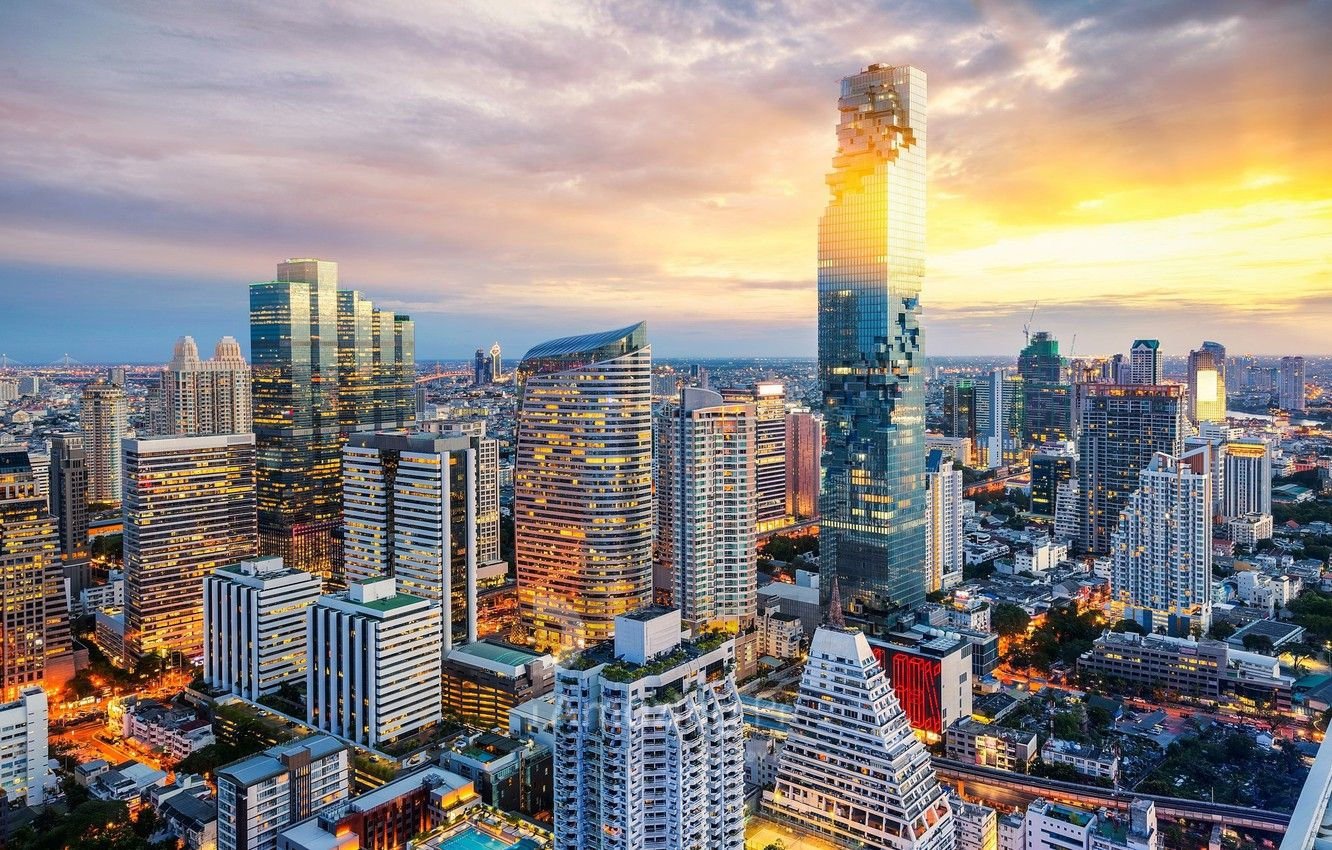
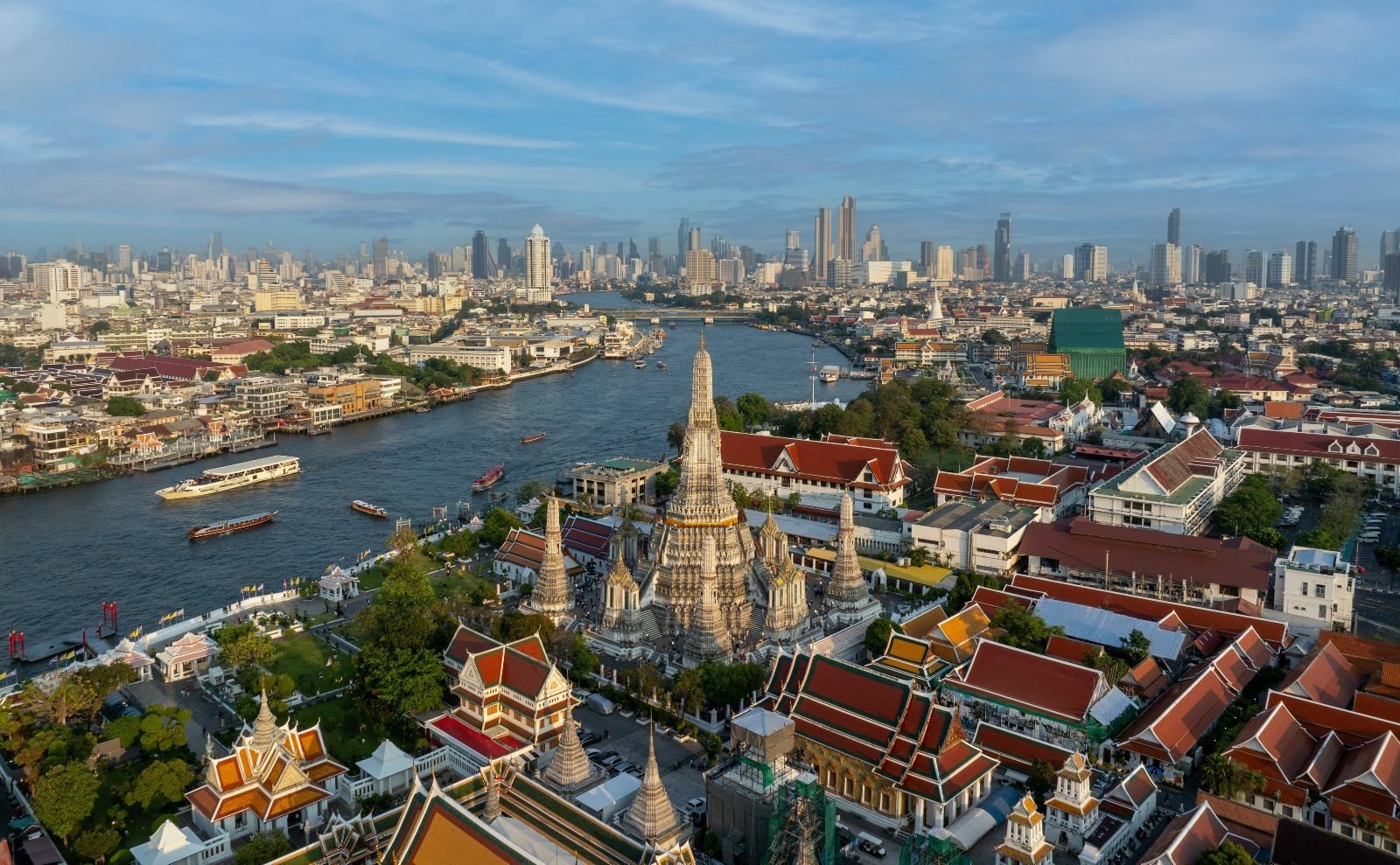
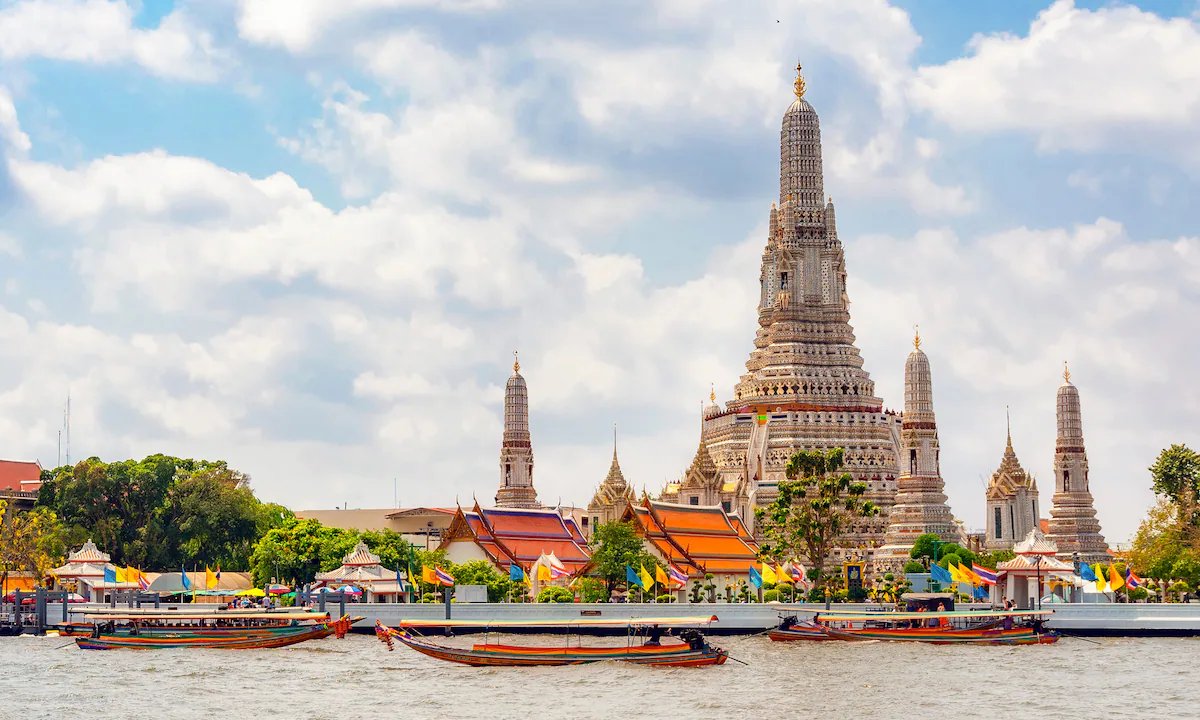
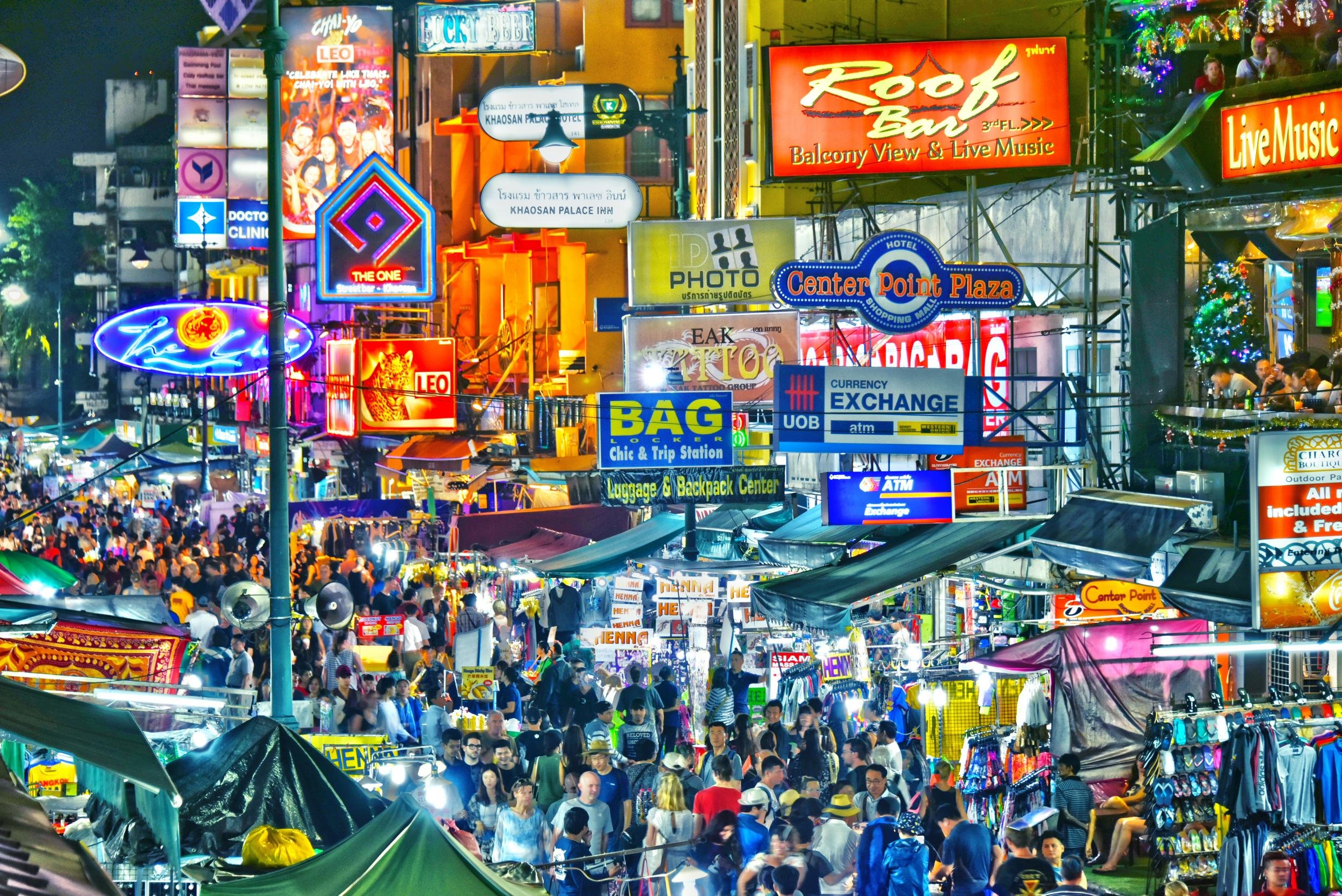
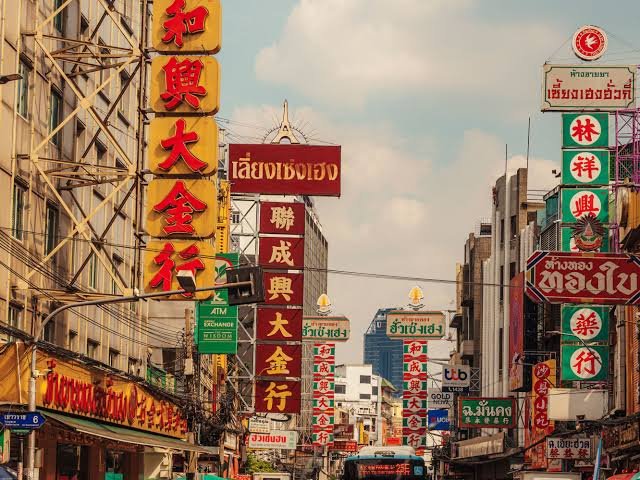
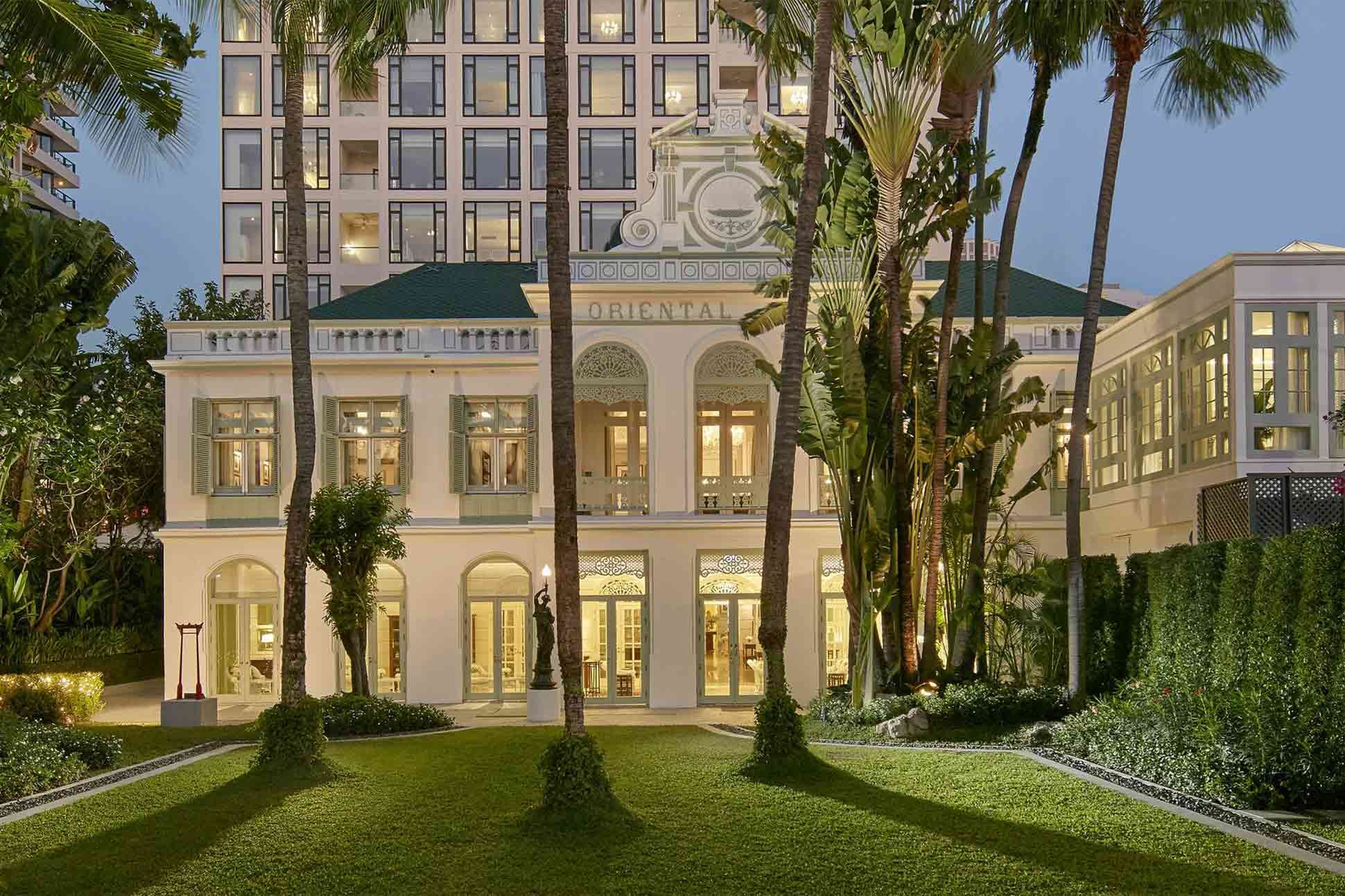
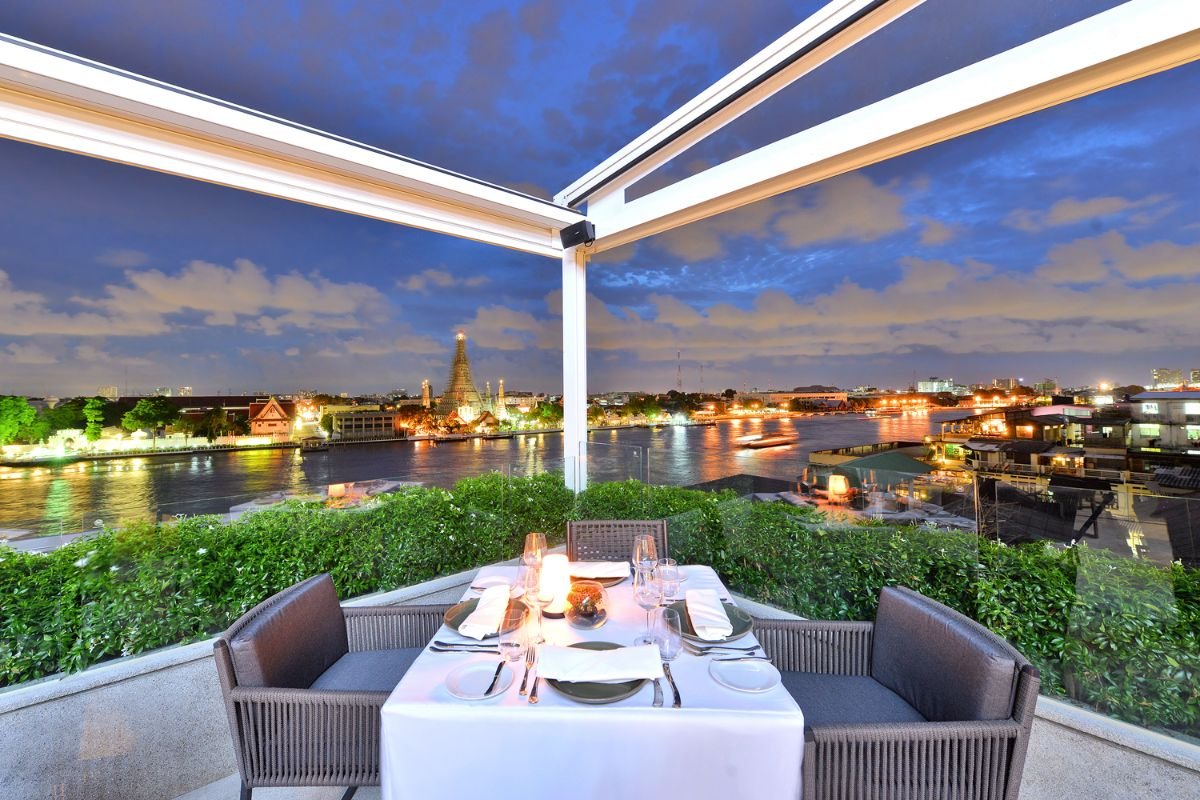
Bangkok is large and spread out, so choosing the right base saves significant time and stress.
- Sukhumvit is the most popular area for international visitors, a long boulevard lined with shopping malls, restaurants, hotels, and nightlife venues, with excellent BTS Skytrain access running the length of it. It suits travellers who want convenience, variety, and the ability to get anywhere in the city quickly. The further down Sukhumvit you go (higher soi numbers), the quieter and more residential it becomes.
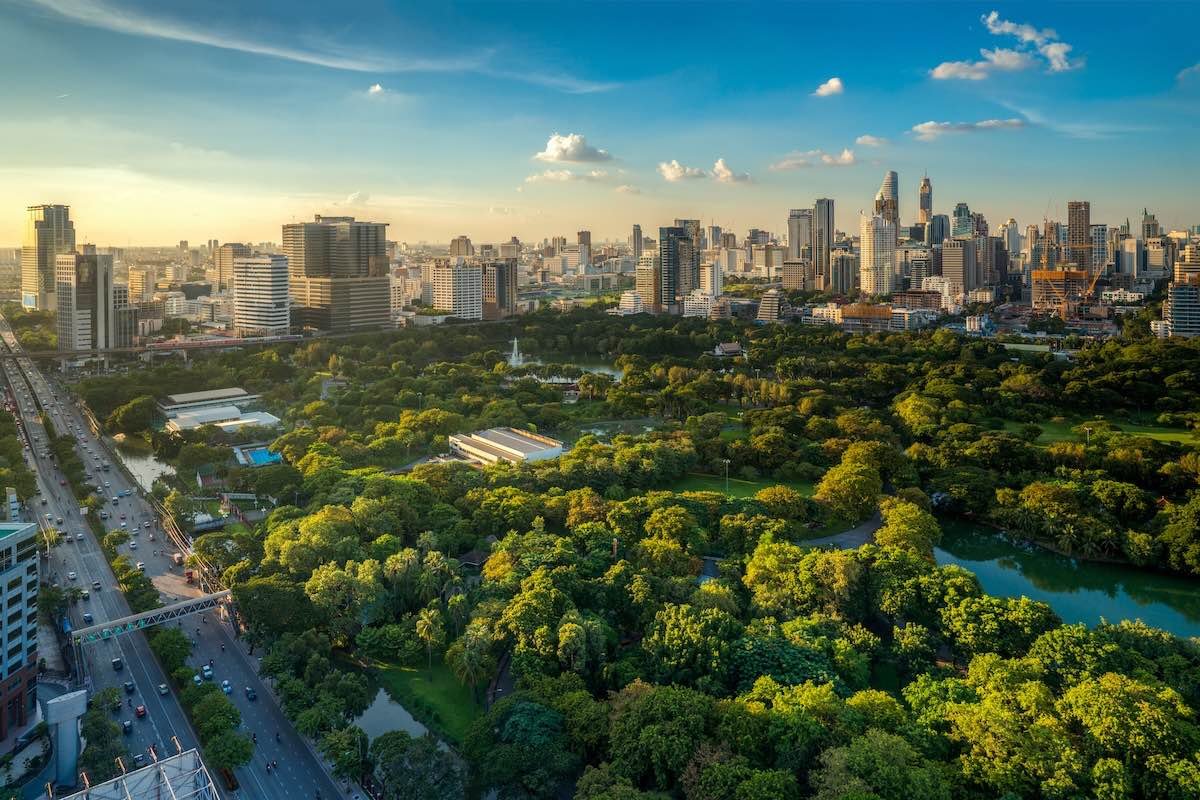
- Silom and Sathorn are Bangkok's financial districts, which are more polished and slightly quieter than Sukhumvit, with excellent rooftop bars, proximity to Lumpini Park, and easy access to both the BTS and MRT. It’s a good choice for couples and anyone who prefers a slightly calmer base without sacrificing central access.
- The Chao Phraya River area and Rattanakosin Island put you closest to the Grand Palace, Wat Pho, and Wat Arun in the most historically atmospheric part of the city. Hotels here tend to have beautiful river views and a genuine sense of place. Transport options include the river ferry, which is one of the most enjoyable ways to move around Bangkok, regardless of where you are staying.
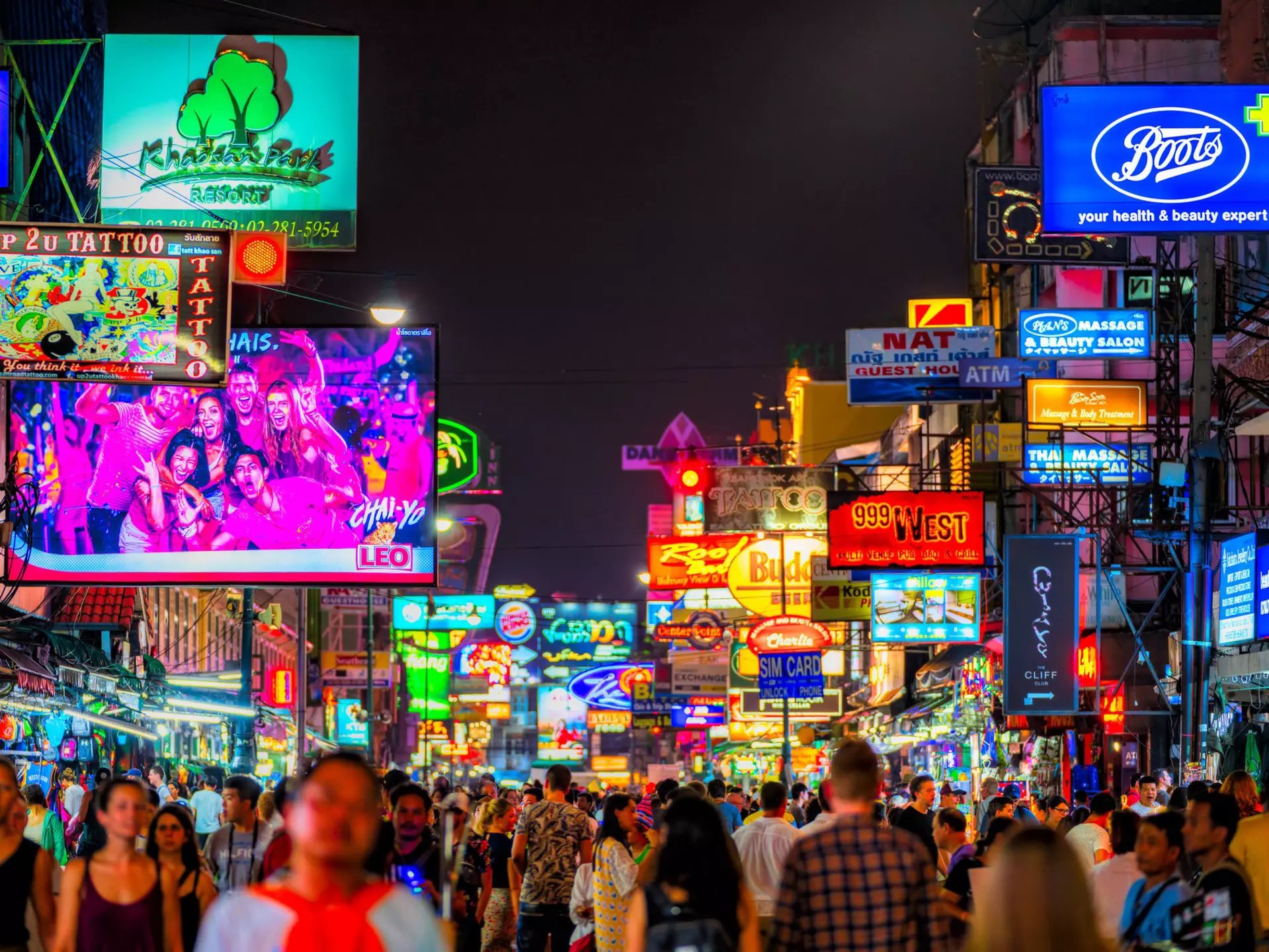
- Khao San Road remains the backpacker hub, with budget guesthouses, cheap food, and a relentlessly social energy day and night. It’s not for everyone, but if you are travelling on a tight budget and want to meet other travellers, it delivers.
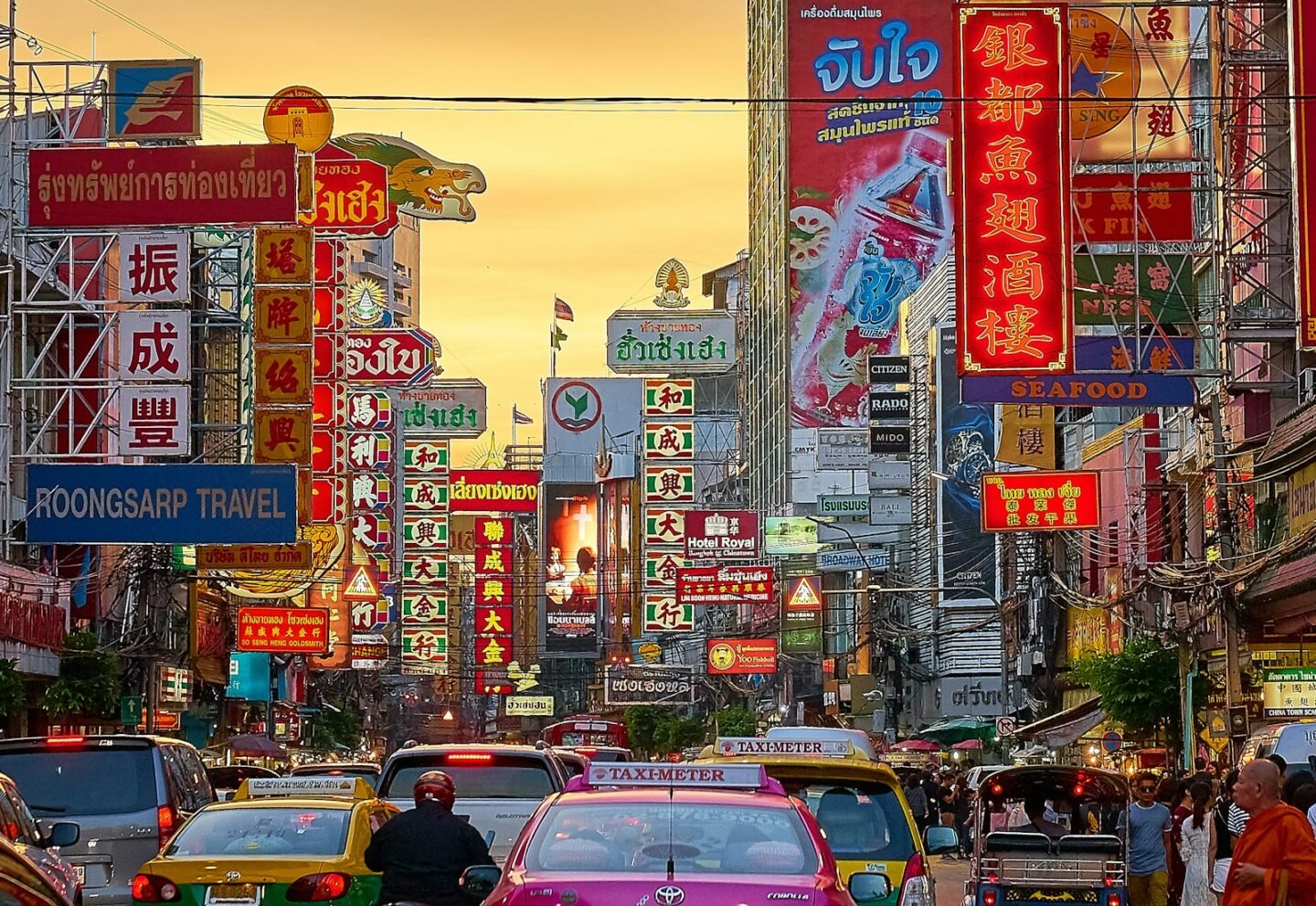
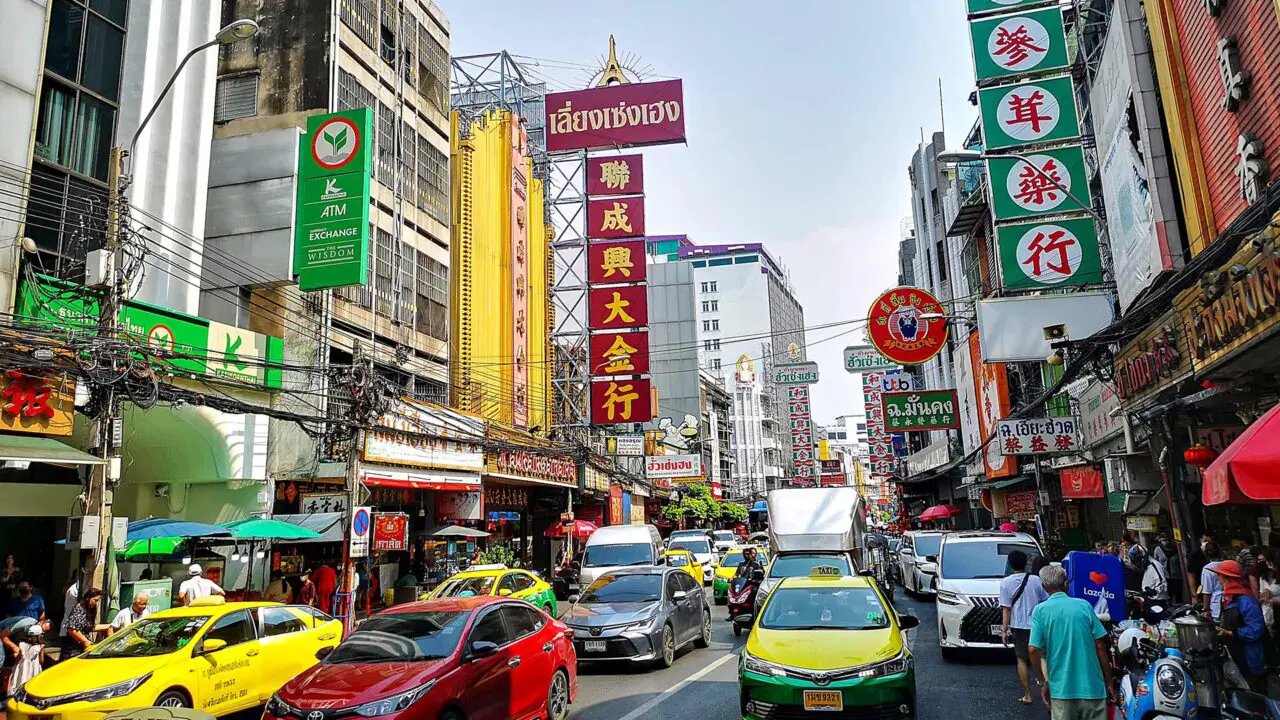
- Chinatown (Yaowarat) is one of the most atmospheric neighbourhoods to be based in, particularly for food lovers. The streets come alive at night with street food vendors, and the energy is unlike anywhere else in the city.
- For luxury, the Mandarin Oriental Bangkok on the Chao Phraya River is one of the finest hotels in Asia, with a riverside pool and multiple acclaimed restaurants. For mid-range stays with character, the Riva Arun near Wat Arun gives you extraordinary temple views from your room. Budget travelers will find excellent value near Khao San Road and in Chinatown.
Getting There and Getting Around
Flying in: Suvarnabhumi Airport (BKK) is Bangkok's main international gateway, located about 30 km east of the city centre. The Airport Rail Link connects Suvarnabhumi to Phaya Thai station (city centre) in approximately 30 minutes and is the fastest and most affordable option. Taxis from the airport are metered and typically cost 250 to 400 baht plus expressway tolls to central Bangkok. Don Mueang Airport (DMK) to the north handles most budget carriers, including AirAsia and Nok Air. A taxi from there to the city centre takes 45 to 60 minutes, depending on traffic.
Getting around once you're there:
- BTS Skytrain: This is the elevated metro system running above ground through the main tourist and commercial areas. Clean, air-conditioned, and blissfully above the traffic. The Silom and Sukhumvit lines cover most central destinations. Buy a Rabbit Card for convenient tap-and-go travel
- MRT: An underground metro covering additional routes, including Chinatown (Wat Mangkon station), Lumphini, and Chatuchak. It connects with the BTS at several interchange stations
- Chao Phraya Express Boat: There are ferry services running up and down the river between piers from Nonthaburi in the north to Wat Rajsingkorn in the south. They are cheap, scenic, and genuinely useful for reaching riverside temples and attractions. Orange flag boats run all day and stop at all piers
- Grab: This is a regional rideshare app covering standard cars, motorbike taxis, and vans. Download it before you arrive. Far more reliable than trying to negotiate with street taxis, where flat-fare overcharging of tourists is common
- Taxis: They are widely available and metered. Always insist on the meter (tell the driver "meter na krap/ka"). If a driver refuses the meter, get out and take the next one
- Tuk-tuks: Three-wheeled motorised carts that are an iconic Bangkok experience. Negotiate the fare before setting off. They are rarely the cheapest option, but are genuinely fun for short trips. Ignore any tuk-tuk driver who spontaneously offers to take you somewhere "for free" or to a "special shop"
- River taxis and canal boats: The Khlong Saen Saep canal boat runs east-west across the city and is a practical local transport option for reaching areas away from the BTS
Traffic warning: Bangkok traffic is genuinely severe, particularly between 7 and 9 am and 5 and 8 pm. A journey that takes 10 minutes on the BTS can take 60 minutes by road. Plan accordingly and use the Skytrain wherever possible.
The Temples: Bangkok's Greatest Hits
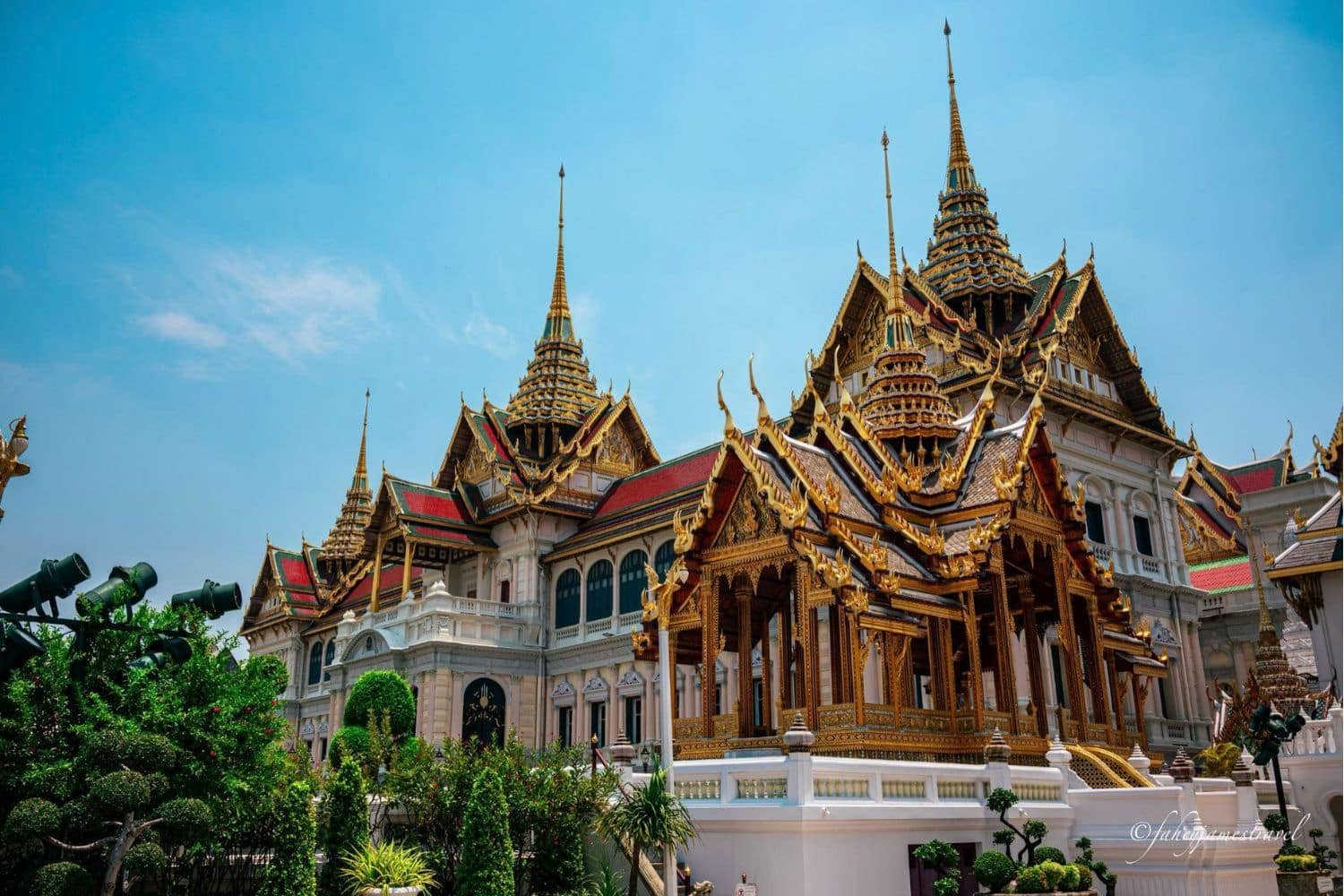
Bangkok has hundreds of temples (wat), and visiting too many in a single day is a recipe for temple fatigue. Pick three or four and give them proper time rather than rushing through ten.
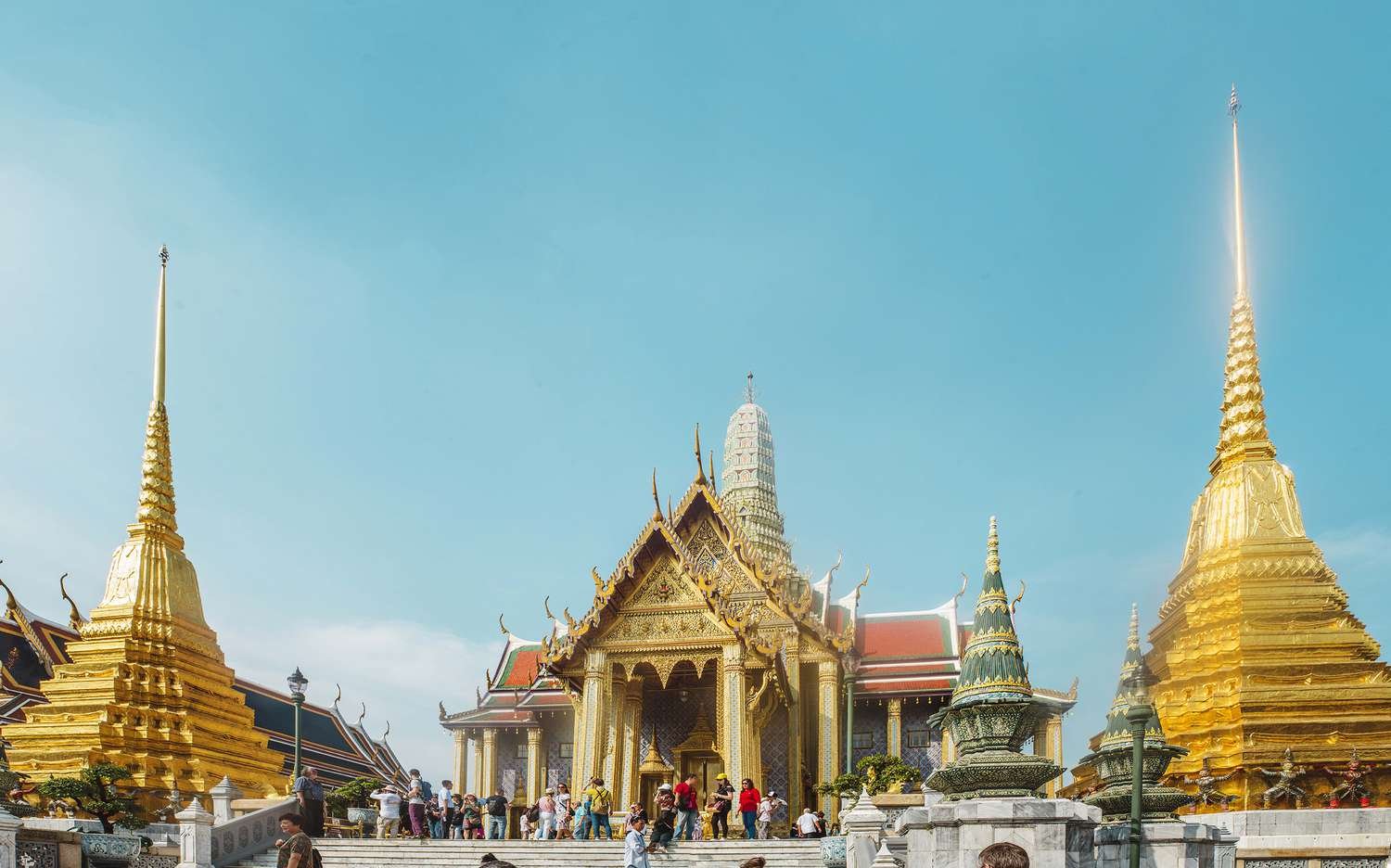
- The Grand Palace and Wat Phra Kaew are Bangkok's most visited attractions and earn every visitor they get. The complex covers more than 200,000 square metres and contains over 100 buildings representing more than 200 years of royal history. The Temple of the Emerald Buddha (Wat Phra Kaew) inside the complex is the spiritual heart of Thailand. You get to see a revered jade Buddha image seated high on a golden throne whose seasonal robes are changed by the King himself. The Grand Palace's buildings are lavishly decorated with gold mosaic spires and intricate tile work that takes time to properly absorb. Go early, before the heat and the crowds build. Keep in mind that shoulders and knees must be covered. Sarongs are available to hire at the entrance.
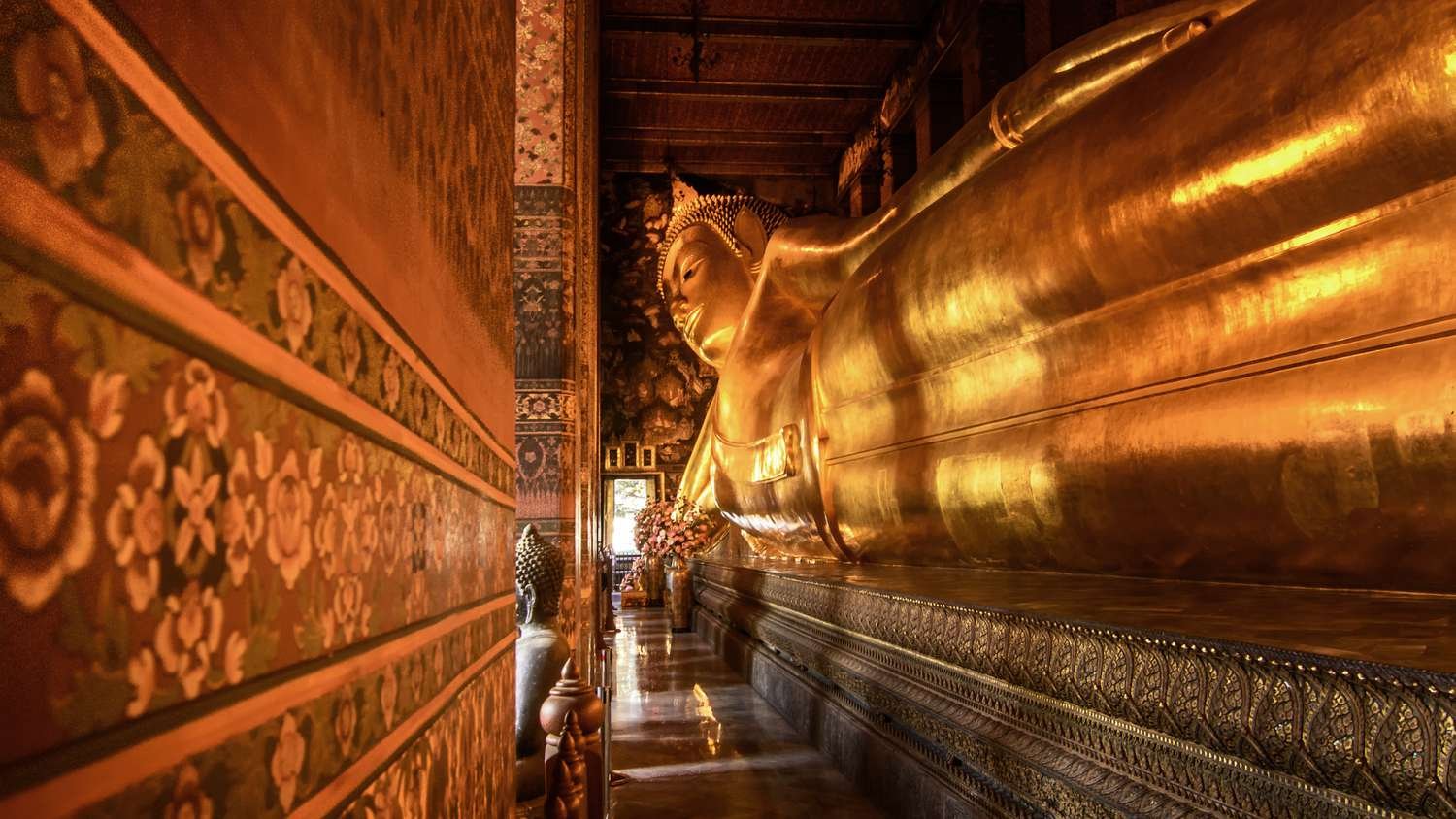
- Wat Pho sits immediately south of the Grand Palace and houses the giant Reclining Buddha: a 46-metre gilded figure in a state of entering Nirvana, so large that it fills its own building. Wat Pho is also the birthplace of traditional Thai massage, and the temple complex runs a massage school that is open to visitors. It is one of the most rewarding temples in the city and is easy to combine with the Grand Palace in a single morning.
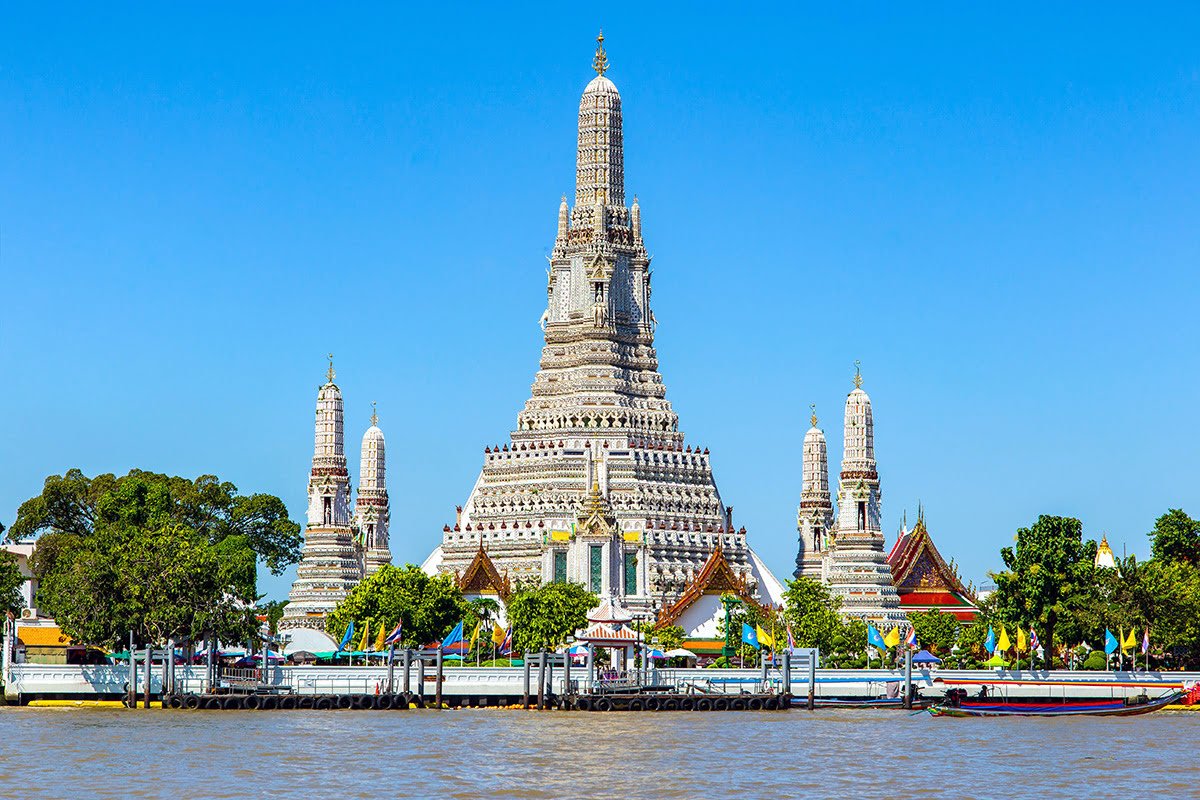
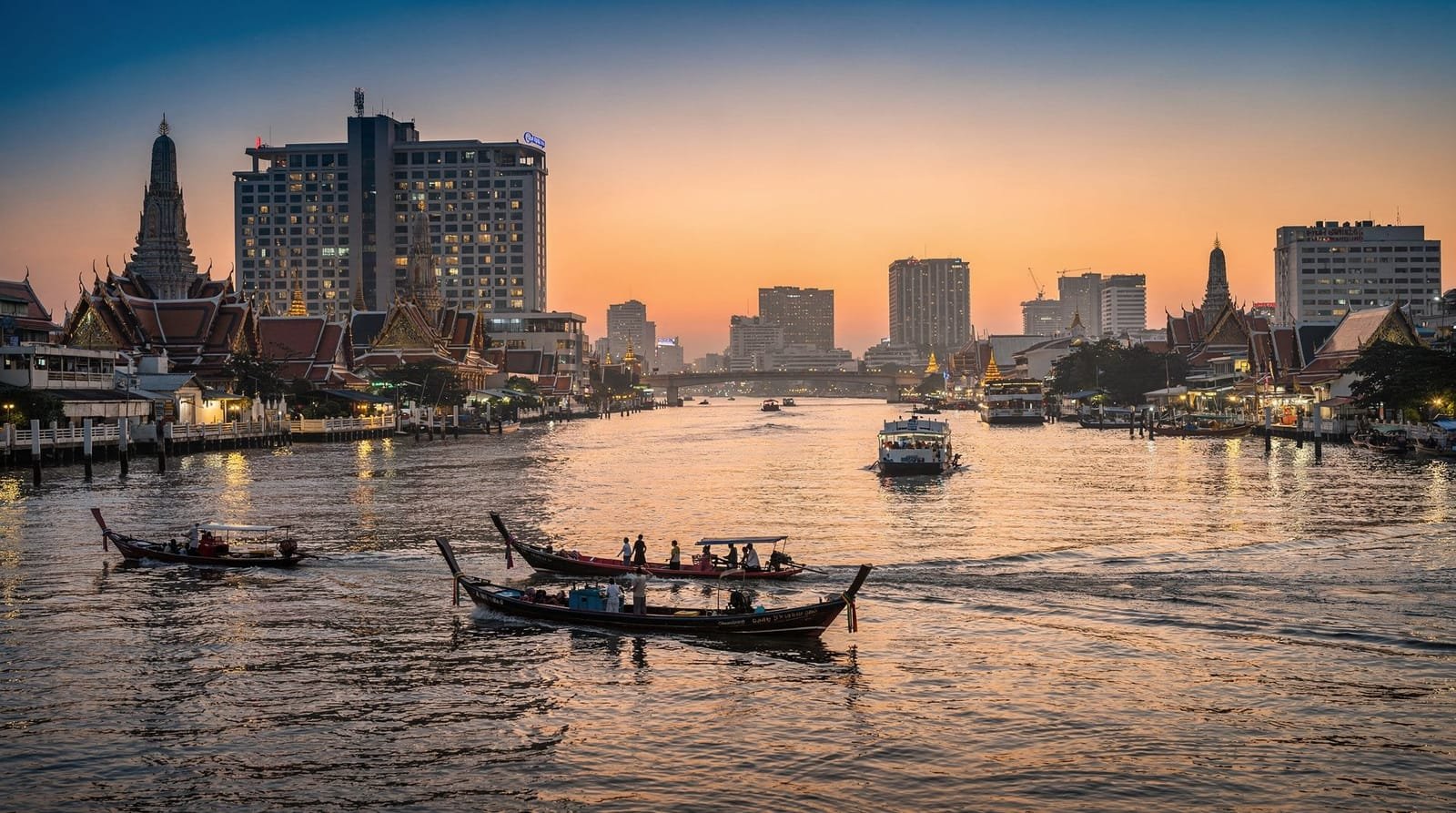
- Wat Arun stands on the west bank of the Chao Phraya River directly across from the Grand Palace, and its distinctive corn-cob-shaped prangs covered in fragments of Chinese porcelain make it unlike any other temple in Bangkok. It's best seen from the river, and particularly beautiful at dusk when the light catches the porcelain mosaic on the central tower. There is a steep staircase leading up the main prang. The climb up is worth it for the river views.
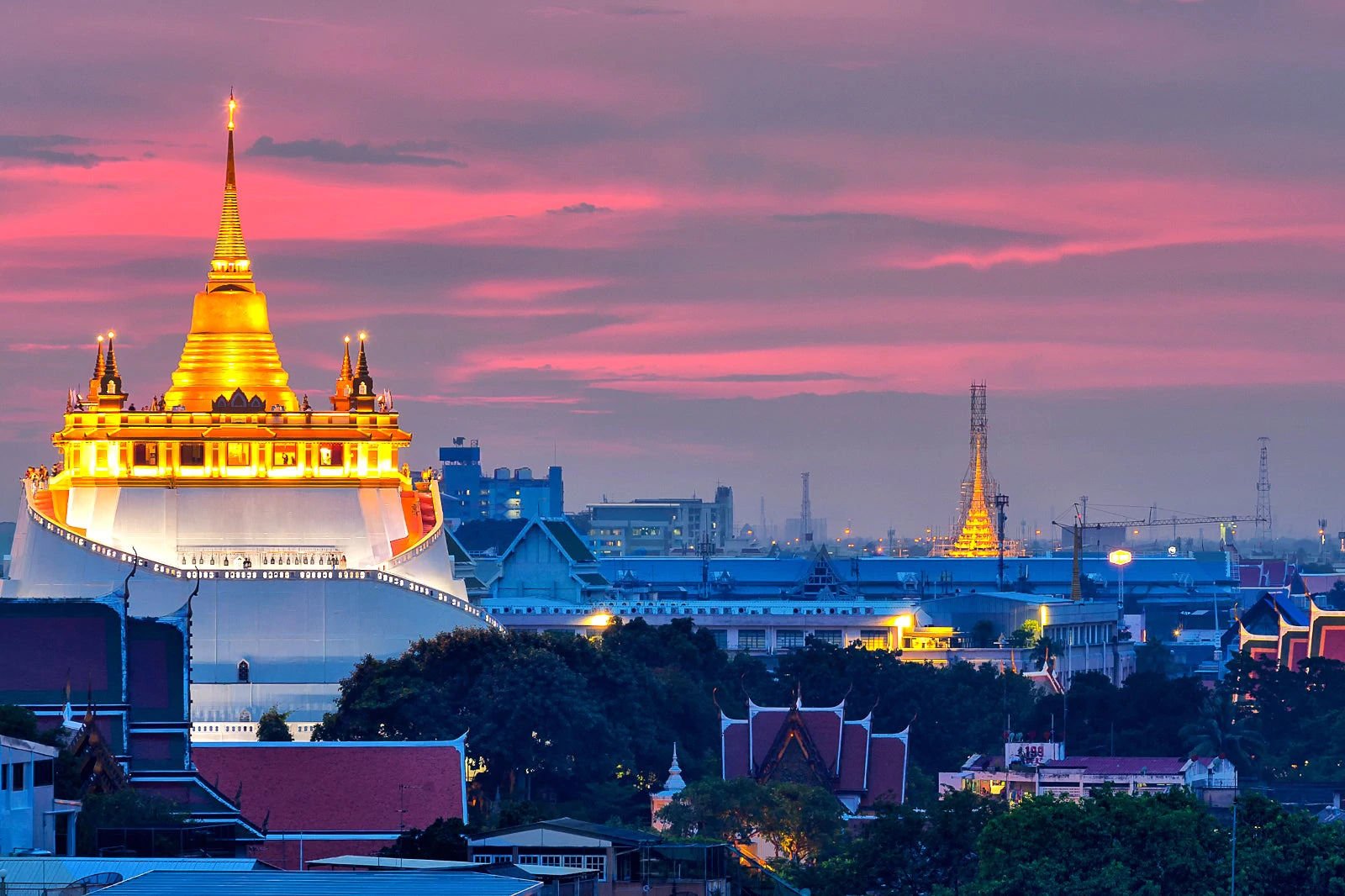
- Wat Saket and the Golden Mount is an 80-metre man-made hill topped with a golden chedi, reached by a staircase winding through bells and trees. The 360-degree view from the top is one of the best in Bangkok, particularly because it is set apart from the skyscraper district and gives a genuine sense of how vast the city is in every direction.
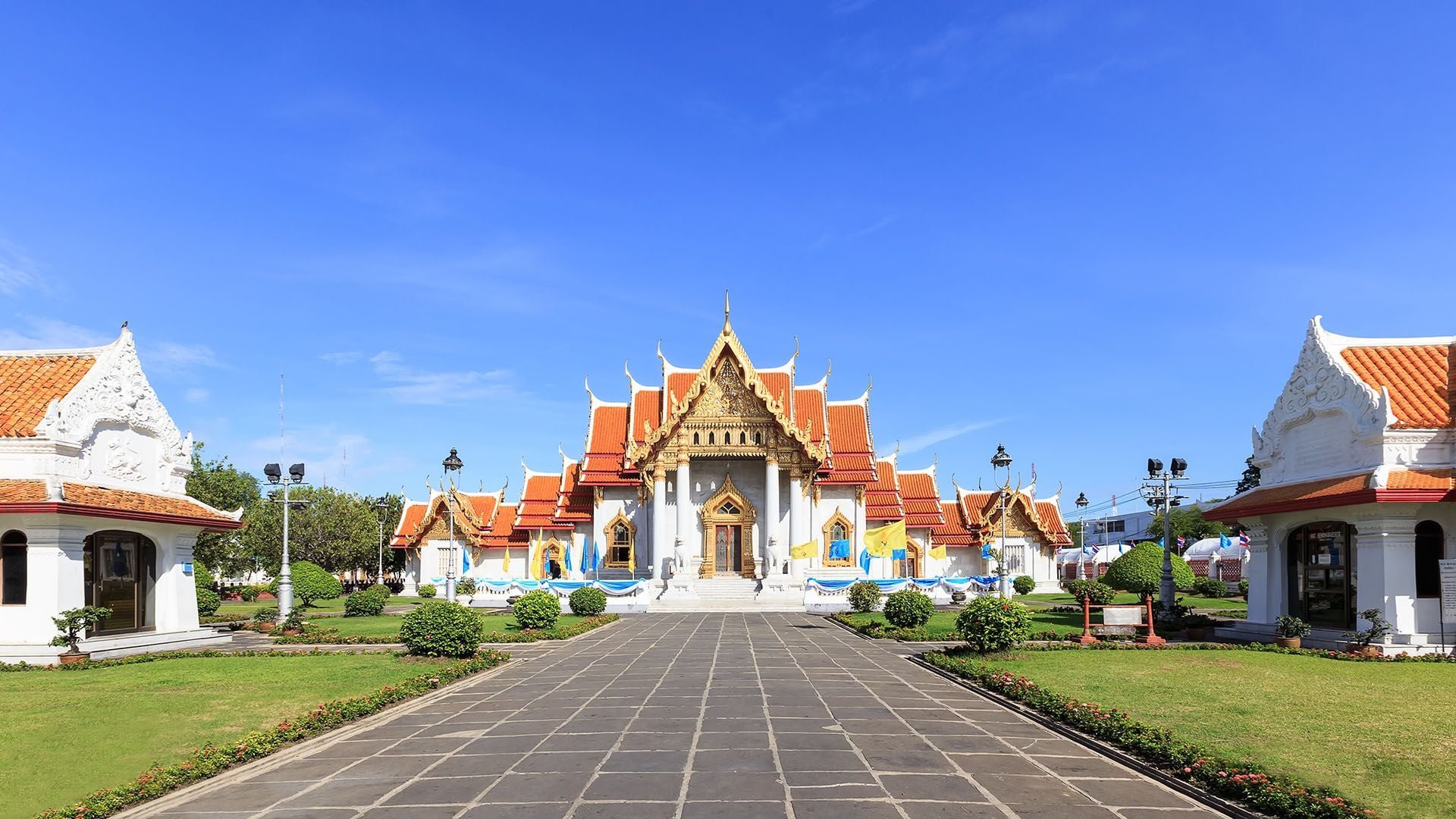
- Wat Benchamabophit (The Marble Temple) is a royal temple built from Italian Carrara marble with a beautiful inner courtyard lined with Buddha images from across Asia. It is quieter than the major tourist temples and arguably the most elegant building in Bangkok.
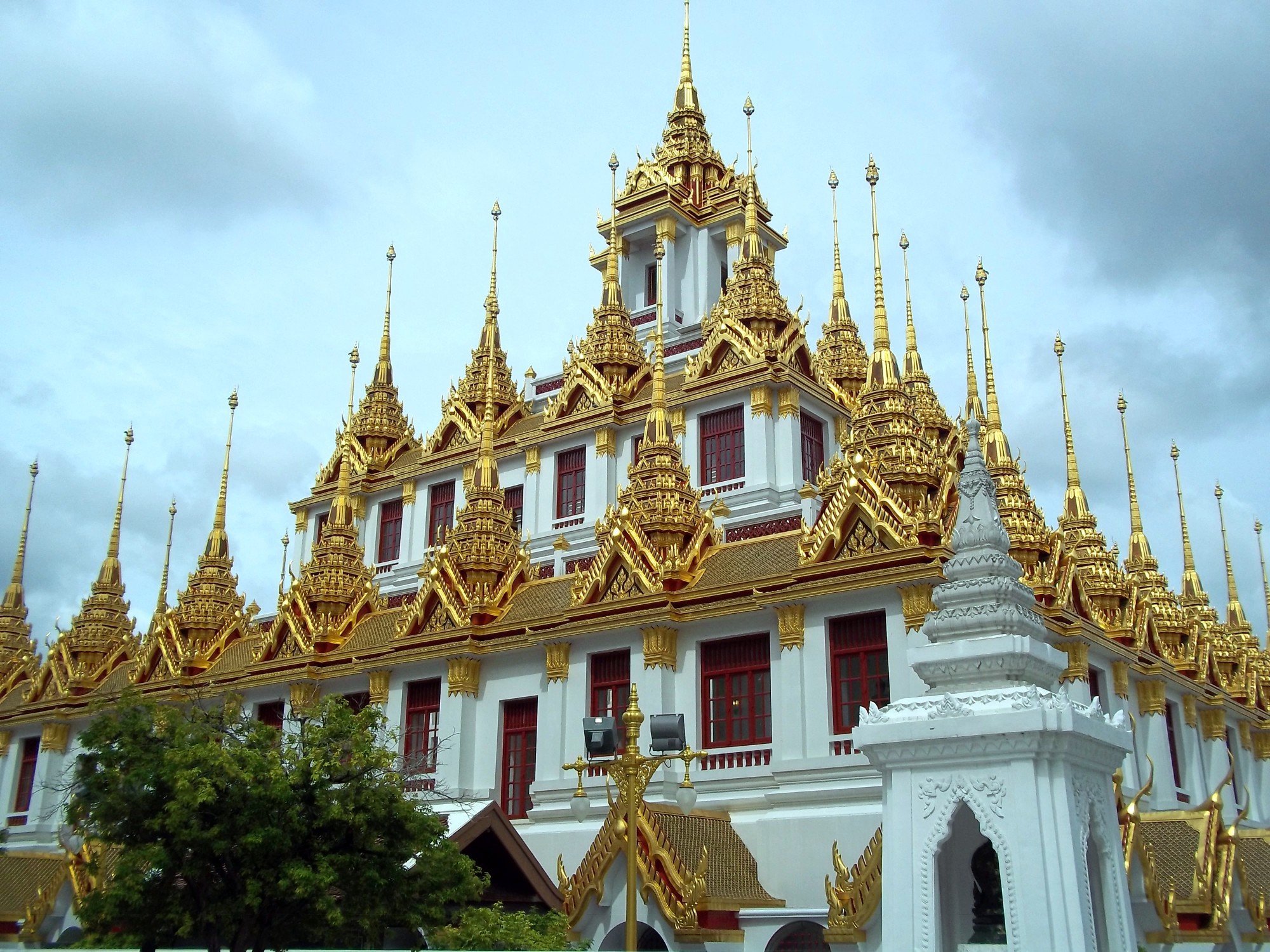
- Wat Ratchanatdaram (Loha Prasat) features 37 golden spires representing Buddhist principles, making it architecturally distinct from any other temple in the country.

Beyond Bangkok’s Temples
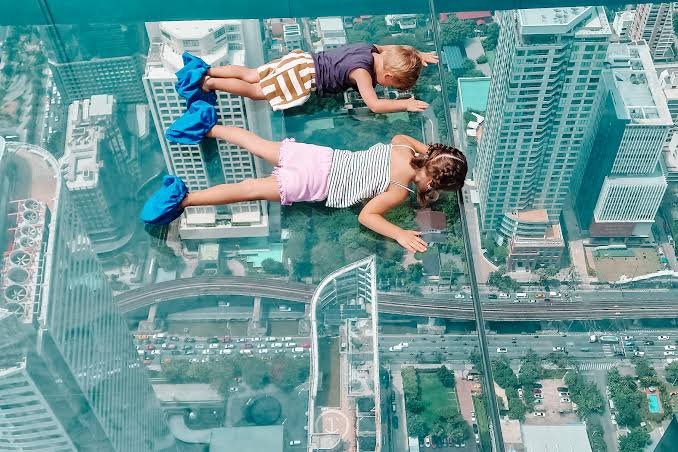
- The Mahanakhon SkyWalk at King Power Mahanakhon Tower is Bangkok's highest observation experience, 310 metres above the city on the 78th floor. The transparent glass floor looking straight down is one of the most disorienting and memorable experiences available in the city. The panoramic view takes in the entire Bangkok basin in every direction.
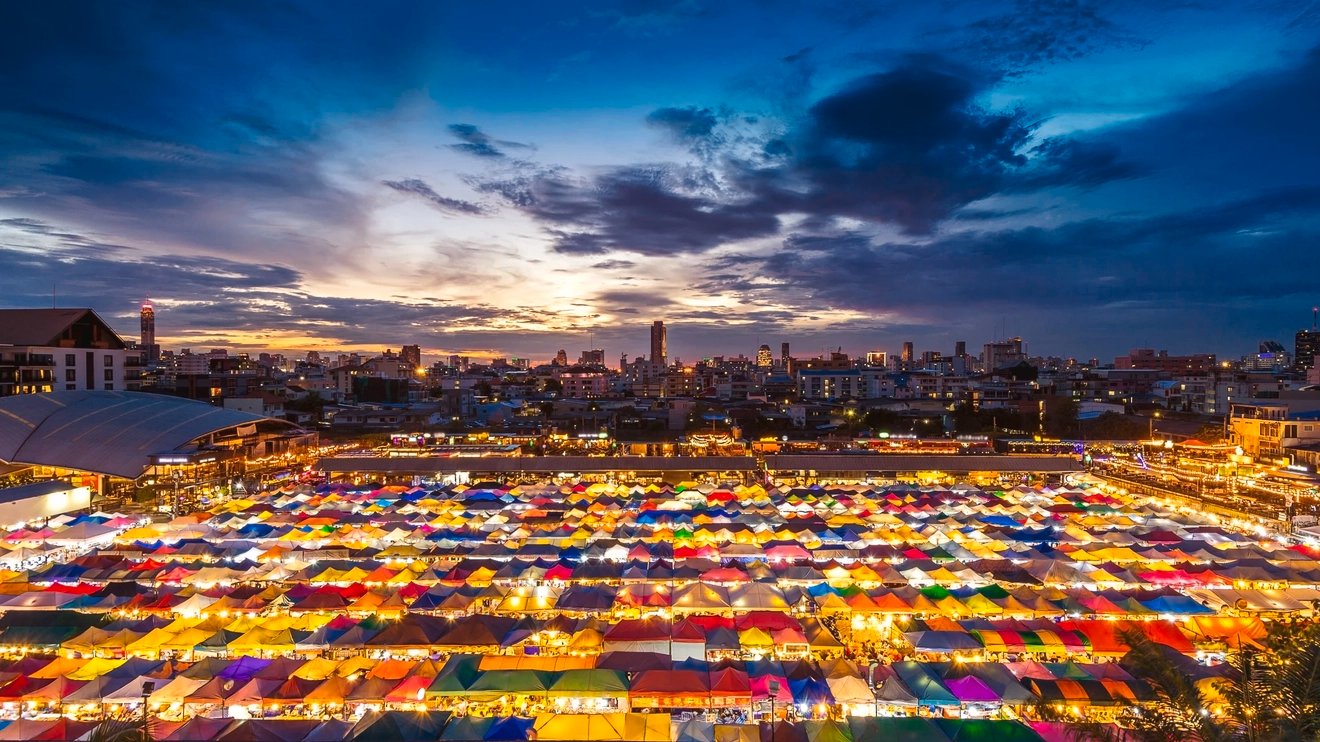
- Chatuchak Weekend Market runs every Saturday and Sunday and is one of the largest markets in the world, with more than 15,000 stalls spread across a dedicated park in northern Bangkok. Clothing, ceramics, crafts, food, plants, vintage items, antiques, and almost everything else are organised by section. A full morning is the minimum; a full day is better. The pet section exists, but is worth skipping for anyone who finds captive animals distressing.
- Chinatown (Yaowarat) is one of the largest Chinatowns in the world, best experienced on foot along Yaowarat Road and its surrounding lanes. Gold shops, Chinese temples, medicinal herb stalls, and an extraordinary density of street food vendors make this one of the most sensory neighbourhoods in the city. Go at night when the food stalls open in full force, and the red lanterns light up the main street.
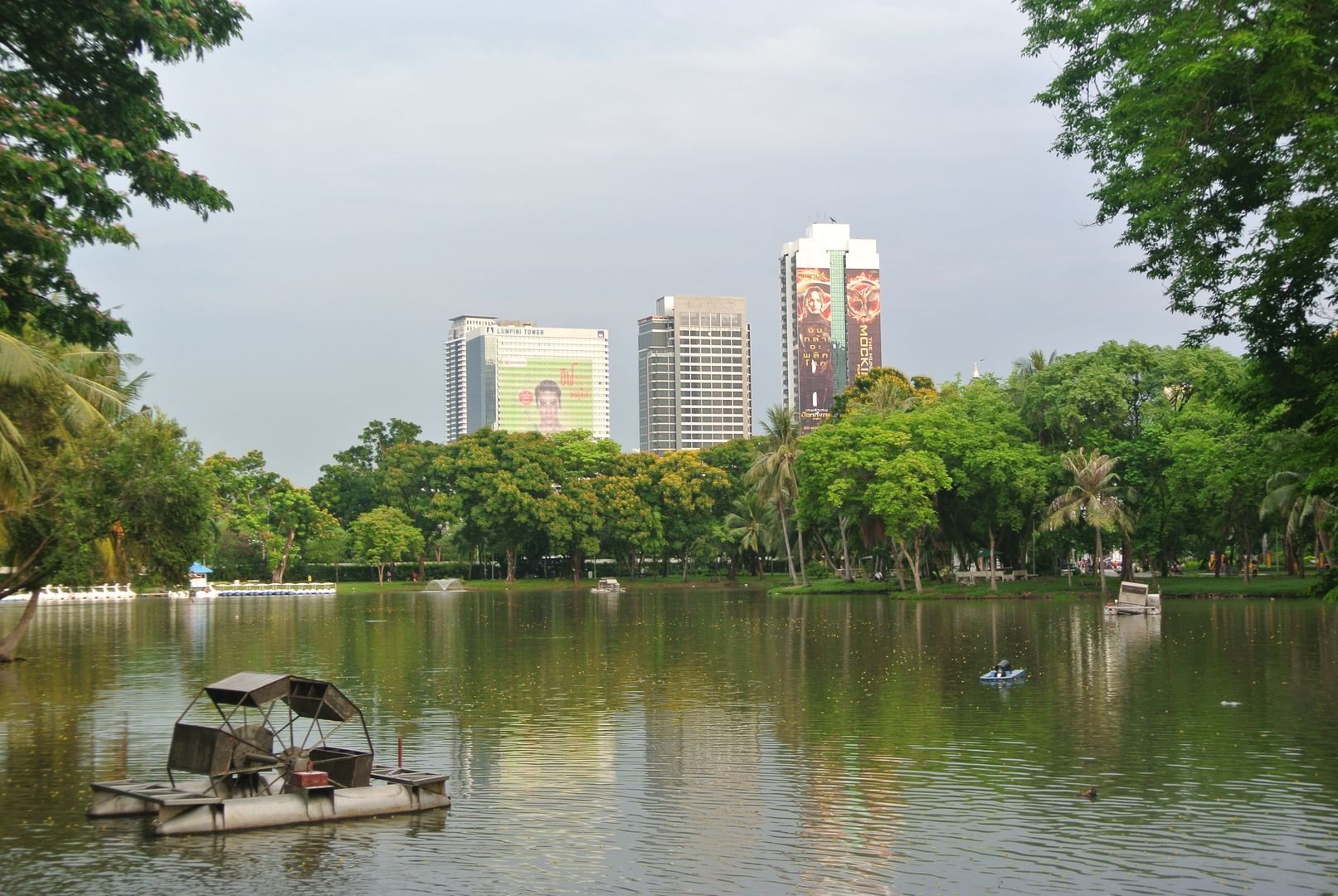
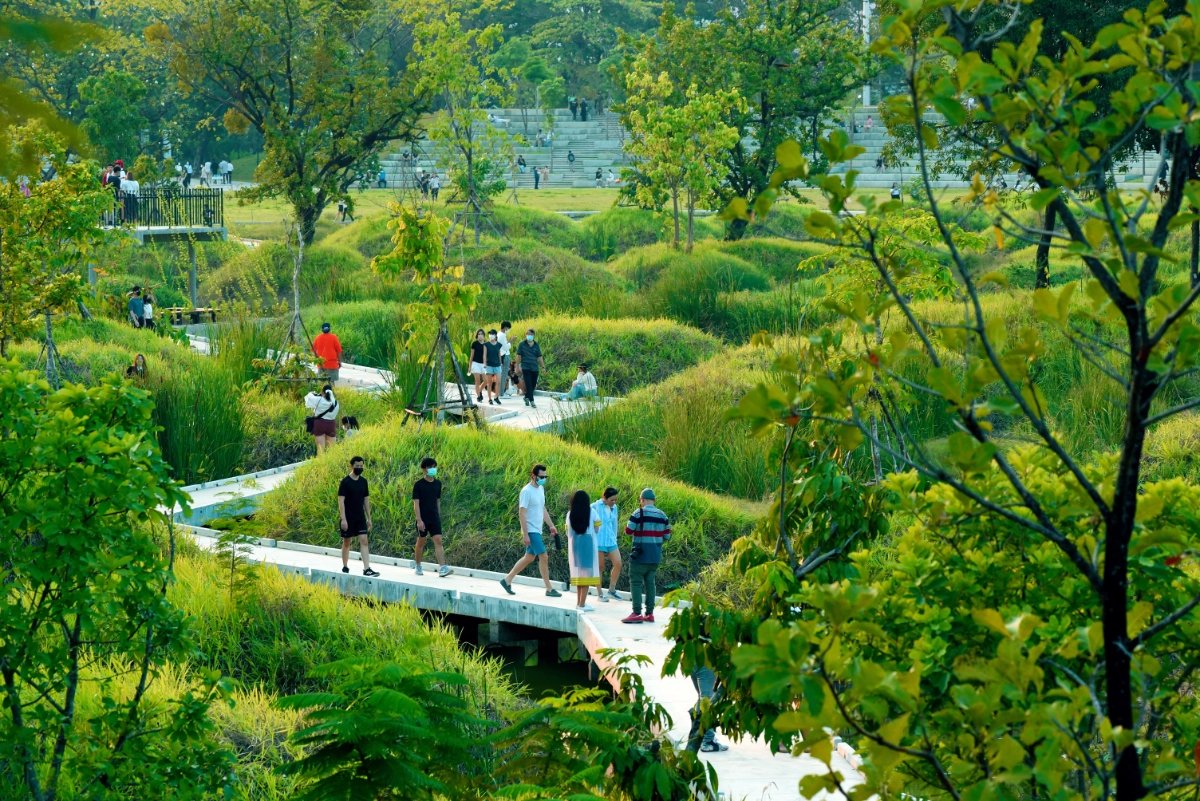
- Lumpini Park and Benjakitti Forest Park are the two main green spaces in central Bangkok. Lumpini is the classic city park with a lake, jogging tracks, and monitor lizards wandering freely (they are genuinely large and genuinely unbothered by humans). Benjakitti Forest Park opened in 2022 and is the more impressive of the two, with elevated wetland boardwalks surrounded by rare plants and city skyline views that make for one of Bangkok's most unusual sights.
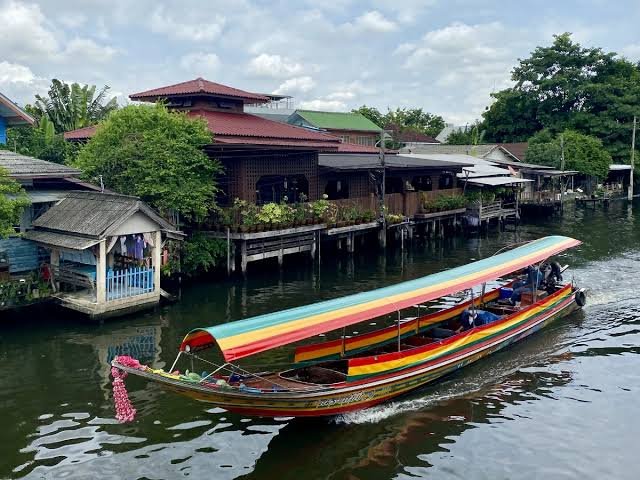
- The Chao Phraya River deserves more deliberate attention than most visitors give it. The river connects old Bangkok to new Bangkok, runs past most of the major temples, and is best experienced on the public express boat or on a traditional long-tail boat exploring the smaller canals (khlongs) that branch off it. The Thonburi side of the river, accessible by ferry, is quieter and more traditional and rewards anyone willing to cross the water.
- Khao San Road is loud, chaotic, lined with bars and food stalls and travel agencies and people selling everything from fake student ID cards to pad thai, and should be experienced at least once. It is not the most charming street in Bangkok, but it is one of the most alive.
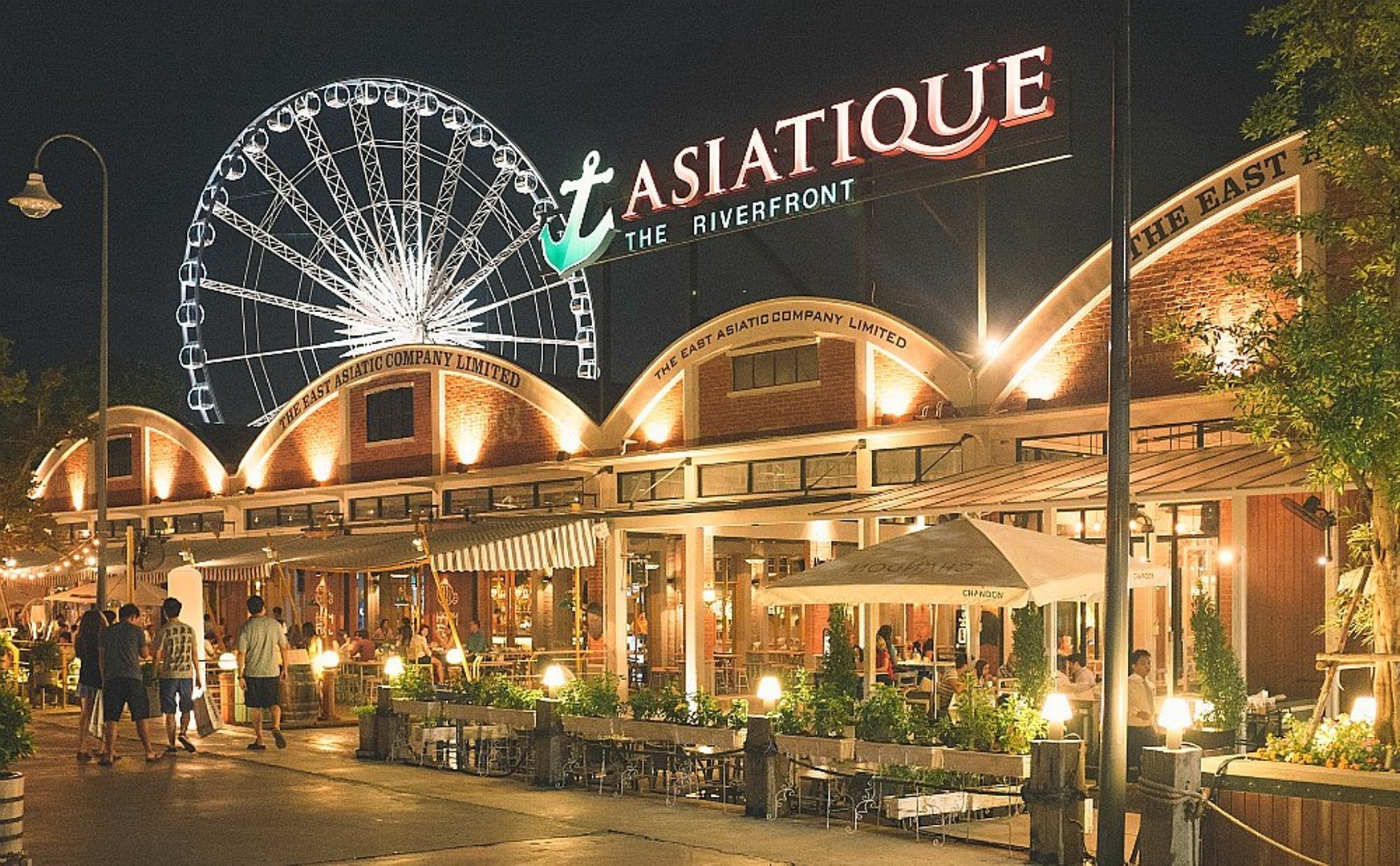
- Asiatique The Riverfront is a large open-air shopping and dining complex on the Chao Phraya River, accessible by a free ferry from the Saphan Taksin pier. It is a pleasant evening destination with a Ferris wheel, restaurants, and live entertainment, particularly good for families.
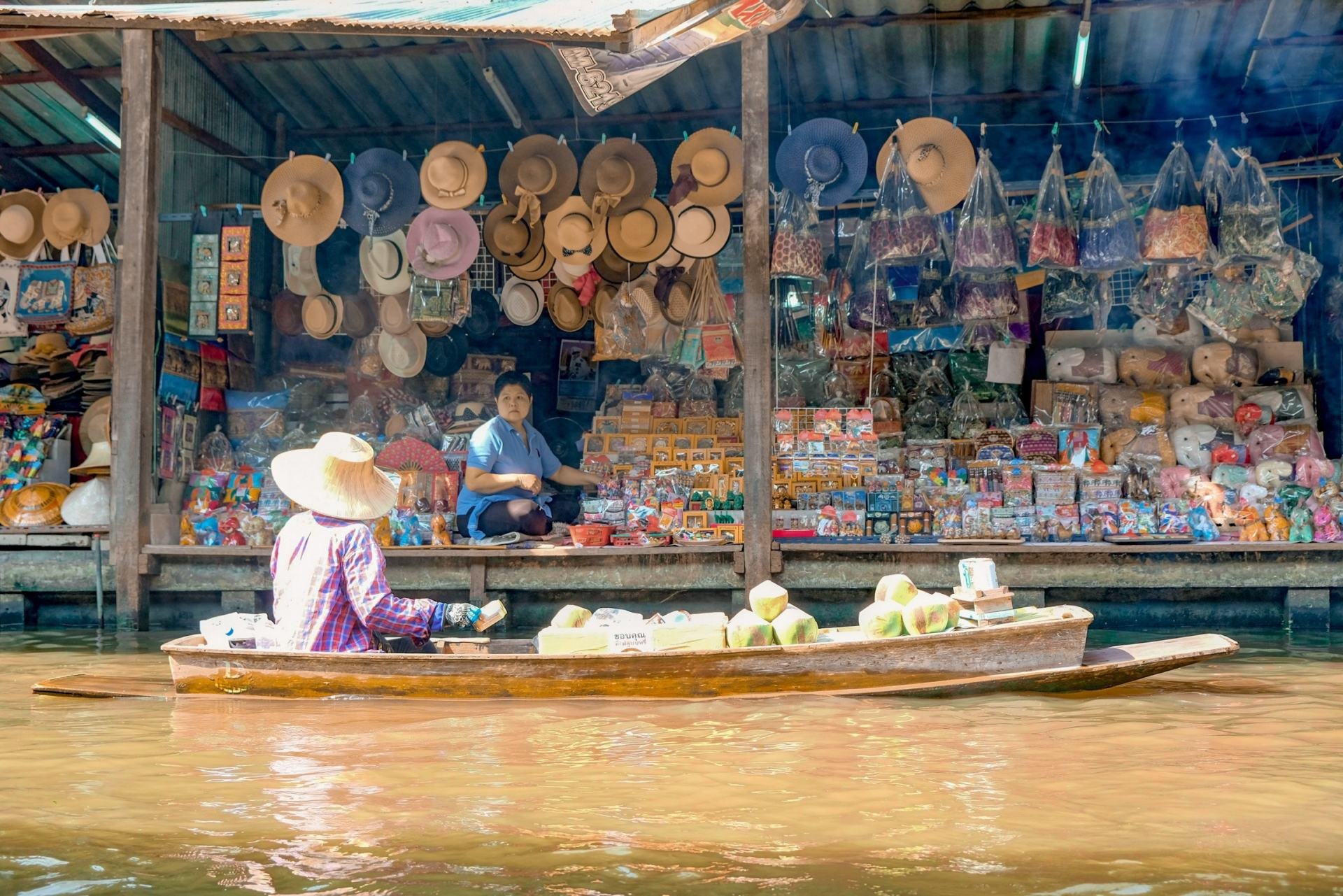
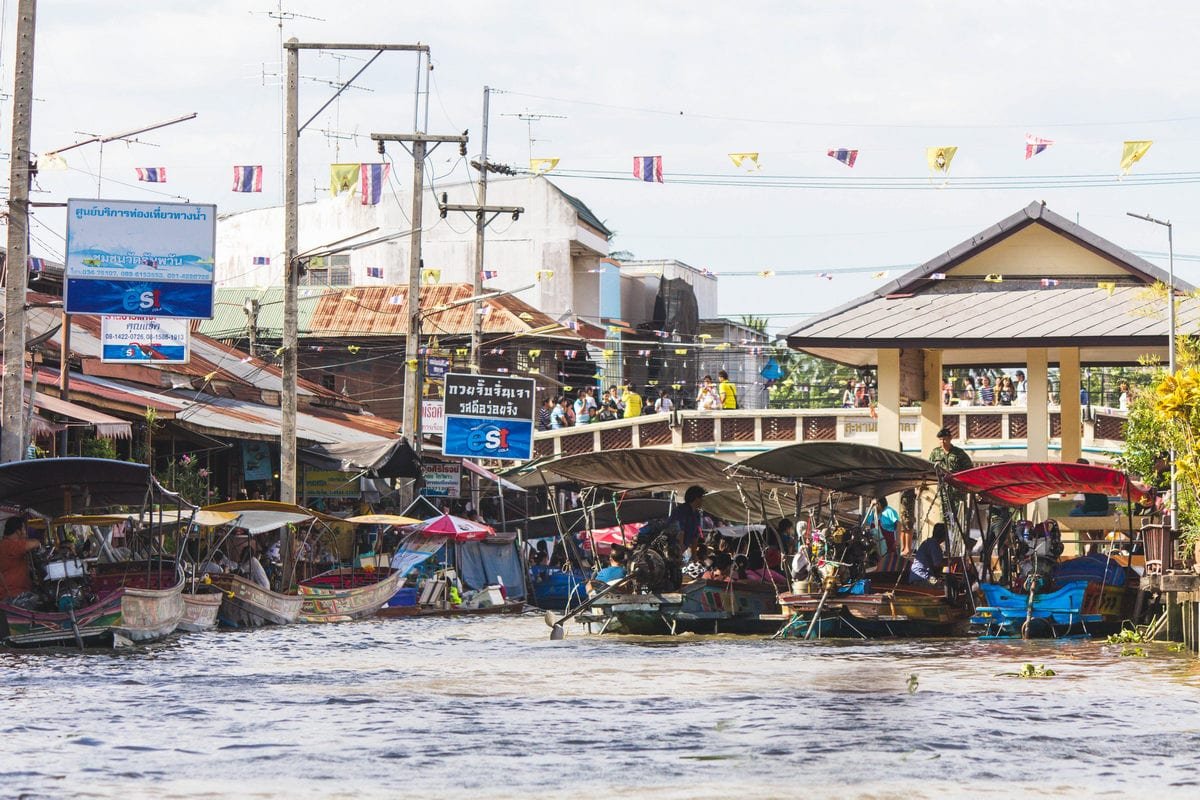
- Floating markets near Bangkok include the Damnoen Saduak Floating Market (the most famous and most tourist-oriented) and the Amphawa Floating Market (more authentically local, open on weekends). Both are around 80 to 100 km from Bangkok and best done as day trips.


Popular Attractions in Bangkok

- Madame Tussauds Bangkok at Siam Discovery Centre houses wax figures across multiple themed zones covering global entertainment icons, world leaders, and Thai cultural figures. It’s a fun addition for families or anyone who enjoys the format.
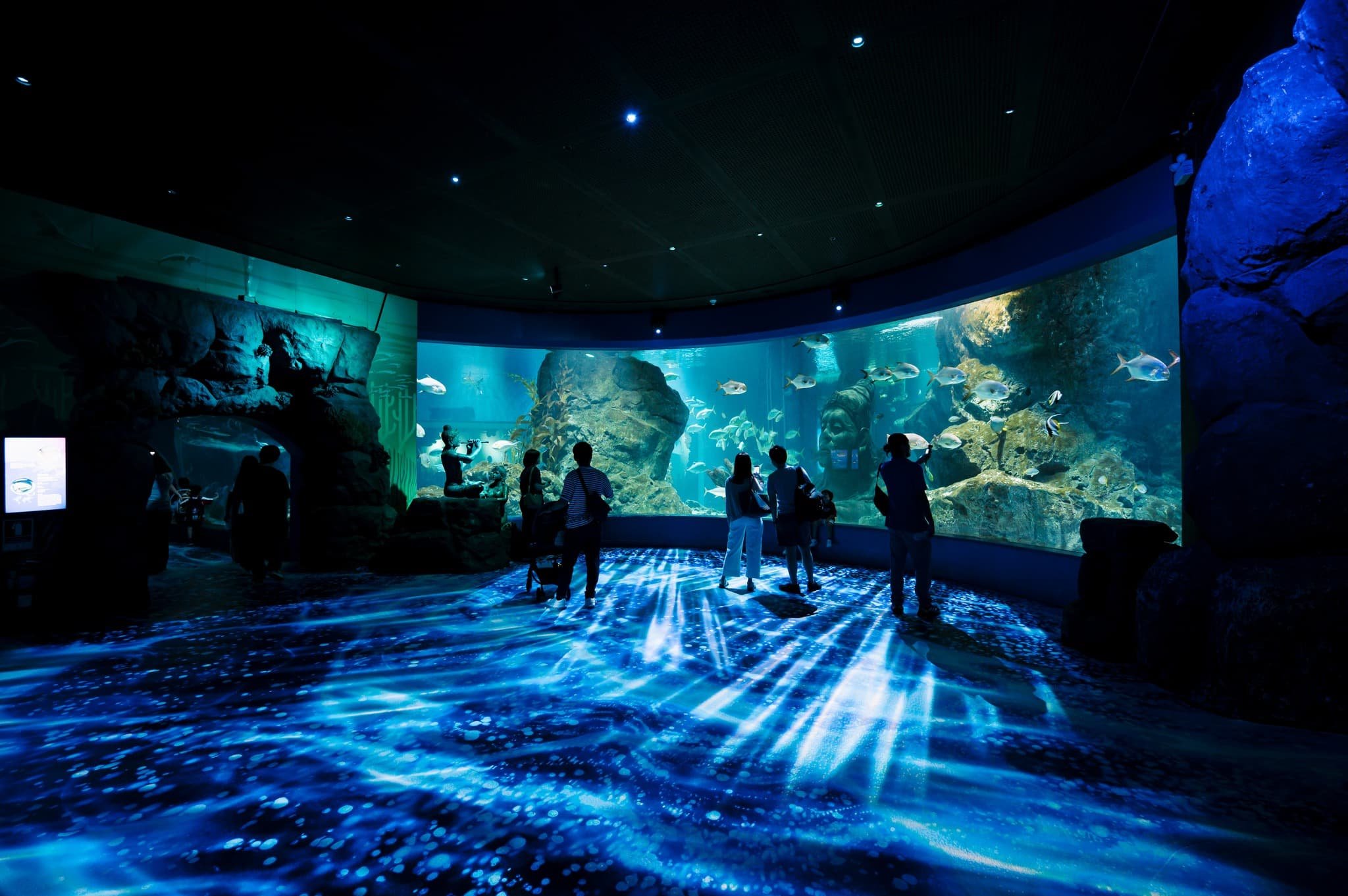
- SEA LIFE Bangkok Ocean World, beneath Siam Paragon mall, is one of the largest aquariums in Southeast Asia, with a two-storey oceanarium, a glass-bottom boat ride, and a shark walk tunnel. Over 30,000 marine creatures across more than 400 species. The dive with sharks experience is available for certified divers and as a supervised experience for non-divers.
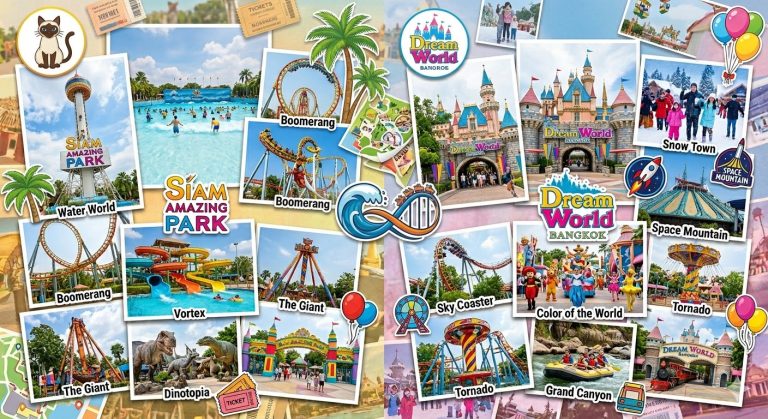
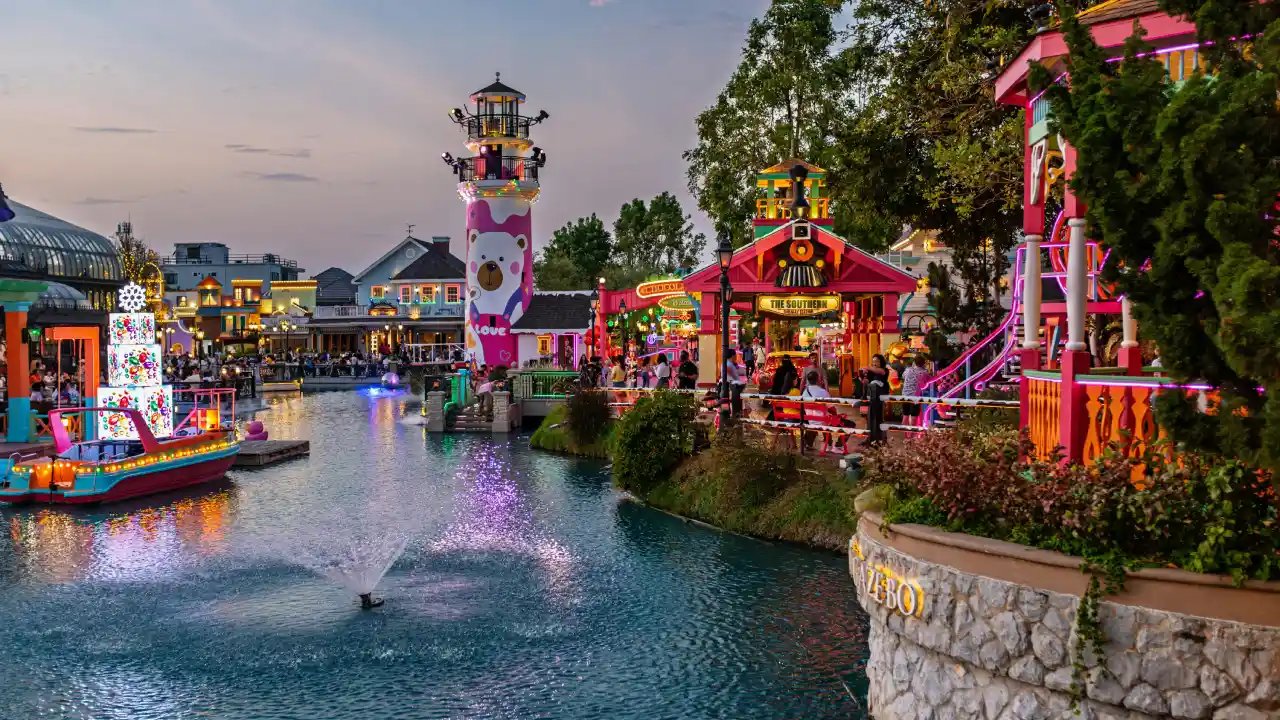
- Dream World Bangkok is a theme park in the northern suburbs of Bangkok with a fantasy castle, roller coasters, a snow town, and a variety of rides suited to families and younger visitors.
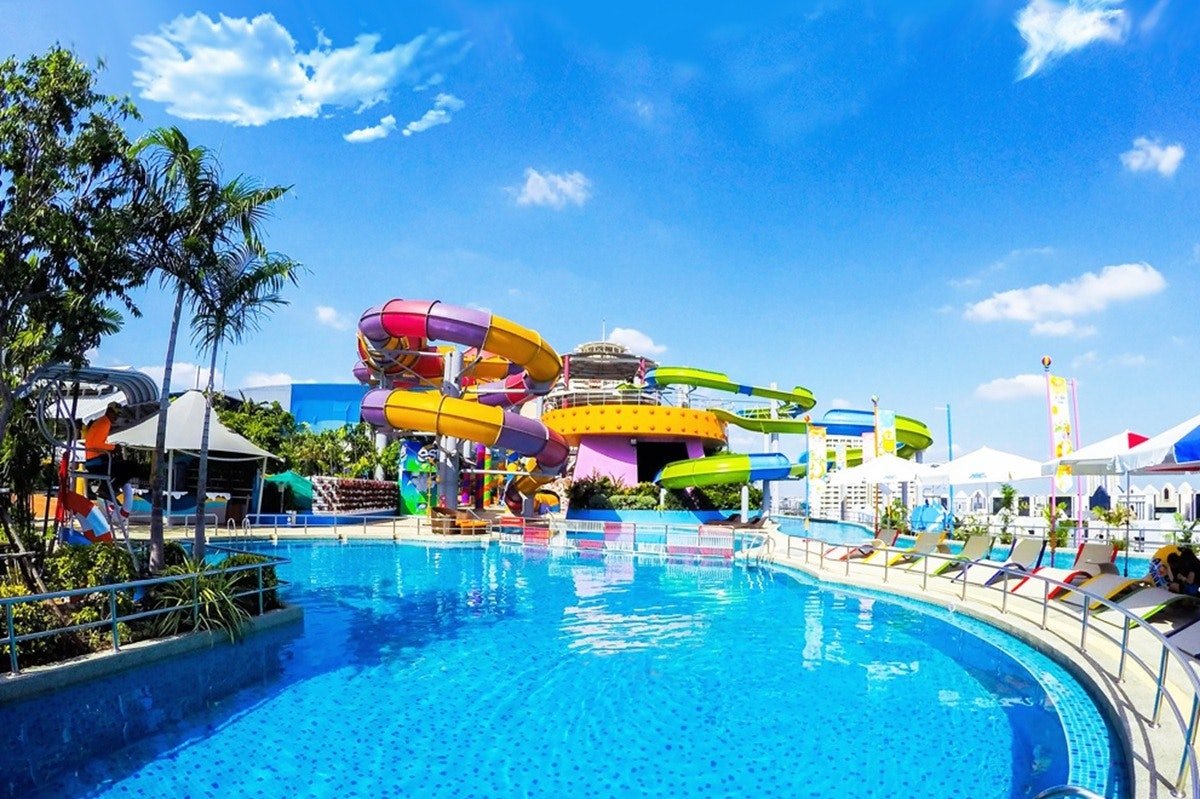
- Pororo AquaPark Bangkok is a water park themed around the Korean animated character Pororo, with slides, pools, and water play zones particularly well-suited to children under 12.
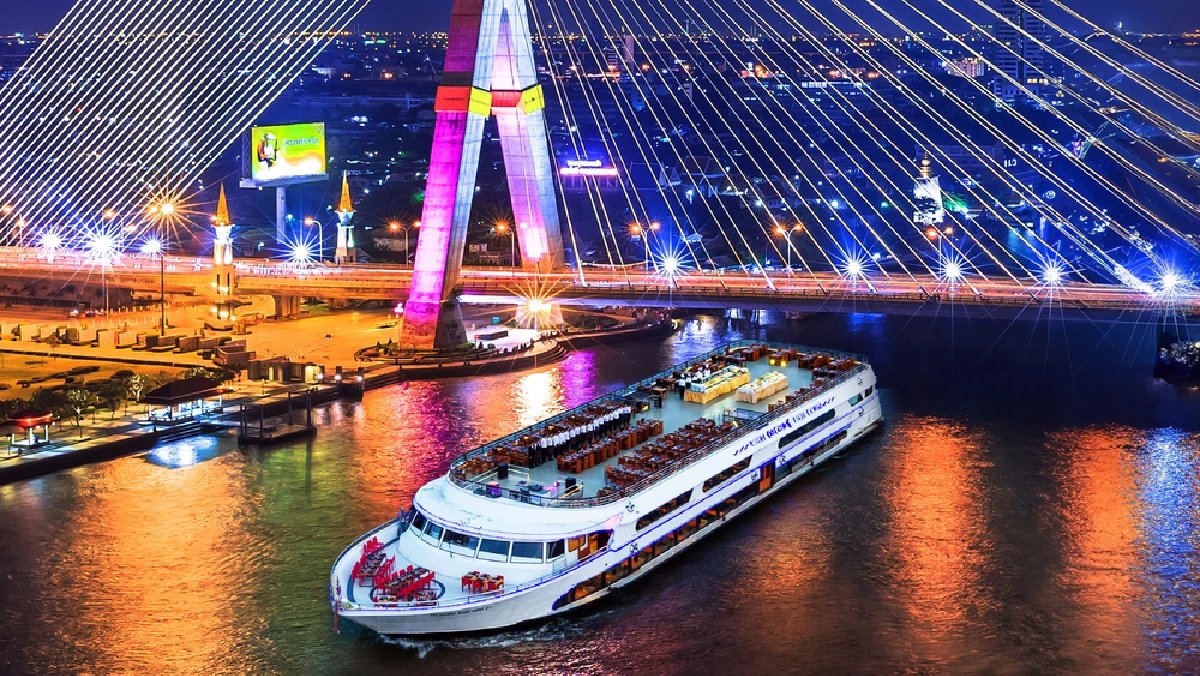
- White Orchid Chao Phraya Dinner Cruise is a river cruise running nightly on the Chao Phraya River with a dinner buffet and cultural performances aboard a decorated traditional boat. The views of illuminated temples, including Wat Arun from the water, are genuinely spectacular.
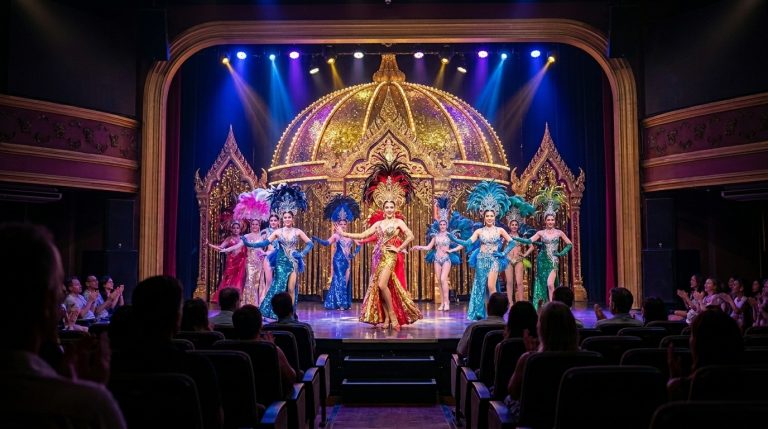
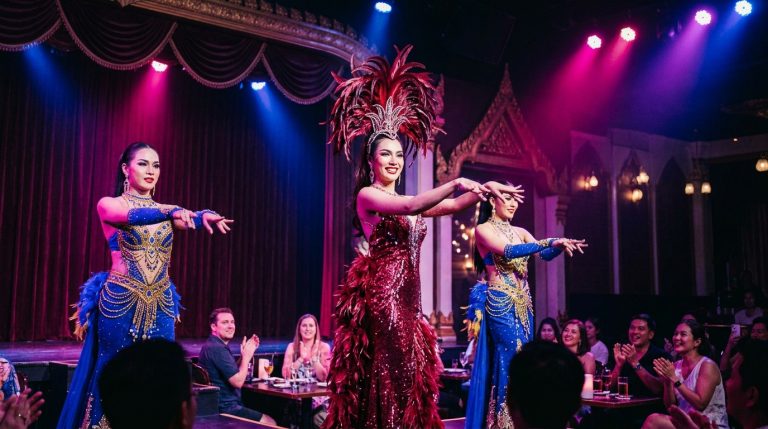
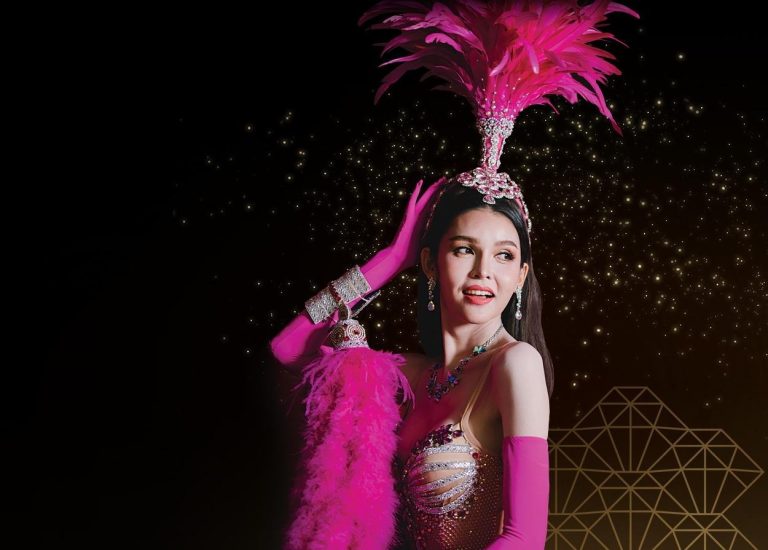
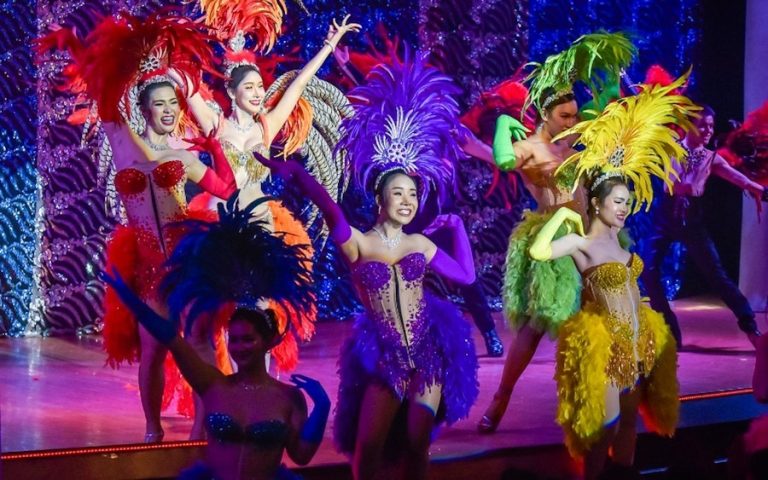
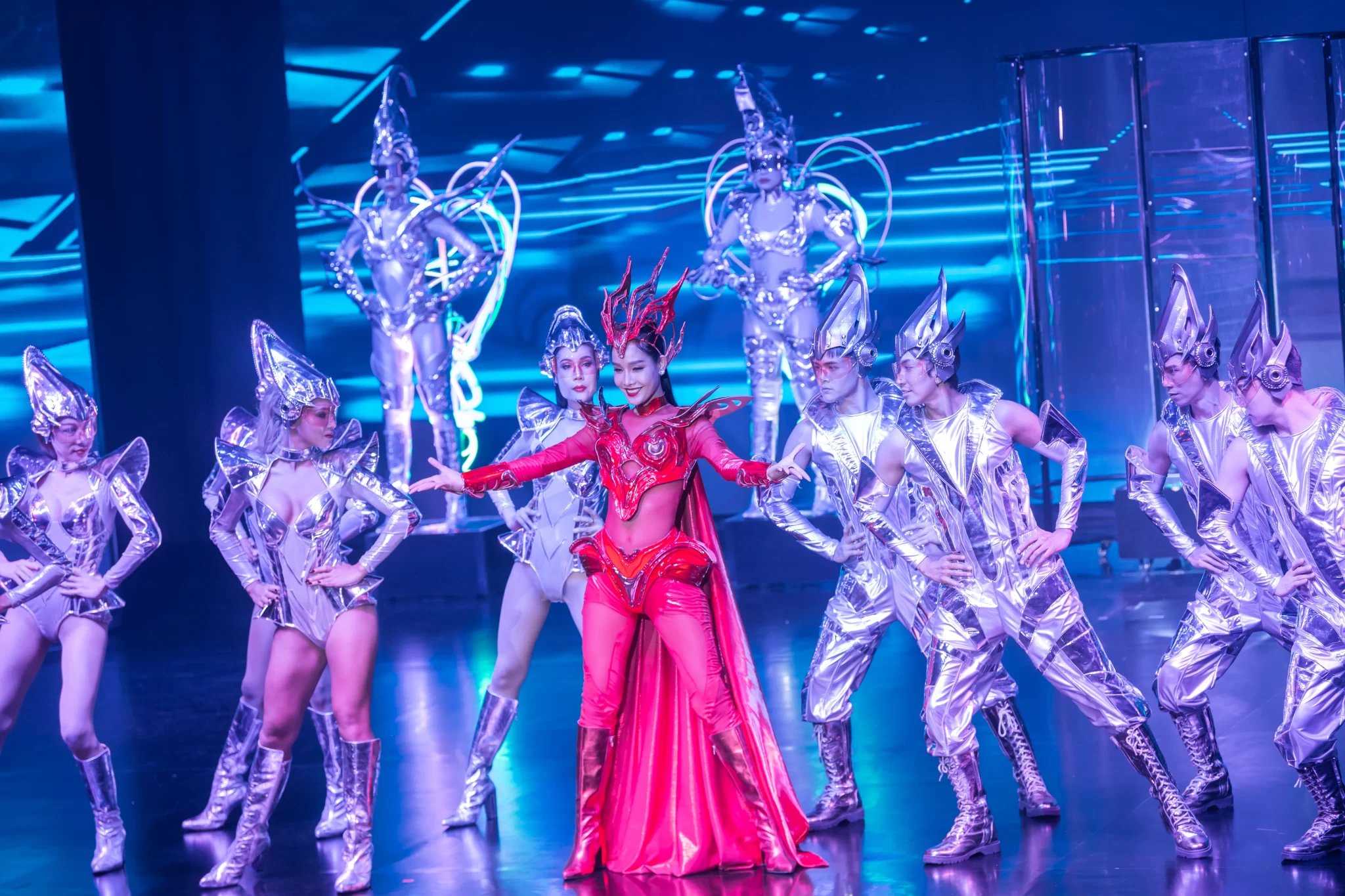
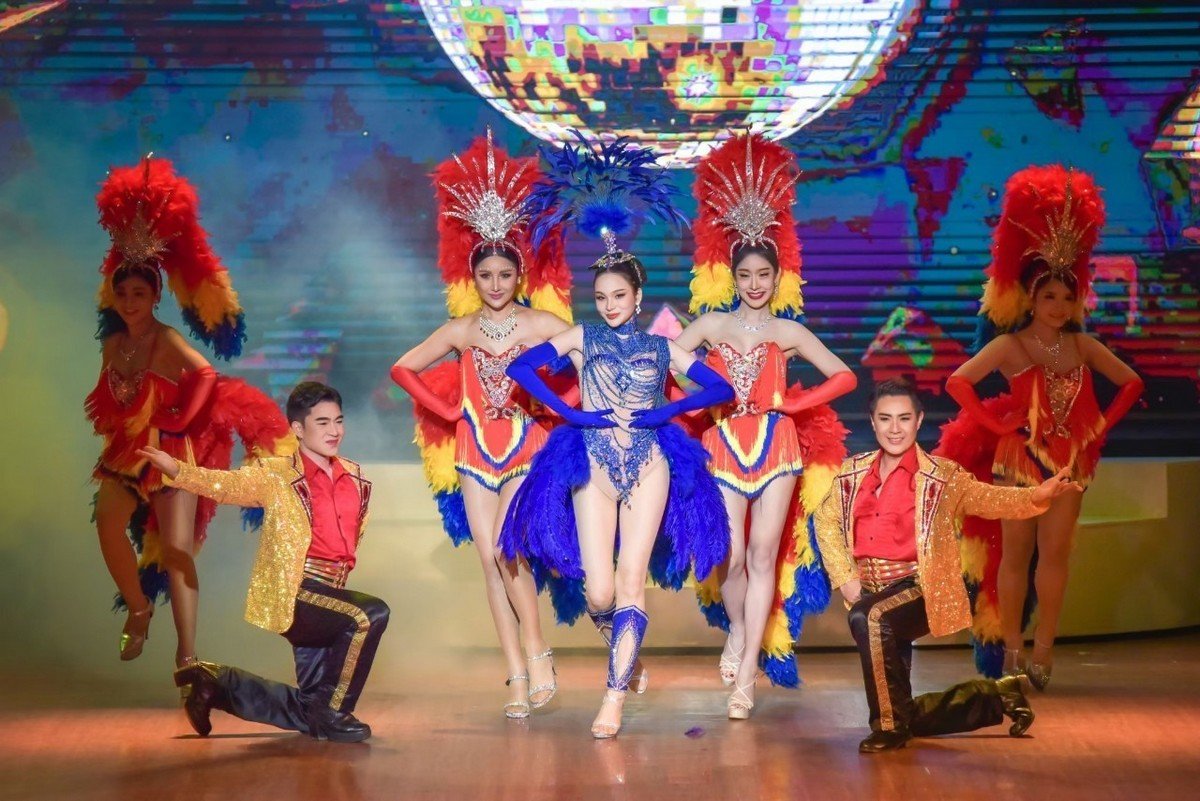
- Calypso Cabaret Show is one of Bangkok's most celebrated cabaret performances, a long-running show featuring elaborately costumed performers in a purpose-built theatre in Asiatique. It is one of the most polished entertainment productions in the city.
- The Golden Dome Cabaret Show is another acclaimed Bangkok cabaret experience, with elaborate costumes, high-production choreography, and a stage show format that draws large local and international audiences.
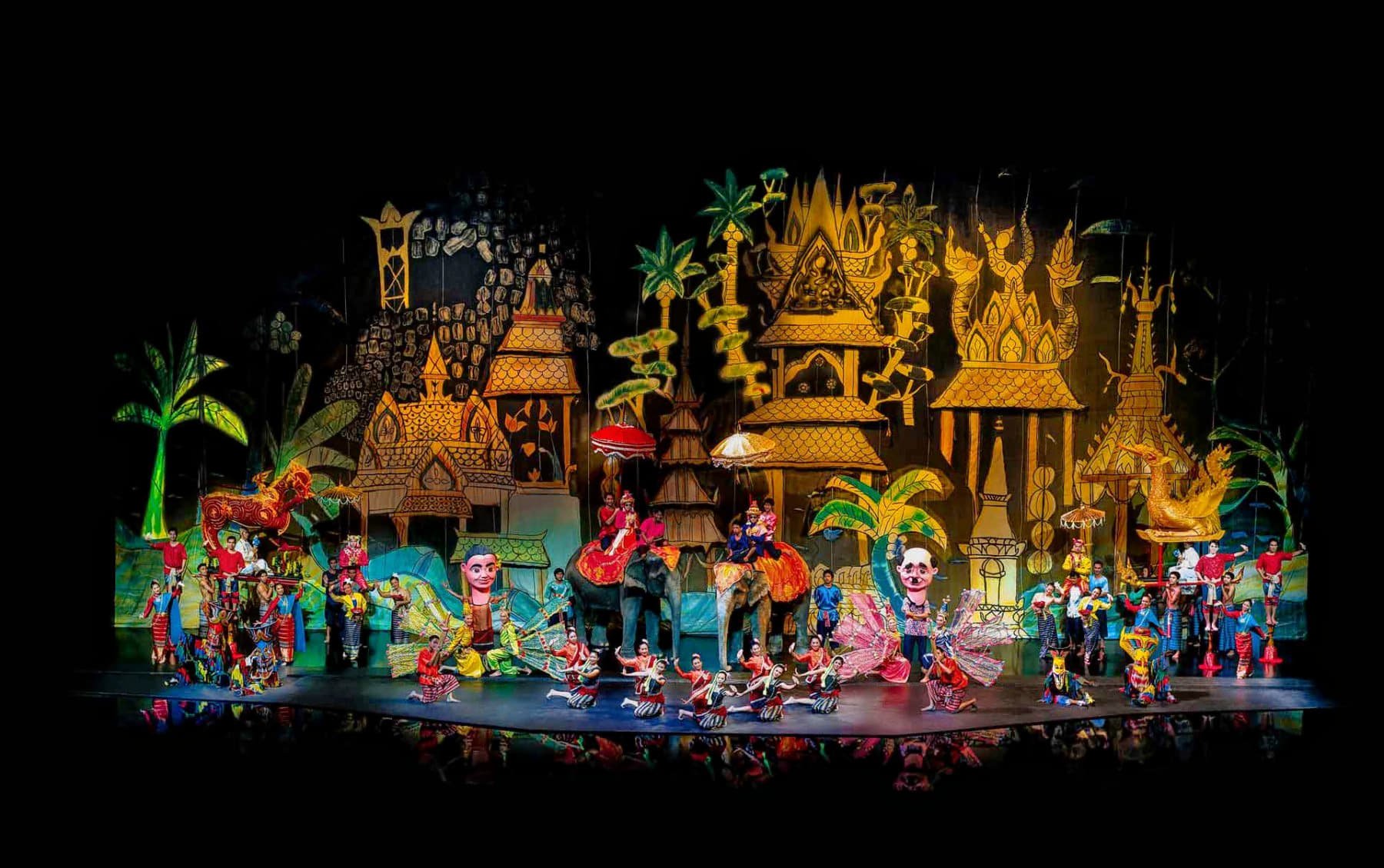
- Siam Niramit Night Show is a large-scale theatrical production depicting Thai cultural history and mythology, with aerial performances, elaborate sets, and a cast of hundreds.
- Bangkok Canal Tours by Longtail Boat explore the Thonburi canal network on the west bank of the Chao Phraya, passing through communities, floating markets, orchid farms, and temples that are unreachable by road. It is one of the most genuine and memorable ways to see a side of Bangkok that most visitors miss entirely.
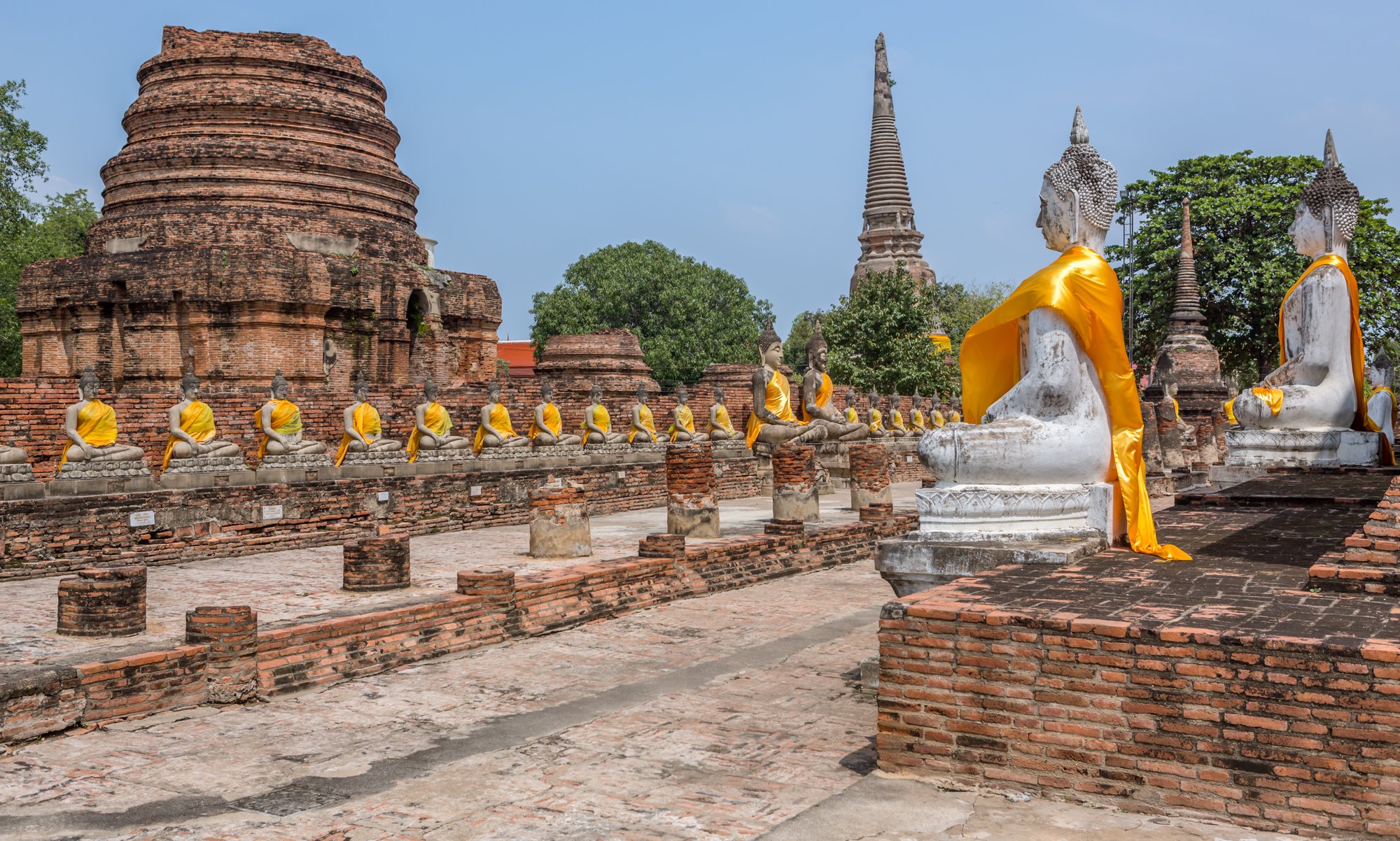
- Ayutthaya Temple Tours from Bangkok cover the ancient capital of Siam, a UNESCO World Heritage Site 80 km north of Bangkok, in a guided day trip format that visits the most significant temple ruins, including Wat Mahathat (famous for the Buddha head entwined in a banyan tree's roots) and Wat Phra Si Sanphet.
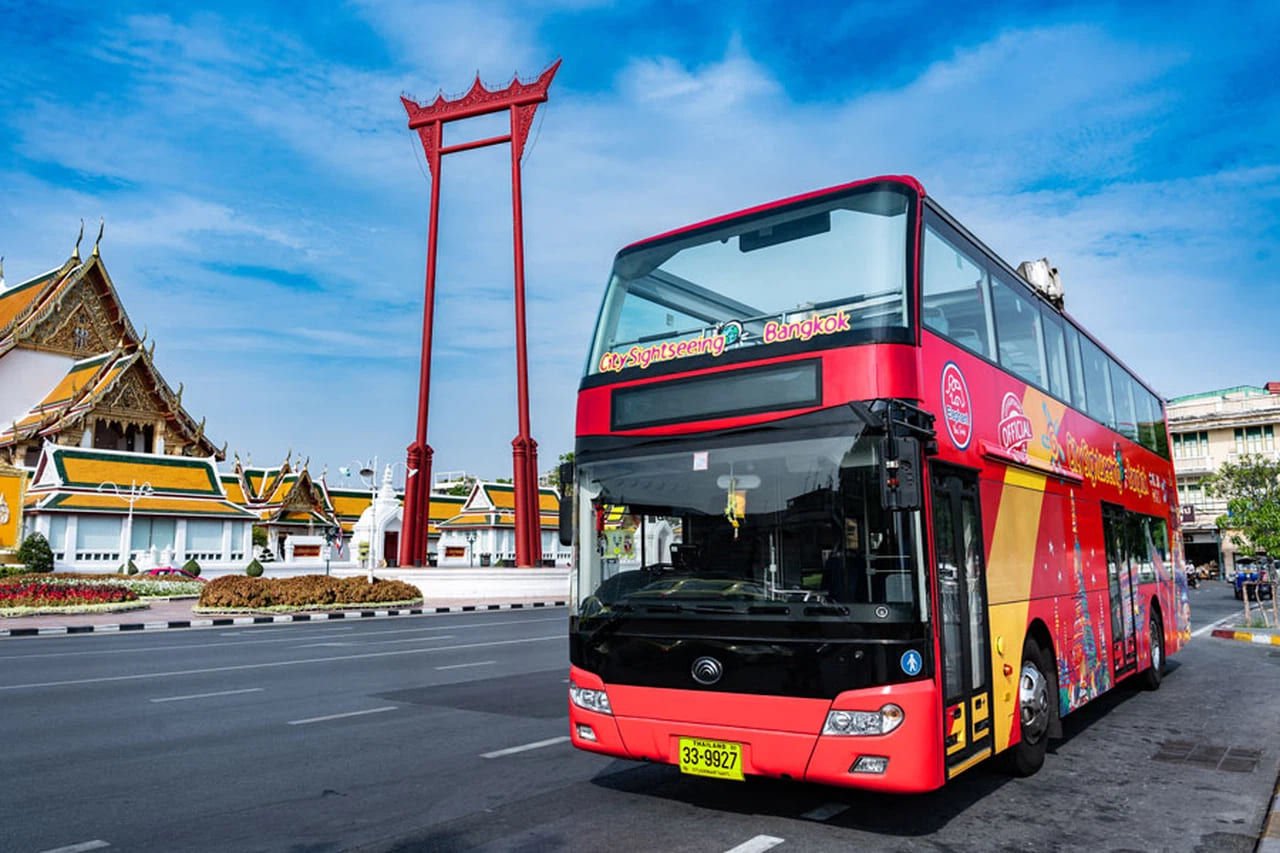
- Hop-On Hop-Off Bangkok runs double-decker bus tours on routes covering the city's major landmarks, with live and recorded commentary and unlimited boarding throughout the day. It’s a practical orientation tool for first-time visitors.
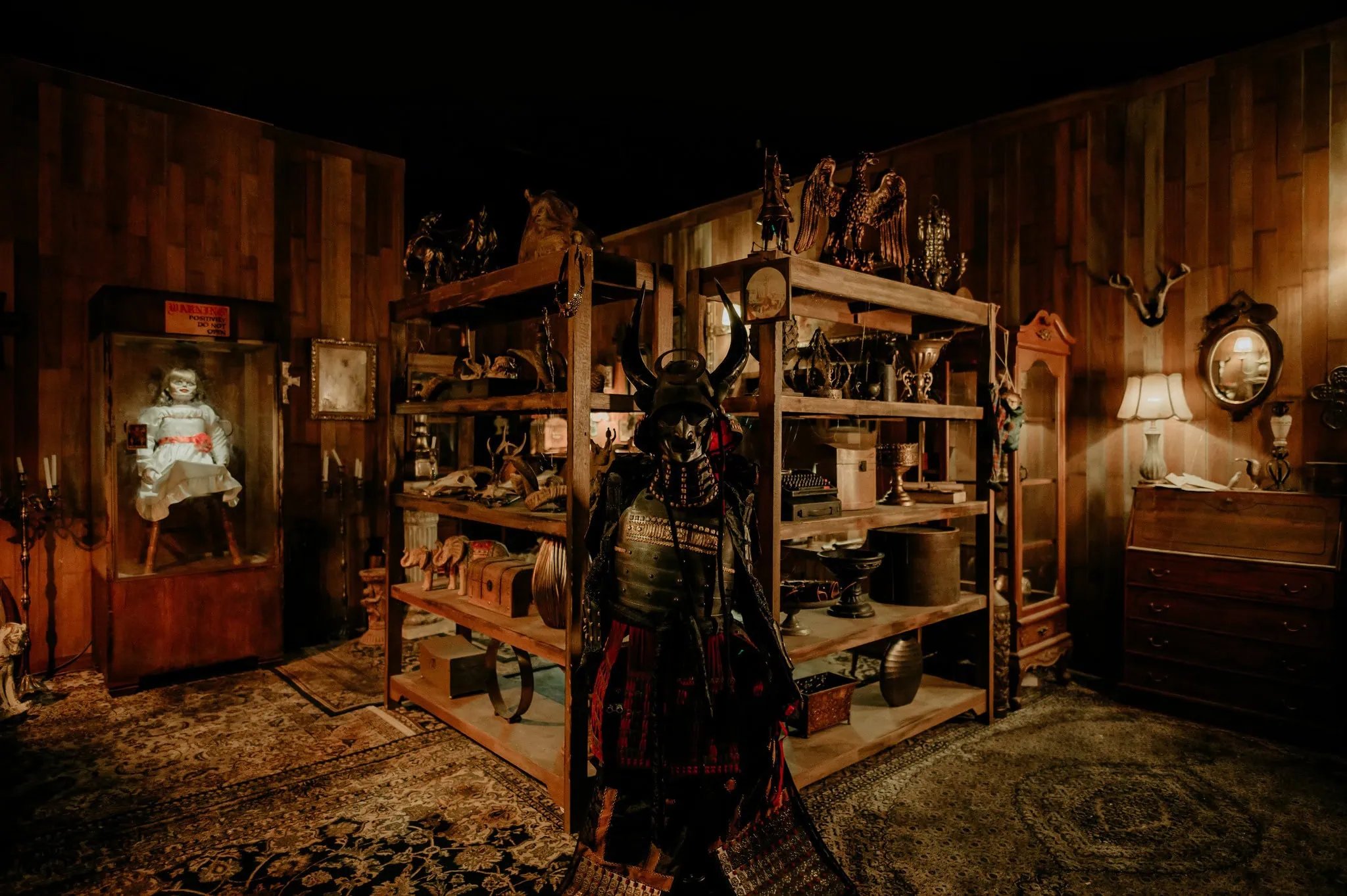
- The Conjuring Universe Tour Bangkok is a horror-themed immersive experience for fans of the film franchise, combining theatrical environments and storytelling in a dedicated venue.
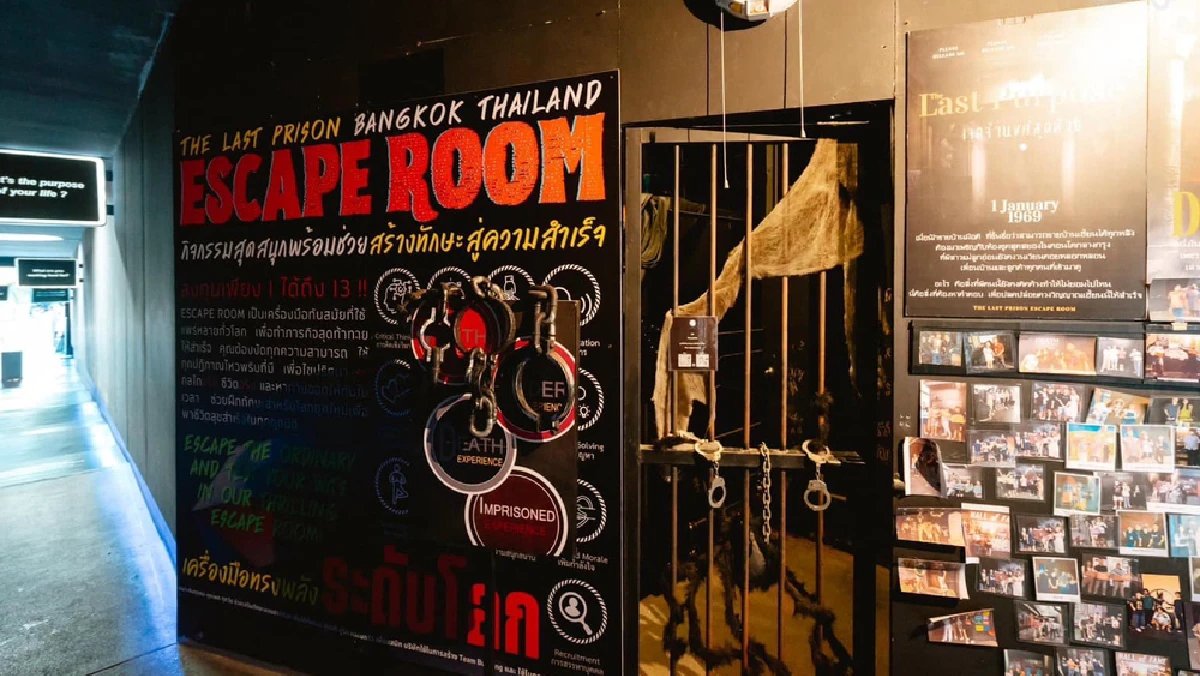
- Escape Rooms are available across multiple venues for groups looking for interactive puzzle-solving entertainment.


Day Trips Worth Taking
- Ayutthaya is the most rewarding day trip from Bangkok, with the ancient capital of the Kingdom of Siam, a UNESCO World Heritage Site located 80 km north, reached in about 90 minutes by train from Hua Lamphong or Ayutthaya stations. The temple ruins, including the famous Buddha head encased in a banyan tree's roots at Wat Mahathat, are extraordinary and best explored by hiring a bicycle near the train station.
- Damnoen Saduak Floating Market is the most photogenic of the floating markets near Bangkok, about 100 km southwest. It is heavily tourist-oriented but genuinely visually spectacular, particularly early in the morning before the tour groups arrive. Combine with Amphawa (open on weekends) for a more authentic second stop.
- Kanchanaburi is 130 km northwest and home to the Bridge on the River Kwai and the Thailand-Burma Railway, part of the World War II Death Railway built by Allied prisoners of war under Japanese occupation. The War Cemetery and the museums here are sobering and important, making this one of the more historically significant day trips available from Bangkok.
- The Ancient City (Ancient Siam) in Samut Prakan, about 33 km southeast of Bangkok, is an enormous open-air museum housing scaled reconstructions of Thailand's most significant historical sites and monuments. It’s like experiencing all of Thailand in a single day.


Food: The Whole Point
Bangkok is one of the great food cities of the world, and eating well here requires almost no effort because good food is everywhere and it costs almost nothing.
Thai cuisine is built on balance: the interplay of sweet, sour, salty, spicy, and sometimes bitter in every dish and the use of fresh herbs (lemongrass, galangal, kaffir lime leaf, Thai basil, coriander) that make the food smell as good as it tastes.
The dishes to seek out are non-negotiable: Pad Thai (wok-fried noodles, ubiquitous and frequently done badly in tourist areas, transcendently good when done well), Tom Yum Goong (spiced prawn soup with lemongrass and chilli), Khao Man Gai (poached chicken over fragrant rice, Bangkok's version of Hainanese chicken rice), Som Tum (green papaya salad, a riot of sour and spice), Massaman Curry (rich, peanut-based, the mildest of the major curries and deeply satisfying), and Mango Sticky Rice (the essential dessert, at its best from April to June when Thai mangoes are in season).
Street food is where Bangkok truly excels. The best street food is found not at the most photogenic carts near tourist attractions but in the early morning near fresh markets, in the late evening around residential neighbourhoods, and in Chinatown at night when the stalls along Yaowarat Road open in full. Eat at stalls with long queues of locals. Eat often and in small quantities. Order things you cannot identify. This is the correct approach.
For sit-down dining, the rooftop restaurant scene is exceptional. Sky Bar at Lebua Bangkok on the 64th floor is one of the most famous rooftop bars in the world (and appeared in The Hangover Part II, which is mentioned on every cocktail menu). Vertigo and Moon Bar at Banyan Tree Bangkok on the 61st floor is equally spectacular. Both require smart-casual dress and are priced accordingly.
Pad Kra Pow (stir-fried basil with pork or chicken and a fried egg) eaten from a rice-box at a local canteen for 60 baht is one of the most honest eating experiences Bangkok offers, and in terms of pure flavor-to-cost ratio, it competes with anything served in the rooftop restaurants.

Culture, Etiquette and Respect
Bangkok is a welcoming city, but a few things are important to understand before you arrive.
- The monarchy: Thailand's lese-majeste laws are among the strictest in the world, and criticizing or disrespecting the royal family in any form, including online, can result in criminal prosecution and imprisonment. This applies to foreign visitors. Be mindful of what you say and where.
- Temples: Shoulders and knees must be covered for all temple visits. Most major temples have sarongs available to hire or buy at the entrance. Remove your shoes when entering any sacred building. Never point your feet toward a Buddha image or a monk. Never touch a monk if you are a woman.
- Head and feet: In Thai culture, the head is the most sacred part of the body, and the feet the lowest. Never touch anyone on the head and avoid pointing your feet at people or sacred objects.
- Buddha images: Treating Buddha images disrespectfully, including using them as props for humorous photos, is both culturally offensive and technically illegal.
- The Wai: The traditional Thai greeting, pressing palms together at chest height with a slight bow, is a gesture of respect. Returning a wai when offered one is always appropriate.
- Scams: Bangkok has a specific and well-documented set of tourist scams. The most common involve tuk-tuk drivers offering free or very cheap trips that end up at gem shops or tailor shops. If something seems too cheap or too generous from a stranger, it usually has a motive. Ignore anyone who tells you a major attraction is "closed today" and offers to take you somewhere else instead.
When to Visit Bangkok
- November to February is the cool season and the best time to visit. Temperatures are more comfortable (around 25 to 32°C rather than the 35 to 40°C of hotter months), humidity drops noticeably, and rain is infrequent. This is peak tourist season, which means higher prices and more crowds at major attractions.
- March and April are the hottest months, with temperatures regularly exceeding 38 to 40°C. The Songkran Water Festival in April (Thai New Year) is one of the most exuberant celebrations in Asia, with city-wide water fights lasting several days. If you are happy to be soaked repeatedly while wandering through the streets of Bangkok, this is a genuinely wonderful time to visit.
- May to October is the rainy season, with heavy afternoon downpours particularly from July to September. The heat eases somewhat, accommodation prices drop, and the city is much less crowded. The rain tends to be intense but brief, and most days still have long dry spells. It is a perfectly workable time to visit if budget is a consideration.
Bangkok Itineraries
Practical Tips Before You Go
- Always insist on the meter in taxis. Say "meter na krap" (if male) or "meter na ka" (if female). If a driver refuses, take the next taxi
- Download Grab before you land. It is the most reliable way to get a fair price for car journeys around the city
- The BTS Skytrain stops running around midnight on most nights. Plan your late-night return accordingly or use Grab
- Dress for the heat: lightweight, breathable clothing and comfortable walking shoes are essential. Bring a light scarf or shawl for temple visits
- Carry cash. Street food, markets, smaller restaurants, and tuk-tuks are cash-only. ATMs are everywhere in the city and generally reliable
- Stay hydrated. The combination of heat and humidity is significant. Carry water and refill frequently
- Sun protection is essential year-round. SPF 50+, a hat, and avoiding direct sun between 11 am and 3 pm are strongly recommended
- Travel insurance covering medical care is essential. Thailand has excellent hospitals, but treatment is not free, and medical costs can escalate quickly
- A local SIM card or eSIM (available from AIS, DTAC, or True Move at the airport or convenience stores) gives you affordable data for maps and Grab throughout your stay
Bangkok is not a city you understand immediately. It takes a day or two to find your rhythm, to figure out how to read the heat and the traffic and the tuk-tuk offers, and then suddenly it clicks and you wonder how you were ever confused by any of it. The temples are extraordinary. The food is unmatched. The energy at midnight on a Wednesday is more electric than most cities manage on a Saturday.
Stop planning and start going. Head to Thrillark to book your Bangkok experiences, temple tours, dinner cruises, and attractions, and give Thailand's capital the time it deserves.
Frequently Asked Questions About Bangkok
What is the best time to visit Bangkok?
November to February is the best time to visit Bangkok, with the most comfortable temperatures (around 25 to 32°C), low humidity, and minimal rainfall. This is peak tourist season, so accommodation prices are higher and major attractions are busier. March and April are the hottest months, but April's Songkran Water Festival is one of the most celebrated events in Asia. The rainy season from May to October brings lower prices and fewer tourists, with heavy afternoon rains that are usually brief enough to work around.
How do you get from Bangkok Airport to the city centre?
From Suvarnabhumi Airport (BKK), the Airport Rail Link to Phaya Thai station in the city centre takes approximately 30 minutes and is the fastest and most affordable option. Taxis from the airport are metered and cost around 250 to 400 baht plus expressway tolls; always use the official metered taxi queue inside the arrivals hall rather than accepting offers from drivers outside. From Don Mueang Airport (DMK), taxis are the most practical option to the city centre, taking 45 to 60 minutes depending on traffic.
Is the Grand Palace worth visiting in Bangkok?
The Grand Palace is absolutely worth visiting and is genuinely one of the most spectacular sites in Southeast Asia. The complex contains over 100 buildings representing more than 200 years of royal history, with the Temple of the Emerald Buddha (Wat Phra Kaew) at its centre. Go early in the morning to beat both the heat and the crowds. Shoulders and knees must be covered for entry; sarongs are available to hire at the entrance. Budget at least two hours, and consider combining the visit with Wat Pho immediately south.
What are the must-eat foods in Bangkok?
The non-negotiables are Pad Thai, Tom Yum Goong (spiced prawn soup), Khao Man Gai (poached chicken over fragrant rice), Som Tum (green papaya salad), Massaman Curry, and Mango Sticky Rice. Street food from roadside carts and market stalls is where Bangkok's food culture is at its most authentic and its most affordable, and eating at stalls with long queues of local customers is the most reliable way to find the best versions. Chinatown (Yaowarat) at night is the single best destination for a street food evening in the city.
How many days do you need in Bangkok?
Two days cover the Grand Palace, Wat Pho, Wat Arun, Chinatown, and a rooftop sunset with time to eat well. Three days adds Chatuchak Weekend Market (if your dates align), more temple exploration, and a half-day canal boat trip through the khlongs. Four to five days allows for a day trip to Ayutthaya and a more relaxed pace that lets Bangkok's character reveal itself properly rather than just skimming the highlights. First-time visitors who give Bangkok less than two full days tend to leave feeling they rushed something significant.
What should you not do in Bangkok?
Do not ride elephants anywhere in or around Bangkok. The training methods used to make elephants compliant for tourist experiences involve severe abuse, and there are no ethical elephant riding operations. Do not criticize the Thai royal family in any context, including online. Do not trust anyone who tells you a major attraction is "closed today" and offers an alternative. Do not take taxis without insisting on the meter. And do not underestimate the heat: going out without sun protection and water in the middle of the day is a mistake that most visitors make exactly once.
Browse by themes
Things to Do in Bangkok