Brisbane has a reputation problem. For years, it was the city people flew through on their way to the Gold Coast or the Great Barrier Reef, the one that got compared unfavorably to Sydney and Melbourne and shrugged it off without much protest.
That version of Brisbane no longer exists. What has replaced it is one of the most genuinely exciting cities in Australia: a subtropical river city building itself toward the 2032 Olympics with an energy that is visible in every new rooftop bar, every converted wharf precinct, every gallery opening, and every weekend market that spills across the South Bank.
Known to the Turrbal and Jagera peoples as Meanjin, Brisbane sits on the banks of the Brisbane River in the southeast corner of Queensland, 100 km north of the Gold Coast and approximately 920 km north of Sydney. The climate is warm and sunny for most of the year. The lifestyle is outdoor, relaxed, and increasingly excellent at food. And the city that once felt like it was waiting for something to happen is now very much in the middle of happening.
Brisbane City Essentials
Why Brisbane Is Worth the Trip
Brisbane is Australia’s fastest-growing city and its most underrated. The dual gallery complex at QAGOMA (Queensland Art Gallery and Gallery of Modern Art) is one of the finest gallery pairings in the Southern Hemisphere.
The Story Bridge Adventure Climb gives Brisbane its own version of the Sydney Harbour Bridge experience. Howard Smith Wharves, a prewar wharf complex converted into one of the most atmospheric dining and drinking precincts in the country, sits in a position so beautiful that it feels slightly unfair. And across all of it, the Brisbane River winds through the city in a way that rewards anyone who spends time on or near the water.
Brisbane is also the gateway city for three of Queensland’s greatest natural assets: the Gold Coast 100 km south, the Sunshine Coast 100 km north, and Moreton Island, a largely uninhabited sand island national park accessible by ferry that has some of the most beautiful water in Australia.
Two days in Brisbane and the rest of the trip spread across Queensland is one of the best combinations in Australian travel.
Where Can I Stay in Brisbane?
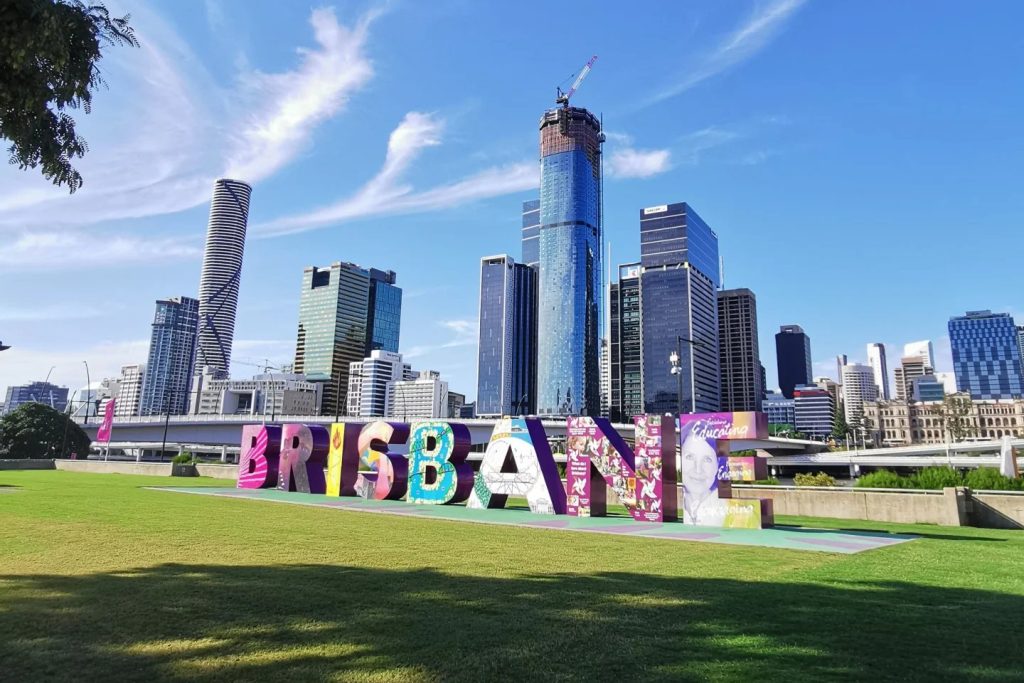
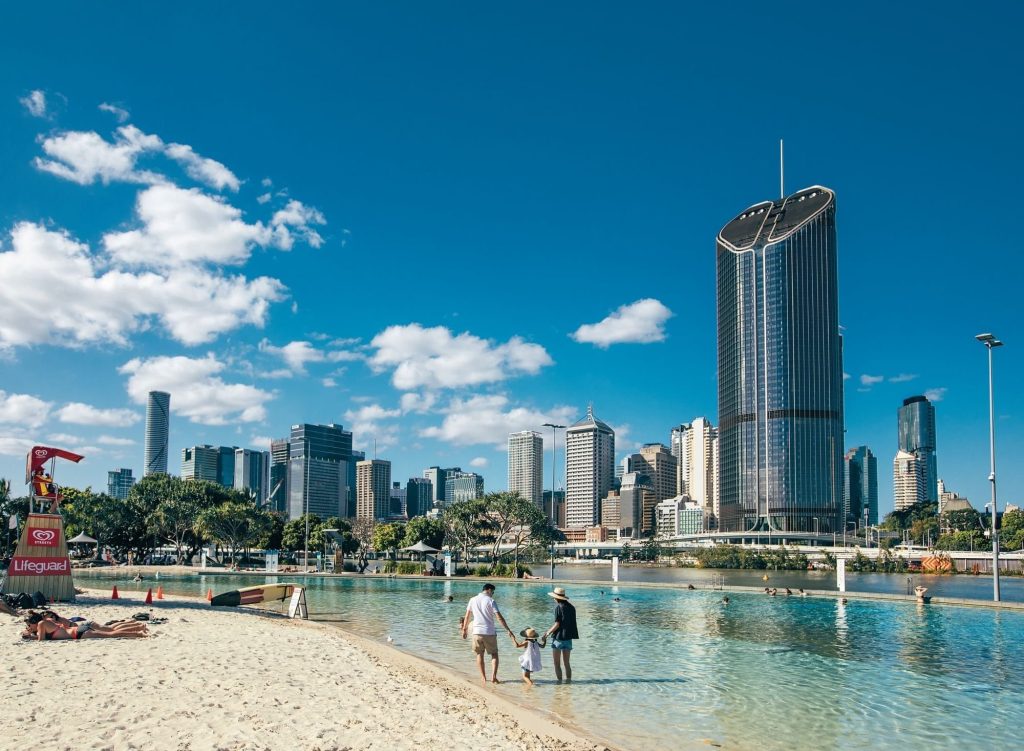
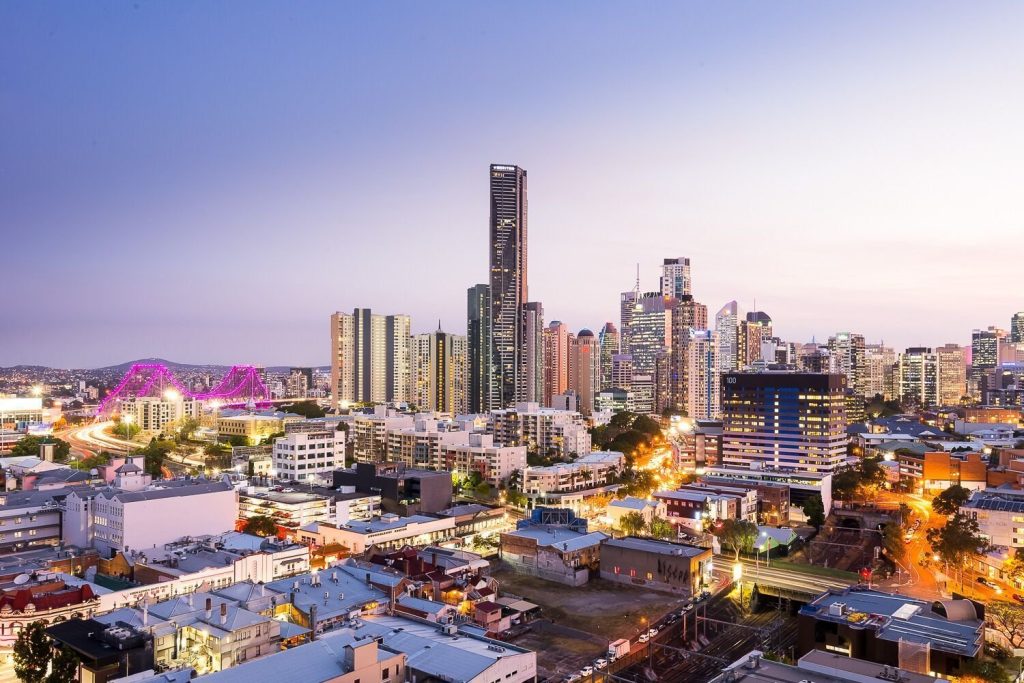
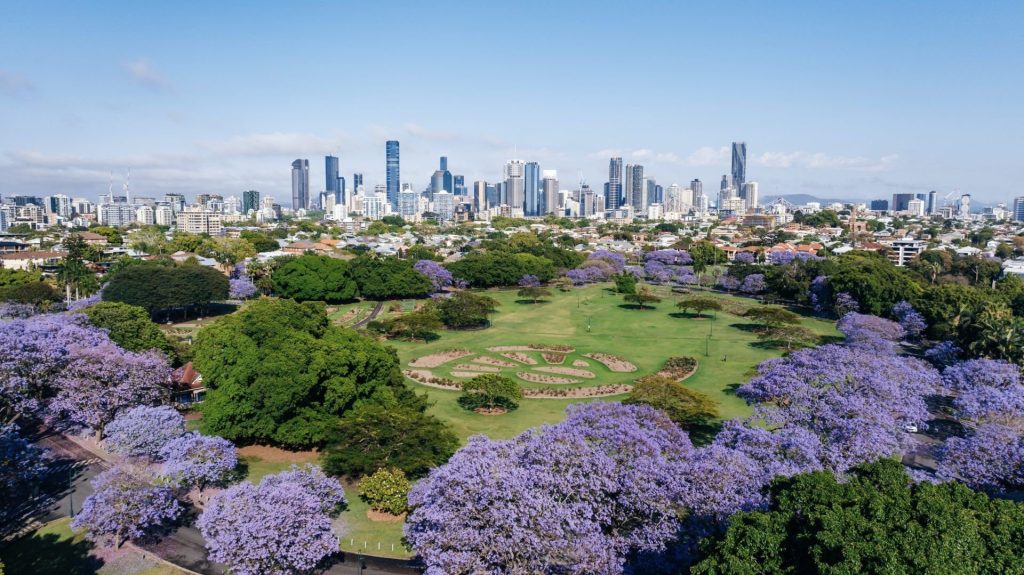
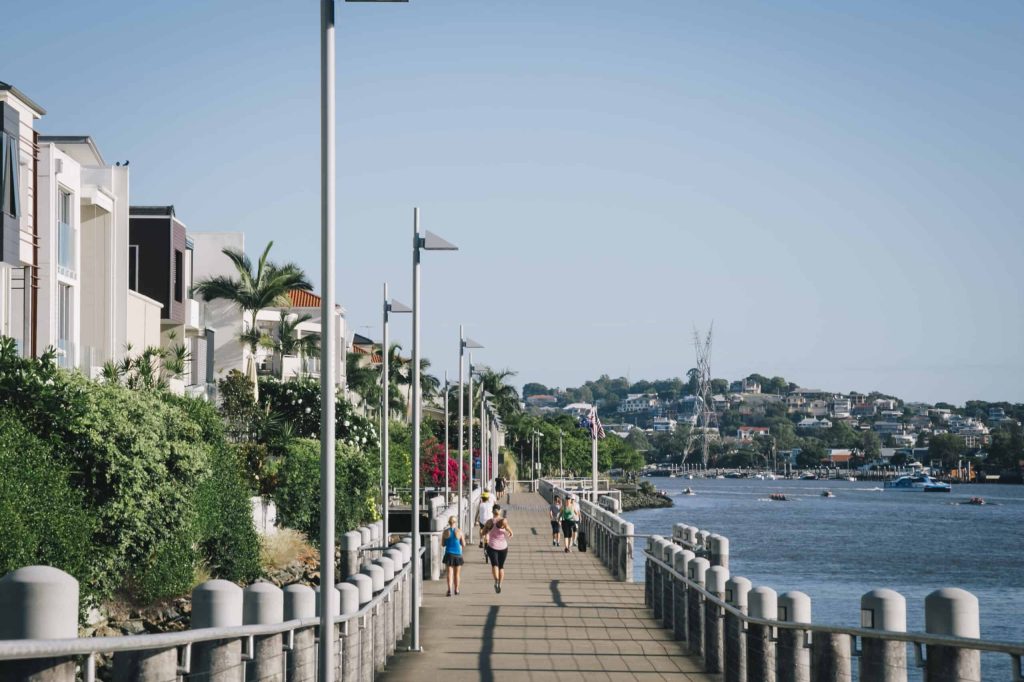
The CBD and South Bank give you the most convenient access to the city’s major attractions. South Bank is where Brisbane’s cultural life is most concentrated, with the QAGOMA galleries, the Queensland Museum, Queensland Performing Arts Centre, the South Bank Parklands, Streets Beach, and the Wheel of Brisbane all within comfortable walking distance of each other.
Hotels along the South Bank strip have strong river views. The Emporium Hotel South Bank is the most stylish option in the precinct, with rooftop pool views that rank among the best in the city.
The CBD itself is walkable and well-connected to everything via the TransLink network. For a heritage option, The Stamford Plaza Brisbane occupies a prominent position on the river at Eagle Street Pier. Budget and mid-range options are plentiful around the city centre, particularly around Roma Street and the Queen Street Mall area.
Howard Smith Wharves and Fortitude Valley put you in the most characterful corner of the inner city. The Crystalbrook Vincent (formerly the Fantauzzo Hotel) at Howard Smith Wharves is one of Brisbane’s most distinctive stays, an eco-luxury art boutique hotel with rooms overlooking the river and Story Bridge from directly below.
Fortitude Valley, a short walk north of the CBD, has excellent restaurant and bar access, the James Street precinct, and a vibrant nightlife corridor.
New Farm and Teneriffe are the inner-city residential alternatives, leafy and increasingly popular with visitors who want a neighbourhood feel rather than a hotel district. New Farm has excellent cafes, New Farm Park, and easy access to the river.
Getting There and Getting Around
Flying in: Brisbane Airport (BNE) is 14 km northeast of the CBD and handles both domestic and international arrivals. The Airtrain connects the airport to Central Station and Roma Street Station in approximately 20 minutes, running every 15 minutes, making it the fastest and most convenient option to the city.
Taxis and rideshare (Uber, DiDi) are available at both terminals and take 25 to 40 minutes, depending on traffic. The Airtrain also connects to the Gold Coast, making it useful for travellers combining both destinations.
Getting around once you’re there:
- TransLink network: Brisbane’s integrated public transport system covers trains, buses, and ferries under a single fare system. Use a Go Card (reloadable, available at convenience stores and stations) or tap on and off with any contactless credit or debit card, Apple Pay, or Google Pay.
- Trains: Fast, clean, and reliable for reaching suburbs and the airport. Central Station and Roma Street are the main city hubs
- Buses: Cover the inner-city areas extensively. The free City Loop bus circles the CBD and is useful for getting between the main city attractions without using Go Card credit
- CityCat: This is a high-speed catamaran ferry running along the Brisbane River from the University of Queensland to Northshore Hamilton, stopping at major points including South Bank, the CBD, New Farm, and Teneriffe. One of the most enjoyable ways to get around the city, and excellent for sightseeing
- CityHopper: A free inner-city ferry service connecting key riverside stops between Sydney Street and North Quay. It is completely free and one of Brisbane’s best-kept practical secrets
- Rideshare: Uber and DiDi are widely available across the city and useful for destinations away from the ferry and rail network
- Cycling and e-scooters: Brisbane has an expanding cycling network and commercial e-scooter operators, including Lime, operating across the inner city. The riverside bikeway along both banks of the Brisbane River is one of the best urban cycling routes in Australia
South Bank Parklands
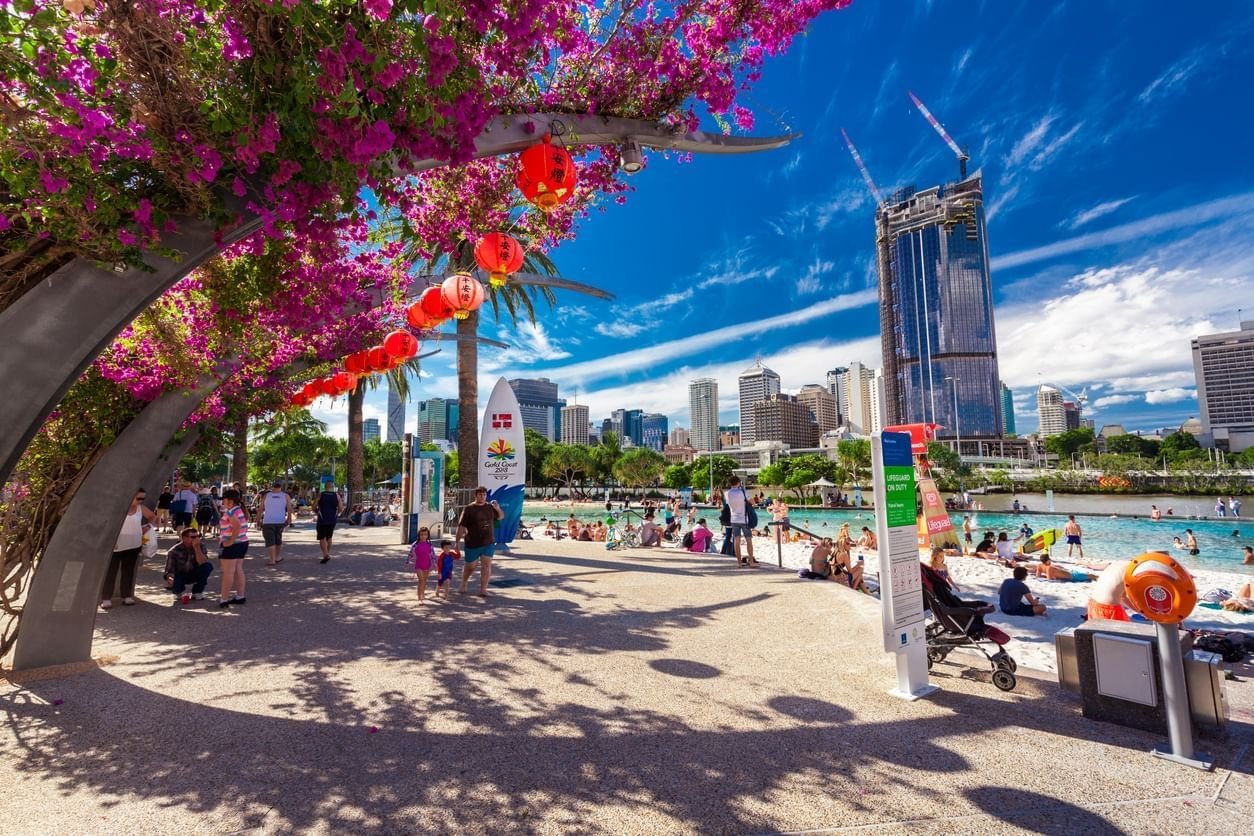
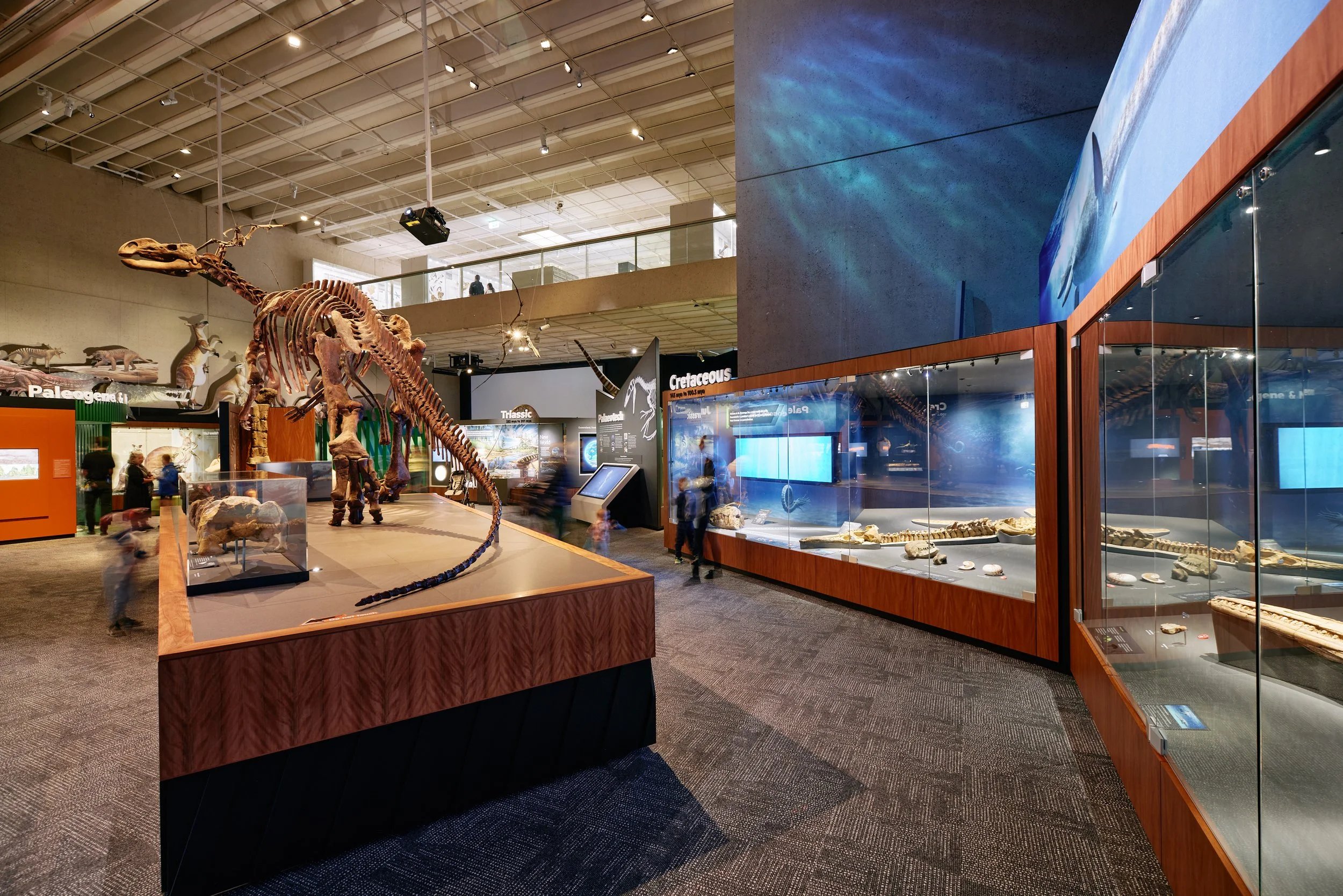
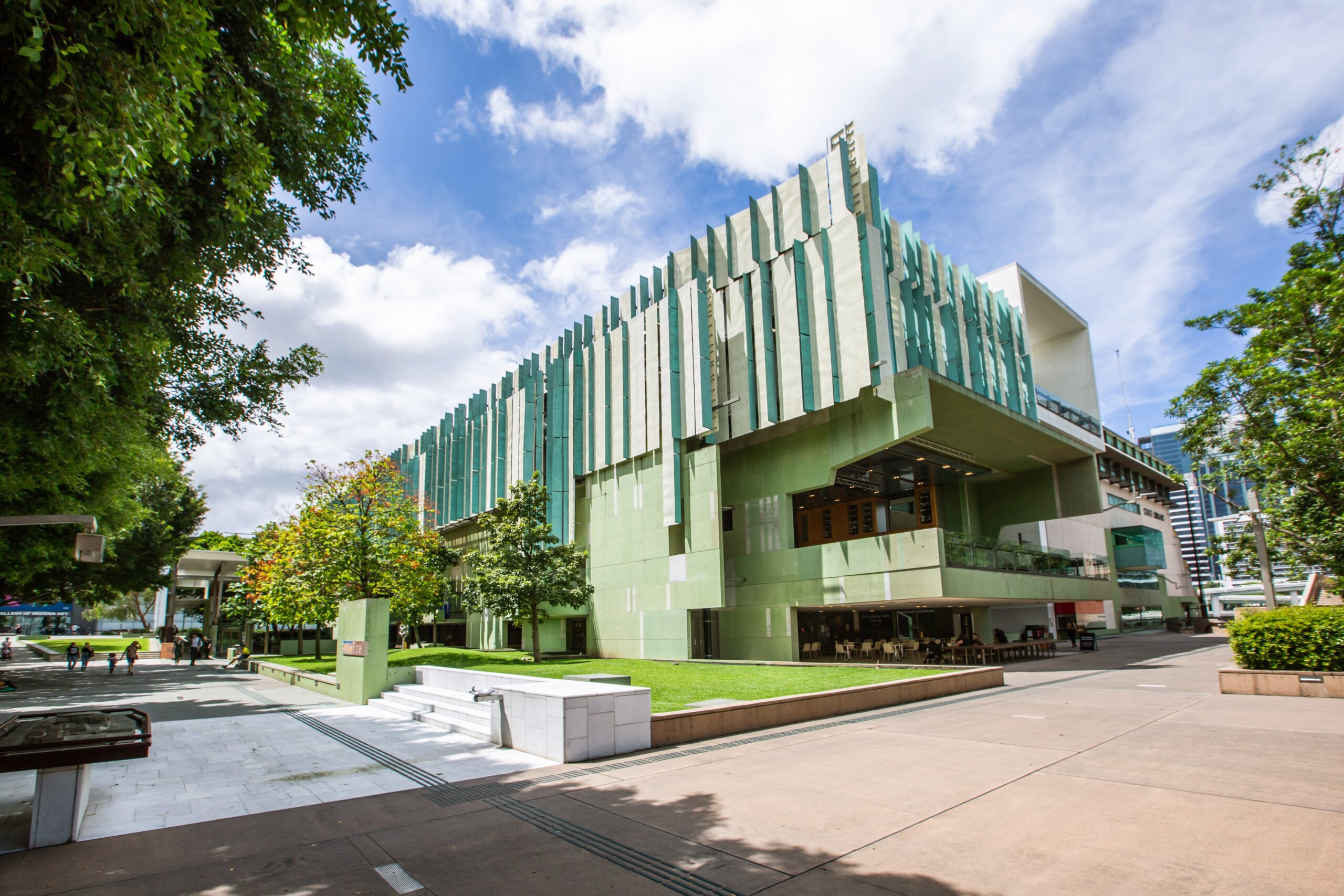
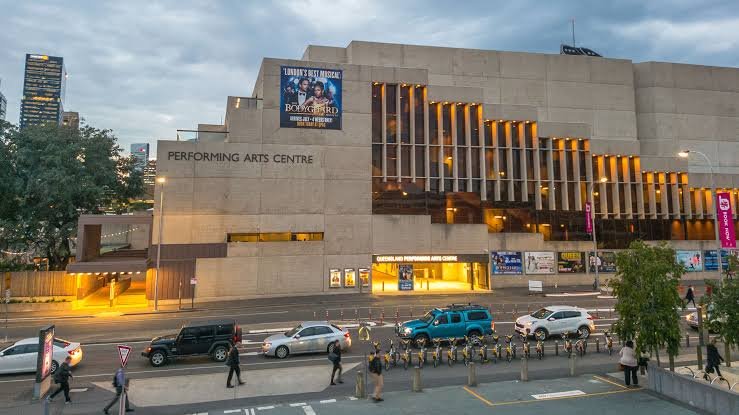
South Bank Parklands is the heart of Brisbane's visitor experience and genuinely deserves the status. The 17-hectare riverside precinct was redeveloped for World Expo 88 and has been the centre of the city's leisure and cultural life ever since.
Streets Beach is the centerpiece with a free, artificial swimming lagoon with sandy shores, clear water, swaying palms, and lifeguards on duty, sitting in the middle of the city with the CBD skyline visible across the river. It is the kind of thing that most cities would consider impossible, and Brisbane simply built. It is open year-round and at its best in summer when the city comes to the water in the evenings.
The broader parkland around Streets Beach has walking paths, public barbecue facilities, restaurants, the Wheel of Brisbane Ferris wheel, the Arbour (a bougainvillea-covered pergola that runs the length of the parkland), and free live music at River Quay Green on Sunday afternoons.
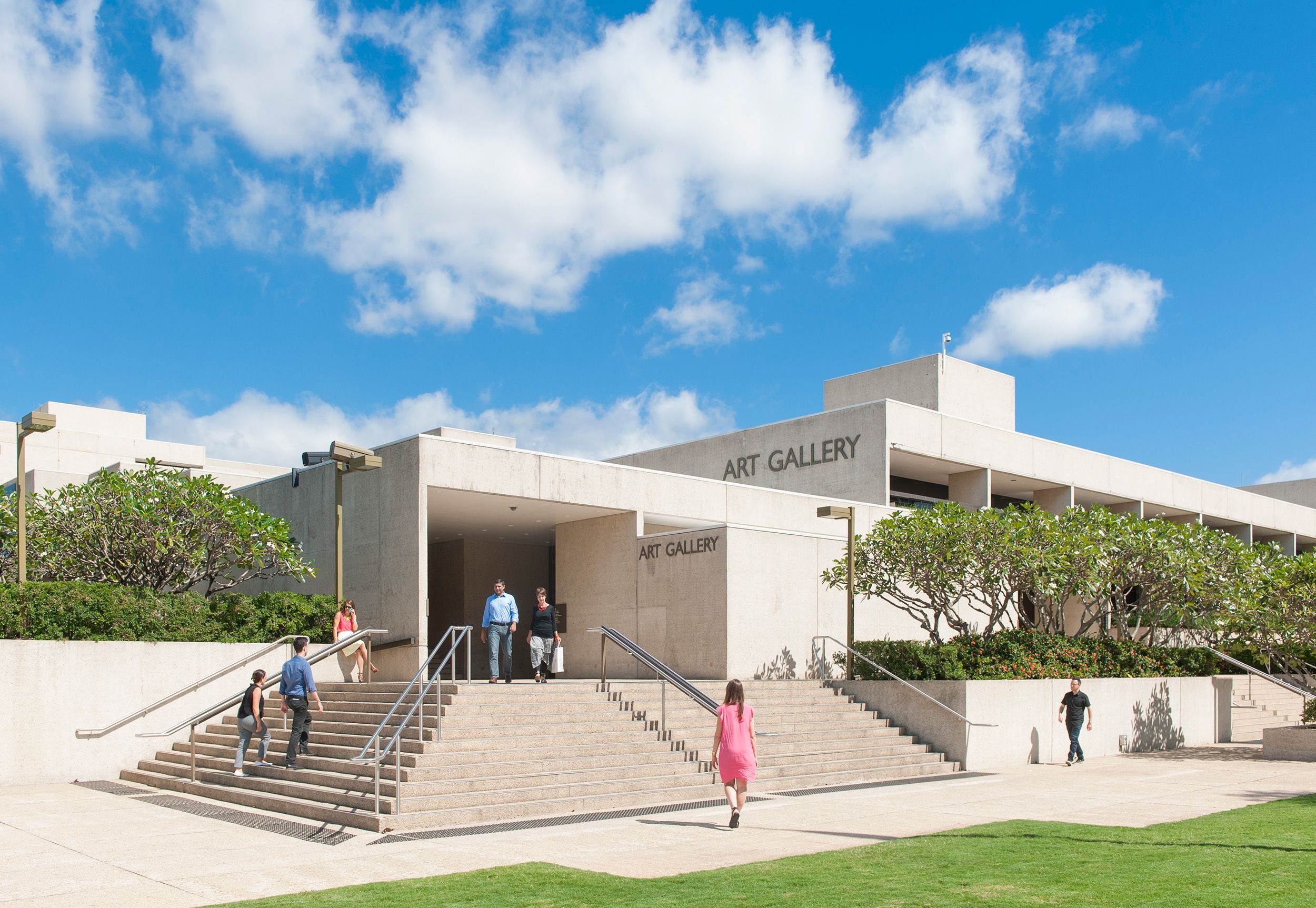
The Cultural Centre at the northern end of South Bank brings the Queensland Art Gallery, Gallery of Modern Art, Queensland Museum, State Library, and Queensland Performing Arts Centre into a single, walkable precinct that is free to enter for most exhibits.
What Are Brisbane’s Top Attractions?
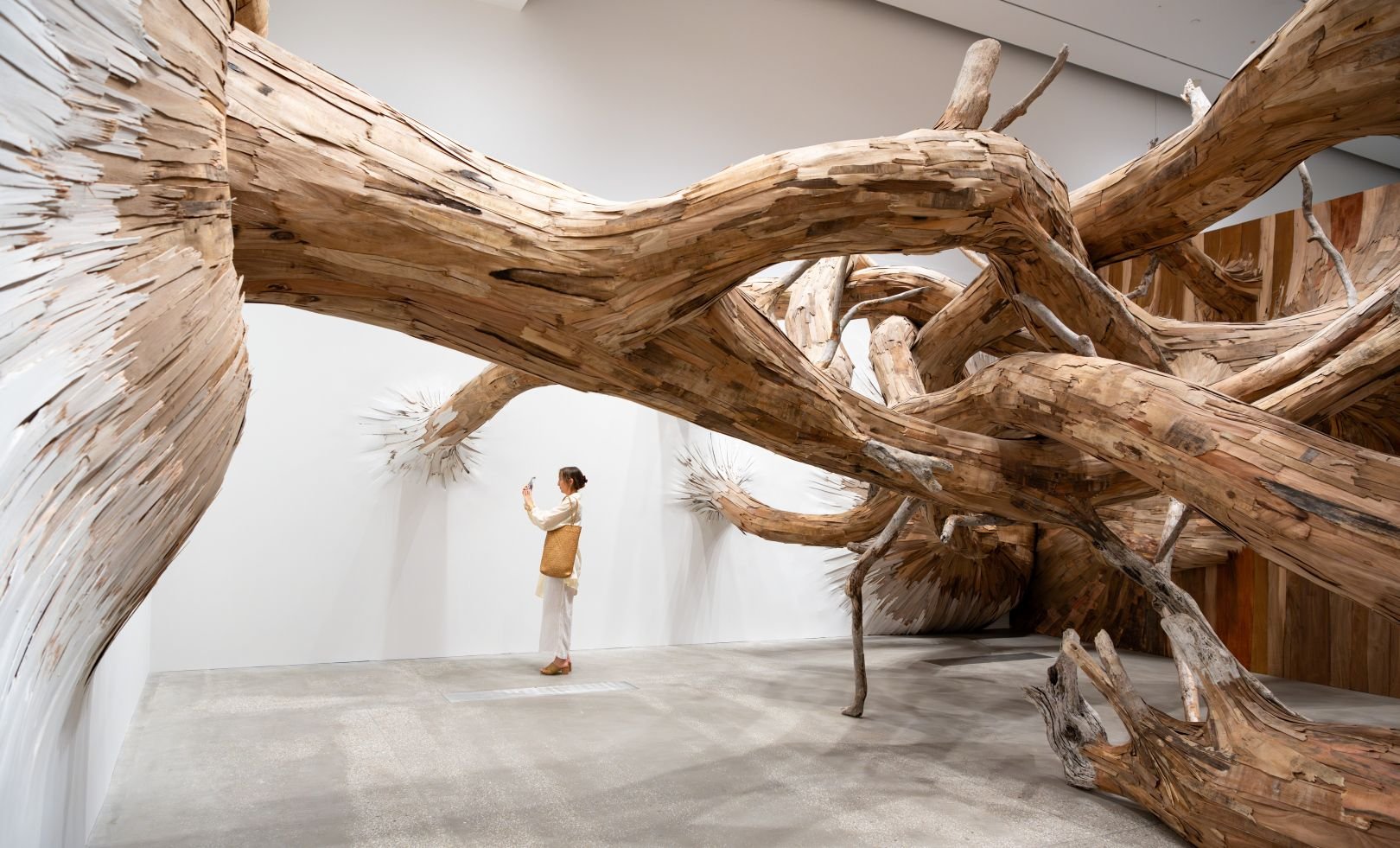

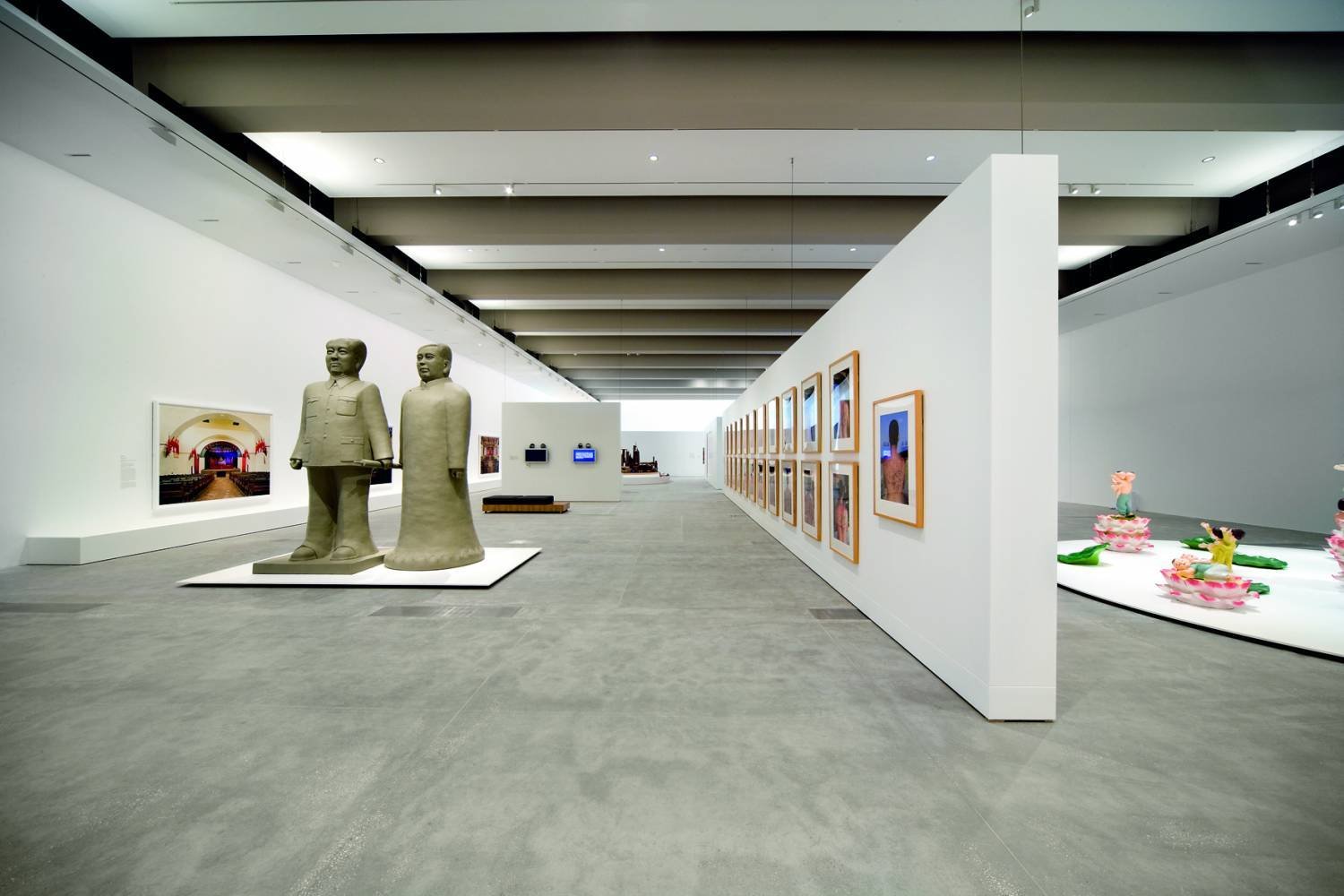
- QAGOMA (Queensland Art Gallery and Gallery of Modern Art) is the flagship cultural attraction in Brisbane and the reason the city has a genuine claim to being Australia's cultural capital. The two buildings sit side by side in the Cultural Centre at South Bank, presenting a permanent collection that spans Australian, Indigenous, Asian, and Pacific art alongside international contemporary works. The Gallery of Modern Art is home to Australia's largest collection of modern and contemporary art, and the blockbuster international exhibitions it hosts throughout the year draw visitors from across the country. Entry to the permanent collections is free.
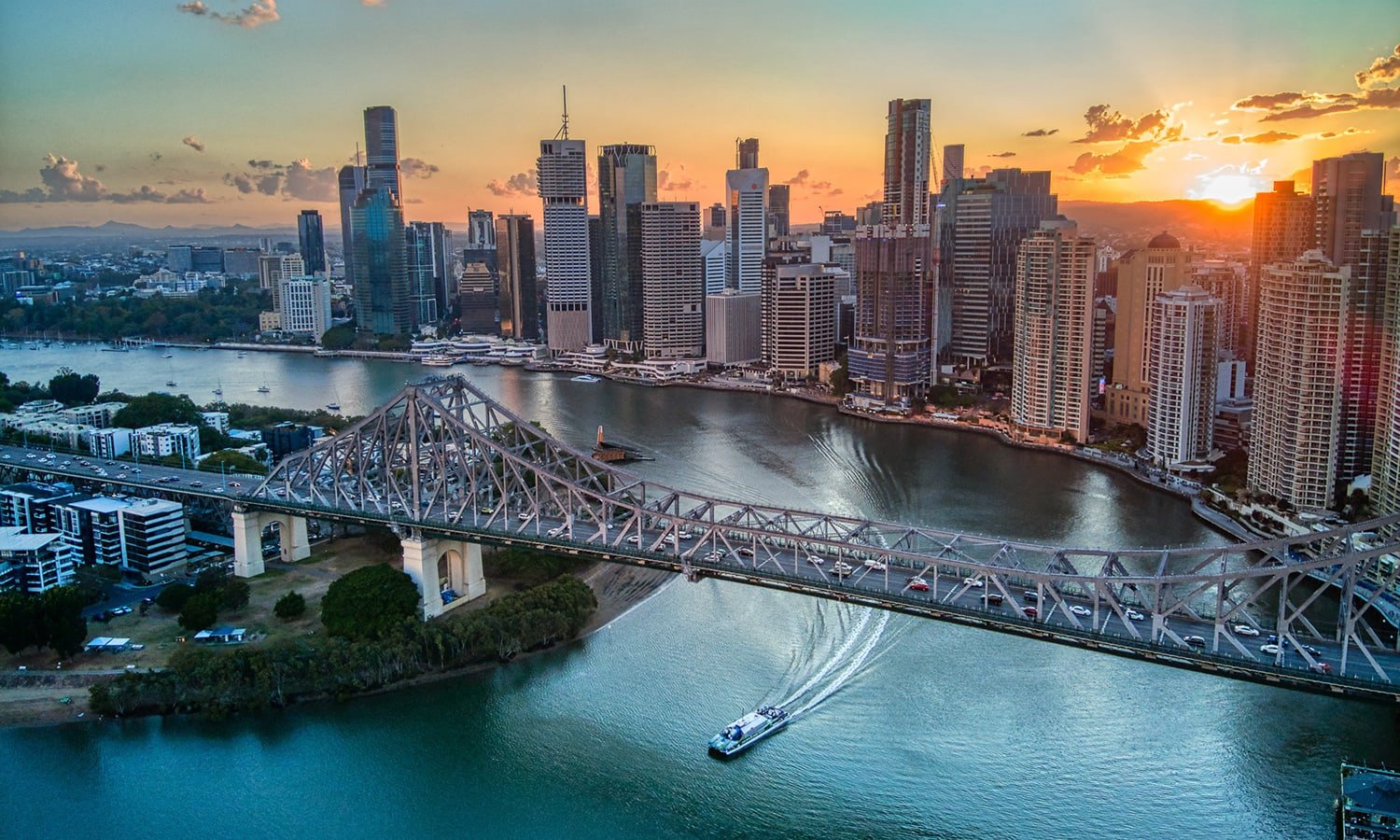
- Story Bridge Adventure Climb is Brisbane's most spectacular attraction. It is a guided climb up the arch of the 1940 Story Bridge, 74 metres above the Brisbane River, with panoramic views across the city, the river bends, the Botanic Gardens, and on clear days, Moreton Bay. The bridge was designed by John Bradfield, the same engineer responsible for the Sydney Harbour Bridge. Climbs run day and night and take approximately 2.5 hours. Night climbs, when the city is fully lit, and the river reflects the skyline below you, are particularly memorable.
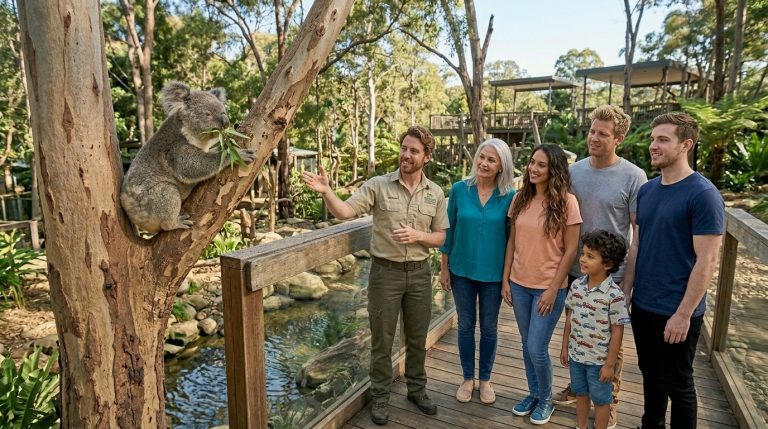
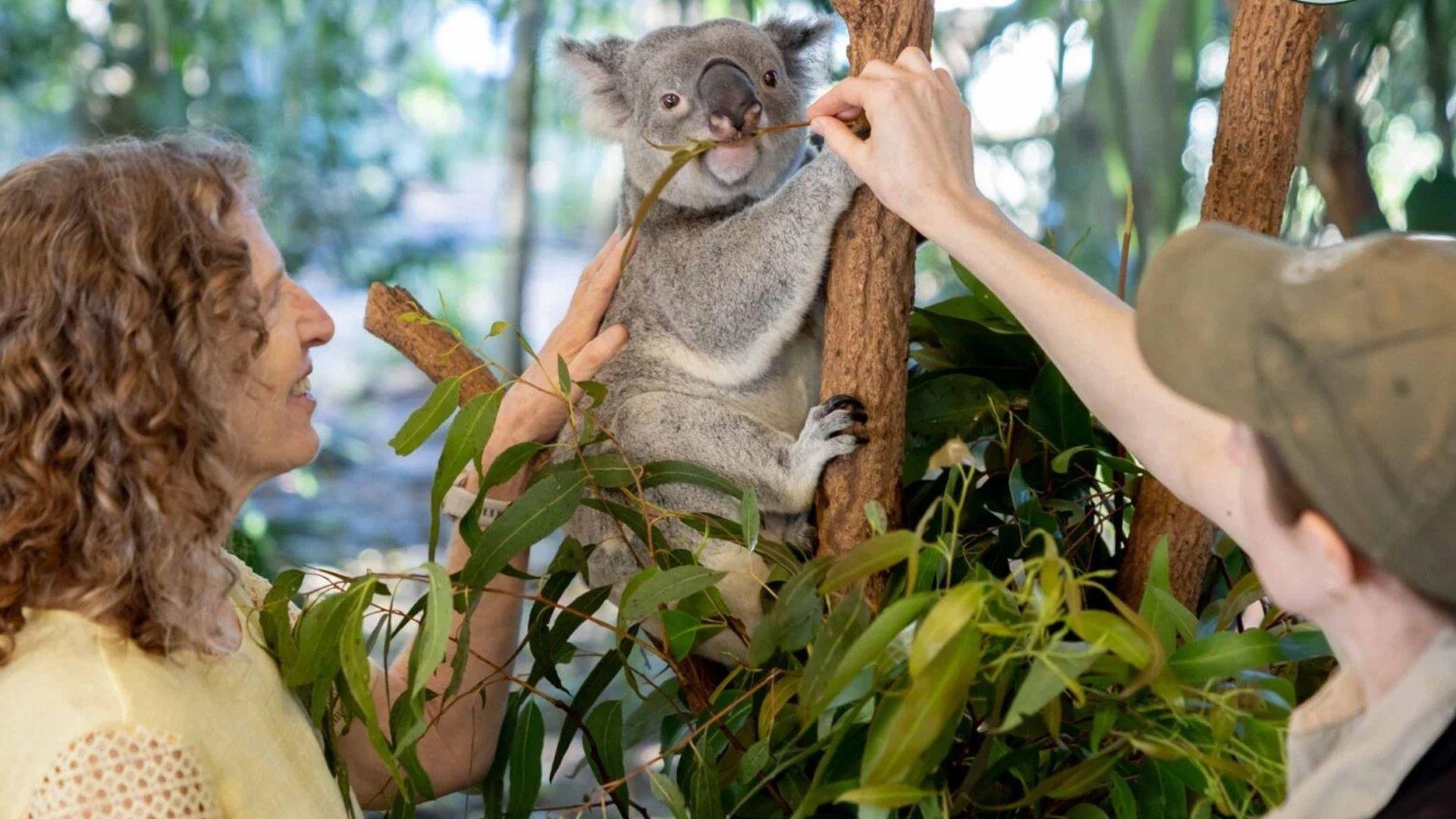
- Lone Pine Koala Sanctuary is the world's largest koala sanctuary, home to over 100 koalas and more than 70 other native Australian species across 18 hectares on the western bank of the Brisbane River. Koala encounters, kangaroo feeding, wombat sightings, Tasmanian devils, echidnas, dingoes, and a daily bird show make this the most comprehensive native wildlife experience available within easy reach of Brisbane. A river cruise from the CBD to Lone Pine is available and adds a scenic element to the visit. Since this is a popular attraction in Brisbane, it usually gets crowded, and tickets run out fast. It's advised to book your Lone Pine Koala Sanctuary tickets in advance to get a confirmed entry.
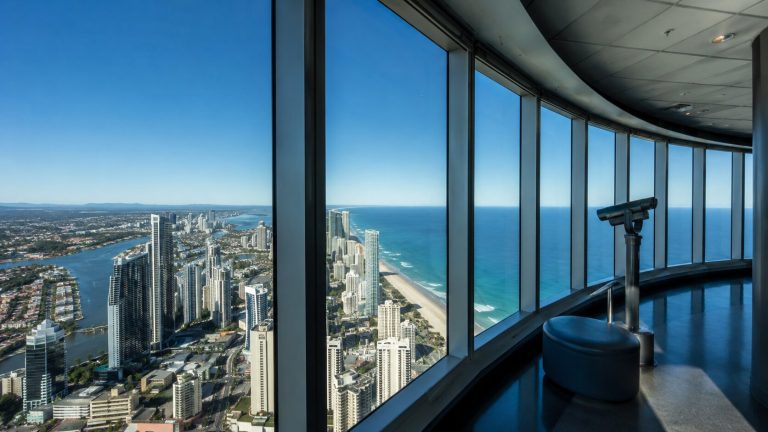
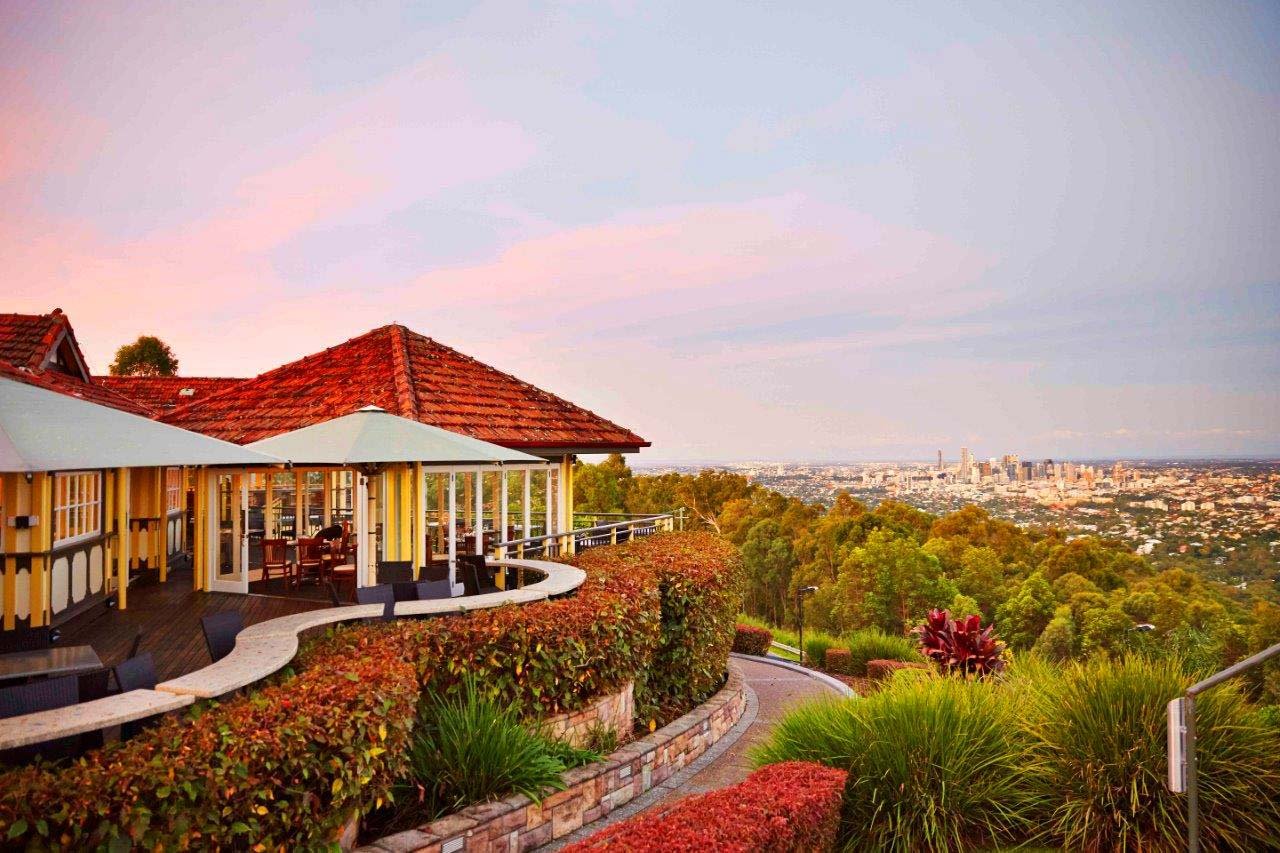
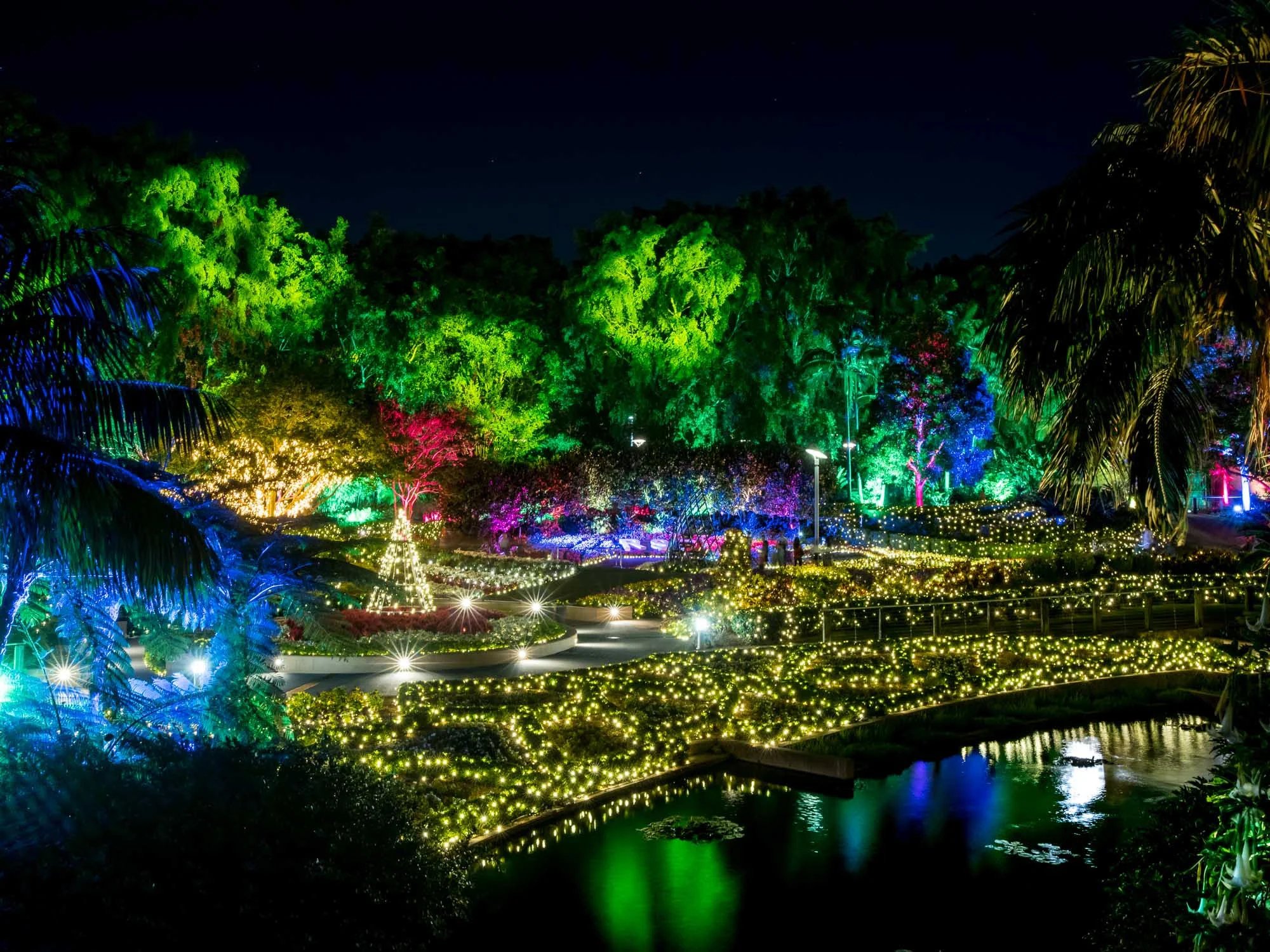
- Mount Coot-tha Lookout offers the best panoramic views of Brisbane from nearly 300 metres above sea level, with the entire river valley and Moreton Bay visible on clear days. The broader Mount Coot-tha Reserve includes the Brisbane Botanic Gardens (established 1970, 130 acres, featuring a Japanese Garden, bamboo grove, and rainforest house), a planetarium, and extensive walking and mountain biking trails. The moderate 10 km Mount Coot-tha Loop and the shorter Mahogany Track are the most popular routes.
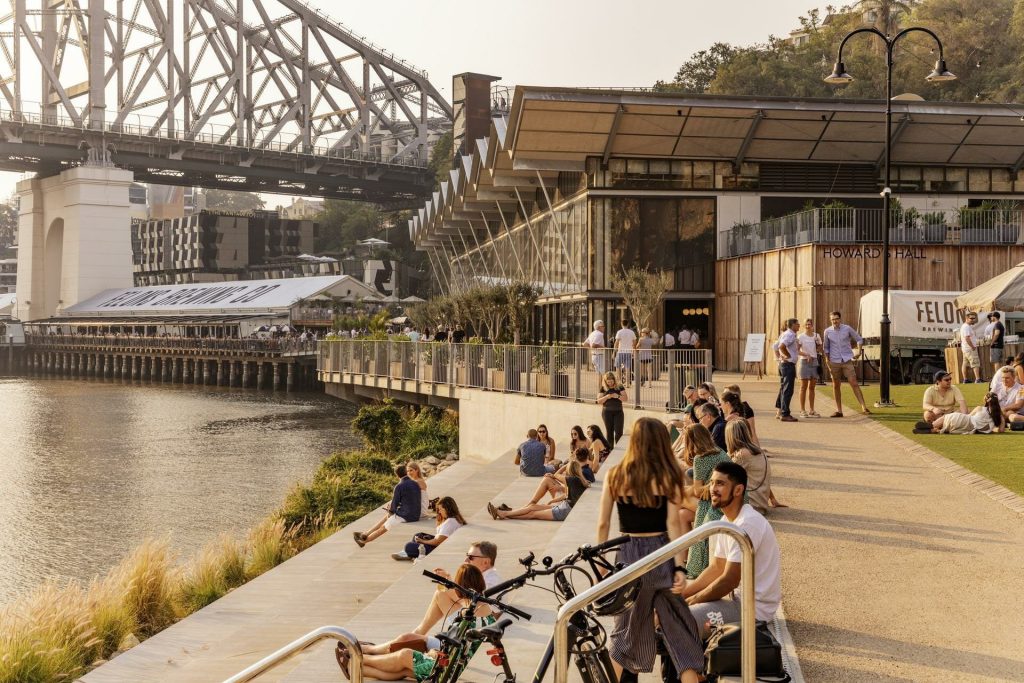
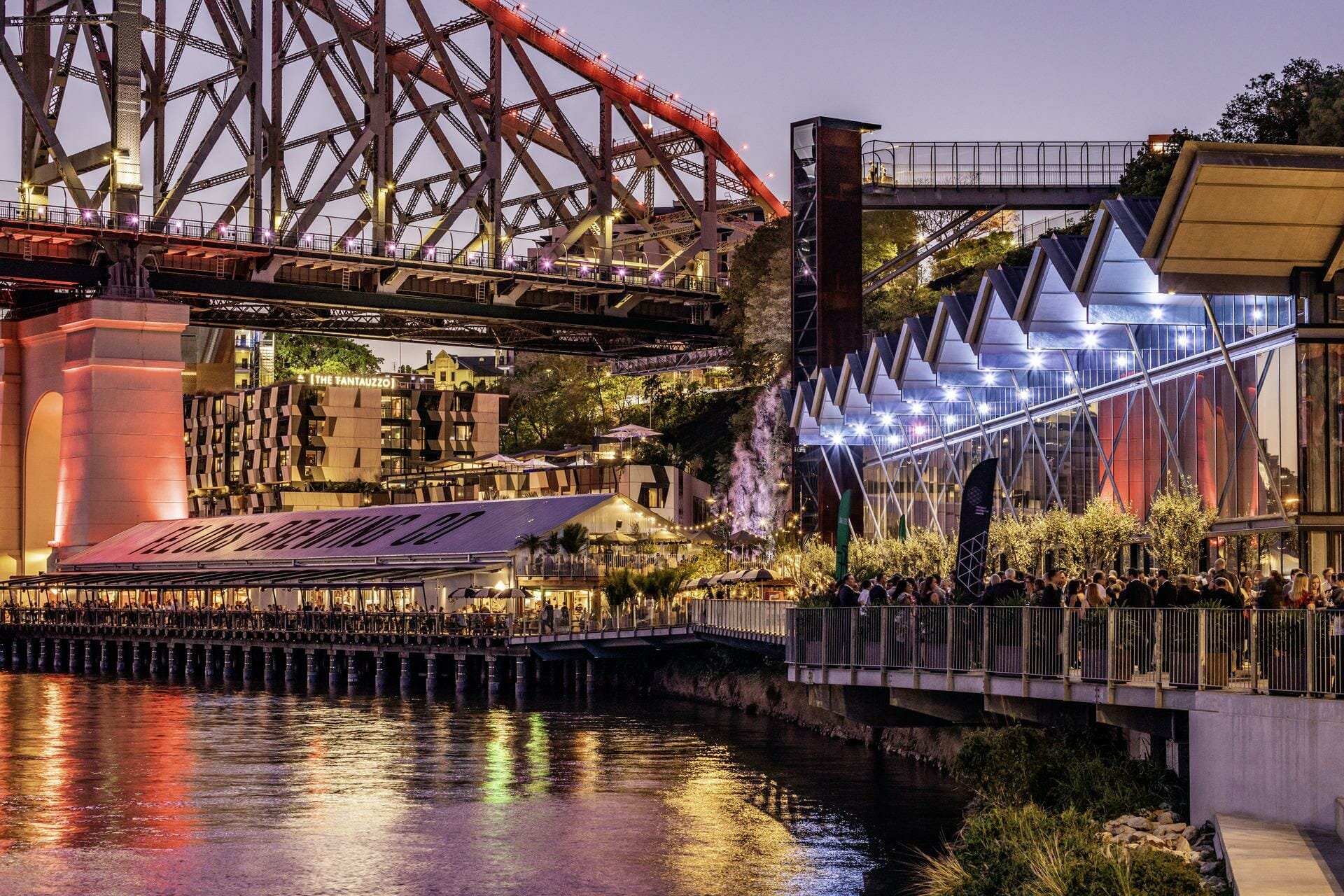
- Howard Smith Wharves is the most atmosphere-rich dining and drinking destination in Brisbane. It is a collection of restored Depression-era wharf buildings directly beneath the Story Bridge, with bars, restaurants, and a hotel spread along the riverfront. The position is extraordinary, caught between the river and the cliff face with the bridge arching overhead. Go in the late afternoon and stay for dinner. It is arguably the best spot in the city.
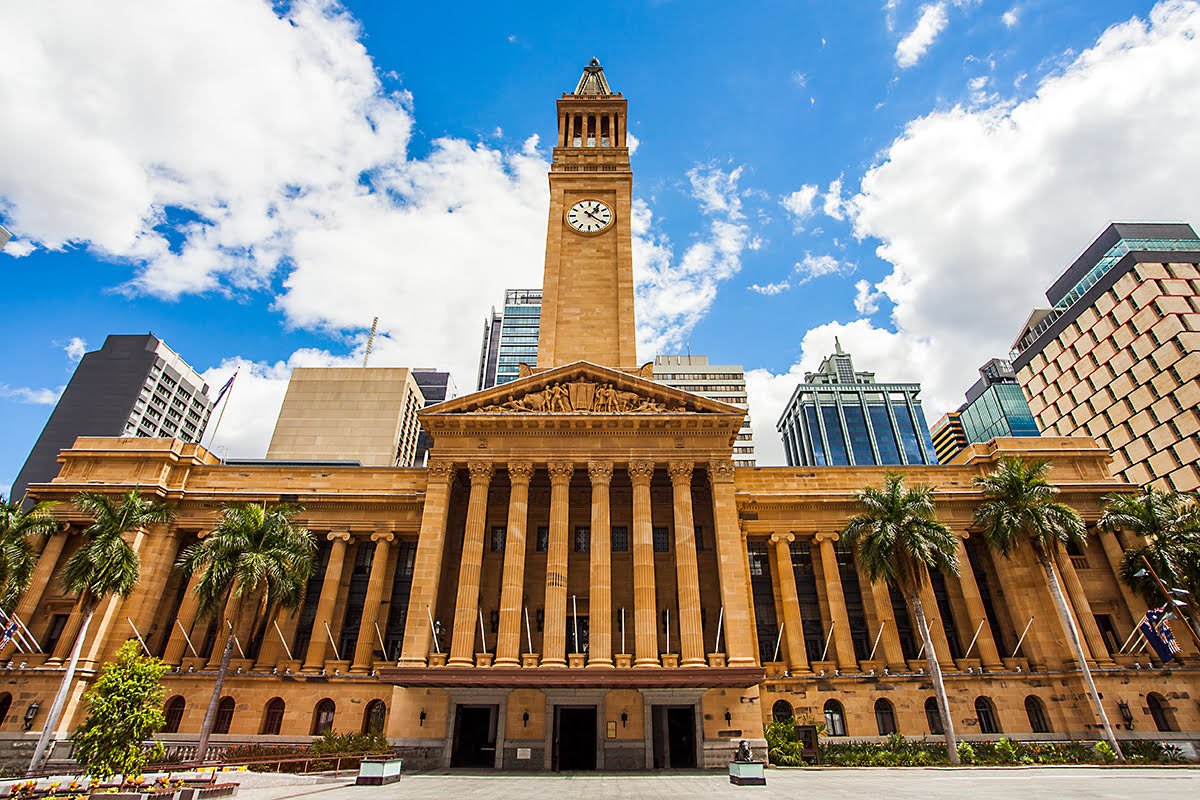
- City Hall and Museum of Brisbane on King George Square is worth a dedicated visit. The neoclassical building, completed in 1930 and once the largest building in Australia is free to enter and offers guided tours of its interior, including the impressive concert hall. Free 15-minute tours of the 85-metre Clock Tower run regularly throughout the day via a vintage cage lift that is one of the most interesting small experiences in the city.
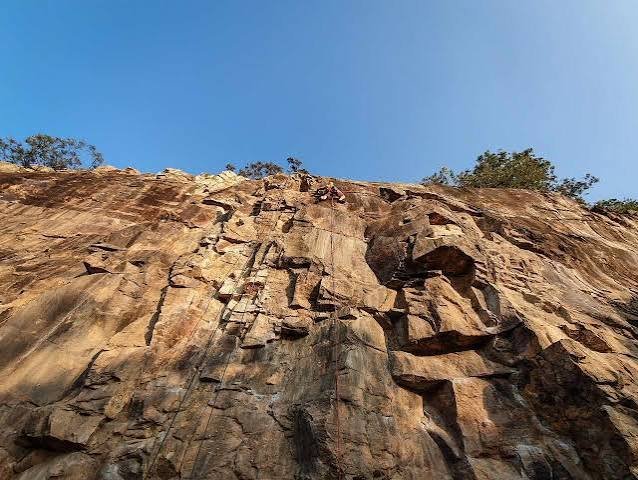
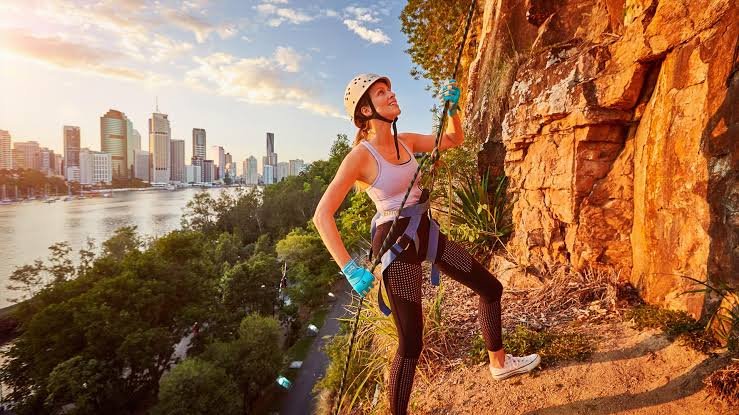
- Kangaroo Point Cliffs are basalt rock faces rising from the south bank of the river, popular with abseilers, rock climbers, and anyone who wants an elevated view of the city and the river without a paid attraction. The cliff walk at dusk is genuinely beautiful.
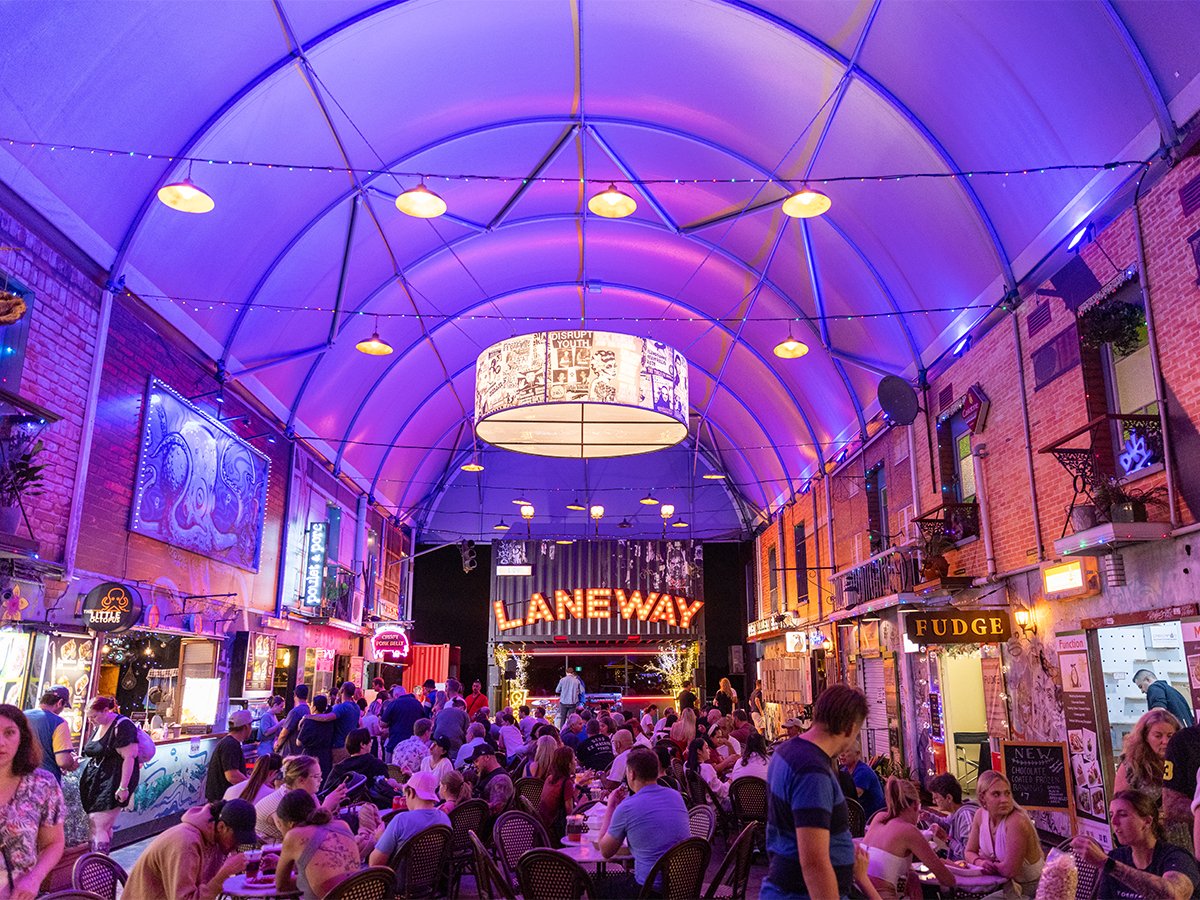
- Eat Street Northshore is a weekend night market on the Hamilton waterfront, housed in converted shipping containers, with food stalls representing cuisines from across the world, live music, and a waterfront setting that is excellent on warm evenings. It’s open Friday, Saturday, and Sunday nights.
- Roma Street Parkland is a 16-hectare subtropical garden in the heart of the CBD, which is the world's largest inner-city subtropical garden, with free guided tours available. This is a quieter alternative to South Bank for anyone who wants greenery without crowds.
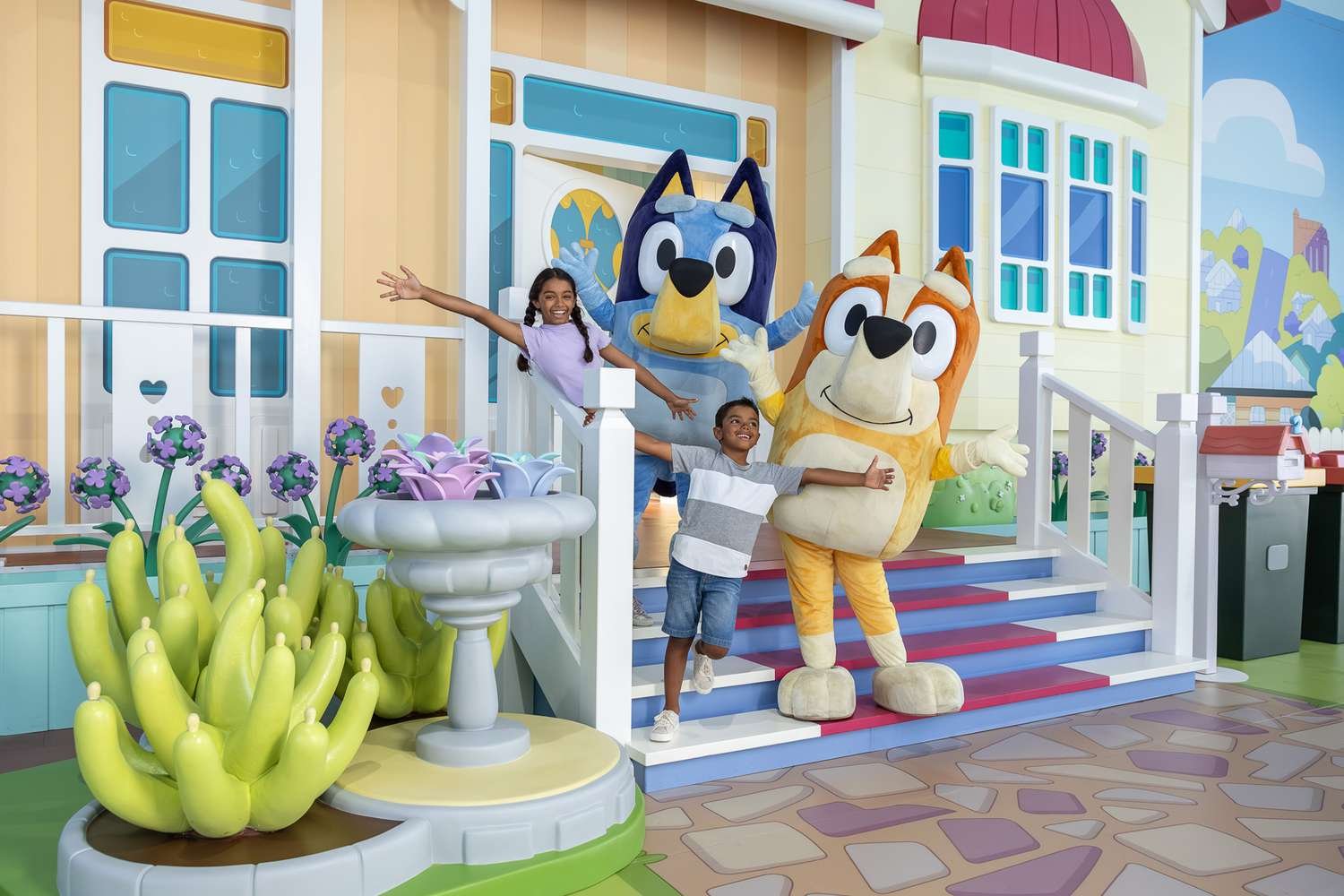
- Bluey's World is a world-first immersive experience based on the beloved animated series, housed at Northshore Pavilion in a 4,000-square-metre building featuring real-life sets, interactive play areas, and the iconic Heeler family Queenslander home. This is an essential spot for families travelling with young children.
- West End Farmers Markets run every Saturday morning at Davies Park in West End, with more than 150 vendors selling fresh produce, artisan food, flowers, and specialty goods. West End itself is one of Brisbane's most diverse and interesting inner-city suburbs, worth a morning wander.


Brisbane on a Plate
Brisbane's food scene has undergone a genuine transformation over the past decade and is now one of the most exciting in Australia.
The South Bank dining strip along Grey Street and Little Stanley Street remains the most convenient cluster of restaurants and cafes in the city, with options ranging from casual cafe breakfasts to full restaurant dinners.
Howard Smith Wharves has a more upscale, atmospheric collection of venues with river views. For local neighbourhood eating, the streets of Fortitude Valley, New Farm, West End, and Paddington offer a more diverse and often better-value selection.
James Street in Fortitude Valley is Brisbane's most stylish food and retail corridor, lined with cafes, wine bars, and restaurants that draw a well-dressed local crowd. It is the place to go for a long Saturday lunch.
Felons Brewing Co., under the Story Bridge at Howard Smith Wharves, is a craft brewery and bar with a position that rivals any drinking venue in the country. The Charming Squire on Grey Street in South Bank is another excellent brewery option in a lively setting. Death and Taxes in the Burnett Lane laneway is one of the best cocktail bars in the city.
Agnes in Fortitude Valley is one of Brisbane's most-celebrated contemporary restaurants, focused on fire-cooked dishes with an exceptional natural wine list.
Brisbane takes coffee very seriously. Campos and Merriweather Coffee are reliable options across multiple locations.
The XXXX Brewery (pronounced "Four X") in Milton has been operating since 1878 and offers guided tours through the history of Queensland's most iconic beer brand. It is more of a history and novelty experience than a craft beer destination, but the tour is genuinely entertaining.
Day Trips Worth Taking From Brisbane
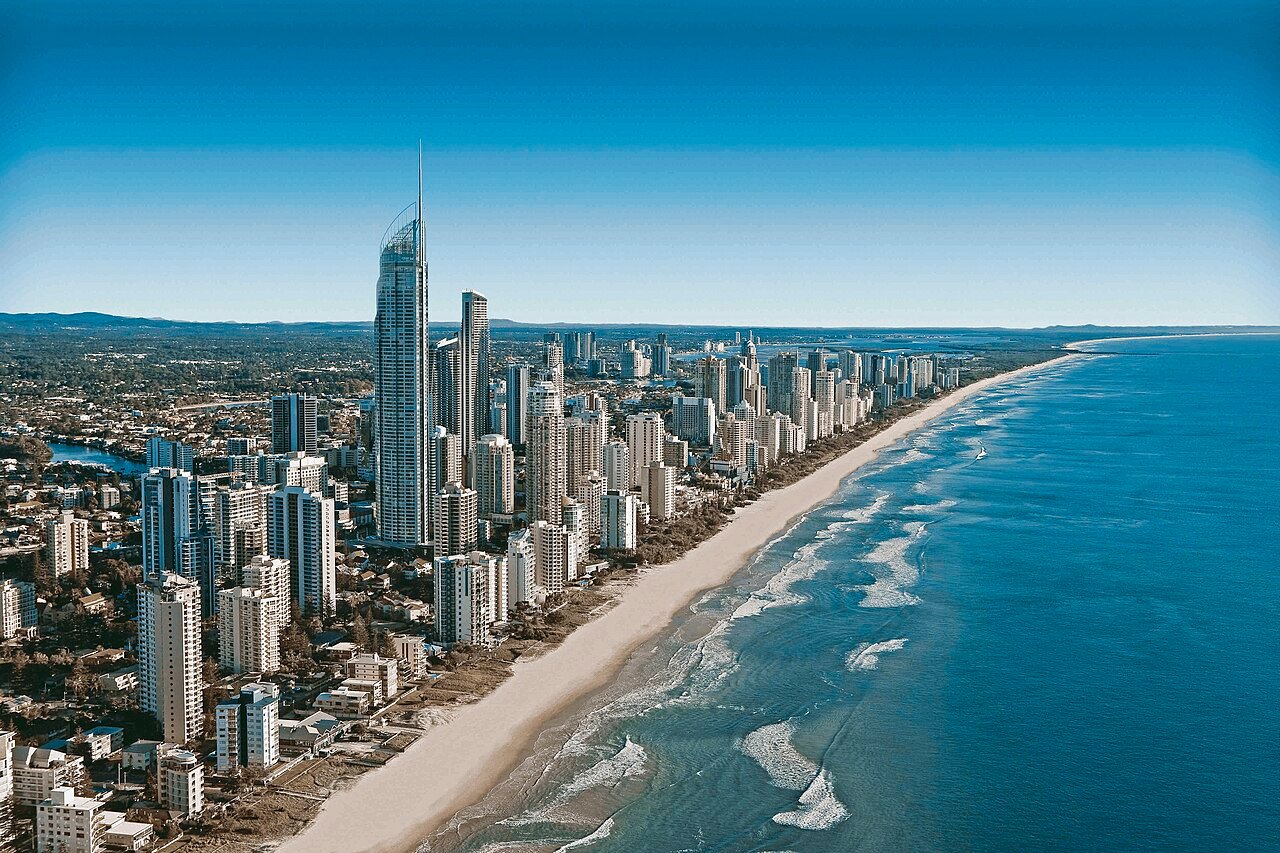
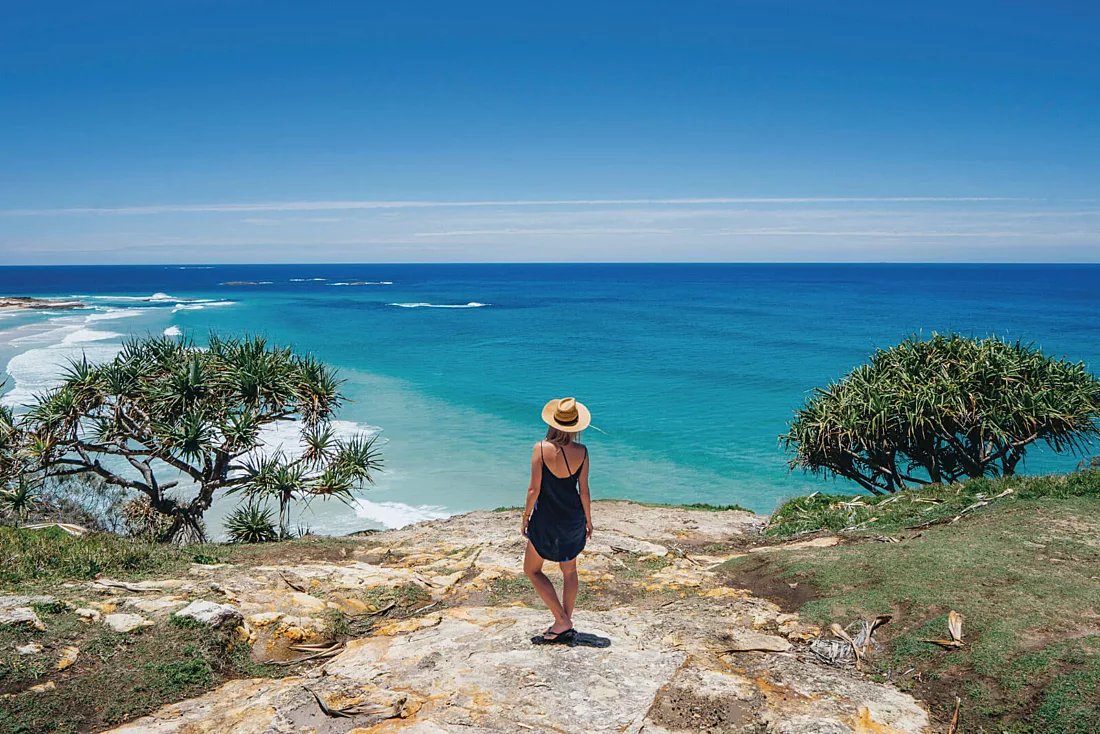
- The Gold Coast is 100 km south and about an hour by car or train from Brisbane (the Airtrain connects to the Gold Coast rail network). The combination of theme parks, beaches, and the Hinterland makes it one of the best day trips or short breaks available from any Australian city.
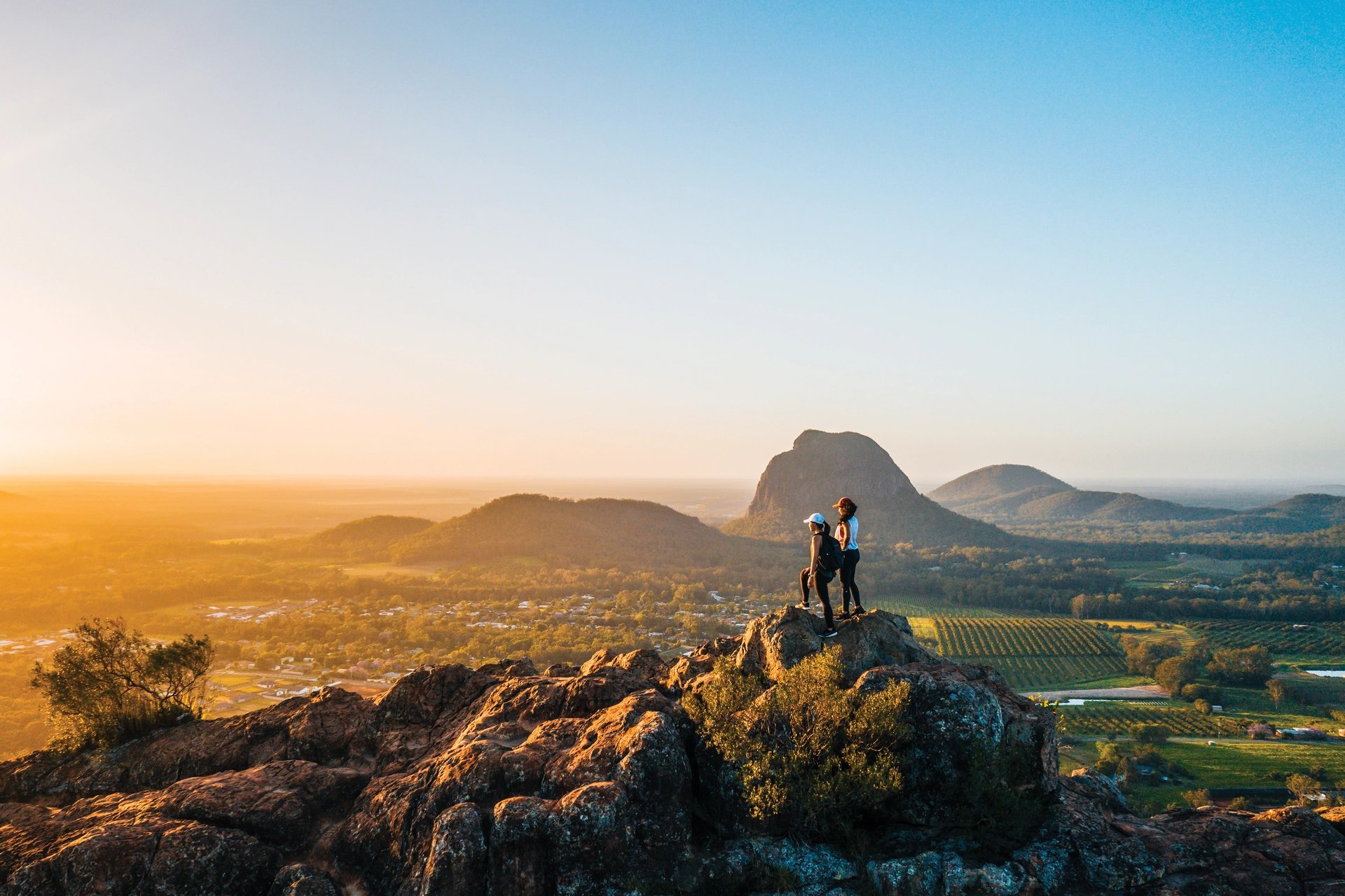
- The Sunshine Coast is 100 km north and similarly accessible, with Noosa Heads, the Glasshouse Mountains, and Eumundi Markets providing a completely different character from the Gold Coast. Noosa is one of the most beautiful coastal towns in Australia.
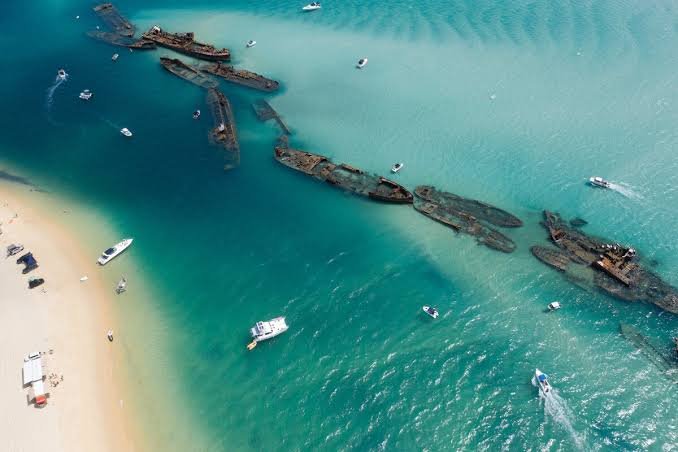
- Moreton Island (Gheebulum Kunungai) is a largely uninhabited national park island accessible by ferry from the Port of Brisbane. It is also one of the largest sand islands in the world, with pristine beaches, crystal-clear water, sand dunes, and the historic Tangalooma Wrecks offshore for snorkelling. A day trip or overnight ferry package makes this one of the most rewarding natural escapes available from Brisbane.
- North Stradbroke Island (Minjerribah) is accessible by ferry from Cleveland, about 30 minutes by train from the CBD. The island has beautiful beaches, the North Gorge walk for whale watching (June to November), and excellent cafes in the village of Point Lookout.
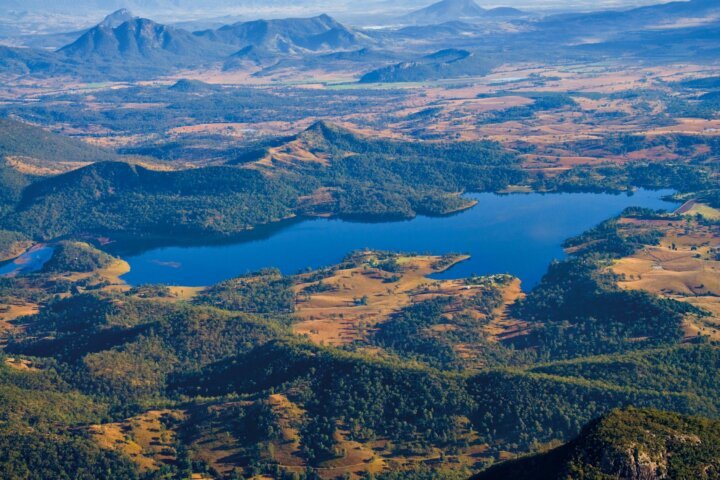
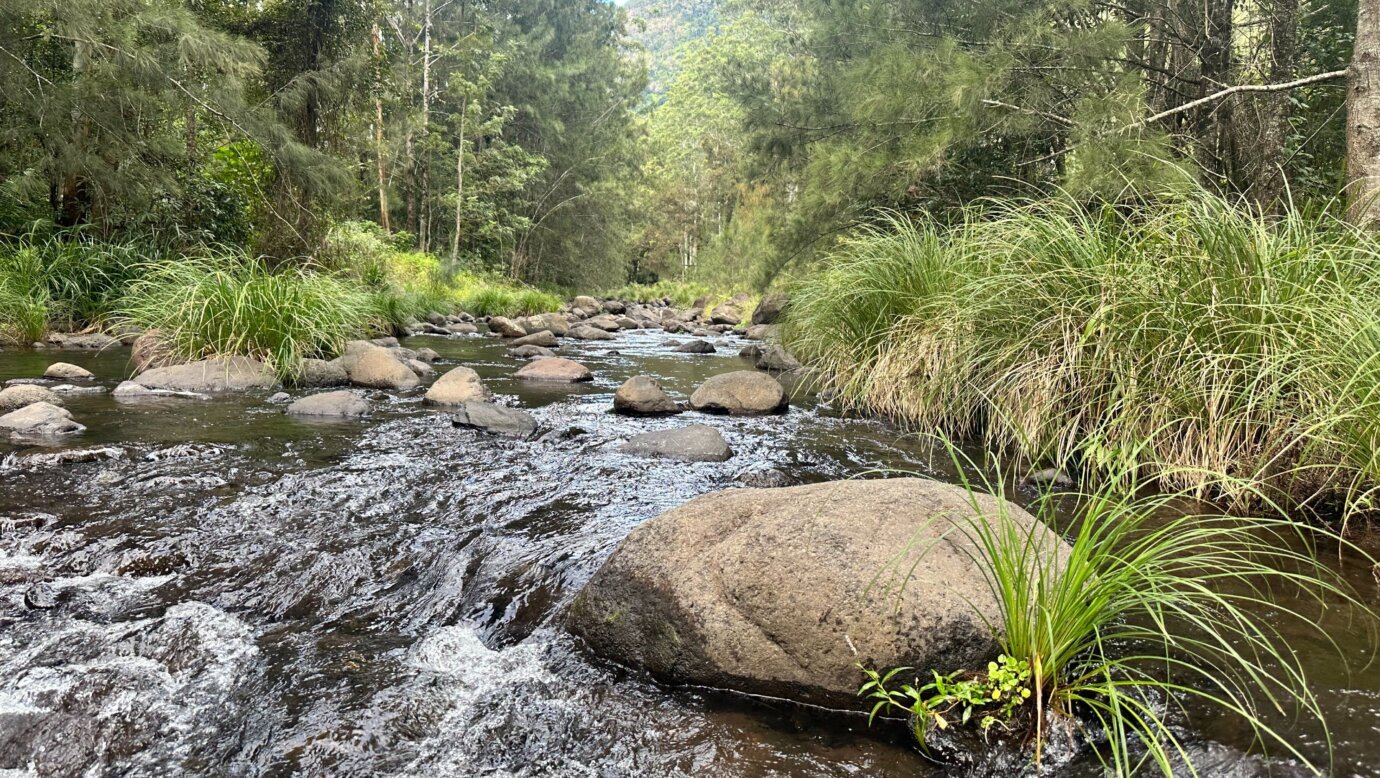
- The Scenic Rim and Lamington National Park are about 90 minutes southwest and are part of the UNESCO Gondwana Rainforests World Heritage Area, with ancient subtropical rainforest, waterfalls, and O'Reilly's Rainforest Retreat.
When to Visit Brisbane
- Autumn (March to May) is the sweet spot. You get warm temperatures around 24 to 29°C, lower humidity than in summer, and the kind of clear sunny days that make outdoor Brisbane at its best. You also get good value on accommodation and a city that feels unhurried.
- Winter (June to August) is Brisbane's most pleasant season by many local accounts. You will see temperatures averaging a mild 21°C by day and cool evenings, no humidity, and consistently clear skies. The Brisbane Festival (September) and the Brisbane International Film Festival (October) both fall in the spring shoulder, leading out of winter, making this a particularly event-rich window.
- Spring (September to November) brings warming temperatures and the arts and cultural calendar at its most active, with the Brisbane Festival, live music events, and outdoor markets running at full pace.
- Summer (December to February) is hot, humid, and prone to afternoon thunderstorms. Average highs around 29°C with humidity that makes the evenings feel significantly warmer. Streets Beach and the South Bank parklands are at their most popular, and accommodation deals can be found because this is the least-visited season for the city itself (most summer visitors in Queensland head straight for the beaches).
Brisbane Itineraries
 3 Day Itinerary
Brisbane, Australia
 5 Day Itinerary
Brisbane, Australia
 7 Day Itinerary
Brisbane, Australia
Practical Tips Before You Go
- Queensland does not observe daylight saving time. If you are coming from New South Wales or Victoria between October and April, Brisbane is one hour behind those states
- Use a Go Card or tap any contactless card at TransLink readers for trains, buses, and ferries. The CityHopper ferry is completely free and connects major riverside stops without any payment required
- The free City Loop bus circles the CBD and is useful for getting between the main city stops without using a Go Card
- Sun protection is non-negotiable year-round. Brisbane's UV index is extreme for most of the year. SPF 50+, a hat, and sunscreen reapplied every two hours are essential
- Afternoon storms are common in summer (November to March). They are usually brief and intense. Keep an eye on the sky if you are outdoors in the afternoon and have a plan to duck inside
- Book Story Bridge Adventure Climb tickets in advance, particularly for sunset and night climbs, which sell out regularly
- Rideshare and late nights: Uber and DiDi are widely available. Ferries stop running in the evening, so plan return trips by train, bus, or rideshare after dinner
- Tap water in Brisbane is safe to drink. Bring a reusable bottle
Brisbane is a city that has been quietly becoming extraordinary while the rest of the world was looking at its neighbours. The river is beautiful. The food scene has arrived. The galleries are world-class. The bridge climb at night is one of the great experiences in Australian travel. And the Queensland sunshine, reliably warm and delivered 283 days of the year on average, makes everything feel a little easier than it would anywhere else.
Stop underestimating it and start booking. Head to Thrillark to grab your Brisbane tickets and experiences, and discover what Queensland's capital has been building towards.
Frequently Asked Questions About Brisbane
Is Brisbane worth visiting, or should you go straight to the Gold Coast?
Brisbane absolutely deserves dedicated time rather than being treated as a transit stop. The city has world-class galleries at QAGOMA, the Story Bridge Adventure Climb, the extraordinary Howard Smith Wharves precinct, a food scene that is genuinely excellent, and the South Bank Parklands with its free inner-city beach. It is also the best base for day trips to the Gold Coast, the Sunshine Coast, Moreton Island, and the Scenic Rim, making two or three days in Brisbane the ideal anchor for a broader Queensland trip.
What is the Story Bridge Adventure Climb, and is it worth doing?
The Story Bridge Adventure Climb is a guided ascent of the arch of Brisbane's iconic 1940 cantilever bridge, reaching 74 metres above the Brisbane River with panoramic views across the city in every direction. Climbs run at dawn, daytime, twilight, and night, with night climbs considered the most spectacular as the city lights spread out below and the river reflects the skyline. The experience takes approximately 2.5 hours and is considered one of the best single attractions in Queensland, particularly for visitors who have already done the Sydney Harbour Bridge Climb and want a comparable experience.
What is the best time to visit Brisbane?
Autumn (March to May) is the most recommended time to visit, with warm temperatures between 24 and 29°C, low humidity, and consistent sunshine. Winter (June to August) is equally pleasant by most local accounts, with mild days around 21°C, no humidity, and brilliant, clear skies. Summer (December to February) is hot and humid with afternoon thunderstorms, but Streets Beach and outdoor dining are at their most lively. Brisbane's weather is genuinely good in almost every season compared to southern Australian cities.
How do you get from Brisbane Airport to the city centre?
The Airtrain is the fastest and most convenient option, connecting the airport to Central Station and Roma Street Station in approximately 20 minutes with services every 15 minutes. The Airtrain also extends to the Gold Coast, making it particularly useful for travellers combining Brisbane and the Gold Coast in a single trip. Taxis and rideshare via Uber and DiDi are available at both terminals and take 25 to 40 minutes into the CBD, depending on traffic.
What is Lone Pine Koala Sanctuary, and is it worth visiting?
Lone Pine Koala Sanctuary is the world's largest koala sanctuary, home to over 100 koalas along with kangaroos, wombats, Tasmanian devils, echidnas, dingoes, and over 70 other native Australian species across an 18-hectare property on the western bank of the Brisbane River. It offers koala encounters, kangaroo feeding, daily shows, and a hospital for injured wildlife. It is consistently one of the highest-rated wildlife experiences in Queensland and genuinely excellent for families, nature lovers, and international visitors who want close contact with Australian native animals in a well-managed conservation setting.
What are the best day trips from Brisbane?
The Gold Coast (100 km south, one hour by train or car) is the most popular, combining theme parks, beaches, and the Hinterland. Moreton Island, accessible by ferry from the Port of Brisbane, is the most spectacular natural escape, with pristine beaches, the historic Tangalooma Wrecks for snorkelling, and a vast sand island national park. North Stradbroke Island (Minjerribah), accessible by ferry from Cleveland, offers beautiful beaches, the North Gorge walk, and whale watching from June to November. The Sunshine Coast and Noosa Heads to the north are excellent for a more relaxed coastal day.
Is Brisbane a walkable city?
The CBD, South Bank, and Howard Smith Wharves are all walkable from each other, and the South Bank Parklands are designed to be explored on foot. The CityHopper free ferry is the best supplement for crossing the river between the South Bank and the CBD. Beyond the inner city, Brisbane's suburbs are better reached by public transport or rideshare than on foot, particularly in summer when walking long distances in the heat is genuinely tiring. The Kangaroo Point riverfront walk and the Brisbane Riverwalk are both excellent pedestrian routes that connect multiple points of interest along the water.
Browse by themes
Attractions in Brisbane