Kuala Lumpur hits you from above before you even land. The Petronas Twin Towers appear through the clouds first, those two impossibly tall silver spires rising above everything else, and for a moment, the whole city arranges itself around them like a backdrop. Then you land and realise that KL is not just those two towers. It is a city of contrasts so extreme that they stop being contradictions and become the whole point.
You get to see gleaming skyscrapers above ancient temples, hawker stalls serving the best noodles of your life, twenty metres from a Michelin-starred restaurant, and the call to prayer floating over a neighbourhood where the next street is a Hindu flower market.
Malaysia’s capital is one of the great underrated cities in Southeast Asia. It is cheaper than Singapore, more manageable than Bangkok, more architecturally interesting than most cities twice its size, and culinarily extraordinary in a way that genuinely surprises visitors who arrive expecting it to be a food afterthought.
Malay, Chinese, Indian, and Peranakan culinary traditions have been sharing this city for over a century, and what they have produced together belongs in any serious conversation about the best food destinations in Asia. Give KL at least three days and you’ll be rewarded for it.
Kuala Lumpur City Essentials
Entry Requirements for Kuala Lumpur
Most visitors, including those from the US, UK, EU nations, Australia, and many Asian countries, can enter Malaysia without a pre-arranged visa for stays of up to 30 or 90 days, depending on nationality.
Indian nationals currently enjoy visa-free entry for stays of up to 30 days under a policy in place until December 31, 2026. Always verify your specific requirements at imi.gov.my before travelling, as Malaysia’s visa policies are regularly updated.
All foreign visitors must also complete the Malaysia Digital Arrival Card (MDAC) online within three days before arrival. It is free, takes only a few minutes, and must be submitted before boarding. Keep the confirmation accessible on your phone for arrival.
Where to Stay in KL
- The Golden Triangle and KLCC are the most central and most popular areas to base yourself, covering the Petronas Towers, Suria KLCC mall, Aquaria KLCC, and the main business and hotel corridor. It’s only walking distance to the towers in one direction and Bukit Bintang in the other.
The Mandarin Oriental Kuala Lumpur faces the Petronas Towers directly across the park and has one of the finest hotel positions in the city. For a mid-range option with excellent value and location, Oasia Suites Kuala Lumpur in the Golden Triangle is spacious, central, and genuinely good value. - Bukit Bintang is the shopping and entertainment district, concentrated around the Pavilion KL and Fahrenheit 88 malls, with excellent street food on Jalan Alor (one of KL’s most famous food streets) and a nightlife strip along Changkat Bukit Bintang. It’s the best base for food lovers and shoppers and is also connected to KLCC by monorail in about five minutes.
- Chinatown (Petaling Street) is the most atmospheric and affordable area to stay in, with budget guesthouses and boutique hotels in the heritage buildings around Jalan Petaling. It’s the best choice for independent travellers who want a neighbourhood feel and easy access to the city’s most interesting street-level culture.
- Chow Kit and Masjid India are further north and suit travellers who want proximity to Little India, the wet markets, and the more working-class, local side of the city. It is less polished but genuinely interesting.
Getting There and Getting Around
Flying in: Kuala Lumpur International Airport (KLIA) is 55 km south of the city centre. The KLIA Ekspres train connects the airport directly to KL Sentral station in approximately 28 minutes and is the fastest and most comfortable option to the city. KLIA Terminal 2 (T2), used by AirAsia and other budget carriers, is connected by the KLIA Transit service, taking about 33 minutes to KL Sentral. Taxis and Grab are also available at both terminals. The journey by road takes 45 minutes to over an hour, depending on traffic.
Traffic warning: KL traffic is genuinely severe, particularly between 7 and 9 am and 5 and 8 pm. Plan around it, use the rail network wherever possible, and always allow significantly more time than maps suggest when travelling by road during peak hours.
Getting around once you’re there:
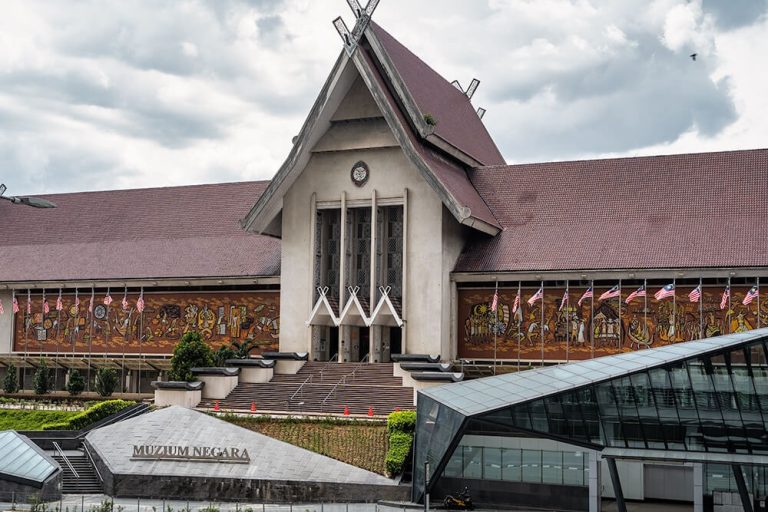
- MRT (Mass Rapid Transit): This is the newest and most extensive rail system in KL, covering the city centre and outlying suburbs, including Bukit Bintang, Pasar Seni (Chinatown), and Muzium Negara. It’s the most reliable way to get around the city.
- LRT (Light Rail Transit): It covers the Kelana Jaya and Ampang lines, including the KLCC station directly below the Petronas Towers. It also connects to the MRT and KTM Komuter at several interchange stations.
- KL Monorail: Runs through Bukit Bintang and connects to KL Sentral. It is useful for the Bukit Bintang area and the Brickfields (Little India) stretch.
- Touch ‘n Go card: This is the standard contactless card for all MRT, LRT, and monorail journeys. It is available at any station and reloadable. Contactless bank cards and e-wallet payments are increasingly available across the network, but Touch ‘n Go remains the most universally reliable option.
- Grab: This is a dominant rideshare platform in Malaysia and the most practical option for journeys between areas not well-connected by rail. Download the app before you arrive. It’s far more reliable and transparent on pricing than street taxis.
- Taxis: Widely available but have a mixed reputation for fair metering of tourists. Use Grab where possible. If you do take a street taxi, always insist on the meter.

The Petronas Twin Towers
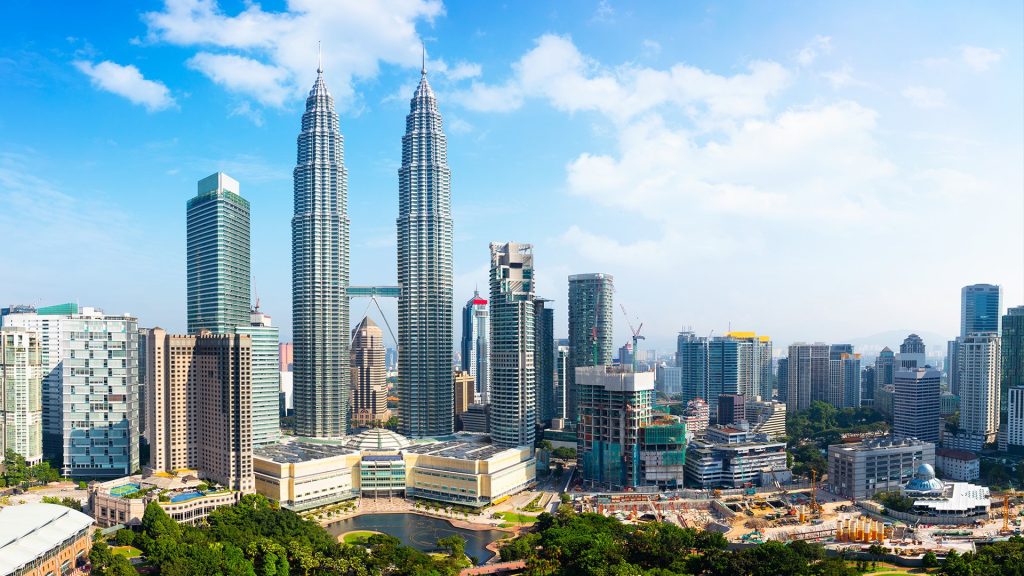
There is no point pretending the towers are not the reason most first-time visitors come to Kuala Lumpur. They are extraordinary. At 452 meters, the Petronas Twin Towers were the tallest buildings in the world from 1998 to 2004, and they remain the tallest twin towers on Earth.
Standing beneath them from KLCC Park in the evening, when they are lit and the fountains in the park are running, is one of those experiences where the reality exceeds the images you have seen.
The towers are open to visitors via a timed ticketing system. It includes the Skybridge on Level 41 and 42 (the famous bridge connecting the two towers, 170 metres above the ground) and the Observation Deck on Level 86.
Tickets sell out in advance, particularly during peak season. Book online as far ahead as possible, or queue at the ticket counter in the basement of Tower 2 from early morning, where same-day tickets are occasionally available.
The best free view of the towers is from the KLCC Skypark by the lake or from the KL Tower observation deck on the opposite side of the city, from which both towers appear in full, and the full spread of the KL skyline is visible.
More Things to See and Do in KL
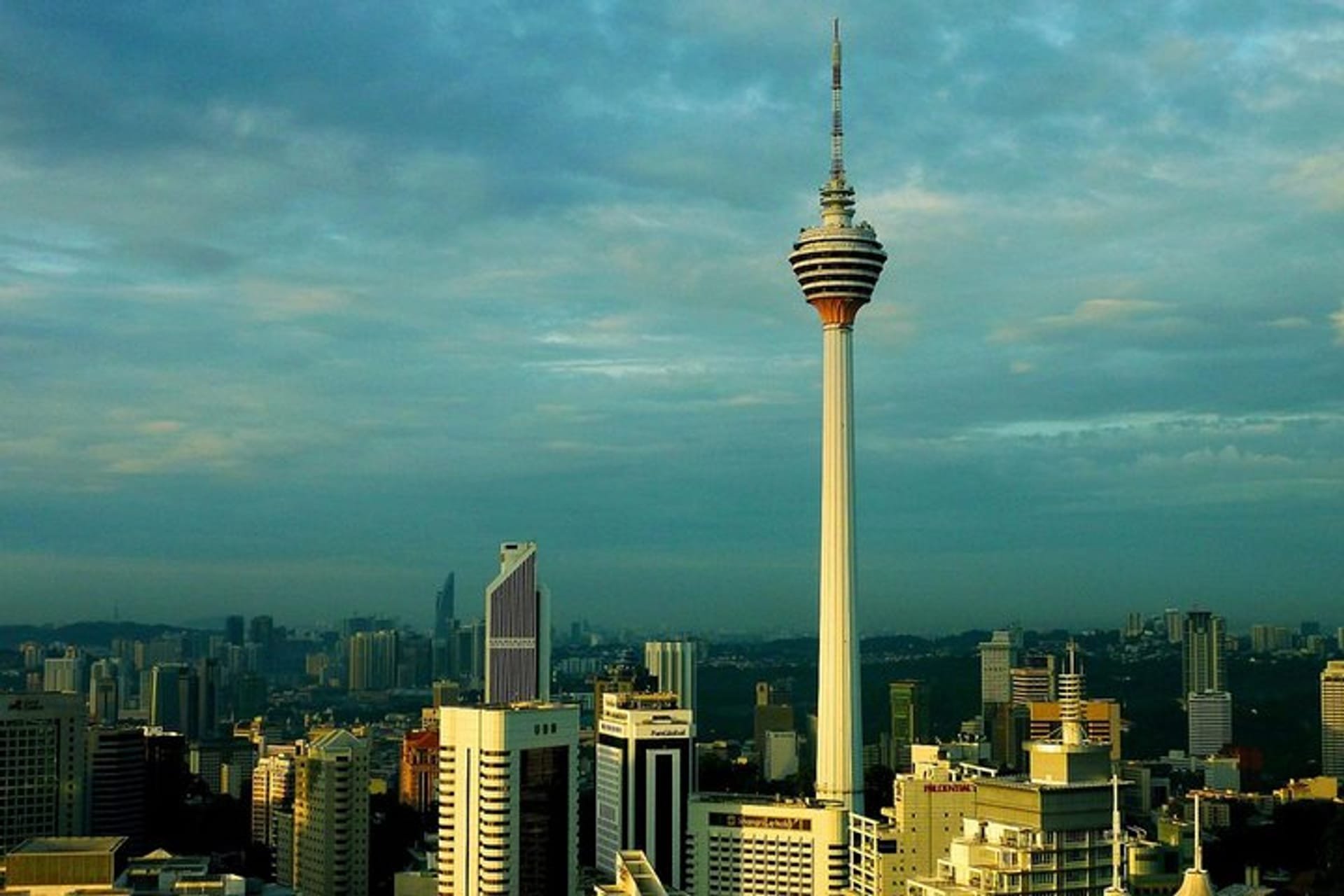
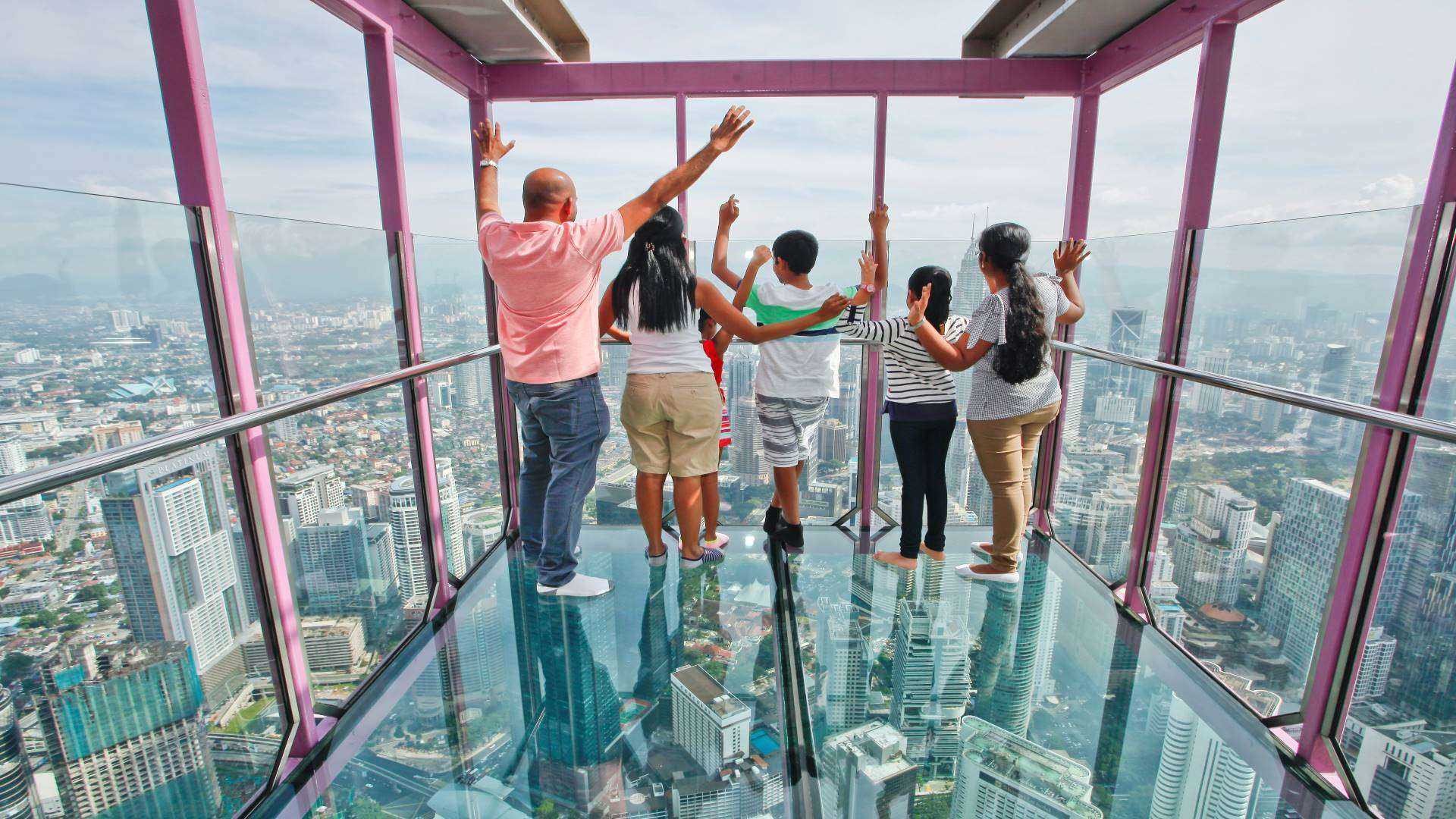
- KL Tower (Menara KL) stands 421 metres tall on Bukit Nanas hill, making it one of the tallest telecommunications towers in the world and the fourth-tallest in Asia. The observation deck gives 360-degree views across the city with the Petronas Towers visible in the middle distance. The Sky Deck is an open-air platform that gives unobstructed views in every direction, and the Sky Box glass-floor extension lets you look straight down to the ground far below. The tower is surrounded by Bukit Nanas Forest Reserve, a small patch of original lowland rainforest in the middle of the city, which can be explored via walking trails.
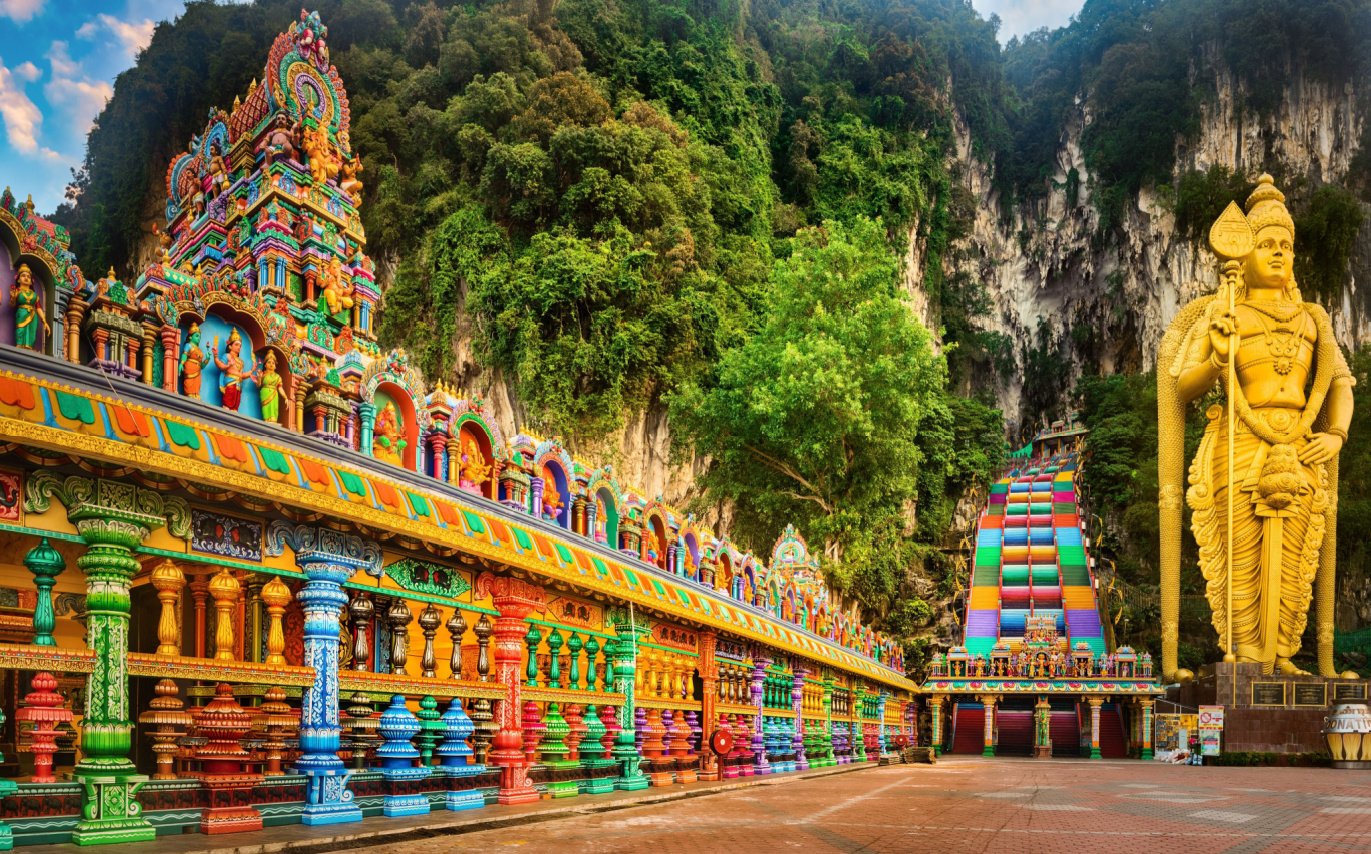
- Batu Caves is a limestone hill complex about 13 km north of the city centre, home to one of the most important Hindu temples outside India. The 272 rainbow-coloured steps leading up to the main cave temple are lined with statues and lead to the Cathedral Cave, a vast natural cavern housing temple shrines and a colony of swiftlets. The 43-meter golden statue of Lord Murugan at the base is one of the tallest statue of the deity in the world. It can easily be reached by KTM Komuter train from KL Sentral, and best visited early in the morning before the heat builds and the crowds arrive.
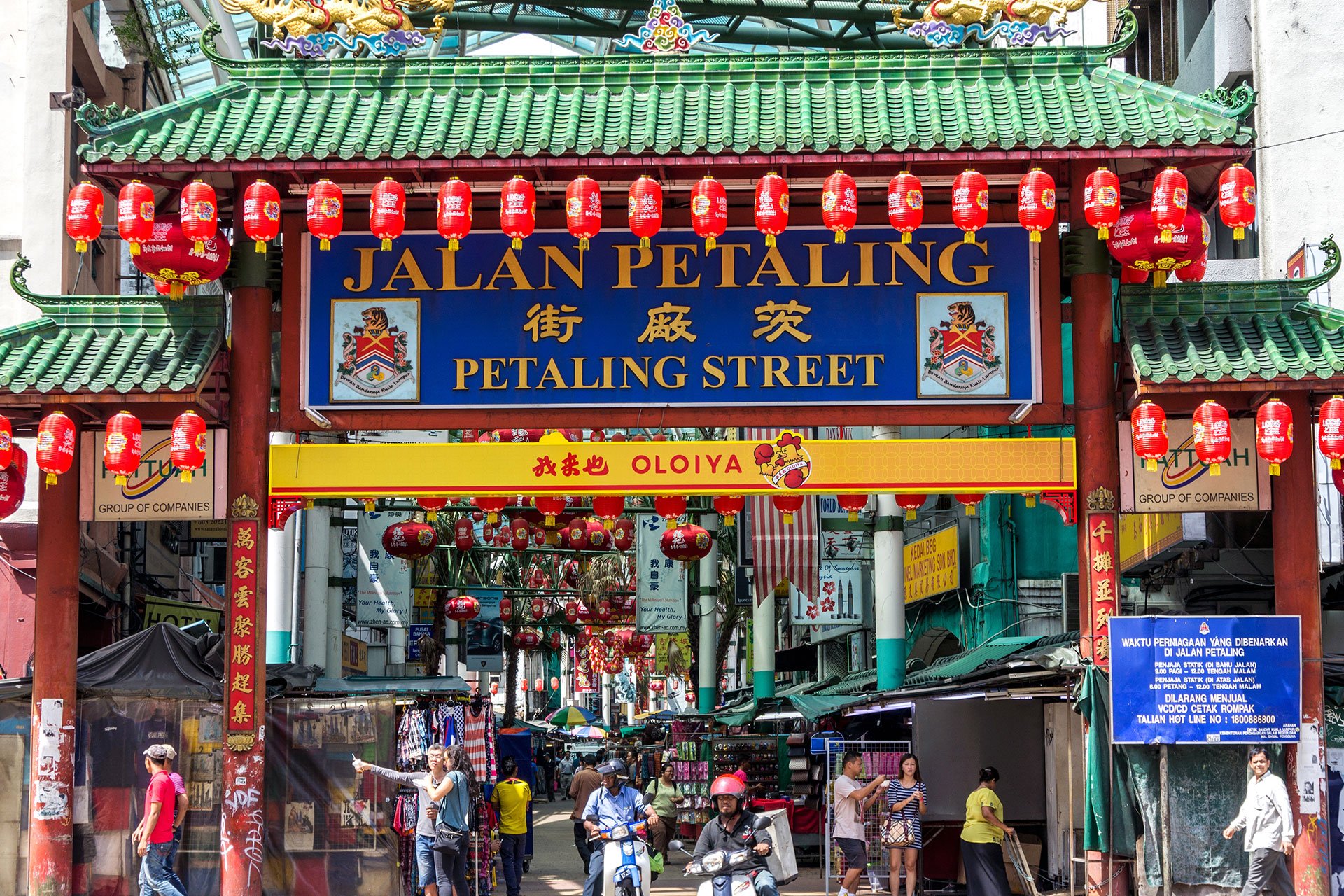
- Chinatown (Petaling Street) is at its most vibrant in the early morning, when the wet market around Jalan Petaling is in full operation, and again in the evening, when the street stalls are set up. The covered Petaling Street market sells clothing, souvenirs, and knock-off goods with enthusiastic haggling. The Sri Mahamariamman Temple at the entrance to Chinatown is one of the richest Hindu temples in Malaysia, dating to 1873. Central Market nearby is a heritage building converted into a shopping precinct for Malaysian crafts, batik, and cultural souvenirs.
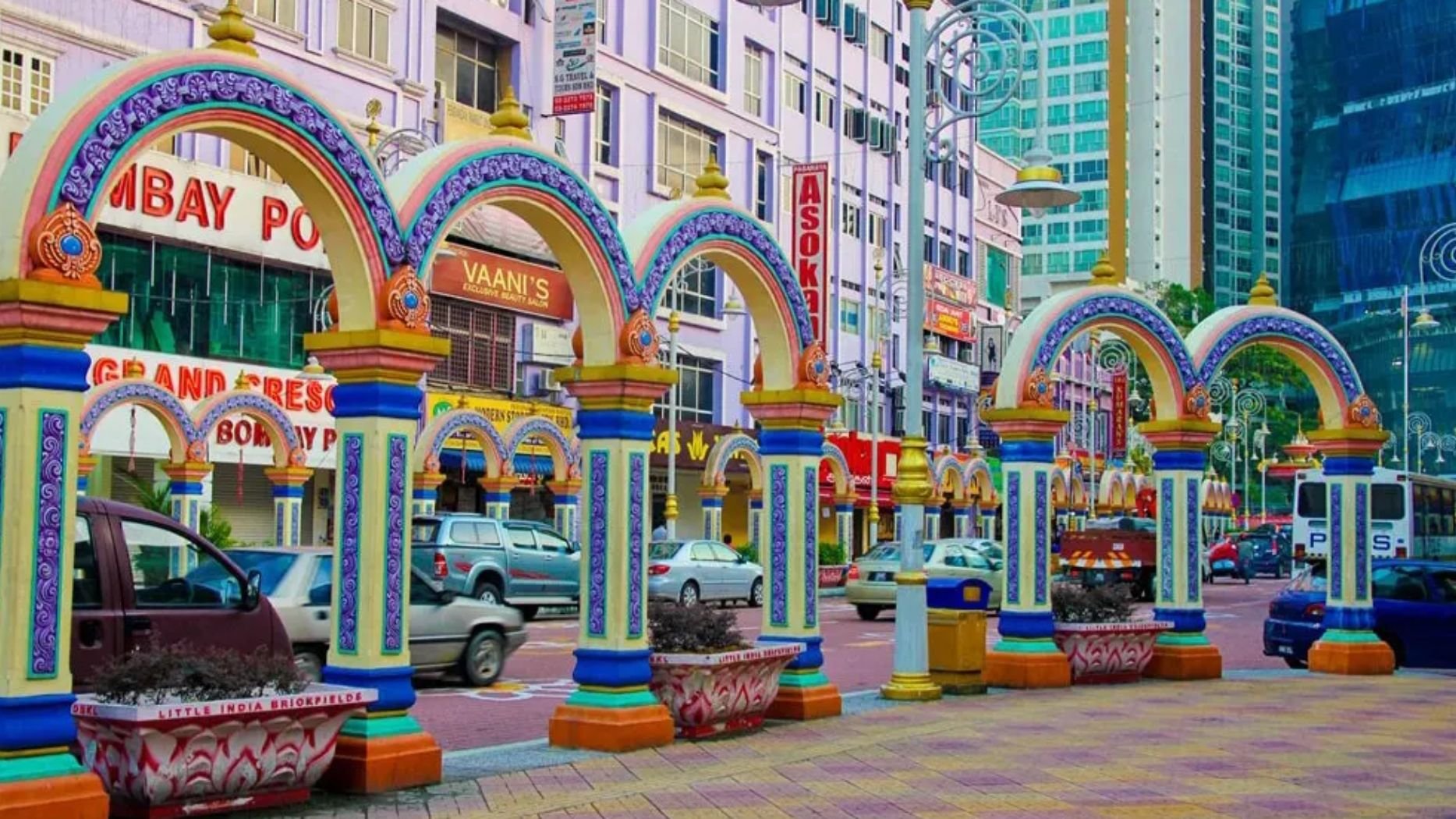
- Little India (Brickfields) is the Indian quarter near KL Sentral, a riot of flower garlands, Tamil music, gold jewellers, textile shops, and the smell of spices. The Sri Kandaswamy Kovil temple on Jalan Scott is worth a visit. The best South Indian banana-leaf rice in the city is in this neighbourhood, served on literal banana leaves and refilled endlessly by attentive staff.
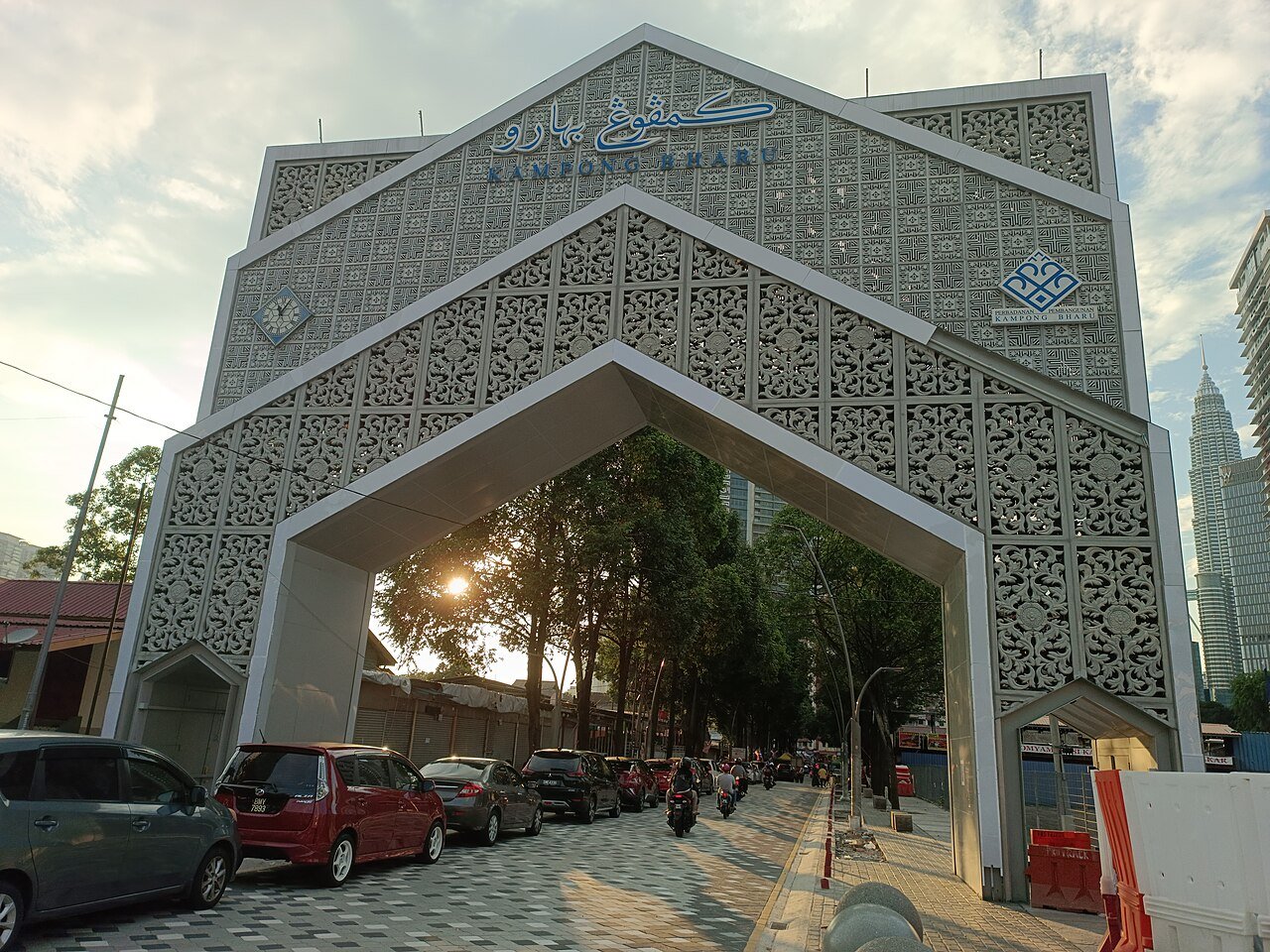
- Kampung Baru is a Malay village that has somehow survived intact in the middle of the modern city, surrounded by skyscrapers but preserving a way of life and a food culture that is genuinely different from the rest of central KL. Go on a weekend morning for the market and stay for a proper Nasi Lemak at one of the long-running stalls.
- Jalan Alor in Bukit Bintang is KL's most famous food street, transforming every evening into a long strip of outdoor tables, grilling stations, and hawker-style stalls serving Chinese-Malaysian food. Loud, smoky, and delicious!
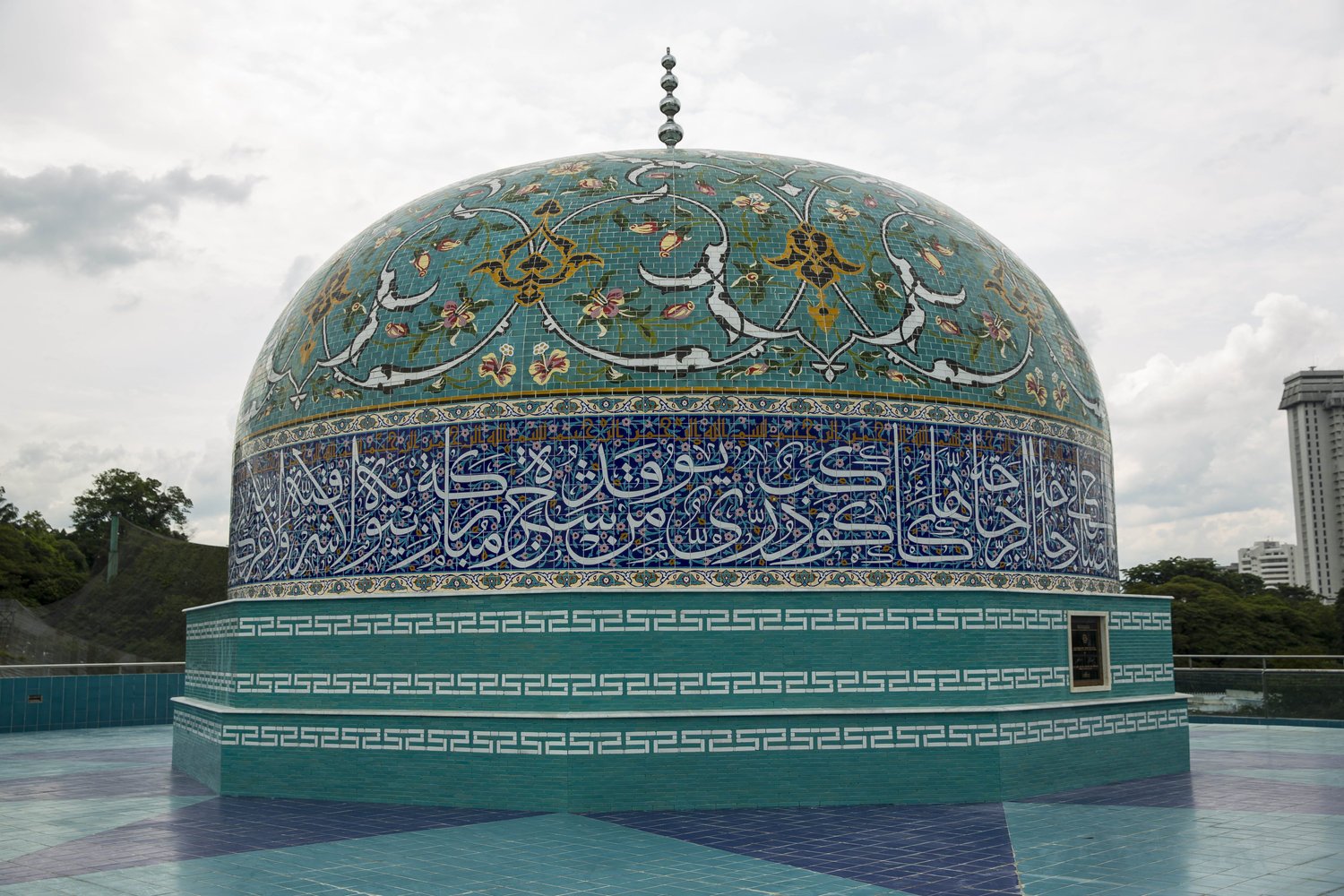
- Islamic Arts Museum Malaysia near the Lake Gardens is one of the best museums of its kind in the world, housing a collection of Islamic art, architecture, manuscripts, and decorative objects from across the Muslim world. The building itself is beautiful. You get free entry on certain days, which is always worth checking before you go.
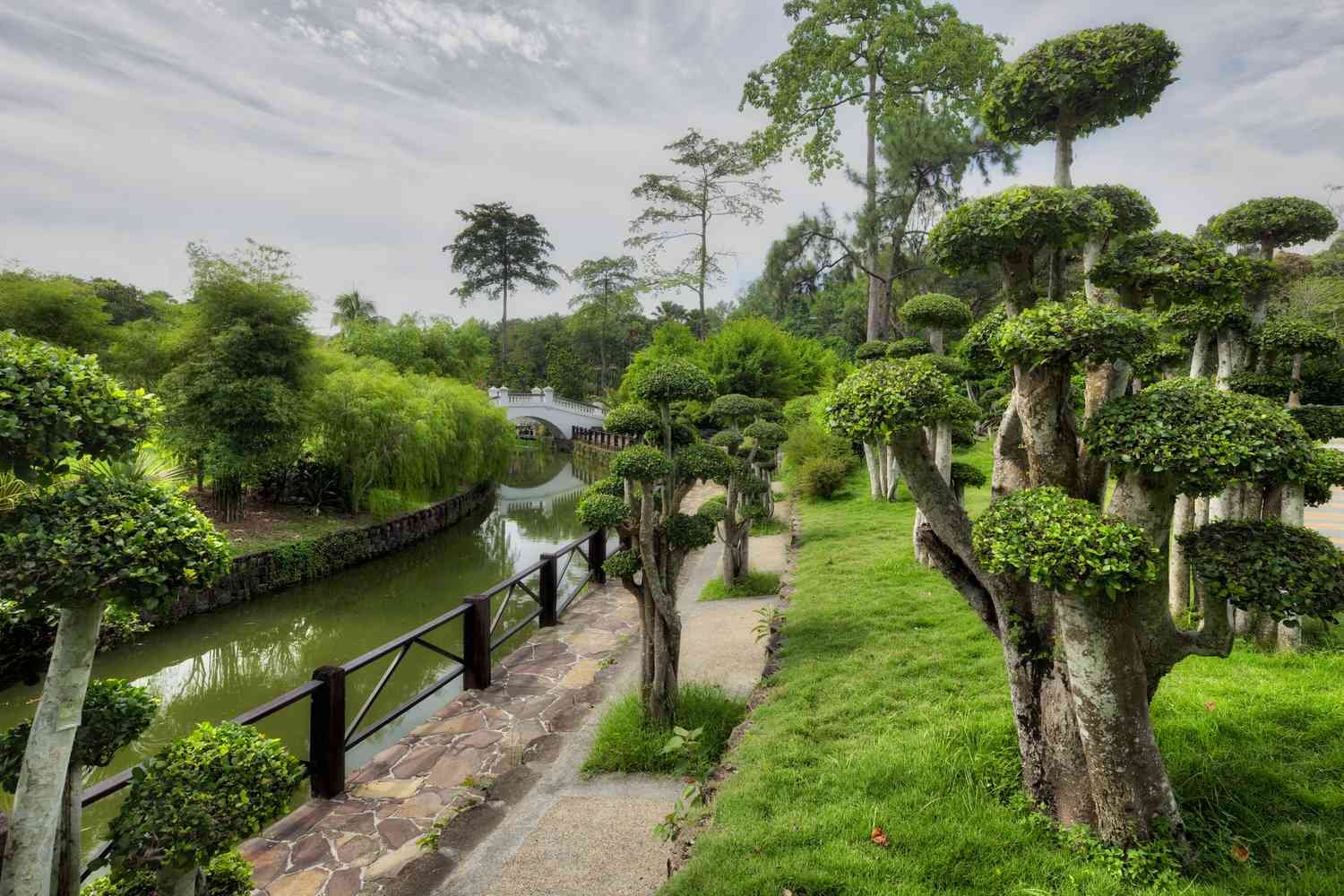
- Lake Gardens (Perdana Botanical Garden) is a large green park in the heart of KL with the Kuala Lumpur Bird Park (Asia's largest walk-in aviary at 20.9 acres), a Butterfly Park, a deer park, and the National Planetarium within its grounds. The Bird Park alone justifies a morning visit.


Popular Attractions in Kuala Lumpur
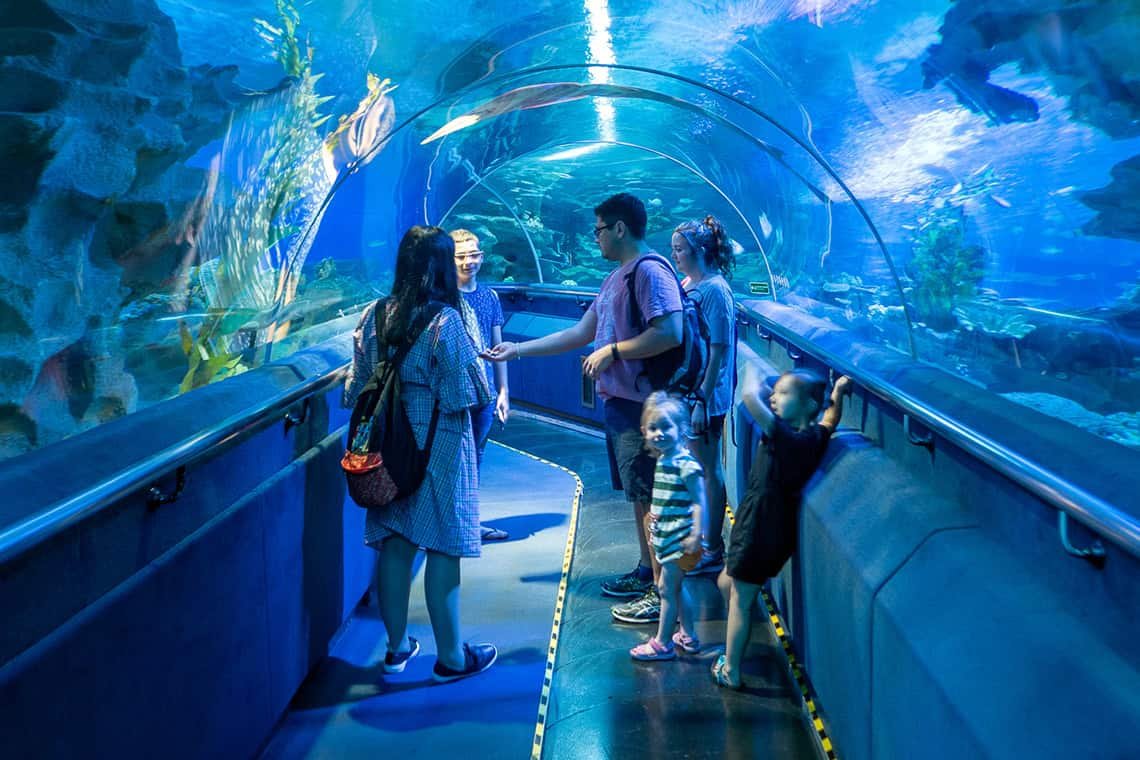
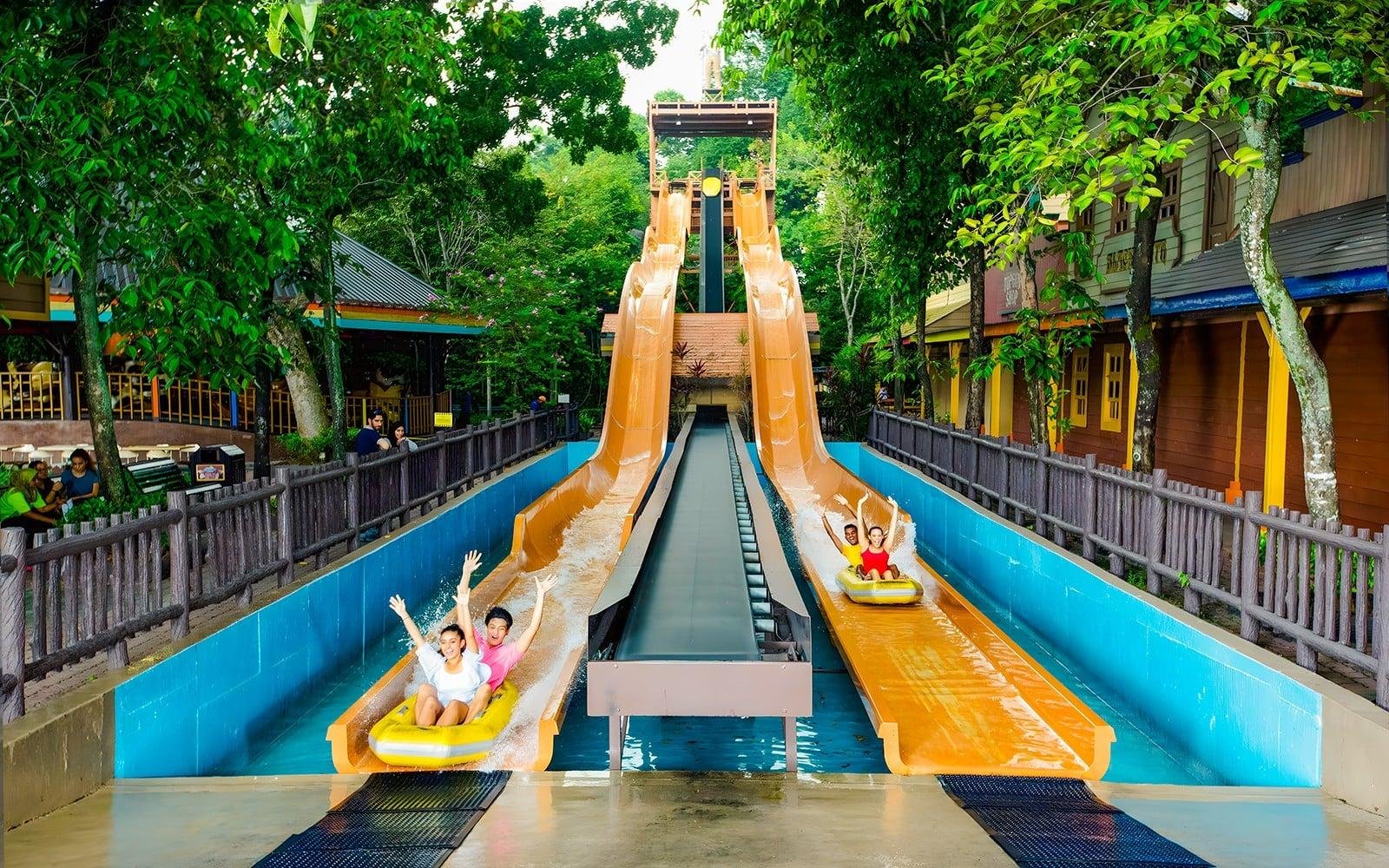
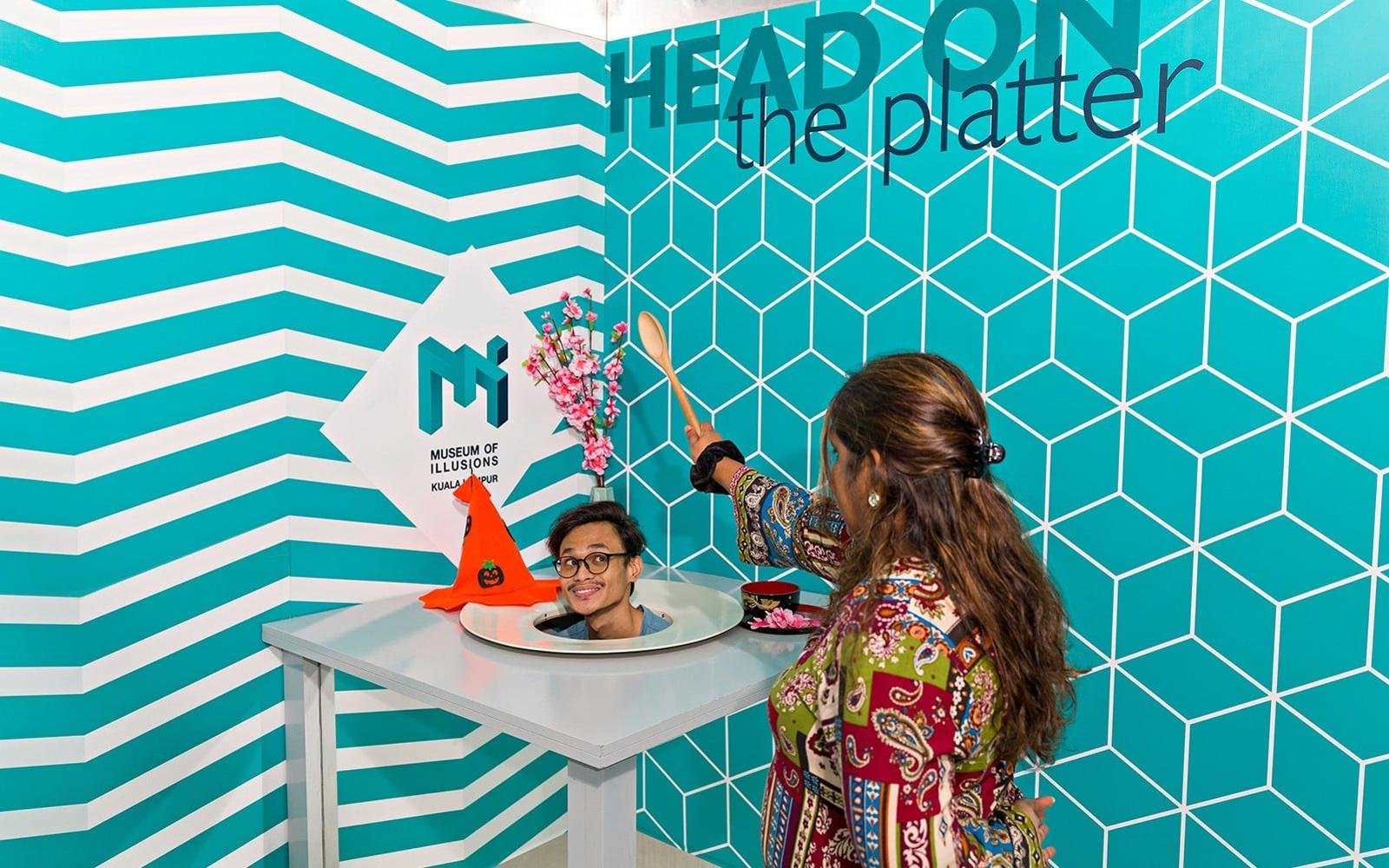
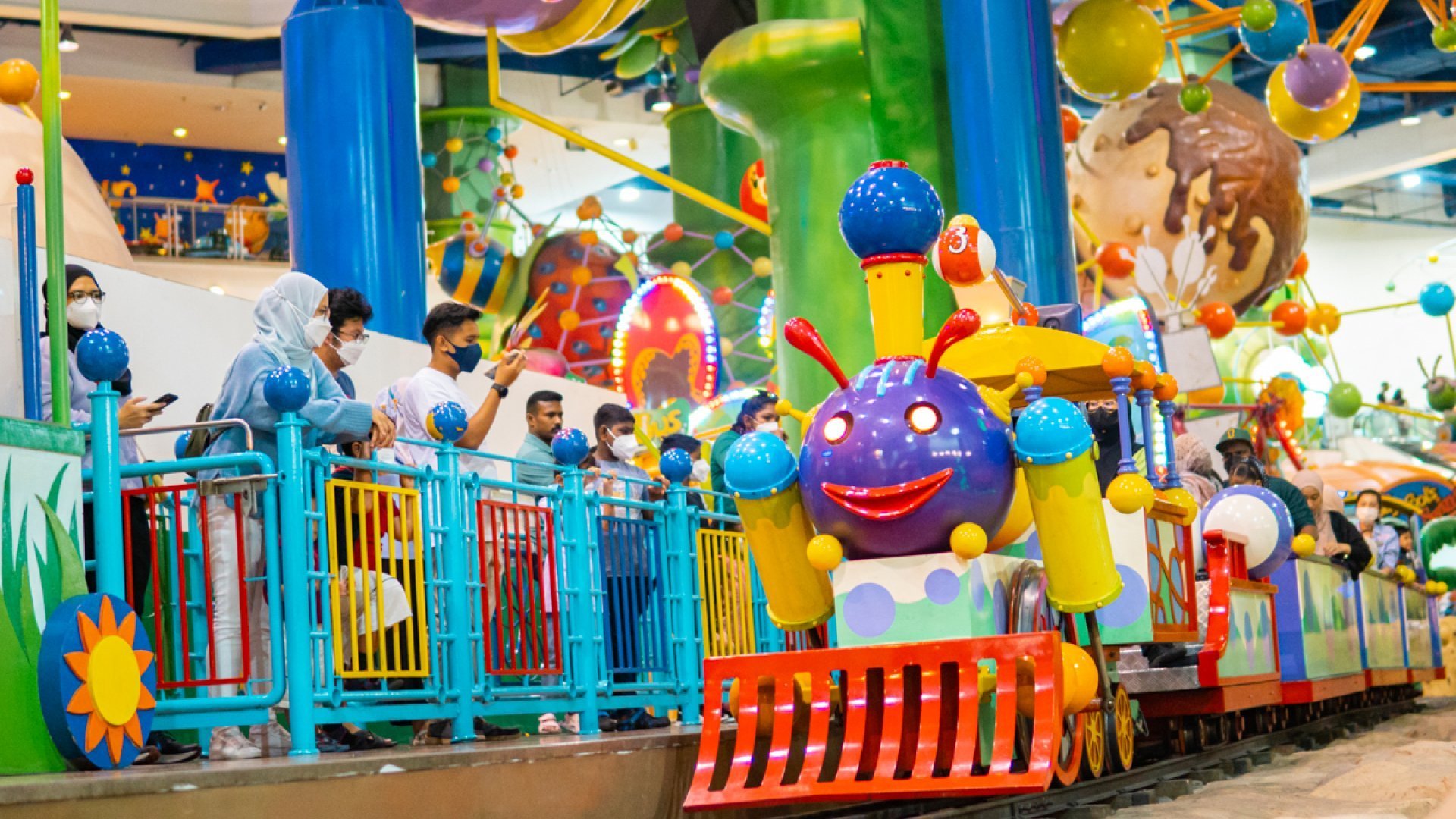
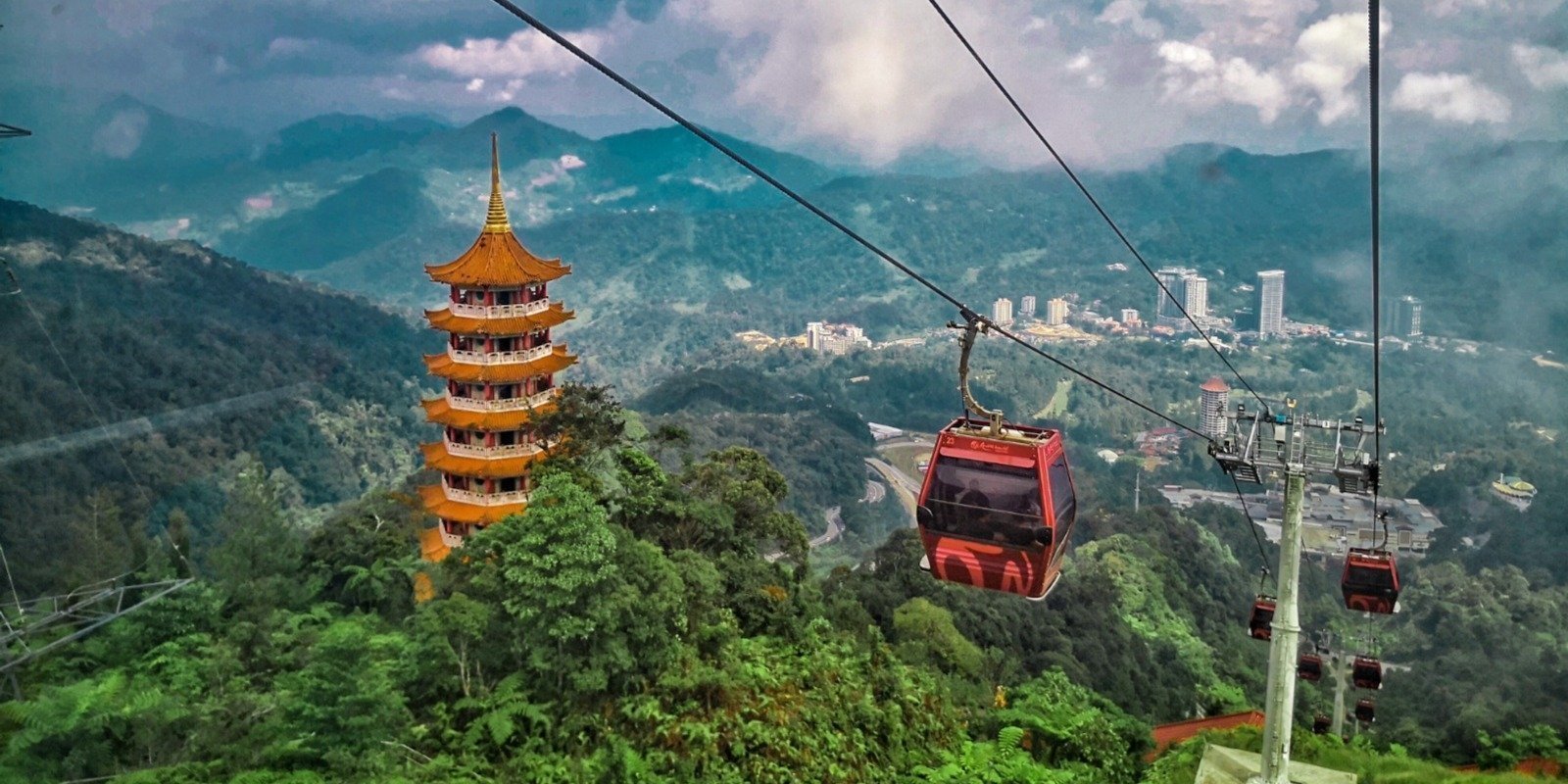
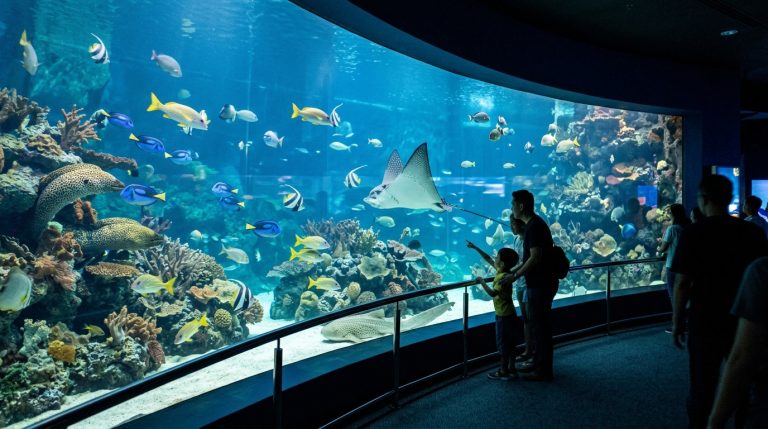
- Aquaria KLCC sits beneath the Kuala Lumpur Convention Centre, a 10-minute walk from the Petronas Towers, and is one of the top-rated aquariums in Asia. The highlight is Malaysia's longest underwater tunnel: a 90-metre glass walkway with sand tiger sharks, giant groupers, stingrays, and manta rays gliding overhead. The facility houses over 5,000 marine and land animals across displays covering Malaysian river ecosystems, highland streams, coral reefs, and open ocean. Feeding sessions are scheduled throughout the day and are the most popular times to visit.
- KL Tower Observation Deck offers panoramic city views from 421 meters, including the open-air Sky Deck and the Sky Box glass floor platform. It is the fourth-tallest telecommunications tower in Asia and one of the best vantage points in the city.
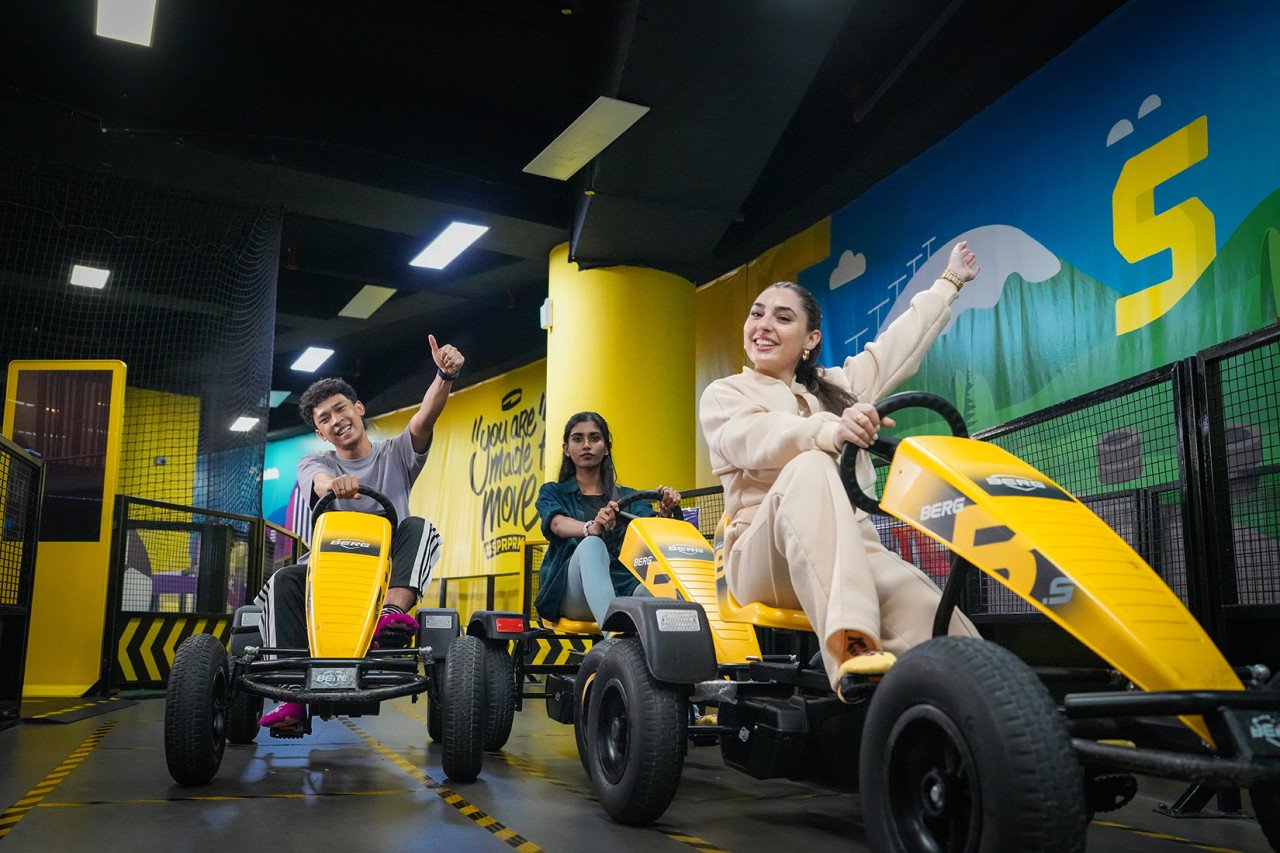
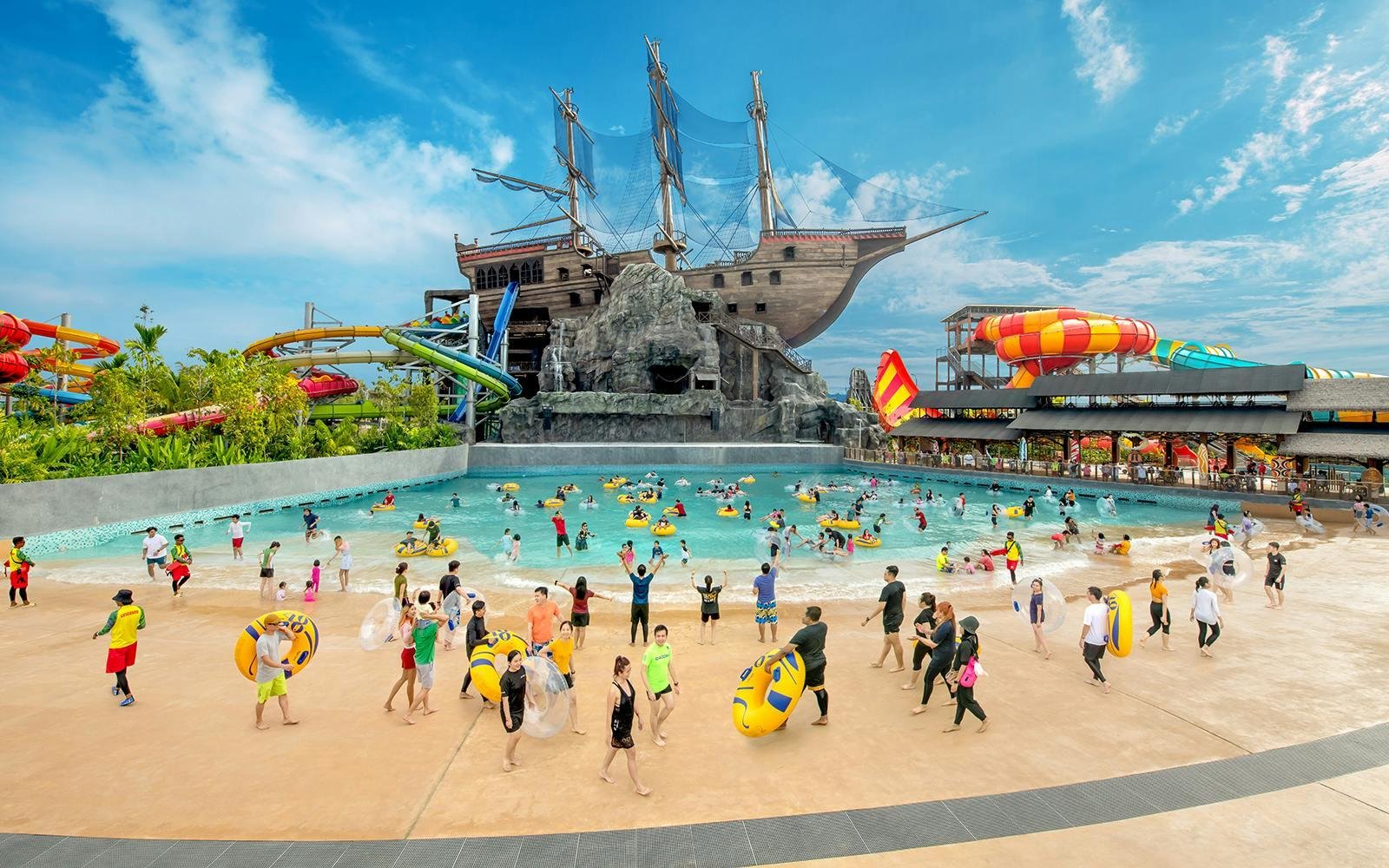
- Sunway Lagoon Theme Park is Malaysia's most popular multi-park attraction, located just outside KL in Sunway. Covering over 80 acres, it combines a water park with wave pools, slides, and a surf beach alongside an amusement park with rollercoasters, an extreme park with bungee jumping and go-karts, a wildlife park, and a scream park. A full day is needed to do it justice.
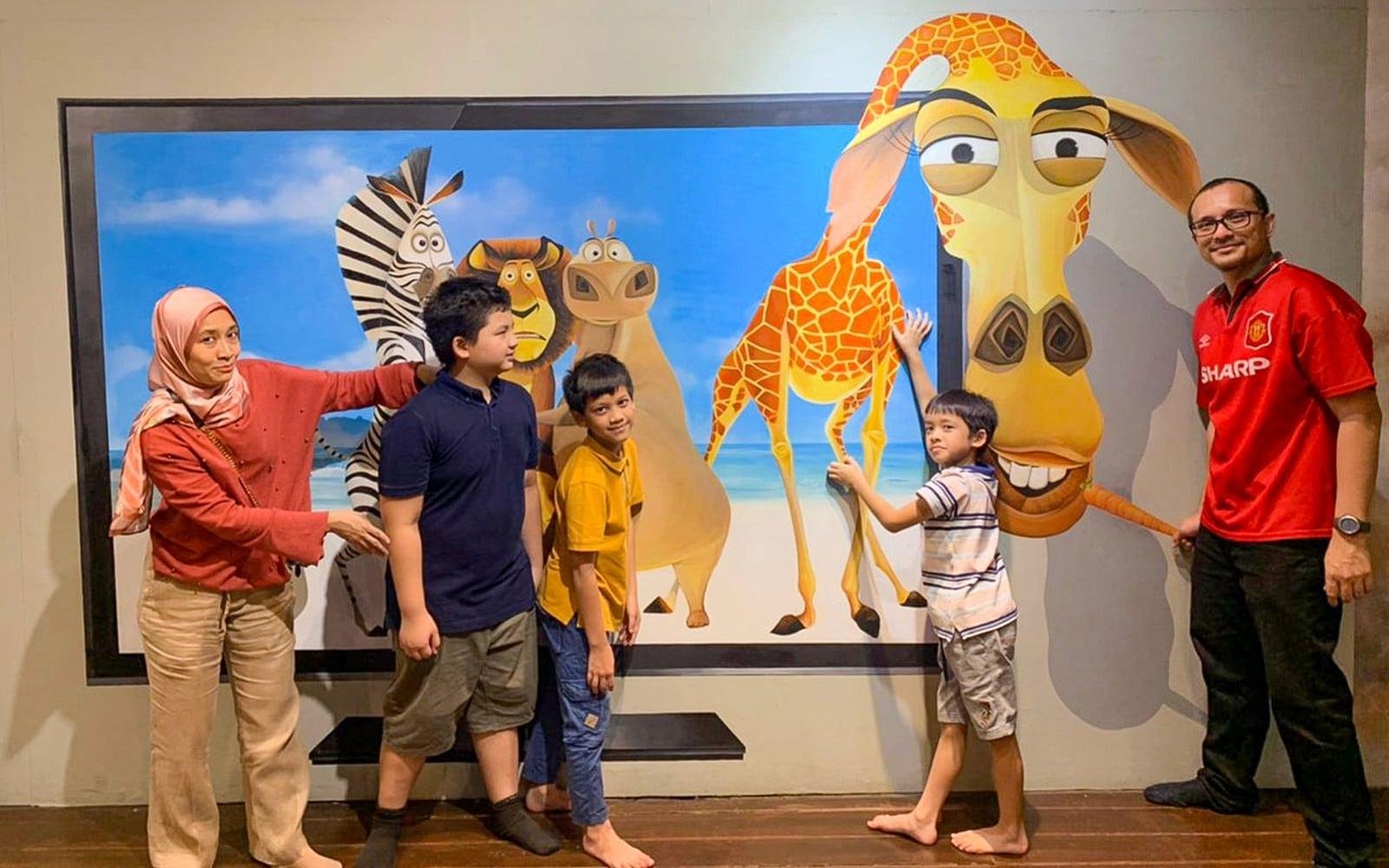
- Museum of Illusions Kuala Lumpur is an interactive optical illusion museum with rooms including the Vortex Tunnel, Ames Rooms, Anti-Gravity Room, Bottomless Pit, Infinity Room, and Colour Room. You get a fun, brain-bending experience that takes about 90 minutes to work through and is excellent for groups and families.
- Berjaya Times Square Indoor Theme Park is one of the largest indoor amusement parks in Malaysia, located inside Berjaya Times Square Mall in Bukit Bintang. The Galaxy Station zone features Malaysia's longest indoor roller coaster. This is a family-friendly, all-weather entertainment option in a central location.
- The Genting Highlands and Batu Caves Day Tour covers two of the most popular destinations near KL in a single guided day. Genting Highlands is Malaysia's premier hill resort, sitting at 1,800 metres above sea level with cool temperatures, the SkyWorlds Outdoor Theme Park, the Skytropolis Indoor Theme Park, cable car rides, and the SkyCasino. Combined with a Batu Caves visit, this is one of the most comprehensive day trips available from the city.
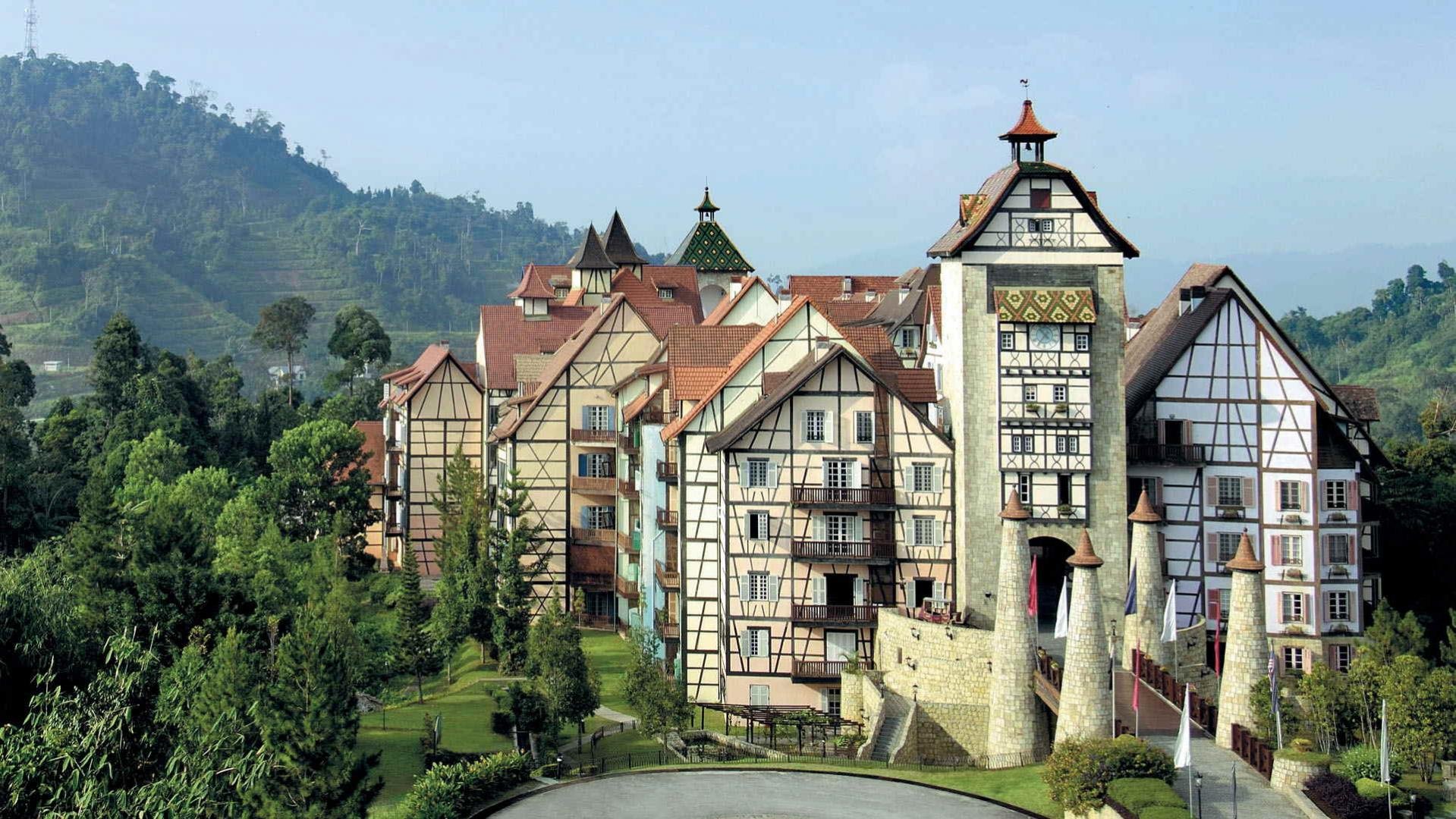
- Colmar Tropicale and Batu Caves Day Trip pairs the Alsatian-themed resort village of Colmar Tropicale in Bukit Tinggi (a surreal French colonial village in the Malaysian highlands, complete with a replica town square and half-timbered buildings) with a visit to Batu Caves. An unusual combination that shows how genuinely surprising Malaysia can be as a destination.
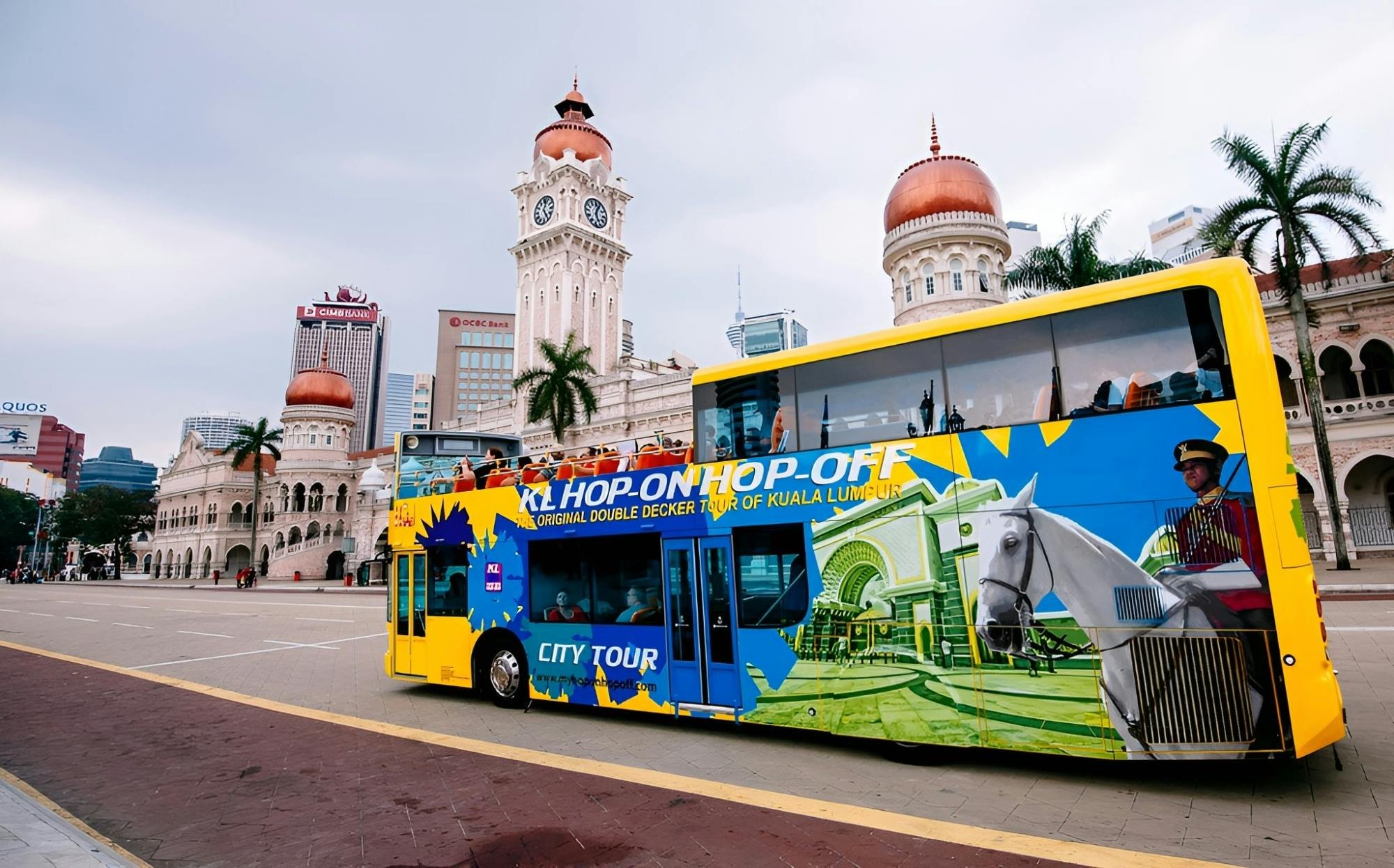
- The Kuala Lumpur Hop-On Hop-Off Sightseeing Bus Tour runs two routes covering the city's major landmarks with unlimited boarding throughout the day and live commentary. It is one of the best ways to orient yourself in KL, particularly on the first day, and is useful for reaching attractions spread across a large area without navigating the rail system.
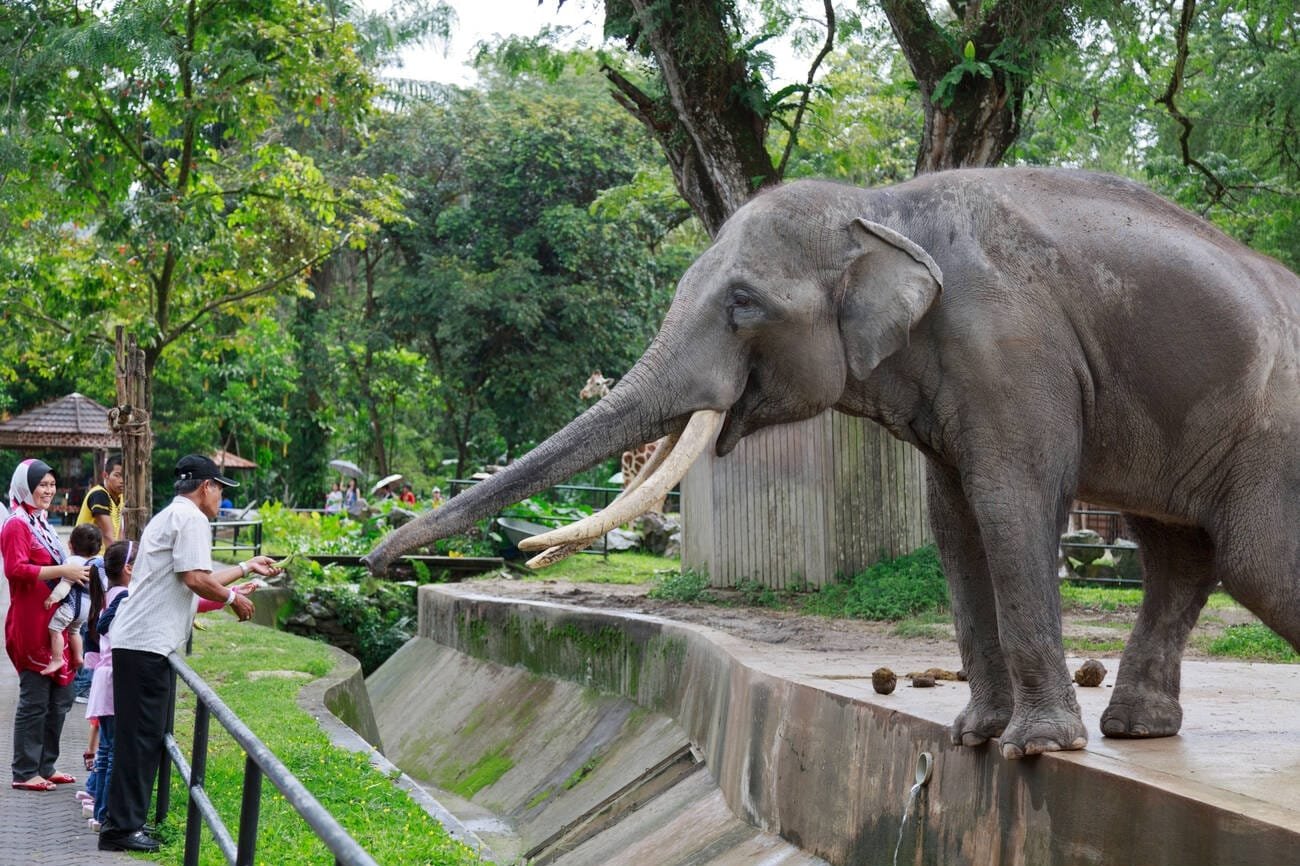
- Zoo Negara (National Zoo of Malaysia) covers 110 acres on the outskirts of KL, housing over 5,000 animals representing 476 species, including Malaysian sun bears, Malayan tigers, rhinoceros hornbills, and pygmy elephants. This is one of the most diverse zoo collections in Southeast Asia, with an open-concept layout that gives animals significantly more space than traditional zoo designs.
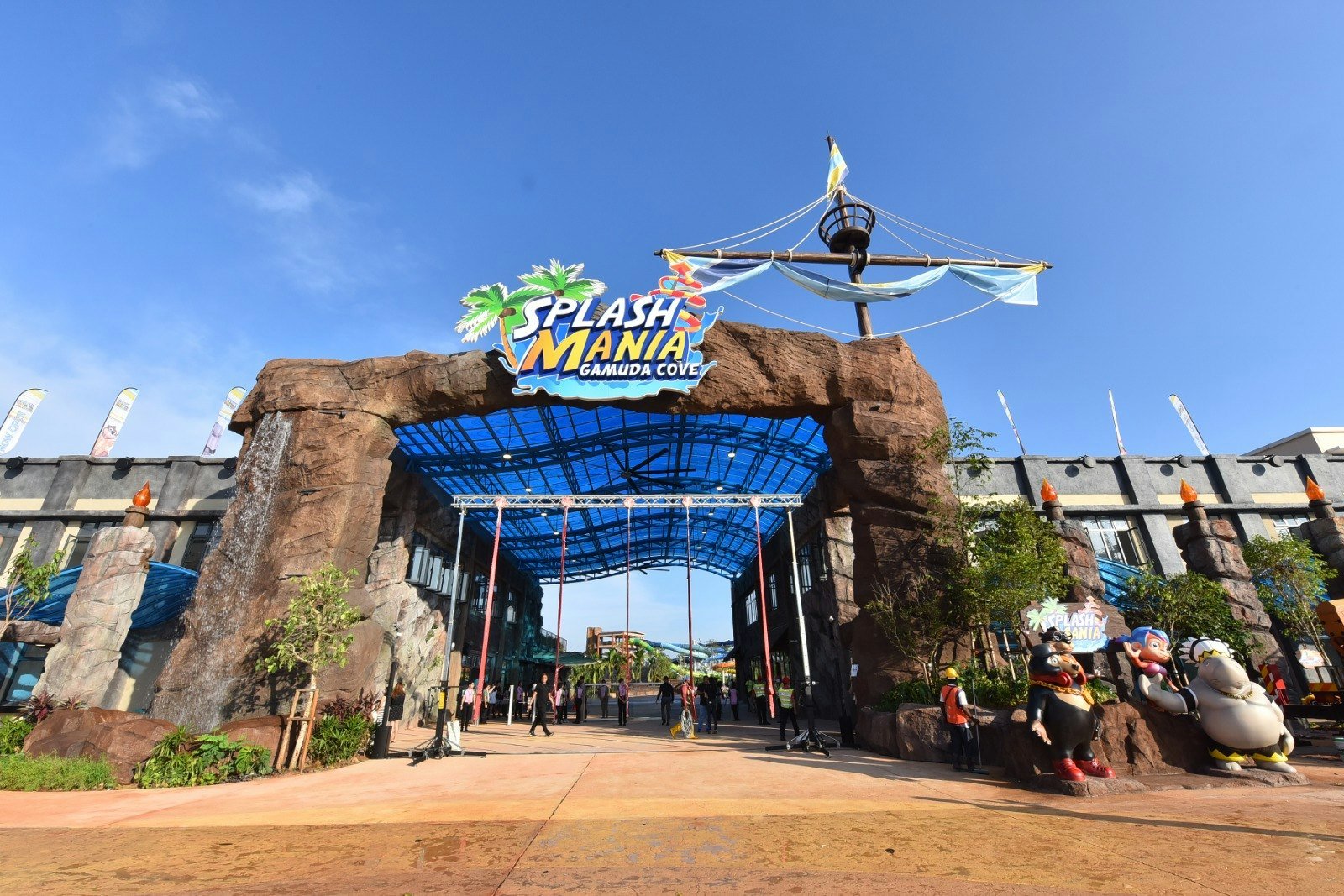
- SplashMania Gamuda Cove is a large water park in the Gamuda Cove township south of KL, with wave pools, family slides, a lazy river, and children's water play zones set in a tropical landscaped environment.
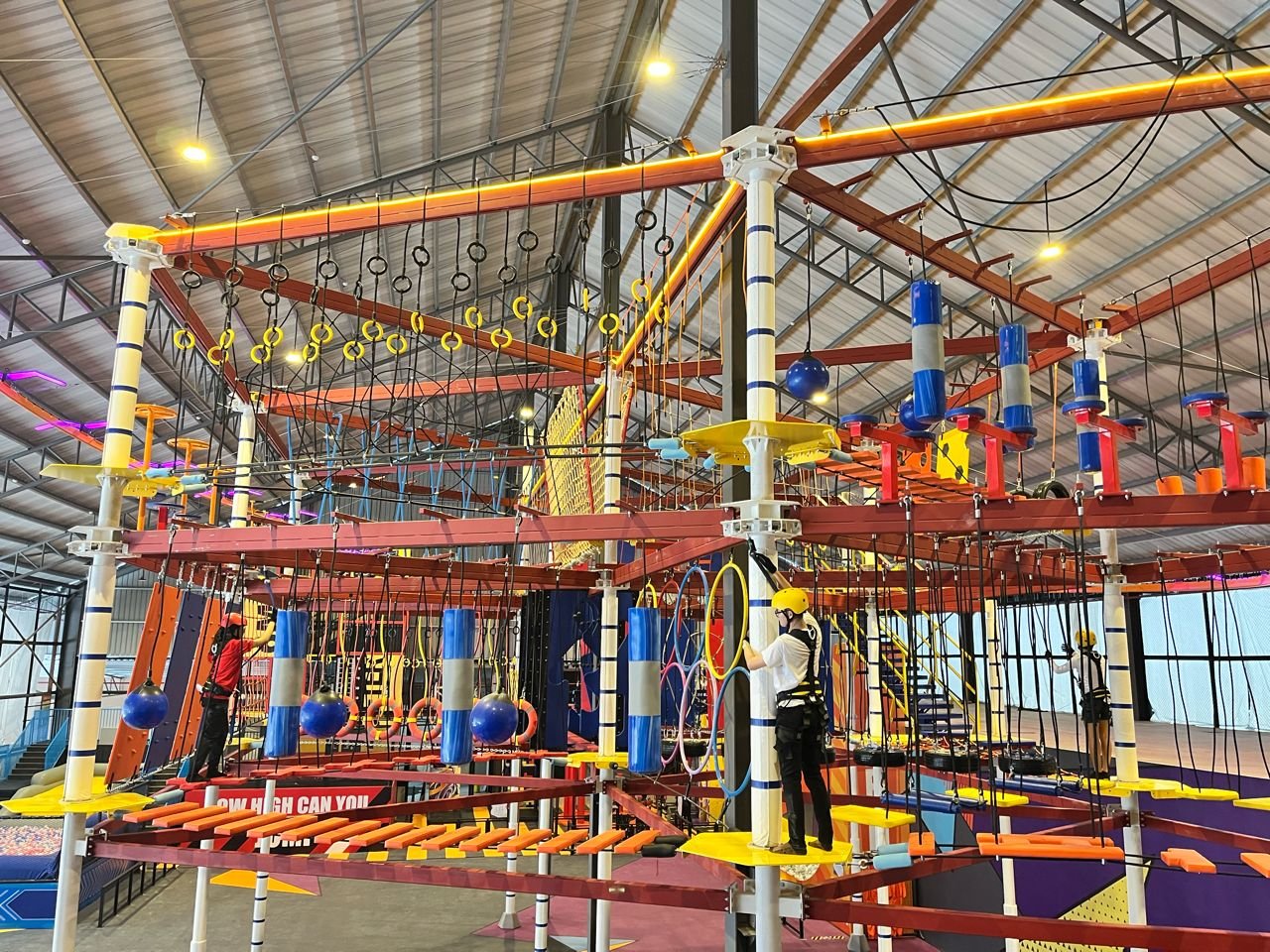
- Super Park Malaysia is an indoor multi-activity park at Pavilion Bukit Jalil, combining trampolining, climbing walls, slides, and adventure circuits across a large indoor space, suitable for both children and adults.
- FunPark Gamuda Luge Gardens offers luge (gravity-powered go-kart) rides on a track winding through the Gamuda Gardens township, along with other family-friendly activities.
- Conquer Indoor Extreme Park is an indoor adventure facility with climbing walls, obstacle courses, and extreme sports activities for older children and adults looking for a physical challenge in an air-conditioned environment.
- Illusion 3D Art Museum is an interactive painted-floor and wall art museum where visitors step into optical illusions and photographic scenarios to create dramatic perspective photos. It is similar in format to ArtVo in Melbourne or the trick art museums found across Southeast Asia, and is best enjoyed with a group.
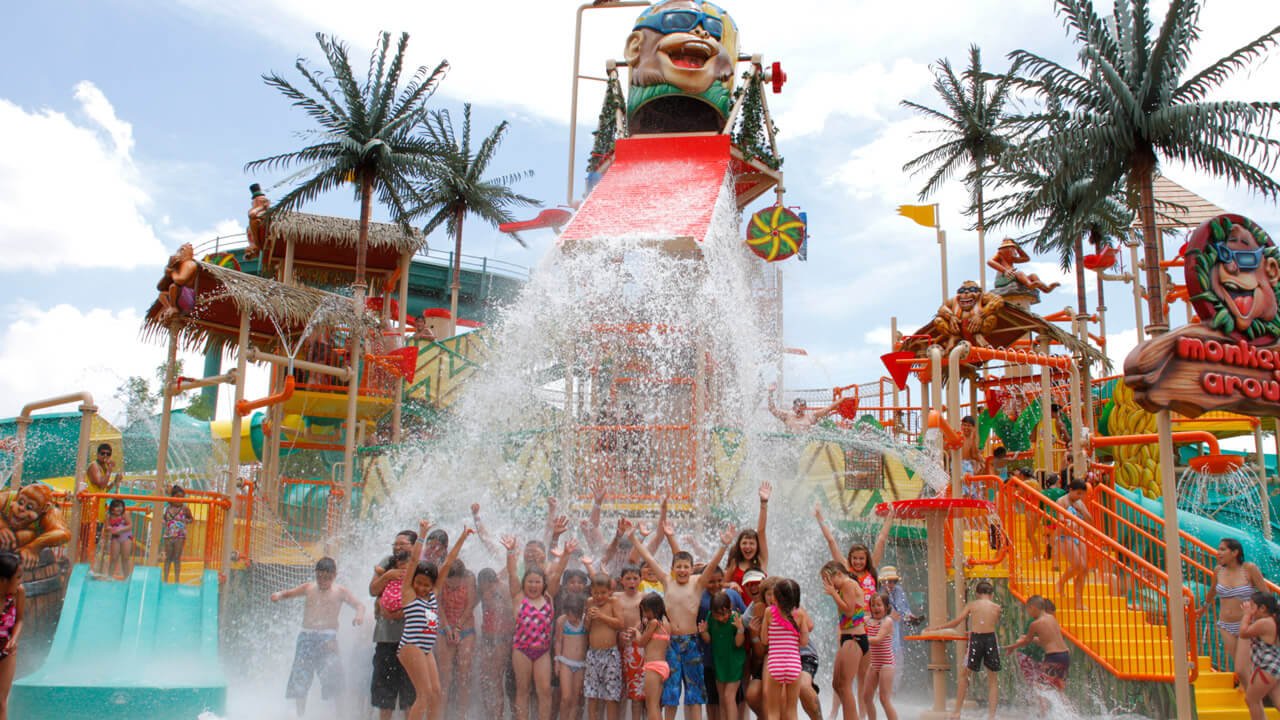
- Monkey Splash Zone Water Park is a children-focused water park with splash zones and family water play areas suited to younger visitors.


Food: The Real Reason to Visit KL
Kuala Lumpur is one of the great food cities in Asia, and the argument for it rests on three pillars: the diversity, the quality, and the price. You can eat extraordinarily well here for almost nothing, and you can eat extraordinarily well here at a fine dining level, too. The gap between the two is narrower than in almost any other major city.
Nasi Lemak is the national dish of Malaysia and one of the most comforting things you will eat in Southeast Asia. It’s a fragrant coconut rice served with ikan bilis (crispy anchovies), roasted peanuts, a hard-boiled egg, cucumber, and sambal, traditionally wrapped in banana leaf. The version in Kampung Baru on weekend mornings is the most authentic in the city.
Char Kway Teow (wok-fried flat rice noodles with Chinese sausage, cockles, egg, and bean sprouts) in KL is not quite the same as in Penang, where it is considered a religion, but the Chinatown and Petaling Street versions are excellent and a fraction of the cost of the hawker centres in Singapore.
Hokkien Mee (thick yellow noodles in a dark soy and lard-based sauce with pork and prawns) is a KL-specific dish that does not translate well to other cities and should be eaten here. The version at Kim Lian Kee in Chinatown, operating since 1927, is the benchmark.
Roti Canai is the South Indian flatbread served with dal or curry sauce that functions as breakfast for a significant portion of the KL population, cooked fresh on a flat griddle and eaten at the kind of speed that suggests everyone has somewhere to be.
Jalan Alor is non-negotiable for an evening of eating. Walk the length of it, order from multiple stalls, and trust the tables with the most local customers.
Brickfields has the best banana-leaf rice in the city and is the place for authentic South Indian food. Saravana Bhavan on Jalan Scott is a reliable, cheap, and genuinely excellent option. Chinatown has the best kopitiams (traditional coffee shops), and a slow morning there with a coffee and toast is one of the underrated pleasures of KL.
Alcohol is available at licensed bars and restaurants throughout the city, though Malaysia is a predominantly Muslim country and public drinking is not common in traditional areas. Bukit Bintang and Changkat Bukit Bintang have the most active bar scene.
All these sound mouth-wateringly good, don't they? Well, that’s because they are.
When to Visit Kuala Lumpur
Kuala Lumpur is a year-round destination, positioned close enough to the equator that it stays warm and humid throughout the year, with temperatures typically between 23 and 33°C.
The wetter months tend to be March to April and September to November, though rainfall patterns have become less predictable in recent years. Peak season runs from May to August and again from December to February, when the weather is generally drier.
The honest answer is that the weather should not be the primary factor in choosing when to visit. KL has enormous amounts of indoor entertainment, excellent air conditioning throughout, and the rain, when it comes, tends to be intense but brief. The most comfortable months are May to July when humidity dips slightly, and rainfall is more manageable.
Practical Tips Before You Go
- Download Grab before you arrive. It is the essential app for KL and will save you money and stress compared to street taxis. Always confirm your pickup location carefully in the app, as KL's large malls and buildings have multiple entrances.
- The Touch 'n Go card covers the MRT, LRT, and Monorail. Buy one at any station and keep it topped up. The rail system is the best way to escape KL's notorious traffic.
- Traffic is genuinely severe during peak hours (7 to 9 am and 5 to 8 pm). Plan accordingly and use the train wherever possible. If you are heading to the airport, add at least 30 minutes to any estimated road travel time during peak periods
- Heat and humidity are significant. Wear lightweight, breathable clothing, carry water at all times, and be prepared to duck into air-conditioned spaces regularly. SPF 50+ sunscreen is essential.
- Dress respectfully for mosques and temples. Cover your shoulders and knees, and remove shoes before entering. Headscarves are required for women entering mosques. These are usually provided at the entrance.
- Haggling is expected and perfectly normal at street markets and souvenir stalls. A friendly offer starting at roughly half the asking price is a reasonable opening position.
- Cash is still widely used at hawker stalls, markets, and smaller restaurants. Cards and e-wallets (especially Touch 'n Go eWallet and GrabPay) are increasingly accepted in malls and larger venues, but always keep some Ringgit on hand.
- Carry a Type G plug at 240V. Bring a universal adapter if needed.
- eSIM or local SIM: Available at the airport from Maxis, Celcom, and Digi. Tourist data SIM packages are a good value and easy to activate with your passport.
Kuala Lumpur is a city that keeps giving the more time you put in. The towers are extraordinary. The temples are beautiful. The food is one of the genuine reasons to visit Asia. And the city underneath all of that, in the kopitiams and the wet markets and the neighbourhood streets away from the tourist corridor, is one of the most genuinely interesting urban environments in Southeast Asia.
Stop scrolling and start booking. Head to Thrillark to grab your KL tickets, tours, and experiences, and give Malaysia's capital the time it deserves.
Frequently Asked Questions About Kuala Lumpur
What is the best way to get from KL Airport to the city centre?
The KLIA Ekspres train from KLIA to KL Sentral station is the fastest and most comfortable option, taking approximately 28 minutes with no stops and departing every 15 to 20 minutes. From KLIA Terminal 2 (T2, used by AirAsia and budget carriers), the KLIA Transit service takes about 33 minutes to KL Sentral with two intermediate stops. From KL Sentral, you can connect to the MRT, LRT, Monorail, or Grab to reach your accommodation. Road transfers by taxi or Grab are available but take 45 minutes to over an hour, depending on traffic.
Is the Petronas Twin Towers visit worth it, and how do you get tickets?
Visiting the Petronas Twin Towers is absolutely worth it. The Skybridge on Level 41 and 42, connecting the two towers 170 metres above the ground, is a unique experience available nowhere else in the world, and the Observation Deck on Level 86 gives views across the full KL skyline in every direction. Tickets are timed and sell out in advance during peak periods. Booking online is strongly recommended. For same-day tickets, queue at the ticket counter in the basement of Tower 2 from early morning, but availability is not guaranteed.
What is the best time to visit Kuala Lumpur?
Kuala Lumpur is worth visiting year-round, with warm temperatures between 23 and 33°C throughout the year. May to August is generally considered the most comfortable window, with slightly lower humidity and more manageable rainfall. March to April and September to November tend to be the wetter periods, though rain in KL usually arrives as a brief, intense afternoon downpour rather than a full day of grey sky. The heat and humidity are constants regardless of month, so lightweight clothing and staying hydrated matter more than timing your trip around the weather.
What should you eat in Kuala Lumpur?
The non-negotiables are Nasi Lemak (coconut rice with sambal, anchovies, and peanut, best in Kampung Baru on weekend mornings), Char Kway Teow (wok-fried flat rice noodles), Hokkien Mee (thick noodles in dark soy sauce, a KL speciality), Roti Canai (South Indian flatbread with curry sauce at any kopitiam for breakfast), and a slow evening on Jalan Alor where multiple hawker-style stalls serve Chinese-Malaysian food outdoors. Chinatown has the best kopitiams, and Brickfields has the best banana-leaf rice. The general rule in KL is to eat where the locals eat, which is rarely in the most tourist-visible establishments.
Is Kuala Lumpur safe for tourists?
Kuala Lumpur is generally safe for tourists, with low rates of violent crime by regional standards. The main risks are petty theft and bag snatching in crowded areas, particularly around Chinatown and busy bus stations. Keep bags close, avoid displaying expensive electronics in crowded streets, and be aware of your surroundings at night. Grab is safer than street taxis for getting around after dark. The city is welcoming, and locals are generally friendly and helpful; English is widely spoken, which makes navigation and communication easy compared to many other Southeast Asian capitals.
What is Batu Caves, and how do you get there?
Batu Caves is a limestone hill complex about 13 km north of Kuala Lumpur, home to one of the most important Hindu shrines outside India and topped by one of the world's tallest statue of Lord Murugan at 43 metres. The 272 rainbow-coloured steps leading to the Cathedral Cave are the famous approach, lined with monkeys and shrines, and well worth the climb. The easiest way to get there independently is the KTM Komuter train from KL Sentral to Batu Caves station, a journey of about 30 minutes. Arriving before 9 am means cooler temperatures and smaller crowds before the tour groups arrive.
Browse by themes
Top Things to Do in Kuala Lumpur


![Combo: Berjaya Times Square Theme Park [Weekdays] + Aquaria KLCC](https://thrillark.b-cdn.net/attractions/ED1711/04f6eca94fbe7f26bdd3ae554e82cdc8.jpg)
![Combo: Berjaya Times Square Theme Park [Weekends and Public Holidays] + Aquaria KLCC](https://thrillark.b-cdn.net/attractions/ED1713/6b59f3fbdd793bb79906de750c75048a.jpg)