Cairns is not trying to be anything other than what it is: the gateway to two of the most extraordinary natural wonders on Earth, and an exceptionally good base from which to reach both of them.
On one side, the Great Barrier Reef stretches 2,300 kilometres along the Queensland coast, the largest coral ecosystem on the planet, visible from space. On the other hand, the Daintree Rainforest is the oldest continuously surviving tropical rainforest in the world, older than the Amazon, and still as wild as it was 180 million years ago. Most cities have one claim to greatness. Cairns has two, and they are genuinely hard to beat.
Known to the Gimuy-walubarra yidi people as Gimuy (pronounced Gee-moy), Cairns sits on the northeastern tip of Queensland in Tropical North Queensland, 1,700 km north of Brisbane and about as close to Papua New Guinea as it is to Sydney.
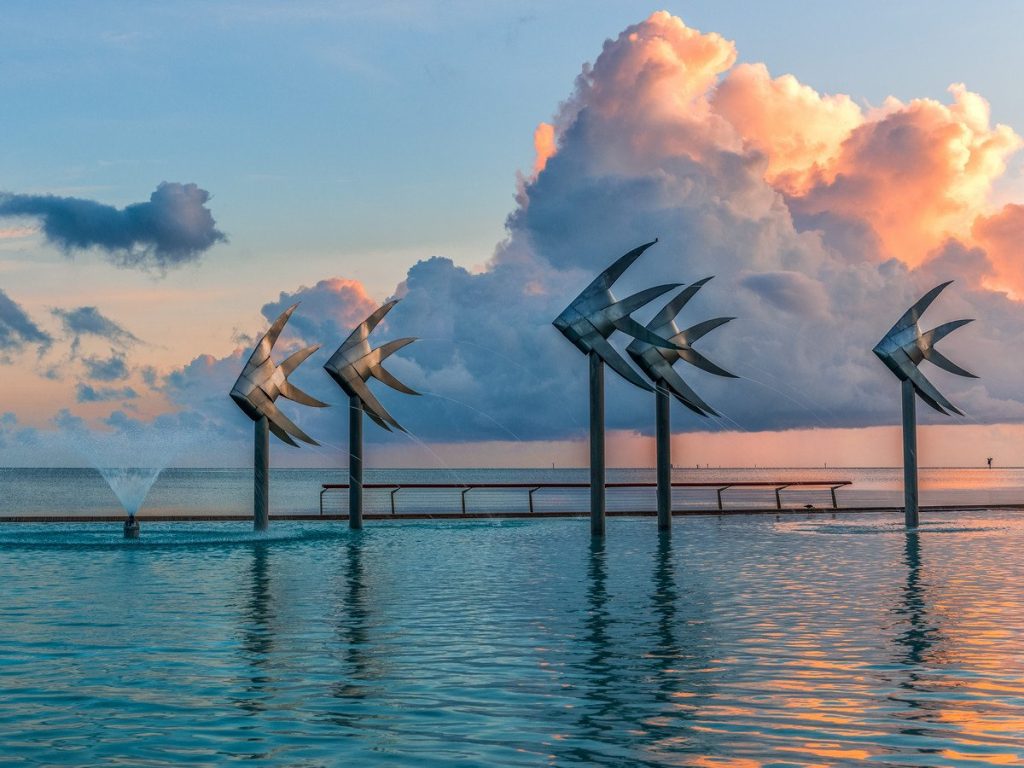
The city itself is relaxed, colourful, and built for the outdoors. The Esplanade Lagoon is free to swim in. The night markets are on every evening. The air smells subtropical and warm. Most visitors arrive for the reef and the rainforest, and leave surprised by how much they liked the city itself.
Cairns City Essentials
Why Cairns Is Worth the Trip
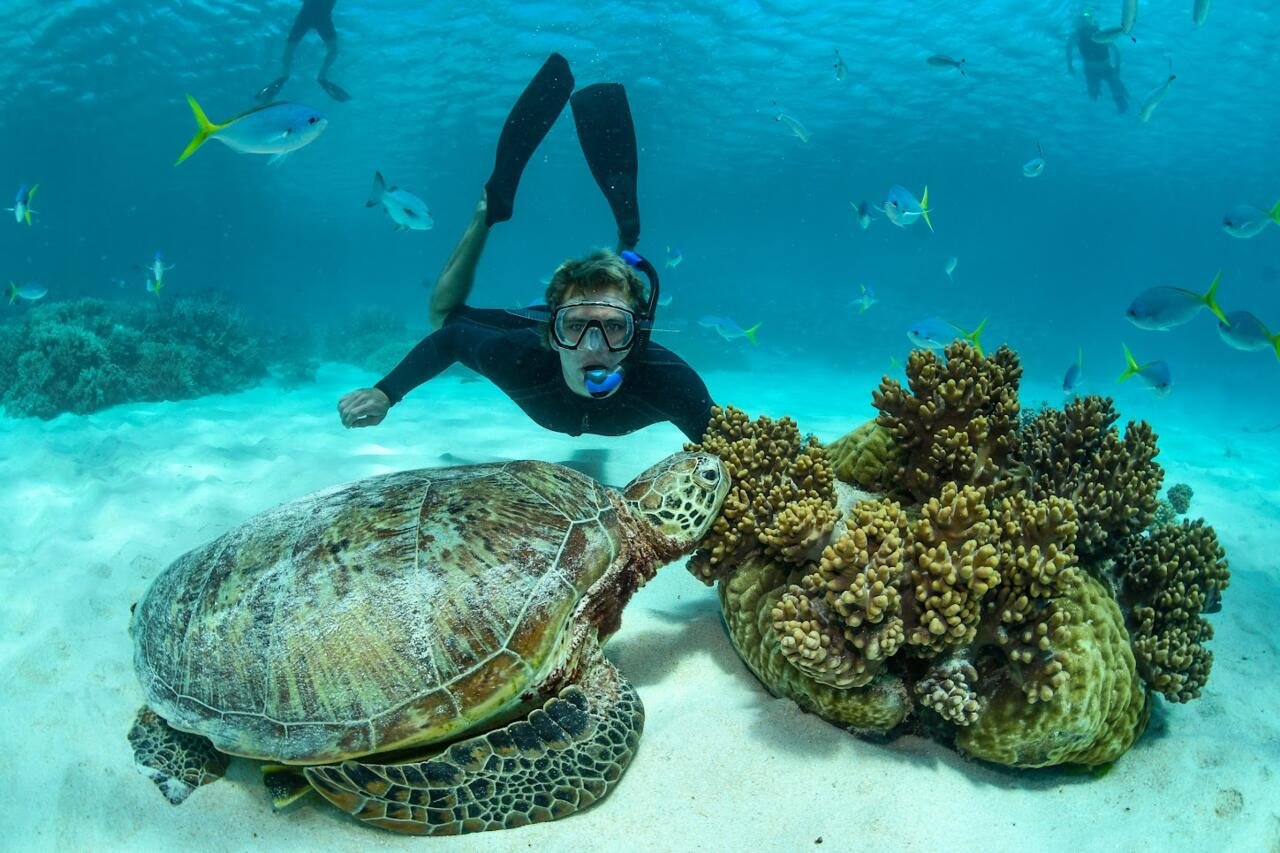
Most people who come to Cairns come for the reef. That is correct and sensible. The Great Barrier Reef, when experienced from the water, is unlike anything a photograph prepares you for. Coral formations the size of buildings, fish in colours that seem slightly invented, a silence underwater that makes the surface world feel very far away. A day on the outer reef is one of those travel experiences that sits in a category of its own.
But the reef is only half the story. The Wet Tropics World Heritage Rainforest, which begins just north of Cairns and reaches its most spectacular form in the Daintree, is the other half.
Ancient trees, strangler figs, cassowaries, platypus, tree kangaroos, and a canopy so dense it creates its own microclimate beneath it. The combination of reef and rainforest in a single region, both protected as UNESCO World Heritage Areas, is genuinely unique in the world.
Beyond the two big natural wonders, there is also Kuranda in the rainforest hills, accessible by one of Australia’s most scenic railway journeys. There is Palm Cove, one of the most beautiful beachfront villages in tropical Australia. There is white-water rafting on the Tully River, hot air ballooning over the Atherton Tablelands, and skydiving with a view that puts every other drop zone on Earth in a difficult position.

Where to Stay in Cairns
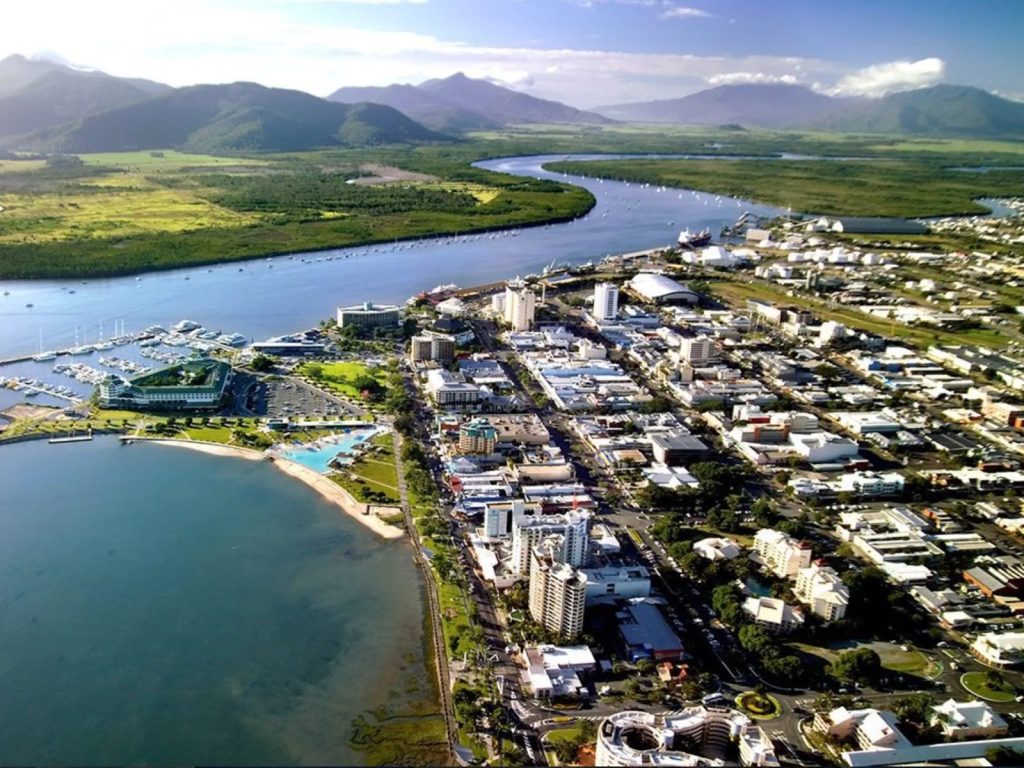
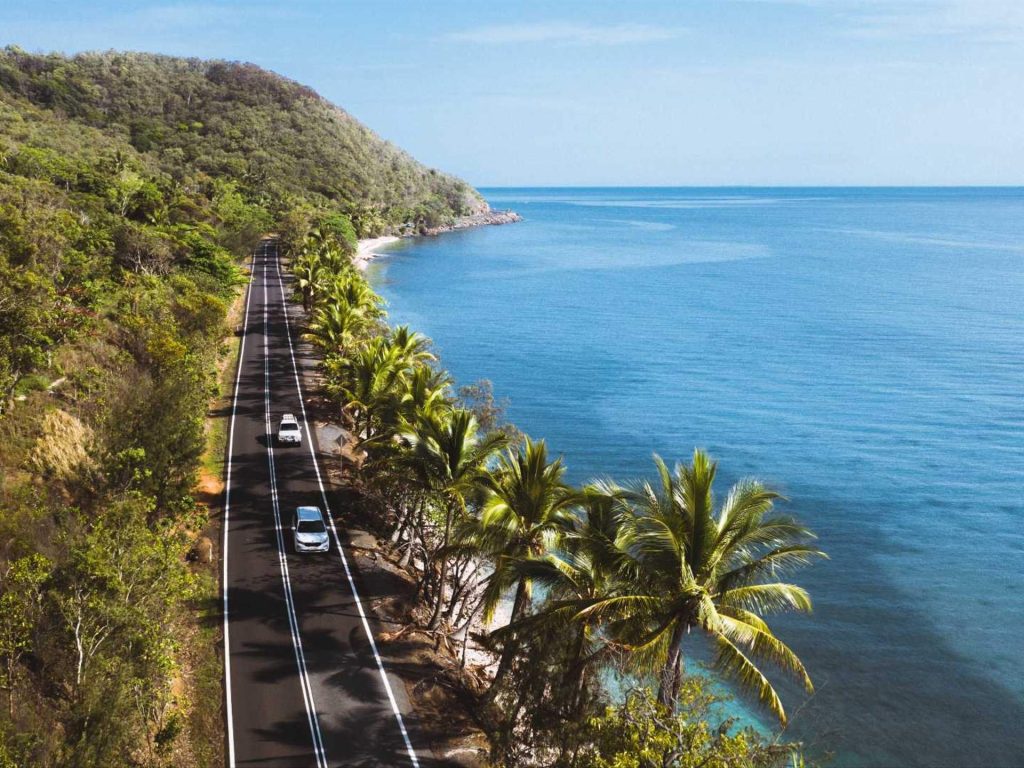
Cairns has a concentrated, walkable city centre with most accommodation clustered around the Esplanade, the CBD, and the nearby suburb of Cairns North.
- The Esplanade and City Centre are where most visitors base themselves. The Esplanade strip runs along the waterfront with the free Esplanade Lagoon, the night markets, and easy access to all tour departure points. The Pullman Cairns International is the flagship five-star option, with a pool, multiple restaurants, and a position that puts everything on the Esplanade within walking distance. The Crystalbrook Riley is the most design-forward of Cairns’ luxury hotels, an adults-focused resort with stunning views over the reef and the surrounding mountains.
- Cairns North is the quieter, more residential option immediately north of the CBD, with some of the best cafes in the city and a neighbourhood feel that the central strip lacks.
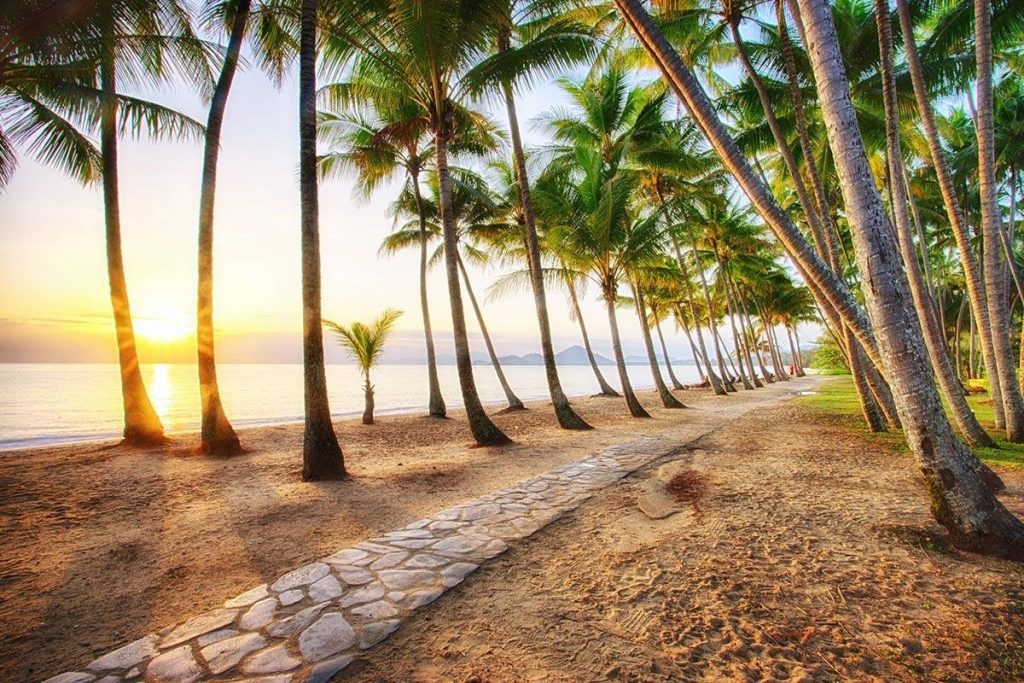
- Palm Cove is about 25 km north of Cairns and is one of the most beautiful coastal villages in Australia. It is a single shaded beachfront road lined with restaurants, boutique hotels, and absolute beach access. The Peppers Beach Club, Palm Cove, is the best option here. Staying in Palm Cove sacrifices convenience (you need a car or shuttle for tours) for an atmosphere that is significantly more relaxed and beautiful than the city centre.
- Port Douglas is 65 km north of Cairns and even more beautiful, with Four Mile Beach, a village-town atmosphere, and proximity to the Daintree. A longer drive from Cairns’ main tour operators, but worth it for a longer stay.
Getting There and Getting Around
Flying in: Cairns Airport (CNS) is only 5.5 km from the city centre, making it one of the closest airports to a city in Australia. Taxis, rideshare via Uber, and shuttle transfers are all available at the terminal. The drive into the city takes about 10 minutes.
Getting around:
- Taxis and Uber: This is the most practical option within the city and for reaching the airport. Cairns is small enough that taxi fares within the city are reasonable.
- Local buses: The Sunbus network covers Cairns City and extends to Palm Cove, Kuranda, and other nearby areas. They are affordable and useful for reaching beaches and suburbs not covered by tour shuttles.
- Car hire: This is essential if you plan to explore the Daintree, Atherton Tablelands, or Mission Beach independently. Most major car hire companies operate from the airport. The road from the Daintree River crossing to Cape Tribulation is sealed and accessible by 2WD; a 4WD is only required for the Bloomfield Track north of Cape Tribulation.
- Tour transfers: Most reef, rainforest, and adventure tours include transfers from Cairns accommodations as part of the experience. For day trips to the Great Barrier Reef, the Daintree, and Kuranda, a self-drive option is rarely necessary.
The Great Barrier Reef
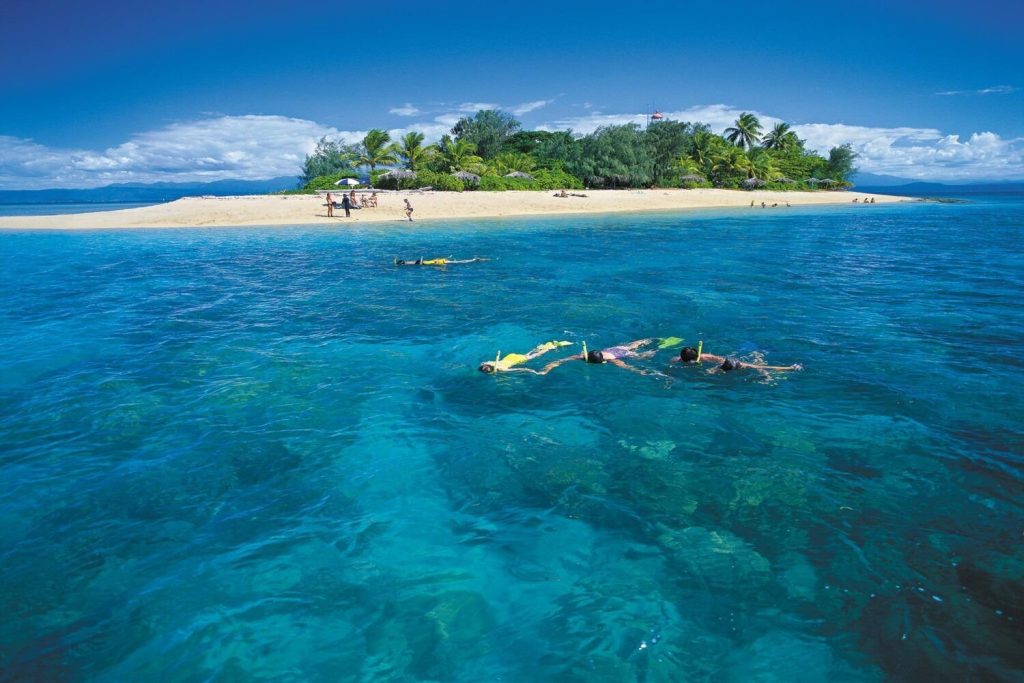
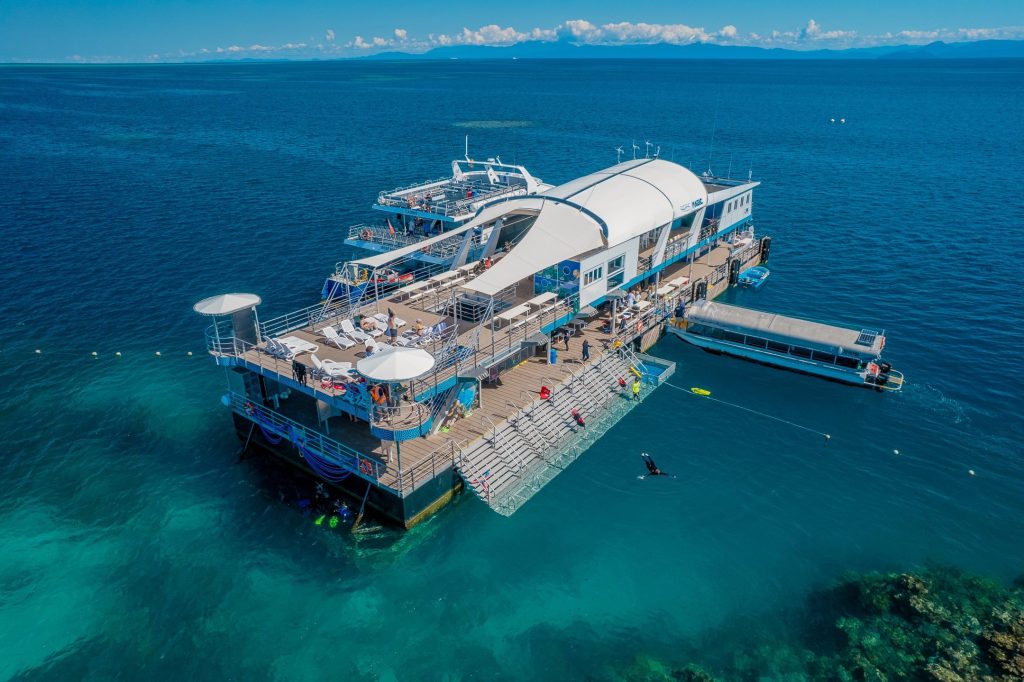
The Great Barrier Reef is the world’s largest coral reef system, stretching over 2,300 km along the Queensland coast and covering an area larger than Italy. It is a UNESCO World Heritage Site, home to over 1,500 species of fish, 4,000 types of mollusc, 240 species of bird, and coral formations that have been building for thousands of years. Nothing really prepares you for the scale of it or for the clarity of the water over the outer reef, where visibility can extend 20 metres or more.
From Cairns, reef tours depart daily from the Reef Fleet Terminal on the waterfront. The key distinction to understand before booking is the difference between inner reef and outer reef experiences.
The inner reef is closer and often faster to reach, but the outer reef offers the best visibility, the most dramatic coral formations, and the richest marine life. For a once-in-a-lifetime reef experience, always choose the outer reef.
Snorkelling is the most accessible way to experience the reef and requires no certification. Good reef tour operators provide all equipment, a detailed briefing, and guided snorkel tours for those who want them.
Introductory scuba diving is also available for non-certified divers on most outer reef boats, with in-water instruction from certified dive masters. Certified scuba diving opens up a larger range of dive sites and deeper experiences, with liveaboard options available for serious divers who want multiple days on the reef.
Reef helicopter flights offer an aerial perspective that is completely different from the water view, with the reef’s full geometry, the cays, the lagoon colours, and the contrast between reef and open ocean, all visible from above. It is best combined with a boat day for both perspectives.
The reef is alive and changing. Coral bleaching events driven by rising sea temperatures have affected parts of the reef, and being an informed visitor matters. Many reputable operators are certified by the Great Barrier Reef Marine Park Authority and contribute to reef monitoring and conservation.


The Daintree Rainforest
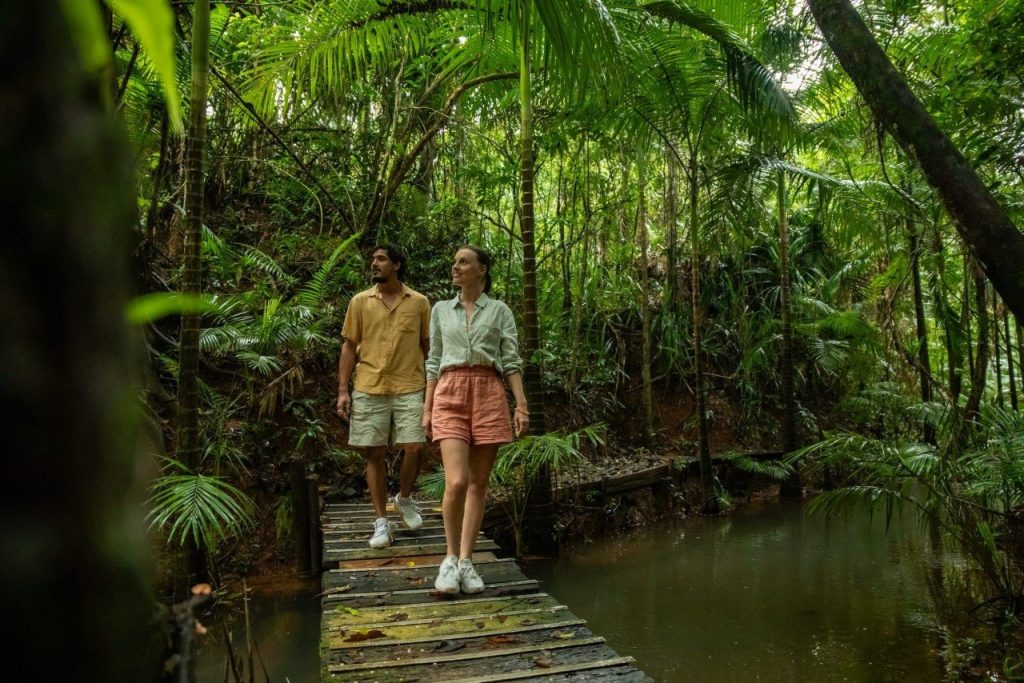
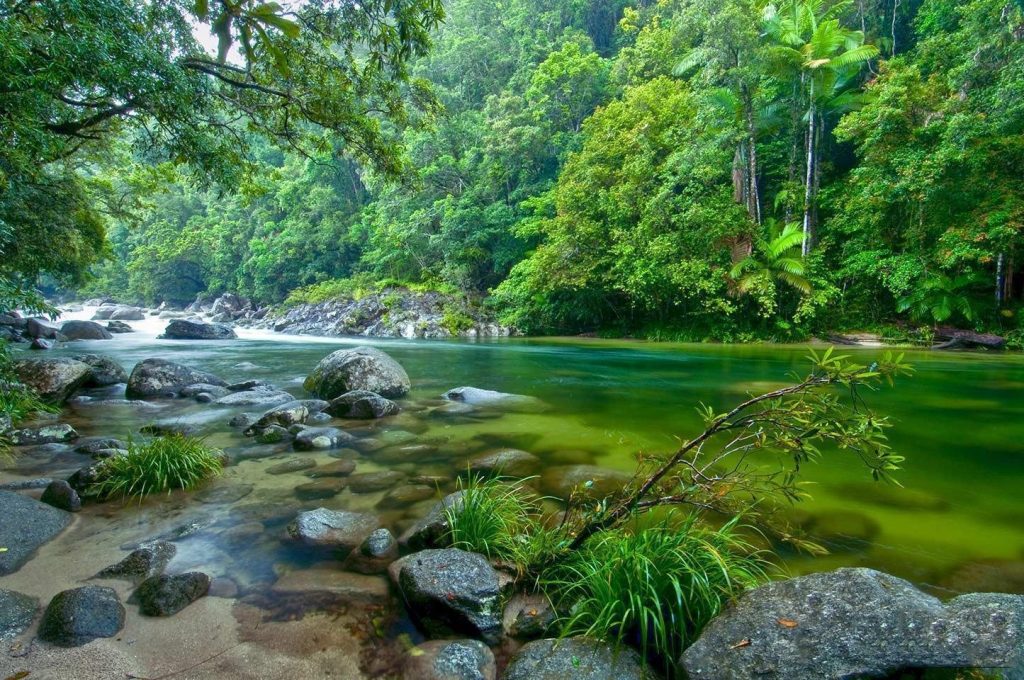
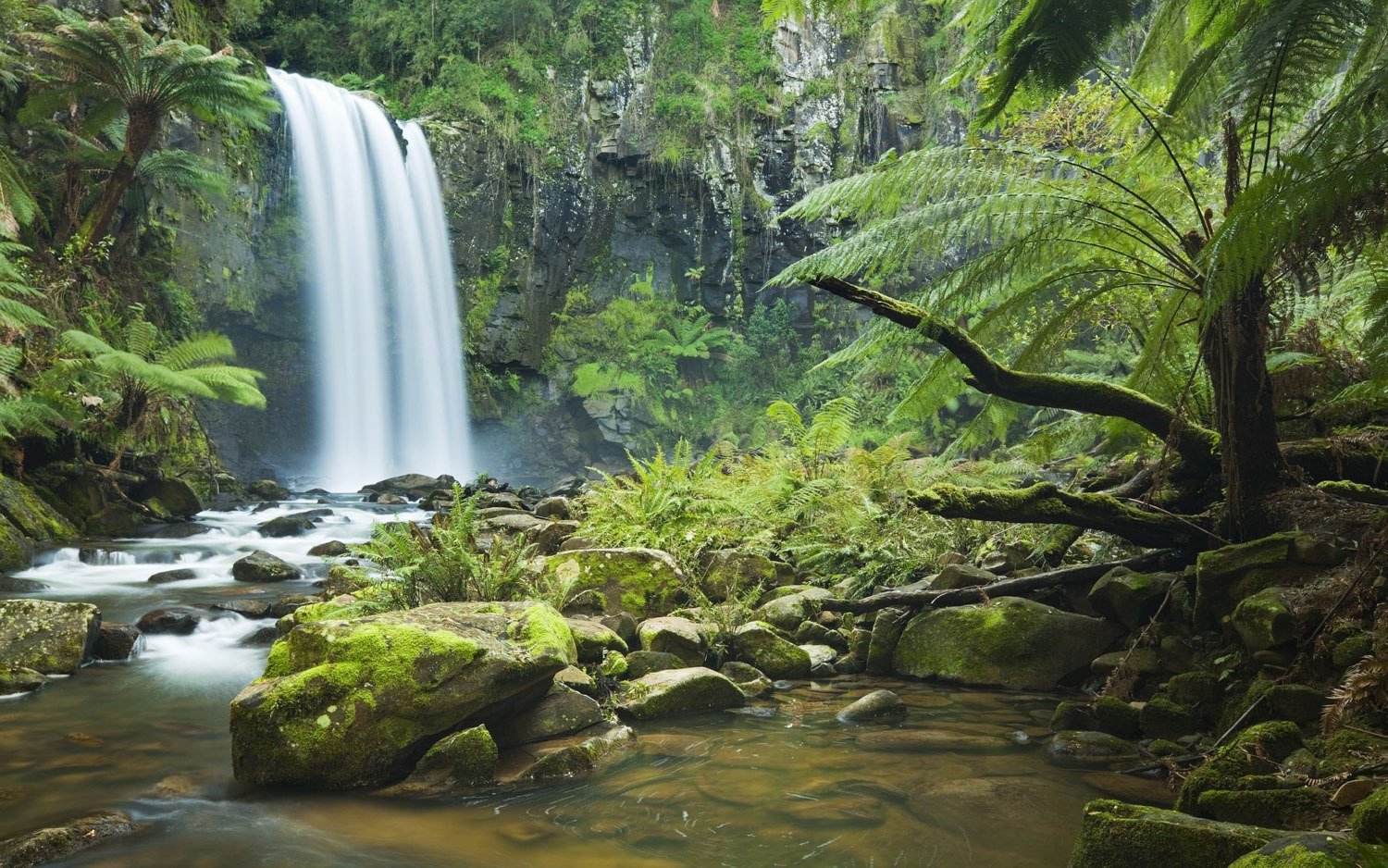
The Daintree Rainforest is the oldest continuously surviving tropical rainforest on Earth, with origins dating back approximately 180 million years. It covers around 1,200 square kilometres and is part of the Wet Tropics of Queensland UNESCO World Heritage Area.
Walking through it is a different experience from any other forest. The layering of the canopy, the strangeness of the plants, the sounds of animals you cannot see, and the humidity turns everything slightly dreamlike.
The Daintree River is the starting point for most visitors. Cruise operators run river tours that are among the best places in Australia to spot saltwater crocodiles in the wild. They are large, ancient reptiles that have barely changed in 65 million years, visible on the banks and occasionally in the water. Night cruises are available for a different experience entirely.
Cape Tribulation, where the rainforest meets the Great Barrier Reef lagoon directly, is one of the most photographed and most extraordinary spots in Queensland, with dense green rainforest running right to a sandy beach with turquoise reef water beyond it.
The drive from the Daintree River crossing to Cape Tribulation is on a fully sealed road accessible by standard 2WD vehicles, and the scenery through the forest is spectacular. The unsealed 4WD-only Bloomfield Track begins north of Cape Tribulation, beyond the main visitor area.
The Mossman Gorge Centre, operated by the Kuku Yalanji people (the traditional owners of the Daintree), is the starting point for guided Dreamtime walks through the gorge, connecting visitors to the cultural knowledge and stories of one of Australia’s oldest surviving Indigenous groups. This is one of the most meaningful and distinctive experiences available in the region.
Cassowaries live in the Daintree and are occasionally seen near the road or on walking tracks. The Southern Cassowary is a large, prehistoric-looking bird with a distinctive casque on its head, technically the most dangerous bird in the world if cornered, and genuinely thrilling to encounter in the wild. Make sure to drive slowly and carefully in the Daintree.


Kuranda: The Village in the Rainforest
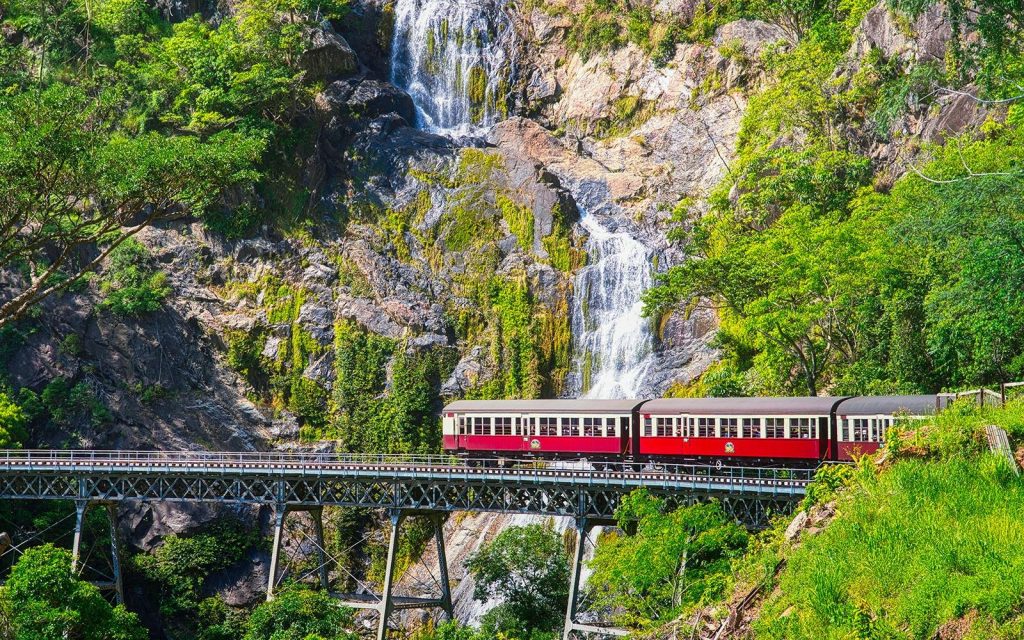
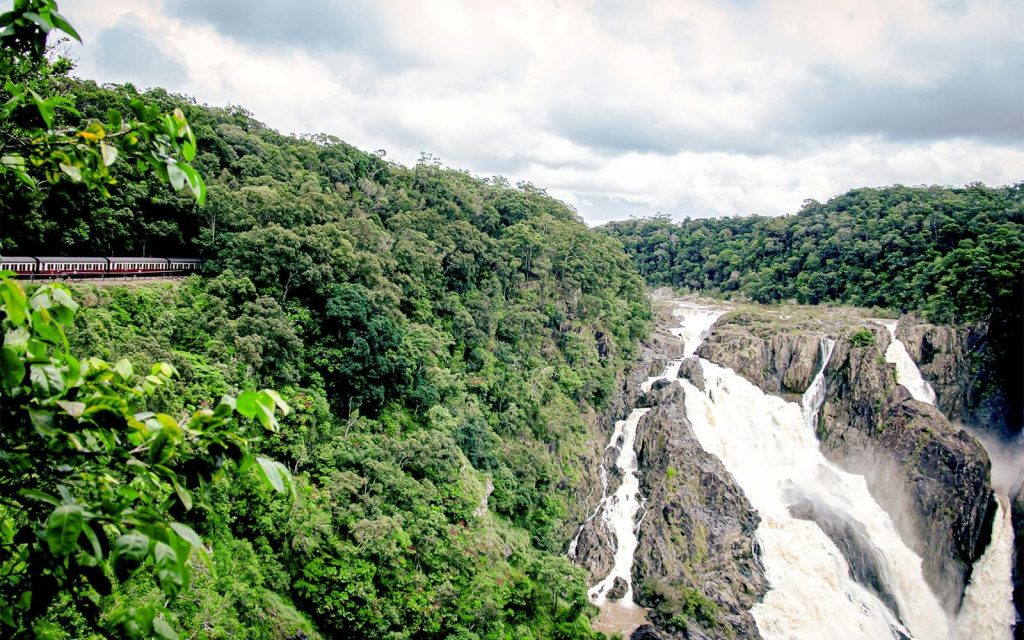
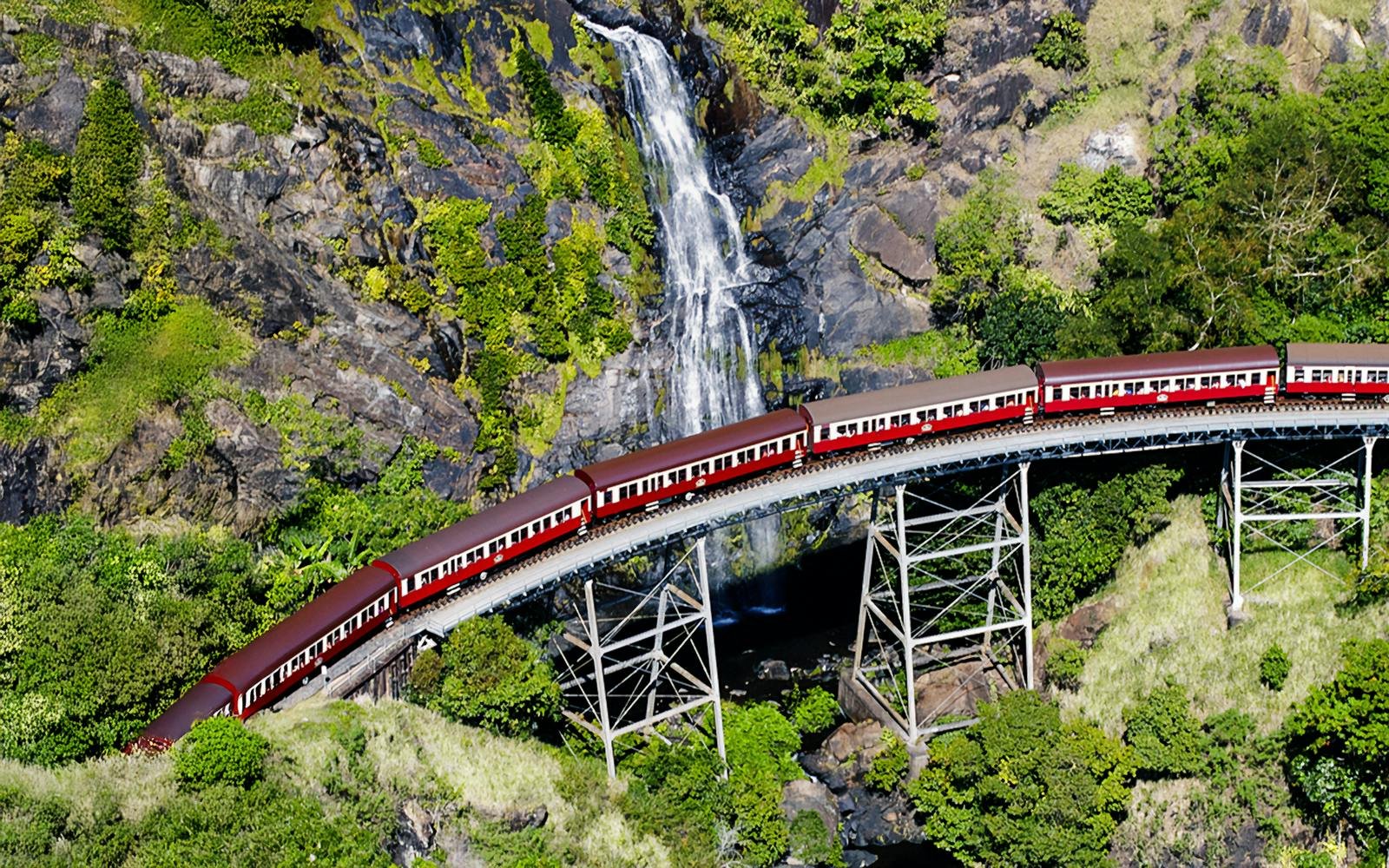
Kuranda sits about 25 km northwest of Cairns in the rainforest hills, accessible by one of two genuinely spectacular transport options: the Kuranda Scenic Railway or the Skyrail Rainforest Cableway.
The Kuranda Scenic Railway is a heritage rail journey through the rainforest, climbing from Cairns to Kuranda via 15 tunnels and 37 bridges through rainforest and gorge scenery that has barely changed since the railway was completed in 1891. It is consistently rated as one of the great train journeys in Australia. The journey takes approximately 1 hour and 45 minutes each way.
The Skyrail Rainforest Cableway covers 7.5 km above the rainforest canopy in gondola cabins, with stops at two rainforest stations where boardwalks allow closer exploration of the vegetation below. It offers a completely different perspective from the railway. You are looking down over the canopy rather than up at it from the valley.
The most popular approach is to take the train one way and the Skyrail the other, combining both experiences in a single day.
Kuranda village itself has markets, galleries, the Rainforestation Nature Park (wildlife encounters with kangaroos, koalas, and native birds, plus an Aboriginal Pamagirri cultural experience), the Australian Butterfly Sanctuary (the largest butterfly enclosure in Australia), and the Birdworld Kuranda aviary.


Adventure and Activities in Cairns

- Skydiving over the Great Barrier Reef is one of the most spectacular drop zones anywhere in the world, with free-falling from up to 15,000 feet, the rainforest, and the Coral Sea all visible below simultaneously. Cairns has multiple operators offering tandem jumps, and some include optional beach landings at Etty Bay or Kurrimine Beach. A half-day experience from start to finish.
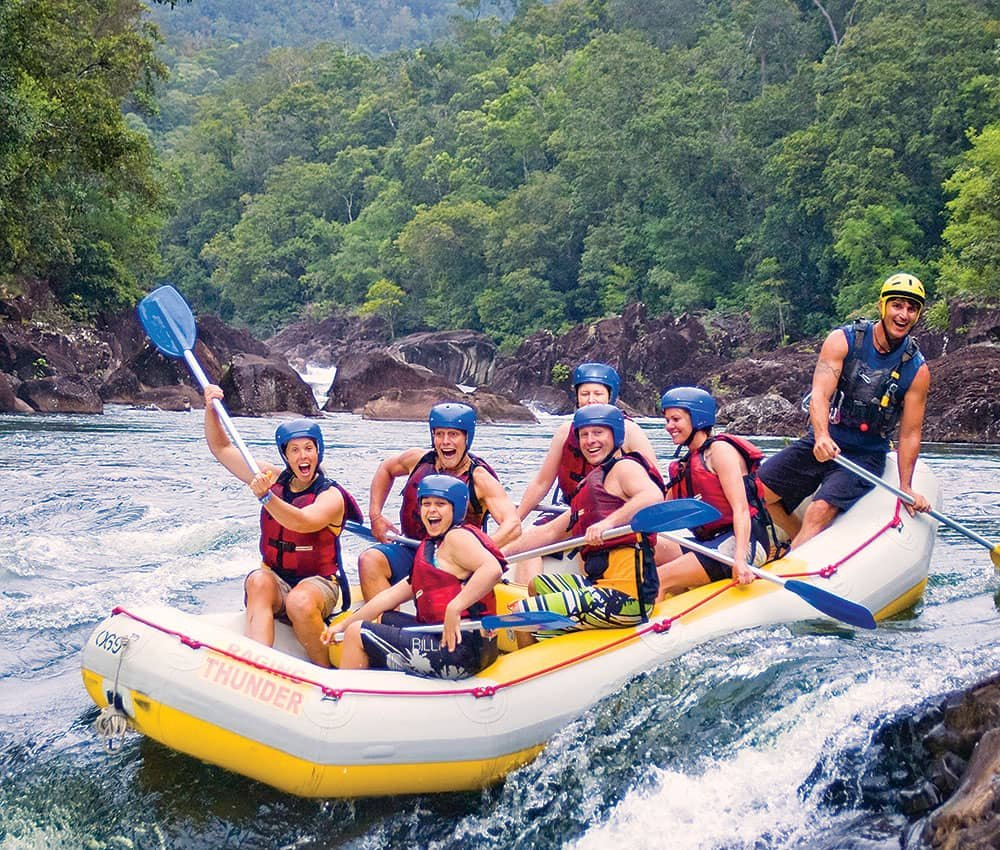
- White-water rafting on the Tully River is one of the great adventure experiences in Tropical North Queensland. The Tully is Australia's highest-rainfall river, producing consistent Grade 3 and 4 rapids through tropical rainforest gorge scenery. Full-day tours from Cairns are widely available.
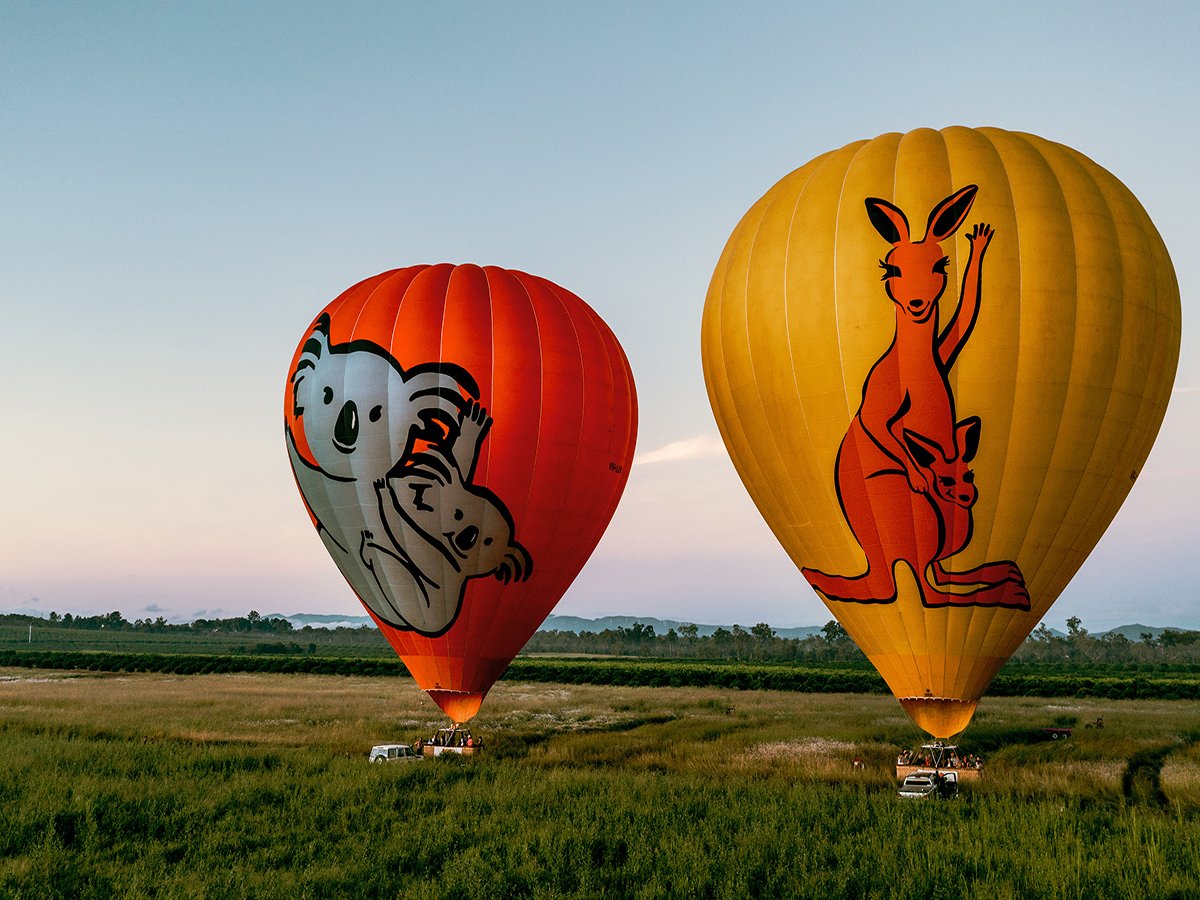
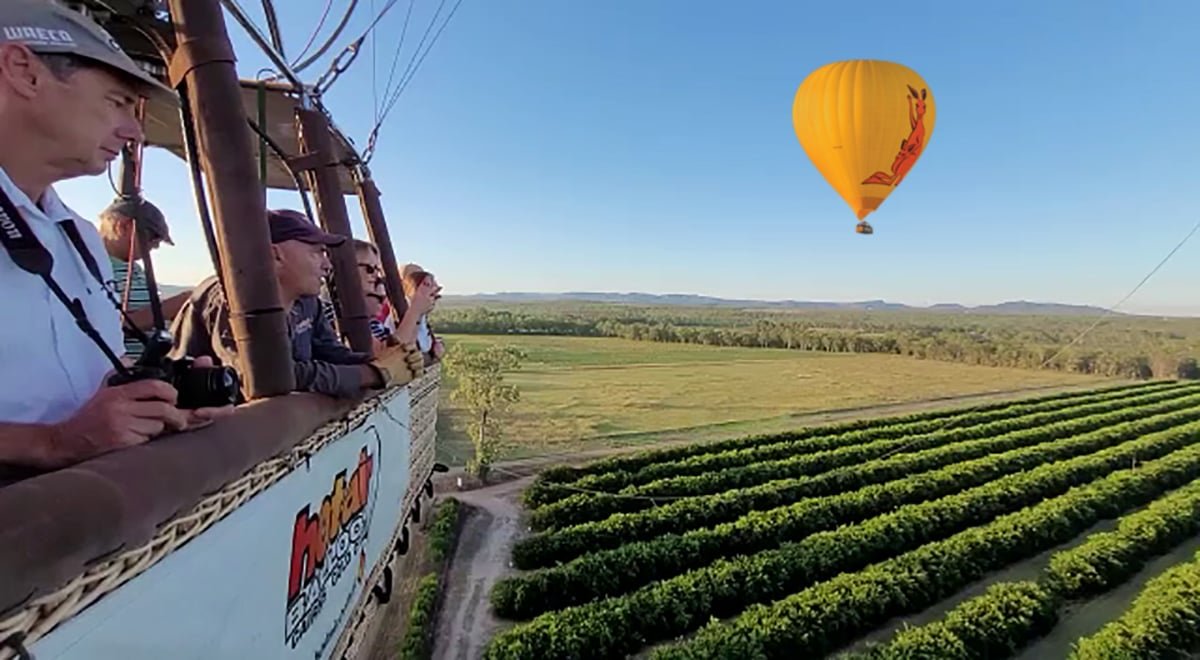
- Hot air ballooning over the Atherton Tablelands at dawn is one of the most quietly extraordinary things you can do in the region. You can drift above the volcanic crater lakes, sugarcane fields, and rainforest-covered ranges of the tablelands at sunrise, with the coastal mountains and Coral Sea visible in the distance on clear mornings.
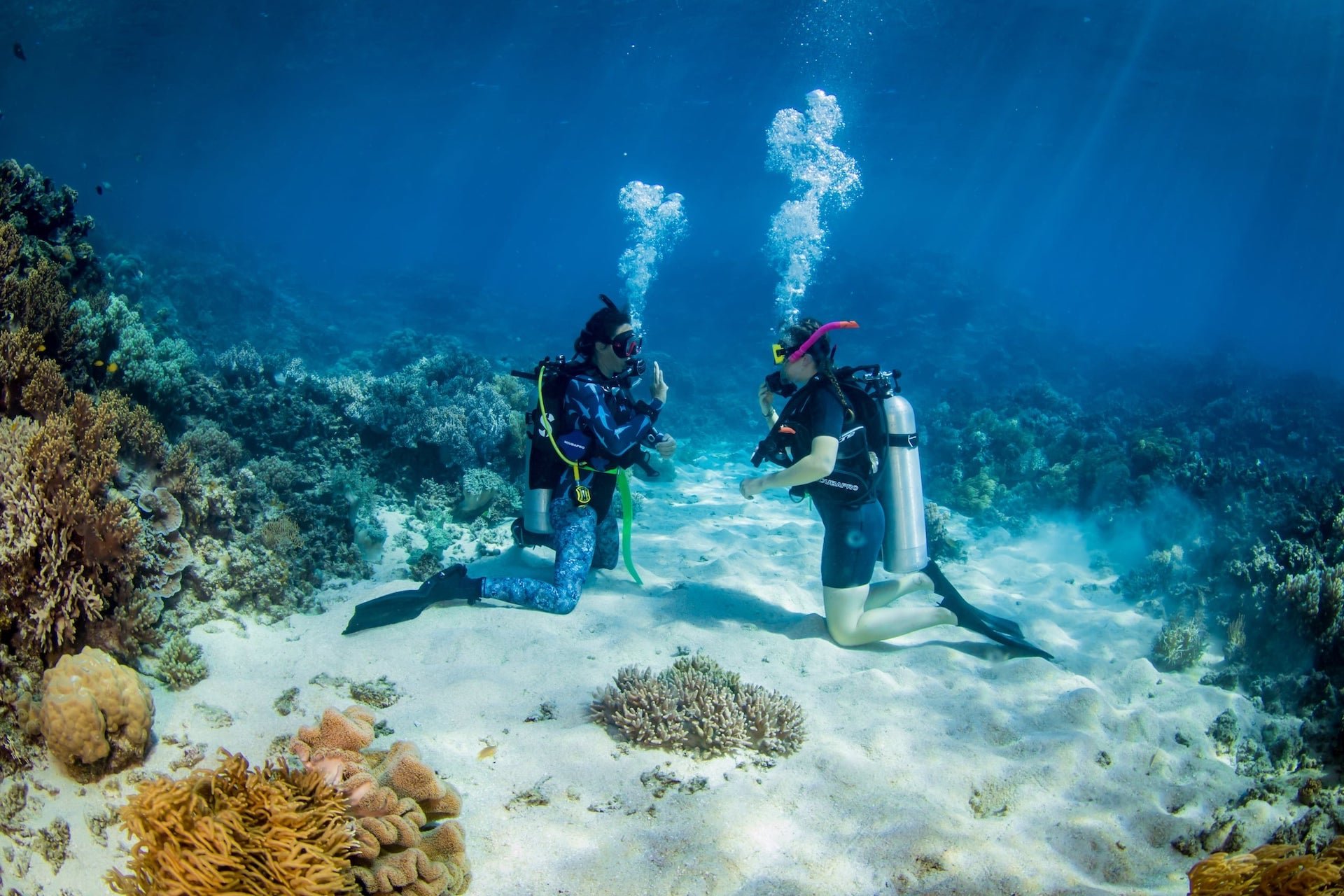
- Scuba diving courses in Cairns are of excellent value, and Cairns has long been one of the best places in the world to earn an Open Water certification, with the reef as the classroom. Three to four-day courses are widely available with multiple PADI-certified dive schools.
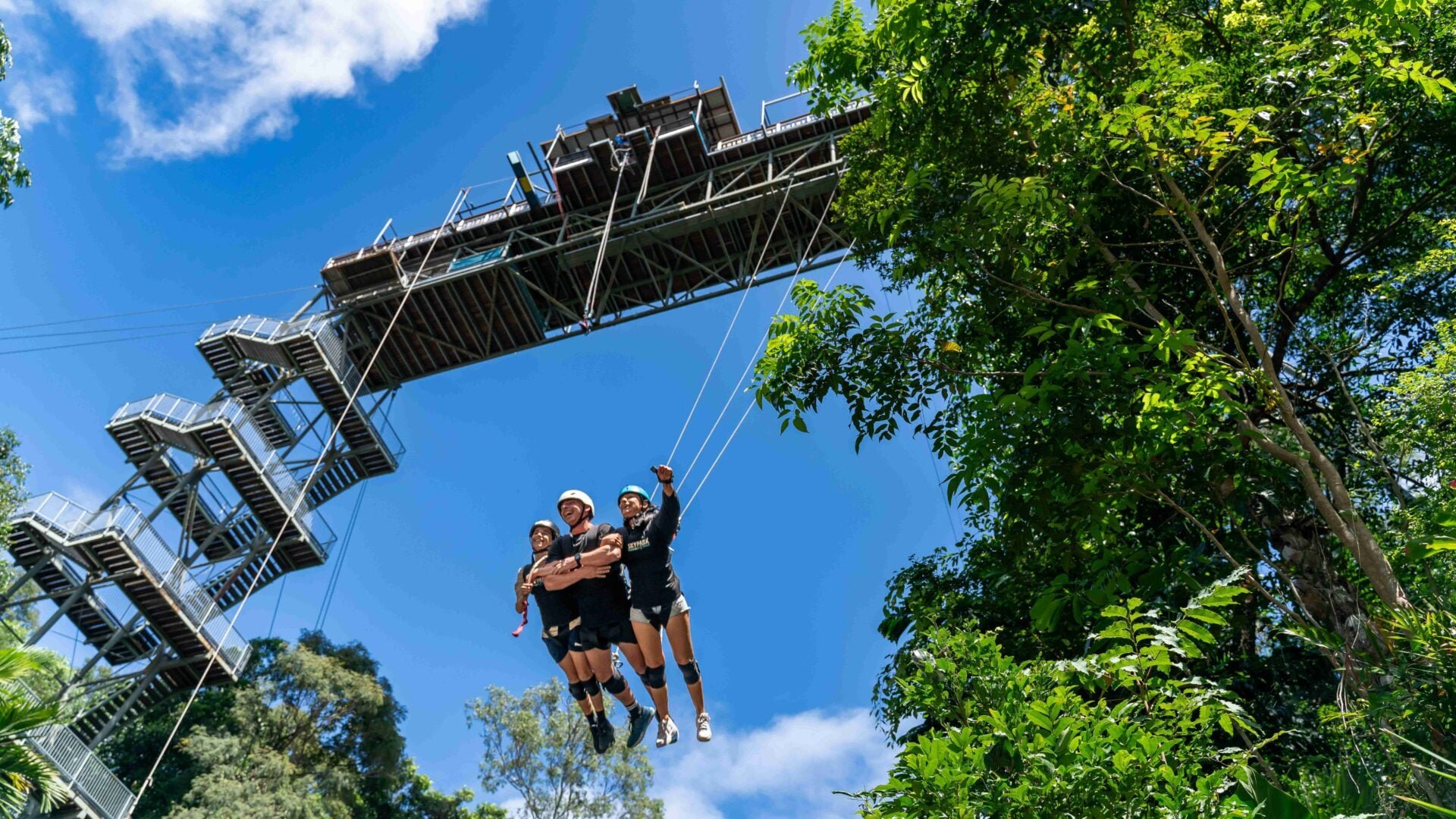
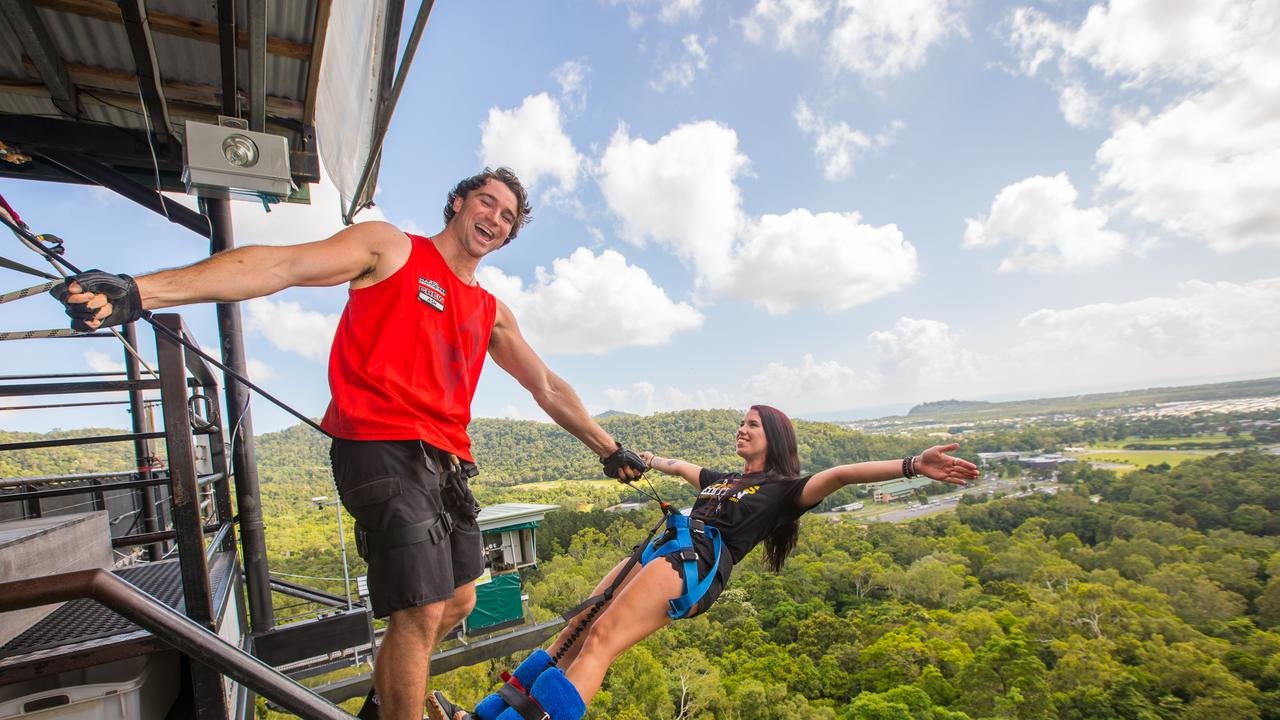
- Bungee jumping and the Minjin Jungle Swing at the AJ Hackett Cairns site are the concentrated adrenaline options for visitors who want thrills without the half-day commitment of skydiving.
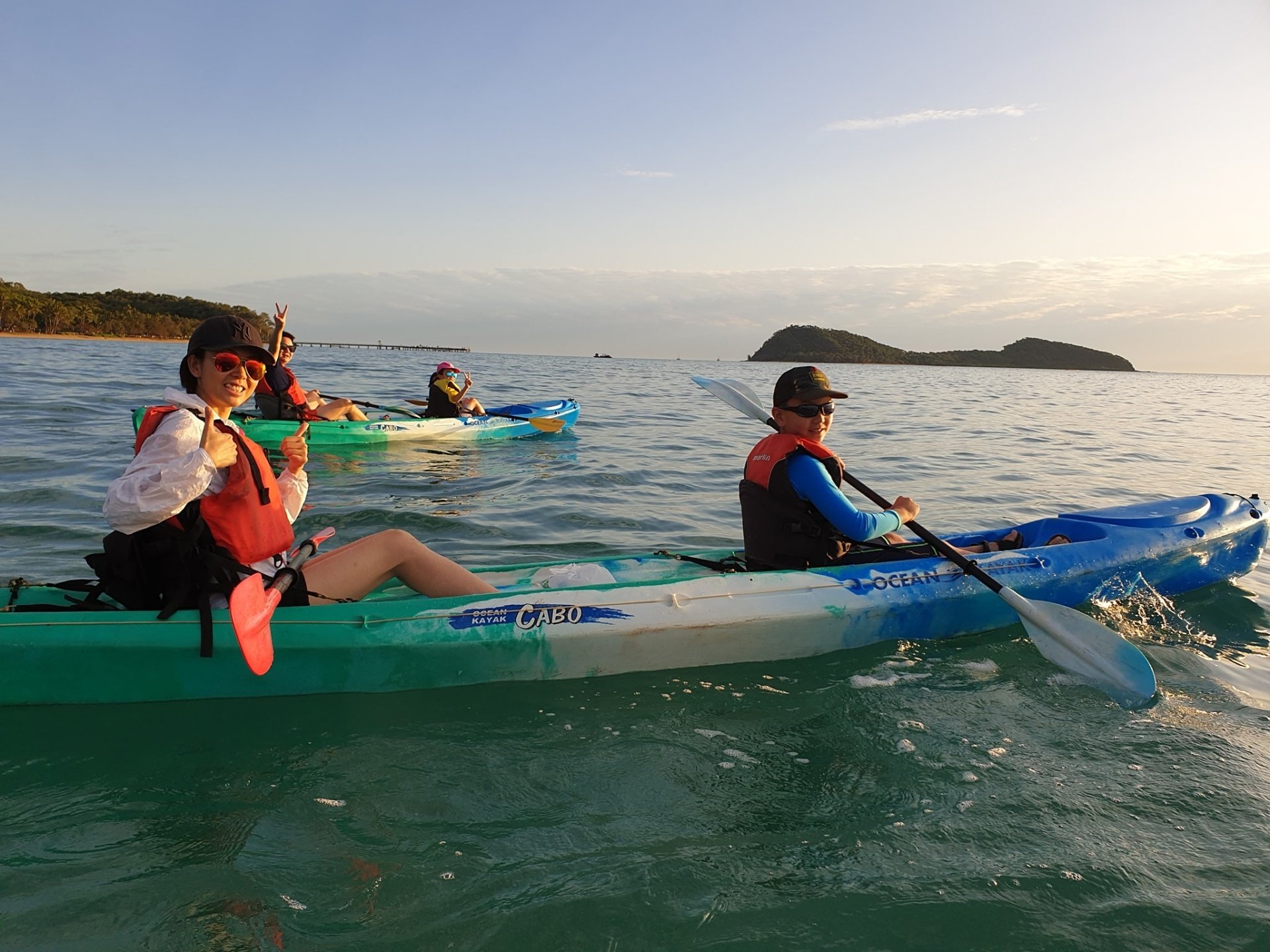
- Sea kayaking, stand-up paddleboarding, and sailing are all available from Cairns and Palm Cove, with tours catering to beginners and more experienced paddlers.
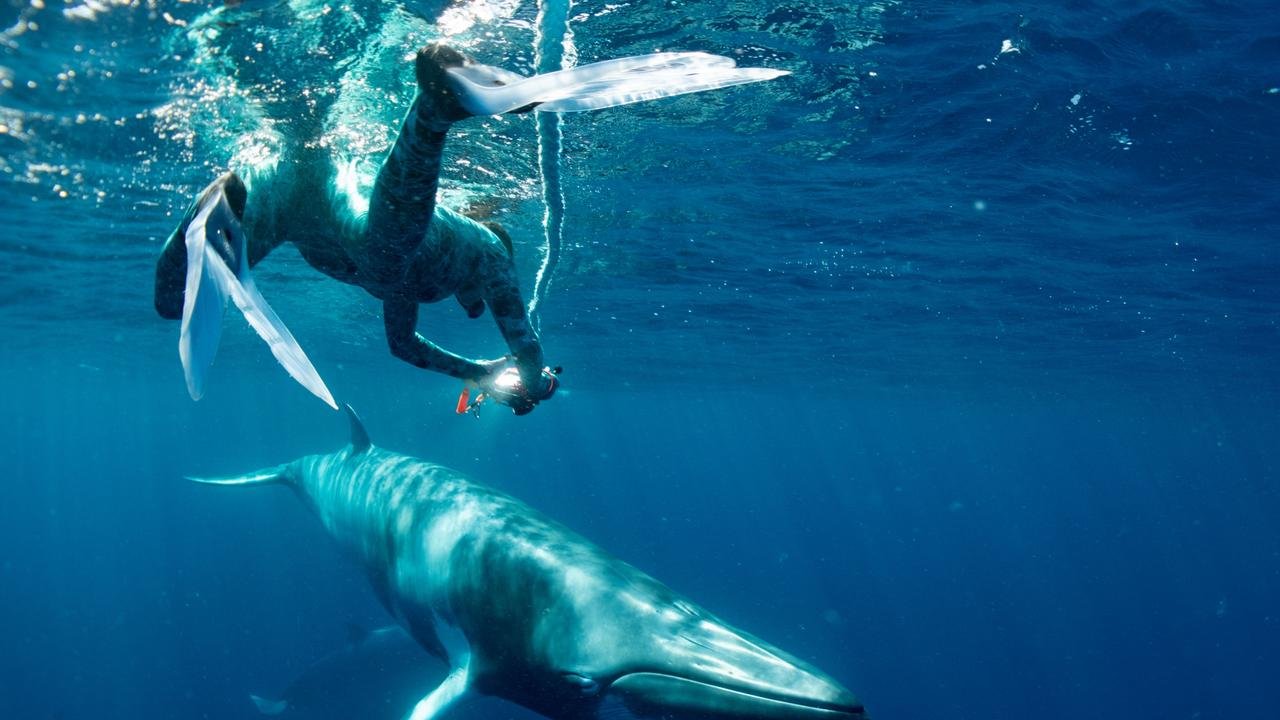
- Dwarf minke whale encounters are one of the genuinely rare wildlife experiences available only from Cairns. During June and July, dwarf minke whales gather in the outer reef, and it is possible to enter the water and snorkel alongside them. This is one of the only places in the world where this is legally permitted, and it is extraordinary.


Beyond the Reef: Other Things to See and Do
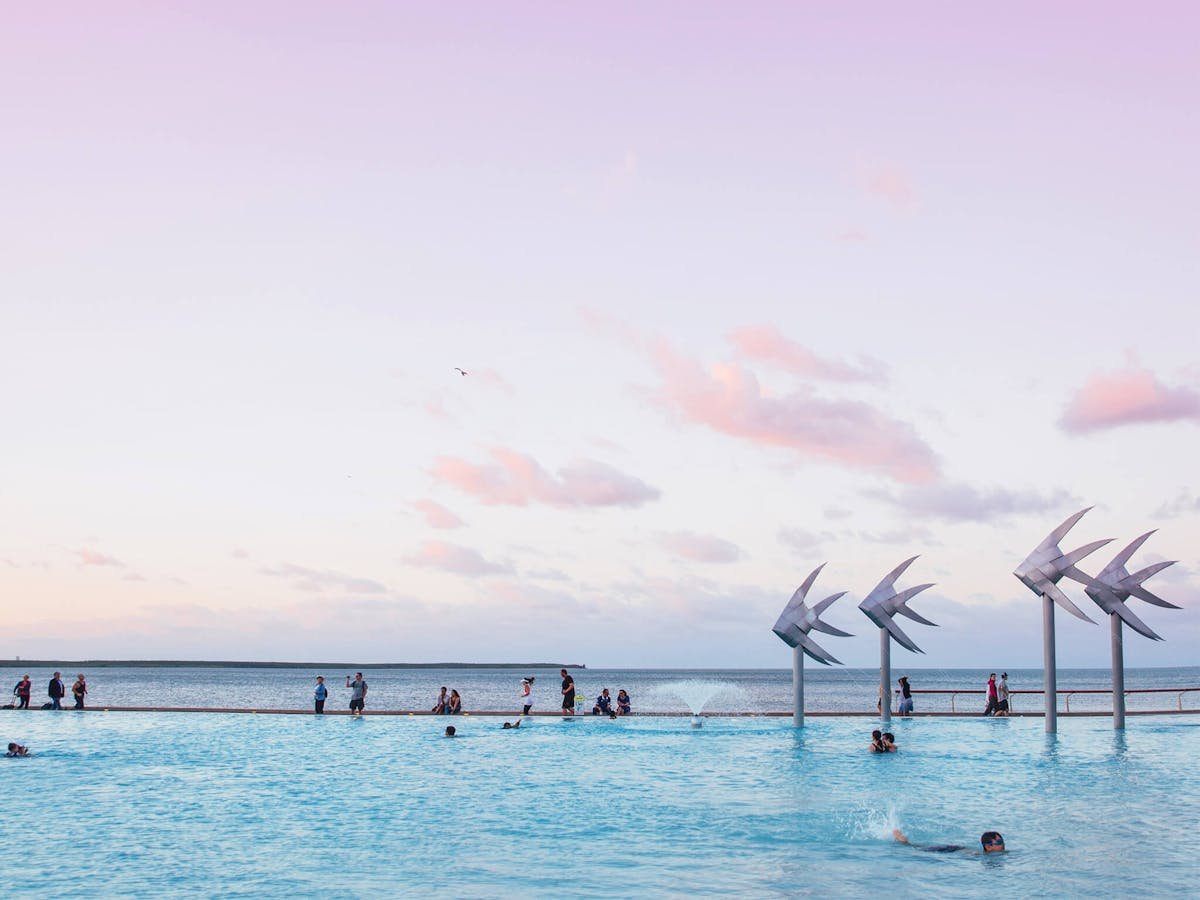

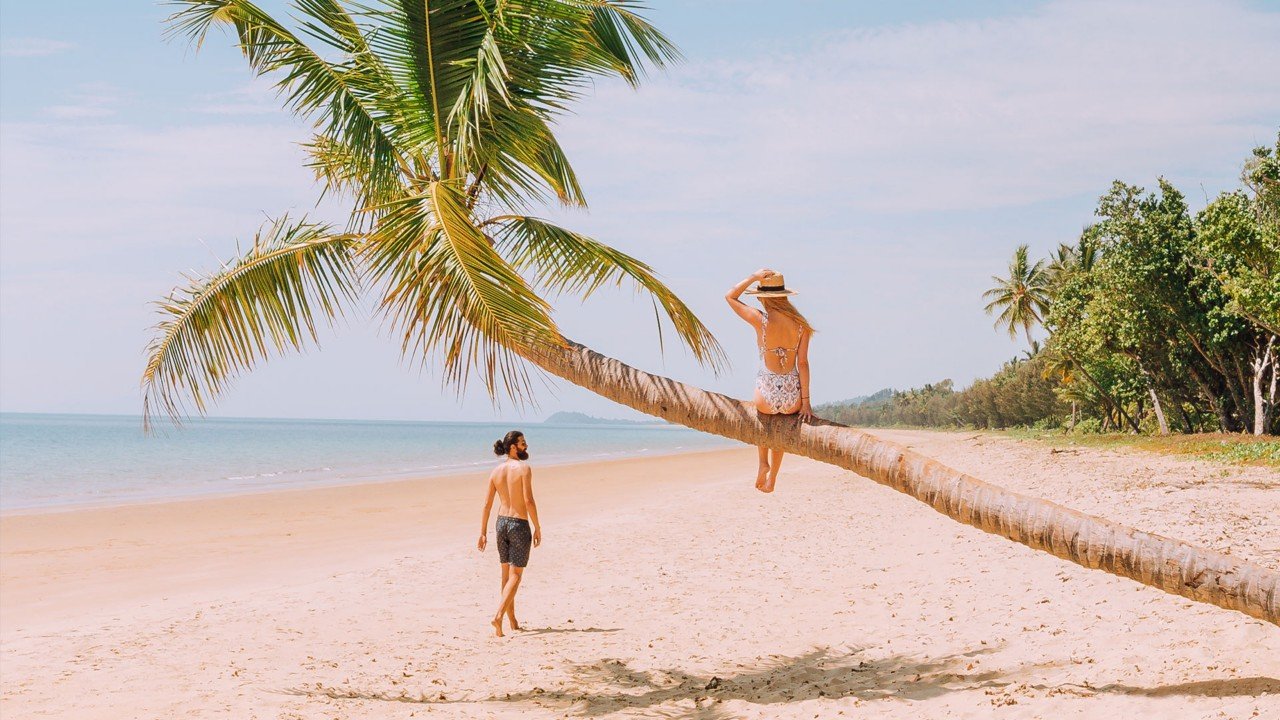
- The Cairns Esplanade and Lagoon are the social heart of the city. The Esplanade Boardwalk runs along the waterfront for 3 km, with the free public Esplanade Lagoon (a safe swimming pool overlooking the tidal mudflats), picnic areas, and a foreshore park that fills up with locals every evening. The mudflats themselves, while not swimmable (stingers and crocodiles), are home to birds, including egrets, herons, and spoonbills, at low tide.
- The Cairns Night Markets run every evening on the Esplanade, with a mix of food, crafts, and souvenirs spread across a covered market building. Casual, low-key, and a reliable way to spend an evening without much planning.
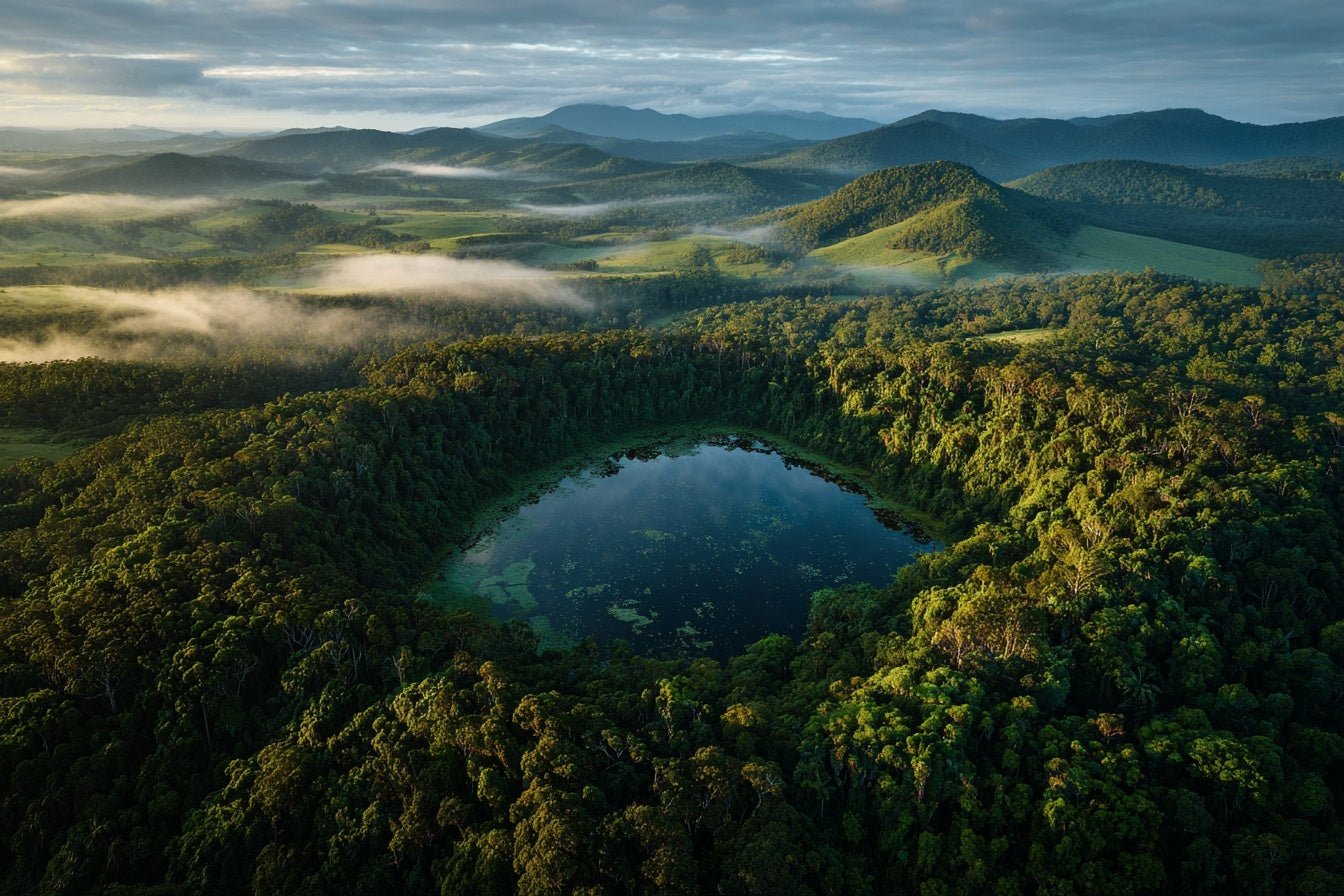
- The Atherton Tablelands are the volcanic highlands behind Cairns, about 30 to 45 minutes by car, featuring crater lakes (Lake Barrine and Lake Eacham are the most visited), waterfalls (Millaa Millaa Falls is one of the most photographed in Queensland), platypus-watching at dusk at Yungaburra, and a cooler, greener landscape that provides a genuine contrast to the tropical coast.
- Mission Beach is 140 km south of Cairns and is a beautifully laid-back beachside community with 14 km of uninterrupted beach, good snorkelling at Dunk Island just offshore, and one of the largest remaining populations of Southern Cassowaries in Australia. It’s a good overnight trip rather than a pure day trip.
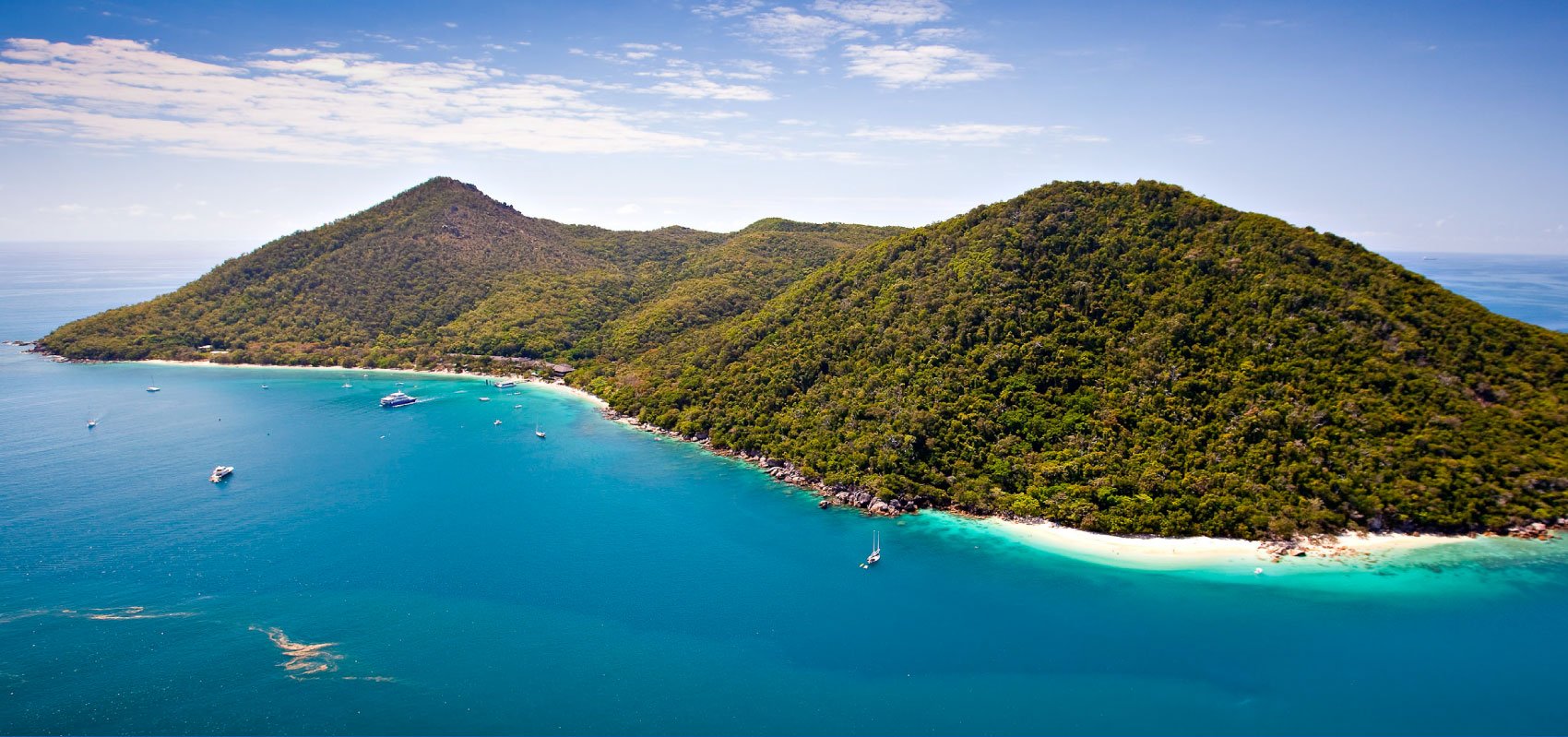
- Fitzroy Island is a national park island 45 minutes by ferry from Cairns, with a coral beach (unusual and beautiful), excellent snorkelling directly off the beach, rainforest walks, and a relaxed day-resort atmosphere. This is an excellent day trip for anyone who wants reef access without a full outer reef tour.
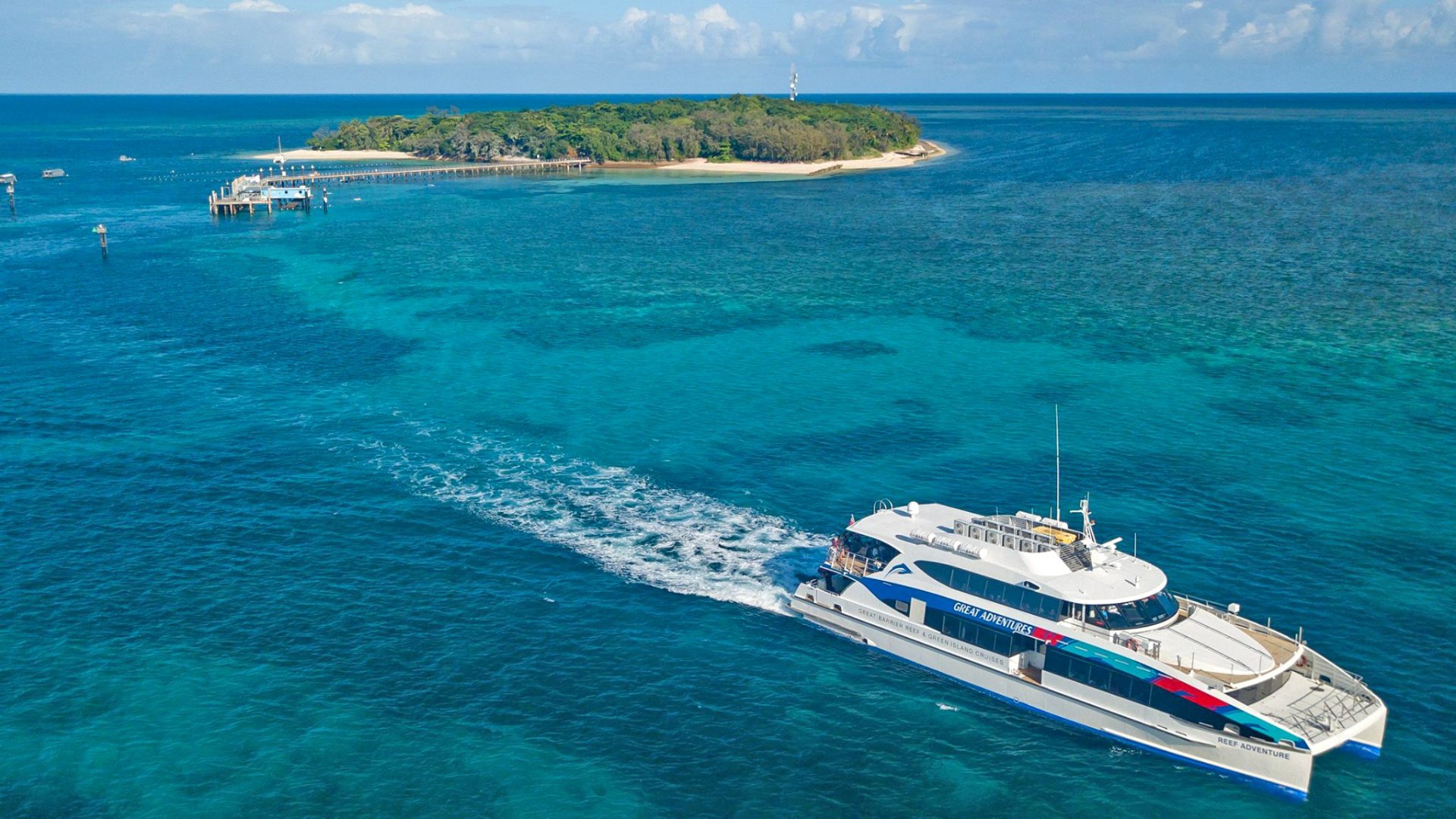
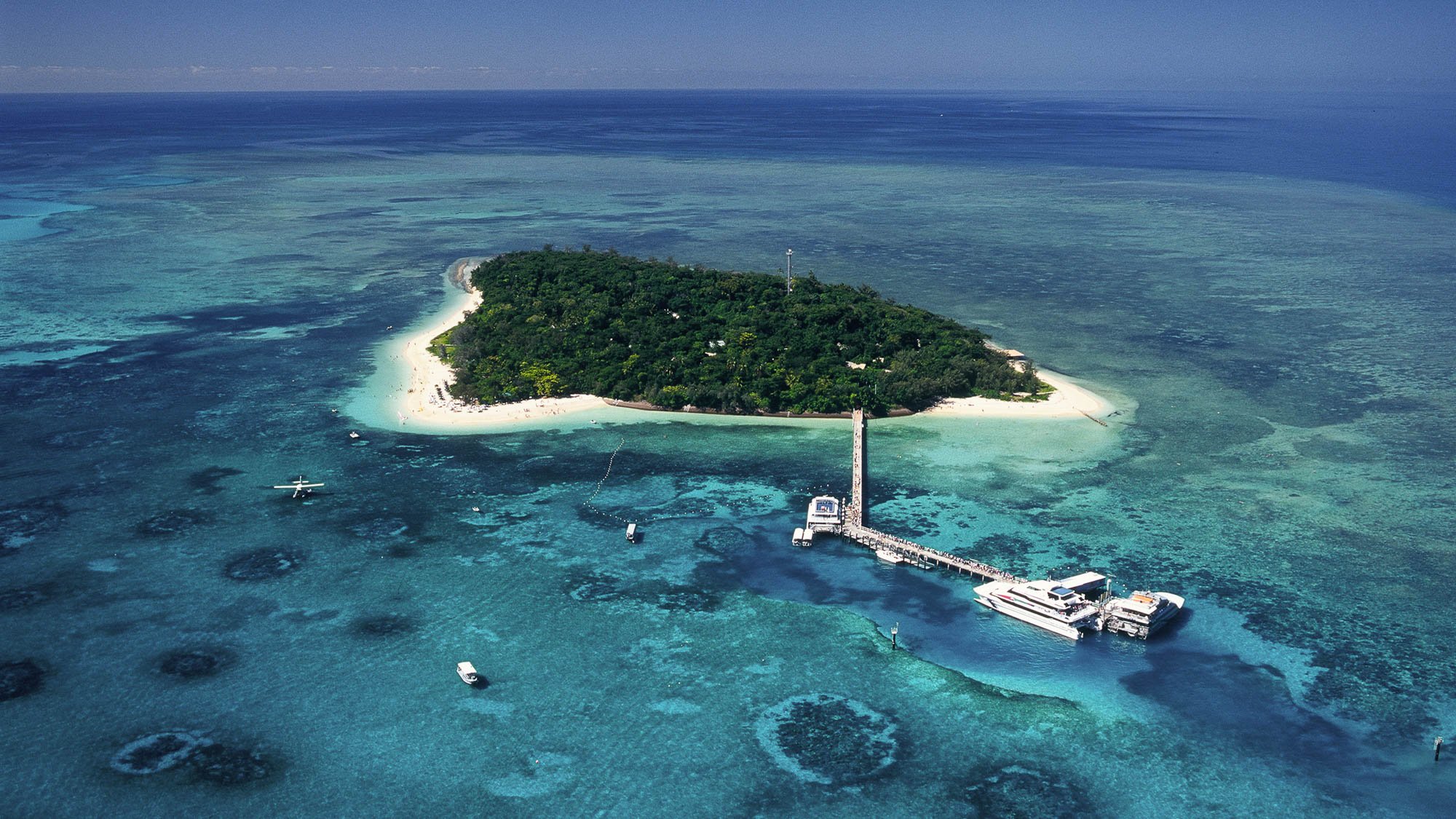
- Green Island is a coral cay 45 minutes by ferry from Cairns and the most accessible reef island from the city, surrounded by coral that can be snorkelled directly from the beach. It’s more resort-style than Fitzroy Island, with an underwater observatory and glass-bottom boat tours available.
Popular Attractions in Cairns
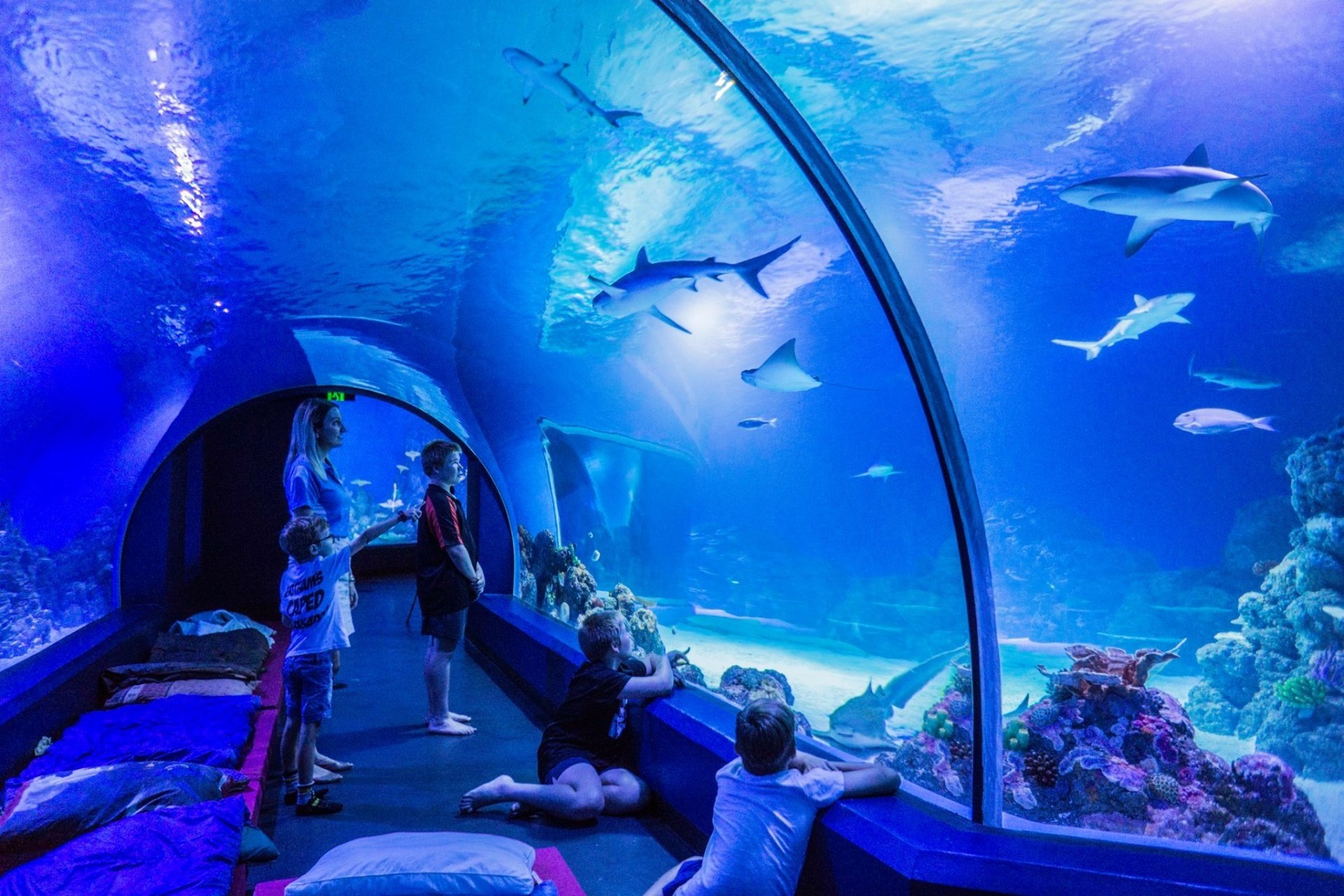

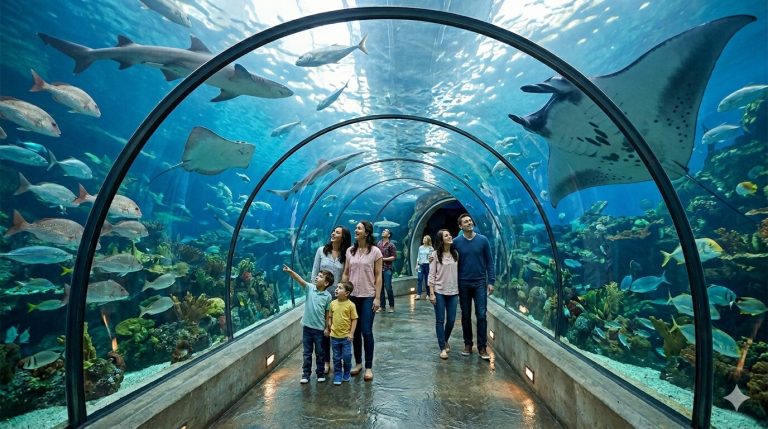
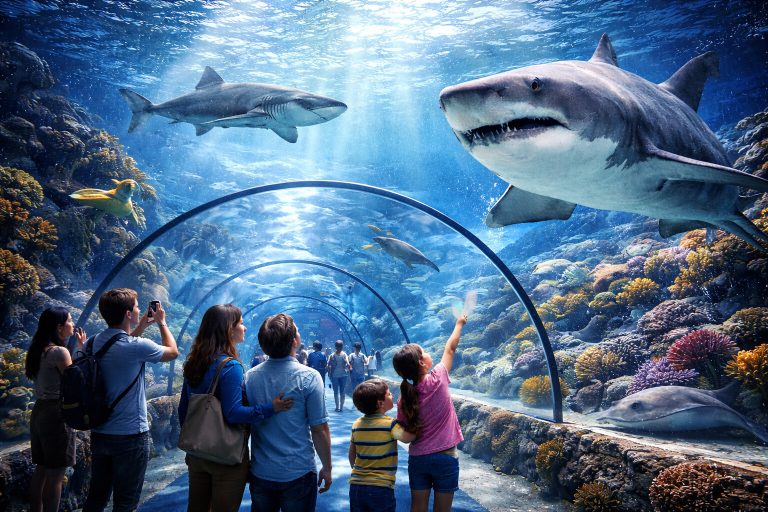
- Cairns Aquarium is the city's most comprehensive indoor wildlife attraction, showcasing the full biodiversity of Tropical North Queensland across a series of immersive exhibits. Coral reef habitats filled with tropical fish, sharks, rays, sea turtles, and jellyfish sit alongside freshwater river systems, mangroves, and rainforest tank environments. The aquarium provides an excellent introduction to Great Barrier Reef marine life, particularly useful before a reef trip, and includes feeding presentations and educational talks throughout the day. As an all-weather indoor attraction, it is also one of the best options during the wet season rain.
- Great Barrier Reef Snorkelling and diving tours from Cairns depart daily from the Reef Fleet Terminal on the waterfront. Outer reef tours give access to the most spectacular coral formations and marine life, with snorkelling, introductory diving, and certified dive options all available on board. Half-day and full-day tours are available, with some operators running liveaboard trips for multi-day reef immersion.
- Skydive Cairns offers tandem skydive experiences from up to 15,000 feet above the Great Barrier Reef, with the reef, rainforest, and Coral Sea all visible during freefall. Optional beach landings are available with some operators for a touchdown with sand underfoot. You get a half-day experience from hotel pickup to return.
- Hot air ballooning over the Atherton Tablelands launches at dawn for a sunrise flight above the crater lakes, sugarcane fields, and rainforest ranges of the highlands behind Cairns.
- AJ Hackett Cairns offers bungee jumping and the Minjin Jungle Swing at a site in the rainforest, with multiple jump configurations for different levels of nerve.


Food and Drink in Cairns
Cairns is not a food city in the way Melbourne or Sydney are, but it feeds itself well and has a few things worth seeking out.
The Esplanade dining strip has the widest variety of restaurants and is the most convenient, though quality varies significantly along it. Stick to the more established venues or ask locally for current recommendations.
Cairns Central and the CBD laneways have a growing number of good cafes and casual restaurants. The cafe scene in Cairns has improved considerably over the past decade, with specialty coffee culture taking hold in a way that was not the case ten years ago.
Hemingway's Brewery on Wharf Street at the Cairns Cruise Liner Terminal is worth a visit. It is a craft brewery and restaurant right on the waterfront, with a range of house-brewed beers and good food in a great setting overlooking the harbour.
Dundee's Restaurant on the waterfront is the place to eat barramundi. The iconic freshwater fish of tropical Australia, grilled or pan-fried, is best at Dundee's and is one of the Cairns dining experiences with a genuine local identity.
Tropical fruit is outstanding in North Queensland and appears everywhere from breakfast menus to roadside stalls. Mango (in season October to February), papaya, lychee, jackfruit, and custard apple are all grown locally and taste genuinely different from anything you would find further south.
When to Visit Cairns
Cairns has only two seasons, and they are meaningfully different from each other.
- The dry season (May to October) is the best time to visit. The weather is warm and clear (24 to 30°C), humidity is manageable, there is almost no rain, the Great Barrier Reef is at its clearest, and the roads to the Daintree are accessible without a 4WD. June and July add the extraordinary bonus of dwarf minke whale encounters on the outer reef. This is peak season, so accommodation prices are higher and popular tours book out in advance.
- The wet season (November to April) brings daily tropical downpours, high humidity (temperatures around 31 to 34°C), occasional cyclone risk from January to March, and road conditions in the Daintree that can require a 4WD or close certain tracks entirely. The landscape turns intensely green, waterfalls are at their most dramatic, and accommodation rates drop significantly. The Great Barrier Reef can still be visited, and many operators run year-round, but visibility varies more. Experienced tropical travelers love the wet season. First-timers are generally better advised to visit in the dry.
Cairns Itineraries
Practical Tips Before You Go
- Book Great Barrier Reef tours in advance, particularly in the dry season. Outer reef boats have limited capacity, and popular operators sell out days or weeks ahead.
- Queensland does not observe daylight saving time. If you are coming from New South Wales or Victoria between October and April, Cairns is one hour behind.
- Stinger season runs from October to May, when jellyfish (including the dangerous box jellyfish and Irukandji) are present in tropical Queensland waters. Most reef tour operators provide stinger suits. On beach swims, wear a Lycra suit and always check local beach conditions before entering the water.
- Crocodiles are real and present in rivers, estuaries, and some beaches in tropical North Queensland. Follow all crocodile warning signs, never swim in rivers or estuaries, and take note of local advice on specific beaches.
- Sun protection is essential. Cairns sits close to the equator, and UV levels are extreme year-round. SPF 50+, a hat, and regular reapplication are non-negotiable.
- Travel insurance covering medical care and activity-based cover (diving, skydiving, rafting) is essential for any active Cairns trip.
- Download Uber before arriving. Taxis are available, but Uber is more consistent, particularly for early morning tour transfers.
- Carry cash for markets and smaller vendors. The Night Markets and smaller stalls prefer cash.
Cairns is not a city you visit for the city. You visit it because the world's largest reef system lies 90 minutes offshore and the world's oldest rainforest starts 25 km to the north, and because nowhere else on Earth lets you snorkel over coral architecture in the morning and walk under a 180-million-year-old forest canopy in the afternoon. Add a skydive with a view that makes every other drop zone look ordinary, a scenic railway through heritage rainforest, and barramundi for dinner on the waterfront, and you have a week that very few places in the world can match.
Ready for an adventure? Head to Thrillark to book your Cairns experiences and attractions and make the most of Queensland's most extraordinary corner.
Frequently Asked Questions About Cairns
What is the best way to experience the Great Barrier Reef from Cairns?
The best way to experience the Great Barrier Reef from Cairns is on a full-day outer reef tour departing from the Reef Fleet Terminal on the Cairns waterfront. The outer reef offers significantly better coral formations, water clarity, and marine life diversity than the inner reef, and most reputable operators include snorkelling equipment, guided snorkel tours, and introductory scuba diving options as part of the package. Certified divers should look for operators offering multiple dive sites, and anyone wanting to see the reef from both above and below should consider combining a boat tour with a reef helicopter flight on the same day.
Is the Daintree Rainforest worth visiting from Cairns as a day trip?
The Daintree is absolutely worth visiting and can be done as a day trip, though two days allow a more relaxed and complete experience. A day trip from Cairns typically covers the Daintree River cruise (for crocodile spotting), the Mossman Gorge cultural walk with the Kuku Yalanji traditional owners, and Cape Tribulation, where the rainforest meets the beach. The drive from Cairns to Cape Tribulation takes about 2 to 2.5 hours, so guided tours that handle the logistics are a practical choice for a single-day visit.
What is the Kuranda Scenic Railway, and is it worth doing?
The Kuranda Scenic Railway is a heritage steam train journey from Cairns to the rainforest village of Kuranda, completed in 1891, running through 15 tunnels and over 37 bridges across rainforest and gorge scenery that ranks among the most spectacular rail journeys in Australia. The journey takes approximately 1 hour and 45 minutes each way, and the most popular approach is to combine it with the Skyrail Rainforest Cableway by taking one form of transport up and the other down. Kuranda village itself has wildlife parks, the Australian Butterfly Sanctuary, markets, and good cafes to fill out a full day.
When is the best time to visit Cairns?
The dry season from May to October is the best time to visit Cairns, with clear skies, manageable humidity, and excellent reef visibility. June and July are particularly special for the dwarf minke whale encounters on the outer reef, one of the only places in the world where this is possible. The wet season from November to April brings heavy tropical rain, high humidity, and the risk of cyclones from January to March, as well as stinger season in the ocean, though the landscape is dramatically green and waterfalls are at their most powerful.
Is skydiving over the Great Barrier Reef actually that good?
It is widely considered one of the best skydive views in the world. Free-falling from 15,000 feet above the Coral Sea with the Great Barrier Reef, the Daintree Rainforest, and the tropical coastline all simultaneously visible below creates a view that is genuinely unlike any other drop zone. The freefall itself at this altitude lasts approximately 60 seconds before the parachute opens for several minutes of peaceful gliding back to earth. Some operators offer an optional beach landing at Etty Bay or Kurrimine Beach as an alternative to the standard landing, adding another dimension to the experience.
What are the dangers visitors should know about in Cairns?
The main hazards are environmental rather than crime-related. Box jellyfish and the smaller but extremely dangerous Irukandji jellyfish are present in tropical Queensland waters from October to May; always wear a stinger suit when snorkelling and check local beach conditions before swimming at any mainland beach during this period. Saltwater crocodiles inhabit rivers, estuaries, and some coastal areas; never swim in rivers, estuaries, or any waterway without specific local clearance, and follow all crocodile warning signs without exception. Sun exposure near the equator is extreme year-round, and sunburn and heat exhaustion are genuine risks without proper protection and hydration.
Browse by themes
Top Things to Do in Cairns