Category: Solo Travellers

The GCC Visa: Everything you wanted to know about this gate-pass to the six gulf countries

The Gulf Cooperation Council (GCC) nations have long been a well-liked travel destination for travellers from all over the world. These nations provide a unique and remarkable experience with breathtaking scenery, rich cultural history, and first-rate hospitality. However, for a long time, travellers have had to deal with the difficulty of getting separate visas for every GCC nation they want to visit. This procedure has frequently proved laborious and time-consuming, deterring prospective guests. Thankfully, a single tourist visa system is scheduled to be put into place throughout the GCC in 2024–2025, which will surely expedite the procedure and increase traveller traffic in the area. In this blog article, we will discuss the benefits of the Unified Tourist Visa for visitors from GCC countries. What is the single tourist visa for the GCC? The six-member nations that comprise the Gulf Cooperation Council (GCC) are actively contemplating instituting a single visa system to facilitate easy travel between their nations. Salim bin Mohammed Al Mahrouqi, Oman’s Minister of Heritage and Tourism, declared that the GCC countries have unanimously accepted this historic project. It encourages increased regional integration and connectivity and guarantees smooth travel experiences for GCC citizens. With this action, the proposal to implement a standard visa, a la Schengen, for tourists and business travellers from 35 foreign and Arab nations is extended. When the GCC visa comes in effect, its holders will enjoy the same visa-free travel across all member nations as GCC nationals. This progressive move supports the unrestricted movement of goods and services inside the European Union while closely imitating the ideals of the Schengen area in Europe. The expected advantages include increased economic expansion and easier access to travel across the region. With the official approval of a single tourist visa, travel between the six GCC members—the United Arab Emirates, Saudi Arabia, Qatar, Kuwait, Oman, and Bahrain—is now more accessible. This important decision was made at the 40th GCC Interior Ministers’ meeting in Muscat, Oman, which was presided over by Sayyed Hamoud bin Faisal Al Busaidi, Oman’s Interior Minister. The unified GCC tourist visa, adhering to national laws in each nation, is anticipated to take effect in 2024 or 2025. This action intends to facilitate transport for both locals and visitors, thereby promoting tourism and economic integration in the area. The ministers also decided to develop a comprehensive plan to combat traffic offences and electronically link infractions among the GCC nations. A Single Tourist Visa System’s Advantages for GCC Nations There are several advantages for both visitors and the GCC countries themselves when a single system for tourist visas is put into place. First off, travellers will find it considerably easier to travel within the region because to this system’s elimination of the need for numerous visas. Travellers can visit several nations without dealing with a convoluted visa application procedure every time. The GCC countries’ economies will eventually grow as a result of more visitors visiting them and spending more money on travel, lodging, and recreational activities. Additionally, the unified visa system will facilitate the GCC countries’ marketing initiatives. Rather than marketing each nation separately, they might jointly market the region. By working together, we can reduce costs and strengthen the GCC countries’ reputation as the world’s top travel destinations. Furthermore, the unified tourist visa system will promote cross-cultural communication and mutual understanding between tourists and residents by removing obstacles to travel. This enhanced cross-cultural interaction will result in stronger diplomatic connections, which may also open doors for future partnerships in a variety of industries, including trade and education. Simpler Travel to Every GCC Country Travellers will find it easier to visit all six nations with the unified GCC visa, as opposed to now needing to adhere to unique visa requirements for each country. The new visa will function similarly to the Schengen visa in Europe, which enables holders to enter all 27 member nations with a single authorization. Al-Marri disclosed plans for an interconnected tourism route that would connect the six GCC countries and be designed for visitors who stay longer than 30 days. A tourism corridor that connects the seven emirates is another topic of discussion within the UAE’s Emirates Tourism Council. Growth of Tourism in the Gulf States The Middle East was the first region in the globe to see a recovery to pre-pandemic tourism arrivals in the first quarter of 2023. Gulf nations have performed exceptionally well, growing by more than 136% in 2022 over 2021. The tourism centre of the region, Dubai, saw 8.55 million foreign visitors in just the first half of 2023, exceeding even pre-pandemic figures. In the United Arab Emirates, where it currently makes up 14% of GDP, tourism is expected to grow to 18%. According to industry experts, the unified visa will revolutionise the tourism industry and the economy as a whole, generating a large number of job prospects. When Is the GCC Visa Going to Be Available? The introduction date of the unified GCC visa has not yet been determined. However, it is expected to occur in 2024 or 2025. To ensure they know of any policy changes, travellers are often encouraged to check travel updates for the GCC states regularly. What Are The Requirements For Applying For A Visa? Although the precise rules and legal foundation for the Unified Visa have not yet been established, the intended implementation over the next two years is contingent upon the readiness of the internal systems in each GCC nation. This phase guarantees that the visa is implemented efficiently and effectively, providing travellers with a hassle-free experience. Why it is a big deal The introduction of the Unified Visa marks a critical turning point in the GCC’s development into one of the top travel destinations in the world. This innovative move proves the GCC leaders’ forward-thinking leadership and collaborative attitude. For travellers, the Unified Visa promises to open up new possibilities. It also invites people to discover the GCC nations’ diverse cultures, histories, and natural environments. The GCC region will be positioned

Read More »
Adventure
Meenakshi Nair

The Allure of the Serpent: Exploring the Snake Gorge in Wadi Bani Awf

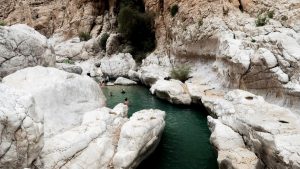
Have you ever heard of the Snake Gorge in Wadi Bani Awf? It is one of the astounding natural wonders. The canyon walls and serpentine path look stunning! It is said that the perfect serpentine path was caused by water erosion formed over thousands of years. This place should be on every nature enthusiast’s must-visit list. This natural wonder is a mixture of both mystery and beauty. The twists and turns of the trial path resemble a snake. Notable. In this blog, you will know the location, things to do, safety considerations, the right time to visit, and what’s unique about the Snake Gorge! Where is Snake Gorge located? Snake Gorge is located in Oman. Specifically, the natural wonder is found in the Hajar Mountains within the Wadi Bani Awf region. You can travel to Wadi Bani from both Al Dakhiliyah and Al Batinah. If you travel from Muscat, you must travel 150 km more to reach the destination. The approximate duration is 2.15 minutes if you are travelling without any breaks. If your chosen path is from Muscat, you must drive through the Nakhal and reach Al Rustaq first. Then, cross the Al Awabi village and drive into the Wadi Bani Awf. Travel another 20 kilometres to reach the Snake Canyon – Al Zamah village exit. From this village, you will have to travel six more kilometres to reach the entrance of the Right Fork of the Snake Gorge. What is special about Snake Gorge? The adrenaline rush stays the same for people who have heard of the Snake Gorge wonder. But, if you are a person who ddoesn’tknow about this astounding place, get to know why Snake Gorge is unique and a must-visit in Oman: The beautiful scenes: Water pools, waterfalls, and distinct varieties of flora and fauna are seen near the Snake Gorge, making it a more likeable place for tourists. It’s an adventure time: If you love adventure, this place is definitely for you. The environment itself gives people an exciting feel with the rugged surroundings. The shape! The Snake Gorge has a fantastic serpentine-shaped path that adds to the mystery of this place. Cultural justifications! You can spot many traditional villages and community people living a beautiful cultural routine! The challenging terrain: If you like hiking, there are many trails that present immense challenges for hikers. Things to do while traveling to Snake Gorge Your trip to the Snake Canyon includes a lot of adventure alongside. This might consist of trekking, jumping into the pool, abseiling, sliding, and doing many adventurous activities to reach the destination and cherish the views! The path is not always smooth; you will find a lot of slippery and dangerous roads. This is why the guides recommend wearing hiking and trekking boots or shoes. The path’s width may vary from 2 feet to 30 feet. While walking in the canyon, you will also find a 200-foot-long pool. There are two popular routes to the Snake Gorge:The Right fork and the Left Fork. The “Right Fork” Snake Canyon The Right Fork, Snake Canyon route, is the most famous route to choose. This route has all kinds of adventures like gliding, swimming, trekking, etc. If you choose this route, first, you will have to jump into a pool from a 5-6 meter high cliff. You will reach the next phase of travel only after finishing the entire swim. If you are not ready for a one-way swim, you can choose the alternative – abseiling down the stretch. Once done, you must walk for quite some distance, cross more pools and swim. Next, you must use your ropes and abseil down a path. You will spot a fantastic cave of limestones! The whole hike-swim will take a minimum of 4 – 6 hours. The “Left Fork” Snake Canyon The Left Fork Snake Canyon is another route to travel to the Snake Gorge. But, it is unlike the right fork Snake Canyon route. The distance to be covered will be less when compared, and there are few adventures to experience. One of the main reasons why people choose this easy route is if they are not interested in abseiling. On the other hand, since the pool levels have decreased, it will be shallower compared to the other route. Also, the pool water is less transparent since it has murky water. The left fork Snake Canyon route is not a zero adventure route. It involves some adventures, like jumping cliffs on a one-way path. You will land in the Al Zamah village at the end of the cliff jumpings. From here, you must travel for 2-3 hours to reach the main Snake Canyon route. Safety Considerations while traveling to the Snake Gorge If you think that the Snake Gorge is just another adventurous place you can travel to, you are wrong. This particular place needs additional safety considerations to be kept in one’s mind. There are risks and dangers prevailing in this place like slippery rocks, shallow pools, flash floods and very big cliffs. Make sure you are aware of the basic safety considerations while travelling to Snake Gorge: Be aware of the flash flood warning Have a note of the weather forecasts Make sure you have a detailed map of the path with updated information on the water level Pack mandatory things like gloves, ropes, helmets, life jackets, etc. Always have a professional guide by your side. When is the right time to visit Snake Gorge? Visiting the Snake Gorge can be categorized based on your preferences. Summer – If you are planning on travelling to the Snake Gorge from May to September, know that you are in for a very hot summer trip. The scorching heat is not much recommended for a trip here. It in turn makes outdoor activities and hiking very dangerous and challenging. Winter and Spring – Traveling around October to April is preferable, temperature-wise. Hiking and exploring outdoor activities can be less dangerous and challenging. The overall weather

Read More »
Budget Travellers
Meenakshi Nair

Top 5 Museums in the UAE

Even though the United Arab Emirates is a relatively young nation, its rich history dates back to some of the planet’s earliest civilizations. A diverse range of museums spread around the Emirates presents the region’s history, culture, and future from a variety of intriguing angles. These are the top 15 museums in the United Arab Emirates. Whether it’s the fishing and pearl-trading heritage, an awareness of contemporary history following independence from colonial powers, or the contributions of Islamic scholars to humanity’s collective knowledge bank, museums in the United Arab Emirates provide an insightful look into various aspects of the country’s identity. These museums significantly broaden the discourse on the UAE’s achievements to date as well as its future goals by providing crucial context. With their immersive space exploration visualisations, castles with walls made of coral and mud, and modern artwork, these museums in Dubai and Abu Dhabi have something to offer everyone. Dubai Museum of the Future One of Dubai’s most stunning instances of modern architecture is the Museum of the Future, a steel and glass building covered with calligraphy. With its emphasis on scientific and technical developments, the museum’s numerous experiences give the impression that you have entered the year 2071 through a time portal, befitting a city as forward-thinking as Dubai. Interactive displays pique your curiosity about what space travel would entail and how renewable energy might be extracted from the moon. In other places, galleries present technology-driven solutions and pose significant questions that address a range of topics, including biodiversity, climate science, holistic well-being, and the influence of technology on the workplace. The immersive quality of the displays means that there is something to fascinate visitors of all ages at the museum. Where to stay: Conrad Dubai is a six-minute drive away. Its luxurious, contemporary suites offer views of the city or the sea, and it has six restaurants and a spa where guests can unwind. Louvre Abu Dhabi Any first-time tourist to the United Arab Emirates should make time to see the Louvre Abu Dhabi, one of the most prestigious museums in the area. The building’s facade, created by Pritzker Prize-winning architect Jean Nouvel, dazzles with its ‘rain of light’ appearance, produced when sunlight streams through the geometric dome and creates a whimsical pattern. The Louvre’s several galleries house art, sculptures, paintings, artefacts, manuscripts, and exhibitions that tell the interwoven tales of cultures and civilizations from around the globe throughout human history. In addition to its permanent collection, the museum hosts temporary exhibitions leased from other esteemed establishments, including the Musée du Louvre and Musée d’Orsay in Paris. The entertaining and interactive exhibitions of the Children’s Museum will delight young visitors. Where to stay: Saadiyat Island Resort, located just down the coast from the Jumeirah Museum, offers a peaceful beach getaway in Abu Dhabi thanks to its sustainable practices and simple, nature-inspired design. Museum of Illusion Trick your eyes, entertain your thoughts, and let the world of illusion blow your head. The Dubai Museum of Illusion is a unique educational experience that includes sensory testing, a rotating room, an infinite chamber, a vortex tunnel, challenging riddles, and optical illusions. Enjoy some lighthearted and clever photography with your loved ones; many displays include detailed advice on taking photos that effectively convey the illusion. The Museum of Illusion’s exhibitions are a mind-bending experience that will cause you to doubt reality. Challenge your senses and have a creative, enjoyable day with your loved ones at Dubai Museums. Etihad Museum Etihad means “Union” in Arabic, indicating that the museum documents the history of the Emirates Union. The museum’s main subjects are the history of the Union, the founding and growth of the nation, and the concept of signing the Declaration. This well-known museum in Dubai has an intriguing architectural layout. It is fashioned after a document inspired by the Union Agreement, and the seven slanting pillars stand in for the pens used to sign the 1971 Declaration of Independence. The museum features a wealth of old photos, films, and interactive exhibits that trace the development of the United Arab Emirates from its founding to the present. Dubai’s museums are exquisitely designed and house an enthralling variety of artefacts related to the city’s past and present. In the museum’s gorgeous garden, there is a cafe selling the well-known camel milk ice cream, which is a great place to promenade. Dubai Coffee Museum For almost as long as coffee has been a beverage, it has been associated with Middle Eastern culture. This homage to coffee consumption is housed in Dubai’s Al Fahidi Historic District. It features a large assortment of antique things that illustrate the history and culture of coffee on a regional and global scale. It is peppered with exciting relics. The ground floor of the UAE museum is split up into areas representing the customs of various coffee-drinking nations. Upstairs is the literature room, where works about coffee are on exhibit. Enjoy a cup of Joe at the specially designed brew bar to cap off your caffeine trip. Saying Goodbye to Dubai’s Museums In UAE, museums are more than just structures housing artefacts. They serve as entry points into the city’s diverse history, culture, and ambitions. Every museum provides a different window into UAE’s rich cultural diversity, from the Museum of the Future, which showcases innovation, to the Coffee Museum, which highlights remnants of the city’s fragrant cultural fabric. At the Etihad Museum, visitors may see the genesis of a nation, immerse themselves in nautical traditions at Al Shindagha Museum, and travel back in time at Dubai Museum. UAE’s museums tell the tale of a city honouring its heritage while forging an exciting new route into the future. Before visiting, please check the museum’s website for information on hours, location, and admission costs. Obtain travel guidance to extend the enjoyment of your vacation to the UAE. When you travel to the UAE, Thrillark offers travel policies that will protect you in the event of a trip-related problem. Enjoy your

Read More »
Couple Travel
Meenakshi Nair

The Shopaholic’s Guide to Dubai: Unique Finds and Where to Get Them

Dubai is well-known for its shopping tourism because it is the centre of upscale and luxurious retail malls. Dubai, a global city situated on the Arabian Peninsula, claims to be the hub of Western Asia’s business community. A few of the many attractions that draw tourists to Dubai like swarms of flies are skyscrapers kissing the clouds, the newest and most opulent cars cruising the bustling streets, flashy lights, a vibrant nightlife, and an abundance of shopping centres ranging from local souqs to glitzy shopping malls. “Discover all that’s possible” is Dubai’s official tourism tagline, which couldn’t be more appropriate for the city. Dream big, and Dubai has everything you’re looking for. This city has a market of that size worldwide. Every year, the extravagant Dubai Shopping Festival, which spans more than a month, may fulfil the most extravagant desires of any shopaholic by providing an unmatched experience and bags full of souvenirs to bring back from this fantastic city. Unique Spots in Dubai – Malls, souqs and more Dubai has no boundaries. In the City of Gold, you may see the future, touch the sky, and have endless excitement. Its distinctive fusion of fashion and culture makes it a shopper’s paradise. Are you pursuing luxury? You understand. On a tight budget? Not an issue. Dubai can adapt to your shopping preferences and assist you in bringing the souvenirs that you desire home. Dubai is known for its shopping, and the city is filled with both traditional marketplaces and shopping centres. Dubai is the ideal destination for anyone searching for an endless shopping heaven. You may find anything and everything here at some of the top shopping destinations on Earth, which is this city. Dubai offers various apparel options, from high-street brands at reasonable prices to opulent designer names. It is understandable why the Dubai Mall is one of the most well-liked retail locations in the city. With around 1200 businesses, this enormous mall is among the biggest in the world. You could easily spend an entire day here without becoming bored because it has an aquarium, an ice rink, and a movie theatre. It is understandable why the Dubai Mall is one of the most well-liked retail locations in the city. With around 1200 businesses, this enormous mall is among the biggest in the world. You could easily spend an entire day here without becoming bored because it has an aquarium, an ice rink, and a movie theatre. Unique Finds in the City of Dubai It can be easy and challenging to decide on the ideal souvenir to bring home from a large retail mall like Dubai. A floating carpet, a Rolex watch, or a few jewels, perhaps… While they might all eventually last, they all have costs. Here are several traditional, unique finds in the city that are also noticeably more shopper-friendly. Fresh & Sweet Dubai Dates Good food, travellers! Savour the chewy, sweet, and exotic Dubai dates—one of the most well-known items to purchase in Dubai. As a guest, you will be offered these delectable dates wherever you go in Dubai. Not to mention the taste, these are unmatched regarding nutrients and health benefits. One of the most popular items in Dubai is dates, which are available at supermarkets, shopping centres, souks, and even the airport. If you’re searching to buy something from Dubai to India, the most excellent option is dates. Almost 200 different types of dates are available in the “City Of Gold,” each with a distinct flavour, colour, and size. Al Barakah and Bateel dates are among India’s most popular date brands.   Dubai Gold Jewelry Anyone thinking about Dubai will instantly think of gold. This metropolis has gold souks, gold ATMs, golden buildings, and even gold-plated food. Therefore, picking out a piece of gold jewellery to wear when visiting Dubai makes perfect sense. In particular, gold is typically substantially less expensive here than in most other big cities. Deciding may take a long time because the jewellery designs here vary. Remember to haggle for the most terrific deal as well.   Where to buy Dubai Gold Souk: 3rd floor, Gold Souq, Deira, Dubai, United Arab Emirates; address: Gold Corner Building. Sheikh Zayed Road, Al Quoz, Al Quoz Industrial Area 3, Dubai, United Arab Emirates, is the address of Gold and Diamond Park.   Oudh and Bakhoor If you enjoy the unique smells you can catch on the streets of Dubai and want to bring them home, the best option is Oudh or Bakhoor agarwood chips and oil. Oudh is an exclusive aromatic oil derived from the resin of agarwood from the wood of the Southeast Asian agarwood tree. It is a fragrant oil with an alluring aroma that can be purchased either pure or combined with other flower oils like rose, jasmine, etc.   Where to buy Are there perfume shops in shopping malls in Deira (Address: Sikkat al Khali—Dubai—United Arab Emirates)? The address of Dubai Spice Souk is 41 34th St., Deira, Al Ras, Dubai, United Arab Emirates.   Camel milk chocolate Camel Milk Chocolates are among the most delicious things you can get from Dubai; they’re a local speciality you’ll love. Originally accessible only in Dubai, these chocolates are now being delivered throughout Europe and Asia. The original camel chocolates are exclusively available in Al Nassma. Additionally, they have whole milk, macadamia, and spicy (Arabia) camel milk chocolates.   Where to buy Al Nassma kiosks are located at Dubai Mall, Burj Al Arab, Burj Khalifa, The Palms, Atlantis, and the Duty-free shop.   Kava pots Kava is the purest form of coffee; a cup is delicious. Locals enjoy their coffee strong and dark like this. Arabic society places great importance on this coffee served in sophisticated pots and cups. Kava coffee pots are usually lined with silver or gold, the most expensive ones being set with semiprecious stones. Additionally, these are lovely gifts and souvenirs to bring back from Dubai. This is among the most well-known items to purchase in

Read More »
Family Travel
Meenakshi Nair

Sartorial Etiquette in the Emirates: A Guide to Dress Code for Women Tourists

This blog provides you with comprehensive coverage of the dress code/etiquette for women tourists in the United Arab Emirates. The UAE, or United Arab Emirates, is a country that attracts millions of tourists around the world every year. A general understanding of Emirates Culture and Lifestyle It is a mandate for both locals and visitors to the Emirates to understand and celebrate the cultural norms covering the attire. The United Arab Emirates is known for its stylish architecture, luxury shopping, and energetic nightlife. Women travellers must be aware of and respect the local clothing principles, which help guide artistic norms and ensure pleasant and respectful knowledge. Style manner is one of the key elements that represents this unique blend. Traditional qualities and values of the United Arab Emirates The culture of the United Arab Emirates, or UAE, is impacted by conservative values and is profoundly embedded in Islamic practices. In the United Arab Emirates, modesty is highly regarded, and wearing conservative clothing is a show of righteousness. Both residents and tourists should be aware of this. Even though there could be more significant space in dress codes at tourist sites, it’s best to be on the side of modesty to deter cross-cultural miscommunications. For a clear interaction with regional society, it is essential to understand and admire these values. Emirates general dress code for women Most standard attire is generally accepted as long as it is not overly flashy. In public, females don’t need to cover their heads, faces, or hair. Women are required to cover their legs, hair, and bodies when they visit a mosque, while they are not mandated to hide their faces. The abaya, a black robe, and the sheila, a headscarf, are crucial elements of traditional Emirati attire. Wearing an abaya is not required for non-Muslim visitors, although it may be a cultural experience and a sign of concern, particularly while visiting sites of worship. Traditional Clothing The people of the United Arab Emirates have a unique place in their hearts for classic Emirati attire, which also shares a sense of identity as a country. The abaya, a black cloak that means ethnic pride and humbleness, is often worn by women. Choose a dress based on diverse occasions An essential part of sartorial etiquette is comprehending what to wear on certain occasions. In the United Arab Emirates, business meetings or offices usually have formal dress. Women should pick modest yet proficient apparel, while men should wear suits. On Fridays, which are regarded as holy days in Islam, people dress more traditionally. The people of the United Arab Emirates often dress traditionally for colonial and religious affairs. Being aware of these norms ensures approval in a variety of social contexts. Attire to be worn in workplaces Normally speaking, females can dress similarly to how they would when working in their native nations. But anything too dramatic should be toned down. Dresses, knee-length skirts, or full-length pants are required of women, with T-shirt sleeves concealing their upper arms. The best course of action, though, would be to ask about any particular rules with the company where you work, or even better, just be wary when you first get there. Friday Attire Fridays, which are considered holy days in Islam, are holidays in the United Arab Emirates, where people dress more traditionally. In the United Arab Emirates, people frequently dress traditionally for social and religious events. In compliance with this custom, guests may decide to dress differently on Fridays to demonstrate their artistic sensitivity and understanding. Attire on a daily basis In cities, striking a balance between contemporary style and cultural sensitivity is essential. Although Arab women frequently dress in Western fashion, modesty is still a key factor. Choosing stylish, form-fitting clothes that fall beyond the knees, cleavage, and shoulders is often considered. Lightweight, breathable materials like cotton and linen are perfect, given the temperature. This ensures comfort without renouncing style. Sportswear and activewear It is advised to wear modest sportswear for time-outs and sporting events. In keeping with cultural conventions, long sleeves and full-length slacks or leggings are suitable options that ensure ease and comfort in Emirates. Swimwear Considerations With the UAE’s long coastline and prosperous resorts, swimwear is an essential element to take into account. Wrapping up is necessary while leaving venues like beaches and pools, even though it is permitted there. When making the switch from swimsuits to ordinary clothes, cultural awareness should be used while holding in mind the condition to respect traditional spirits outside of recreational places. Shoes and other accessory Shoes are more significant than just applicable items. Shoes have to be taken off while entering houses and mosques as a sign of respect for cultural standards and also for hygiene. One of the most significant aspects of Emirates women’s cultural etiquette is understanding and following this tradition. Jewellery and other supplements should complement the fair overall motive. Over-the-top or flashy jewellery might be deemed inappropriate. To honor local customs, female travellers are advised to embrace a more understated style when it comes to accessories.  

Read More »
Adventure
Meenakshi Nair

Riding High in the Desert: Camel Trekking Adventures in Abu Dhabi

Are you looking for a soothing adventure in the heart of Abu Dhabi? Camel trekking is the ideal spot, offering the perfect blend of calmness and excitement. Picture yourself sitting atop a majestic camel and rhyming with its movement. Step away from the bustling city life and immerse yourself in the calmness. The crispy desert air narrates the story of ancient lives, and the heat waves carry the warmth. The golden dunes of the desert create a masterpiece that fascinates us. This is a lifetime experience every person should enjoy. We are unwrapping the beauty of the Abu Dhabi deserts, here is all you need to know before heading camel trekking. Let us explore the majestic desert adventure that awaits you in the Arabian treasure. Which is the best Season to visit? The winter season, from November to March, is the greatest time to explore Abu Dhabi and the majestic deserts. The weather is warmer and less humid than it is in the summer. The temperature swings from 18 to 25 degrees during the day, making it ideal for outdoor activities without worrying about the impact of the heat. It is not recommended to travel during August since it is the warmest month, with a dry environment and high summer waves. If you have a limited budget, you may travel in April and May or from September to October. Spring and fall bring great weather, moderate crowds, and affordable hotel costs. Is it fun riding camels? Yes, it is possible. After all, what better way to experience the scorching, shimmering desert than from above, silently moving in formation across dunes? Many adults and nearly all children like the experience. Sure, you’ll be bobbing up and down a little, and you could get aching legs, so check for the ride duration and the resting spots. As long as you are active and cheerful, you will have a great time. It’s important to remember that you will be part of a group headed by experienced Bedouins who have a strong connection with the animals and understand how best to care for them. We’re in good hands because they were raised in the desert and have extensive knowledge of the area. What to wear During the camel ride? Wearing loose-fitted, comfortable clothes is essential while riding a camel. The weather is scorching, so choose clothes that protect you from the sun. Clothes Choose airy, lightweight clothing covering your arms and legs to protect yourself from the sun and any bush or thorns you may encounter. Clothing that fits loosely is excellent since it makes mobility easier. Avoid wearing heavy fabrics and short dresses. Do not prefer fitted clothes, as they may cause itching and burning due to sweat. You can do well with cotton or other natural fibres. And remember always to wear a hat.   Footwear You are advised to wear boots and closed-toe shoes. I prefer wearing thick frim stoles, and it is also recommended to wear ankle boots. This will provide ultimate protection from the sun,   Layering If you visit during winter, you should layer your clothes. Abu Dhabi has extreme climates; it can be freezing at night and sunny during the day. So wear layers that can be removed during the day.   TIP: Bring sunscreen protection and a water bottle. Sunscreen protects your skin from sunlight and reduces skin damage from UV exposure. Carry water bottles to stay hydrated. What is the real experience of a camel trekking? As previously stated, while it is undoubtedly enjoyable, the fact is that it is not always fully pleasant or easy! Before you begin, here are a few things to keep in mind: Camels grunt, gurgle, puff, and groan and yell. This is how they communicate with one another. They may even grind their teeth on occasion! Don’t be afraid it’s all part of the adventure! Camels travel slowly, so expect to limp at a moderate and steady pace rather than sprinting over the desert. Camels are more stubborn and strong. So you need to fight with your hands and rope to guide them. But if it seems they are out of your control or you are uncomfortable with their behaviour, Bedouins always step in to help you. Tips for camel trekking If you touch your horse before a ride or offer them some straw, they will probably reach out and smell your hand. Unfortunately, this is not the case with camels; you risk getting bitten or kicked if you attempt to pet one. To ride and disembark your camel, first ensure that it is kneeling. If necessary, seek assistance from a Bedouin guide to keep the animal still. Swing your right leg across while placing your left foot on the stirrup. Securely hold onto your saddle with both hands as soon as you’re aboard. When your camel stands up, lean back; at that point, you can proceed. Keep your body weight centred and evenly distributed; if not, it affects your and the camel’s balance. Sit relaxed and keep your back straight. Do not lean forward or backward frequently. Managing your camel: Here’s where you use the reins. The rein will regulate the camel’s direction on the right side of its head. The rein you’ll use to control speed is on the left side. Pull on both reins simultaneously to move your camel ahead and halt it; pull only on the left rein. And tug tightly on one rope while loosening the other to get your camel to spin around. Things to Know Before the Camel Trekking Book in Advance Book the camel trekking in advance. If you are visiting during the tourist season or looking for a ride on a specific day to celebrate special occasions in the desert, it is necessary to book prior. Prior booking allows you to choose your slot according to your preference and also allows you to change your preferences.   2. Health condition Pregnant women are not allowed to ride the camels

Read More »
Bucket List Ideas
Meenakshi Nair

Muscat Marvels: A Traveler’s Guide to Muscat’s Top attractions

Muscat is truly a magical destination for people who love a peaceful vacation. Be it the beautiful beaches and sunset, the rich and historic culture, and exciting outdoor activities, tourists will never get tired of the itinerary. If you are planning on visiting Muscat, have a look at this blog. If you are a travel enthusiast who loves exploring all kinds of specialities in a country, we have got the perfect destination for you! MUSCAT! You can engage yourselves in various activities and get to explore all kinds of special destinations as well. Yes, that’s the plan! If you are planning for a vacation, choose Muscat! In this blog, you will get to know where Muscat is located, what is so special about this place, what the top 5 attraction spots you must definitely visit, the right time to visit Muscat, and a travel checklist. Where is Muscat located? Muscat is a beautiful country located in Oman. Being the capital of Oman, this northeastern coast is situated in the Arabian Peninsula, along the Gulf of Oman. What is special about Muscat? Muscat is a special country for vacationing, which is justified by so many factors as to why it is exceptional. Here are some of the top specialities of Muscat: Muscat- The architectural beauty! If you step into Muscat, the first thing you will notice is that the place is blended with fine architecture. With a perfect mixture of traditional Arabian architecture and modernized structure, Muscat is really an alluring sight for the eyes! Certain places speak out of architectural beauty, like the Sultan Qaboos Grand Mosque, The Royal Opera House showcase and the Al Jalali and Al Mirani forts. The accurate craftsmanship and even the minute details of the building will make anyone fall in love with the place! Are there any nature lovers? If you are a nature lover who believes standing in front of the beach or walking on the mountain trails is the best way to stay peaceful, then you should visit Muscat. Muscat stands as an amazing destination between the mountains and the magnificent sea. The etherealness of this place is what people are in awe of! Take a walk on the pristine beaches, trek on the huge mountains and have a view of the breathtaking lakes around. History matters! History is something every person learns while travelling to different countries or different places. But do you know what’s special about Muscat? The place itself is a remarkable reason to learn old-age history. Dating to centuries back, Muscat was quite popular for trading frankincense. If you are a curious person to learn more, and thinking of a better place to visit, Muscat it is! Top 5 attractions in Muscat Muscat is a place with rich culture and a long list of tourist spots. There are so many must-visit places one must definitely check out! Al Jalali and Al Mirani Forts: If you love watching the historical first and learning more about their stories, these are the perfect spots for you to visit. You can have an alluring view of the city and the sea!! Sultan Qaboos Grand Mosque: Architecture is one of the significant factors that attract tourists to different countries. One such remarkable architectural spot is the Sultan Qaboos Grand Mosque. The intricate designs and the perfect angles of the Mosque will make people fall in love with the place! Royal Opera House Muscat: Are you a person who loves artsy experiences? Visit the Royal Opera House in Muscat, have a seat and catch a live performance there! The building itself justifies its amazingness. Bait Al Zubair Museum: The Bait Al Zubair Museum offers people insight into Omani culture, history and tradition. You can explore the exhibits in these museums. Corniche: If you are a person who loves the sea and finds peace in walking along the sea path, visit Corniche. The beautiful city skyline and the roaring sea give the perfect amount of relaxation you could ever ask for! The right time to visit Muscat: Reasons to visit Muscat can be for different reasons. Some people like the weather and some choose Muscat for all the activities to explore. Relevant to the reason, choose the right time to visit Muscat and plan your itinerary accordingly. Summer: If you are planning on travelling from April to October, Muscat summers are extremely hot. The temperature in Muscat can even exceed 40 degrees celsius during the daytime. In summer, the outdoor activities in Muscat will be limited. So, plan your activities early in the day or during late afternoons to avoid the scorching sun. Summer has effects on the hotel room price as well. The more the heat, the less tourists there will be. Hence, hotel rates will be discounted prices. Winter: Muscat, from December to February, experiences 20 to 30 degrees Celsius, making it preferable for outdoor activities. If you are a winter-loving person, Muscat during this season is the best option for you! During the winter, there are Muscat festivals that showcase a variety of arts, culture, and historical information. The National Day celebration in Oman is one of the best festivals. It has lots of fireworks, events and live performances for people. Experience the fine dining in the evening chill breezes. Tourists can get an eye full for the beautiful scenic attractions here! Spring and Autumn: In Muscat, there are transitional seasons from March/April to October/November. The temperatures will be moderate, with people experiencing both warmer and cooler evenings. Sightseeing and outdoor activities are the most preferable during these months! When it comes to the crowd, compared to the peak months, it is less! Muscat travel can be for various reasons for you. Considering the itinerary, you can choose the right time slots for you to travel. If you are planning a vacation to Muscat to explore and experience the cultural festivals and events, check when the festivals will be hosted and plan accordingly. If you want to travel during the peak

Read More »
Bucket List Ideas
Meenakshi Nair

Unveiling Cu Chi Tunnels: History Beneath the Surface

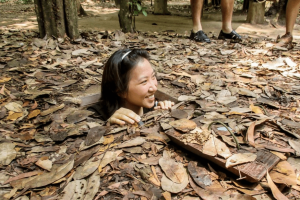
Vietnam is a country with a rich history and that is quite evident from the remnants of history dotting the country’s landscape. Because of this, it can be said that a person visiting this beautiful country will never run out of things to see or places to visit. The Cu Chi Tunnels, located in the outskirts of Ho Chi Minh City, serve as a heartbreaking reminder of the unbeatable spirit of the Vietnamese during one of the most turbulent periods of their history. These tunnels, stretching over 120 kilometres, were not just a means of transport, but a symbol of protest against adversity and occupation. Getting There The Cu Chi Tunnels are located approximately 70 kilometres northwest of Ho Chi Minh City. The most convenient way to reach them is by joining a guided tour. Many tour operators in Ho Chi Minh City offer half-day or full-day trips to the tunnels, providing transportation and knowledgeable guides who can offer insights into the history and significance of the site. The Historical Context To truly understand the significance of the Cu Chi Tunnels, one must know more about the turbulent times of the Vietnam War. In the 1960s and 1970s, Vietnam was torn apart by conflict as the Communist forces of North Vietnam clashed with the anti-Communist forces of South Vietnam, backed by the United States. The Cu Chi district, situated near the Cambodian border, became a battleground where Viet Cong guerrillas fought against American and South Vietnamese troops.   Facing a technologically superior enemy, the Viet Cong resorted to unconventional tactics, one of which was the construction of an extensive network of underground tunnels. These tunnels served as a hiding spot, supply route, communication channel, and even living quarters for the guerrilla fighters. They provided the Viet Cong with a strategic advantage, allowing them to evade detection and launch surprise attacks on their enemies.. The Ingenious Construction The construction of the Cu Chi Tunnels was a remarkable feat of engineering, showcasing the resourcefulness and determination of the Vietnamese people. Dug by hand using simple tools like shovels and picks, the tunnels were a complex network that extended deep into the earth. They consisted of multiple levels, with intricate systems for ventilation, drainage, and booby traps to avoid enemy incursions.   What makes the Cu Chi Tunnels even more incredible is their sheer scale. Stretching for miles beneath the surface, they comprised not just narrow passageways, but also meeting rooms, storage facilities, kitchens, and hospitals. Despite the cramped conditions and constant threat of enemy attacks, the Viet Cong lived and operated within these tunnels for years, sustaining their resistance against overwhelming odds. Preserving History Today, the Cu Chi Tunnels stand as a testament to the courage and resilience of the Vietnamese people during a dark chapter in their history. Open to visitors, they offer a peek into the hardships experienced by those who fought for their freedom and independence. Tourists can also explore sections of the tunnels, and learn about the harsh realities of war from local guides.   But rather than being a tourist attraction, the Cu Chi Tunnels serve as a reminder of the human cost of conflict and the importance of peace. They symbolise the strength that can emerge from adversity and the power of perseverance in the face of oppression. By preserving and honouring this history, we pay homage to those who sacrificed so much in the pursuit of a better future. Tips While Visiting Wear comfortable clothing and shoes: The tunnels can be narrow and cramped, so it’s essential to wear comfortable clothing and closed-toe shoes suitable for walking and crawling through tight spaces.   Stay hydrated: Vietnam’s climate can be hot and humid, especially during the summer months. Be sure to bring plenty of water to stay hydrated during your visit.   Listen to your guide: The Cu Chi Tunnels have a rich history, and your guide will provide valuable insights and information as you explore the site. Listen attentively and ask questions to make the most of your experience.   Respect the site: The Cu Chi Tunnels are a place of historical significance and should be treated with respect. Avoid littering, vandalism, or any other behaviour that could damage or deface the site.   Be prepared for confined spaces: Some sections of the tunnels are narrow and claustrophobic. If you’re uncomfortable with confined spaces, you may want to skip certain parts of the tour.   The Cu Chi Tunnels are more than just a historical curiosity; they are a living testament to the resilience and determination of the Vietnamese people. As we walk through these narrow passageways and reflect on the hardships endured by those who once called them home, let us not forget the lessons they impart. May their story inspire us to strive for a world where peace prevails, and where the echoes of war remain buried beneath the surface, never to be unearthed again.   Frequently Asked Questions (FAQs) How long does it take to explore the Cu Chi Tunnels? Typically, a guided tour of the Cu Chi Tunnels takes around 2-3 hours. This duration allows visitors to explore various sections of the tunnels, learn about their history, and observe different aspects of the site.   Are the Cu Chi Tunnels safe to visit? Yes, the Cu Chi Tunnels have been made safe for visitors. However, some sections of the tunnels can be narrow and claustrophobic, so it’s essential to follow the instructions of your guide and take necessary precautions while exploring.   Can I take photographs inside the Cu Chi Tunnels? Yes, visitors are generally allowed to take photographs inside the Cu Chi Tunnels. However, it’s essential to respect any guidelines provided by your guide and avoid using flash photography, as it may disturb other visitors or damage the tunnels.   Are there facilities such as restrooms and food stalls available at the Cu Chi Tunnels? Yes, there are usually restrooms and food stalls available at the Cu Chi Tunnels

Read More »
Adventure
Meenakshi Nair

Mekong Delta Magic: A Classic Tour from Ho Chi Minh

Located in the southwestern corner of Vietnam, the Mekong Delta is a region of unmatched beauty and cultural significance. Known as the “Rice Bowl” of Vietnam, this huge network of waterways, lush landscapes, and bustling communities welcomes travellers from across the world in their trip to Ho Chi Minh City, also known as Saigon. Read on to find more about this must visit place in Vietnam From Urban Bustle to Rural Peace The journey begins with an early morning departure from the busy streets of Ho Chi Minh City. As you move further away from the city, there will be a point where the rhythmic pulse of urban life gradually fades into the calmness of the countryside. As the sprawling cityscape gives way to emerald-green rice paddies and swaying palms, you will be more relaxed than ever before. The Floating Markets Arriving at Cai Be or Cai Rang, visitors are greeted by a perfect representation of the Mekong Delta – the floating markets. Here, a colourful array of boats filled with fresh produce, handicrafts, and tasty food float on the river, creating a colourful example of culture and commerce. Engage in the age-old tradition of bartering as you navigate the bustling waterways, and sample some exotic fruits and local delicacies along the way. The Local Life: From Rice Paddies to River Villages As you move beyond the markets, you will have another taste of the local life, with the complex network of canals, the beautiful rice paddies that stretch as far as the eye can see, and lush mangrove forests that teem with wildlife. You can see fishermen casting their nets into the calm waters, and farmers tending to their fields with time-honoured techniques that were passed down through many generations.   A visit to the traditional village offers a glimpse into the rich cultural heritage of the region. You will also have the opportunity to see examples of the expert craftsmanship of local artists as they weave baskets from natural fibres and sculpt pottery with their bare hands. Try to engage with friendly locals eager to share their stories and traditions. This can give more insights into the resilience and ingenuity of Mekong Delta communities. Culinary Delights and Riverside Retreats No visit to the Mekong Delta would be complete without enjoying its culinary delights. Sample fragrant bowls of pho, Vietnam’s beloved noodle soup, or taste the delicate flavours of freshly caught seafood infused with local herbs and spices. For the more adventurous foodie, exotic delicacies such as snake wine and fried insects offer a taste of authentic Mekong Delta cuisine.   As the day draws to a close, you can stay at a riverside lodge or eco-resort, where rustic charm meets modern comfort. Relax amidst the peaceful surroundings, lulled by the gentle lapping of the river against the shore. A Journey of Discovery From the bustling streets of Ho Chi Minh City to the calm waterways of the Mekong Delta, this classic tour offers a trip of discovery like no other. Whether being awesome by the beautiful floating markets, enjoying local life in traditional villages, or tasting the amazing local food, each moment will be a new experience.   So, pack your sense of adventure and start your trip to the Mekong Delta right away and explore this amazing destination waiting to be explored. Frequently Asked Questions (FAQs) How far is the Mekong Delta from Ho Chi Minh City, and how long does it take to get there? he Mekong Delta is approximately 120-160 kilometers (75-100 miles) southwest of Ho Chi Minh City, depending on the specific destination within the delta. Travel time can vary, but typically it takes around 2 to 3 hours by road to reach popular entry points like Cai Be or Cai Rang.   What are the must-visit attractions in the Mekong Delta? Some of the must-visit attractions in the Mekong Delta include the floating markets, traditional villages like Ben Tre, famous for its coconut candy production and handicrafts, and fruit orchards where you can sample fresh tropical fruits.   What activities can I expect to do during a tour of the Mekong Delta? Tours typically include activities such as boat cruises along the delta’s waterways, visits to floating markets, exploring local villages to learn about traditional crafts and lifestyles, sampling regional cuisine, and experiencing the beauty of the delta’s natural landscapes.   What is the best time of year to visit the Mekong Delta? The Mekong Delta can be visited year-round, but the best time to visit is generally during the dry season, which runs from November to April. During this time, the weather is typically sunny and dry, making it ideal for outdoor activities and sightseeing. However, the wet season (May to October) can also be a rewarding time to visit, as the delta’s rivers and canals swell, creating lush, green landscapes.   What should I pack for a tour of the Mekong Delta? Essential items to pack for a tour of the Mekong Delta include lightweight, breathable clothing suitable for hot and humid weather, comfortable walking shoes, sunscreen, insect repellent, a hat or cap for sun protection, a refillable water bottle, and a camera or smartphone to capture the stunning scenery and cultural experiences. Additionally, it’s a good idea to bring some cash for purchases at the floating markets and local villages, as well as for tipping guides and vendors.    

Read More »
Bucket List Ideas
Meenakshi Nair

Nui Than Tai Hot Springs: Nature’s Healing Retreat

Located in the midst of some of Vietnam’s most breathtaking landscapes in the country’s central highlands is a place of peace and rejuvenation – Nui Than Tai Hot Springs. Tucked away among the lush forests and rolling hills, this natural haven offers visitors a blissful escape from the hustle and bustle of everyday life. From its soothing thermal waters to its beautiful surroundings, Nui Than Tai Hot Springs welcomes all travellers seeking relaxation, renewal, and the healing touch of nature. The Healing Power Of Nature As you arrive at Nui Than Tai Hot Springs, you’re immediately greeted by the sight of steam rising from the thermal pools and the scent of fresh mountain air. Surrounded by dense forests and pristine waterfalls, the hot springs blend seamlessly into their natural surroundings, creating a peaceful place of relaxation and calmness. Soothing Thermal Waters At the heart of Nui Than Tai Hot Springs are its thermal pools, fed by natural underground springs rich in minerals and trace elements. Known for their therapeutic properties, these mineral-rich waters offer a range of health benefits, from easing muscle tension and promoting circulation to relieving stress and improving overall well-being. As you bathe in the warm waters of the pools, you will feel your worries melting away as the healing waters work their magic on body and mind. A Sanctuary For Wellness Beyond its hot springs, Nui Than Tai also offers a range of wellness facilities and activities designed to promote holistic well-being. Guests can indulge in a variety of spa treatments, from traditional Vietnamese massages to aromatherapy sessions and herbal baths, performed by skilled therapists using natural ingredients sourced from the surrounding forests. Additionally, yoga and meditation classes are available for those seeking to further improve their sense of inner peace and balance. The Great Outdoors For nature lovers and outdoor enthusiasts, Nui Than Tai Hot Springs also has a range of opportunities for exploration and adventure. Go on guided hikes through the surrounding forests, where you’ll discover hidden waterfalls, scenic viewpoints, and wildlife. Alternatively, rent a bicycle and explore the area at your own pace, stopping to admire the beauty of the landscape and enjoy yourself in the sights and sounds of nature. Culinary Delights After a day of relaxation and adventure, satisfy your appetite with a delicious meal at one of Nui Than Tai’s onsite restaurants. Featuring a menu of Vietnamese specialties made with fresh, locally sourced ingredients, each dish is a celebration of the region’s culinary heritage. From tasty pho and crispy spring rolls to fragrant rice dishes and succulent seafood, guests can enjoy the flavours of Vietnam while enjoying panoramic views of the surrounding mountains. Planning Your Visit Nui Than Tai Hot Springs is open year-round, providing visitors with the perfect opportunity to escape the stresses of daily life and reconnect with nature. Located just a short drive from Da Nang and Hoi An, the hot springs are easily accessible by car or public transportation. For those looking to extend their stay, the resort also offers comfortable accommodation options, ranging from cosy bungalows to luxurious villas, allowing guests to fully immerse themselves in the beauty of this natural paradise.   Whether you’re seeking relaxation, rejuvenation, or adventure, Nui Than Tai Hot Springs offers a truly unique experience in the middle of the truly stunning central highlands. From the soothing thermal waters to the lush forests and beautiful waterfalls, every moment spent in this natural sanctuary is an opportunity to reconnect with yourself and the healing power of nature. So, escape the stresses of everyday life and go on a journey of wellness and renewal at Nui Than Tai Hot Springs – where nature’s healing touch awaits. Frequently Asked Questions (FAQs) Is there a dress code for visiting Nui Than Tai Hot Springs? While there is no strict dress code, guests are encouraged to wear comfortable clothing and bathing suits when using the hot springs and spa facilities. Additionally, it’s customary to remove shoes before entering certain areas of the resort, such as the hot springs and dining areas.   Are children allowed to visit Nui Than Tai Hot Springs? Yes, children are welcome at Nui Than Tai Hot Springs. However, parental supervision is required, especially in areas such as the hot springs and spa facilities.   Is prior reservation required for spa treatments and dining at the onsite restaurant? While reservations are not always required, it’s recommended to book spa treatments and dining reservations in advance, especially during peak times, to ensure availability and avoid disappointment.   Are there any special packages or promotions available for guests? Nui Than Tai Hot Springs often offers special packages and promotions for guests, including spa packages, dining deals, and accommodation packages. Be sure to check the resort’s website or inquire with the staff for current offers and discounts.   Are there any age restrictions for accessing the hot springs or participating in spa treatments? While there are no specific age restrictions for accessing the hot springs, parental supervision is advised for children. For spa treatments, certain therapies may have age restrictions, and parental consent may be required for minors.  

Read More »