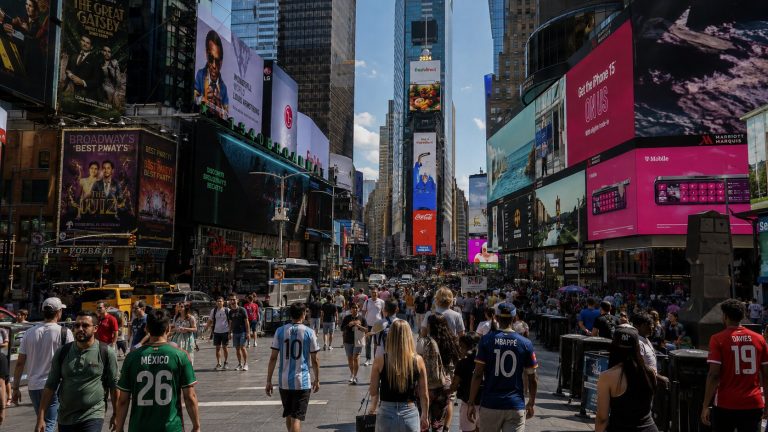
Few cities hit you the way New York does. Step out of a subway anywhere in Manhattan, and the whole place is already moving: a yellow cab leaning on its horn, steam curling off a food cart, and a skyline that somehow looks exactly like the movies and bigger than you expected all at once.
It can feel like a lot. That’s completely intentional. New York doesn’t ease you in. It just starts.
This is your complete guide to doing New York right with what to see, where to stay, how to get around, when to go, and the local know-how that separates a smooth trip from a stressful one. From the observation decks to the best $3 pizza slice, it’s all here.
New York City Essentials
Why New York Is Worth the Hype
New York packs more into a few square miles than most countries manage across their entire territory.
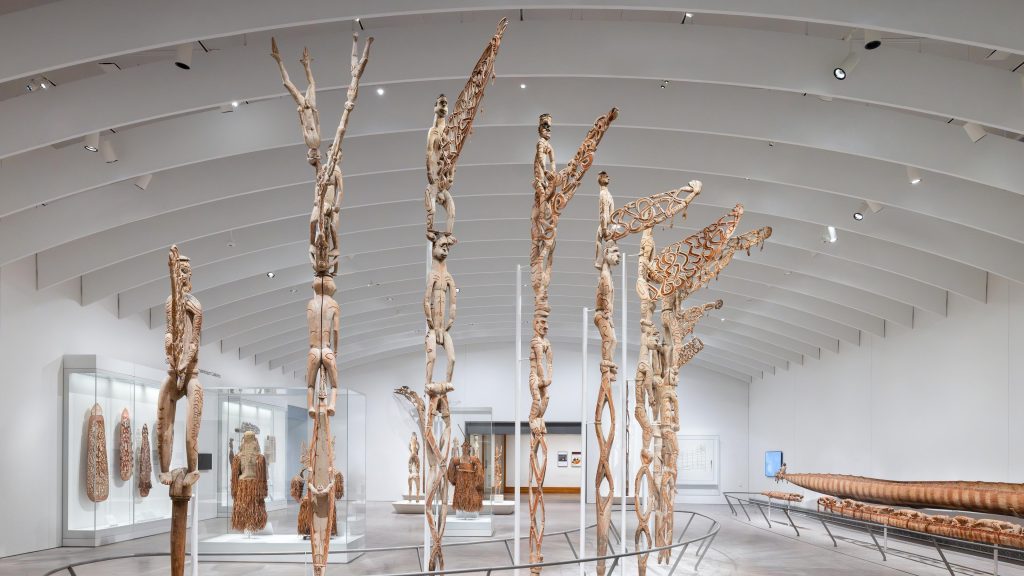
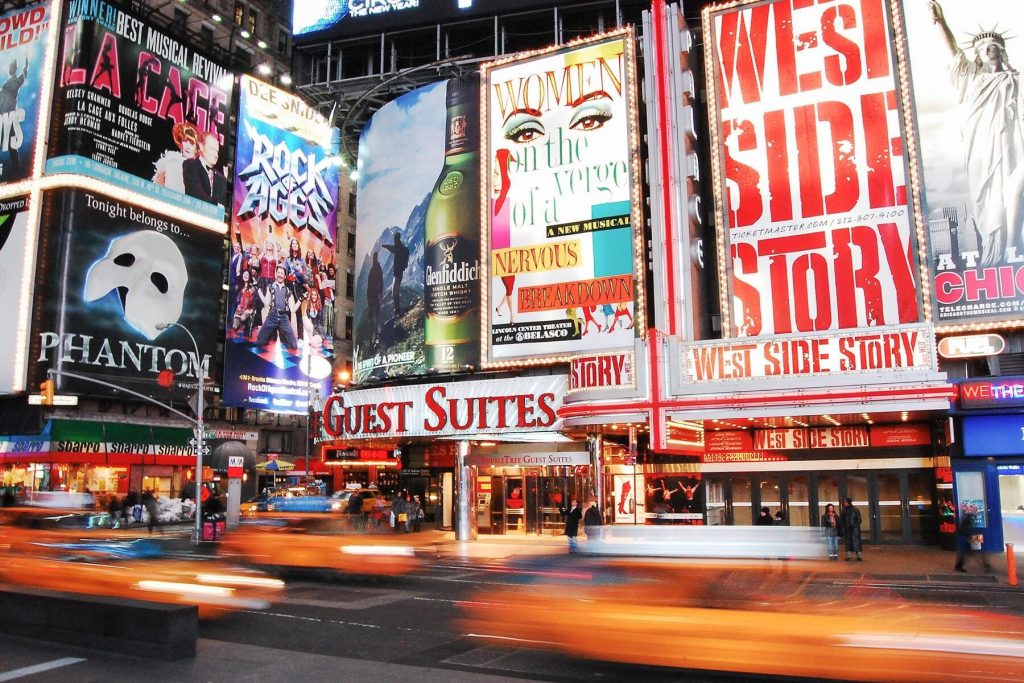
The Metropolitan Museum of Art alone could eat a full day. Broadway is running some of the best live theatre on the planet. The food scene swings from a $3 pizza slice to a 14-course tasting menu, sometimes on the same block. And then there’s the energy, which is genuinely unlike anywhere else on Earth.
2026 makes it a particularly big year to visit.
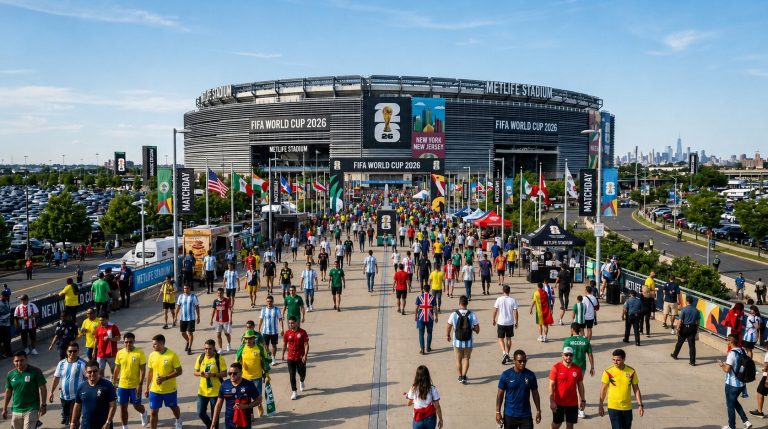
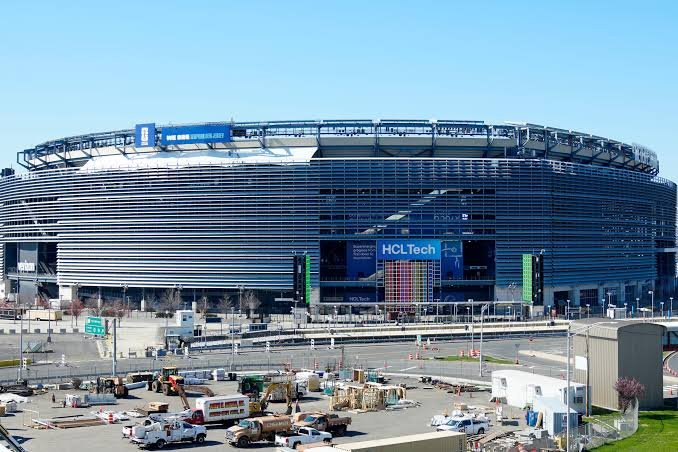
The FIFA World Cup comes to North America in June and July, with matches at MetLife Stadium just across the river in New Jersey. Curious to know more about it? Then take a look at our FIFA World Cup 2026 at MetLife Stadium: Ultimate Fan Travel Guide.
It’s also the year of America 250, the 250th anniversary of US independence, with celebrations citywide throughout summer. Fleet Week has shifted to early July in 2026 to coincide. You can expect a real buzz around those summer dates and higher hotel prices to match. We advise you to plan early.


Where to Base Yourself
New York has five boroughs, and knowing which one to sleep in shapes your entire experience.
- Midtown Manhattan is where most first-timers land, and with good reason. Times Square, Broadway, the Empire State Building, Rockefeller Center, and the majority of the city’s hotels are all here. It’s loud, it’s busy, it never fully sleeps, and it puts everything within reach. Convenient? Absolutely. Atmospheric? That depends on your tolerance for tourists.
- Lower Manhattan and the Financial District is the quieter, more dramatic end of the island. It is close to the 9/11 Memorial, One World Trade Center, and the Brooklyn Bridge. Modern hotels here frequently drop their rates on weekends when business travelers leave, making it one of the better-value pockets of Manhattan.
- SoHo and Tribeca are for people who want to feel like they live in New York rather than visit it. Boutique hotels, excellent restaurants, cast-iron architecture, and a neighbourhood energy that Midtown simply doesn’t have. It comes at a premium, but it’s worth it for the right traveler.
- The Upper West Side sits alongside Central Park and is one of the best areas for families. It is calmer and residential, with the American Museum of Natural History and easy access to the park right on the doorstep.
- Brooklyn (particularly Williamsburg and Downtown Brooklyn) is where you go for better value without sacrificing character. Fast subway links into Manhattan mean you’re never far from the action, and the neighbourhood itself has excellent food, markets, and a personality that feels distinctly, proudly not-Manhattan.


Getting There and Getting Around
Flying in: New York is served by three airports. JFK handles the majority of international flights and connects to Manhattan via the AirTrain and subway (about 60–75 minutes, under $10).
Newark (EWR) in New Jersey is the other major international hub. You get the AirTrain to NJ Transit rail, then into Penn Station (about 45–60 minutes).
LaGuardia (LGA) is the closest to Midtown but has no rail link. Budget around 30–60 minutes by taxi or rideshare, depending on traffic.
For all three airports, rideshare (Uber/Lyft) is the most convenient option with luggage but will run $50–$90+ into Manhattan with surcharges.
Getting around once you’re there:
- Subway: The backbone of the city. Fast, frequent, and goes almost everywhere. The base fare is $3.00 per ride
- OMNY: The MetroCard is gone as of January 1, 2026. Tap any contactless card, phone (Apple Pay, Google Pay), or smartwatch at the turnstile. No app, no sign-up needed
- Fare capping: The smartest feature: once you’ve paid for 12 rides in a 7-day period on the same card or device, every ride after that is free for the rest of the week. You’ll never spend more than $35/week on subways and local buses
- NYC Ferry: Scenic, underrated, and about $4.50 per trip. Great for waterfront areas
- Staten Island Ferry: Completely free, and it floats past the Statue of Liberty. One of the best no-cost views in the whole city
- Taxis and rideshare: Widely available, but pricier than the subway. Note the congestion surcharge for trips in Manhattan below 96th Street
- Walking: Often the fastest option for short distances. Manhattan is a grid: streets run east–west, avenues north–south, numbers climb heading north. You’ll find your bearings quickly


Entry Requirements
Visa Waiver Program travelers (UK, most of the EU, Australia, Japan, South Korea, and roughly 40 other countries) don’t need a visa for tourist stays up to 90 days, but do need an approved ESTA before flying. As of January 2026, the ESTA fee is $40.27, valid for two years or until your passport expires.
Everyone else typically applies for a B-2 tourist visa: a $185 application fee, a valid passport, and an in-person consulate interview.
A Visa Integrity Fee of $250 was signed into law in 2025 and applies to most non-immigrant visa categories, including B-2. As of mid-2026, it is not yet being collected while the government finalizes the process, but it’s expected to roll out before the end of the 2026 fiscal year. ESTA/Visa Waiver travelers are exempt from this. Always confirm current requirements on official US State Department channels before you travel.
The Five Boroughs: A Quick Orientation
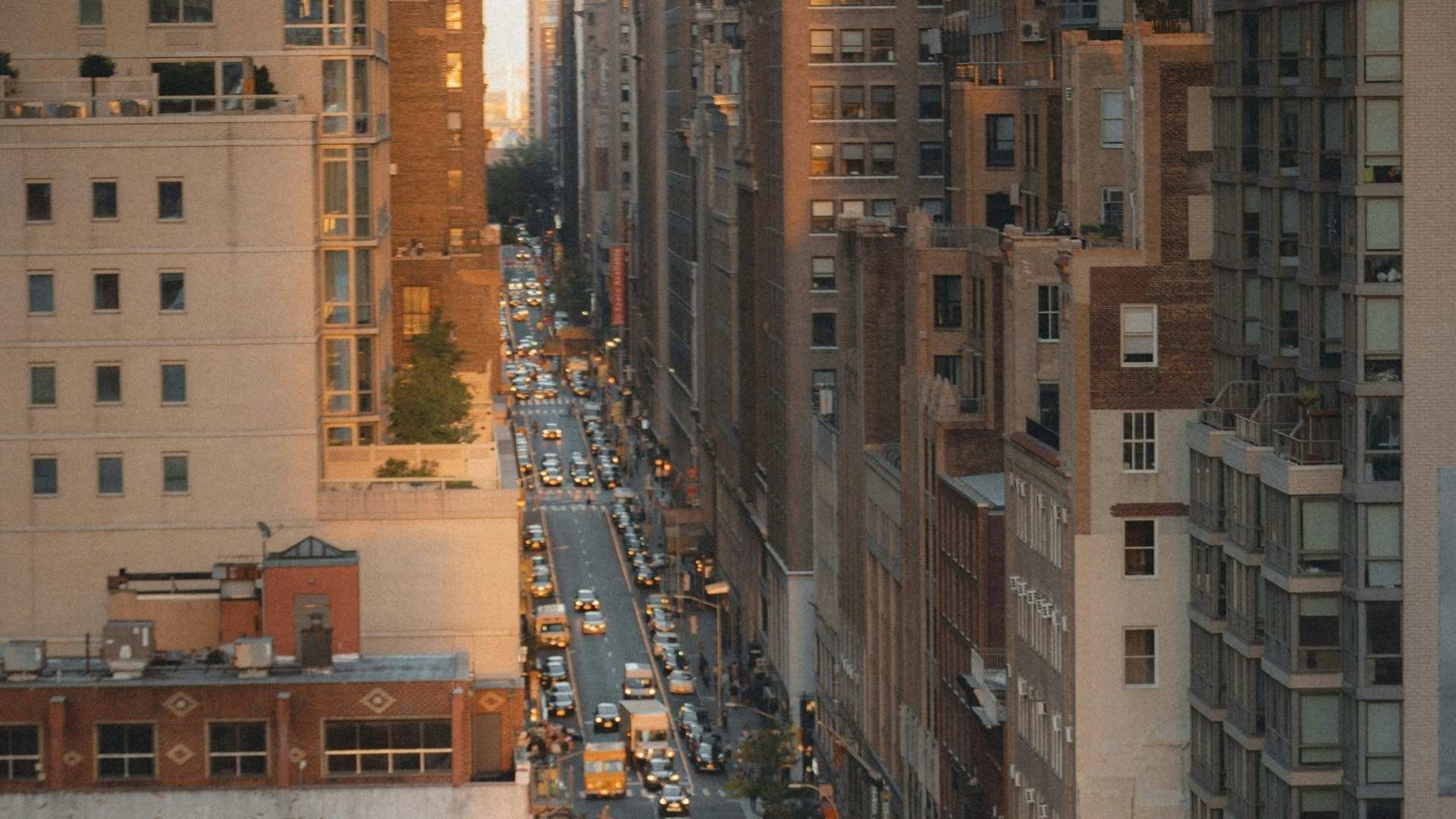
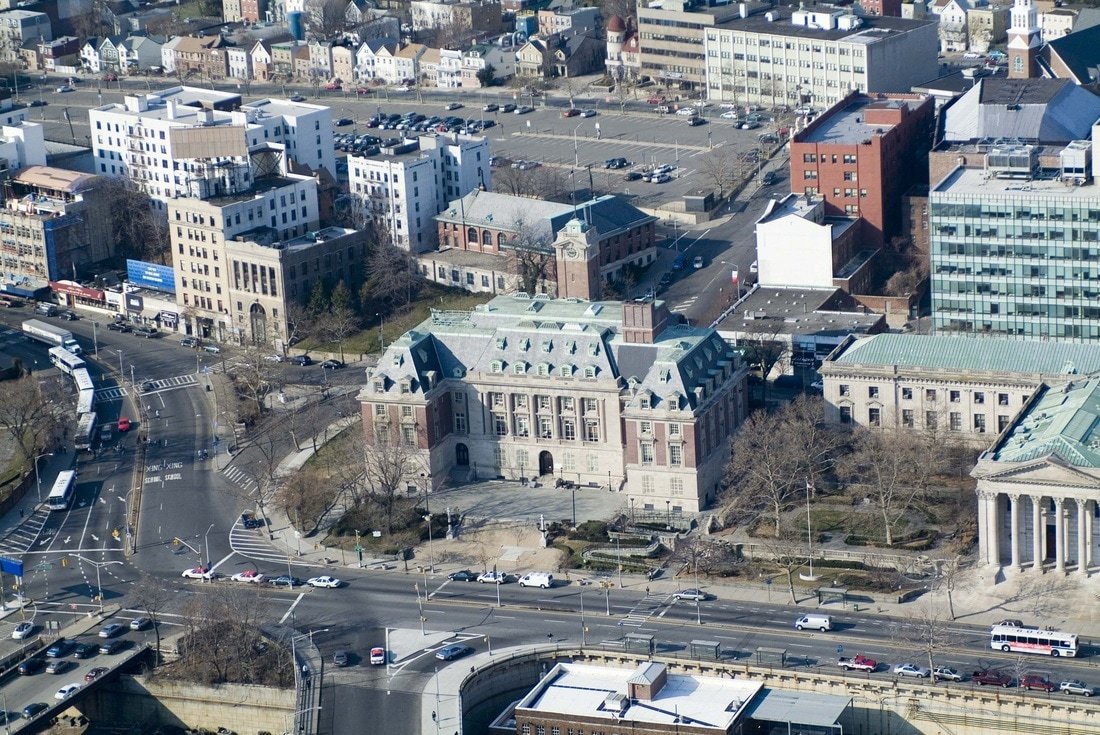
New York isn't just Manhattan, and the sooner you accept that, the better your trip will be.
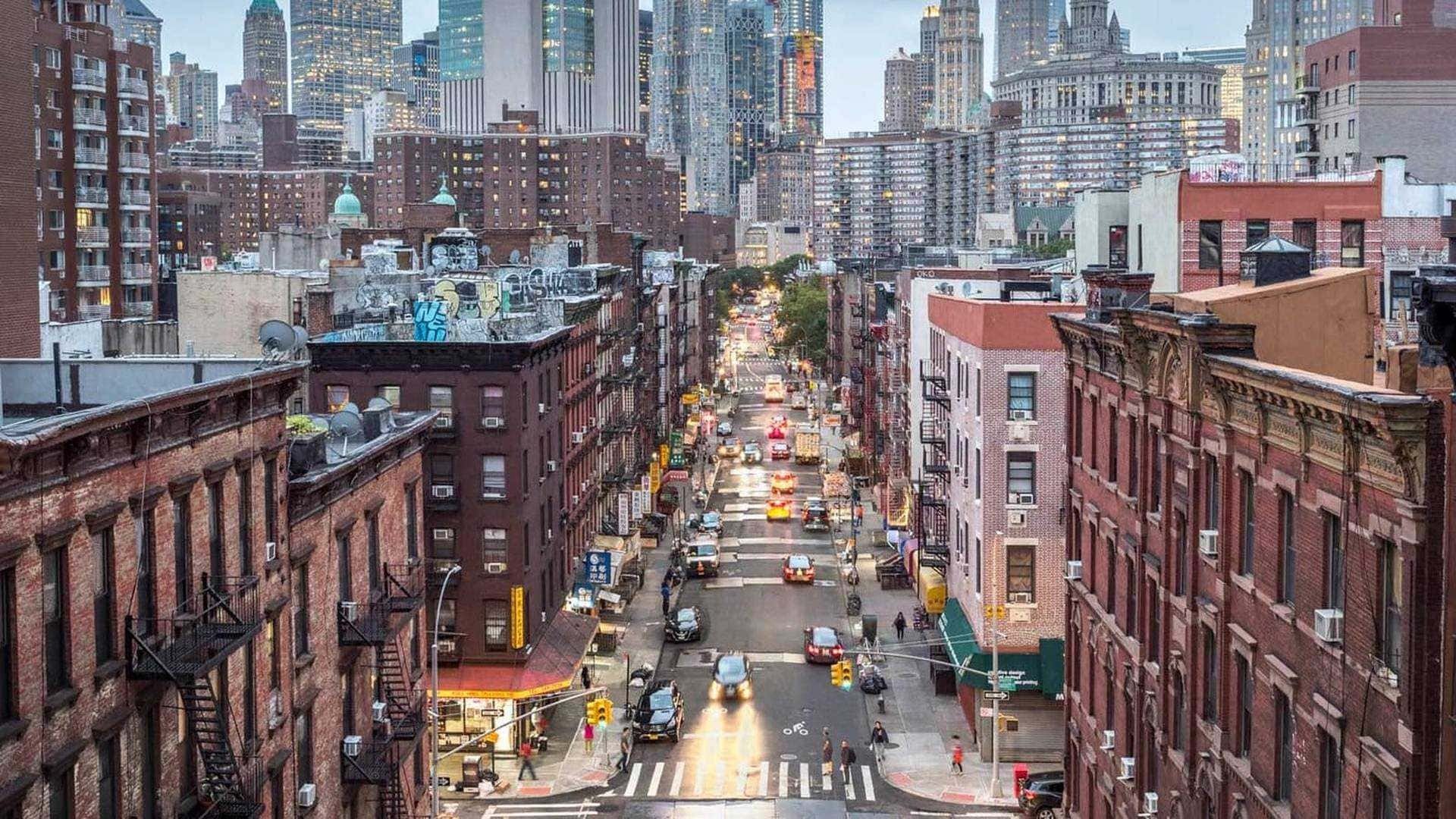
- Manhattan is the iconic core. You get to see skyscrapers, Central Park, Broadway, Times Square, and most of the postcard landmarks. This is where most first-timers spend the bulk of their time, and deservedly so.
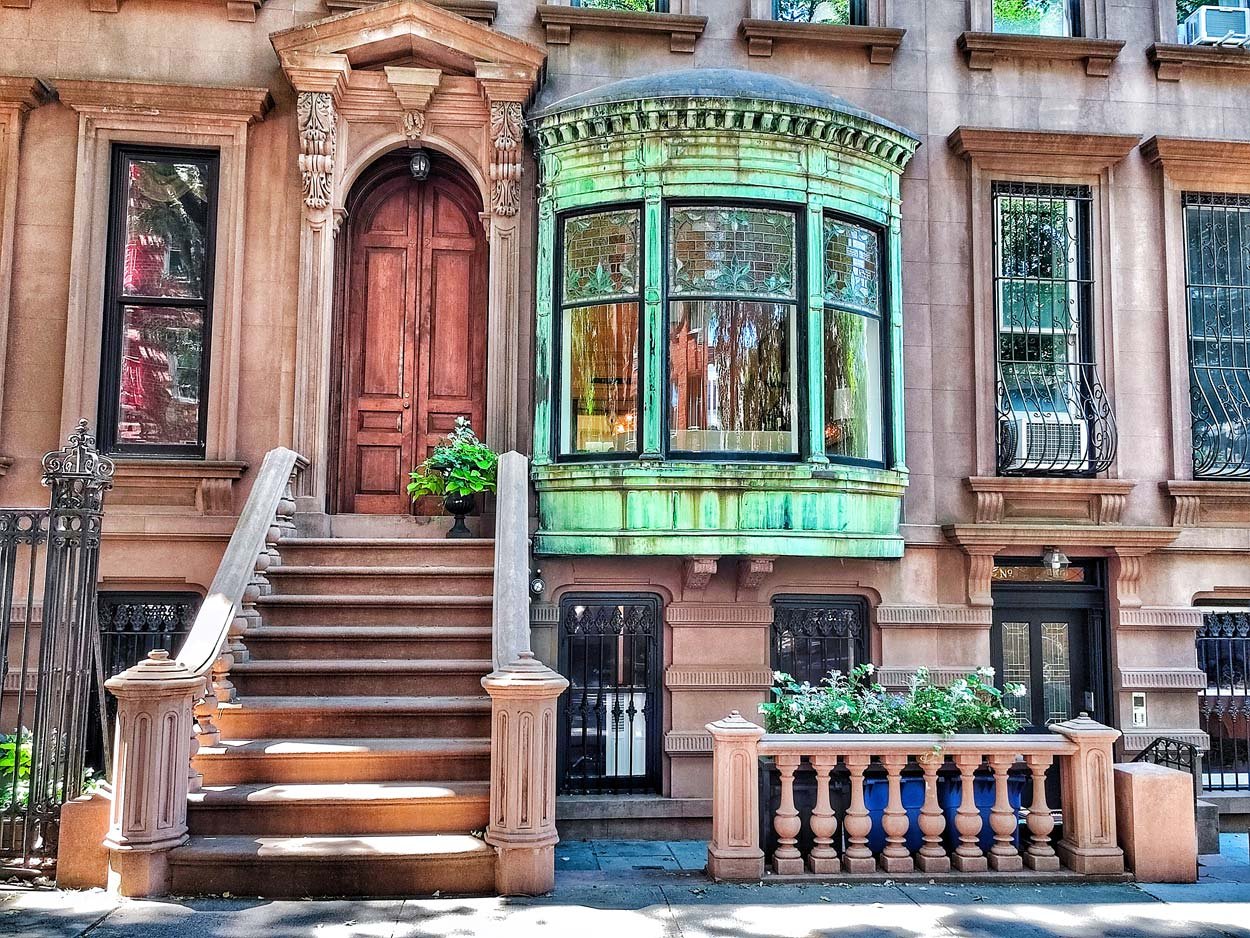
- Brooklyn is Manhattan's cooler, more laid-back rival. Brownstones, breweries, the Brooklyn Bridge, Prospect Park, the Brooklyn Flea, and a quick hop to Coney Island in summer. A borough that rewards wandering.
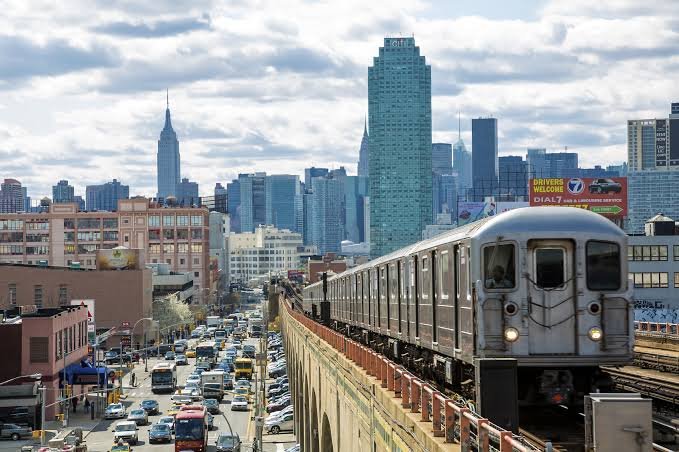
- Queens is officially one of the most ethnically diverse places on Earth. Come hungry and you can eat your way around the world without leaving the borough. It's also home to JFK Airport and the US Open tennis.
- The Bronx is the birthplace of hip-hop and home of the Yankees, plus the excellent Bronx Zoo and the New York Botanical Garden. Genuinely underrated by most visitors.
- Staten Island is the quietest borough, best experienced via the free ferry ride for the harbour views. It's worth a half-day if you want to escape the density.

Top Things to Do in New York

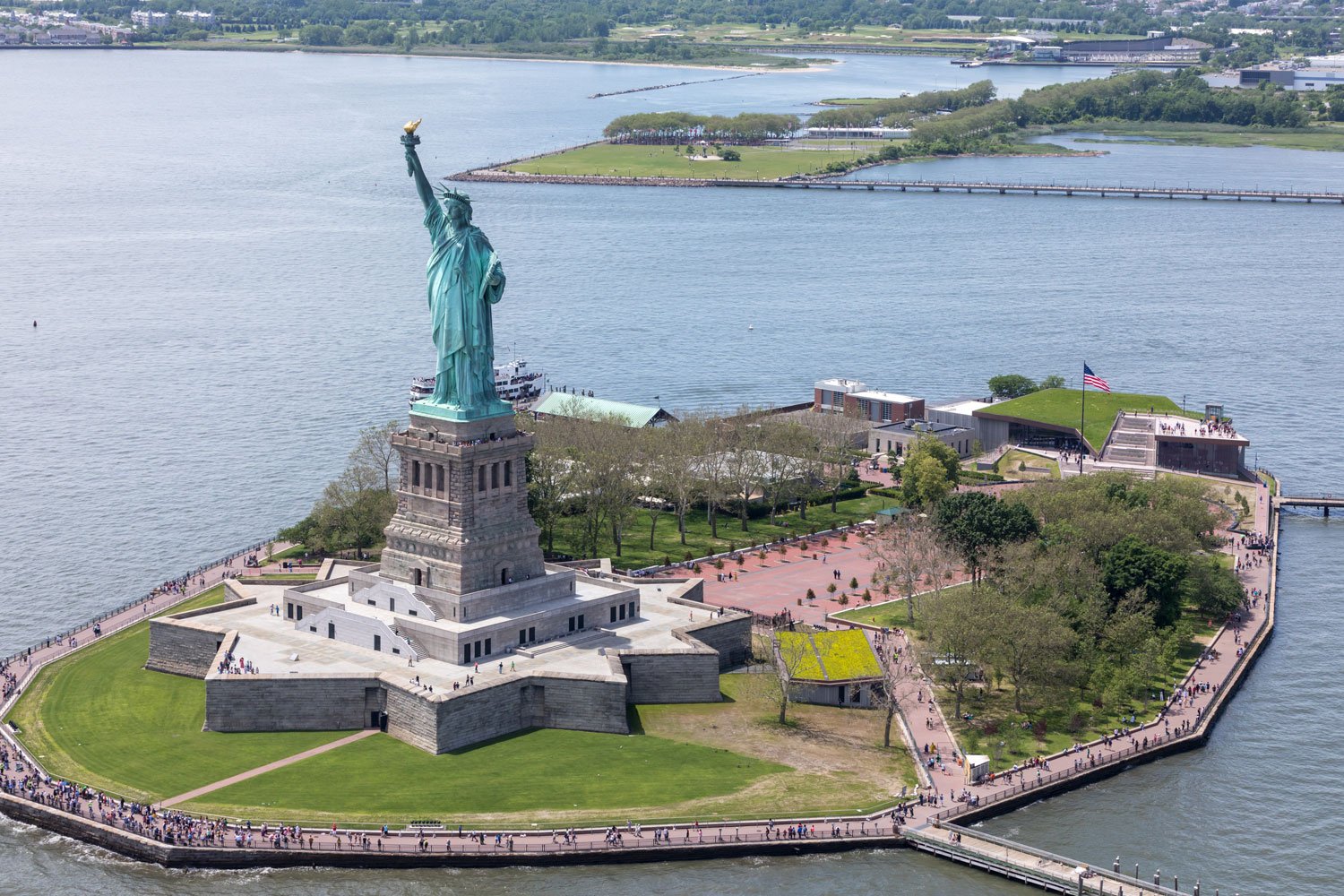

- The Statue of Liberty and Ellis Island are as iconic as it gets. Book the ferry well in advance because the Crown Access sells out weeks ahead. If you'd rather skip the ticket entirely, the free Staten Island Ferry gives you a genuinely excellent view of Lady Liberty as you pass.
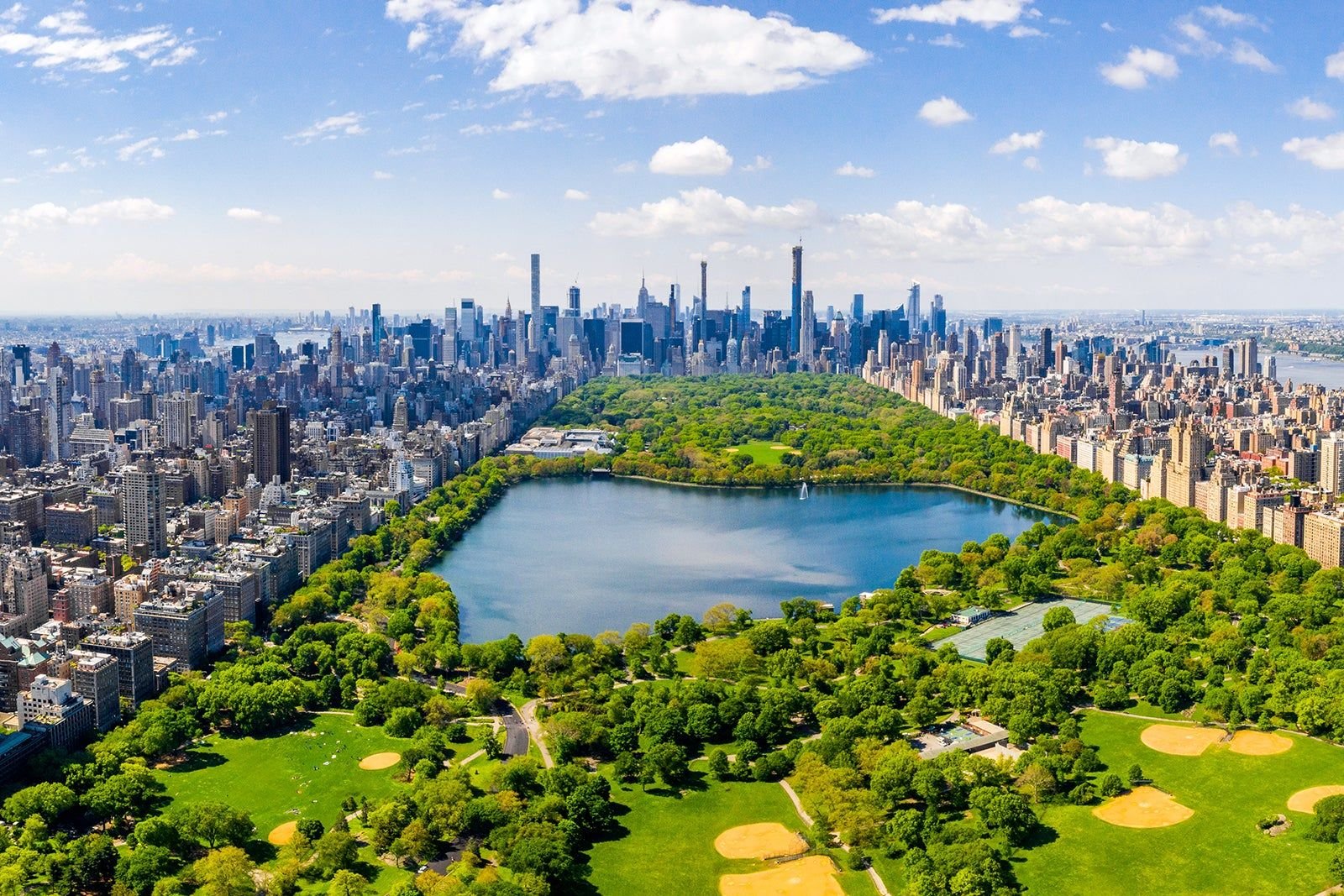
- Central Park is 843 acres of green sitting in the middle of one of the most vertical cities in the world. It's free, it's beautiful, and it's endlessly walkable. Row a boat on the lake, catch a free Shakespeare in the Park performance in summer, or just sit on the Great Lawn and watch the city breathe.
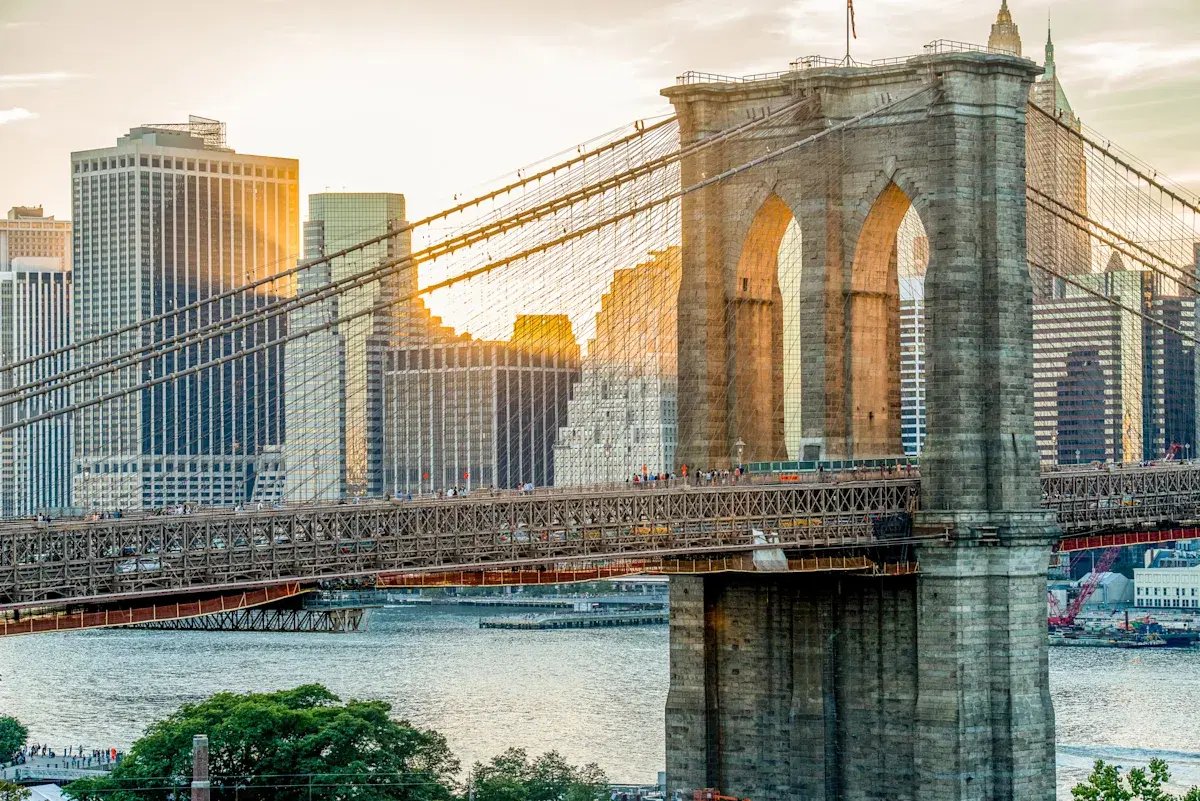
- The Brooklyn Bridge is worth walking, especially at sunrise, before the tourists arrive, with Manhattan glowing behind you. Cross from Brooklyn to Manhattan for the best views, then reward yourself with breakfast in DUMBO below.
- The High Line is a free elevated park built on a disused rail line running through the Meatpacking District and Chelsea. It ends near Chelsea Market, a buzzing food hall inside a converted biscuit factory that's excellent for lunch.
- The 9/11 Memorial and Museum is moving, beautifully executed, and essential. Reserve a timed entry online. The two reflecting pools — footprints of the original Twin Towers — are among the most powerful pieces of public memorial design anywhere in the world.
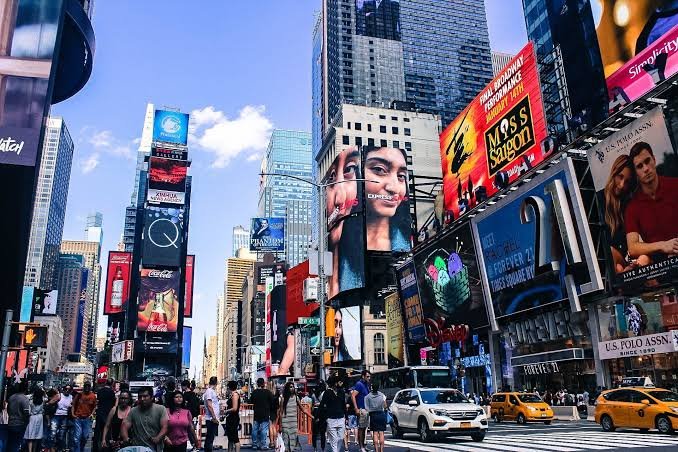
- Broadway is a quintessential New York night out. The big hits are expensive, but the smart ways in are real: TKTS booths (Times Square and other locations) sell same-day seats at 20–50% off face value. Digital lotteries and rush tickets bring prices down further for flexible travelers. For shows you're desperate to see, book well ahead. The hottest productions sell out. Off-Broadway is cheaper, more intimate, and often more adventurous.
Observation Decks; Which One Is Worth It?
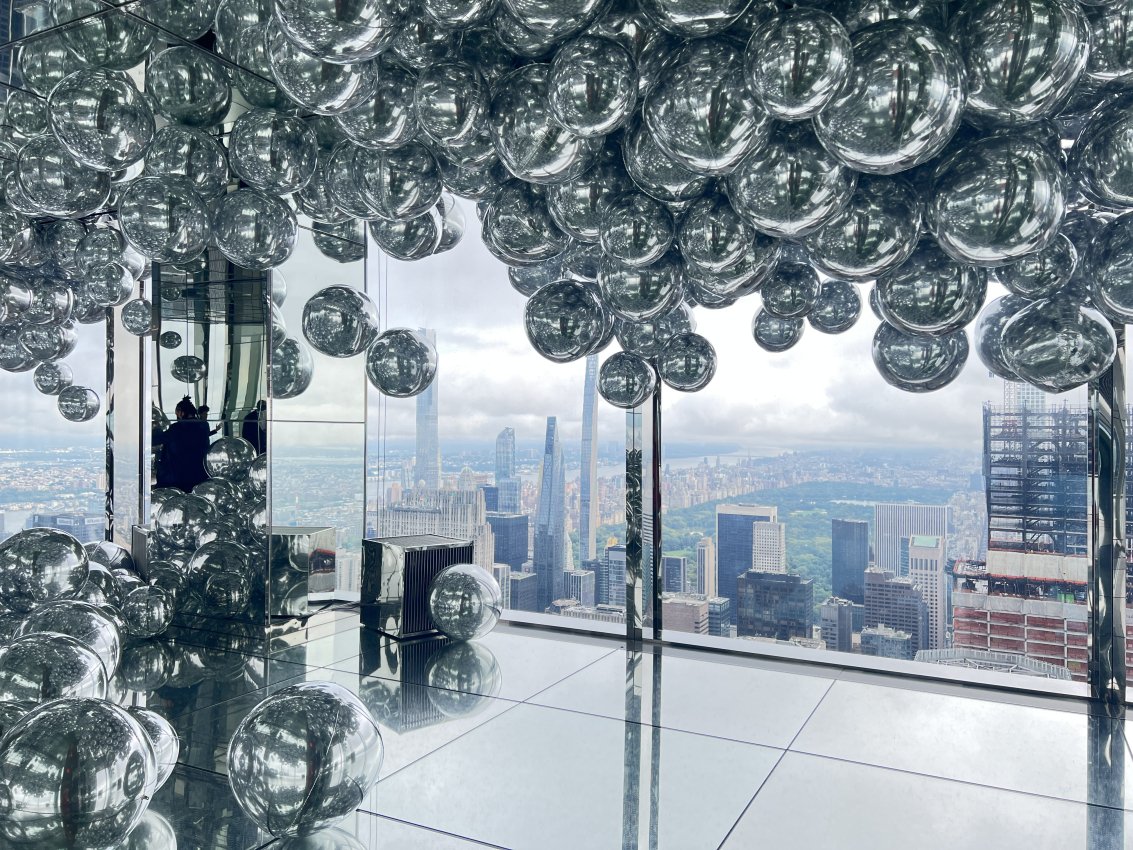
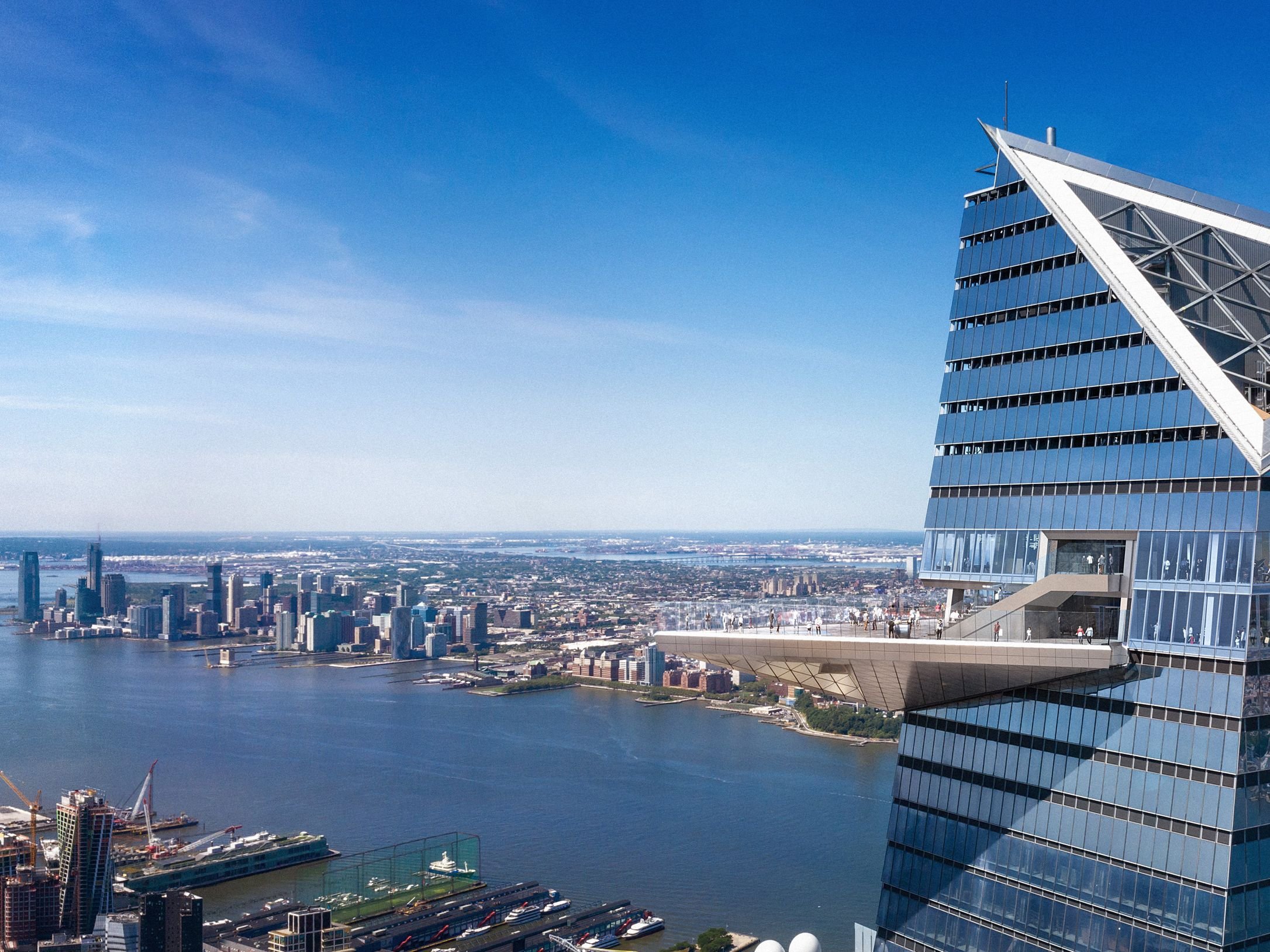
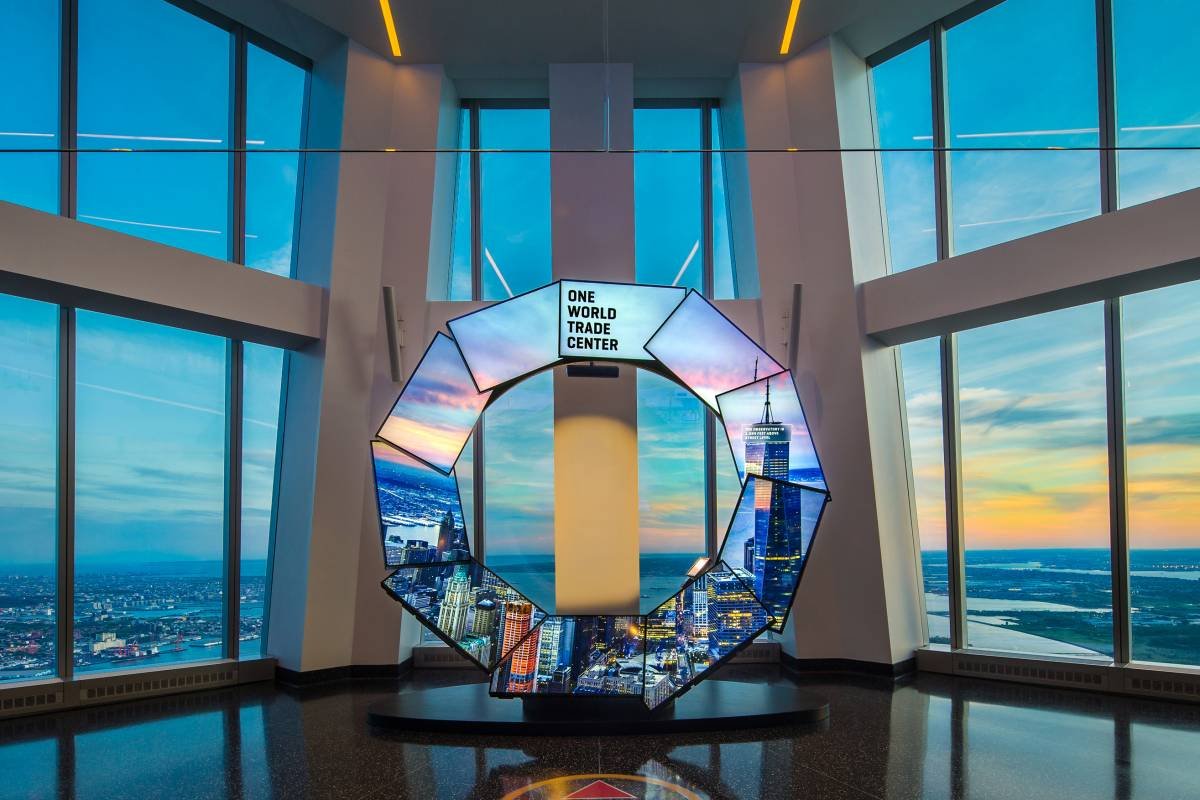
New York now has five major observation decks, and they are genuinely different experiences. Here's the honest breakdown:
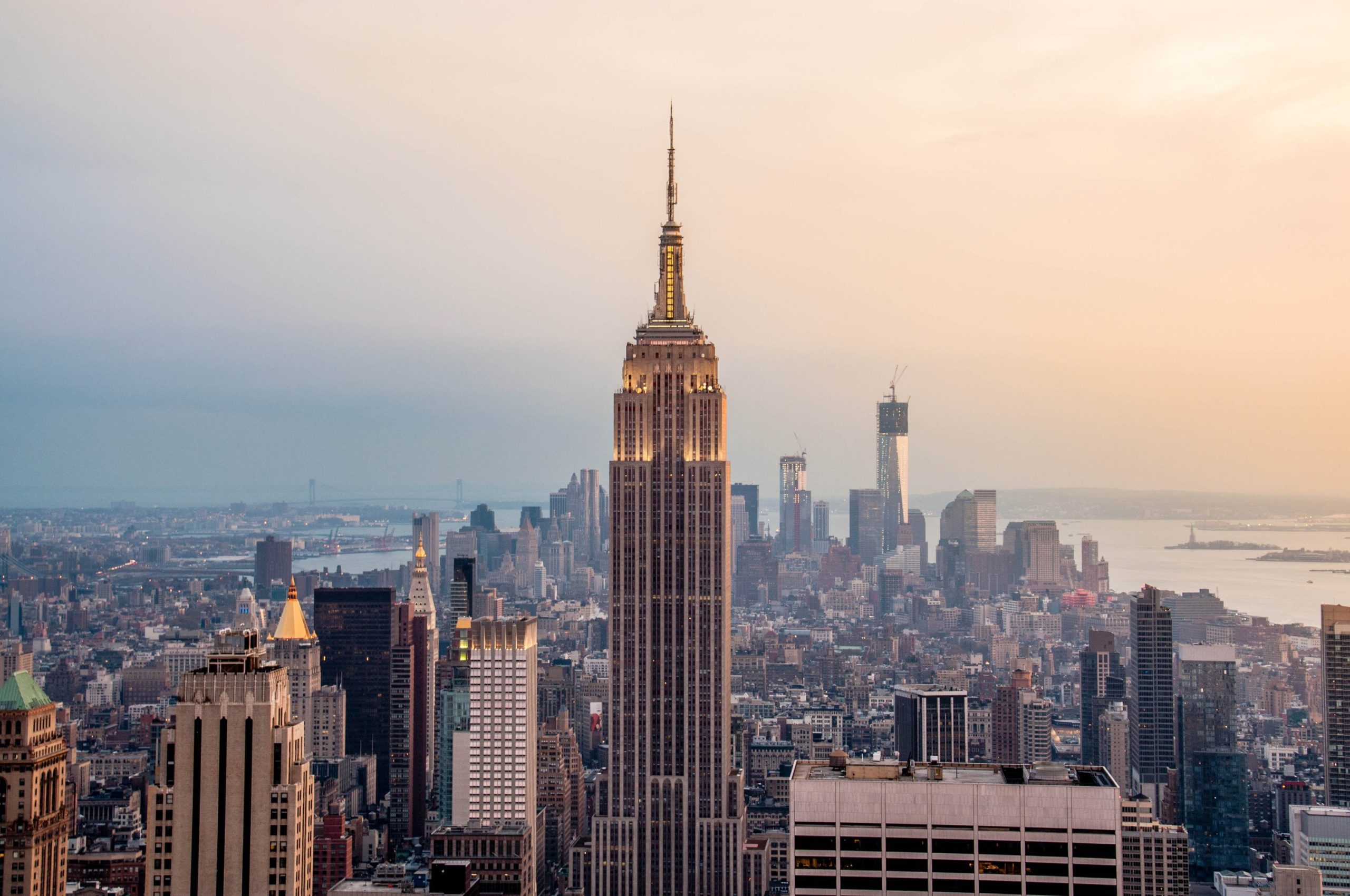
- Empire State Building: This is the Art Deco original. The 86th-floor open-air deck is the classic, with the most recognizable views in the city. The 102nd floor is an upgrade if you want to go higher.
- Top of the Rock: Rockefeller Center's deck gives you something no other in the city can: the Empire State Building in your frame. You also get the best skyline photograph in New York.
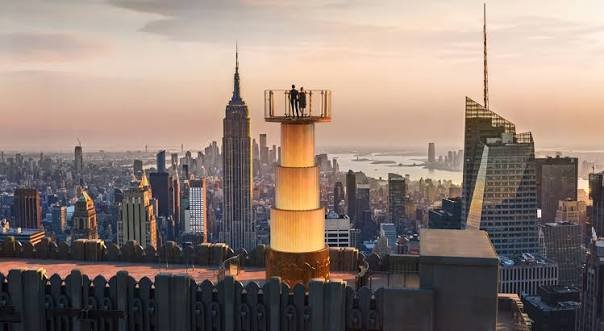
- SUMMIT One Vanderbilt: The newest and most talked-about. You get to see mirrored immersive-art rooms, glass skyboxes suspended over Madison Avenue, and an optional glass elevator on the exterior. More of an experience than a simple view, it is excellent at sunset and sells out fast.
- The Edge at Hudson Yards: The highest outdoor sky deck in the Western Hemisphere, with a glass floor for people who enjoy terrifying themselves voluntarily.
- One World Observatory: It is Downtown, near the 9/11 Memorial, with strong harbour and lower Manhattan views. A fast, sleek experience.
If you only do one: Top of the Rock for the classic photograph, or SUMMIT One Vanderbilt for the most memorable, share-worthy experience.


Museums Worth Your Time
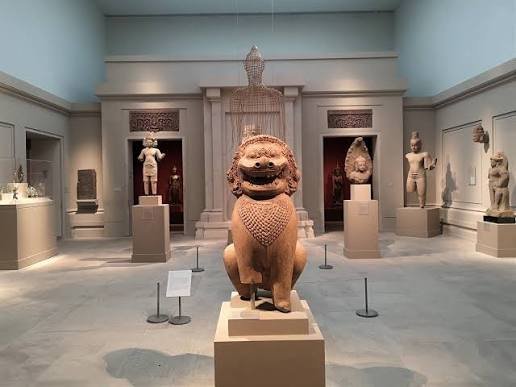
New York has over 80 museums. Here are the ones genuinely worth carving out time for:
- The Metropolitan Museum of Art is one of the great museums of the world, full stop. Egyptian temples, European paintings, Greek sculpture, Japanese armour, and a lot more. It's overwhelming in the best way possible. Don't try to do it all in one go. Pick two or three wings and go deep.
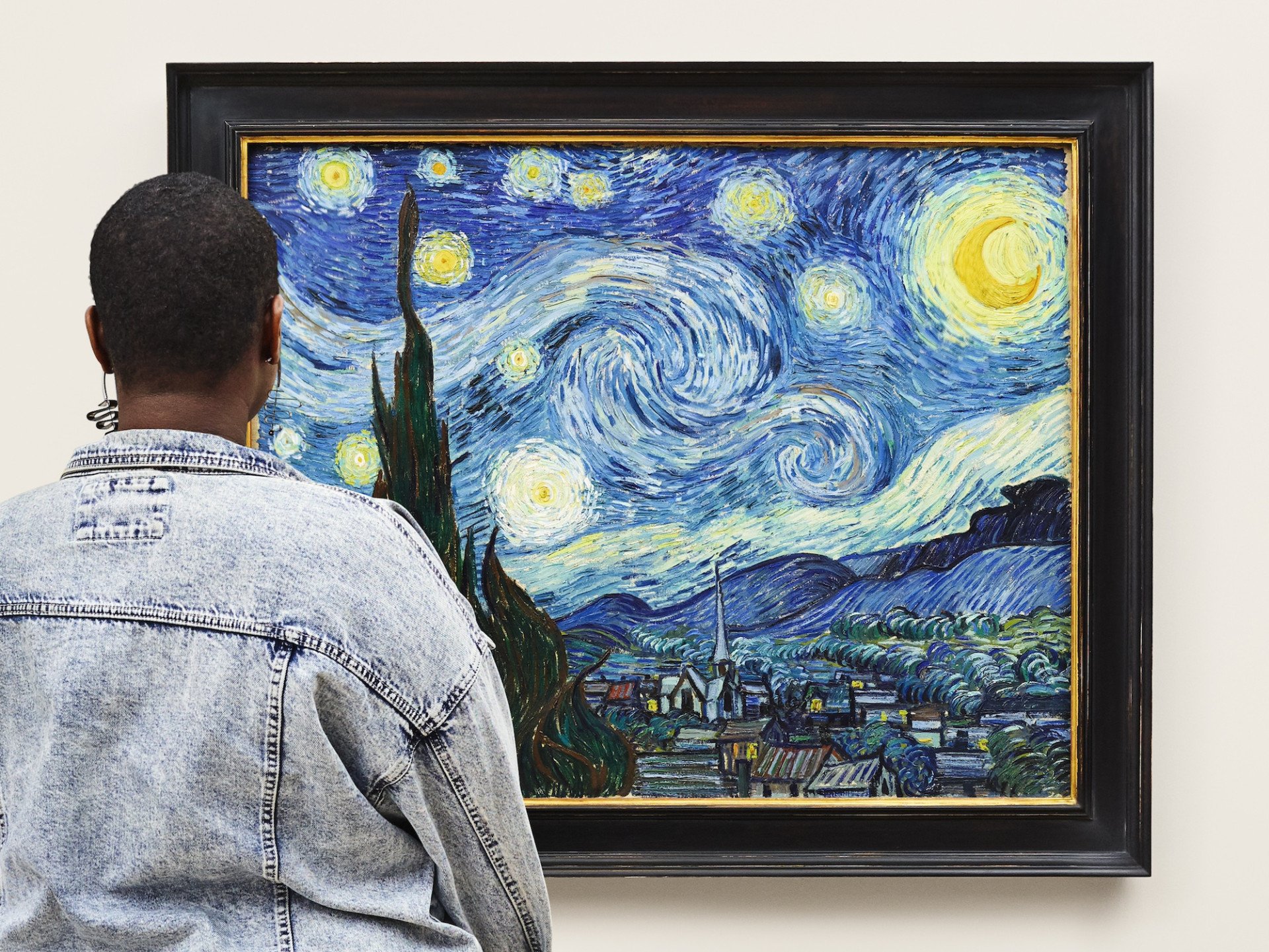
- MoMA (Museum of Modern Art) is where you go for Van Gogh's Starry Night, Picasso's Les Demoiselles d'Avignon, and a permanent collection that reads like a greatest-hits album of the 20th century.
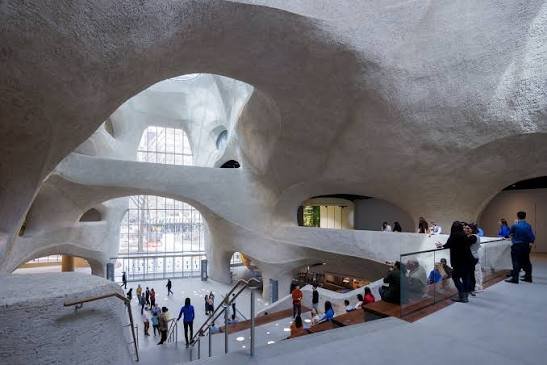
- The American Museum of Natural History has dinosaurs, a planetarium, ocean life dioramas, and the kind of child-to-adult wonder ratio that makes it one of the best museums in the city for any age group.
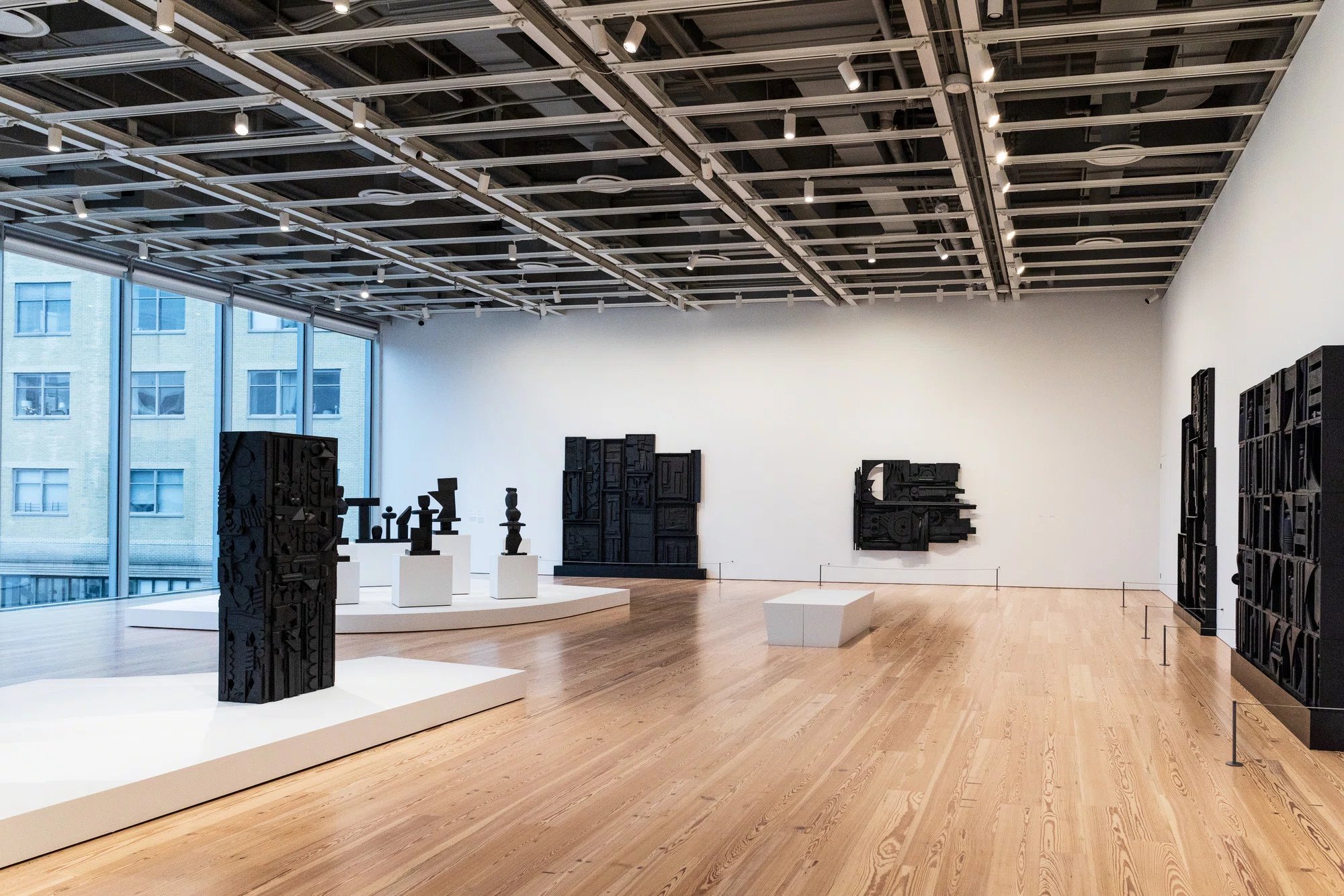
- The Whitney Museum of American Art specialises in 20th and 21st century American work, and has one of the best rooftop terraces in the city overlooking the High Line.
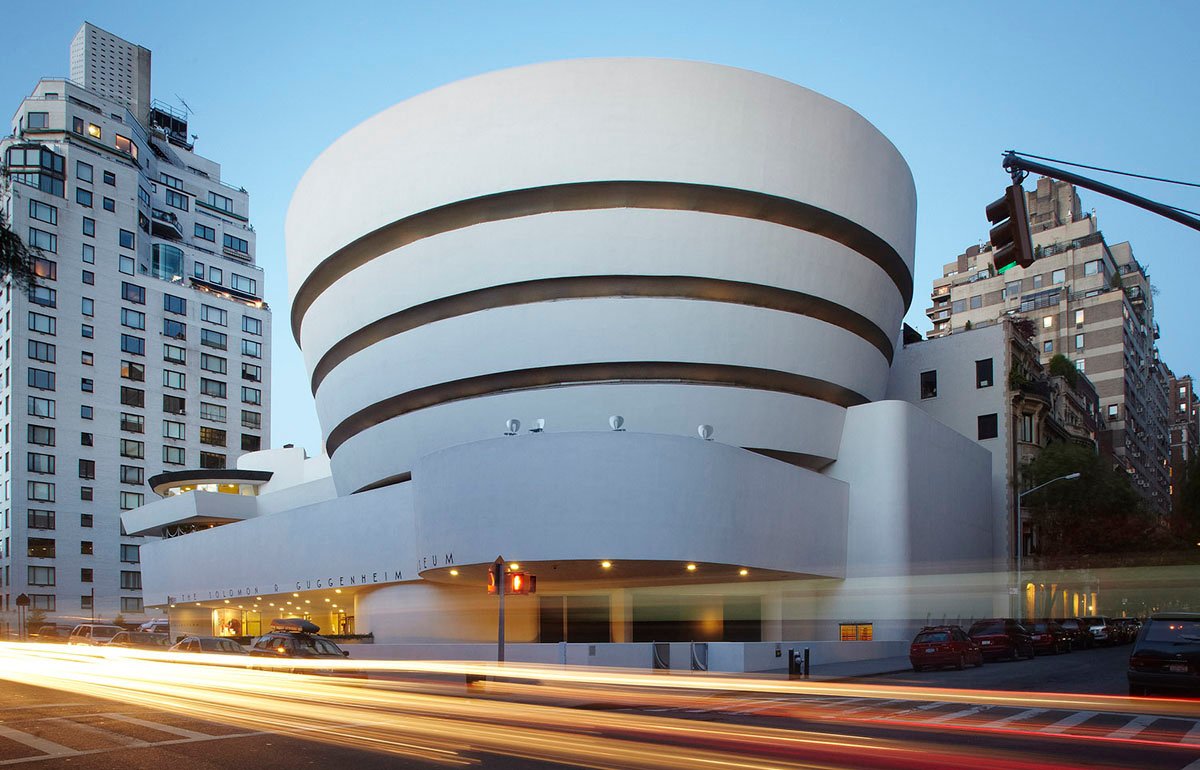
- The Guggenheim is as famous for Frank Lloyd Wright's spiralling building as it is for the art inside. It's worth visiting for the architecture alone.
Two rules that always pay off: don't plan more than two museums in a day, and always check for free or pay-what-you-wish hours. Many museums offer them on certain evenings.


Food, Drinks & Where to Eat
New York has its own completely non-negotiable food canon, and eating your way through it is one of the genuine pleasures of being here.
A proper New York bagel - toasted, with cream cheese or lox - is a non-negotiable breakfast. Locals claim it's something to do with the water, and after your first one, you'll be inclined to believe them.
For pastrami, Katz's Delicatessen on the Lower East Side has been piling it high since 1888. Order it on rye with yellow mustard and don't ask questions.
Pizza is another topic New Yorkers feel deeply about. A good slice from a no-frills shop is around $3–$4. Joe's Pizza in the West Village is the benchmark many use. The style is thin-crust, foldable, and eaten standing up. Anyone trying to give you a knife and fork is not someone you should trust for New York pizza recommendations.
For something more casual and completely authentic, the bodega bacon, egg and cheese, ordered as a "BEC", is the breakfast that fuels the actual city. Grab one from any corner deli before 9 a.m., and suddenly you understand New York a little better.
The Halal Guys cart on 53rd and 6th is a New York institution. You get chicken over rice with white sauce and hot sauce, eaten on a street corner. There are now restaurants, but the cart is the original.
For markets and a more social eating experience, Smorgasburg runs every weekend in warm months (Williamsburg on Saturdays, Prospect Park on Sundays) with dozens of independent food vendors and a genuinely excellent atmosphere. Chelsea Market is the indoor, year-round equivalent for it.
For drinks, rooftop bars are a New York ritual: Westlight in Brooklyn, 230 Fifth in Midtown, and The Press Lounge in Hell's Kitchen all deliver excellent views alongside a cocktail.
For craft beer in a neighbourhood setting, Williamsburg in Brooklyn has more good bars per block than almost anywhere in the city.
Shopping in New York
Fifth Avenue is where the luxury flagships live. Saks, Bergdorf Goodman, and every major international brand with something to prove are here.
SoHo has designer boutiques, cool independent labels, and the cast-iron architecture to match. For vintage and independent finds, the East Village and Williamsburg in Brooklyn are the places to spend an afternoon getting properly lost.
Woodbury Common Premium Outlets is about an hour north of the city and worth the trip if discounted designer shopping is your thing. It's one of the largest outlet centres in the US.
Closer to the city, Brooklyn Flea and Smorgasburg (weekends, warm months) mix vintage finds with excellent food.
Day Trips Worth Adding On
- Philadelphia is 1.5 hours by Amtrak. The Liberty Bell, the Rocky steps at the Philadelphia Museum of Art, and an excellent food scene make it an easy and rewarding day out.
- Washington D.C. is about 3 hours by train, with the Smithsonian museums (all free) and the National Mall making it one of the best value day trips from any American city.
- The Hudson Valley is a completely different kind of escape. Explore the Storm King Art Center, Dia Beacon, and some of the most beautiful fall foliage in the northeast, all within 1–2 hours of Penn Station.
- Niagara Falls is a long but doable overnight trip if you want to see something genuinely jaw-dropping.
Practical Tips Before You Go
- Download offline maps before you land. The signal in the subway is patchy at best. Download your NYC map on Google Maps or Maps.me while you still have WiFi so you're never stranded underground trying to figure out which exit to take.
- Carry small bills. Many food carts, delis, and market vendors are cash-only or add a card surcharge. A handful of $1s and $5s goes a long way, especially for tipping at counters.
- New York runs on reservations. For any restaurant that matters, book on OpenTable or Resy at least a few days ahead. Walk-ins at popular spots will leave you eating a sad hot dog on the street (which, to be fair, isn't the worst outcome).
- Museum entry times matter more than you think. The Met, MoMA, and the Natural History Museum get brutally crowded by late morning. Arrive within the first 30 minutes of opening or go on a weekday evening when most tourists have already left.
- Jaywalking is normal here. New Yorkers cross when the road is clear, not when the light says so. You don't have to follow suit, but don't stand frozen at a red light on an empty street. Someone will walk into you from behind.
- Outlet voltage is 120V, Type A or B plugs. Most modern phones and laptops handle dual voltage automatically, but check your adapter before plugging in anything older or specialist.
- The UN General Assembly runs every September. If your dates fall in late September, expect Midtown road closures, motorcades, and noticeably higher hotel rates. Worth knowing before you book.
- Avoid tourist-trap restaurants within two blocks of Times Square. They exist purely to catch people who haven't planned ahead. Walk three blocks in any direction, and the quality-to-price ratio improves dramatically.
- SIM cards: Pick up a prepaid US SIM at the airport (T-Mobile and AT&T have the best city coverage) or activate an eSIM before you fly. International roaming on a home plan in New York gets expensive fast.
- Restrooms are genuinely hard to find. Unlike most major cities, New York has very few public toilets. Your best options: Starbucks, hotel lobbies, department stores (Macy's has several floors of them), and Barnes & Noble. Know your nearest option before you need it urgently.
When to Visit
- Spring (April–May) is the sweet spot for most visitors. The weather is mild, the parks are in bloom, and the city is spilling outdoors without summer's heat and humidity. Pack a light layer and an umbrella.
- Summer (June–August) is hot, humid, and fully alive. The events calendar is unbeatable, and the parks are at their best, but prices are high, and 2026 pushes them higher with the World Cup and America 250. Book everything early.
- Autumn (September–November) brings crisp air and beautiful light. It is a genuine photographer's season. September runs expensive due to events like the UN General Assembly, so October is the better value pick.
- Winter (December–February) is magical over the holidays with the Rockefeller tree, ice skating at Wollman Rink, Fifth Avenue window displays and much more. January through early March is the cheapest stretch of the year, with hotel rates often 25–40% below peak. Shorter lines, better deals, and a New York that feels more like it belongs to the people who live there.
How Much Does It Cost?
New York is expensive, but it's also flexible. Here's a realistic per-person daily budget for 2026, covering accommodation, food, local transport, and a couple of activities:
- Budget: $130–$180/day for hostel or budget hotel, street food and delis, subway only, free attractions
- Mid-range: $350–$400/day for comfortable hotel, mixed dining, occasional taxi, major paid sights
- Luxury: $1,100+/day for 4–5 star hotels, fine dining, private transport, premium seats
For a 7-day trip, most travelers spend $1,500–$3,400 per person, excluding flights. Build in a 15–20% buffer for the things that always sneak up on you.
New York can feel like a city engineered to overwhelm you. Once you've got the basics down, it's one of the most navigable, rewarding, and endlessly surprising cities in the world. Tap onto the subway, build a loose plan around a few must-sees, leave deliberate room to wander, and let the rest happen.
Whether it's a midnight pizza slice in the East Village or the Manhattan skyline igniting at golden hour from the Brooklyn Bridge, the city has a way of delivering the moment you came for.
Stop planning and start booking. Head to Thrillark to grab your New York tickets, tours, and experiences, and make every day in the city count.
Frequently Asked Questions
Is the Statue of Liberty worth the ferry trip, or is a view from the shore enough?
The Statue of Liberty is genuinely more powerful up close than any photograph or shoreline view prepares you for. The scale, the detail, and the harbour setting combine into something that justifies the trip every time. Crown access gives you the most intimate experience but sells out weeks in advance, so book as early as possible through the official National Park Service ferry. If you'd rather skip the ticket entirely, the free Staten Island Ferry passes close enough for excellent photographs and remains one of the best free experiences in New York.
How do you get around New York City now that the MetroCard is retired?
As of January 1, 2026, the MetroCard has been fully retired, and the entire system runs on OMNY, a tap-and-go contactless platform. Simply tap any contactless credit or debit card, your phone via Apple Pay or Google Pay, or a smartwatch at any subway turnstile or bus reader, and you're in. The automatic fare capping feature means that after 12 rides in a 7-day period on the same card or device, every subsequent ride is free for the rest of that week, capping your weekly spend at $35 on subways and local buses.
What is the best observation deck in New York City for a first-time visitor?The
Top of the Rock at Rockefeller Center is widely considered the best for photography because it's the only major deck that includes the Empire State Building in its skyline view. SUMMIT One Vanderbilt is the most experiential option, with mirrored art rooms, glass skyboxes, and an exterior glass elevator, and is particularly spectacular at sunset, though those slots sell out quickly. If you're planning to visit multiple decks, the NYC Explorer Pass bundles several together at a discount worth comparing against individual ticket costs.
When is the best time to visit New York for good weather and fewer crowds?
April through May and September through October are widely considered the best windows with mild temperatures, lower humidity than summer, and noticeably thinner crowds at the major sights. Summer (June–August) is vibrant and event-packed but hot, humid, and expensive, and 2026 pushes prices even higher due to the FIFA World Cup and America 250 celebrations. Winter (January–March) is the cheapest and least crowded stretch of the year, with hotel rates often 25–40% below peak. It is genuinely excellent value if you don't mind cold weather.
Is Broadway worth the money, and how do you get cheaper tickets?
Broadway is worth it and a great show in a classic New York theatre is one of those experiences that stays with you long after the trip. The smartest way to save is through the TKTS booth in Times Square, which sells same-day seats at 20–50% off face value, or through digital lotteries that many productions run through apps like TodayTix and Broadway Direct. For shows you're set on seeing, book directly through the official box office well in advance. The hottest productions sell out fast, and resale prices can be brutal.
What should you eat in New York that you genuinely can't get like this anywhere else?
A New York bagel, specifically toasted, with cream cheese or smoked salmon, is the one food locals are most defensive about, and once you've had one, you'll understand why. Katz's Delicatessen on the Lower East Side has been making its pastrami on rye since 1888, and the sandwich remains one of the great eating experiences the city offers. For something more spontaneous, the bodega bacon, egg and cheese (order it as a "BEC") eaten standing on a street corner before 9 am is the most honest and delicious introduction to how New York actually feeds itself every morning.
Is New York City safe for tourists?
New York is one of the safer major cities for visitors, and the overwhelming majority of trips pass without any incident beyond a sore jaw from too much eating. The standard city-travel precautions apply. Stay aware in dense tourist zones like Times Square and on busy subway platforms, keep your phone and bag secured in crowds, stick to well-lit streets at night, and use licensed taxis or app-based rideshares rather than accepting unsolicited offers of a ride. If something goes wrong, 911 is the emergency line; 311 handles non-emergency city services and information.
Browse by themes
Other Major Attractions in New York