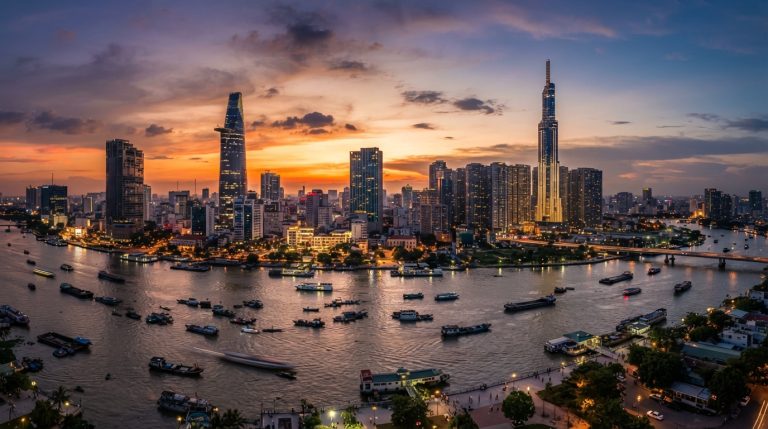
Da Nang is Vietnam’s most liveable city, and the locals know it. They jog on the beach before sunrise, eat Mi Quang for breakfast at plastic tables, go surfing on their lunch break, and spend their evenings watching the Dragon Bridge breathe fire over the Han River.
It is a city that has figured out exactly what it wants to be and has built it: wide beaches, excellent food, a mountain peninsula full of rare monkeys, the world’s longest cable car, and easy day trips to two UNESCO World Heritage Sites. It manages to be completely spectacular without ever feeling like it is trying too hard.
Situated on the central coast of Vietnam between Hue to the north and Hoi An to the south, Da Nang is the region’s transport hub and increasingly its star attraction. The city’s beaches are among the finest in Southeast Asia, the Marble Mountains sit 15 minutes from the centre, Ba Na Hills is an hour away, and My Khe Beach stretches long and white along the coast. Give it two days for the city itself and three for the surrounding region.
Da Nang City Essentials
Entry Requirements for Da Nang
Most visitors need a visa. The most convenient option for most nationalities is the Vietnam e-Visa: single or multiple entry, valid for up to 90 days and applied for online at the official portal (evisa.xuatnhapcanh.gov.vn) before arrival. Its processing takes a minimum of three business days.
Citizens of a growing number of countries qualify for visa exemption for stays of up to 45 days (updated August 2023 from the previous 15-day limit). Indian nationals require an e-Visa. Always verify your specific requirements at immigration.gov.vn before booking your flights.
Where to Stay in Da Nang
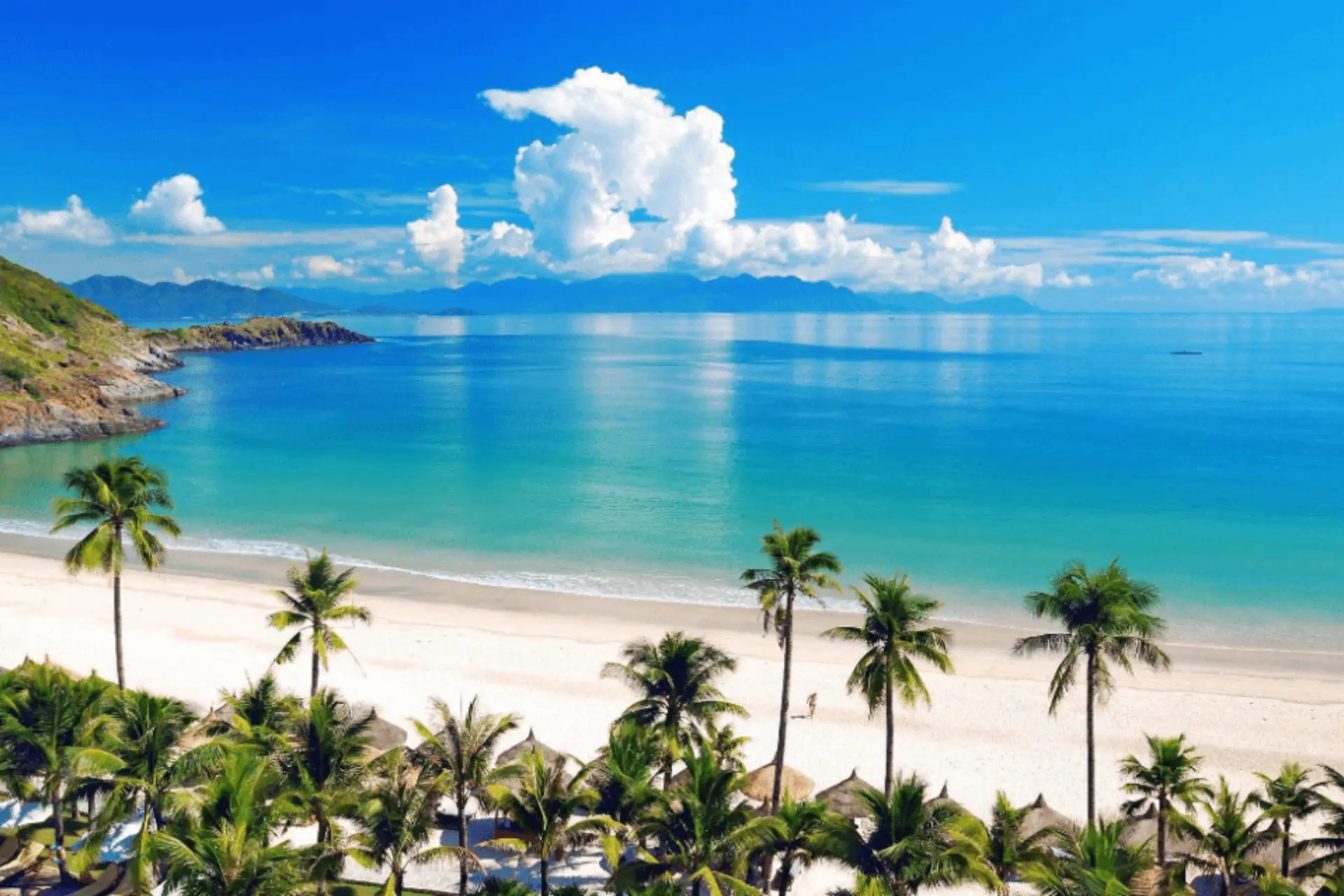
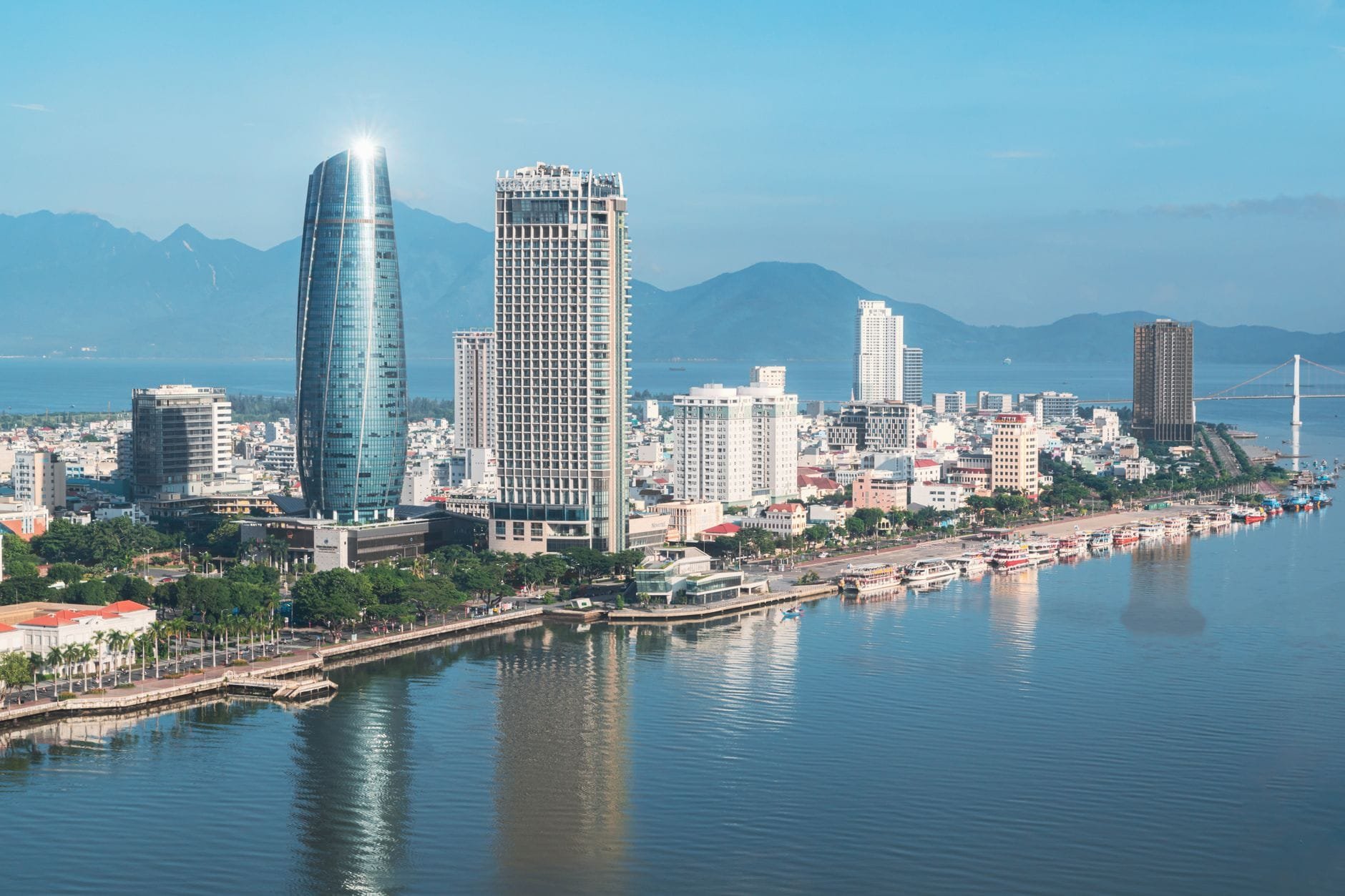
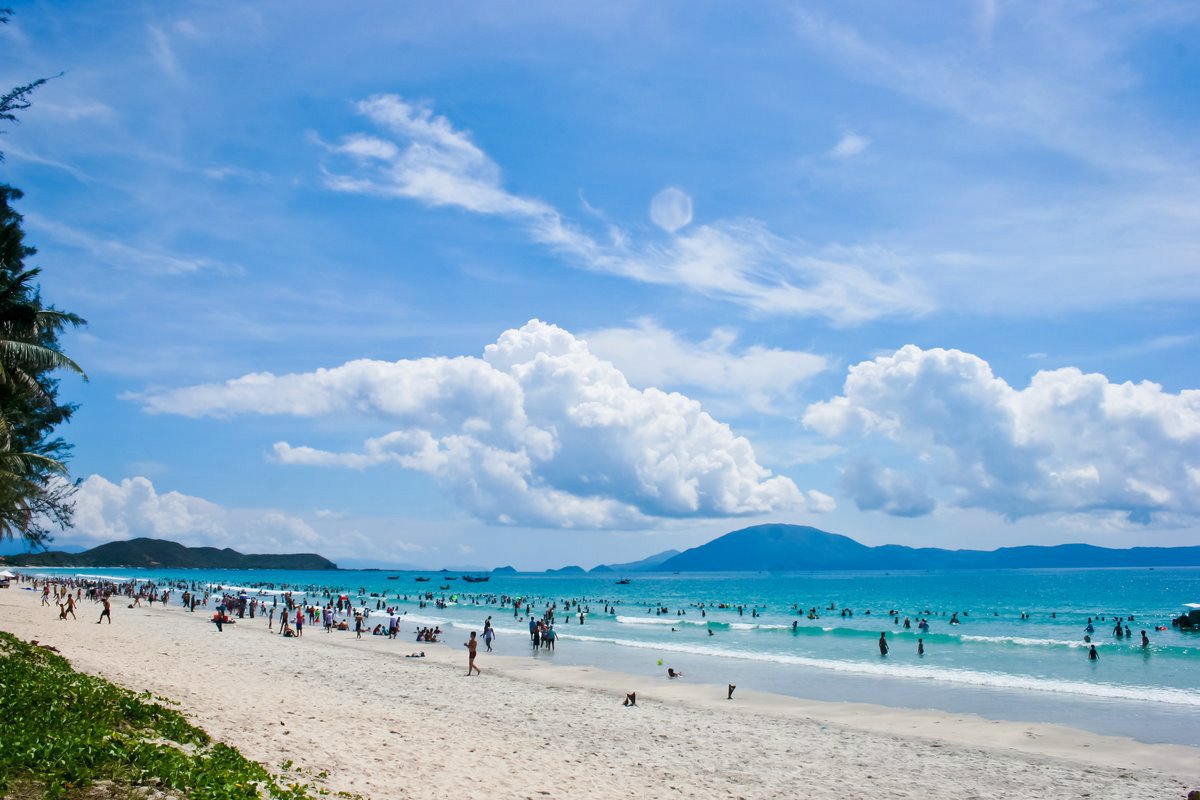
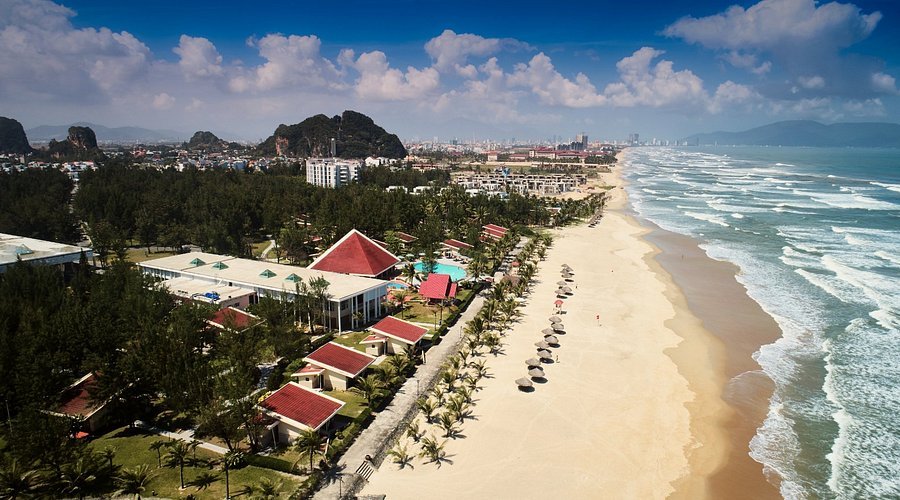
My Khe Beach area is where most visitors base themselves, and the long strip of accommodation along the beachfront offers easy beach access combined with good restaurant density.
Larger international resort hotels are concentrated here, including brands from the Hyatt and Sheraton groups with direct beach access and pool facilities. This is a good base for beach-first visitors.
The Han River corridor in the city centre is the most urban and atmospheric option, with the Dragon Bridge, Nguyen Van Linh walking street, local restaurants, cafes, and the Han Market all within walking distance. This is a better choice for visitors who want to explore the city rather than spend most of their time at the beach.
My An and Non Nuoc, to the south of the city, near the Marble Mountains, offer a more boutique resort experience closer to the Marble Mountains, the Cham Museum, and the road to Hoi An. It's good for visitors who want to split time between Da Nang and Hoi An.
Getting There and Getting Around
Flying in: Da Nang International Airport (DAD) is only 3 km from the city centre, one of the most conveniently located airports in Vietnam. A Grab or metered taxi takes under 10 minutes to most central hotels. The airport handles direct international flights from South Korea, Japan, Singapore, China, and several other Asian hubs alongside multiple daily domestic connections from Hanoi and Ho Chi Minh City.
Getting around once you're there:
- Grab: This is a standard transport option for journeys across the city, to the Marble Mountains, Ba Na Hills transfers, and beach drives. Download the app before arriving.
- Metered taxis: Vinasun and Mai Linh are reliable taxis in the area. Always confirm the meter is running before setting off.
- Bicycle: It is ideal for the beach road along Vo Nguyen Giap and the flat coastal strip. They are available to rent from most hotels and guesthouses at very low daily rates.
- Motorbike: They are available to rent from multiple shops in the city. It is also essential for the Son Tra Peninsula and the Hai Van Pass if you want to go independently. An International Driving Permit or Vietnamese license is technically required.
- Walking: The city centre and the beach road are pleasant on foot in the early morning and evening. Midday heat makes longer walks challenging from April to August.

My Khe Beach and the Beaches
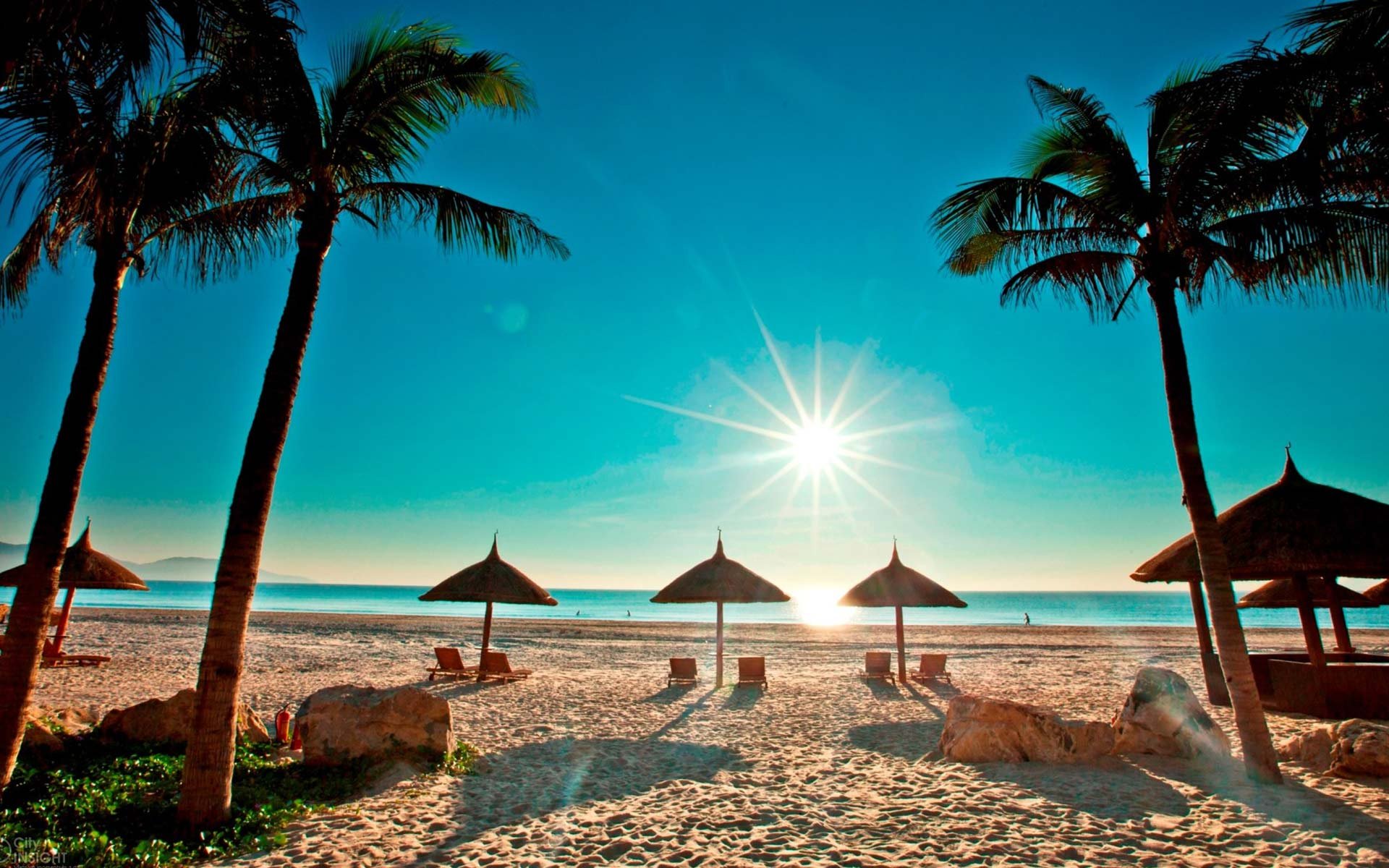
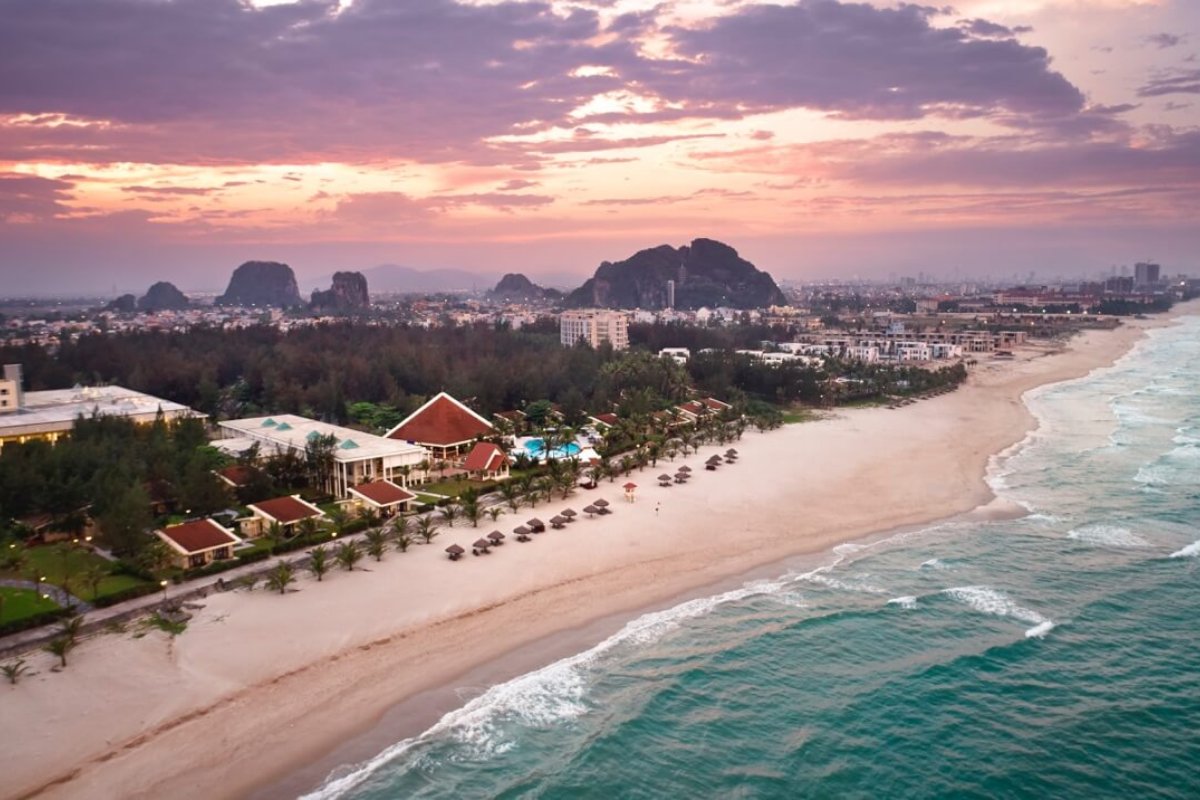
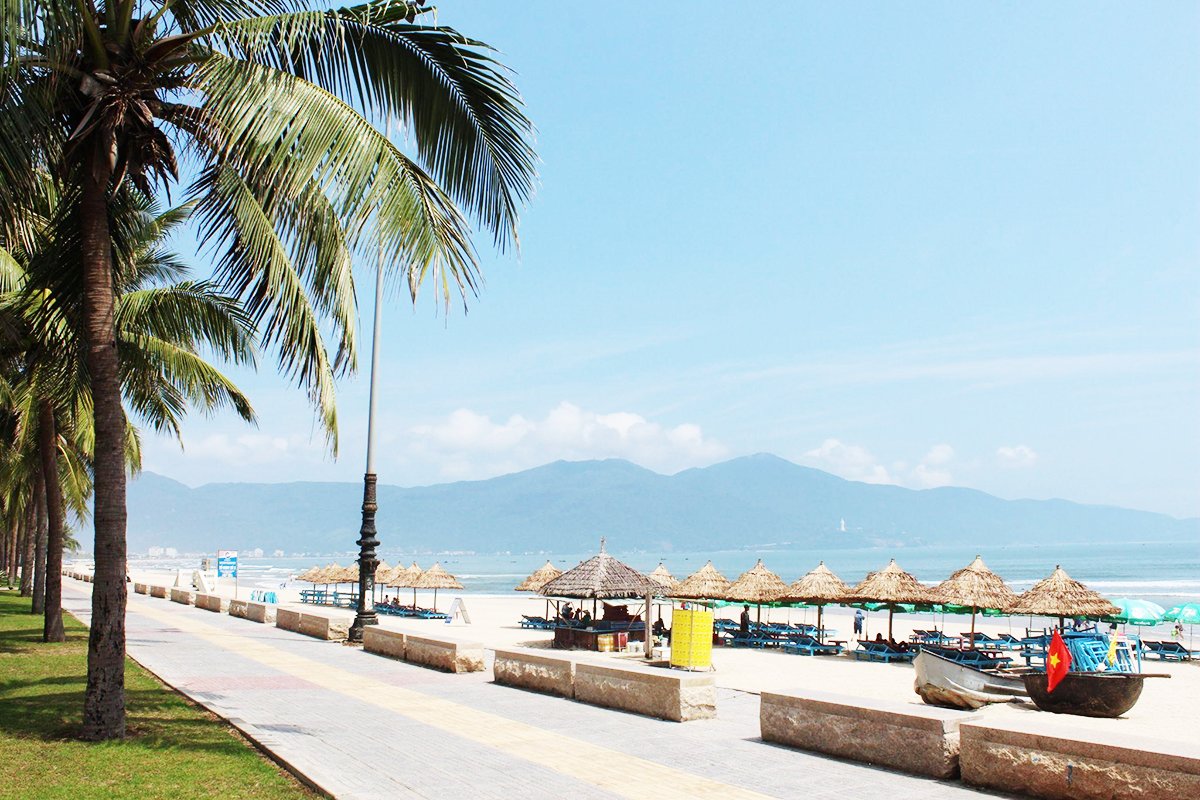
My Khe Beach is the most famous beach in Da Nang and one of the finest urban beaches in Southeast Asia. It has a wide, clean, gently shelving arc of white sand stretching 9 km south from the Son Tra Peninsula, with calm surf for most of the year and a consistent offshore breeze that makes it genuinely comfortable even in the hotter months.
The beach is most alive at dawn and dusk when locals use it as their gym, football pitch, and social space. The cleanest and least crowded stretches are in the northern section closest to the peninsula.
Non Nuoc Beach continues south from My Khe toward the Marble Mountains, slightly narrower and with a more local, less developed character. Bac My An Beach, between the two, is where many of the larger resort hotels are positioned, with the cleanest facilities and the most consistent service.
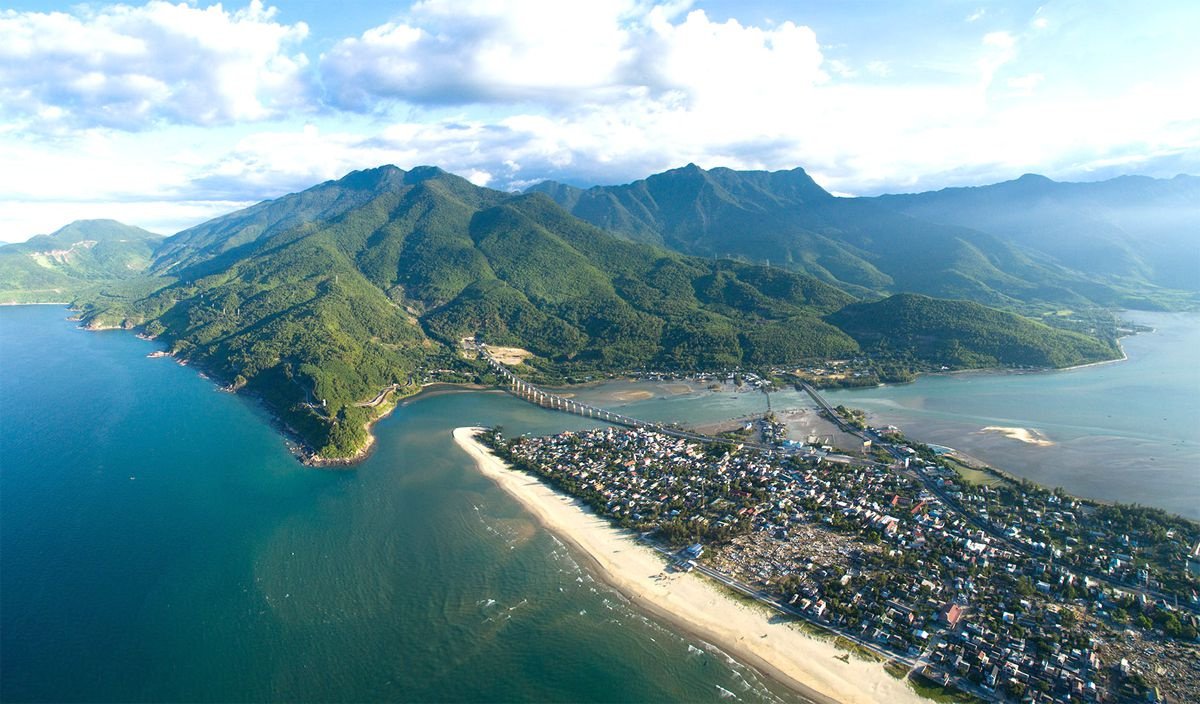
Lang Co Beach, over the Hai Van Pass about 35 km north of Da Nang, is one of the most beautiful beaches in central Vietnam. It is a long, thin strip of sand between lagoon and sea, with a backdrop of forested mountains and almost no development. It is definitely worth the drive if you are heading toward Hue.
Swimming in Da Nang is safest between April and October. From October to March, waves increase significantly, and some sections are subject to strong currents and rip tides. Follow the flags and the guidance of lifeguards on patrol.
Son Tra Peninsula
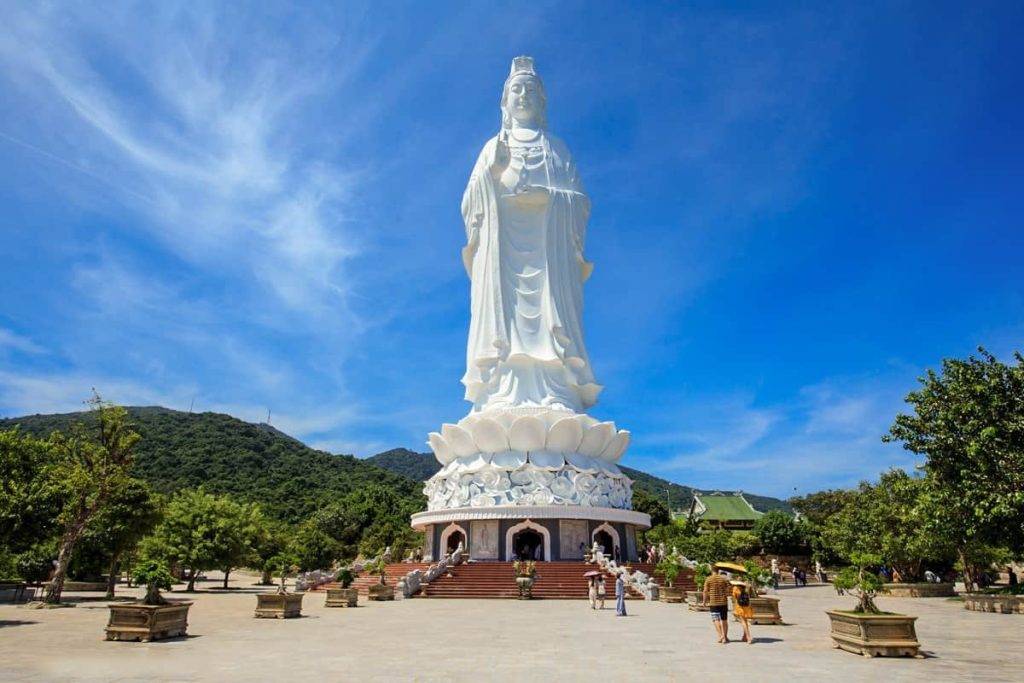
The Son Tra Peninsula juts into the South China Sea 10 km northeast of Da Nang and is one of the most extraordinary natural assets within easy reach of any Vietnamese city. The densely forested hills of the peninsula are home to the red-shanked douc langur, one of the world's most visually striking primates. They are brilliantly coloured in white, black, red, and gold, and exist in significant numbers on Son Tra. It is increasingly threatened by habitat loss elsewhere. Son Tra is one of the last strongholds.
The Linh Ung Pagoda on the peninsula's eastern headland is a large Buddhist complex anchored by a 67-metre-tall white statue of the Bodhisattva Quan Am (Goddess of Mercy), the tallest in Vietnam, with sweeping views over Da Nang Bay and the Marble Mountains from the pagoda grounds. The approach road winds through the jungle canopy with frequent douc sightings from the windows, particularly in the early morning.
The peninsula also has several small beaches and coves accessible by motorbike, including the popular Tien Sa Beach and several unnamed coves off the winding road that are excellent for swimming and snorkelling.
A full morning circuit of the peninsula by motorbike is one of the best things to do in Da Nang.
Marble Mountains (Ngu Hanh Son)
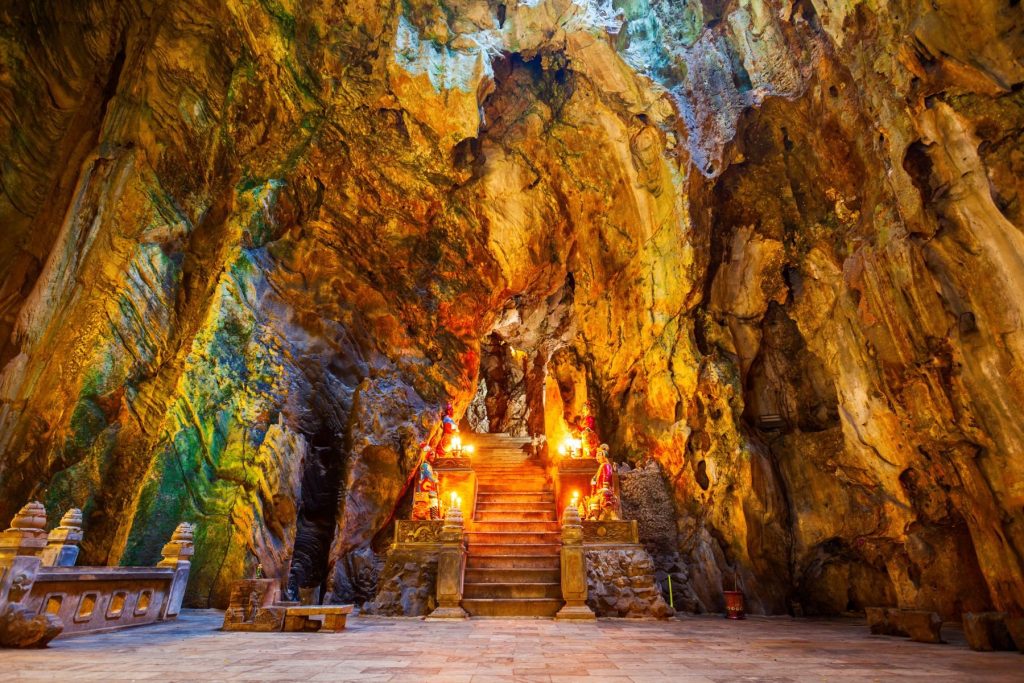
The Marble Mountains are a cluster of five limestone and marble outcrops rising from the flat coastal plain 15 km south of the city centre, each named after one of the five elements: Kim (Metal), Moc (Wood), Thuy (Water), Hoa (Fire), and Tho (Earth).
They have been a site of Buddhist and Hindu worship for centuries and now house a dense collection of cave temples, pagodas, shrines, and viewpoints accessible via stone staircases and lifts.
Thuy Son (Water Mountain) is the largest and most visited, and a half-day can easily be spent exploring its network of caves, shrines, and viewpoints. Huyen Khong Cave inside Thuy Son is the most spectacular, with a large natural cavern converted into a Buddhist shrine, with shafts of light entering through natural openings in the cave ceiling in a way that has attracted worshippers and artists for generations.
The Vong Hai Dai viewpoint at the summit gives an unobstructed 360-degree view, taking in the beach, the sea, the city, and the other mountains below.
The surrounding area is the traditional centre of stone and marble carving in Vietnam, with workshops lining the road where artisans carve everything from small Buddha figures to large garden sculptures. The craft has been practiced here for generations.
The Dragon Bridge and the Han River
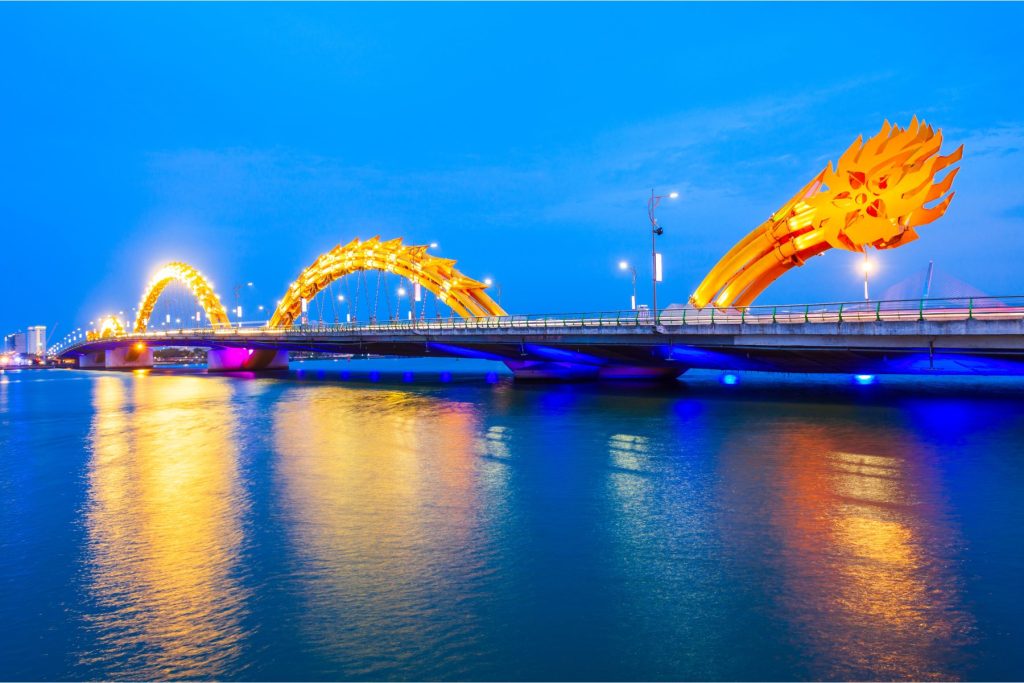
The Dragon Bridge (Cau Rong) spanning the Han River is the most distinctive piece of infrastructure in Da Nang and genuinely one of the most striking modern bridges in Southeast Asia. It is a 666-metre structure in the shape of a dragon's body, completed in 2013, with the head at the eastern end and the tail curving across the river.
Every Saturday and Sunday night at 9 pm, the dragon breathes fire and water in a free public display that draws large crowds along both banks of the river. The performance lasts about 10 minutes and is best viewed from the riverside promenade with a cold drink from one of the nearby cafes.
Nearby, the Han River Bridge (Cau Quay or Swing Bridge) is the city's original modern bridge and the only one in Vietnam that rotates to allow tall vessels to pass through the river channel. The rotation happens at night on weekends at 11 pm and 1 am during weekdays and is an oddly enjoyable spectacle to watch.
The Han River riverfront on the west bank has a pleasant evening walking atmosphere with the illuminated bridges visible from the promenade, and the street food vendors and bia hoi stalls that open from late afternoon toward sunset are some of the best casual eating in the city.

Ba Na Hills and the Golden Bridge
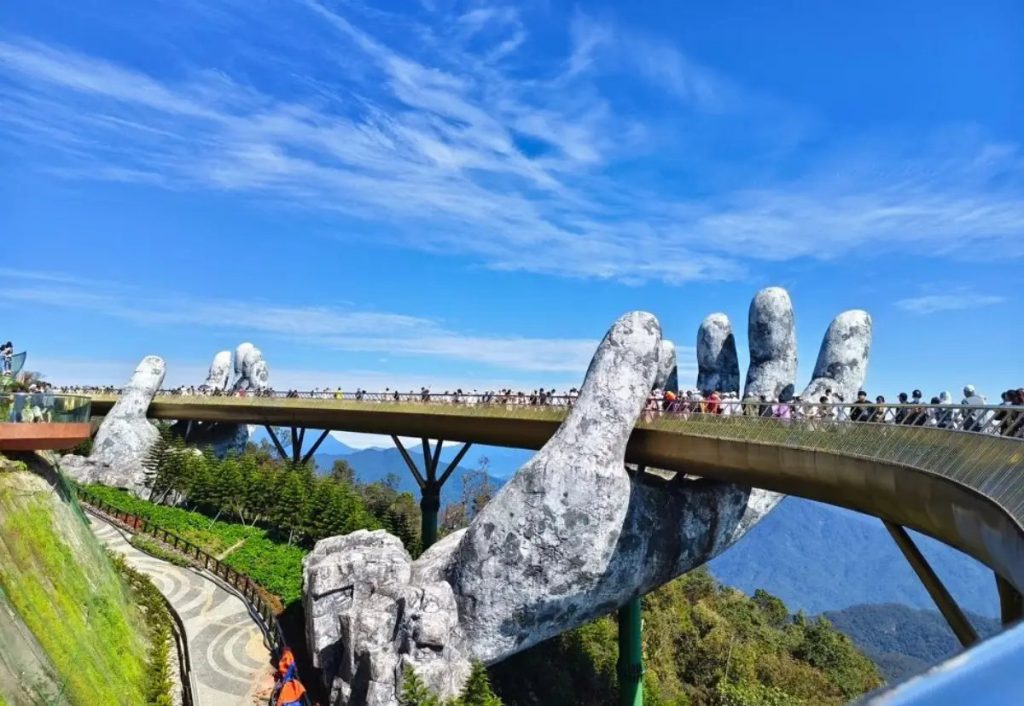
Ba Na Hills is the mountain resort developed by Sun World on the slopes of the Truong Son Range, about 40 km west of Da Nang at an elevation of 1,487 metres. The cable car from the base station to the summit is the main event in itself.
At the time of its completion, it held the record for the world's longest non-stop single cable car run (5,772 metres) and the world's highest, and the journey through cloud forest and mountain mist to the summit is genuinely spectacular regardless of what weather you encounter at the top.
The Golden Bridge (Cau Vang) on the Ba Na Hills complex is the most photographed structure in central Vietnam. It is a 150-metre pedestrian walkway held aloft by two giant stone hands emerging from the mountainside, appearing to float above the cloud forest canopy at 1,400 metres elevation.
The visual effect, particularly on misty mornings when the bridge appears to emerge from and disappear into cloud, is extraordinary. It has become one of the most shared travel photographs in Vietnam since its opening in 2018.
At the summit, the French Village is a theme park complex with rides, restaurants, and a wax museum on a plateau with views that extend on clear days to the coast. The Fantasy Park indoor amusement area offers rides and entertainment regardless of mountain weather.
Ba Na Hills requires a full day, so leave Da Nang early to arrive before the morning bus groups from Hoi An.
The Museum of Cham Sculpture
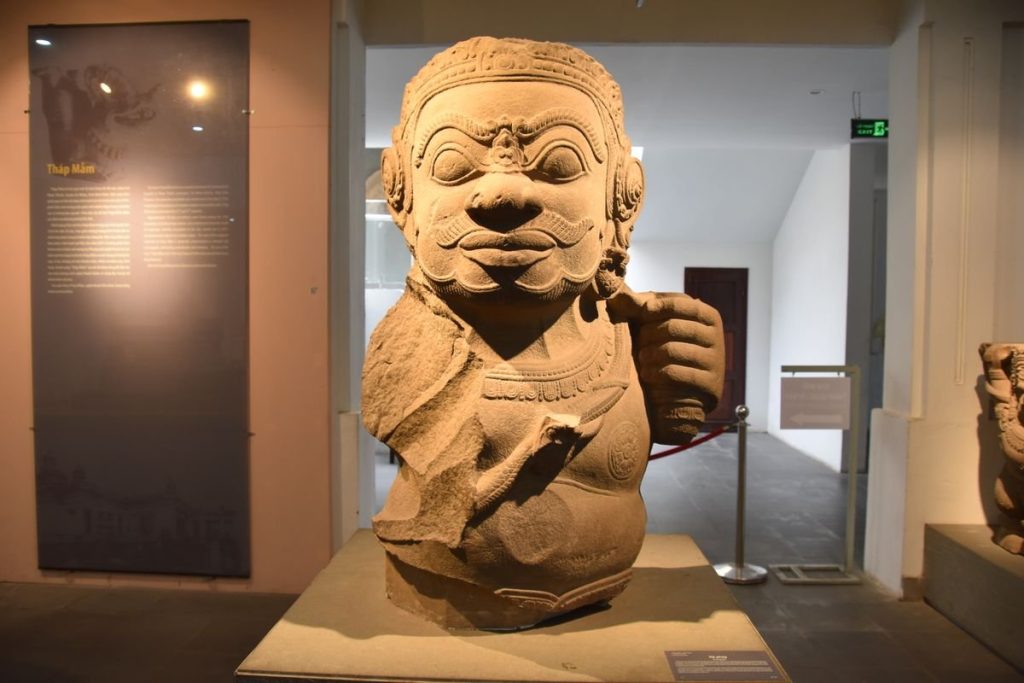
The Museum of Cham Sculpture (Bao Tang Dieu Khac Cham) on the west bank of the Han River is the most important museum in Da Nang and genuinely one of the finest in Vietnam. It houses the world's largest collection of Cham sculpture, with over 300 original sandstone carvings, architectural pieces, and altars from the Hindu Champa Kingdom that dominated central Vietnam from the 2nd to 15th centuries.
The collection is arranged by period and provenance across a series of open pavilions, with pieces from My Son, Dong Duong, Tra Kieu, and other Cham sites. The scale and quality of the carving, depicting scenes from Hindu mythology alongside Cham royal imagery, is remarkable.
The museum was designed by French architects in the early 20th century to house the growing collection of pieces being excavated from Cham sites across central Vietnam. Entry is modest, and the museum is rarely crowded. Try to give it at least one and a half to two hours.
The Hai Van Pass
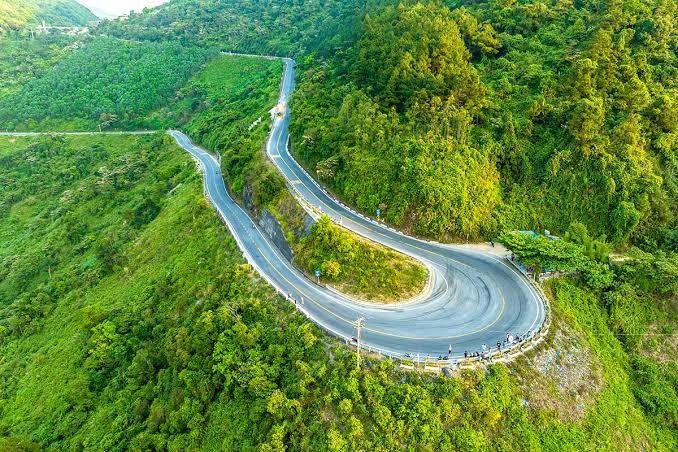
The Hai Van Pass (Pass of the Ocean Clouds) is the most celebrated road in Vietnam, with a mountain crossing 30 km north of Da Nang that crests at 496 metres above the South China Sea, with the bay of Da Nang visible to the south and Lang Co lagoon and the mountains stretching north toward Hue.
The road was used by the French, the Viet Cong, and the American military, and the old military fortifications at the summit are still standing.
The classic approach is by motorbike, which lets you stop at any of the lookout points as the road switchbacks up through the cloud. The view from the summit on a clear morning, with Da Nang Bay stretching south and a line of peaks dissolving into haze to the north, is one of the great Vietnamese landscapes.
Guided motorbike tours from Da Nang are available and recommended for visitors not comfortable riding solo on mountain roads. The pass can also be combined with a visit to the village of Lang Co below on the northern side before continuing to Hue.
Popular Things to Do in Da Nang
- Sun World Ba Na Hills Entry with Cable Car is the complete Ba Na Hills experience, with the world-record cable car ride to the summit at 1,487 metres, the Golden Bridge with its giant stone hand supports, Fantasy Park indoor amusement, the French Village complex, and panoramic mountain views on clear days. It is a full day's worth of experience accessible from Da Nang, so book in advance and leave early to beat the group tour buses.
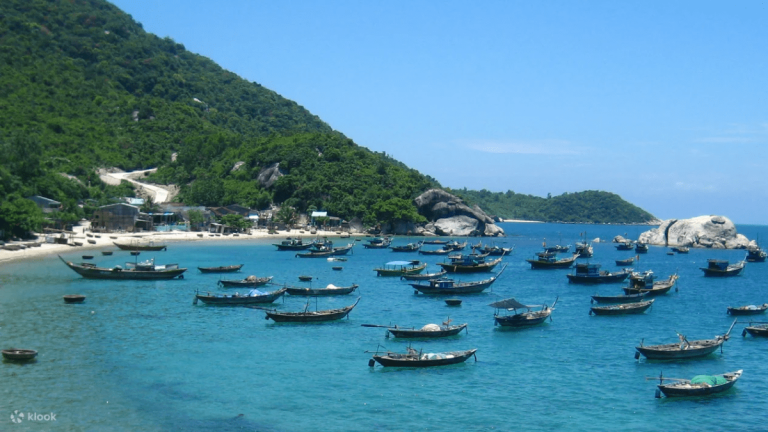
- Snorkelling at Cham Islands by Speedboat departs from near the Thu Bon River mouth (Cua Dai Quay) by speedboat to the UNESCO-recognised Cham Islands Biosphere Reserve, a group of 8 islands about 18 km offshore with rich marine life, coral ecosystems, and ancient Buddhist temples. The tour includes snorkelling near Houng Beach alongside visits to the Au Thuyen, Hai Tang Pagoda, and Ong Temple. No plastic bags, drones, or coral removal are permitted on the islands.
- My Son Discovery Tour and Cruise Trip is a guided day to the My Son Sanctuary, the UNESCO World Cultural Heritage Cham temple complex 70 km southwest of Da Nang, combined with a traditional wooden boat cruise along the Thu Bon River through the surrounding landscape. My Son is the most significant archaeological site in central Vietnam. You get to see a group of Hindu temples and towers built by the Champa Kingdom from the 4th to 13th centuries in a jungle valley.
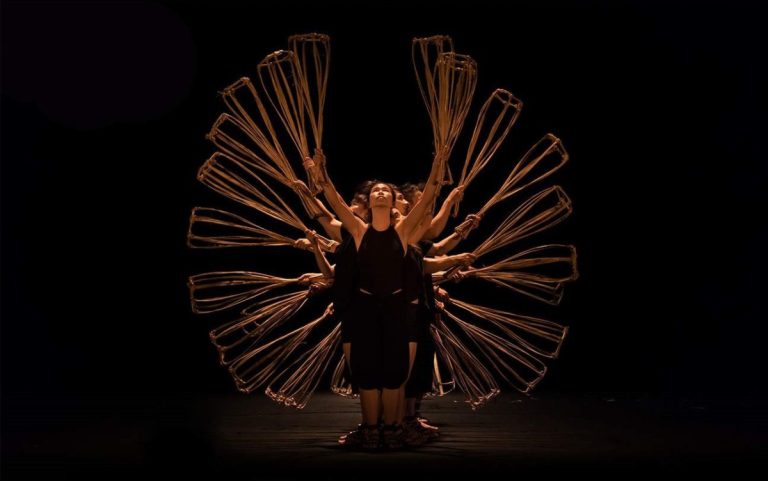
- The Charming Danang Show is a live cultural performance at the Culture House of Labor in the heart of Da Nang, combining traditional Vietnamese dance, music, visual effects, and historical storytelling in a large-scale theatrical format. It is one of the best evening cultural experiences available in the city, performed at a purpose-built venue in the city centre.
- Than Tai Hot Spring Park is a mountain hot spring and water park complex located about 20 km from the city centre in the Ba Na Nui Chua area, with natural mineral springs of the highest mineral content in Vietnam, mud baths, Japanese-style Onsen baths, a mountainside wave pool, water slides including the Long Tien Cave slide, and 9D cinema options. |This is a full-day family and wellness destination with both relaxation and water park elements.
- Mikazuki Onsen Experience brings a Japanese hot spring and water park concept to Da Nang. You get both indoor and outdoor mineral onsen pools, air bubble systems, whirlpool massage facilities, and the Mikazuki Water Park 365, the first indoor hot water park in Vietnam. The outdoor Dragon Slider at 140 metres is the longest water slide in Vietnam, and the indoor wave pool is one of the largest in the country. It is both a wellness and family entertainment destination.
- Hue Day Tour from Da Nang is a guided full-day trip to the Imperial City of Hue, 90 km north of Da Nang, covering the UNESCO-listed Imperial Citadel and Forbidden City, royal tombs, the Thien Mu Pagoda on the Perfume River, and a traditional Vietnamese lunch. The journey typically crosses the Hai Van Pass, making the transfer as scenic as the destination.


Food in Da Nang
Da Nang has a distinct local food culture built on the fresh seafood of the central coast, the rice noodle traditions of Central Vietnam, and a street food scene that is significantly more local-facing than the tourist-oriented restaurant strips of Hoi An.
Mi Quang is the signature dish of Da Nang and Quang Nam provinces. It is a thick, yellow turmeric-tinged rice noodle served with pork, shrimp, quail eggs, peanuts, crispy rice crackers, and fresh herbs in a small amount of rich broth, rather than the soup-forward dishes typical of the north and south.
It is eaten at breakfast and lunch, is available everywhere, and is arguably the best introduction to Central Vietnamese cooking available. Every local has a favourite stall.
Banh Xeo (sizzling rice crepes with pork and shrimp) and Bun Bo Hue (spicy lemongrass beef noodle soup from the nearby former imperial capital) are both prepared particularly well in Da Nang, which sits close enough to their respective origins to have absorbed the authentic versions.
Fresh seafood is the other reason to eat in Da Nang. The catch comes in early morning and is on restaurant tables by lunchtime. The seafood restaurants along My Khe Beach serve whole fish, crab, lobster, and shellfish at prices significantly below what the same would cost in Hoi An or Hue.
Banh Trang Cuon Thit Heo (rice paper rolls with pork belly, fresh herbs, and dipping sauce) is a Da Nang-specific dish popular as an evening snack, served at stalls and restaurants throughout the city. The rolling is done at the table, and the combination of pork fat, herbs, and the vinegary dipping sauce is completely addictive.
The Cho Han (Han Market) in the city centre has a busy food section on the ground floor for fresh produce and a range of cooked food stalls and is the most useful indoor market for visitors who want to eat alongside local shoppers rather than at tourist-facing restaurants.
When to Visit Da Nang
Da Nang has a distinct wet and dry season, and the timing matters more here than in most Vietnamese cities because the central coast weather pattern runs opposite to the rest of the country.
March to August is the dry season and the best time to visit, with clear skies, warm temperatures (27 to 35°C), calm seas ideal for beach swimming and island hopping, and consistent conditions for outdoor activities.
April and May are the sweet spot. It is warm enough for the beach, not yet at peak summer heat, and with the clearest water of the year.
September to February is the rainy season on the central coast, driven by the northeast monsoon. October and November are the wettest months, with heavy, sustained rainfall and significant flooding possible in the city and on surrounding roads. The sea during this period has strong swell and is generally not suitable for swimming or island trips.
The Da Nang International Fireworks Festival, held annually along the Han River (typically running from April to June), is one of the largest pyrotechnics competitions in Southeast Asia, with teams from multiple countries competing across several weekend evenings. If your dates overlap, this is a genuinely spectacular reason to time a visit.
Practical Tips Before You Go
- Get your Vietnam e-Visa before arrival at evisa.xuatnhapcanh.gov.vn. Processing takes a minimum of three business days, so do not leave it to the week before departure.
- Download Grab before landing. It is the most reliable and transparent transport option for the city and all surrounding attractions.
- Ba Na Hills requires a full day and an early start. Book tickets in advance through Thrillark and leave Da Nang by 7 am to arrive before the group bus tours from Hoi An increase queues at the cable car.
- Swimming safety: My Khe Beach is lifeguarded and generally safe from April to October. From November to March, currents and swell increase significantly, and flags should be followed.
- Cash is widely used at street food stalls, markets, and smaller restaurants. ATMs are widely available throughout the city centre.
- Mi Quang is a morning and lunch dish. The best stalls often run out by early afternoon.
- Sun protection is essential from April to September. UV levels on the central coast beach are extreme, and burn times are short, even on overcast days.
- Snorkelling at Cham Islands requires calm sea conditions and operates primarily from April to August. Check with your operator before booking if visiting outside this window.
Da Nang is the Vietnamese city that surprises people the most. You expect a transit hub between Hue and Hoi An and find a place with beaches that rival anywhere in Southeast Asia, a mountain peninsula full of rare primates, a dragon that breathes fire on Saturday nights, a Golden Bridge floating in the clouds, and food that is genuinely and specifically its own. It deserves more than the one night most people give it.
Head to Thrillark to book your Ba Na Hills tickets, Cham Islands snorkel tours, cultural shows, hot spring experiences, and everything the city and its surroundings offer.
Frequently Asked Questions About Da Nang
What is the Ba Na Hills, and is it worth visiting from Da Nang?
Ba Na Hills is a mountain resort developed by Sun World on the Truong Son Range, about 40 km west of Da Nang, accessible by cable car from the base station to the summit at 1,487 metres. The cable car ride itself through the cloud forest is one of the highlights, and the Golden Bridge at the summit, a 150-metre pedestrian walkway held by giant stone hands above the cloud canopy, is the most photographed structure in central Vietnam. A full day is needed; arrive early to avoid afternoon queues and check the weather forecast, as mist and low clouds, while atmospheric, can obscure the views.
What is the Hai Van Pass, and how do you cross it?
The Hai Van Pass is a mountain road crossing 30 km north of Da Nang, cresting at 496 metres with Da Nang Bay to the south and Lang Co lagoon to the north, and is considered one of the most scenic roads in Vietnam. The classic approach is by motorbike, which allows stopping at any of the viewpoints along the switchback road. Guided motorbike tours departing from Da Nang are widely available and recommended for anyone not comfortable riding solo on mountain hairpins. The pass can also be crossed by car as part of a day trip, combining it with a visit to Lang Co. or a full day to Hue.
What are the Marble Mountains, and how long do they take to visit?
The Marble Mountains are five limestone outcrops 15 km south of Da Nang, each named after one of the five elements, containing cave temples, pagodas, shrines, and viewpoints carved into and built around the mountains' natural formations. Thuy Son (Water Mountain) is the largest and most visited, with Huyen Khong Cave (a natural cavern converted into a Buddhist shrine with shafts of natural light) and the Vong Hai Dai summit viewpoint as the highlights. A visit to Thuy Son takes two to three hours. A lift and staircase provide access. The surrounding road is lined with marble carving workshops worth exploring.
What is Mi Quang, and where do you find the best version in Da Nang?
Mi Quang is the signature dish of Da Nang and Quang Nam provinces: thick, turmeric-yellow rice noodles served with pork, shrimp, quail eggs, peanuts, and crispy rice crackers in a small amount of rich broth, topped with fresh herbs. It is a morning and lunchtime dish available at specialist stalls throughout the city, and every local has a firmly held view on the best version. The most reliable approach is to look for stalls with queues of local customers and order early; most of the best places run out by early afternoon.
When is the best time to visit Da Nang?
March to August is the best time to visit, with the dry season bringing clear skies, calm seas, and the best conditions for beaches, island hopping, and outdoor activities. April and May are the ideal months: warm and sunny without the peak summer heat of July and August. The Da Nang International Fireworks Festival, typically running from April to June along the Han River, is an added reason to time a visit in this window. Avoid October and November, which are the wettest months on the central coast with significant flooding risk.
What is the Cham Islands Biosphere Reserve?
The Cham Islands are a group of 8 islands about 18 km offshore from Hoi An, designated a UNESCO World Biosphere Reserve for their rich marine ecosystems, including extensive coral reefs, diverse fish populations, and seagrass beds. Day tours depart from Da Nang and Hoi An by speedboat, typically covering snorkelling near the coral reefs, visits to the islands' ancient Buddhist temples and pagodas, and a seafood lunch. The islands are accessible primarily from April to August, when sea conditions are calm; tours are suspended during the northeast monsoon season when swell makes boat travel dangerous.
Browse by themes
Top Things to Do in Vietnam