Los Angeles doesn’t really have a centre. That’s the first thing to understand, and once you accept it, everything else about the city starts to make sense.
It sprawls across 500 square miles of coastline, canyons, hills, and desert fringes, held together less by geography than by a shared belief that things are possible here that aren’t quite possible anywhere else. It’s the city that invented itself out of sunshine and ambition, and it has been reinventing itself ever since.
The reputation is complicated. People who’ve never been dismiss it as traffic, smog, and Hollywood delusion. People who’ve spent real time here know the truth that LA is one of the most varied, visually spectacular, and genuinely surprising cities in the world, with world-class museums, a food scene that embarrasses most global capitals, beaches that rival anywhere in the Pacific, and a cultural energy that you feel the moment you step outside and the warm air hits your face.
The key is understanding that you’re not here to tick a list. You’re here to live like an Angeleno for however long you’ve got.
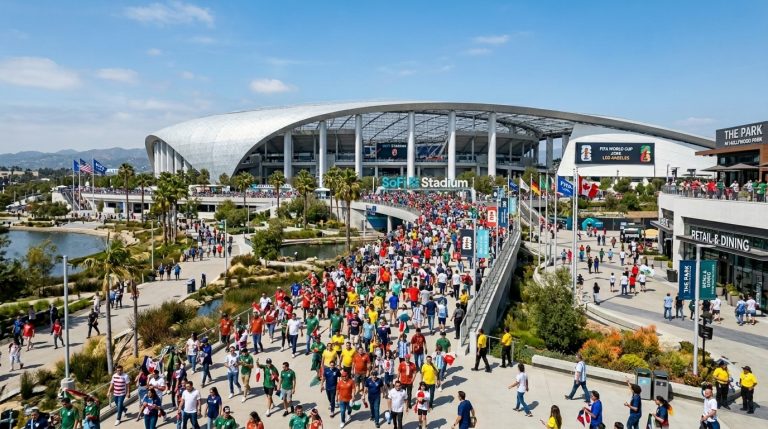
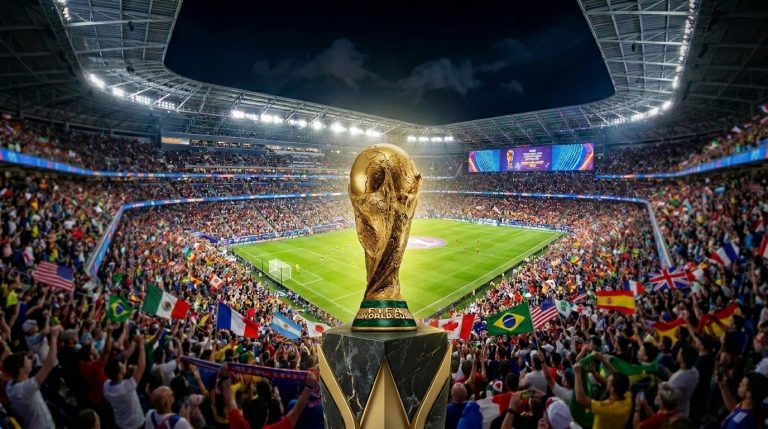
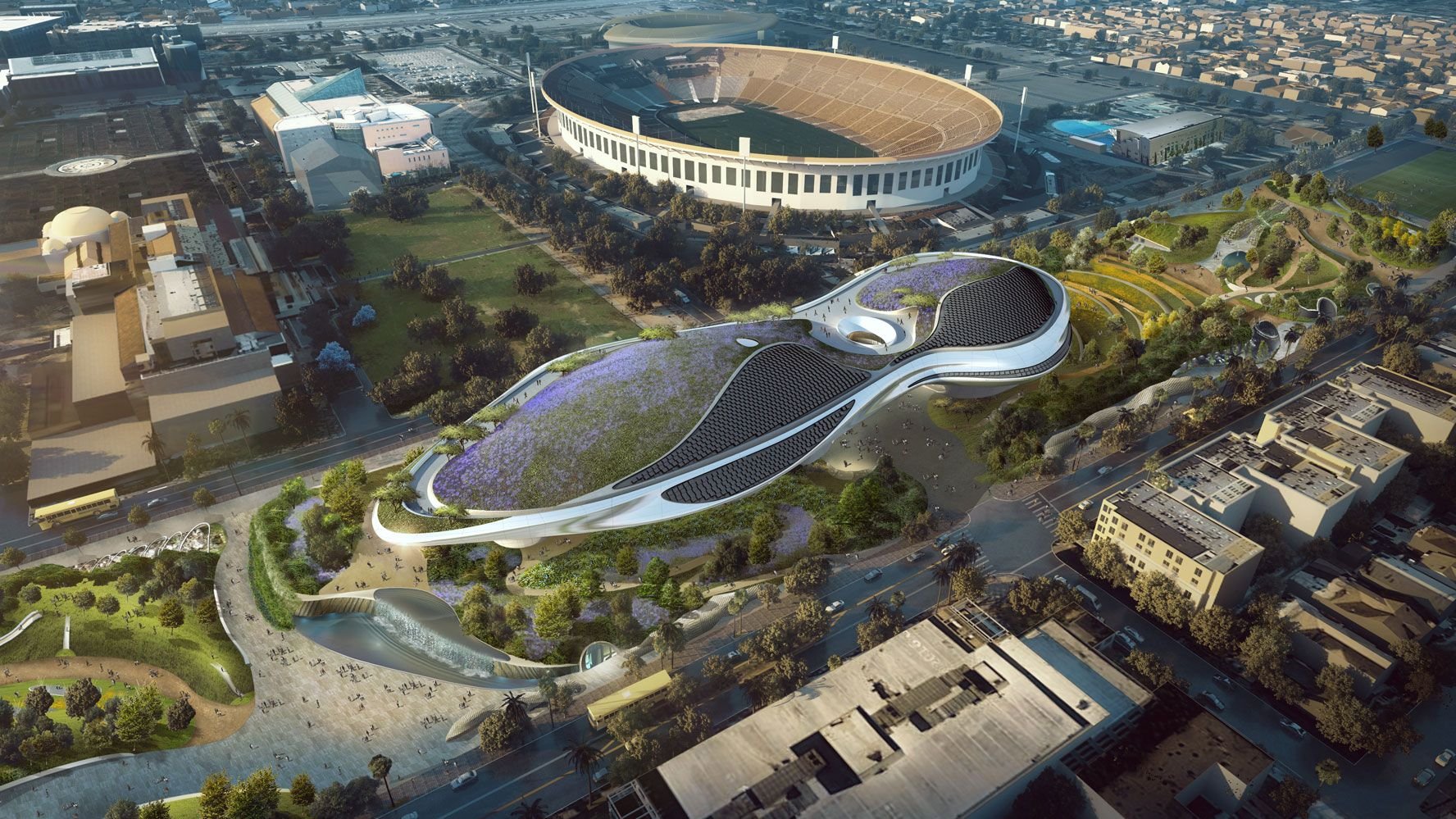
2026 makes it a particularly electric year to visit. Eight FIFA World Cup 2026 matches are being held at SoFi Stadium. The Lucas Museum of Narrative Art, co-founded by George Lucas and Mellody Hobson, is opening in Exposition Park, with a permanent collection of more than 40,000 works and a striking 300,000-square-foot building.
Universal Studios Hollywood is also adding Fast & Furious: Hollywood Drift, its first-ever high-speed outdoor roller coaster, in 2026. The city is building toward the 2028 Olympics, and the results? New metro lines, upgraded infrastructure, and an evolving skyline are already visible everywhere.
Los Angeles City essentials
Where to Stay in Los Angeles
The single most important decision you'll make before arriving in Los Angeles is where to stay. Get it wrong, and you'll spend half your trip on the freeway. Get it right, and the city opens up completely.
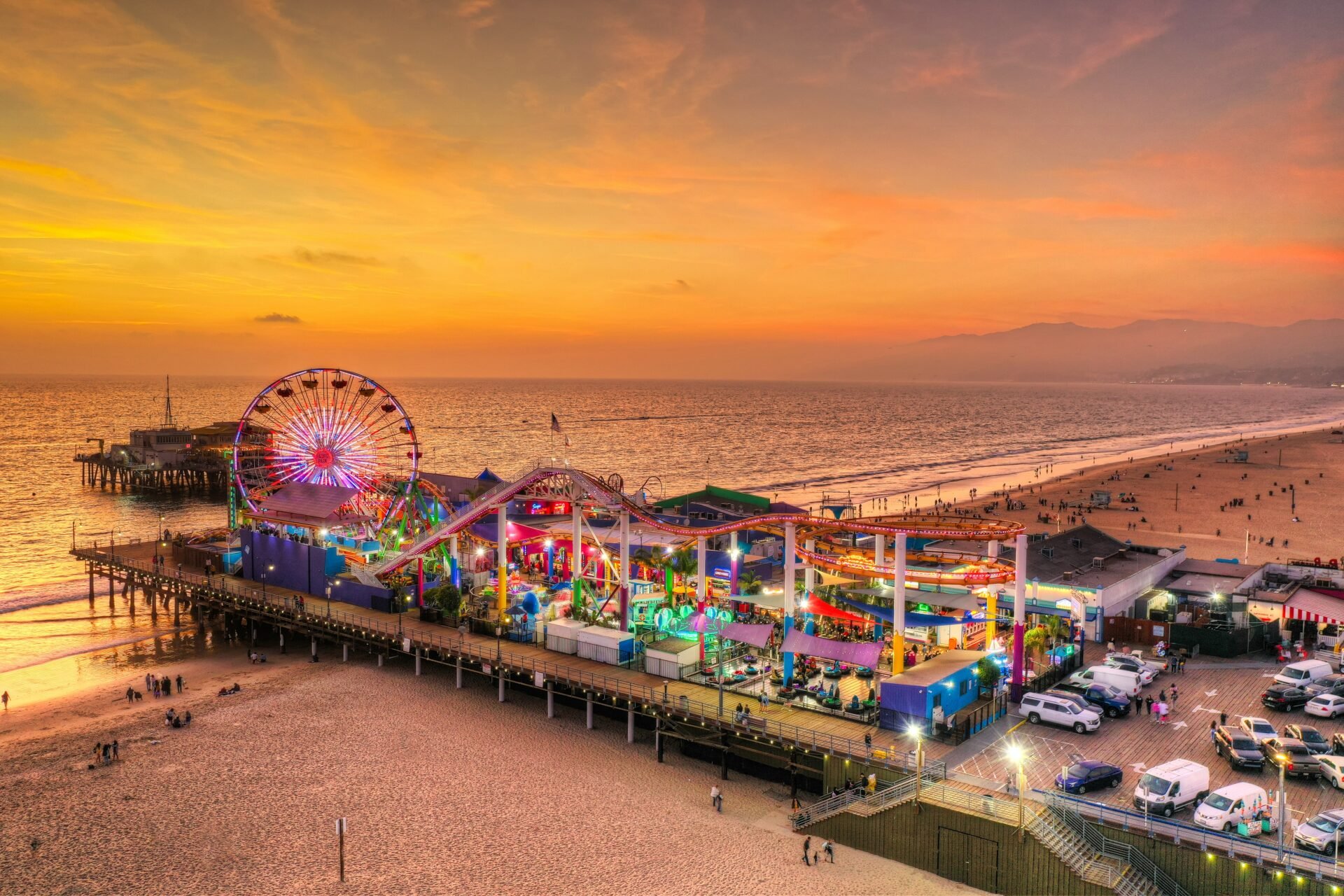
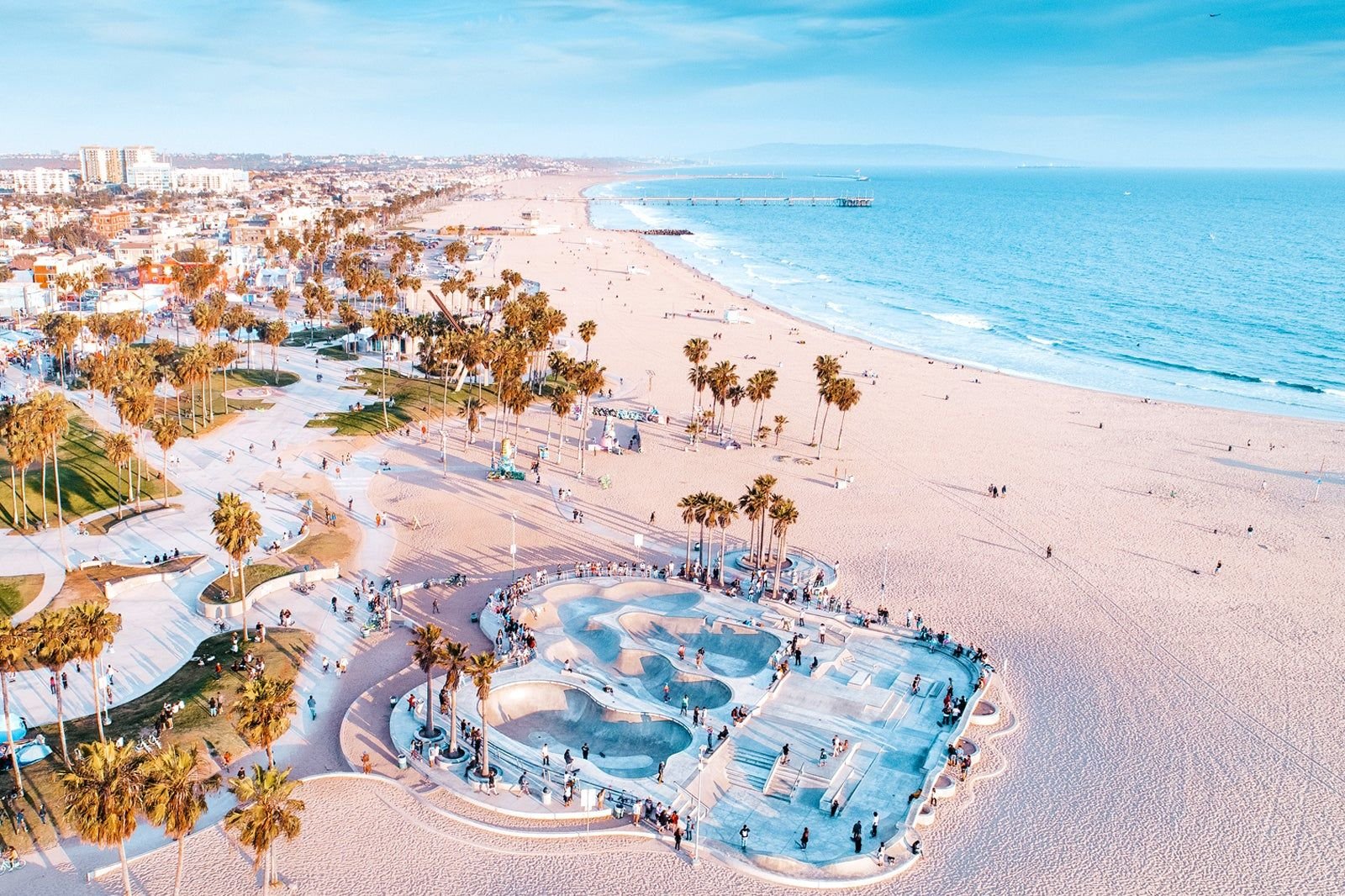
- Santa Monica and Venice are the natural home base for most first-time visitors, and with good reason. Santa Monica sits right on the ocean with a walkable pier, a lively Third Street Promenade, excellent restaurants, and the kind of Pacific light that makes everything look slightly cinematic. Venice is immediately south. It is grittier and more creative, with the famous Boardwalk, Muscle Beach, and Abbot Kinney Boulevard, which is one of the best streets in the city for independent boutiques and cafes. Staying on the Westside puts you close to the beach, Malibu, and the Getty Centre, with the trade-off being distance from Hollywood and Downtown.
- Hollywood and West Hollywood put you closest to the iconic landmarks: the Hollywood Walk of Fame, Griffith Observatory, and the Sunset Strip. West Hollywood (WeHo) is the most walkable part of LA, and the Sunset Strip between La Cienega and Doheny carries genuine rock history on every building. It's a great base if you want evenings out, live music, and easy access to Beverly Hills and the hills.
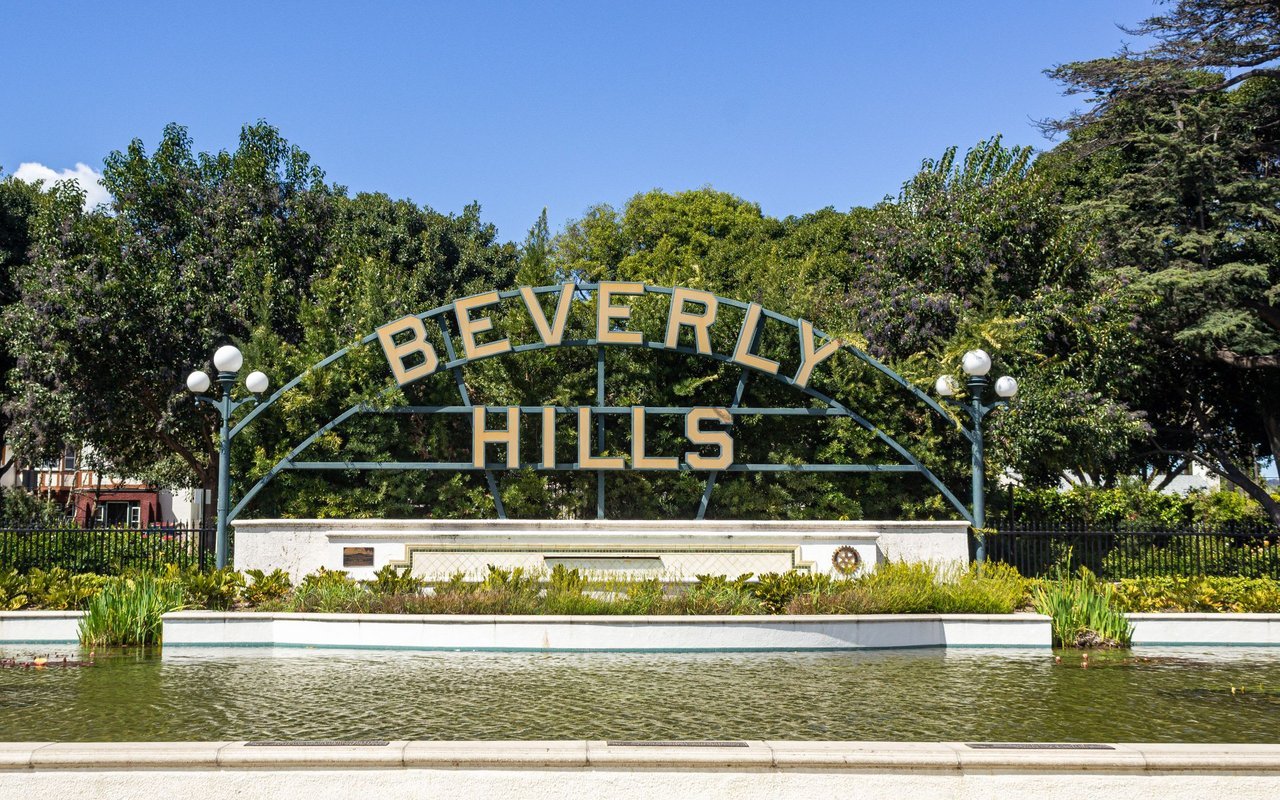
- Beverly Hills is exactly what you imagine: wide boulevards, palm trees, Rodeo Drive, and an atmosphere of very well-maintained calm. Hotels here are excellent and expensive. If you're treating this trip as a proper splurge, this is where you do it. If you're not, there's little reason to base yourself here over Santa Monica or WeHo.
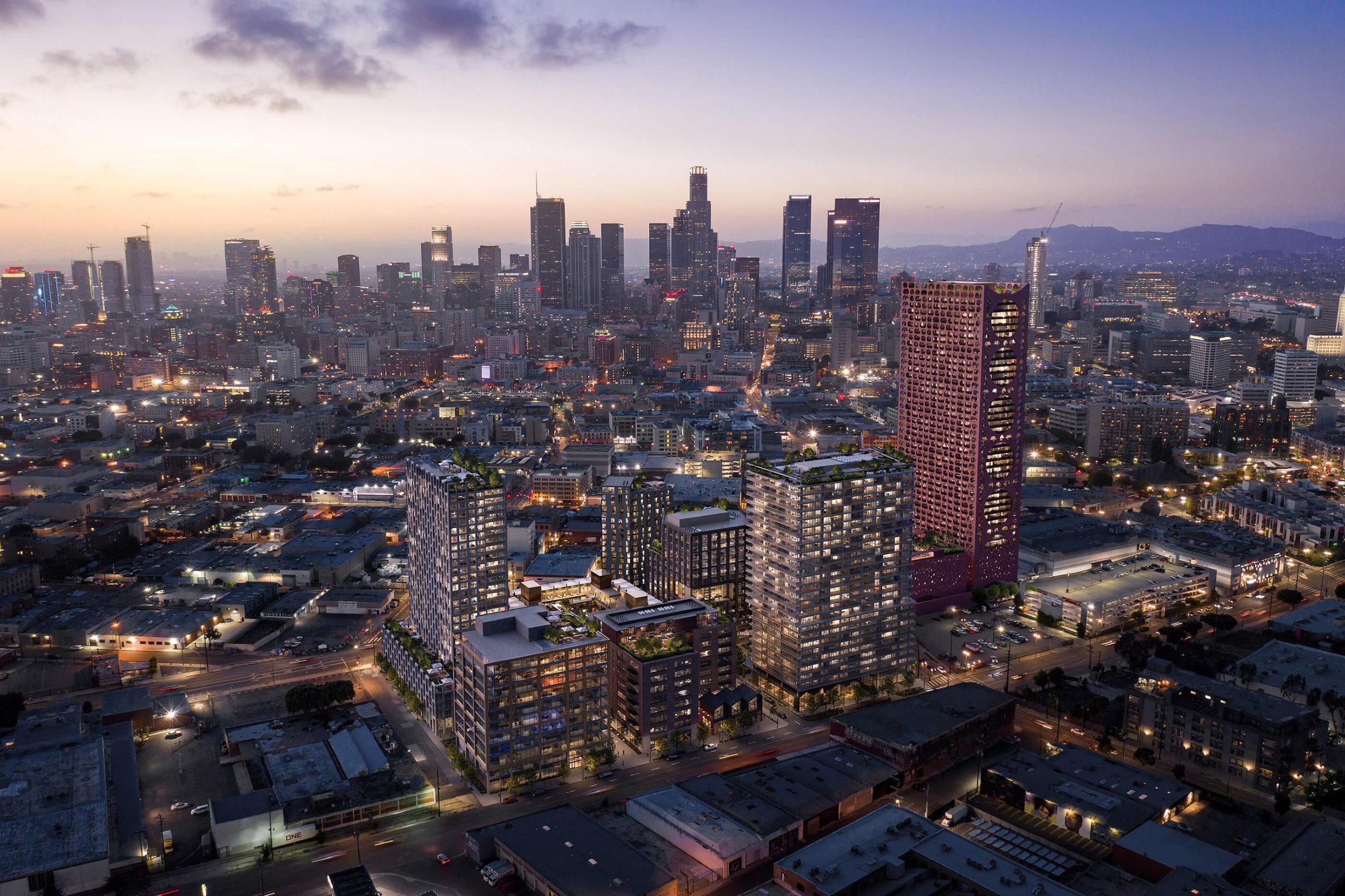
- Downtown LA (DTLA) has transformed dramatically over the past decade and is now genuinely worth staying in. The Arts District is excellent. It is walkable and full of converted warehouse galleries, breweries, and some of the city's most interesting restaurants. Grand Central Market is also here. The new LACMA David Geffen Galleries are nearby too. DTLA also gives you direct Metro access to more of the city than anywhere else.
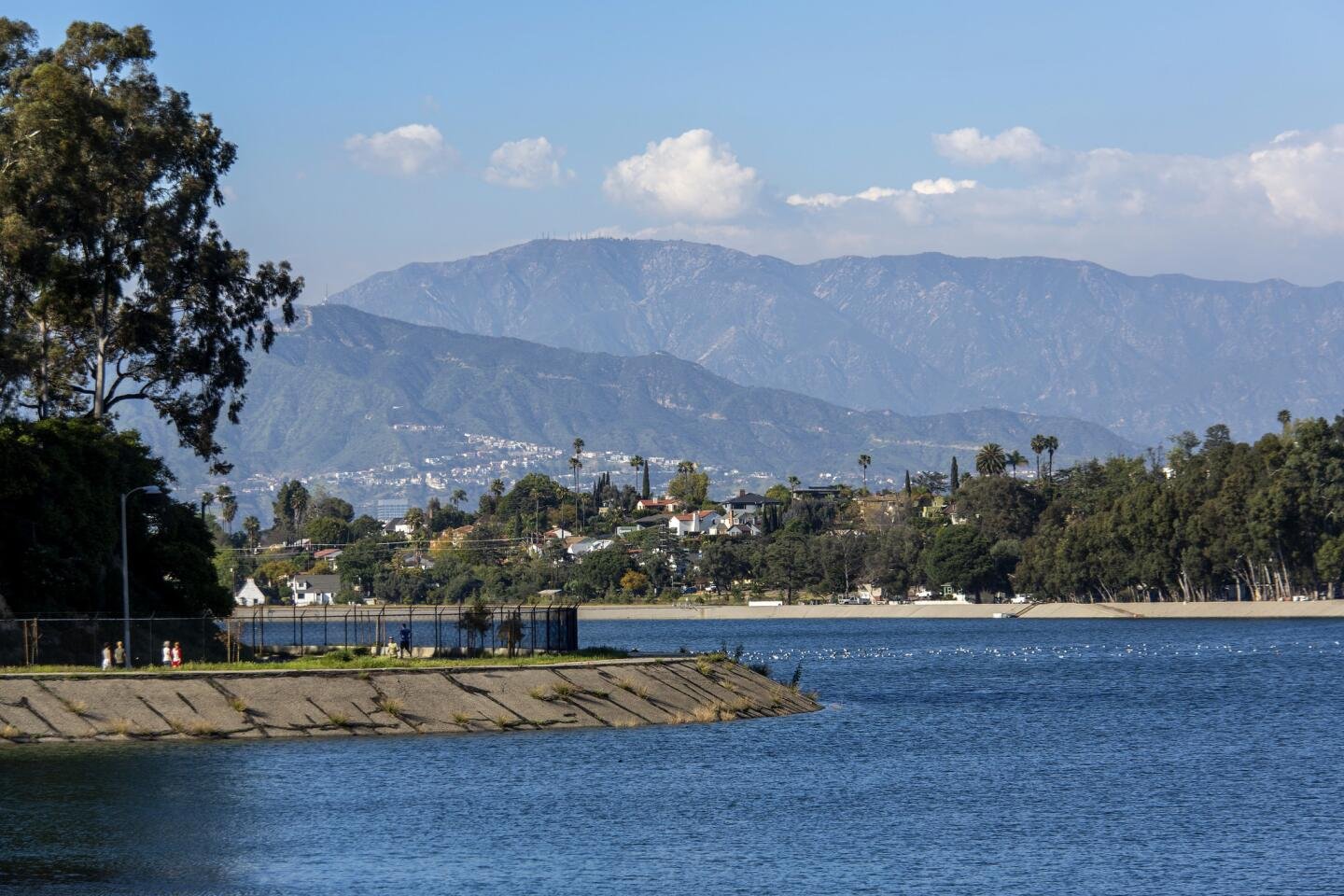
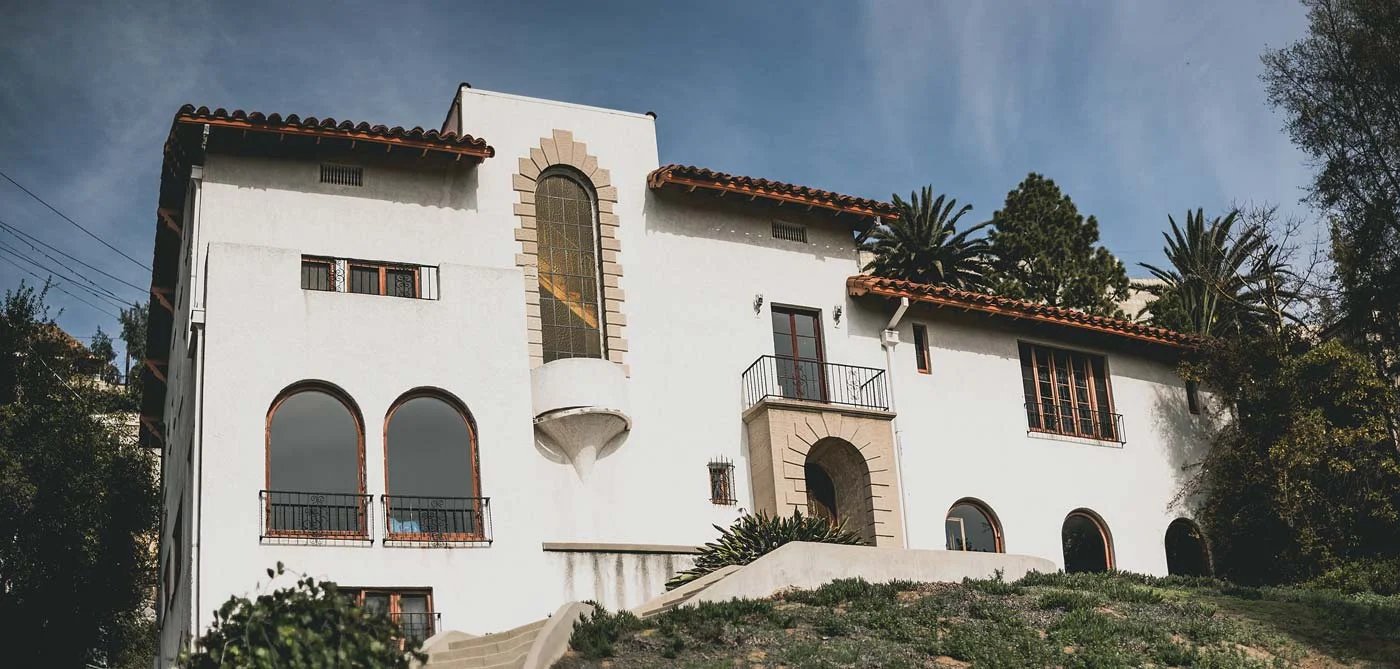
- Silver Lake and Los Feliz are for travelers who want to feel like they've found the real LA rather than the tourist version. Silver Lake is creative, coffee-obsessed, and feels perpetually on the edge of something. Los Feliz sits at the foot of Griffith Park with a more settled, leafy character, with older architecture, excellent neighbourhood restaurants, and one of the best positions in the city for access to the Observatory.
The honest advice: base yourself on the Westside (Santa Monica/Venice) for beach and laid-back California energy or in Silver Lake/Los Feliz for the most interesting neighbourhood experience. Hollywood, if you're keeping to a budget and want central access. Downtown if you want walkability and cultural density.
Getting There and Getting Around
Flying in:
- LAX (Los Angeles International) is the primary gateway. There are direct routes from London, Sydney, Tokyo, Paris, Toronto, and 100+ US cities
- Burbank (BUR) is closer to Hollywood and the Valley, and is often cheaper
- Long Beach (LGB) is best for the South Bay and beach cities
- Ontario (ONT) is 35 miles east, with significantly less congestion
- New in 2026: Automated People Mover opens at LAX, connecting directly to the LAX/Metro Transit Centre for faster terminal access
Getting around:
- Car: essential for beaches, Malibu, and anything outside the central corridor. Rent it at the airport or in the city
- Metro: TAP card: $7/day or $25/week; expanding fast ahead of the 2028 Olympics
- Rideshare (Uber/Lyft): most practical for shorter trips, especially at night
- Cycling: great in Santa Monica, Venice, and along the South Bay Bicycle Trail (22 miles of coastal path)
- Walking: only works in Santa Monica, Venice, Silver Lake, Los Feliz, WeHo, and parts of DTLA
Traffic reality check:
- The 405 and the 10 are as bad as their reputation. Avoid it during 7–9 am and 4–7 pm at all costs
- Always check Google Maps live traffic before every drive, not after you're already on the freeway
The Neighbourhoods: A Quick Orientation
Los Angeles is often described as a collection of villages that happen to share a freeway system, and that's accurate enough to be useful. Here's the map in plain terms.
- The Westside consists of Santa Monica, Venice, Brentwood, and Culver City. You get to see beach culture, tech money, and health-conscious living. The Pacific Ocean is right there. Although the traffic going east is a problem.
- Hollywood and the Hills includes Hollywood, West Hollywood, Los Feliz, Silver Lake, and Echo Park. It's where the entertainment industry's creative class actually lives and works. You get to see more personality per block than anywhere on the Westside.
- The Eastside has Highland Park, Eagle Rock, Boyle Heights, and the Arts District. This is where independent culture, excellent food, and lower (relative to LA) rents overlap. You'll genuinely feel excited being here.
- The Valley (San Fernando Valley) consists of Studio City, Burbank, and Sherman Oaks, where a lot of the film and TV production actually happens, with more space, slightly better weather, and easier parking. It is less interesting for tourists but worth knowing about.
- South LA has Inglewood (home of SoFi Stadium), Exposition Park (Natural History Museum, California Science Centre, and the new Lucas Museum), and Leimert Park. It is undervisited by tourists and home to some of the city's most significant cultural institutions.
- The SGV (San Gabriel Valley) includes Pasadena, Alhambra, and Monterey Park and is home to the best Chinese food outside of China and the beautiful Huntington Library. It's a genuine day trip worth making.
Top Things to Do in Los Angeles
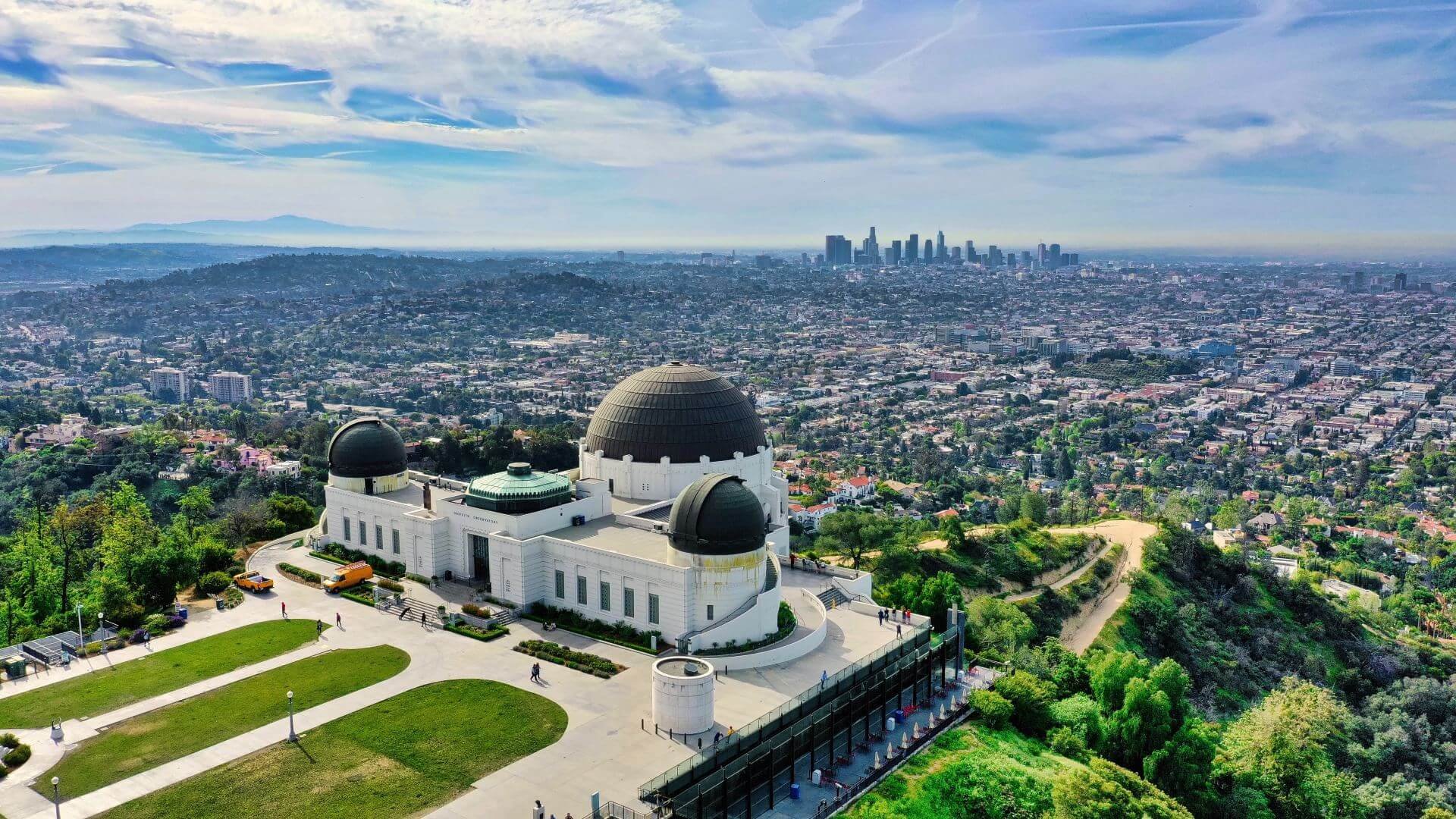
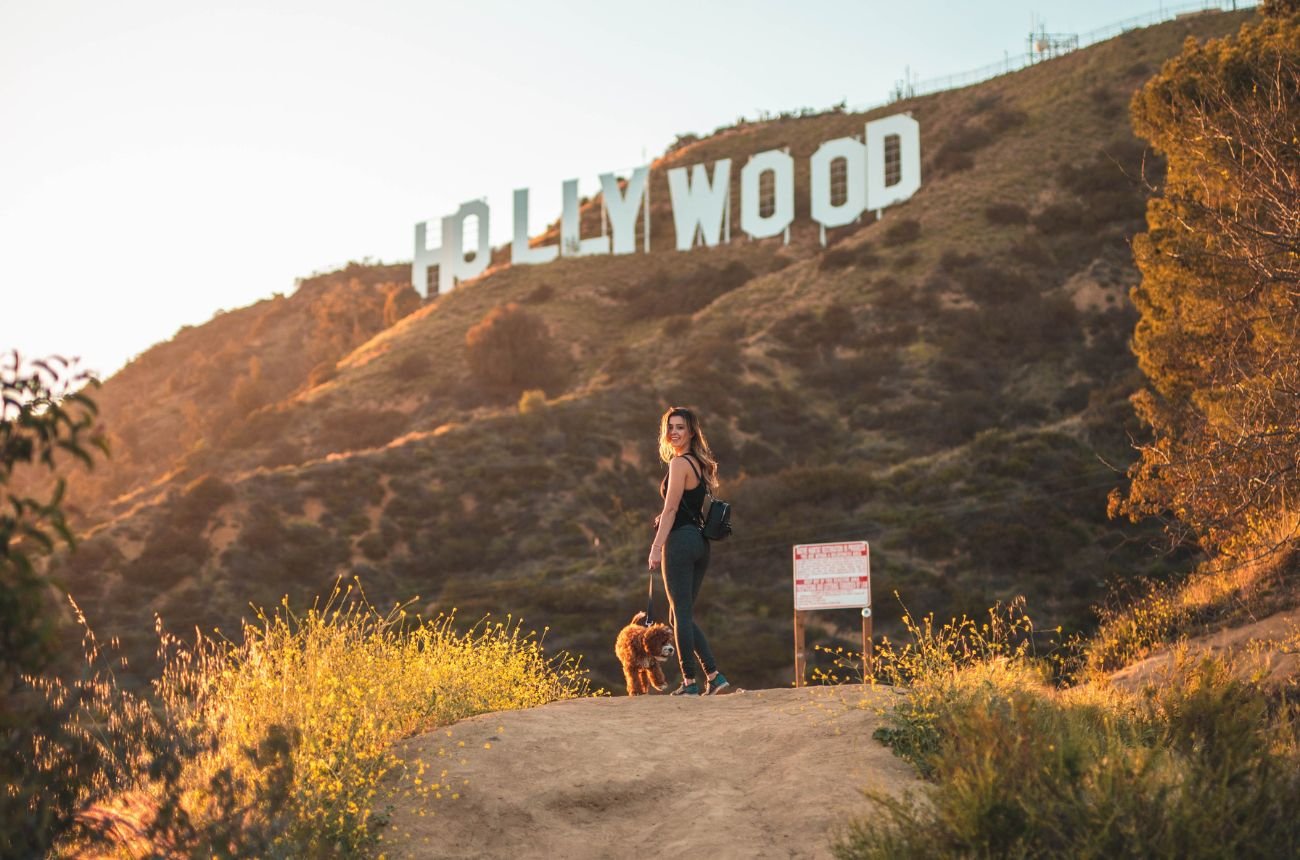
- Griffith Observatory might be the single best free experience in Los Angeles. Perched in the Hollywood Hills with Griffith Park as its backyard, it gives you unobstructed views of the Hollywood Sign, the entire LA basin, and on clear days, the Pacific Ocean. Inside: astronomy exhibits, a planetarium, and public telescopes. The hike up through the park to get there adds another dimension entirely. Go at sunset and stay for the city lights.
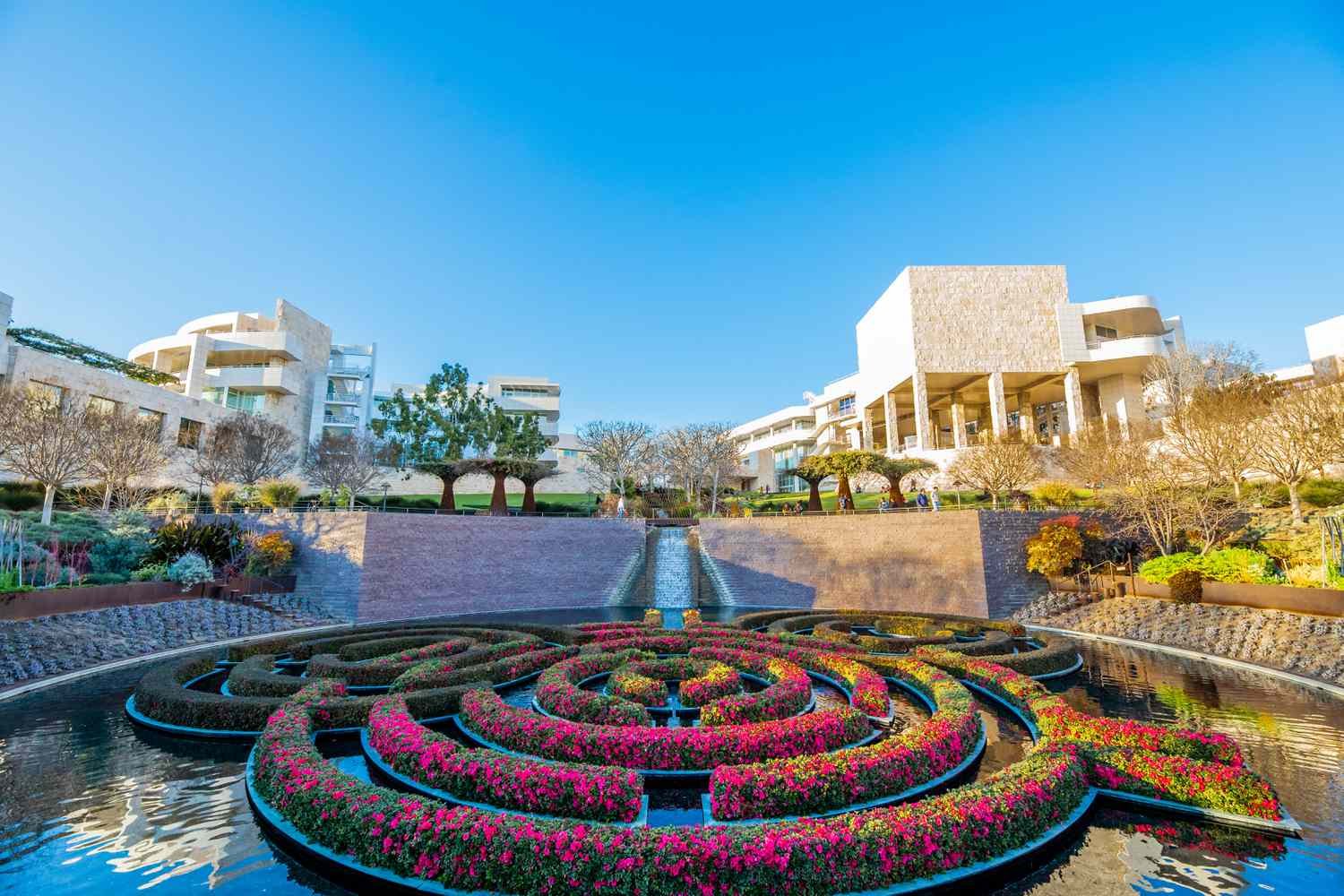
- The Getty Center sits high above the 405 freeway in Brentwood and is one of the finest free museums in the world. The architecture by Richard Meier is spectacular, the gardens are immaculate, and the collection — European paintings, drawings, sculptures, decorative arts, illuminated manuscripts — is serious. Parking is $20 but entry is free. Go in the morning before the crowds build.
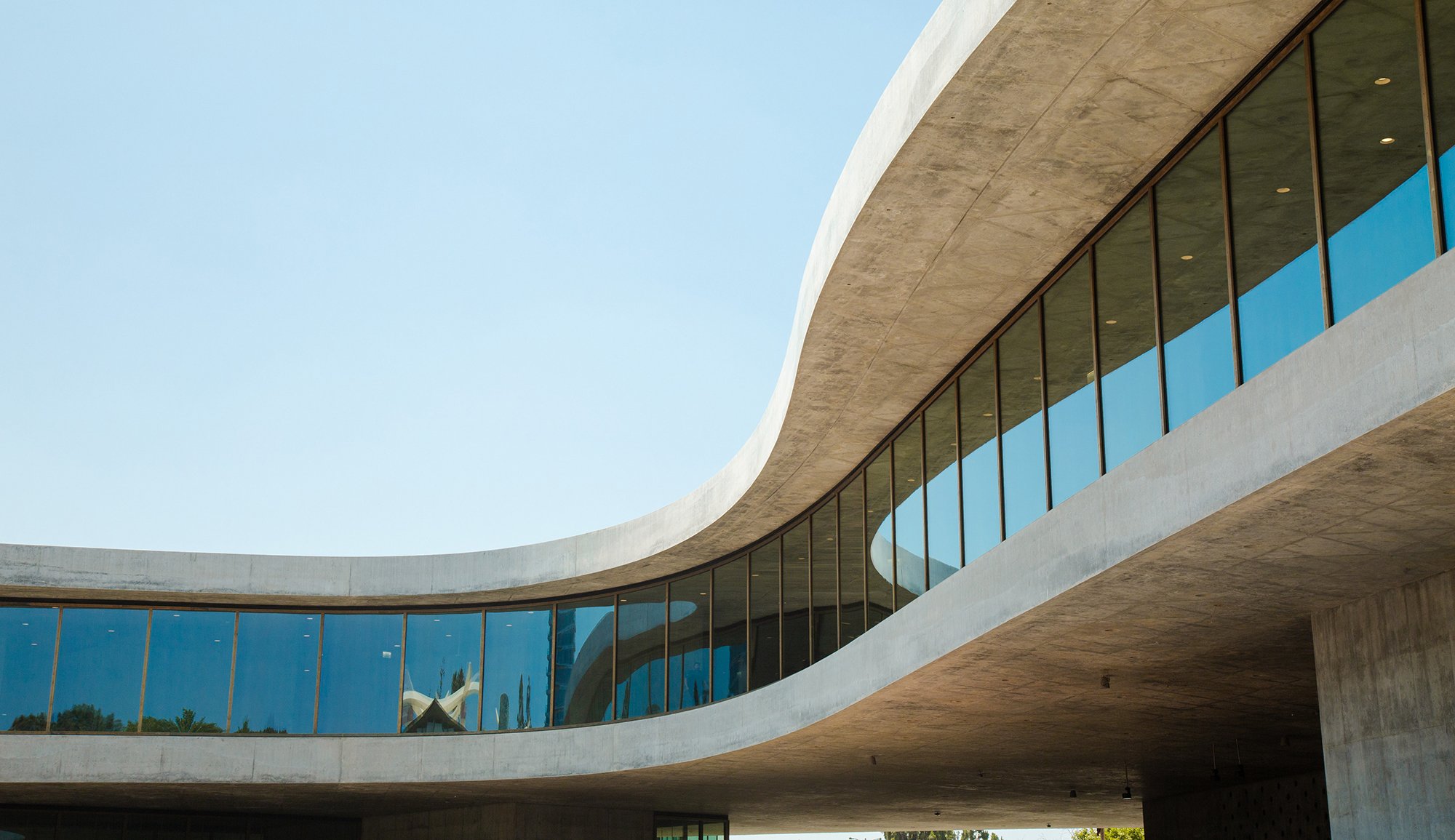
- LACMA (Los Angeles County Museum of Art) on the Miracle Mile has just completed its long-awaited transformation. After nearly two decades of planning, five years of construction and $724 million, LACMA's new David Geffen Galleries are now open — a massive Peter Zumthor-designed concrete structure that crosses Wilshire Boulevard like a bridge, with over 2,500 works on display from the permanent collection. The non-hierarchical arrangement encourages wandering rather than following a prescribed route. The Urban Light installation outside — 202 antique street lamps — remains one of the most photographed spots in the city.
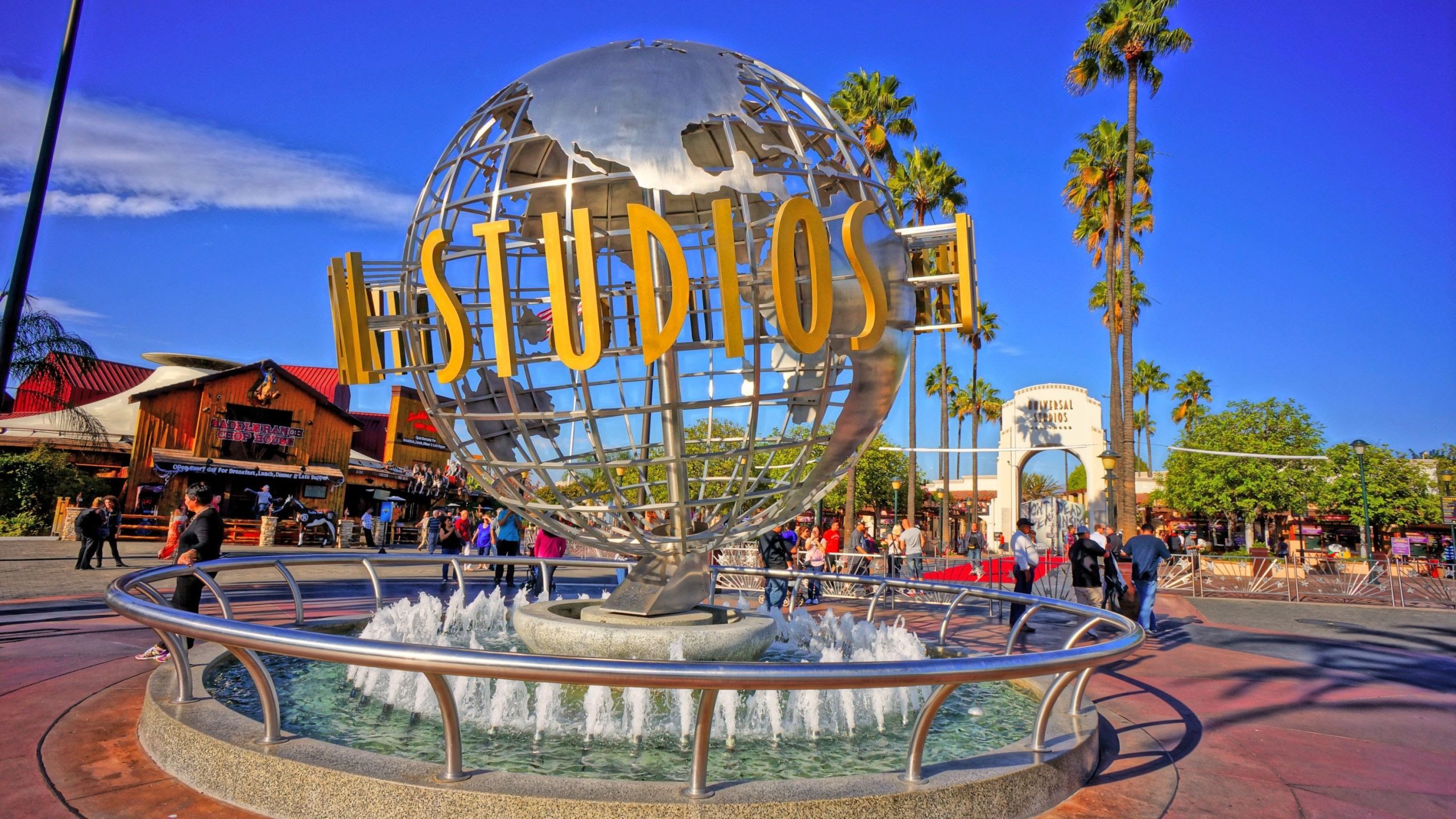
- Universal Studios Hollywood is LA's answer to the Gold Coast's theme park corridor — immersive, high-production, and genuinely thrilling. The Wizarding World of Harry Potter is the showpiece. In 2026, Fast & Furious: Hollywood Drift joins as the park's first-ever high-speed outdoor roller coaster, adding genuine thrill-ride credentials to what was already an excellent entertainment day.
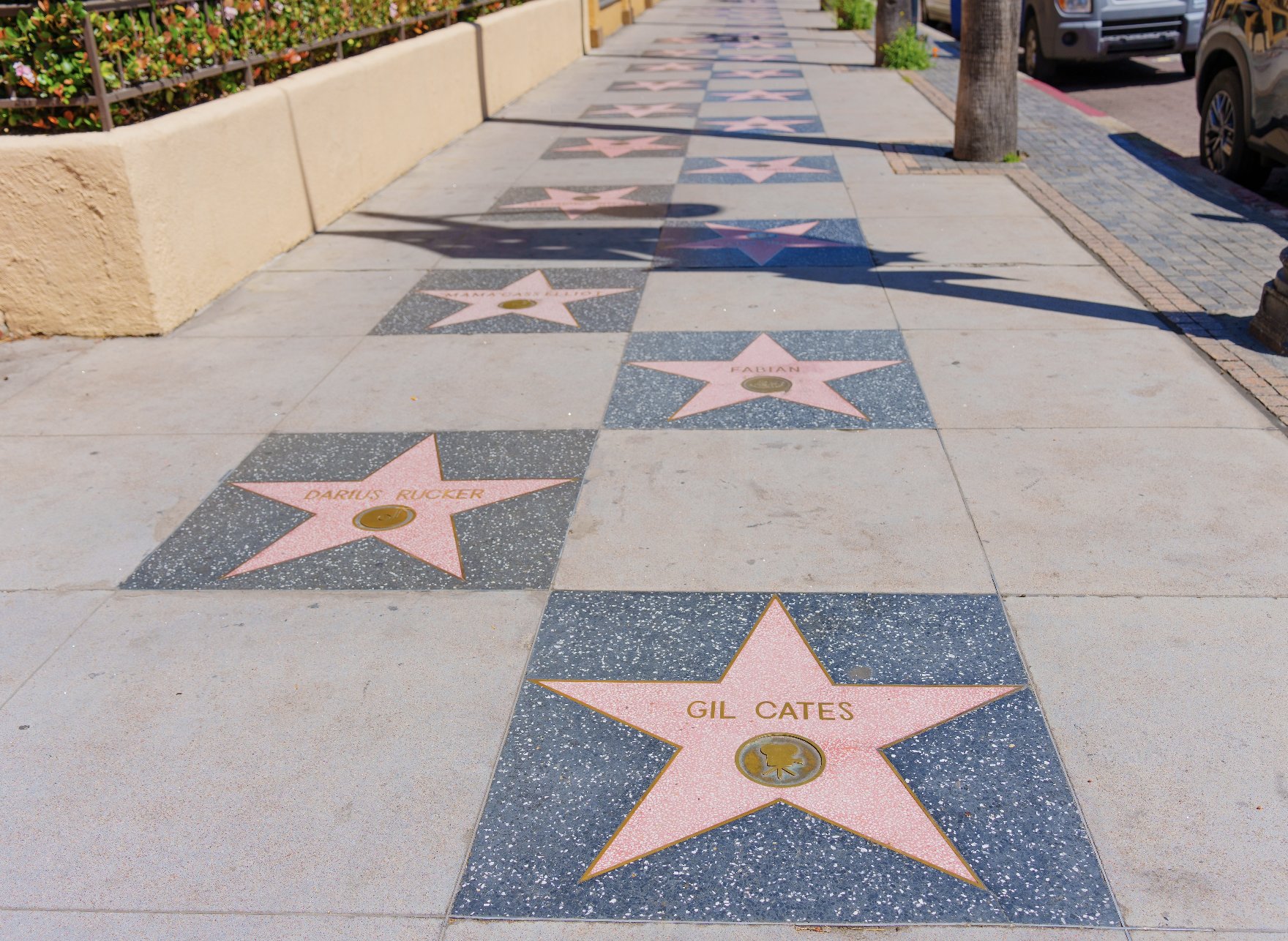
- The Hollywood Walk of Fame on Hollywood Boulevard is simultaneously overrated and completely worth doing — mostly because it's free, it takes an hour, and it puts you in the middle of a neighbourhood that has more layers of film history per metre than anywhere else on Earth. Walk it in the morning before it gets crowded. Then go up to the Dolby Theatre (home of the Oscars) and TCL Chinese Theatre, where hand and footprints in cement from a century of Hollywood royalty are set into the forecourt.
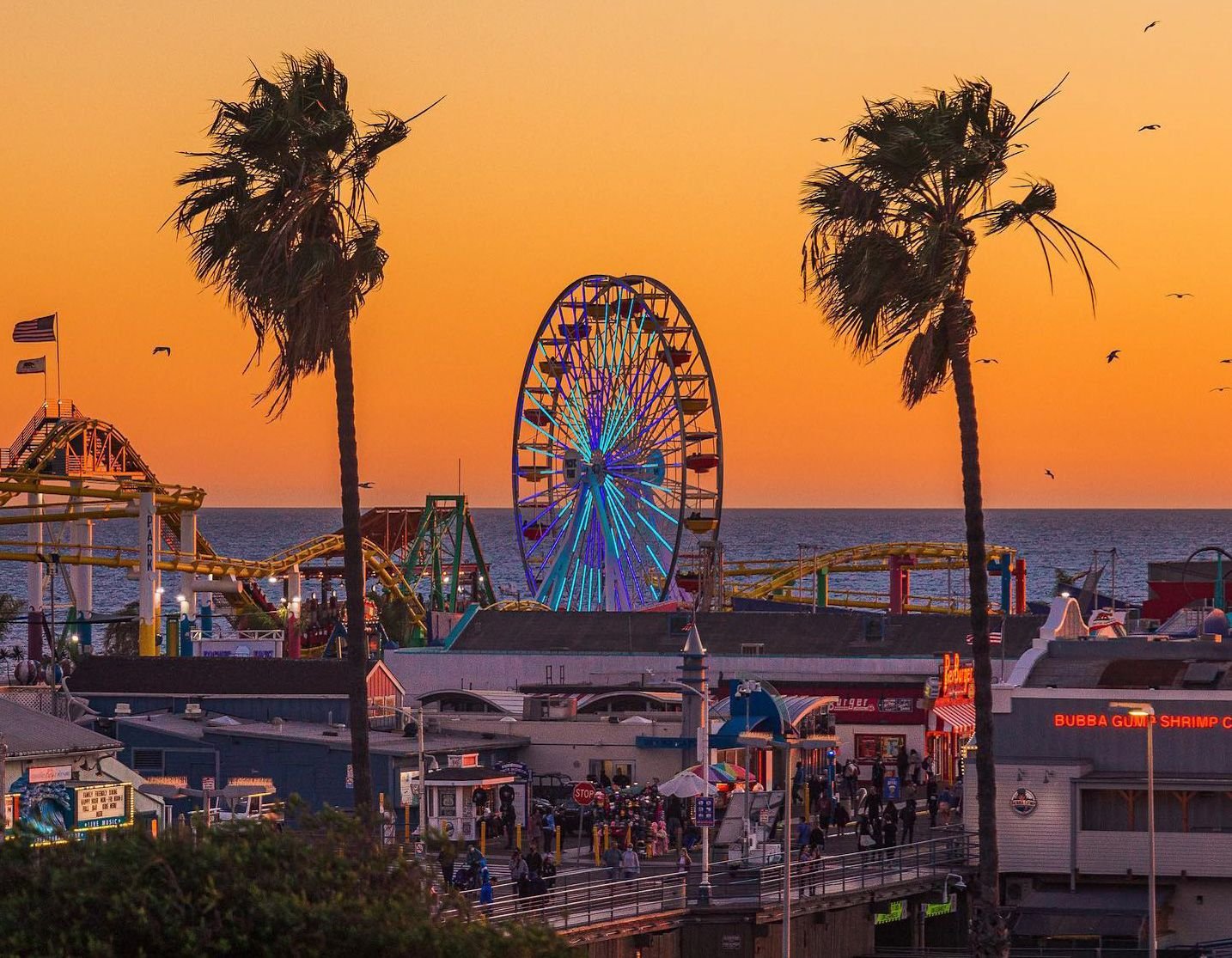
- Santa Monica Pier is the western end of Route 66 and a piece of genuine American cultural history. The Pacific Park amusement park on the pier is fun without being serious. The beach either side is excellent. The Third Street Promenade stretching inland is three blocks of pedestrian shopping, street performers, and restaurants. Don't make it your whole day, but don't skip it either.
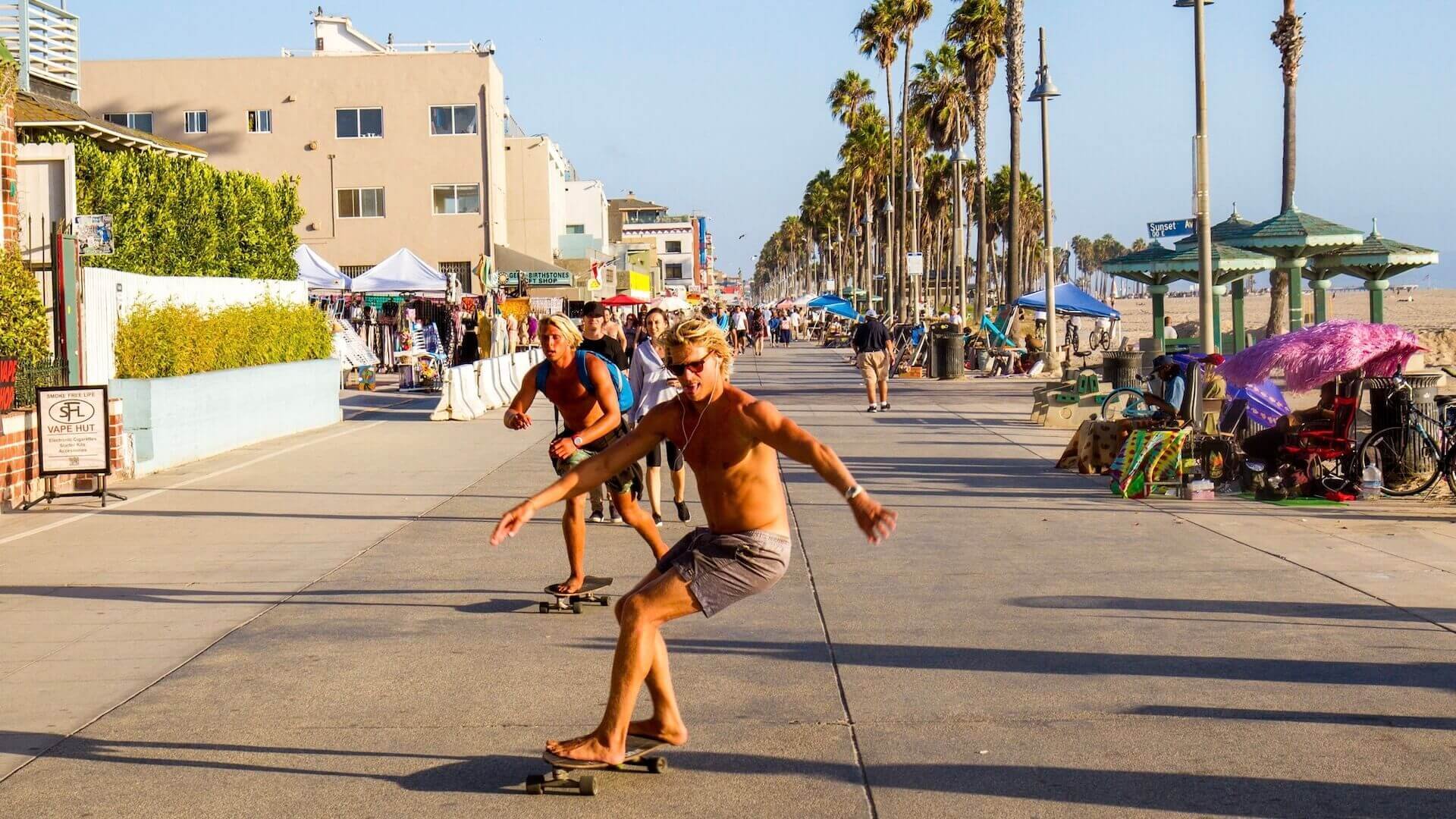
- Venice Beach Boardwalk is Los Angeles at its most unfiltered — bodybuilders at Muscle Beach, street performers, artists selling work, skaters at the famous skate park, psychics, and tattoo parlours all compressed into a mile of beachfront. It's chaotic and completely alive. Walk it, then head one block inland to Abbot Kinney Boulevard for the actual best of Venice — independent boutiques, excellent coffee, and restaurants worth planning a meal around.
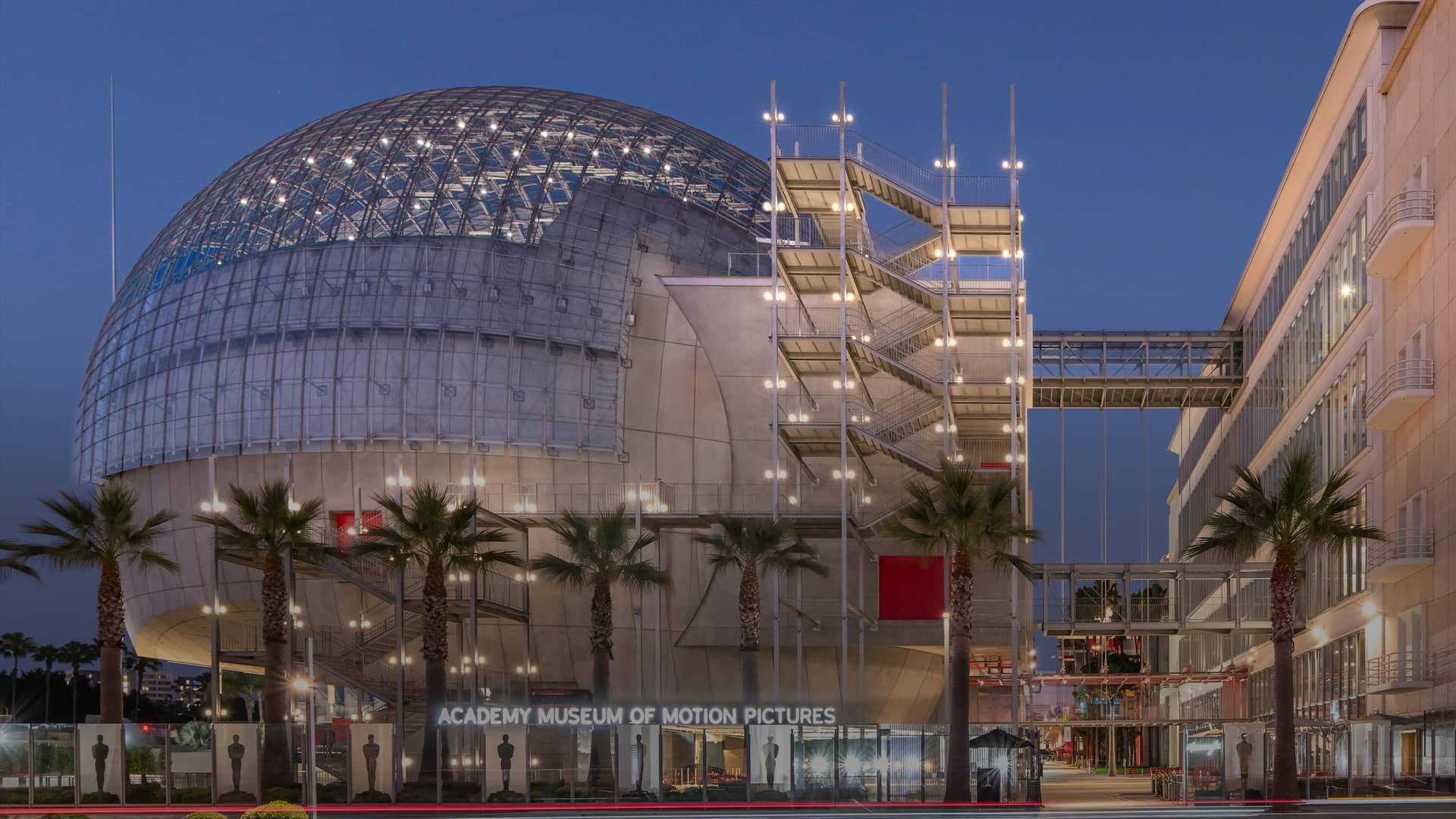
- The Academy Museum of Motion Pictures on the Miracle Mile is the museum the entertainment industry deserved for a long time. The exhibits trace the history of cinema with genuine depth and a standout collection of costumes, props, and original artworks. The spherical glass structure housing the Dolby Family Terrace is architecturally extraordinary and worth the visit alone.
- The Lucas Museum of Narrative Art in Exposition Park opens September 22, 2026, with a permanent collection of more than 40,000 works including paintings by Rockwell and N.C. Wyeth, along with Hollywood memorabilia from Star Wars, Indiana Jones, and beyond — all in a dramatic new building on an 11-acre campus. One of the most anticipated museum openings in the city in years.
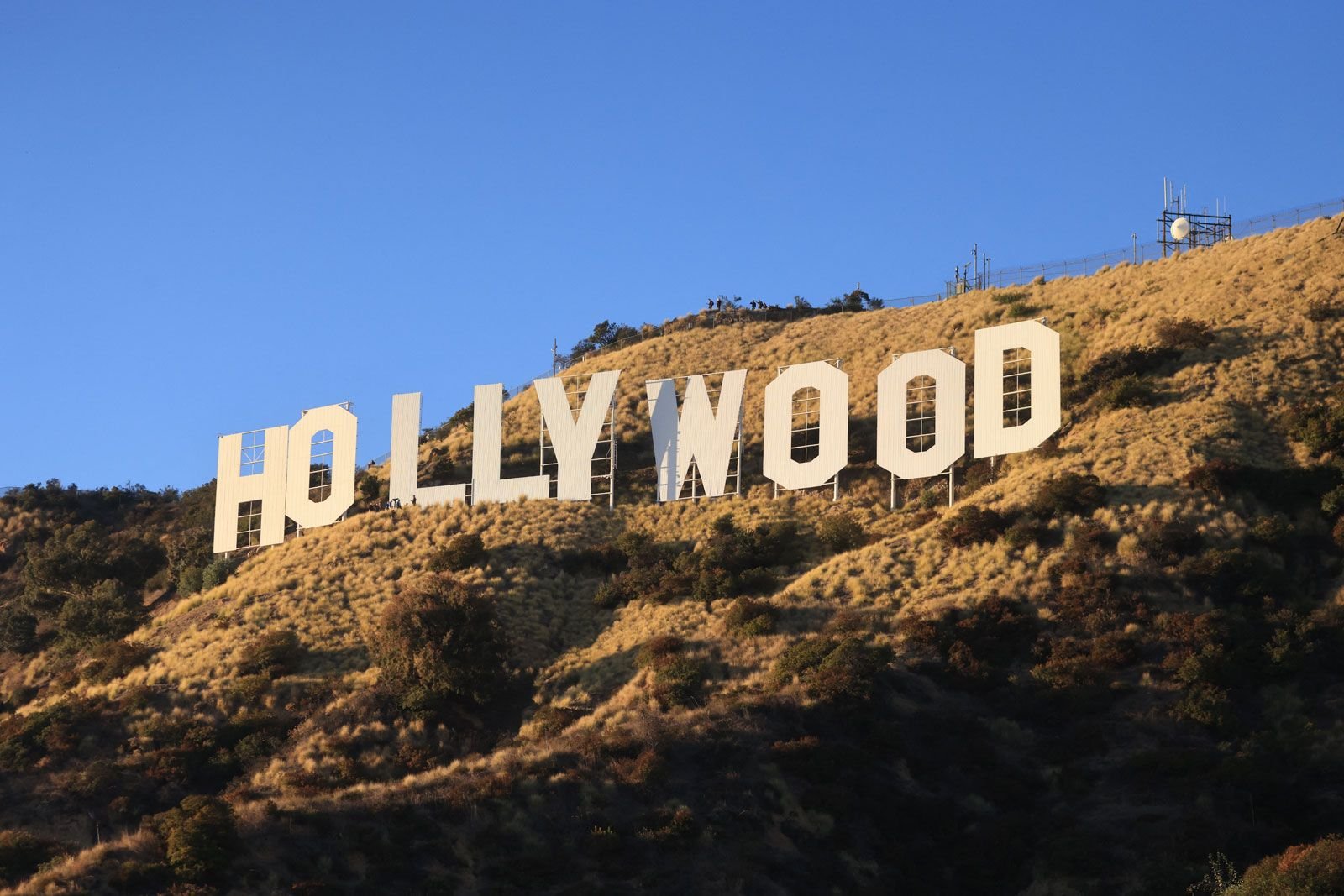
- Hiking the Hollywood Sign is more accessible than most people realise. Trails through Griffith Park lead up to viewpoints above the sign — the Mount Hollywood Trail and the Brush Canyon Trail are both popular. You can't touch the sign itself (it's fenced), but the views from the surrounding hills over the entire LA basin are worth every uphill step.


The Beaches of Los Angeles
LA's coastline runs roughly 75 miles from Malibu in the north to the Palos Verdes Peninsula in the south, and no two stretches of it feel quite the same.
- Malibu is the one that everyone pictures. It bluffs over the Pacific, celebrity homes, and some of California's most beautiful stretches of sand. El Matador State Beach (accessed by a short cliff path) is wild, rocky, and spectacular. While the Zuma Beach is wide, clean, and family-friendly. The drive up the Pacific Coast Highway (PCH) from Santa Monica is one of the great coastal drives anywhere.
- Santa Monica Beach is the most accessible and best-served beach in the city. It is wide and clean, with the pier at one end and well-maintained facilities throughout. It tends to be cleaner and calmer than Venice immediately to the south, making it better for families.
- Venice Beach is wilder, livelier, and more interesting. It has the Boardwalk, Muscle Beach, the skate park, and a proper surf break at the south end. It is best experienced as a complete neighbourhood rather than just a beach.
- Manhattan Beach, Hermosa Beach, and Redondo Beach are the South Bay trio. You get to see charming beach towns with a more residential, community feel than the tourist-heavy northern beaches. Manhattan Beach, in particular, has an excellent restaurant scene and one of the prettiest piers in LA.
- El Porto (the northern end of Manhattan Beach) and Topanga Beach are the surfers' picks, with consistent breaks. It is also less crowded than the more famous spots.
Food, Drinks & Where to Eat
Los Angeles has one of the most underrated food scenes on the planet. Climate, immigration, and access to the Central Valley's extraordinary produce have built a city that can genuinely compete with New York, Tokyo, or Paris, depending on what you're eating. The golden rule: find a taco truck with a queue, order the al pastor or birria ($2–$4), and never eat anywhere that advertises itself primarily to tourists.
Markets & Food Halls
| Spot | Location | What to Know |
|---|---|---|
| Grand Central Market | Downtown LA | Historic indoor market hall with egg tostadas at Eggslut, Thai food, and proper Mexican. Best on a weekday lunch |
| Smorgasburg LA | ROW DTLA (Sundays) | Outdoor market, dozens of indie vendors, where new LA food ideas debut |
Neighbourhood Food Districts
| Neighbourhood | Speciality | Must-Try |
|---|---|---|
| Koreatown | Korean BBQ, late-night street food, boba | Park's BBQ for KBBQ |
| San Gabriel Valley (Alhambra, Monterey Park) | Best Chinese food outside of China | Din Tai Fung (Arcadia) for soup dumplings |
Breakfast & Brunch
| Spot | Location | Known For |
|---|---|---|
| Gjusta | Venice | Pastries, cured fish, and grain bowls |
| Sqirl | Silver Lake | Invented the ricotta toast category, everyone else copied |
Dinner
| Restaurant | Location | Vibe & Cuisine |
|---|---|---|
| Bavel | Arts District | Middle Eastern-inspired, stunning space |
| Bestia | Arts District | Italian-leaning, one of LA's best for years |
| n/naka | Culver City | Japanese kaiseki tasting menu, fine dining |
| Republique | La Brea | Modern French, reliably excellent middle ground |
Bars & Drinks
| Bar | Location | Vibe |
|---|---|---|
| Cha Cha Lounge | Silver Lake (Sunset Junction) | Unpretentious, neighbourhood-local, great night out |
Day Trips Worth Taking
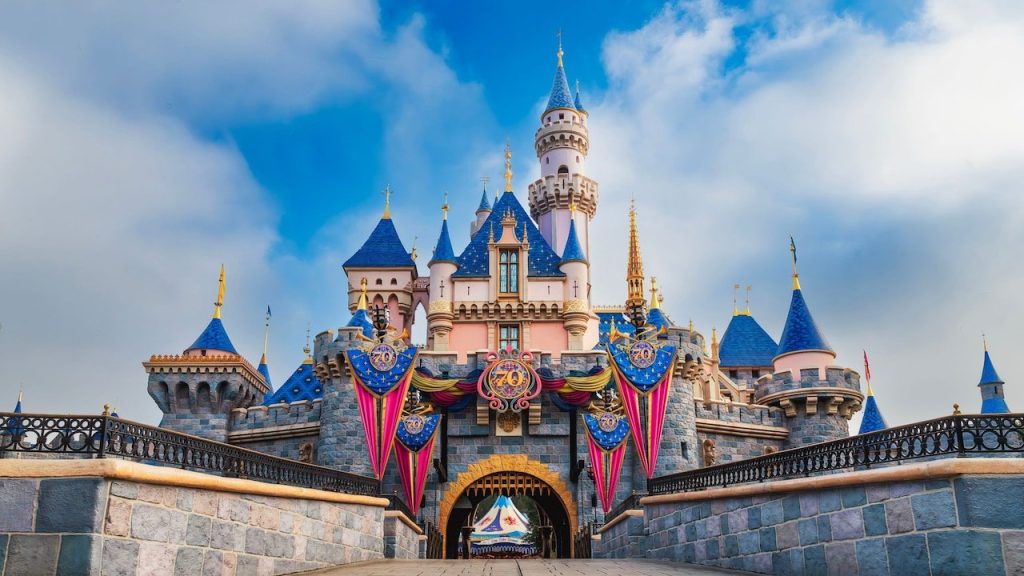
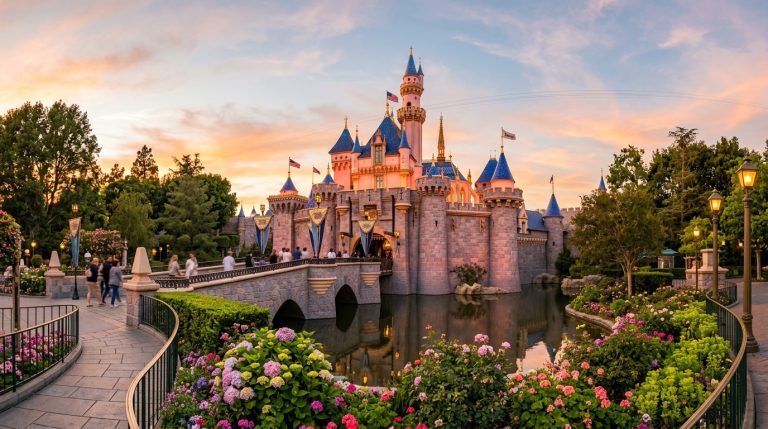
- Disneyland in Anaheim is about 40 minutes south (without traffic) and needs no introduction. A full day minimum, ideally two. It is completely worthwhile if you have children, and still genuinely fun without them.
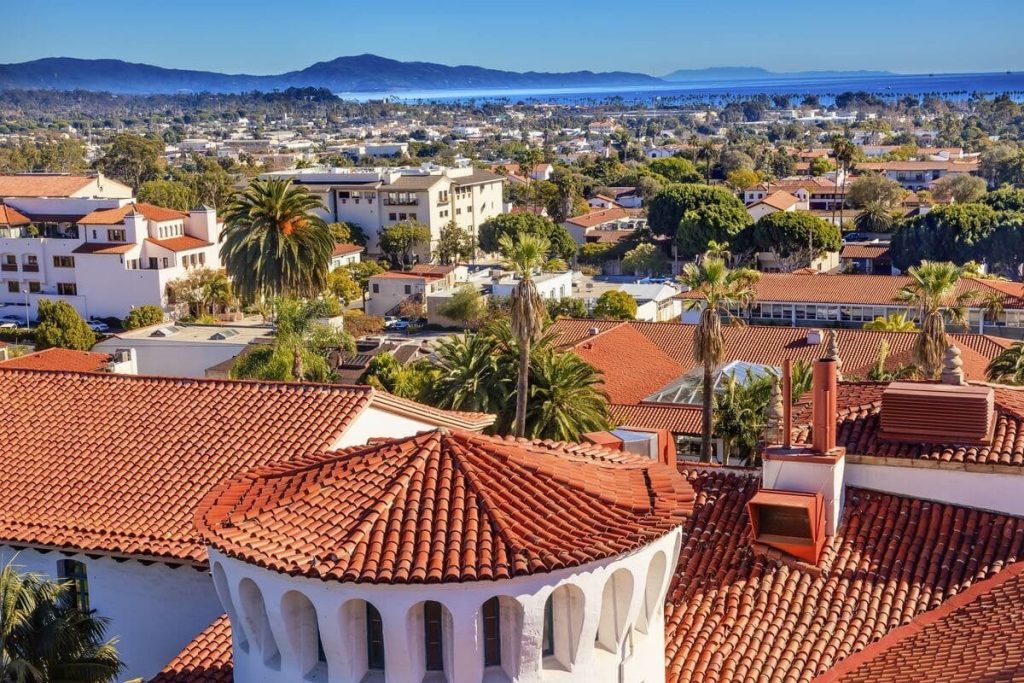
- Santa Barbara is 90 minutes north up the coast and is everything LA aspires to be in terms of beauty and calm. Spanish colonial architecture, excellent wine country nearby (the Santa Ynez Valley is 45 minutes further), and a beach setting that is arguably more beautiful than anything in the city itself. A perfect overnight.
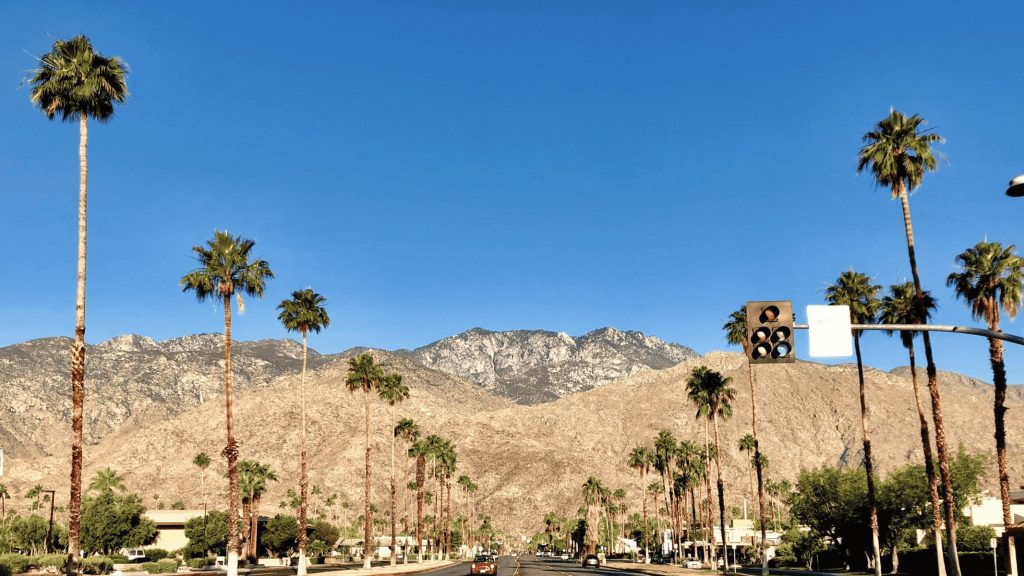
- Palm Springs is two hours east through the San Bernardino Mountains and feels like a different planet — mid-century modern architecture, desert silence, thermal pools, and a mountain tram that lifts you from desert floor to Alpine forest in 10 minutes. Wonderful in autumn and winter when LA's heat is gone and the desert is at its most beautiful.
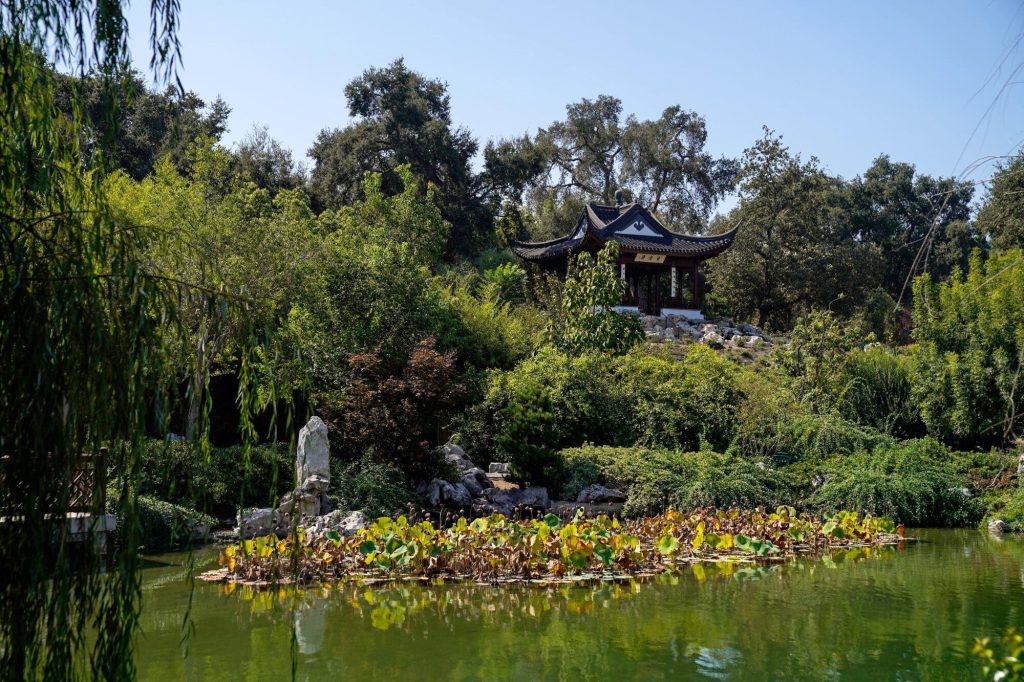
- The Huntington Library, Art Museum, and Botanical Gardens in Pasadena is one of the most undervisited great institutions in Southern California — a 207-acre estate with botanical gardens, a world-class art collection including Gainsborough's Blue Boy, and one of the finest research libraries in the US. A beautiful, unhurried half-day.


Practical Tips Before You Go
- Traffic on the 405 and I-10 is as bad as the reputation. Always check Google Maps live traffic before every drive, never after you're already on the freeway
- Pre-book parking via SpotHero or ParkWhiz near beaches and museums. Expect to pay $20–$30 without it
- Cash is essential at taco trucks, markets, and street food stalls. Keep $20–$40 in small bills on you at all times
- Book dinner reservations on Resy or OpenTable at least a week ahead, or two weeks for the most popular spots. Walk-ins at good LA restaurants are increasingly rare
- SPF 50+ is non-negotiable year-round. LA's UV index is high even on overcast days, and you will burn faster than you expect
- The Pacific Ocean is colder than it looks. Water temperatures sit at 15–20°C year-round, so don't expect a warm swim
- Plan each day around one neighbourhood. Most areas don't connect on foot, and trying to cover multiple in a day means spending half your trip on the freeway
- Best time to visit: Autumn (September–November) for the best weather and fewer crowds; Spring (March–May) for mild temperatures and good value; Summer for events, but expect peak prices; Winter for the lowest hotel rates, and avoid July 4th weekend and Thanksgiving week entirely
Los Angeles doesn't give itself up easily. It takes a day or two to stop feeling overwhelmed by the size of it, to stop looking for a centre that isn't there, and to start understanding that the magic is in the neighbourhoods, the taco truck you find by accident, the Griffith Observatory at golden hour, the stretch of PCH just north of Malibu with the sun dropping into the Pacific. Once it clicks, it really clicks.
So stop overthinking it and start booking! Head to Thrillark for tickets to LA's best attractions, theme parks, and experiences, and build the trip this city deserves.
Frequently Asked Questions
Is Griffith Observatory worth visiting, and do you need to book tickets?
Griffith Observatory is one of the best free experiences in Los Angeles, perched in the Hollywood Hills with unobstructed views of the Hollywood Sign, the entire LA basin, and the Pacific Ocean on clear days. Entry to the building and grounds is completely free, though the Samuel Oschin Planetarium shows require a ticket, which can be purchased on arrival. The best time to go is late afternoon to catch sunset from the terrace, then stay for the city lights that spread out below you in every direction.
Do you need a car to get around Los Angeles?
A car makes everything significantly easier in LA, particularly for beach trips, Malibu, Griffith Park, and anything outside the central corridor. The city was designed around driving, and it shows. However, if you're based in Santa Monica, Venice, West Hollywood, or Downtown, it's genuinely possible to manage with a combination of the Metro, rideshare, and cycling for most of your trip. The TAP card covers the Metro network for $7/day or $25/week, and Uber and Lyft are widely available. The key is choosing a base neighbourhood thoughtfully so your daily travel radius is manageable.
Is Universal Studios Hollywood worth visiting?
Universal Studios Hollywood is a genuinely excellent theme park day, anchored by the Wizarding World of Harry Potter, which remains one of the most immersive theme park experiences in the world, plus the classic Studio Tour, which takes you behind the scenes of over a century of film and TV production on the actual Universal backlot. In 2026, the addition of Fast & Furious: Hollywood Drift, the park's first high-speed outdoor roller coaster, adds a new headline attraction. A full day is needed, and arriving at opening to hit Harry Potter before queues build is the single best piece of strategic advice.
What is the best beach in Los Angeles for first-time visitors?
Santa Monica Beach is the most accessible and best-served beach in the city for first-time visitors. It is wide, clean, well-patrolled, with the iconic pier at one end and excellent facilities throughout. For something more atmospheric and characterful, Venice Beach immediately south offers the Boardwalk, Muscle Beach, and Abbot Kinney Boulevard, all within walking distance, making it a richer neighbourhood experience. For beauty that rivals anything in the Pacific, El Matador State Beach in Malibu is worth the 40-minute drive north.
What should you eat in Los Angeles that you can't get like this anywhere else?
The LA street taco is the non-negotiable starting point. Find a truck with a line, order the al pastor or birria, and accept that nothing you eat at a restaurant with a tourist-facing menu will come close. Grand Central Market in Downtown is the best single place to sample the city's food culture across multiple cuisines in one visit. For the full cultural immersion, a Sunday at Smorgasburg LA at ROW DTLA gives you dozens of independent food vendors in an outdoor setting that captures exactly how creatively and seriously Los Angeles takes its eating.
Is the new Lucas Museum of Narrative Art worth visiting?
The Lucas Museum of Narrative Art opens in Exposition Park on September 22, 2026, and immediately becomes one of the most significant cultural institutions in the city. It is a $1 billion building housing George Lucas's personal collection of over 40,000 works, including paintings by Norman Rockwell and N.C. Wyeth alongside Star Wars and Indiana Jones memorabilia, and a broader survey of narrative art across media and cultures. The building itself, designed by Ma Yansong, is architecturally extraordinary, set on an 11-acre campus with new green space in Exposition Park adjacent to the California Science Center and Natural History Museum. If your trip falls after September 22, put this at the top of your list.
Browse by themes
Attractions in Los Angeles