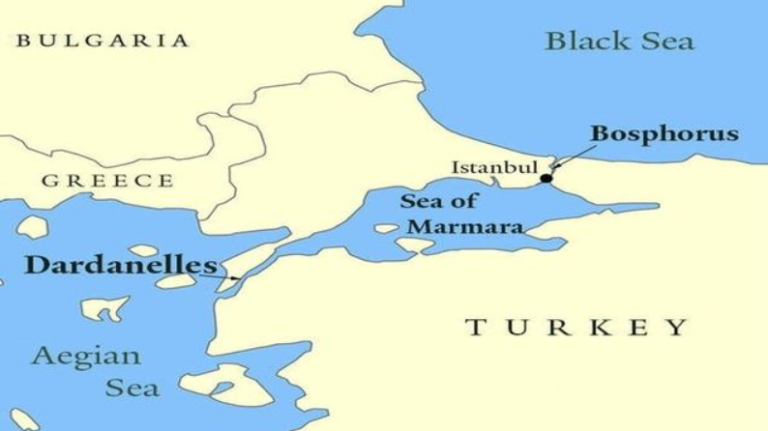
Istanbul is the most famous city in the world to sit on two continents, and it carries that distinction not as a geographical footnote but as its entire identity. The Bosphorus Strait running through its heart divides Europe from Asia, and the city has been the crossroads of both for 2,700 years.
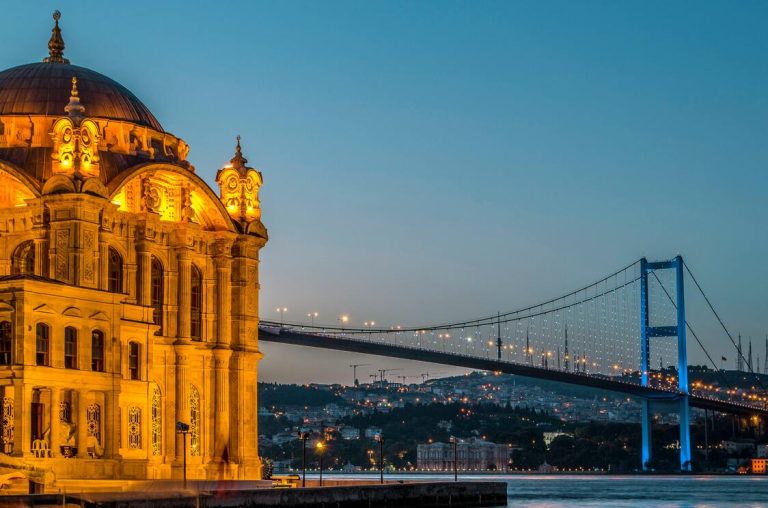
It was Byzantium, then Constantinople, then Istanbul, and traces of every era are still visible in the skyline that greets you from the water. You get to see the Blue Mosque and Hagia Sophia shoulder to shoulder on the European shore, the Topkapi Palace above them, the Galata Tower across the Golden Horn, and the Bosphorus Bridge arching over the water connecting the two continents at a single point.
It is also one of the most alive and most energetic cities in the world with 15 million people, a street food culture of extraordinary invention, bazaars where you can buy a handmade carpet or a kilo of saffron with equal ease, a hammam culture that pre-dates the Ottoman Empire, and a tea-drinking pace of life that coexists with a relentlessly modern commercial energy.
Give Istanbul four days at a minimum. The historic peninsula alone takes two full days to do properly. What lies beyond it takes considerably longer.
Istanbul City Essentials
Entry Requirements for Istanbul
Citizens of most Western countries, including EU nations, the UK, the US, Canada, and Australia can now visit Turkey visa-free for tourist stays of up to 90 days within any 180-day period, following an expansion of Turkey’s visa exemptions in late 2023.
Indian nationals require a Turkish e-Visa obtained online at evisa.gov.tr before departure.
Always verify your specific requirements at evisa.gov.tr before booking flights, as conditions vary by passport and are subject to change.
Getting There and Getting Around
By air: Istanbul Airport (IST) is the main international gateway, 35 km northwest of the city centre. The metro M11 line connects the airport directly to the city’s rail network at Gayrettepe station, from where connections reach Taksim, Kabatas, and the tram network for Sultanahmet. The journey takes approximately 35 to 45 minutes. Taxis from the airport to the city centre take 45 to 90 minutes, depending on traffic, and cost significantly more. Sabiha Gokcen Airport (SAW) on the Asian side handles budget carriers. Shuttle buses and taxis connect it to the European city centre in about 60 to 90 minutes, depending on traffic.
Getting around the city:
- Istanbulkart: The rechargeable smart card used on all Istanbul public transport, including metro, tram, bus, funicular, and ferry. It is available at any metro or tram station. Tap on and tap off. It is significantly cheaper per journey than single tickets, and the most practical option for any visitor making more than a couple of journeys.
- Tram T1: The most useful single transit line for visitors, running from Bagcilar in the west through Eminonu and Sultanahmet to Kabatas on the Bosphorus waterfront. It covers the entire historic peninsula waterfront and connects to the Galata Bridge crossing.
- Metro: Multiple lines cover the European and Asian sides of the city. The M2 line connects Taksim Square northward through modern Istanbul. The Marmaray rail tunnel under the Bosphorus connects the European and Asian metro networks at Sirkeci and Uskudar.
- Funicular: There are two funicular lines: the historic Tunel (the world’s second-oldest underground railway, opened 1875) connecting Karakoy to Istiklal Avenue and the F1 connecting Kabatas to Taksim Square.
- Ferry: Istanbul’s ferry network is one of the most extensive in any city, crossing the Bosphorus and the Golden Horn on multiple routes. The Sehir Hatlari public ferries are cheaper than private operators. They all accept the Istanbulkart. Crossing the Bosphorus by ferry is one of the finest 20-minute journeys available anywhere in the world.
- Taxi: Available throughout the city. Confirm the meter is running before setting off. The yellow taxis are metered, so always insist on this. Uber also operates in Istanbul, but with varying availability.
- Dolmus: Shared minibus taxis running fixed routes. They are very cheap, slightly chaotic, and an authentic Istanbul experience.
Sultanahmet: The Historic Peninsula
Sultanahmet is the ancient heart of Istanbul, the area of the historic peninsula where the Ottoman, Byzantine, and Roman empires left their most concentrated monuments within walking distance of each other. It is where most first-time visitors spend the majority of their time, and correctly so.
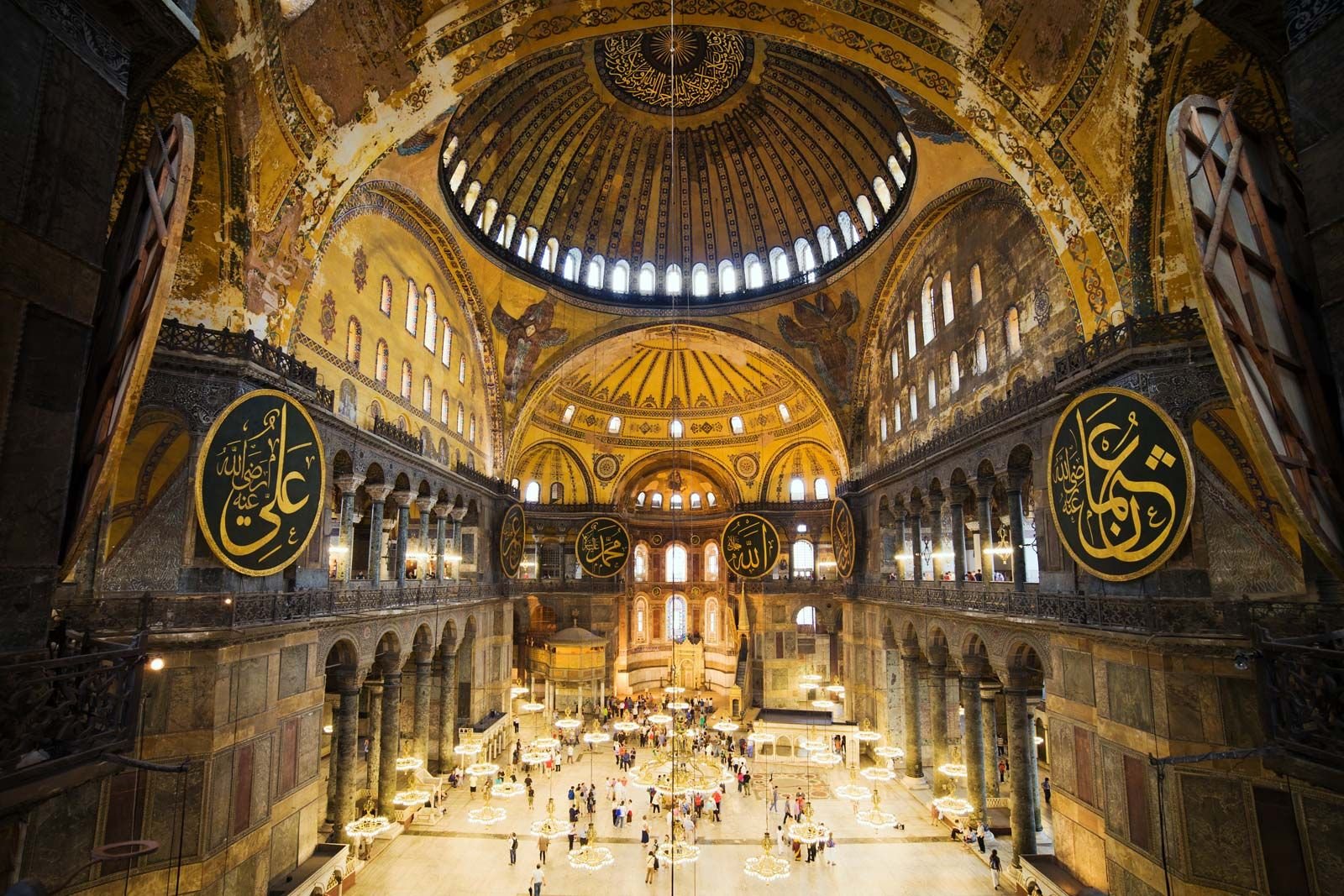
- Hagia Sophia (Ayasofya) is the most extraordinary building in Istanbul and arguably one of the most significant buildings on Earth. Built by the Byzantine Emperor Justinian I and completed in 537 AD, it was for nearly a thousand years the largest cathedral in the world and a marvel of engineering whose 31-metre dome was the widest in existence at the time of construction. Converted to a mosque by Mehmed the Conqueror in 1453, it was made a museum in 1934 and reconverted to a functioning mosque in 2020. It remains open to visitors outside prayer times. Non-Muslim and foreign visitors enter through a dedicated upper-gallery entrance and pay an entry fee of €25 per person (introduced in January 2024). A modest dress covering shoulders and knees is required, and women must cover their heads. The interior, with its soaring dome, semi-domes, walls of marble, and surviving Byzantine gold mosaics, is genuinely overwhelming on first sight.
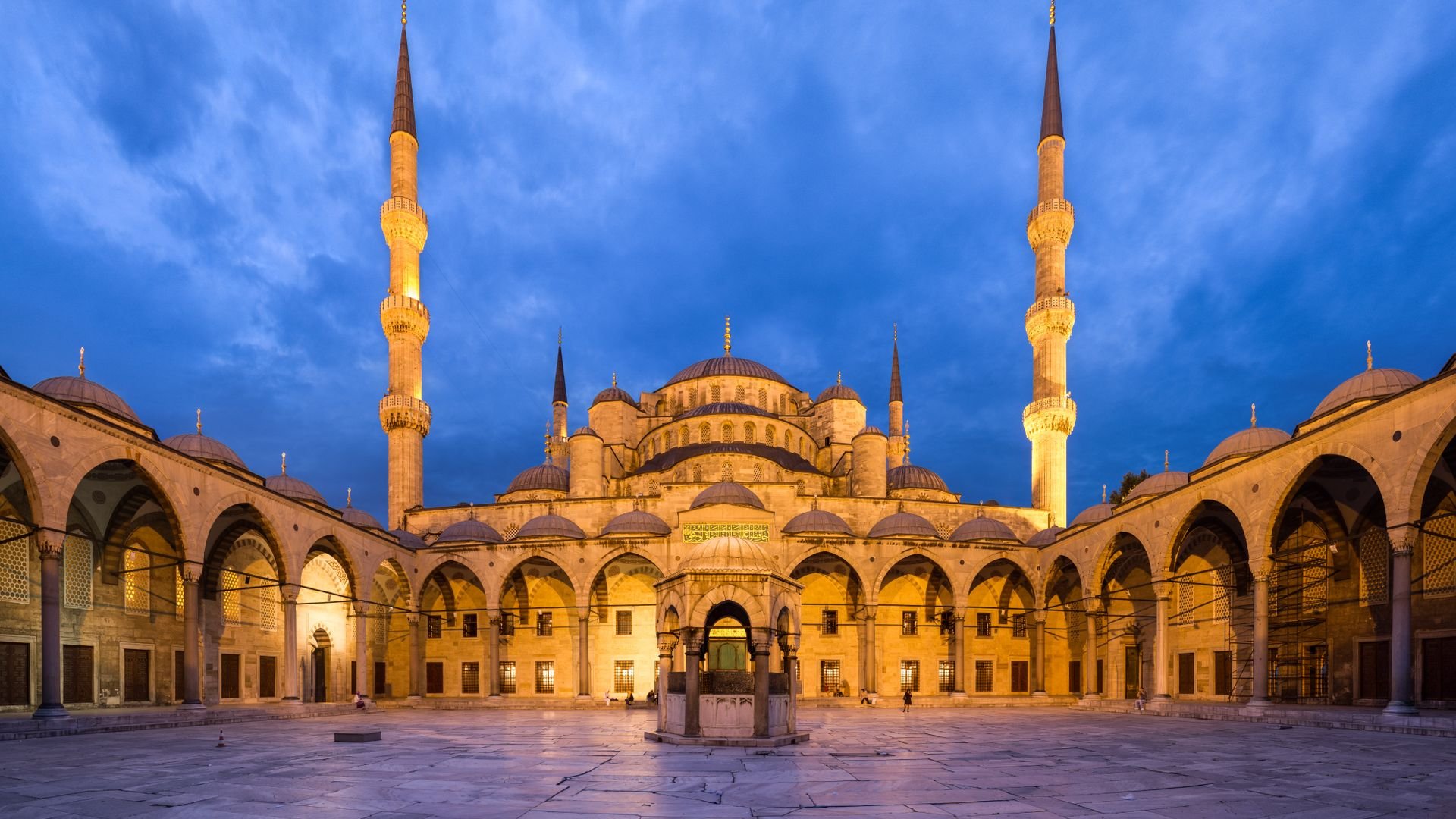
- The Blue Mosque (Sultan Ahmed Mosque) stands directly across the Sultanahmet Square from Hagia Sophia, completed in 1616 during the reign of Sultan Ahmed I. Its six minarets, extraordinary central dome, and the 21,043 hand-painted Iznik tiles that cover the interior walls (their blue tones giving the mosque its popular name) make it one of the most beautiful buildings in the Islamic world. It remains an active place of worship, so you can visit outside the five daily prayer times. Dress requirements are the same as for Hagia Sophia. Coverings are available to borrow at the entrance. Entry is free.
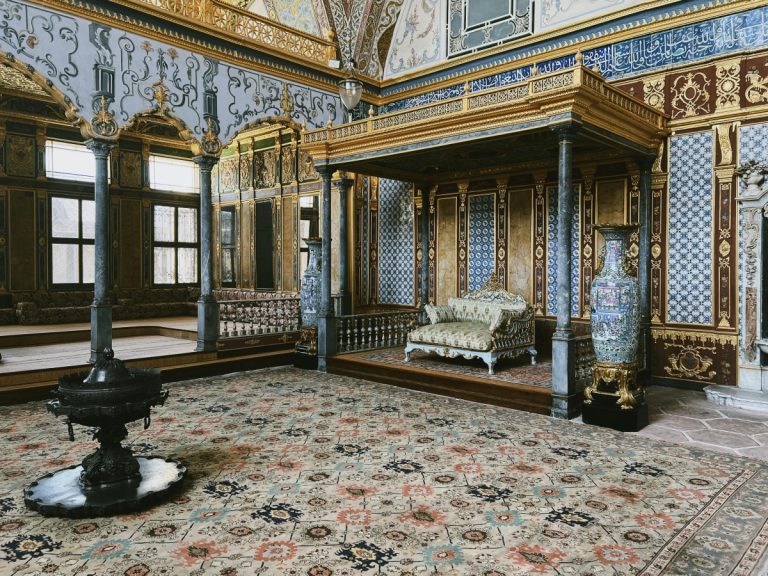
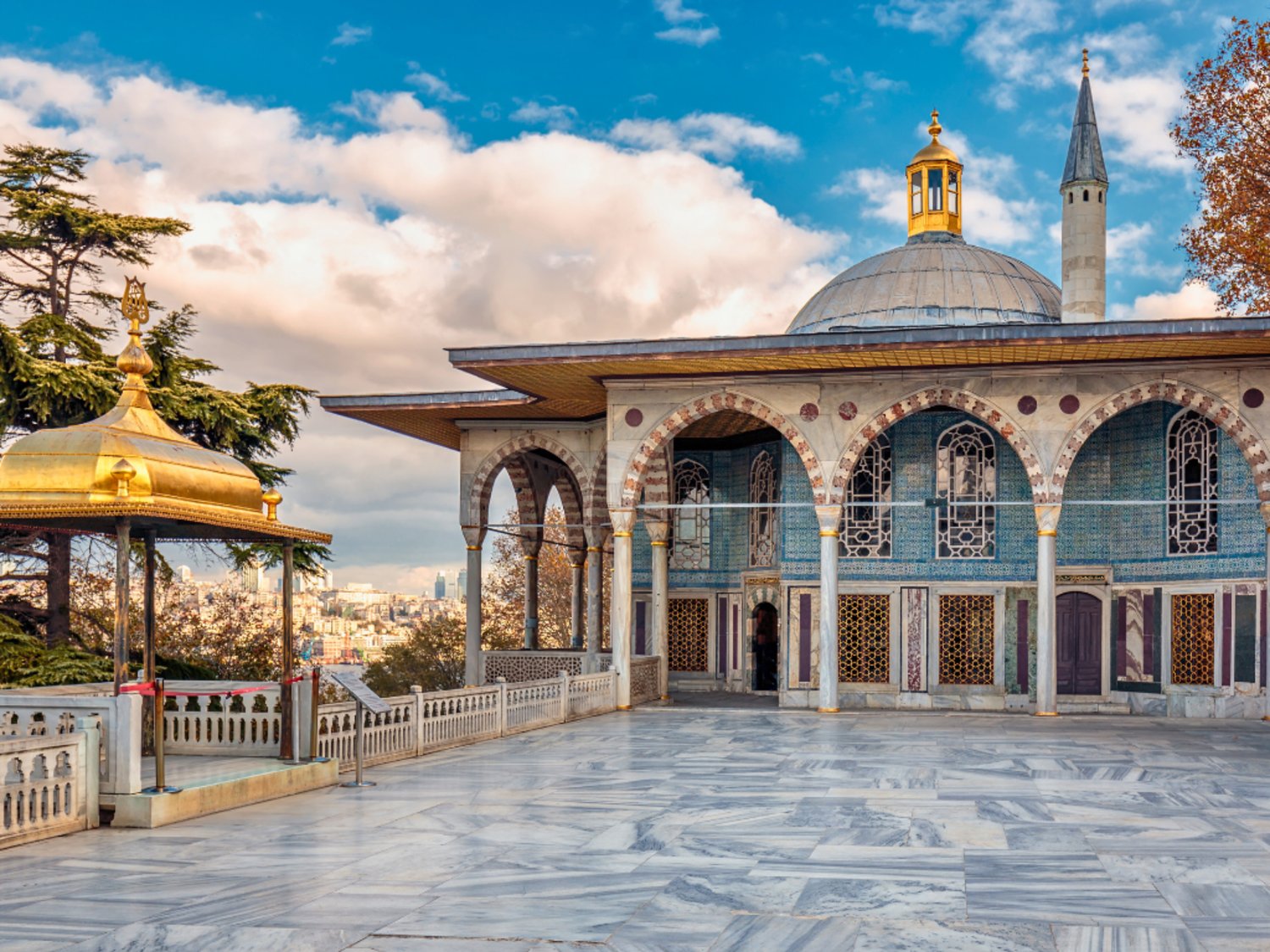
- Topkapi Palace (Topkapi Sarayi) on the promontory above the Bosphorus was the administrative centre and royal residence of the Ottoman Empire for four centuries, from 1465 to the 19th century. The complex covers 700,000 square metres and contains four main courtyards with pavilions, kitchens, armories, and the Imperial Treasury and Harem. The Treasury houses sacred relics, including the Prophet Muhammad's cloak, sword, and footprint, as well as extraordinary gem-encrusted artifacts from across Ottoman imperial history. The Harem section requires a separate ticket and can be explored independently with an audio guide or with an optional guided tour for greater historical depth. Allow at least half a day, but a full day with the Harem is recommended.
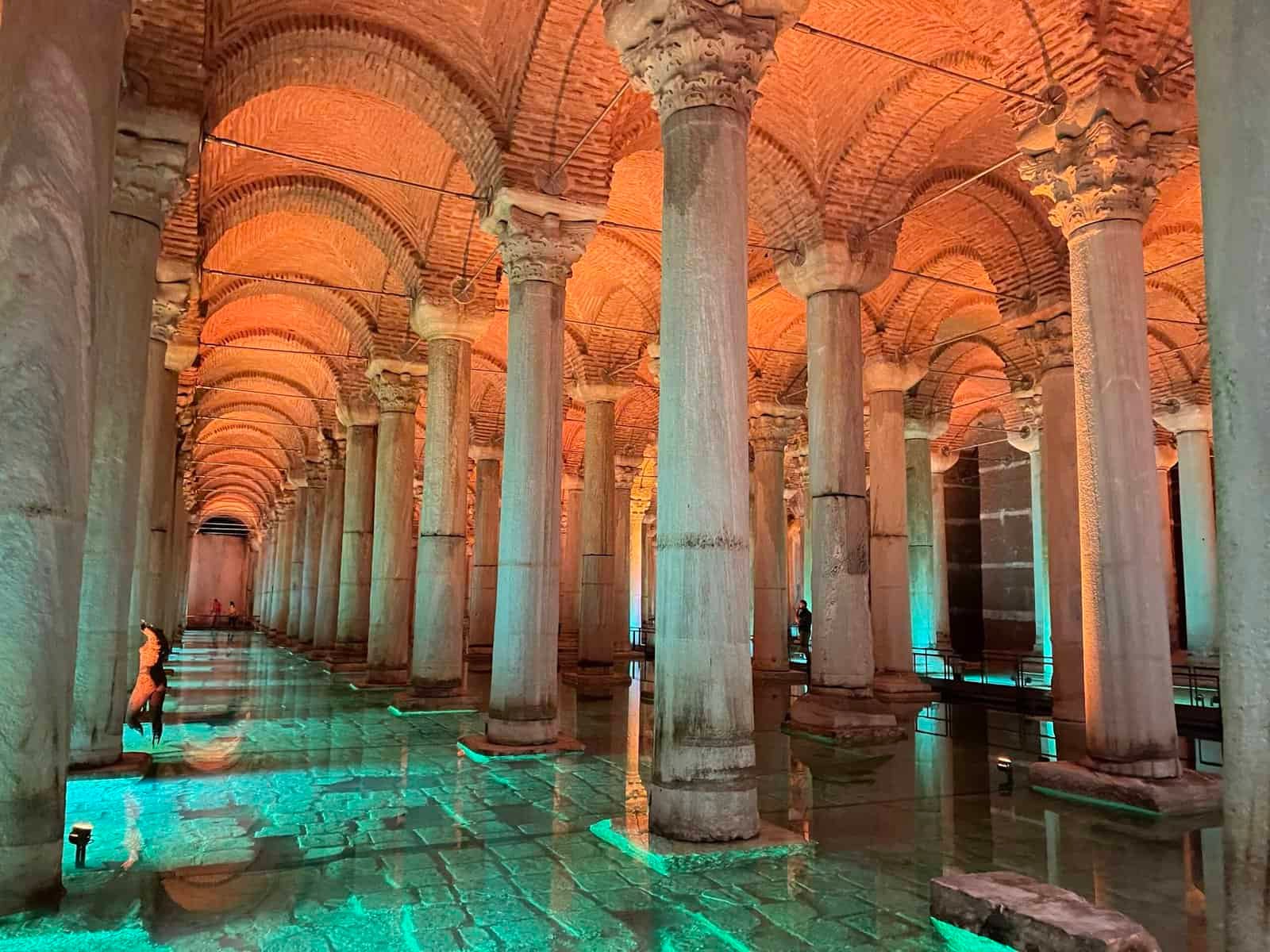
- Basilica Cistern (Yerebatan Sarnici) is the largest surviving Byzantine cistern in Istanbul, an underground reservoir completed in 532 AD, covering 9,800 square metres and supported by 336 marble columns arranged in 12 rows. The two Medusa heads at the base of columns in the northwest corner, one inverted and one on its side, are among the most photographed and most mysterious artifacts in the city. The cistern once held 80,000 cubic metres of water for the Great Palace of Constantinople and remained in use through the Ottoman period. The atmospheric lighting, the reflection of the columns in the shallow water, and the carp swimming between the column bases make this one of the most distinctive indoor experiences in Istanbul. Book your tickets in advance because queues can be significant during peak season.
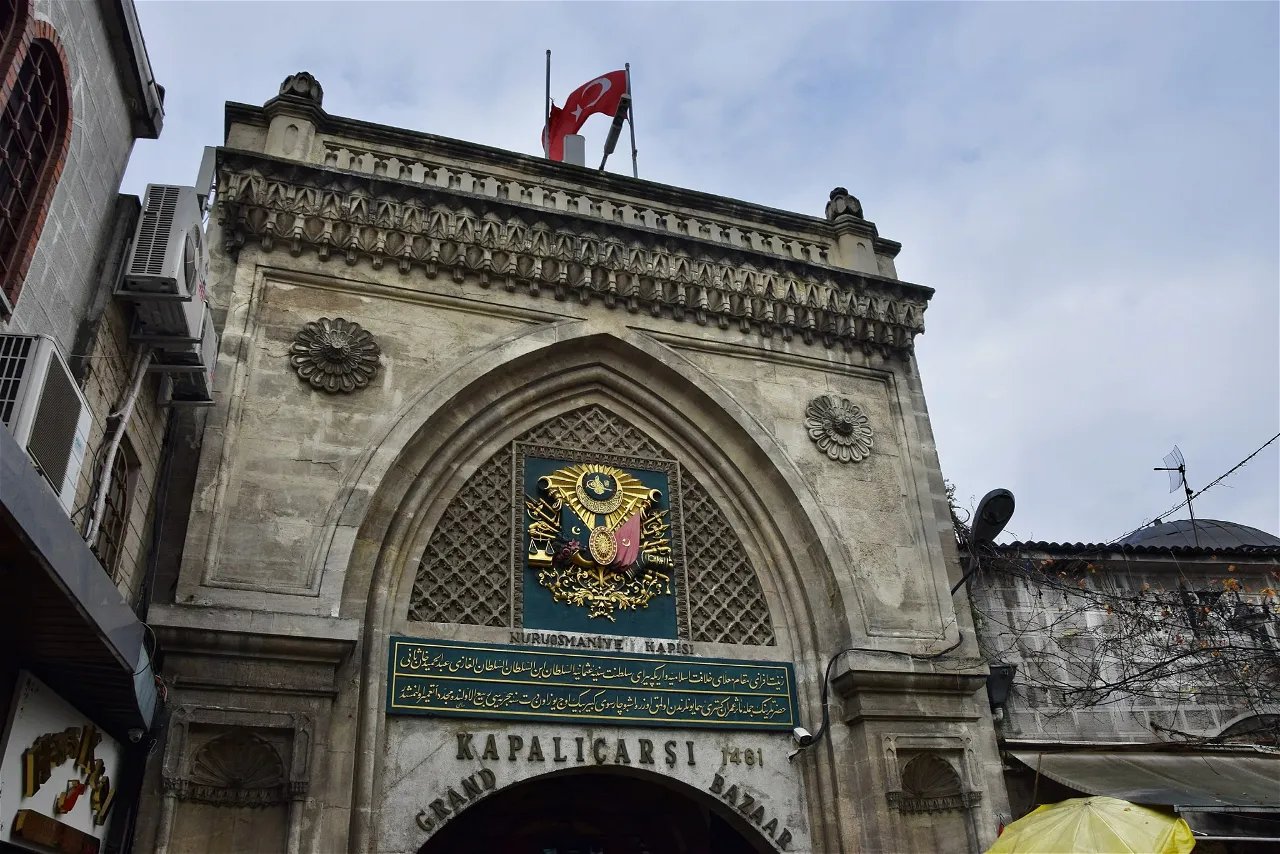
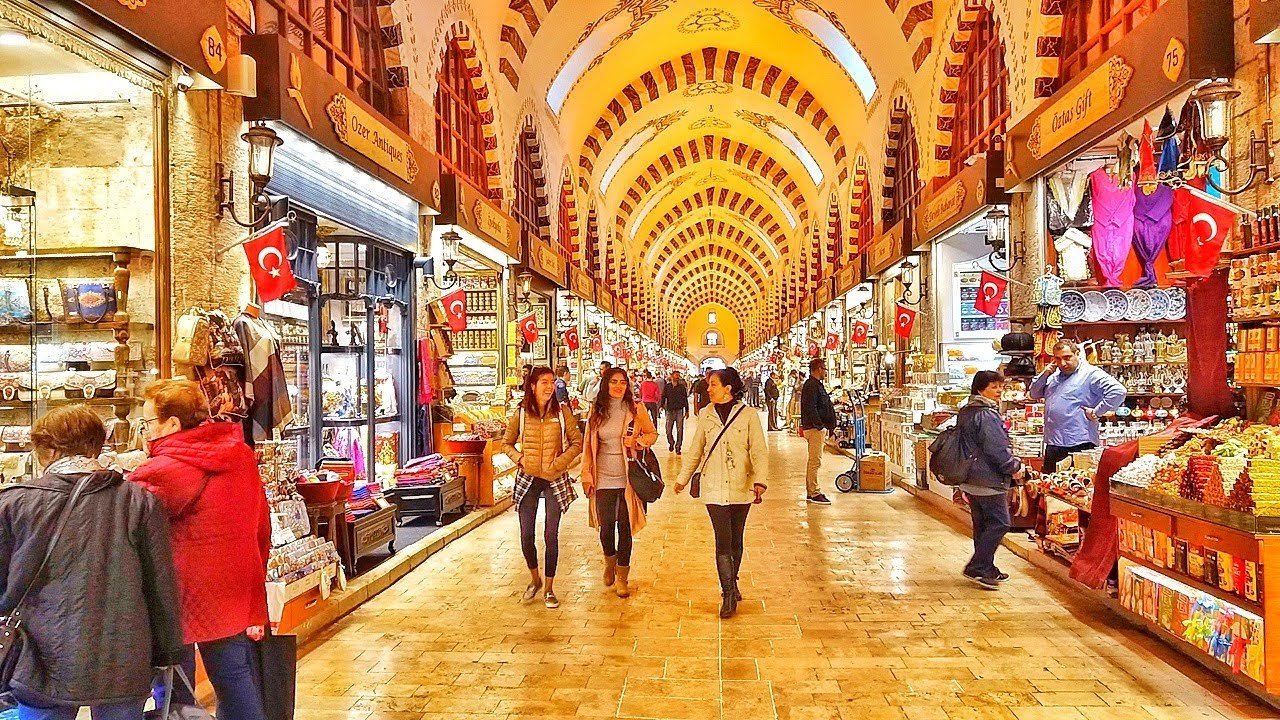
- The Grand Bazaar (Kapali Carsi) was established in 1461 by Mehmed the Conqueror and is one of the oldest and largest covered markets in the world, covering 61 streets and 4,000 shops across a roofed complex that is both a working commercial district and a tourist attraction of global significance. Gold and silver jewellery, leather goods, ceramics, carpets, textiles, spices, and souvenirs are sold in a density that makes navigation without a plan the only reasonable approach. Bargaining is expected and practiced across almost every transaction. Go early in the morning when the market is less crowded and the shop owners are less aggressive.
- The Spice Bazaar (Misir Carsisi) near the Galata Bridge is smaller and less overwhelming than the Grand Bazaar but at least as characterful. You see stalls piled with pyramids of coloured spices, dried fruit, nuts, Turkish delight, and teas. The surrounding streets outside the bazaar are excellent for exploring the working-class commercial character of the Eminonu neighbourhood.
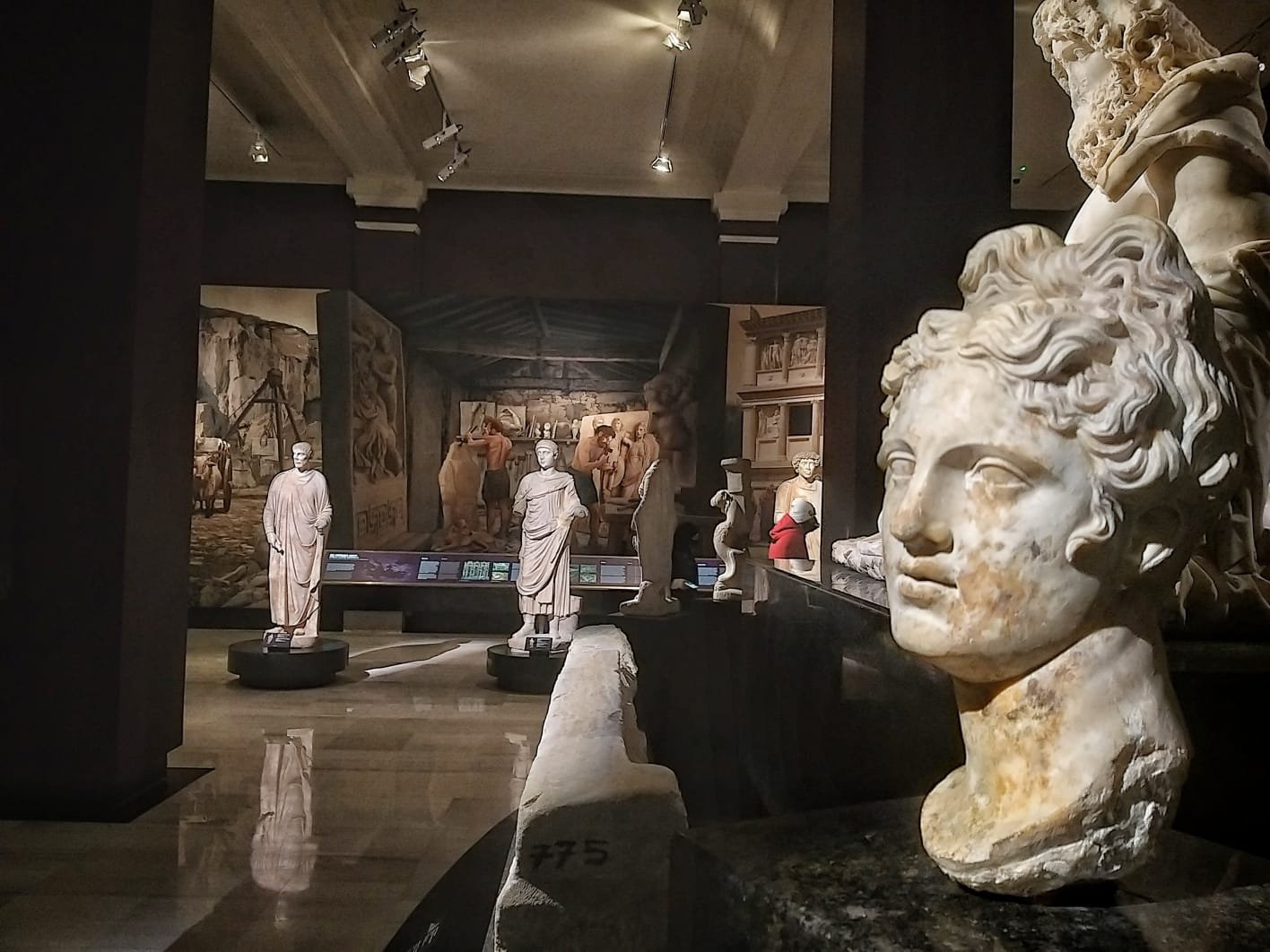
- The Istanbul Archaeology Museums complex on the Topkapi Palace grounds contains three buildings covering ancient Near Eastern and Anatolian civilizations, a collection of antiquities from across the former Ottoman Empire, and the Museum of the Ancient Orient. The Alexander Sarcophagus (a spectacular marble tomb depicting scenes from the life of Alexander the Great) and the Kadesh Treaty (the world's oldest known peace treaty, between the Hittites and Egyptians, 1259 BC) are among the most significant holdings in the world.


Beyond Sultanahmet
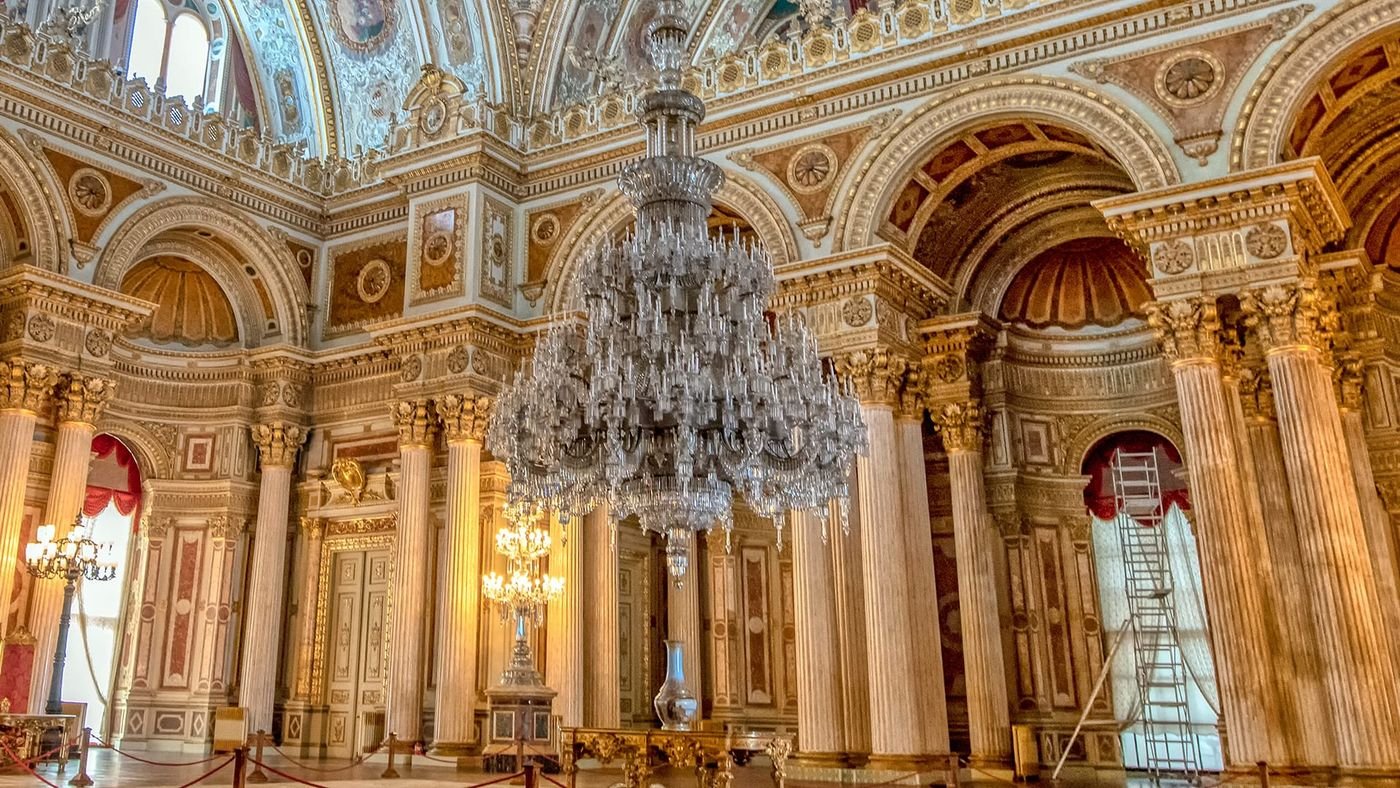
- Dolmabahce Palace on the Bosphorus waterfront in Besiktas was built between 1843 and 1856 by Sultan Abdulmecid I as the new administrative centre of the late Ottoman Empire, replacing Topkapi's Eastern aesthetic with a European Baroque-Neoclassical style that reflects the empire's westernization. The palace has 285 rooms, 44 halls, 68 toilets, and a staircase with a crystal balustrade considered one of the most spectacular in the world. It also has a 4.5-tonne Bohemian crystal chandelier in the Ceremonial Hall, long attributed to Queen Victoria as a gift but now confirmed by historical archives to have been purchased by the Ottoman Empire from Bohemian manufacturers. Atatürk spent his final years here and died in the palace in 1938, so all the clocks in the palace are stopped at 09:05 to mark the time of his death.
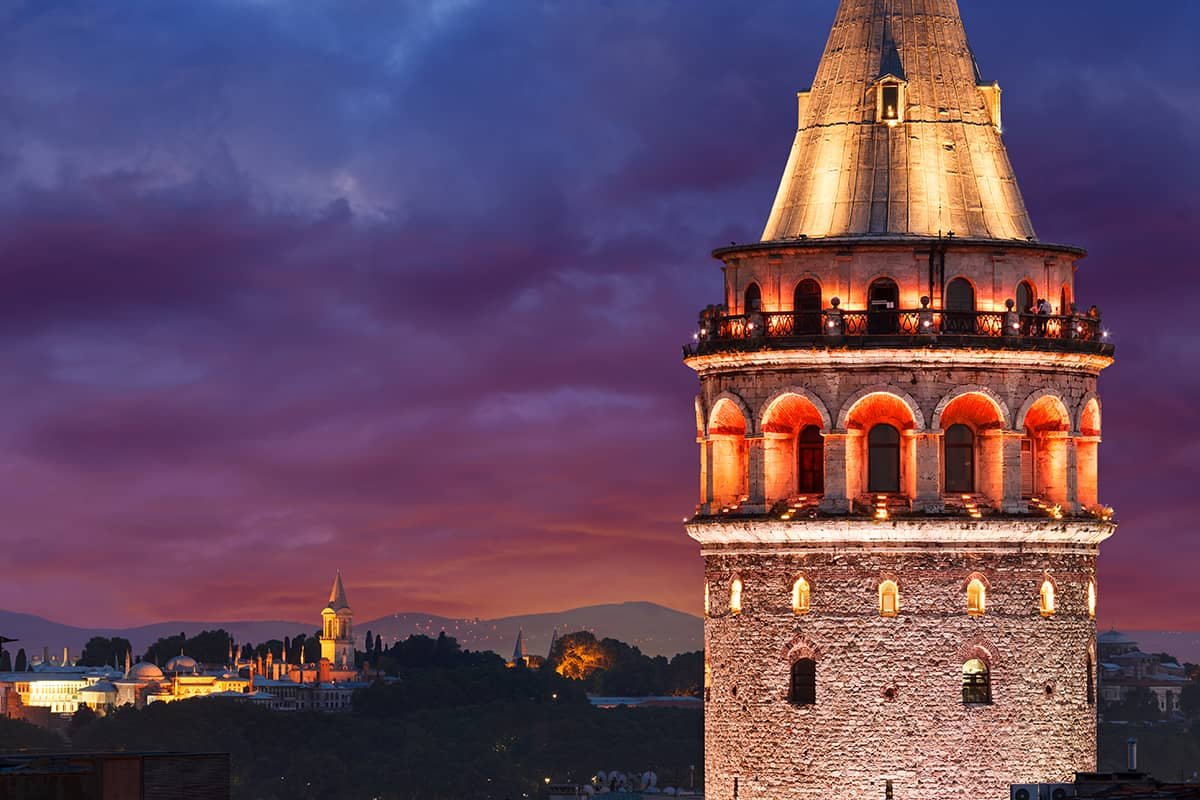
- Galata Tower (Galata Kulesi) was built by the Genoese in 1348 in the then-Genoese quarter of the city, rising 67 metres above the Beyoglu district. The tower's upper balcony provides 360-degree views of the historic peninsula, the Bosphorus, and the Golden Horn below. It is one of the most photographed vantage points in the city. Book tickets online because the queues at the door can be very long.
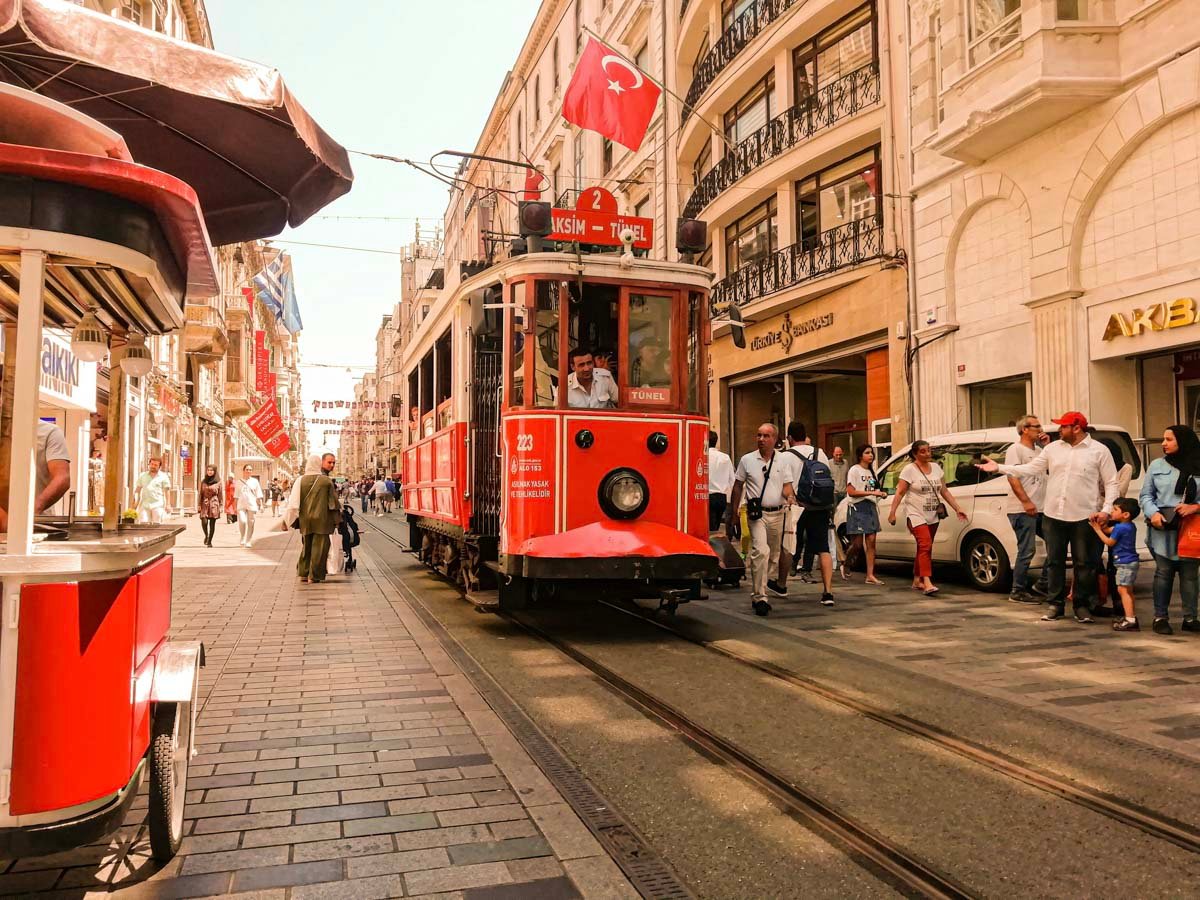
- Istiklal Avenue is the 1.4 km pedestrianized main boulevard of Beyoglu, running from Taksim Square to the Tunel funicular station. It is lined with 19th-century apartment buildings housing international chains, independent Turkish boutiques, bookshops, cafes, and cinemas, with the Nostalgia Tram running down its centre. Side streets to the east and west of Istiklal Avenue contain the city's best independent restaurant and bar culture.
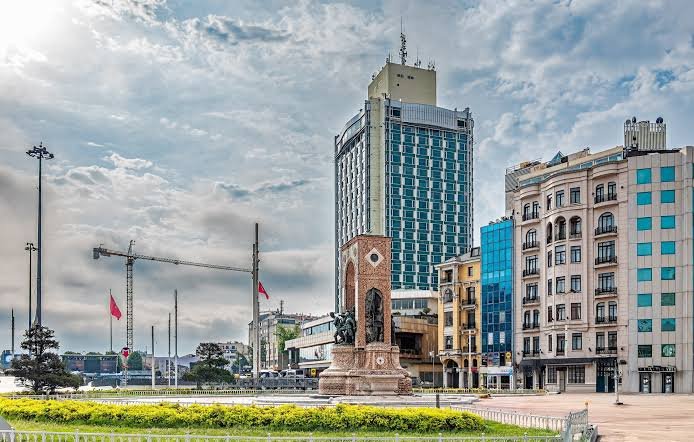
- Taksim Square at the northern end of Istiklal Avenue is the modern commercial centre of Istanbul and the site of the Republic Monument. The surrounding streets have the highest density of hotels and restaurants outside of Sultanahmet.
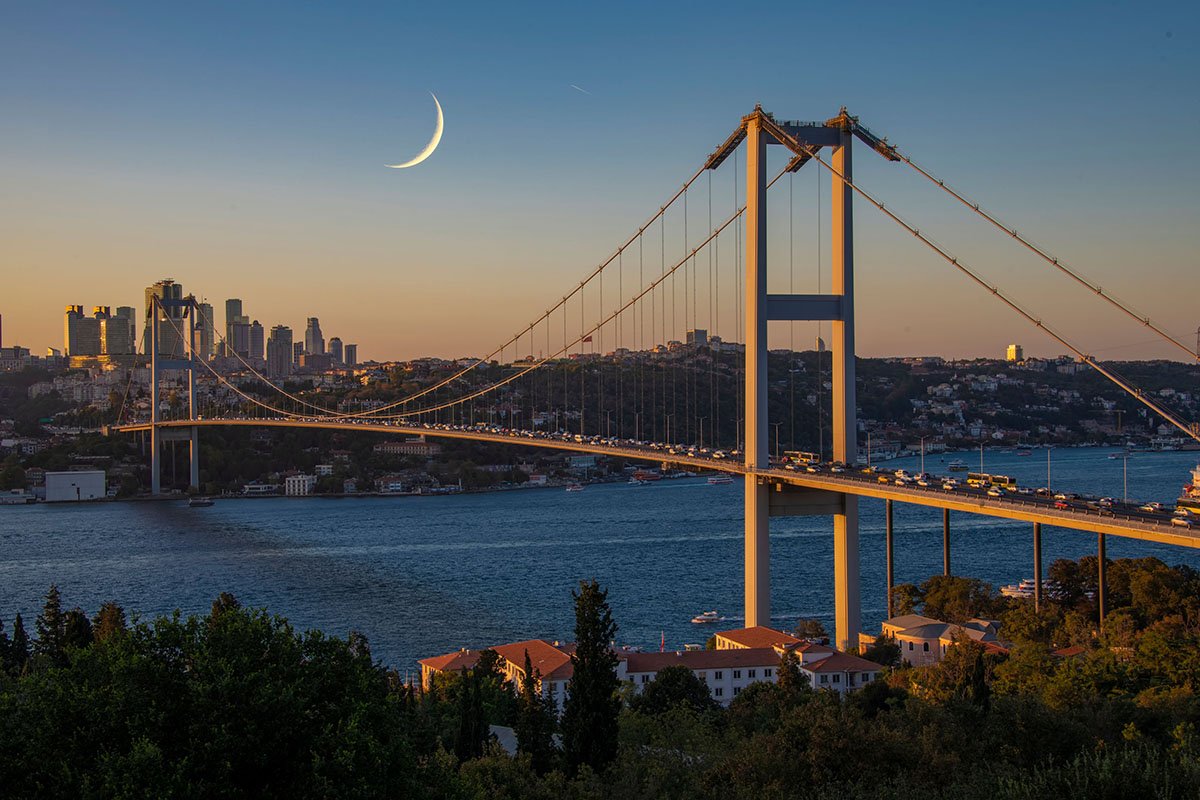
- The Bosphorus Bridge (15 July Martyrs Bridge) and the Fatih Sultan Mehmed Bridge are the two suspension bridges crossing the strait. The shores on both sides are lined with Ottoman yali (waterfront wooden mansions) and military fortresses, including the Rumeli Hisari. Crossing to the Asian Side by ferry from Eminonu or Kabataş is one of the most rewarding half-day activities in Istanbul. Uskudar has the Maiden's Tower offshore, excellent local waterfront restaurants, and a quieter residential character entirely different from the historic European peninsula.


The Hammam Experience
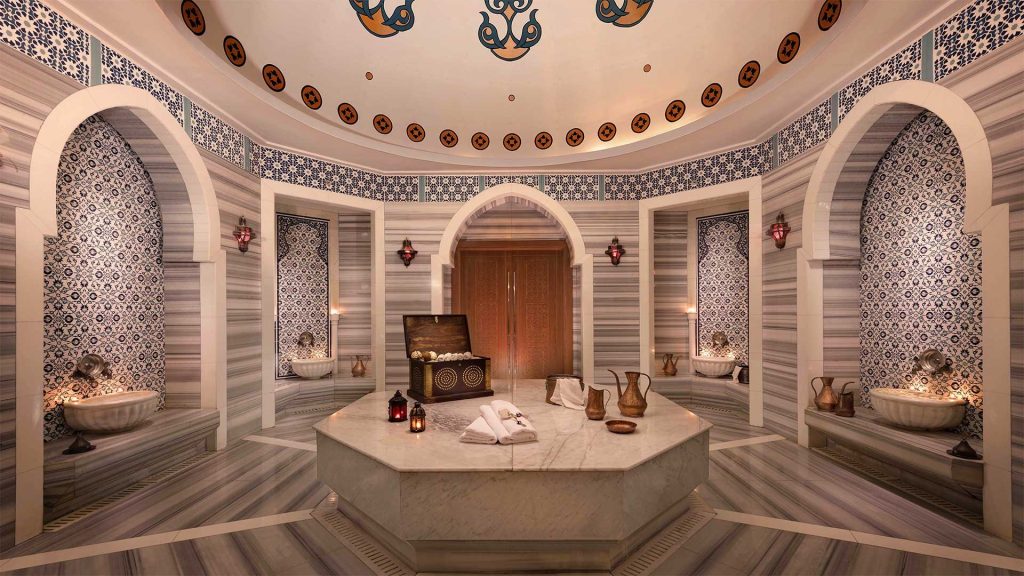
The Turkish hammam is one of the most distinctive wellness experiences Istanbul offers. The traditional circuit involves a session in the steam room on the central heated marble platform (Göbek Tasi), a vigorous kese body scrub, and a foam massage, taking 45 to 90 minutes in total.
The Ayasofya Hurrem Sultan Hamami (built 1557 by Mimar Sinan for Hurrem Sultan, wife of Suleiman the Magnificent) and the Cemberlitas Hamami (also by Sinan, 1584) are the most historically significant in the city. Both retain genuine architectural beauty and are the most authentic hammam experiences available to visitors.
Dining Scene in Istanbul
Istanbul's street food culture is one of the finest in the world. Balik ekmek (fresh mackerel grilled on boats moored at the Galata Bridge, served in a crusty roll with lettuce, onion, and lemon) is the city's most iconic street food.
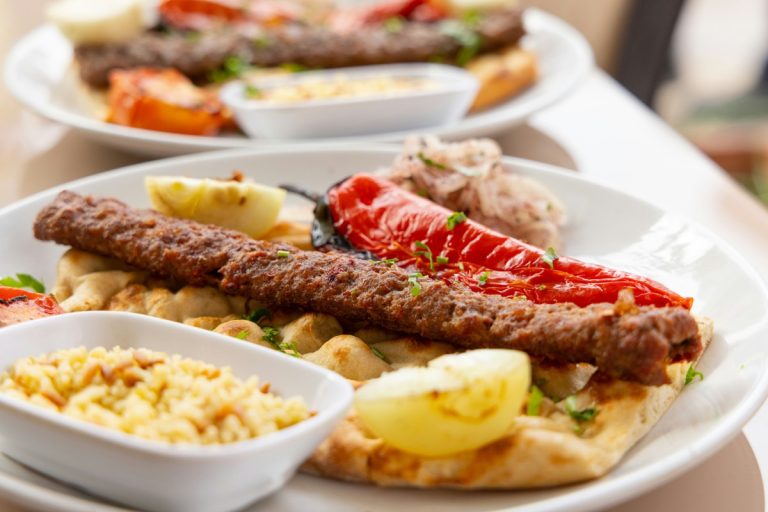
Simit, the sesame bread ring sold from carts throughout the city, is the essential morning snack. Doner kebab in Istanbul is a serious proposition. You can enjoy slow-cooked lamb or chicken, served on a rotating spit, either in bread or on a plate with salad and yogurt.
Turkish breakfast (kahvalti) is one of the most elaborate meal traditions in the world. Enjoy an array of small dishes covering white cheese, olives, tomatoes, eggs, honey, kaymak, jams, and multiple breads, accompanied by endless glasses of tea. Brunch in Istanbul is a lifestyle rather than a meal.
Turkish tea (cay) in small tulip-shaped glasses is offered everywhere and is always polite to accept. Turkish coffee simmered in a small copper cezve pot is ordered sweet (sekerli), medium (orta), or unsweetened (sade).
The sit-down restaurant scene extends from meyhane taverns serving raki and mezze to sophisticated Ottoman-revival cuisine in Beyoglu and the waterfront restaurants of Ortakoy and Kumkapi.
Popular Things to Do in Istanbul and Ticket Options
- Vialand (now officially Isfanbul) is Istanbul's largest theme park, located in Eyup on the European side of the city. The park combines a full roster of rollercoasters and thrill rides with a shopping mall and hotel complex in a single destination. The headline ride is Nefeskesen, one of the tallest and fastest roller coasters in Turkey, alongside a water park, a children's zone, and multiple family rides across the grounds. A full day is needed to cover the park properly.
- Emaar Skyview is the observation deck on the upper floors of the Emaar Square Mall tower in Üsküdar on the Asian side of Istanbul, offering panoramic views across the city's European skyline, the Bosphorus Strait, and the Marmara Sea. The Sky Swing experience on the exterior of the building provides an open-air thrill element alongside the enclosed viewing area. The Asian-side position gives a different and often underappreciated perspective on the Istanbul skyline compared to the more commonly visited Galata Tower.
- Istanbul Sapphire is one of the tallest building in Turkey, a 54-floor skyscraper in the Levent business district on the European side of the city. The observation deck on the 54th floor at 236 metres gives 360-degree views covering the Bosphorus, the Marmara Sea, the Golden Horn, and the full spread of the European and Asian city. One of the highest and clearest elevated viewpoints in Istanbul, and less visited than the Galata Tower, making it a quieter alternative for panoramic photography.
- The Hodjapasha Cultural Centre is housed in a 15th-century Ottoman hammam in the Sirkeci neighbourhood near Eminonu, converted into one of the most atmospheric performance venues in the city. The Sema ceremony of the Mevlevi Order (whirling dervishes) is performed here in a setting that combines genuine historical surroundings with a serious, respectful presentation of one of Turkey's most significant spiritual traditions. The adjoining exhibition covers the history of the Mevlevi Order, the life of Rumi, and the symbolism of the Sema ritual. Evening performances run most nights; booking in advance is strongly recommended.
- Whirling Dervishes Show: The Sema ceremony is the ritual turning practice of the Mevlevi Sufi Order, originating with the 13th-century poet and mystic Jalal ad-Din Rumi in Konya. The white-robed dervishes spin continuously in a meditative state, with each element of the ceremony carrying specific spiritual meaning: the black cloak represents the ego's death, the white robe the shroud of the reborn self, and the turning is a spiritual journey toward truth. Multiple venues in Istanbul stage the ceremony for visitors; the most atmospheric settings are in historical buildings near Sultanahmet and Beyoglu.
- Emaar Aquarium is located inside the Emaar Square Mall in Umraniye on the Asian side of Istanbul, making it one of the largest aquariums in Turkey. The facility covers multiple themed zones from freshwater rivers to tropical coral reefs to deep ocean environments, with an underwater tunnel allowing visitors to walk through the main oceanarium. The adjoining Underwater Zoo section adds land animals and a range of interactive exhibits for younger visitors. A strong all-weather family option on the Asian side of the city.
- The Museum of Illusions in Beyoglu is an interactive optical illusion attraction with rooms covering holograms, vortex tunnels, Ames rooms, perspective rooms, and infinity mirror installations. Each room is designed as a photographic experience as much as an exhibit, producing images that appear impossible to the eye. A fun, brain-bending 60 to 90-minute experience that works particularly well for groups and families and provides a break from the historical intensity of the Sultanahmet sightseeing circuit.
- The Secret Treasures of Istanbul Tour is a guided walking tour of the historic peninsula covering Hagia Sophia, the Topkapi Harem, the Basilica Cistern, the Grand Bazaar, the Hippodrome, and the Blue Mosque with skip-the-line access and an expert local guide. It is one of the most efficient ways to cover the essential Sultanahmet sites in a single well-paced day.
- The Istanbul Tourist Pass provides multi-attraction access to the city's major sites with varying packages covering museums, palaces, guided tours, and transport.
- The Istanbul Welcome Card offers skip-the-line access to top museums, guided tours of Hagia Sophia, Topkapi Palace, and the Basilica Cistern, a Bosphorus cruise, and public transit access in a single convenient pass.
- Istanbul Go Pass provides unlimited public transport access for 1, 3, 5, or 7 days alongside an audio guide app covering six major sites in nine languages and a 3GB eSIM delivered to your hotel.
- The Istanbul Layover Tour from Istanbul Airport covers the essential Sultanahmet sites in a guided format for travellers with a 10- to 12-hour layover, with all transport included.
- Bosphorus Cruise with Audio Guide is the standard sightseeing boat tour along the Bosphorus, passing Dolmabahce Palace, Ortakoy Mosque, Rumeli Hisari, and the waterfront yali mansions on both shores with recorded commentary.
- The Hop-On Hop-Off Bosphorus Sightseeing Cruise covers the same waterway with multiple boarding points and the flexibility to disembark at key attractions along the route.
- The Golden Horn Tour and Bosphorus Cruise extends the water tour to the Golden Horn waterway, taking in the historic districts of the Old City from the water.
- The Princes Island Ferry Ticket is the round-trip public ferry from Kabatas to the car-free Princes Islands, where Ottoman wooden mansions and horse-drawn carriages give a picture of pre-modern Istanbul entirely different from the mainland city.
- Princes Island Tour with Lunch is a guided day trip to Buyukada, the largest of the islands, with a traditional Turkish lunch included.
- Evening Sunset Cruise on a Luxury Yacht is a private Bosphorus experience timed for the sunset hour, when the domes and minarets of Sultanahmet are silhouetted against the western sky.
- Bosphorus Dinner Cruise with Sightseeing and Show combines a multi-course Turkish dinner with live music, traditional dance performances, and illuminated city views.
- Pierre Loti Hill Cable Car and Cruise pairs a morning Bosphorus sightseeing cruise with a cable car ride to Pierre Loti Hill above the Golden Horn, a viewpoint beloved by the French novelist who spent years in the city in the late 19th century.
- The Traditional Turkish Bath and Spa Experience covers the full hammam circuit at an established historical Istanbul hammam with a steam room, kese scrub, foam massage, and relaxation. It is one of the most authentically Turkish experiences available.
- Turkish Bath, Massage, and Spa in the Old City is a private hammam and spa experience in the historic peninsula, combining the traditional circuit with massage and modern treatments.
Thrillark also offers a range of Istanbul food and drink experiences, including guided street food walking tours, traditional cooking classes with market visits, and curated tastings covering balik ekmek, simit, Turkish sweets, tea, and coffee. Browse the full selection to find the format that suits your group.


When Should You Visit Istanbul
April and May are the best months to visit Istanbul. You get warm temperatures (15 to 22°C), spring flowers in the parks and hillsides, and the city at its most manageable before peak summer visitor numbers. The Tulip Festival in April, when the city's parks and the roads of Sultanahmet are planted with millions of tulips (the tulip is originally a Turkish flower, not Dutch), is one of the most spectacular seasonal events in any European city.
September and October are the other excellent windows when the temperatures remain warm (18 to 25°C), the summer crowds thin, and the quality of light on the Bosphorus in autumn is extraordinary. The Istanbul Biennial (odd-numbered years) in September and October brings the contemporary art world to the city.
June to August is peak summer, which means a hot temperature (28 to 35°C), crowded, and at its most energetic. The city is busiest at the major sites, so book everything in advance and visit Hagia Sophia and the Grand Bazaar early in the morning.
November to March is the quiet season with the lowest hotel rates, fewer tourists, and cool weather (5 to 12°C). Rain is more frequent from November through February.
Istanbul in winter has a particular atmospheric quality in the mist and fog over the Bosphorus, the hammams are most appreciated, and the indoor museum life is richest.
Practical Tips Before You Go
- Apply for your e-Visa before departure at evisa.gov.tr if your nationality requires one. The process is quick and straightforward, but it must be completed online before arriving at the airport.
- Get an Istanbulkart immediately on arrival at the airport. Load it with enough credit for the first few days. It covers every form of public transport in the city and saves significantly compared to single-journey tickets.
- Book Hagia Sophia visits for early morning before the crowds arrive. Foreign and non-Muslim visitors pay €25 entry at the dedicated upper-gallery entrance. The interior is busiest from mid-morning through the afternoon.
- Book the Topkapi Harem separately. The Harem requires its own ticket, and entry is only via guided tour. The slots fill up quickly during peak season.
- The Grand Bazaar is closed on Sundays and on public holidays. Plan your visit for a weekday morning.
- The Spice Bazaar is open daily but busiest on Saturday mornings. Go on a weekday for a more comfortable browsing experience.
- Bargaining is expected in the Grand Bazaar and the Spice Bazaar. Starting at approximately half the first quoted price is reasonable. The final price is usually somewhere between the two. If a price is acceptable, the transaction is complete. If not, walking away usually produces a revised offer.
- Dress modestly for mosque visits. Shoulders and knees must be covered for both men and women. Women must cover their heads in mosques. Shoes are removed before entering. The major mosques provide coverings at the entrance for visitors who need them.
- The Turkish lira fluctuates significantly. Check the exchange rate before you go and withdraw local currency from ATMs in the city rather than using airport exchange desks, which offer poor rates.
- Tap water in Istanbul is generally safe but has a chlorinated taste. Bottled water is cheap and widely available.
- Tea is offered everywhere. Accepting it is not an obligation to buy anything. Refusing it is not rude. But drinking it is almost always enjoyable.
Istanbul earns the superlatives. It is genuinely one of the greatest cities in the world: in the density of its history, the quality of its food, the drama of its setting on the Bosphorus, and the extraordinary fact that you can stand in Sultanahmet and look at buildings that span fifteen centuries of continuous human civilization within a single eyeline.
Come with time, come with curiosity, and come with an appetite for tea and simits and slow mornings in the hammam.
Don’t wait! Head to Thrillark to book your Hagia Sophia and palace tickets, Bosphorus cruises, hammam experiences, city passes, and everything Istanbul has waiting for you.
Frequently Asked Questions About Istanbul
Do you need a visa to visit Istanbul?
It depends on your nationality, but most Western travellers now qualify for visa-free entry. Following Turkey's expansion of visa exemptions in late 2023, citizens of EU nations, the UK, the US, Canada, Australia, and many other countries can enter Turkey visa-free for tourist stays of up to 90 days within any 180-day period. Indian nationals require a Turkish e-Visa obtained online at evisa.gov.tr before departure. Always check the current requirements at evisa.gov.tr before booking, as conditions vary by passport and are subject to change.
What is the best way to get from Istanbul Airport to the city centre?
The Metro M11 line connects Istanbul Airport directly to Gayrettepe station, from where the M2 metro line connects onward to Taksim Square and the T1 tram network for Sultanahmet. The total journey takes approximately 35 to 45 minutes and is the fastest and most affordable public transport option. Taxis are available outside the arrivals hall, but the journey to the city centre takes 45 to 90 minutes depending on traffic and costs significantly more. Private transfers are also bookable through Thrillark for visitors with heavy luggage or arriving late at night.
What is Hagia Sophia, and can non-Muslims visit it?
Hagia Sophia (Ayasofya) was built by the Byzantine Emperor Justinian I in 537 AD as the world's largest cathedral, converted to a mosque in 1453, and reconverted to a functioning mosque in 2020. Non-Muslim visitors can enter during visiting hours outside the five daily prayer times. Foreign and non-Muslim visitors pay a €25 entry fee and enter via the dedicated upper-gallery entrance. A modest dress is required, covering shoulders and knees, and women must cover their heads (scarves are available at the entrance). The interior is one of the most remarkable architectural and artistic spaces in the world, combining surviving Byzantine gold mosaics with Ottoman calligraphy and the extraordinary scale of its 31-metre dome.
What is the Turkish hammam experience, and is it worth trying?
A Turkish hammam is a traditional bathing and wellness ritual combining a steam room, a vigorous kese body scrub to remove dead skin, and a foam massage, typically taking 45 to 90 minutes. The experience is genuinely unlike any other wellness treatment available elsewhere and is deeply rooted in Ottoman and Byzantine bathing culture. The Ayasofya Hurrem Sultan Hamami (built 1557) and Cemberlitas Hamami (built 1584) are the most historically significant hammams in Istanbul. Book through Thrillark to secure your preferred time slot at an established historical hammam.
What is the Bosphorus cruise, and which type should you choose?
A Bosphorus cruise is a boat tour along the strait that separates Europe and Asia, passing the Dolmabahce Palace, the Ortakoy Mosque, the Rumeli Hisari fortress, and the waterfront yali mansions on both shores. The standard audio-guided sightseeing cruise covers the main landmarks with recorded commentary. The hop-on hop-off cruise allows disembarkation at key attraction points. The evening dinner cruise combines live entertainment with dinner and illuminated city views. The luxury yacht sunset cruise is the most atmospheric option for couples. All are bookable through Thrillark.
What are the Istanbul Welcome Card and the Istanbul Go Pass?
The Istanbul Welcome Card is a multi-attraction sightseeing pass covering skip-the-line access to museums, guided tours of Hagia Sophia, Topkapi Palace, and the Basilica Cistern, a Bosphorus cruise, and public transit access. The Istanbul Go Pass focuses primarily on transport, providing unlimited metro, tram, bus, and ferry access for 1, 3, 5, or 7 days alongside an audio guide app for six major sites and a 3GB eSIM delivered to your hotel. The Welcome Card suits visitors focused on the major historical attractions; the Go Pass suits visitors who want maximum transport flexibility and connectivity.
What is the Grand Bazaar, and how do you navigate it?
The Grand Bazaar (Kapali Carsi) was established in 1461 and is one of the oldest and largest covered markets in the world, with 61 streets, 4,000 shops, and around 300,000 daily visitors. It sells gold and silver jewellery, leather goods, ceramics, carpets, textiles, spices, and souvenirs across a covered complex that functions as both a working commercial district and a major tourist attraction. Bargaining is expected across almost every transaction; start at roughly half the quoted price and negotiate from there. Visit on a weekday morning for the most manageable experience. The Bazaar is closed on Sundays and public holidays.
Browse by themes
Other Istanbul Attractions