First time in London? Well, this city does not ease you in. It drops you into 2,000 years of history, 32 boroughs, nine million people, and the most dense concentration of world-class museums, galleries, theatres, parks, and pubs per square mile of any city on Earth, and then it leaves you to figure out which direction to walk.
The correct direction, as it turns out, is any of them. That is the particular magic of the place. There is no wrong turn in London because every street eventually leads somewhere worth stopping.
The capital of England, and for a few centuries the capital of a quarter of the world, London sits on the River Thames in southeastern England. It has been continuously inhabited for almost 2,000 years, which means it has accumulated more history than most visitors can absorb in a single trip.
Give it four days at a minimum. Five is better. And accept early that you will leave with a list of things you did not get to, which is the only honest outcome of a first visit to one of the greatest cities in the world.
London City Essentials
Entry Requirements for London
Citizens of most Western countries, including the US, Canada, Australia, EU nations, and many others, can visit the UK as tourists without a pre-arranged visa for up to 6 months.
However, several nationalities now require an Electronic Travel Authorisation (ETA), a pre-travel digital permission that must be obtained before departure. The ETA is not a visa but is required for travel, even for nationals of countries with visa-free access.
Check your specific requirements at gov.uk/check-uk-visa before booking flights, as the list of ETA-required nationalities continues to expand.
Getting There and Getting Around
By air: Heathrow (LHR) is London’s main international gateway and one of the world’s busiest airports, 15 miles west of central London. The Elizabeth line connects Heathrow directly to Paddington, Bond Street, and Liverpool Street in approximately 40 minutes, making it one of the fastest and most comfortable airport-to-city connections in the world. The Heathrow Express covers the same route non-stop in 15 minutes at a premium fare. Taxis and Uber are available at the designated zones outside each terminal.
Gatwick (LGW) connects to central London via the Gatwick Express to Victoria Station (30 minutes) and the regular Southern and Thameslink train services (35 to 50 minutes). Stansted (STN) connects via the Stansted Express to Liverpool Street (about 47 minutes). City Airport (LCY) is the most centrally located, with the DLR (Docklands Light Railway) connecting it to the Bank and Tower Hill area in about 25 minutes.
Getting around once you’re there:
- The Tube (London Underground): The oldest urban metro system in the world (opened 1863), covering 11 lines across 272 stations. It is the most efficient way to move between areas of the city. Tap on and off with an Oyster card, contactless bank card, Apple Pay, or Google Pay at every gate. The daily fare cap means you will never pay more than a set maximum, regardless of how many journeys you make in one day.
- Elizabeth line: The newest addition to the network (opened 2022), running fast east-west services from Reading and Heathrow in the west through central London to Shenfield and Abbey Wood in the east. It is significantly faster than the Tube for cross-London journeys.
- Buses: The iconic red double-decker bus covers the entire city and is the best way to see London at street level. The same Oyster card or contactless payment works on all buses. You cannot pay cash on London buses.
- Oyster card vs. contactless: Both work on all TfL services at the same fare. Use whichever is easier: a contactless bank card, Apple Pay, or Google Pay is the most convenient option if your card works. Oyster cards are available at any Tube station.
- Thames Clipper and River Bus: River services on the Thames running between Putney in the west and Woolwich Arsenal in the east, operated by Thames Clipper. A scenic and practical alternative for riverside destinations. The same contactless and Oyster cards work on the river bus.
- Black taxis: The iconic black cabs are metered, regulated, and driven by cabbies who have passed the Knowledge (a memorization of every street in Greater London). It hails from the street or from designated ranks. They are more expensive than the Tube, but a genuine London experience.
- Uber and rideshare: Widely available throughout the city. The app is the same as elsewhere in the world.
The Iconic Sights of London
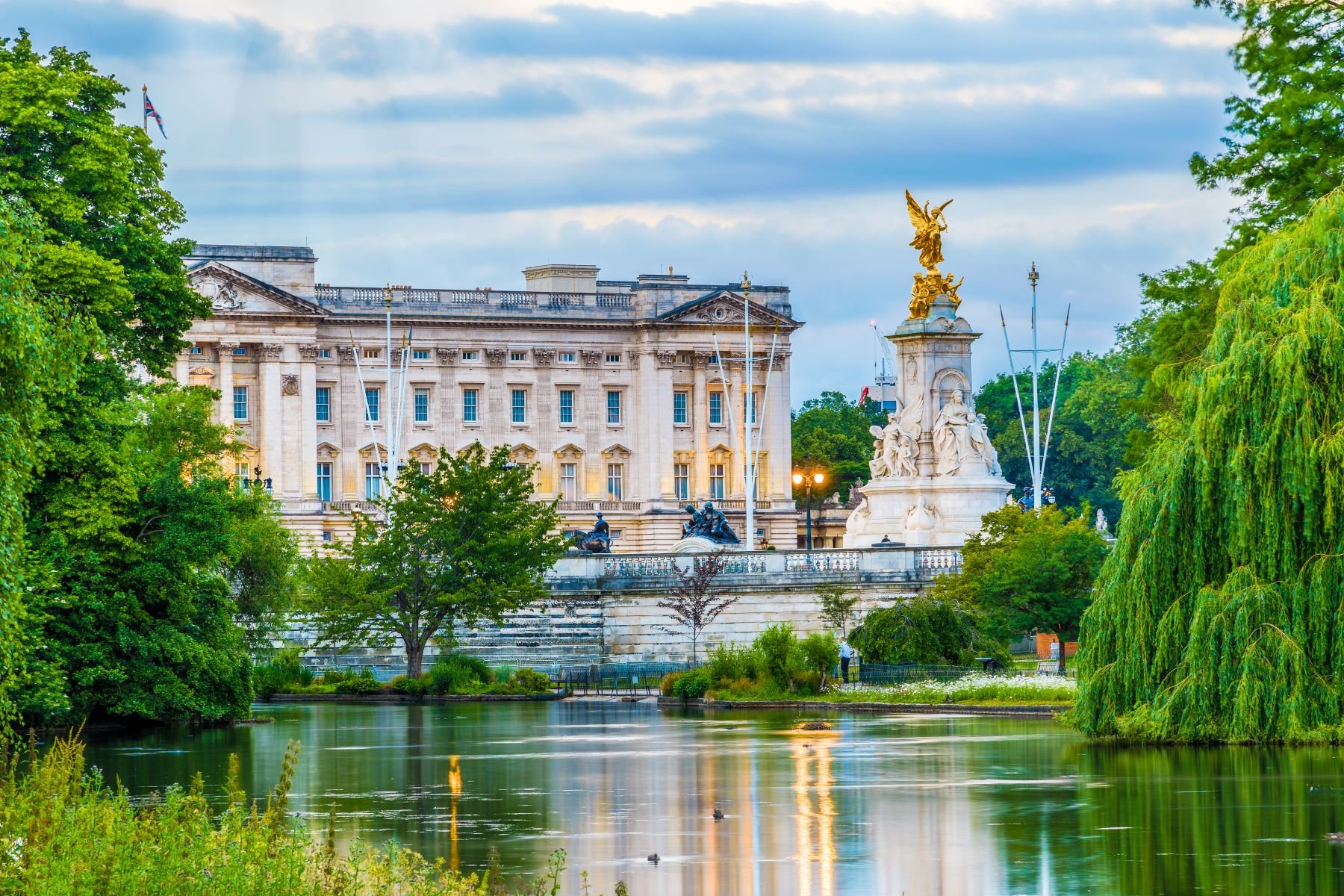
- Buckingham Palace is the official residence of King Charles III and the most visited royal site in London. The Changing of the Guard ceremony, when the New Guard replaces the Old Guard on the Palace forecourt, runs daily from April to July and on alternate days for the rest of the year. The interior of the Palace, including the State Rooms, is open to the public from mid-July through late September, with additional guided tours available in winter and spring. The gardens, the Queen's Gallery, and the Royal Mews are all accessible at different times throughout the year.
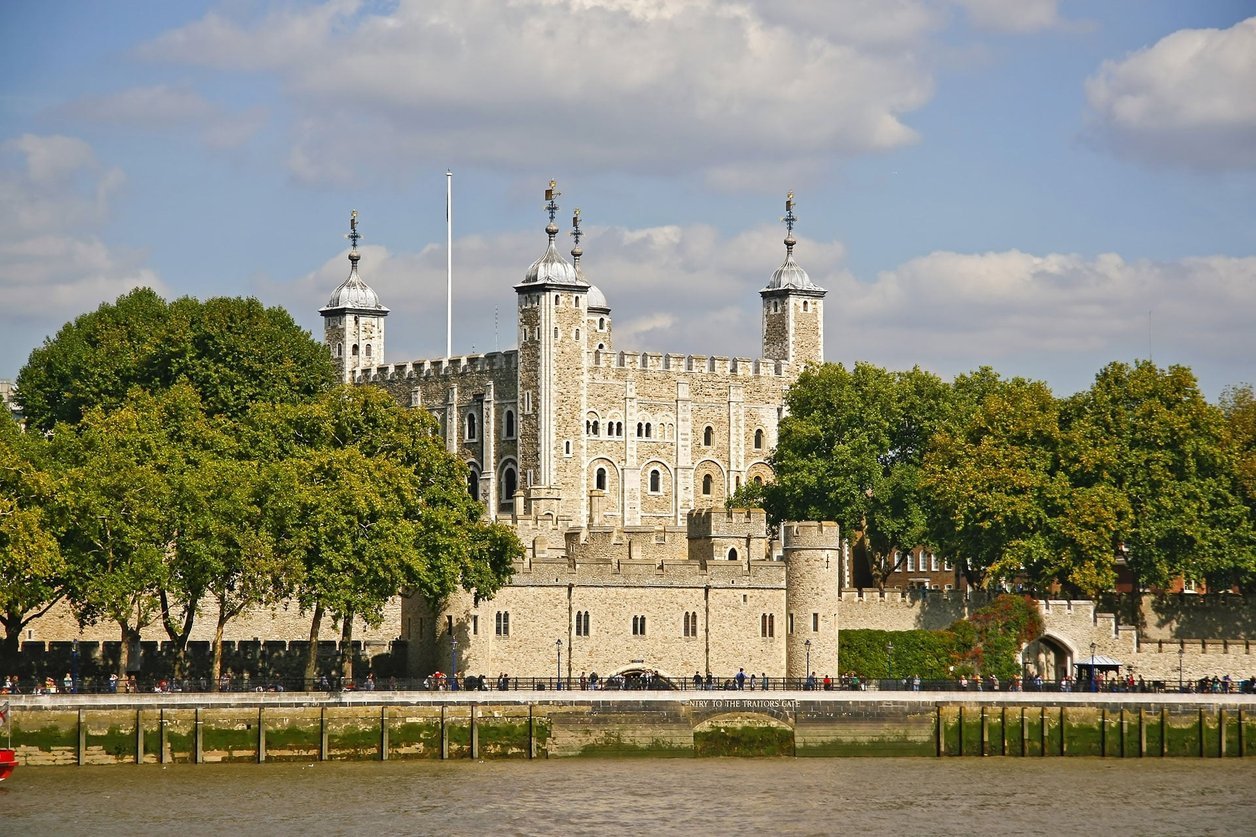
- The Tower of London on the north bank of the Thames is the most significant historical site in the city, a UNESCO World Heritage Site that has served as a royal palace, prison, execution site, arsenal, and treasury across nearly 1,000 years. The Crown Jewels, housed in the Jewel House, are the most visited exhibit, including the Imperial State Crown and the Cullinan diamond. The Yeoman Warders ("Beefeaters") conduct guided tours throughout the day. Try to book your tickets in advance.
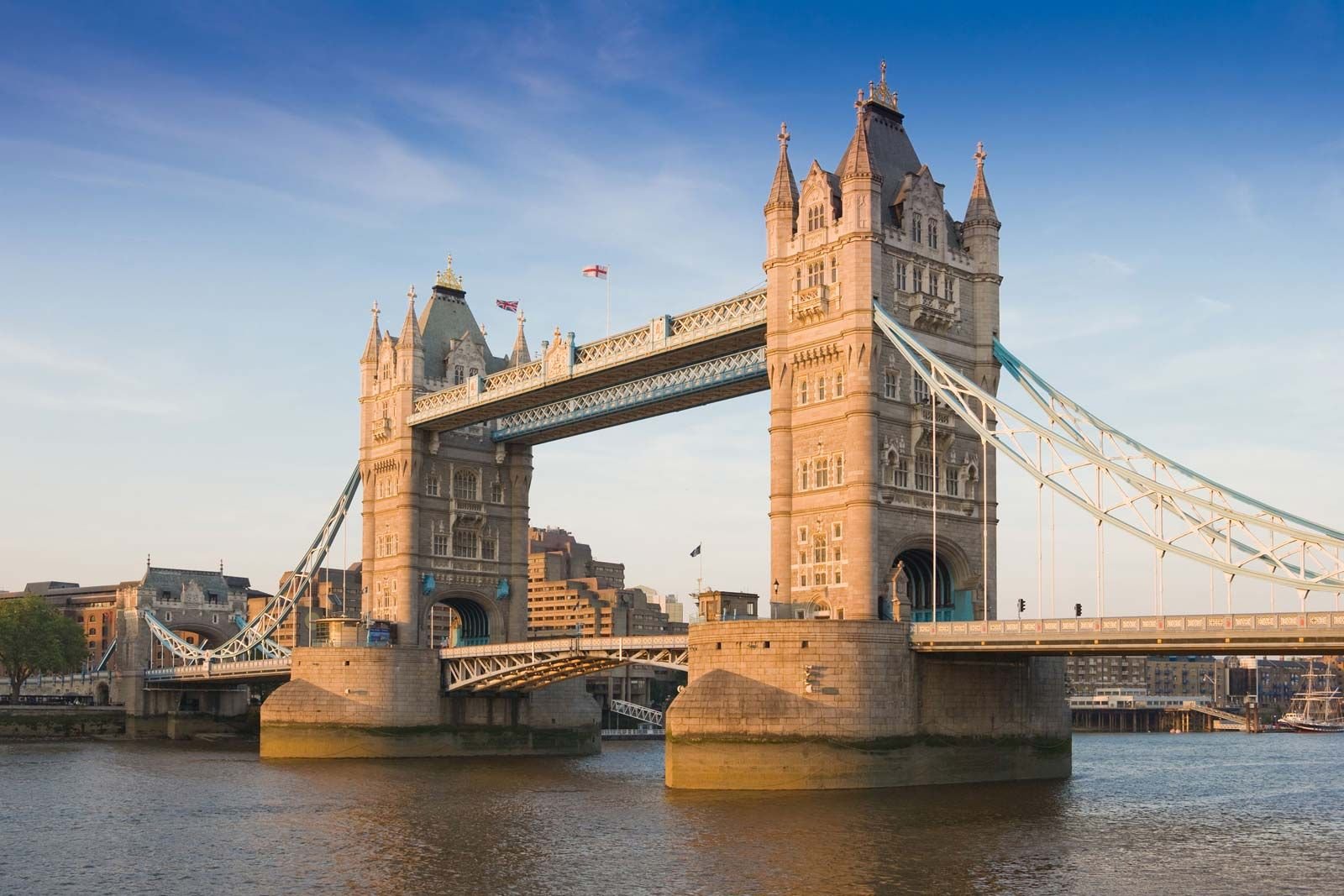
- Tower Bridge, next to the Tower of London, is the most recognisable bridge in the world, a Victorian Gothic drawbridge completed in 1894. The Tower Bridge Exhibition provides access to the high-level glass walkways between the towers and the original Victorian engine rooms. The bridge still opens for river traffic, and the lift schedule is published on the Tower Bridge website.
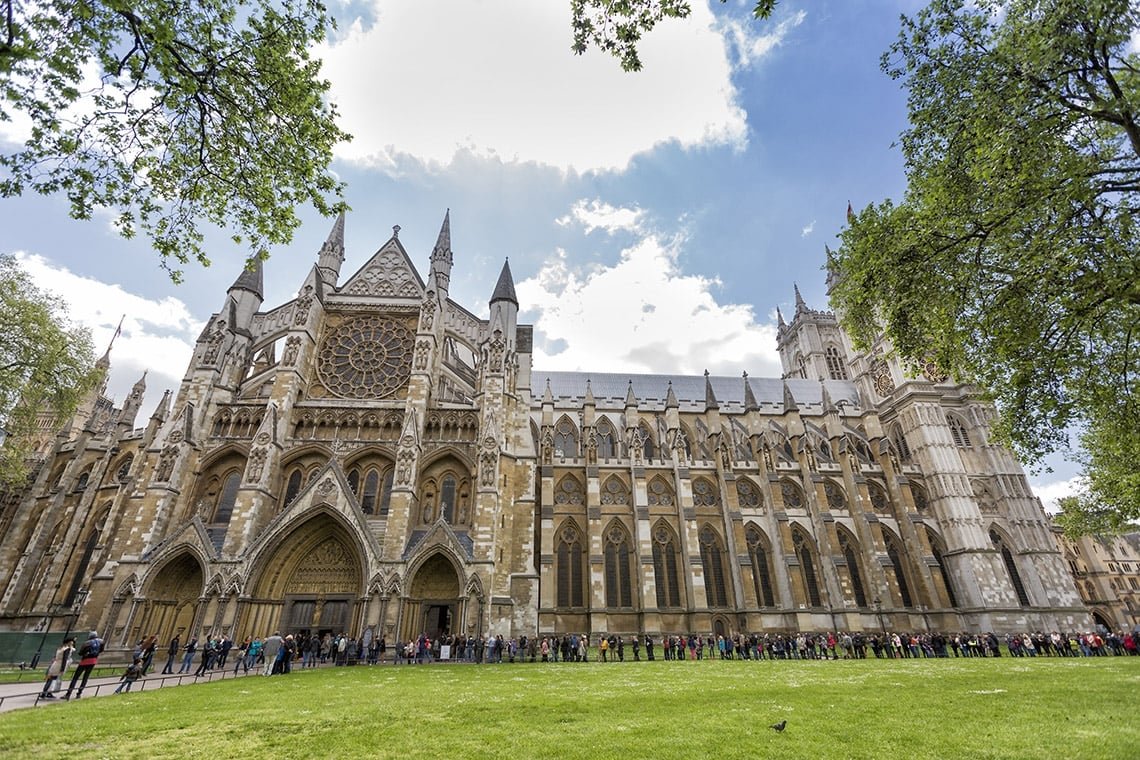
- Westminster Abbey on Parliament Square is where English and British monarchs have been crowned since 1066 and where many of the most significant figures in British history are buried, including Charles Darwin, Isaac Newton, and Stephen Hawking. The building is a working abbey with regular services. Check the visiting times before arriving as it is closed to visitors during services.
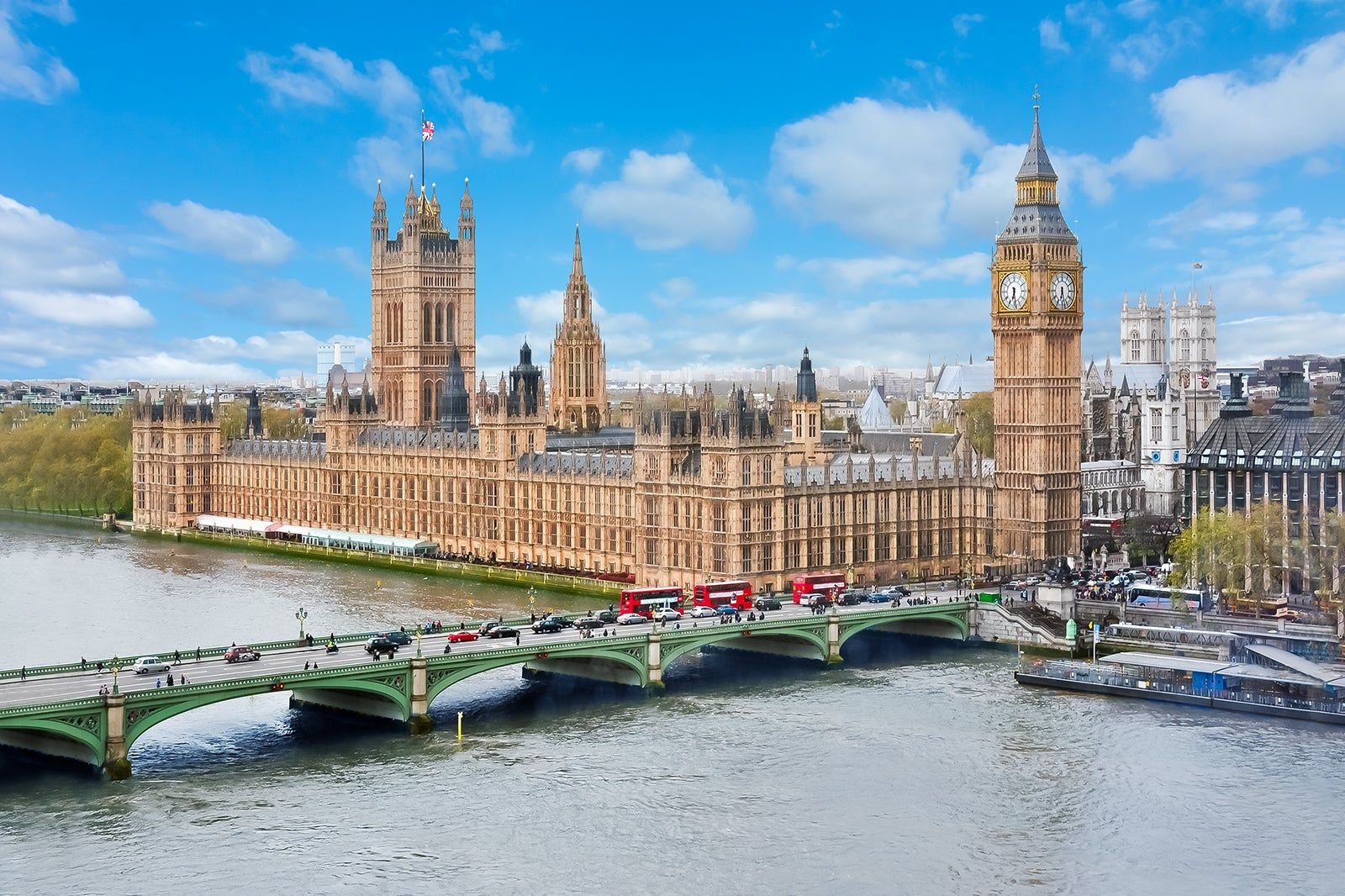
- The Houses of Parliament and Big Ben are among the most iconic images of London, occupying the north bank of the Thames at Westminster. The Elizabeth Tower (universally called Big Ben after its bell) returned to full operation in 2022 after years of restoration. Tours of the Parliament buildings are available to the public on selected days and during parliamentary recess.
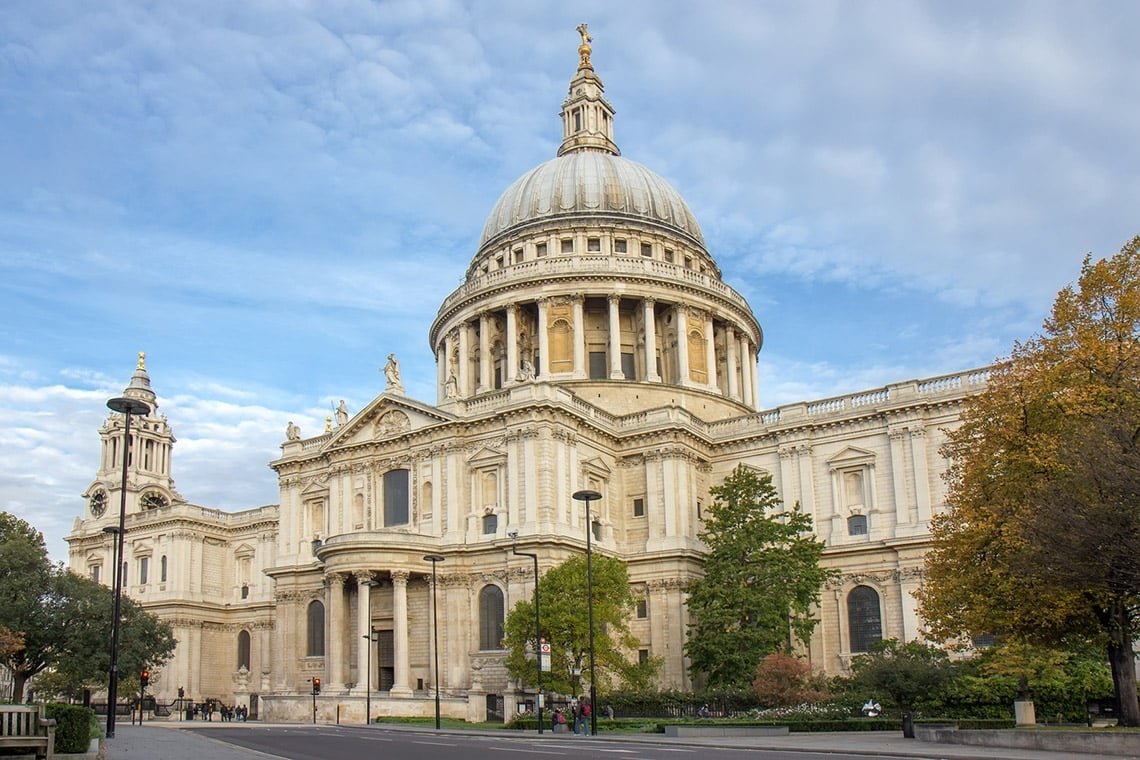
- St. Paul's Cathedral on Ludgate Hill is Christopher Wren's masterpiece, built between 1675 and 1710 after the Great Fire of London destroyed the previous cathedral. The dome is one of the largest in the world at 365 feet, and the Whispering Gallery inside it demonstrates the remarkable acoustic phenomenon where a whisper along the dome wall can be heard on the opposite side. The Golden Gallery at the very top gives exceptional city views.
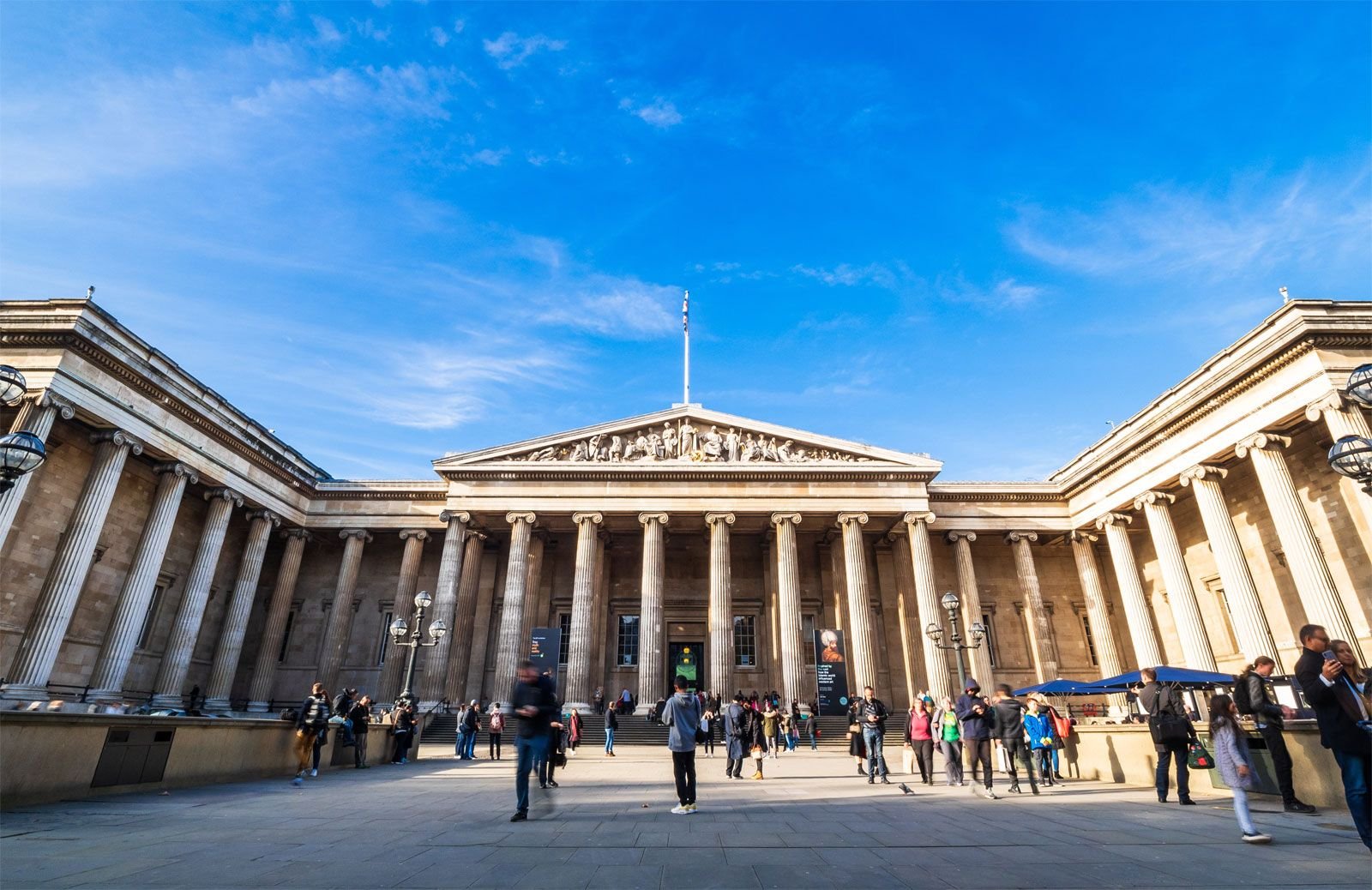
- The British Museum in Bloomsbury is one of the great repositories of human civilization, with a collection of eight million objects covering the full breadth of human history from prehistoric artifacts to the present day. The Rosetta Stone, the Elgin Marbles, the Sutton Hoo helmet, and the Lewis Chessmen are among its most celebrated holdings. Entry to the permanent collection is free. The Great Court, designed by Norman Foster and completed in 2000, is one of the most impressive interior spaces in the UK.
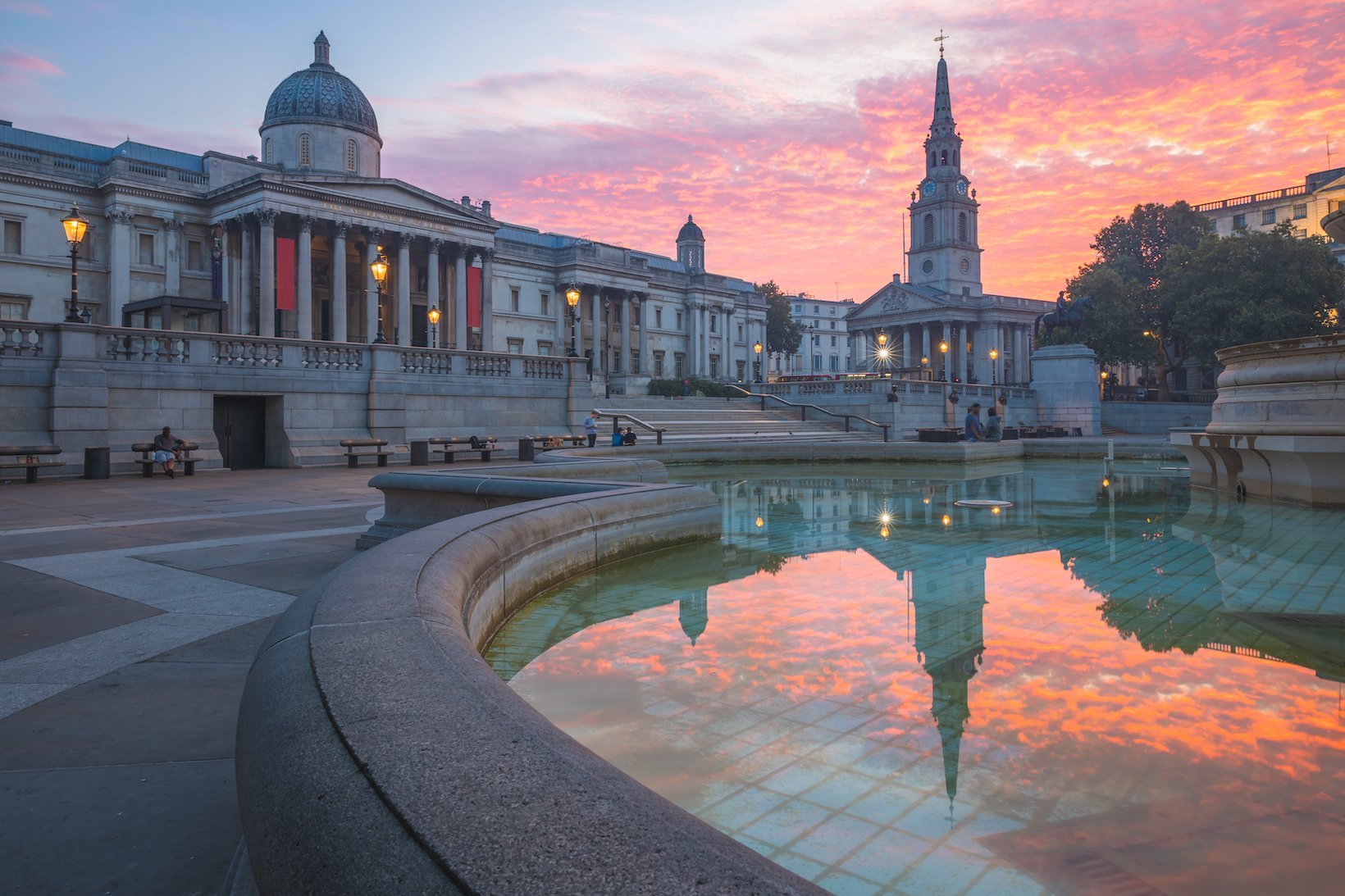
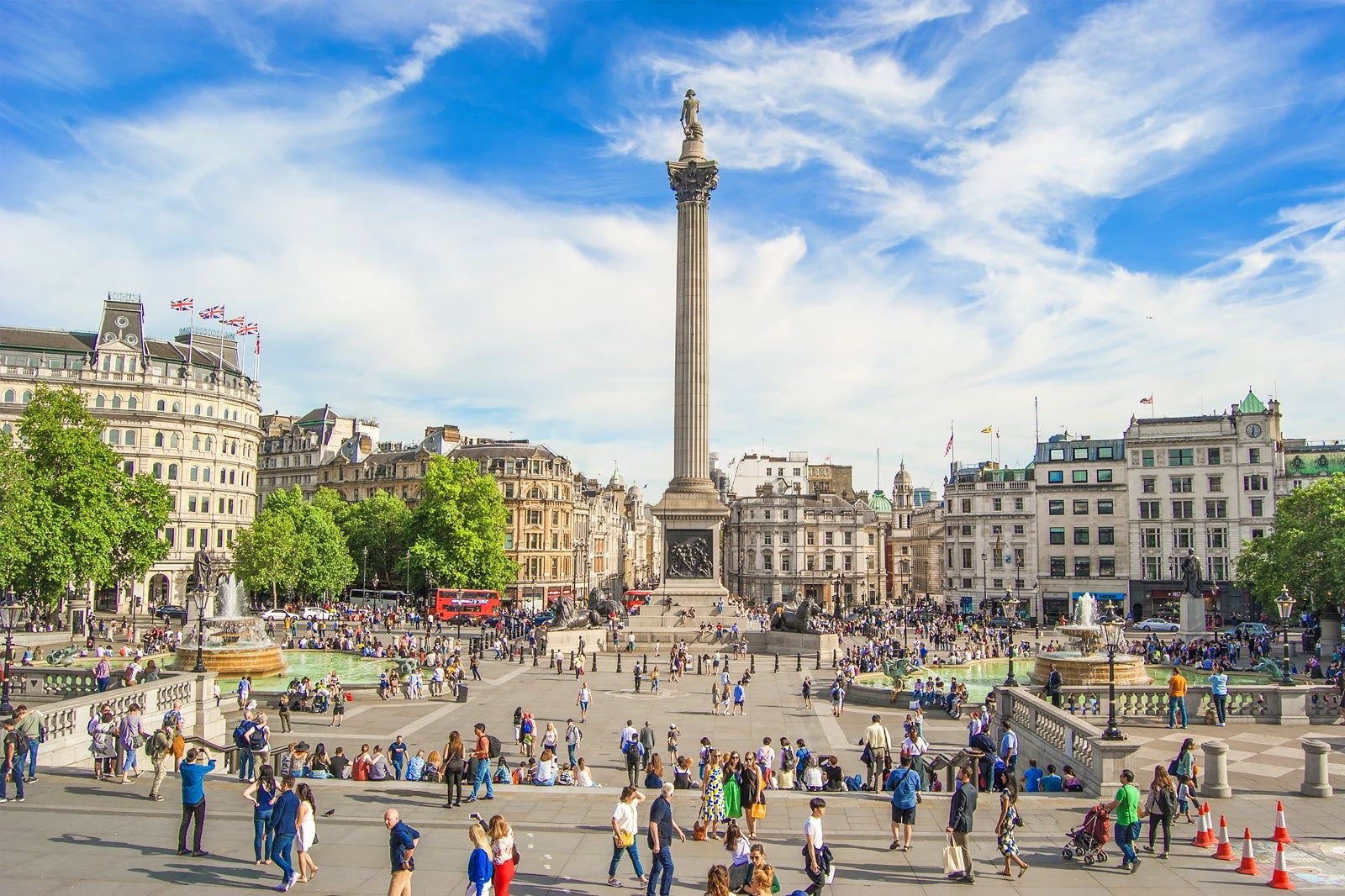
- The National Gallery on Trafalgar Square houses one of the greatest art collections in the world with over 2,300 paintings dating from 1250 to 1920, including Van Eyck, da Vinci, Velázquez, Rembrandt, Turner, Constable, Monet, Seurat, and Van Gogh. Entry to the permanent collection is free. The building looks directly across Trafalgar Square, with Nelson's Column at its centre and the four bronze lions at its base.
- Trafalgar Square itself is worth time independent of the National Gallery: the public square at the junction of Whitehall, Charing Cross Road, and the Strand, named for the 1805 Battle of Trafalgar, is surrounded by significant institutions and is the scene of public gatherings, celebrations, and protests throughout the year. The fourth plinth in the northwest corner has hosted rotating contemporary art commissions since 1999.


London's Free Museums
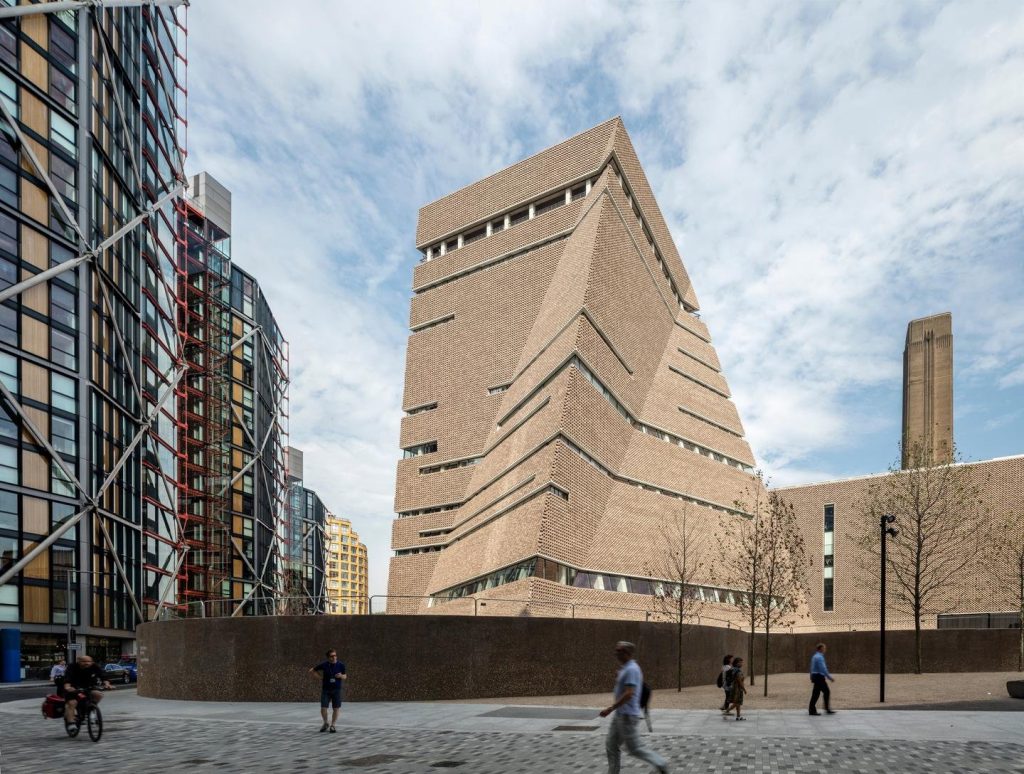
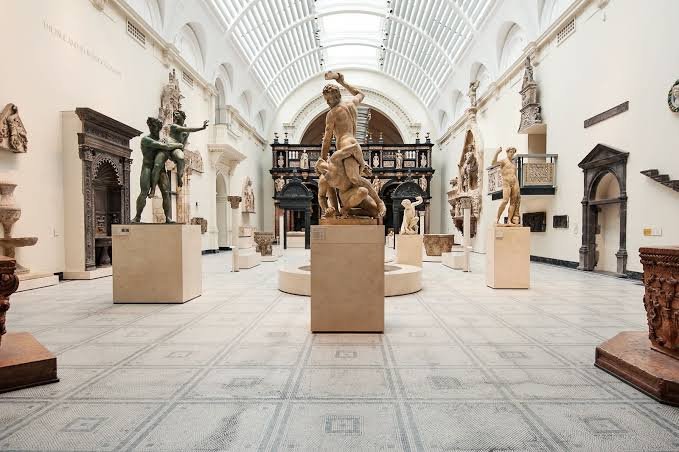
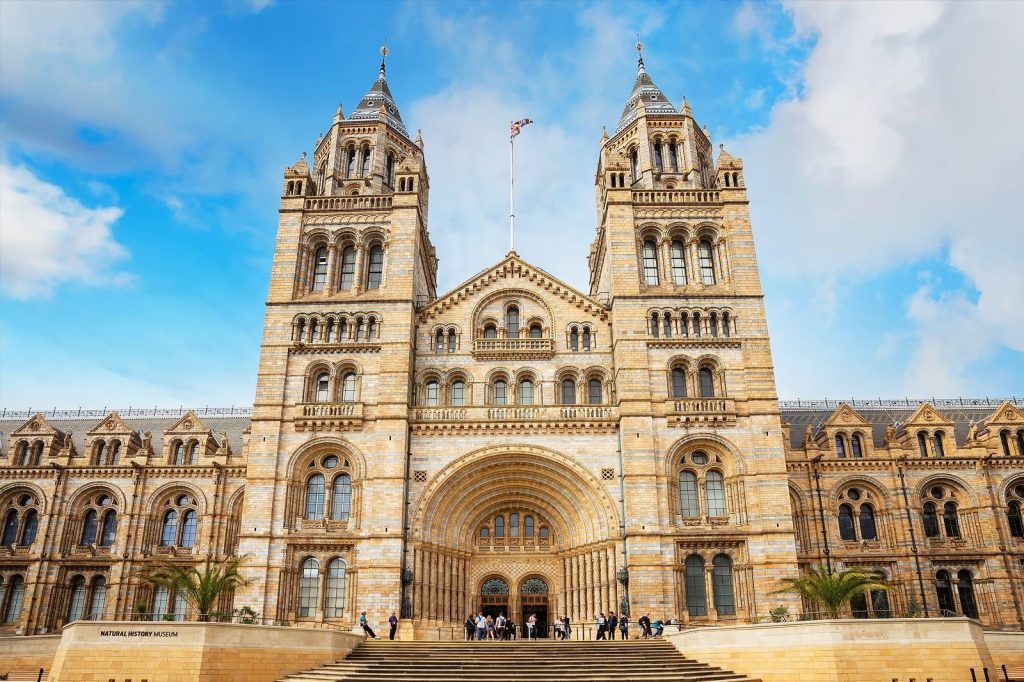
One of the most significant and most underappreciated facts about London is that its greatest museums are free.
The British Museum, the National Gallery, the Tate Modern, the Tate Britain, the Victoria and Albert Museum, the Natural History Museum, the Science Museum, and the National Portrait Gallery all charge nothing for access to their permanent collections.
- The Tate Modern, in a converted Bankside power station on the South Bank, is the most visited modern art museum in the world, with a permanent collection covering Picasso, Matisse, Dalí, Warhol, Hockney, and virtually every major figure of 20th-century art alongside a constantly rotating programme of contemporary exhibitions. The Turbine Hall at its entrance has hosted some of the most spectacular large-scale art installations of the past two decades.
- The Victoria and Albert Museum in South Kensington is the greatest museum of art and design in the world, covering 5,000 years of artistic achievement across furniture, fashion, textiles, ceramics, glass, metalwork, architecture, and photography. The collection includes Leonardo da Vinci's notebooks, the Great Bed of Ware (1590), and an extraordinary fashion archive that is one of the most significant in existence.
- The Natural History Museum next door is anchored by Hope, the blue whale skeleton suspended from the ceiling of Hintze Hall (which replaced the famous Dippy the Diplodocus in 2017), alongside the earthquake and volcano simulations in the Earth Galleries. It is one of the most popular museums in London for families.
The View From the Shard
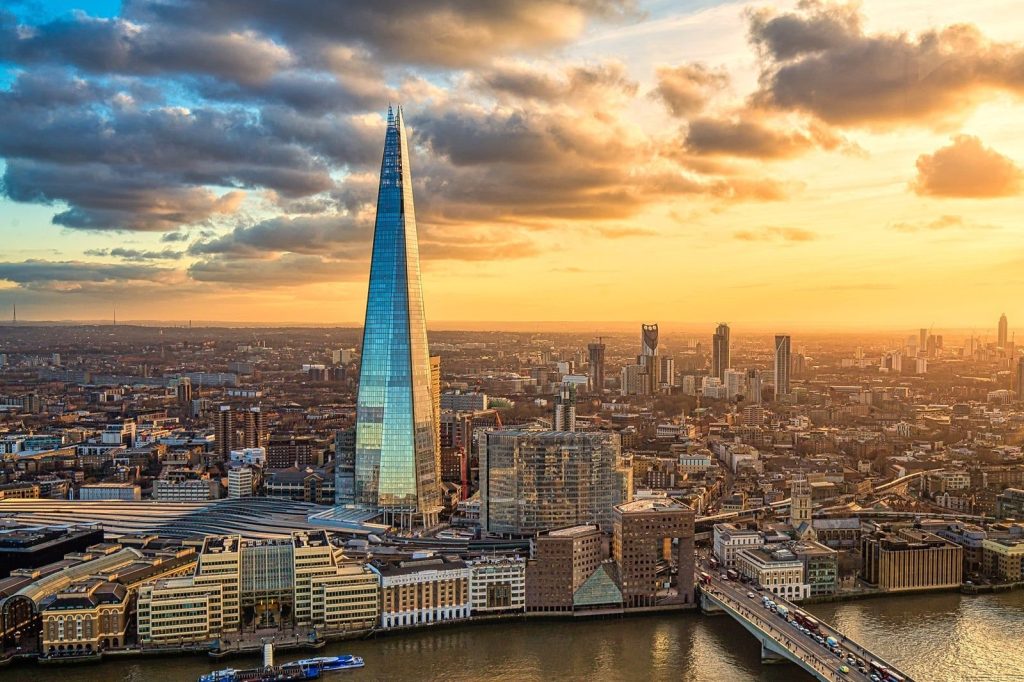
The Shard on the South Bank is the tallest building in the United Kingdom at 1,017 feet (310 metres), a glass spire designed by Renzo Piano that has dominated the London skyline since its completion in 2012. The View from The Shard observation experience on levels 68 to 72 gives 360-degree panoramic views across the city, extending on clear days to more than 40 miles and encompassing every significant landmark in Greater London.
The open-air Skydeck on level 72 provides an unobstructed outdoor perspective. Book your tickets in advance because the sunset and evening slots sell out the fastest.
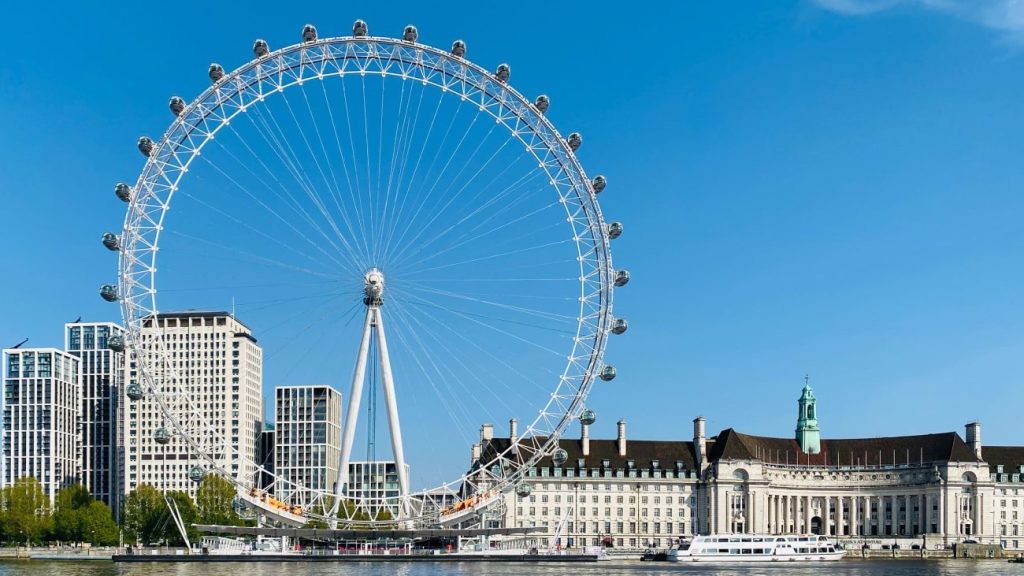
The London Eye on the South Bank is a 443-foot observation wheel on the Thames, with 32 enclosed capsules (one for each London borough) completing a full rotation in approximately 30 minutes.
The views across the Thames toward Westminster, Buckingham Palace, and the city skyline are some of the most photographed in London. Each capsule holds up to 25 people. Pre-booking is strongly recommended.


Warner Bros. Studio Tour London
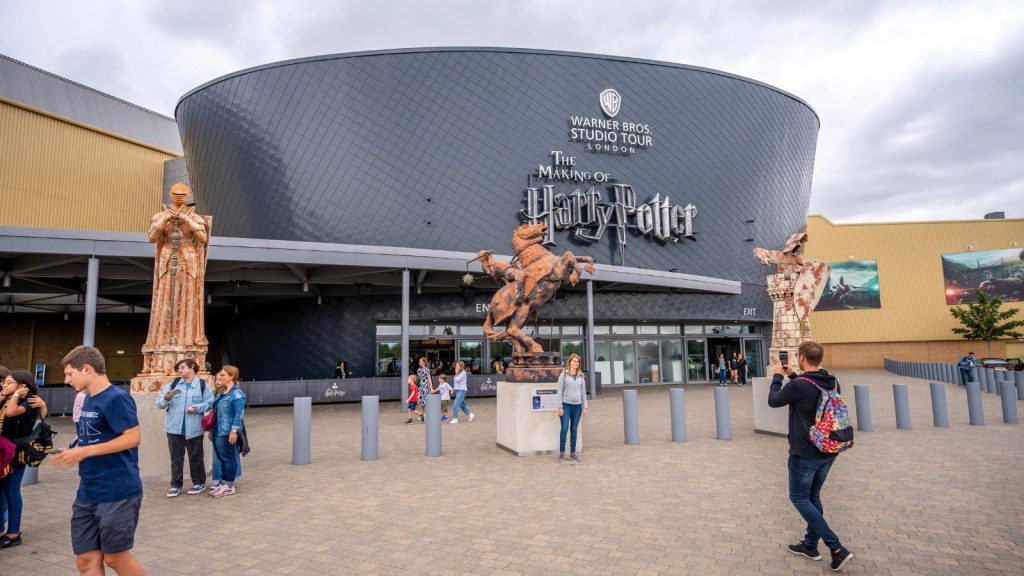
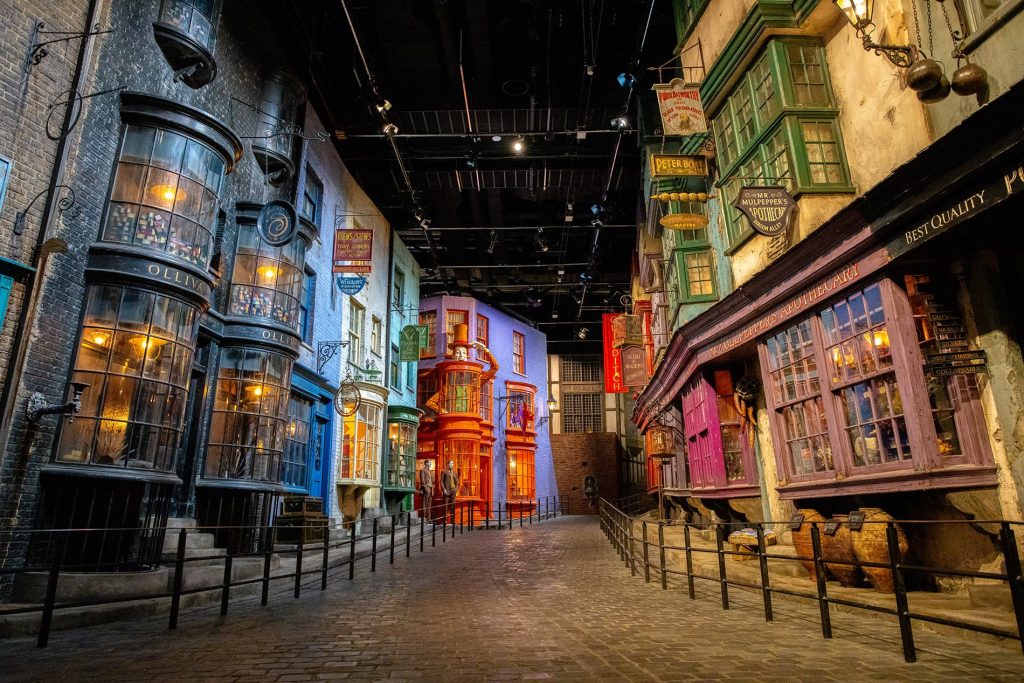
The Warner Bros. Studio Tour London: The Making of Harry Potter at Leavesden, approximately 20 miles northwest of central London, is one of the most popular attractions in England and one of the most impressive studio tours anywhere in the world. The self-guided experience takes visitors through the original film sets, props, costumes, and special effects of the Harry Potter film series across two studio buildings and an outdoor backlot area.
The Great Hall, Dumbledore's office, Gryffindor common room, the Forbidden Forest, Diagon Alley, Hogwarts Express on Platform 9 3/4, and a 1:24 scale architectural model of Hogwarts Castle are among the highlights.
Butterbeer is available in the studio. Don’t forget to try it!
Allow at least 3 to 4 hours, but most visitors spend longer. Booking in advance is essential as the tour operates on timed entry slots that sell out weeks ahead during school holidays and peak season.
Getting there from central London: a coach transfer service runs from 258 Vauxhall Bridge Road (a 5-minute walk from Victoria Station). By train, the journey to Watford Junction takes about 20 minutes from Euston, followed by a shuttle bus to the studio.

The South Bank
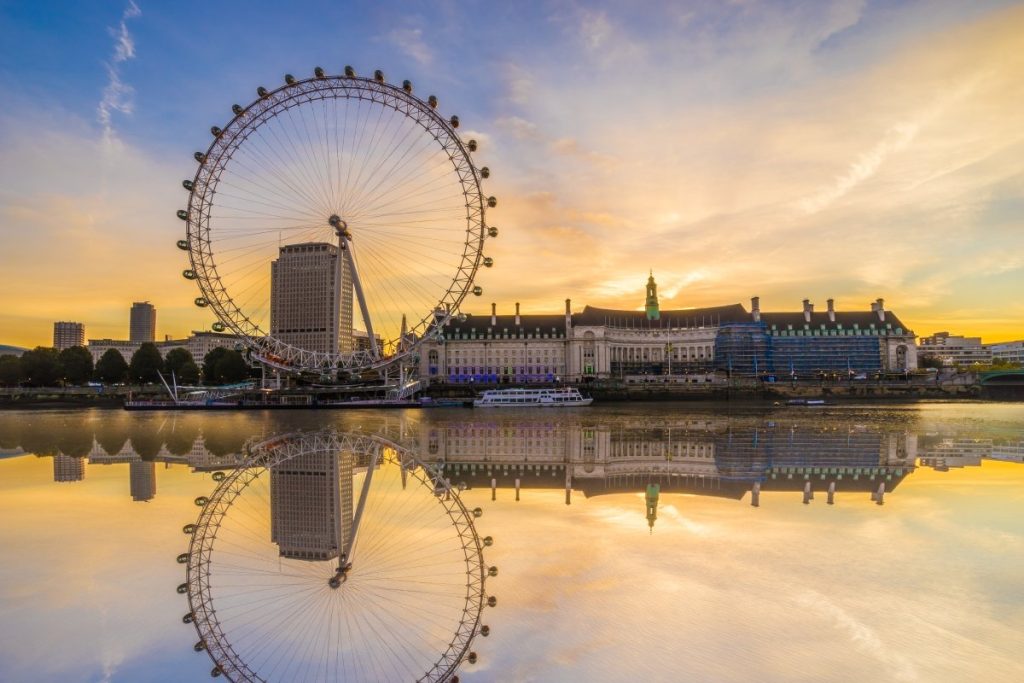
The South Bank of the Thames, running from Westminster Bridge to London Bridge, is the most rewarding stretch of riverside in the city. The Southbank Centre complex anchors the western end with the Royal Festival Hall and the Hayward Gallery.
Walking east brings you past the Tate Modern, Shakespeare's Globe Theatre (a faithful recreation of the 1599 original, largely open to the elements), and Southwark Cathedral before reaching Borough Market at London Bridge, one of the oldest food markets in Britain, with over 100 stalls selling fresh produce, artisan food, and street food.
Thursday to Saturday is the fullest version of the market, while Friday lunchtime is the most atmospheric.
Greenwich
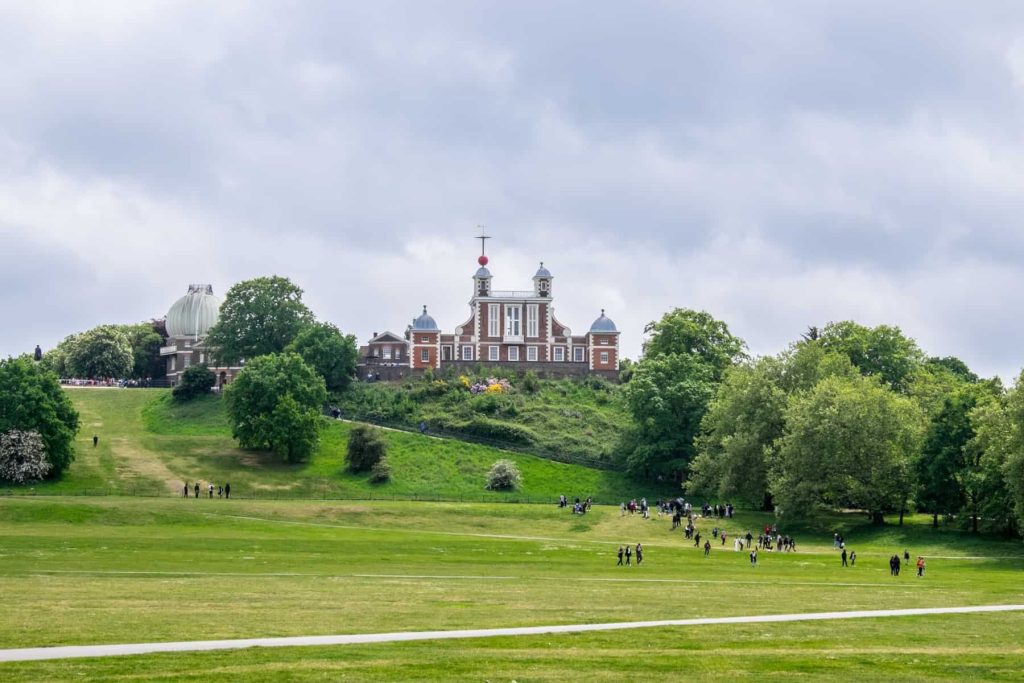
Greenwich, accessible by Thames Clipper or DLR, rewards a full day. The Royal Observatory Greenwich, built by Christopher Wren in 1675, is the home of Greenwich Mean Time and the Prime Meridian (longitude 0°), marked by a brass line where visitors can stand with one foot in each hemisphere.
The Cutty Sark at Greenwich Pier is a Victorian tea clipper built in 1869, lifted above dry dock as a museum where you can walk beneath the hull and explore the decks.
Greenwich Park surrounds the Observatory with outstanding views across the Thames toward Canary Wharf and the City of London.


Kensington and Chelsea
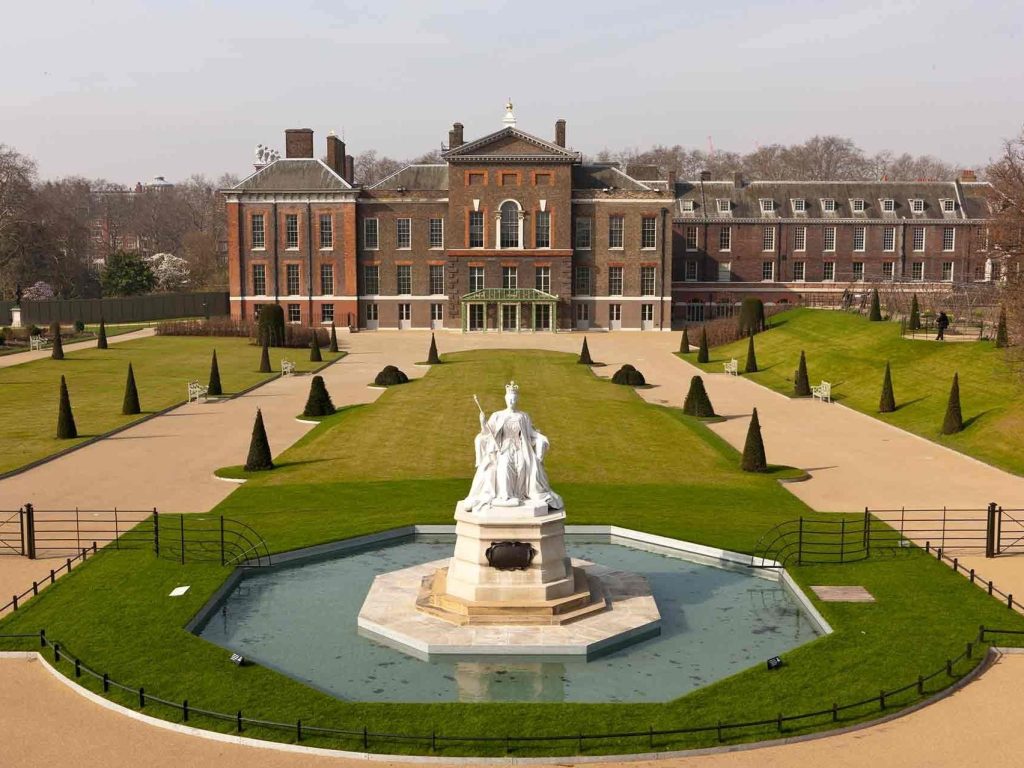
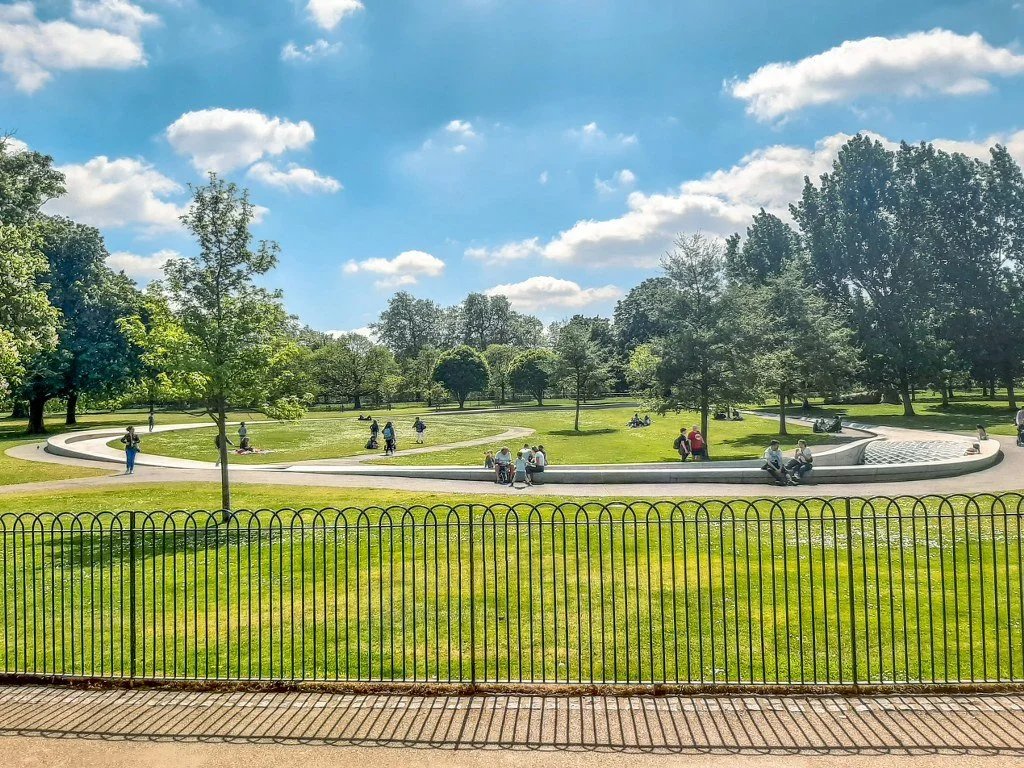
Kensington Palace in Kensington Gardens was the childhood home of Queen Victoria, the late residence of Princess Diana, and the current official residence of the Prince and Princess of Wales. The State Apartments, the Royal Ceremonial Dress Collection, and the gardens are open to the public.
Hyde Park covers 350 acres in the heart of the city and is the most famous of London's eight Royal Parks. The Serpentine Gallery hosts some of the most significant contemporary art exhibitions in London, and Speaker's Corner at the northeast corner has been the site of free public speech since the 19th century.
West End Theatre
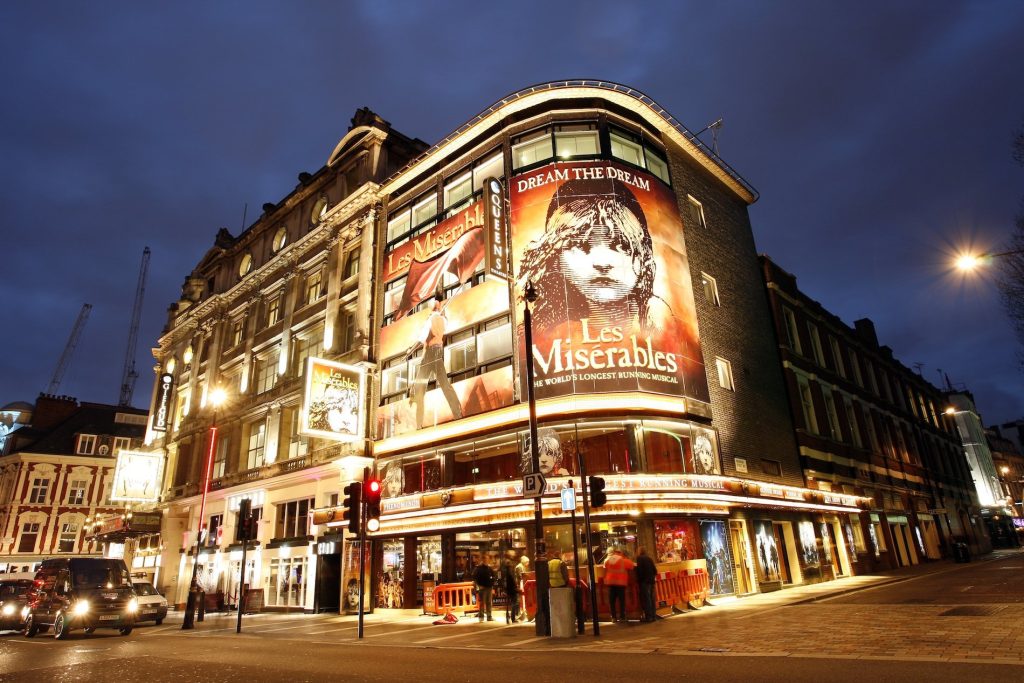
London's West End is the most important theatre district in the English-speaking world, with over 40 major theatres. Long-running musicals, including The Lion King, Wicked, Hamilton, Les Misérables, The Phantom of the Opera, and Mamma Mia, fill the big houses nightly, while the National Theatre on the South Bank, the Donmar Warehouse, and the Almeida regularly present straight plays of equal quality.
Book in advance for the most popular shows. The TKTS booth at Leicester Square sells same-day discounted tickets for selected productions at savings of 25 to 50%.
London’s Food and Drink Scene
London's food scene is now one of the great dining cities in the world. Borough Market under the railway arches at London Bridge is the most celebrated food market in the city and the best single place to eat and graze.
Dishoom (multiple sites) for Bombay-style café cooking. St John in Clerkenwell for British nose-to-tail cooking at its finest. Brat in Shoreditch for exceptional wood-fired food.
Pub culture is the essential London experience alongside the restaurants. The Sunday roast, served from midday in pubs across the city, is the most British thing you can eat here and worth planning a Sunday around.
Afternoon tea at Claridge's, the Ritz, or the Savoy is the other cultural institution worth doing at least once.
Tip: Book well in advance for the landmark hotel versions.
Top Things to Do in London And Ticket Options
- SEA LIFE London Aquarium sits on the South Bank directly beside the London Eye, making it one of the most conveniently located aquariums in the city for visitors already spending time at Westminster. The aquarium houses over 600 species across themed ocean zones, with the highlight being the main shark tank, where multiple species circle overhead in a 360-degree walkthrough tunnel. Interactive rock pools, a penguin ice adventure, a seahorse sanctuary, and a dedicated rainforest zone round out an experience that takes most visitors two to three hours and works particularly well for families with younger children.
- Tower of London Ticket covers the UNESCO World Heritage Site on the Thames, including the Crown Jewels, the Yeoman Warder guided tours, the White Tower armour collection, and the medieval palace rooms. It is one of the most visited attractions in the UK and essential for any first-time visitor.
- The View From The Shard Ticket provides access to the observation experience on levels 68 to 72 of the UK's tallest building, including the open-air Skydeck on level 72 with 360-degree views extending up to 40 miles on clear days. Book the sunset or evening slots in advance.
- Madame Tussauds London in Marylebone houses wax figures across entertainment, royalty, sports, music, and history zones in one of the most visited attractions in London. Four themed interactive experiences alongside the classic figure rooms make this particularly good for families.
- London Eye Standard Experience is a 30-minute rotation in one of the 32 enclosed capsules of the 443-foot observation wheel on the South Bank, with views across Westminster, the Thames, and the city skyline. Pre-booking is essential, with standard, fast-track, and champagne experience options all being available.
- Kensington Palace Ticket covers the State Apartments, the Royal Ceremonial Dress Collection, and the gardens of the palace that was Queen Victoria's childhood home and Princess Diana's London residence. It is set on the western edge of Kensington Gardens.
- Warner Bros. Studio Tour London: The Making of Harry Potter at Leavesden gives access to the original Great Hall, Diagon Alley, Platform 9 3/4, the Hogwarts Express, and a 1:24 scale model of Hogwarts Castle, with costumes, props, and the full history of the film production across 3 to 4 hours minimum. Book well in advance because timed entry slots sell out weeks ahead of time during holidays.
- Cutty Sark Ticket gives access to the Victorian tea clipper built in 1869, preserved at Greenwich Pier, with the hull elevated above dry dock for visitors to walk beneath. It is best combined with a visit to the Royal Observatory and Greenwich Park on the same day.
- Go City London Explorer Pass lets you choose between 2 and 7 attractions from a list of over 80 London experiences, with a 60-day window from first use. The selection includes the Tower of London, the London Eye, the View from The Shard, Westminster Abbey, the Greenwich Royal Observatory, Kensington Palace, Warner Bros. Studio Tour, and much more. This is one of the best-value ways to cover multiple London attractions across a longer stay.
- City Cruises Red River Rover is a hop-on, hop-off river bus service on the Thames, calling at Westminster, Bankside, Tower, and Greenwich piers throughout the day. It is the most scenic way to move between the major riverside attractions while seeing the city from the water.
- Westminster to Greenwich Sightseeing Thames Cruise is a one-way river journey from Westminster Pier to Greenwich with live commentary, passing Tower Bridge, the Tower of London, Shakespeare's Globe, Tate Modern, and the Cutty Sark from the water. You get one of the best one-hour experiences in London with this cruise.
- Tower Bridge River Sightseeing Cruise from Westminster covers the same route with audio commentary available in six languages, departing from Westminster Pier.
- Dinner and Jazz Cruise on the River Thames runs a 3-hour evening dinner cruise with live jazz music, a set dinner menu, and views of the illuminated Thames landmarks after dark. Go for this ticket if you want one of the most atmospheric evening experiences available in London.
- London Hop-On Hop-Off Bus Tour with Optional River Cruise covers the main London landmarks on an open-top double-decker bus with multiple routes and live guide commentary, with the option to add a river cruise for a combined land-and-water sightseeing experience.


Day Trips from London
- Windsor Castle (23 miles west, 30 to 45 minutes by train from Paddington or Waterloo) is the oldest and largest occupied castle in the world and one of the most rewarding half-day trips from the city, with the State Apartments, St. George's Chapel, and a changing of the guard.
- Stonehenge (85 miles southwest, about 2 hours by coach) is the most mysterious prehistoric monument in Britain, a circle of massive standing stones erected around 2500 BC with an excellent visitor centre providing context.
- Oxford (60 miles northwest, about 1 hour by coach or train from Paddington) has one of the oldest universities in the English-speaking world, the Bodleian Library, the Ashmolean Museum, and a medieval town centre worth several hours of exploration.
- Bath (115 miles southwest, about 1.5 hours by train from Paddington) is a UNESCO World Heritage City built on Roman thermal springs, with the Roman Baths, the Royal Crescent, and the Circus among the finest Georgian architecture in Britain.
- Cambridge (55 miles north, about 50 minutes by train from King's Cross) rivals Oxford for architectural beauty, with King's College Chapel, the Fitzwilliam Museum, and punting on the River Cam past the college Backs.
When Should You Visit London
London has a temperate maritime climate that is significantly milder than most visitors expect: it rarely gets very cold or very hot, but it can be grey and drizzly at almost any time of year.
- May and June are widely considered the best months with long days, pleasant temperatures around 18 to 23°C, the Chelsea Flower Show in May, and the gardens of the Royal Parks at their most beautiful before summer crowds peak.
- September and October are the other excellent windows. The temperatures remain comfortable (15 to 20°C), the summer tourist peak has passed, and the cultural calendar, particularly theatre, begins its autumn season. The Frieze Art Fair in October draws the global art world to Regent's Park.
- July and August are peak season with the warmest temperatures (occasionally 25 to 30°C), school holidays, and the highest visitor numbers. Attractions will be busiest during this time, so book every attraction well in advance.
- December is one of the most magical months to be in London. You get to see the Christmas lights on Oxford Street, Regent Street, and Carnaby Street, the Winter Wonderland in Hyde Park (runs from November to January), the ice rink at Somerset House, and the city's warmth and generosity during the holiday season. All of this combined into something genuinely special.
- Winter (January to March) has the lowest hotel rates of the year, the shortest queues at major attractions, and the most honest version of daily London life without the tourist overlay.
Practical Tips Before You Go
- Get an Oyster card or use contactless. Contactless bank cards and Apple Pay or Google Pay work on all TfL services at the same fare as Oyster. The daily fare cap means you will never overpay, regardless of how many journeys you make.
- You cannot pay cash on London buses. An Oyster or contactless card is required for every bus journey without exception.
- Check your ETA requirement before booking flights at gov.uk/check-uk-visa. The Electronic Travel Authorisation now applies to nationals of many countries with visa-free access.
- Book popular attractions in advance. The Tower of London, the View from The Shard, the Warner Bros. Studio Tour, and Buckingham Palace State Rooms all have timed entry or limited capacity. Booking through Thrillark secures your slot and often saves money.
- The Tube is not the fastest option for every journey. Use Citymapper (free app) rather than Google Maps for real-time TfL journey planning, including bus, Overground, Elizabeth line, and river services. It shows the actual fastest route, not just the Tube.
- Keep left on escalators. Stand on the right, and walk on the left. This is enforced by social convention and the occasional pointed look.
- Tipping etiquette: Many London restaurants automatically add a 12.5% discretionary service charge to bills. Check before adding a tip on top. Tipping is not expected in pubs.
- Weather: Bring layers and a compact umbrella regardless of the season and regardless of the forecast. This is not pessimism. This is an experience.
London is the kind of city that never quite lets you feel like you have finished with it. Every visit adds new layers and reveals new streets, and the combination of living, breathing history with genuine world-class food, art, theatre, and public space makes it one of the greatest destinations on Earth.
Book your Tower of London tickets, your Warner Bros. Studio Tour, your Thames cruise, and your West End show through Thrillark, and give one of the world's finest cities the visit it deserves.
Frequently Asked Questions About London
Do you need a visa to visit London?
Citizens of many countries can visit the UK as tourists without a pre-arranged visa, but an increasing number of nationalities now require an Electronic Travel Authorisation (ETA) before departure. The ETA is a digital pre-travel permission and is not the same as a visa, but it must be obtained online before you fly. Check your specific requirements at gov.uk/check-uk-visa before booking, as the list of ETA-required nationalities continues to expand and penalties for arriving without one are significant.
What is the best way to get from Heathrow Airport to central London?
The Elizabeth line is the fastest and most comfortable option, connecting Heathrow directly to Paddington, Bond Street, Tottenham Court Road, and Liverpool Street in approximately 40 minutes at a fraction of the taxi cost. The Heathrow Express is faster at 15 minutes non-stop to Paddington but significantly more expensive. Both use Oyster or contactless payment. Taxis and Uber are available outside each terminal and are practical for large groups or heavy luggage, taking 45 to 90 minutes depending on traffic.
What is the Tower of London, and why is it worth visiting?
The Tower of London is a nearly 1,000-year-old royal fortress on the north bank of the Thames, with construction of the White Tower begun by William the Conqueror around 1078 and expanded over subsequent centuries, that has served as a palace, prison, execution site, arsenal, and mint across its history. The Crown Jewels, including the Imperial State Crown and the largest clear-cut diamond in the world, are housed in the Jewel House. The Yeoman Warders provide guided tours throughout the day with the kind of historically rich storytelling that makes the site accessible to every age group. Allow 2 to 3 hours minimum and book tickets in advance.
What is the Warner Bros. Studio Tour London, and how do you get there?
The Warner Bros. Studio Tour London: The Making of Harry Potter is a self-guided experience at the original Leavesden Studios, about 20 miles northwest of central London, covering the actual film sets, costumes, props, and special effects of the Harry Potter film series. Highlights include the Great Hall, Diagon Alley, Platform 9 3/4, and a 1:24 scale architectural model of Hogwarts Castle. Getting there: a dedicated coach service runs from 258 Vauxhall Bridge Road near Victoria Station. By train: Euston to Watford Junction (approximately 20 minutes), then a shuttle bus to the studios. Timed entry slots sell out weeks ahead during school holidays; book through Thrillark well in advance.
What is the best observation deck in London?
The View from the Shard on levels 68 to 72 of the UK's tallest building gives the highest and most panoramic views in London, extending up to 40 miles on clear days with an open-air Skydeck at the top. The London Eye on the South Bank gives a different perspective: a 30-minute rotation at eye level with Westminster and the Thames rather than a bird's eye view of the whole city. Both are excellent and offer genuinely different experiences; the Shard is best for a full city overview, and the Eye is best for the river and Westminster landmarks specifically.
How do you get around London without a car?
The London Underground (Tube) and the Elizabeth line together cover virtually every significant destination in the city, and most of central London is within a short walk of a Tube station. The red double-decker bus covers areas the Tube does not reach and gives the best above-ground view of the city at street level. Oyster or contactless bank cards (including Apple Pay and Google Pay) work across all TfL services with a daily fare cap that limits total spending regardless of journey count. Citymapper is the best app for real-time navigation across all modes of London transport.
What are the best free things to do in London?
The British Museum, the National Gallery, the Tate Modern, the Tate Britain, the Victoria and Albert Museum, the Natural History Museum, and the Science Museum all charge nothing for their permanent collections. Trafalgar Square, Borough Market (browsing is free), Hyde Park, Regent's Park, Greenwich Park, and the Southbank are all free. Changing of the Guard at Buckingham Palace is free to watch from outside the gates. The Turbine Hall at Tate Modern regularly hosts free large-scale art installations. The view from Primrose Hill over the London skyline, and the view from Parliament Hill on Hampstead Heath, are both free and among the finest in the city.
Browse by themes
Other Things to Do in London