Zurich has a reputation for being expensive, efficient, and slightly serious, and all three things are accurate. But the reputation misses what makes it one of the most genuinely enjoyable cities in Europe: the lake at the end of Bahnhofstrasse that turns an impossible shade of blue in summer, the medieval Old Town lanes that have barely changed in five centuries, the Kunsthaus art collection that rivals any museum on the continent, and a food scene that has moved well beyond fondue without abandoning it.
Zurich is also the gateway to one of the most spectacular natural landscapes in the world. The Alps are visible from the city on clear days. Lake Zurich stretches 39 km south. Lucerne is 45 minutes by train. Interlaken and the Bernese Oberland are two hours away. Already sounds like a great trip, doesn’t it?
Switzerland’s largest city sits at the northern tip of Lake Zurich at the point where the Limmat River exits the lake, a position that gives it remarkable natural beauty for a city of its commercial significance. It has been one of the world’s leading financial centres for over a century, and the wealth that has been generated is visible in the architecture, the galleries, the chocolate shops, and the extraordinary density of world-class restaurants per capita.
Give it two days minimum. Three is better, particularly if day trips to the mountains or Lucerne are on the agenda.
Zurich City Essentials
Entry Requirements for Zurich
Citizens of the EU and Schengen Area nations can enter Switzerland without a visa. Citizens of the US, UK, Canada, Australia, and many other non-EU countries can also visit Switzerland without a visa for stays of up to 90 days within any 180-day period.
Indian nationals require a Schengen visa applied for in advance at the Swiss Embassy or consulate. Always verify your specific requirements at sem.admin.ch before booking.
Note that Switzerland is not an EU member but is part of the Schengen Area, so entry rules follow Schengen norms.
From 2025: The EU’s ETIAS (European Travel Information and Authorisation System) is being rolled out for visa-exempt non-EU nationals visiting Schengen Area countries, including Switzerland. Check the current status at travel.ec.europa.eu before booking if you are a non-EU citizen.
Getting There and Getting Around
By air: Zurich Airport (ZRH) is 12 km north of the city centre and one of the finest airports in Europe. From there, the ZRH Airport Train connects the airport directly to Zurich Hauptbahnhof (the main railway station) in approximately 10 minutes, running every few minutes. Buy a ticket at the machines in the arrivals hall or use a Swiss Travel Pass or ZVV pass.
By train: Zurich is the hub of Switzerland’s legendary rail network, with direct trains to Geneva (about 2 hours 40 minutes), Basel (55 minutes), Bern (55 minutes), Lucerne (45 minutes), and Interlaken (under 2 hours). International connections reach Munich (about 3.5 hours), Milan (about 3.5 hours via the Gotthard Base Tunnel), Vienna, Paris, and most major European cities.
Getting around the city:
- ZVV tram and bus network: Zurich’s public transport is famously punctual, clean, and comprehensive. The tram network covers the city centre and most inner neighbourhoods with extreme frequency. Tram 4 running along the Bahnhofstrasse and Tram 6 running through Niederdorf are the most useful for visitors.
- Zürich Card: This is a 24-hour or 72-hour unlimited travel pass covering all ZVV trams, buses, trains within the city zone, and lake boats, plus free or discounted entry to over 40 museums in the city. It is available at Zurich Airport and the Hauptbahnhof tourist office. It also provides excellent value for visitors covering multiple museums in a single day.
- ZVV day pass: This is a more flexible alternative covering unlimited travel within selected zones without the museum discount component.
- Lake boats: Zurich Lake Line ferries depart from the Bürkliplatz on the lakefront south of the city centre, running routes along Lake Zurich from April through October. It is a spectacular way to see the lake and the city from the water.
- Walking: The Old Town (Altstadt) on both banks of the Limmat is compact and best explored on foot. The Niederdorf and Münsterhof areas are entirely pedestrianized.


The Old Town
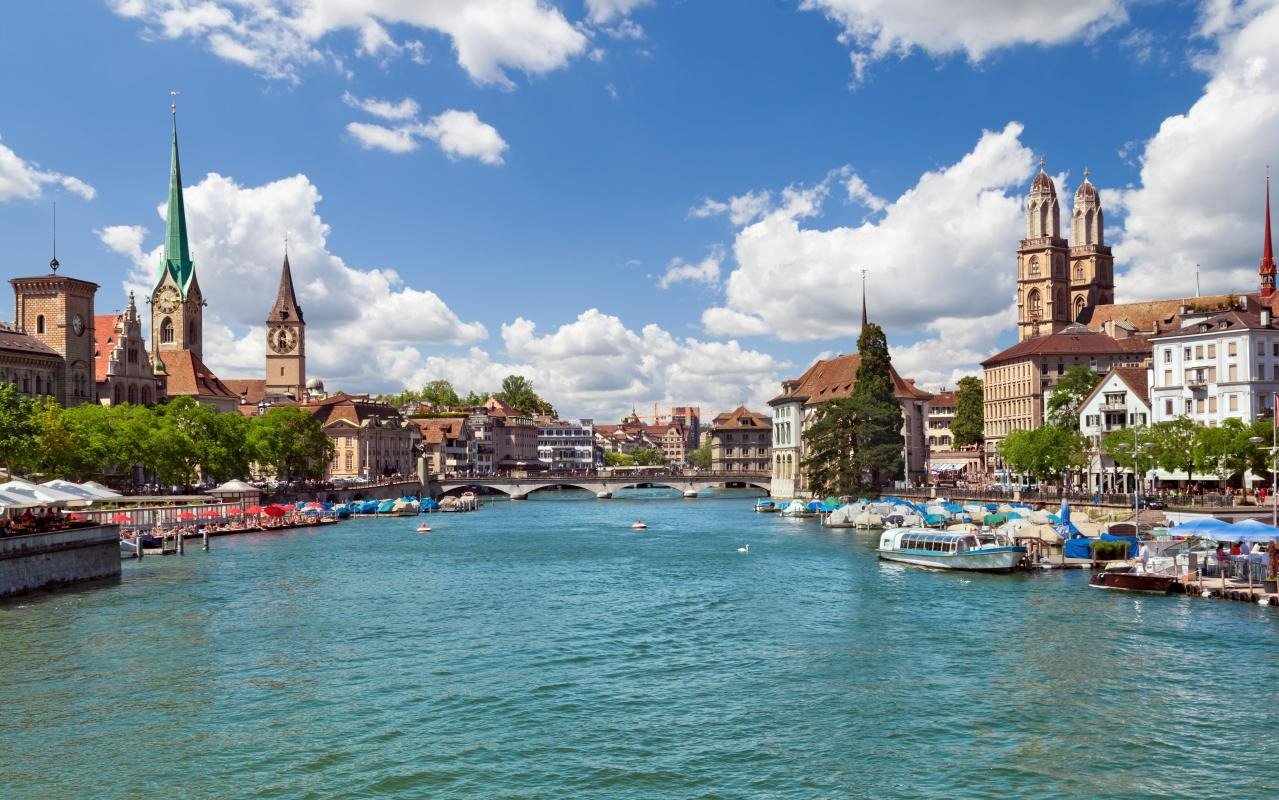
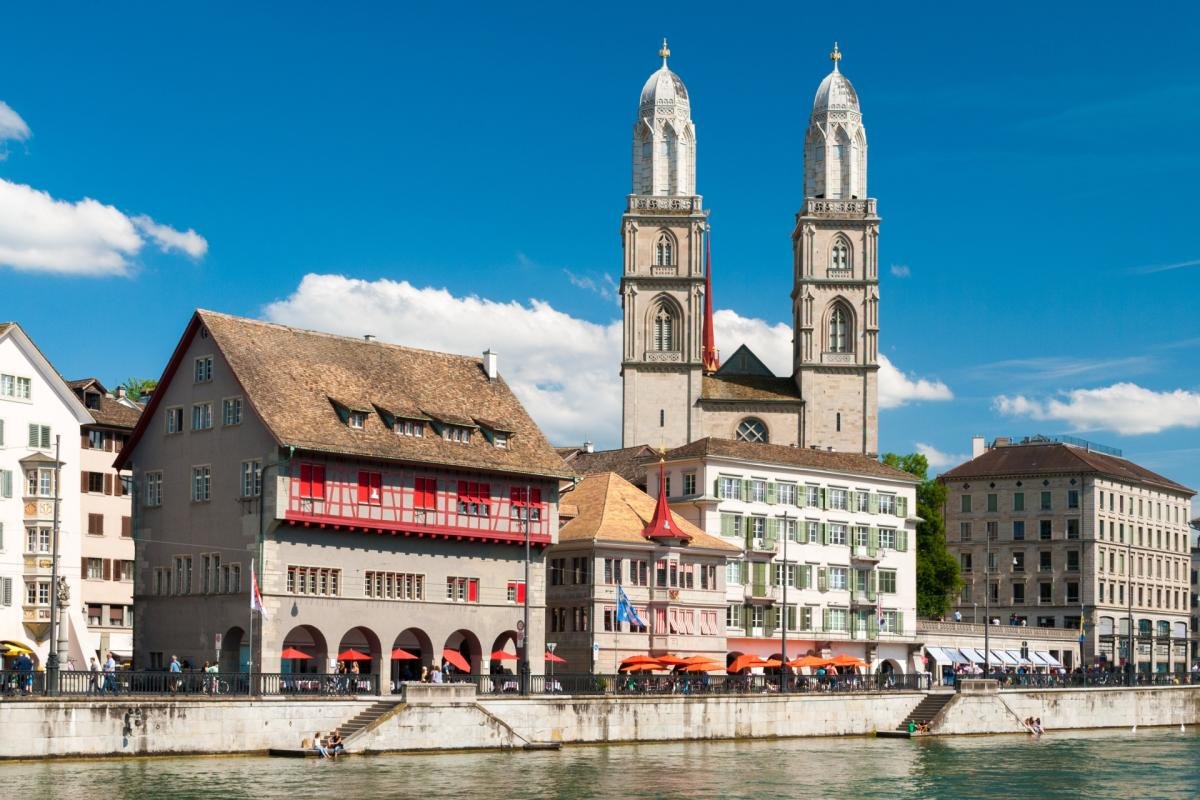
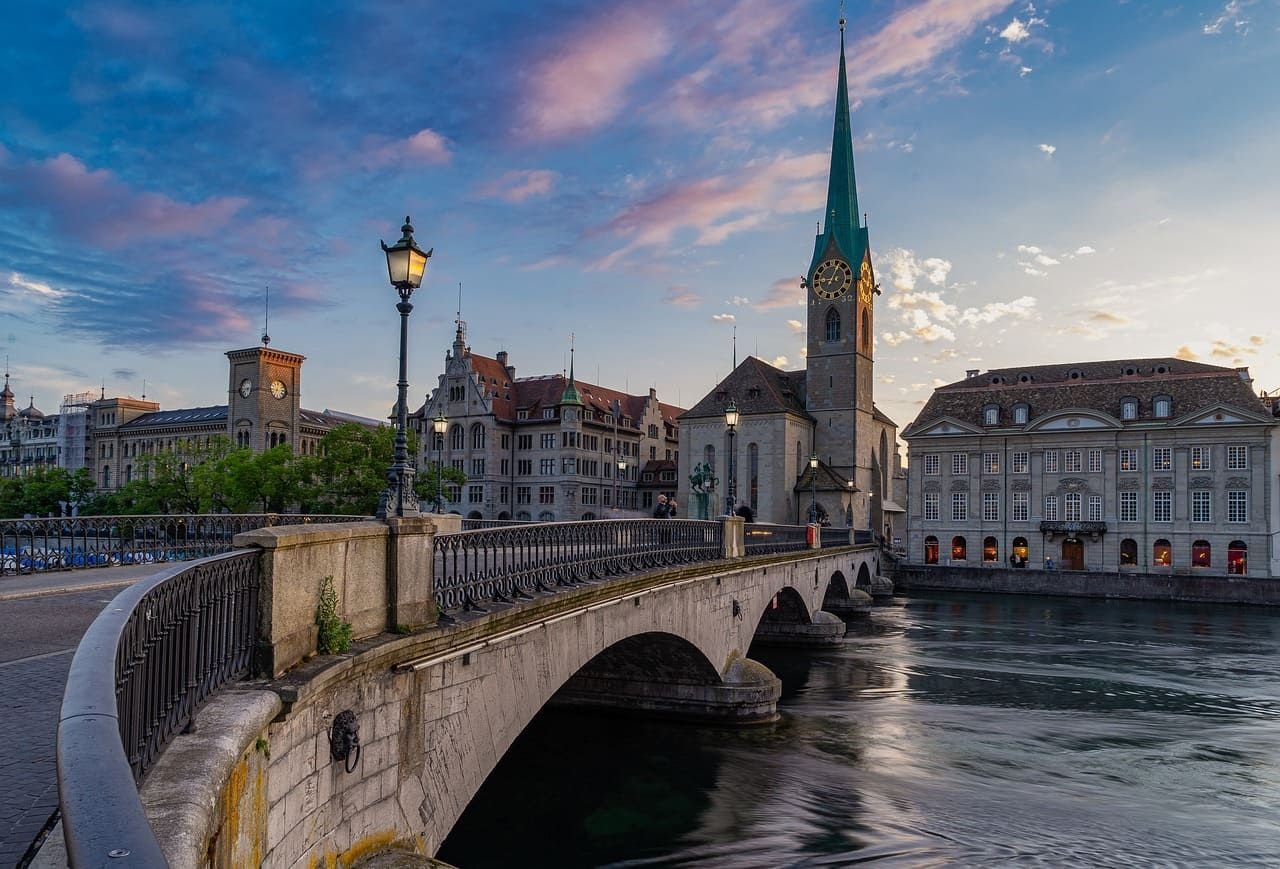
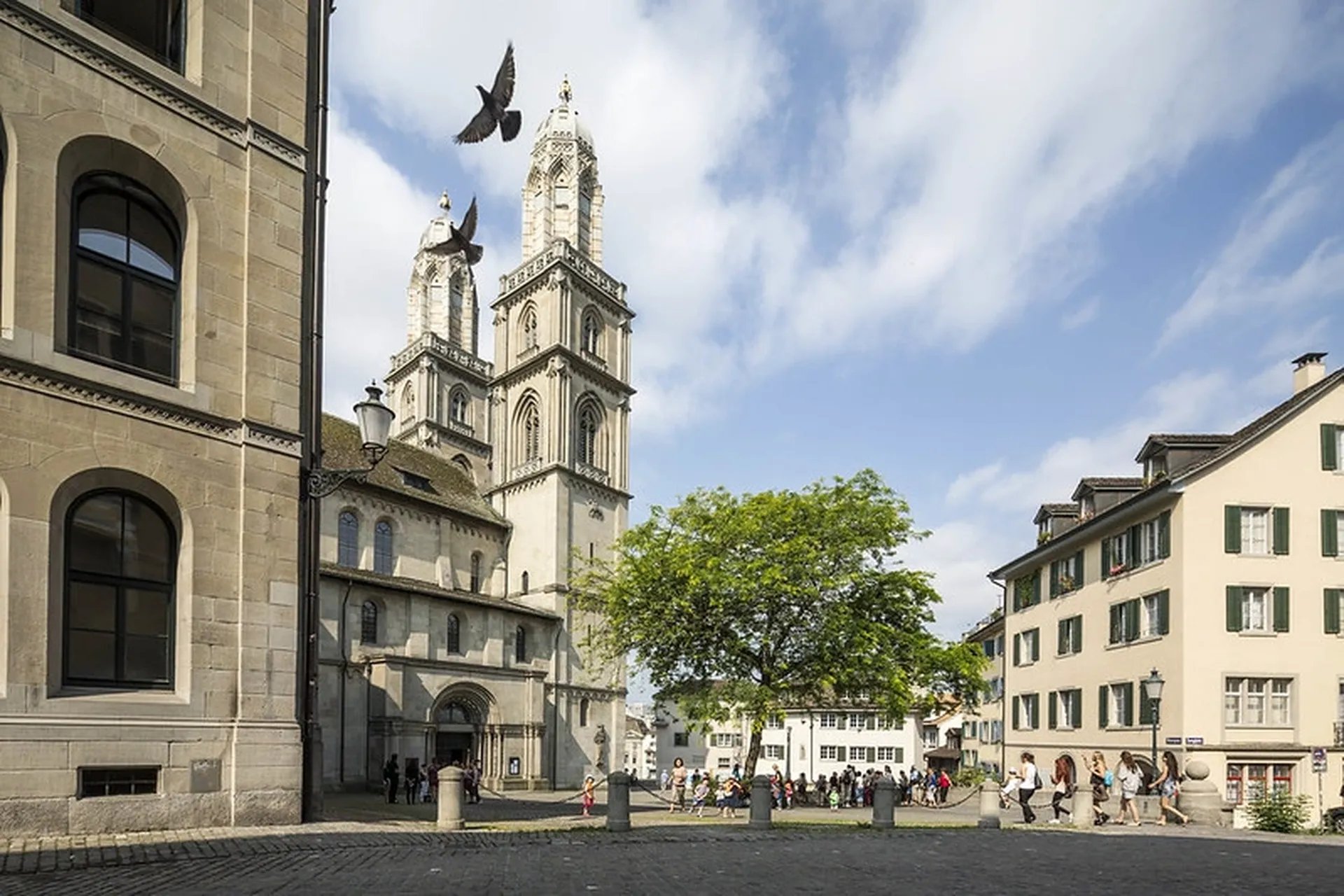
Zurich's Altstadt (Old Town) spans both banks of the Limmat River and is where the city's history is most concentrated and most legible. The two oldest churches, the Grossmünster and the Fraumünster, face each other across the river from opposing banks, and walking between them across the Münsterbrücke gives one of the most photographed views in the city.
Grossmünster (the Great Minster) on the east bank is the twin-towered Romanesque cathedral most associated with Ulrich Zwingli, who launched the Swiss Reformation from its pulpit in 1519. The church dates to the 12th century, and its two towers are the most recognisable elements of the Zurich skyline. The crypt holds a statue of Charlemagne (who, according to local legend, founded the church), and the Zwingli Bible is among the most significant Reformation artifacts in the city. Visitors can climb one of the towers for views over the rooftops and the lake.
Fraumünster (the Women's Minster) on the west bank is the older of the two major churches, with 9th-century origins as a convent for Carolingian noblewomen. The church is most celebrated today for its five stained-glass windows designed by Marc Chagall in 1970, among the most significant works of 20th-century religious art in Europe. The blue tones and Biblical scenes of the Chagall windows are extraordinary in the morning light that strikes them from the east.
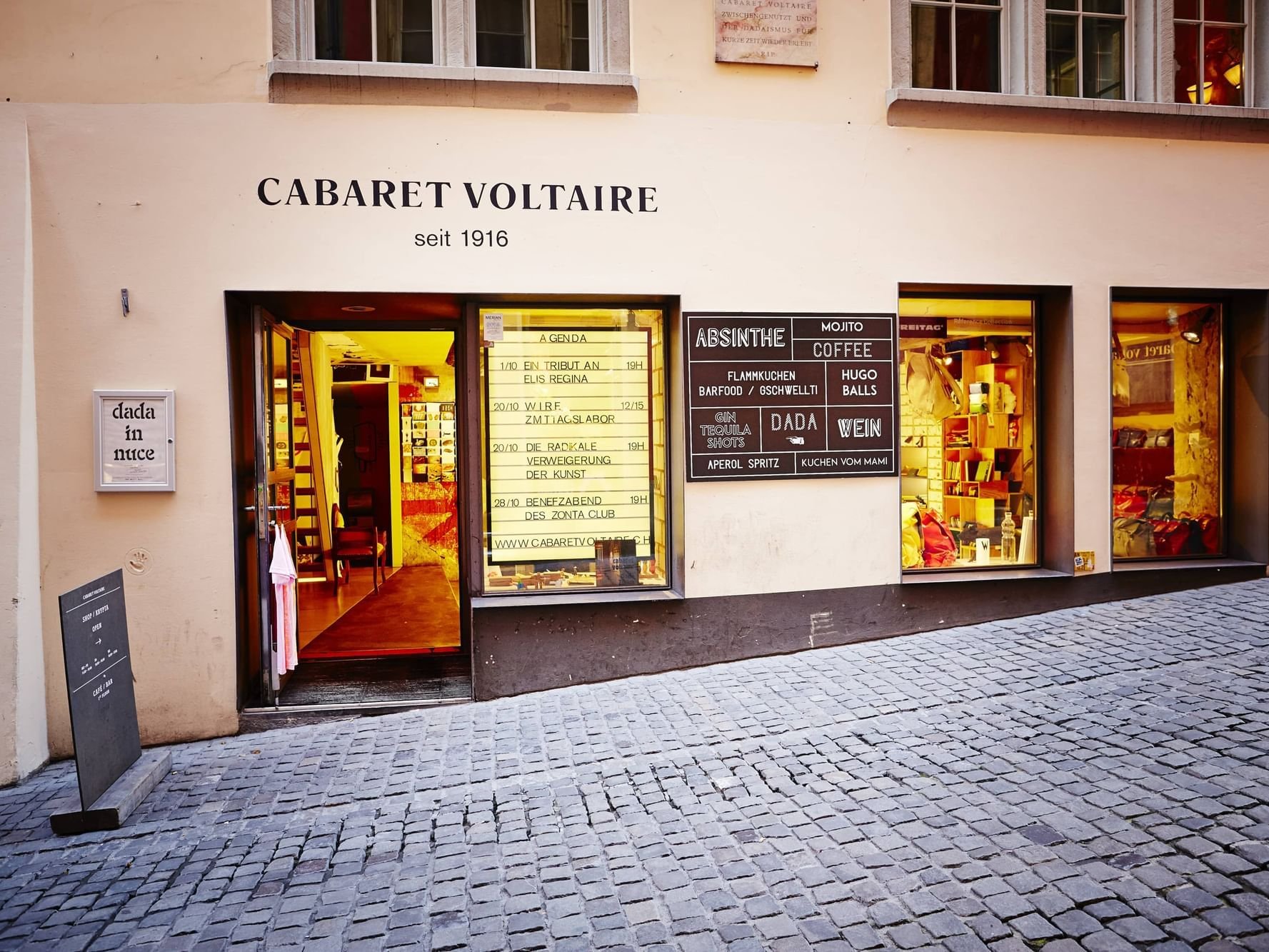
Niederdorf on the east bank of the Limmat is the medieval quarter of narrow lanes, half-timbered buildings, fountain courtyards, and independent restaurants and bars that reward slow exploration without a fixed plan. The lanes running east from the Limmat quay, particularly Napfgasse, Münstergasse, and the area around the Zähringerplatz, are the most atmospheric. The Cabaret Voltaire on Spiegelgasse, where the Dada art movement was founded in 1916, is now a cultural centre and museum.
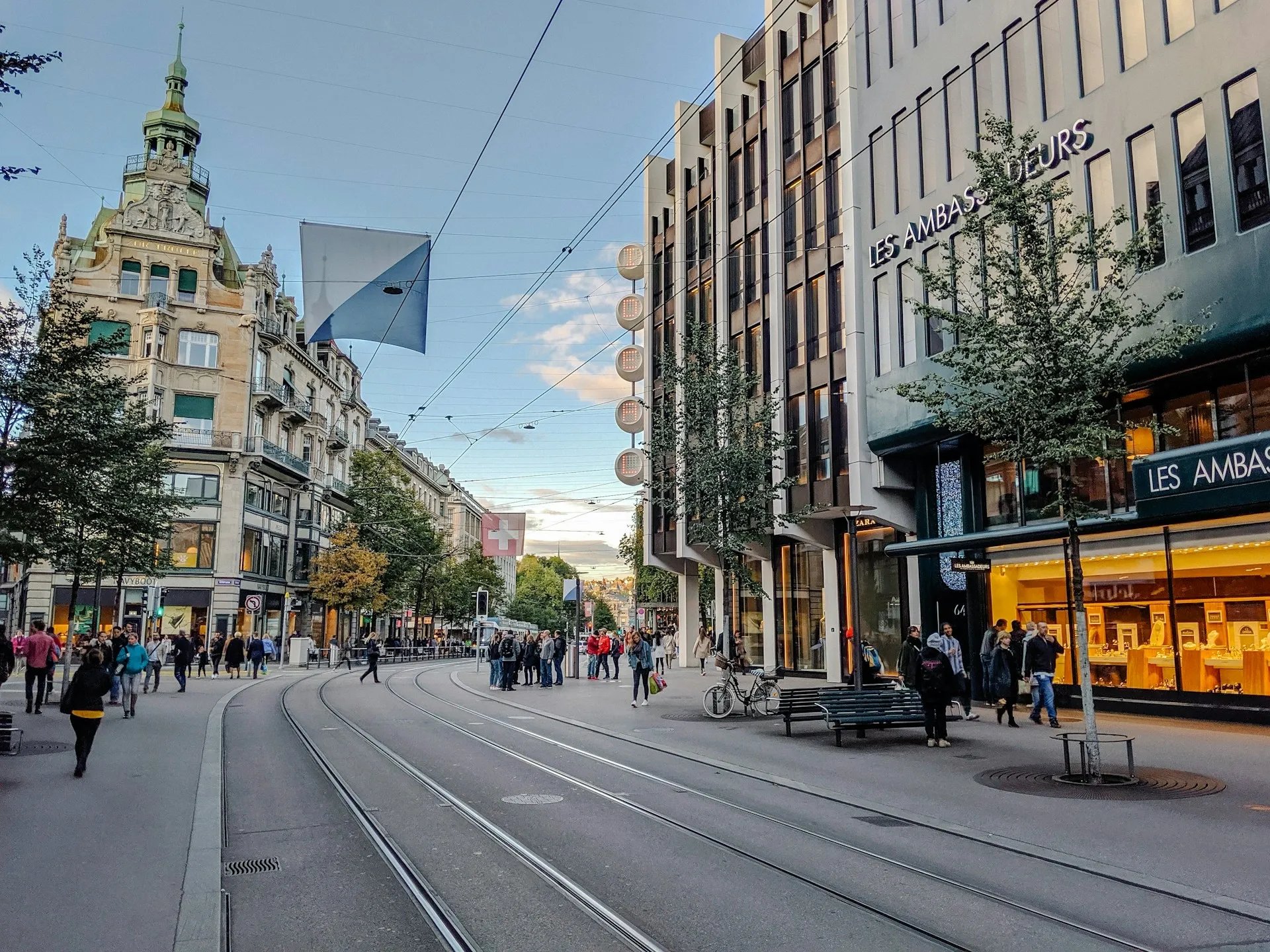
Bahnhofstrasse, running 1.1 km south from the Hauptbahnhof to the lake, is one of the most famous shopping streets in the world and consistently one of the most expensive retail streets per square metre in Europe. The underground vaults beneath the street reportedly store more gold than any other comparable street in the world. The Swiss National Bank and private banks hold vast reserves directly below the pavement. The street itself is elegant and traffic-free along its central section, lined with global luxury brands and Swiss watchmakers.
Lake Zurich
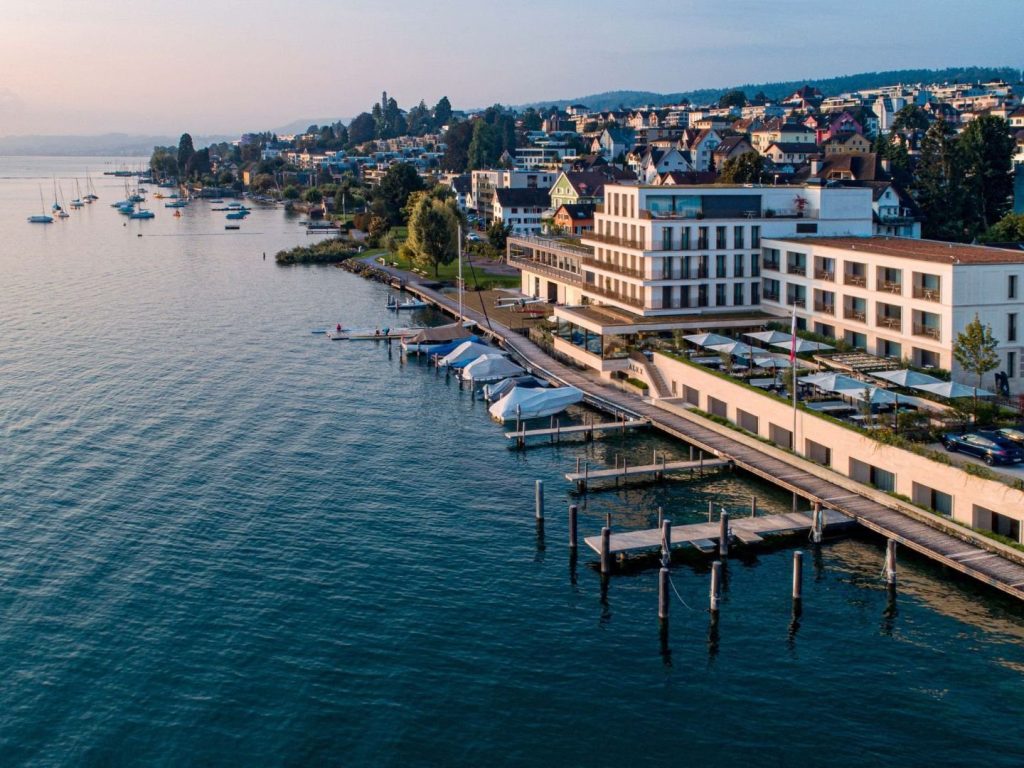
Lake Zurich (Zürichsee), stretching 39 km south of the city, is one of the defining features of the Zurich experience. The lake's extraordinarily clear water (visibility can exceed 20 metres), the Alps visible at the southern end on clear days, and the landscape of gentle hills and lakeside villages make it one of the most beautiful urban lakes in Europe.
In summer, lake swimming is taken extremely seriously. The lidos (Badi) are the lakeside and riverfront bathing areas that fill every evening from May through September with locals swimming, socialising, and eating at the attached kiosks.
The Seebad Utoquai on the eastern lakeshore is the most elegant of the historic lidos. The Strandbad Tiefenbrunnen, further east, is the most social. The Frauenbadi and Männerbadi at the mouth of the Limmat are separated by gender (in the Swiss tradition) and are particularly beloved by locals.
The Zürichhorn Park on the eastern shore has a pleasant lakefront promenade with the Le Corbusier Pavilion (the architect's last project, completed posthumously in 1967), while the Arboretum on the western shore south of Bürkliplatz is a planted park with exceptional views across the lake.
Lake cruises departing from Bürkliplatz run throughout the warmer months, from short 1.5-hour round trips to full-day cruises to the southern end of the lake and back.
The Kunsthaus Zurich
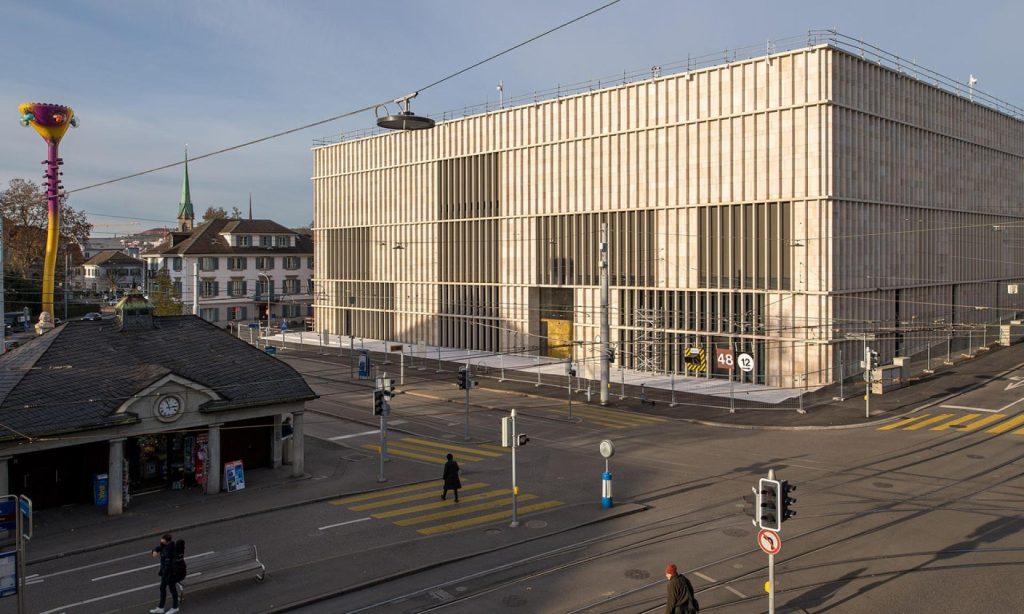
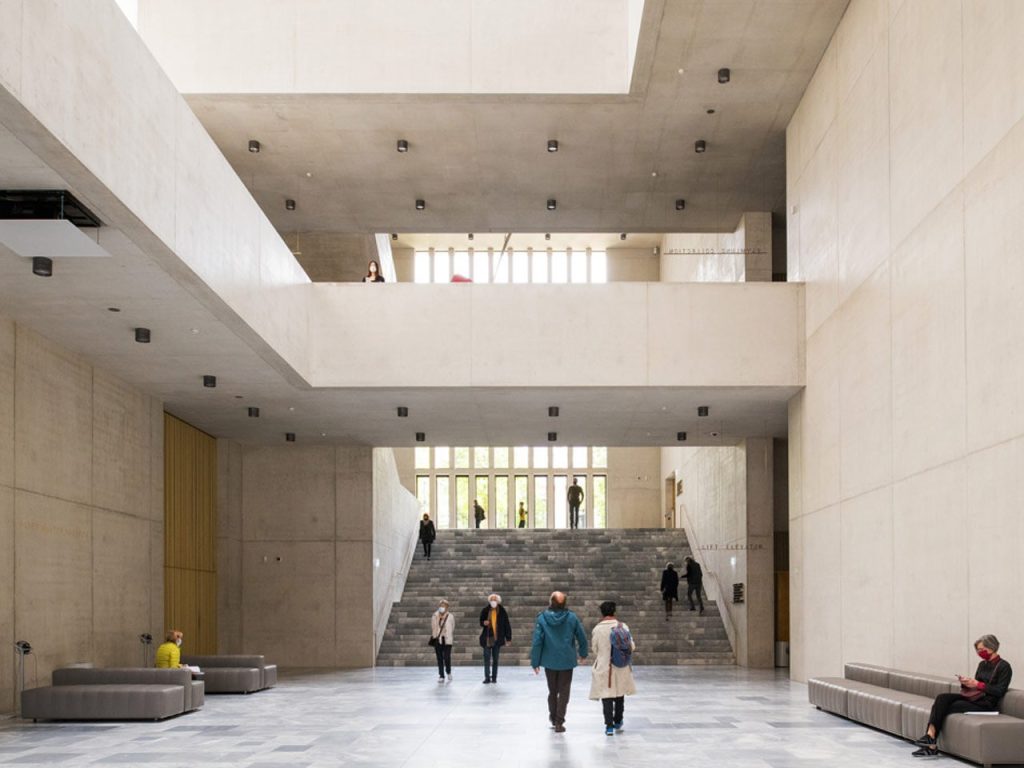
The Kunsthaus Zürich is the largest and most significant art museum in Switzerland and one of the finest in Europe, with a collection of 4,500 paintings and 2,700 sculptures spanning from the Middle Ages to the present day.
The recent extension, the Chipperfield Building, opened in 2021, doubled the museum's exhibition space and now houses major 20th-century international works alongside the permanent collection in a building that is itself architecturally significant.
The collection includes the largest Munch collection outside Scandinavia, significant holdings of Alberto Giacometti's sculpture (the Swiss artist's birthplace is in the canton of Graubünden), an exceptional Monet room with the large-format Water Lilies, and works by Picasso, Matisse, Chagall, Rothko, Warhol, and Richter.
The Swiss art collection, covering Johann Heinrich Füssli (Henry Fuseli) and Ferdinand Hodler, among others, is the most comprehensive in the world.
Top Things to Do in Zurich
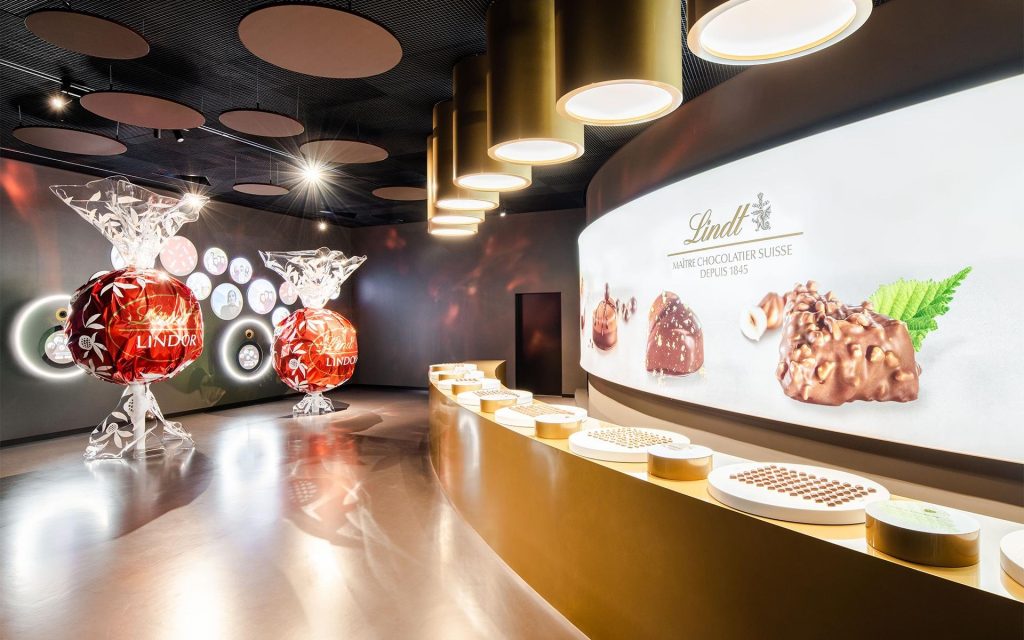
- Lindt Home of Chocolate in Kilchberg, about 10 km south of the city centre on the western shore of Lake Zurich, is the most popular paid attraction in the Zurich region. The museum covers the full history of chocolate from its origins in Mesoamerica through the Swiss chocolate industry's rise to global dominance, in a building featuring a 9-metre-tall chocolate fountain as its centrepiece. The Lindt Shop at the end of the tour is stocked with the full range of Lindt products at factory pricing. Book your tickets in advance because the attraction sells out on weekends and during school holidays.
- Sunset Tour with Swiss Cheese Fondue Dinner is an evening experience combining a guided sightseeing tour of Zurich's illuminated Old Town, Bahnhofstrasse, and lakefront with a traditional Swiss cheese fondue dinner in a warm, cosy setting. The tour covers the city's landmarks as the light fades and the lake and church towers are lit, followed by fondue served with bread, local sides, and wine in one of the classic communal dining formats that defines Swiss social culture. It is an excellent first-evening introduction to the city that combines orientation with one of Switzerland's most iconic culinary experiences.
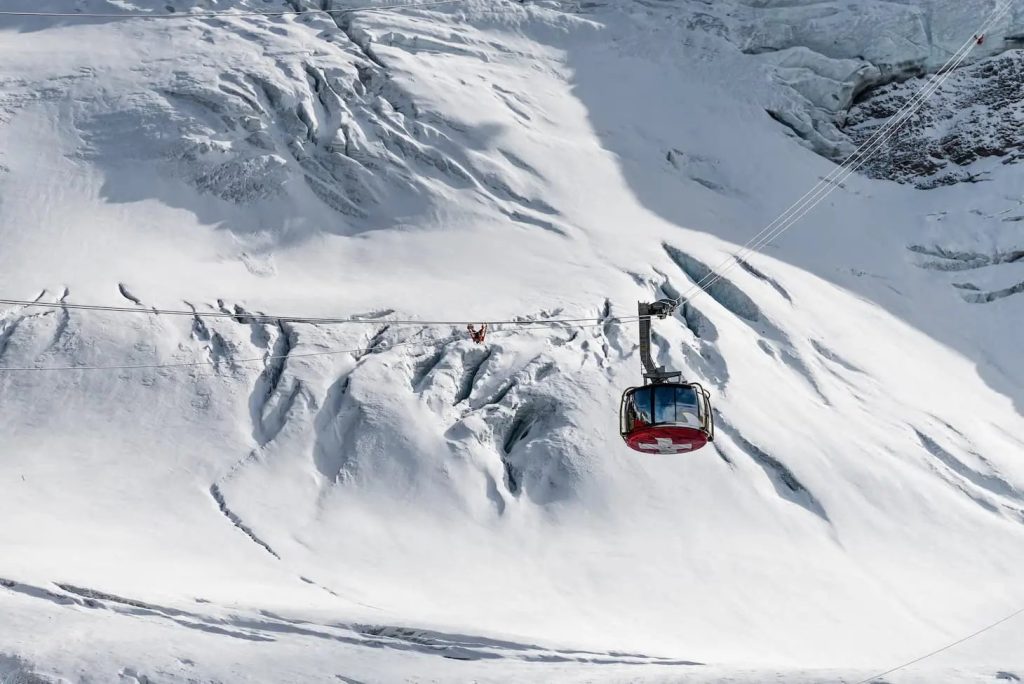
- Mount Titlis in Engelberg is one of the most accessible glacial experiences in central Switzerland, reached in approximately 2 to 2.5 hours from Zurich. It takes around 45 minutes by train to Lucerne, then 43 minutes on to Engelberg, followed by the cable car ascent to the 3,020-metre summit.
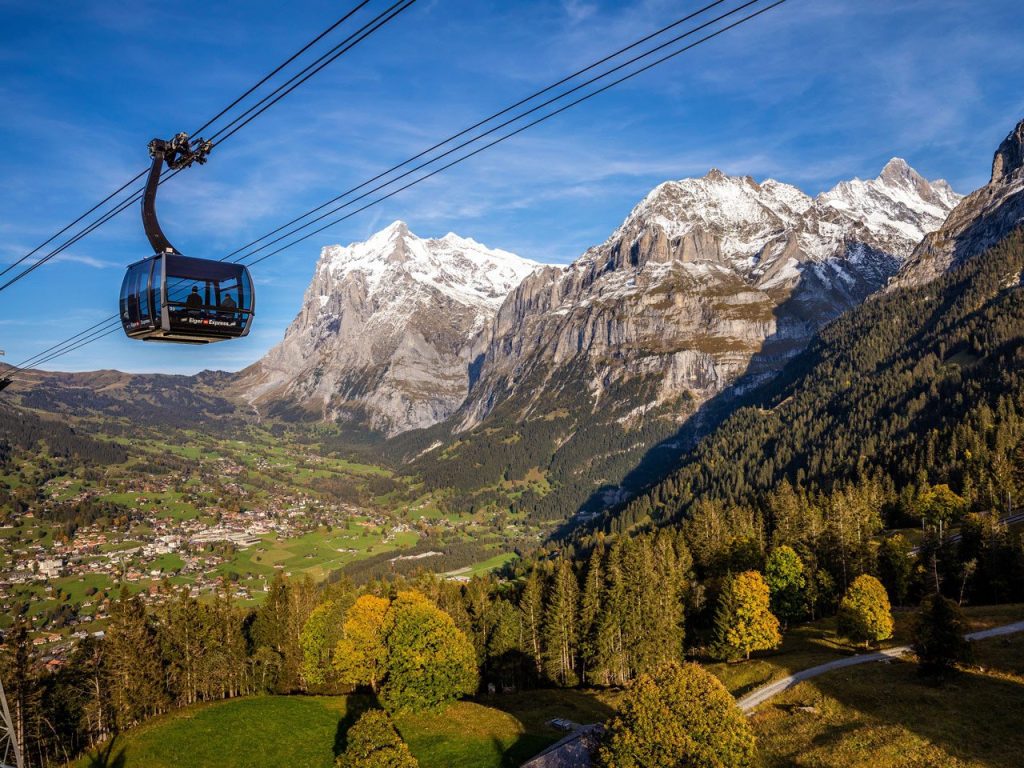
The journey up involves two stages: an eight-seater gondola from Engelberg to Stand, then the Rotair, the world's first revolving gondola, which completes a full 360-degree rotation during the five-minute ride to the summit. At the top, the Titlis Glacier Park has year-round snow activities including skiing, snowboarding, and snow tubing, while the Cliff Walk suspension bridge at 3,041 metres is the highest suspension bridge in Europe. The ice cave tunnel cut through the glacier is one of the most atmospheric parts of the summit experience. Allow a full day to cover the journey and the summit activities properly. - Jungfraujoch is the most celebrated Alpine day trip available from Zurich and one of the great railway journeys in the world. The ascent from Interlaken (just under 2 hours from Zurich by direct or single-transfer train) climbs through the villages of Grindelwald and Lauterbrunnen before boarding the Jungfrau Railway, which burrows through the rock of the Eiger and Mönch before emerging at the Jungfraujoch station at 3,454 metres, the highest railway station in Europe. The panoramic views across the Aletsch Glacier, the longest glacier in the Alps at approximately 23 km, are genuinely extraordinary. The summit complex includes the Sphinx Observatory, an ice palace carved within the glacier, the Snow Fun Park, and a restaurant where you can eat lunch at the top of Europe while looking across to the Vosges in France and peaks near Italy on exceptionally clear days. Allow a full day from Zurich and book tickets well in advance, as popular departure times sell out quickly in high season.


Beyond the City Centre
Once you have walked the Old Town and spent time on the lake, Zurich starts revealing a different side of itself, one that most first-time visitors never quite get to.
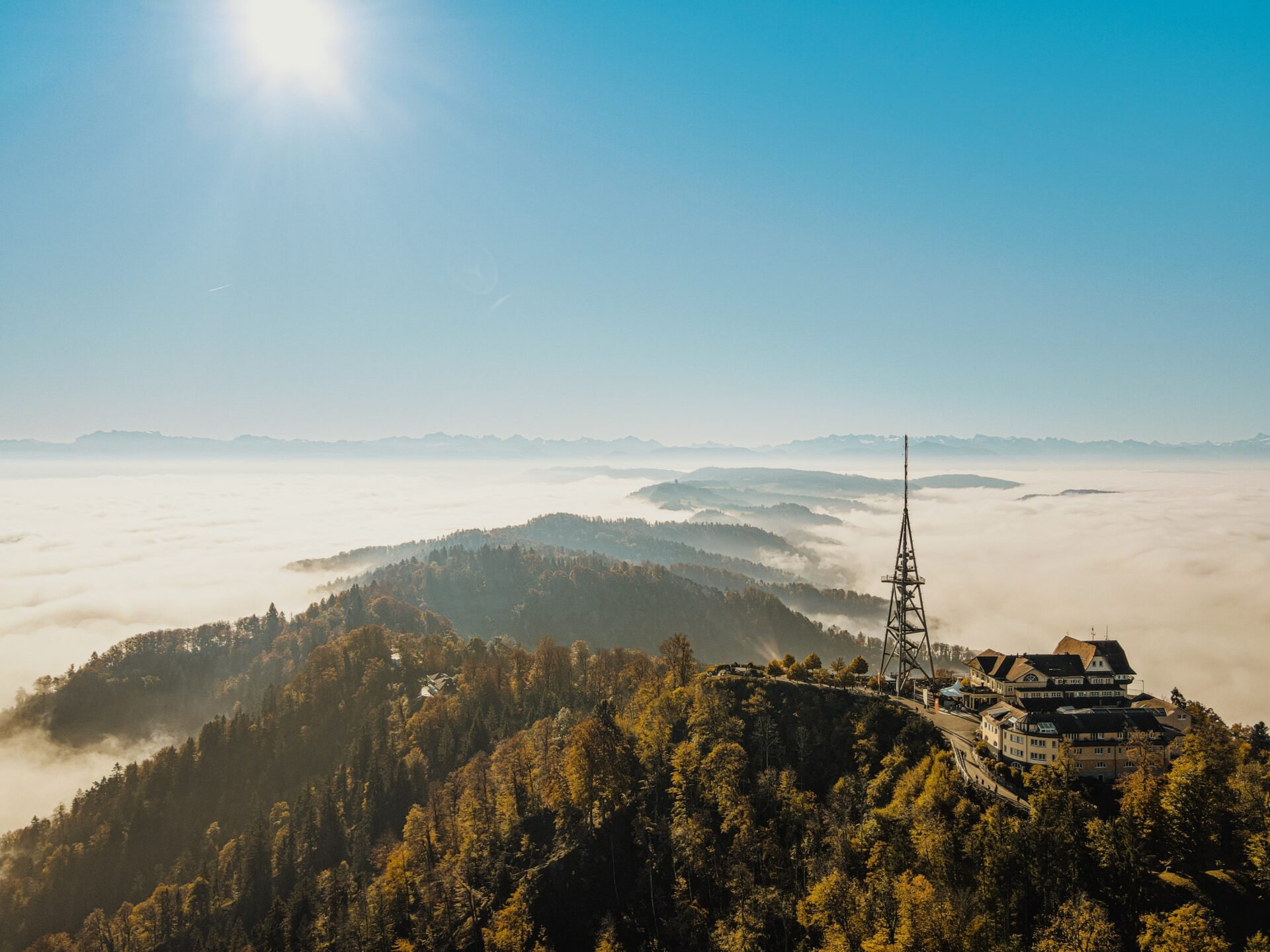
Uetliberg, the mountain that rises 870 metres to the west of the city, is the easiest escape from the urban centre and one of the most rewarding. The S10 train from Zurich Hauptbahnhof reaches the summit in about 22 minutes, and from there the view takes in the full spread of the city, the length of Lake Zurich, and the Alps on clear days.
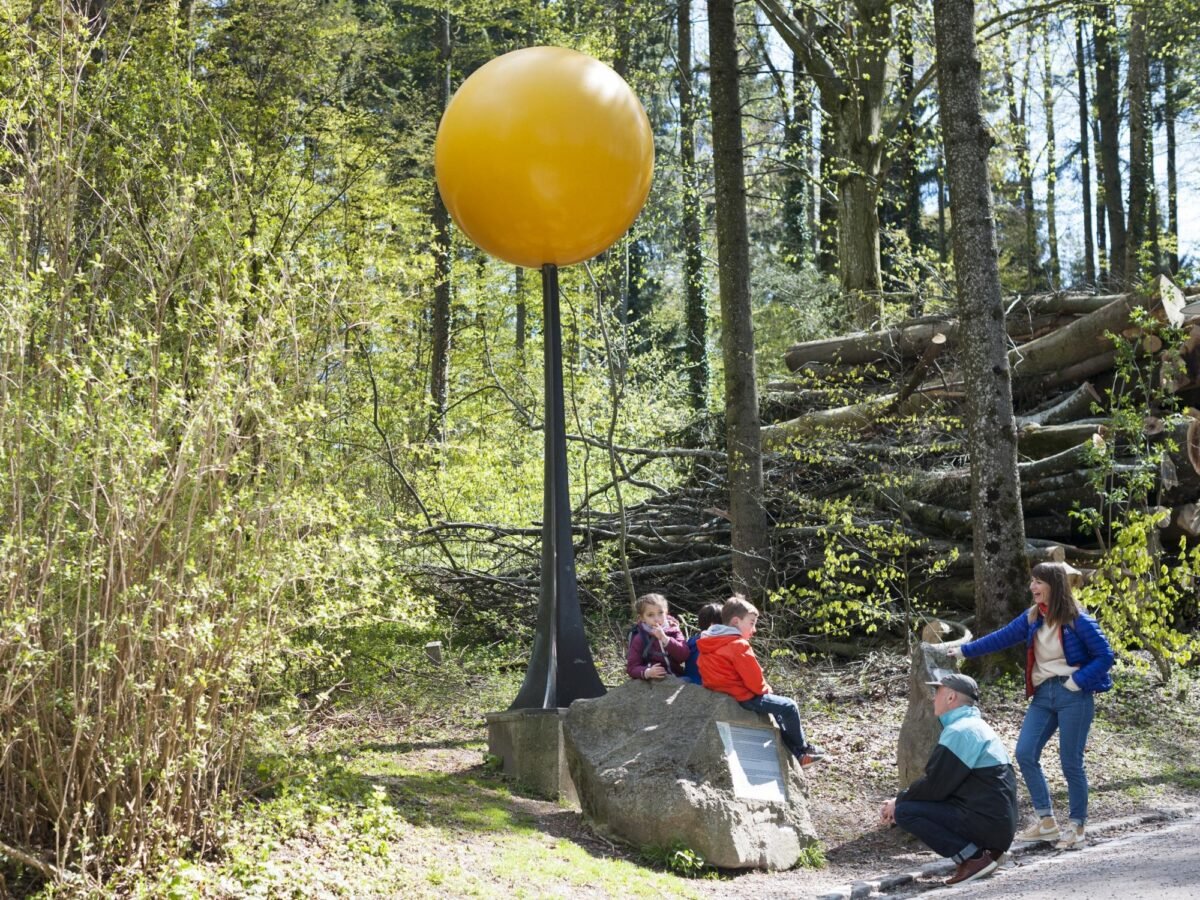
The most popular way to spend the time up here is the Planet Trail (Planetenweg), a scale model of the solar system laid out along the ridge path to Felsenegg, where a gondola descends to Adliswil, and the tram brings you back into the city. The one-way walk takes about 1.5 hours and is one of the finest urban day hikes in Switzerland.
Back in the city, the contrast between the medieval Old Town and the neighbourhood of Zurich West (Kreis 4 and Kreis 5) is one of the more surprising things about Zurich. What was a post-industrial zone of factories and rail yards two decades ago is now the city's most creative and nocturnal neighbourhood.
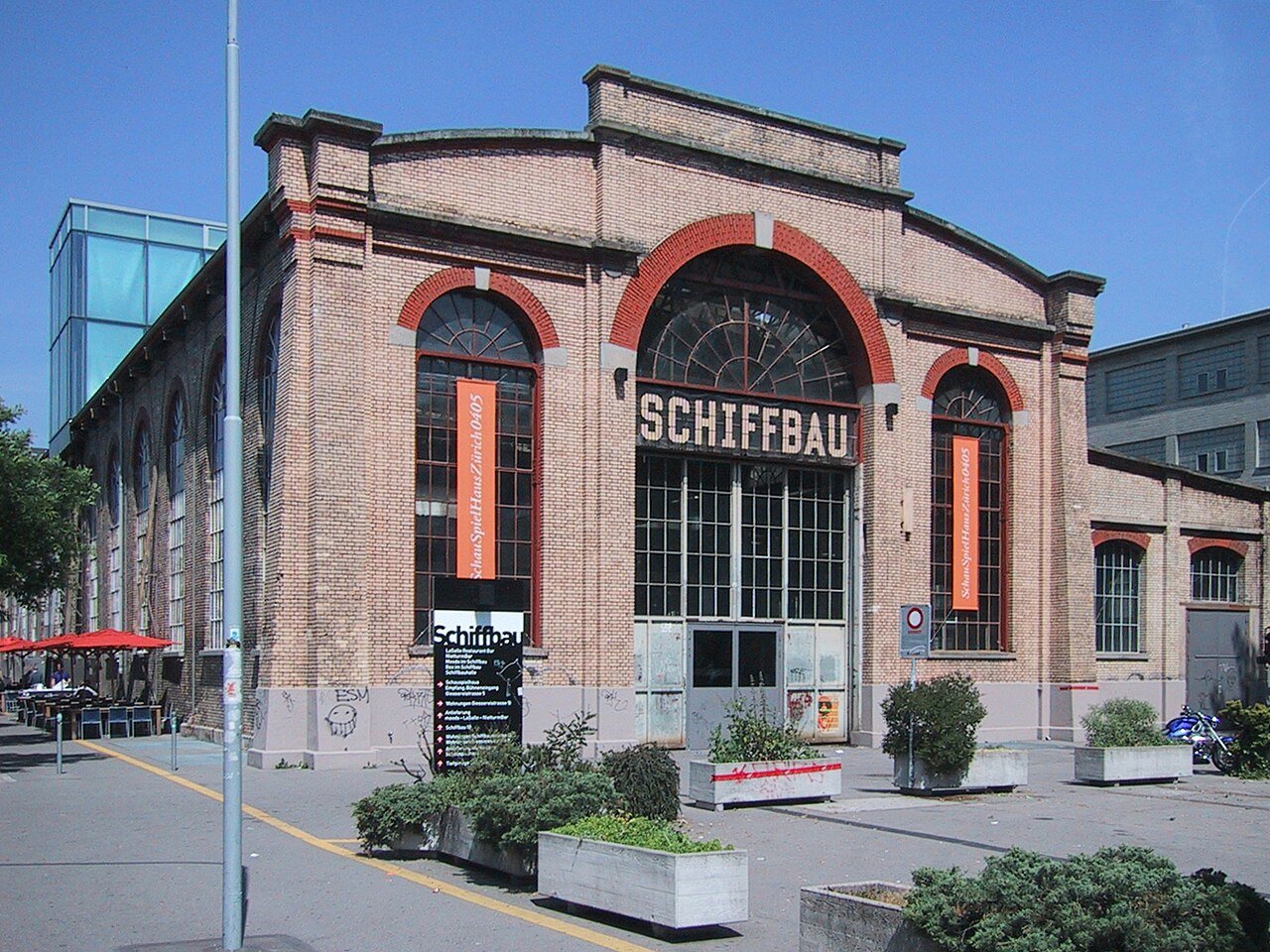
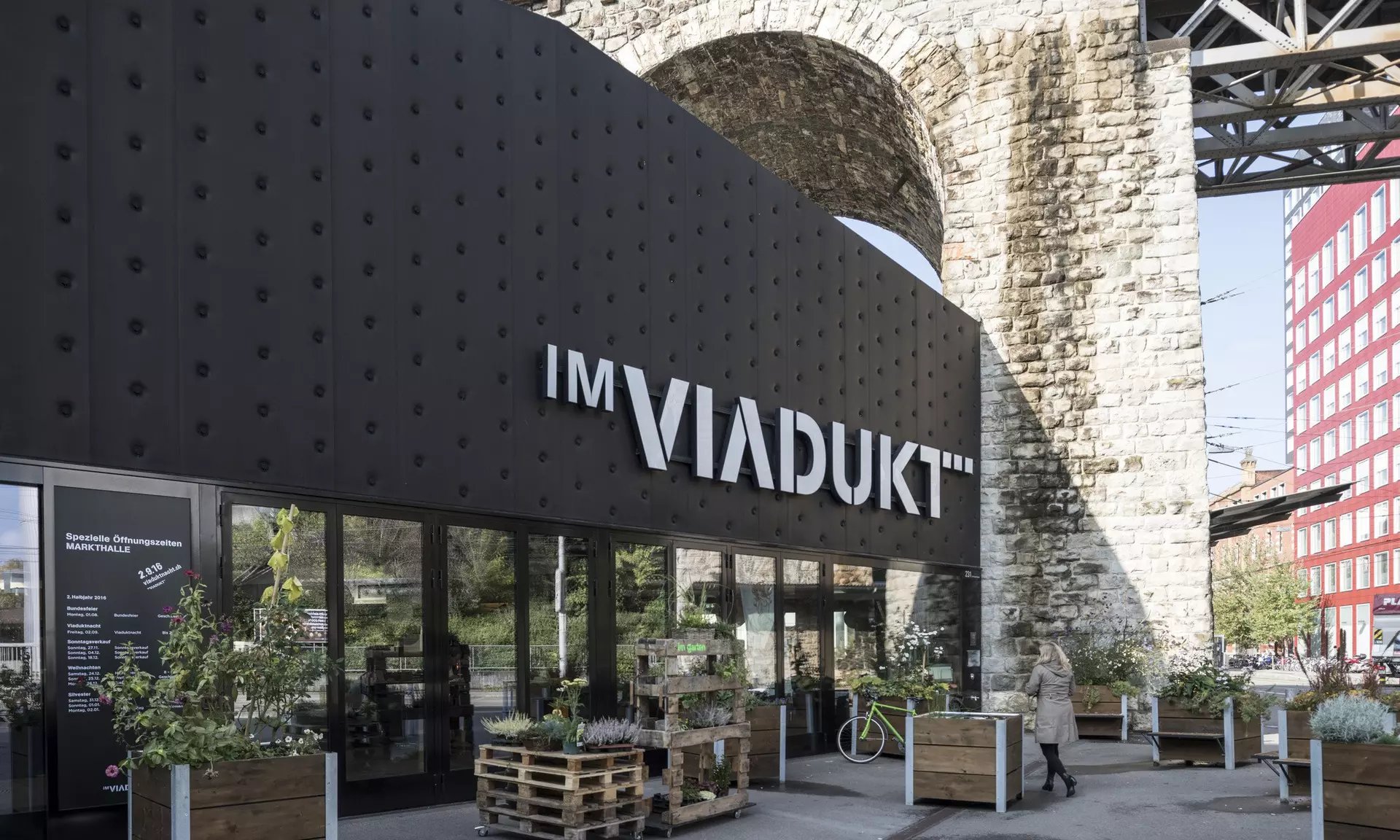
The Schiffbau, a former ship factory, has been converted into the home of the Schauspielhaus theatre and a cavernous bar. The Im Viadukt arcade, built into the arches of a 19th-century railway viaduct, houses independent food stalls and boutiques in one of the most architecturally inventive commercial spaces in the city. Langstrasse, running from Helvetiaplatz north toward Wipkingen, is the most diverse and most after-dark street in Zurich, lined with bars, clubs, and restaurants of every character and persuasion.
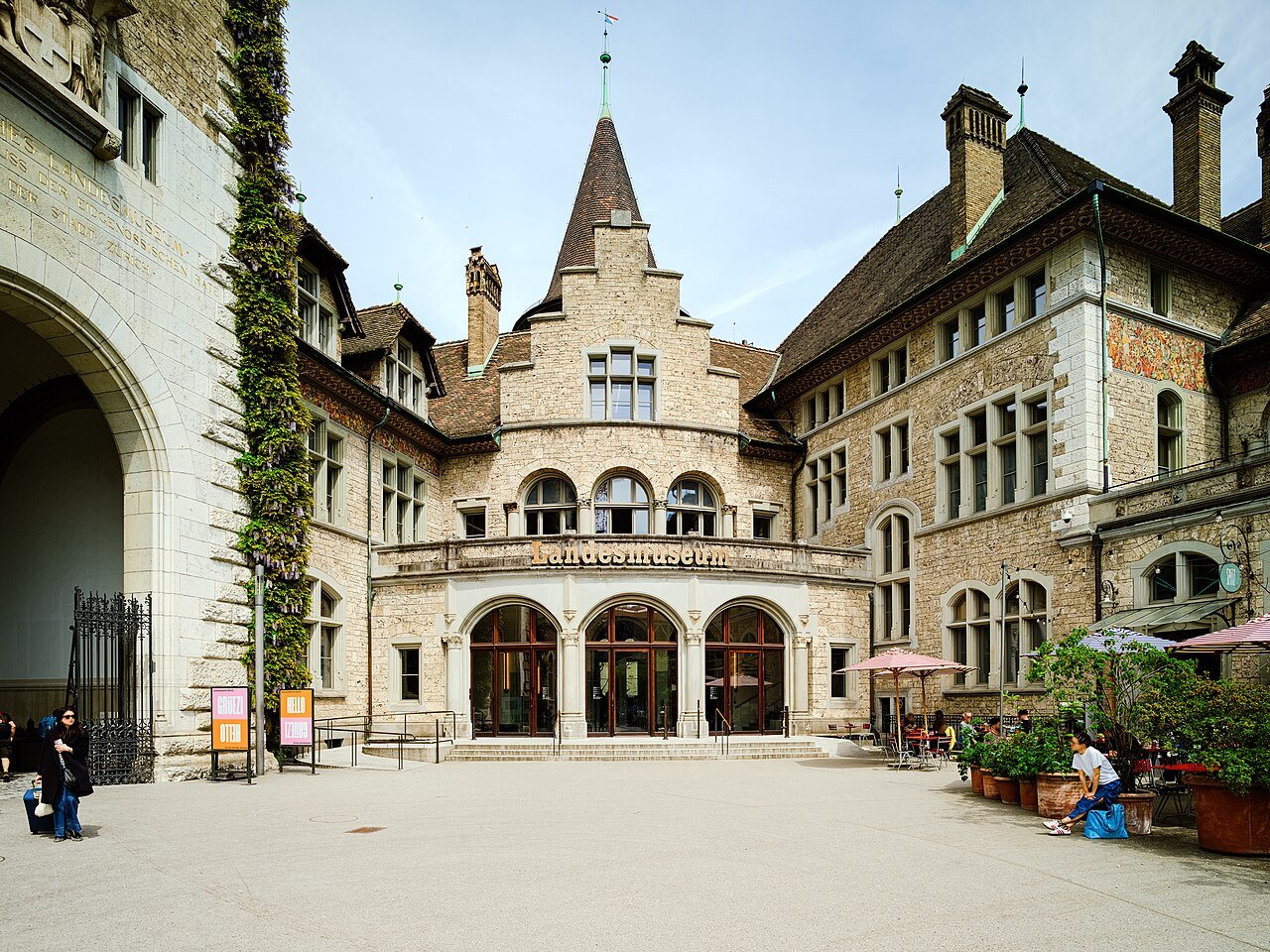
For those who want their history indoors and comprehensive, the Swiss National Museum (Landesmuseum) sits directly adjacent to the Hauptbahnhof in a castle-like building completed in 1898. Its collection covers Swiss history from prehistoric times to the present day in a way that puts the Old Town you have just walked through into a much clearer context. Entry is free with the Zürich Card, which makes it an easy addition to any first day in the city.
Day Trips from Zurich
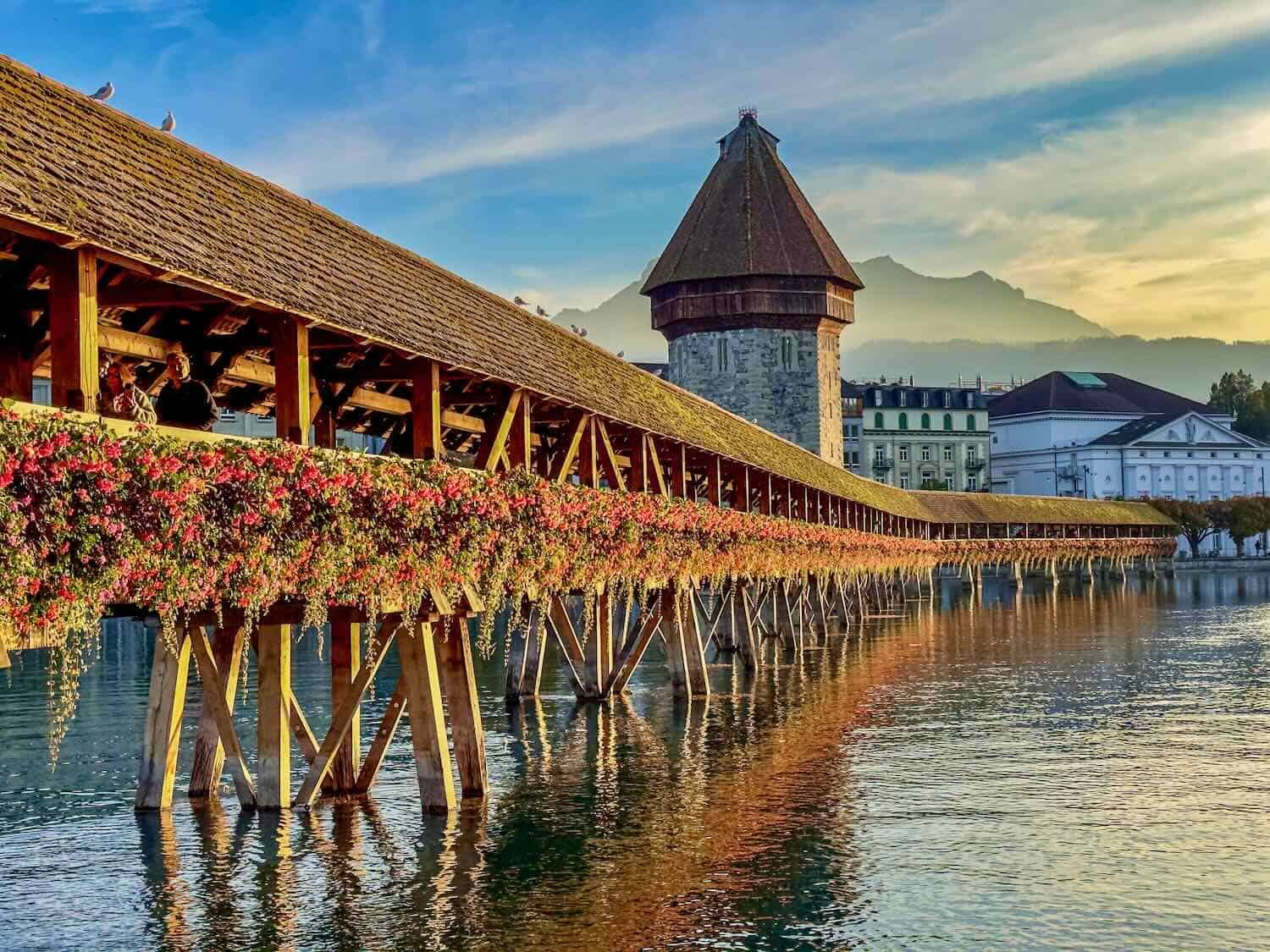
- Lucerne (45 minutes by direct train) is the most popular day trip from Zurich. It is a medieval lakeside city with the Chapel Bridge (Kapellbrücke, a 14th-century covered wooden bridge with interior paintings, the most photographed bridge in Switzerland), the Lion Monument, the Musegg Wall, and Lake Lucerne with the Alps rising directly from its shores. The KKL Luzern cultural centre on the lakefront is a Jean Nouvel-designed building housing one of the finest concert halls in Europe.
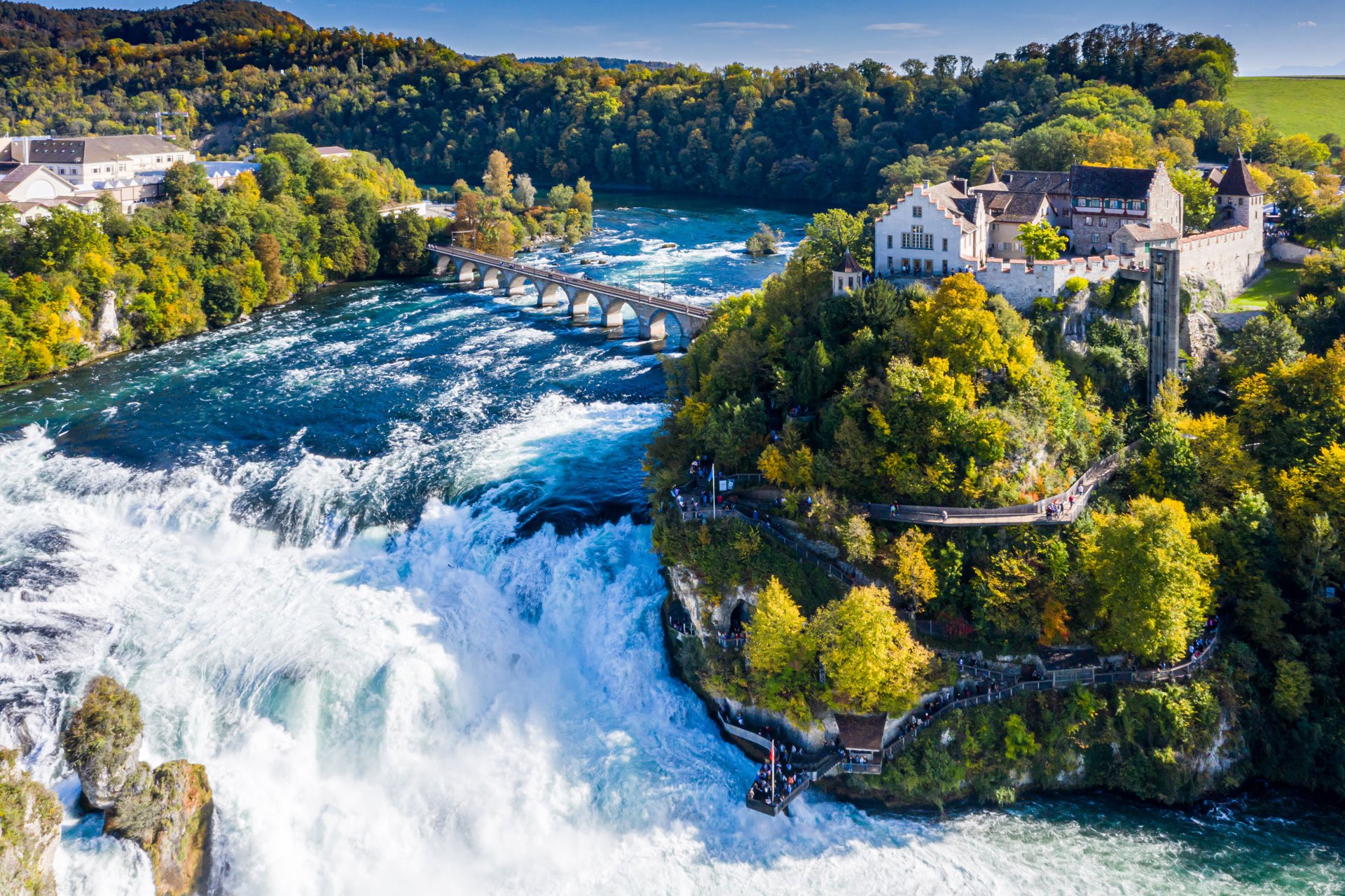
- Rhine Falls (Rheinfall) near Schaffhausen (50 minutes by train) is the most powerful waterfall in Europe, where the Rhine drops 23 metres across a 150-metre-wide frontage at a rate of up to 600,000 litres per second at peak flow. The viewing platform and boat rides to the central rock are available from April through October.
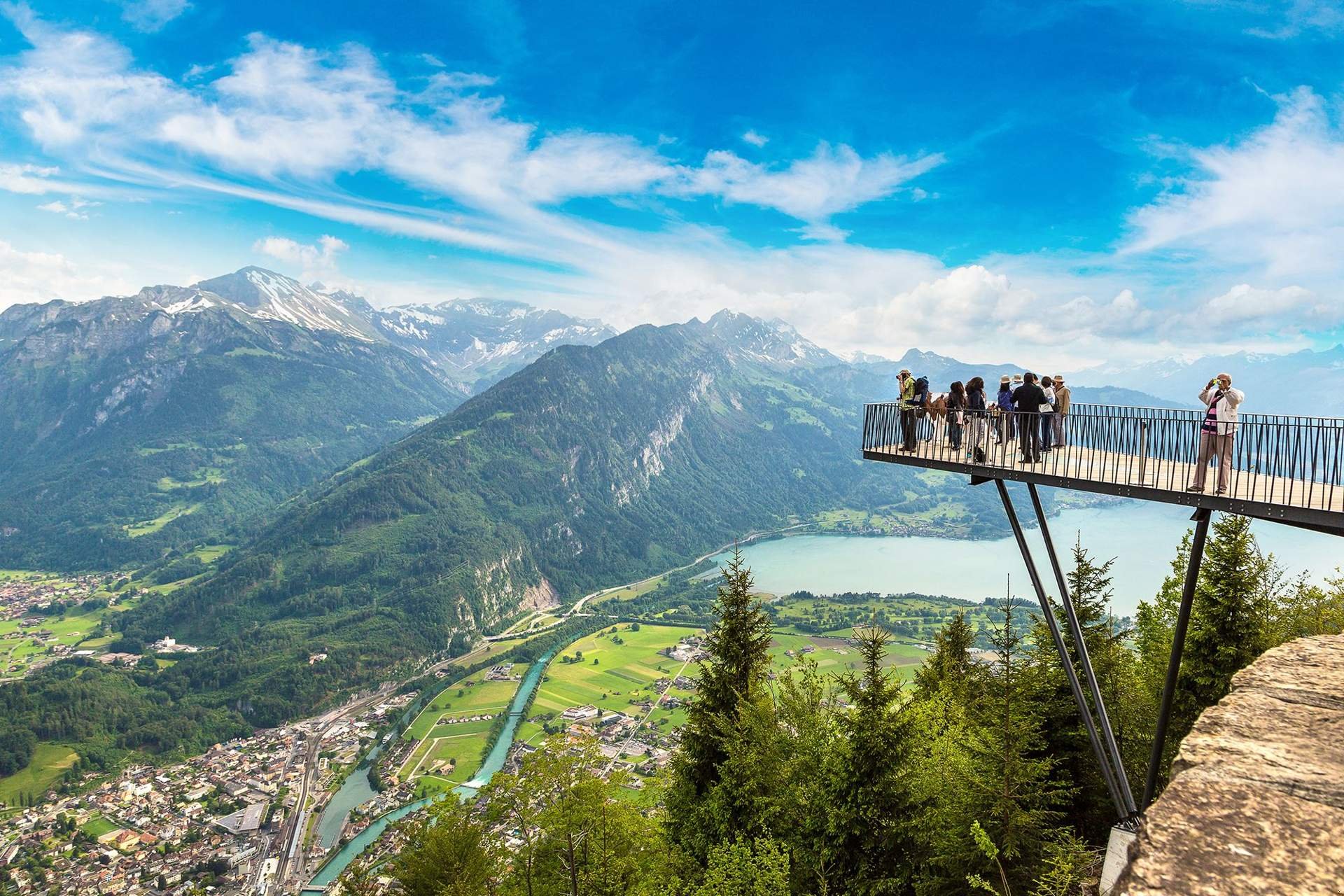
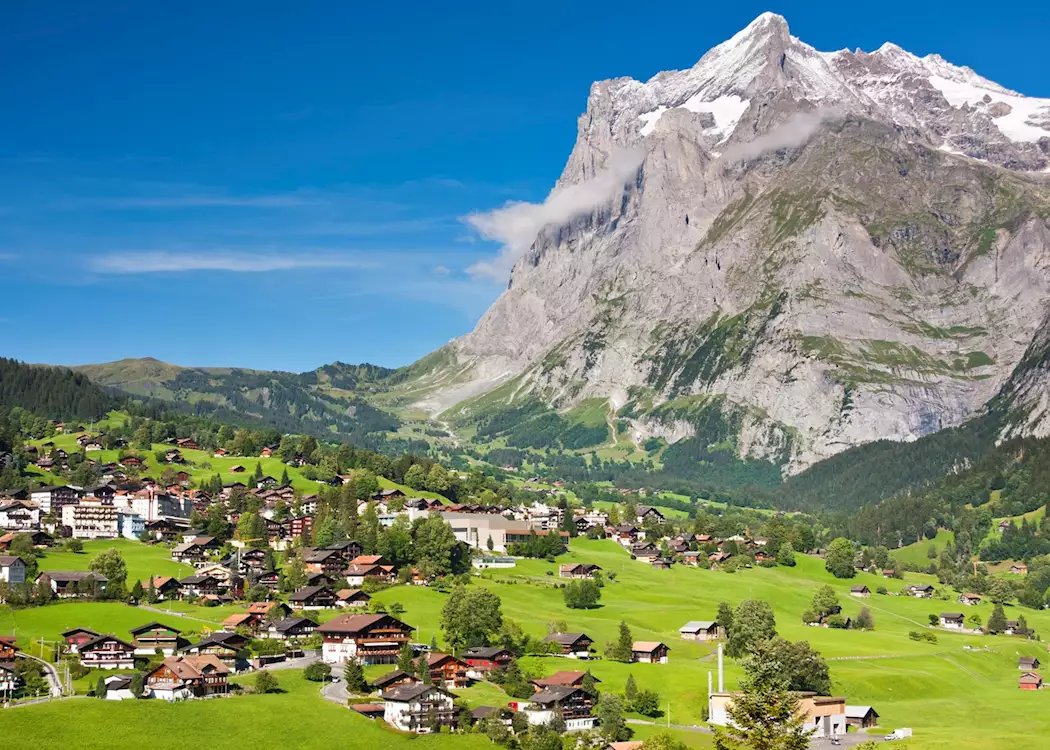
- Interlaken and the Bernese Oberland (under 2 hours by train) is the gateway to the most spectacular Alpine scenery in Switzerland, with the Jungfrau railway ascending to Europe's highest railway station at 3,454 metres, the Grindelwald glacier valley, and the Lauterbrunnen waterfall valley with 72 waterfalls visible from the valley floor.
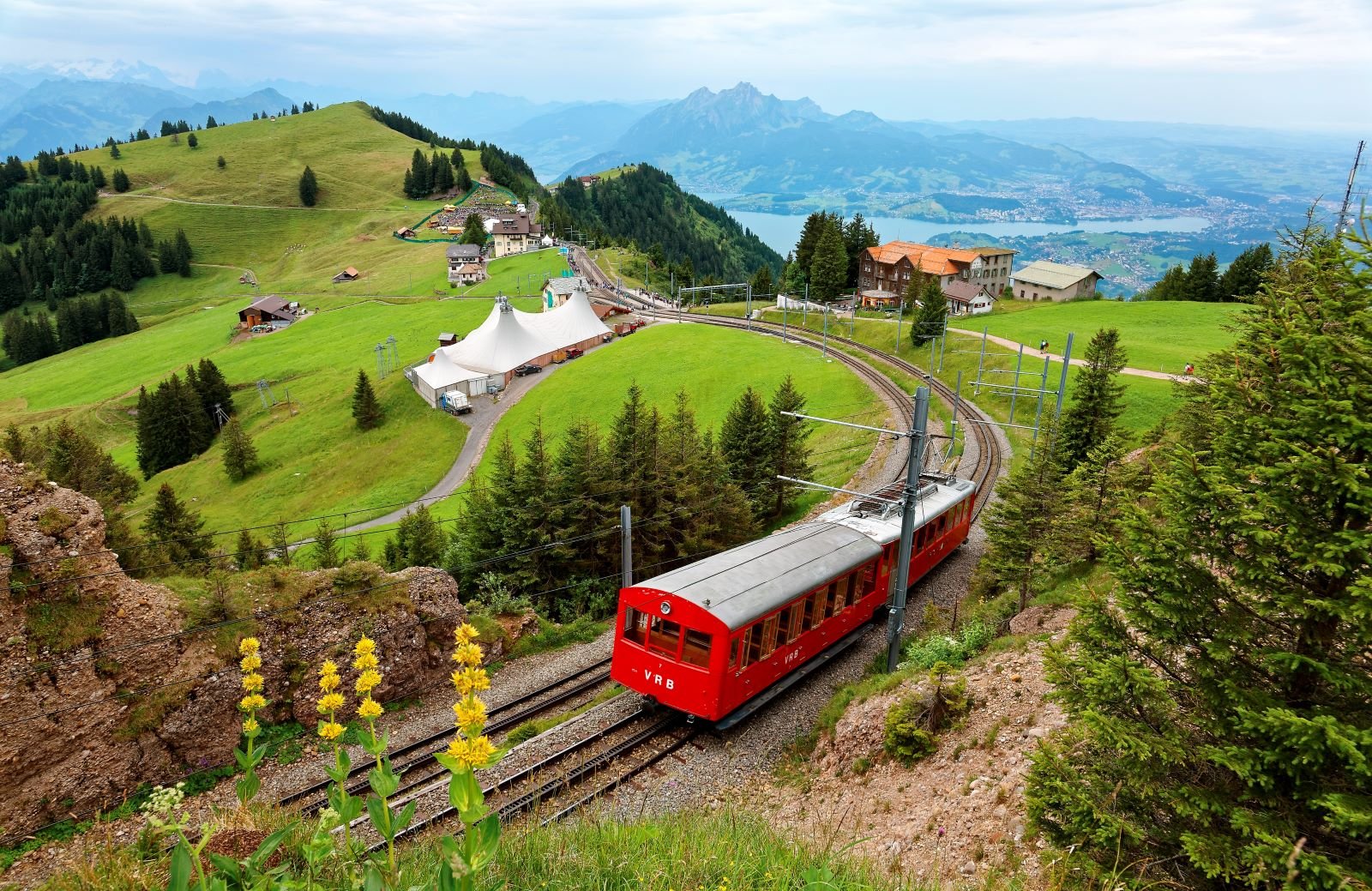
- Mount Rigi (about 1.5 hours from Zurich via Lucerne and the Rigi-Bahnen cogwheel railway) is the Queen of the Mountains and the most celebrated Alpine viewpoint accessible by public transport from Zurich, with views extending to 13 cantons and the Black Forest of Germany on clear days.
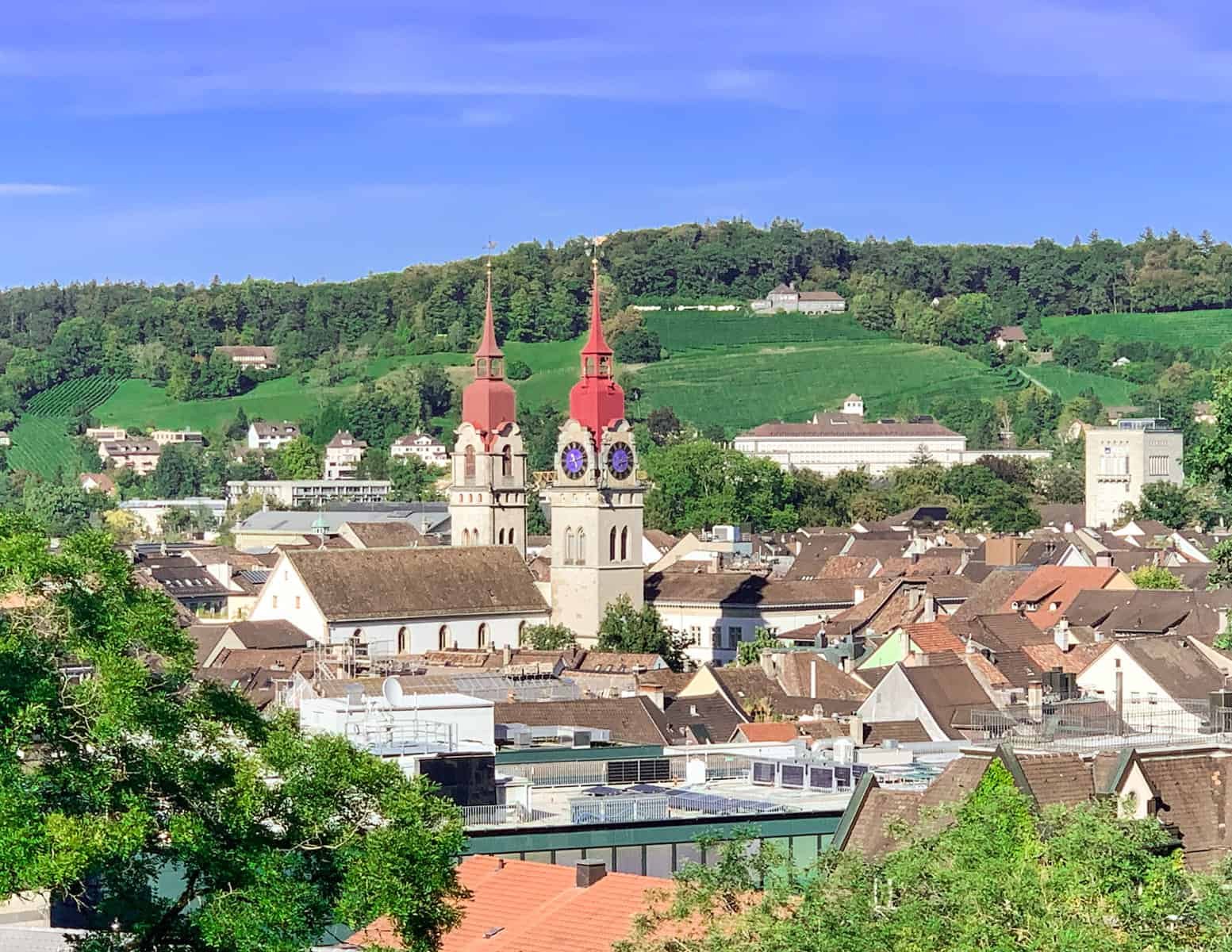
- Winterthur (20 minutes by train) is the most underrated day trip from Zurich. It is a well-preserved medieval Old Town with no tourist crowds, a thriving industrial heritage museum (the Technorama science centre), and several first-rate art museums, including the Oskar Reinhart Collection at Römerholz, which houses one of the finest private art collections in Europe.


Dining in Zurich
Swiss cuisine is more interesting than its international reputation suggests, and Zurich has a food scene that now extends well beyond national traditions into genuinely world-class territory.
Zürcher Geschnetzeltes is the city's signature dish. You get to enjoy thin strips of veal cooked in a cream and white wine sauce with mushrooms, served with Rösti (the Swiss potato cake) or egg noodles. It appears on the menus of traditional restaurants throughout the city and is the dish that Zurich locals would most readily claim as their own.
Fondue in Zurich is best eaten in the colder months (October through March) in a traditional restaurant or during a fondue dinner experience. Swiss cheese fondue uses a combination of Gruyère and Emmental, melted with white wine and a measure of kirsch, eaten by dipping bread cubes on long forks. Fondue chinoise (meat fondue in broth) and fondue bourguignonne (meat in oil) are the other common formats.
Rösti, as a standalone dish or a side, is the Swiss breakfast potato cake, grated and fried in butter to a crispy exterior and soft centre. It is one of the simplest and most satisfying things to eat in the country.
Swiss chocolate in Zurich is available in every format, from supermarket Lindt to the independent chocolatiers of the Old Town. Sprüngli on Bahnhofstrasse and in multiple locations across the city is the most celebrated Zurich chocolatier, famous for its Luxemburgerli (small macaron-style confections in seasonal flavours) and its truffe du jour. The Confiserie Sprüngli café at Paradeplatz is one of the most elegant places to have coffee and pastries in Switzerland.
Coffee culture in Zurich is excellent, with a growing specialty coffee scene concentrated in the Langstrasse and Zurich West area alongside the traditional café terraces of the Old Town and the lake promenade.
The restaurant scene in Zurich has more Michelin-starred restaurants per capita than almost any other Swiss city. Pavillon at the Baur au Lac hotel, Igniv at the Park Hyatt (a sharing-plate concept by Andreas Caminada, Switzerland's most celebrated chef), and the Kronenhalle (a historic brasserie where Picasso, Matisse, and Chagall dined and whose walls still hang original works given in lieu of payment) represent the full range from contemporary fine dining to a legendary institution.
When is it Best to Visit Zurich?
Spring (April to May) is the most pleasant time to visit Zurich. You get mild temperatures (12 to 20°C), the lake is at its clearest before summer swimmer density increases, and the city's parks and lakefront promenades come to life. Sechseläuten (the spring festival, third Monday of April) sees a giant snowman effigy called the Böögg burned on the Sechseläutenplatz. The speed at which its head explodes is said to predict the quality of the coming summer.
Summer (June to August) is peak season. You’ll see warm temperatures (22 to 28°C), the lidos in full operation, outdoor concerts, lake swimming, and the city's outdoor culture at its most vibrant. Street Parade (August), one of the largest electronic music festivals in the world with over a million participants along the lakefront, is the most spectacular single event of the calendar.
Autumn (September to October) is beautiful. The surrounding vineyards (Lake Zurich's shores have significant wine production, particularly Pinot Noir) turn golden, the tourist peak passes, and the city's indoor cultural life, the museums, the theatres, the Kunsthaus, resumes at full strength. The Zurich Film Festival runs in September and October.
Winter (November to February) is cold (0 to 7°C), with frequent cloud cover, but the Christmas markets make the Old Town genuinely magical from late November through December. The Zurich Christmas market at Hauptbahnhof, set inside the main hall of the railway station under a vast chandelier of lights, is one of the finest in Europe. Skiing in the surrounding Alps is accessible as a day trip from the city from January through March.
Know Before You Go
- Switzerland uses the Swiss Franc (CHF), not the Euro. Many places accept Euros but give change in CHF at an exchange rate that may not be favourable. Withdraw CHF from an ATM on arrival for the best rate.
- The Zürich Card (24 or 72 hours) covers unlimited ZVV public transport, free lake boat trips within the city zone, and free or discounted entry to over 40 museums. Buy it at the airport or Hauptbahnhof tourist office on arrival.
- Swiss public transport is extraordinarily punctual. If the timetable says 08:32, it means 08:32. Plan connections accordingly.
- The Zürich Card covers museum entry. Most of the major free museums are included. Check the full list at the tourist office to plan your day.
- Type J plugs are unique to Switzerland. Bring a universal adaptor. Most countries' Type C plugs will work in Swiss sockets with a Type C/J converter or universal adaptor, but the Swiss three-pin Type J is not compatible with most European two-pin plugs without an adaptor.
- Lake swimming etiquette: Use the designated lido facilities for changing. Bicycles and dogs are not permitted in the water access areas. The water is exceptionally clean but cold even in summer (typically 18 to 22°C at peak).
- Zurich is genuinely expensive by any international standard. Set a realistic budget, eat lunch at market stalls and bakeries for the best value, and save the restaurant spending for dinner.
Zurich does not need to perform for visitors. The lake is there. The mountains are visible from the Old Town on a clear day. The Chagall windows in the Fraumünster are among the most beautiful things in Europe. The chocolate is exactly as good as the reputation. And the city's particular combination of intellectual seriousness and outdoor pleasure, of medieval streets and world-class contemporary art, of efficiency and beauty, is one of those rare urban combinations that produces something greater than the sum of its parts.
So what are you waiting for? Head to Thrillark now to book everything Zurich has waiting for you and to have the time of your life.
Frequently Asked Questions About Zurich
Do you need a visa to visit Zurich and Switzerland?
Citizens of EU and Schengen Area nations and most Western countries, including the US, UK, Canada, and Australia, can visit Switzerland without a visa for stays of up to 90 days in any 180-day period. Switzerland is part of the Schengen Area despite not being an EU member, so Schengen entry rules apply. Indian nationals require a Schengen visa applied for in advance at the Swiss Embassy. The EU's ETIAS pre-travel authorization system is being rolled out for non-EU nationals visiting Schengen countries; check travel.ec.europa.eu for the current status before booking.
What is the Zürich Card, and is it worth buying?
The Zürich Card is a 24 or 72-hour pass giving unlimited travel on all ZVV trams, buses, trains within the city zone, and lake boat trips within Zone 10, plus free entry to over 40 museums and galleries, including the Swiss National Museum, the Museum Rietberg, and the Kunsthaus Zürich (for the Chipperfield extension), and discounts at additional attractions. For visitors planning to cover multiple museums and use public transport regularly, the card consistently saves money compared to individual tickets. Buy it at Zurich Airport on arrival or at the Hauptbahnhof tourist office.
What is the Lindt Home of Chocolate, and how do you get there?
The Lindt Home of Chocolate is a museum covering the full history of chocolate from Mesoamerican origins to the Swiss chocolate industry, housed in a purpose-built facility in Kilchberg on the western shore of Lake Zurich, about 10 km south of the city centre. The centrepiece is a 9-metre-tall chocolate fountain; the experience includes interactive exhibits, factory tour content, and multiple tasting stations. From the city, take the S8 or S24 train from Zurich Hauptbahnhof to Kilchberg station (approximately 12 minutes) and walk 5 minutes to the museum. Book tickets through Thrillark in advance, particularly for weekends.
What is Lake Zurich like, and what can you do there?
Lake Zurich stretches 39 km south of the city and is one of the most beautiful urban lakes in Europe, with exceptionally clear water and Alpine views at the southern end on clear days. In summer, the city's lidos (public bathing areas) along the lake and river are the central social activity of Zurich life. Lake cruises run from Bürkliplatz from April through October, ranging from 1.5-hour round trips to full-day journeys. The lakefront promenade on both shores is excellent for walking and cycling.
What are the best day trips from Zurich?
Lucerne is the most popular (45 minutes by train), with the medieval Chapel Bridge, Lion Monument, and lakeside Alps setting. The Rhine Falls near Schaffhausen (50 minutes by train) is the most powerful waterfall in Europe and is excellent for a half-day. Interlaken and the Jungfrau region (under 2 hours) is the most spectacular Alpine experience accessible from Zurich. Mount Rigi (about 1.5 hours via Lucerne) gives the best panoramic Alpine views. Winterthur (20 minutes by train) is the most underrated, with an excellent Old Town and the Oskar Reinhart Collection.
When is the best time to visit Zurich?
April and May offer the most pleasant weather (12 to 20°C), clear lake water, and the city's outdoor life begins without the peak summer crowds. June to August is the warmest and most social period with the lidos in full operation; the Street Parade in August is the most spectacular single event of the year. September and October are excellent for the surrounding vineyard landscapes, the Zurich Film Festival, and the cultural season beginning. December brings some of the finest Christmas markets in Europe, with the Hauptbahnhof market under its chandelier of lights being the most celebrated.
Browse by themes