Dubai doesn’t do subtle. It’s a city that decided, sometime in the early 2000s, that it would rather be the tallest, the biggest, the most expensive, and the most photographed than anything in between and then went out and built exactly that in the middle of a desert in under two decades.
Whatever you think you know about Dubai before you land is probably both true and incomplete. It really is that shiny. It really is that ambitious. And it really does have moments that justify the trip entirely on their own.
This guide is built to get you through Dubai efficiently and well, without wasting time or money on the attractions that look better in photos than in person. With beaches, souks, skyscrapers, deserts, and everything in between, here’s how to do it properly.
Dubai City essentials
Is Dubai Actually Worth Visiting?
Honestly? Yes, at least once, and you should go in with eyes open. Dubai is a city built almost entirely from scratch, funded by oil money and now sustained by tourism, finance, and trade, and it shows.
Some travellers fall completely in love with the scale and ambition of it. Others find it a little hollow – beautiful, efficient, occasionally thrilling, but missing the lived-in texture that older cities accumulate over centuries. Both reactions are completely valid, and most people land somewhere in between.
What’s undeniable: Dubai delivers on spectacle better than almost anywhere on Earth. The world’s tallest building, the world’s largest mall, artificial islands shaped like palm trees visible from space, indoor ski slopes in 45°C heat – this is a city built to impress, and it generally succeeds.
The trick to enjoying it is knowing which experiences are genuinely worth your time and money and which are better admired from a distance (or skipped entirely).
Entry Requirements & When to Visit
Most travellers, including those from the US, UK, EU, Australia, and a large number of other countries, receive a visa on arrival at Dubai International Airport, typically valid for 30 to 90 days depending on nationality. Always check your specific country’s requirements before flying, as rules vary and do shift over time.
The best time to visit is October through March. Dubai sits in the desert, and the summer months (May to September) are genuinely brutal, with the temperatures regularly exceeding 40°C (104°F) and high humidity that makes outdoor activity nearly unbearable.
Winter brings mild, comfortable days in the low-to-mid 20s°C, making it ideal for beaches, desert safaris, and walking around outdoor attractions without wilting.
December through February is peak season, so expect higher prices and bigger crowds; November and March offer a great in-between of good weather and slightly lower costs.
Where to Stay During Your Dubai Visit
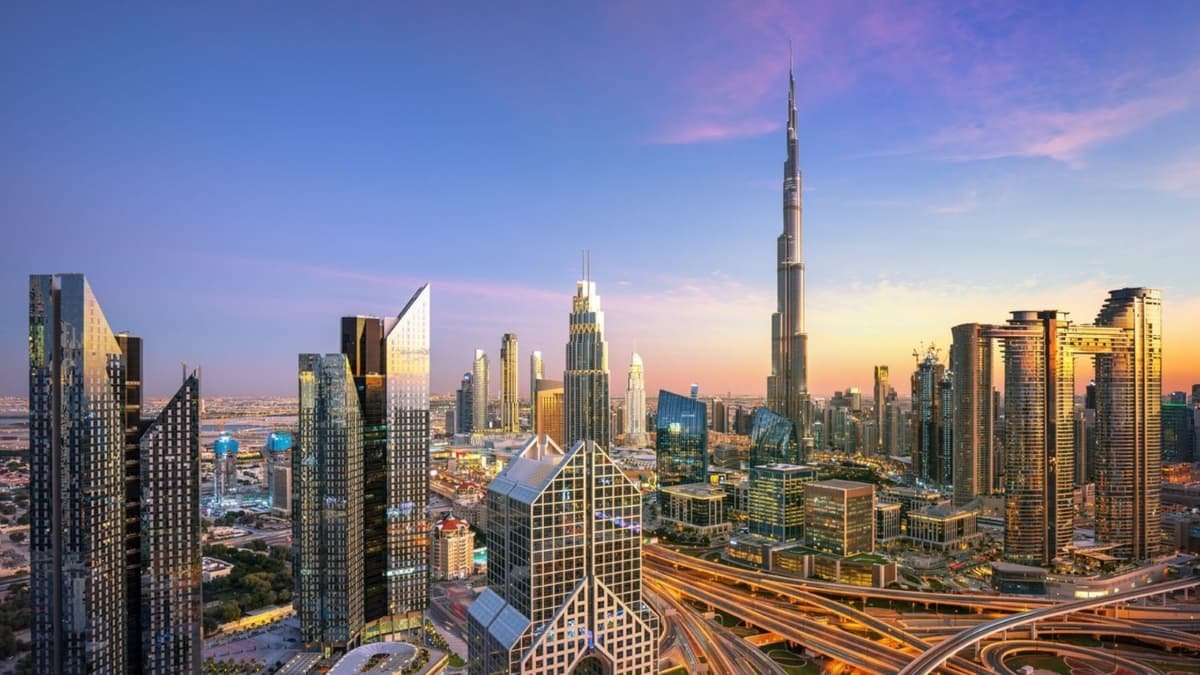
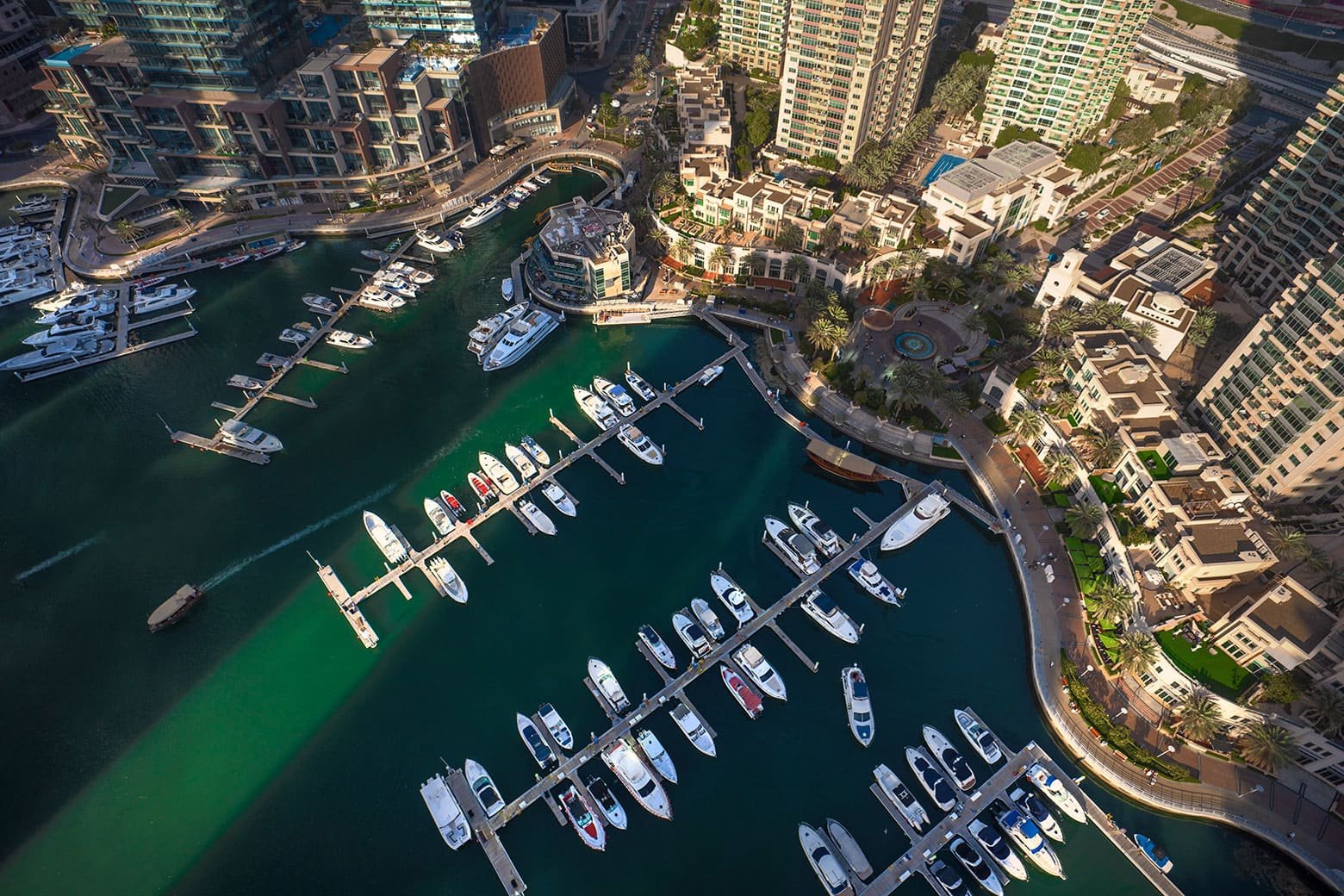
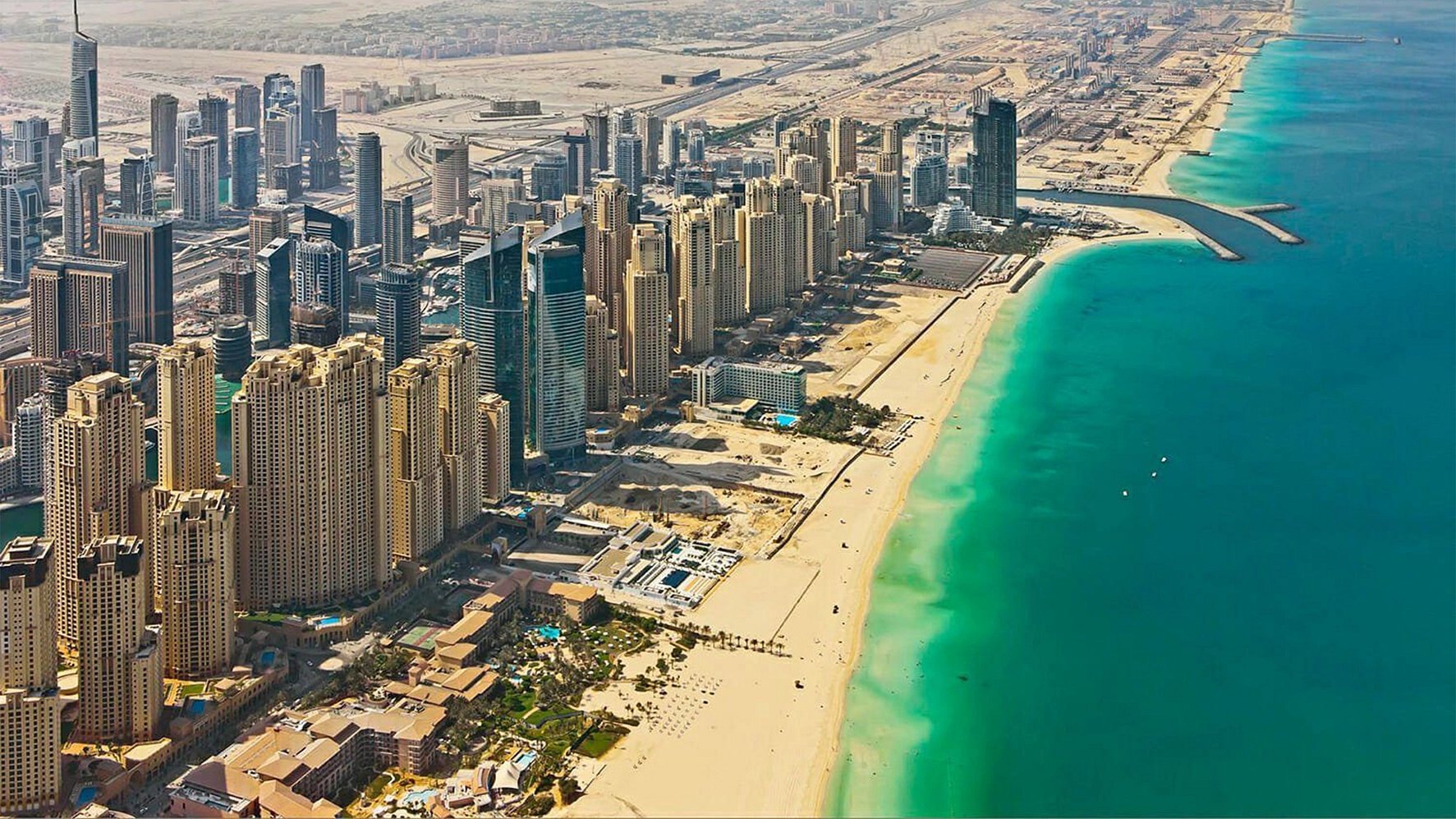
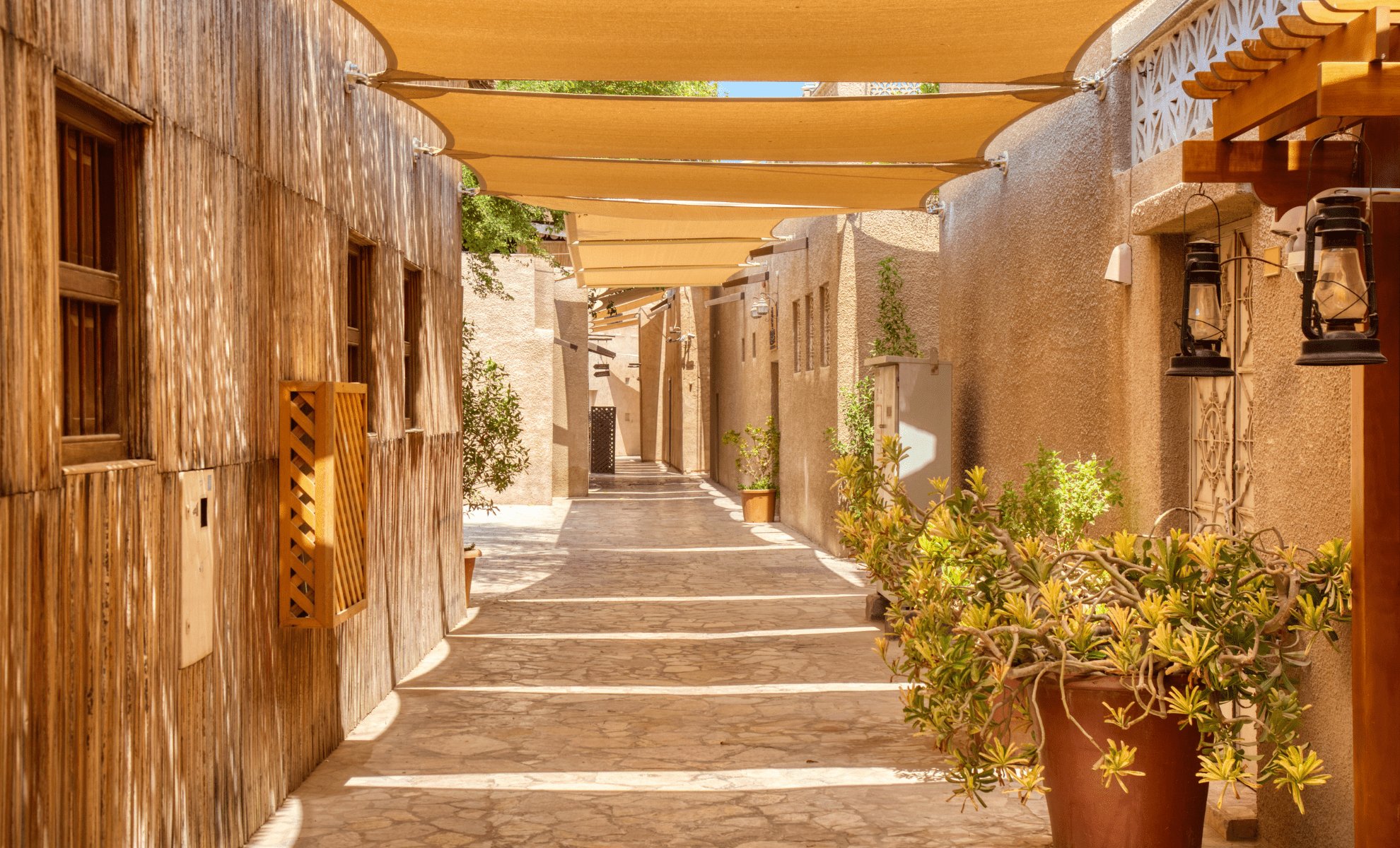
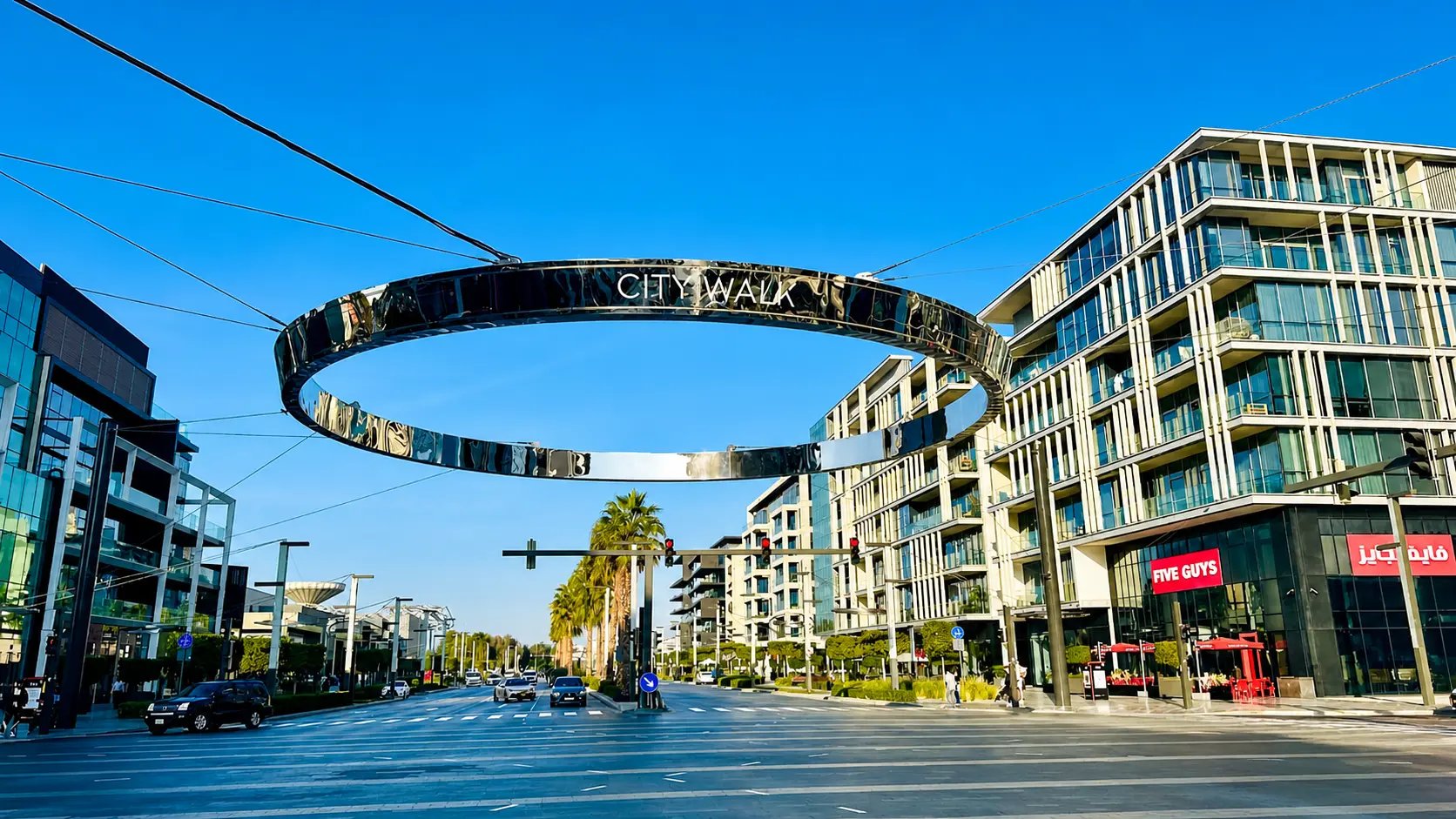
Dubai is laid out roughly as a long strip running along Sheikh Zayed Road, and where you base yourself shapes how much time you'll spend in taxis.
1. Downtown Dubai is the most central and most crowded base, home to the Burj Khalifa, the Dubai Mall, and the Dubai Fountain. Staying here puts the city's headline attractions within walking distance, which matters more than it sounds, given Dubai's heat and lack of pedestrian infrastructure elsewhere.
Rove Downtown is a stylish, design-forward mid-range option that's frequently overlooked in favour of bigger luxury names. 25hours Hotel One Central brings a bold, quirky personality with a rooftop pool and skyline views that stand out against Dubai's more conventional luxury hotels.
2. Dubai Marina and Jumeirah Beach Residence (JBR) sit at the opposite end of the city. It’s a waterfront district with a genuinely walkable promenade, beach access, and a younger, more relaxed energy than downtown. It's also good for travellers prioritizing beach time and nightlife over landmark-hopping.
3. Al Fahidi (Old Dubai) is the most atmospheric and least typical base, and the XVA Art Hotel here is a genuine hidden gem, a beautifully restored heritage property with individually designed rooms, sun-dappled courtyards, and a café that feels more like an intimate gallery than a hotel. Staying here means you wake up in the most historically textured part of the city, even if it puts you further from Downtown's big-ticket sights.
4. City Walk, between Downtown and Jumeirah, is worth knowing about for a splurge. La Ville Hotel & Suites sits among street art, independent boutiques, and cafés rather than mega-malls, giving it a different character from most Dubai luxury stays.


Getting Around Dubai
Dubai was not built for walking, and accepting that early will save you a lot of frustration in the heat. The city is sprawling and car-dependent, much like the rest of the UAE.
Taxis and rideshare (Careem, the regional app, and Uber) are the most convenient way to get around for most visitors. Taxis are metered, reasonably priced by international standards, and widely available.
The Dubai Metro is clean, modern, fully air-conditioned, and genuinely excellent. It runs on two distinct lines along Sheikh Zayed Road, Old Dubai, and the Creek area, connecting major points like the Dubai Mall and Burj Khalifa, so it only helps if your destinations happen to sit along that corridor.
Renting a car is worth considering only if you're planning trips outside the city. Driving within Dubai itself is stressful, parking is a hassle, and rideshare is almost always easier.
Downtown Dubai: The Headline Sights
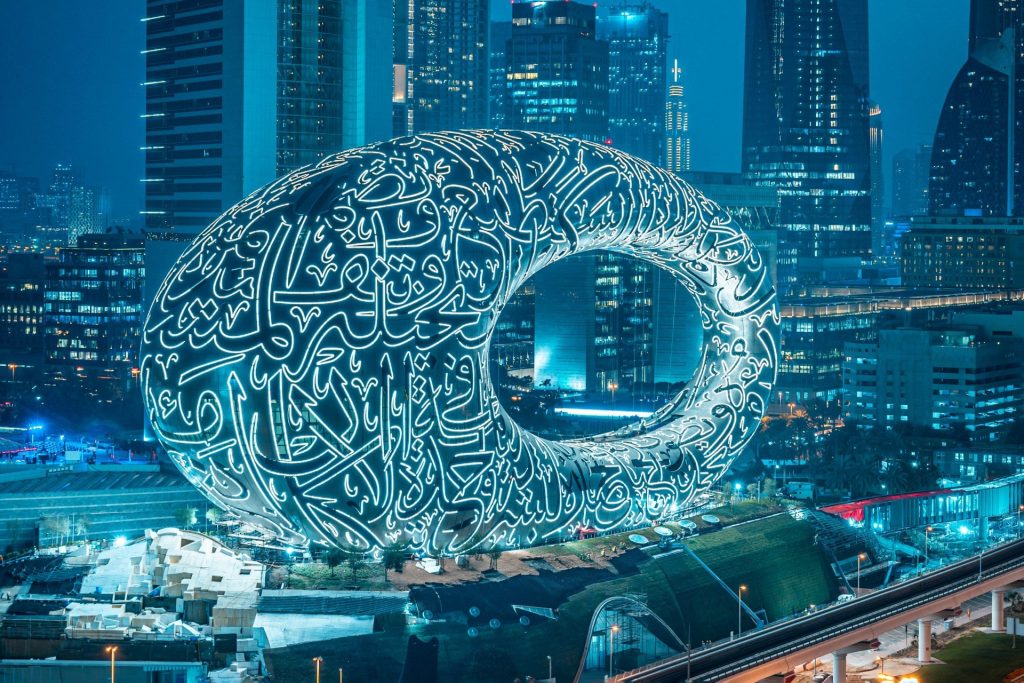
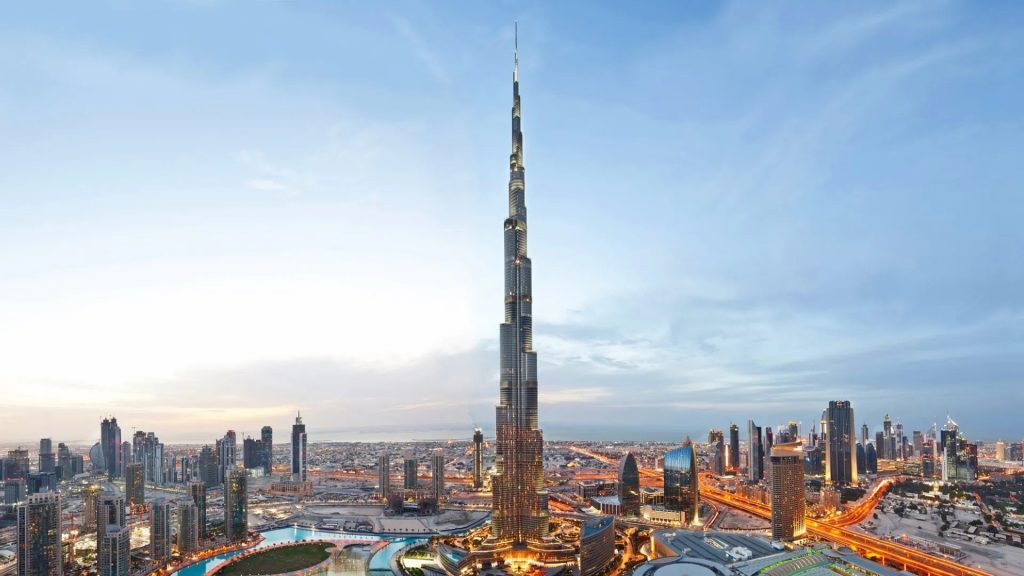
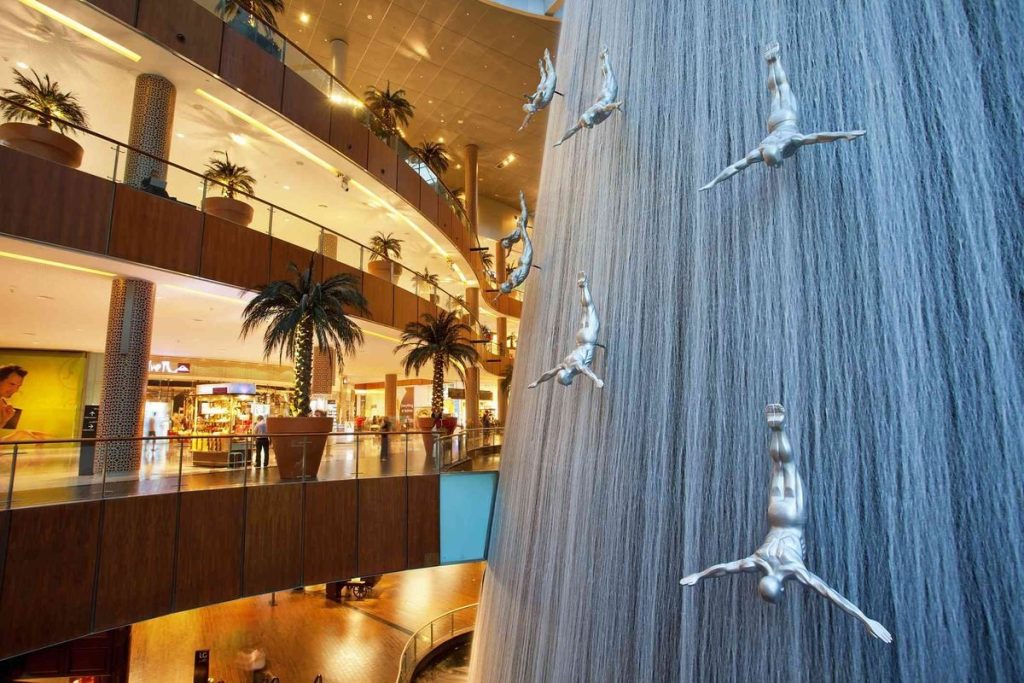
Downtown is where Dubai's most iconic landmarks cluster together, and it's worth treating as its own dedicated stretch of your trip rather than bouncing back and forth across the city.
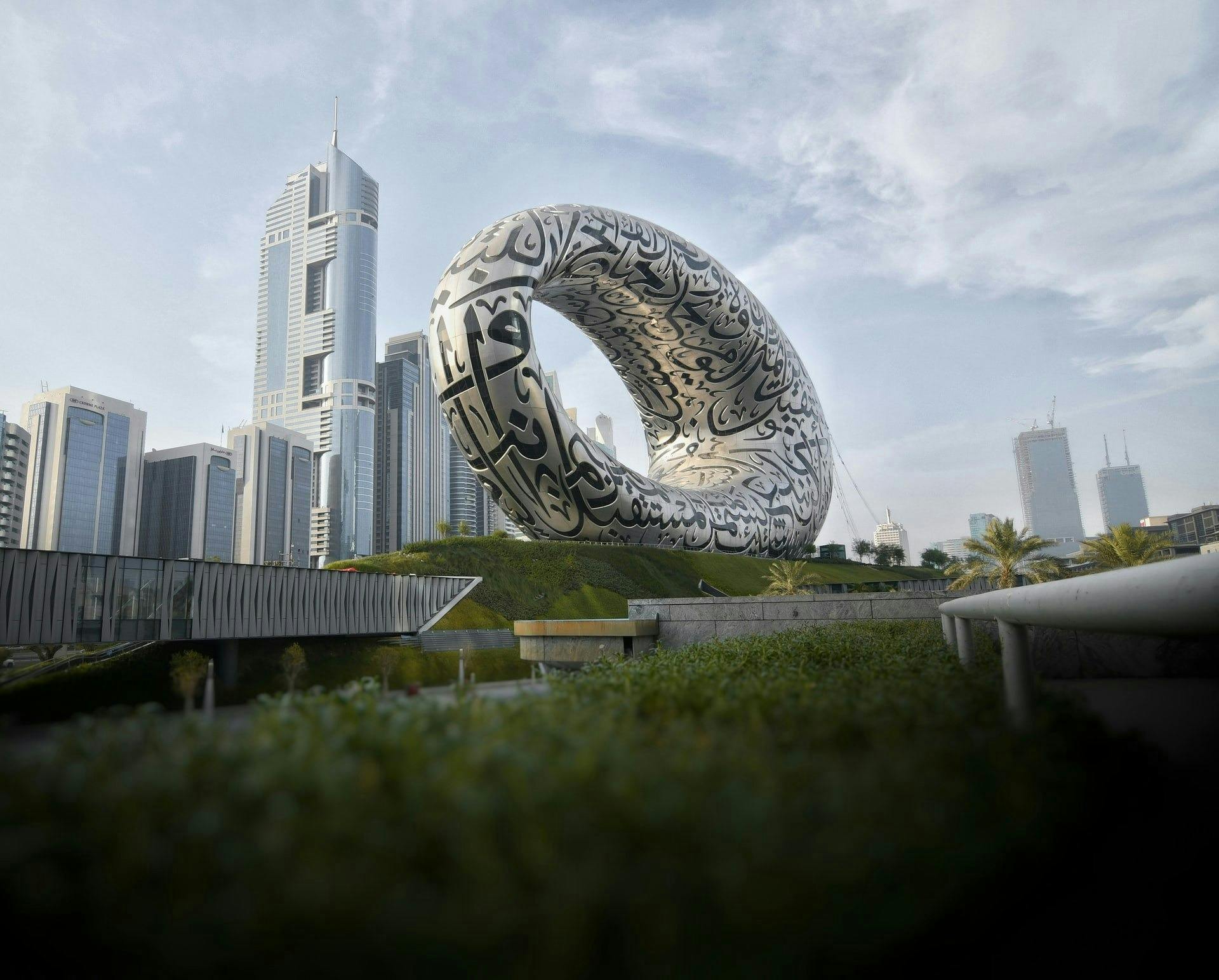
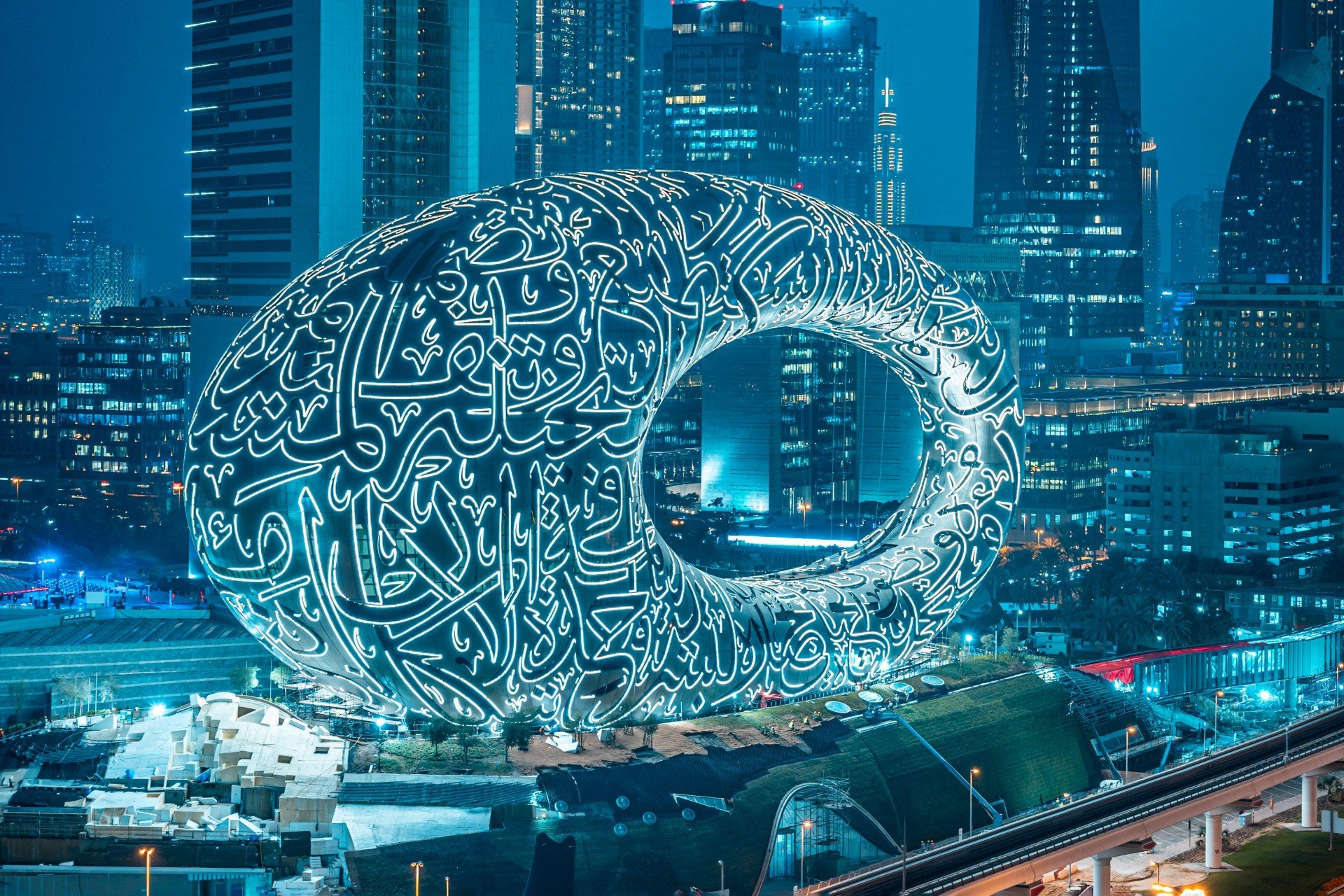
- The Museum of the Future is one of the most architecturally striking buildings in the city. It is an oval torus wrapped in flowing Arabic calligraphy that's worth photographing even if you skip the interior. Inside, the experience moves through immersive, interactive spaces covering space exploration, AI, and the future of healthcare rather than traditional static exhibits. Reactions are genuinely mixed, with some visitors finding it thought-provoking while others find the concept thinner than the building suggests, but it's distinctive enough to be worth the visit, and tickets do sell out, so book ahead. For a great photo of the building itself, grab a drink at the 25hours Hotel rooftop directly across the street.
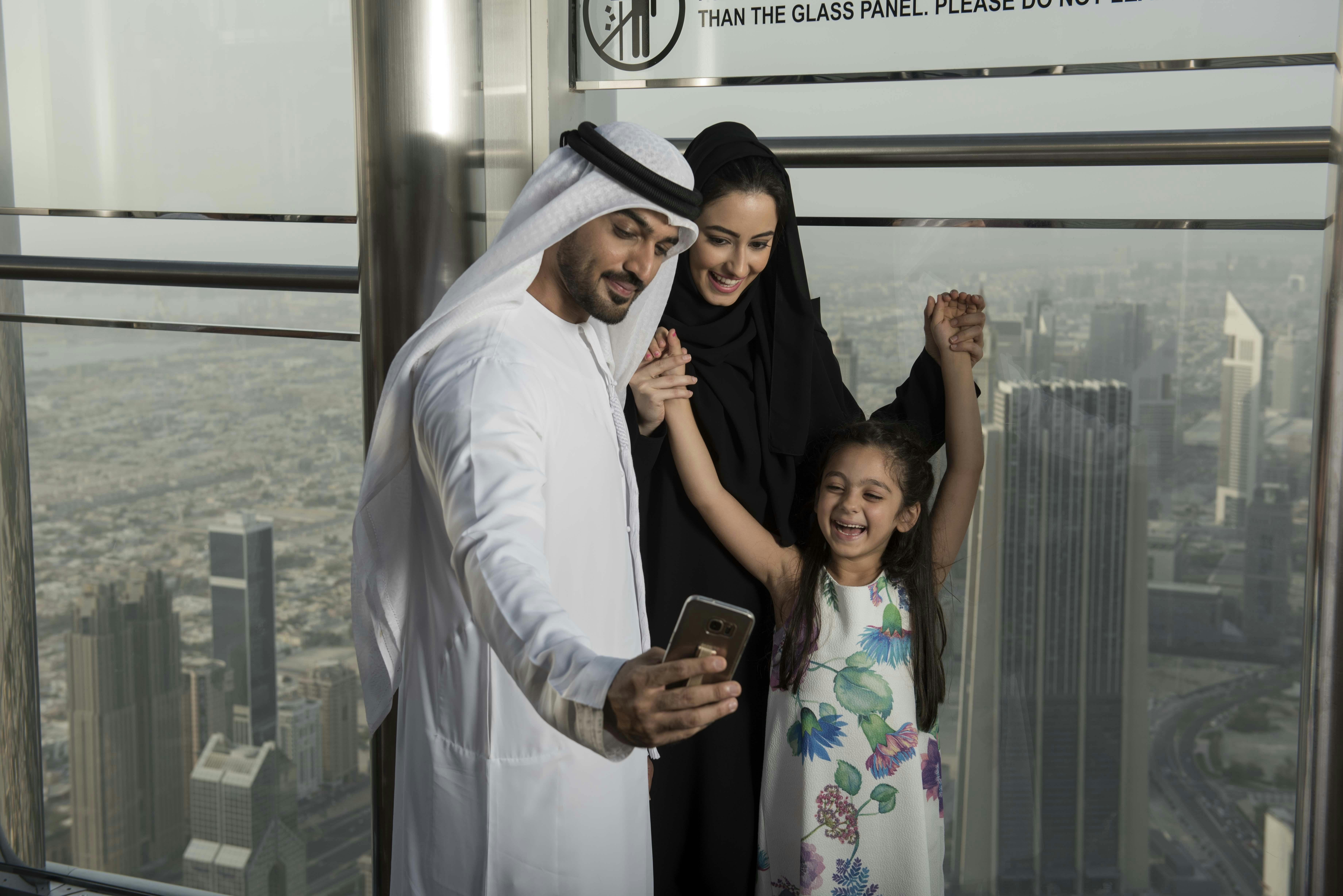
- The Burj Khalifa is the obvious headline act, and it largely earns the hype. At 828 metres and 163 floors, it's nearly double the height of anything else in the city, and the elevator ride to the top moves at close to 10 metres per second. The observation decks (multiple ticket tiers exist depending on how high you want to go) offer a full 360-degree view of the city, with an outdoor section where you can feel the wind at altitude. Crowds are real but well-managed, and the views work equally well during the day (better visibility) and at night (more atmosphere). If you'd rather view the Burj Khalifa from outside than go up it, Sky Views Observatory offers a glass-floored deck with panoramic views of the tower itself, plus the Edge Walk for those who want to walk hands-free along the building's exterior with nothing but air below.
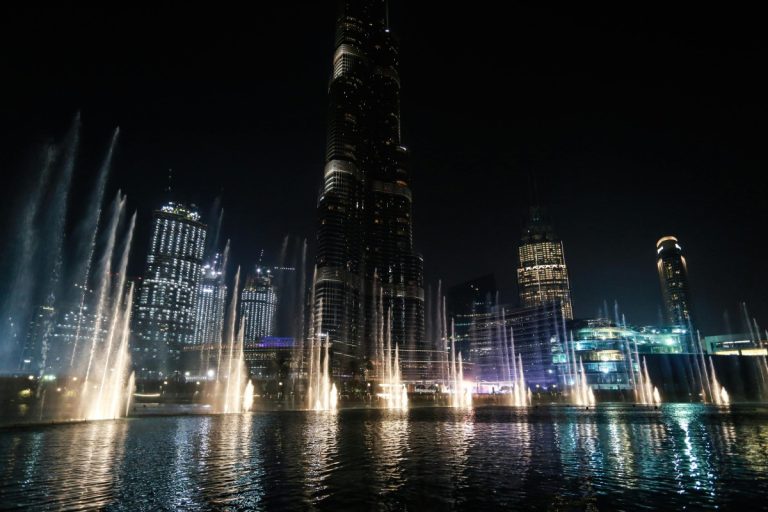
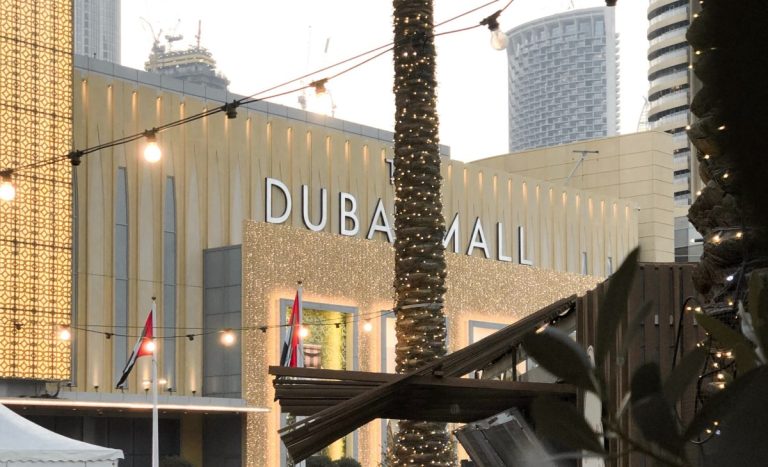
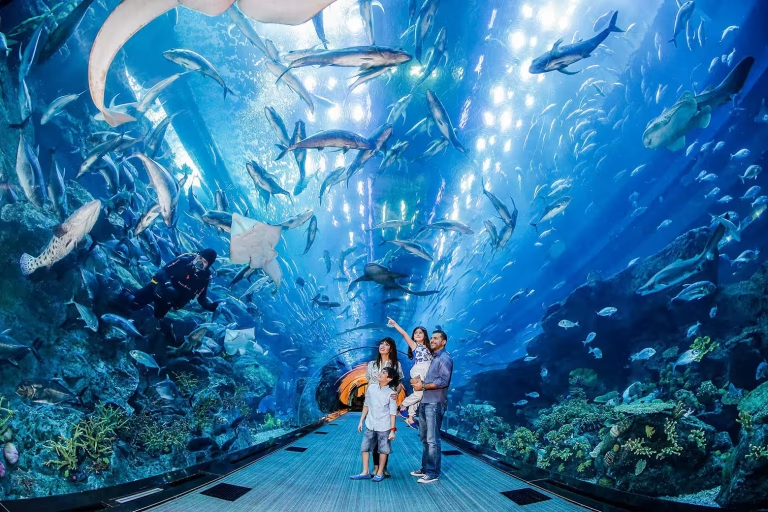
- The Dubai Mall sits right next door and functions as an attraction in its own right. It is one of the largest malls on Earth, complete with a massive aquarium, indoor waterfalls, an ice rink, and more dining options than you could realistically work through in one trip. Even non-shoppers tend to find something worth wandering. Outside, the Dubai Fountain Show runs multiple times each evening with three circles of fountains performing to music against the Burj Khalifa backdrop, similar in spirit to Las Vegas's Bellagio fountains. It's free, easy to catch, and a genuinely good way to close out an evening. Manage your expectations on scale, though. It's a tight, well-executed few minutes rather than a sprawling spectacle, and arriving with low expectations tends to produce the best reaction.





Old Dubai: Souks, Creek & Heritage
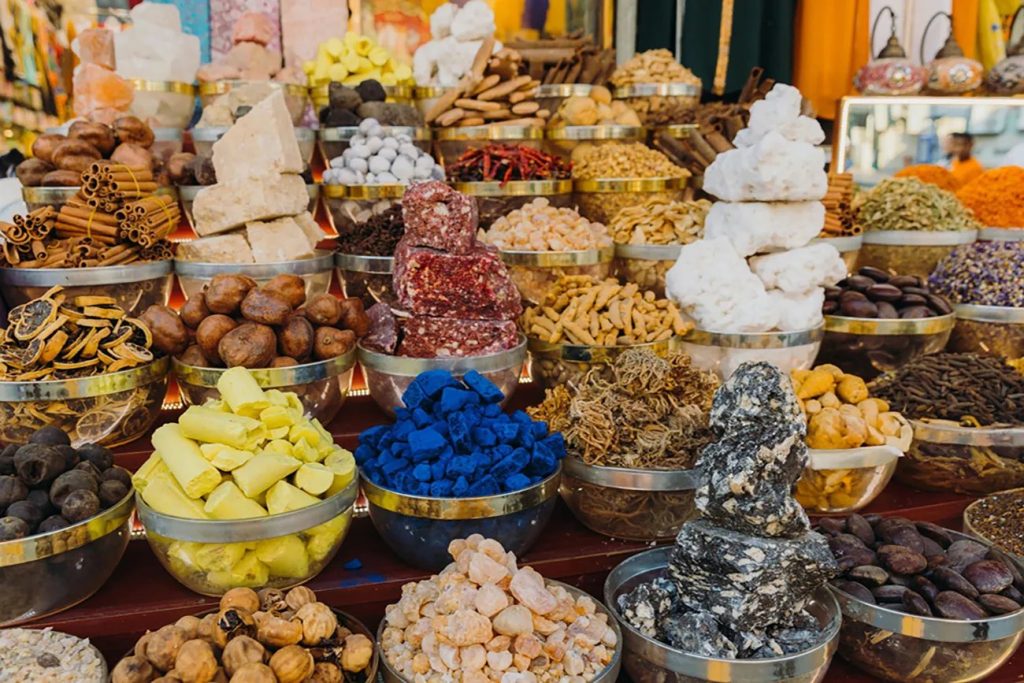
This is the side of the city worth slowing down for. It’s the version of Dubai that existed before oil money and skyscrapers, built around trade along the Creek.
Brunch functions almost as a ritual in Dubai. You’ll see generous portions, international spreads, and a late-morning start that suits a slower pace.
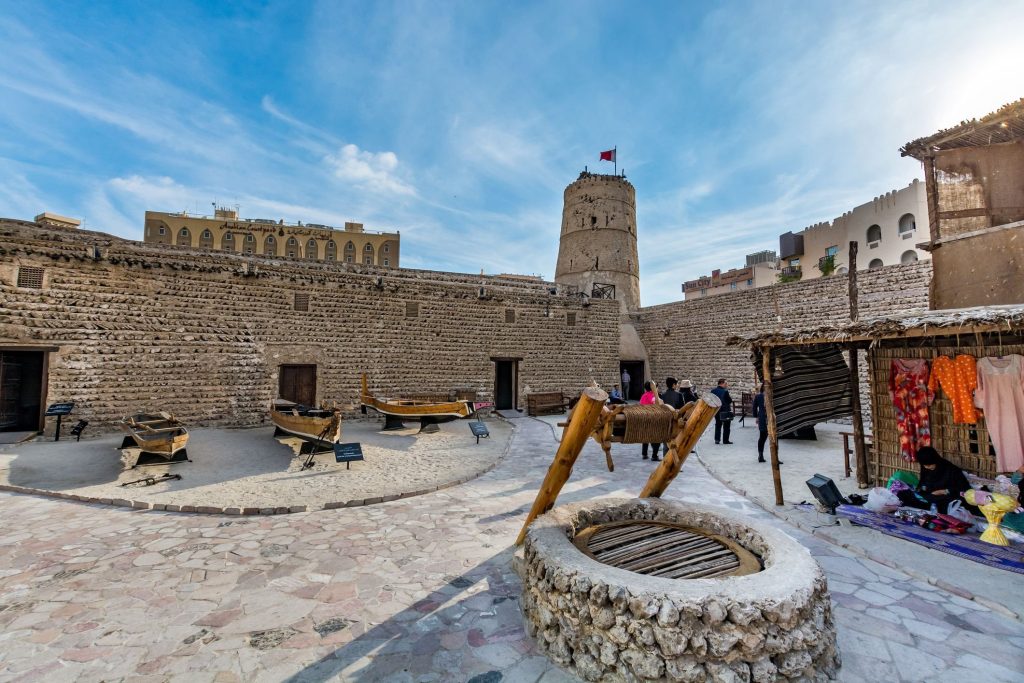
Al Fahidi Historical Neighbourhood is the place to begin exploring properly,, being one of the oldest parts of the city, with restored wind-tower houses, narrow alleyways, and quiet courtyards housing small museums, galleries, and the Coffee Museum, which walks you through the history and ritual of traditional Arabic coffee.
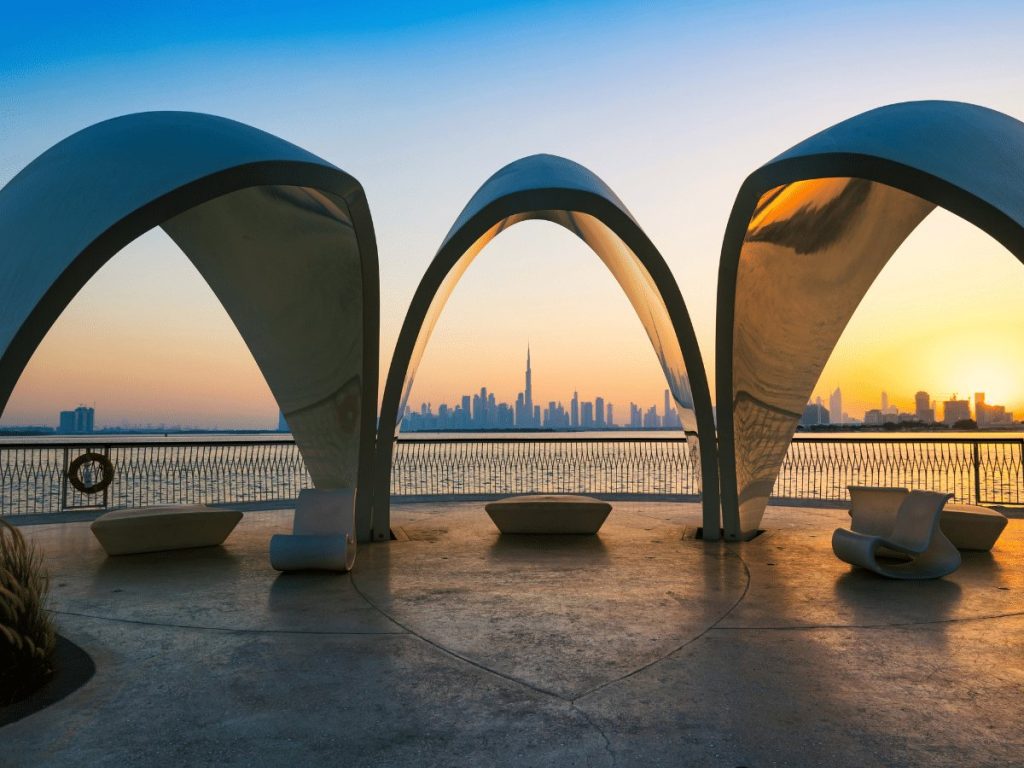
From Al Fahidi, head toward Dubai Creek, the historic trading waterway that built the city long before the Burj Khalifa existed. A short, inexpensive ride across the water on a traditional abra boat is one of the most genuinely authentic experiences available in Dubai.
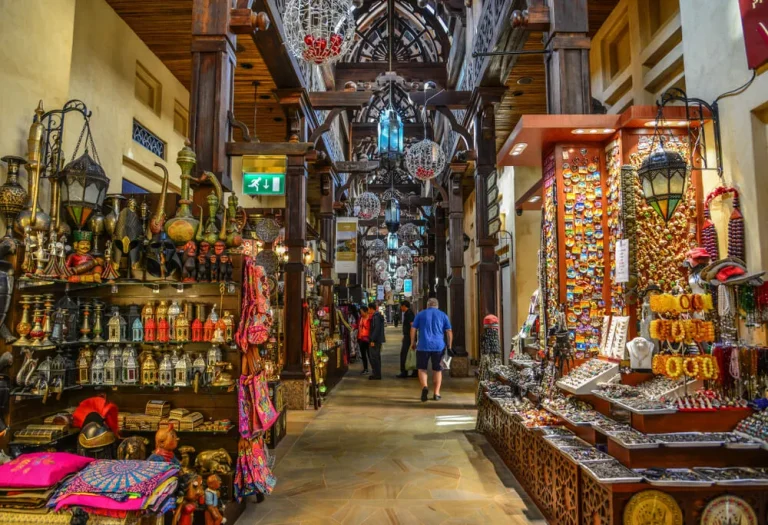
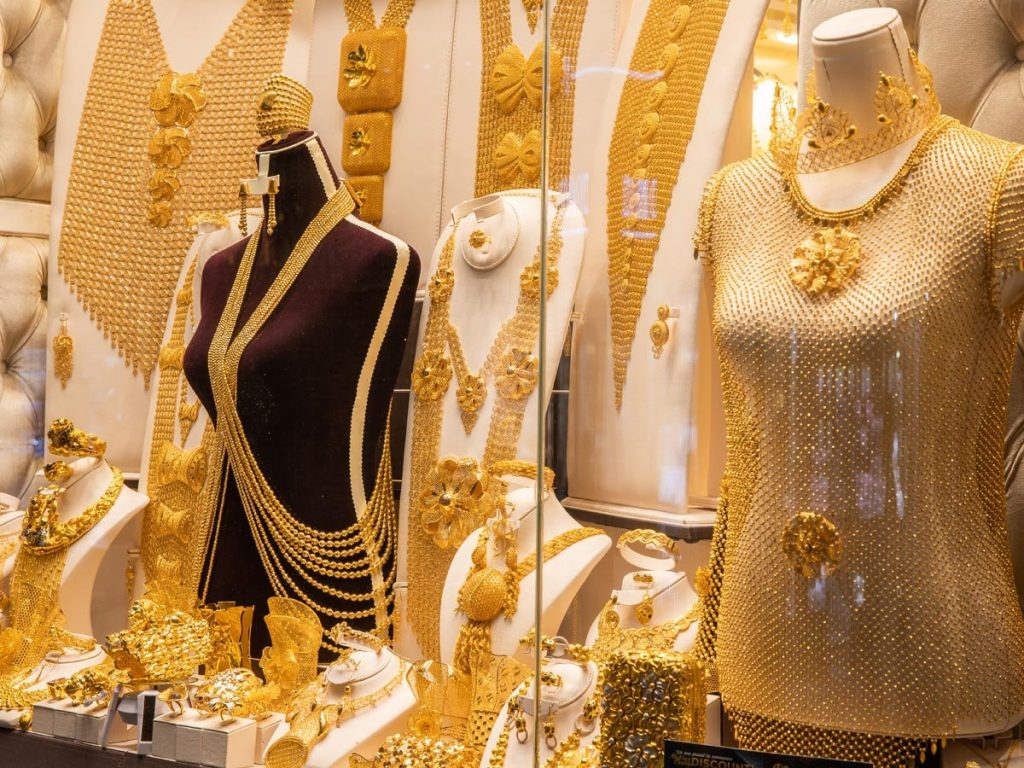
On the Deira side, the Gold Souk dazzles with elaborate jewellery displays, while the nearby Spice Souk fills the air with saffron, dried limes, incense, and colour. Bargaining is expected and part of the experience, so don't be shy about it, even if you're only browsing.
A Dubai Creek dinner cruise, often aboard a traditional wooden dhow, is a wonderful way to see this side of the city after dark. The contrast between old buildings along the waterfront and the modern skyline behind them becomes especially striking once the lights come on. It’s without a doubt a quietly beautiful experience for anyone drawn to the city's older corners.


Beaches & Jumeirah
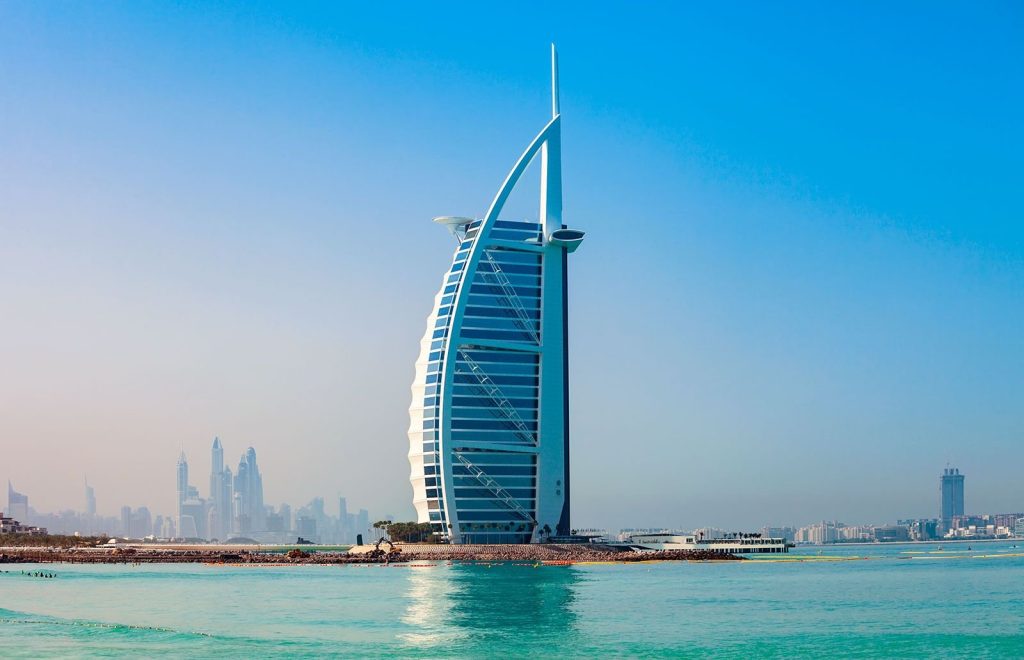
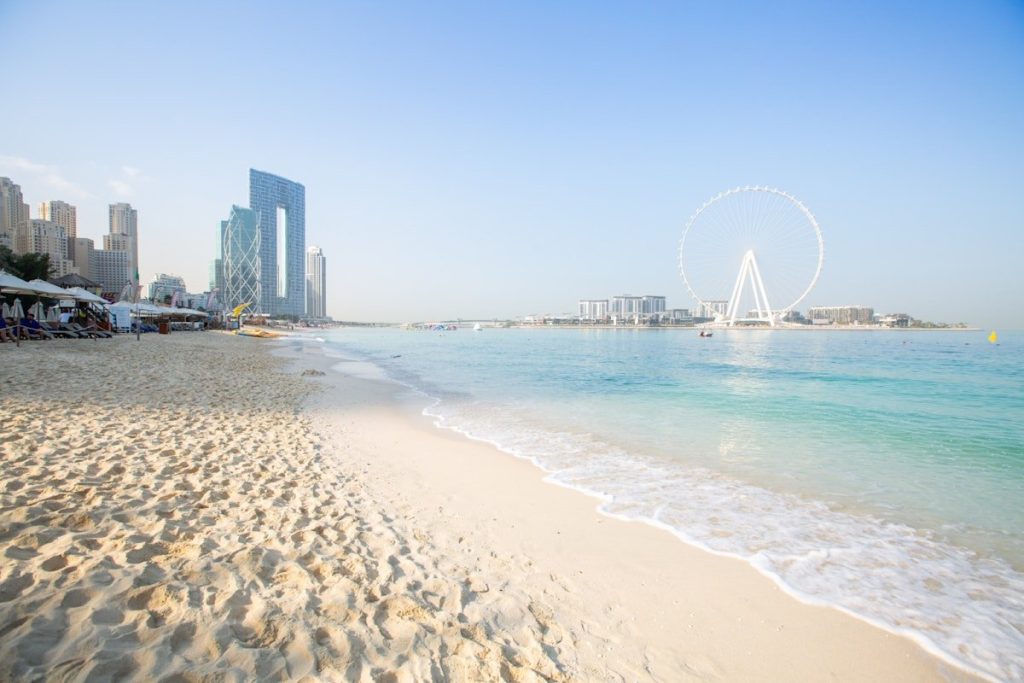
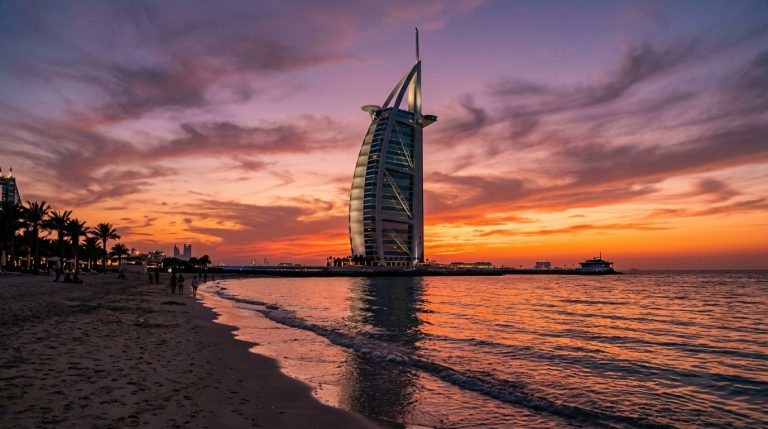
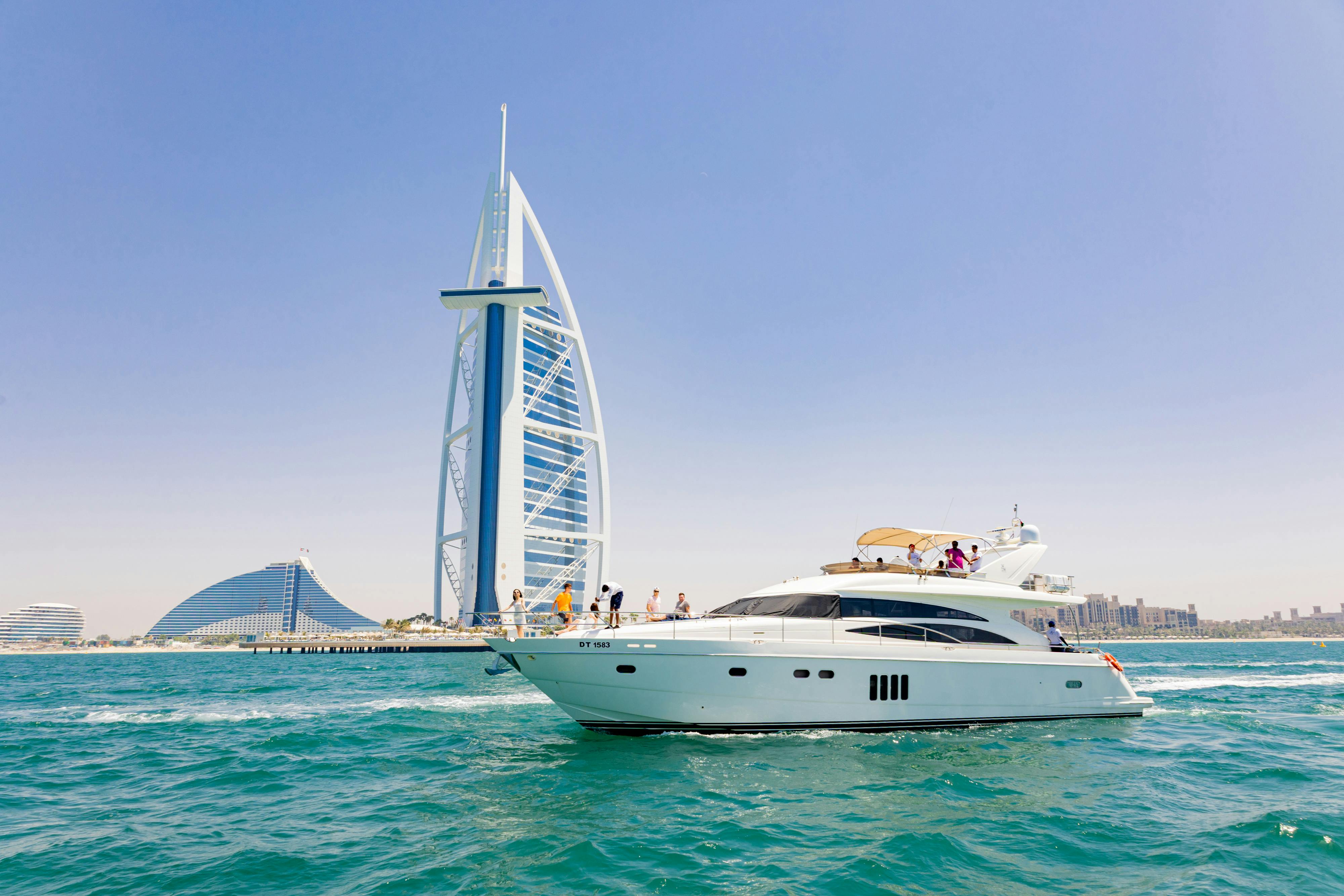
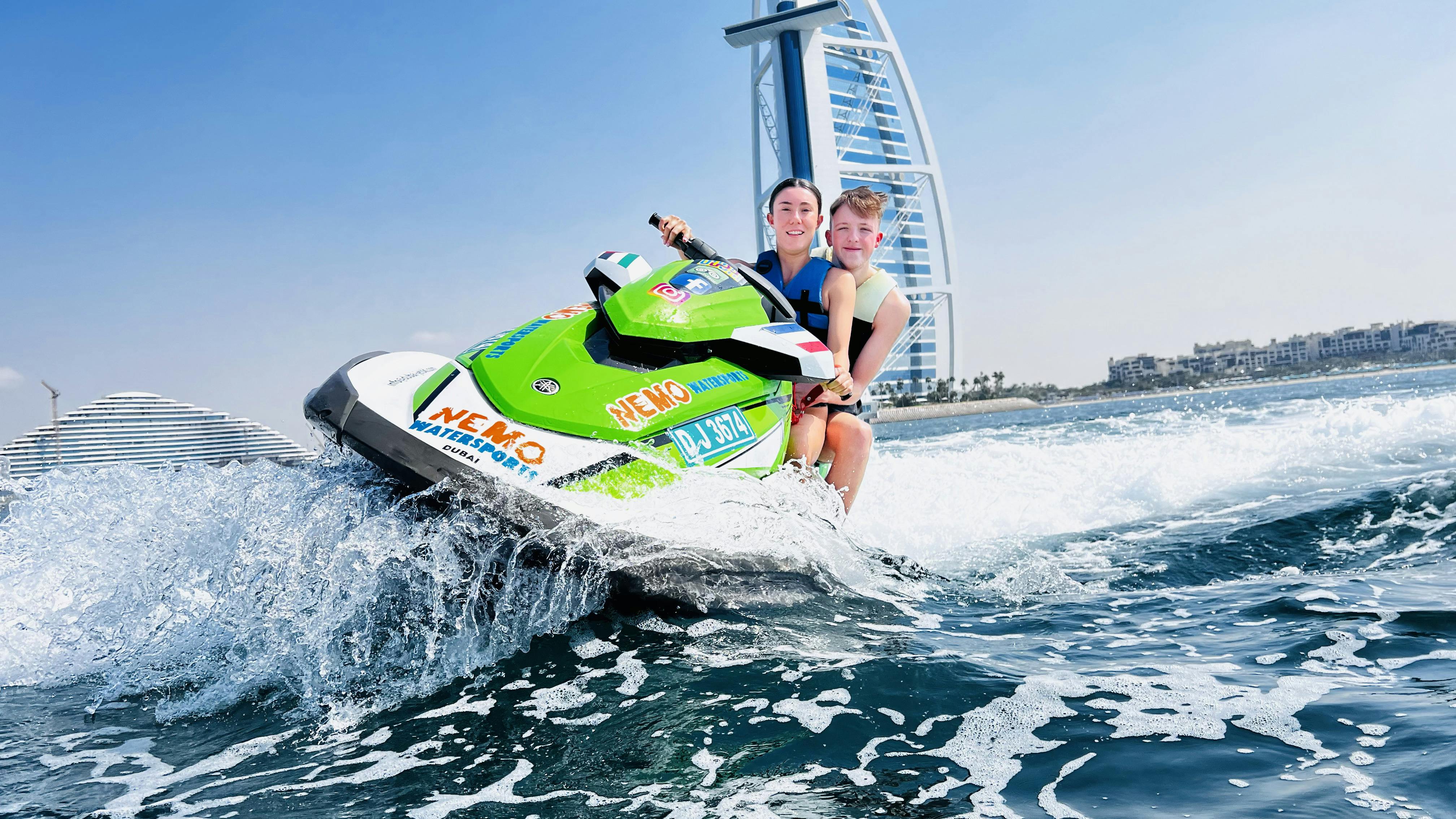
This is where Dubai's coastline takes over – sunshine, beach resorts, and the iconic silhouette of the Burj Al Arab.
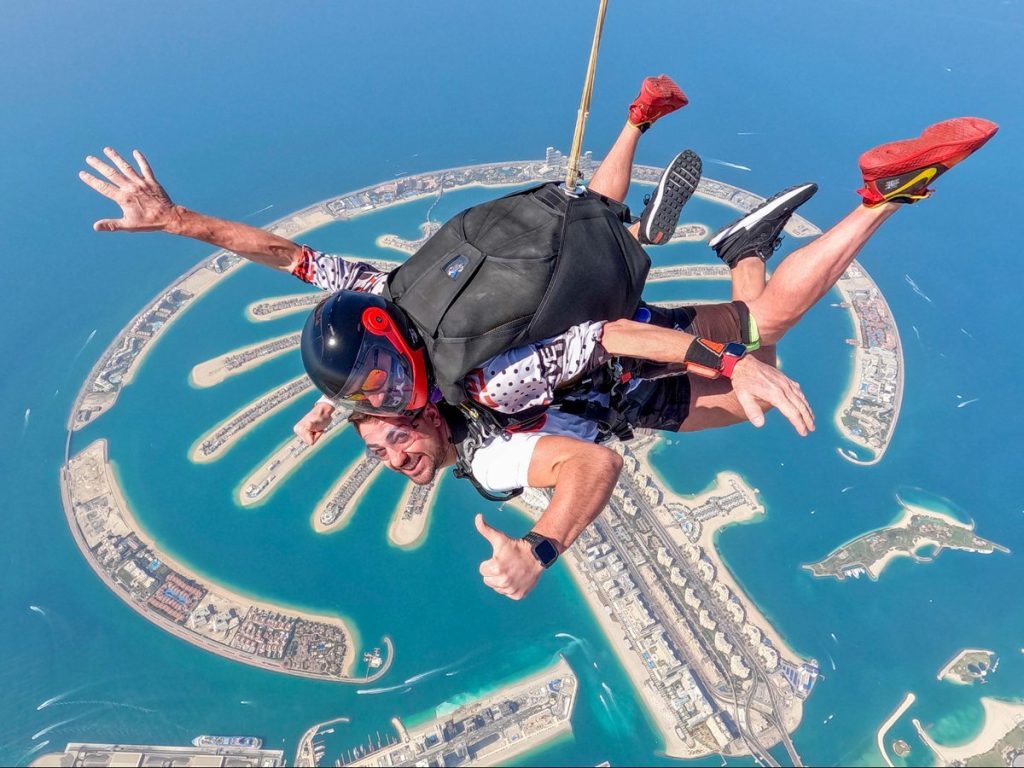
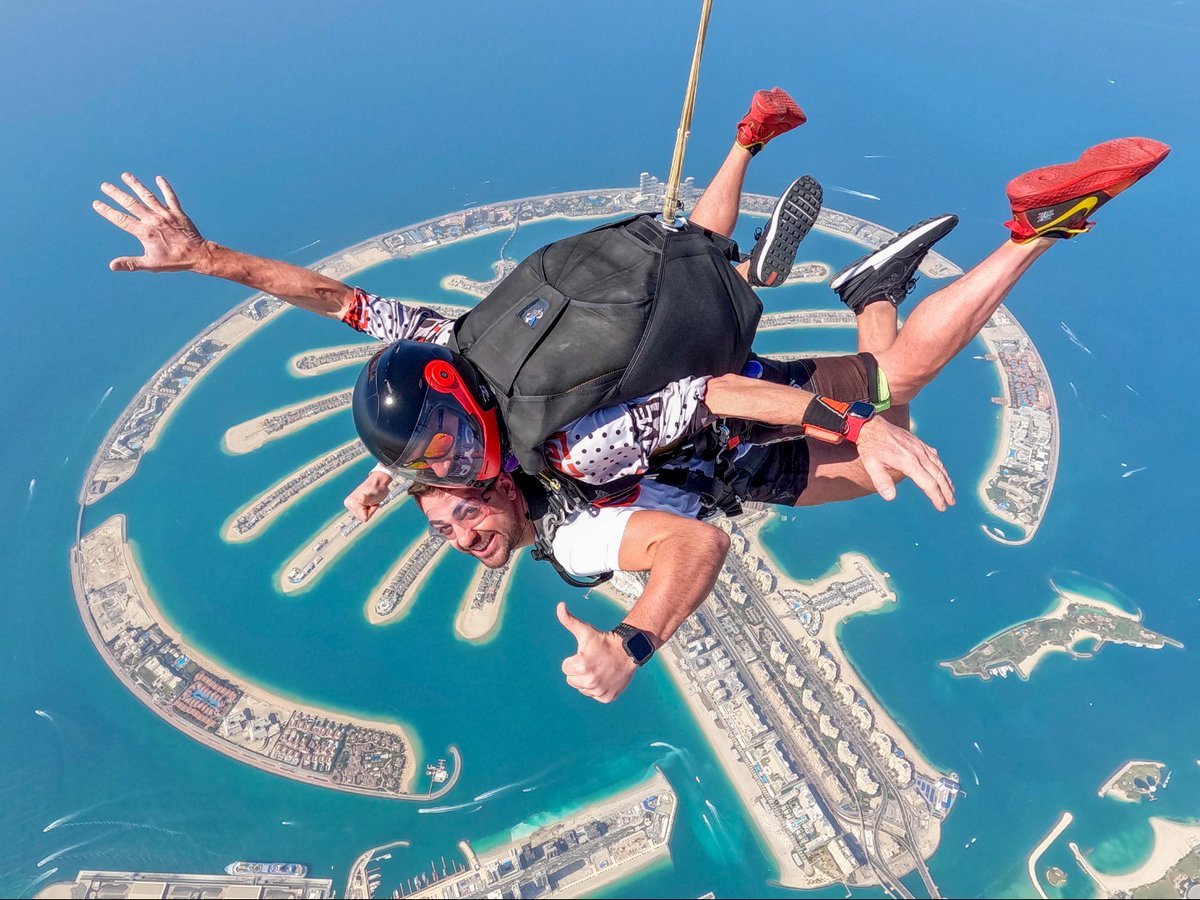
For the adventurous, Skydive Dubai is one of the most genuinely unforgettable experiences available anywhere in the city. You take a free-fall jump from roughly 4,000 metres with the Palm Jumeirah and the full coastline spread out below you, followed by several minutes of near-silent floating once the parachute deploys. It's a serious splurge but consistently rated as a trip highlight by those who do it.
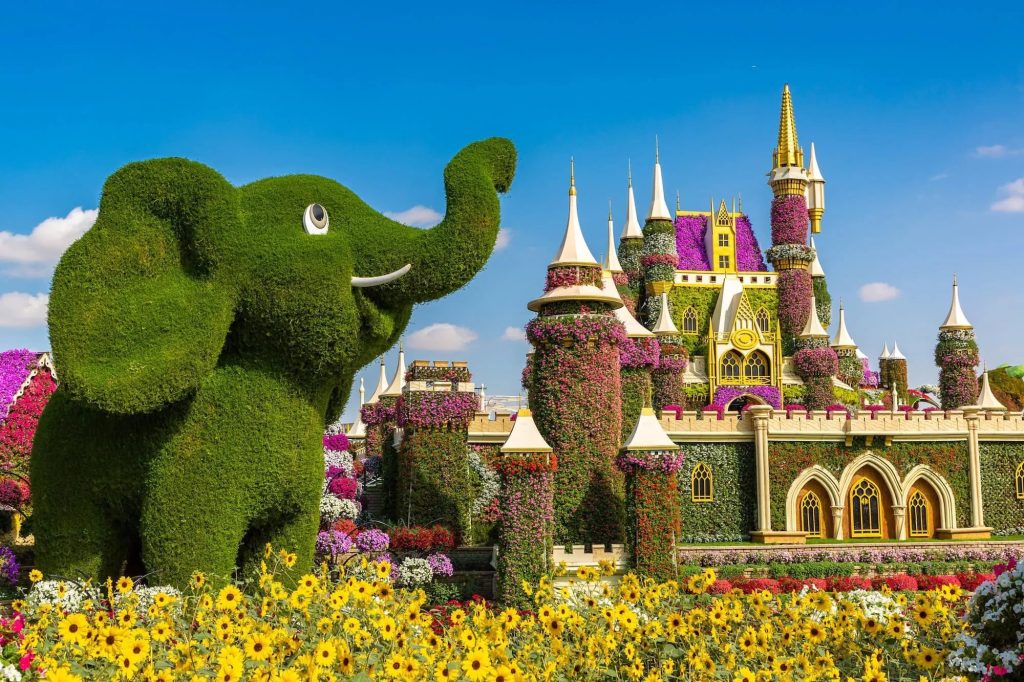
Dubai Miracle Garden is the city's most Instagrammed attraction, and it's worth knowing upfront that opinions split sharply here. The floral displays are large in scale but repetitive in variety, paths get genuinely crowded, and the overall experience can feel more like a photo-op conveyor belt than a place to linger. If you're tight on time, prioritizing the desert, Old Dubai, or a relaxed beach afternoon over Miracle Garden, is a reasonable call for most travellers.
A pool or beach sunset in Jumeirah is one of the best ways for you to unwind. Many hotels sell day passes to their pools and private beaches, even if you're not staying overnight, which is a smart way to access Dubai's luxury hotel scene without booking a room.
Aura Skypool, perched atop the Palm Tower, is Dubai's highest 360-degree infinity pool, which is an adults-only, premium-priced experience that delivers genuinely spectacular sunset views over the city.


Other Attractions Worth Considering in Dubai
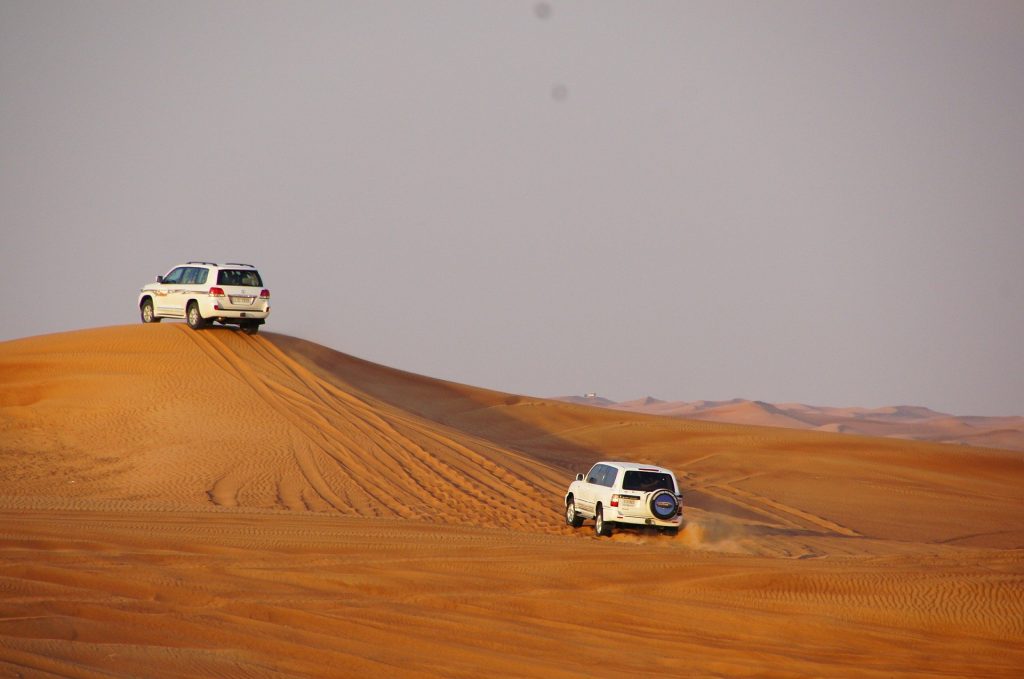
- A desert safari is one of the most recommended Dubai experiences outside the standard city sights. You get to try dune bashing in a 4x4, camel rides, traditional Bedouin-style camps, and dinner under the stars. Most tours run as half-day or evening trips and are widely available through hotels and tour operators.
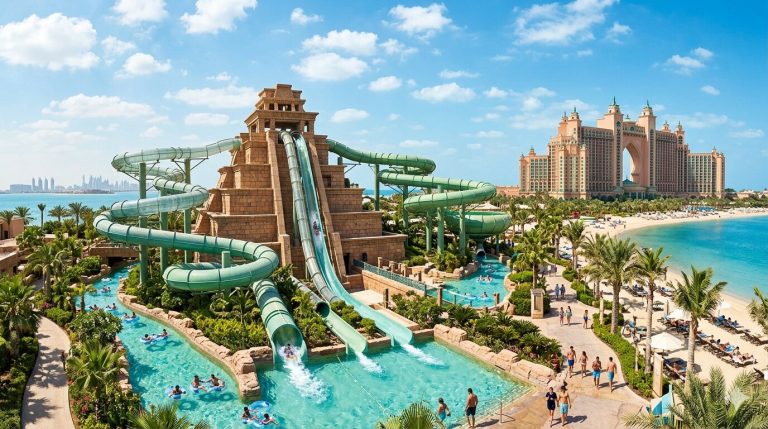
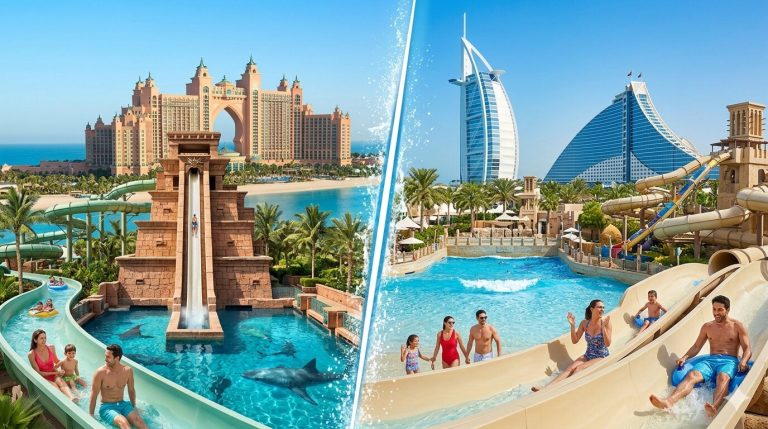
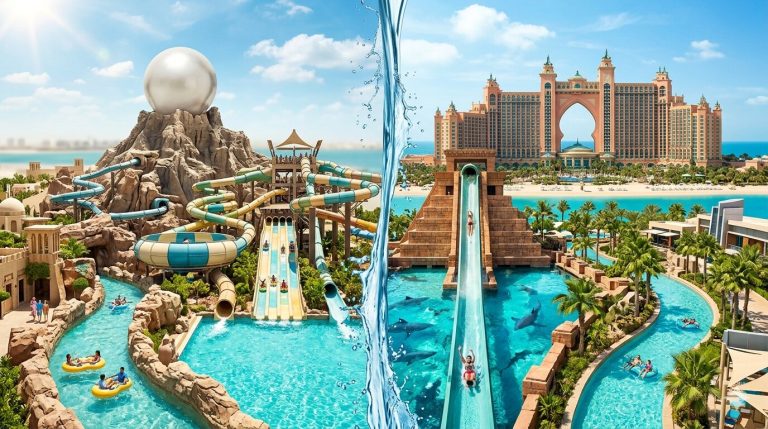
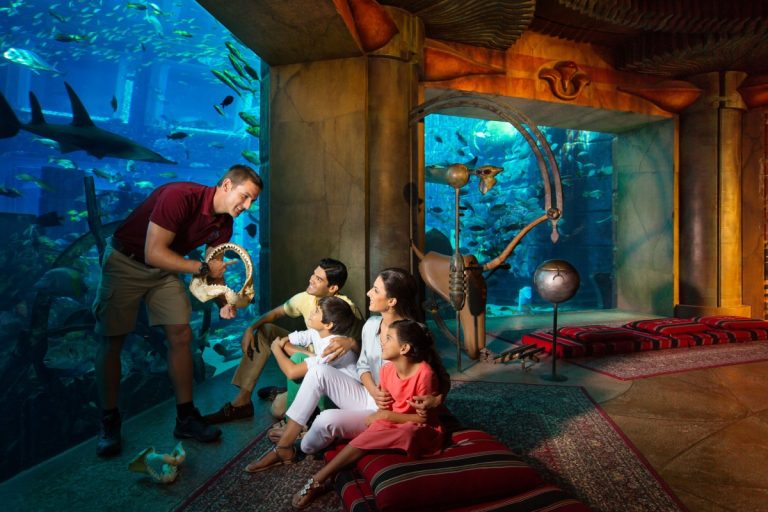
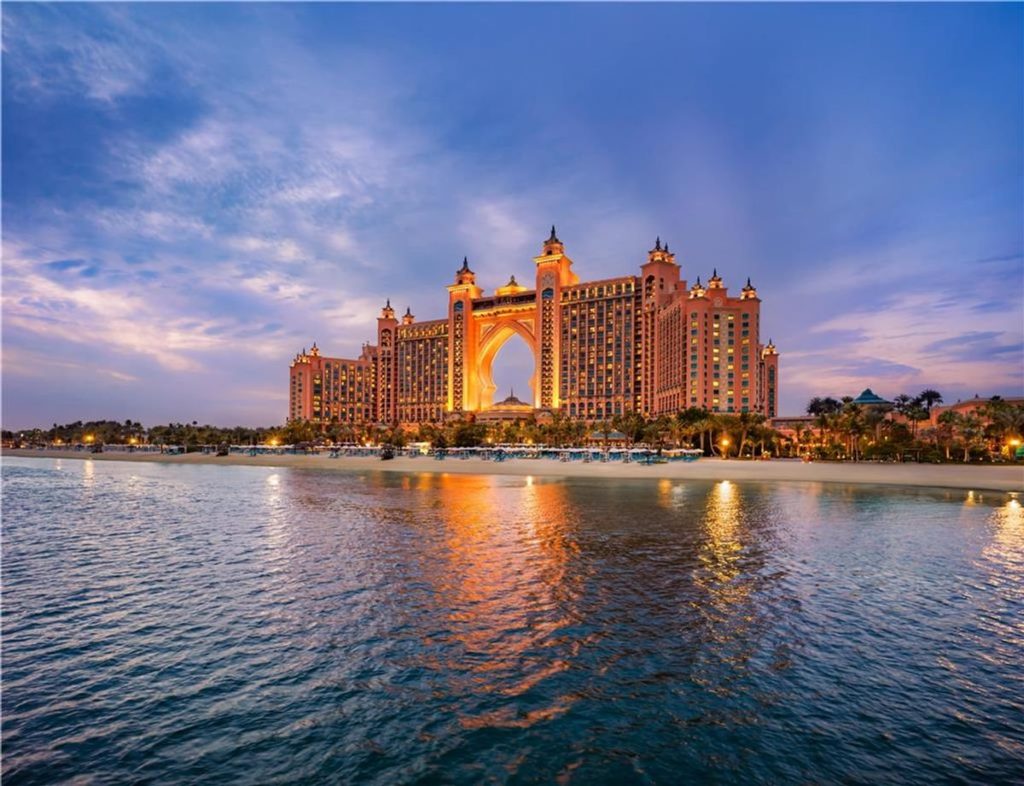
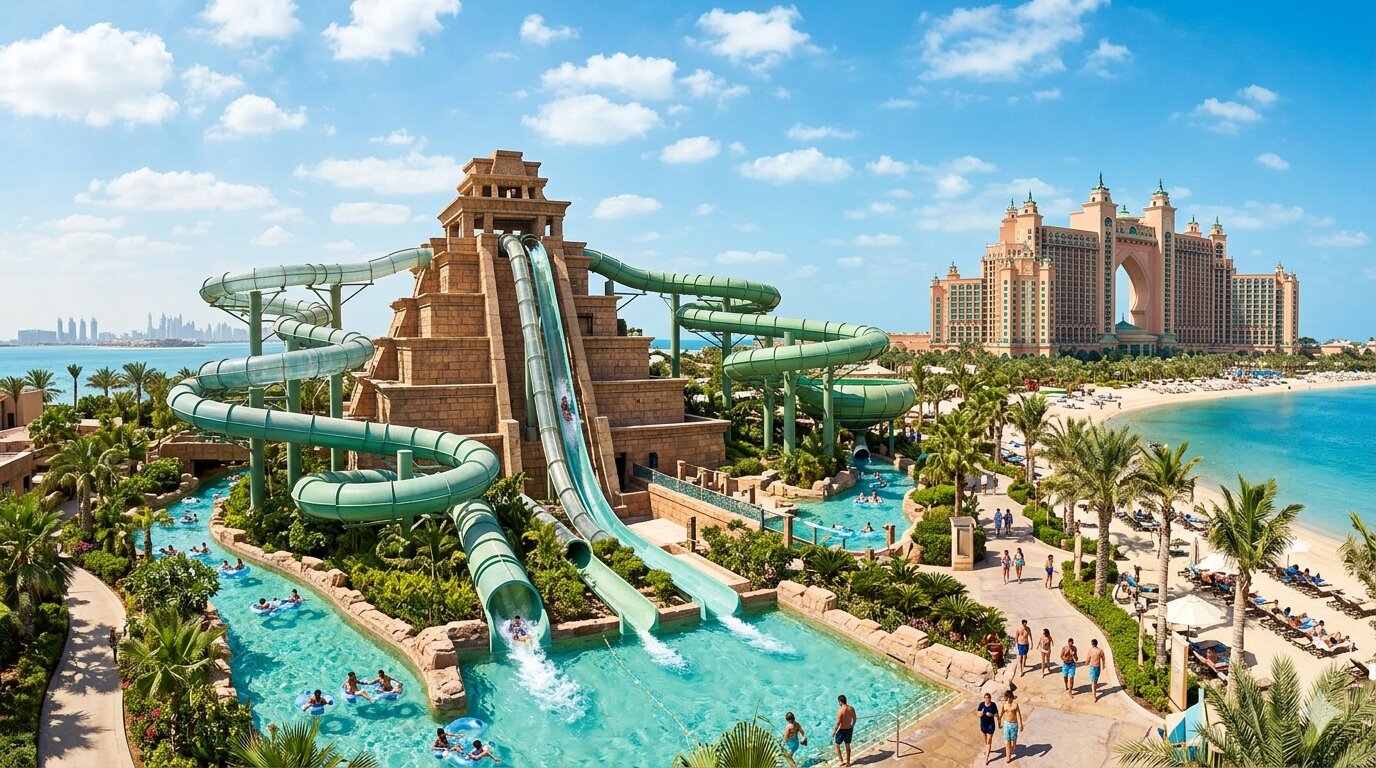
- Atlantis, The Palm, sits at the tip of the famous Palm Jumeirah artificial island, and the journey out there (by monorail, past the individual fronds of the island) is genuinely interesting in itself. The resort houses an aquarium, waterpark, and several well-known restaurants, though it's worth knowing it's a large, busy Vegas-style hotel complex rather than an intimate experience, and not every visitor finds it worth the time.
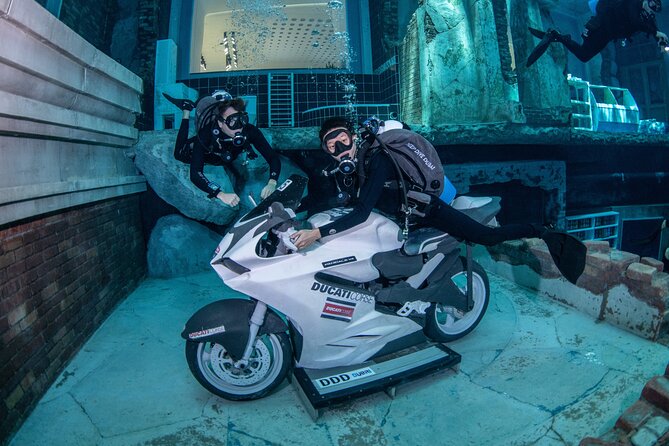
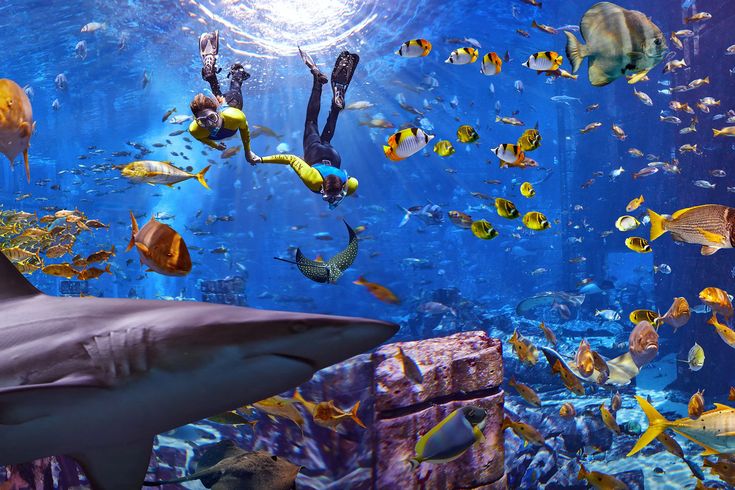
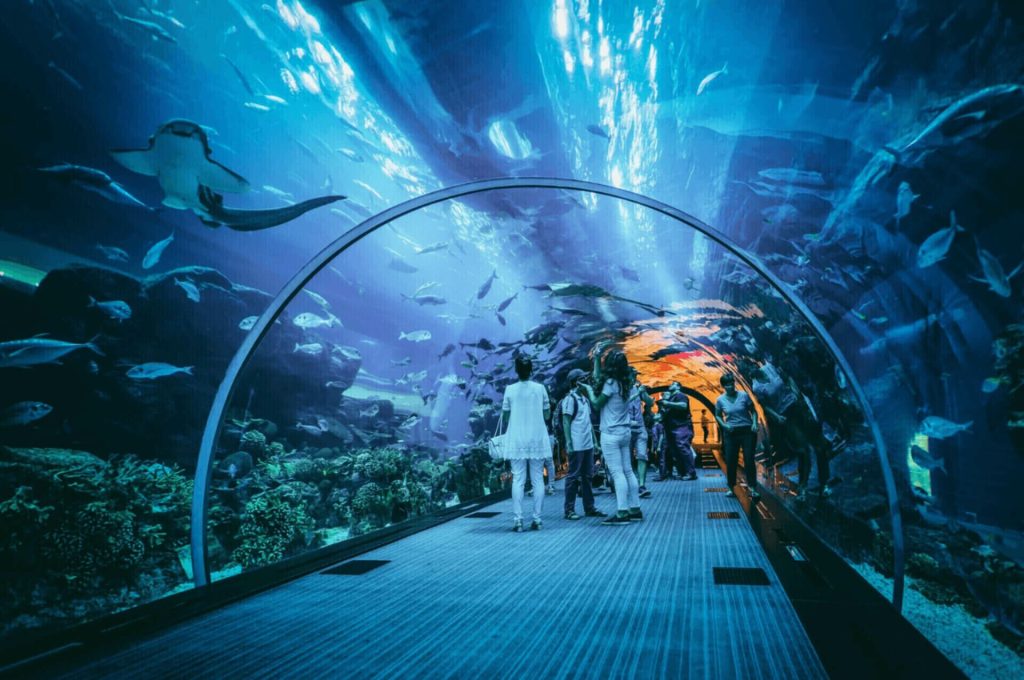
- Dubai Aquarium & Underwater Zoo, inside Dubai Mall, lets certified and uncertified visitors alike try a shark dive. This is for sure a memorable add-on if you're already spending time at the mall.


Food & Brunch Culture in Dubai
Dubai's food scene reflects its population. The city is genuinely international, with cuisines from across South Asia, the Middle East, and beyond represented at every price point.
As this is a Muslim region, pork is essentially absent from menus, but seafood, lamb, beef, and chicken are everywhere. However, it is still available for non-Muslims in certain licensed restaurants and “non-Muslim sections” in major supermarkets.
Classic dishes worth seeking out include shawarma, hummus, curried specialties reflecting the strong South Asian influence, basmati rice dishes, and whole marinated fish rather than fillets.
Dates are a genuine local specialty, sold in dedicated markets and upscale shops throughout the malls, often paired with Arabic coffee.
Saturday brunch is a Dubai institution worth experiencing at least once. It is a long, social, often boozy weekend tradition held at hotels and restaurants across the city, typically running several hours with extensive food and drink included. It's a fun group activity rather than an intimate dining experience, so set your expectations accordingly.
Alcohol is available to tourists at licensed hotels, bars, and restaurants, but public drinking, including on the beach, is not permitted, and public intoxication is taken seriously. Most hotel minibars are stocked, and duty-free at the airport is a reliable option if you want to bring something back.
Dubai Itineraries
What to Wear & Local Etiquette
Tourists and expats generally wear regular clothing throughout Dubai's malls, hotels, and tourist areas. This isn't a destination requiring conservative dress everywhere.
The exception is religious sites: visiting a mosque (most famously the Sheikh Zayed Grand Mosque in nearby Abu Dhabi) requires women to wear a hijab and abaya, typically provided on site if needed.
Beach and pool dress codes are more relaxed than many visitors expect. Standard swimwear is the norm. For dining at upscale venues, particularly inside the Burj Khalifa or Burj Al Arab, closed-toe shoes and covered shoulders are generally expected, with trousers or longer skirts for women.
Public displays of affection should be minimal. Holding hands and a brief peck on the cheek are generally fine, but anything beyond that is best avoided in public spaces, as UAE law and local custom both lean conservative on this point.
Practical Tips Before You Go
- Book Burj Khalifa and Museum of the Future tickets online in advance. The entry slots sell out fast, especially around sunset.
- Bargaining is expected at the Gold Souk and Spice Souk. Don't accept the first price offered.
- Stick to regular metered taxis over the higher-end branded ones for better value, and confirm the fare or meter is running before you set off.
- Most credit cards work, but Visa and Mastercard have far wider acceptance than American Express. Make sure to carry some cash for souks and smaller vendors.
- Sun protection is essential year-round. SPF 50+, a hat, and staying hydrated matter even more here than in most hot destinations, given the dry desert heat.
- Dubai Mall and other major malls are genuinely useful for escaping the heat in summer since they’re air-conditioned, walkable, and stocked with food options.
- If Miracle Garden, Atlantis, or other heavily marketed attractions don't fit your budget or time, skip them without guilt. A desert safari, Old Dubai, or a quiet beach afternoon tends to leave a stronger impression.
Dubai isn't a city you fall into gently. It announces itself from the moment your plane banks over the skyline, and it keeps announcing itself the entire time you're there. Whether you leave completely won over by the ambition of it all or quietly relieved to be heading somewhere with a bit more soul, the trip is worth taking at least once.
Stand at the top of the Burj Khalifa, drift across the Creek on an abra at sunset, and watch the dunes turn gold on a desert safari. These are the moments that make Dubai genuinely unforgettable.
Stop scrolling and start planning. Head to Thrillark for tickets to Dubai's best attractions and experiences, and build the trip this extraordinary city deserves.
Frequently Asked Questions
Is the Burj Khalifa worth visiting, and which observation deck should you choose?
The Burj Khalifa is genuinely worth visiting. At 828 metres, it's the tallest building in the world, and the 360-degree views from its observation decks give you an unmatched sense of just how vast and ambitious Dubai's skyline really is. Multiple ticket tiers exist depending on how high you want to go, and even the standard lower observation deck delivers spectacular views, while higher tiers add a quieter, less crowded experience. The views work well both during the day, when visibility is best, and at night, when the city lights add a different kind of atmosphere. Either time is a good choice.
Do you need to book Museum of the Future tickets in advance?
Yes. Museum of the Future tickets should be booked online well ahead of your visit, as entry slots frequently sell out given the building's popularity and limited daily capacity. The museum's striking oval design, wrapped in flowing Arabic calligraphy, makes it one of the most photographed buildings in Dubai, even among visitors who skip the interior experience. Inside, expect an immersive, interactive format covering space exploration, artificial intelligence, and future healthcare rather than traditional static exhibits. The reactions vary, but it remains one of the most talked-about new attractions in the city.
Is the Dubai Miracle Garden worth visiting?
Dubai Miracle Garden is one of the city's most heavily marketed and photographed attractions, but opinions on it are genuinely split among visitors. The floral displays are impressive in scale but tend to repeat the same flower varieties throughout, and the pathways can get very crowded, making it feel more like a photo-op stop than a place to linger and enjoy. If your time in Dubai is limited, many travellers find that a desert safari, Old Dubai's souks, or a relaxed beach afternoon leaves a stronger impression than Miracle Garden does.
What's the best way to experience Dubai's Old City and the souks?
The best approach is to start at Al Fahidi Historical Neighbourhood, with its restored wind-tower houses and narrow alleyways, then make your way toward Dubai Creek for a short ride across the water on a traditional abra boat, one of the most authentic experiences available in the city. From there, the Gold Souk on the Deira side offers elaborate jewellery displays, while the nearby Spice Souk fills the air with saffron, dried limes, and incense. Bargaining is expected throughout the souks, so don't hesitate to negotiate even if you're only browsing.
Is a desert safari worth doing in Dubai?
A desert safari is consistently rated as one of the most memorable experiences available in Dubai, combining dune bashing in a 4x4, camel rides, and a traditional Bedouin-style camp dinner under the stars. Most tours run as half-day or evening trips, are widely available through hotels and tour operators, and offer a genuine contrast to the city's hyper-modern skyline. It's particularly recommended for travellers who find some of Dubai's more manufactured attractions underwhelming, since the desert setting feels far less staged.
Can you drink alcohol in Dubai as a tourist?
Yes, tourists are permitted to drink at licensed hotels, bars, and restaurants throughout Dubai, and most hotel minibars come fully stocked for guests. However, drinking in public, including on the beach, is not allowed, and public intoxication is taken seriously under local law. If you want to bring alcohol back with you, the duty-free shop at Dubai International Airport is the most straightforward option for tourists without a local liquor license.
What should you wear in Dubai as a visitor?
Regular clothing is completely standard throughout Dubai's malls, hotels, and tourist attractions, and visitors are often surprised by how relaxed beach and pool dress codes actually are. The main exception is religious sites. Visiting a mosque requires women to wear a hijab and an abaya, which is typically provided on site if you don't have your own. For dining at upscale venues, particularly within the Burj Khalifa or Burj Al Arab, closed-toe shoes and covered shoulders are generally expected, so it's worth packing at least one slightly more formal outfit for your trip.
Browse by themes
Top Attractions in Dubai