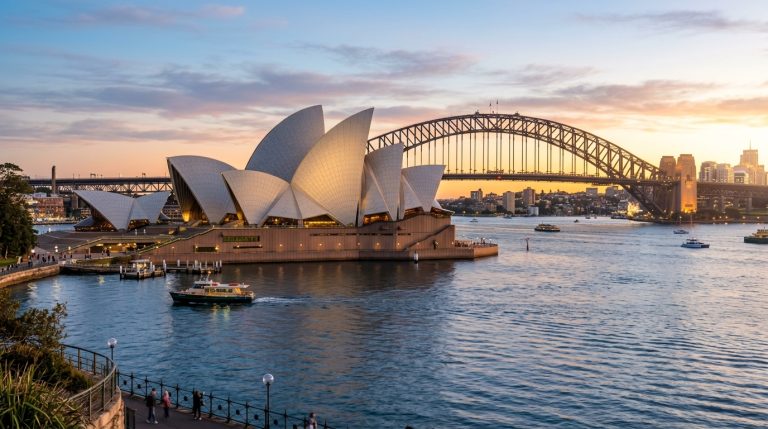
There are cities with great landmarks, and then there are cities with great harbours, and occasionally there are cities with both. Sydney has the most famous opera house in the world and a harbour so beautiful it makes every photograph look effortless. But what the postcards don’t tell you is how much the city exists beyond the postcard.
World-class restaurants down sandstone laneways, surf culture so embedded into daily life it barely gets remarked upon, an arts scene that punches far above its global profile, national parks within 30 minutes of the CBD, and a general quality of life that makes visitors understand, often within the first morning, exactly why Sydneysiders are so insufferably smug about where they live.
Known to the Gadigal people of the Eora Nation as Warrane, Sydney sits on one of the world’s great natural harbours on Australia’s southeastern coast. It’s the largest city in Australia, the most visited, and for most international travelers, the first (and often the most memorable) stop. This guide covers everything you need to make the most of your Sydney trip.
Sydney City Essentials
Why Sydney Is Worth the Hype
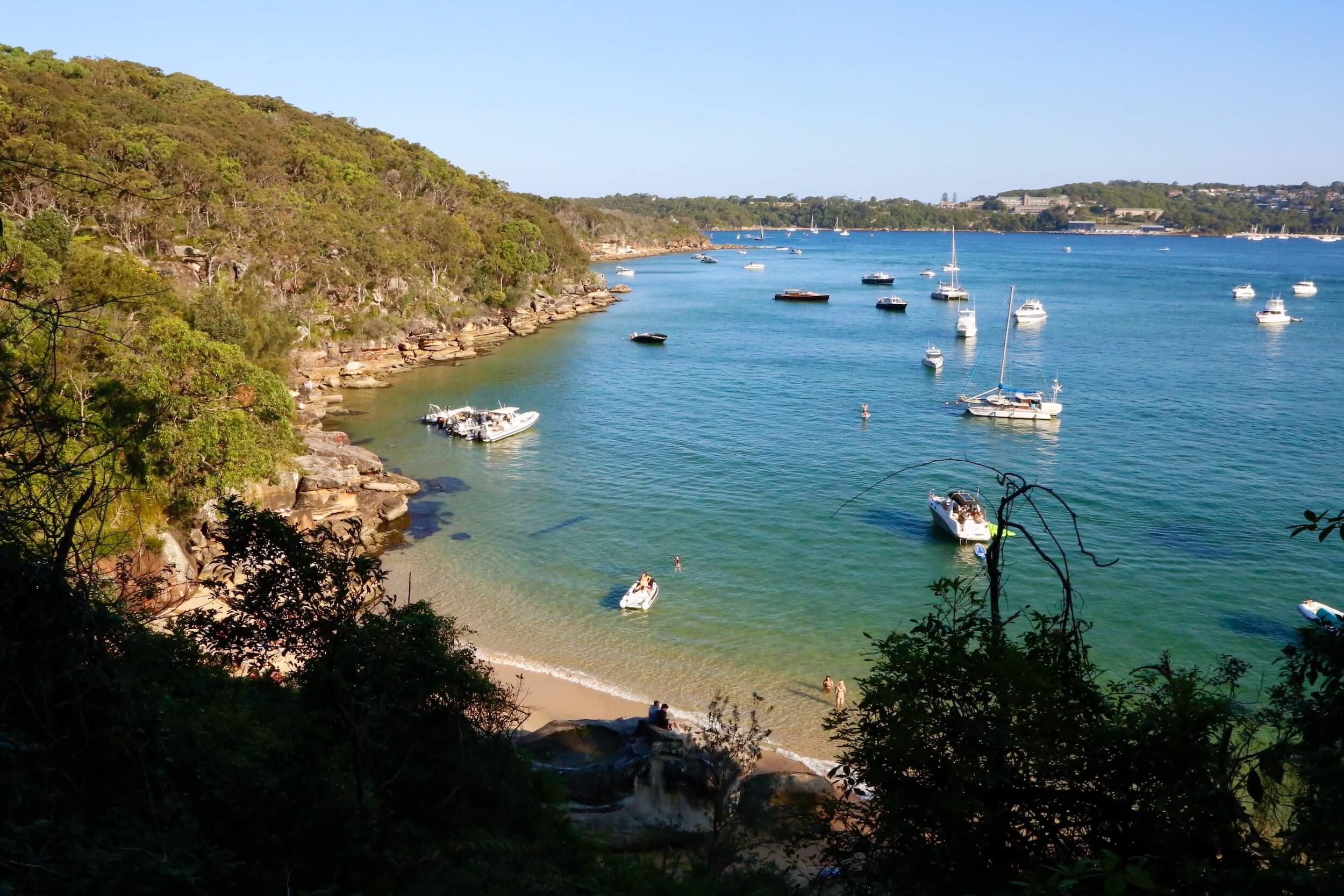
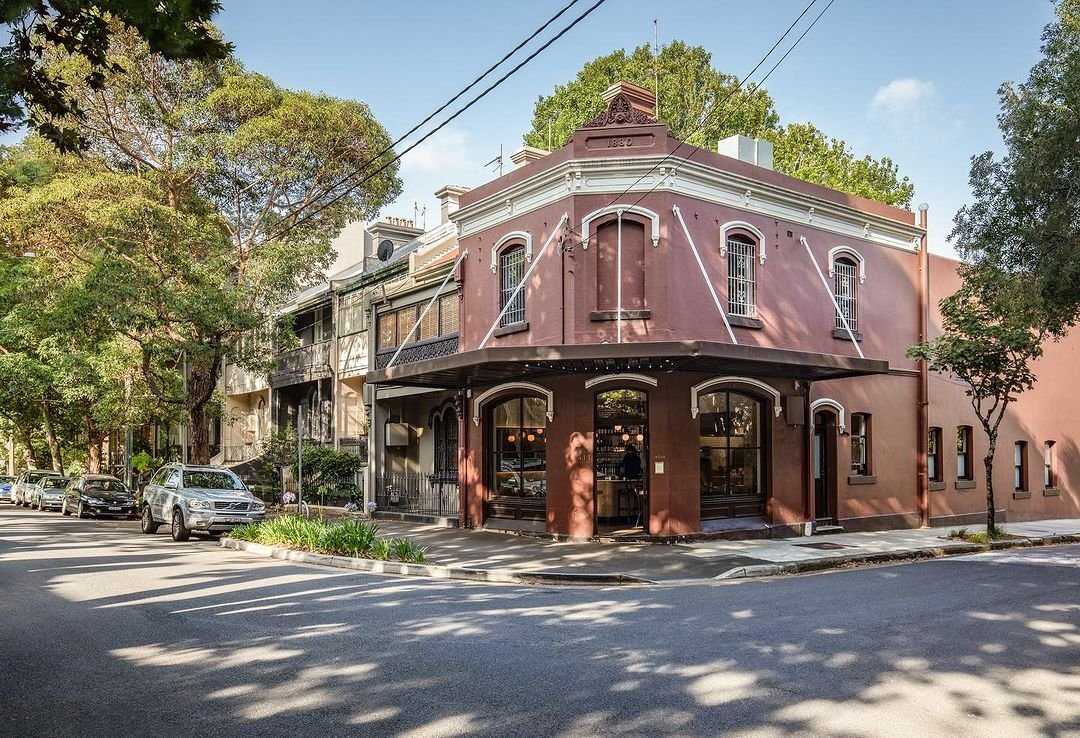
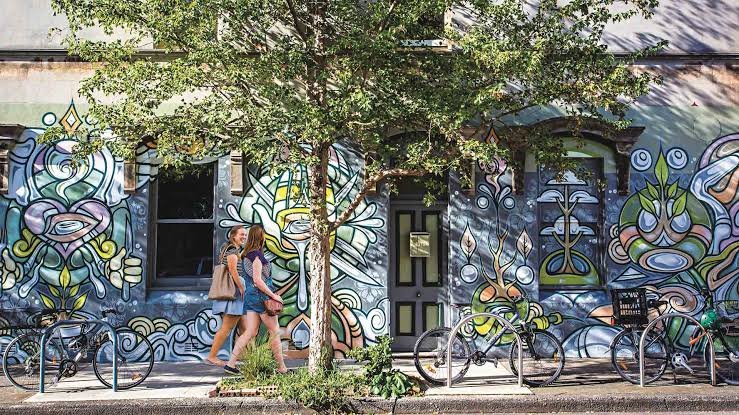
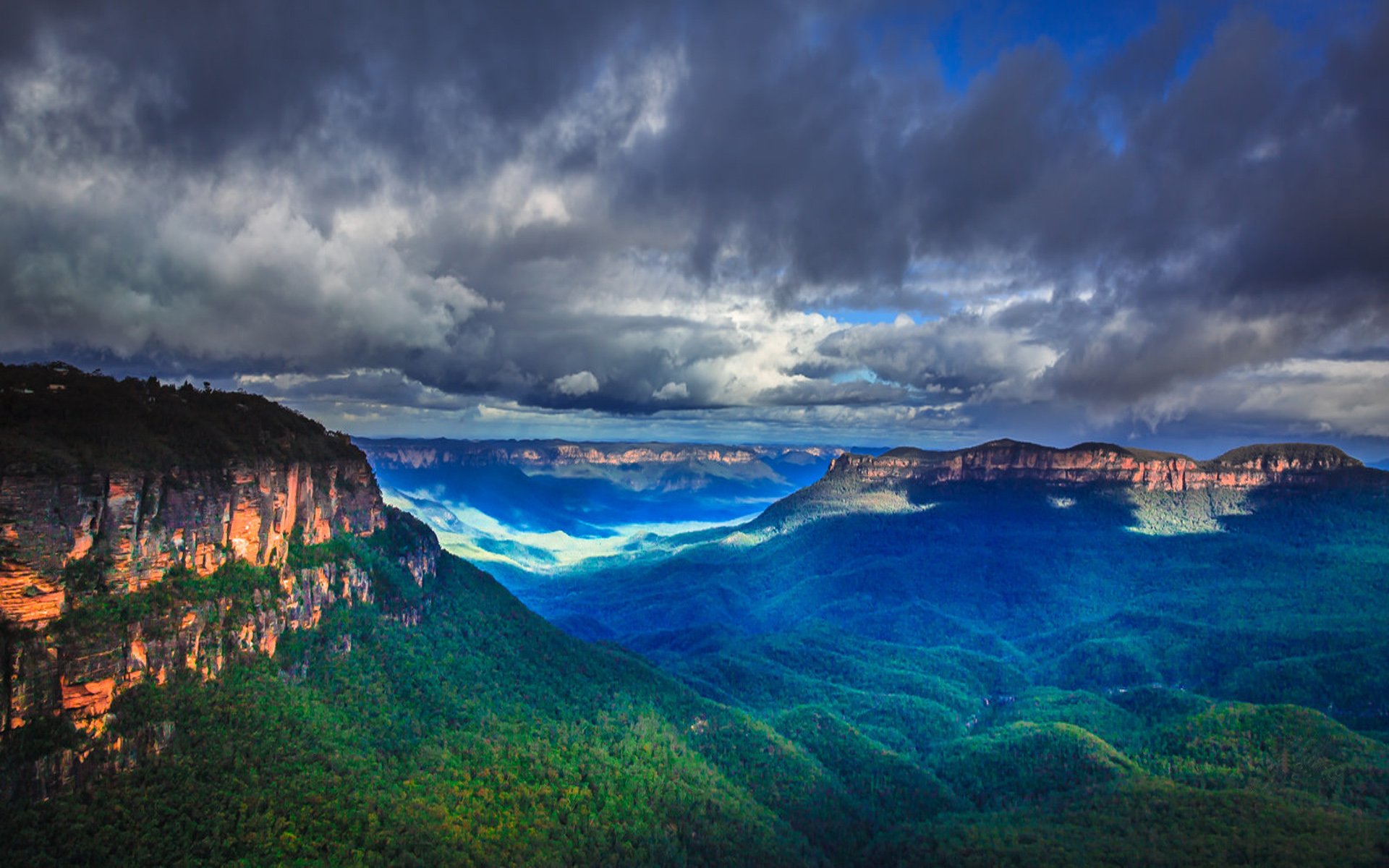
Sydney is one of those rare cities where the reality genuinely matches the reputation, and then quietly exceeds it.
The Sydney Opera House is as breathtaking in person as it is in photographs. The harbour really is that blue. Bondi Beach is as iconic as its status suggests. But what keeps people coming back, and what the postcard never quite captures, is everything that exists around those icons.
Venture beyond the harbour and you find beaches stretching south and north of Bondi with barely a tourist in sight. Take the weekend ferry to Manly, and it doubles as one of the great scenic harbour crossings in the world, with the city skyline receding behind you and the Pacific opening up ahead.
Spend an evening eating your way through Surry Hills or Newtown, and the food scene, which is shaped as deeply by its Chinese, Lebanese, Vietnamese, Greek, and Italian communities as by its Anglo-Celtic roots, holds its own against Melbourne and beats most global cities without trying.
Push further out, and the Blue Mountains appear on the western horizon, the Hunter Valley wine country stretches two hours north, and the Royal National Park begins just 35 km south of the CBD.
Sydney is also consistently one of the most LGBTQ+-friendly and liveable cities in the world by every major global ranking. It's a genuinely multicultural metropolis that wears its diversity as an asset rather than an afterthought. It rewards curiosity at every turn.
Come with time, not just a checklist.


Where to Stay in Sydney
Sydney's neighbourhoods are distinct enough that where you base yourself shapes the experience significantly.
The CBD and Circular Quay put you closest to the Opera House, the Harbour Bridge, the Royal Botanic Garden, and the ferry terminals. It's the nerve centre of Sydney's tourist geography. Hotels here are excellent and expensive. The upside is that everything starts from your doorstep.
For a genuine splurge, Capella Sydney in the restored Department of Education heritage building on Bridge Street is the city's most celebrated new luxury hotel, with a rooftop pool and fine dining that set a new benchmark when it opened.
The Rocks sits immediately west of Circular Quay. It is Sydney's oldest neighbourhood, with cobblestone laneways, sandstone warehouses converted into restaurants and bars, and a weekend market that draws locals as much as tourists. Staying here puts you in the most atmospheric corner of the city without sacrificing convenience.
Darling Harbour and Barangaroo are the western waterfront. They are family-friendly, newer in feel, with easy access to museums, the Chinese Garden of Friendship, and the emerging dining precinct at Barangaroo. They are a good choice for families and anyone prioritizing waterfront access over neighbourhood character.
Surry Hills and Darlinghurst are where to stay if you want to feel like you live in Sydney rather than visit it. The restaurant density is extraordinary. Some of the city's best tables are tucked into terrace houses along Crown Street and Stanley Street. The nightlife in Darlinghurst's Oxford Street precinct is vibrant and inclusive. Taxis and rideshares back to the city are quick and inexpensive.
Newtown and Glebe are for the traveler who wants independent bookshops, ethical cafes, live music venues, and a university-town energy that feels genuinely Sydney without a tourist in sight. It's less convenient for the harbour icons, but it gives you a fuller picture of the city.
Manly is the other side of the harbour accessible only by ferry, which is part of the point. Staying in Manly means waking up to the Pacific Ocean on one side and the harbour on the other, with the city's best morning ferry commute as your daily ride. It's the closest Sydney gets to a proper beach town within city limits.
Getting There and Getting Around
Flying in: Sydney Kingsford Smith Airport (SYD) is 9 km south of the CBD. It is one of the closest major international airports to a city centre anywhere in the world. An Airport Link train connects directly to Central Station in about 13 minutes. Taxis and rideshare (Uber, DiDi) are available from both domestic and international terminals. The ride to the city centre takes 20–30 minutes, depending on traffic, and costs $45–$65 AUD.
Getting around:
- Opal card / contactless payment: Sydney's transit network uses the Opal system, but you don't need a physical card. Simply tap on and tap off using any contactless credit or debit card, Apple Pay, or Google Pay on every journey. You get the same fares, and daily cap benefits apply automatically. Physical Opal cards are still available at convenience stores and newsagents if preferred
- Trains: The backbone of the network. City Circle trains connect the CBD stations (Central, Town Hall, Wynyard, Circular Quay, St James, Museum). Metro and suburban lines extend to the Northern Beaches, Inner West, and beyond
- Ferries: The most scenic way to move around the harbour. Routes from Circular Quay reach Manly, Darling Harbour, Balmain, Watson's Bay, and more. The Manly Ferry is the one everyone should take at least once. It is 30 minutes each way, with full harbour views
- Buses: Cover areas trains don't reach, including Bondi Beach (bus 333 from the city), Coogee, and most beachside suburbs
- Light rail: Runs from Circular Quay to Central and beyond into the Inner West (useful for Newtown and Glebe)
- Rideshare: Uber and DiDi are widely used and competitively priced. They are useful for late nights and journeys off the transit grid
Driving in Sydney is manageable outside peak hours, but not recommended for sightseeing. Parking is expensive and scarce near most attractions. For day trips to the Blue Mountains or Hunter Valley, a rental car is the best option.
The Iconic Sights of Sydney
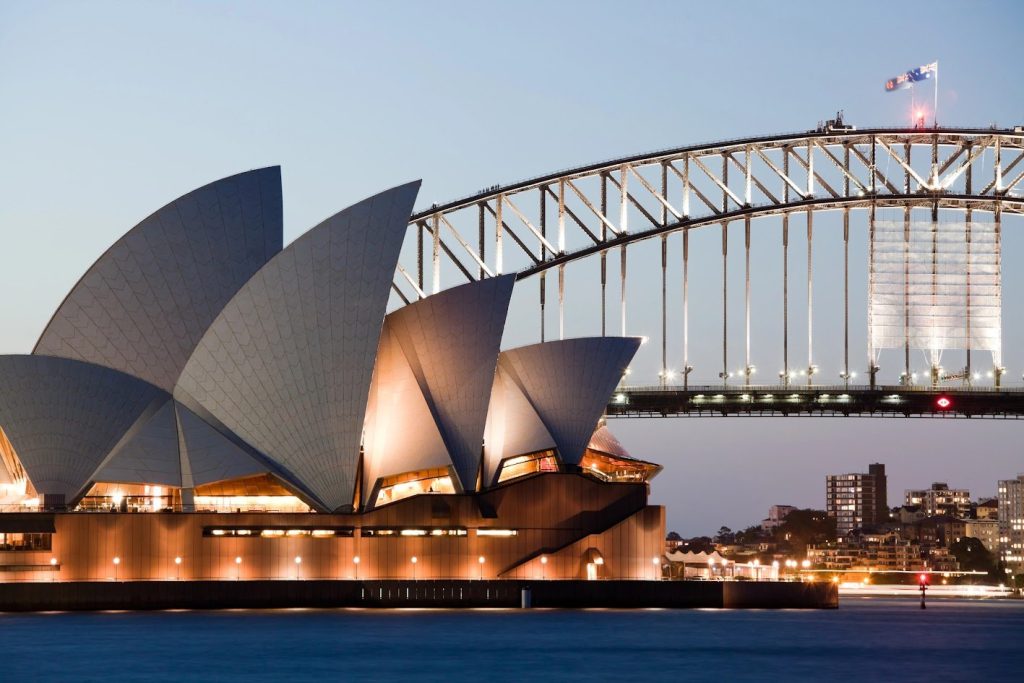
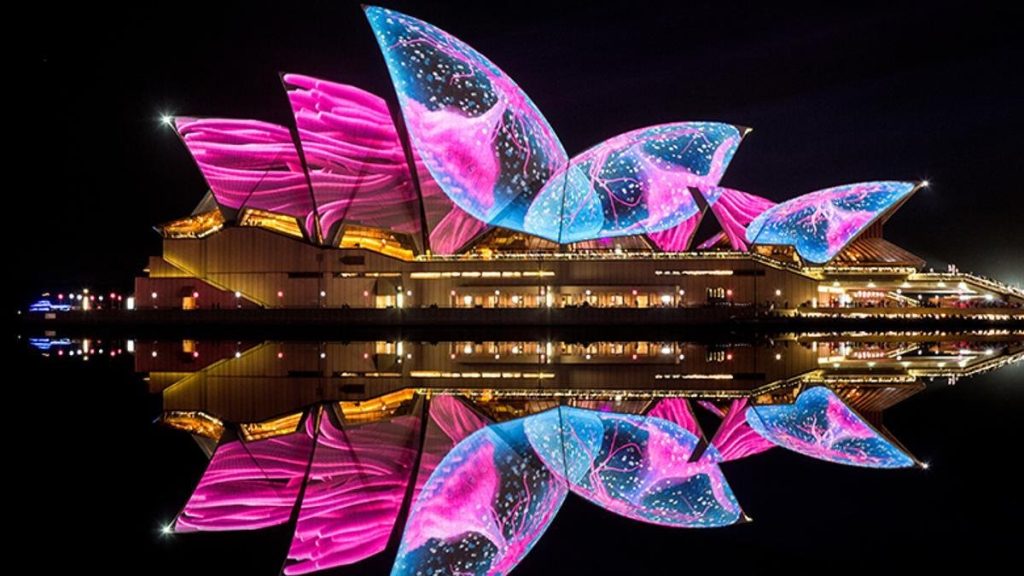
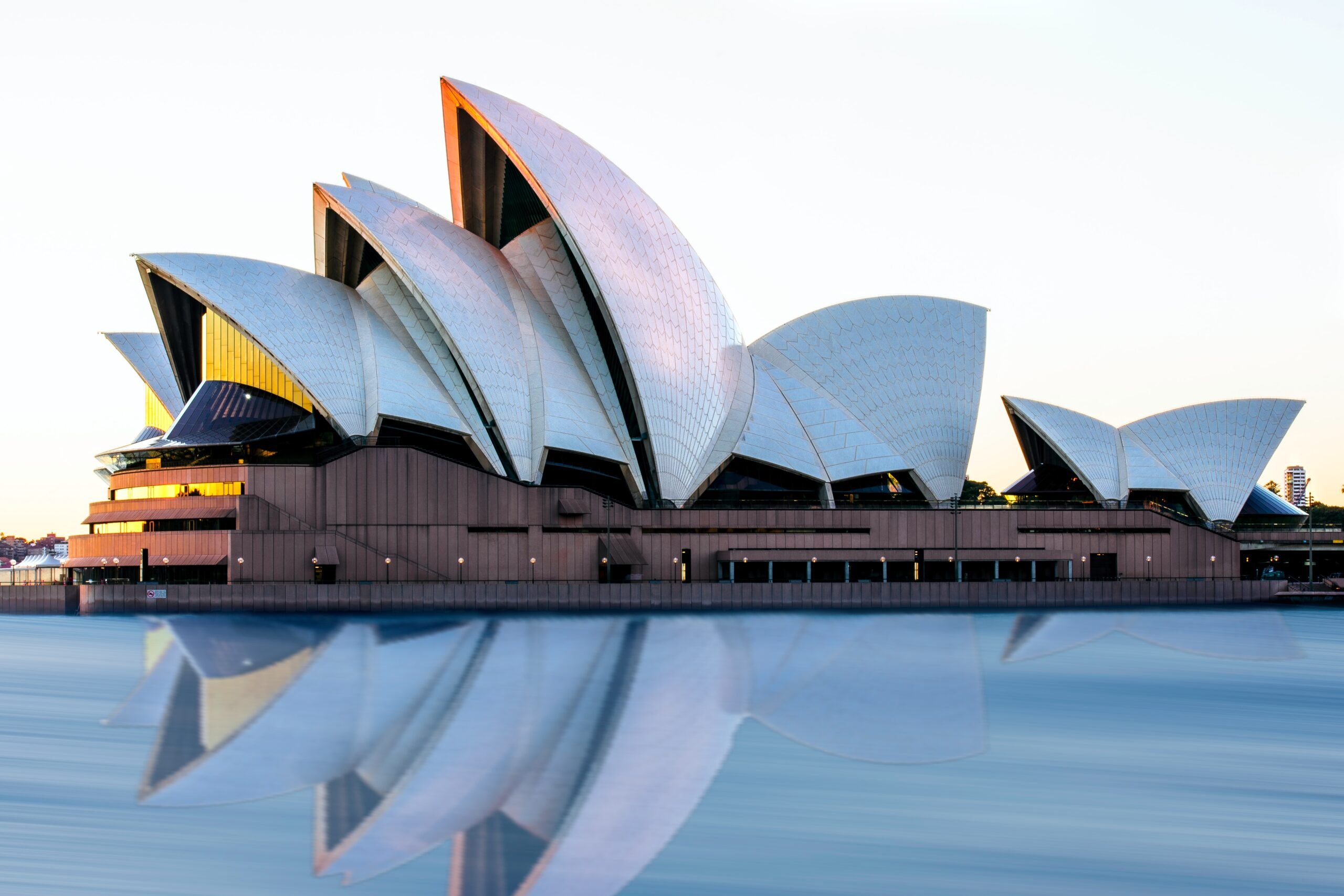
- The Sydney Opera House is one of those buildings that earns its reputation every single time you see it. Jørn Utzon's shell-like concrete roof forms have been photographed from every angle for half a century and still manage to surprise, especially at night, when the illuminated sails reflect across the harbour. Tours of the interior run daily and give access to the concert halls and backstage areas. There's also an exceptional restaurant, Bennelong, housed within the building itself. If you have the chance to attend a performance, whether it's opera, theatre, or a contemporary music event, just do it. The interior acoustics are extraordinary.
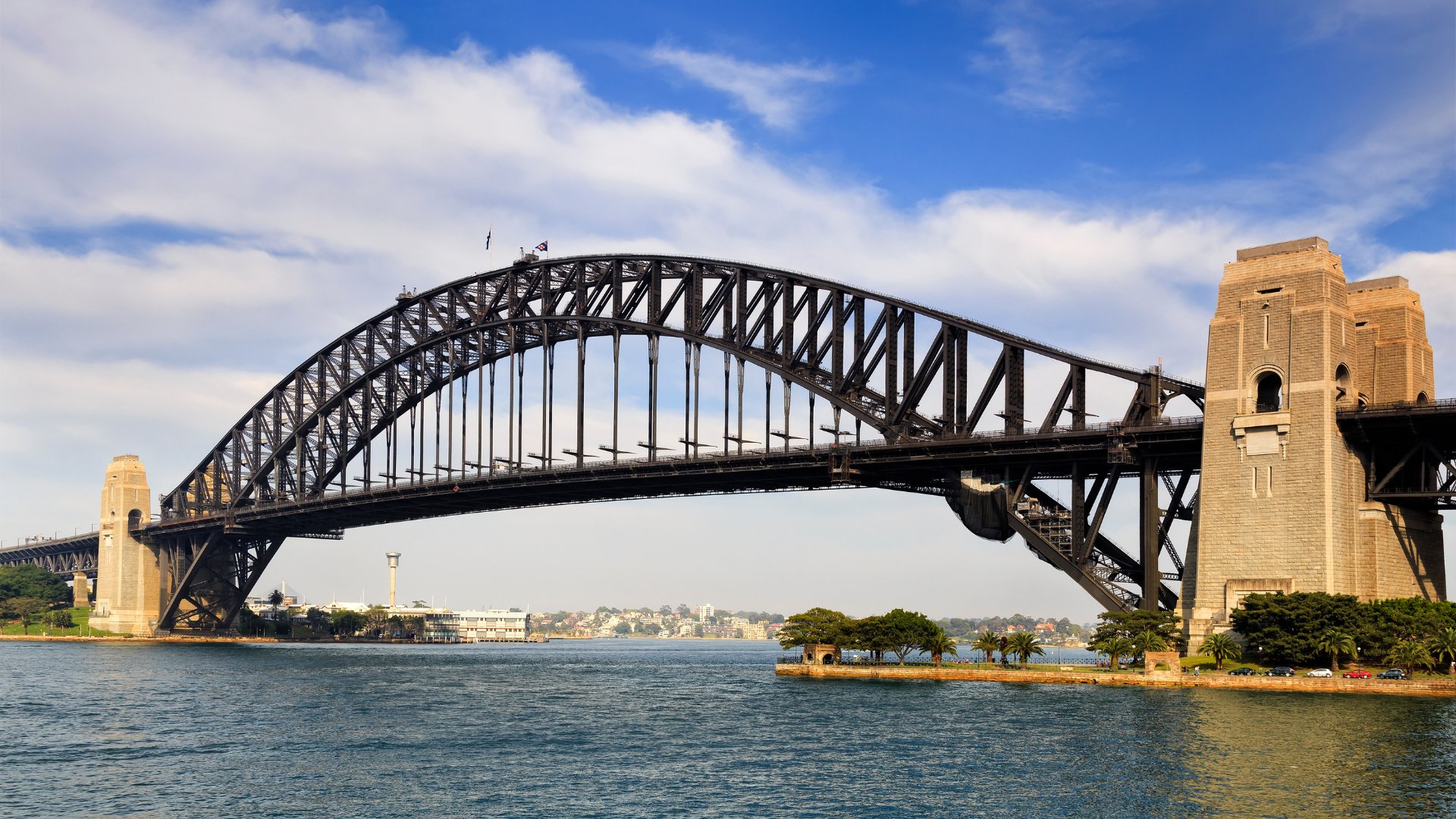
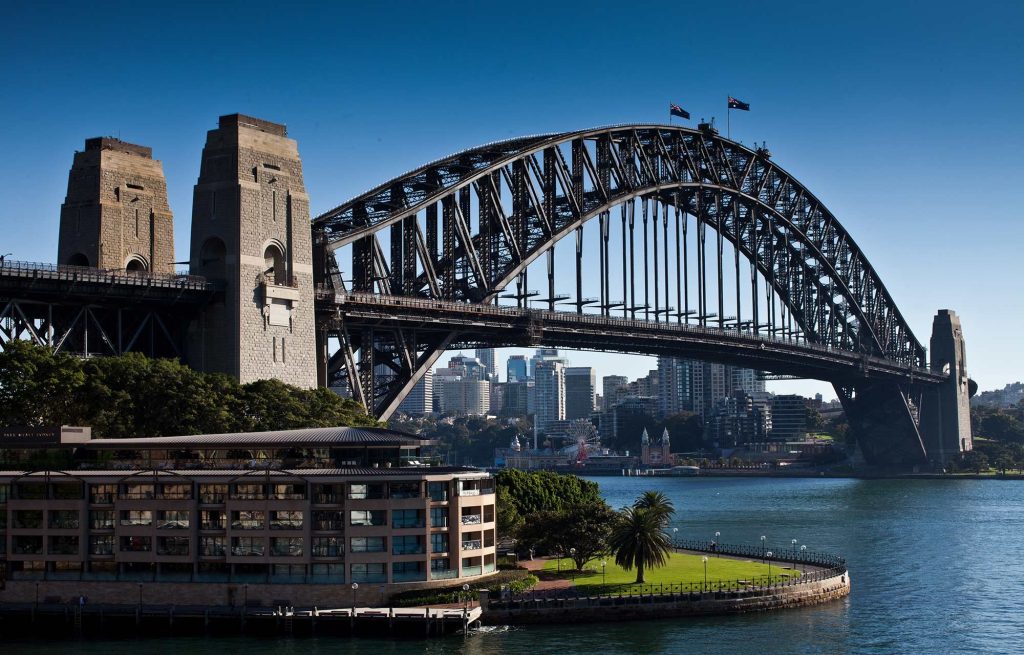
- The Sydney Harbour Bridge is the other half of the harbour's famous double act, and it rewards closer attention. The BridgeClimb takes small groups up the arch to the summit, 134 metres above the harbour, with 360-degree views across the city, the harbour, and the Blue Mountains on clear days. It's a genuine bucket-list experience and one of Sydney's most memorable. If you'd rather save the cost, walking across the pedestrian footpath (eastern side) is free and gives excellent views in both directions.
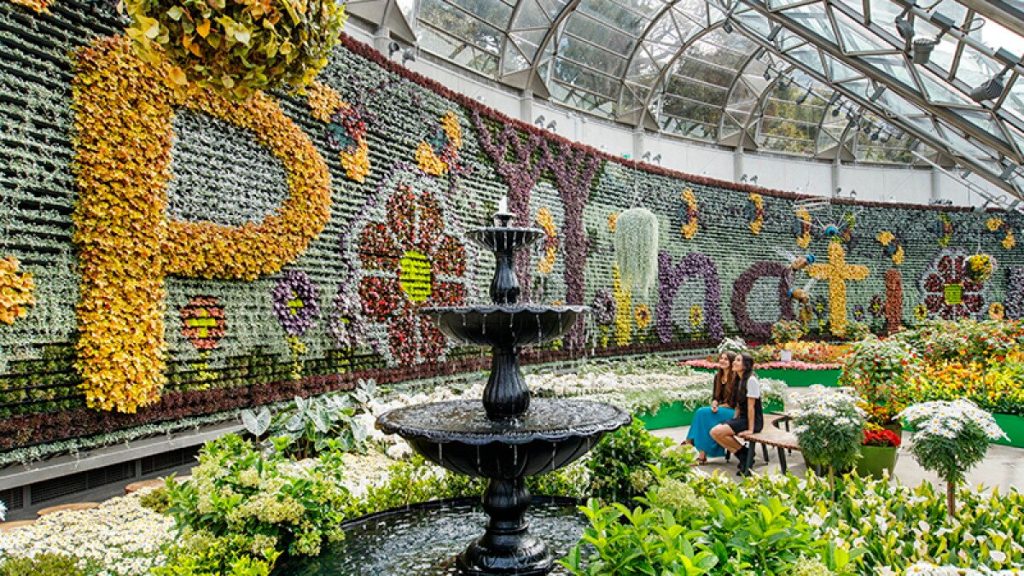
- The Royal Botanic Garden sits immediately east of the Opera House and wraps around Farm Cove, with direct harbour views and a collection of subtropical and tropical plants across 30 hectares. It's free, it's beautiful, and the path along the harbour edge at sunrise, before the tourists arrive and while the city is still quiet, is one of the most peaceful experiences Sydney offers.
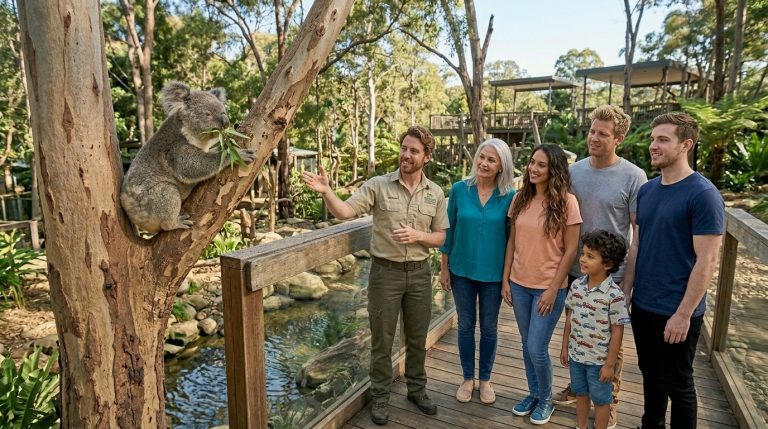
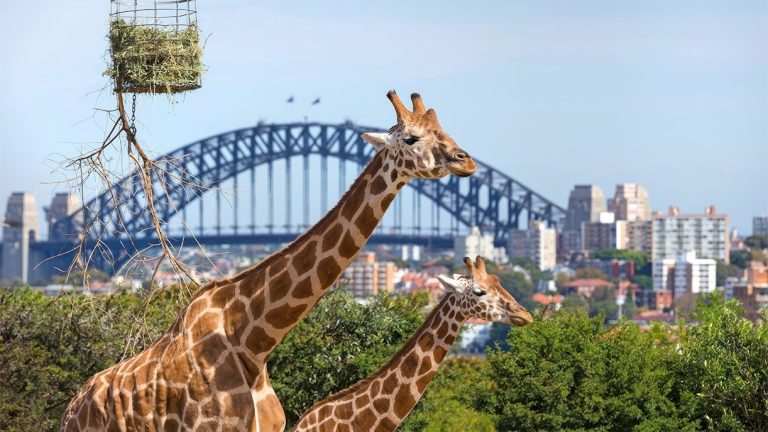
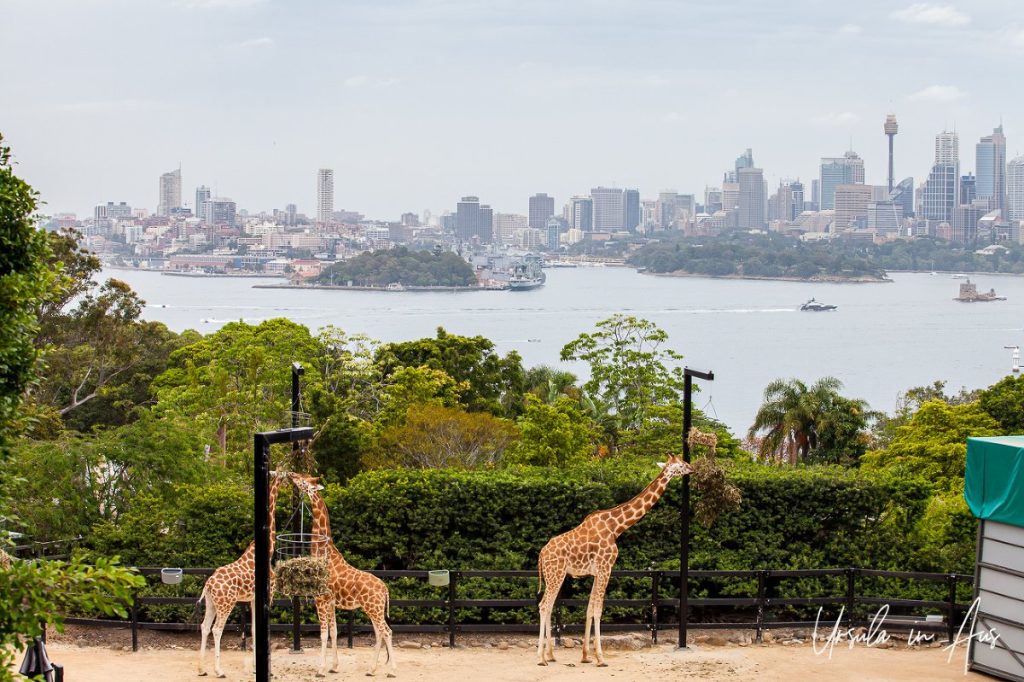
- Taronga Zoo sits on a north shore hill directly across the harbour from the CBD, accessible by a 12-minute ferry from Circular Quay. Australian wildlife is the draw, with koalas, kangaroos, platypuses, Tasmanian devils, and wombats, plus giraffes and elephants with harbour views in the background that no zoo enclosure anywhere else in the world can match. The Sky Safari cable car from the ferry wharf to the top of the zoo saves the uphill walk and gives excellent harbour views. Note that the original Sky Safari was retired in January 2023 after 35 years of service, and an upgraded replacement has been in development since. Check with Taronga Zoo directly before your visit to confirm current availability.
- Vivid Sydney (late May to mid-June) is the city's annual light, music, and ideas festival, with large-scale projections transforming the Opera House sails and Circular Quay precinct into a nightly light display that draws millions of visitors. If your trip overlaps, this is a highlight not to miss.


The Beaches of Sydney
Sydney has over 100 beaches within city limits or a short drive from it, and the variety is one of the city's genuine strengths.
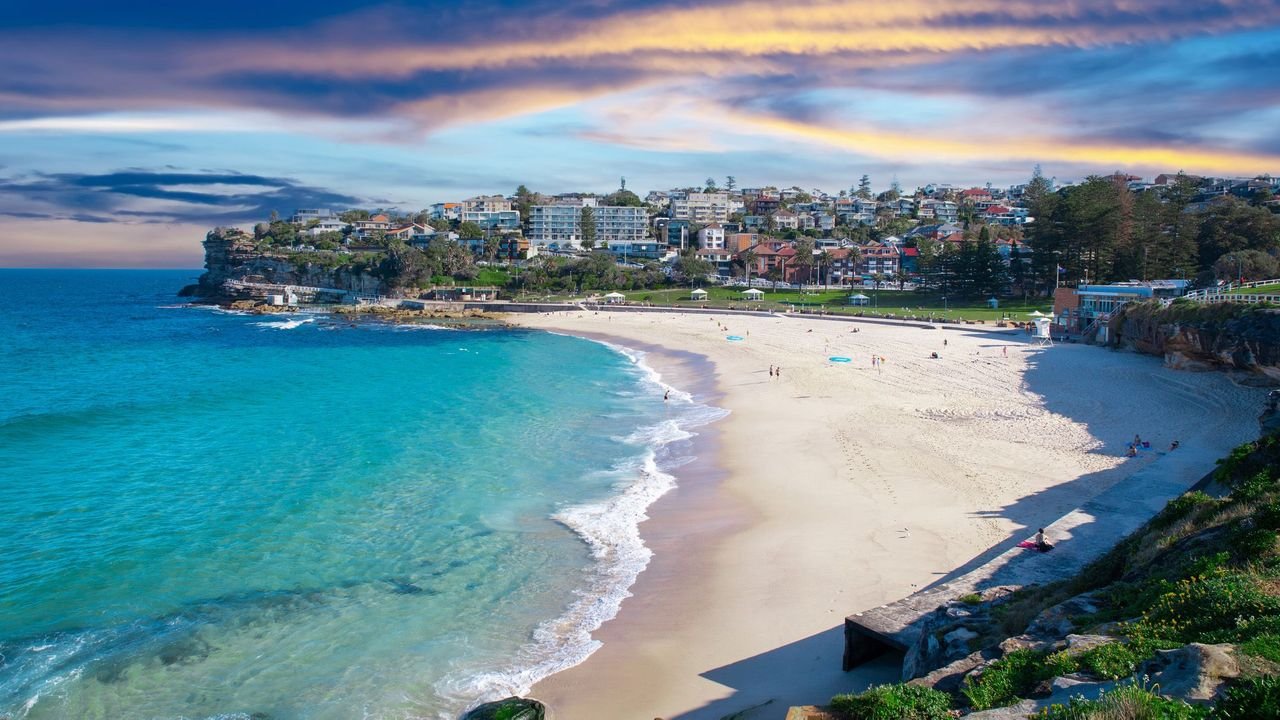
- Bondi Beach is the one everyone knows. It's a crescent of sand in the eastern suburbs backed by the famous Bondi Icebergs ocean pool, the Bondi Pavilion, and a stretch of cafes, restaurants, and surf shops along Campbell Parade. It's crowded in summer and legitimately beautiful year-round, and the surf is good enough to support a professional surfing scene. Lifeguards patrol daily, so you don't have to worry about safety. The Bondi to Coogee Coastal Walk follows the cliff path south from Bondi through Tamarama, Bronte, Clovelly, and Gordon's Bay to Coogee. It's roughly 6 km each way, and consistently ranked among the great urban walks in Australia, with ocean views the entire distance.
- Manly Beach on the north shore is larger, less crowded, and more accessible to families than Bondi. It is a long, open Pacific beach backed by Norfolk Island pines and the Corso pedestrian strip connecting it to the harbour ferry wharf. The 20-minute walk from Manly Wharf to Shelly Beach on the sheltered southern headland is one of Sydney's most underrated short walks.
- Coogee is Bondi's quieter neighbour to the south. It's a calmer beach with a pleasant village atmosphere, excellent cafes, and the striking Wylie's Baths ocean pool built into the cliff face at the southern end. A genuinely lovely alternative to Bondi for anyone who finds Bondi's energy too much on a summer weekend.
- The Northern Beaches include Freshwater, Curl Curl, Dee Why, Narrabeen, Collaroy, Avalon, and Palm Beach and extend up the coast north of Manly. They are the domain of Sydney's serious surfers and the families who want space and quiet. Palm Beach at the northern tip doubles as Summer Bay in the long-running Australian drama Home and Away, which means something to a significant portion of international visitors.
Sydney's Food and Dining Scene
Sydney's food scene is excellent and deserves more international attention than it receives. The combination of fresh produce, extraordinary seafood, Asian culinary influence, reflecting the city's significant Chinese, Japanese, Korean, Thai, and Vietnamese communities, and a culture that takes dining seriously has produced a restaurant scene that genuinely surprises visitors who arrive expecting an afterthought to the beaches.
Rockpool Bar & Grill in the CBD, housed in the beautiful Art Deco City Mutual Building on Hunter Street, is one of the great steak restaurants in Australia. Neil Perry's flagship aged beef and a wine list do justice to it. Quay in The Rocks is the long-standing benchmark for fine dining with harbour views, and Bennelong inside the Opera House brings together the iconic setting with genuinely world-class contemporary Australian cooking.
For something more everyday but equally serious, Bourke Street Bakery (multiple locations, but the Surry Hills original) sets the benchmark for pastries and bread in the city. Grounds of Alexandria has become a Sydney institution. It is a café-garden complex in a converted industrial space in Alexandria that does outstanding all-day breakfast and is better than its Instagram reputation suggests. Spice Alley in Chippendale brings together Southeast Asian street food vendors in a laneway format that's casual, inexpensive, and genuinely excellent.
The city's best neighbourhood eating is concentrated in Surry Hills (restaurant density on Crown Street is exceptional), Newtown (King Street, diverse and affordable), and Chippendale (emerging and interesting).
For seafood at its best in Sydney, a grilled fish and chips at a table overlooking the water, either at Watson's Bay or at one of the Manly Wharf restaurants, is hard to beat.
Sydney's cocktail bar scene is excellent and increasingly well-regarded internationally. Maybe Sammy in The Rocks and PS40 in the CBD both deliver inventive drinks in spaces that don't take themselves too seriously. Both regularly appear on global top bar lists. For rooftop drinks with harbour views, the Blu Bar on 36 at the Shangri-La Hotel has the most dramatic vantage point in the city.
Arts, Culture & Neighbourhoods
- The Art Gallery of New South Wales sits on the edge of the Royal Botanic Garden and houses one of the great collections of Australian and Aboriginal art, alongside significant European works. Entry to the permanent collection is free. The Sydney Modern Project expansion (a new building designed by SANAA that opened in 2022) added significant gallery space and transformed the overall precinct.
- The Museum of Contemporary Art (MCA) at Circular Quay has a rooftop terrace overlooking the Opera House and Harbour Bridge that doubles as one of the best free viewpoints in the city. The permanent collection is strong on Australian contemporary art, and rotating international exhibitions are consistently interesting.
- The Rocks is the oldest part of the city and the area where the First Fleet landed in 1788. Despite its tourist overlay, it retains genuine historical weight. The sandstone warehouses, colonial-era pubs like the Lord Nelson Brewery Hotel (Sydney's oldest continuously licensed pub), and the weekend Rocks Markets all reward exploration. The Museum of Sydney on Bridge Street tells the city's full history, including its Aboriginal foundations.
- Newtown is the city's most culturally diverse and independently spirited neighbourhood. It is the kind of place where you can browse vintage clothing, eat Ethiopian food, find a queer bookshop, see an independent film, and hear live music all on the same block of King Street. The Enmore Theatre nearby is one of the great mid-sized music venues in Australia.
- Barangaroo is Sydney's newest waterfront precinct, transformed over the past decade from a working container terminal into a mix of public parkland (Barangaroo Reserve, a remarkable piece of sandstone headland restoration), office towers, and a restaurant and bar strip along the waterfront that's excellent for an evening.
More Attractions Worth Your Time
Sydney's attraction list runs deeper than its headline icons, and several of the city's most enjoyable experiences are hiding in plain sight.
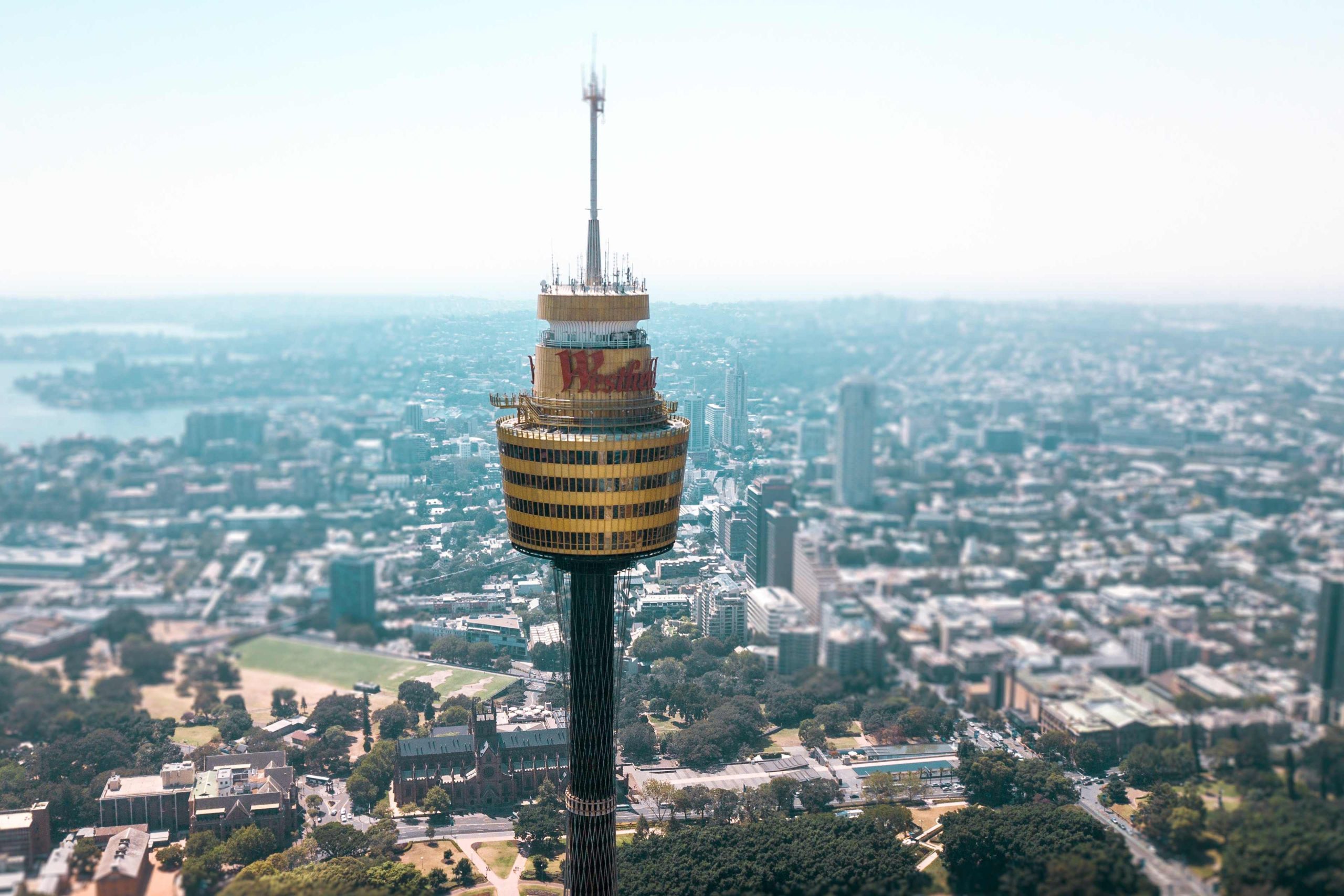
The Sydney Tower Eye is the city's tallest structure at 309 metres, and the observation deck gives you a 360-degree panorama that complements the harbour views from the Bridge or the Opera House foreshore. On a clear day, the spread of the city's suburbs all the way to the Blue Mountains is genuinely impressive. For those who want to push it further, the Skywalk takes you onto an outdoor glass-floored platform around the outside of the tower. This is not for the faint-hearted, but one of the more memorable things you can do in the CBD.
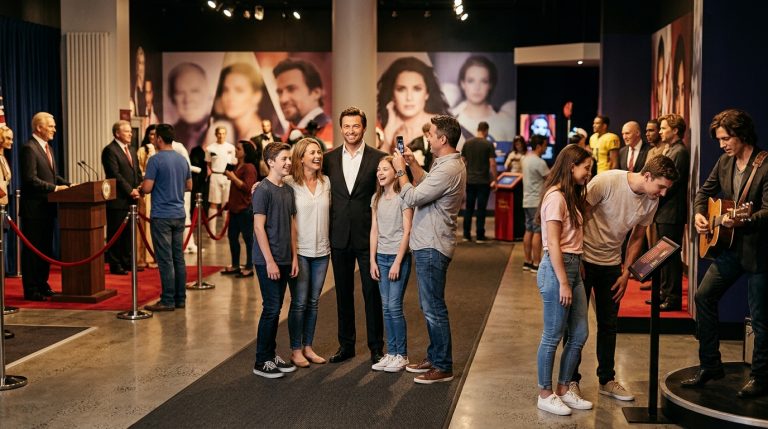
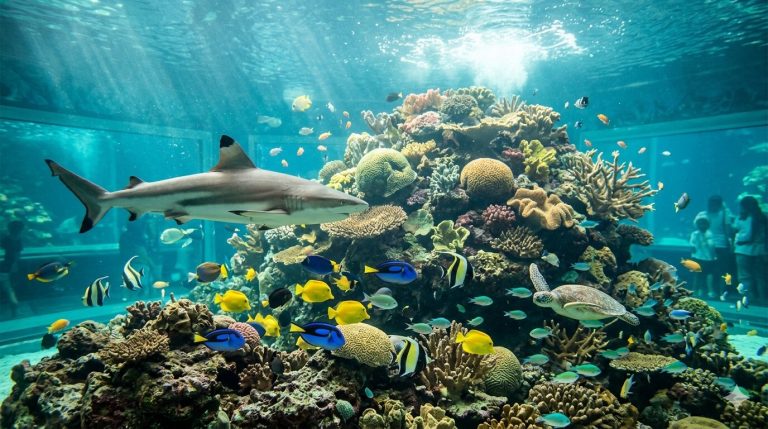
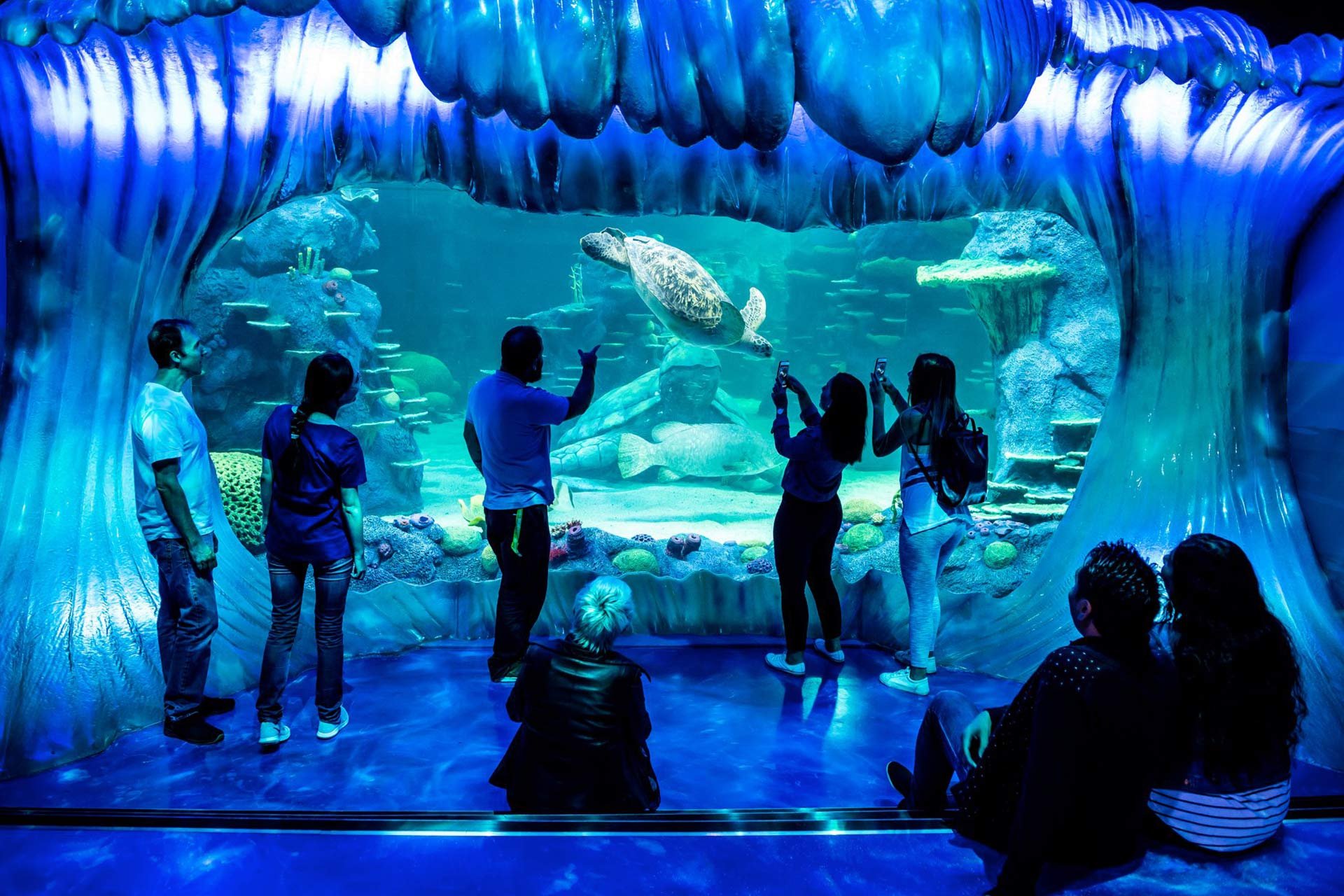
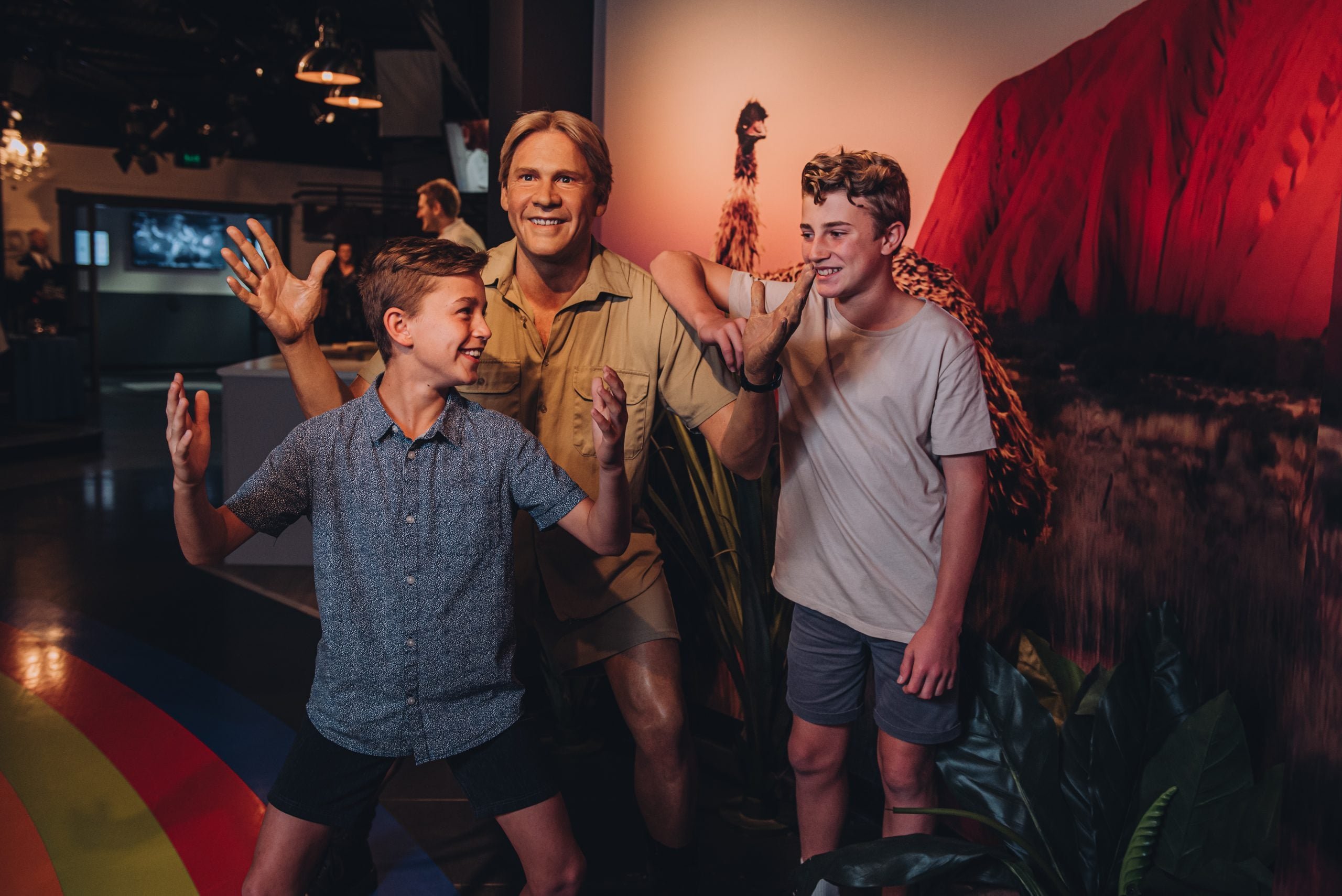
Just a short walk from Darling Harbour, SEA LIFE Sydney Aquarium is one of the largest aquariums in the world, with dugongs, sharks, rays, and a walk-through underwater tunnel that puts you inside a tank containing 6,000 fish. It sits alongside Madame Tussauds Sydney, where wax figures of international celebrities, Australian icons, and global sporting legends make for a reliably fun hour or two, particularly with children in tow.
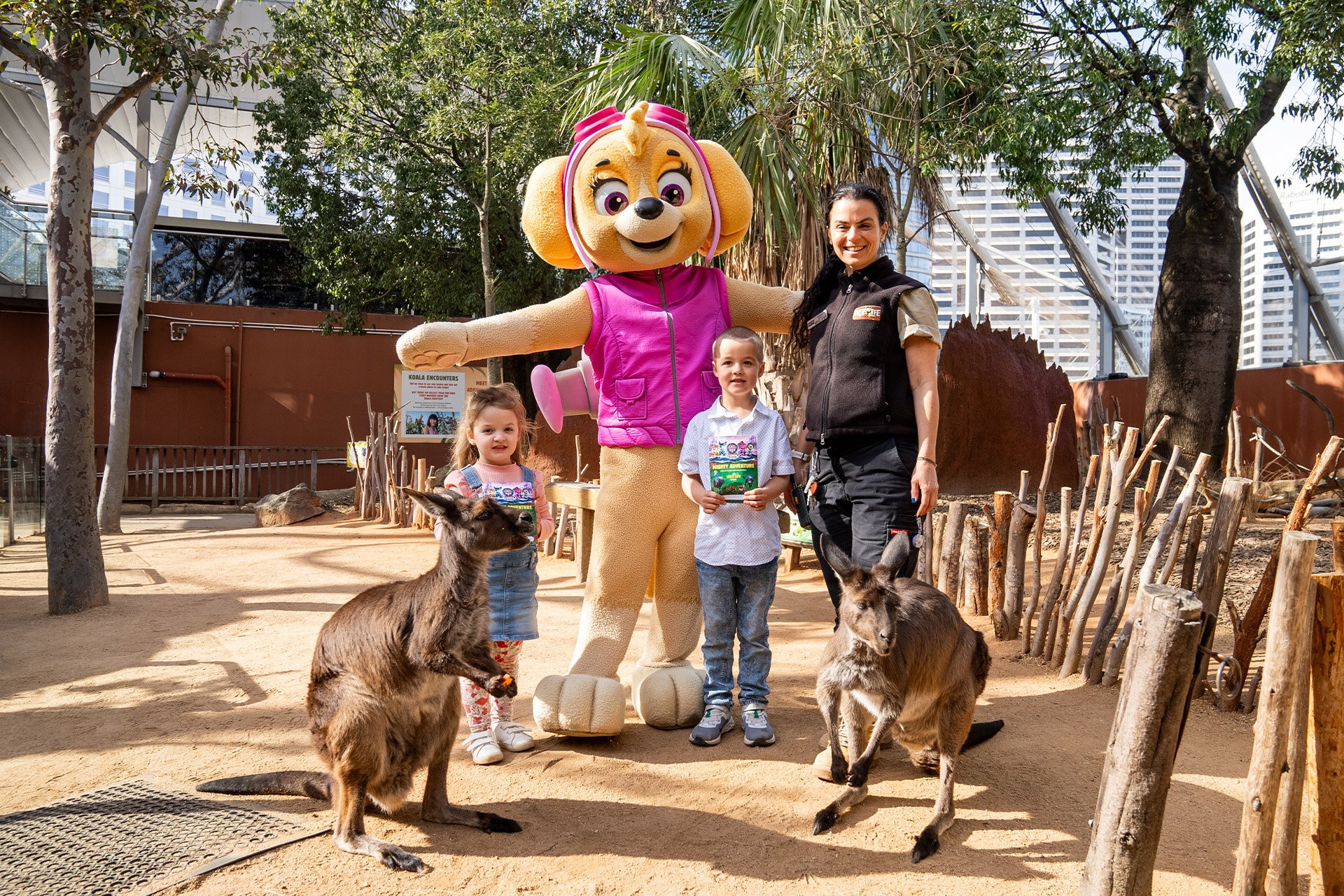
For wildlife closer to the city than most visitors expect, WILD LIFE Sydney Zoo at Darling Harbour brings together koalas, wombats, quokkas, saltwater crocodiles, and a full range of Australian native species in an impressively compact inner-city format. It's a strong alternative to Taronga Zoo for travelers short on time, sitting within easy walking distance of the CBD.
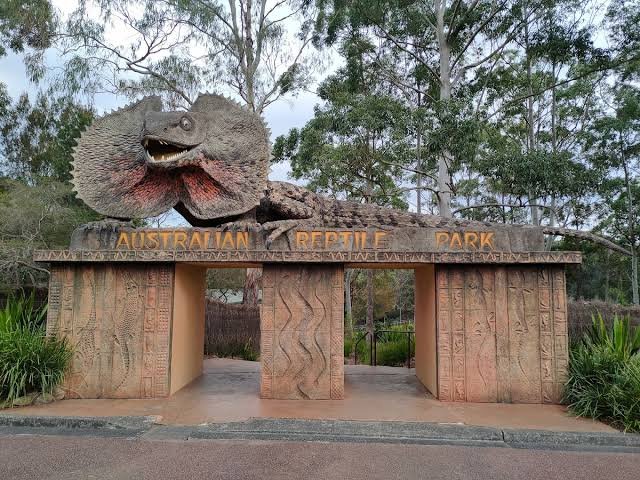
Further north, the Australian Reptile Park on the Central Coast, about 90 minutes from Sydney, is worth the trip for anyone genuinely interested in Australian wildlife. It's home to the country's most important antivenom program, milking funnel-web spiders and snakes daily to produce the venom used in life-saving treatments across Australia. The hands-on encounters with wombats, koalas, and Galapagos tortoises make it one of the best wildlife experiences in the state.
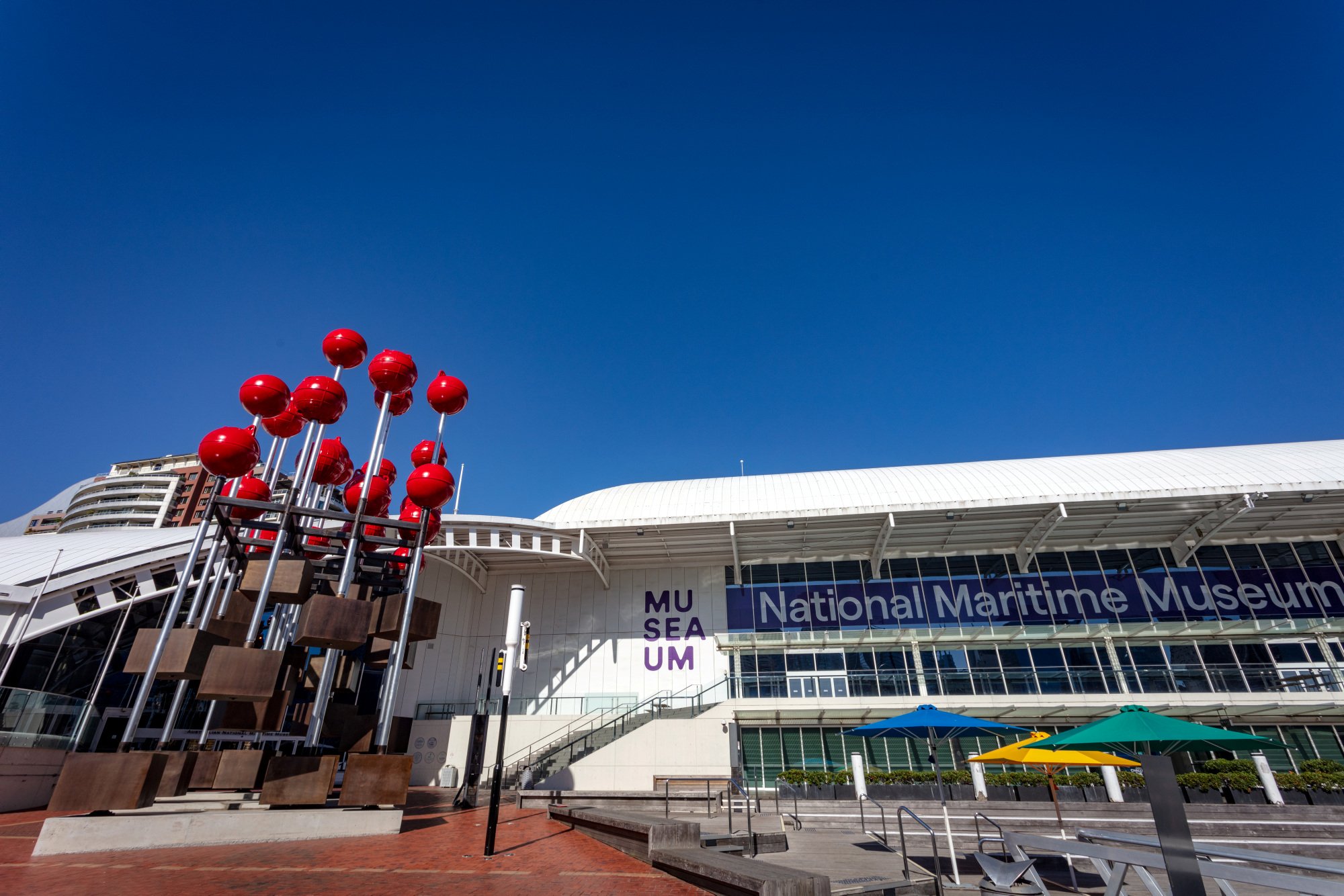
For something entirely different, the Australian National Maritime Museum at Darling Harbour tells the story of Australia's relationship with the sea, from Aboriginal watercraft and the First Fleet to naval history and modern oceanography. Entry to the main galleries is free, and the fleet of vessels moored outside, including a destroyer, a submarine, and a replica of James Cook's Endeavour, can be boarded on paid tours that are genuinely fascinating.


Day Trips Worth Taking
The Blue Mountains are the single best day trip from Sydney. It is 80 km west, roughly 1 hour 45 minutes to 2 hours by train from Central Station to Katoomba, and a UNESCO World Heritage–listed landscape of deep sandstone gorges, ancient eucalyptus forests, and dramatic escarpments.
The Three Sisters rock formation at Echo Point in Katoomba is the most photographed viewpoint. The Scenic World complex nearby offers a sky cable car, a cliff railway (the world's steepest incline railway at 52 degrees), and a boardwalk through the Jamison Valley below.
The Grand Canyon Walk in Blackheath is a 6 km loop through a hidden canyon that rewards anyone with half a day to spare. Stay overnight if you can. The Blue Mountains at dusk and dawn, when the mist sits in the valley and the light turns gold, is a completely different experience from the day trip version.
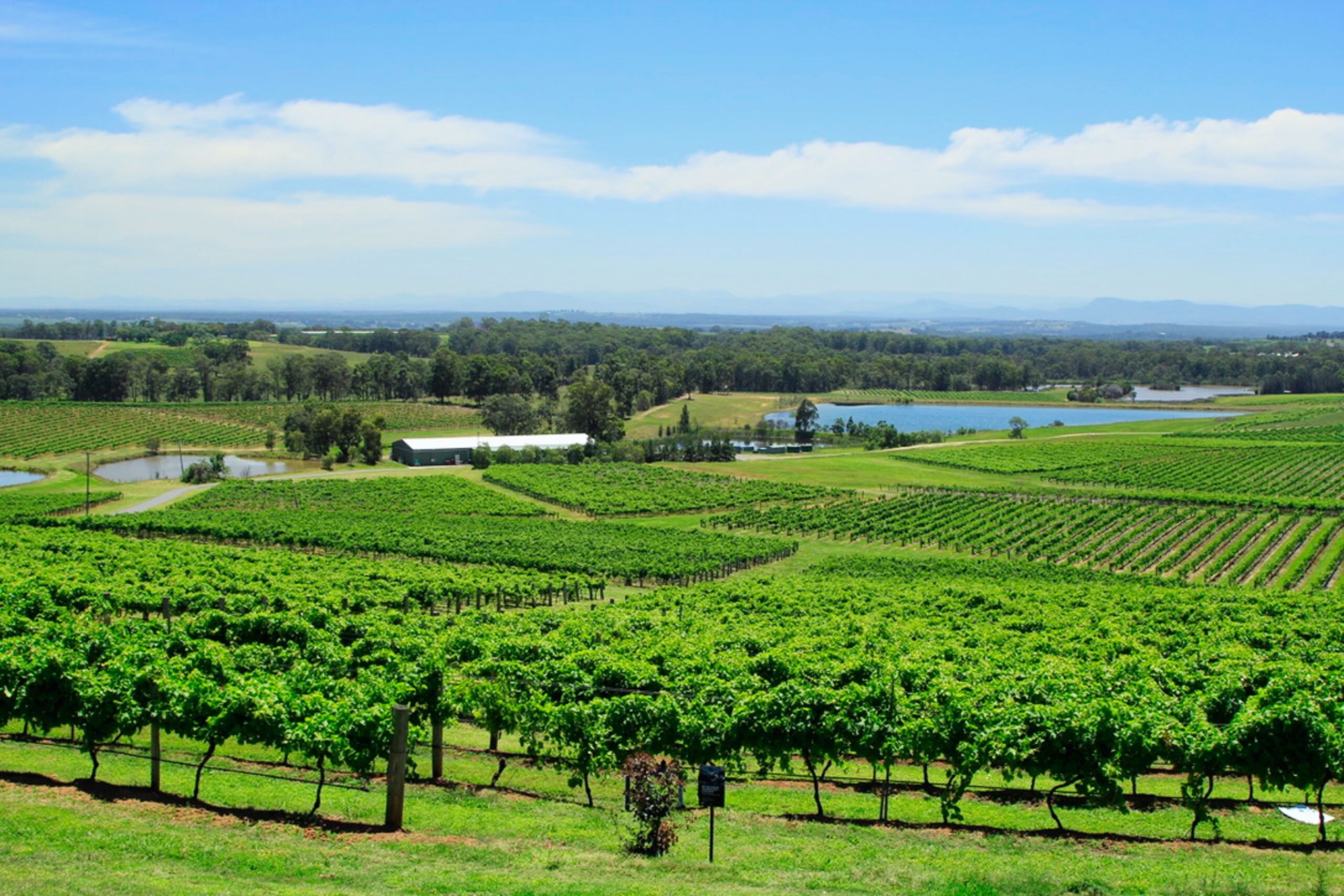
The Hunter Valley is Australia's oldest wine region, about two hours north of Sydney. More than 150 cellar doors, excellent food, and a rolling pastoral landscape make it one of the great long weekend escapes from the city. Semillon is the region's signature white, often misunderstood when young and genuinely extraordinary with age.
Jervis Bay is three hours south and has some of the whitest sand and clearest water in Australia. Hyams Beach is widely regarded as having some of the whitest sand in the world. It is the kind of white that looks photoshopped until you're actually standing on it. Dolphin and whale watching tours operate from Huskisson. It is a genuinely beautiful, largely undiscovered (by international visitors) coastal destination.
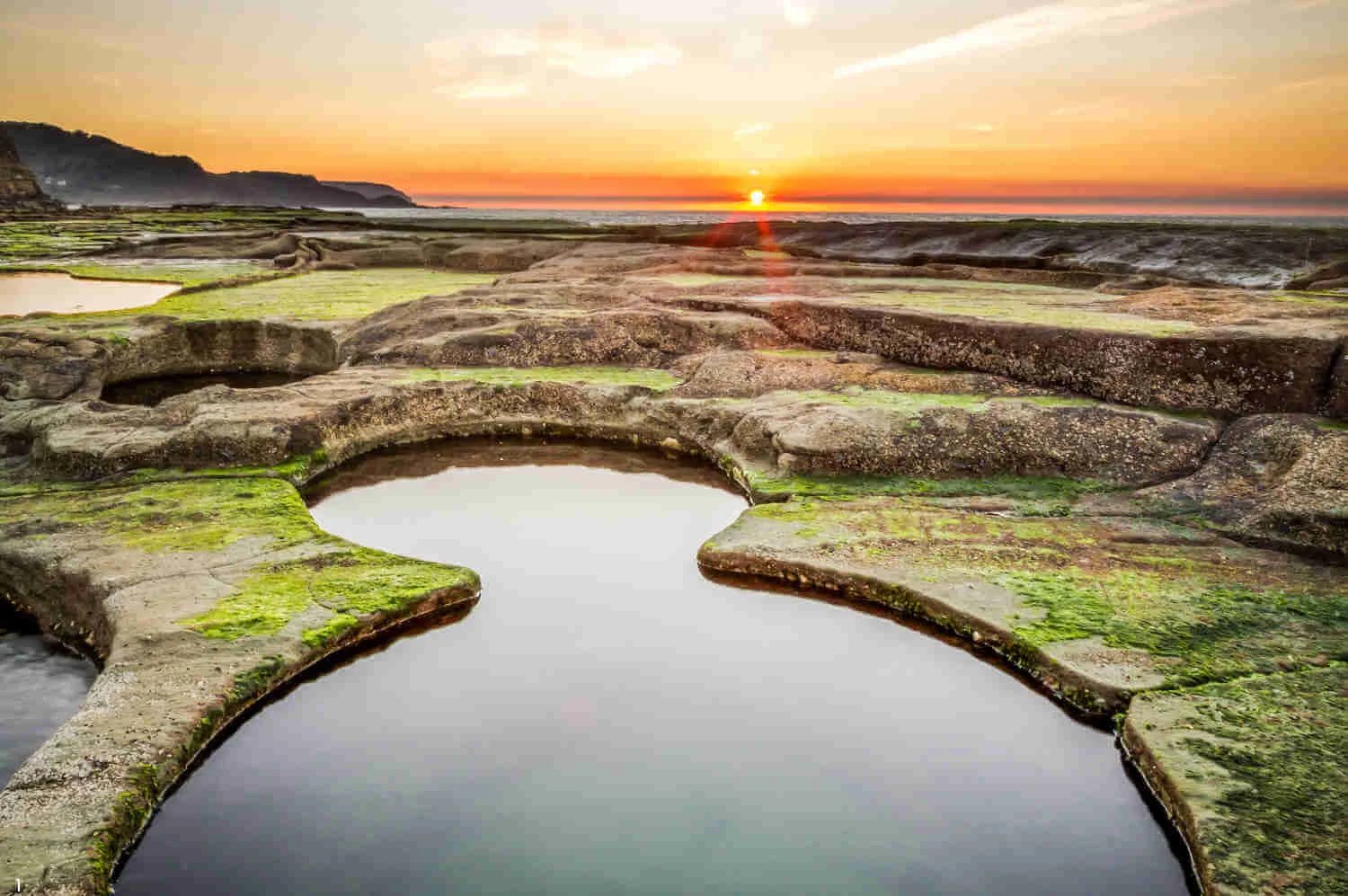
Royal National Park is 35 km south of the city. It is the second-oldest national park in the world, established in 1879, with coastal walking trails, secluded beaches, and Aboriginal rock art. The Coast Track (two days, 26 km) is one of the great multi-day walks in New South Wales.

When to Visit Sydney
- Summer (December–February) is peak season with long days, warm ocean water (22–25°C), and a city that migrates almost entirely to its beaches. School holidays in January push crowds and prices. Sydney New Year's Eve fireworks over the harbour are one of the world's great spectacles, so book your accommodation 6–12 months ahead if this is your target. The downside: heatwaves in excess of 40°C are possible, and the most popular beaches get extremely busy.
- Autumn (March–May) is the local favourite for visitors. It is warm but not oppressive. The city is still humming from summer, crowds thinning, and the harbour at its most photogenic. The Sydney Royal Easter Show (late March to early April) is the city's largest annual event. Hotel rates settle back to sensible levels.
- Winter (June–August) is mild by any global standard. Sydney rarely drops below 10°C. This period brings a completely different experience. Vivid Sydney (late May to mid-June) is the major winter draw. Whale watching season (humpbacks migrating north through July–August, then south with calves in September–October) is excellent from headlands like Cape Solander in Royal National Park. The beaches are quiet, the city is unhurried, and accommodation is at its cheapest.
- Spring (September–November) brings warming temperatures, jacaranda season (the purple flowering trees that line Kirribilli and Lavender Bay turn the city violet in October and November), and the build-up to summer. This is an excellent month for coastal walks and outdoor events.
Practical Tips Before You Go
- No Opal card needed. Tap on and tap off using any contactless credit or debit card, Apple Pay, or Google Pay across all trains, buses, ferries, and light rail. A daily fare cap applies, meaning you pay no more than a fixed daily amount, regardless of how many journeys you take. Check the current cap at transportnsw.info before travelling
- Sun protection is non-negotiable. Sydney's UV index is extreme for most of the year. SPF 50+, a hat, and sunscreen reapplied every two hours are baseline requirements, not optional
- Swim between the red and yellow flags on all patrolled beaches. Surf Life Saving NSW patrols all major beaches daily from September to April and many year-round. Rip currents are common and can be powerful
- Book popular restaurants at least a week ahead on OpenTable or the restaurant's own website. Sydney's best tables fill fast, especially on Friday and Saturday evenings
- Sydney's tipping culture is more relaxed than in the US. Rounding up or leaving 10% for good service is appreciated, but never expected or awkward if you don't
- Rideshare and late-night transport: Uber and DiDi are widely available around the clock. Night trains on most lines run hourly after midnight; the NightRide bus network covers gaps in service
- Alcohol is only available on licensed premises (pubs, restaurants, bottle shops). Drinking in public parks and on beaches is prohibited
Sydney doesn't need to sell itself. It just needs to be experienced. The harbour at dawn before the city wakes up. A Friday afternoon at Bondi when the surf is good. The view from the top of the Harbour Bridge at golden hour. A long lunch in Surry Hills that somehow becomes dinner. These aren't just travel moments; they're the kind of things people talk about years later.
Don't wait for the perfect time. Head to Thrillark to book your Sydney experiences and attractions and start building the trip this city deserves.
Frequently Asked Questions
Is the Sydney Harbour Bridge Climb worth it, and what should you expect?
The BridgeClimb Sydney is consistently rated as one of the most memorable experiences in the city. Small groups climb the arch of the Harbour Bridge to the summit, 134 metres above the harbour, with 360-degree views across the CBD, the harbour, the Northern Beaches, and the Blue Mountains on clear days. The climb takes approximately 2–3.5 hours depending on the route chosen, and guides provide historical and cultural context throughout. All participants wear a specially designed suit and are clipped to a safety rail for the entire duration, making it accessible to most fitness levels.
What is the best way to get from Sydney Airport to the city centre?
The Airport Link train is the fastest and most cost-effective option, departing from both the International and Domestic terminal stations. It connects directly to Central Station and other City Circle stations in 13 minutes. Taxis and rideshare (Uber, DiDi) are available at both terminals and typically take 20–30 minutes to the CBD, depending on traffic, with fares around $45–$65 AUD. The Opal card works on the Airport Link train, though note that airport station surcharges apply, making it slightly pricier than a standard transit trip.
Is the Bondi to Coogee Coastal Walk worth doing, and how long does it take?
The Bondi to Coogee Coastal Walk is one of the great urban walks in Australia and is consistently recommended as a highlight of any Sydney visit. It is a 6 km path following the clifftop south from Bondi Beach through Tamarama, Bronte, Clovelly, and Gordon's Bay to Coogee, with ocean views the entire way. Most walkers complete it in 1.5–2.5 hours, depending on pace and how many stops they make at beaches along the route, which are all swimmable. Starting from Bondi in the morning and finishing at Coogee for lunch at one of the beachfront restaurants is the ideal format.
What is Vivid Sydney, and when does it take place?
Vivid Sydney is an annual festival of light, music, and ideas held over approximately three weeks in late May and June, usually running from the last weekend of May through to mid-June. The centrepiece is a large-scale light projection display that transforms the sails of the Sydney Opera House and the surrounding Circular Quay and The Rocks precinct into a nightly visual spectacle, drawing millions of visitors. Beyond the light installations, the festival includes a major music program and a talks and ideas program featuring international speakers, making it one of the most substantial arts and culture events in the Southern Hemisphere.
What are the best day trips from Sydney for first-time visitors?
The Blue Mountains are the single most recommended day trip from Sydney. It is 80 km west, roughly 1 hour 45 minutes to 2 hours by train from Central Station to Katoomba, and a UNESCO World Heritage landscape with dramatic sandstone gorges, the Three Sisters rock formation, and the Scenic World cable car and cliff railway. The Hunter Valley wine region is the best option if wine and food are the priority. It is two hours north with more than 150 cellar doors and excellent restaurants in a rolling pastoral landscape. Jervis Bay, three hours south, offers some of the whitest sand and clearest water in the country for anyone prioritising coastal beauty.
When is whale watching season in Sydney, and where are the best spots to see whales?
Humpback whales migrate north past Sydney between June and August on their way to the warmer waters of the Great Barrier Reef, then return south between September and November with calves born during the season. Cape Solander in the Royal National Park (Kurnell Peninsula, about 40 minutes from the CBD) is the most celebrated land-based whale watching spot in Sydney, elevated headland with clear sightlines over the migration route and rangers on site during peak season. Whale-watching boat tours also depart from Circular Quay and Darling Harbour between June and November.
What is the best neighbourhood to stay in Sydney for first-time visitors?
The CBD and Circular Quay area gives first-time visitors the most convenient access to the Opera House, Harbour Bridge, ferries, and major attractions, and is the natural choice for anyone wanting everything within walking distance. Surry Hills and Darlinghurst are the better choice for travelers who prioritise food, nightlife, and neighbourhood character over tourist convenience. The restaurant and bar density in Surry Hills is exceptional, and taxis or rideshares to the harbour are quick and cheap. Manly is worth considering for anyone who wants a beach-town feel with easy ferry access to the city across the harbour.
Browse by themes
Things to Do in Sydney