Ipoh is the kind of city that travel writers have been calling “Malaysia’s best-kept secret” for about a decade, which means it is no longer a secret, but it does mean the travel writers have a point.
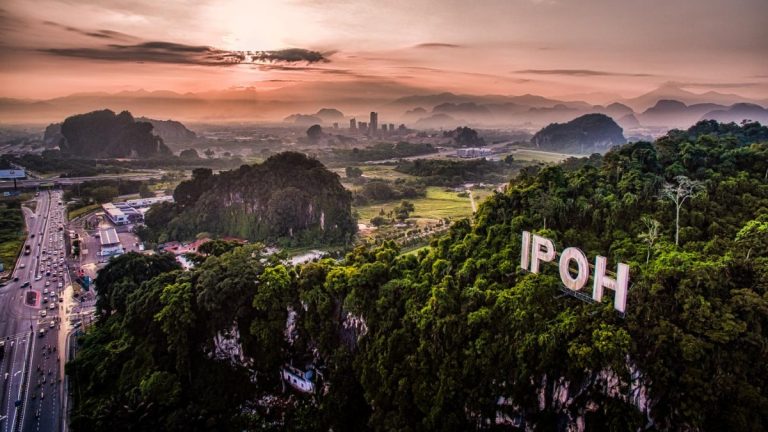
Two hours north of Kuala Lumpur by train, the capital of Perak is a city of limestone hills, colonial architecture, cave temples, the best white coffee in Malaysia, and a street art scene that gives Penang’s more famous murals a genuine run for their money.
It is calm, walkable, affordable, and thoroughly enjoyable in a way that does not require a checklist. People come for a night and stay three days. This is a recognisable pattern.


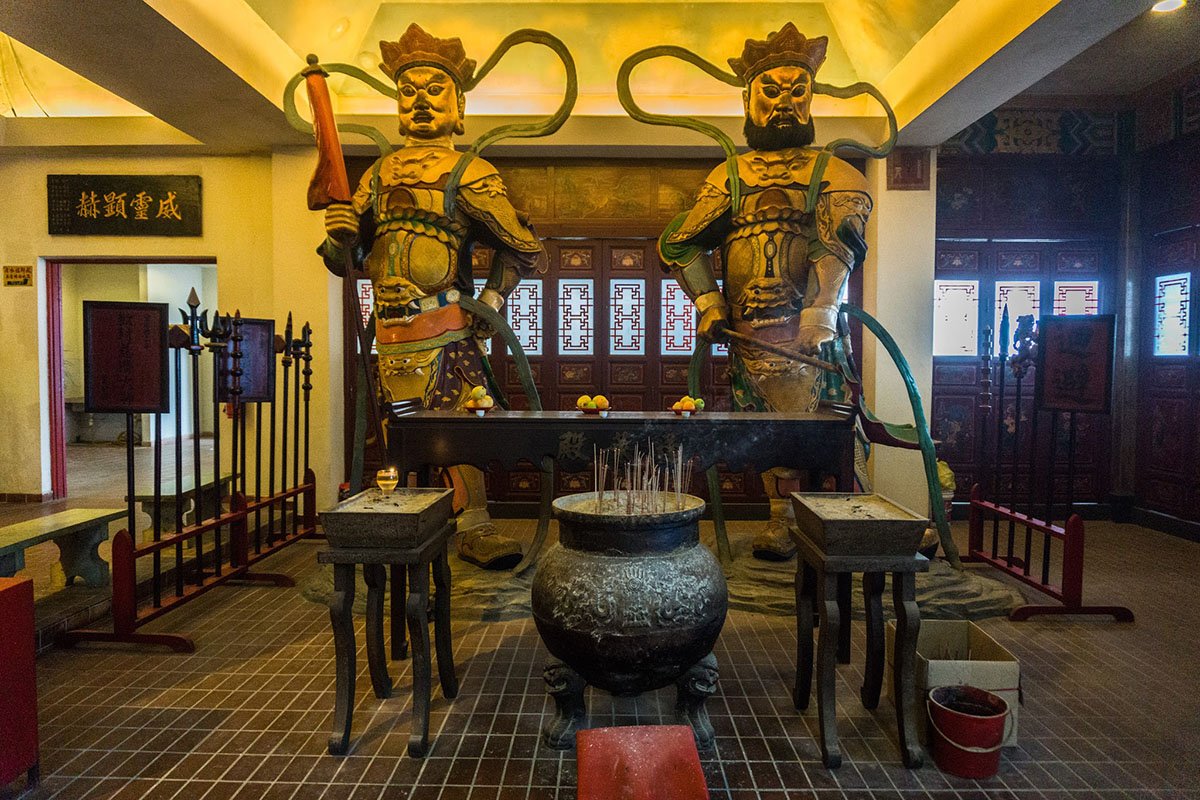
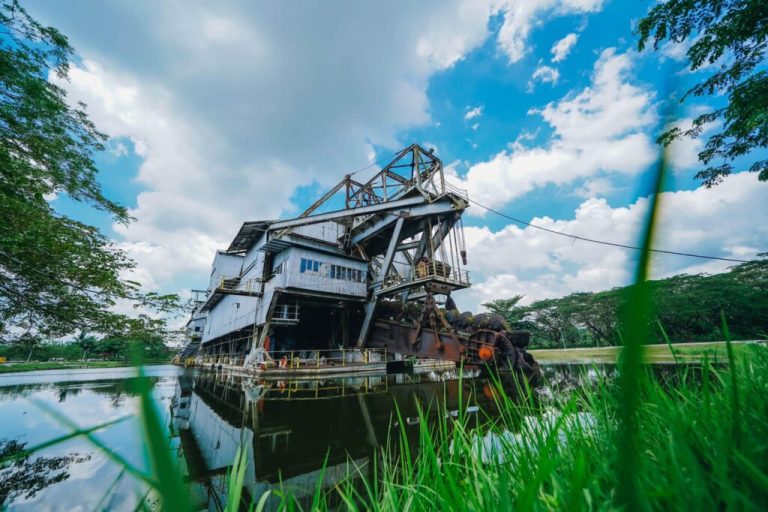
Ipoh earned its prosperity from tin. In the 19th century, tin mining made this city one of the wealthiest in Southeast Asia, earning it the nickname City of Millionaires. The glory days ended when tin prices collapsed in the 1980s, but the legacy is everywhere in the colonial townhouses, the heritage shopfronts, the old town laneways, and the extraordinary cave temples carved into limestone hills that miners and monks shared for over a century.
Today, Ipoh has reinvented itself as a food and culture destination with a relaxed pace that draws visitors who are slightly tired of rushing. It is exactly the kind of stop that turns a standard Malaysia itinerary into a great one.
Ipoh City Essentials
Is Ipoh Really Worth Visiting?
The answer is definitely “Yes.”
Ipoh rewards a slower pace better than almost anywhere in Malaysia. It is not a city of must-see landmarks. It is a city where the best moments are.
Maybe it’s a cup of white coffee in a kopitiam that has been there since 1958, a walk down a laneway with street art by local artists, a cave temple where the late afternoon light through a limestone opening makes everything look sacred, or a plate of Ipoh chicken rice that you eat standing at a plastic table because all the seats are taken. These are the experiences that make Ipoh worth the detour.
With a significant ethnic Chinese population of around 44 to 48 percent citywide, mostly descended from Hakka immigrants who came to work the tin mines, Ipoh has a distinctly Cantonese-Chinese cultural character that gives it a unique flavour among Malaysian cities.
The old town in particular is heavily shaped by this heritage, visible in the shophouse architecture, the kopitiam culture, the clan associations, and the food.
Where to Stay in Ipoh
Deciding where to stay can be tricky, but that’s why we are here to make planning simpler for you. We’ll give you a list of places, and you can pick one that fits your vibe.
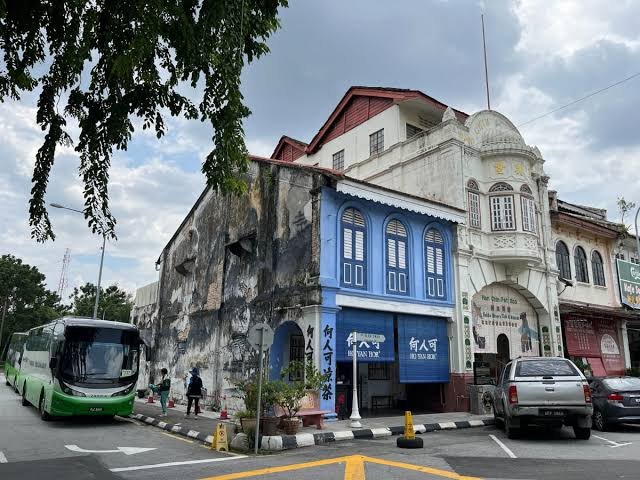
The Old Town is the most atmospheric place to base yourself, within walking distance of the main heritage streets, the train station, the cave temples to the south, and the best concentration of food and coffee in the city. Heritage boutique hotels and guesthouses in restored colonial shophouses are the most characterful options here.
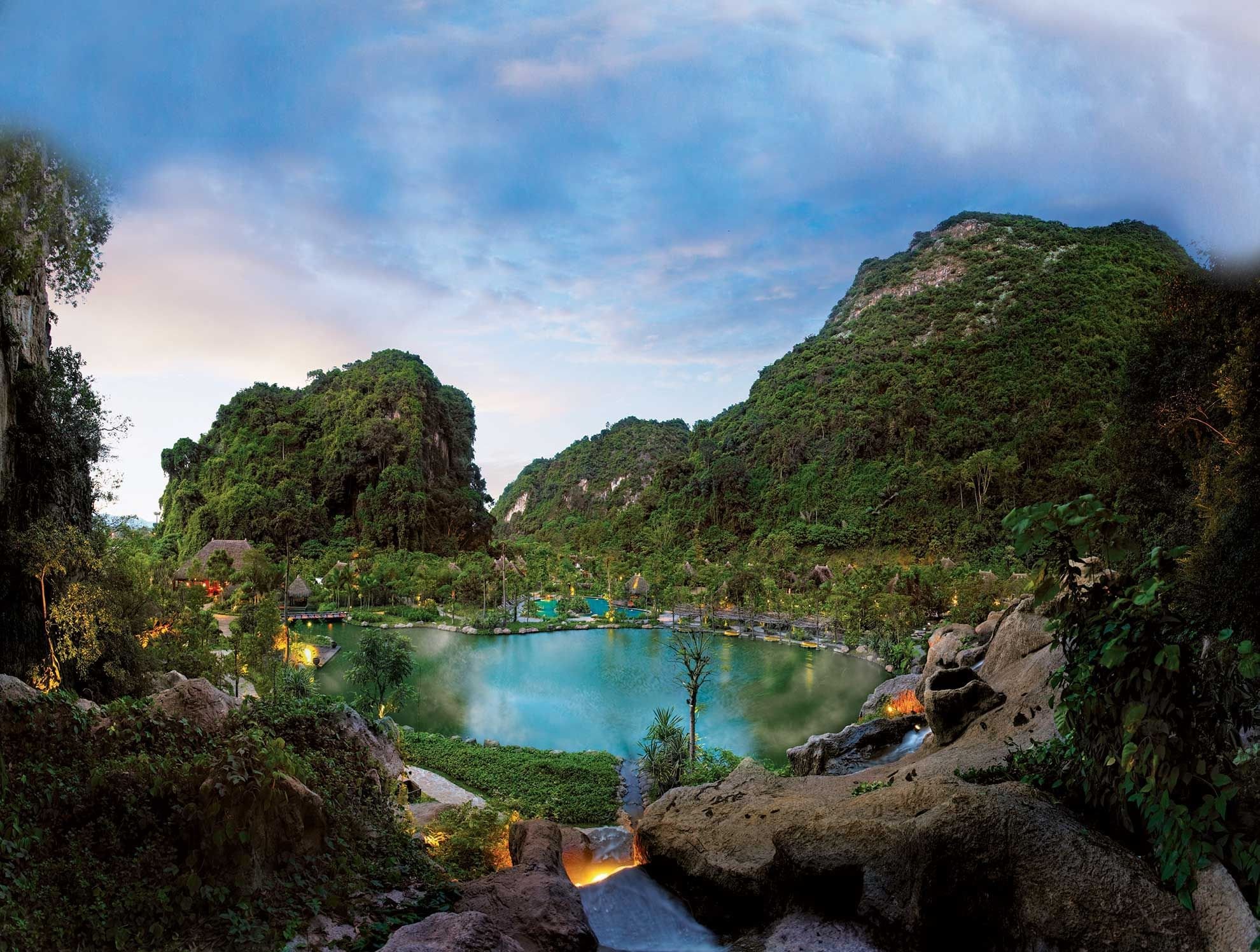
The Banjaran Hotsprings Retreat is the most indulgent stay in Ipoh, set within a valley of limestone karst hills with natural hot spring pools and private villas that make it one of the most distinctive resort properties in Malaysia. It is a significant splurge and worth it if that is within your budget.
Ipoh New Town (which is not particularly new), across the Kinta River from the old town, is where the shopping centres and more modern hotels are concentrated. More convenient for families arriving by car, but less interesting for anyone who wants to experience the city on foot.
You can find plenty of mid-range and budget options throughout the old town and the surrounding streets. Ipoh is also notably affordable compared to KL and Penang.
Getting There and Getting Around
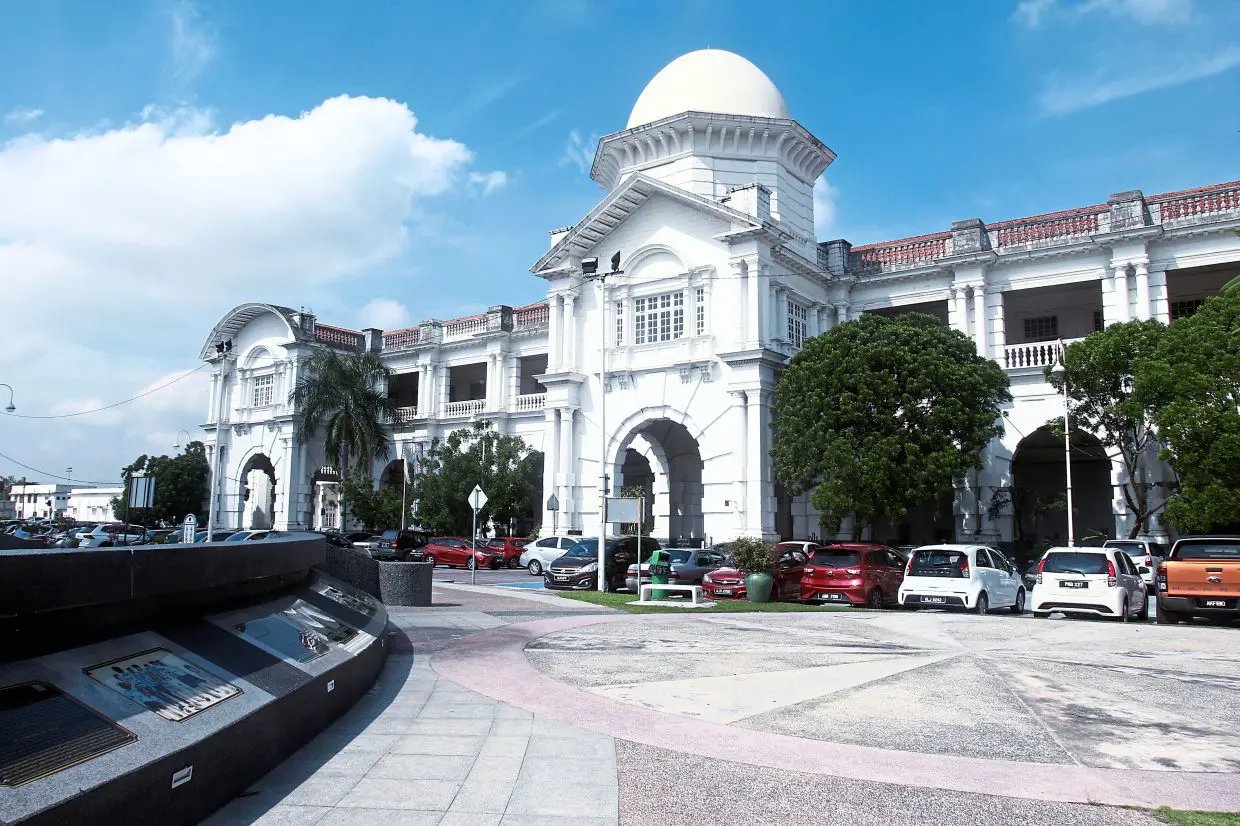
By train: The KTM ETS (Electric Train Service) from KL Sentral to Ipoh takes approximately 2 hours and is by far the most comfortable way to arrive. The Ipoh railway station, opened in 1917 and housed in a magnificent Moorish colonial building, is one of the most beautiful train stations in Malaysia and is worth pausing to appreciate when you arrive. It is also within easy walking distance of the old town's main sights.
By bus: Long-distance buses arrive at Terminal Amanjaya in the north of the city, about 12 km north of the old town. A Grab or taxi into the centre from there takes about 15 minutes.
By car: Ipoh is on the North-South Expressway, making it straightforward by car from KL (about 2.5 hours) or Penang (about 1.5 hours).
Getting around:
- Walking: The old town is compact and entirely walkable. The main heritage streets, the street art, the kopitiam strip, and the southern cave temples are all within 20 to 30 minutes on foot of each other.
- Grab: It is essential for reaching Lost World of Tambun (about 15 minutes north), Kellie's Castle, and other sites outside the walkable centre.
- Bicycle: Some guesthouses offer bicycle rentals, which are practical for the flat old town area and a pleasant way to explore at a slow pace.
- Taxis: They are available, but use Grab for transparent pricing.
The Old Town and Heritage Streets
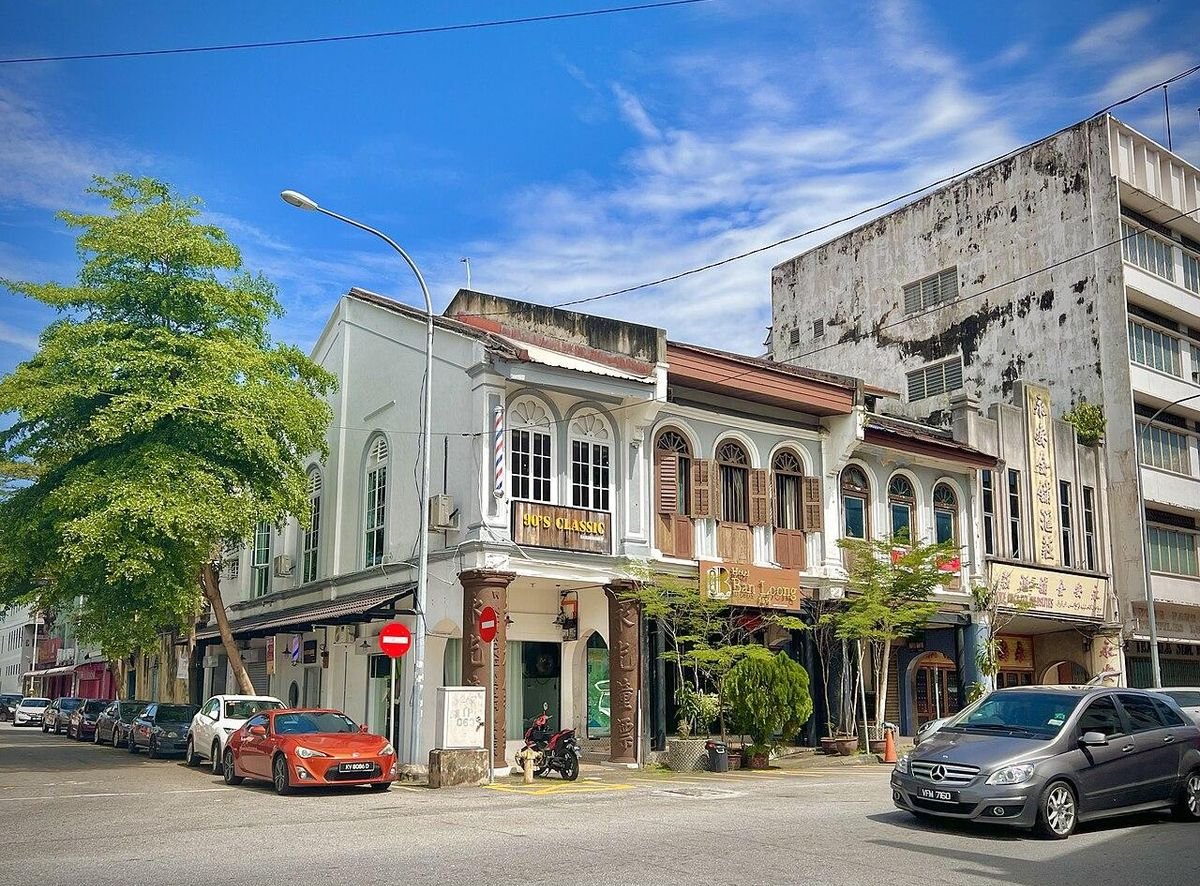
The old town is Ipoh's heart and the reason most visitors come. Built around the wealth of the tin boom, it is a dense grid of colonial shophouses, covered five-foot walkways, clan associations, temples, and kopitiams that have changed very little in the past hundred years while accumulating enormous character.
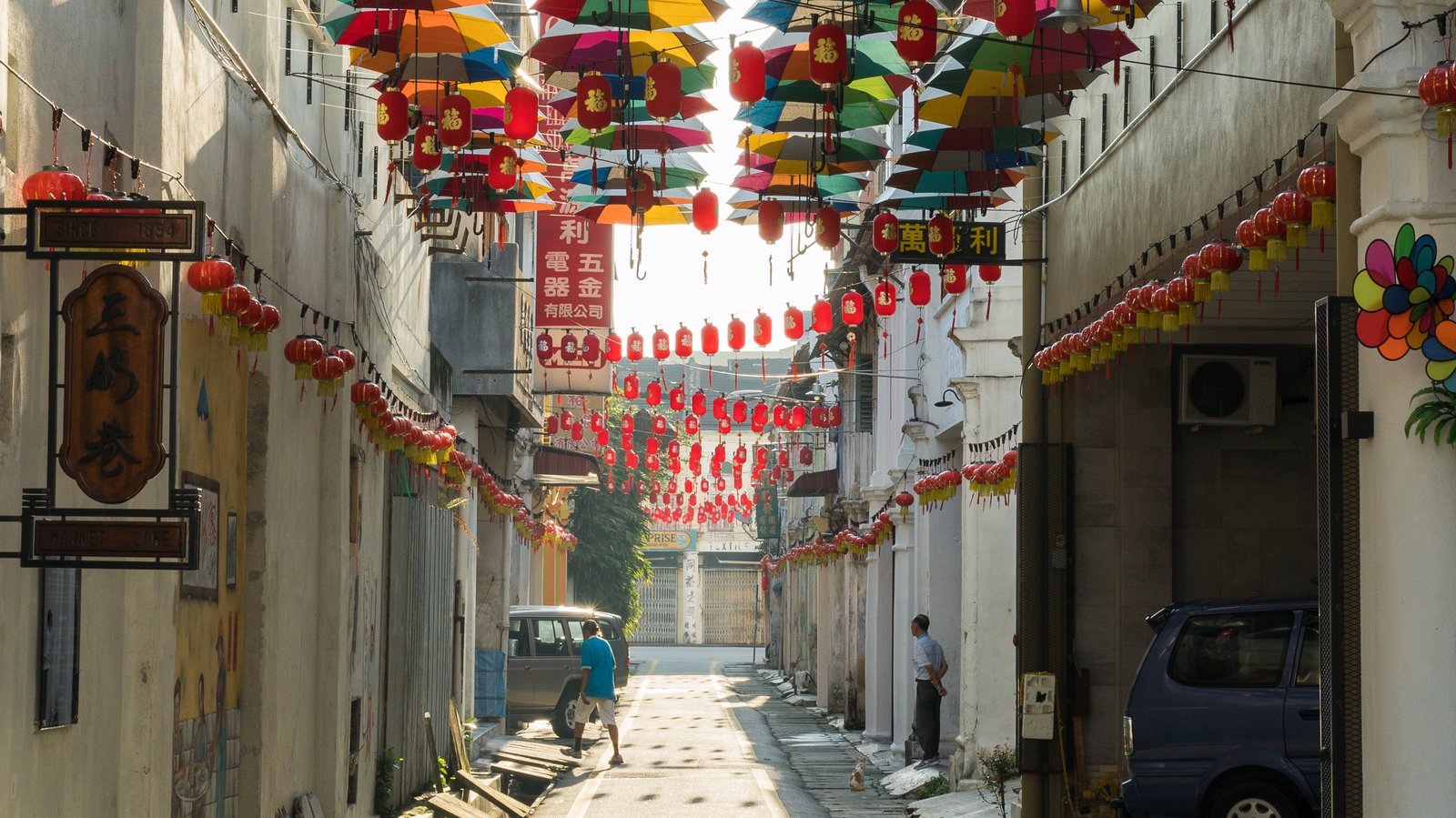
- Concord (Ipoh) Old Town area centres on Jalan Sultan Iskandar and the streets around it, where the best-preserved shophouses form a continuous covered promenade that is pleasant to walk at any time of day. The streets around Jalan Bandar Timah, Jalan Yau Tet Shin, and Hugh Low Street (Jalan Sultan Yussuf) are the most photogenic, with peeling paint, Chinese lanterns, and old men playing chess outside kopitiams that look as if they have not been disturbed since the 1970s.
- The Ipoh Railway Station itself is worth stopping at on its own terms. It’s an impressively imposing Moorish structure with twin domes and colonnaded facades that was completed in 1917. It is still a working station and the most beautiful arrival point in the Malaysian rail network outside Kuala Lumpur.
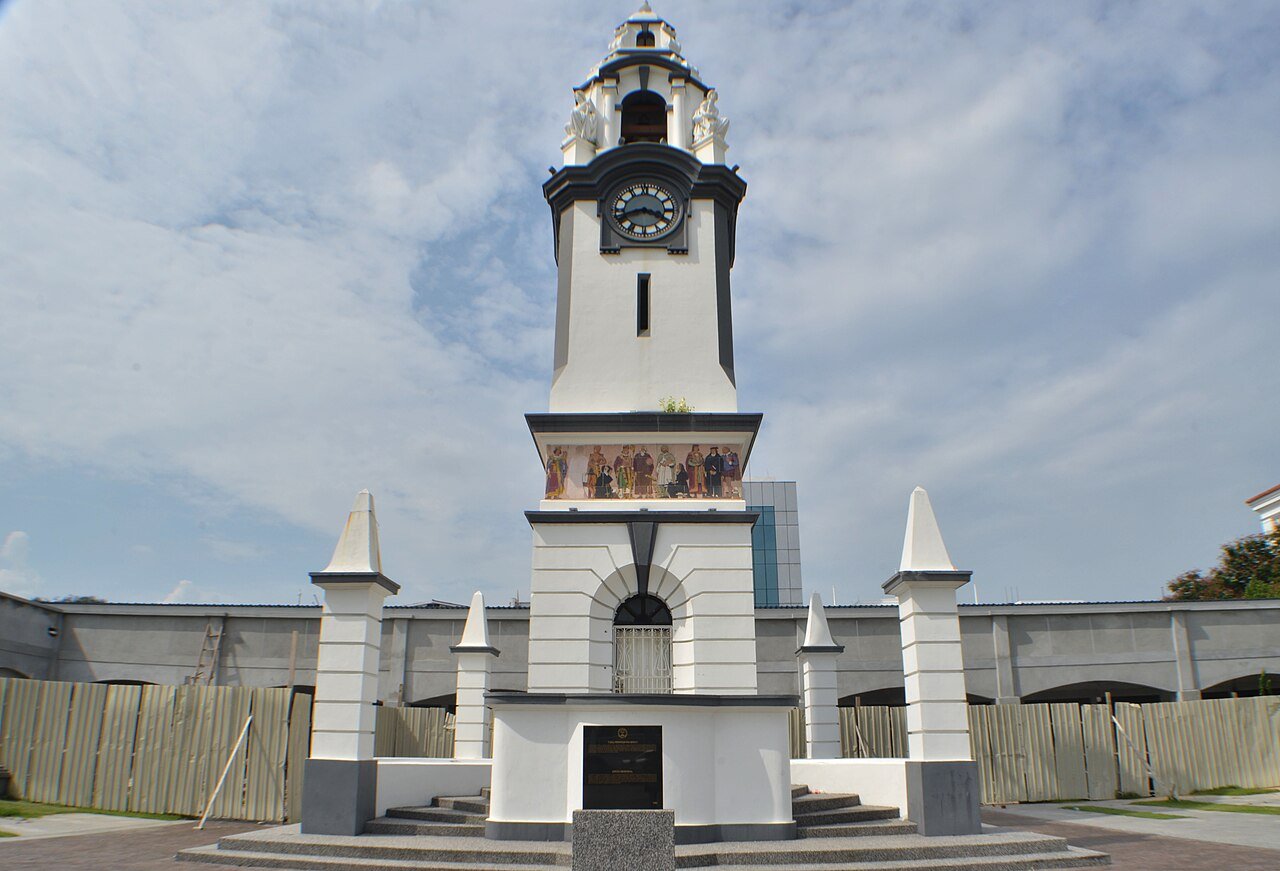
- The Birch Memorial Clock Tower at Padang Ipoh is the most prominent colonial landmark near the city center, built in 1909 as a memorial to the first British Resident of Perak. The surrounding Padang Ipoh (town square) is flanked by the colonial courthouse, town hall, and government offices that reveal how substantial a city Ipoh was at the height of the tin era.
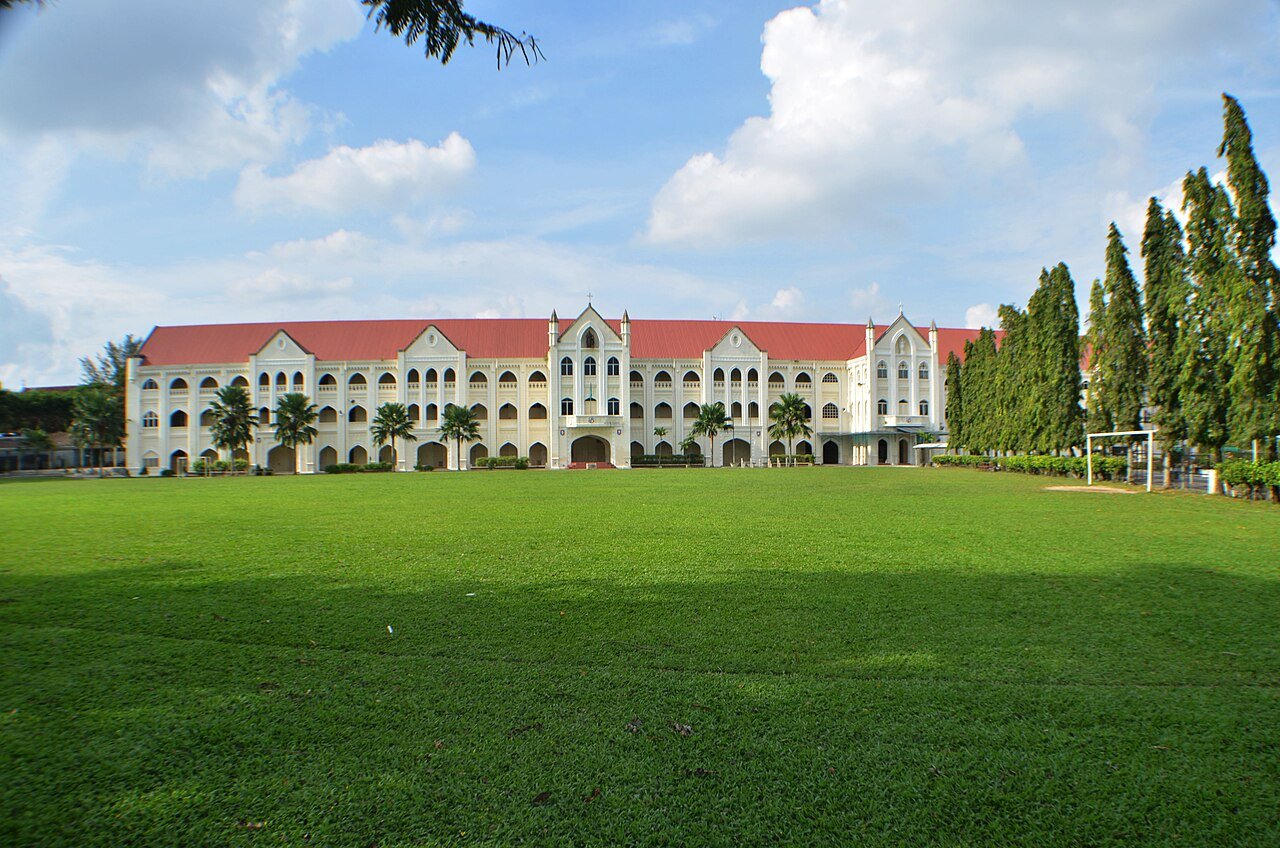
- St Michael's Institution (now a school) and the courthouse are both worth pausing at on a walking circuit of the town.
Street Art in Ipoh
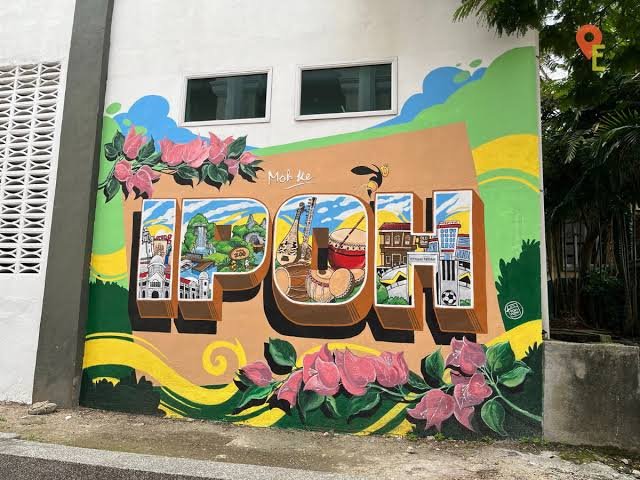
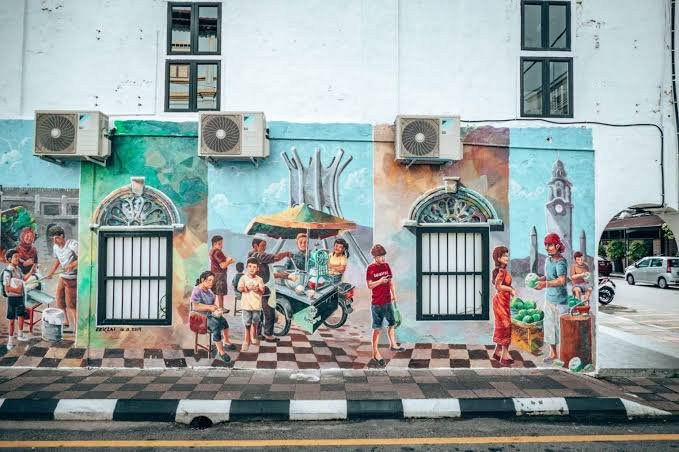
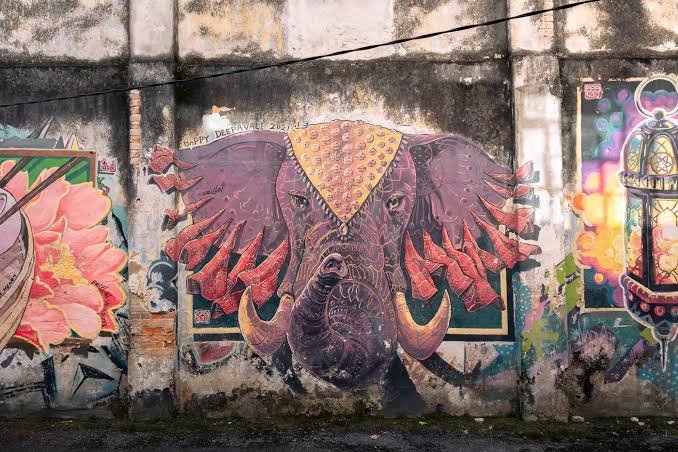
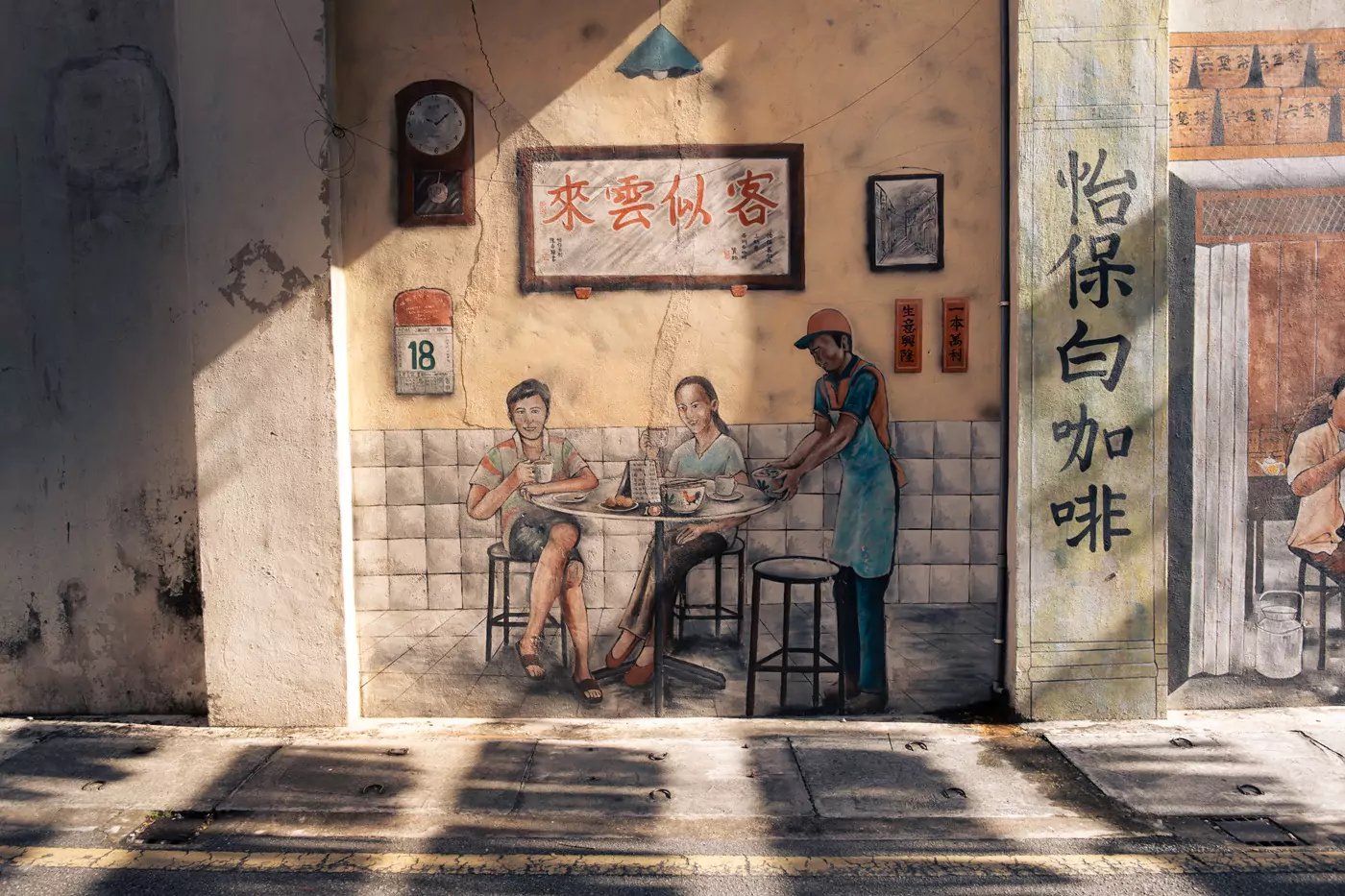
Ipoh has developed a genuinely excellent street art scene that is concentrated in the old town laneways and is best explored on foot without a fixed plan.
Unlike Penang's more famous murals, which are now heavily visited and photographed, Ipoh's street art retains a slightly more discovered-rather-than-curated feel, with murals appearing on back walls, narrow lanes, and unexpected corners throughout the heritage district.
The area around Jalan Panglima and the laneways connecting the main heritage streets are the best starting points.
Street art maps are available from the tourism office near the Birch Clock Tower. The combination of colonial architecture, peeling paint, and locally themed murals makes for excellent street-level photography.
The Cave Temples
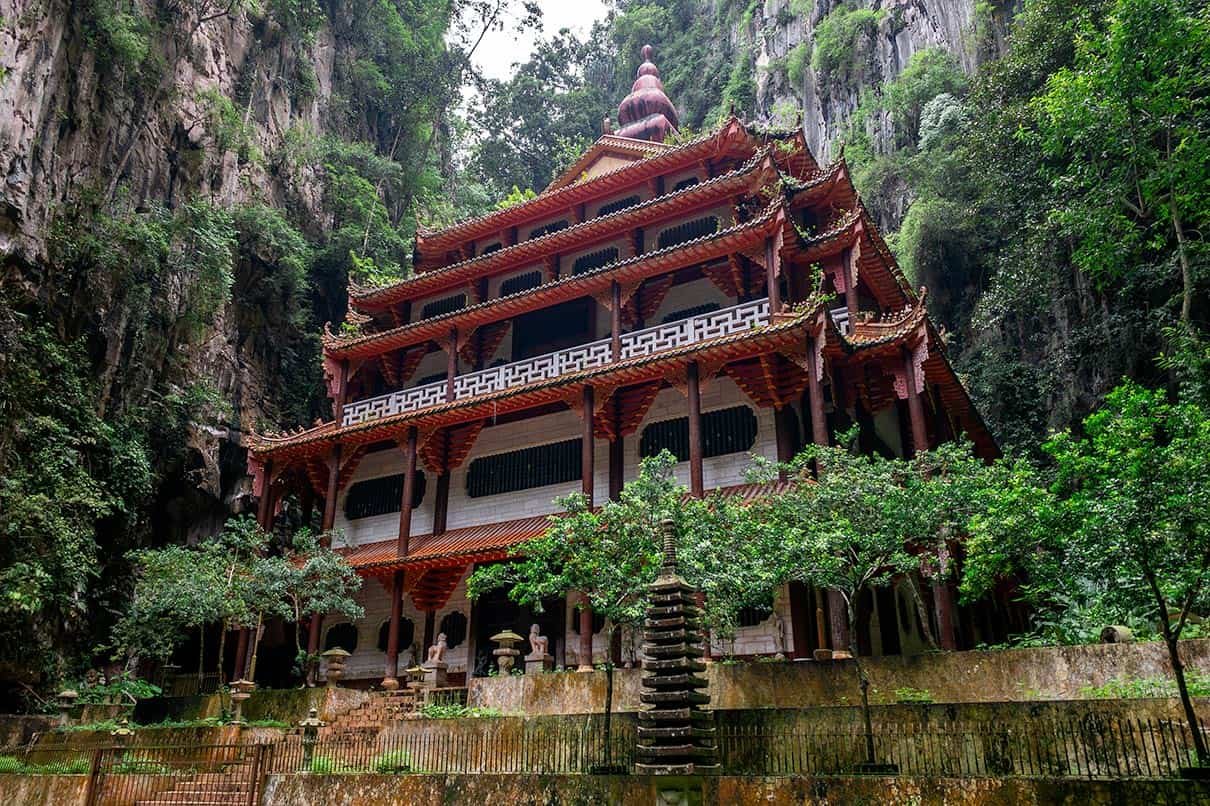
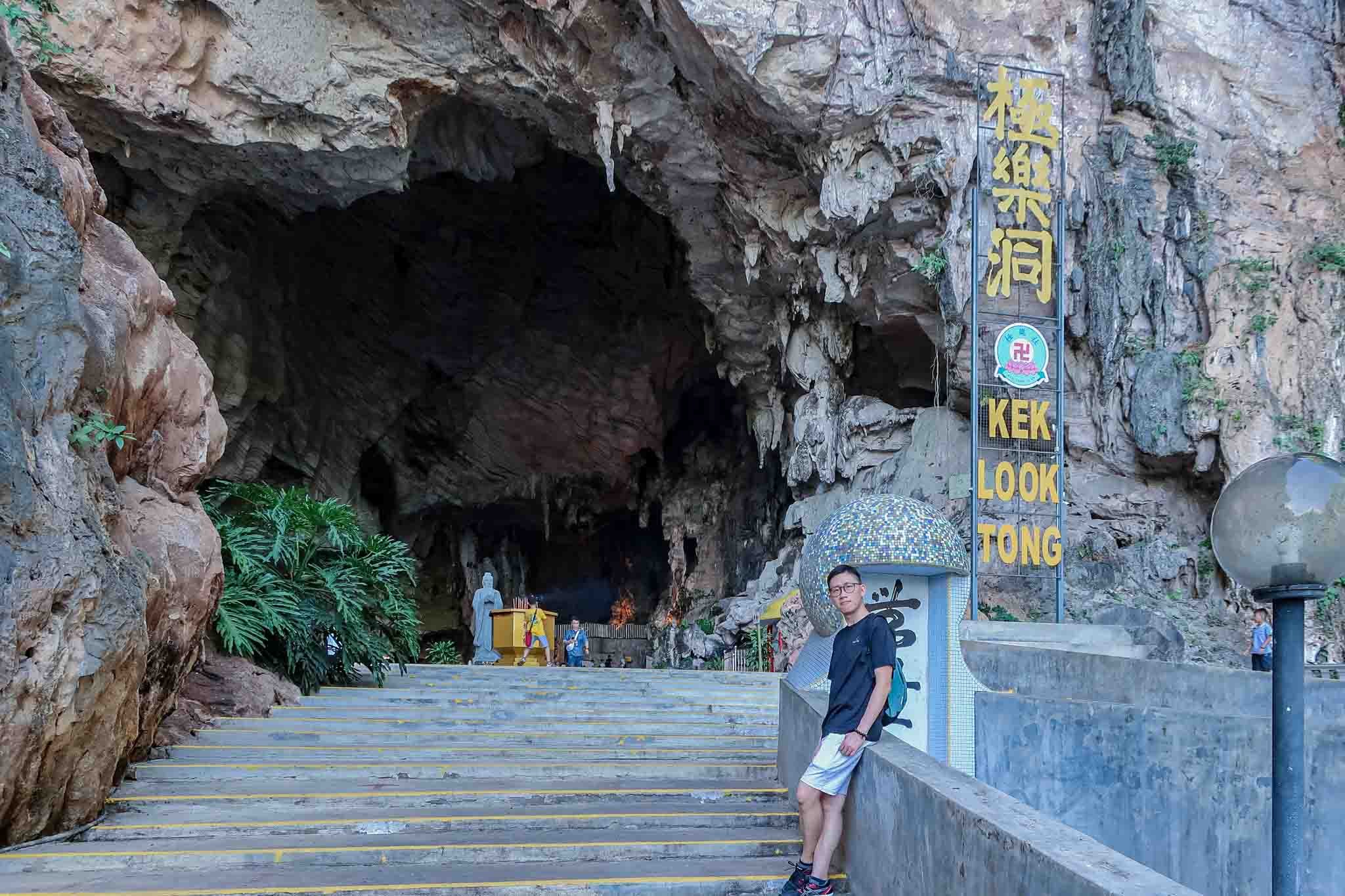
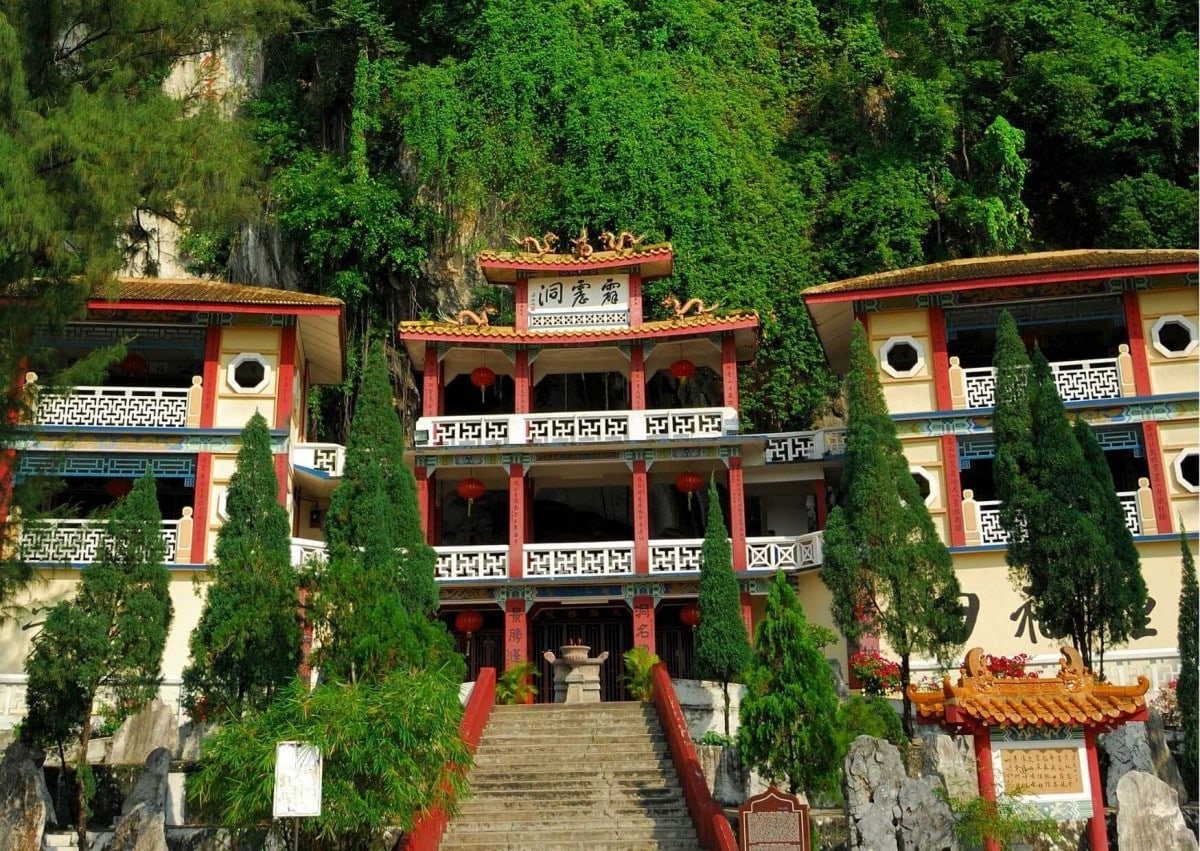
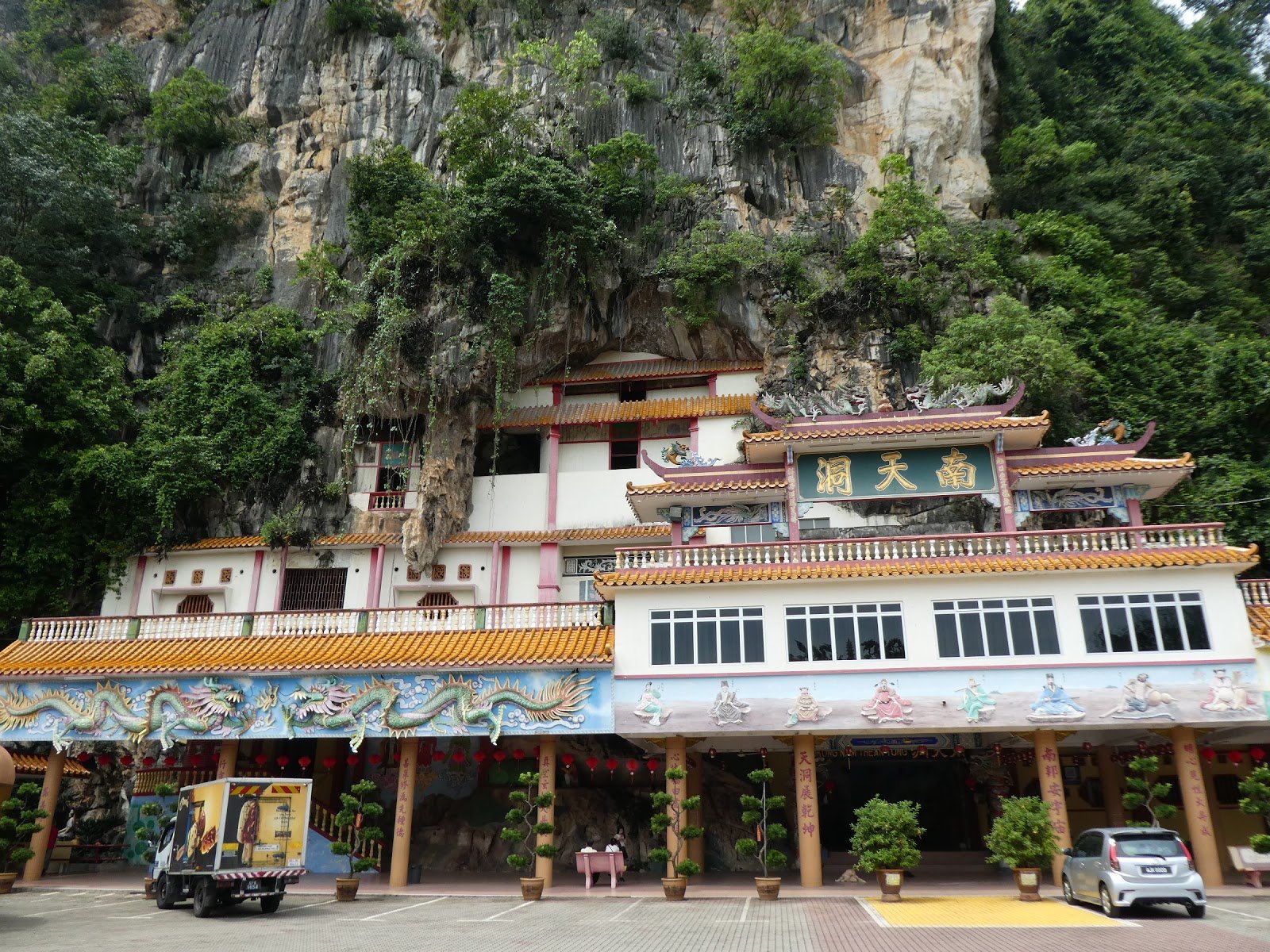
The limestone hills that define Ipoh's landscape have been home to cave temples for over a century, and they are among the most distinctive things the city has to offer. Multiple temples are accessible within a short drive of the city centre. Let’s take a look at some of them.
- Sam Poh Tong (Three Buddhas Cave) is the oldest and most famous of Ipoh's cave temples, established by a Buddhist monk from China in 1890 who made the cave his home and meditation retreat. He stayed here for the rest of his life, and more monks and nuns followed. A proper temple was constructed in the 1950s. Today, it is the largest cave temple in Malaysia, featuring a reclining Buddha, turtle ponds where visitors can feed or release turtles for good karma, fish ponds, and 246 steps leading to a panoramic viewpoint above the cave. It is located about 5 km south of the city centre.
- Kek Look Tong is set within the Gunung Rapat limestone hills and combines the cave temple experience with a surprisingly beautiful garden behind the cave with ponds, mature trees, and a turtle sanctuary in a lush, quiet setting that feels entirely removed from the city, even though it is minutes away by Grab. The cave itself has been used for worship since the 1920s and retains original stalactite formations on the ceiling and upper walls, contrasting with the marble-tiled floors of the lower level.
- Perak Tong (Perak Cave Temple) was built in 1926 by Chinese immigrants, set inside a 120-metre limestone hill just outside the city. Inside are over 40 statues of Buddha and frescoes from Chinese mythological tradition, including a 12-metre-high seated Buddha and a figure of Kuan Yin, the Chinese goddess of mercy. The steps leading through the cave system and up to a viewpoint at the top are steep and rewarding.
- Nam Thean Tong is a lesser-visited cave temple closer to the city centre with a more intimate atmosphere than the major sites.
Things to keep in mind:
- Visiting cave temples requires modest dress covering shoulders and knees.
- Remove shoes before entering any prayer hall.
- Early mornings and late afternoons are the most atmospheric times, when light enters the cave openings at lower angles.
Tasik Cermin (Mirror Lake)
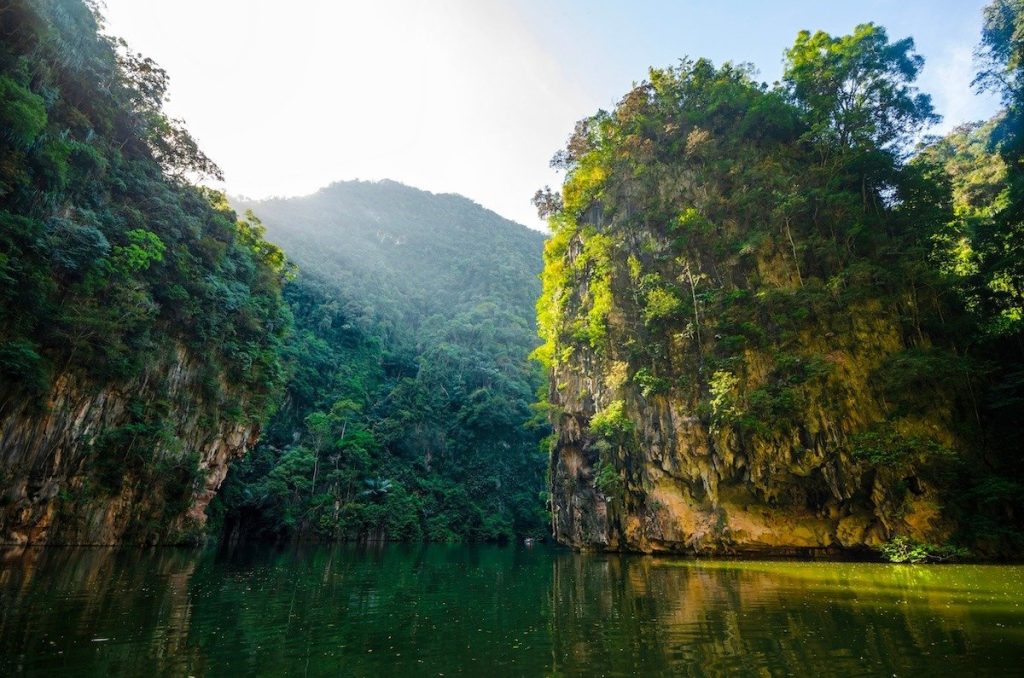
Tasik Cermin is one of Ipoh's most visually extraordinary and most surprising attractions. It is a former limestone quarrying site that has been transformed by time and groundwater into a series of calm, reflective lakes hidden within a network of limestone karst formations, accessible only through a narrow tunnel carved by miners decades ago.
The mirror-like surface of the water reflects the limestone walls and sky above in a way that produces photographs that look entirely implausible until you are standing in front of them in person.
The lake is located near Gunung Rapat, about 10 minutes from the old town by Grab. Boat rides guided by local operators are the best way to experience the lake properly and reach the sections that cannot be accessed on foot through the tunnel.
Try to visit early in the morning to capture the best reflections before the light changes. The site has grown in popularity significantly over the past few years, so it is recommended to arrive early on weekends to avoid the busiest periods.
Kellie's Castle
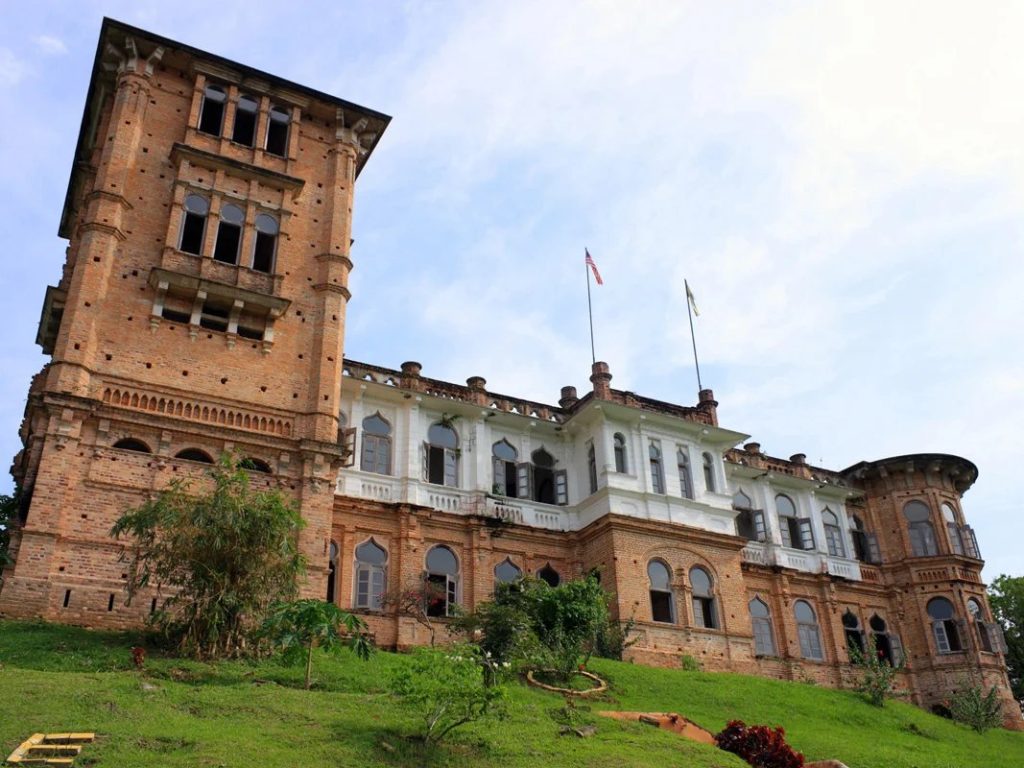
Kellie's Castle is one of the most unusual and atmospheric sites near Ipoh, about 15 km south of the city, near Batu Gajah. It is a haunted, unfinished Moorish-Renaissance mansion begun in 1915 by Scottish rubber and tin planter William Kellie Smith, who poured his fortune into building an estate worthy of his success and then died suddenly in 1926 before it was completed.
The castle was never finished, never occupied, and has stood in various states of atmospheric ruin ever since.
The multilevel structure with its towers, archways, and roof terraces gives views across the rubber plantation landscape, and the story of Kellie Smith, his Indian workforce, and the temple they built in gratitude for his fair treatment is one of the stranger and more compelling human stories attached to any building in Malaysia.
It is definitely well worth a half-day excursion from Ipoh.
Popular Attractions in Ipoh
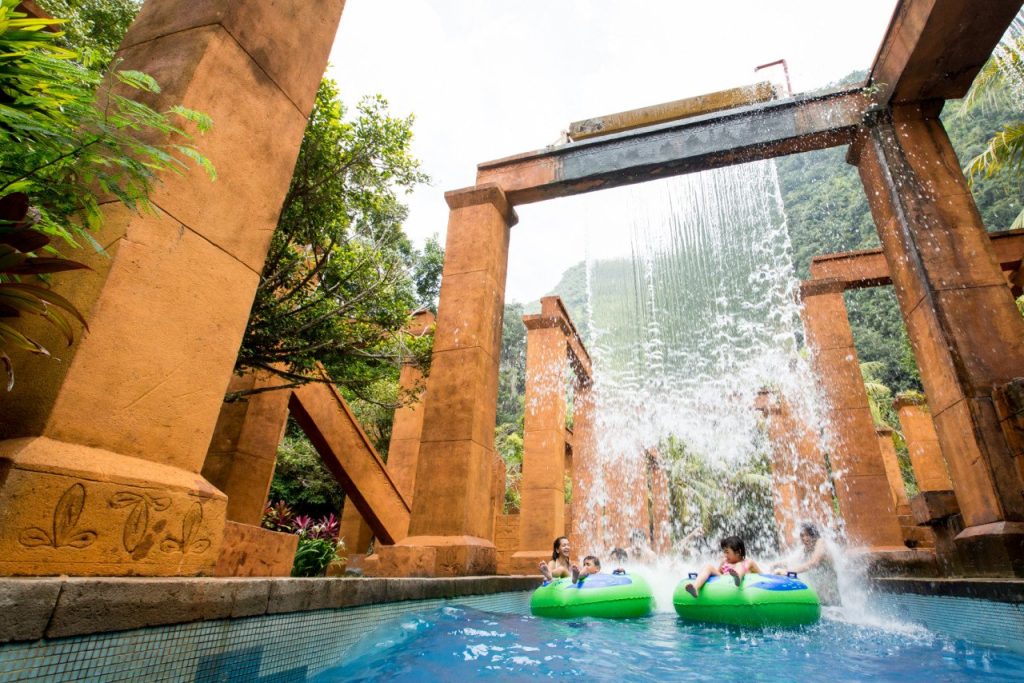
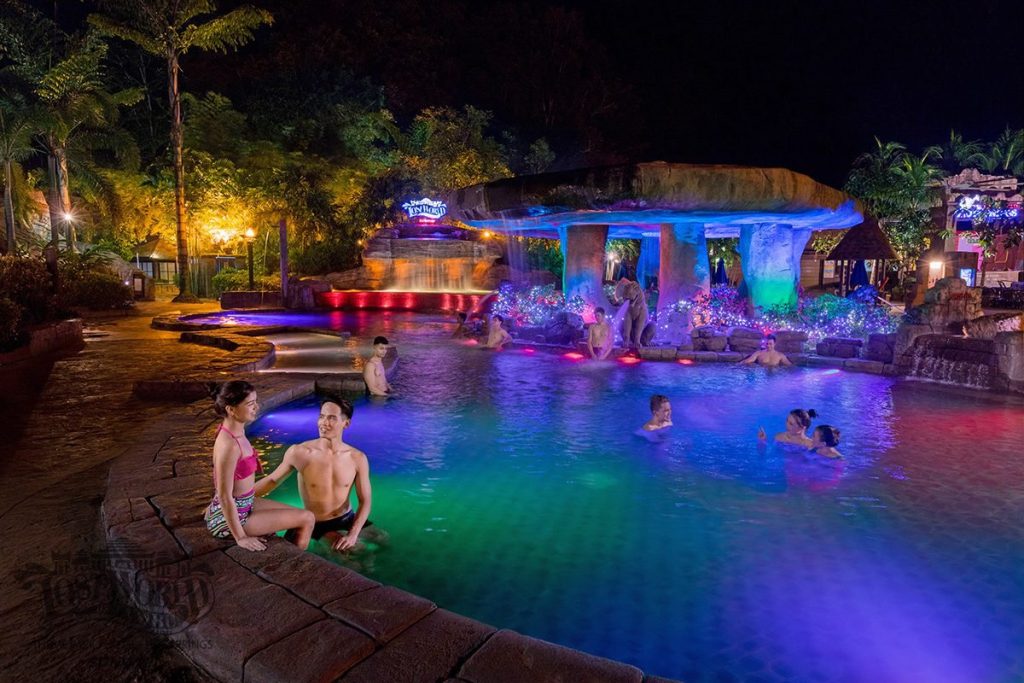
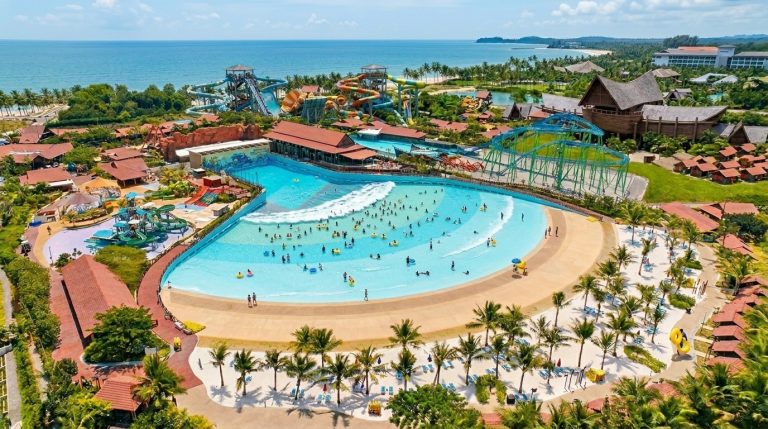
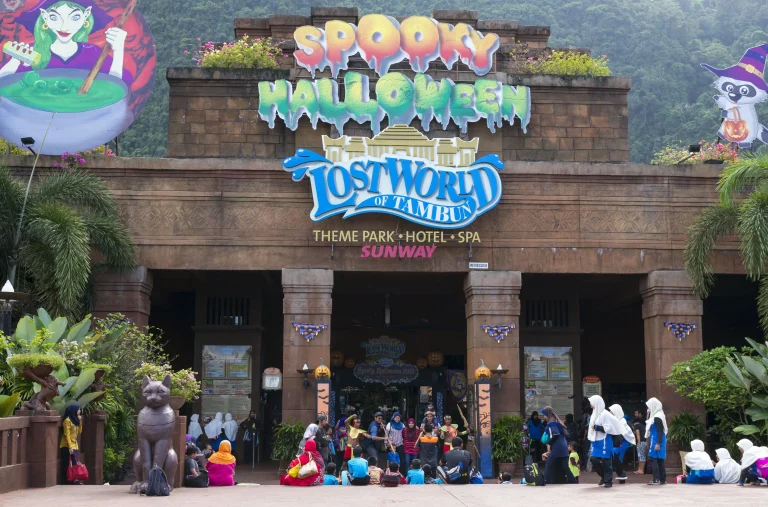
Lost World of Tambun is the headline theme park attraction of Ipoh and one of the most well-regarded leisure parks in Malaysia. Set within a dramatic valley of 400-million-year-old limestone karst cliffs on the outskirts of Ipoh in the Sunway City Tambun development, the park covers 40 acres with over 88 attractions across ten distinct zones.
The water park is the centerpiece, with water slides, tube rides, and a wave pool in a setting where limestone cliffs form the natural backdrop to every attraction.
The Lost World Hot Spring and Spa is an adults-focused thermal pool complex fed by natural hot springs in the hillside. It’s genuinely therapeutic and a strong contrast to the more family-focused water park.
The Tin Valley zone connects the park's leisure offering to Ipoh's tin mining history with heritage-themed exhibits and activities. A petting zoo allows close encounters with animals across 120 species. The park's night experience (Lost World of Tambun Night Park) transforms the venue after dark with illuminated attractions and a different program of activities.
Not sure when to visit? Weekdays outside Malaysian school holidays offer the most comfortable visit conditions.

What is Ipoh’s Food Scene?
Ipoh is one of the great food cities of Malaysia and takes its culinary reputation extremely seriously. The food scene is built on Cantonese Chinese heritage, exceptional local produce from the surrounding Kinta Valley, and a kopitiam culture that has been running without interruption since the tin boom.
Ipoh White Coffee is the city's most famous export, a creamy, mellow style of coffee roasted with palm oil margarine and served with condensed milk that is notably different from the darker Hainanese-style coffee common across Malaysia.
It originated in Ipoh in the early 20th century and is best drunk at the historic kopitiams of the old town, where it has been made the same way for generations. Old Town White Coffee (the chain) takes its name from here, but the original is always better.
Ipoh Chicken Rice (Nasi Ayam Ipoh) is considered the benchmark of the dish in Malaysia. The chicken is poached in a stock made from local river water (the limestone filtration supposedly makes a significant difference), served over rice cooked in chicken broth, with a clear soup alongside.
It is soft, delicate, and completely different from the more robustly flavoured versions found elsewhere. Arguing about which stall in Ipoh makes the best version is a local sport with no resolution in sight.
Ipoh Hor Fun is a flat rice noodle dish served in a light, clear prawn or chicken broth that is the local breakfast of choice for a significant proportion of the population. This dish can be found at its best at the oldest kopitiam stalls in the old town from early morning.
Bean Sprout Chicken (Tauge Ayam) is another Ipoh specialty, with poached chicken with crunchy, fresh bean sprouts grown locally in the limestone-filtered groundwater that Ipoh credits for their distinctive crunch. It is usually served with noodles or rice.
Pomelo from the Kinta Valley around Ipoh is among the best in Malaysia. The local variety is exceptionally sweet and large, and is sold at roadside stalls throughout the city. Eat it with a small amount of dried shrimp and chilli paste if you want to eat it the way locals do.
Sin Yoon Loong (opened 1937) and Nam Heong (opened 1948), the two most iconic historic kopitiams in Ipoh, sit across from each other on Jalan Bandar Timah and have been making white coffee the original way for the better part of a century. They fill up by 8 am, and the atmosphere is worth the early start.
Funny Mountain Soya Bean on Jalan Sultan Iskandar has been making fresh tau fu fa (silken tofu pudding) since 1955. It is eaten warm with ginger syrup and is one of the most celebrated street food experiences in Ipoh, which genuinely deserves the queue.
For dinner, the Ipoh Padang (town square) area and the streets around the old town fill up with hawker stalls in the evening, covering everything from Malay rice and grilled dishes to Chinese-Malaysian noodles.
Day Trips from Ipoh
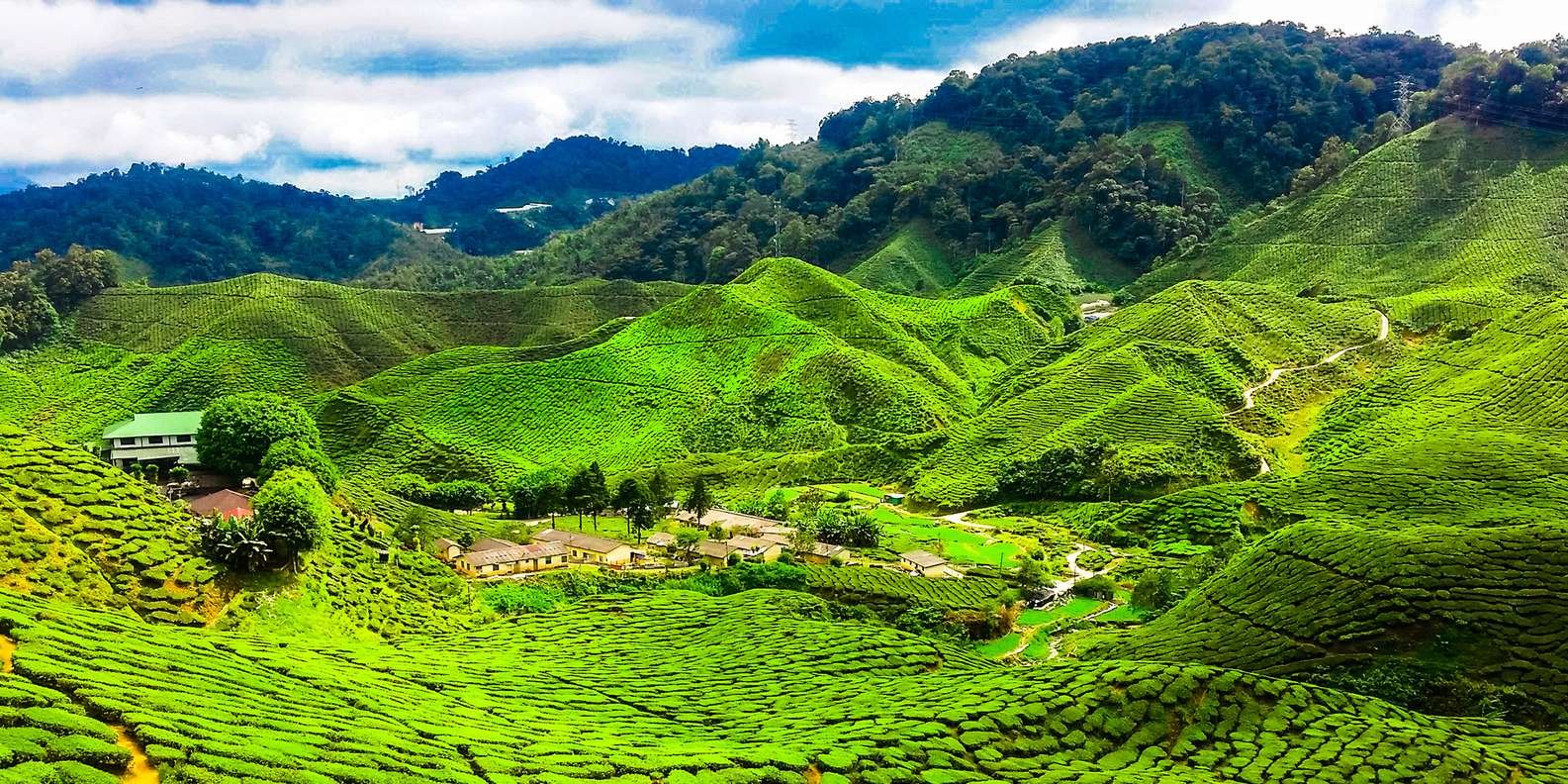
- Cameron Highlands (about 1.5 to 2 hours east by car via the Simpang Pulai route, with the mountain road adding time depending on traffic) is the most compelling day trip from Ipoh. This is a British hill station retreat turned tea plantation landscape at 1,500 metres, with strawberry farms, moss forest walks, and the BOH Tea Estate producing what is widely considered the best Malaysian tea. It is a cool, green escape from the lowland heat.
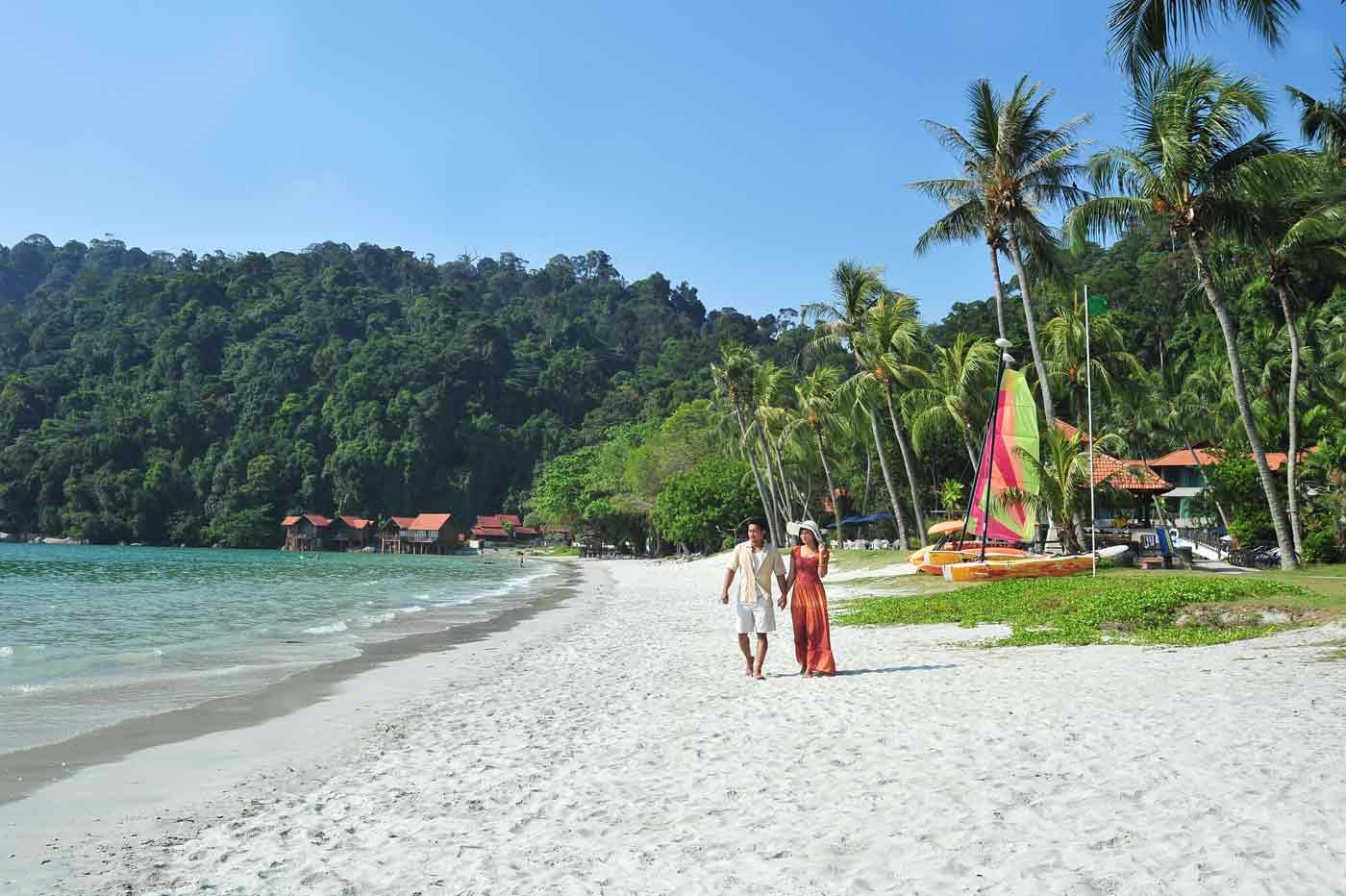
- Pangkor Island (about 1.5 hours west to the ferry terminal at Lumut, then 30 minutes by ferry) is the nearest beach escape from Ipoh. It’s a small, relaxed fishing island with calm water, good snorkelling, and a pace of life that makes even Langkawi seem busy by comparison. It is best for an overnight stay rather than a pure day trip.
- Gopeng (about 25 km south) is a small town near Ipoh with excellent white-water rafting on the Gopeng River and the extraordinary Gua Tempurung cave system. At 4.5 km in length and home to 3,000-year-old stalactites spanning the cave's five massive domes, it is one of the most impressive natural caves in Malaysia. The cave contains evidence of communist guerrilla activity during the Malayan Emergency (1948 to 1960), including graffiti still visible on the walls.
When Should You Visit Ipoh?
Ipoh is largely sheltered from the worst of the monsoon seasons by the Titiwangsa mountain range to the east. Rain falls throughout the year but rarely for extended periods.
The city is generally pleasant to visit in any month, making it a more consistently reliable destination than coastal Malaysian cities.
March to August tends to be the driest and most comfortable window. The Islamic festive calendar (Hari Raya) and Chinese New Year bring a particular energy to the city but also mean some businesses close for several days. Check their dates before planning your visit around them.
Practical Tips Before You Go
- Arrive by ETS train from KL Sentral if at all possible. It is the most comfortable option that is the cheapest per kilometre, and arriving at Ipoh's extraordinary colonial station is one of the small pleasures of the journey.
- Stay in the Old Town. The character of Ipoh is almost entirely concentrated in the heritage district and is best experienced from within walking distance of it.
- Eat early. The best kopitiam stalls in Ipoh fill up by 8 am and run out of their most popular dishes well before noon. This is not a city where the best food waits for a leisurely brunch hour.
- Download Grab before arriving. It is essential for reaching Lost World of Tambun, Kellie's Castle, Gua Tempurung, and any cave temple beyond walking distance.
- Carry cash. Many of the best kopitiams and hawker stalls are cash-only.
- Dress modestly for cave temples. Shoulders and knees should be covered and shoes should be removed before prayer halls. A light scarf or shawl is worth packing for temple visits.
- The old town is flat and compact. A morning on foot, even without a specific plan, will show you more of the real city than any map itinerary.
- Ipoh's food is its strongest argument. If you are serious about eating, build at least two dedicated meal stops into each day.
Ipoh does not perform for visitors. It simply continues being itself. The white coffee, the cave temples, the limestone hills, and the old men in the kopitiam who have been sitting in the same chair for thirty years have all made their own identities. That ease and that continuity are what make a visit here feel like something more than tourism. It is a city that rewards curiosity and patience, and rewards both generously.
Head to Thrillark to book your Ipoh experiences and give this extraordinary city the time it deserves.
Frequently Asked Questions About Ipoh
Is Ipoh worth visiting as a standalone destination or only as a day trip from KL?
Ipoh is absolutely worth visiting as a standalone destination with at least two nights, not just as a day trip. The city reveals itself gradually: the best food is at early morning kopitiams, the cave temples deserve unhurried time, the street art repays wandering without a fixed plan, and the day trips to Cameron Highlands, Pangkor Island, and Gua Tempurung all need a base in the city rather than a rushed same-day KL departure. Day trips from KL are possible on the ETS train but genuinely miss most of what makes Ipoh worth the visit.
What is the Lost World of Tambun in Ipoh?
The Lost World of Tambun is a 40-acre multi-zone leisure park located on the outskirts of Ipoh in Tambun, set against a backdrop of 400-million-year-old limestone karst cliffs. It combines a full water park (slides, tube rides, wave pool) with natural hot springs at the Lost World Hot Spring and Spa, a petting zoo with 120 animal species, the Tin Valley heritage zone connecting the park to Ipoh's tin mining history, and a night park experience that transforms the venue after dark. It is the most significant paid attraction near Ipoh and is particularly well-suited to families.
What food should you try in Ipoh?
The non-negotiables are Ipoh White Coffee (the original, from a heritage kopitiam in the old town, not the chain), Ipoh Chicken Rice (the most celebrated version of the dish in Malaysia), Ipoh Hor Fun (flat rice noodles in a light prawn or chicken broth, best at breakfast), Bean Sprout Chicken (poached chicken with distinctively crunchy local bean sprouts), and tau fu fa (fresh silken tofu pudding with ginger syrup) from Funny Mountain on Jalan Sultan Iskandar. Eating early is essential. The best kopitiam stalls sell out their signature dishes well before midday.
How do you get from Kuala Lumpur to Ipoh?
The ETS (Electric Train Service) from KL Sentral to Ipoh is the best option, taking approximately 2 hours and running multiple times daily. Tickets are affordable, and the journey is comfortable, arriving at Ipoh's magnificent 1917 colonial railway station, which is in itself worth the trip. Long-distance buses are a cheaper alternative, arriving at Terminal Amanjaya in the north of the city. By car on the North-South Expressway, the journey takes about 2.5 hours, though traffic from KL can extend this significantly during peak hours and school holidays.
What are the cave temples in Ipoh, and how do you visit them?
Ipoh has multiple Buddhist cave temples built within the limestone karst hills that surround the city, the most significant being Sam Poh Tong (established 1890, the largest cave temple in Malaysia), Kek Lok Tong (with a beautiful garden at the rear of the cave), and Perak Tong (built 1926, with over 40 Buddha statues and a 12-metre-high seated Buddha inside). All are located within 10 to 15 minutes of the old town by Grab or taxi, are free or low-cost to enter, require modest dress covering shoulders and knees, and involve removing shoes before entering prayer halls. Early mornings are the most atmospheric time to visit before tour groups arrive.
What is Tasik Cermin (Mirror Lake) in Ipoh?
Tasik Cermin is a series of calm, reflective lakes hidden within limestone karst formations near Gunung Rapat, accessible only through a narrow tunnel carved by former mining operations. The mirror-like surface of the water reflects the surrounding limestone walls and sky, producing extraordinary visual effects that have made it one of Ipoh's most photogenic sites. Boat rides with local operators are the best way to access the full extent of the lake. Visit early in the morning for the best light and to avoid the busiest visitor periods.
Is Ipoh good for street food and kopitiam culture?
Ipoh is exceptional for street food and kopitiam culture, and is widely considered to have the best kopitiam scene in Malaysia. The heritage kopitiam stalls in the old town have been operating since the tin boom era, some for over eighty years without changing their recipes or their furniture. The culture is built on a specific Cantonese-Chinese model: strong white coffee, thick toast with kaya (coconut jam) and butter, soft-boiled eggs with soy sauce and white pepper, and a slow morning spent reading the newspaper at a shared table. It is the antithesis of a coffee chain, and it is completely worth getting up at 7 am for.
Browse by themes
Top Things to Do in Malaysia