Osaka has a reputation in Japan that every other city envies and none can quite replicate. Where Tokyo is polished, and Kyoto is refined, Osaka is loud, warm, funny, and obsessed with food in a way that has produced a culinary culture so distinctive that the Japanese have a specific phrase for it: kuidaore, meaning “eat until you drop.”
The people here are considered the friendliest in Japan, the comedy tradition is the oldest and most celebrated in the country, and the street food in Dotonbori on a Friday evening is the most enjoyable outdoor eating experience in East Asia.
Japan’s third-largest city sits at the head of Osaka Bay in the Kansai region, the economic and cultural heartland of western Japan. It served as Japan’s commercial capital for much of its history, and the merchant culture that emerged from centuries of trade gave the city its egalitarian, pleasure-seeking character that distinguishes it from the more hierarchical cities to the east.
Osaka is also the gateway to Kyoto (30 to 45 minutes by express train), Nara (35 to 45 minutes by Kintetsu or JR), and Hiroshima (1 hour 15 minutes to 1 hour 30 minutes by Shinkansen from Shin-Osaka), making it one of the finest bases for regional exploration in Japan.
Give it three days in the city and use it as the hub for at least one major day trip.
Osaka City Essentials
Entry Requirements for Osaka
Citizens of approximately 70 countries can visit Japan visa-free for stays of 15 to 90 days depending on nationality. Citizens of the US, UK, Canada, Australia, and EU nations qualify for 90-day visa-free entry.
Indian nationals require a visa obtainable from the Embassy of Japan. Always verify at mofa.go.jp before booking.
Japan’s Visit Japan Web digital registration system at vjw.digital.go.jp allows pre-registration of immigration and customs information before departure, which significantly speeds up the airport process. Pre-registering before arrival is strongly recommended for all visitors.
Getting There and Getting Around
Kansai International Airport (KIX) is on an artificial island in Osaka Bay, 50 km south of the city. The Nankai Rapi:t express train connects KIX directly to Namba (the heart of southern Osaka) in approximately 38 minutes. The Haruka limited express connects to Tennoji and Shin-Osaka stations (for shinkansen connections) in about 30 to 50 minutes.
Both accept IC cards and JR passes (the Haruka is a JR service). Taxis from the airport are expensive and slow due to distance. So trains are the correct choice.
Itami Airport (ITM) handles domestic flights only and is 10 km north of the city, connected by limousine bus to the major Osaka and nearby hotel areas in about 20 to 30 minutes.
Getting around Osaka:
The city has one of the most comprehensive urban rail networks in Japan, with multiple overlapping systems covering every neighbourhood efficiently.
- Osaka Metro: Eight lines cover the city centre comprehensively. The Midosuji Line (red, M) running north-south through Umeda, Shinsaibashi, Namba, and Tennoji is the most important single line for visitors. IC cards (Icoca or Suica) work on all Osaka Metro lines. Just tap on and tap off at every gate.
- JR Osaka Loop Line: This is the circular JR line encircling the city that connects Osaka Station (Umeda), Tennoji, and the bay area and is covered by the JR Pass.
- IC card (Icoca or Suica): It is the rechargeable smart card that works on all Osaka Metro, JR, and most private railway lines throughout the Kansai region, as well as at convenience stores and many restaurants. Buy one at any major station on arrival. Mobile Suica works seamlessly on Apple Pay for iPhone users (iPhone 8 or newer). International Android phones cannot use Mobile Suica or Icoca regardless of Google Pay setup due to missing Osaifu-Keitai (FeliCa) hardware. Android users must buy a physical IC card at any major station on arrival.
- Osaka Amazing Pass: This is the tourist city pass covering unlimited Metro and bus travel plus free admission to over 40 major Osaka attractions for 1 or 2 days. Available through Thrillark and excellent value for visitors covering multiple paid attractions in a short stay.
- Osaka e-Pass: The digital version of the city pass, available on a smartphone, covering a selection of major attractions at discounted or free entry with a flexible validity format.


Osaka Castle and Chuo Ward
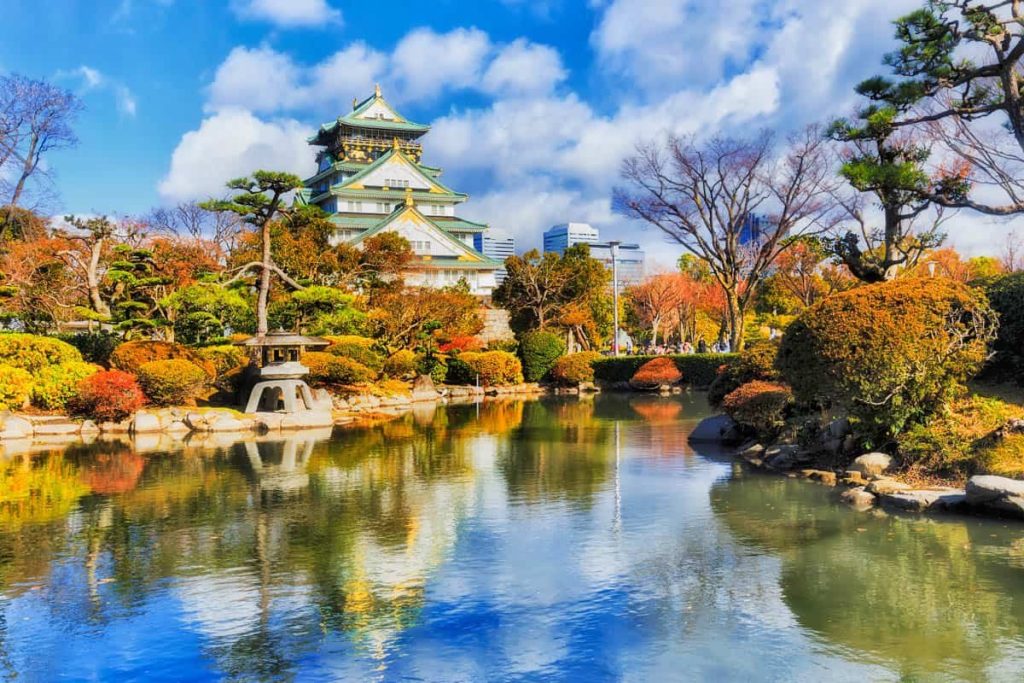
Every itinerary through Osaka starts somewhere, and the most logical place is the building that has dominated the city since Toyotomi Hideyoshi began construction in 1583.
Osaka Castle (Osaka-jo), on its stone-walled island in the Chuo Ward moat, is the defining landmark of the city and one of Japan’s most visited historical monuments. The current main tower is a 1931 concrete reconstruction of the original 16th-century structure (destroyed multiple times across the intervening centuries), with an 8-floor interior museum covering the history of Osaka Castle and the Toyotomi clan, and a rooftop observation deck at the 8th floor giving views over the castle grounds, the moat, and the modern city rising behind the ancient walls.
The Osaka Castle Museum is the one inside the main tower with its historical collections and the rooftop observation. The surrounding castle park (Nishinomaru Garden and the main grounds) is free to walk through and most beautiful in cherry blossom season (late March to early April) and in November during the autumn leaf season.

Dotonbori and Namba
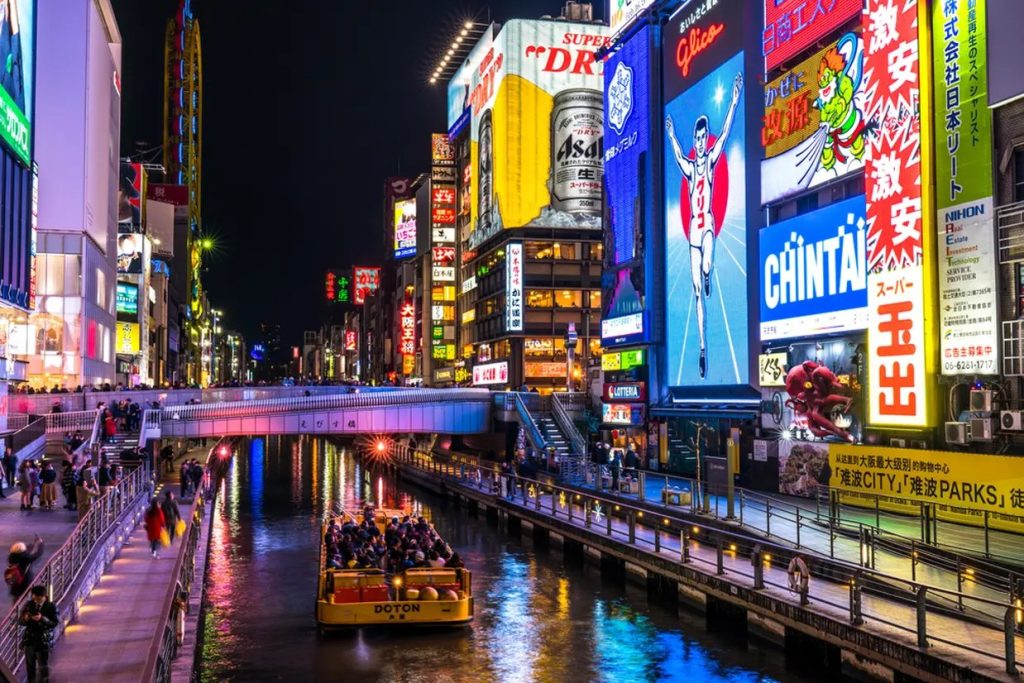
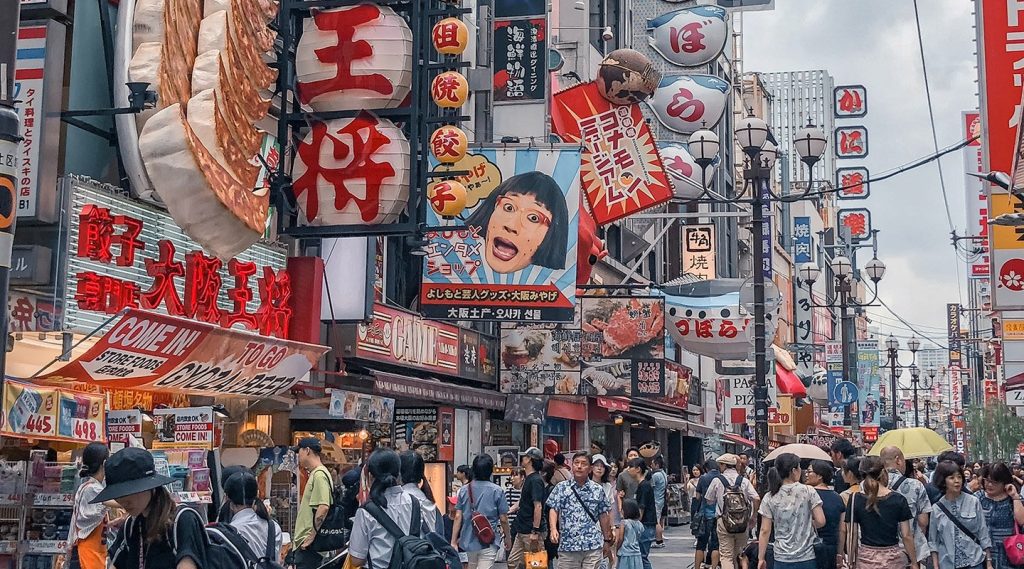
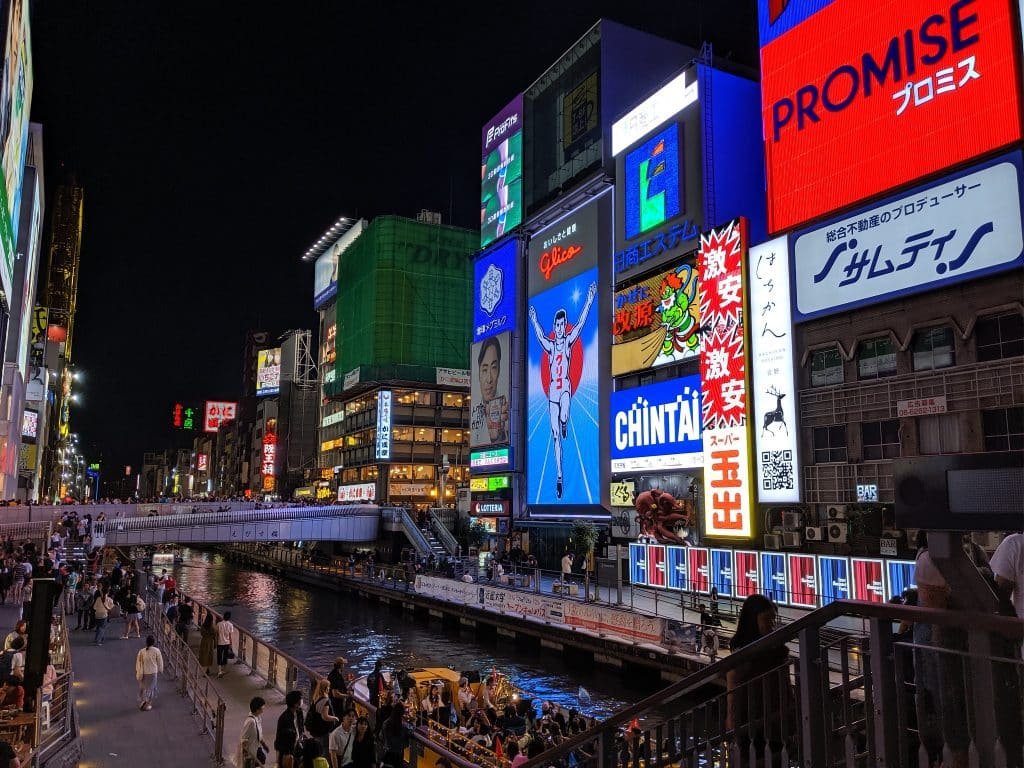
From the castle, the Osaka Metro takes you south to the experience that most people come to Osaka specifically for. Dotonbori is the entertainment canal district in Namba that functions as the visual and culinary centre of everything that makes the city famous. This includes the neon signs, the giant mechanical crab of the Kani Doraku restaurant, the Glico Running Man illuminated sign, the takoyaki stalls, the restaurants spilling out over the canal, and the particular energy of a street that is simultaneously one of the most photographed in Japan and exactly as good as the photographs make it look.
The Dotonbori Night Sightseeing Cruise takes visitors through the canal on a guided boat, seeing the neon reflections on the water and the illuminated facades from the water level perspective that the bridge viewpoints cannot replicate. Evening departures give the most spectacular version of the Dotonbori visual experience.
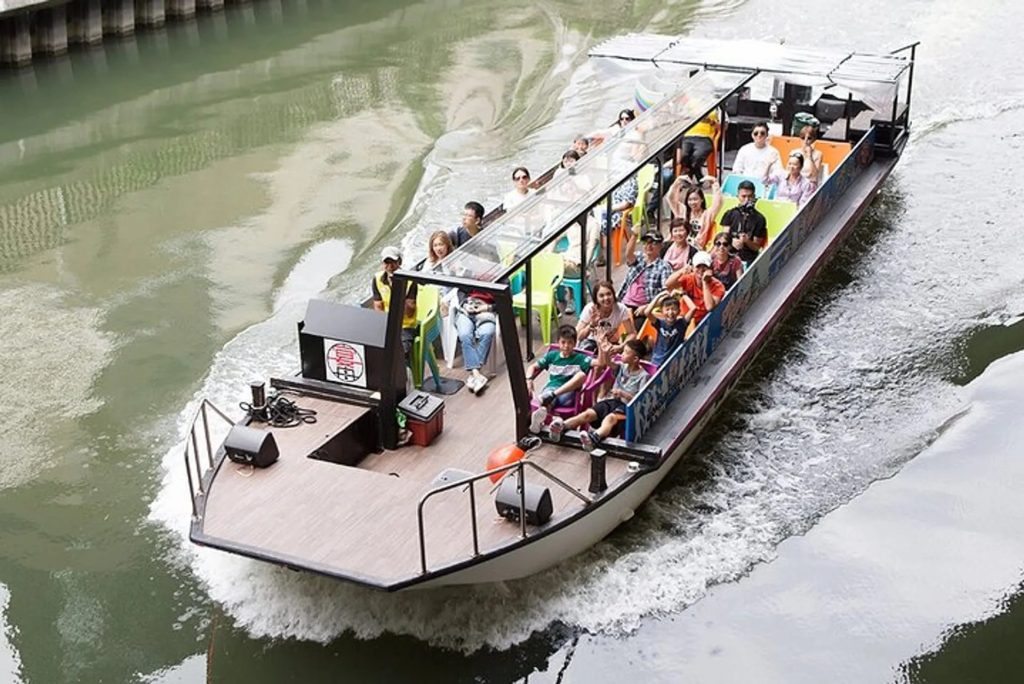
The Osaka Wonder Cruise covers a wider circuit of Osaka’s waterways, extending the river journey beyond the Dotonbori canal into the broader network of canals and rivers that cross the city.
Namba is the broader district surrounding Dotonbori, with the Shinsaibashi shopping street (covered arcade running north from Namba), the Hozenji Yokocho lane (a narrow alley of traditional restaurants beside a moss-covered stone Buddha), the Namba Parks mall, and the Kuromon Ichiba Market (the kitchen of Osaka, a 580-metre covered market with some of the freshest seafood and most energetic street food in the city).


Universal Studios Japan
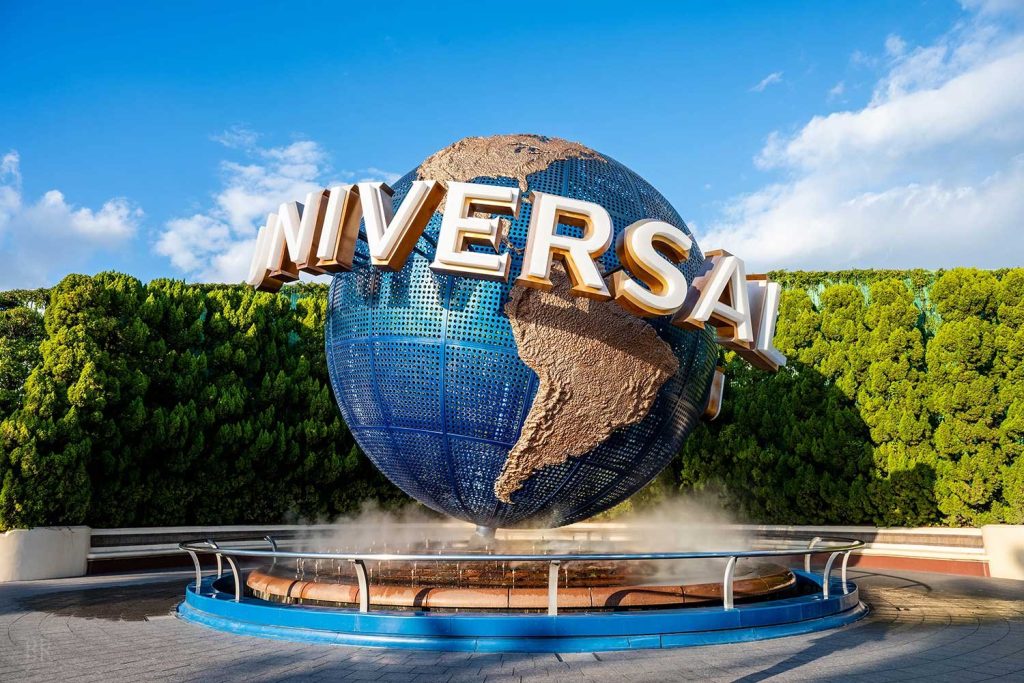
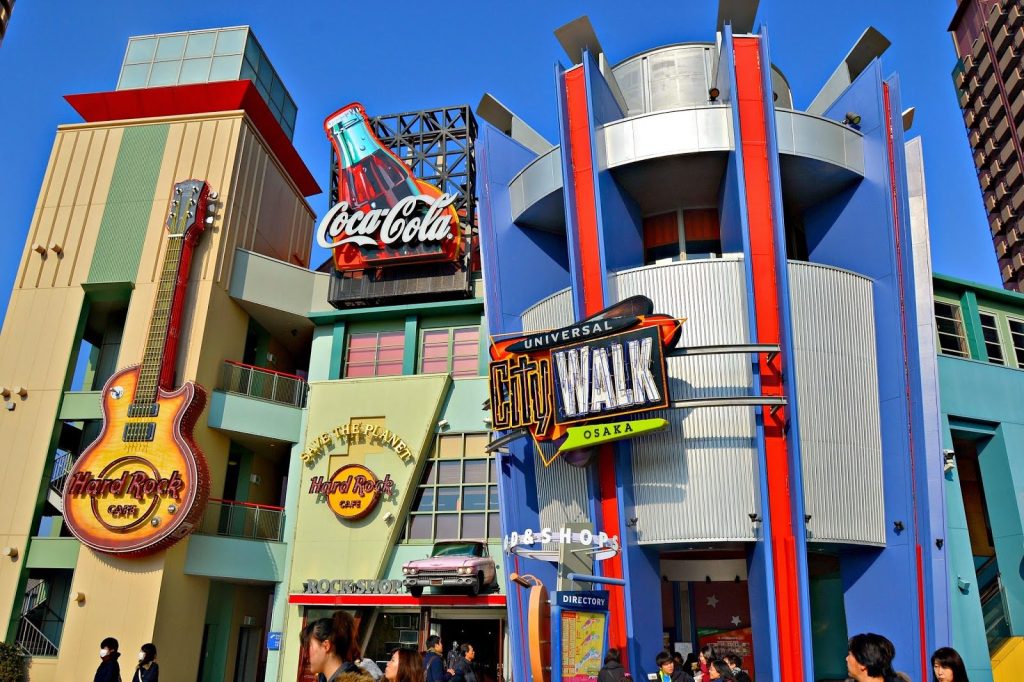
From Namba, the Sakurajima Line (from JR Namba or Osaka Station) reaches the western waterfront and one of the most popular theme parks in Asia. Universal Studios Japan (USJ) in the Konohana Ward is the Japanese Universal park, drawing approximately 14 million visitors annually and consistently ranked among the most visited theme parks in the world.
The signature experience at USJ is The Wizarding World of Harry Potter, an immersive zone recreating Hogsmeade village and Hogwarts Castle with extraordinary fidelity. The main attractions, Harry Potter and the Forbidden Journey (a dark ride through Hogwarts), and Flight of the Hippogriff (an outdoor coaster above the village) are the headline experiences.
Butterbeer, the chocolate frog, and the wand experience are the essential secondary activities within the zone.
Beyond the Wizarding World, USJ covers Super Nintendo World (a physically immersive Mario Kart and Donkey Kong zone), Minion Park, Jurassic World, Hollywood Dream the Ride (a forward-and-backward rollercoaster), and the Despicable Me and Transformers attractions.
The park requires a full day, so planning your arrival at opening and using the Express Pass to skip the longest queues is the most effective strategy.
The Universal Studios Japan Express Pass provides skip-the-line access to the most popular attractions at USJ and is strongly recommended for any visit during school holidays, weekends, and peak season.

Shinsekai and Tennoji
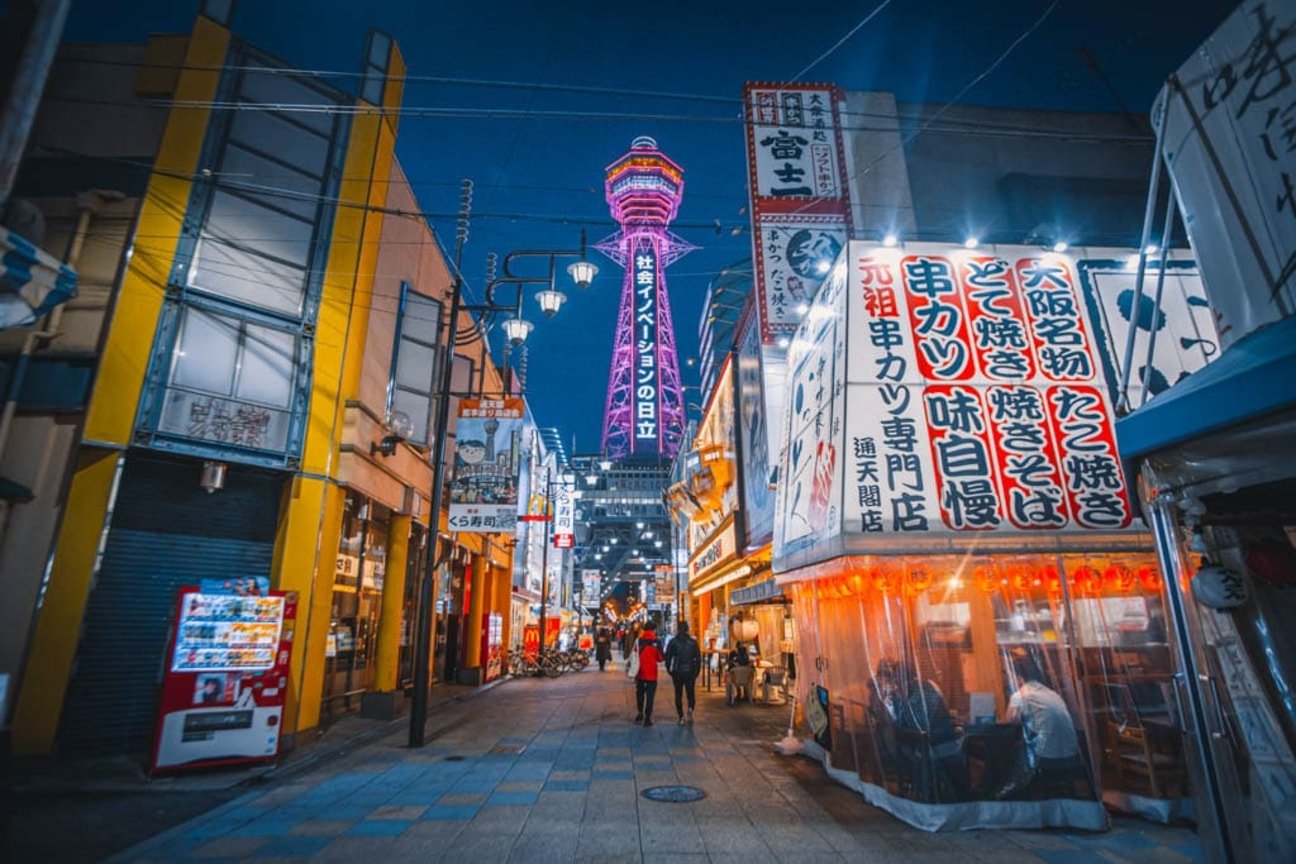
Heading south from Namba brings you to one of the most characterful areas of Osaka. Shinsekai (New World) in the Naniwa Ward is a retro entertainment district built in 1912 that somehow preserved the atmosphere of a 1950s Osaka working-class entertainment quarter while everything around it modernized.
The narrow streets lined with kushikatsu (deep-fried skewer) restaurants, pachinko parlours, and the distinctive Billiken luck charm shops give it a character unique in Japan.
The Tsutenkaku Tower is the symbol of Shinsekai. It is a 108-metre lattice tower (the 1912 original stood at 64 metres and the current version was rebuilt in 1956), visible above the neighbourhood's low rooflines and housing observation decks at 87.5 and 91.5 metres with views over southern Osaka.
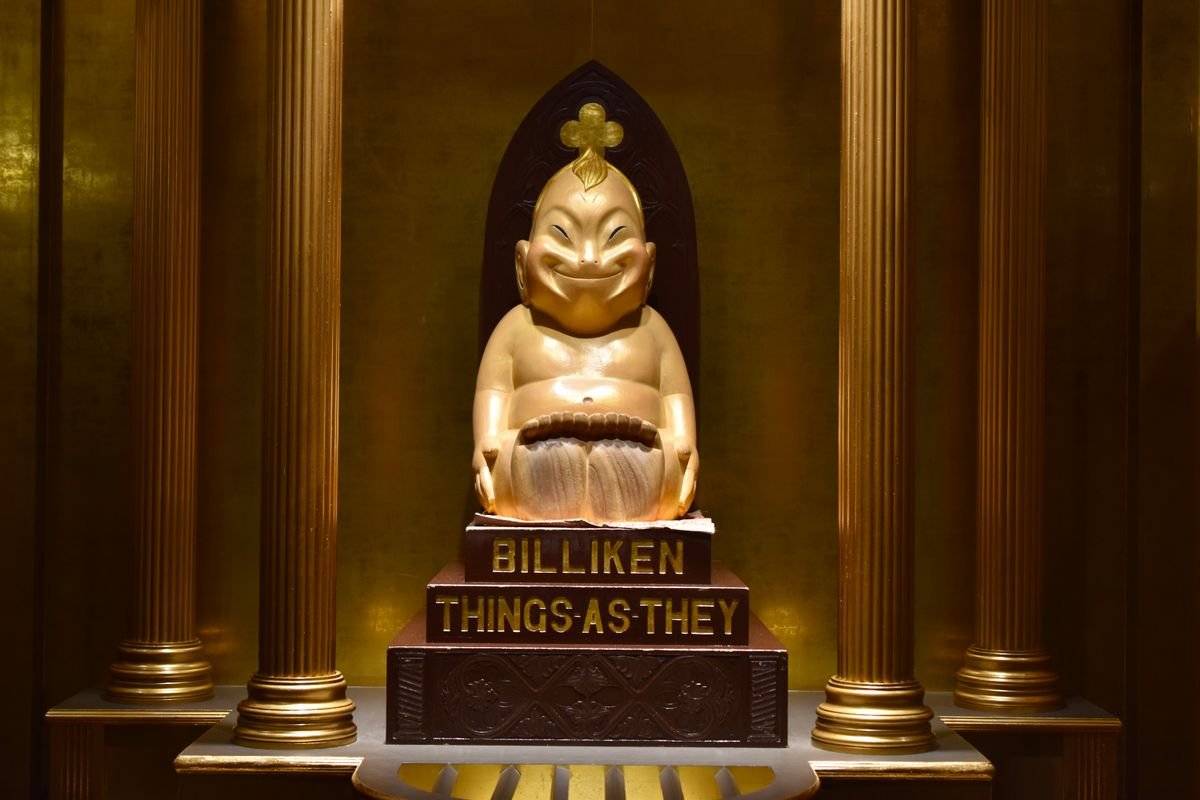
The Billiken deity (the god of things as they ought to be) statue on the observation floor is the neighbourhood's defining icon. Rubbing the soles of his feet is considered lucky.
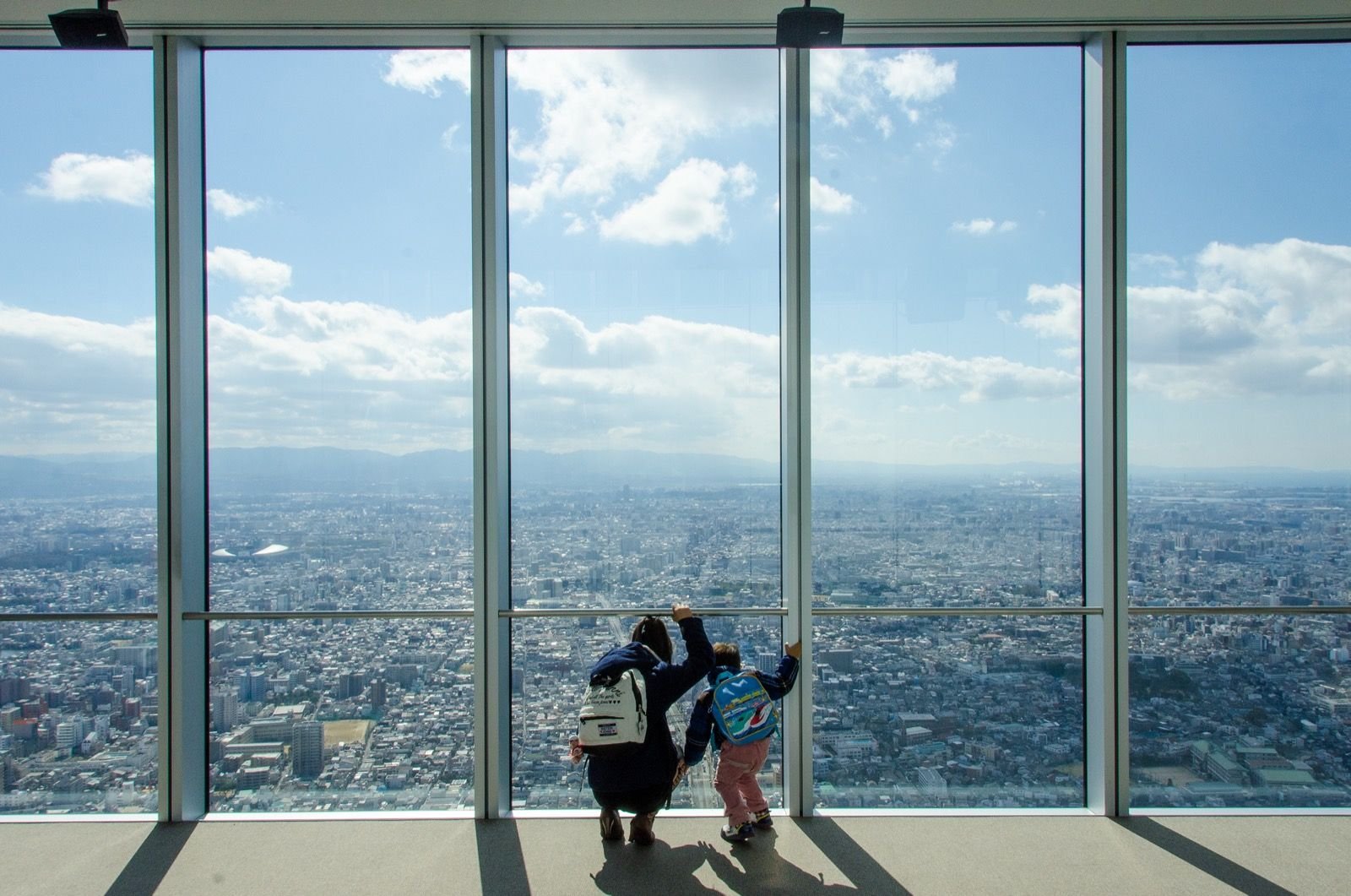
Tennoji, a short walk from Shinsekai, is the southern hub of Osaka with Abeno Harukas rising above the Tennoji station complex. It is a 300-metre skyscraper that is the tallest building in the Kansai region and in Osaka (surpassed nationally by Tokyo's Azabudai Hills Mori JP Tower in 2023) and home to the Harukas 300 Observatory on the 58th through 60th floors, giving the highest public viewpoint in Osaka with unobstructed 360-degree views across the city, the bay, and the surrounding mountains of the Kansai region.
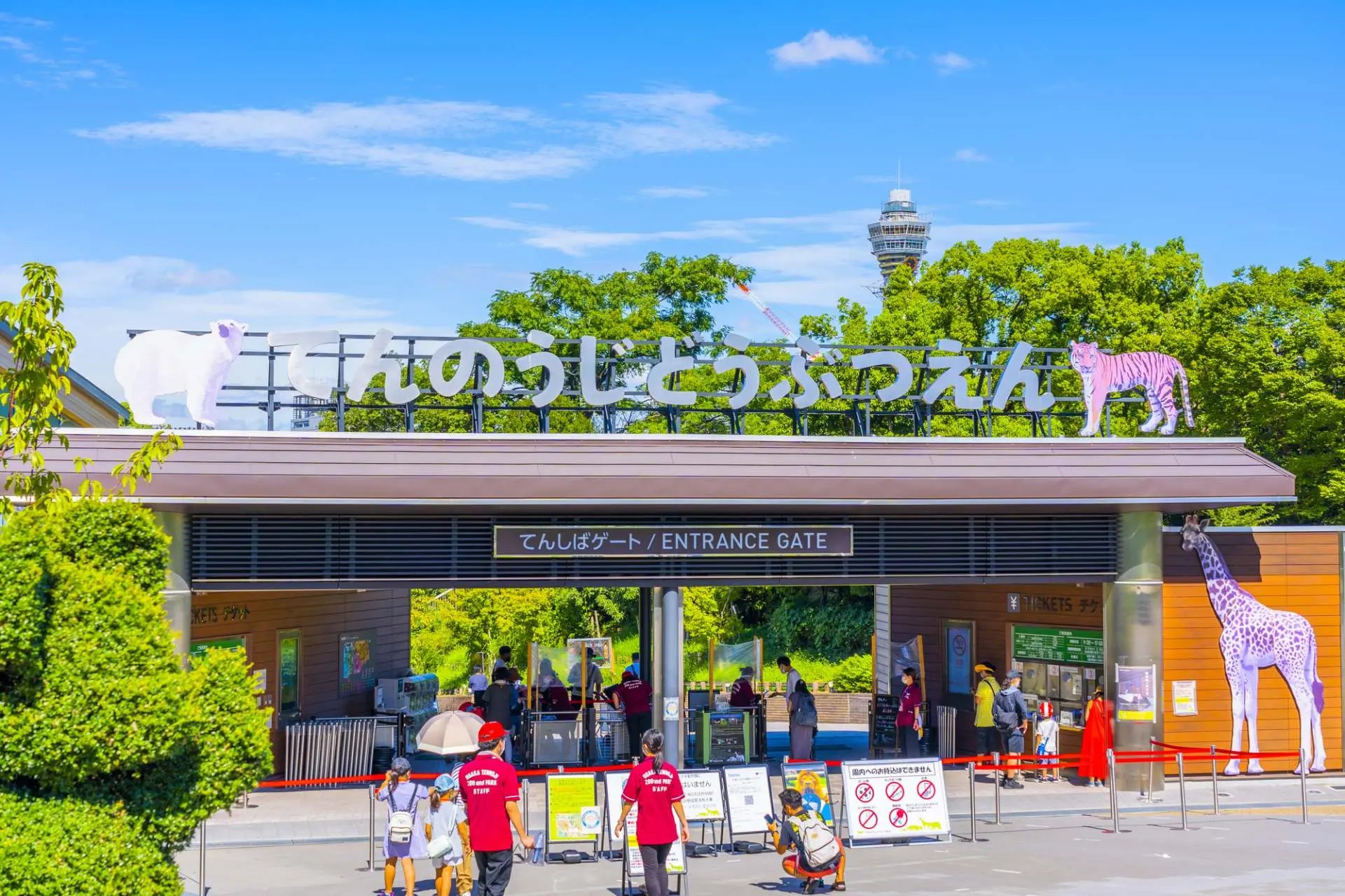
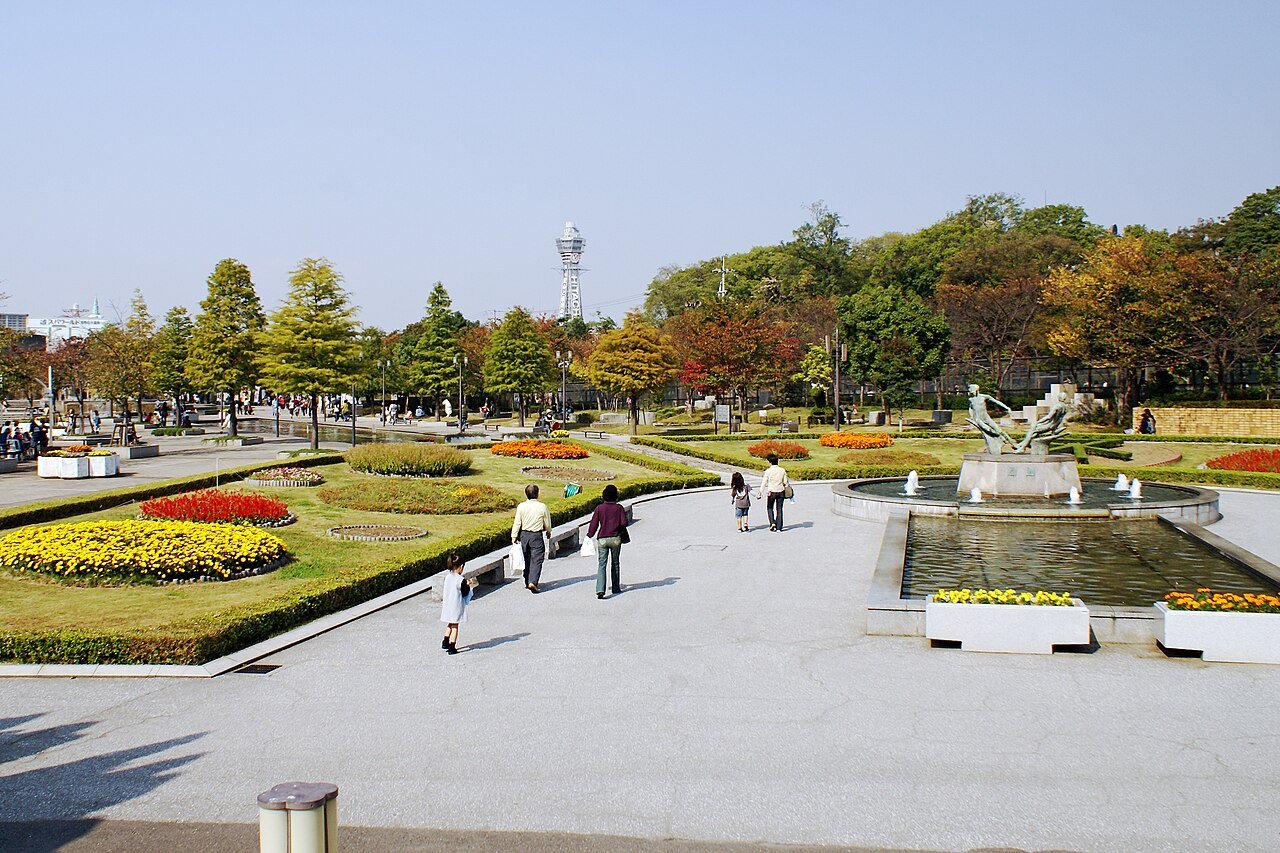
Tennoji Zoo adjacent to the station is one of the oldest zoos in Japan (1915), and Tennoji Park surrounding it is the most relaxed green space in southern Osaka.


Umeda and the North
From Tennoji, the Midosuji Line runs north through the city to the other great commercial hub.
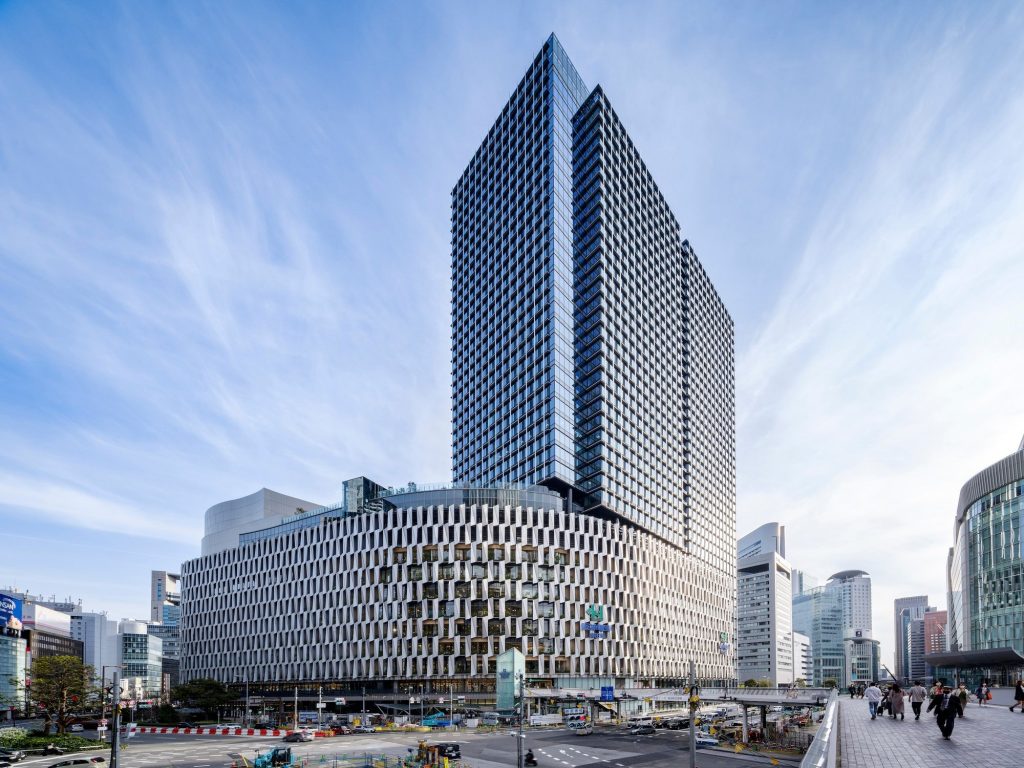
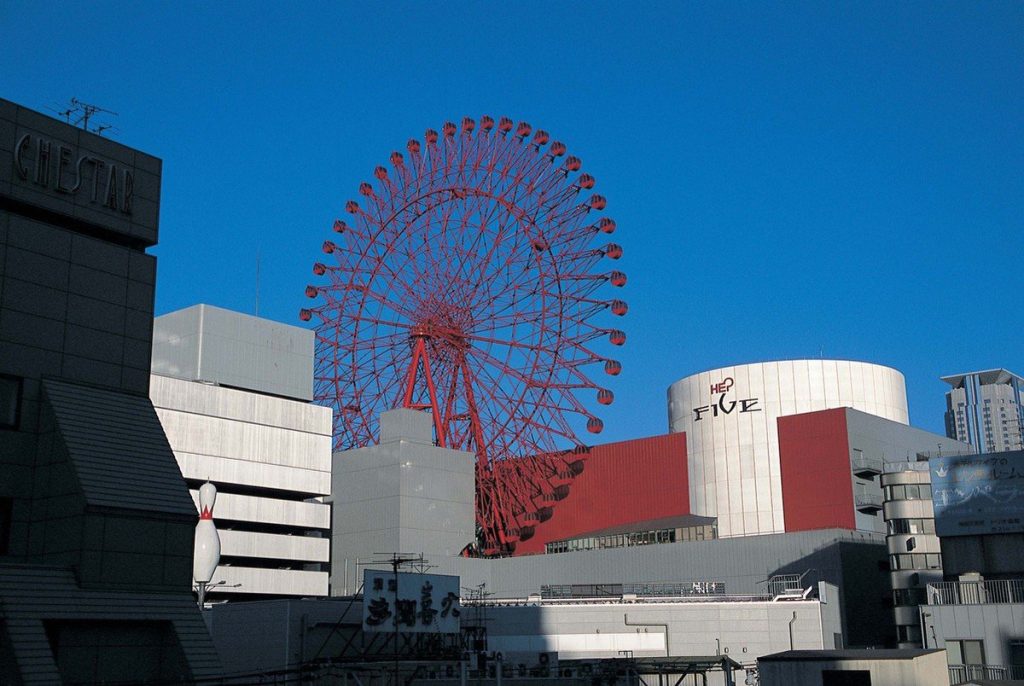
Umeda (also known as Kita, the north) is Osaka's most modern and most commercially intense district, with the Osaka Station complex and its connected shopping malls (Lucua, HEP Five, Grand Front Osaka, and the Whity Umeda underground shopping city), the Daimaru and Hankyu department stores, and a concentration of restaurants and bars that rivals Namba for variety.
The HEP Five Ferris Wheel on the roof of the HEP Five shopping mall in Umeda is a red 106-metre Ferris wheel elevated above the Osaka roofscape, with gondolas giving views over the Umeda skyscrapers and north toward Kyoto on clear days. It is a short, enjoyable way to see the northern city from above.
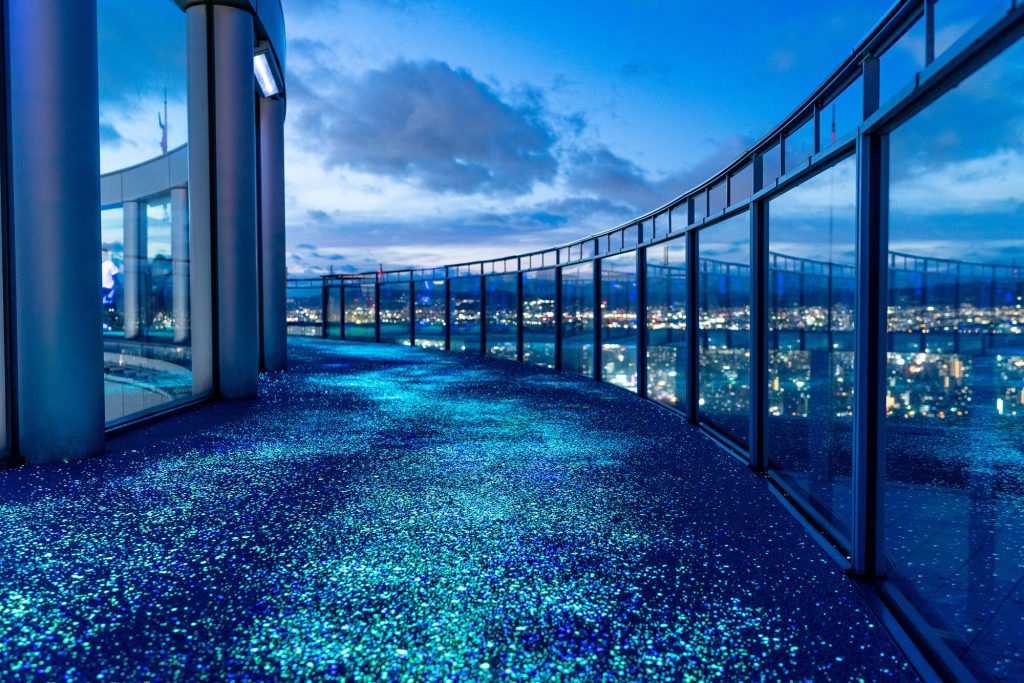
The Umeda Sky Building, to the northwest of Osaka Station, is the most architecturally distinctive structure in the city. You’ll see two towers connected at the 39th and 40th floors by the Floating Garden Observatory and a circular rooftop garden suspended 173 metres above the street.
The approach from below through the mid-tower escalator is one of the more dramatic architectural sequences in Osaka.


The Bay Area
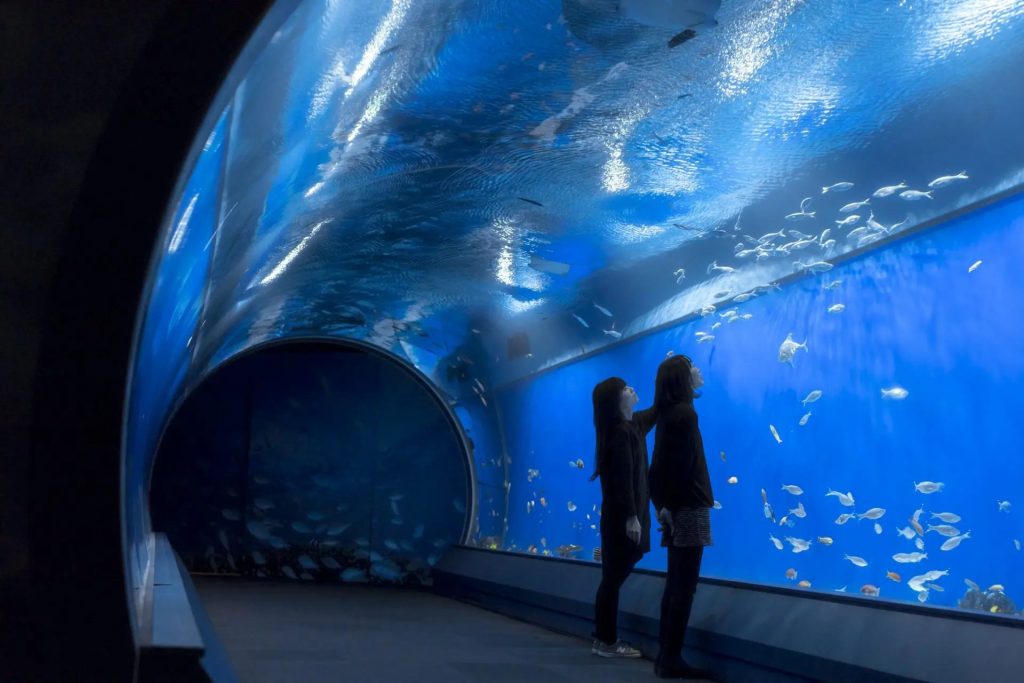
West of the city centre, Osaka Bay has been developed as a leisure and tourism precinct, most notably anchored by the Osaka Aquarium Kaiyukan, one of the finest aquariums in the world with a central Pacific Ocean tank housing whale sharks. The bay area is connected to the city by Metro and by the ferry network.
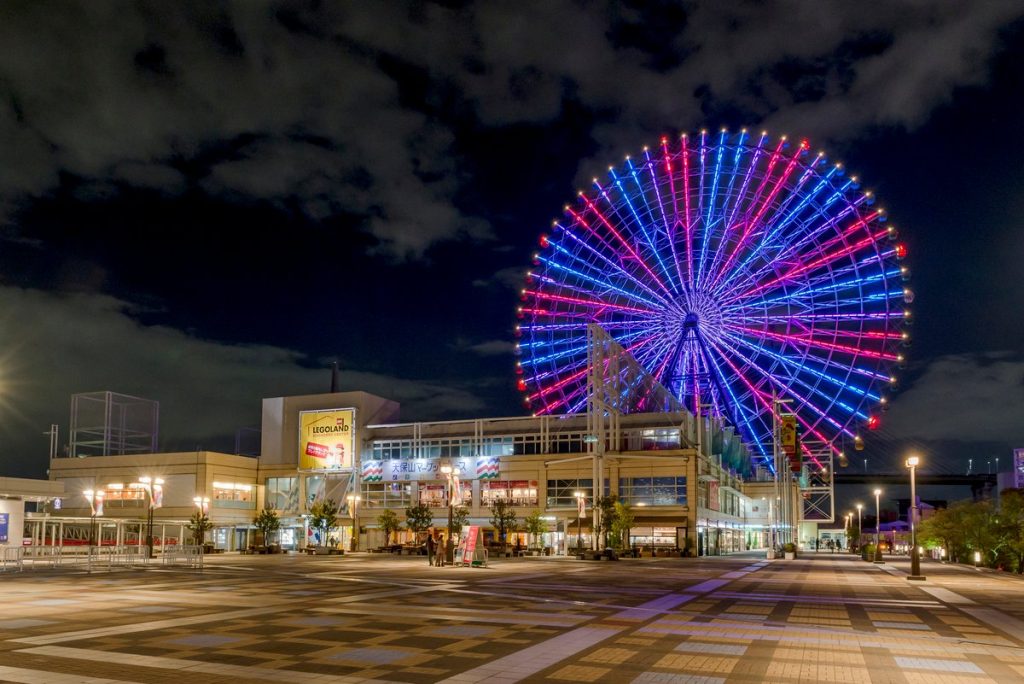
The Tempozan Ferris Wheel at the entrance to the aquarium complex is one of the largest Ferris wheels in Japan at 112.5 metres, with a colour-coding system that indicates the next day's weather forecast based on the lighting pattern used after dark. Standard and translucent-floor gondola options are available.
The Osaka Wonder Cruise departs from the bay area and covers Osaka's waterway network in one of the most enjoyable sightseeing boat routes in the city.

teamLab Botanical Garden Osaka
From the bay, the city's most extraordinary immersive art experience awaits in a setting that makes it unlike anything teamLab has produced elsewhere.
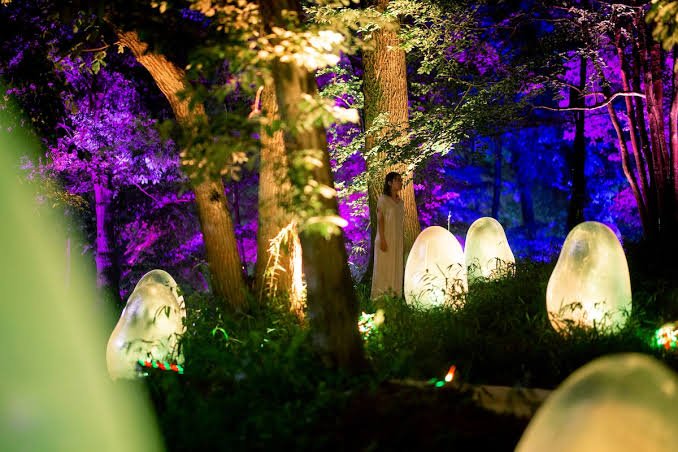
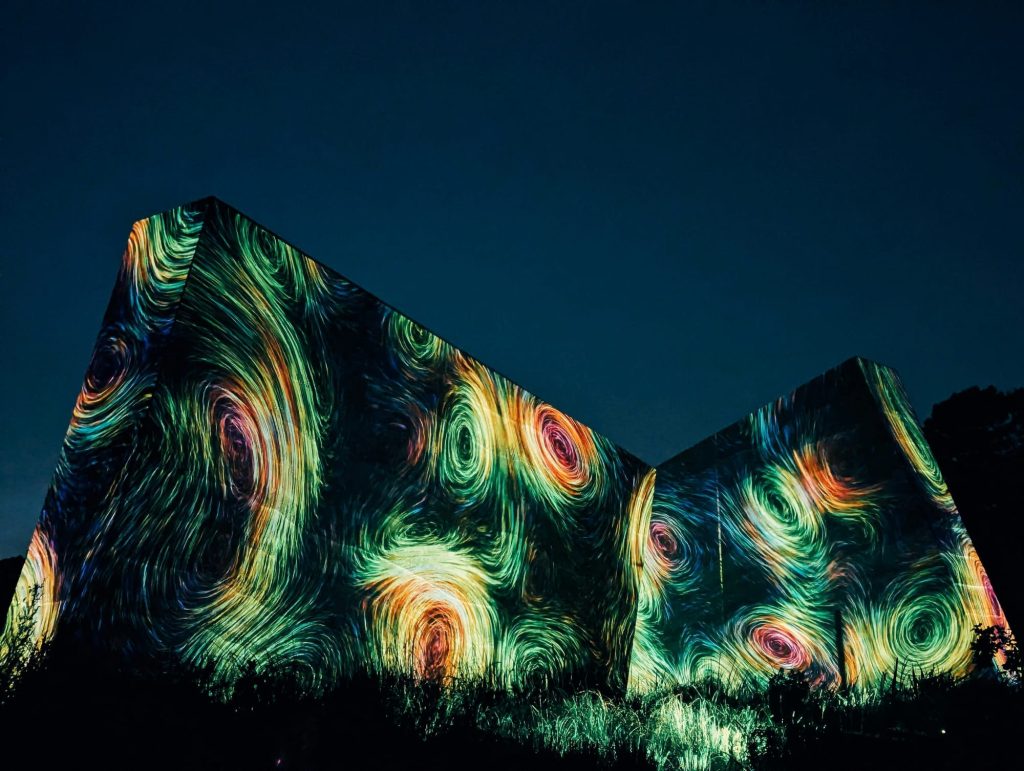
teamLab Botanical Garden Osaka in Nagai Park in the southern part of the city transforms the botanical gardens of the Nagai Botanical Garden after dark, with projections, light installations, and interactive digital art covering the trees, flower beds, and pathways of a working botanical garden in a way that creates something between a nature walk and a light show.
The experience is fundamentally different from teamLab Planets in Tokyo, which is outdoor, seasonal, and shaped by the garden's own botanical character, with different species illuminated in different ways. Book in advance because the evening slots sell out consistently.


Kids Plaza Osaka and MIRACLE WORLD
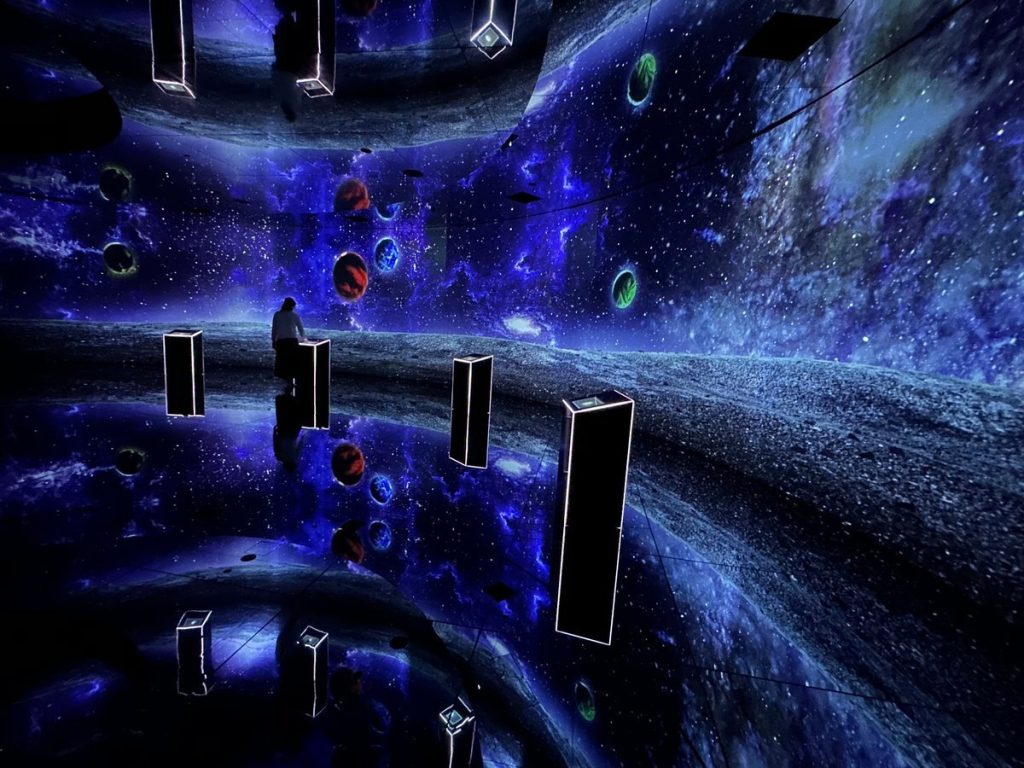
Two family-specific attractions in the Nakanoshima and central areas deserve mention for visitors with younger children.
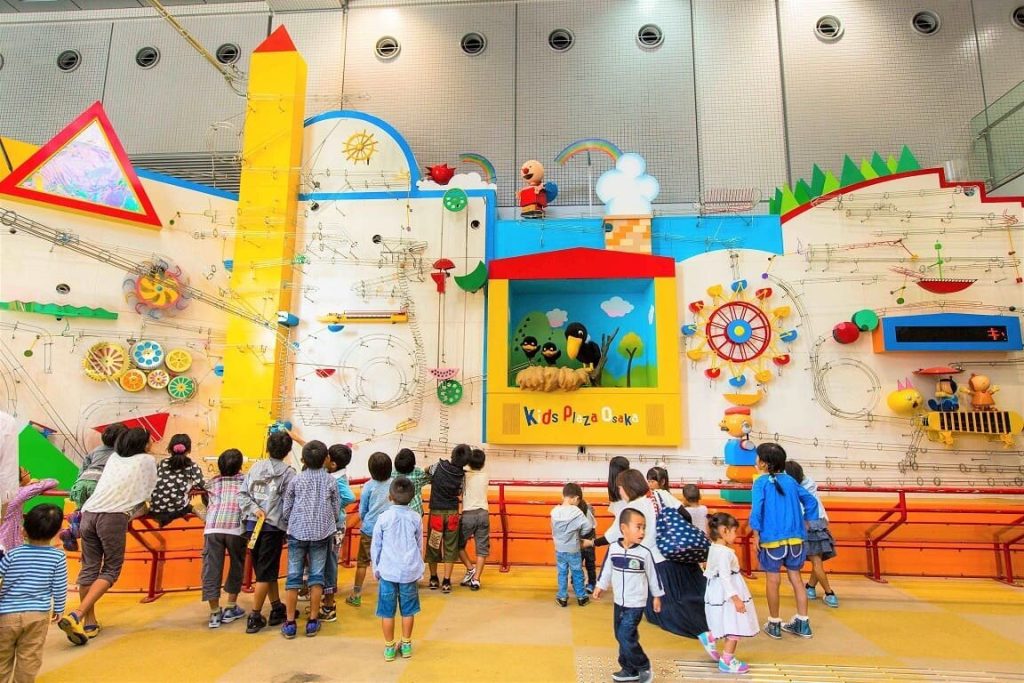
Kids Plaza Osaka in Nakanoshima is Japan's first museum designed entirely for children, covering science, nature, culture, and creativity through hands-on interactive exhibits across multiple floors.
The bubble laboratory, the shadow wall, the post office simulation, and the outdoor play area make it one of the most genuinely engaging children's museums in the country.
MIRACLE WORLD Osaka is the interactive digital art experience in the city designed for family audiences. It includes immersive projection rooms, interactive floor installations, and creative digital environments covering a full variety of themes and sensory experiences.


Onsen in Osaka
After the eating, walking, and theme park days, the onsen culture provides the correct physical response. Osaka has excellent hot spring bathing facilities that draw their water from deep below the city's surface.
Osaka Tennen Onsen Naniwanoyu in the Tenjinbashisuji neighbourhood is one of the most conveniently located natural hot spring facilities in central Osaka, drawing genuine geothermal water from underground with indoor and outdoor baths at different temperatures and an attached restaurant. It is the most accessible onsen option for visitors staying in the northern city area.
Solaniwa Onsen Osaka in the bay area adjacent to the USJ neighbourhood is the most dramatic onsen facility in Osaka. It is a large-scale hot spring resort designed around an Edo-period Japanese village aesthetic, with multiple indoor and outdoor baths, steam rooms, relaxation areas, and a food court in a theatrical period setting. The outdoor bath under the night sky is the centrepiece.


Food in Osaka
The food is the reason to visit Osaka. The city has a saying: Kyoto people spend their money on clothes; Osaka people spend it on eating. This is not a criticism. It is a genuine reflection of civic priorities.
Takoyaki (octopus balls) is the defining Osaka street food: a batter ball with a piece of octopus inside, cooked in a special round-moulded iron pan, topped with takoyaki sauce, mayonnaise, bonito flakes, and dried seaweed. The best are eaten piping hot and slightly runny inside, from one of the hundreds of takoyaki stalls throughout the city. Dotonbori has several of the most celebrated.
Okonomiyaki is the other headline dish: a savoury pancake of batter, cabbage, egg, and a variety of toppings (pork, seafood, cheese) cooked on a griddle and topped with the same sauce and mayonnaise combination as takoyaki. The Osaka version is mixed and cooked all together (as opposed to the Hiroshima version, which layers the ingredients). Many okonomiyaki restaurants provide griddle tables where you cook your own.
Kushikatsu in Shinsekai is the deep-fried skewer experience: meat, vegetables, seafood, and cheese on wooden skewers, battered and fried, dipped in a shared communal sauce. The golden rule of Shinsekai kushikatsu was traditionally that you never double-dip the skewer in the shared communal sauce. Since 2020, most establishments have replaced communal vats with individual squeeze bottles or sauce dishes, so the practical concern has largely disappeared, but the rule is still worth knowing as part of the cultural context.
Ramen in Osaka tends toward a tonkotsu-soy hybrid that is lighter than the Fukuoka tonkotsu style and richer than the Tokyo shoyu. The ramen alley in the Shin-Osaka station complex has the most concentrated selection.
The Kuromon Ichiba Market near Namba is the best single place to eat across multiple food types in one morning with fresh tuna, grilled shellfish, wagyu beef, tamagoyaki (rolled egg), and fresh fruit, all within a covered 580-metre arcade that the Osaka restaurant trade uses as its daily market.
Day Trips from Osaka
Osaka's position in the Kansai region makes it the best single base for regional exploration in Japan.
Kyoto (12 to 15 minutes by Shinkansen from Shin-Osaka Station, or 30 to 45 minutes from central Osaka by the JR Special Rapid, Hankyu, or Keihan lines) contains the greatest concentration of traditional Japanese culture in the country. You get to explore the Fushimi Inari Shrine with its thousands of torii gates, the Arashiyama bamboo grove, the geisha district of Gion, Kinkaku-ji (Golden Pavilion), Nijo Castle, and dozens of temples and gardens across a city that was the imperial capital for over a thousand years.
Nara (35 to 45 minutes by Kintetsu express from Namba, or JR Yamatoji Line from Osaka or Tennoji. There is no Shinkansen to Nara) has the Great Buddha of Todai-ji (the largest bronze Buddha in Japan at 15 metres, housed in the largest wooden building in the world), the friendly deer that roam the park freely, and Kasuga Grand Shrine with its hundreds of stone and bronze lanterns.
Hiroshima and Miyajima (about 1 hour 15 minutes to 1 hour 30 minutes by the Nozomi or Mizuho Shinkansen from Shin-Osaka) covers the Peace Memorial Museum and the A-Bomb Dome in Hiroshima alongside the island shrine of Miyajima with the famous floating torii gate of Itsukushima Shrine.
Kobe (about 30 minutes by Hankyu Limited Express or JR Special Rapid from central Osaka, or just 12 minutes by Shinkansen from Shin-Osaka to Shin-Kobe) is the port city famous for its wagyu beef, its international character from centuries of foreign trade, the Kitano foreign settlement district with preserved 19th-century residences, and the view from the Nunobiki Herb Garden on the hillside above the city.
When to Visit Osaka
Spring (late March to early May) is the most popular season. The cherry blossom season typically falls in late March to mid-April in Osaka, with Osaka Castle Park and the Kema Sakuranomiya Park along the Okawa River being the most celebrated viewing locations.
Temperatures from 12 to 20°C and the visual spectacle of cherry blossoms make this the most visited period.
Golden Week (late April to early May) is a national holiday week that fills every tourist site and transport with domestic visitors, so plan around it or within it.
Autumn (September to November) is the second-best window. September is still warm (24 to 28°C), and the summer humidity drops significantly. October and November bring cooler temperatures (15 to 22°C) and autumn leaf colour across the city parks, with the Osaka Castle grounds and Nagai Park particularly beautiful in late November.
Summer (June to August) is hot and extremely humid (32 to 36°C), with the rainy season (tsuyu) bringing daily rain through June and into early July before a hot, clear August. The Tenjin Matsuri festival in late July is one of the three great festivals of Japan, with fireworks, processions, and boat ceremonies on the Okawa River.
Winter (December to February) is cold (4 to 10°C) but clear, with excellent visibility for views from the observatory towers, low visitor numbers at most sites, and the lowest hotel rates of the year. The illumination events at Osaka Castle and the bay area shopping complexes through December are worth seeking out.
Practical Tips Before You Go
- Register on Visit Japan Web at vjw.digital.go.jp before departure. It takes 15 minutes and makes the Kansai Airport immigration process significantly faster.
- Get an IC card immediately on arrival. Mobile Suica on Apple Pay or Google Pay is the most convenient, but a physical Icoca or Suica card bought at any major station works equally well. Load enough for the first few days and top up at station machines throughout the city.
- The Osaka Amazing Pass is one of the best city passes in Japan. If you plan to visit multiple attractions and use the Metro regularly across one or two days, it pays for itself quickly.
- Tipping is not done in Japan under any circumstances. Exceptional service is the standard expectation, not something requiring additional payment.
- Cash is more important than expected. Many smaller restaurants, street food stalls, and some onsen facilities are cash only. Withdraw yen from ATMs at 7-Eleven or Japan Post. These reliably accept foreign cards.
- Dotonbori is best in the evening when the neon signs are at their most spectacular. But the takoyaki stalls start serving from mid-morning, and the Kuromon Market is a morning destination. So plan both into the same Namba day.
- Book teamLab Botanical Garden well in advance, particularly for weekend and public holiday evening slots, which sell out significantly ahead of time.
- Trains stop at approximately midnight. Note the last train time before committing to a late evening. Taxis after midnight exist but are expensive in Japan.
Osaka is the city that makes Japan feel most immediately accessible. The warmth of the people, the quality of the food at every price point, the spectacular energy of Dotonbori at 10 pm, the sheer scale of USJ, and the quiet of Osaka Castle at dawn in cherry blossom season all exist within the same city and within the same few days of a visit that rewards every hour you give it.
Ready to explore Osaka? Book your Osaka Castle tickets, USJ Express Pass, Harukas 300 Observatory, teamLab Botanical Garden, onsen experiences, and canal cruises all in one place through Thrillark, and start planning the Kansai trip that earns every superlative you will reach for when you describe it afterward.
Frequently Asked Questions About Osaka
Do you need a visa to visit Osaka?
Citizens of approximately 70 countries can visit Japan visa-free for stays of 15 to 90 days depending on nationality. Citizens of the US, UK, Canada, Australia, and EU nations qualify for 90-day visa-free entry. Indian nationals require a visa from the Embassy of Japan. Register on Visit Japan Web at vjw.digital.go.jp before departure regardless of visa status to speed up airport immigration.
What is the Osaka Amazing Pass, and is it worth buying?
The Osaka Amazing Pass covers unlimited Osaka Metro and bus travel plus free admission to over 40 major attractions for 1 or 2 consecutive days, including Osaka Castle, the Umeda Sky Building Observatory, Tsutenkaku Tower, and cruise tickets. For visitors planning to cover three or more paid attractions and using public transport regularly, it consistently saves money compared to individual purchases. It is available through Thrillark.
What is Universal Studios Japan, and how do you get there?
Universal Studios Japan is one of the most visited theme parks in Asia, featuring The Wizarding World of Harry Potter, Super Nintendo World, Jurassic World, and more. Take the JR Yumesaki Line (Sakurajima Line) from JR Osaka Station (Umeda) to Universal City Station, a journey of about 15 minutes. The Universal Studios Japan Express Pass from Thrillark provides skip-the-line access to the most popular attractions and is strongly recommended during school holidays and peak season.
What is the best way to get from Kansai Airport to central Osaka?
The Nankai Rapi:t express train from KIX to Namba takes approximately 38 minutes and is the fastest connection to the southern city centre. The JR Haruka limited express connects to Tennoji, Shin-Osaka, and points along the JR network in about 30 to 50 minutes. Both accept IC cards. Taxis from the airport are impractical due to distance and cost.
What is Dotonbori, and what makes it special?
Dotonbori is the canal entertainment district in Namba that serves as the visual and culinary heart of Osaka: a dense street of neon signs, giant mechanical crabs, restaurant facades, and takoyaki stalls along a canal lined with bridges and viewpoints. It is best visited in the evening when the neon is at full brightness, and the Dotonbori Night Sightseeing Cruise from Thrillark gives the canal experience from the water level with the reflections of the lights on the surface.
What is the best onsen in Osaka?
Solaniwa Onsen Osaka in the bay area is the most spectacular, with an Edo-period village design, multiple indoor and outdoor baths, and the outdoor bath under the night sky as the centerpiece. Osaka Tennen Onsen Naniwanoyu in the Tenjinbashisuji neighbourhood is the most conveniently located for visitors staying in the northern city, with genuine geothermal water and a more compact, local atmosphere. Both are available through Thrillark.
What should you eat in Osaka?
Takoyaki (octopus balls with sauce, mayonnaise, and bonito flakes, eaten hot from a stall in Dotonbori) and okonomiyaki (the Osaka-style savoury pancake cooked on a griddle table) are the essential dishes. Kushikatsu in Shinsekai (deep-fried skewers, never double-dip the sauce) is the neighbourhood's defining food. The Kuromon Ichiba Market near Namba is the best single morning food destination for fresh seafood, wagyu beef, and street food across 580 metres of covered market.
Browse by themes
Top Things to Do in Japan