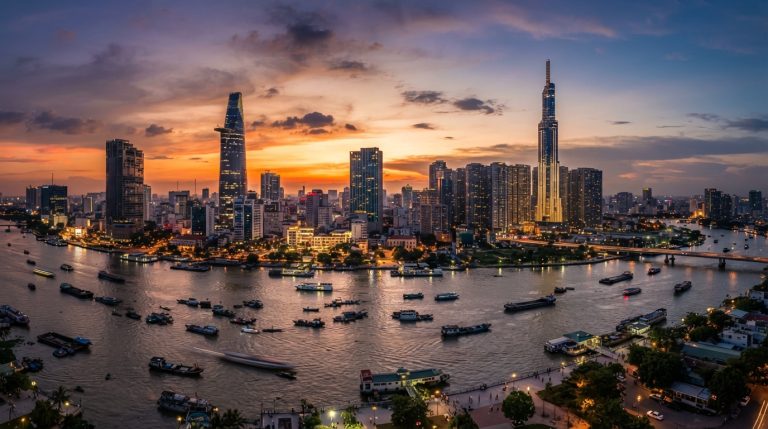
Amsterdam is a city that refuses to be ordinary. It has more bicycles than people (roughly 900,000 bikes to 880,000 residents), more canals than Venice, more museums per square kilometre than almost anywhere on Earth, and a liberal, thoughtful, slightly chaotic energy that makes it one of the most interesting cities in Europe to simply walk through without a plan.
The Dutch Golden Age built all of it: the canal ring, the merchant townhouses, the art, the trading culture, and the tolerance. What happened after is equally extraordinary.
Built on a peat bog and held together by 11 million wooden piles driven into the earth below the water table, Amsterdam is an engineering miracle that visitors tend to forget about because it is so beautiful you stop wondering how it works and start wondering how you can stay longer.
The UNESCO-listed canal ring (Grachtengordel) is the place to start. The Rijksmuseum, the Van Gogh Museum, the Anne Frank House, the Heineken Experience, the Stedelijk, the foam, the jenever bars, the Albert Cuyp Market, the Jordaan neighbourhood cafes, the late-night music at Paradiso: none of this is the same city, yet somehow it is all the same city.
Give Amsterdam three days, or give it more if you can.
Amsterdam City Essentials
Entry Requirements for Amsterdam
Citizens of EU nations, the US, UK, Canada, Australia, and most other Western countries can visit the Netherlands without a pre-arranged visa for stays of up to 90 days within any 180-day period under the Schengen Area rules.
Important from 2025: The European Union’s ETIAS (European Travel Information and Authorisation System) is being rolled out for visa-exempt non-EU nationals visiting the Schengen Area, including the Netherlands. This applies to citizens of the US, UK, Canada, Australia, and other countries who currently do not need a visa.
The ETIAS is an online pre-travel authorization (similar to the US ESTA) that must be obtained before departure. Check the current status and application process at travel.ec.europa.eu before booking flights, as the rollout timeline continues to be updated.
EU and Schengen Area passport holders do not require any pre-travel authorization.
Best Places to Stay in Amsterdam
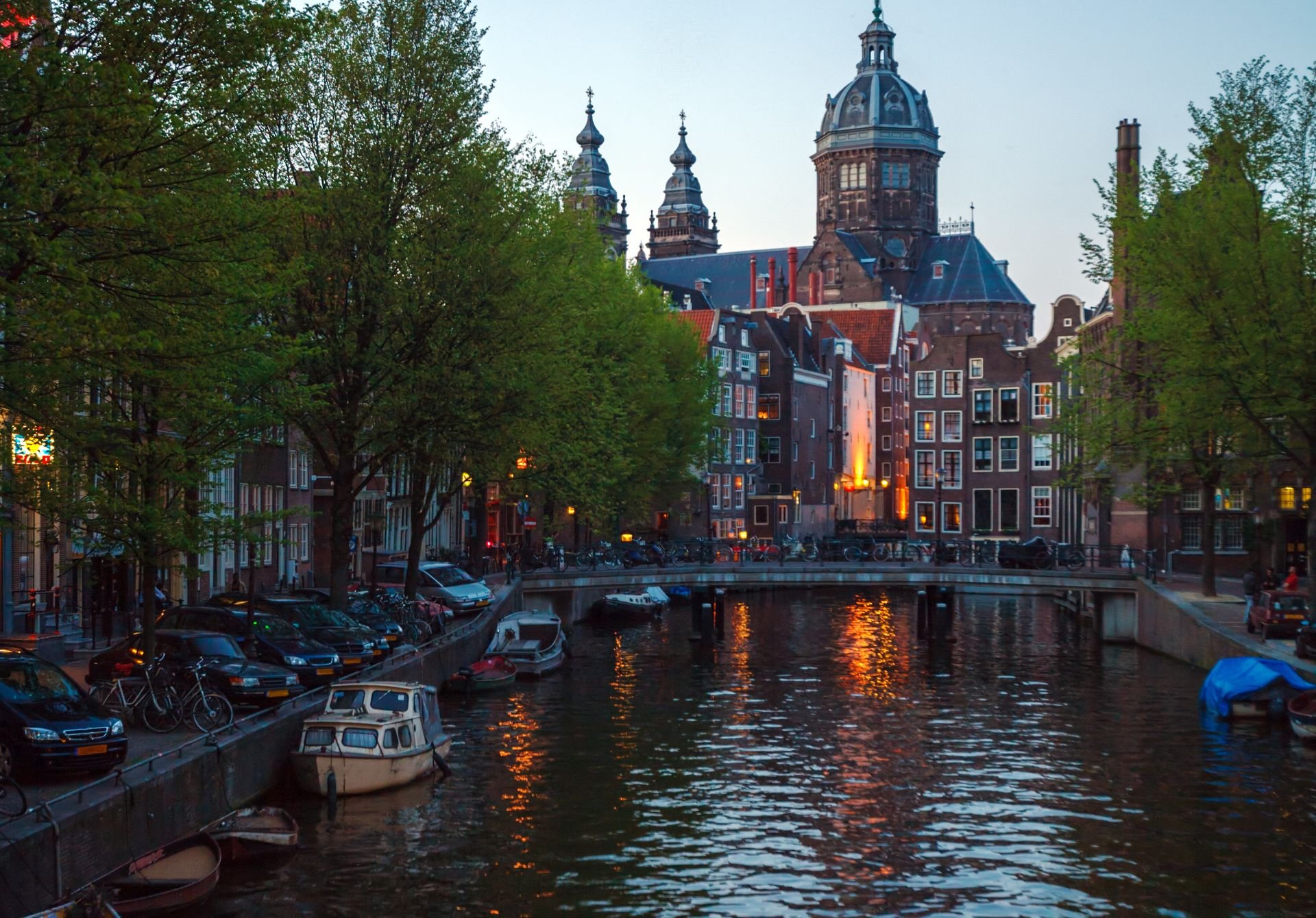
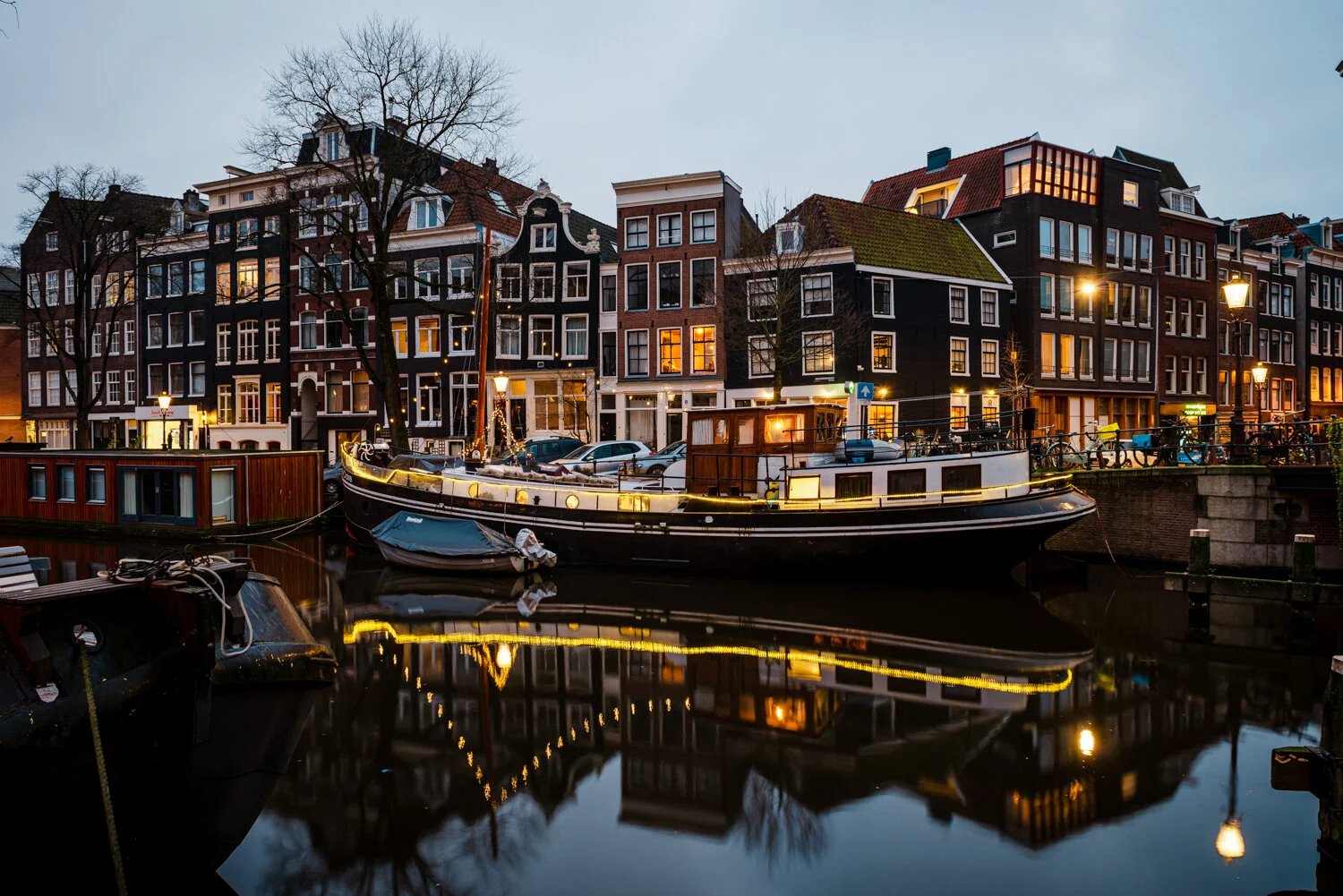
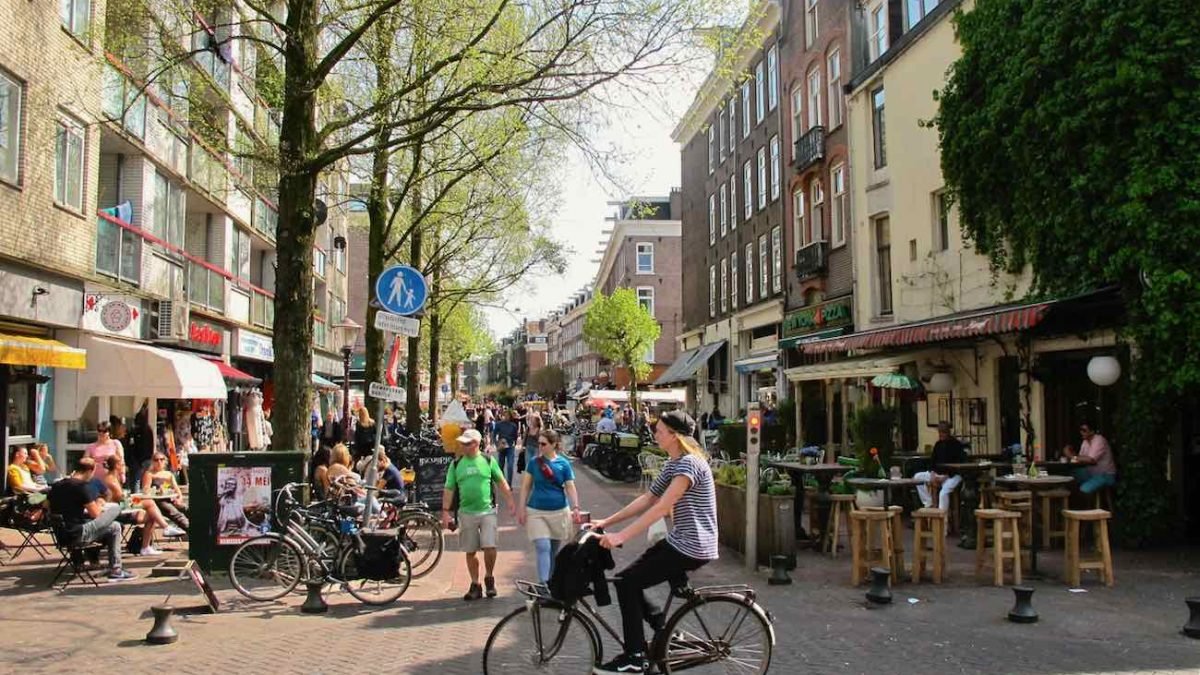
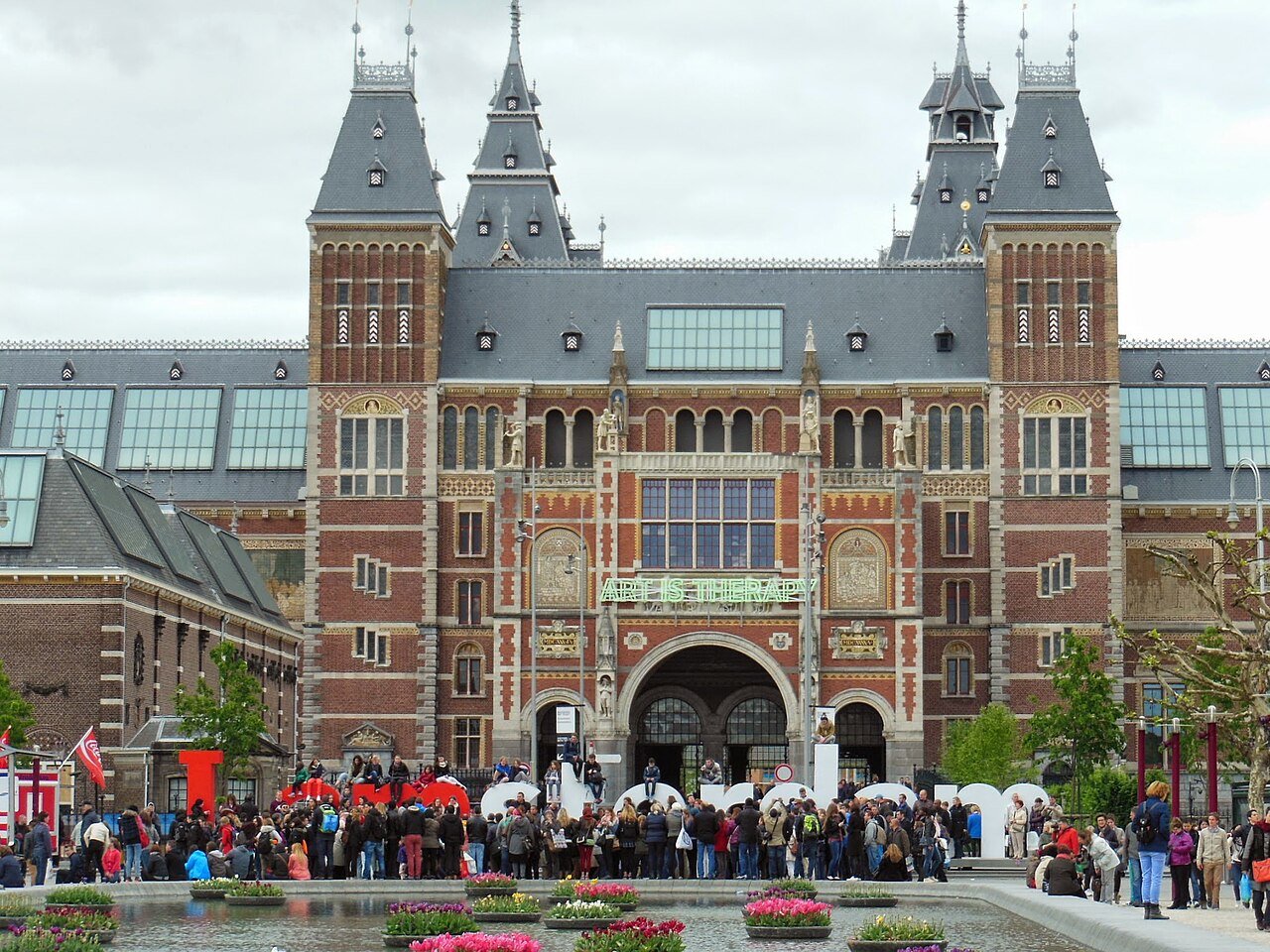
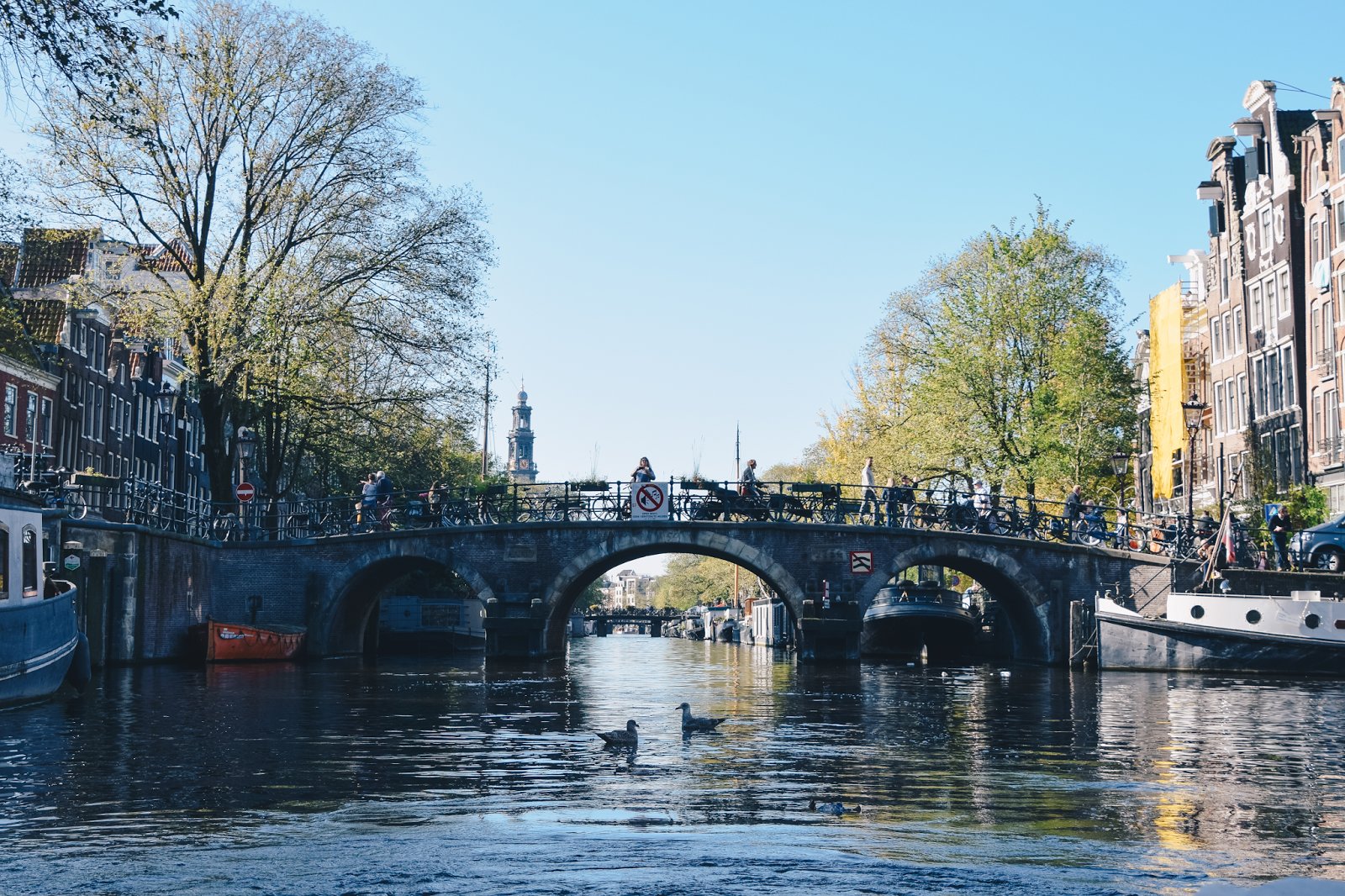
- The Canal Ring (Grachtengordel) is the most atmospheric area to base yourself. It is the UNESCO-listed heart of old Amsterdam, with the Prinsengracht, Keizersgracht, and Herengracht canals forming its three main arteries. Staying here means waking up to canal views, walking to the Anne Frank House in under 10 minutes, and being within cycling distance of everything. Hotels and apartment rentals in the canal houses are the most characterful option. The rooms tend to be small, and the stairs tend to be steep, which is simply how Dutch canal houses work.
- The Jordaan to the west of the canal ring is the most desirable neighbourhood in Amsterdam, with narrow streets, independent boutiques, brown cafes (bruine kroegen), Saturday and Monday markets, and the quietest, most local version of central Amsterdam. Staying here is highly recommended for visitors who want atmosphere over convenience.
- De Pijp, south of the city centre, is the multicultural, market-centred neighbourhood where the Albert Cuyp Market runs daily, the restaurant and café density is extraordinary, and the energy is distinctly less tourist-oriented than the canal ring. It is a good mid-range accommodation at a better value than the Canal Zone.
- Museumkwartier around the Rijksmuseum and Vondelpark is the most polished area of the city, well-connected by tram to the centre and with easy access to the major museum cluster. The Conservatorium Hotel is the finest hotel in this district.
- Amsterdam Noord, across the IJ waterway (accessible by free ferry from Centraal Station), is the creative, post-industrial alternative, with repurposed factory spaces, art studios, the EYE Film Institute, and NDSM Wharf's weekend markets and street art. It can be less convenient but genuinely interesting for visitors who want to see the less-visited side of the city.
Getting There and Getting Around
By air: Amsterdam Airport Schiphol (AMS) is 17 km southwest of the city centre and one of the main international hubs of Europe. The Intercity Direct or regular Intercity train from Schiphol's underground station connects directly to Amsterdam Centraal Station in approximately 15 to 17 minutes and runs several times per hour. Trains run 24 hours a day. Buy a ticket at the ticket machines or use a contactless bank card, Apple Pay, or OV-chipkaart at the gates. Taxis from Schiphol to the city centre take about 20 to 30 minutes, depending on traffic, and cost significantly more than the train.
By train from elsewhere in Europe: Amsterdam Centraal is a major European rail hub. Thalys (Eurostar) trains connect Paris (approximately 3 hours 20 minutes), Brussels (under 2 hours), and London via Eurostar (approximately 4 hours through the Channel Tunnel). German ICE trains connect to Cologne (approximately 2 hours 40 minutes) and beyond.
Getting around the city:
- Bicycle: The definitive Amsterdam transport mode. The city has approximately 400 km of dedicated cycle lanes and is designed around the bicycle in a way that no car-first city can replicate. Rental bikes are available from MacBike, Rent A Bike, and numerous other operators throughout the city centre. Cycling on Amsterdam's busy canal streets requires a brief adjustment period. The hierarchy is firmly cyclists first, trams second, pedestrians everywhere, and cars last. Do not walk in the cycle lane.
- Tram: The GVB tram network covers most of the inner city with frequent services. Lines 1, 2, 5, and 17 are the most useful for visitors covering the main tourist area. Tap on and off with an OV-chipkaart or use a contactless bank card, Apple Pay, or Google Pay at the card readers on board. A 24-hour, 48-hour, or 72-hour GVB travel card is available and worth buying for visitors making multiple tram and metro journeys.
- Metro: Four lines cover Amsterdam and extend to the suburbs. Amsterdam Centraal, Rokin, and Waterlooplein are the most useful central stations. The Noord/Zuidlijn (North/South Line) opened in 2018 and connects Noord across the IJ to De Pijp in under 10 minutes.
- Ferry: Free ferries cross the IJ between Amsterdam Centraal (on the north side) and Amsterdam Noord, running 24 hours a day and taking about 5 minutes. The Buiksloterweg ferry is the most frequent, while the NDSM Wharf ferry is the most useful for reaching the creative district.
- OV-chipkaart: The national Dutch public transport card, reloadable and usable on all GVB trams, buses, metros, NS trains, and other public transport across the Netherlands. It is available at Centraal Station and most convenience stores. Alternatively, most GVB services now accept contactless bank cards and mobile payments directly.
- Canal boat rental: Electric boats (no licence required) can be rented by the hour from multiple operators throughout the city, giving you complete freedom to explore the canals at your own pace.
The Canals
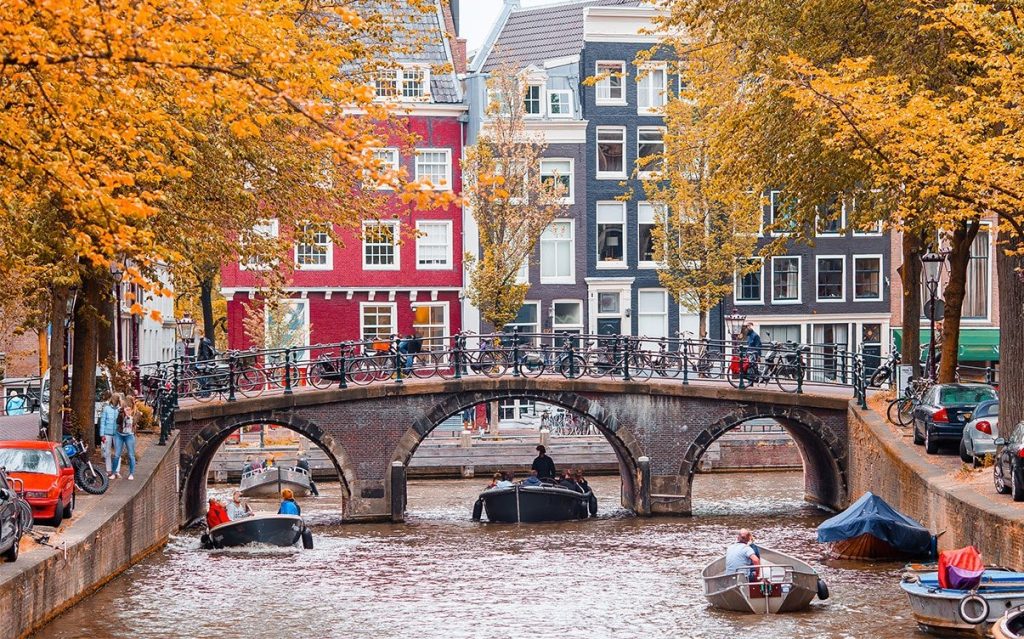
The Amsterdam canal ring (Grachtengordel) is a UNESCO World Heritage Site, inscribed in 2010, comprising approximately 165 canals stretching 80 km in total, crossed by 1,500 bridges, and lined with around 6,800 historic 17th-century townhouses. The three main canals, Herengracht, Keizersgracht, and Prinsengracht, were dug between 1613 and 1663 in concentric arcs around the medieval city. Walking them is the most rewarding low-key activity in Amsterdam.
The Herengracht's Golden Bend, where the wealthiest merchants built their grandest homes, is the most spectacular single stretch.
Seeing the canals from the water is one of the essential Amsterdam experiences. Canal cruises depart from near Centraal Station, Leidseplein, and the Rijksmuseum, and the perspective from a boat looking up at the bridge arches and townhouse facades is genuinely different from the street view.


The Rijksmuseum
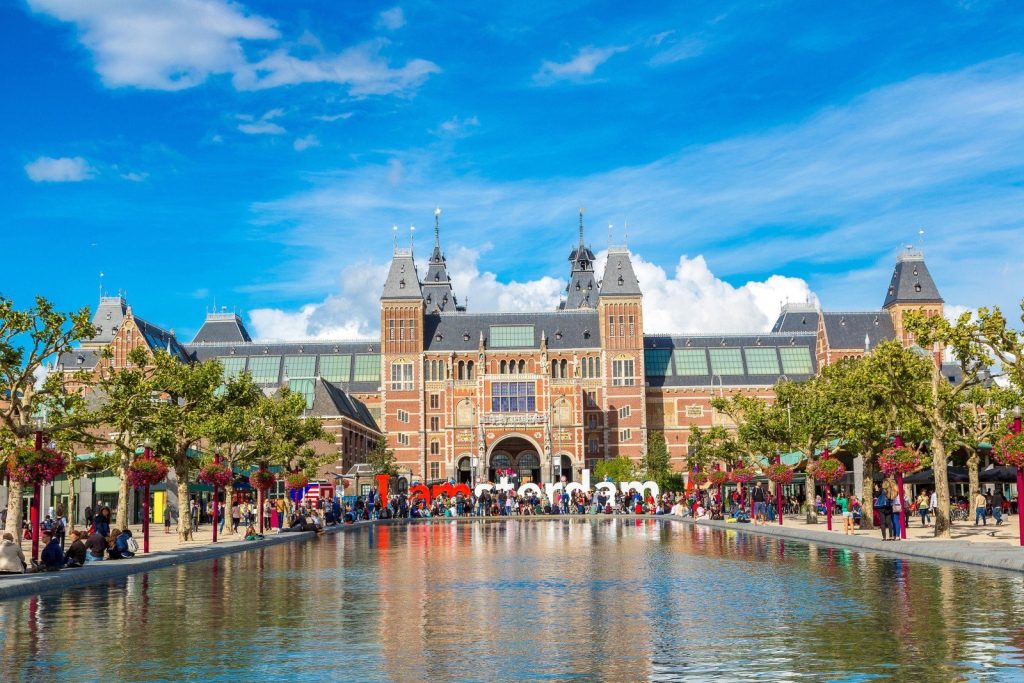
The Rijksmuseum on Museumplein is the national museum of the Netherlands and one of the most significant art museums in the world, with a collection covering 800 years of Dutch art and history across 80 galleries and 8,000 objects.
The building itself, designed by Pierre Cuypers and opened in 1885 with Gothic and Renaissance architectural elements, is one of the finest museum buildings in Europe.
The permanent collection includes Rembrandt's The Night Watch (De Nachtwacht, 1642), the largest and most celebrated Dutch Golden Age painting, displayed in its own dedicated hall.
Vermeer's The Milkmaid, The Love Letter, and several other works are among the most studied paintings in European art history. The collection also covers Delftware, the Dutch East India Company, 17th-century silver and furniture, and the most comprehensive record of the Dutch Golden Age available anywhere.
Entry requires a timed ticket, so book in advance, particularly for weekends and peak season. The museum is extremely popular, and the queues for walk-up tickets can be significant.
Anne Frank House
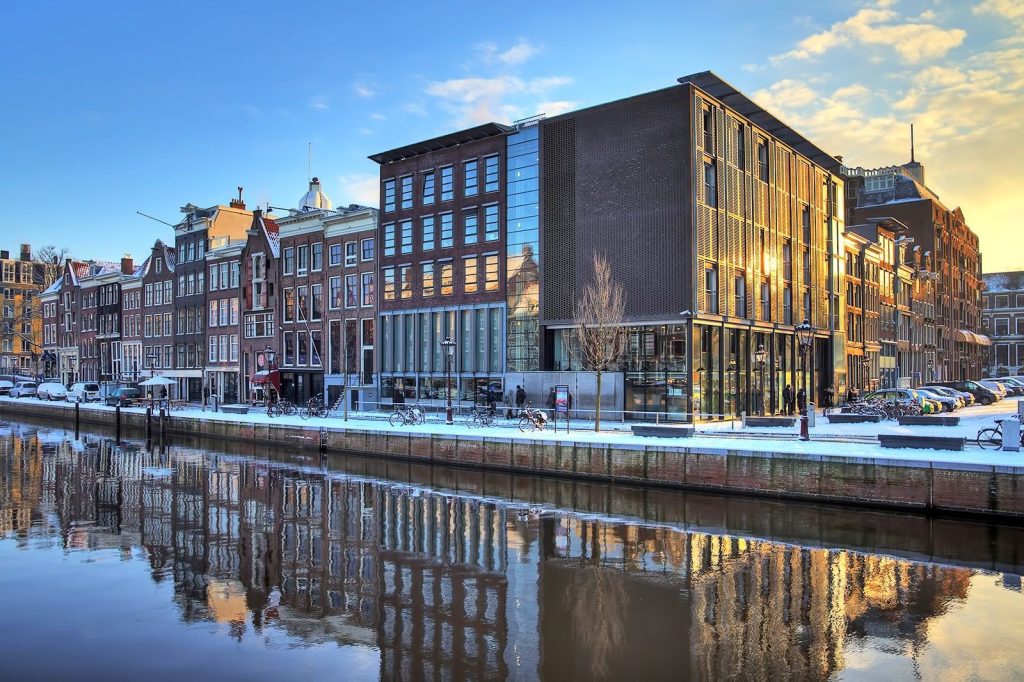
The Anne Frank House (Anne Frank Huis) on the Prinsengracht is one of the most visited and most important memorial sites in Europe. It is the actual canal house where Anne Frank, her family, and four others hid in a concealed apartment behind a movable bookcase from 1942 to 1944, before being discovered by the Nazi authorities and transported to the concentration camps.
Anne Frank died in Bergen-Belsen in February or March 1945, aged 15, weeks before the camp's liberation. Her diary, found by Miep Gies and given to her father Otto Frank (the only surviving member of the group), was published in 1947 and has since been translated into over 70 languages.
The experience of walking through the Secret Annex is genuinely affecting in a way that no other museum in the city matches. The cramped, dark spaces where eight people lived in complete silence during daylight hours for over two years are preserved largely as they were. The exhibition provides full historical context for the persecution of Jewish people in the occupied Netherlands and the stories of those who helped the families in hiding.
Booking in advance is essential. The Anne Frank House operates on a strictly timed entry system and sells out weeks ahead during peak season. Tickets are sold exclusively online at annefrank.org. There are no walk-up tickets available.

The Van Gogh Museum
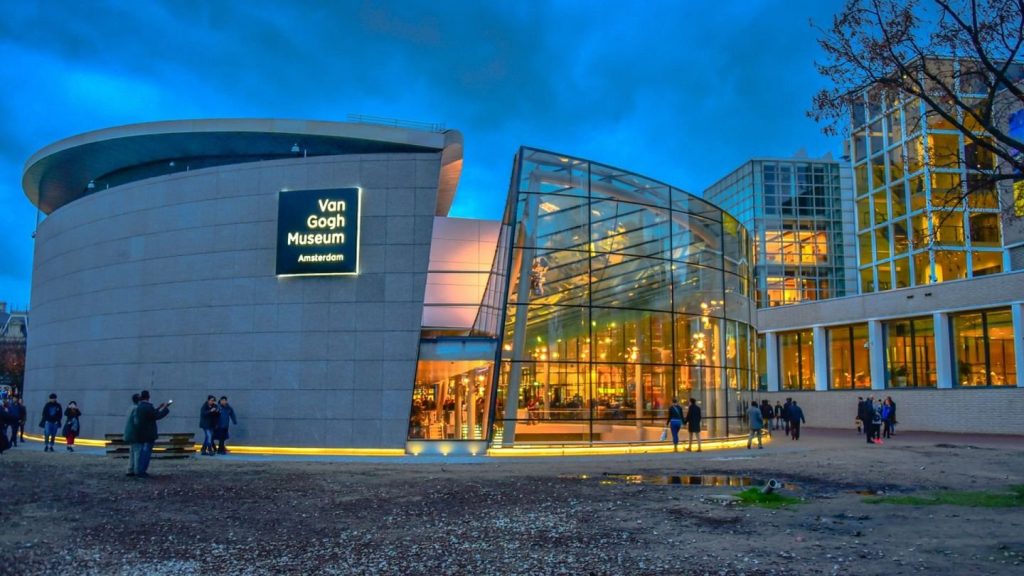
The Van Gogh Museum on Museumplein houses the largest collection of Van Gogh's work in the world, with 200 paintings, 500 drawings, and 800 personal letters, spanning the full arc of his creative development from the dark palette of the Dutch period to the vivid yellows and blues of Arles and Saint-Rémy.
The collection includes the Bedroom in Arles (1888), the Wheatfield with Crows (1890), Almond Blossom (1890), and the Sunflowers series, which has become one of the most recognised images in Western art. The museum's presentation is chronological and contextual, tracing Van Gogh's influences, his relationships with contemporaries including Gauguin, and the circumstances of his life and death.
Book tickets in advance. The museum is one of the most popular in the Netherlands, and pre-booking at a specific time is strongly recommended.
Tickets not available.
The Stedelijk Museum
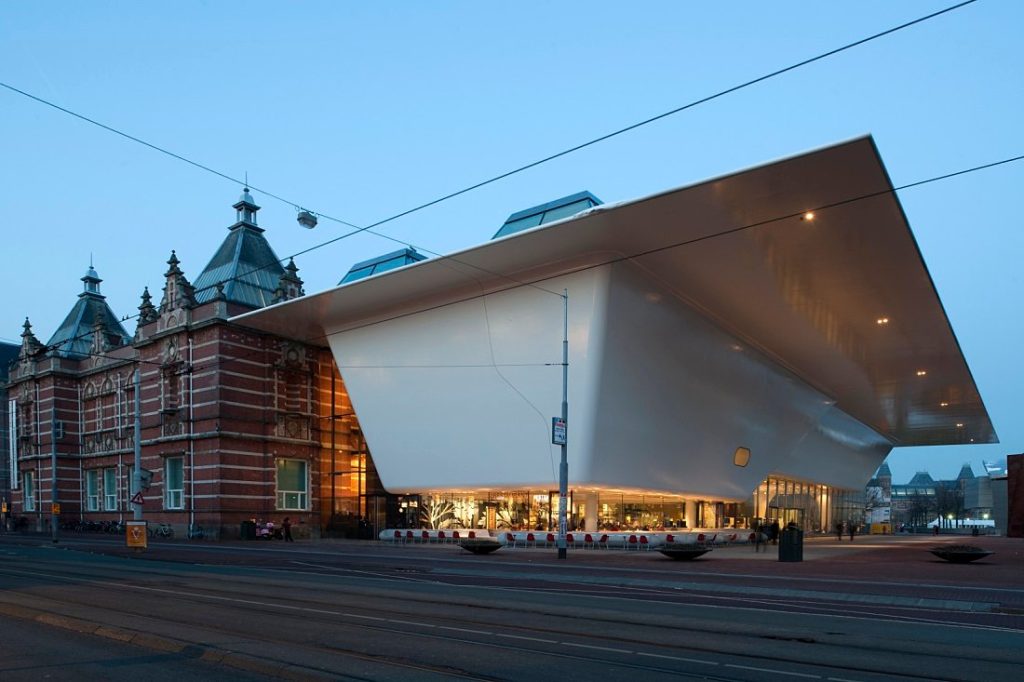
The Stedelijk Museum, next to the Van Gogh Museum, is the city's museum of modern and contemporary art and design, with a permanent collection covering Mondrian, Matisse, Cézanne, Chagall, Picasso, Warhol, Lichtenstein, Appel, and the full 20th and 21st century canon.
The collection of De Stijl works (the Dutch abstract movement of which Mondrian was the most celebrated figure) is the most comprehensive in the world.

The Neighbourhoods
- The Jordaan is the most loved neighbourhood in Amsterdam, lined with independent galleries, vintage shops, and brown cafes, with the Saturday Noordermarkt as one of the best weekly markets in the city. It is best explored without a plan.
- De Pijp is the multicultural food neighbourhood south of the centre. The Albert Cuyp Market, running 1.5 km along Albert Cuypstraat from Monday to Saturday, is the largest street market in the Netherlands and the best place to eat cheaply and well in the city.
- Oud-Zuid covers the museum district and Vondelpark, a 47-hectare park with outdoor theatre and café culture at its best from May through September. PC Hooftstraat is the designer shopping strip. Cornelis Schuytstraat has excellent independent food shops.
- Amsterdam Oost contains the ARTIS Royal Zoo (established 1838), the Hortus Botanicus (founded 1638, now home to 6,000 plant species), and the Jewish Historical Museum and Portuguese Synagogue documenting the city's Sephardic Jewish community.
- Red Light District (De Wallen) is one of the oldest parts of the city, with the Oude Kerk (Amsterdam's oldest building, dating to around 1213), excellent traditional jenever bars, and a character that rewards calm daytime exploration very differently from the evening crowds.
Dining in Amsterdam
The Netherlands has a food culture that is better than its reputation, and Amsterdam has a food scene that is significantly better than the Netherlands broadly.
Stroopwafels (two thin waffles sandwiched with caramel syrup), eaten warm from a market stall, are one of the most straightforward pleasures Amsterdam offers. Haring (raw herring, held by the tail and eaten whole with onions and pickles) is the street food experience most visitors either love immediately or refuse to try. Both are best at the market stalls at Albert Cuyp or the Waterlooplein.
Jenever (Dutch gin) is the national spirit. It is a malt wine base distilled with juniper and other botanicals, aged in oak to produce either jonge (young, lighter) or oude (old, richer) varieties. Proeflokalen (tasting rooms) are the traditional format for drinking it with small, wood-panelled bars where the glasses are filled to the brim and tradition requires bending to take the first sip without touching the glass. Wynand Fockink on Pijlsteeg near Dam Square has been operating as a jenever proeflokaal since 1679.
Dutch pancakes (pannenkoeken) are different from the French crêpe or the American pancake. They are thin but substantial, eaten as a full meal rather than a dessert, with sweet or savoury toppings including bacon, apple, syrup, and cheese. The Pancake Bakery on the Prinsengracht is the most famous establishment.
The Indonesian kitchen has the deepest roots in Amsterdam outside of Dutch cooking itself, a legacy of the Dutch colonial relationship with Indonesia. The rijsttafel (rice table), a feast of 15 to 25 small Indonesian dishes served with rice, is the most substantial food experience in the city and best at Tempo Doeloe in the city centre.
The restaurant scene in De Pijp, the Jordaan, and Amsterdam Oost covers every cuisine with quality that exceeds what the city's reputation for food used to suggest. Blauw in Oud-Zuid for Indonesian, Guts and Glory for a single seasonal produce menu served to everyone at once, and the Foodhallen in the De Hallen cultural complex in the Oud-West neighbourhood (a covered food market with 21 vendor stands, one of the best food halls in Europe) are among the most genuinely excellent options.
Top Things to Do in Amsterdam and Ticket Options
- Amsterdam City Centre Canal Cruise with Audioguide is a 1-hour sightseeing boat tour through the UNESCO-listed canal ring, passing the Anne Frank House, the Red Light District, the historic Heineken brewery, and the 17th-century merchant houses of the Golden Bend. Audio commentary is available in multiple languages, including English, Dutch, German, French, Spanish, and more. Departures run throughout the day from near Centraal Station and other central boarding points. Book in advance to secure preferred time slots.
- Amsterdam Classic Saloon Boat Canal Cruise with Drinks and Cheese combines the 1-hour canal cruise with Dutch cheese and drinks served on board in a classic wooden saloon boat, a more intimate format than the larger cruise vessels, and particularly atmospheric on an evening departure when the canal houses are lit and the bridges reflected in the water.
- Amsterdam All-Inclusive 90-Minute Heated Cruise by Captain Jack is a 90-minute extended cruise on a heated boat with unlimited drinks on board, covering a wider circuit of the canal ring and the Amstel River waterfront in a relaxed, social format.
- Amsterdam Luxury Canal Cruise with Unlimited Drinks and Bites is the premium format. It is a 1-hour cruise on an electric luxury boat with unlimited drinks and snacks, designed for small groups who want the canal experience with full hospitality.
- Amsterdam Small-Group Canal Cruise with Snacks and Drinks is a 2-hour small group tour including Dutch jenever, glühwein (in season), and a selection of snacks, with a personal guide providing live commentary throughout.
- Day Trip to Zaanse Schans, Edam, Volendam, and Marken from Amsterdam is a full-day guided excursion to the most visited traditional Dutch villages north of Amsterdam, with the windmill-lined waterfront of Zaanse Schans, the cheese market town of Edam, the fishing village harbour of Volendam, and the island village of Marken. All four give visitors a completely different picture of Dutch culture and landscape from the capital.
- Keukenhof Gardens Ticket and Transfer from Amsterdam covers the most celebrated tulip garden in the world, 32 km southwest of Amsterdam near Lisse, open annually from late March to mid-May when approximately 7 million bulbs bloom across 32 hectares of landscaped gardens. The transfer from Amsterdam is included.
- I amsterdam City Card is the comprehensive multi-attraction pass covering entry to the Rijksmuseum, Stedelijk Museum, ARTIS Royal Zoo, Amsterdam Castle Muiderslot, the Heineken Experience, and 100 or more other museums and attractions, plus a complimentary canal cruise and unlimited use of Amsterdam's GVB public transport (trams, buses, and metro) throughout the card's validity period (24, 48, 72, or 96 hours). Note that the Van Gogh Museum is not included in the City Card and requires a separate, standalone ticket booked directly at vangoghmuseum.nl. It is available in multiple-day formats and is one of the best-value passes available for visitors, covering multiple paid attractions.
- The Heineken Experience gives access to the self-guided tour of the original Heineken brewery on the Stadhouderskade, where the beer was produced from 1867 to 1988 before production moved to larger facilities outside the city. The tour covers the brewing process, the brand's history, and concludes with two complimentary Heineken beers poured in the tasting room. Interactive exhibits include a simulated brewing experience and a stable with the iconic Heineken draught horses.
- Madame Tussauds Amsterdam on Dam Square houses wax figures across Dutch cultural history, international entertainment, and global icons alongside interactive experiences and a behind-the-scenes Making of section.
- Hop-On Hop-Off Boat Amsterdam is a 1-hour canal sightseeing circuit with eight stop-and-reboard points near major attractions throughout the city, allowing visitors to disembark at any stop and board the next boat at their convenience.
- Amsterdam Food and Drink Walking Tour covers the city's culinary landscape with a local guide across a 2 to 3-hour walking tour, with stops including the Albert Cuyp Market, a jenever proeflokaal, a traditional Dutch herring stand, a stroopwafel maker, and a neighbourhood brown café.
- Amsterdam Bike Rental from multiple operators throughout the city (available through Thrillark) gives hourly or daily access to a bicycle with a lock, the simplest and most authentically Amsterdamse way to explore the city and its surroundings.


Day Trips from Amsterdam
- Zaanse Schans (15 km north, 20 minutes by train) is the most popular year-round day trip with green timber windmills, wooden houses, a clog workshop, and a cheese farm on the Zaan River. Go in the morning before the coach groups arrive.
- Haarlem (20 km west, 15 minutes by train) has a beautiful medieval centre, the St Bavo Church where a young Mozart played the famous Christian Müller organ, and the Frans Hals Museum with the largest Golden Age painting collection outside Amsterdam.
- The Hague (Den Haag) (55 km southwest, 50 minutes by train) is the seat of the Dutch government and home to the Mauritshuis museum, where Vermeer's Girl with a Pearl Earring and Rembrandt's The Anatomy Lesson of Dr. Nicolaes Tulp hang in one of the finest small museums in Europe.
- Giethoorn (130 km northeast, about 1.5 hours by car) is a car-free village accessible only by boat, bicycle, or on foot. You can enjoy it best on a weekday, since weekend crowds are significant.
When to Visit Amsterdam
April and May are the best months to visit Amsterdam, coinciding with tulip season (Keukenhof is open from late March to mid-May), the King's Day celebrations on April 27 (one of the most extraordinary street parties in Europe, with the entire city in orange for the national holiday), and the warmest, driest spring weather of the year before the summer visitor peak.
June to August is peak season with warm temperatures (20 to 25°C), long days, the terraces of the Jordaan and De Pijp open late, and the city at its most social outdoor energy. Hotel rates are at their highest, since the major museums and the Anne Frank House are at their busiest. Book everything well in advance.
September and October are the local favorites. The summer crowds thin, temperatures remain pleasant (15 to 20°C), the autumn light on the canals is extraordinary, and hotel rates begin to drop. Amsterdam Dance Event (ADE) in October brings the global electronic music world to the city.
November to February is genuinely cold and often grey, but Amsterdam in winter has its own character. It has the ice rinks, the mulled wine at the Christmas markets, the museums empty enough to actually look at the paintings, and the canals occasionally freezing over for skating when temperatures drop far enough. Hotel rates are at their lowest of the year.
Practical Tips Before You Go
- Rent a bicycle. There is no more authentic and efficient way to cover Amsterdam. Cycle on the cycle paths (not the pavement or the road), ring your bell at pedestrians, and give way to trams. The rest will come naturally within an hour.
- Book the Anne Frank House tickets well in advance at annefrank.org. No walk-up tickets are available. Timed entry slots sell out weeks ahead of time during peak season. This is the most important booking in Amsterdam.
- Book the Rijksmuseum and Van Gogh Museum in advance too. Both are extremely popular, and queue times without a pre-booked ticket can be an hour or more on peak days.
- Check your ETIAS requirement before booking flights if you are a non-EU national. The EU's new travel authorization system is being progressively rolled out for visa-exempt visitors to the Schengen Area.
- OV-chipkaart or contactless payment covers all trams, buses, metros, and trains. Most GVB services accept contactless bank cards directly. No separate card is needed.
- Do not walk in the cycle lane. This is stated clearly on every Amsterdam tourist information platform because it is the most common and most dangerous mistake non-cycling visitors make. The red asphalt paths with bicycle symbols are for cyclists who travel at speed and do not expect pedestrians to be in their path.
- The Red Light District has its own etiquette. Photography of the workers in the windows is illegal and actively enforced. Behave as you would in any neighbourhood. It is a working area.
- Cannabis coffeeshops in Amsterdam remain open to foreign tourists. While a national resident-only rule exists in some Dutch municipalities, Amsterdam has explicitly opted out, and tourists can still legally purchase and consume cannabis inside the city's licensed coffeeshops. However, since May 2023, smoking cannabis outdoors in the Red Light District (De Wallen) has been banned. Rules continue to evolve, so check the current Amsterdam municipality guidelines before visiting.
- Carry some cash. While cards are widely accepted, some markets, smaller cafes, and traditional brown cafes still prefer cash.
- Canal swimming is not recommended and technically prohibited in the central canals, which receive significant boat traffic and contain water of variable quality.
Amsterdam is one of those cities that gives more the longer you stay. The first day is the canals and the museums. The second day is the neighbourhood cafes and the market. The third day is when you start finding the streets you would actually live on, the bars you would become a regular at, and the cycling route to the farmers market that nobody put in any travel guide. That is when the city becomes something more than a destination. Head to Thrillark to book your canal cruises, museum tickets, city passes, day trips, and everything Amsterdam has waiting for you.
Frequently Asked Questions About Amsterdam
Do tourists need a visa or pre-travel authorization to visit Amsterdam?
EU and Schengen Area citizens can travel to the Netherlands without any pre-travel requirements. Citizens of countries including the US, UK, Canada, and Australia currently do not need a visa for stays under 90 days in the Schengen Area, but the European Union's ETIAS pre-travel authorisation system is being progressively rolled out for non-EU visa-exempt travellers. Check the current status at travel.ec.europa.eu before booking flights, as the ETIAS requirement may apply to your nationality by the time of your visit.
What is the best way to get from Schiphol Airport to Amsterdam?
The direct Intercity train from Schiphol's underground station to Amsterdam Centraal takes approximately 15 to 17 minutes and runs several times per hour throughout the day and night. Buy a ticket at the machines using cash or card, or use a contactless bank card, Apple Pay, or OV-chipkaart at the gates. This is by far the fastest, cheapest, and most convenient option. Taxis from Schiphol to the city centre take 20 to 30 minutes in normal traffic and cost significantly more.
What is a canal cruise, and which type should you choose?
A canal cruise is a boat tour through Amsterdam's UNESCO-listed canal ring, passing the major landmarks at water level with audio commentary (or a live guide on smaller group cruises). The standard 1-hour audio-guided cruise covers the essential canal circuit and is ideal for first-time visitors. The classic saloon boat cruise with Dutch cheese and drinks is a more intimate, social format. The all-inclusive 90-minute cruise is best for visitors who want more time on the water and unlimited drinks. Book through Thrillark for the best available price and to secure your preferred departure time.
What is the I amsterdam City Card, and is it worth buying?
The I amsterdam City Card gives free entry to the Rijksmuseum, Stedelijk Museum, ARTIS Royal Zoo, Heineken Experience, and 100 or more other attractions and museums, a free canal cruise, and unlimited use of GVB public transport (trams, buses, metro) across its validity period of 24, 48, 72, or 96 hours. Note that the Van Gogh Museum is not included in the City Card and requires a separate ticket booked at vangoghmuseum.nl. For visitors planning to cover three or more paid attractions and using public transport regularly, the card consistently saves money compared to individual ticket purchases. Book in advance to start the validity when you choose.
What is King's Day in Amsterdam, and is it worth visiting for?
King's Day (Koningsdag) on April 27 is the Netherlands' national holiday and the most spectacular street party in Europe. The entire city turns orange in honour of the Royal Family, outdoor markets (vrijmarkts) cover every street and canal, boats fill the canals, street concerts run throughout the day, and the general atmosphere of the city is extraordinary. It is worth visiting Amsterdam specifically for King's Day, but accommodation must be booked months in advance as the city fills completely. If April 27 falls on a Sunday, King's Day moves to April 26.
What is the Keukenhof, and when should you visit?
The Keukenhof is the most visited flower garden in the world, located 32 km southwest of Amsterdam near Lisse, open annually from late March to mid-May when approximately 7 million tulip, daffodil, and hyacinth bulbs bloom across 32 hectares of landscaped grounds. The best time to visit is mid-April for the peak tulip display. The garden is accessible by guided tour or by organised transfer from Amsterdam; the combined ticket and transfer is available through Thrillark. Outside the spring season the garden is closed.
Is it safe to cycle in Amsterdam if you have never cycled there before?
Yes, with some adjustment. Amsterdam's cycling infrastructure is the finest in the world, and the city is designed around cyclists rather than cars, making it significantly safer than cycling in most other major cities. The rules are simple: use the red-surfaced cycle lanes, ring your bell to alert pedestrians, give way to trams, and follow the traffic lights. The first 30 minutes on an Amsterdam bike involve a steep learning curve; by the end of the first hour, most visitors have adjusted, and by the second day, it is the only way they want to get around.
Browse by themes
Other Things to Do in Amsterdam