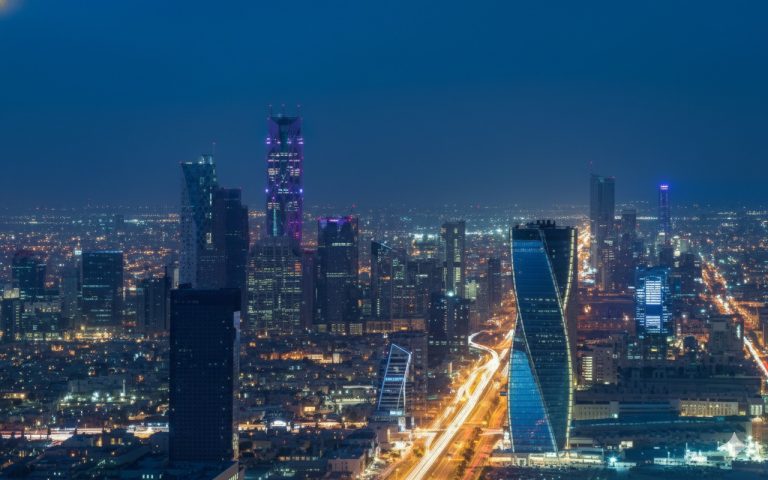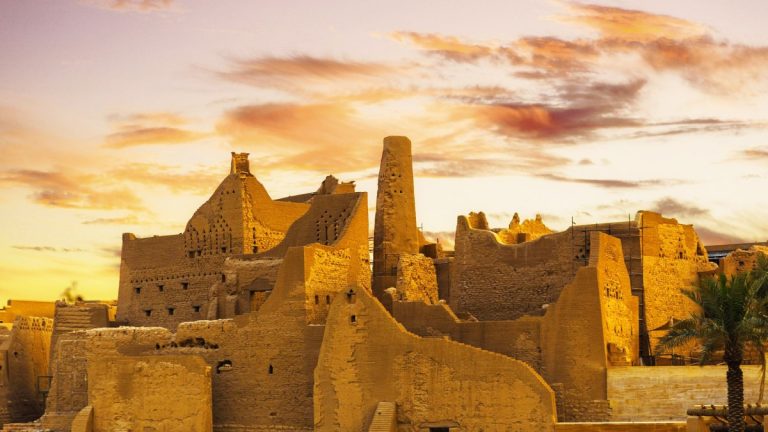
Jeddah is not what most people expect Saudi Arabia to be. It is ancient and cosmopolitan simultaneously, a city where 7th-century coral-stone buildings stand beside luxury waterfront towers, where the call to prayer drifts across a promenade lined with art installations and coffee shops, and where the warmth of the people is the thing every visitor mentions first when they describe their time here.
Saudi Arabia has opened its doors to international tourism, and Jeddah is the destination that most rewards the visitor who goes without fixed assumptions.
The second-largest city in Saudi Arabia sits on the coast of the Red Sea, serving since the 7th century as the principal port of entry for Muslim pilgrims arriving from across the world to visit the holy cities of Makkah and Madinah. That position gave Jeddah a cosmopolitan character centuries before most port cities had one.
The wealth of maritime trade, the flow of cultures from every corner of the Islamic world, and the particular entrepreneurial energy of a city that lived by what it could import and what it could host all shaped the extraordinary Old Town that stands at the heart of modern Jeddah. Add to that a 30-kilometre waterfront Corniche, the tallest fountain in the world, and a café culture that has turned into one of the finest in the Middle East, and you have a city that earns considerably more time than most itineraries give it. Two days will cover the highlights. Three days will let it settle.
Jeddah City Essentials
Entry Requirements for Jeddah
Saudi Arabia has significantly expanded its tourism visa program. Citizens of approximately 60 countries, including the US, UK, EU nations, and Australia, can apply for a tourist e-Visa online before departure at visa.visitsaudi.com. The process is straightforward, and the visa is typically approved quickly. Citizens of additional nationalities may be eligible for a visa on arrival. Indian nationals can apply for the Saudi e-Visa through the official portal.
Saudi Arabia is an Islamic state, and certain behaviors required or permitted elsewhere are restricted here. Non-Muslim visitors are welcome throughout Jeddah. Modest dress in public is expected, which means clothing that covers shoulders and knees is appropriate for both men and women when outside hotels, beaches, and designated resort areas. Women are no longer required to wear the abaya in public following the 2019 reforms.
Always verify the current entry requirements and code of conduct at visa.visitsaudi.com before booking your trip.
Getting There and Getting Around
By air: King Abdulaziz International Airport (JED) is approximately 35 km north of the city centre. The new terminal, opened in 2018, is one of the largest airport terminals in the world and handles both international flights and the enormous flow of Hajj pilgrims during the pilgrimage season. Uber operates from the airport and is the most reliable and transparent option for reaching the city centre, taking approximately 30 to 45 minutes depending on traffic.
Jeddah is well connected internationally, with direct flights from London, Paris, Frankfurt, Dubai, and most major Asian hubs, alongside multiple daily domestic flights from Riyadh. If you are flying into Riyadh, domestic flights to Jeddah run throughout the day on Saudia, Flynas, and Flyadeal.
Getting around the city:
- Uber: It is the overwhelmingly dominant transport option for visitors. Download the app before arriving. It is widely available, fairly priced by regional standards, and the most practical option for reaching the Old Town, the Corniche, the attractions, and the waterfront.
- Taxi: They are available throughout the city. Negotiate the fare before setting off, or ensure the meter is running.
- Rental car: They are useful if you plan to explore beyond the main visitor areas or take day trips to Al Wahbah Crater or other sites. An International Driving Permit is recommended alongside your home license. Traffic in the city can be dense during evening hours.
Al-Balad: The Old Town
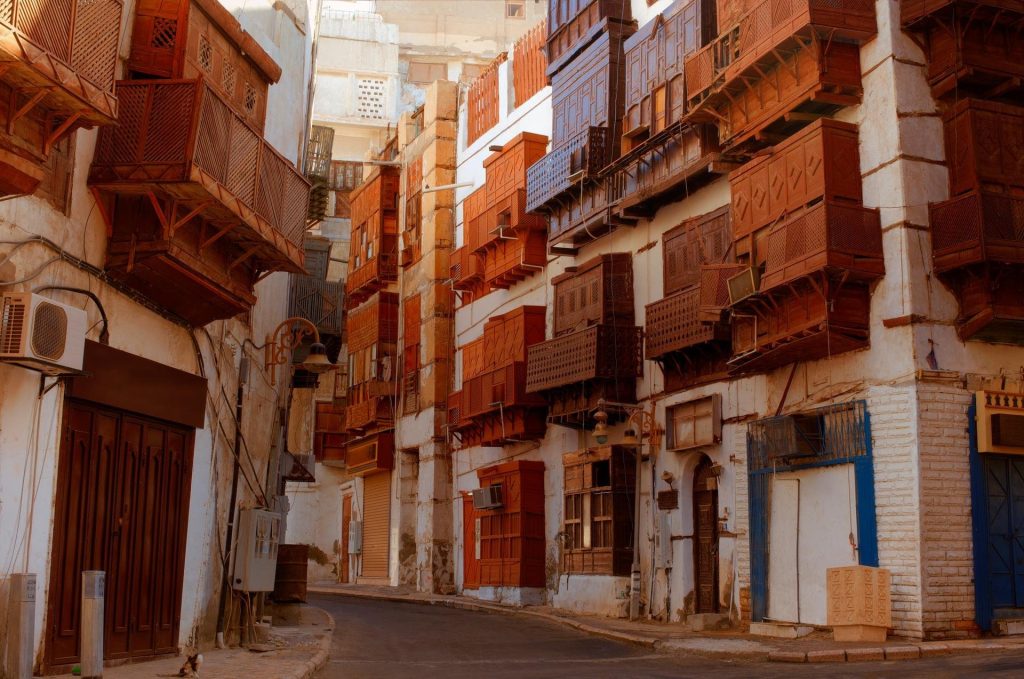
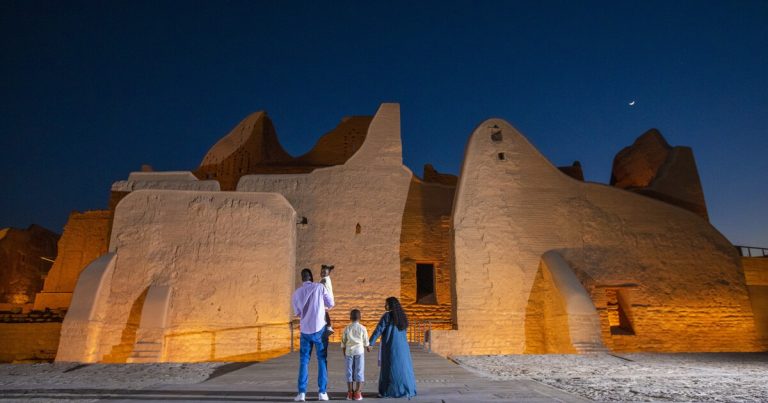
Any serious engagement with Jeddah begins and ends with Al-Balad, the UNESCO World Heritage-listed Old Town that gives the city its identity and its most extraordinary visual character.
Established in the 7th century as a staging post for pilgrims and a Red Sea trading hub, Al-Balad was the political, cultural, and commercial heart of Jeddah for over a thousand years. The UNESCO inscription in 2014 recognized the outstanding universal value of its more than 500 surviving historical buildings, making it one of the most significant historic districts in the Arabian Peninsula.
What makes Al-Balad visually unlike anywhere else in the world are the Roshan windows and mashrabiya screens. They are projecting enclosed wooden bay windows, intricately carved with geometric lattice patterns, that cover the upper floors of the coral-stone merchant houses.
The roshan served multiple purposes, allowing air circulation in the heat, privacy for women inside, and the ability to observe the street without being seen. They are a uniquely Hijazi architectural tradition, and Jeddah has the most concentrated surviving collection in existence. Walking the lanes of Al-Balad, looking up at these facades, is one of the genuinely distinctive visual experiences available anywhere in the Middle East.
The district is best visited twice: during the day, when the lanes are quieter and the light is good for exploring the details of the buildings, and in the evening, when the temperature drops and Al-Balad transforms into a social hub of cafes, vendors, and residents who fill the streets until late at night. The two experiences are genuinely different, and both are worth having.
Within Al-Balad, the most significant individual sites include Bayt Nassif (a 19th-century merchant mansion that served as the residence of King Abdul Aziz during the early years of the Saudi state, now a museum), Bayt Al-Matbouli Museum (an inhabited historic house showing traditional Hijazi domestic life), and Al Shafee Mosque, the oldest mosque in Jeddah, dating to the 13th century and one of the few historic mosques in the district open to non-Muslim visitors. Most sites are free or charge very modest entry fees.
The surviving city gates are worth seeking out as part of a walking circuit. Only four of the original gates that stood in the Ottoman-era city walls remain. Bab Makkah, which historically opened toward the holy city, is the most impressive and the most visited. The others (Bab Jadid, Bab Alfurdhah, and Bab Sharif) are smaller but worth finding to understand the original boundaries of the walled city.
The Corniche and the Waterfront
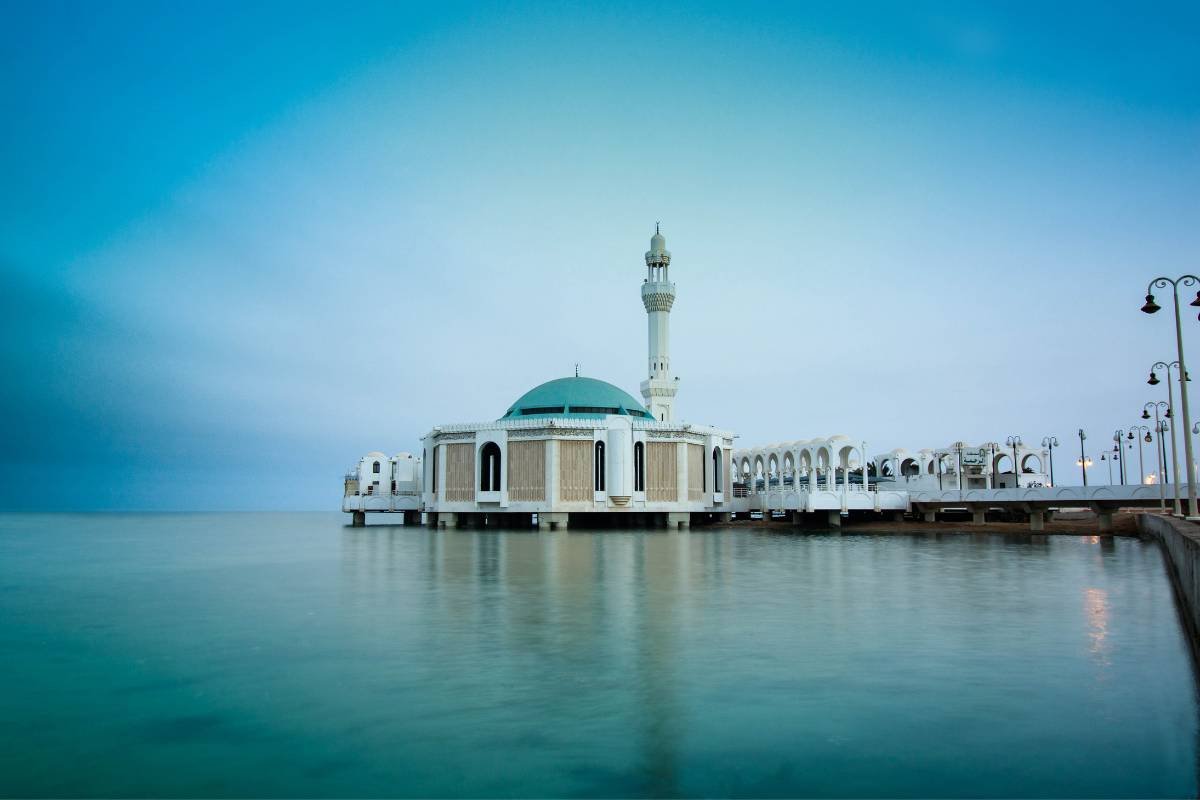
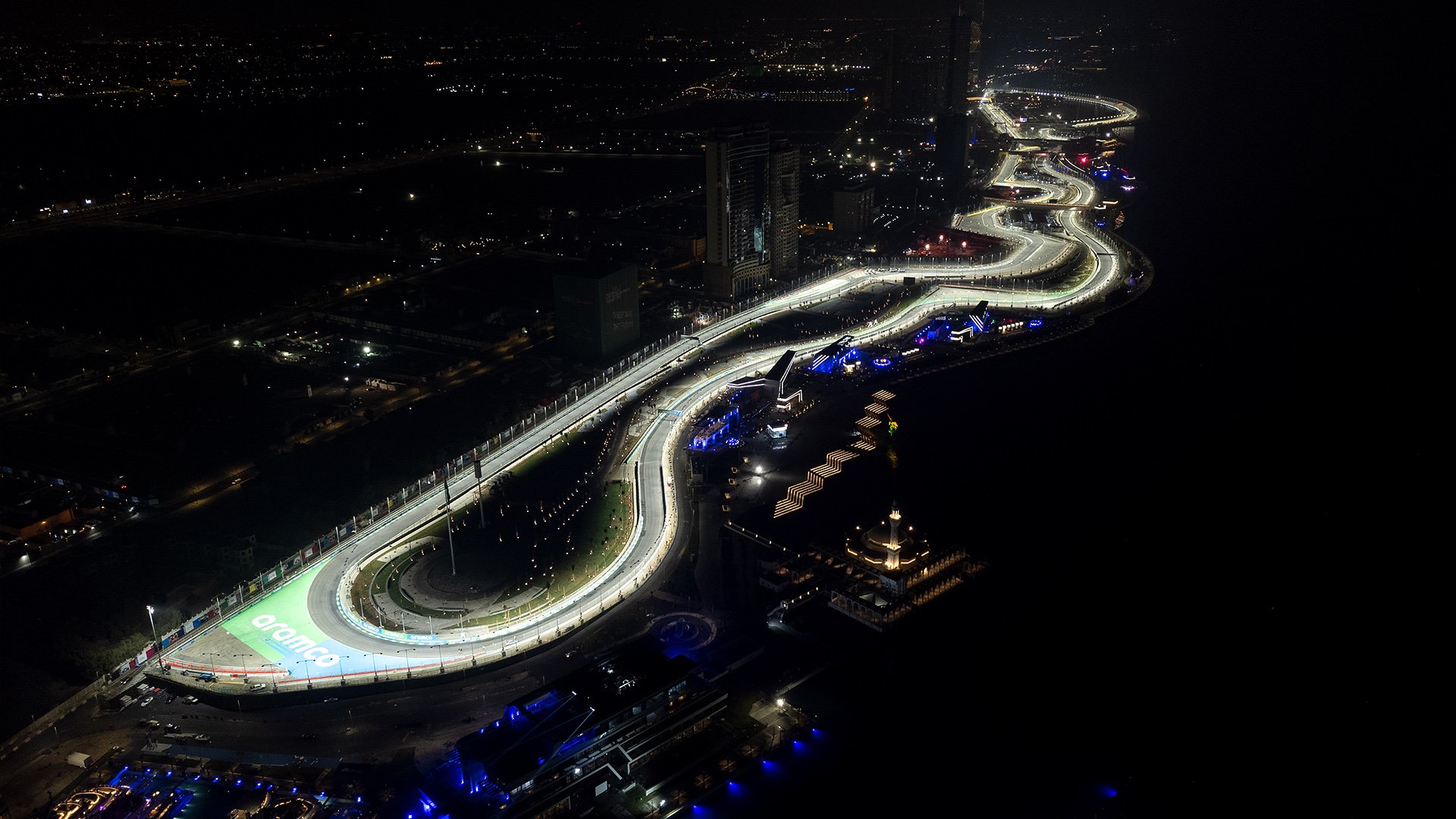
From the intimacy of Al-Balad's medieval lanes, Jeddah opens up dramatically along its Red Sea waterfront. The Jeddah Corniche stretches over 30 km along the coast, a wide, beautifully maintained promenade of walking paths, cycling tracks, public parks, art installations, open-air theatres, restaurants, and cafes that serves as the primary outdoor social space of the city.
It is almost deserted in the midday heat but comes fully alive from the late afternoon through midnight, particularly on weekends, with families and groups occupying every available bench, café terrace, and grassy verge along the water.
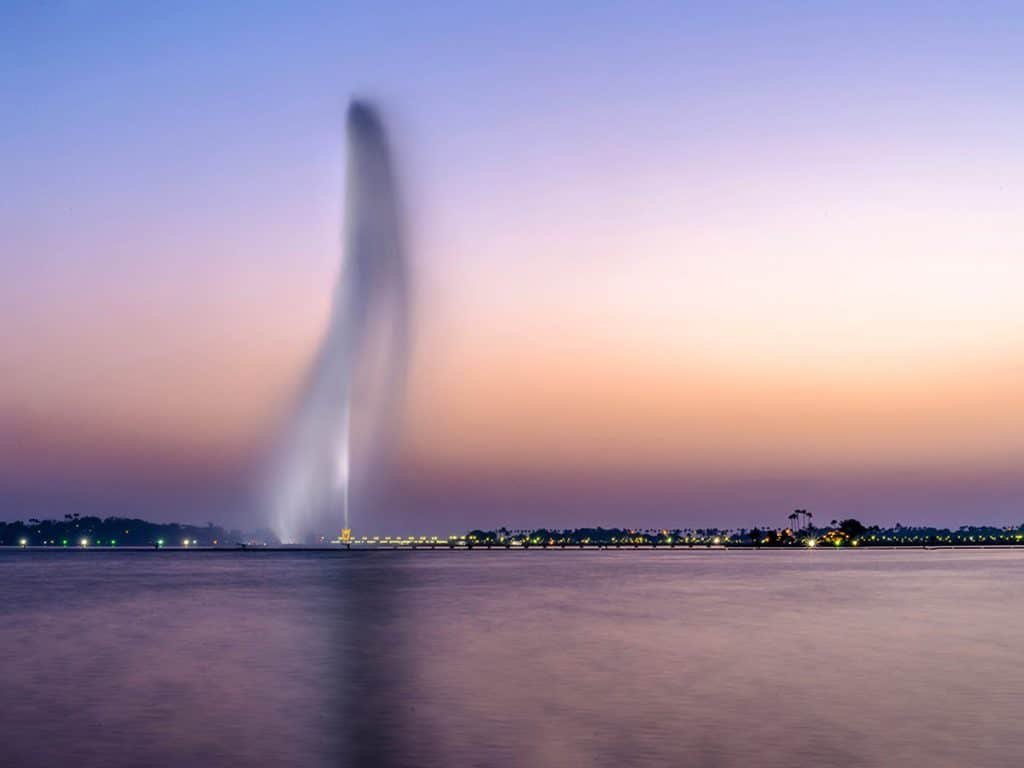
The King Fahd Fountain (Nafurat Al-Malik Fahd) is the most famous landmark on the Corniche and one of the most jaw-dropping pieces of infrastructure in Saudi Arabia. Reaching up to 312 metres when fully deployed, it is the tallest fountain in the world and is listed in the Guinness World Records. The water, illuminated at night in white and gold, can be seen from virtually anywhere along the waterfront and from significant distances inland.
The best views are from the Corniche promenade itself in the evening, when the lit fountain against the dark Red Sea sky produces photographs that genuinely struggle to convey the actual scale of what you are looking at.
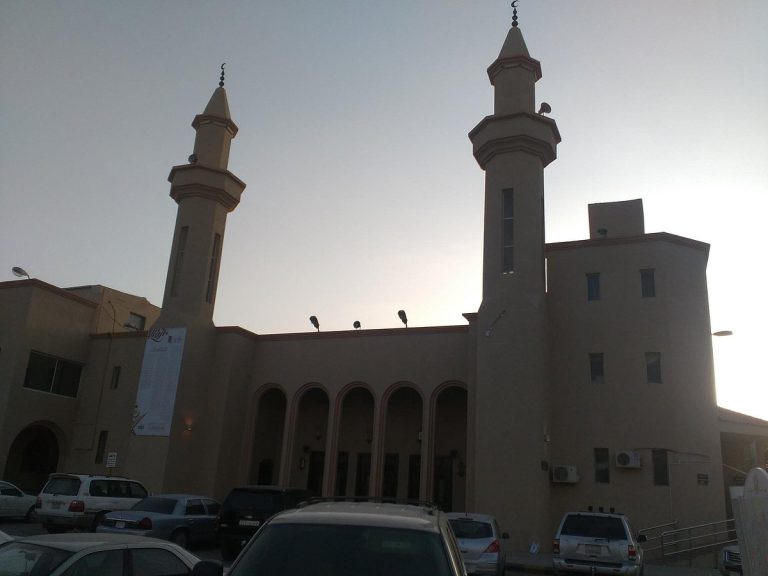
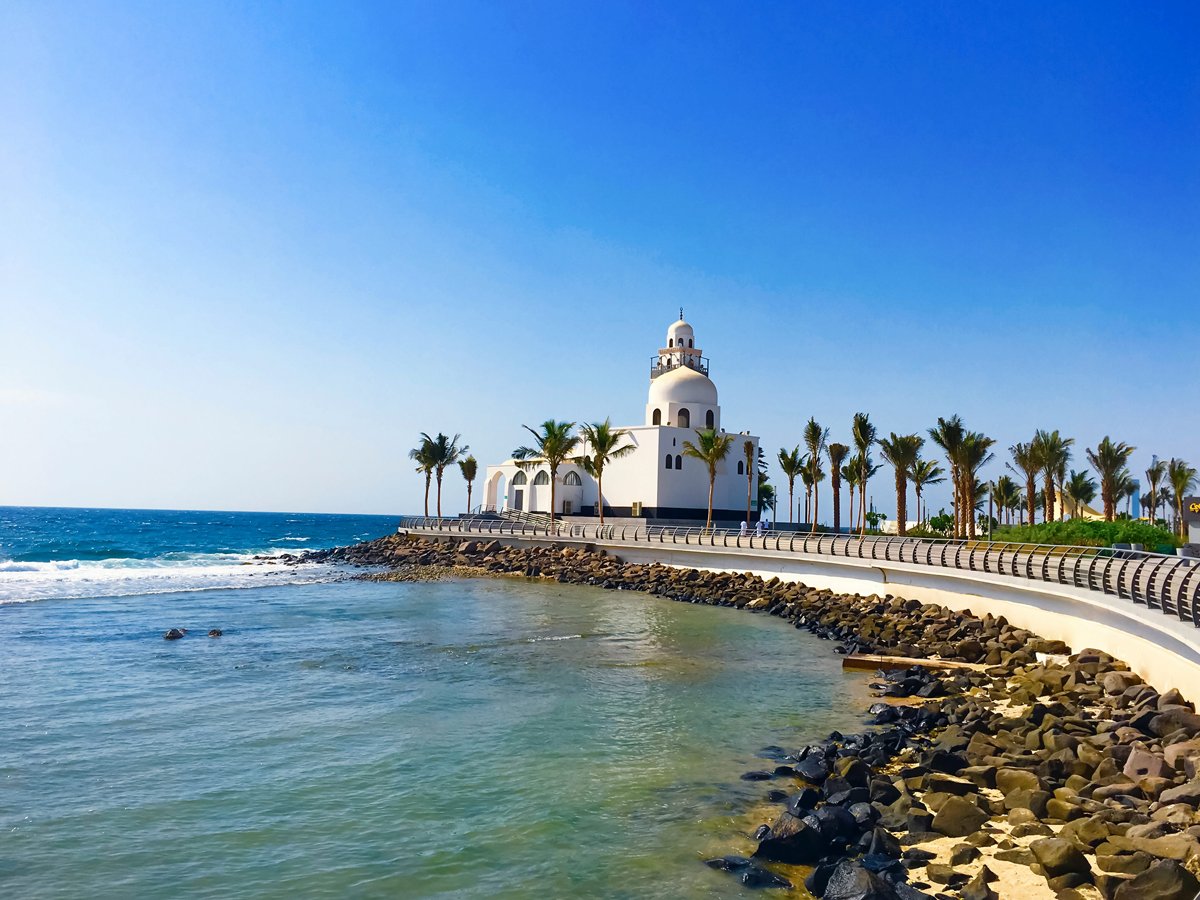
The Floating Mosque (Al-Rahma Mosque) at the northern end of the Corniche promenade is one of the most distinctive modern mosques in the world. Built in 1985, it sits on a platform over the Red Sea in a position that, at high tide, creates the visual effect of the mosque floating directly on the water. The minarets, white domes, and arched facade are most beautiful around sunrise or sunset, when the soft light turns the entire structure gold.
Non-Muslim visitors should observe from the promenade since the mosque is an active place of worship.
The Jeddah Corniche Circuit, which runs along this same waterfront, is the Formula 1 street circuit that hosts the Saudi Arabian Grand Prix annually, one of the fastest street circuits on the calendar. The circuit infrastructure is visible along the coastal road section of the Corniche, and for motorsport fans, simply driving or walking along this stretch carries a particular resonance.
Al Tayebat Museum
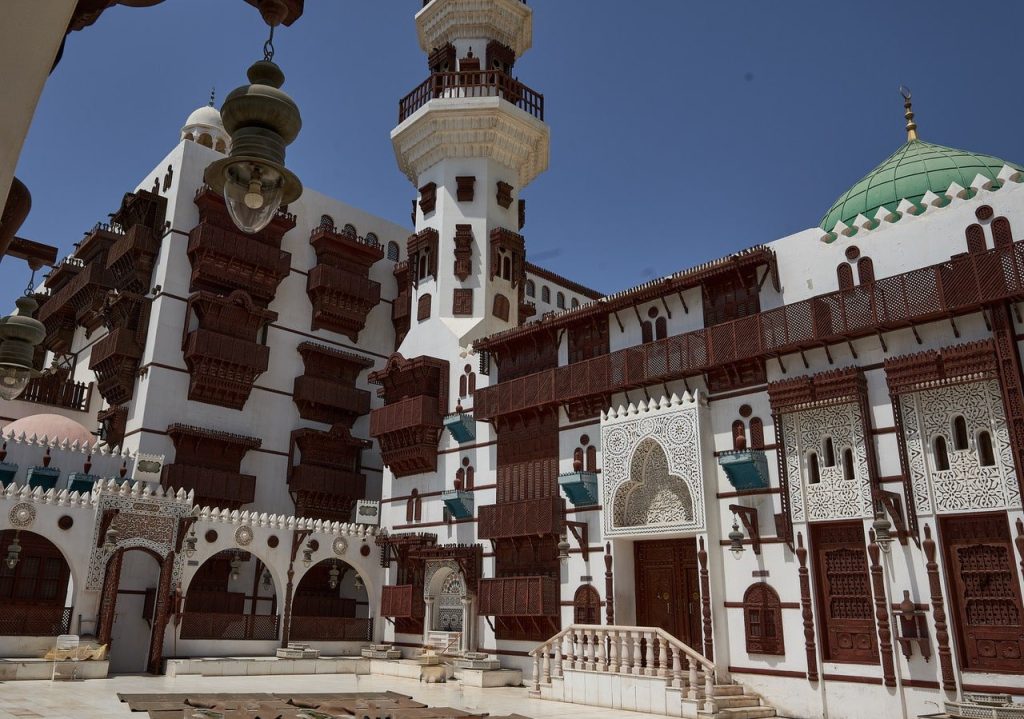
After absorbing Al-Balad's physical architecture, the Al Tayebat City Museum (Al Tayebat International City Museum for Science and Information) provides the intellectual framework to understand what you have seen and where it comes from.
The museum complex is one of the most comprehensive repositories of Hijazi cultural heritage in existence, spread across multiple floors of a purpose-built complex designed to resemble a traditional Jeddawi townhouse.
The collections cover archaeological finds from across the Arabian Peninsula, manuscripts and Islamic calligraphy, traditional weapons, jewellery, ceramics, and the complete material culture of Hijazi life across multiple centuries. Particularly valuable are the detailed explanations of the wooden roshan windows and mashrabiya screen traditions you will have already seen in the Old Town, placed here in full historical and technical context.
If you are visiting Al-Balad and Al-Tayebat in the same trip, doing the museum first and the Old Town second enriches both experiences considerably.
The Red Sea and Marine Life
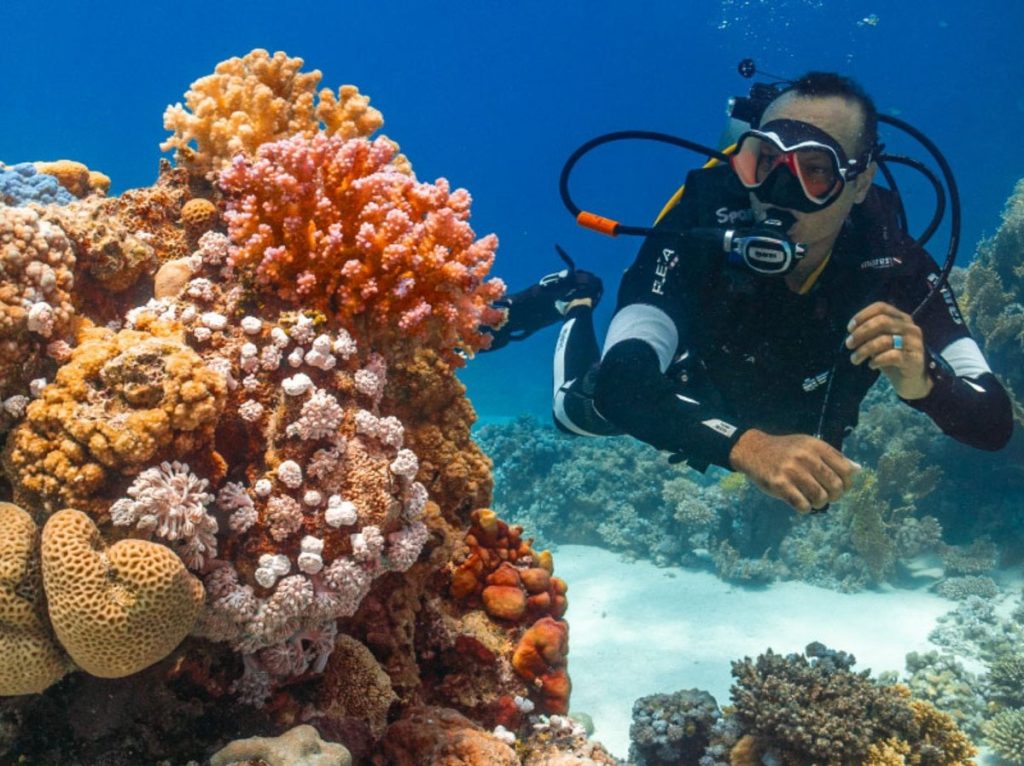
Jeddah sits on one of the most biodiverse coral reef systems in the world. The Red Sea's high salinity, stable temperatures, and relative isolation have produced extraordinary underwater life in the waters directly off the city's coast, and the reef systems within easy reach of Jeddah are among the finest diving and snorkelling destinations in the Middle East.
The North Beach area and the offshore reefs accessible by a short boat ride from Jeddah's dive operators have excellent visibility, dense coral formations, and a diversity of fish species that rival the most celebrated reef destinations globally. The water is warm year-round (25 to 30°C in the main diving season), and conditions are generally calm, making Jeddah accessible to beginner divers and snorkellers as well as experienced divers seeking serious reef dives.
Multiple PADI-certified dive schools operate in Jeddah, offering single dives, snorkel trips, Open Water certification courses, and overnight liveaboard experiences on the offshore reefs.
For visitors combining Jeddah with Hurghada or the Sinai Peninsula, the Red Sea reefs off Jeddah deserve comparison with both.


Al Shallal Theme Park
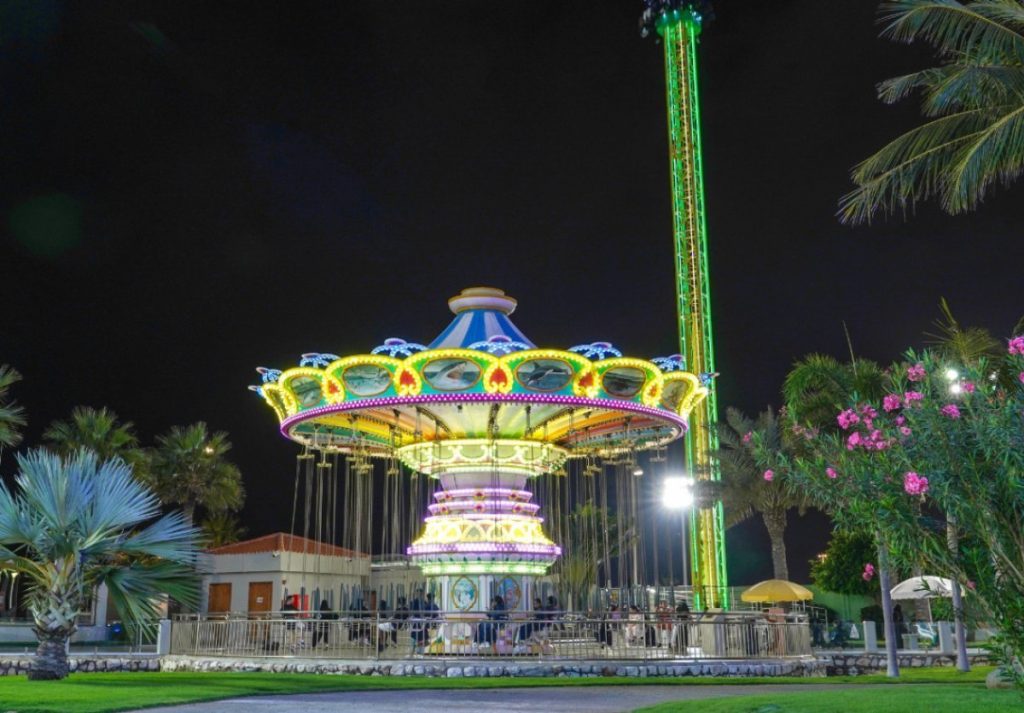
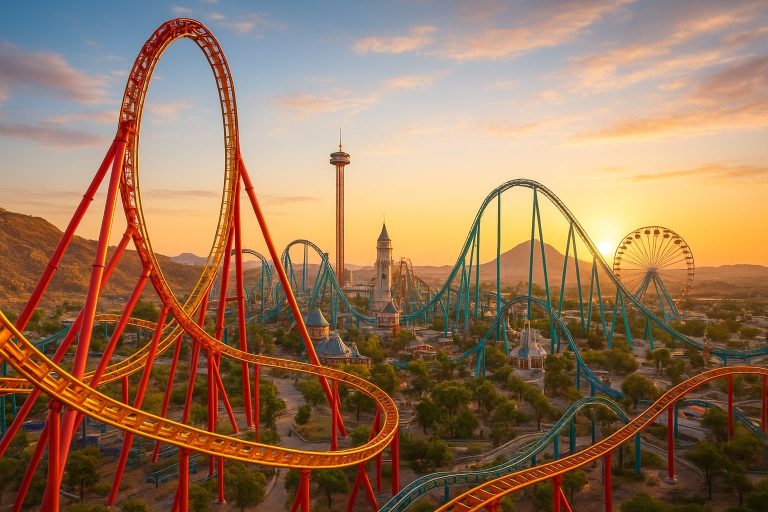
Al Shallal Theme Park is the largest entertainment complex in Jeddah, located directly on the Corniche with Red Sea views behind the park. The complex combines a full roster of thrill rides, including rollercoasters and a haunted house, with an ice skating rink (the most visited single attraction in the park), go-kart racing, an Amazon Jungle adventure zone, boat rides, 3D and 4D cinema screens, a virtual reality zone, and an extensive arcade and gaming floor.
A separate children's zone covers gentler rides and play areas for younger visitors. The park is particularly lively in the evenings and on weekends.
Arriving at the opening on a weekday gives the shortest queues for the most popular attractions.
The ice rink is the single busiest facility, and skate rentals can run out during peak periods, so arriving early is strongly recommended if skating is the priority.

Jeddah’s Food Scene
Jeddah's food scene is one of the most underrated and most genuinely rewarding in the Middle East. The city's centuries of mercantile history and its position as the gateway to Makkah gave it exposure to culinary traditions from across the Islamic world long before the concept of "international cuisine" existed, and the results are visible in a food culture that is simultaneously deep-rooted and diverse.
Kabsa is the national dish of Saudi Arabia, and Jeddah's version is among the most celebrated in the country. It is spiced rice cooked with meat (typically lamb or chicken) in a pot layered with saffron, cardamom, cloves, and dried lemon, producing a dish of extraordinary aromatic complexity that rewards patient eating. It is eaten communally from a large shared platter, by hand or with a spoon, and the social context of the meal is as important as the food itself.
Mutabbaq is the Hijazi stuffed pancake that is particularly associated with Jeddah, sold from street stalls and small restaurants throughout the Old Town. Enjoy a thin dough folded around a filling of spiced minced meat and egg, then fried until crispy. The sweet version with banana and Nutella is a more recent variant. The best versions are found in Al-Balad in the evening, from stalls where the cook works quickly, and the queue is recommended.
Shawarma in Jeddah operates at a level of quality and diversity that should recalibrate anyone's understanding of the format. This dish offers chicken or lamb slow-cooked on a rotating spit, shaved into flatbread with garlic sauce (toum), pickled vegetables, and tahini, at a price that makes it one of the best-value meals in the city.
Saudi coffee (qahwa) is the cultural foundation of hospitality here. It is a lightly roasted coffee flavoured with cardamom and saffron, served in small handleless cups alongside dates. It is poured continuously by a host as long as you wish to drink and set aside by gently waggling the empty cup. It is offered at every serious social occasion and at many of the historic sites in Al-Balad.
The café culture in Jeddah has become one of the finest in the Middle East as part of the broader transformation of Saudi social life. The Old Town has an extraordinary concentration of cafes in historic buildings, with terraces on carved roshan balconies and interiors decorated with traditional Hijazi furnishings. The area around the Old Town and along the Corniche has additional options from high-end international brands to intensely local tea houses that have been operating for decades.
Alcohol is not available in Saudi Arabia. The beverage culture runs on Arabic coffee, Saudi chai (tea), fresh juices from the Red Sea fruit markets, and an increasingly sophisticated non-alcoholic cocktail programme at the better restaurants and cafes.
Culture, Etiquette, and Local Life
Jeddah is the most socially open city in Saudi Arabia and the one where the country's recent reforms are most visibly in evidence. Women drive, couples socialize in public, music plays in commercial districts, and the Corniche on a weekend evening has the communal ease of any waterfront in the region. A few things are worth knowing before you arrive.
- Dress modestly in public. Shoulders and knees should be covered for both men and women. Swimwear is acceptable at hotels, resort pools, and designated beaches.
- Public displays of affection are not culturally appropriate, even for married couples.
- Ask before photographing people, particularly women. Photography of government buildings, military installations, and mosques requires care. When in doubt, ask first.
- Prayer times structure the day. The five daily prayers (Fajr, Dhuhr, Asr, Maghrib, Isha) cause many smaller shops and restaurants to close briefly, typically for 20 to 30 minutes. Shopping malls and larger venues manage prayer times internally and are largely uninterrupted.
- During Ramadan, eating, drinking, and smoking in public during daylight hours is not permitted for non-Muslims. Hotels and larger restaurants provide food in screened areas. Post-Iftar evenings in Al-Balad are one of the most celebratory experiences the city offers.
- Non-Muslims are strictly prohibited from entering Makkah. The restriction is clearly signposted and strictly enforced.
- Madinah is now partially accessible to non-Muslims. Most of the city can be visited, though the immediate courtyard and interior of the Prophet's Mosque (Al-Masjid an-Nabawi) remain restricted. Check current rules before visiting, as access policies continue to evolve.
Day Trips from Jeddah
The surrounding region offers some of the most dramatic natural landscapes in Saudi Arabia, and Jeddah is an excellent base for day trips into the interior.
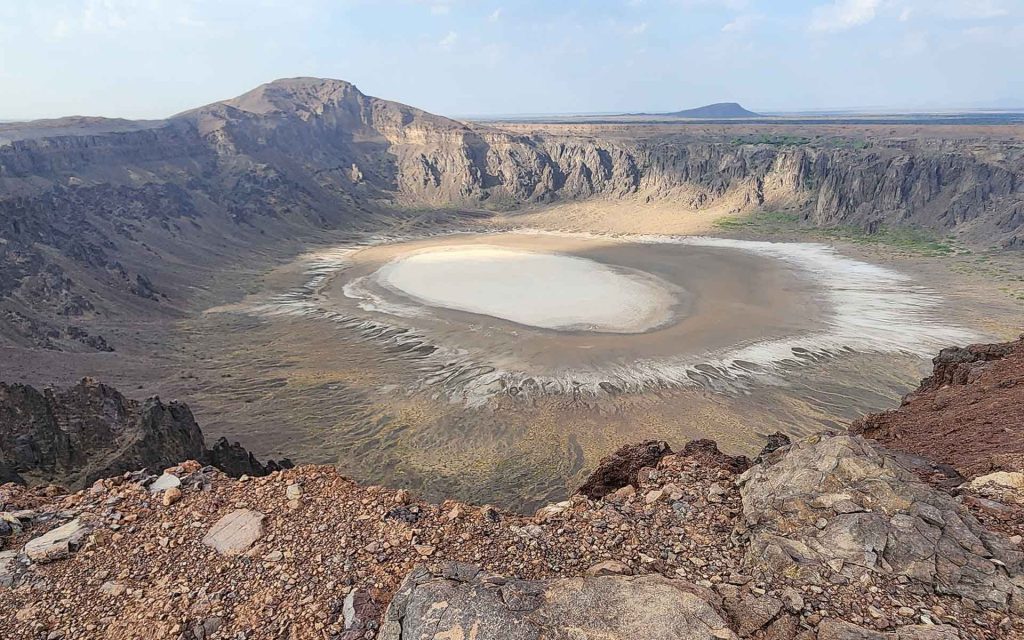
- Al Wahbah Crater is one of the most extraordinary geological features in Saudi Arabia. It is a volcanic crater approximately 370 to 380 km northeast of Jeddah, about 4.5 to 5 hours by car, with a floor of white sodium phosphate crystals and the striking green of a crater lake visible from the rim. The hike down into the crater takes about an hour and is best done in the cooler months. An overnight camping trip gives the added dimension of the desert sky at night.
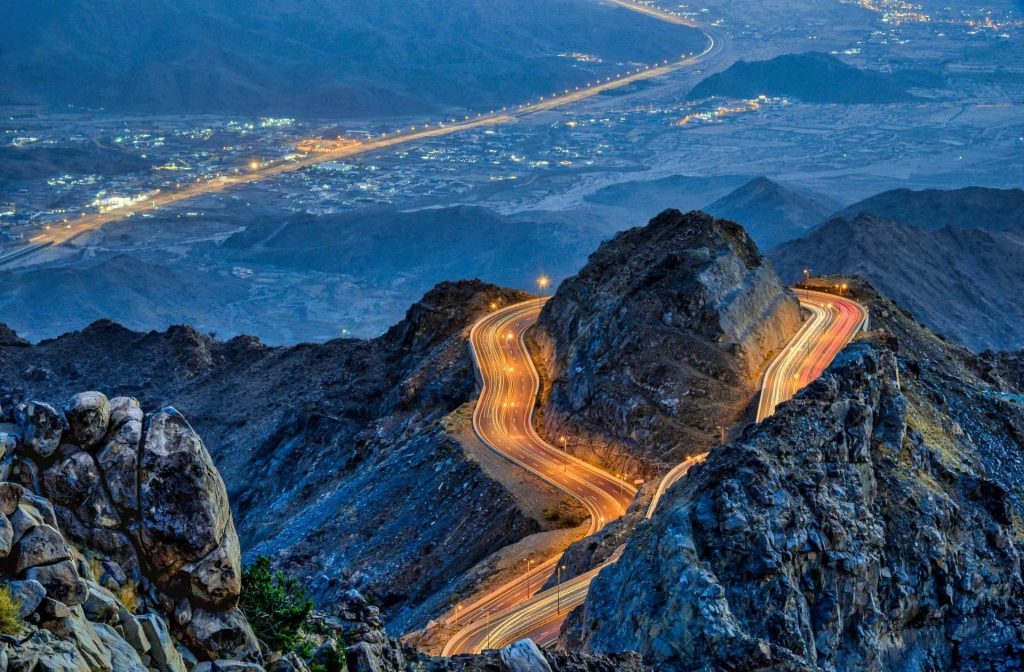
- Taif (approximately 165 km east of Jeddah, about 2 to 2.5 hours by car via the Al Hada highway) is the mountain city famous for its rose gardens that produce the finest rose oil (oud roses) in the Arabian Peninsula, its orchards of peaches and grapes, and its cool summer climate that traditionally drew wealthy Jeddawis and the Saudi royal family as a seasonal retreat. The Ta'if Rose Festival in spring is one of the most distinctive seasonal events in the region.
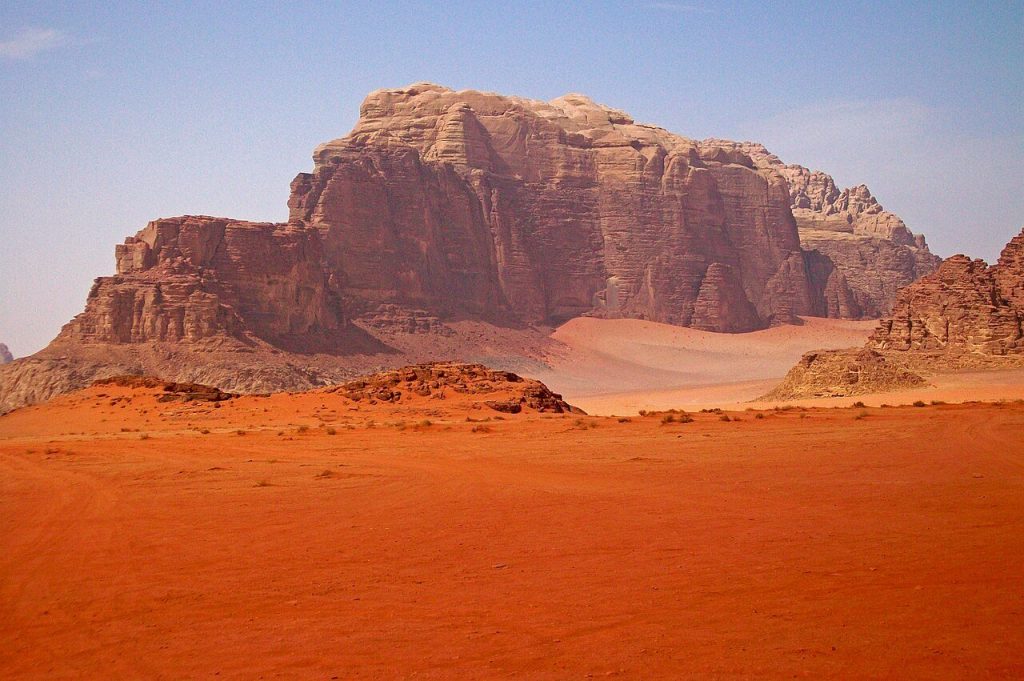
- Moon Valley (Wadi Al-Qamar) near Al-Nuzha, about 45 km north of Jeddah, is a lunar landscape of weathered rock formations and narrow canyon passages that takes its name from its otherworldly appearance. It is best visited in the early morning or late afternoon for the most dramatic light.
When Should You Visit Jeddah?
Jeddah has a desert climate on the Red Sea coast and the timing of a visit matters considerably.
October through April is the best window. Daytime temperatures drop to a comfortable 22 to 30°C, evenings are genuinely pleasant, and outdoor activities, including Corniche walks, Old Town exploration, diving, and day trips, are all comfortable. March and April, before temperatures climb again, are particularly enjoyable.
May through September is the hot season, with temperatures regularly exceeding 38 to 42°C and humidity from the Red Sea making the heat feel more intense than the desert interior. The outdoor attractions are challenging in midday heat. Most visitors during this period concentrate activity in the early morning and late evening, when the city comes to life, and in air-conditioned venues through the day.
Hajj season (dates change annually with the Islamic lunar calendar) brings enormous numbers of pilgrims through Jeddah's airport and port. The city is significantly busier, accommodation is harder to find and more expensive, and the Al-Balad area in particular can be very crowded. Unless the pilgrimage itself is the purpose of your visit, the Hajj season is best avoided for a general tourism trip.
Ramadan is a particularly atmospheric time to visit if you understand what to expect. Daytime is quiet, and the post-Iftar evenings are extraordinary, with the Old Town and Corniche coming to life in a way that feels genuinely celebratory. Restaurants and cafes operate with restricted daytime hours but open fully after Iftar.
Practical Tips Before You Go
- Apply for your Saudi e-Visa before departure at visa.visitsaudi.com. The process is fast and straightforward. The visa is typically approved within minutes to a few hours for most eligible nationalities.
- Download Uber before landing. It is the most reliable and transparent transport option in Jeddah and will save significant time and negotiation at the airport and throughout the city.
- Dress for the climate and the culture. Lightweight, loose-fitting clothing that covers shoulders and knees is appropriate for public areas. Carry a light layer for heavily air-conditioned malls and restaurants.
- Cash and cards: Cards are very widely accepted throughout Jeddah, including at most restaurants, shops, and attractions. ATMs dispense Saudi Riyals and are available throughout the city. Some older establishments in Al-Balad prefer cash.
- Prayer times structure the day. Build 20-30 minute windows around the five daily prayer times into any plan that involves shops or smaller restaurants. Malls and major attractions largely continue operating.
- Respect the prohibition on Makkah for non-Muslim visitors. The city is clearly signposted, and the restriction is strictly enforced. Non-Muslims may visit most of Madinah but are restricted from the Prophet's Mosque courtyard and interior.
- Alcohol is not available anywhere in Saudi Arabia, including hotels. Plan accordingly.
- The heat is real. May through September brings extreme temperatures. Carry water, plan outdoor activities for mornings and evenings, and use sunscreen year-round.
Jeddah will recalibrate what you thought you knew about Saudi Arabia and probably about the Middle East more broadly. The Old Town is genuinely extraordinary. The waterfront is one of the most enjoyable in the region. The food is magnificent. And the experience of wandering through 7th-century lanes at midnight while café music drifts out of roshan windows above you is unlike anything available at most other destinations.
Head to Thrillark to book your Jeddah experiences, and give this remarkable Red Sea city the visit it has been quietly earning for centuries.
Frequently Asked Questions About Jeddah
Do you need a visa to visit Jeddah and Saudi Arabia?
Citizens of approximately 60 countries, including the US, UK, EU nations, and Australia, can apply online for a Saudi tourist e-Visa at visa.visitsaudi.com before departure. The process is typically very fast. Citizens of additional countries may qualify for a visa on arrival. Indian nationals can apply through the official Saudi portal. Always verify your specific requirements before booking, as the program continues to expand.
Is Jeddah safe to visit as a tourist?
Jeddah is widely regarded as one of the safer cities in the Middle East for international tourists. Violent crime against visitors is extremely rare. The main practical concerns are road traffic (driving standards and pedestrian crossing infrastructure are different from what many Western visitors are accustomed to) and the need to be aware of local laws and cultural expectations around dress, behaviour in public, and the prohibition on alcohol.
What is Al-Balad, and why is it UNESCO-listed?
Al-Balad is the historic Old Town of Jeddah, established in the 7th century as a trading and pilgrimage port on the Red Sea. It was inscribed as a UNESCO World Heritage Site in 2014 for its outstanding collection of over 500 coral-stone merchant houses with distinctive Roshan wooden bay windows and mashrabiya lattice screens, representing a unique and highly evolved architectural tradition of the Hijaz region that exists nowhere else in the same concentration. It is the primary reason to visit Jeddah and the single most visually extraordinary district in the city.
Can women travel independently to Jeddah?
Yes. Following Saudi Arabia's Vision 2030 social reforms, women can travel to Saudi Arabia independently without a male guardian, drive, and move freely throughout the country, including Jeddah. Female solo travelers have reported very positive experiences in Jeddah specifically, with hospitable local people and a generally safe environment. Modest dress covering shoulders and knees is expected in public. The abaya is no longer required following the 2019 reforms.
What is the King Fahd Fountain, and where is it?
The King Fahd Fountain (Nafurat Al-Malik Fahd) stands on the Jeddah Corniche and, at up to 312 metres, is the tallest fountain in the world, listed in the Guinness World Records. It shoots illuminated water into the air from a platform in the Red Sea and is visible from large parts of the city. The best view is from the Corniche promenade itself in the evening when the lit fountain creates one of the most dramatic nighttime spectacles in Saudi Arabia.
What is Al Shallal Theme Park in Jeddah?
Al Shallal Theme Park is the largest entertainment complex in Jeddah, located on the Corniche with Red Sea views. The park combines thrill rides, including rollercoasters, an ice skating rink, go-kart racing, an Amazon Jungle adventure zone, 3D and 4D cinema, virtual reality experiences, boat rides, and an arcade and gaming floor with a children's zone for younger visitors. It is most enjoyable in the evenings and on weekdays when queues are shorter, the ice rink in particular fills up quickly, and skate rental can run out during busy periods.
What food should you try in Jeddah?
The essential dishes are Kabsa (spiced rice with lamb or chicken, the national dish eaten communally from a shared platter), Mutabbaq (Hijazi stuffed pancake with spiced meat and egg, best from Old Town street stalls in the evening), Shawarma (high-quality versions throughout the city), and the Saudi coffee experience (qahwa with dates) which is as much a social ritual as a beverage. The café scene in and around Al-Balad is genuinely excellent and worth spending time in on multiple evenings.
Browse by themes
Top Things to Do in Saudi Arabia