Tokyo is the most populous metropolitan area on Earth and the most quietly overwhelming city you will ever visit. Not because it is aggressive or chaotic in the way that description usually implies, but because it is so comprehensively excellent at so many things simultaneously that it becomes genuinely difficult to decide which version of the city you want to be in at any given moment.
Michelin-starred ramen next to a 7-Eleven that also serves excellent food. A seventh-century Buddhist temple in the shadow of a 634-metre broadcasting tower. Cherry blossom hanami parties are so beautiful that people fly across the world for them, followed by summer festivals so boisterous they fill entire neighbourhoods with taiko drums and yukata-clad residents who seem to be genuinely, completely enjoying themselves. Tokyo has a lot to offer its guests.
Japan’s capital sits on Honshu island at the head of Tokyo Bay, a city that rebuilt itself after the Great Kanto Earthquake of 1923 and the firebombing of 1944, and in doing so became the extraordinary layered metropolis it is today.
It is now one of the safest major cities in the world, one of the most technically advanced, one of the most food-obsessed, and one of the most impossibly photogenic.
Give Tokyo five days minimum. Seven is better. There is no city on Earth with more to reward the visitor who decides to slow down and actually pay attention.
Tokyo City Essentials
Entry Requirements for Tokyo
Citizens of approximately 70 countries can visit Japan visa-free for stays of 15 to 90 days depending on nationality. Citizens of the US, UK, Canada, Australia, and EU nations qualify for 90-day visa-free stays.
Indian nationals require a visa, obtainable from the Embassy of Japan. Short-term tourist visas and a streamlined e-Visa system are available. Always verify your specific requirements at mofa.go.jp before booking flights.
Japan operates a Visit Japan Web digital registration system for immigration and customs. Pre-registering your information at vjw-lp.digital.go.jp before departure speeds up the airport process considerably and is strongly recommended for all visitors.
Getting There and Getting Around
Haneda Airport (HND) is the closest airport at 14 km south of central Tokyo, with excellent connections to the city centre. The Tokyo Monorail connects Haneda to Hamamatsucho station (around 18 minutes), and the Keikyu Airport Line connects to Shinagawa and central Tokyo (around 13 minutes to Shinagawa). Both accept IC cards and are seamless.
Narita International Airport (NRT) is 60 km east of Tokyo and handles the majority of long-haul international flights. Three rail options connect Narita to the city: the Keisei Skyliner is the fastest and most comfortable option, reaching Ueno in approximately 41 minutes and connecting to the Tokyo Metro network. Standard Narita Express (N’EX) to Shinjuku or Tokyo Station takes about 60 to 90 minutes. The airport limousine bus is a slower but convenient direct option to major hotels throughout the city with no changes of train required.
Getting around the city:
Once you are in Tokyo, the rail network does almost everything. The city has one of the most extensive and punctual transit systems in the world, covering every significant neighbourhood through a web of Tokyo Metro lines, Toei subway lines, and JR surface rail lines. The key to navigating it is the IC card.
- Suica or Pasmo IC Card: This is a rechargeable smart card that works on every train, subway, bus, and monorail in Tokyo, and on most public transport throughout Japan. Tap on and off at every gate and the fare is deducted automatically. The cards also work at convenience stores, vending machines, and many restaurants and shops. Buy one at any major station on arrival. The Mobile Suica version can be added to Apple Pay or Google Pay and works without a physical card.
- Tokyo Subway Ticket: This is a tourist-specific pass (available through Thrillark) giving unlimited rides on all Tokyo Metro and Toei subway lines for 24, 48, or 72 hours. It provides excellent value for visitors making multiple journeys per day in the central city.
- JR Yamanote Line: It is the circular JR line that encircles the city’s core, connecting Shinjuku, Shibuya, Harajuku, Ueno, Akihabara, Shinagawa, and Tokyo Station in a continuous loop. This single line alone reaches more of the main visitor destinations than any other in the city.
- Taxis and rideshare: Tokyo taxis are metered, clean, and expensive. Uber operates but is significantly more expensive than in most other cities. Taxis are best reserved for late-night journeys when the last trains have stopped (trains generally stop around midnight and restart around 5 am).
- Walking: Many of Tokyo’s most interesting moments happen between train stations in the lanes and alleys that no app will direct you toward. Building in time to walk between neighbourhoods is almost always rewarded.


Tokyo’s Neighbourhoods
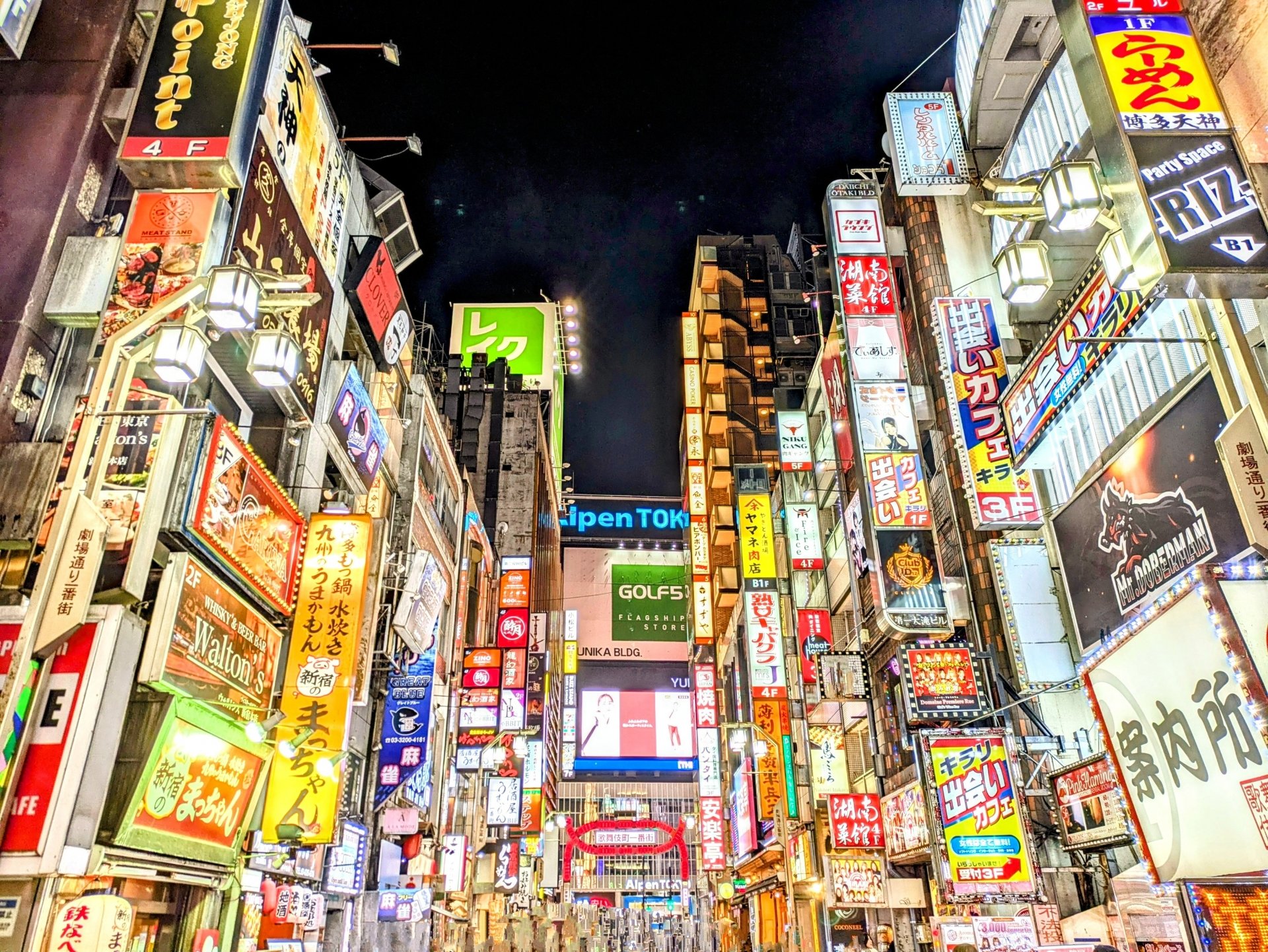
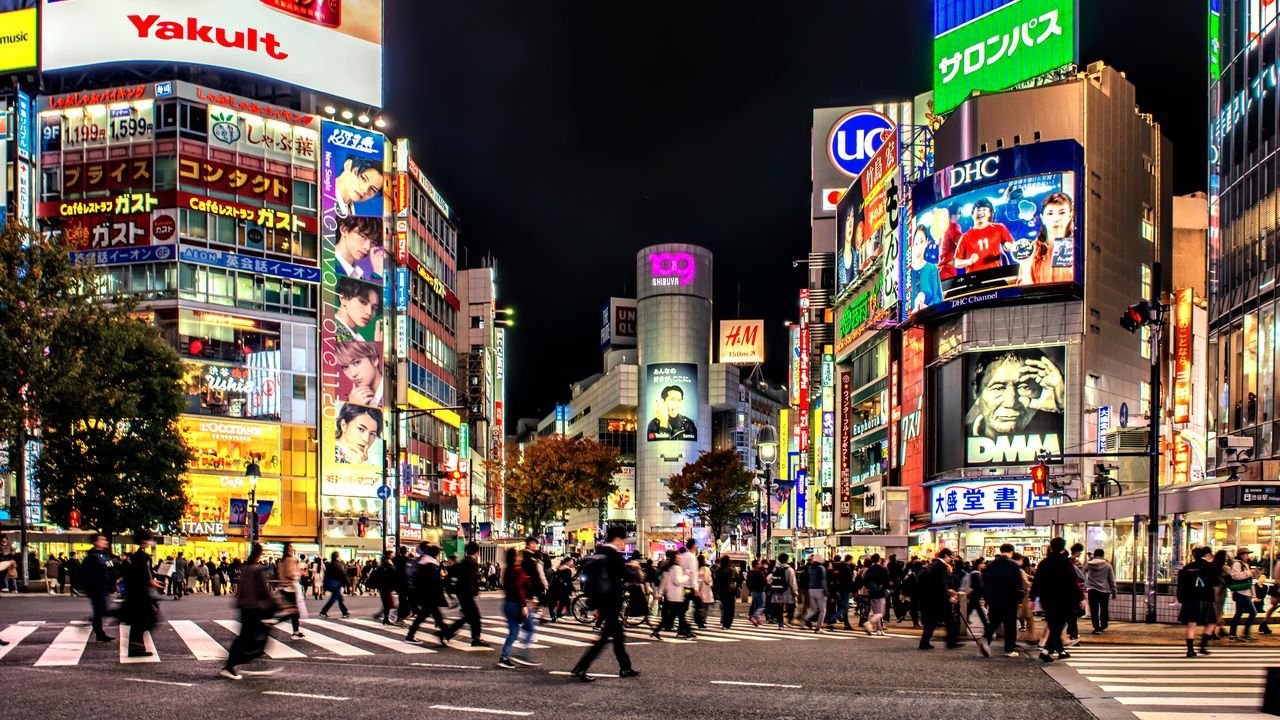
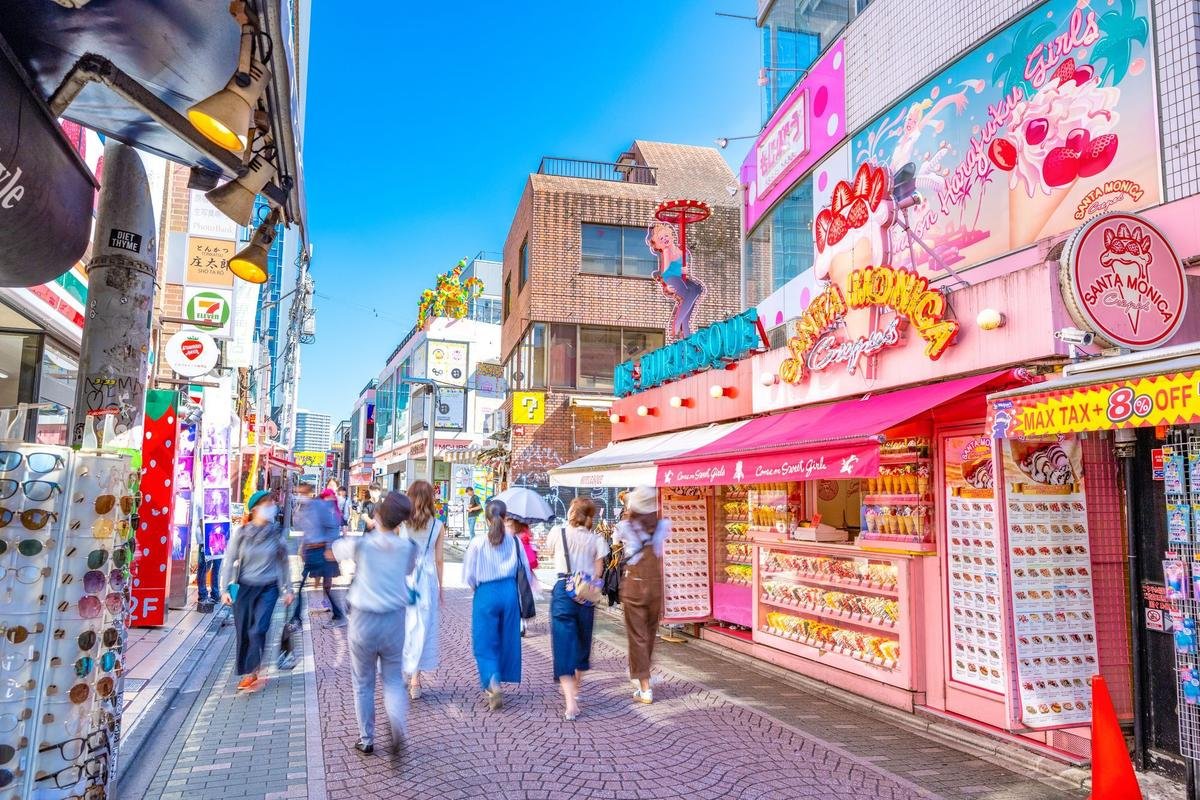
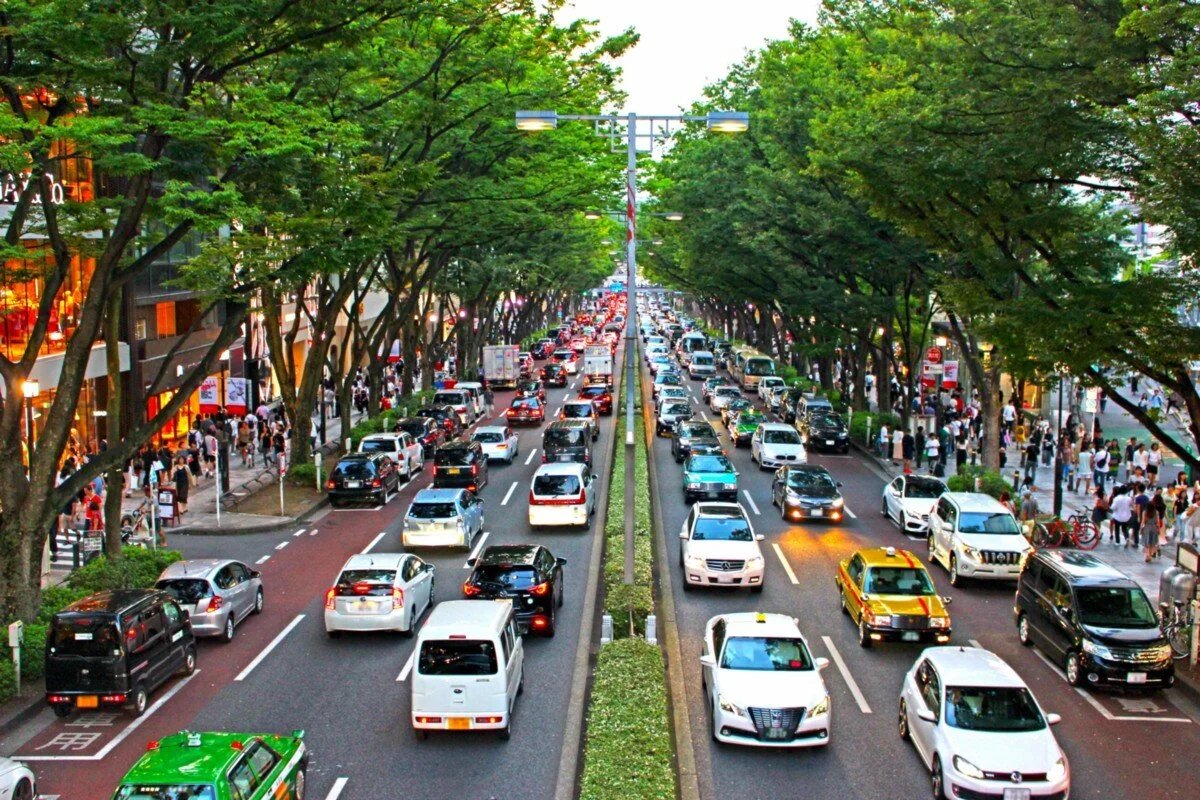
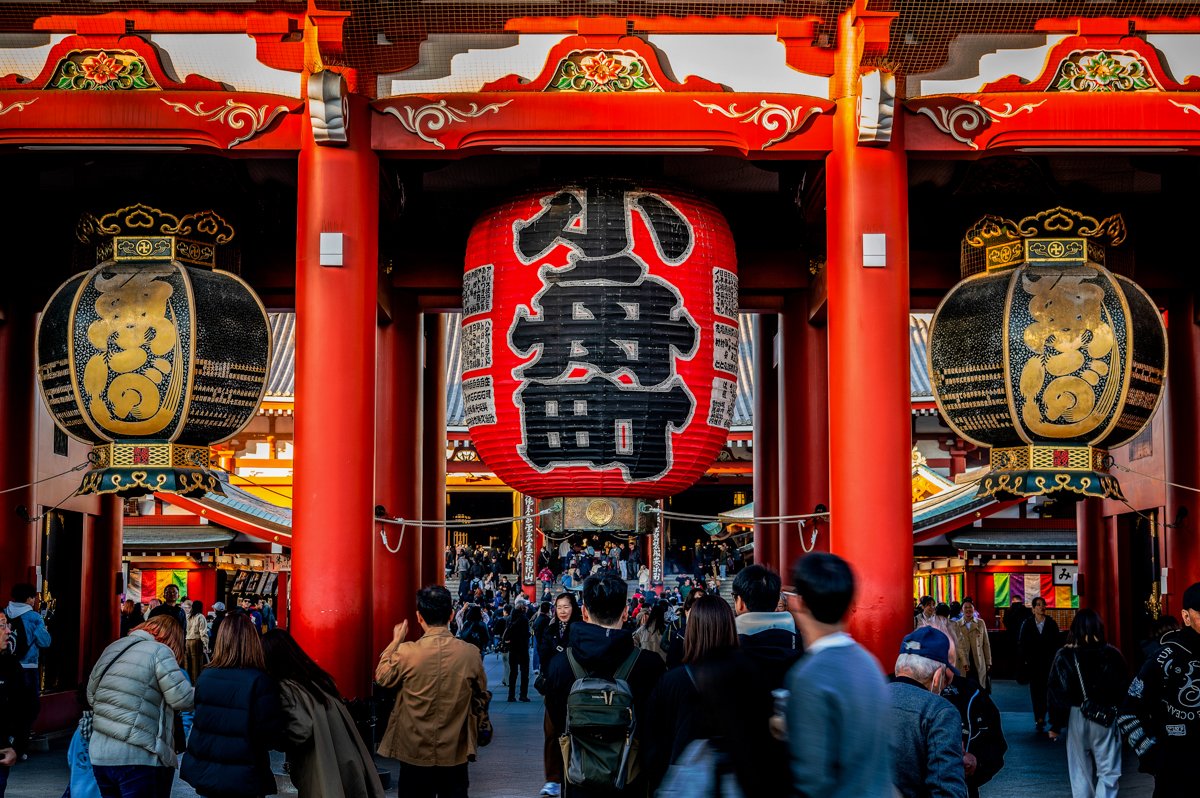
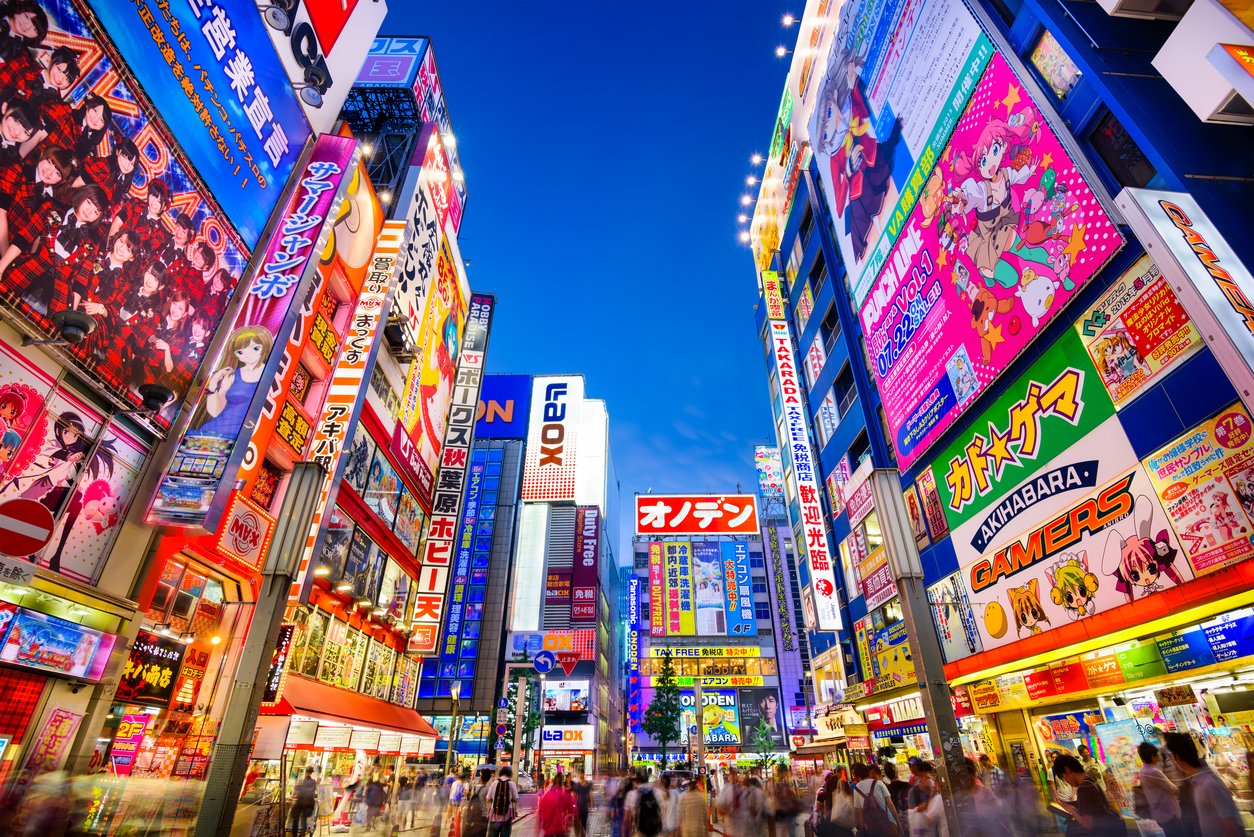
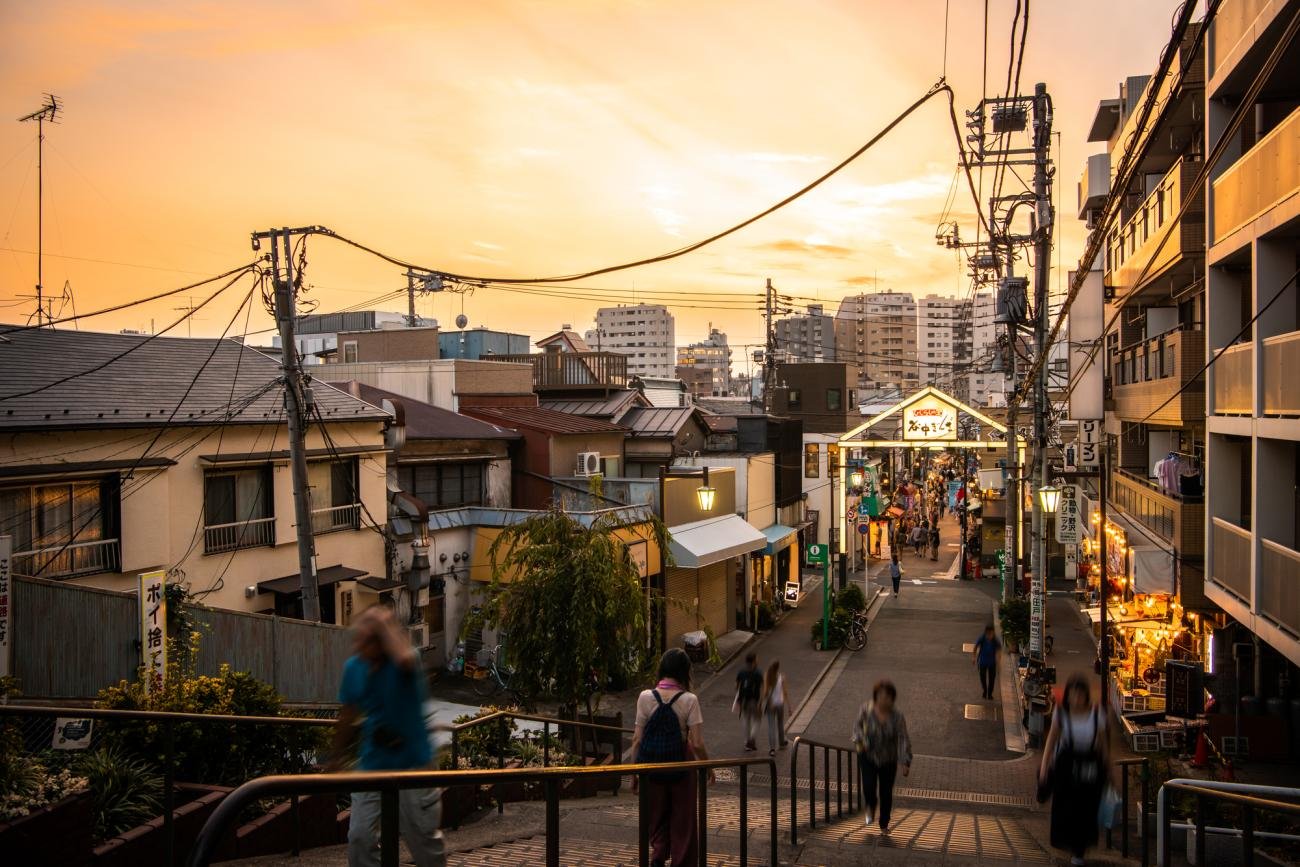
Tokyo does not have a single centre. It is a collection of distinct districts that each function as a city within the city, connected by the rail network and unified by a distinctly Tokyo character beneath the surface.
- Shinjuku is the commercial heart. You get Shinjuku Station, which processes over 3 million passengers daily, making it the busiest railway station in the world. West Shinjuku has the skyscraper district and the Tokyo Metropolitan Government Building's free observation decks. East Shinjuku has the Golden Gai (200-plus tiny bars, each seating six people), Kabukicho, and Omoide Yokocho (Memory Lane's yakitori alley).
- Shibuya is defined by its scramble crossing, where 1,000 to 2,500 people cross simultaneously from five directions. It is best photographed from Scramble Square above, best experienced in the middle of the crowd at street level.
- Harajuku and Omotesando are opposite poles. Takeshita Street is chaotically youth-oriented with rainbow crepes and cosplay. Omotesando Avenue, a few hundred metres away, is tree-lined and architecturally serious, with flagship buildings by Tadao Ando and SANAA.
- Asakusa is where old Tokyo is most legible. The Senso-ji Temple complex anchors the district with its Thunder Gate, Nakamise shopping street, and five-storey pagoda. The surrounding Shitamachi neighbourhood has a traditional character entirely different from the western districts.
- Akihabara has anime, manga, video games, and maid cafés. You get to see multi-floor electronics stores, capsule toy machines, and figurine shops in a density that rewards wandering.
- Yanaka is the most old-fashioned neighbourhood in the city. It is a shitamachi district that survived both the 1923 earthquake and the wartime bombing, with traditional craft shops, independent cafes, and the Yanaka Ginza shopping alley.


The Big Sights
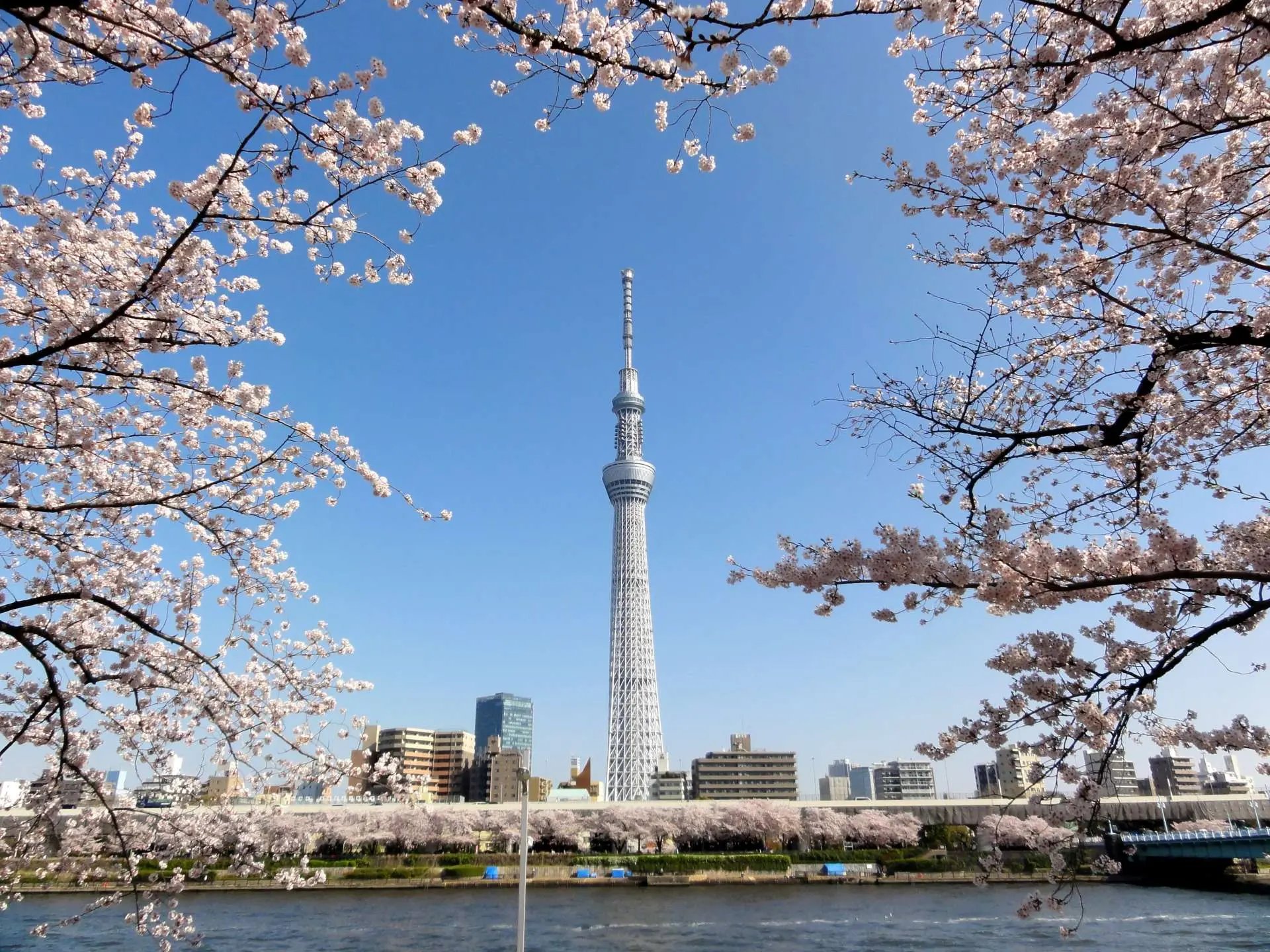
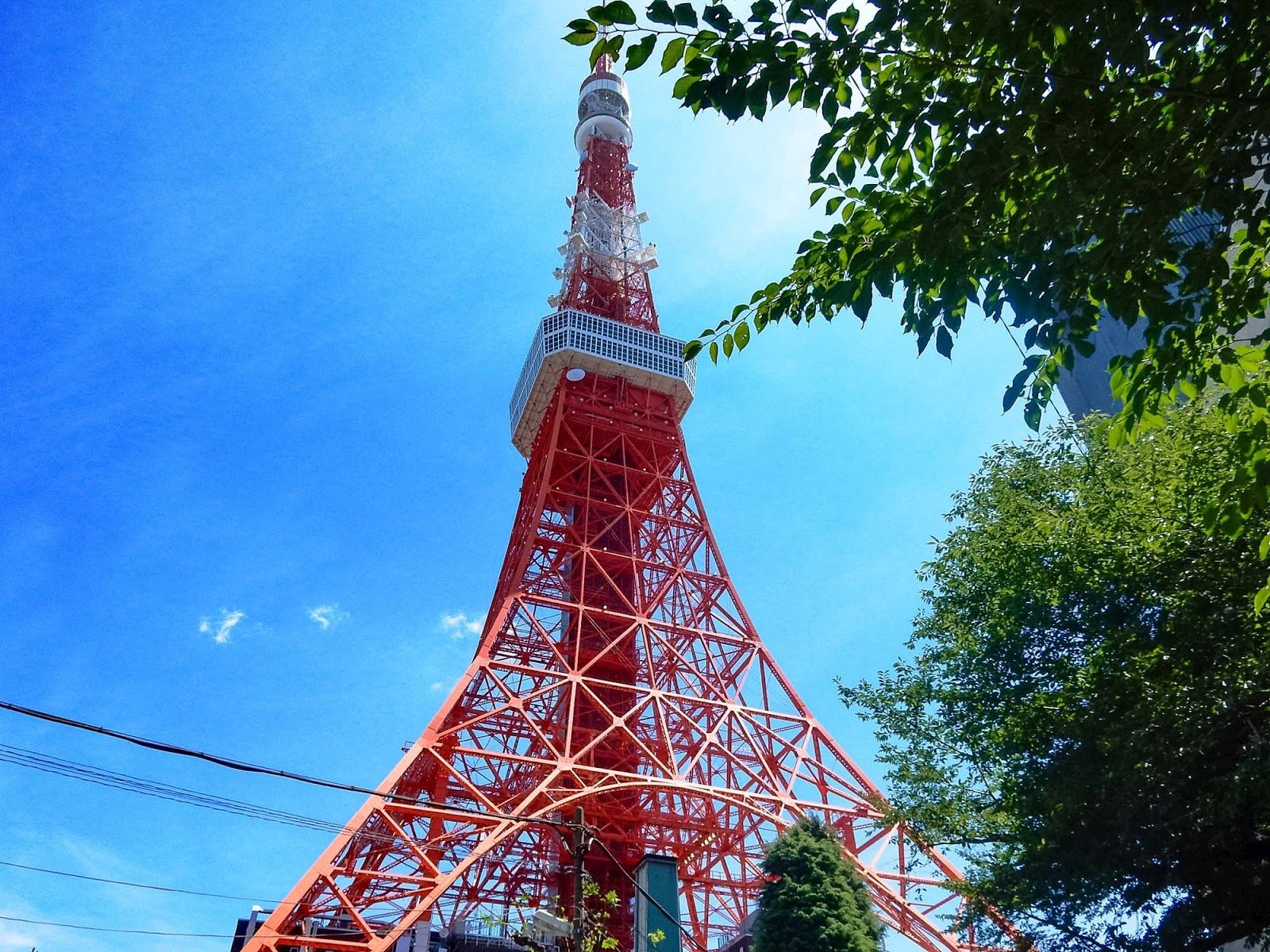
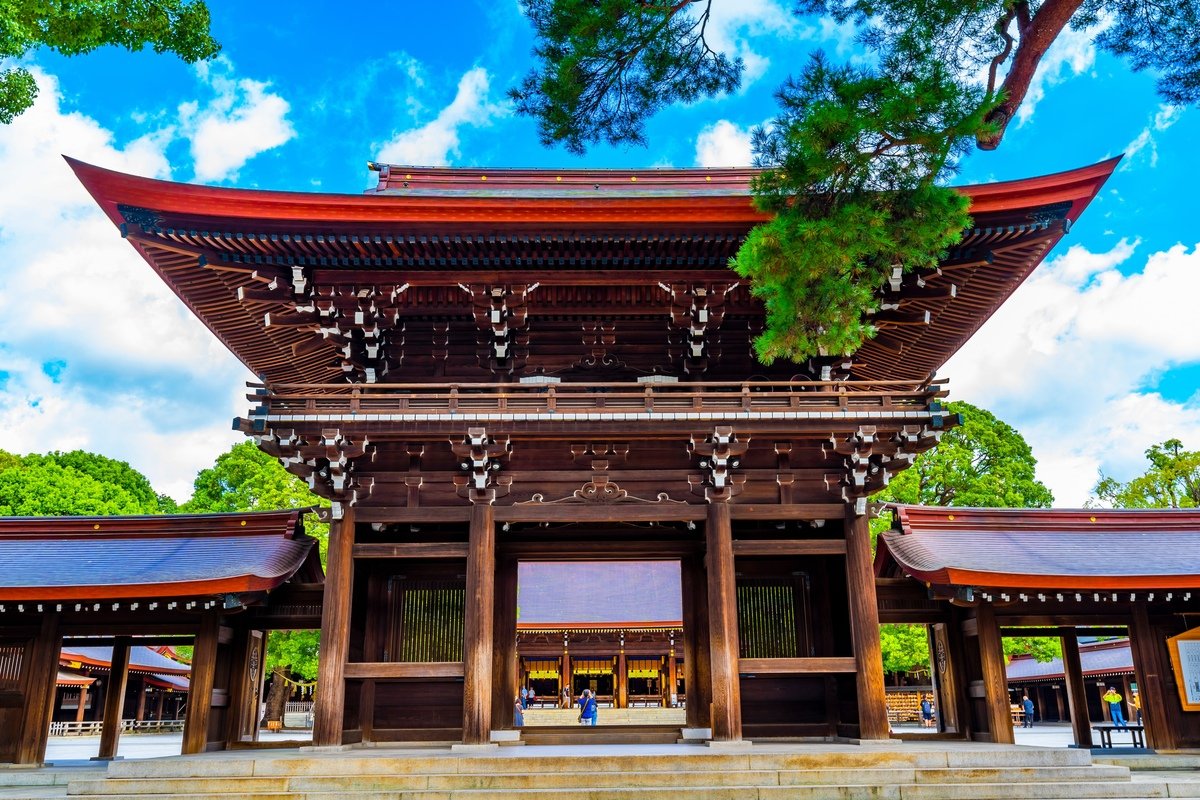
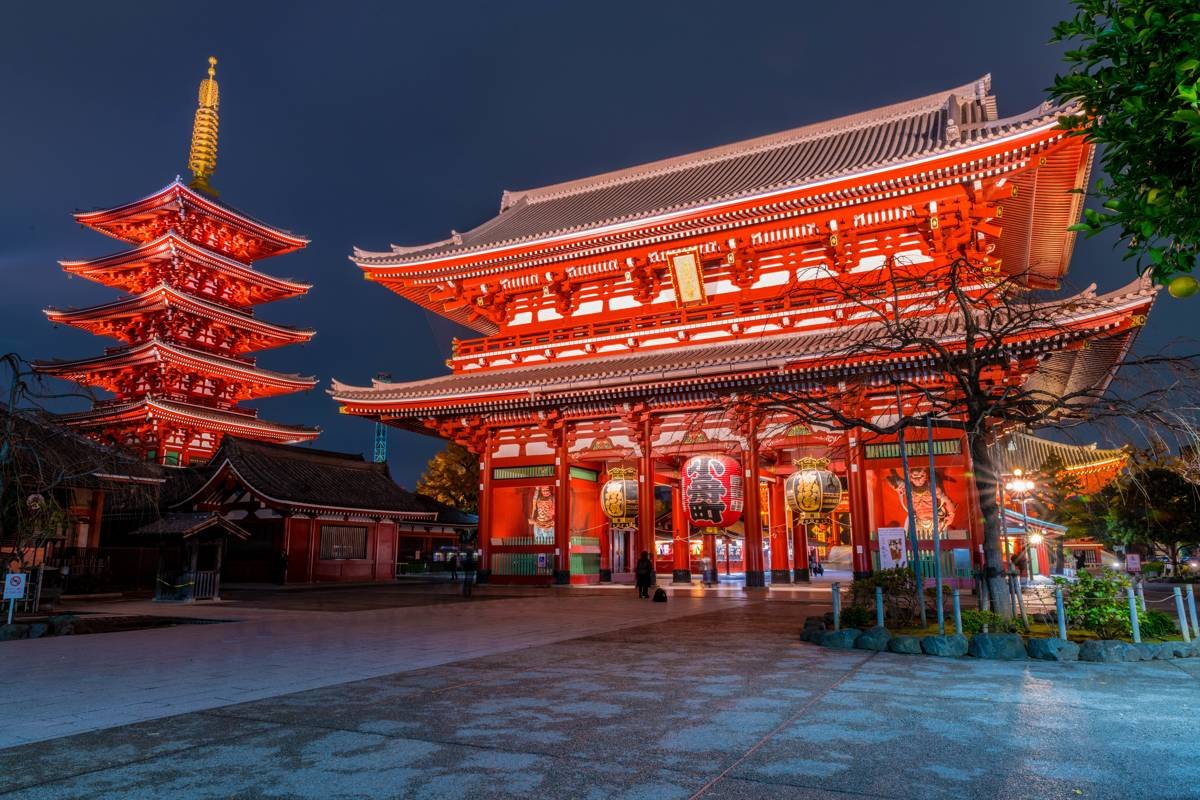
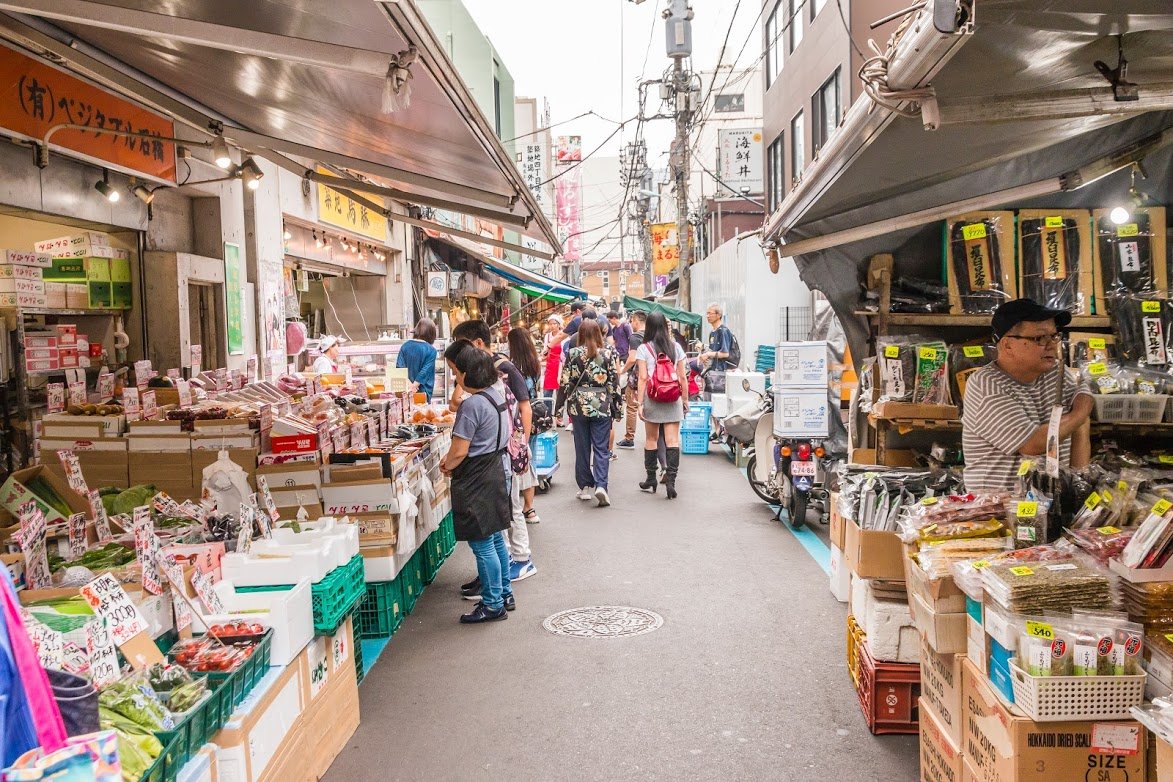
Beyond the neighbourhoods, certain individual sights and structures give Tokyo its visual identity and reward the visitor who arrives with a clear plan for the key attractions.
- Tokyo Skytree in Sumida is the tallest structure in Japan at 634 metres. The Tembo Deck at 350 metres and Tembo Galleria at 450 metres give the most comprehensive city view available from any structure, extending to Mount Fuji on clear days.
- Tokyo Tower in Minato is the older and more characterful observation structure. It is a red-and-white lattice tower completed in 1958, standing 333 metres with the Main Observatory at 150 metres and the Top Deck at 250 metres. At night, lit orange against the sky, it is one of the most iconic images in the city.
- Meiji Shrine (Meiji Jingu) in Harajuku was built in 1920 within a 70-hectare forested precinct that is extraordinary, given its central Tokyo location. The approach through the cedar forest and the quiet of the inner compound at dawn are among the most genuinely restorative experiences in the city. The best part? Entry is completely free.
- Senso-ji Temple in Asakusa is the most visited spiritual site in Japan, receiving approximately 30 million visitors annually. Move slowly through the progression from the Thunder Gate and Nakamise shopping street to the main hall, perform the omikuji fortune ritual, and pass the great incense burner at the base of the hall.
- Tsukiji Outer Market (the Inner Market relocated to Toyosu in 2018) remains one of the finest food destinations in Tokyo, with fresh fish, tamagoyaki, and seafood preparations available from early morning. Go before 9 am because the best items run out by mid-morning.


teamLab Planets and Digital Art
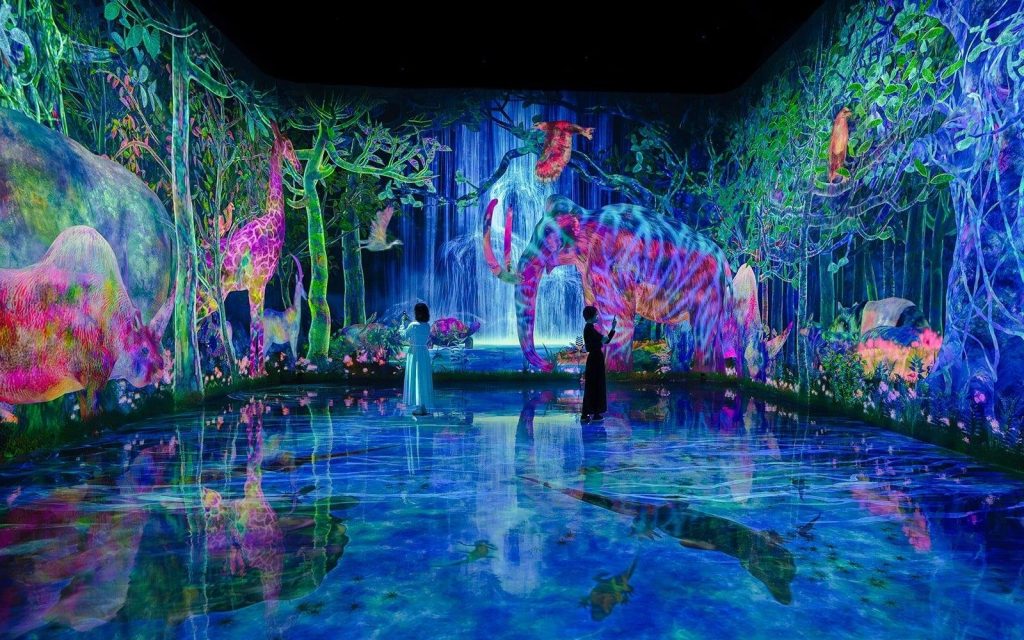
One of the most extraordinary cultural experiences in contemporary Tokyo is also one of the most recent.
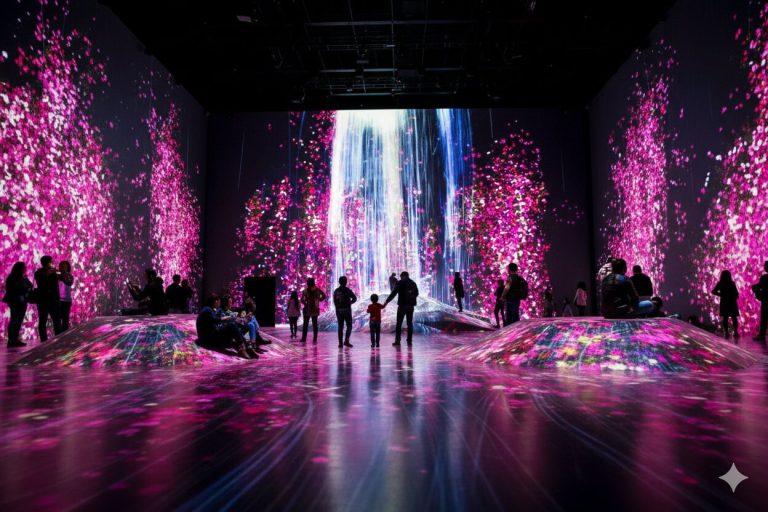
teamLab Planets in the Toyosu district is a digital art museum where visitors walk barefoot through immersive environments that respond to their presence. You are wading knee-deep through water where koi swim around your feet in light and shadow, entering rooms where flowers bloom in real time and dissolve when touched, and standing in infinite spaces of light and reflection that make it genuinely impossible to tell where the floor ends and the ceiling begins.
The experience takes 1.5 to 2 hours and requires comfortable clothing that you do not mind getting slightly wet in the water sections. A new forest area was added in January 2025. Weekday morning slots are the quietest, while the evening slots are atmospheric but busier. Book tickets in advance through Thrillark. Timed entry is mandatory, and the most popular slots sell out days ahead.
teamLab Borderless, originally at Odaiba and relocated to Azabudai Hills in 2024, is the larger sibling installation. It is a non-linear experience where the boundaries between rooms dissolve, and artworks flow between spaces. Together, the two teamLab experiences represent the most significant development in immersive art anywhere in the world.


Mount Fuji: The Day Trip and the Overnight
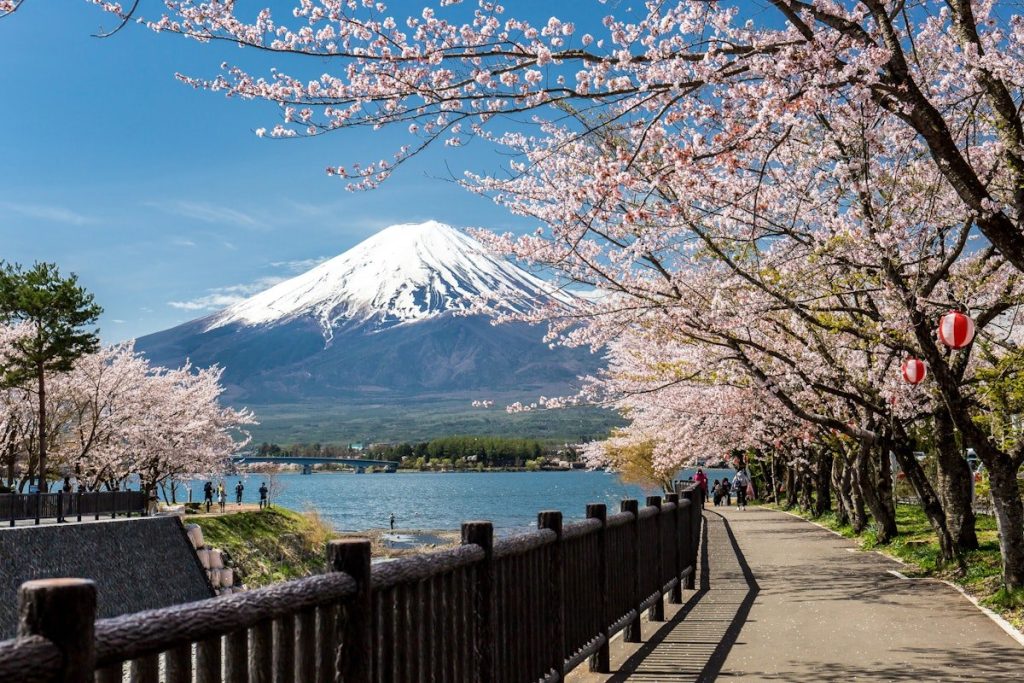
Every list of things to do from Tokyo eventually arrives at Mount Fuji, and correctly so. The symmetrical volcanic cone visible from the city on clear days is Japan's highest mountain at 3,776 metres, a UNESCO World Heritage Site, and one of the most recognisable natural landmarks on Earth.
The standard day trip from Tokyo reaches the Fuji Five Lakes region (Fujikawaguchiko is the most visited town) in about 2 to 2.5 hours by highway bus, where Kawaguchiko Lake gives the classic reflection photographs of the mountain above the water.
The mountain's official climbing season runs from early July to mid-September. Outside these months, the upper trails are closed, and conditions are dangerous.
For visitors who want to climb the mountain rather than simply view it, the ascent from the 5th Station takes 5 to 7 hours up and 3 to 5 hours down. Most climbers begin around midnight to reach the summit for sunrise, widely considered one of the most spectacular natural experiences available in Japan.


Onsen: Tokyo's Hot Spring Culture
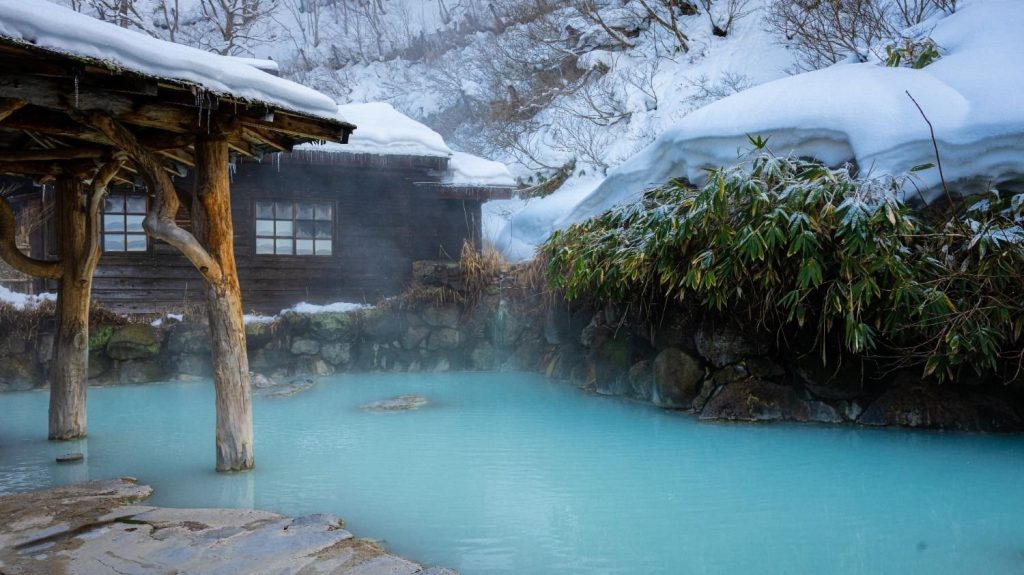
Japan's onsen (hot spring) culture is one of the most distinctive wellness traditions in the world, and Tokyo has more hot spring bathing facilities than many people expect from an urban setting.
The etiquette is consistent across all establishments:
- Wash and rinse your entire body thoroughly at the individual shower stations before entering any communal pool.
- Tattoos are prohibited at most traditional onsen and public baths, a policy that is strictly enforced.
- Mobile phones and cameras are never permitted in bathing areas.
- Towels go on your head or are held at your side, never in the water.
Tokyo Dome Natural Hot Spring Spa LaQua in Bunkyo, adjacent to Tokyo Dome City, is the most comprehensive hot spring spa facility in central Tokyo. It is a natural hot spring water sourced from 1,700 metres below the city surface, with indoor and outdoor baths at different temperatures, a healing bade (a therapeutic pool with jets and mineral water) unique in Japan, saunas, steam rooms, and rest areas. It is available as a timed or all-day visit. The facility is mixed in public areas with gendered bathing sections.


Sumo, Sushi, and Ramen
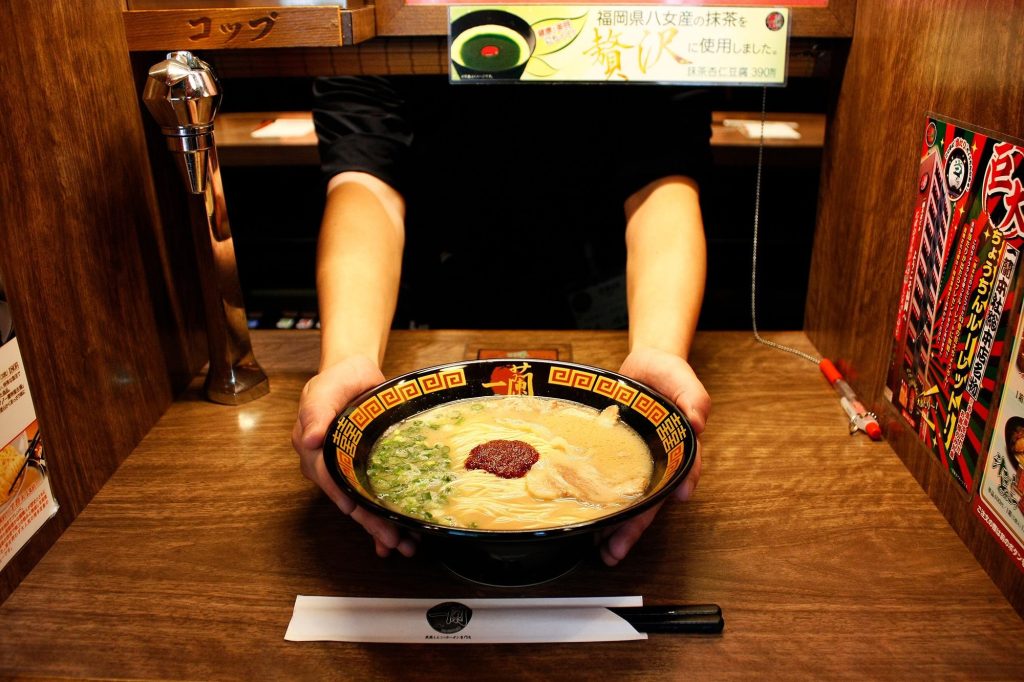
Tokyo's food and cultural experiences overlap in ways that reward visitors who treat both as equally important.
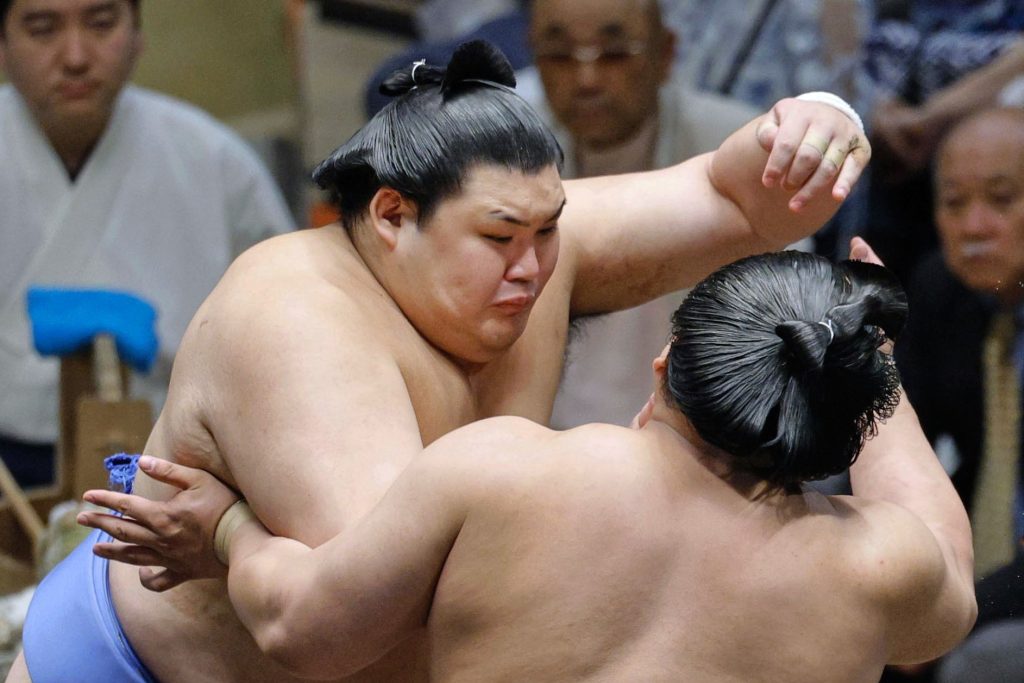
Sumo is Japan's national sport and one of the most ancient athletic traditions in the world, with rituals rooted in Shinto practice that pre-date the formal sport by centuries. The Sumo Live Restaurant Hirakuza Ginza brings together a sumo performance and dining experience in the heart of Ginza, where visitors watch former professional wrestlers demonstrate techniques, hear stories of life inside a sumo stable, and eat alongside the performers.
The chanko nabe (a protein-rich hot pot that is the traditional food of sumo wrestlers) is part of the meal. You get a significantly more accessible and immersive introduction to sumo culture than trying to obtain tournament tickets.
For those visiting during a Grand Sumo Tournament (held in Tokyo in January, May, and September at the Ryogoku Kokugikan), tournament tickets give access to the full-day programme from early morning qualifying bouts through to the late afternoon headline matches between the highest-ranked wrestlers.
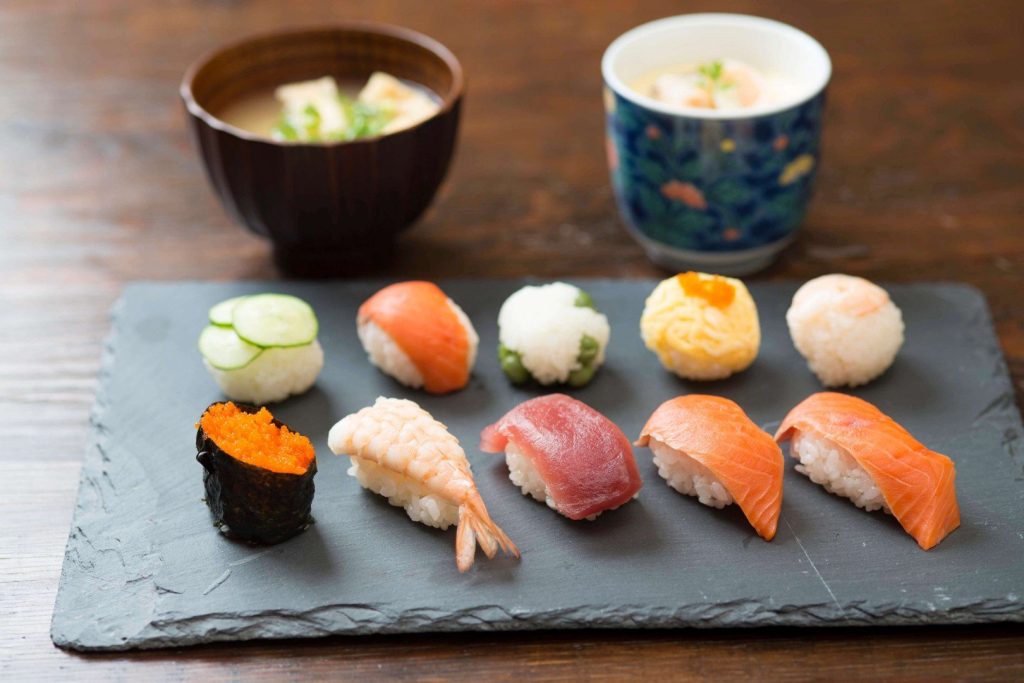
Sushi at the highest level in Tokyo is the most technically refined dining experience available anywhere in the world. The Sushi-Making Class in Tsukiji teaches participants the foundational techniques of sushi preparation with fresh ingredients from the Tsukiji Outer Market directly across the street. This includes nigiri shaping, fish slicing, rice seasoning, and the sequencing of a traditional sushi meal, with a hands-on meal at the conclusion. It is one of the most meaningful ways to engage with Japanese food culture rather than simply consuming it.
Ramen in Tokyo is its own universe, with dozens of distinct regional styles, house-developed broths, and generations of chefs who have dedicated their careers to a single type of noodle soup. Tokyo-style ramen (shoyu, or soy sauce-based, clear broth with thin straight noodles) is the original, but every regional style is represented in the city.
Shinjuku's Omoide Yokocho, Shibuya's ramen alleys, and the Ramen Street at Tokyo Station's First Avenue basement are the most concentrated destinations for first-time ramen exploration.


Popular Things to Do in Tokyo
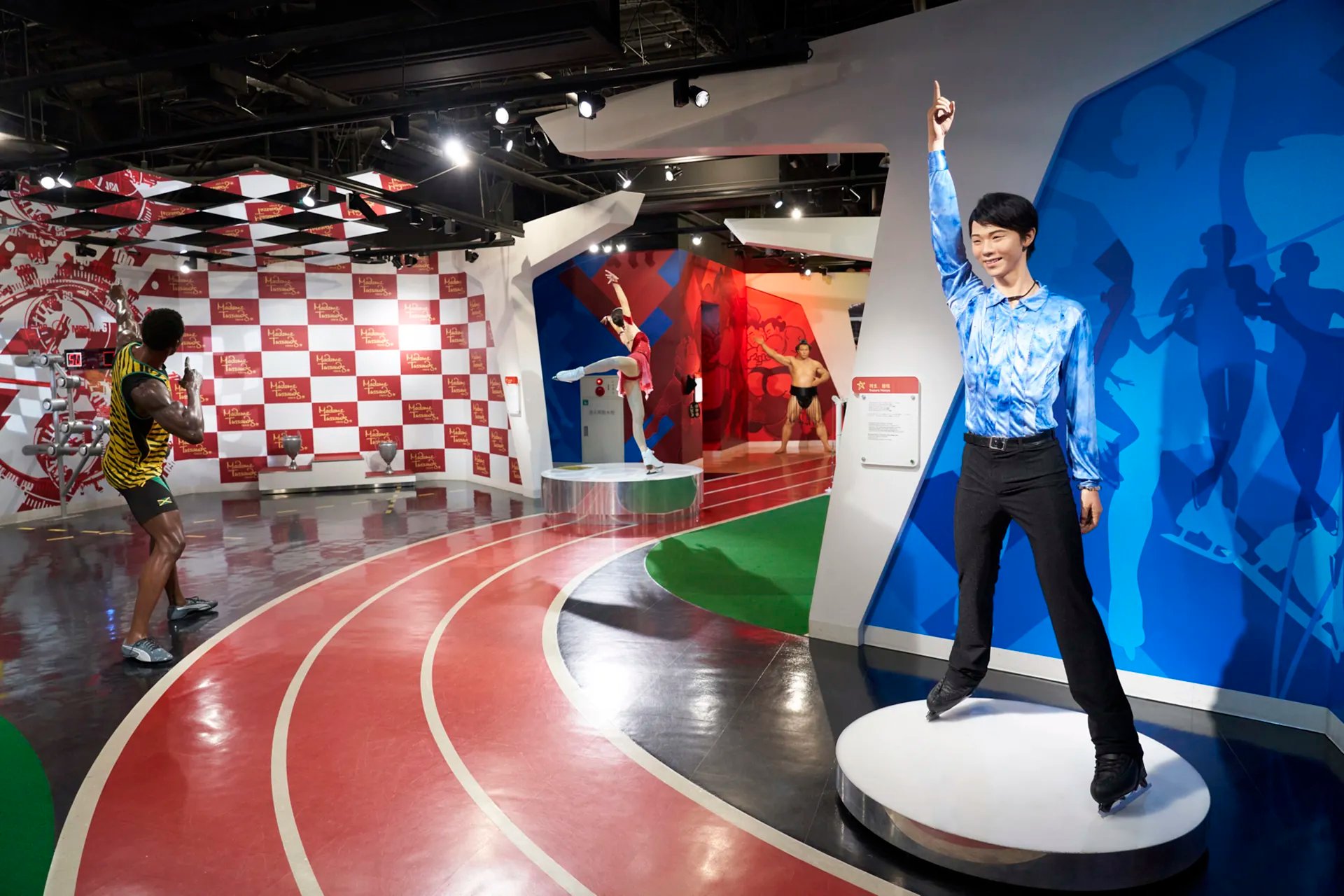
- Madame Tussauds Tokyo in Odaiba houses wax figures across entertainment, Japanese pop culture, sports, history, and international icons in a waterfront location adjacent to teamLab Borderless at Azabudai Hills. Interactive zones, including a live studio-style experience, supplement the classic figure rooms.
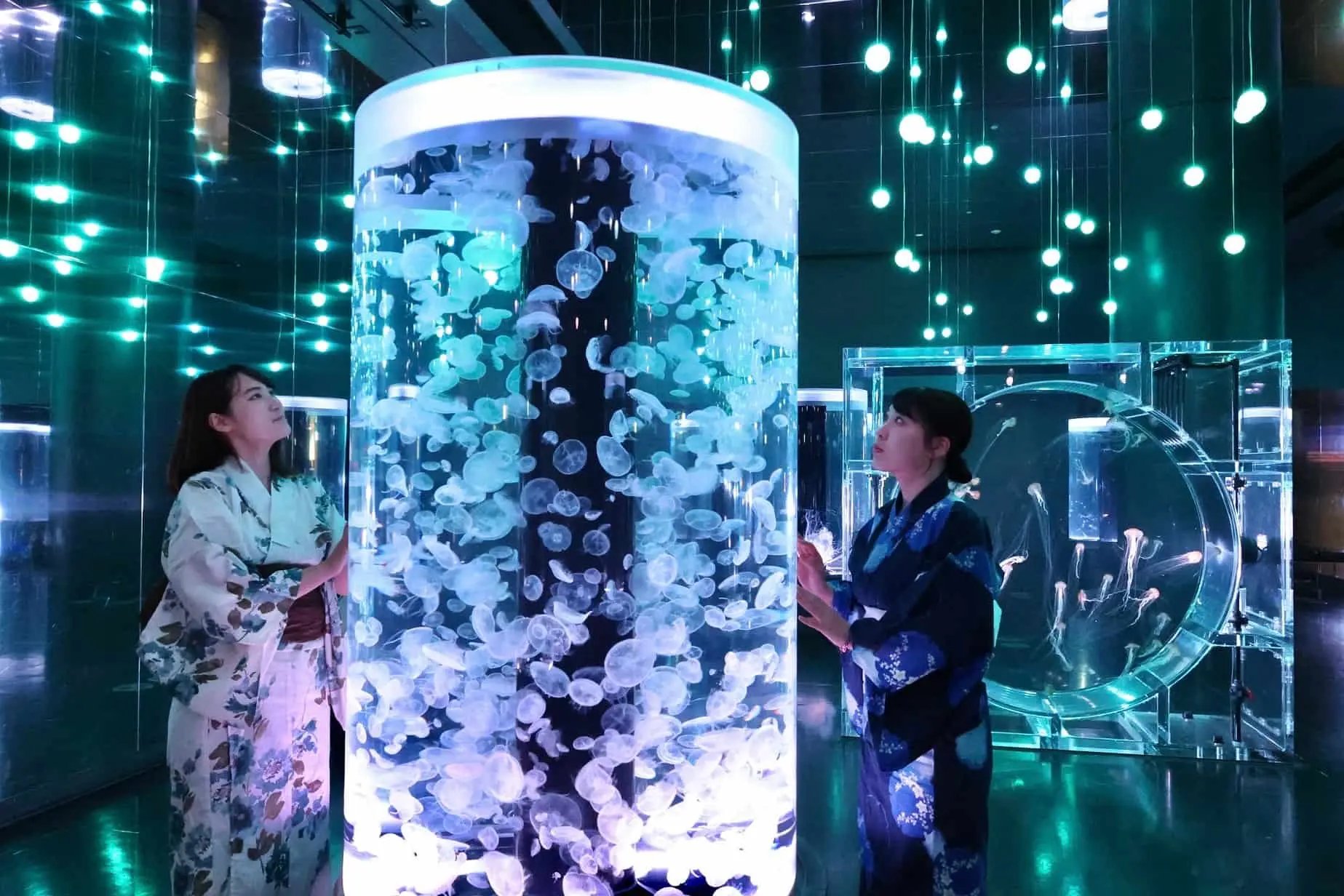
- Maxell Aqua Park Shinagawa is the most technically sophisticated aquarium in Tokyo, built into the Shinagawa Prince Hotel complex, combining conventional marine exhibits with immersive digital projections and interactive installations. The Dolphin Performance show uses digital stage effects synchronized with live dolphin behaviour. This is a strong all-weather option in a central location.
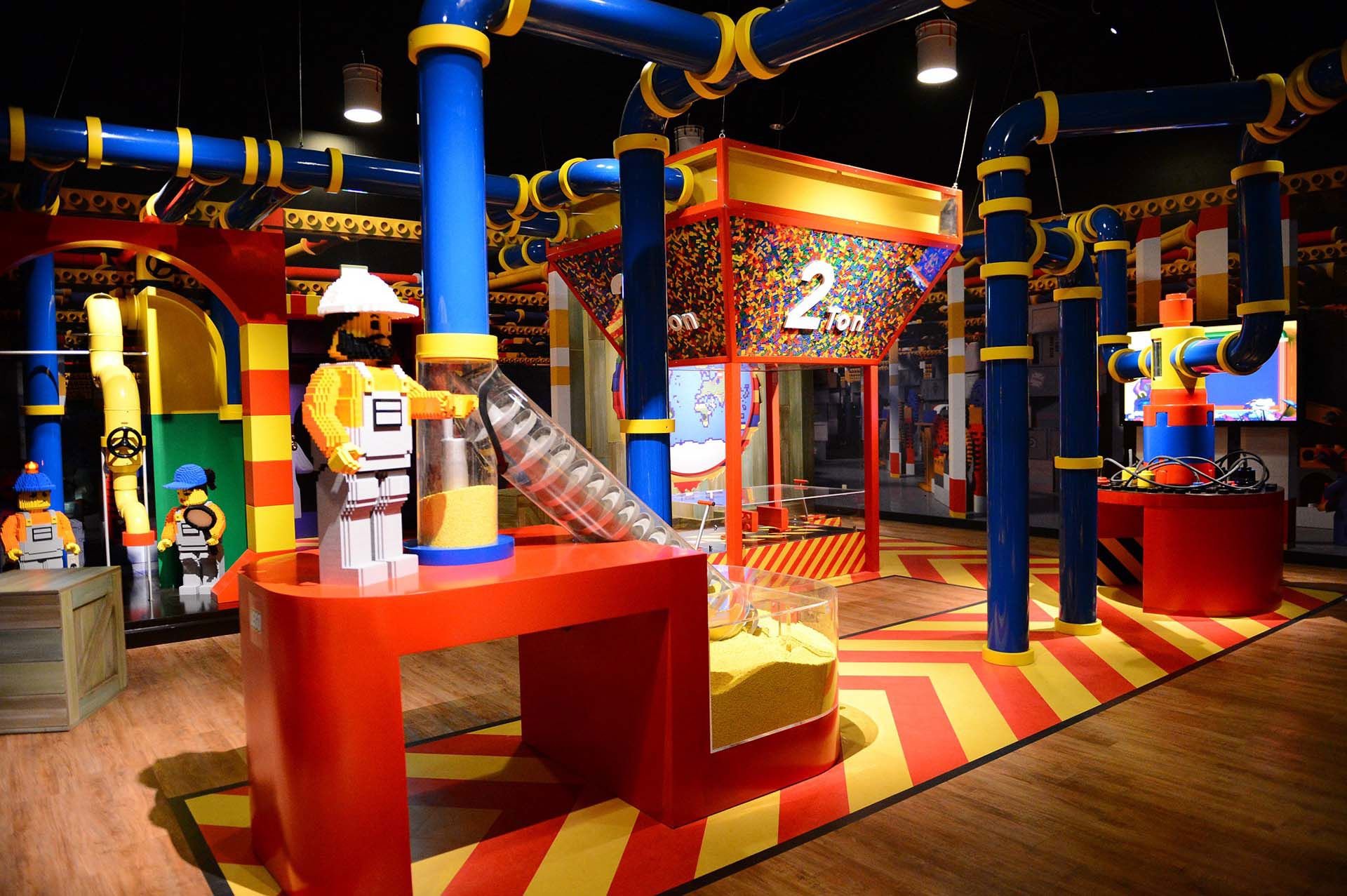
- LEGOLAND Discovery Center Tokyo in Decks Tokyo Beach on Odaiba combines MINIATURE LAND (a LEGO recreation of Tokyo landmarks), a factory tour, 4D cinema, and multiple LEGO-themed rides and building zones. Entry requires at least one accompanying child aged 3 to 10 for adult visitors.
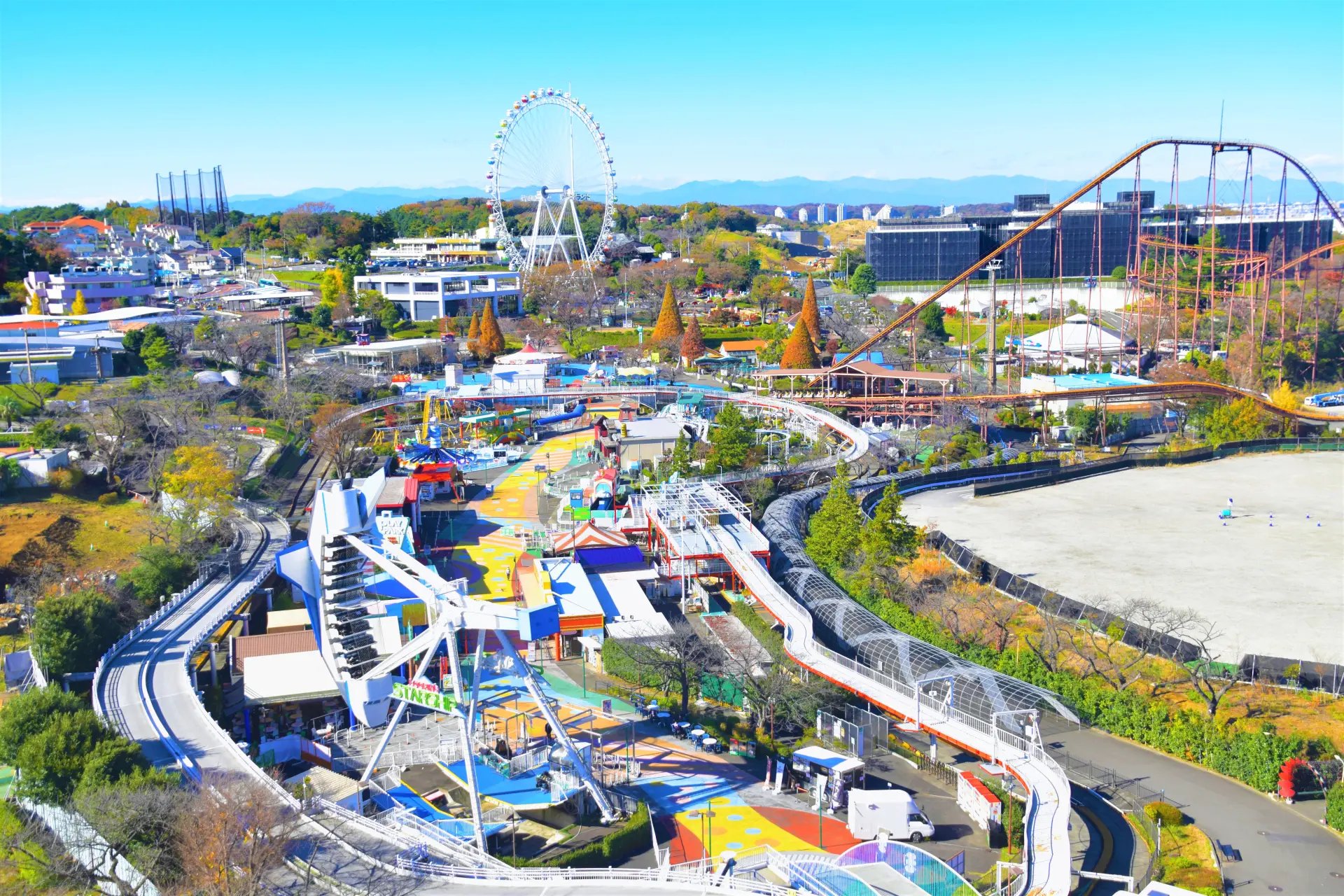
- Yomiuri Land Amusement Park, 30 minutes from Shinjuku by train, is the largest full-scale amusement park in the greater Tokyo area, with 43 attractions including the Bandit rollercoaster (which runs through cherry blossom trees in spring at 110 km/h), Momonga Standing and Loop Coaster, and the spectacular Jewellumination winter light show. The park covers thrill rides, family attractions, and seasonal events across its full site.
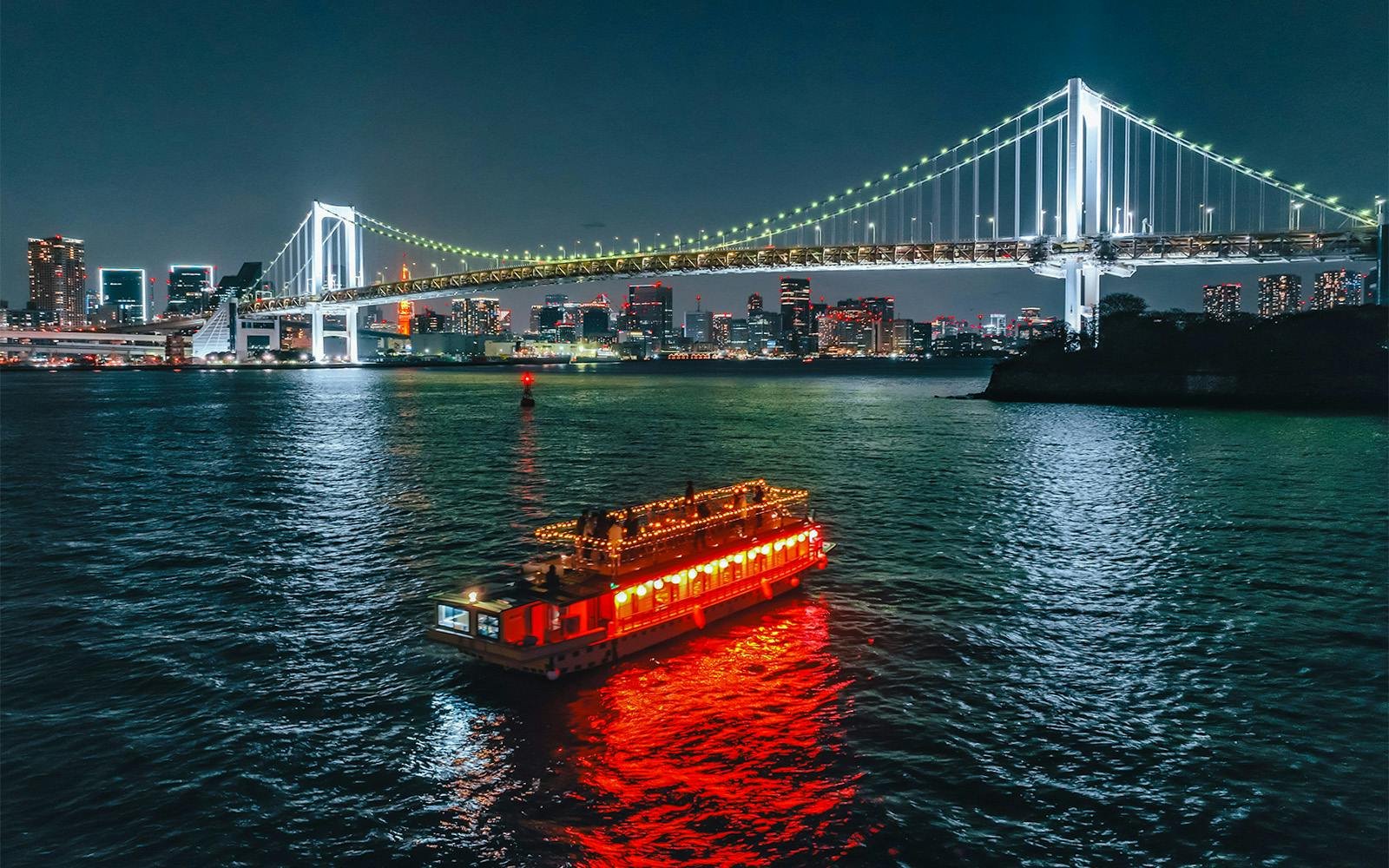
- Tokyo Yakatabune Dinner Cruise is an evening cruise on a traditional yakatabune (roofed wooden pleasure boat) along the Sumida River and into Tokyo Bay, combining a multi-course traditional Japanese dinner with views of the Rainbow Bridge, Tokyo Tower, and the illuminated waterfront as the boat moves through the water channels of old Edo. It is one of the most atmospheric evening experiences in the city.


Day Trips from Tokyo
Tokyo's position at the hub of Japan's Shinkansen network makes it one of the best bases for day trips in the world.
- Nikko (2 hours north by Tobu Limited Express from Asakusa) is the UNESCO-listed shrine and temple complex in the mountains of Tochigi, centred on the gilded Tosho-gu Shrine, one of the most elaborately decorated religious buildings in Japan.
- Kamakura (1 hour from Shinjuku) has the Great Buddha (Kotoku-in Daibutsu), a 13.35-metre bronze seated figure cast in 1252, and excellent hiking trails between temples along the ridge behind the town.
- Hakone (1.5 hours from Shinjuku by Romancecar) is the mountain hot spring resort with Fuji views across Lake Ashi and the most accessible onsen ryokan experience within range of Tokyo.
- Kyoto and Osaka (2.5 hours by Shinkansen) are technically a day trip but significantly better as an overnight or multi-day extension.
Best Time to Visit Tokyo
Tokyo has four distinct seasons, and the timing of a visit changes the city dramatically.
Spring (late March to early May) is the most celebrated and most visited season. Cherry blossom season typically runs from late March through mid-April, depending on the year, and the sakura viewing (hanami) culture is one of the most visually spectacular seasonal phenomena anywhere in the world. Ueno Park, Shinjuku Gyoen, the Meguro River, and Chidorigafuchi are the most beloved viewing spots. Hotels book out months ahead during peak blossom week. Golden Week (late April to early May) is a national holiday period with very high domestic travel demand.
Summer (June to August) brings heat and humidity (32 to 36°C) alongside the rainy season (tsuyu) in June, summer festivals (matsuri) with fireworks, traditional food stalls, and yukata-wearing crowds from July through August, and the Bon Odori festival dancing in August. The summer festivals are among the most atmospheric experiences Tokyo offers, despite the heat.
Autumn (September to November) is the second-best season. Temperatures drop to a comfortable 15 to 22°C, the autumn leaf (koyo) colours peak in late November in the city's parks and surrounding mountains, and the cultural calendar is full with the Tokyo International Film Festival and numerous other events.
Winter (December to February) is cold (2 to 10°C) but clear, with excellent visibility for Mount Fuji views, the fewest international tourists of any season, and the most contemplative version of Tokyo's parks and temples. New Year (Hatsumode, the first shrine visit of the year) is a major cultural event that fills Meiji Shrine and Senso-ji with millions of visitors in the first three days of January.
Practical Tips Before You Go
- Register on Visit Japan Web (vjw-lp.digital.go.jp) before departure to speed up immigration and customs at the airport. It takes about 15 minutes and makes a significant difference on arrival.
- Get a Suica or Pasmo IC card at the airport on arrival. Add it to Apple Pay or Google Pay as Mobile Suica if possible. This works on everything from trains to convenience stores and removes the need to carry cash as frequently.
- Download Google Maps offline for the Tokyo area before landing. The Tokyo transit routing is excellent and works without a data connection once downloaded.
- Cash is more important than you expect. Despite IC cards, many temples, smaller restaurants, vending machines, and traditional establishments are cash-only. Withdraw yen from ATMs at 7-Eleven or Japan Post convenience stores, which reliably accept foreign cards.
- The last train matters. Tokyo trains stop running around midnight. Note the last train time on your homeward route before committing to an evening plan. Missing the last train means a taxi that will cost significantly more than the whole day's rail travel.
- Convenience stores (konbini) are genuinely excellent. 7-Eleven, FamilyMart, and Lawson stores in Japan sell hot food, sandwiches, onigiri, noodles, alcohol, and coffee that is consistently better than equivalent convenience retail anywhere else in the world. The egg salad sandwiches are genuinely iconic.
- Book popular attractions and restaurants well in advance. teamLab Planets, the Skytree, Tokyo Disneyland, top-tier sushi restaurants, and the Tsukiji sushi-making class all sell out. Do not leave bookings until you arrive.
- Tipping is genuinely rude in Japan. Exceptional service is the standard expectation, not something meriting additional payment. Do not tip in restaurants, taxis, or hotels.
- Etiquette on trains: Speak quietly, do not take phone calls on carriages (texting and messaging are fine), give up priority seats to those who need them, do not eat on trains except on long-distance services, and queue in the marked positions on the platform.
Tokyo is the city that proves every assumption about what a city can be wrong. It is too big and somehow navigable. Too dense and somehow green. Too traditional and somehow relentlessly forward. Too unfamiliar at first and somehow one of the most comfortable cities in the world to move around in within three days. It rewards every hour you give it and makes clear that five days was not enough.
Head to Thrillark to book your Tokyo Tower tickets, TeamLab Planets, Yakatabune dinner cruise, Mt. Fuji bus, Tokyo Subway pass, sushi-making class, and everything else this extraordinary city offers.
Frequently Asked Questions About Tokyo
What is the best way to get from Narita Airport to central Tokyo?
The Keisei Skyliner is the fastest and most comfortable option, reaching Ueno station in approximately 41 minutes with reserved seating, from where the Tokyo Metro connects throughout the city. The Keisei Skyliner combined with a Tokyo Subway Ticket is available as a single booking through Thrillark. The Narita Express (N'EX) connects to Shinjuku, Shibuya, and Tokyo Station in 60 to 90 minutes and is a JR Pass option for those with a rail pass. The Airport Limousine Bus is slower but goes directly to many hotel areas with no train changes, making it the easiest option for visitors with heavy luggage.
What is the Tokyo Subway Ticket, and is it worth buying?
The Tokyo Subway Ticket gives unlimited rides on all Tokyo Metro and Toei subway lines for 24, 48, or 72 hours from first use. It does not cover JR lines (including the Yamanote Line) but covers the majority of the underground subway network. For visitors making three or more subway journeys per day in the central city, the pass saves money compared to individual fares and eliminates the need to check fares at each station. It is available through Thrillark alongside other transport options.
What is teamLab Planets, and how is it different from teamLab Borderless?
teamLab Planets in Toyosu is a focused, immersive art experience of approximately 1.5 to 2 hours, where visitors walk barefoot through a sequence of water and light installations that respond to their presence. The experience is intimate, sequential, and deeply physical. teamLab Borderless, relocated to Azabudai Hills in 2024, is a larger non-linear environment where artworks flow between rooms without fixed boundaries, taking 2 to 3 hours or more to explore. Both are extraordinary; Planets is the more accessible and more precisely curated experience for first-time visitors.
When is cherry blossom season in Tokyo, and how do you plan around it?
Cherry blossom (sakura) season in Tokyo typically falls between late March and mid-April, with the exact peak varying each year by 1 to 2 weeks based on winter temperatures. The Japan Meteorological Corporation releases annual blossom forecasts from late January; the Tokyo forecast is available at several English-language sites. Book accommodation months ahead if your visit targets this window: hotels in Tokyo fill significantly during the blossom period, and prices rise accordingly. Ueno Park, Shinjuku Gyoen, the Meguro River, and Chidorigafuchi moat are the four most celebrated viewing locations.
How do you get to Mount Fuji from Tokyo?
The most direct option is the highway bus from Shinjuku Bus Terminal (Busta Shinjuku) to Kawaguchiko or other Fuji Five Lakes stations (2 to 2.5 hours), bookable through Thrillark. The Ikebukuro to Gotemba Premium Outlets bus provides an alternative approach from the northern side of the mountain with outlet shopping en route. By train, the Fujikyuko Line connects from Otsuki (reached via JR from Shinjuku) to Fujisan Station at the 5th Station base in about 50 minutes from Otsuki. The climbing season runs from early July to mid-September; the Guided Mt. Fuji Overnight Camping Trek through Thrillark provides a fully supported overnight experience at the mountain's base.
What is the Yakatabune dinner cruise, and what does it cover?
The Tokyo Yakatabune Dinner Cruise is an evening cruise on a traditional wooden-roofed pleasure boat (yakatabune) along the Sumida River and into Tokyo Bay, a form of entertainment that dates back to the Edo period (17th to 19th centuries) when wealthy merchants used these boats for banquets on the water. The modern version combines a multi-course traditional Japanese dinner, drinks, and live views of the Rainbow Bridge, Tokyo Tower, and the illuminated waterfront as the boat traces the old Edo canal routes. It runs for approximately 2 to 2.5 hours and is best booked for departures from late April through October when the weather and the waterway conditions are most pleasant.
What should you eat in Tokyo?
The non-negotiable list is ramen in a Shinjuku side street (Tokyo shoyu-style broth, thin noodles), sushi either at a conveyor belt (kaiten-zushi) restaurant for the experience or at a proper counter for the craft, yakitori under the Yurakucho train tracks near Tokyo Station, tempura at Tsukiji, tonkatsu anywhere, and a 7-Eleven egg salad sandwich for breakfast at least once because it genuinely earns its reputation. The Sushi-Making Class in Tsukiji and the Sumo Live Restaurant Hirakuza, through Thrillark, provide the most culturally embedded food experiences available in the city.
Browse by themes
Other Top Things to Do in Tokyo