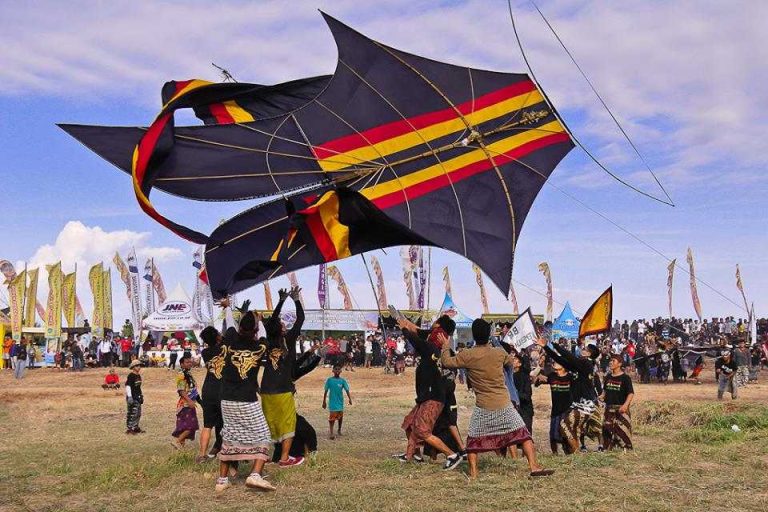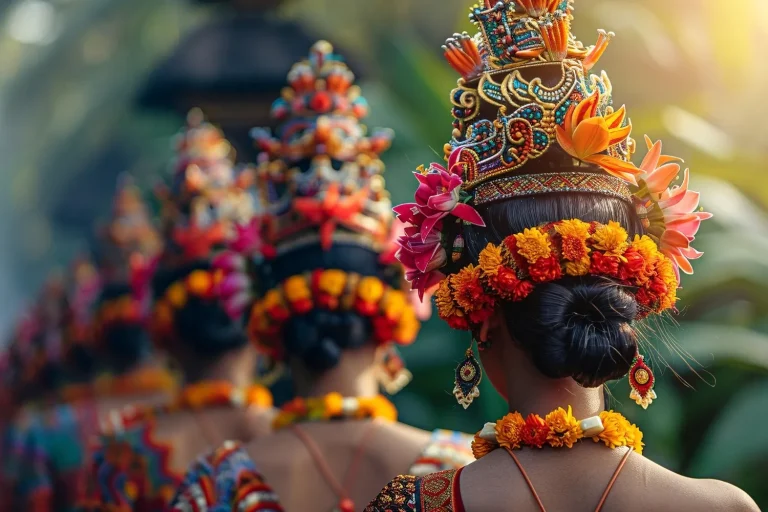
Bali is one of those places that people visit and then spend the rest of their lives trying to explain. It is not just beautiful, though it is that. It is not just spiritual, though it is emphatically that too. It is something harder to categorize. It is an island where Hinduism permeates daily life in a way that makes the canang sari offerings you step around on the pavement feel as natural as the traffic, where the rice terraces in Ubud are genuinely, unreasonably beautiful, and where the sunsets at Tanah Lot and Uluwatu make you understand why people keep coming back.
Indonesia’s most famous island sits at the crossroads of the Asia Pacific and the Indian Ocean. It is the only Hindu-majority island in the world’s largest Muslim country.
Bali’s approximately 87 percent Hindu population practices a form of Balinese Hinduism that blends Indian Vedic tradition with local animist belief, producing a cultural and spiritual life that is unique on Earth.
The ceremonies, the temple culture, the music, the dance, the rice farming traditions, and the extraordinary artistic output of a small island are all connected, and all of it is visible to the visitor who slows down enough to look. Give Bali a week at minimum. Two weeks is better. The island reveals itself slowly and rewards patience.
Bali City Essentials
Entry Requirements for Bali
Most nationalities visiting Bali must obtain a visa to enter Indonesia. There are two standard options:
- Visa on Arrival (VoA): Available to citizens of approximately 90 countries, including the US, UK, EU nations, Australia, and India. It is paid in Indonesian Rupiah on arrival at Ngurah Rai Airport. The Electronic Visa on Arrival (eVoA) can also be applied for online before departure at evisa.imigrasi.go.id, which allows you to use the faster autogate immigration process.
- Visa Exempt: Citizens of ASEAN nations (Singapore, Malaysia, Thailand, Philippines, etc.) do not require a visa and can enter directly.
The Bali Tourism Tax is a tourism levy of Rp 150,000 per international visitor that applies on entry to Bali. This can be paid on arrival in cash.
Indonesia Arrival Card and Customs Declaration: Complete both online before arrival at allindonesia.imigrasi.go.id (arrival card) and ecd.beacukai.go.id (customs). You will receive a QR code to scan on arrival, which significantly speeds up the immigration process.
Getting There and Getting Around
Ngurah Rai International Airport (DPS) in Denpasar receives direct international flights from Singapore, Kuala Lumpur, Sydney, Tokyo, and many other Asian and Pacific hubs, alongside domestic connections from Jakarta and other Indonesian cities.
From the airport: Pre-booking an airport transfer online is the most reliable and often cheapest option. Ride-sharing apps (Gojek and Grab) now legally operate within the airport, though the designated pickup zones vary. The airport official taxi counter (Ngurah Rai Taxi) is available on arrival at a fixed metered rate. Negotiate with independent drivers outside the duty-free exit, or pre-book in advance to avoid hassle.
Getting around Bali:
Bali does not have public transport in any meaningful sense. The ways you will actually get around are
- Private car with driver: It is the most flexible and family-friendly option for day trips and longer journeys between areas. A minivan with a driver typically covers up to five passengers and is bookable for a full day at a negotiated rate. Drivers also function as informal guides and will often have suggestions for stops along the way.
- Motorbike rental: This is the way locals and long-term visitors get around. The roads in Bali, particularly in Ubud and the narrower streets of Seminyak and Canggu, are poorly suited to cars but ideal for motorbikes. They are available to rent daily or monthly at very low rates from shops throughout the island. Always wear a helmet. It is both the law and the correct decision on Bali’s roads.
- Gojek (Go-Ride): The Indonesian super-app’s motorbike taxi service operates across most of Bali and is the fastest and most affordable way to cover short to medium distances in busy tourist areas. Download the Gojek app before arriving.
- Grab: Grab cars operate in Bali but face restrictions in certain tourist areas where local taxi operators hold informal control. Grab motorbikes are generally unrestricted. In areas where neither operates, use a Blue Bird taxi or arrange through your accommodation.
- Blue Bird Taxi: This is the most trusted metered taxi operator in Indonesia. Download the My Blue Bird app for easier booking.

The Areas of Bali: Where to Base Yourself
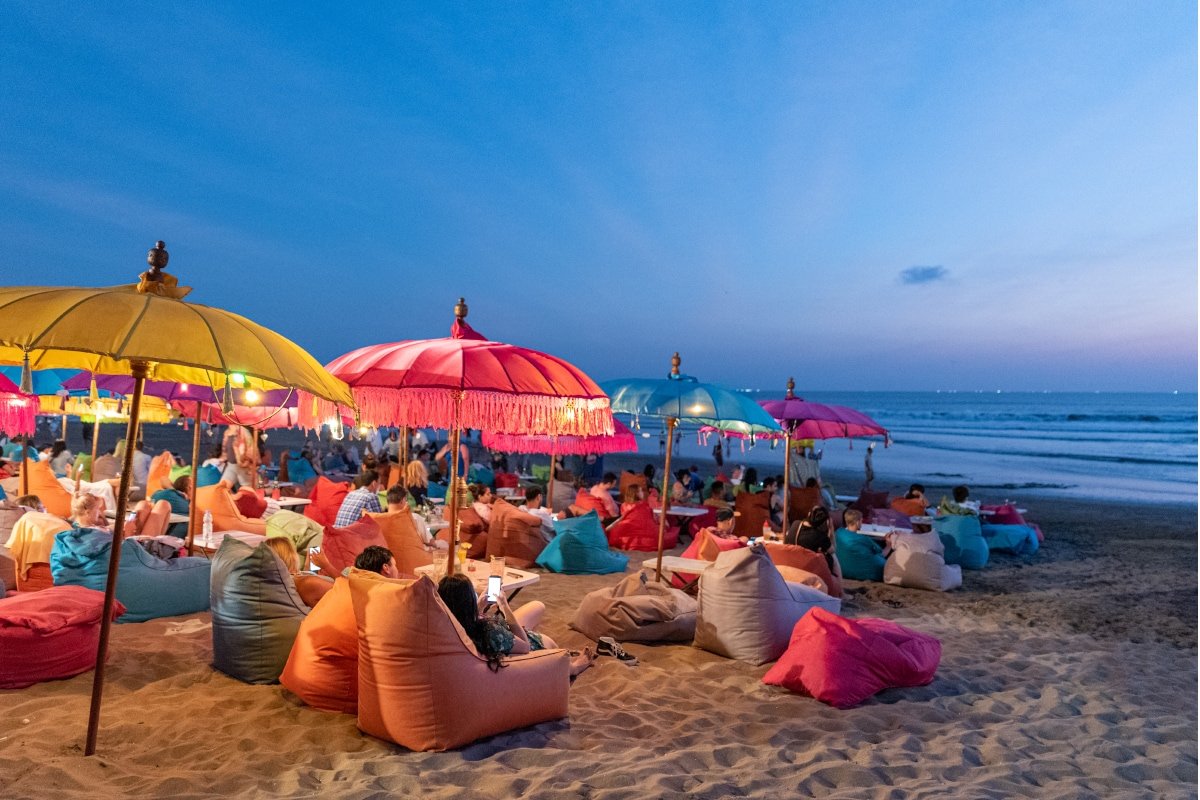
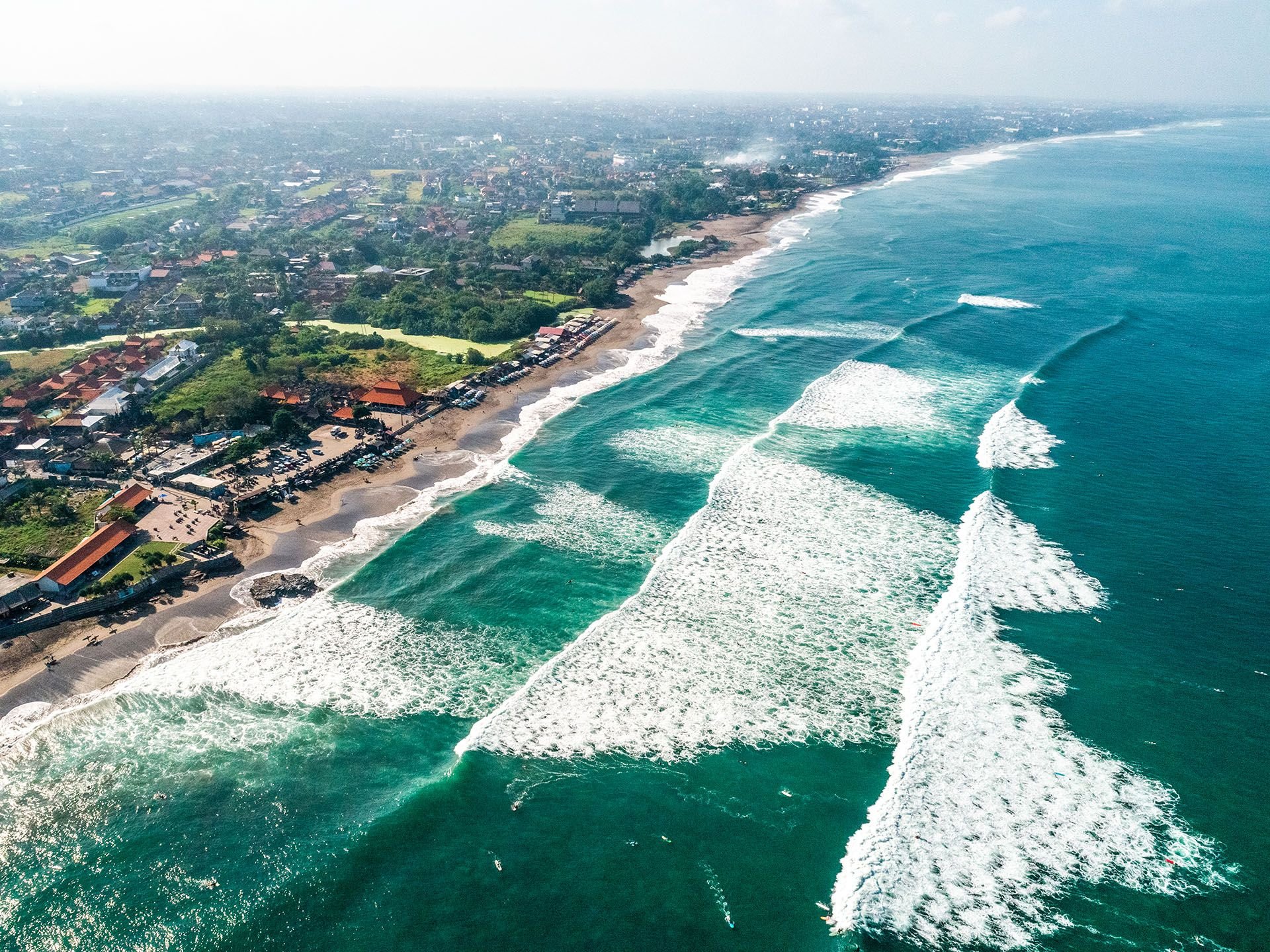
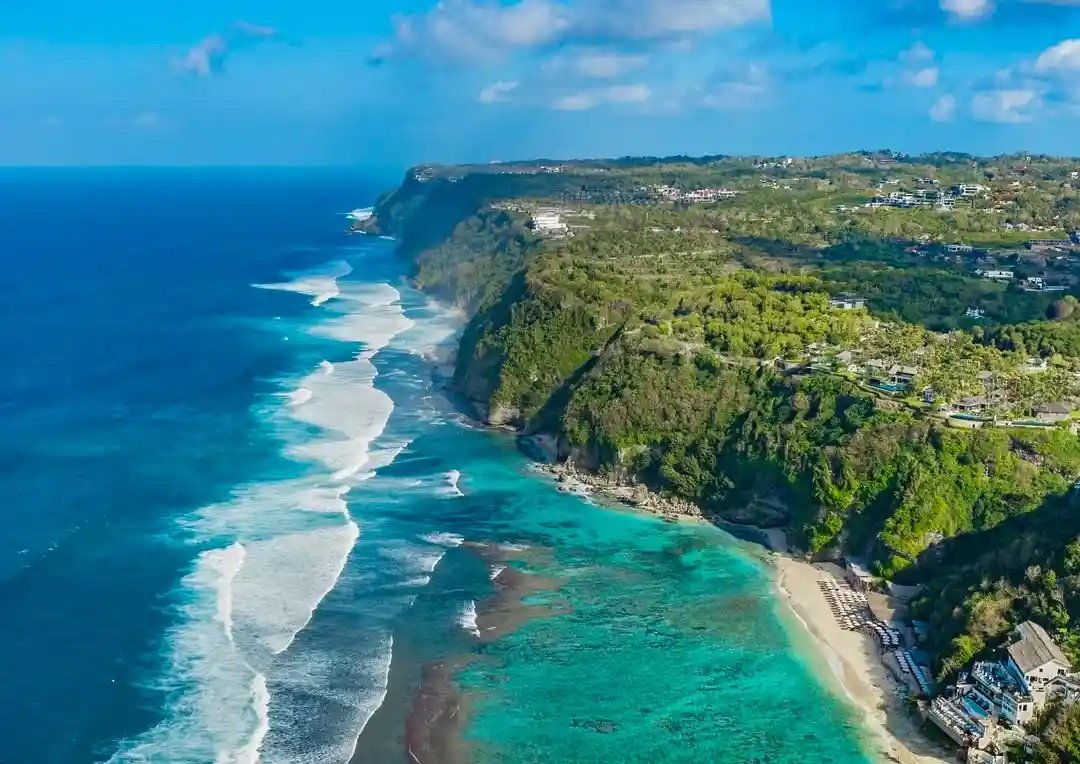
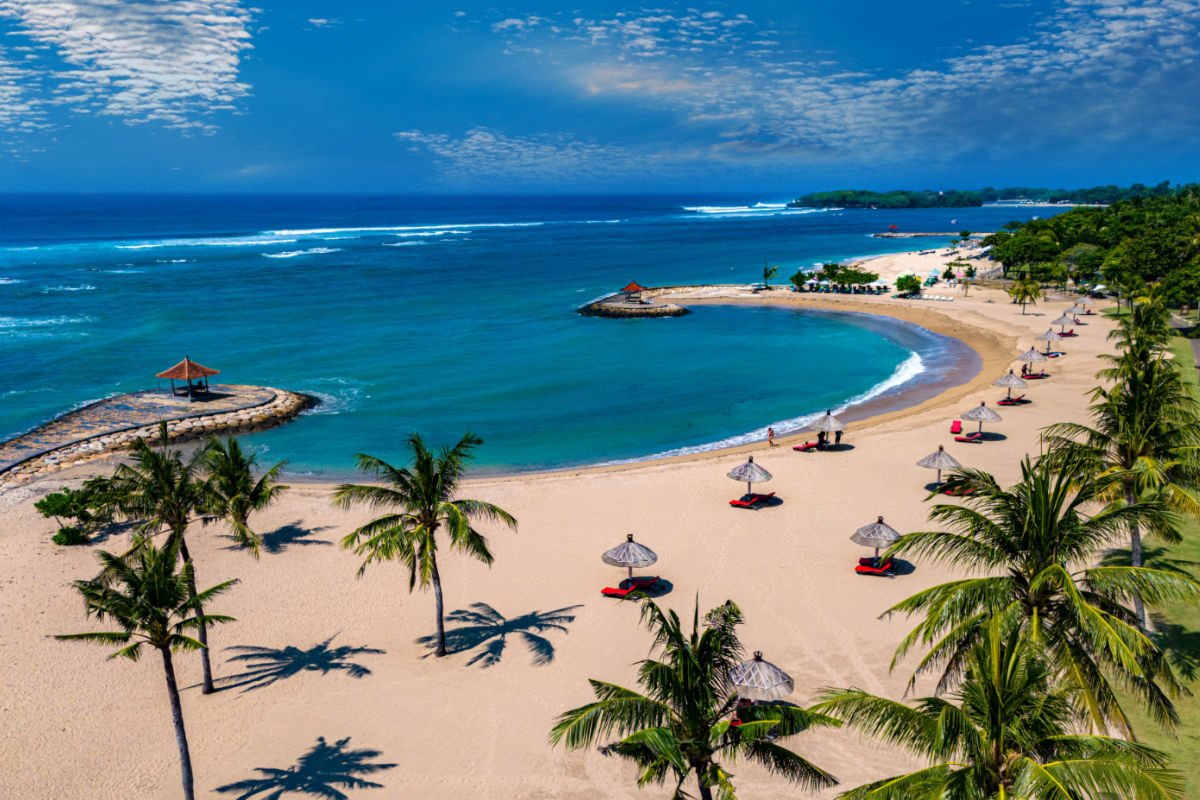
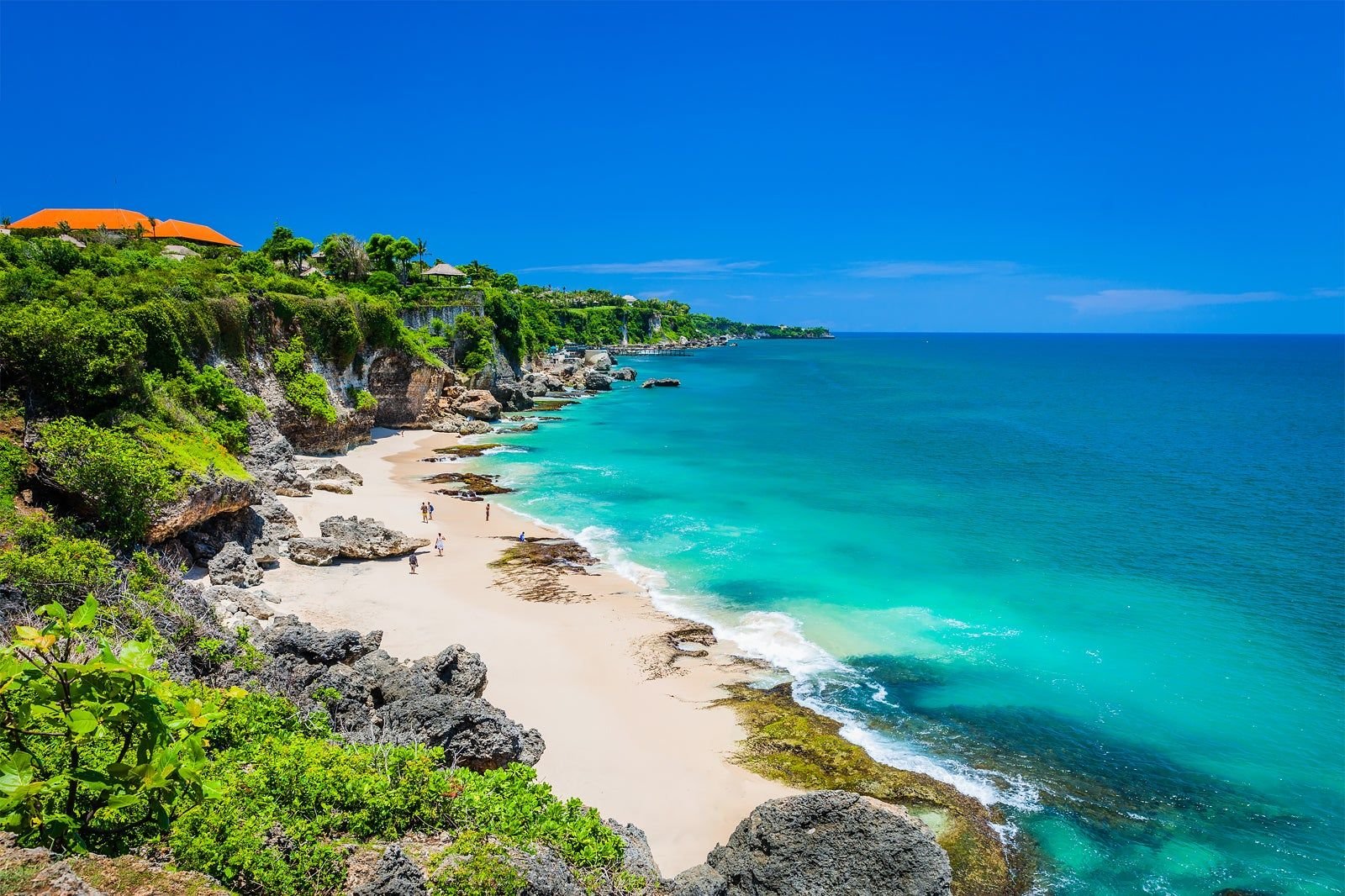
Understanding where to base yourself in Bali is the most important planning decision you will make. The island is large, and the areas have genuinely different characters.
- Seminyak has the highest density of international restaurants, cafes, beach clubs, and spas in Bali. It is the most tourist-facing area and the easiest introduction to the island.
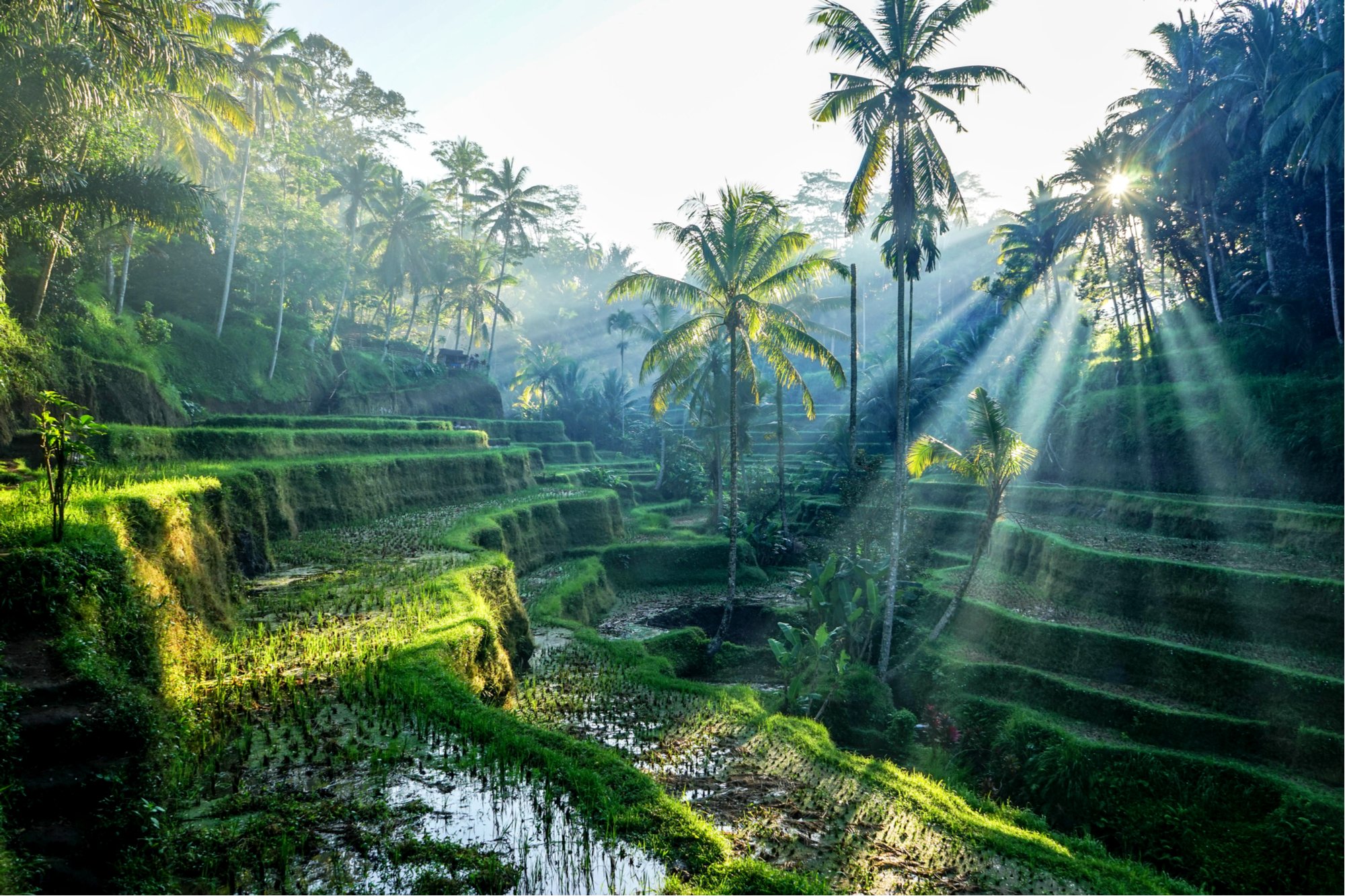
- Ubud in the central highlands is the cultural heart with rice terraces, traditional dance, cooking classes, yoga retreats, and the Monkey Forest, all at a cooler and slower pace than the coast.
- Canggu is Seminyak's more laid-back, surf-oriented cousin, drawing digital nomads and younger visitors to its rice paddy café culture and beach breaks.
- Uluwatu on the southern Bukit Peninsula has the most dramatic cliff-side temple, the best private villa scenery, and the surf breaks that attract serious riders from around the world.
- Nusa Dua and Jimbaran are resort corridors with calm, family-friendly swimming beaches. Kintamani in the highlands near Mount Batur is best as a day trip for its volcanic crater lake landscape.
The Temples of Bali
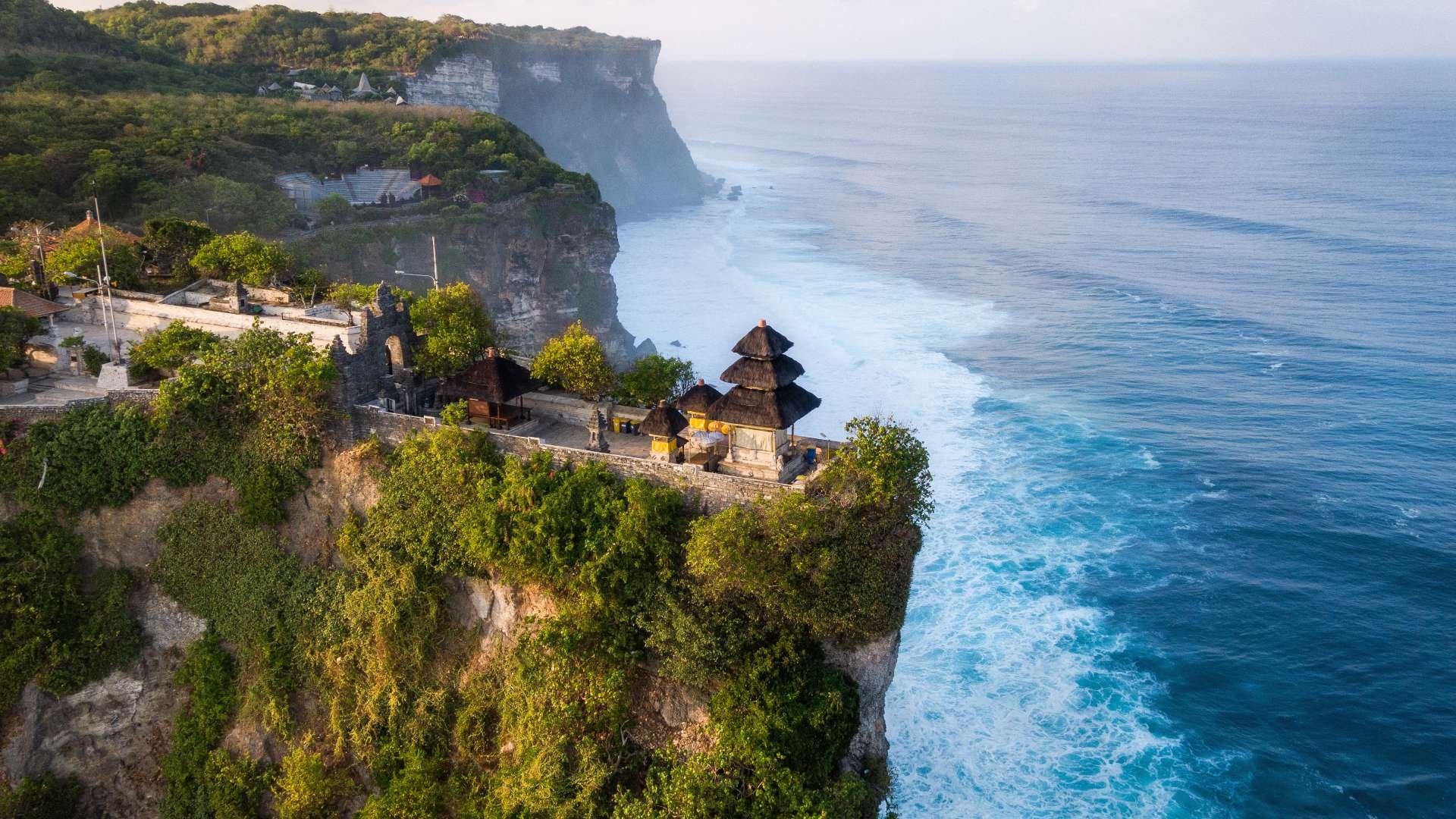
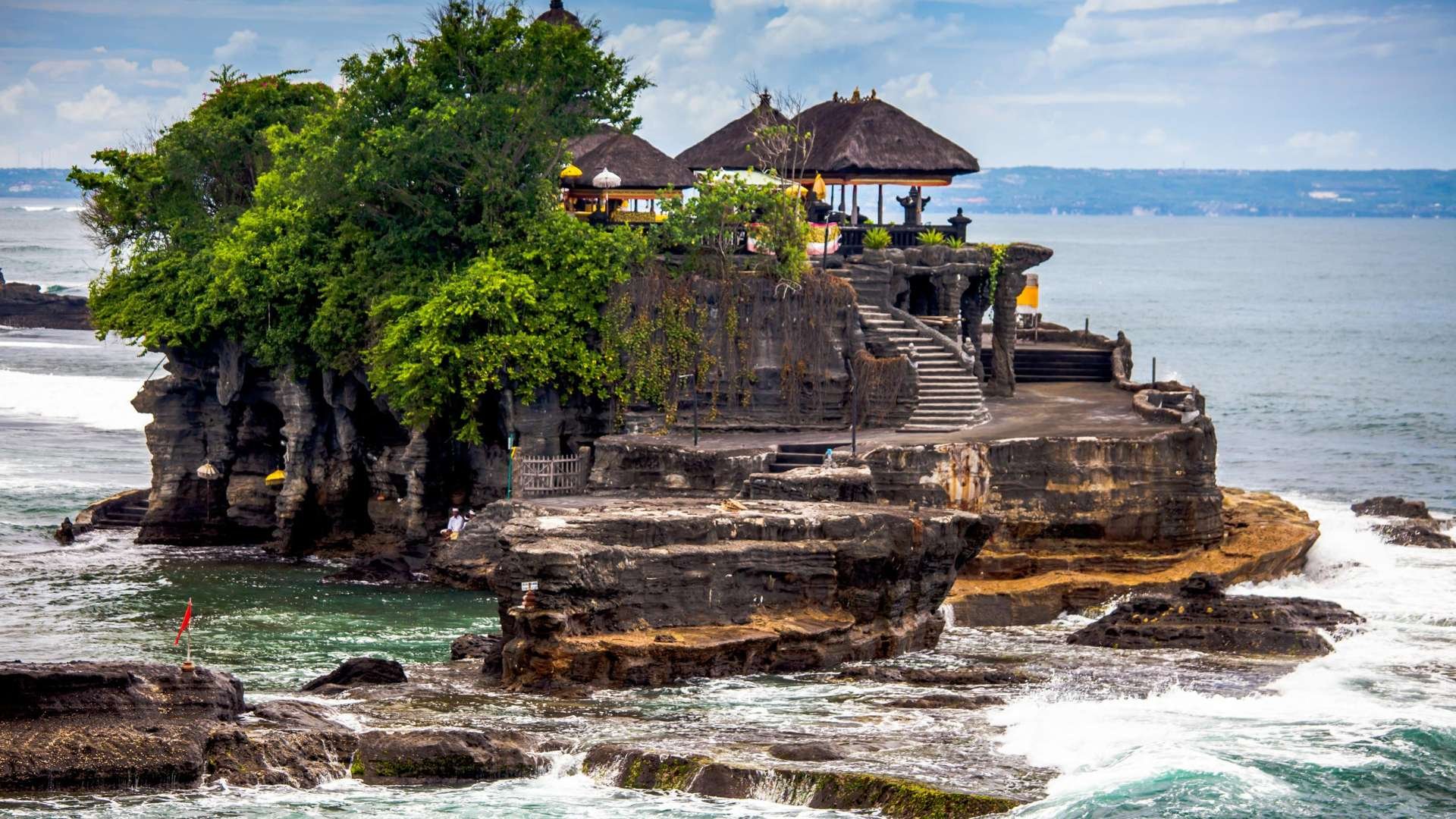
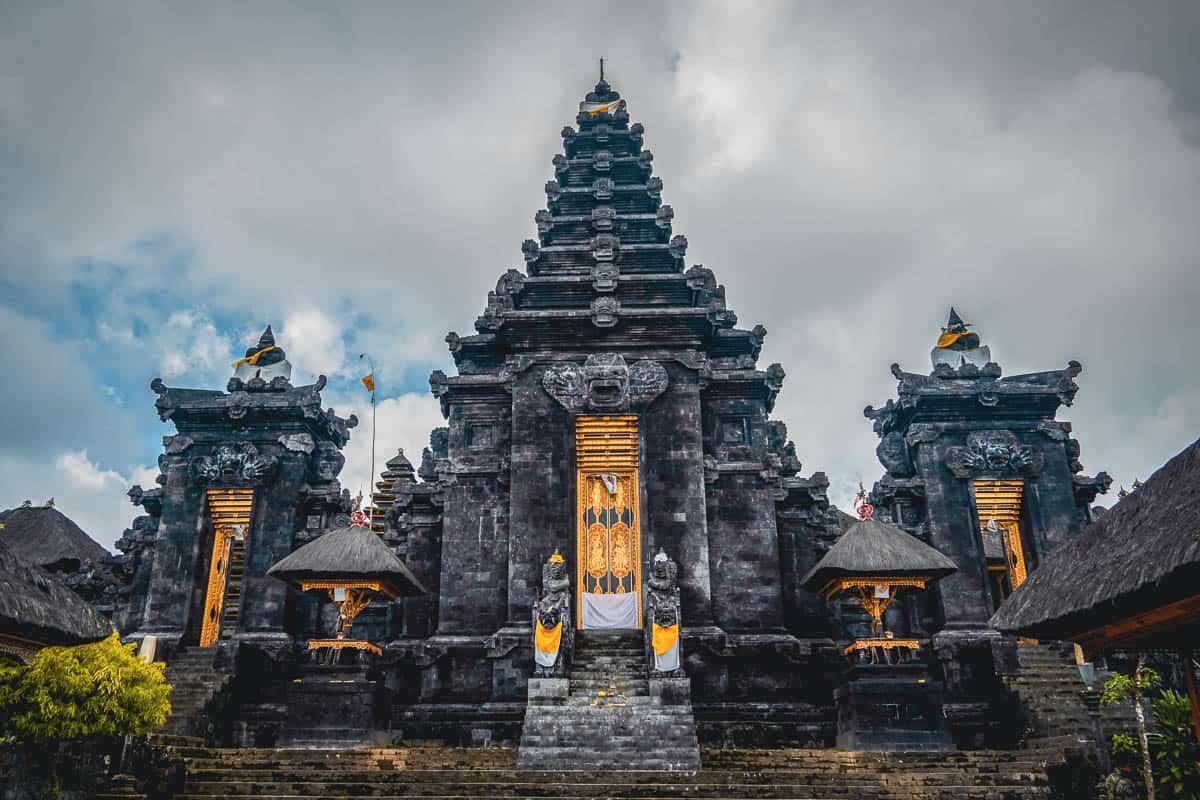
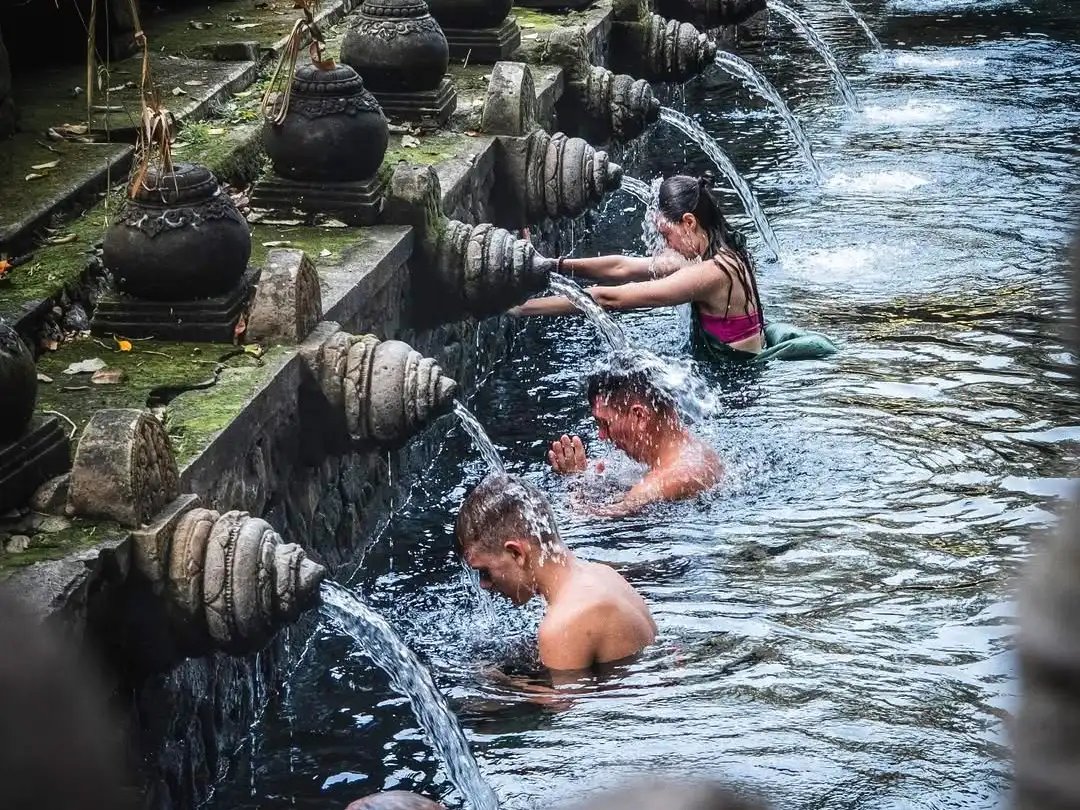
Bali has more than 20,000 temples, ranging from family shrines in private compounds to major state temples that draw pilgrims from across the island. For visitors, several are important beyond their religious significance.
- Uluwatu Temple (Pura Luhur Uluwatu) sits 70 metres above the Indian Ocean on the southern cliff. The Kecak Fire and Dance Show at sunset, with 50 to 100 performers in concentric circles chanting the Ramayana as the sun drops into the sea, is one of the most memorable performances in Bali.
- Tanah Lot on the southwest coast is an offshore rock temple, photographed more than any other building in Bali, and genuinely beautiful despite the crowds. It is best in the hour before sunset.
- Besakih Temple (Pura Besakih) on Mount Agung's slopes is the Mother Temple of Bali. It is the largest and holiest complex on the island, ascending the sacred volcano in a staircase of courtyards and shrines.
- Tirta Empul near Ubud is a water temple where Balinese Hindus descend into spring pools for ritual purification. This is one of the most moving spiritual experiences open to visitors in Bali.
Mount Batur
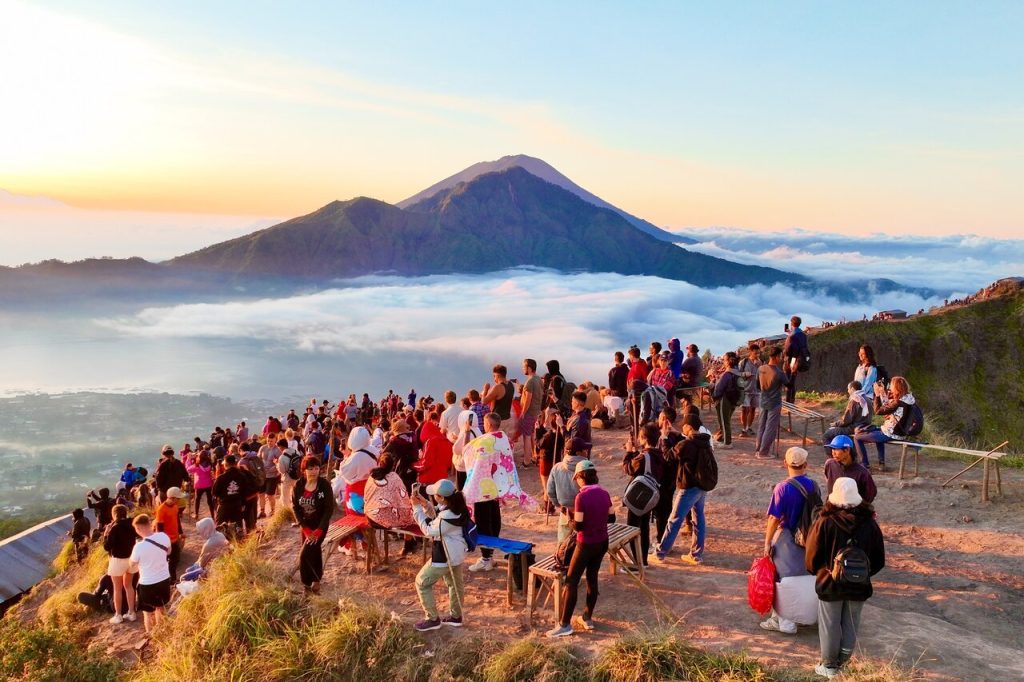
From the temples, the landscape pulls you upward to one of the most rewarding experiences Bali offers.
Mount Batur is an active volcano in the northeastern highlands, its 1,717-metre summit rising above Lake Batur in the Kintamani caldera.
The sunrise trek to the summit is one of the most popular outdoor experiences in Southeast Asia, and it earns the reputation. You are departing in darkness around 2 am, climbing through the forest to the crater rim, and watching the dawn colour Mount Agung across the caldera while the lake below reflects the morning sky. This is one of those experiences that people describe for years afterward.
The Mount Batur Sunrise Trek is the standard format, taking 2 to 2.5 hours to ascend, and is typically done with a guide. The Mount Batur Sunrise Jeep Tour reaches a lower-altitude viewpoint for the sunrise without the summit climb and often includes natural hot springs at the base. The Mount Batur Private Sunrise Jeep Tour covers the same route in a private vehicle. All three are bookable through Thrillark.


The Rice Terraces
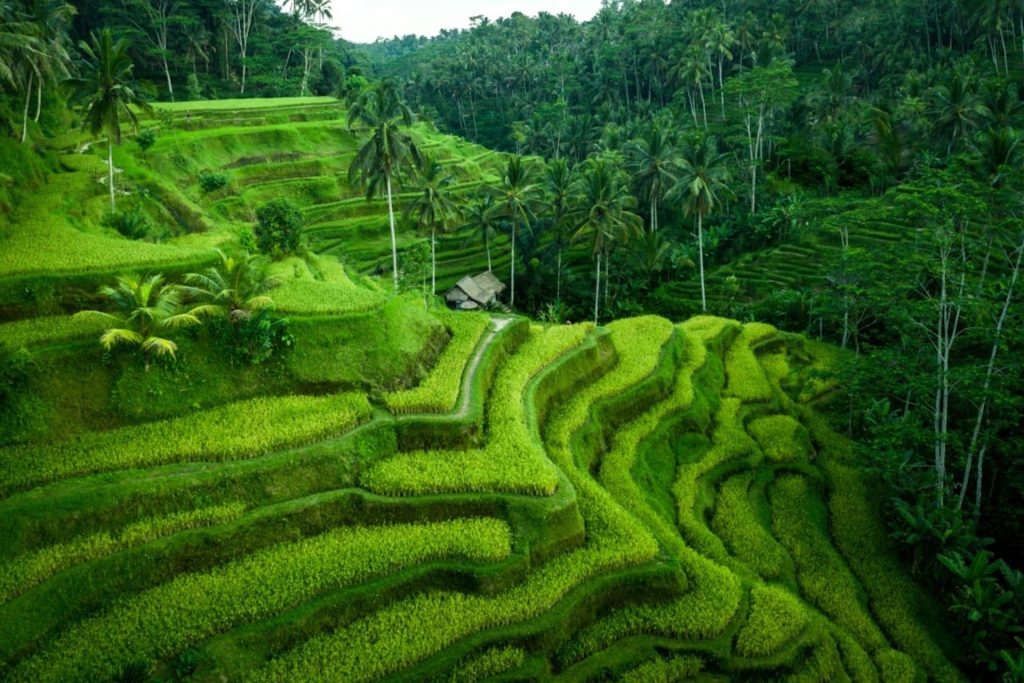
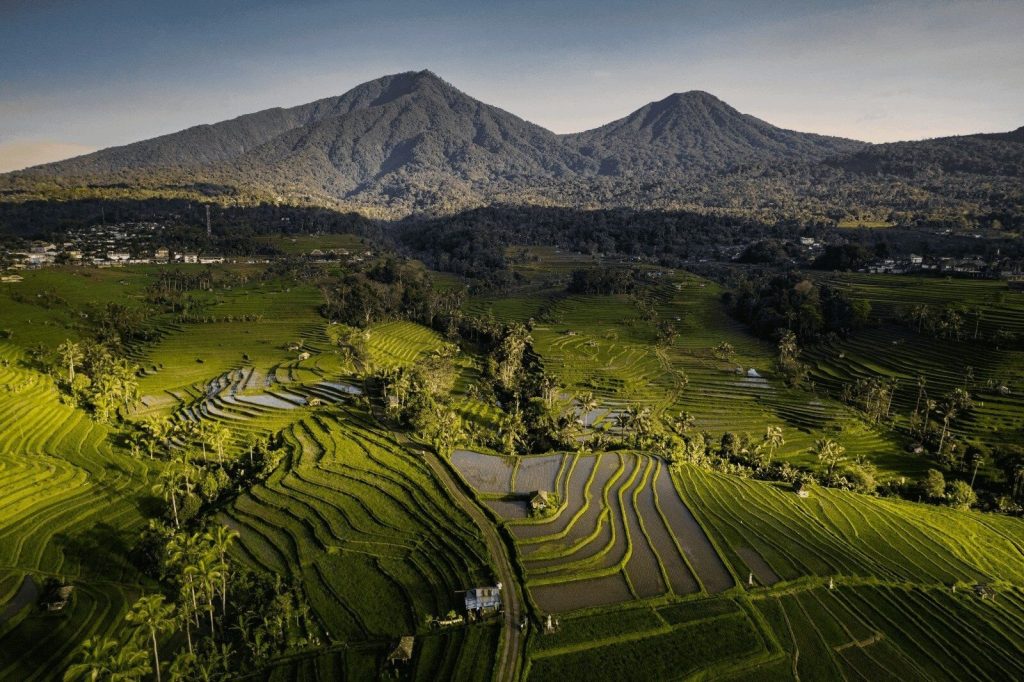
The landscape that captures people most immediately in Bali is not the beach or the temples, but the rice terraces, and the most beautiful are in the highlands around Ubud. The Subak system of cooperative rice farming that governs water management across Bali's terraced fields was inscribed as a UNESCO World Heritage landscape in 2012. This was a recognition of a system that has been operating for over a thousand years.
Tegallalang Rice Terrace, north of Ubud, is the most famous and the most visited. It is a steep, dramatic terracing of paddies down a river gorge that is most beautiful in the early morning before the day-trip crowds arrive.
The Jatiluwih Rice Fields in Tabanan, west of Ubud, are UNESCO-listed and significantly less visited. You get to see a vast, sweeping landscape of terracing that dates to the 9th century and continues to be actively farmed in the traditional way.
The Islands: Nusa Penida, Nusa Lembongan, and Nusa Ceningan
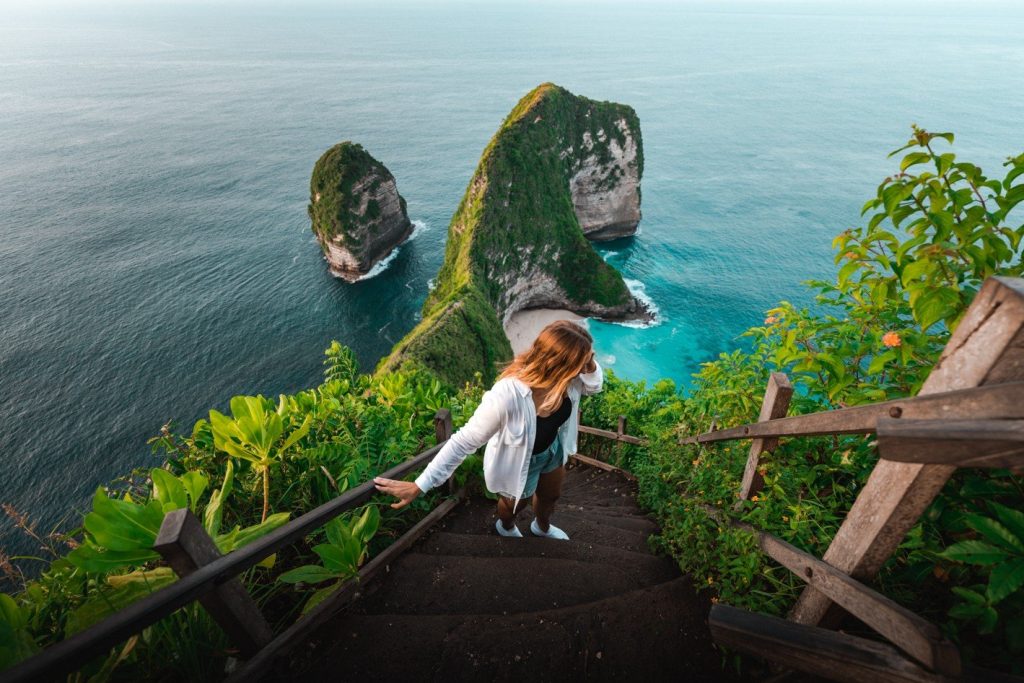
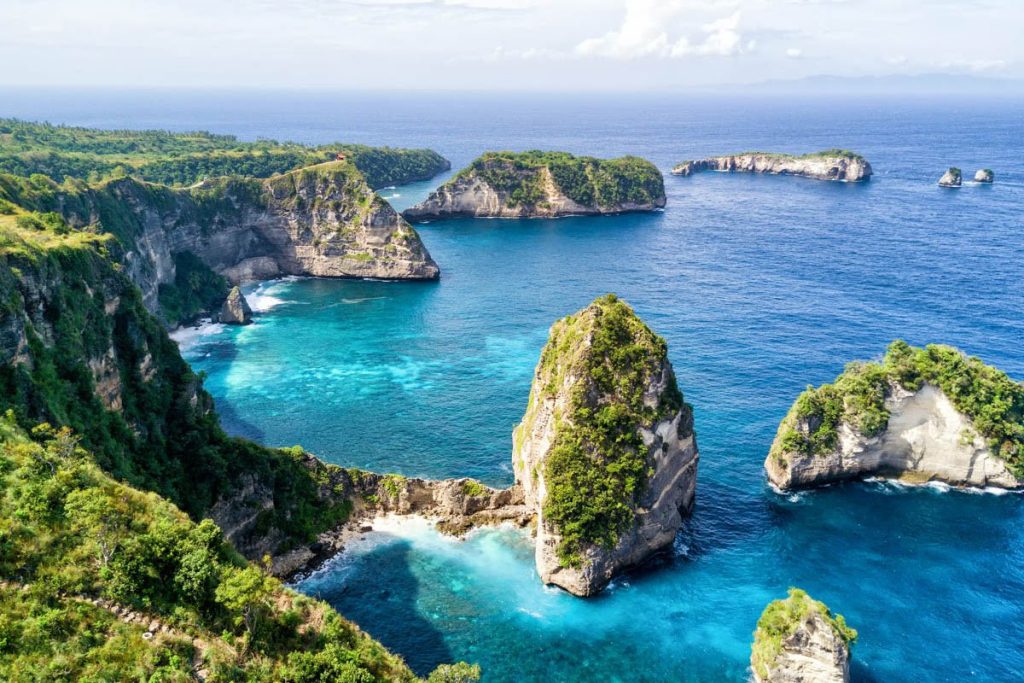
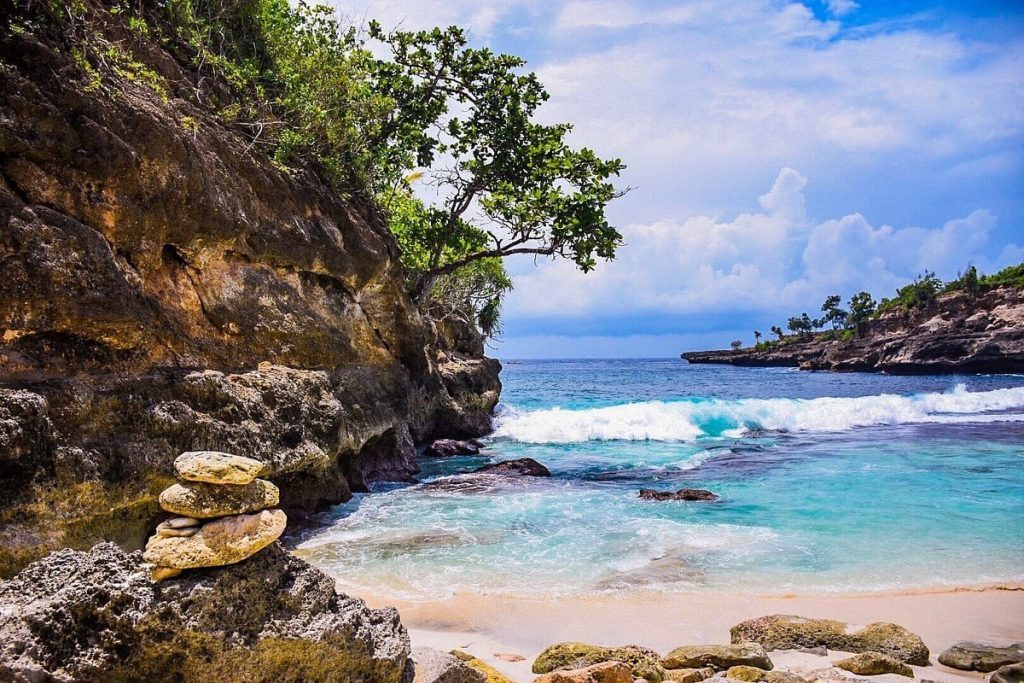
Just southeast of mainland Bali lies a cluster of islands that have become some of the most visited in Indonesia for their dramatic landscapes and exceptional water.
Nusa Penida is the largest and most spectacular, with cliff-face viewpoints like Kelingking Beach (a T-Rex-shaped headland plunging into blue water visible from the cliff) and Diamond Beach that are among the most photographed sights in Southeast Asia.
The snorkelling and diving around Nusa Penida is extraordinary. The Manta Point draws manta rays year-round, and Crystal Bay is one of the finest visibility dive sites in Indonesia.
Nusa Lembongan is smaller, calmer, and more developed for beach tourism, with a pleasant atmosphere of surf shacks, beach restaurants, and the mangrove channel that connects it to the even smaller Nusa Ceningan.
Both are accessible by fast boat from the mainland. Nusa Lembongan is accessible from multiple departure points, including Sanur and Nusa Penida (primarily from Sanur).

![Devdan Show Tickets in Bali Nusa Dua Theatre [Indonesians]](https://thrillark.b-cdn.net/attractions/ED1304/0493963e85e203c617e2d21582c2a5f8.jpg)
![Devdan Show Tickets in Bali Nusa Dua Theatre [International Travelers]](https://thrillark.b-cdn.net/attractions/ED1306/242e5e38e11e95b6536583d0f6a7b52c.jpg)
Balinese Dance
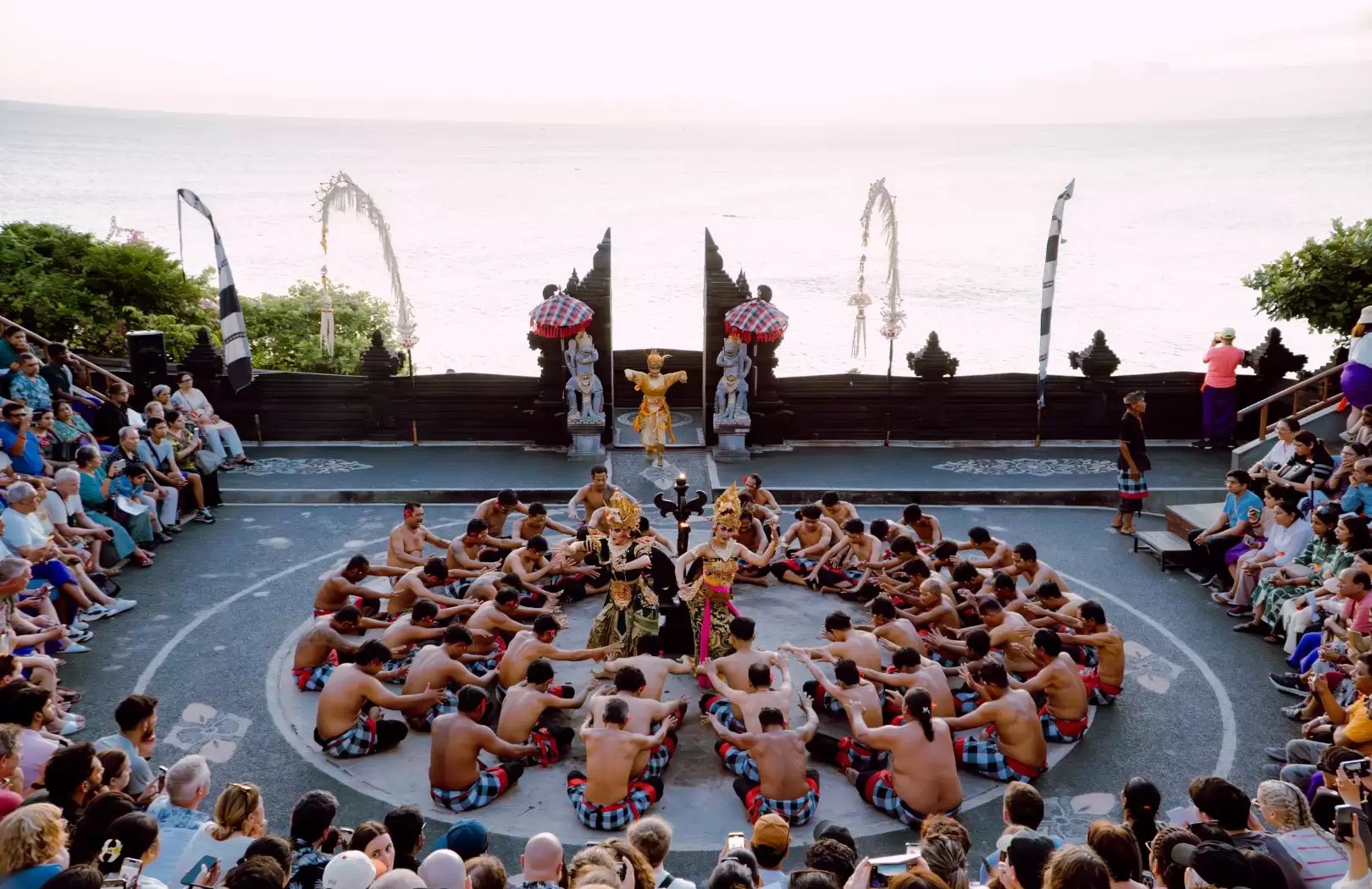
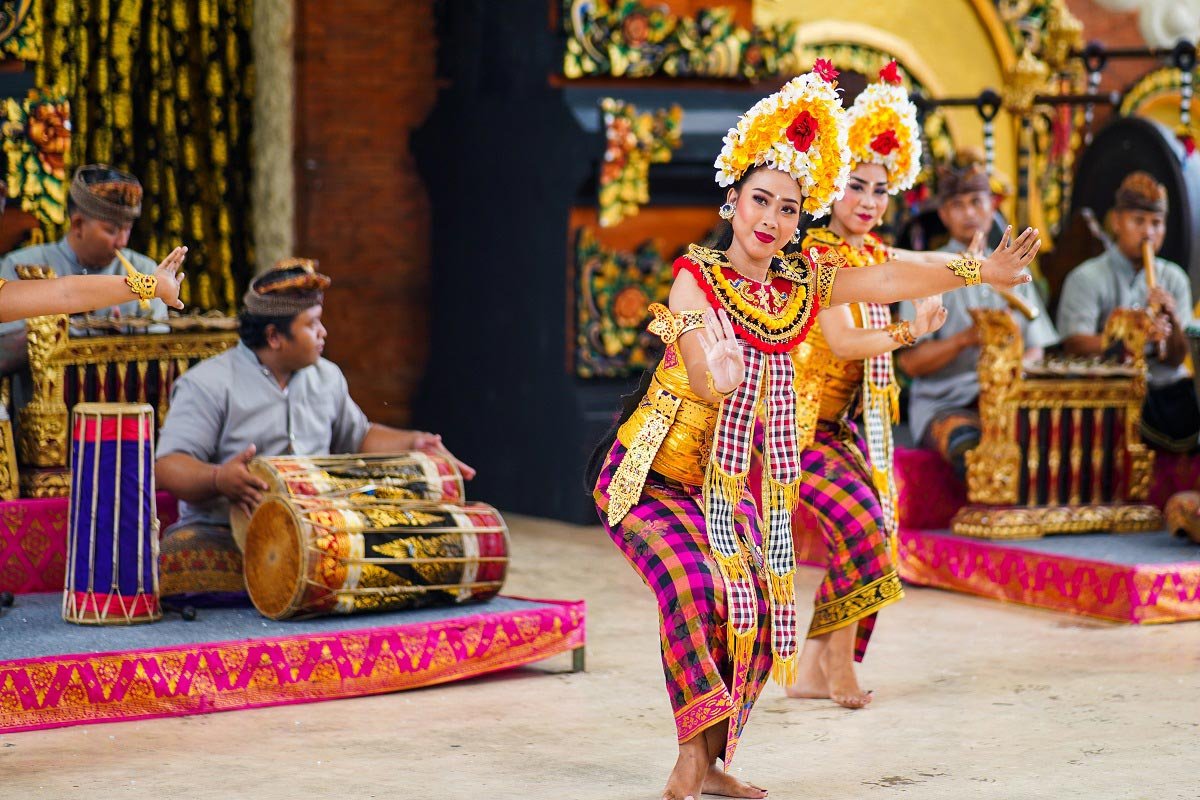
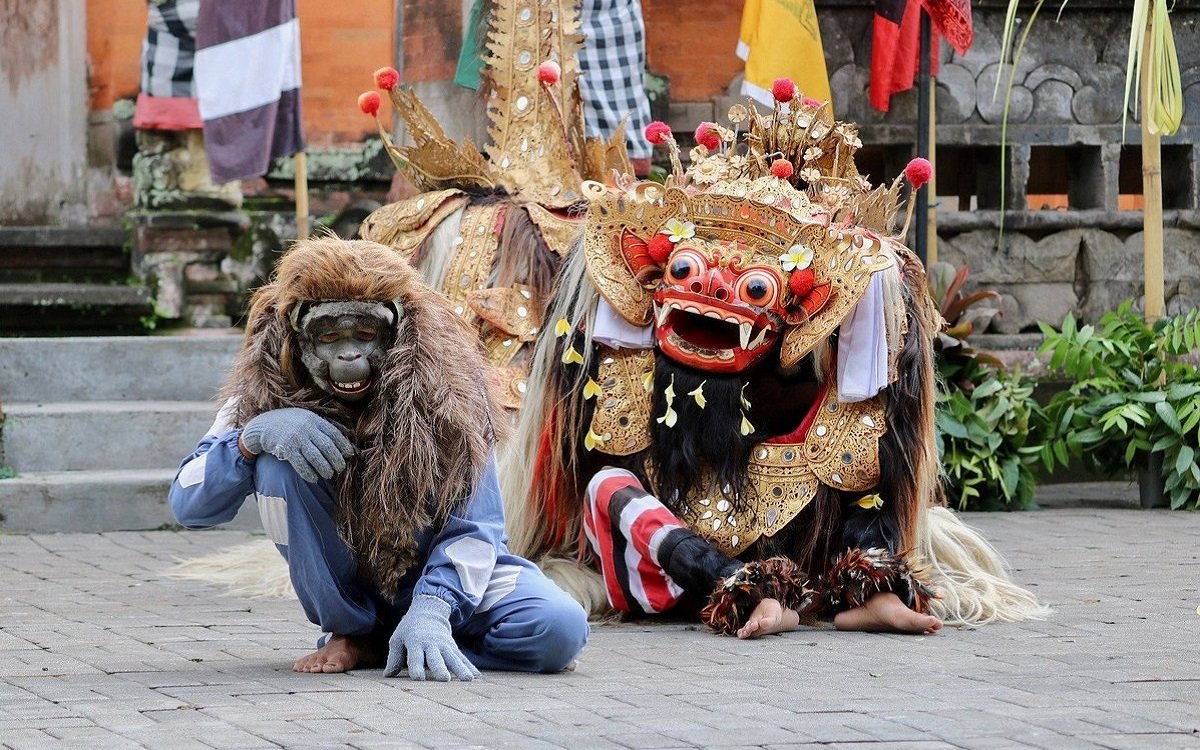
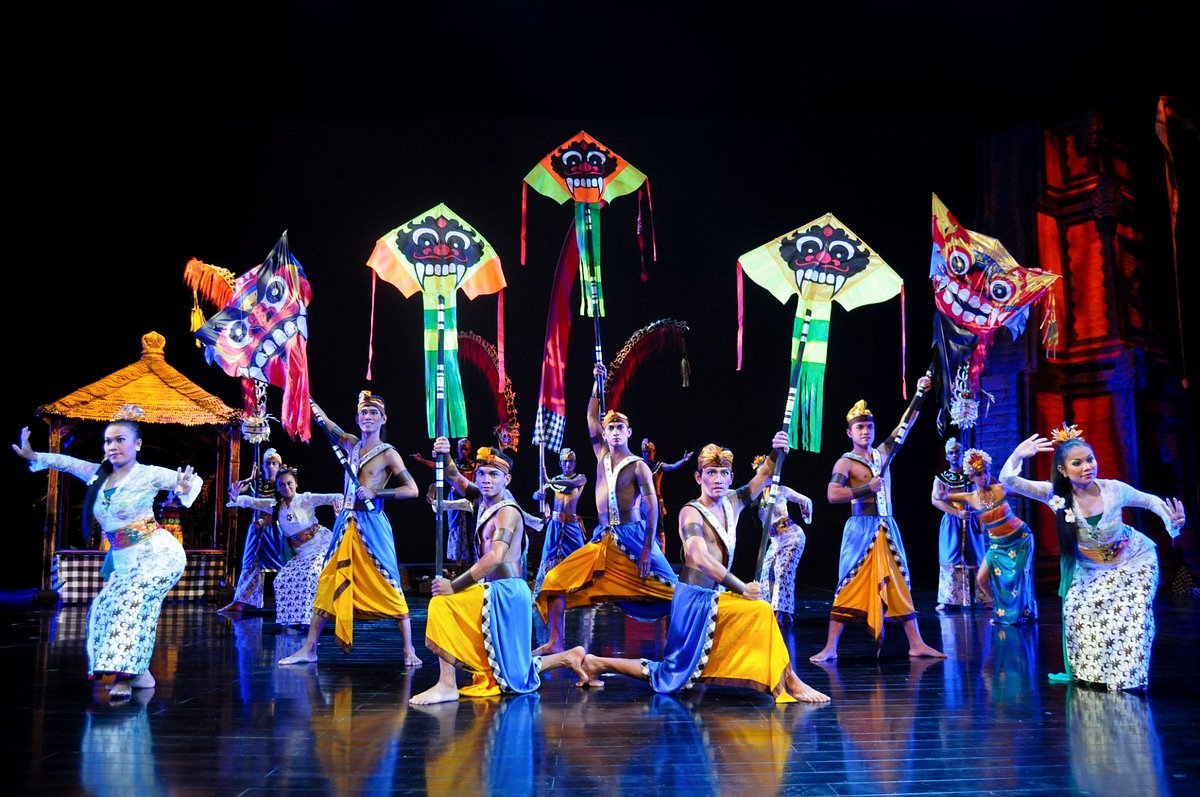
No visit to Bali is complete without attending at least one traditional performance, and the island has an extraordinary range of dance and theatrical traditions that are living and active rather than staged for tourists.
Kecak Dance at Uluwatu or Melasti Beach is the most dramatic with 50 to 100 performers chanting the Ramayana at sunset on a cliff above the sea. The Legong Dance at Ubud Palace is the most refined. You see female dancers in gold-thread costumes against torchlit palace walls.
The Barong Dance tells the story of the battle between the protective Barong spirit and the witch Rangda, with a full gamelan orchestra. The Devdan Show at the Bali Nusa Dua Theatre is the most produced, with a broad cultural extravaganza drawing from performance traditions across Indonesia.
Whichever you decide to watch, it will be an unforgettable experience without a doubt.


Bali’s Wildlife and Nature
Beyond the temples, terraces, and volcanoes, Bali has an extraordinary wildlife offering that most visitors only partially discover.
Bali Zoo in Gianyar houses over 500 animals, including the critically endangered Bali Starling. Special experiences include breakfast with the orangutans and the Elephant Experiences package covering feeding, painting, and a river walk.
Bali Safari and Marine Park (Taman Safari Bali) is the island's most complete wildlife day out in an open-range safari park covering Balinese, Indonesian, and African animals alongside marine shows and cultural performances.
Bali Bird Park near Ubud is home to over 1,000 birds from 250 species, with an emphasis on birds of paradise, pelicans, and hornbills from across the Indonesian archipelago. Free-flying bird shows run throughout the day and are included in the entry ticket.
Bali Reptile Park, located next to the Bird Park, is a dedicated reptile facility covering Komodo dragons, king cobras, crocodiles, and pythons in a compact but well-curated setting. The two parks work well together as a combined half-day visit from Ubud.
Marine Safari Bali in Tanjung Benoa brings a different kind of wildlife encounter with dolphins, sea turtles, and other marine species in an educational waterfront facility. Shows and interactive sessions are running throughout the day. It is the most accessible marine wildlife experience in Bali for families with younger children.


Water Activities in Bali
Bali's coastline and the waters surrounding it offer some of the finest water sports in Southeast Asia, and the range runs from accessible beginner activities to serious diving and surfing.
- Watersport Tanjung Benoa by Bintang covers parasailing, banana boat, jet ski, glass-bottom boats, and flying fish in a calm, sheltered bay at the most established watersports hub on the island.
- Mangrove and Snorkelling Adventure with Turtle Island combines a mangrove boat journey, a reef snorkel, and a visit to the sea turtle conservation centre at Serangan.
- Ayung River Rafting in Ubud runs the 2-hour guided journey on Bali's longest river through jungle and rice paddy gorges, with lunch included. It is the most accessible white water in Bali.
- Telaga Waja White Water Rafting in East Bali is the more challenging alternative for serious rapids.


Wellness in Bali
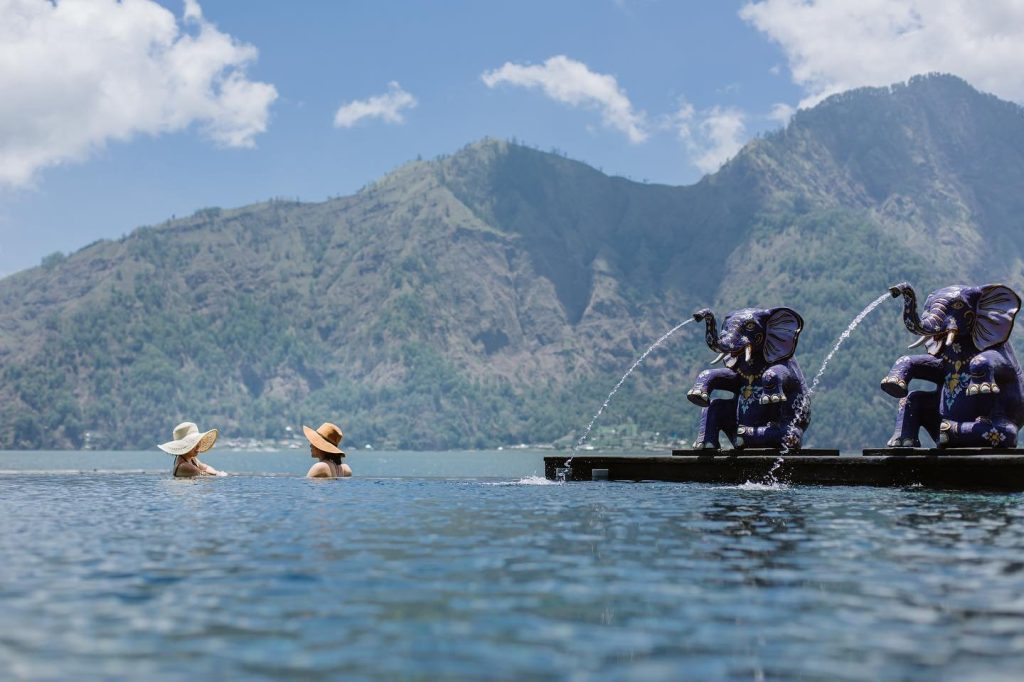
Wellness and spiritual healing have been core to Bali's appeal since the Eat Pray Love era, and the island has developed a genuinely world-class wellness industry alongside its traditional healing culture.
Toya Devasya Hot Spring Waterpark on the shores of Lake Batur, at the foot of Mount Batur, combines natural hot springs sourced from the volcano's geothermal activity with a waterpark set against the extraordinary landscape of the crater lake.
The spring water is rich in minerals, and the temperature differences between the pools make it a genuinely therapeutic experience.
Traditional Balinese massage combines long strokes, skin rolling, and palm and thumb pressure into a treatment that has been practiced on the island for generations. Every area of Bali has good massage options, from budget warungs to luxury spa settings. The most acclaimed spa experiences are at the resort properties in Ubud and Uluwatu.

Garuda Wisnu Kencana Cultural Park
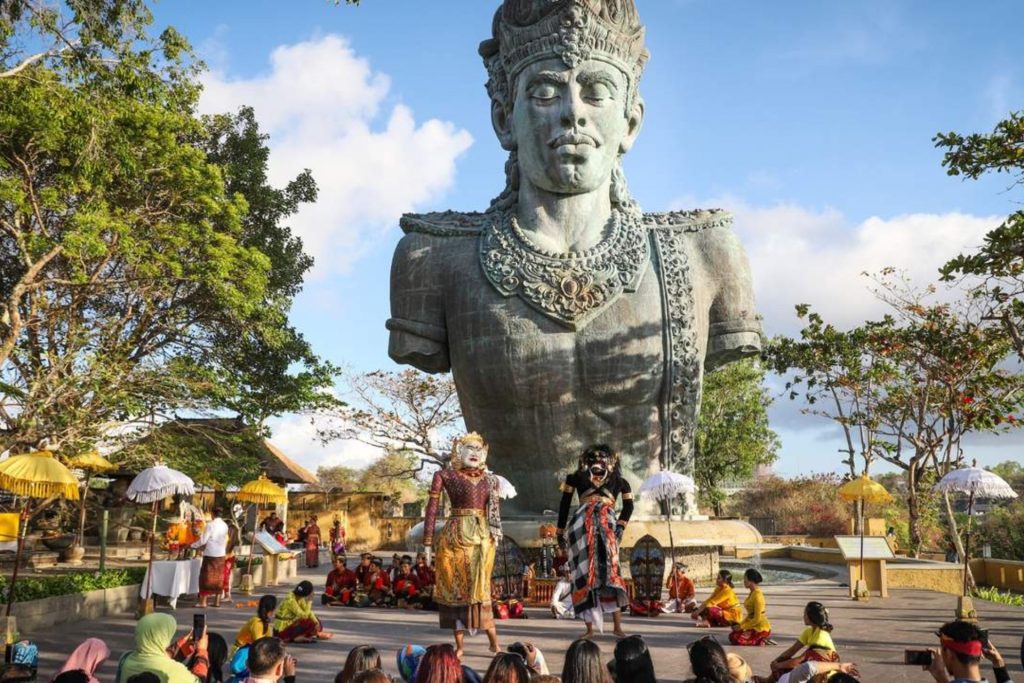
The largest man-made cultural statement in Bali sits in the south on the Bukit Peninsula and is impossible to miss.
Garuda Wisnu Kencana Cultural Park (GWK) in Ungasan houses the monumental statue of the Hindu deity Vishnu riding his mount Garuda, a 121-metre bronze and copper structure that is one of the tallest statues in the world.
The surrounding cultural park hosts traditional Balinese dance performances and cultural events in an amphitheatre setting with views over the south of the island.

Theme Parks and Entertainment

Trans Studio Bali in Kuta is the island's major indoor theme park, covering thrill rides, family attractions, and interactive zones across an air-conditioned complex. Among the rides are a roller coaster, a 4D cinema, a Dunia Anak zone for younger children, and the Trans Studio Hotel integration that allows multi-day resort stays.
Two ticket categories exist: the standard international ticket and the Indonesian resident rate.
Devdan Show at the Bali Nusa Dua Theatre is covered in the dance section above, but is important enough to emphasize again as Bali's most polished theatrical entertainment production.


Food in Bali
The food in Bali is one of the island's great under-discussed pleasures. Balinese cuisine is distinct from Indonesian cuisine more broadly, with its own spice pastes, cooking traditions, and flagship dishes that reflect the Hindu culture's relationship with pork.
- Nasi Campur is the way most visitors first encounter Balinese food. It is mixed rice with an assortment of meat and vegetable sides, sambal (chilli sauce), and crispy crackers, eaten at any warung for almost nothing.
- Babi Guling (spit-roasted suckling pig) is the most celebrated Balinese dish, traditionally prepared for ceremonial occasions and now available at specialist restaurants throughout the island. Ibu Oka in Ubud is the most famous name, but every Balinese town has its respected version.
- Satay and Sate are grilled meat skewers with peanut sauce, available at every level from street cart to restaurant menu.
- Avocado Juice (Jus Alpukat) as served in Bali is not the health drink the name implies. It is a thick, cold, sweet milkshake with condensed milk and chocolate sauce that is one of the most unexpectedly delightful things to drink on the island.
- Jamu is the traditional Indonesian herbal drink made with turmeric, tamarind, ginger, and other herbs in a cold-pressed tonic that local culture considers essential for health. It is available at health cafes throughout Ubud and Canggu.
For the café culture that defines modern Canggu and Seminyak, the quality of coffee, smoothie bowls, grain bowls, and health food is genuinely world-class by any international standard. The concentration of excellent independent cafes in these two areas is one of the reasons Bali has become a long-term base for so many visitors.
When to Visit Bali
Bali is warm year-round, but the seasons produce meaningfully different experiences.
Dry season (April to October) is the best time to visit, with clear skies, lower humidity, and the best conditions for outdoor activities, beach days, and the offshore islands. July and August are the peak months, with the highest visitor numbers and hotel rates.
Shoulder months (April, May, September, and October) offer the best combination of good weather and manageable crowds. May and September are widely considered the ideal months with warm, relatively clear weather and with lower occupancy at resorts.
Wet season (November to March) brings daily tropical rain, typically in the afternoon or evening rather than all day. The rain cools the island, turns the rice terraces intensely green, and keeps visitor numbers lower with better rates. The wet season in Bali does not mean an inferior Bali. It is simply a different one.
Nyepi (the Balinese New Year Day of Silence, usually in March) requires all activity on the island to stop for 24 hours. This means no driving, no lights, and no noise. Tourists are required to stay within their hotel or villa grounds. It is a genuinely extraordinary experience to witness and a logistical constraint to plan around.
Practical Tips Before You Go
- Complete your arrival card and customs declaration online before departure at allindonesia.imigrasi.go.id and ecd.beacukai.go.id for the fastest possible immigration process on arrival.
- Only change money at legitimate money changers with a proper shopfront. Street-side money changers in tourist areas will attempt to scam you with sleight-of-hand counting tricks or undisclosed commissions. Look for established operators or change at your bank.
- Download Gojek before arriving. It is the single most useful app in Bali, covering motorbike taxi, car, food delivery, and dozens of other services. You can use it with a non-Indonesian number.
- Carry cash. Many temples, markets, local warungs, and parking attendants only accept Rupiah in cash. Withdraw from ATMs in established locations (inside banks or malls) rather than street-side machines.
- Always wear a helmet on a motorbike. This is a legal requirement and genuinely important on Bali's busy and sometimes unpredictable roads.
- Dress modestly at temples. A sarong and sash are required at most temple entrances. These are available to borrow or buy at the gate. Shoulders should be covered.
- Respect Nyepi if your visit overlaps. The Day of Silence is a deeply significant religious observance. Stay within your accommodation, keep lights and noise minimal, and approach it as an extraordinary cultural experience rather than an inconvenience.
- The wet season is not a dealbreaker. If your dates fall in the wet season, you will have lower prices, fewer crowds, and genuinely beautiful green landscapes. Plan outdoor activities for mornings and let the afternoon rain provide the break you probably need.
- Book Mount Batur treks and sunset performances in advance through Thrillark, particularly during peak season when the most popular sunrise time slots and Kecak Fire Dance seats fill up.
Bali is the kind of place that changes how you think about what a travel destination can be. Not because of a single spectacular sight, but because the whole island is the sight: the morning offerings, the rice terrace light at dusk, the gamelan drifting from a courtyard at night, and the volcano at dawn with Mount Agung across the caldera. It is an island that asks you to slow down and rewards you generously for doing so.
Head straight to Thrillark to book your Bali Zoo tickets, Mount Batur sunrise experiences, Kecak dance shows, island fast boats, river rafting, hot spring visits, and everything else this extraordinary island has waiting for you.
Frequently Asked Questions About Bali
Do you need a visa to visit Bali?
Most nationalities require either a Visa on Arrival (VoA) paid in Rupiah cash at the airport or an Electronic Visa on Arrival (eVoA) applied for online before departure at evisa.imigrasi.go.id. ASEAN nationals are visa-exempt and enter without any payment. Indian, US, UK, Australian, and EU nationals all qualify for the VoA. Always check your specific requirements and apply for the eVoA in advance to use the faster autogate immigration process.
What is the best area to stay in Bali?
For first-time visitors, Seminyak gives the best infrastructure (restaurants, cafes, beach clubs, spas) and the easiest introduction to the island. Ubud is essential for anyone interested in culture, nature, rice terraces, and the spiritual side of Bali. Canggu suits visitors who want a younger, more laid-back atmosphere with good surfing. Most multi-week visits split time between at least two areas.
What is the Mount Batur sunrise experience?
Mount Batur is an active volcano in the Kintamani highlands whose 1,717-metre summit offers one of the most spectacular sunrise views in Southeast Asia, looking out over the caldera lake and across to Mount Agung. The trekking option involves a 2 am departure and a 2 to 2.5-hour climb to the crater rim for dawn. The jeep tour option reaches a viewpoint at lower altitude for visitors who want the sunrise without the climb. Both include the natural hot springs experience at the mountain's base.
What is the Kecak Fire Dance, and where is it performed?
The Kecak is a Balinese performance tradition based on the Hindu Ramayana epic, performed by a circle of 50 to 100 male performers creating a layered percussion of vocal sounds (the "kecak" chant) while narrating the story through movement and costumed characters. The sunset performance at Uluwatu Temple cliff amphitheatre, where the fire and the sea sunset combine with the performance, is the most famous version. The Melasti Beach Kecak and Ubud Palace Legong Dance are the most celebrated alternatives.
What is the difference between Nusa Penida and Nusa Lembongan?
Nusa Penida is the larger, more dramatic island with steep cliff-face landscapes, viewpoints like Kelingking Beach, and exceptional diving and snorkelling around Manta Point and Crystal Bay. It is more rugged and requires more effort to get around. Nusa Lembongan is smaller, calmer, and more developed for beach tourism, with easier navigation and a pleasant village atmosphere. Both are accessible by fast boat from Sanur; Nusa Penida takes about 45 minutes, Nusa Lembongan about 30.
What should you eat in Bali?
The essentials are Nasi Campur (mixed rice with meat and vegetable sides at any local warung), Babi Guling (spit-roasted suckling pig, the signature Balinese ceremonial dish), satay from a street cart, and Jus Alpukat (Balinese avocado milkshake). The café culture in Canggu and Seminyak is genuinely world-class for coffee, smoothie bowls, and international healthy food. Ubud's back-street warungs offer the best value for authentic Balinese cooking on the island.
When is the best time to visit Bali?
The dry season from April to October gives the best conditions overall. May and September are the ideal months offering excellent weather, lower humidity, and fewer visitors than the July to August peak. The wet season from November to March is workable and significantly cheaper, with the afternoon rains producing dramatically green landscapes. Nyepi (Day of Silence, usually March) requires staying in your accommodation for 24 hours and should be factored into planning if your dates overlap.
Browse by themes