Rome does not ease you in. You step out of the taxi, round a corner, and there is the Pantheon, just sitting there in the middle of a piazza like it has been waiting 2,000 years for you to arrive, which in a sense it has.
That is Rome’s particular trick. It drops the most significant buildings in Western history into the middle of daily life so casually that a Roman family might stop for a coffee in front of the Colosseum on their way to work. It is the most lived-in museum on Earth, and the fact that people have been trying to explain what makes it so extraordinary since roughly the 2nd century AD and have not quite managed it is part of the point.
Italy’s capital sits on the Tiber River in Lazio, a city that founded Western civilisation, built the largest empire the ancient world had seen, gave Christianity its headquarters, and then kept going for two millennia until it became the city you arrive in today. It is chaotic, beautiful, loud, warm, and utterly irreplaceable.
Give it four days. You will still leave with a list of things you did not do, and you will immediately start planning when to come back.
Rome City Essentials
Entry Requirements for Rome
Citizens of the EU and Schengen Area nations can travel to Italy without visa requirements. Citizens of the US, UK, Canada, Australia, and most Western countries can visit without a visa for up to 90 days in any 180-day Schengen period.
Indian nationals require a Schengen visa from the Italian Embassy before departure. The EU’s ETIAS pre-travel authorization for visa-exempt non-EU nationals is being progressively rolled out.
Make sure to check travel.ec.europa.eu before booking.
Getting There and Getting Around
Rome Fiumicino Airport (FCO) is 30 km west of the city. The Leonardo Express train connects the airport directly to Roma Termini station in 32 minutes, running every 15 minutes.
Taxis from the airport to the city centre operate at a fixed rate to central Rome. Ciampino Airport (CIA), used mainly by budget carriers, is 15 km southeast and connected by bus or taxi.
Getting around Rome is largely a matter of walking, with the metro covering what the legs cannot.
- Metro: Two main lines (A and B) cover the essential visitor destinations: Line A for the Spanish Steps, Vatican, and Piazza del Popolo, and Line B for the Colosseum and Circo Massimo. A third line (C) is partially operational and expanding. Single tickets, day passes, and multi-day passes are all available at metro stations and tabacchi (tobacconists).
- Bus: Rome’s bus network covers the entire city but is slower and more complex than the metro. The most useful bus routes for visitors tend to be those along the main historic centre streets.
- Walking: The historic centre is compact enough that most of the main sites are reachable on foot from each other. The walk from the Colosseum to the Pantheon to Piazza Navona to the Vatican covers most of central Rome’s highlights across a morning and afternoon at a reasonable pace.
- Taxi: White licensed taxis are metered and widely available. Uber also operates here. Taxis from the airport to central Rome operate at a fixed price, parking is nearly impossible in the historic centre, and the ZTL restricted traffic zones cover most of where you want to be.


The Colosseum and the Ancient City
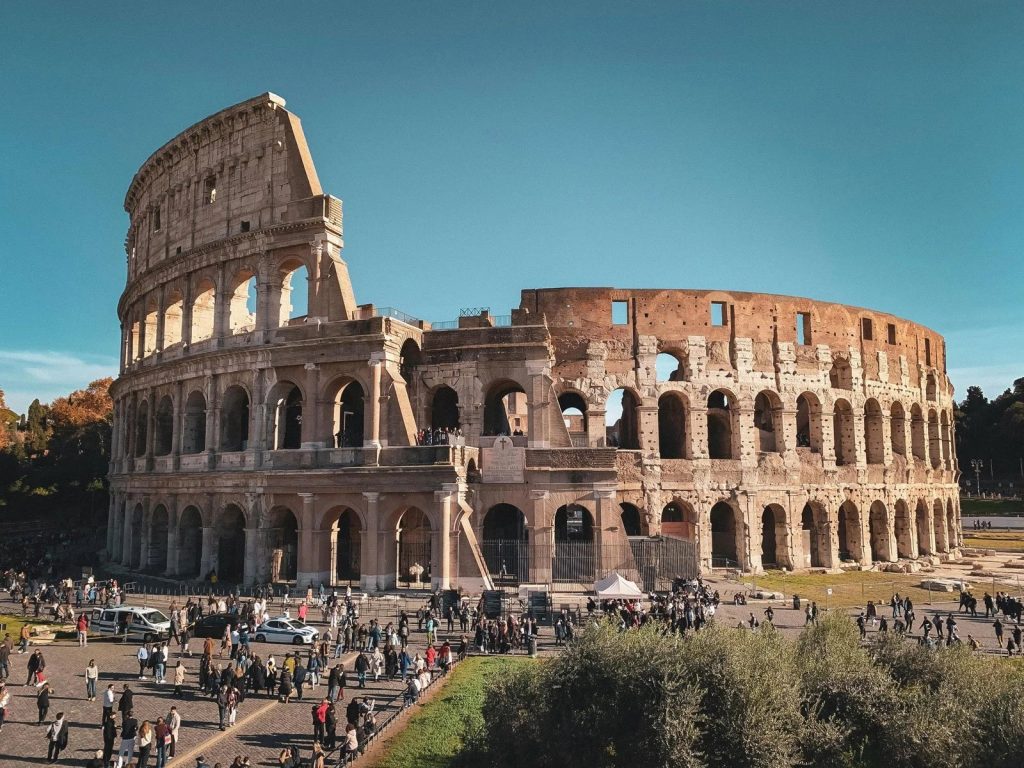
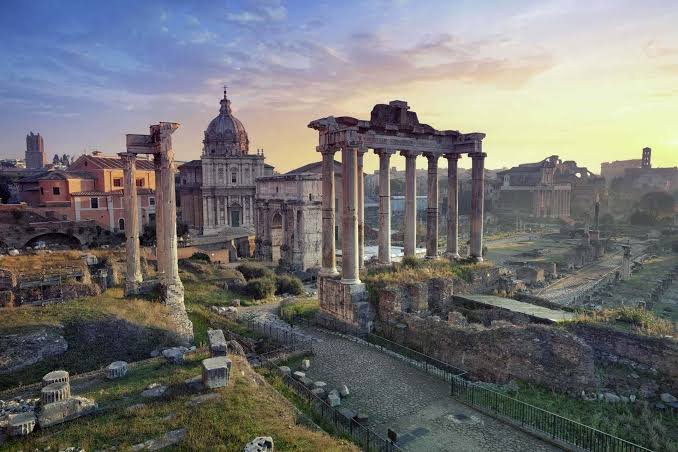
Start here. Every other city in the world builds monuments to its past. Rome IS the past, and nowhere makes that more apparent than the stretch of ancient city anchored by the Colosseum.
The Colosseum (Anfiteatro Flavio) was completed in 80 AD under Emperor Titus and remains one of the great engineering achievements of the ancient world, with an elliptical amphitheatre capable of holding 50,000 to 80,000 spectators, with a retractable canvas roof (the velarium) and an underground hypogeum below the arena floor where animals, gladiators, and scenery were prepared.
It hosted 100 days of inaugural games, including gladiatorial combat, animal hunts, and naval battles in a flooded arena floor. Standing in the center of the arena, looking up at the tiers of arches, is one of those moments that no photograph of it has ever adequately prepared you for.
The Roman Forum, immediately to the west of the Colosseum, is the former civic centre of ancient Rome. It is the marketplace, courthouse, and public gathering space of the world’s most powerful empire for over five centuries.
The Via Sacra ran through its center, and the surviving columns, triumphal arches, and temple foundations give enough material to reconstruct the full scene if you have the context for it.
The Palatine Hill above the Forum is the archaeological site of the imperial palaces where Augustus, Tiberius, and their successors lived, with extraordinary views over the city in every direction. Together, the three sites are the most significant archaeological ensemble in the world.
The Roman Forum and Palatine Hill with Multimedia Video adds a guided multimedia experience to the standard archaeological visit, reconstructing the Forum’s original appearance through digital overlays that give non-specialists a significantly richer understanding of what they are standing in.
From the ancient city, the journey west toward the river brings you through the neighbourhood fabric of Rome toward its next layer of history.


The Vatican
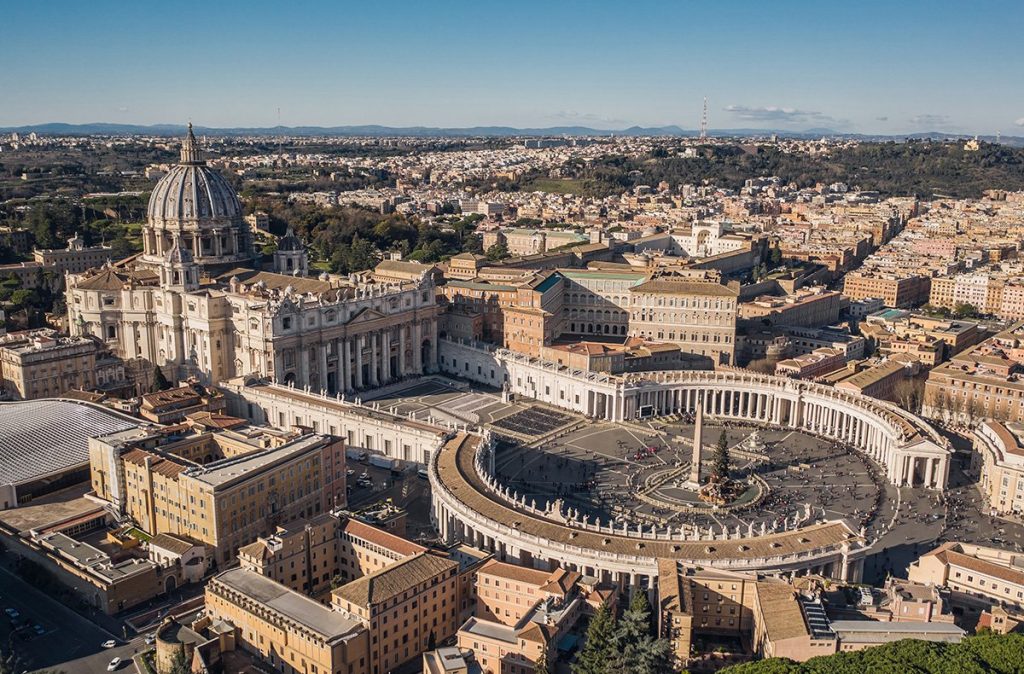
Whatever your relationship with Catholicism, the Vatican is a non-negotiable stop. It is the world’s smallest sovereign state, the headquarters of the world’s largest Christian denomination, and the home of one of the greatest concentrations of art and architecture in human history.
The Vatican Museums are the building that houses it all: 54 galleries covering 7 km of corridors if walked end to end, containing Michelangelo’s Laocoön, the Gallery of Maps (40 painted topographical maps of Italy from the 16th century along a 120-metre corridor), the Raphael Rooms, and a collection that ranges from Egyptian antiquities to modern religious art.
The crowds are significant, so arriving at opening and booking a timed ticket in advance makes a decisive difference to the experience.
At the end of the Vatican Museums, the Sistine Chapel is the most important room in Western art. You get to see Michelangelo’s ceiling (completed 1512), showing the nine scenes from Genesis, including The Creation of Adam, and his Last Judgment on the altar wall (completed 1541), painted over his own earlier fresco, covering the full scope of human existence from creation to salvation and damnation in a single overwhelming room. The rule of silence is enforced. The guards are serious about it.
St. Peter’s Basilica should not be missed under any circumstances. The largest church in the world by interior volume (covering 2.3 hectares), it houses Michelangelo’s Pietà, Bernini’s enormous bronze baldachin over the papal altar, and the climb to the dome (551 steps from the ground ) for one of the finest views in Rome.
Book the Vatican Museums ticket through Thrillark well in advance. Same-day tickets are rarely available, and walk-up queues can take several hours.


The Pantheon
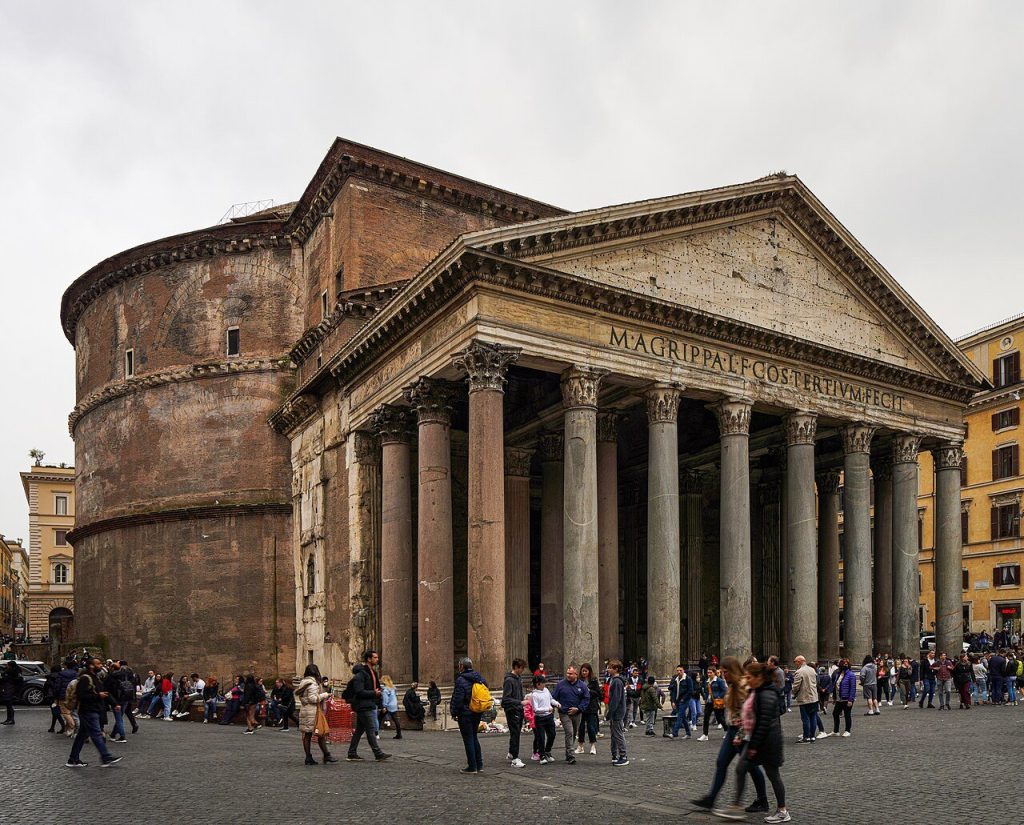
A ten-minute walk north from the old ghetto brings you to the most perfectly preserved building of the ancient world. The Pantheon was completed in 125 AD under Emperor Hadrian on the site of an earlier temple built by Agrippa in 27 BC, and the inscription above the portico still reads the name of the original builder.
Its 43.3-metre dome (with an oculus of 8.8 metres open to the sky at its centre) was the largest in the world for 1,300 years and has never collapsed. Rain falls through the oculus and drains through holes in the ancient marble floor.
The proportions are mathematically perfect. The height of the dome equals the diameter of the building.
The Pantheon was converted to a Christian church in 609 AD, which is the reason it survived when most ancient Roman buildings were stripped for their marble. Raphael is buried here. So are the first two kings of unified Italy.
Pantheon Admission with Audio Guide is available through Thrillark and is required since Rome introduced paid admission in 2023. The audio guide provides the architectural and historical context that makes the building comprehensible rather than simply impressive.
From the Pantheon, the surrounding neighbourhood demands exploration before moving on.


Piazza Navona, Trastevere, and the Neighbourhoods
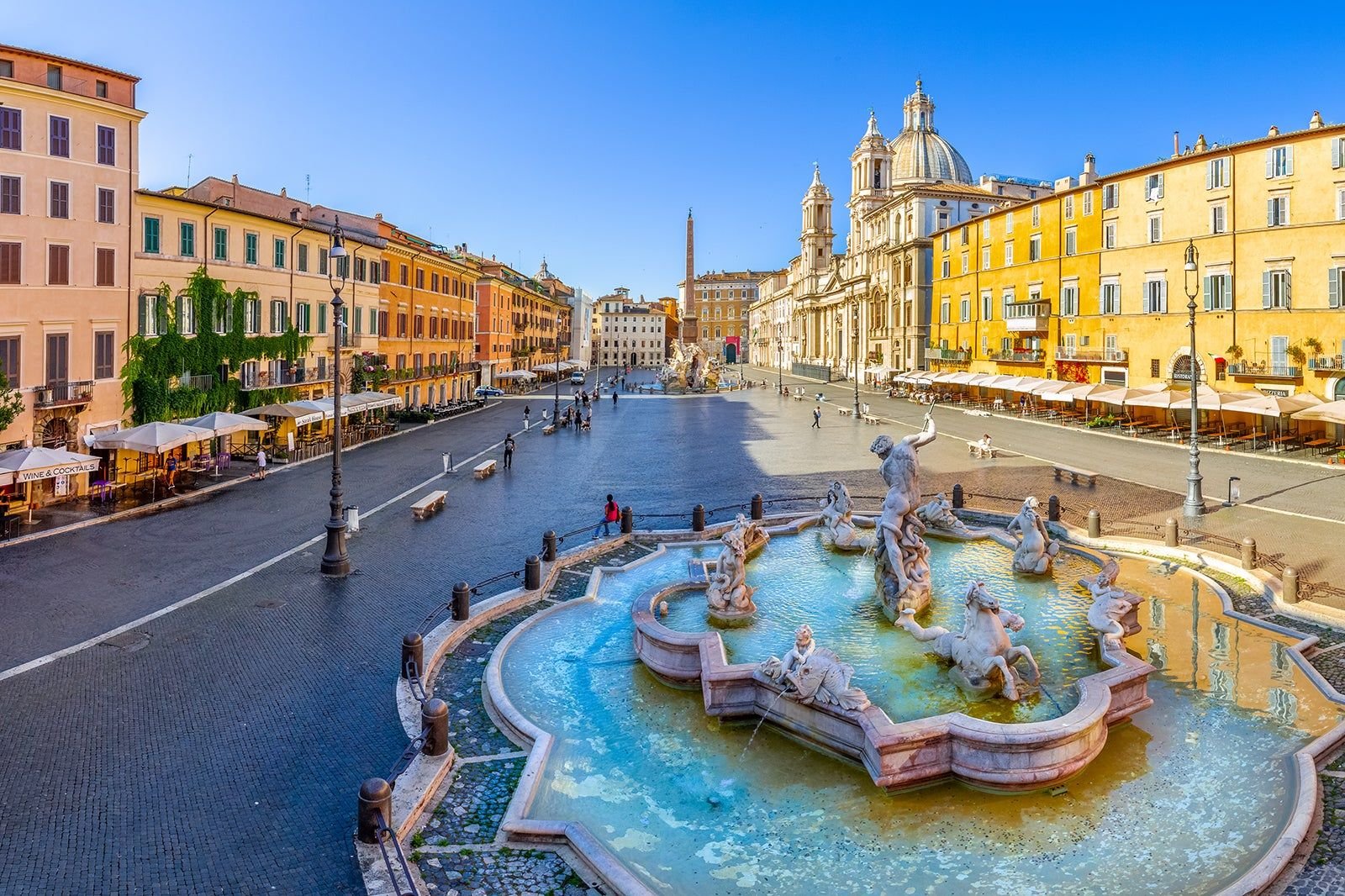
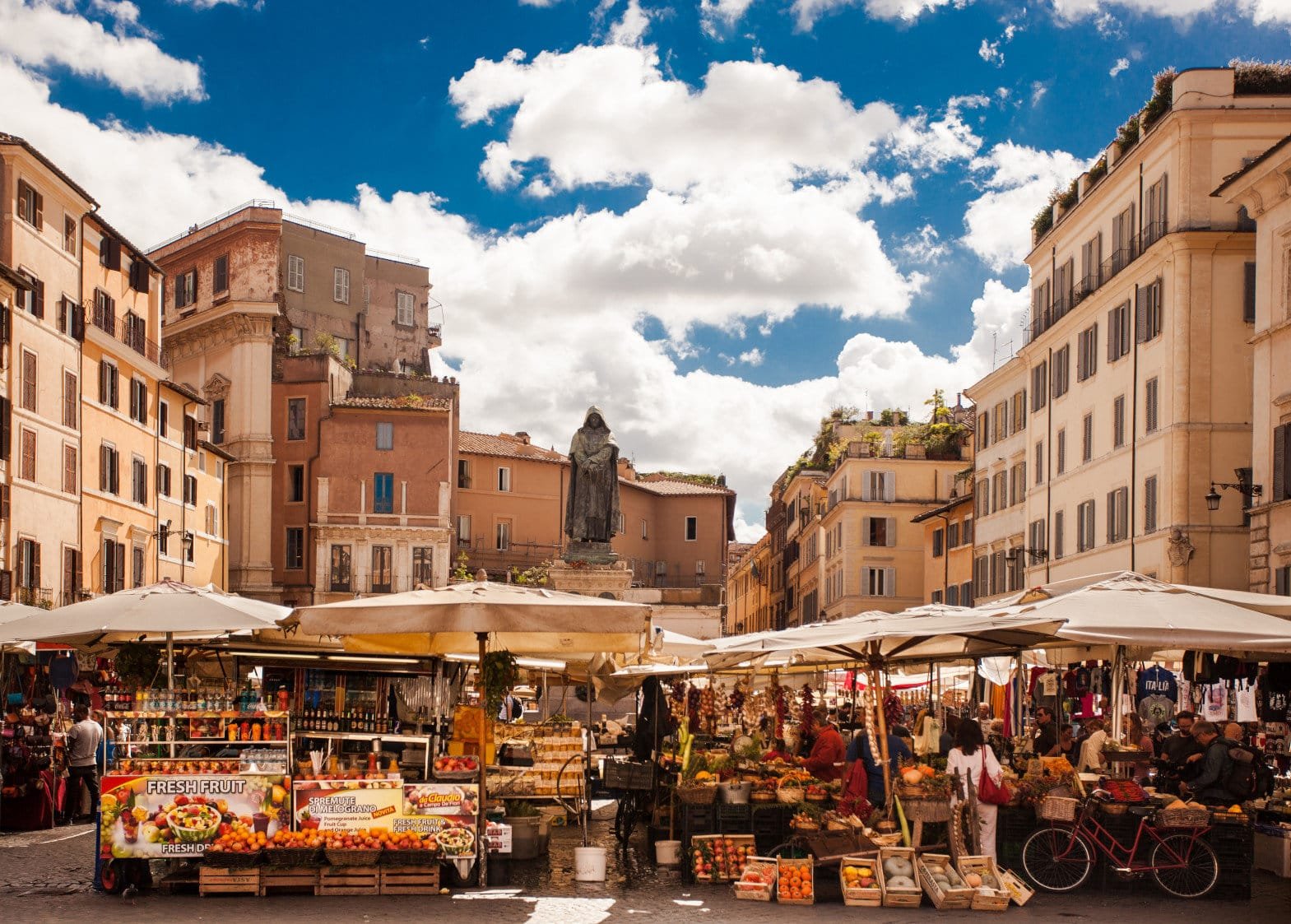
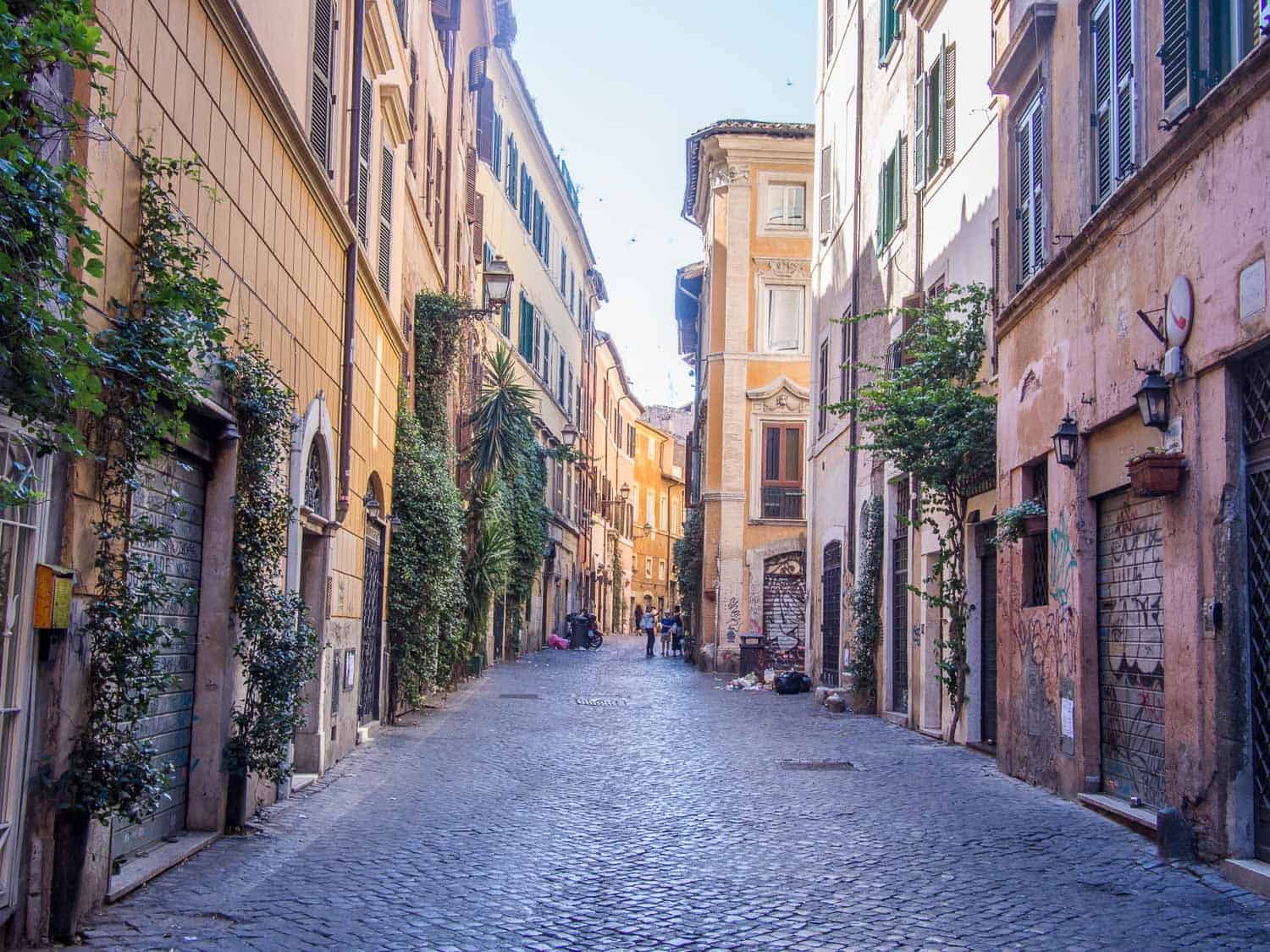
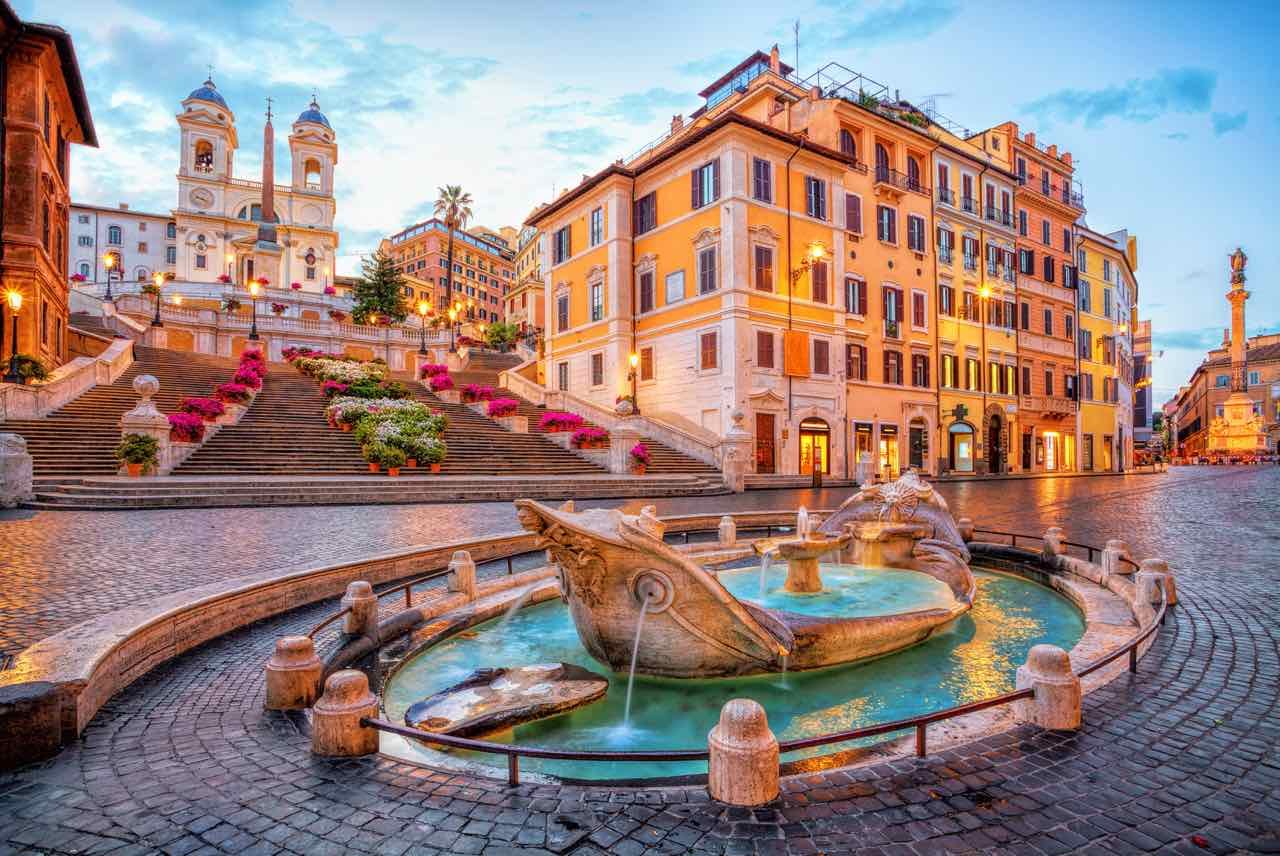
The streets around the Pantheon represent the historic centre of Rome at its most intact, and wandering without a fixed plan is as rewarding here as anything on a structured itinerary.
Piazza Navona, a five-minute walk west, is an elongated piazza built on the foundations of the ancient Stadium of Domitian and anchored by Bernini's Fountain of the Four Rivers (1651), with a theatrical display of papal power and artistic bravado in which four colossal figures represent the Nile, the Ganges, the Danube, and the Río de la Plata.
The piazza is surrounded by cafes and restaurants that charge appropriately for the location. Get a coffee standing at the bar, which is cheaper, then walk the perimeter.
Campo de' Fiori, a few minutes further south, is where the daily market runs every morning except Sunday, selling produce, flowers, and street food, and where the statue of Giordano Bruno stands at the centre of the square, marking the spot where he was burned as a heretic in 1600.
Trastevere, across the Tiber, is the neighbourhood Romans point to when asked where they would actually live. You’ll see narrow medieval lanes, ivy-covered facades, the Basilica di Santa Maria in Trastevere (the oldest Marian church in Rome, with 12th-century gold mosaics), and the most beloved evening restaurant and bar scene in the city.
It is about 20 minutes on foot from Piazza Navona across the Tiber Island (the only natural island in the Tiber) and best visited in the early evening when the light on the cobblestones and the smell of dinner preparation from the trattoria windows combine into something difficult to leave.
The Spanish Steps (Piazza di Spagna) is the other essential piazza with a 135-step Baroque staircase completed in 1725 leading from the Piazza di Spagna to the Trinità dei Monti church above, flanked in spring by azaleas and in all seasons by people sitting and eating gelato in the sunshine. The luxury boutiques of Via Condotti run south from the base of the steps.


Castel Sant'Angelo and the Borghese Gallery
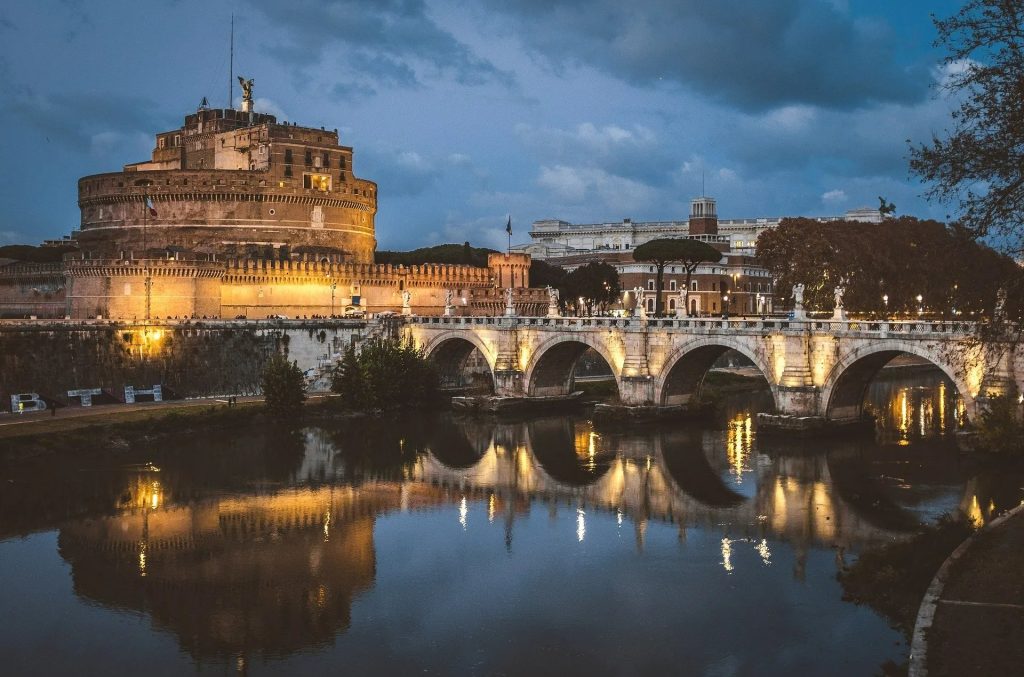
From the Vatican, the Tiber Bank leads north to another essential stop. Castel Sant'Angelo was built as the mausoleum of Emperor Hadrian in 139 AD and converted over the centuries into a fortress, a papal residence, a prison, and now a museum.
A covered elevated passageway (the Passetto di Borgo) connected it to the Vatican, allowing popes to escape into the castle during emergencies, which they did on at least one occasion during the 1527 Sack of Rome. The terrace at the top gives one of the finest panoramic views of the city, particularly toward St. Peter's dome and along the Tiber.
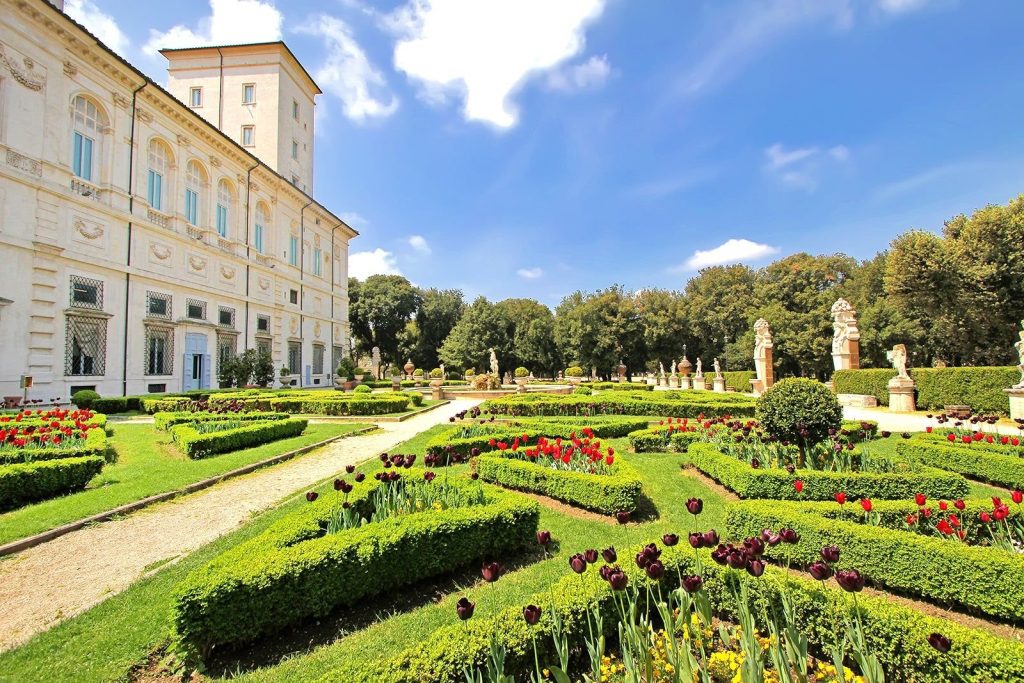
From the river, heading northeast through the Villa Borghese gardens (Rome's central park, pleasant to walk or cycle through) brings you to the other great museum experience in Rome.
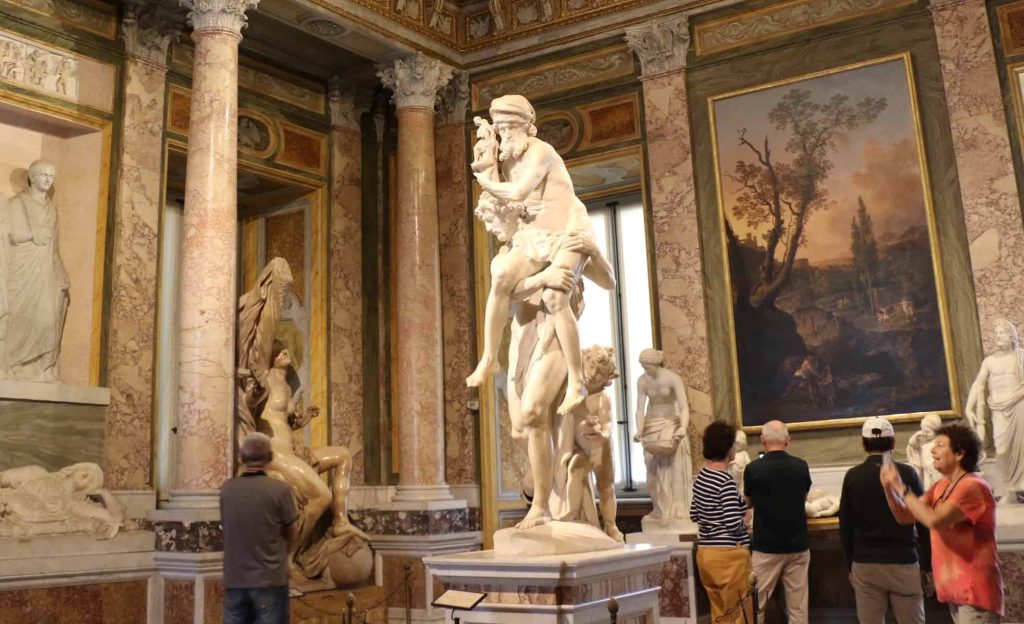
Borghese Gallery (Galleria Borghese) in the Casino Borghese within the Villa Borghese park is the finest small museum in Rome and one of the most intensely concentrated collections of sculpture and painting anywhere in the world. The collection was assembled by Cardinal Scipione Borghese in the early 17th century and includes six early Bernini sculptures (Apollo and Daphne, The Rape of Proserpina, David, and others) displayed in the rooms for which they were created, Canova's reclining portrait of Pauline Bonaparte, and paintings by Raphael, Titian, Caravaggio (six works), and Rubens. The total effect of this quality in such a compact space is overwhelming.
Entry is strictly controlled to 360 visitors per two-hour slot and must be pre-booked. There is no walk-up access. Book as far in advance as possible. The Borghese Gallery is the most time-sensitive booking in Rome.


More Popular Things to Do in Rome
- Barberini Palace and Galleria Corsini are the two palace locations that together house the Galleria Nazionale d'Arte Antica, Rome's National Gallery of Ancient Art, split across opposite sides of the Tiber. The Palazzo Barberini near the Quirinal holds Raphael's La Fornarina, Caravaggio's Judith Beheading Holofernes, and Holbein's portrait of Henry VIII in rooms with Pietro da Cortona's ceiling frescoes. The Galleria Corsini in Trastevere holds the second half of the collection, with Van Dyck, Rubens, and Caravaggio in a quieter, less-visited palazzo setting.
- The Catacombs of St. Callixtus along the Appian Way are the most significant of Rome's underground Christian burial networks, covering approximately 20 kilometres of tunnels dating from the 2nd century AD. They served as burial grounds for early Christian communities, including several early popes. Guided tours descend past thousands of carved niches and fresco-decorated chambers in one of the most atmospheric historical experiences in Rome.
- The Catacomb of Priscilla on the Via Salaria is one of the oldest Christian catacombs in the city, containing what is believed to be the earliest known depiction of the Virgin Mary and Child, dating to the 3rd century. It is smaller and less visited than the Appian Way catacombs, with guided tours running throughout the day.
- Capuchin Crypt beneath the church of Santa Maria della Concezione dei Cappuccini near the Barberini Metro station is one of Rome's most peculiar and genuinely unforgettable spaces: five small chapels whose walls, ceilings, and decorative elements are constructed entirely from the skeletal remains of approximately 3,700 Capuchin friars, arranged in elaborate geometric patterns. The sign at the entrance reads "What you are now, we once were; what we are now, you shall be." A 20-minute visit that stays with you significantly longer.
- Wax Museum Rome (Museo delle Cere) near Piazza dei Santi Apostoli houses wax figures covering Italian and international history, politics, religion, and entertainment. A lighter, family-friendly attraction in the historic centre, suitable as a shorter stop alongside a morning of serious sightseeing.
- The National Etruscan Museum of Villa Giulia in the Villa Borghese area houses the world's most significant collection of Etruscan art, covering the pre-Roman civilization that dominated central Italy before Rome absorbed them. The centrepiece is the Sarcophagus of the Spouses, a remarkable terracotta funerary monument showing a husband and wife reclining together in tender equality. World-class and dramatically undervisited compared to the nearby Borghese Gallery.
- Colonna Gallery in the Palazzo Colonna near the Quirinal is open exclusively on Saturday mornings, giving rare access to one of Rome's great aristocratic family palaces. The Great Hall has ceiling frescoes by Giovanni Coli and Filippo Gherardi celebrating the Battle of Lepanto (1571), where a Colonna family member commanded the papal fleet. The collection includes Annibale Carracci's celebrated portrait of a bean-eater and works by Bronzino and Guercino.
- The Leonardo da Vinci Museum at Piazza del Popolo is an interactive museum featuring over 200 working wooden models built directly from Leonardo's original drawings, covering his engineering inventions for flying machines, military weapons, bridges, and hydraulic systems. It is a strong family attraction and genuinely engaging for anyone with an interest in the Renaissance mind at work.
- Bioparco Rome covers 18 hectares inside the Villa Borghese park, housing over 1,000 animals from 200 species, including lions, giraffes, hippopotamuses, and a significant primate collection. It is conveniently positioned for visitors already spending time in the Villa Borghese area, making a combined visit with the Borghese Gallery straightforward.
- Acquaworld at Cinecittà World is Rome's water park experience, located within the Cinecittà World theme park on the southern edge of the city, accessible by car or shuttle from central Rome. The water park section covers wave pools, slides, a lazy river, and splash zones alongside the wider Cinecittà World rides and attractions. It is a practical full-day family option during Rome's hot summer months when the museums and cobblestones require a break.


Food in Rome
Roman food is specific, proud, and does not apologise for being exactly what it is. The city has a clearly defined culinary identity built on a handful of dishes that have been refined over generations and are not significantly improved by experimentation.
Cacio e pepe (pasta with Pecorino Romano, black pepper, and pasta water emulsified into a sauce of extraordinary simplicity and difficulty) is the most essential Roman dish. Carbonara (pasta with guanciale, egg yolk, Pecorino, and black pepper, no cream, no garlic, no exceptions) is the most debated. Amatriciana (pasta with guanciale, San Marzano tomatoes, and Pecorino) rounds out the trio that defines Roman pasta.
All three are available throughout the city, but finding a genuine version requires going slightly away from the tourist streets.
Supplì are deep-fried rice balls filled with tomato sauce and mozzarella, eaten standing at a counter or while walking. They are the correct Roman street food and available from specialist shops throughout the city and from most pizza al taglio (pizza by the slice) shops.
Artichokes (carciofi) in Rome deserve their own attention too. The Jewish-style deep-fried version (carciofi alla giudia, flat and crispy) and the Roman-style version (carciofi alla romana, braised with olive oil, garlic, and mint) are both excellent and most concentrated in the Jewish Quarter near the Teatro di Marcello.
Gelato consumed correctly means from a gelateria that makes it on-site (the sign is usually "artigianale" or you can tell by the fact that the flavours are covered, not piled high like a pyramid), preferably in a cup rather than a cone, in a piazza, sitting down. The neighbourhood gelaterias away from the tourist sites are consistently better and cheaper than those next to the Trevi Fountain or the Colosseum.
Coffee in Rome means espresso standing at the bar, which costs significantly less than sitting down. Cappuccino is a morning drink only. Ordering one after lunch or dinner will not get you thrown out, but it will earn you a look.
The coperto charge at restaurants (a small per-person cover charge for bread and service) is legitimate and normal. It will appear on the bill automatically.
When to Visit Rome
- Spring (April to early June) is the finest time to visit Rome, with temperatures from 15 to 25°C, the azaleas on the Spanish Steps, and the city at its most beautiful before summer heat and peak crowds. Easter brings significant additional visitors and should be booked around rather than into, unless the religious observances are the reason for going.
- Autumn (September to November) is the other excellent window. Temperatures drop from summer heat to a comfortable 15 to 22°C, the crowds thin considerably, and the quality of light in October and November is extraordinary. September is still warm enough for outdoor evening dining. November has the fewest tourists of any pleasant-weather month.
- Summer (June to August) is intensely hot (30 to 38°C), crowded, and expensive. The Vatican and the Colosseum can see their longest queues of the year. Many Romans leave the city in August, which creates a quieter but also more closed-down version of the city, with some local restaurants shutting for the month.
- Winter (December to February) is mild by northern European standards (7 to 12°C), very quiet at the main attractions, and the Christmas decorations along Via Condotti and in Piazza Navona are worth experiencing. January and February offer the lowest hotel rates of the year and the shortest queues at every major site.
Know Before You Go
- Book the Borghese Gallery as far in advance as possible. There is literally no walk-up access. It is the single non-negotiable advance booking in Rome.
- Most museums in Rome are closed on Mondays. Plan your itinerary with this in mind. Some churches also have restricted visiting on Sunday mornings.
- Visit the Colosseum at opening. The morning slot is the least crowded, and the light is most flattering. By 11 am it is significantly busier.
- The Roman siesta is real. Many shops close between 1 pm and 3 pm or 4 pm. Plan shopping or specific shop visits for the morning or late afternoon.
- Dress for churches. Shoulders and knees must be covered to enter any church in Rome. A light scarf or shirt carried in a bag handles all situations. The Vatican dress code is strictly enforced. Guards will turn away visitors who do not comply.
- Espresso at the bar is the correct and cheapest option. Sitting down at any cafe in Rome's tourist centre will add a coperto surcharge to your bill. It is legitimate, just worth knowing.
- The Trevi Fountain is best early in the morning. Before 8 am, it is often nearly empty. By 10 am, it is packed. The ritual coin throw is worth doing regardless of the hour. Nicola Salvi's 1762 fountain is a masterpiece of theatrical Baroque engineering and deserves more than five minutes.
Rome is the city that makes everything else look slightly ordinary by comparison. Not aggressively, not unkindly, but simply through the accumulated weight of 2,000 years of building the most significant architecture in Western history and then leaving it all where it originally stood. The Colosseum is still standing. The Pantheon has never collapsed. The Vatican is still drawing the world's faithful and faithless alike to stand in the Sistine Chapel and look up. Go with time, go with comfortable shoes, and go with an appetite for pasta that is genuinely world-class and deserves proper attention.
Check out Thrillark to book your Colosseum tickets, Vatican Museums access, Borghese Gallery slot, Castel Sant'Angelo, and everything else Rome has to offer.
Frequently Asked Questions About Rome
Do you need a visa to visit Rome?
EU and Schengen citizens need no visa. Citizens of the US, UK, Canada, Australia, and most Western countries can visit without a visa for up to 90 days in any 180-day Schengen period. Indian nationals require a Schengen visa from the Italian Embassy. The EU's ETIAS pre-travel authorization for visa-exempt non-EU nationals is being rolled out. Check travel.ec.europa.eu before booking.
What is the most important thing to book in advance in Rome?
The Borghese Gallery has no walk-up access and must be booked in advance for a specific two-hour slot. It is the single most time-sensitive booking in Rome. The Vatican Museums and Sistine Chapel should also be booked well ahead, as same-day tickets are rarely available during peak season. The Colosseum benefits from advance booking to avoid long queues, though same-day tickets are sometimes available.
How long does the Vatican Museums visit take?
A thorough visit to the Vatican Museums takes a minimum of 3 hours. Most visitors spend 3 to 4 hours, including the Sistine Chapel. The galleries are extensive, and the crowds can slow movement. Arriving at opening time is strongly recommended. St. Peter's Basilica is a separate visit and is free of charge. Allow an additional 1 to 2 hours for the basilica and, if desired, the dome climb.
What is the Borghese Gallery, and why is it so hard to get into?
The Borghese Gallery in the Villa Borghese park is the finest small museum in Rome, housing Bernini's greatest sculptures, six Caravaggio paintings, and works by Raphael and Titian in the rooms they were designed for. Entry is strictly limited to 360 visitors per 2-hour slot to protect the collection and maintain the intimacy of the experience. There is no walk-up option. All tickets must be pre-booked through authorised channels, including Thrillark.
When is the best time to visit Rome?
April to early June and September to October are the best months. Temperatures are comfortable, crowds are manageable, and the city is fully operational. Spring has the most beautiful light and the azaleas on the Spanish Steps. Autumn has the thinnest crowds of any warm month and the finest quality of light on the ancient stones. Winter (December to February) has the lowest hotel rates and shortest queues but cooler weather. Summer is the most crowded and hottest period.
What should you eat in Rome?
The essential dishes are cacio e pepe, carbonara, and amatriciana (all pasta dishes, all Roman, all at their best in a neighbourhood trattoria away from the tourist streets), supplì (deep-fried rice balls filled with tomato and mozzarella, eaten standing), carciofi alla giudia (Jewish-style deep-fried artichokes, best in the Jewish Quarter), and gelato from an artisan gelateria (look for "artigianale" and covered flavours rather than the pyramidal tourist-trap piles). Espresso should be taken standing at the bar.
Browse by themes