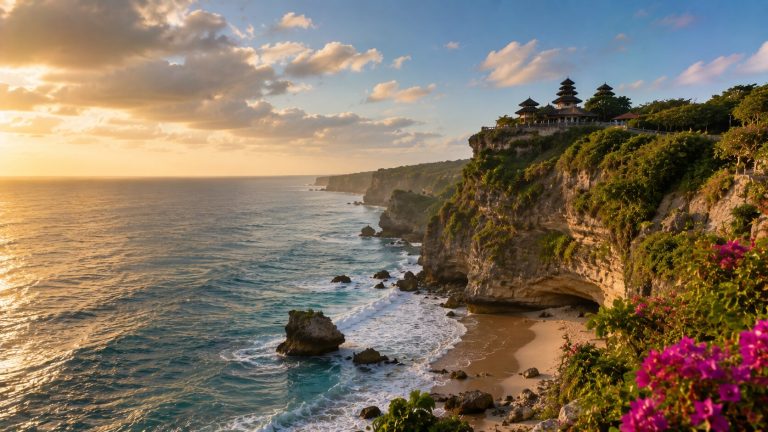
Okinawa does not feel like the rest of Japan, and that is entirely the point. While the mainland has its bullet trains and its rain-grey concrete and its extraordinary efficiency, Okinawa has turquoise water, white sand beaches, a cuisine built on longevity (the island’s centenarian population is among the highest in the world), and a cultural identity rooted in the Ryukyu Kingdom that ruled these islands independently for centuries before Japan absorbed them in 1879.
The result is a destination that combines the safety, cleanliness, and infrastructure of Japan with a tropical island atmosphere that visitors who come expecting another Tokyo find genuinely surprising.
Okinawa Prefecture covers over 160 islands stretching approximately 640 km from the main island in the northeast to Yonaguni Island in the southwest, just 111 km from Taiwan. The main island (Okinawa Honto) is where most visitors spend most of their time. It is a long, narrow island with Naha as its capital in the south, beaches in every direction, and the most significant historic sites of the Ryukyu Kingdom concentrated in and around the city.
The outer islands, particularly the Kerama Islands (20 minutes by ferry), Miyako Island, and the Yaeyama Islands centred on Ishigaki, are among the finest beach and diving destinations in East Asia.
Give Okinawa at least five days. The main island takes two, and the outer islands justify the rest.
Okinawa City Essentials
Entry Requirements for Okinawa
- Citizens of approximately 70 countries can visit Japan visa-free for stays of 15 to 90 days depending on nationality.
- Citizens of the US, UK, Canada, Australia, and EU nations qualify for 90-day visa-free entry.
- Indian nationals require a visa from the Embassy of Japan.
- Register on Visit Japan Web at vjw.digital.go.jp before departure to pre-register immigration and customs information and speed up the airport arrival process.
Getting There and Getting Around
Naha Airport (OKA) is the main gateway to Okinawa, with direct flights from Tokyo (Haneda and Narita, about 2.5 hours), Osaka (about 2 hours), and direct international services from Taipei, Seoul, Hong Kong, Shanghai, and other regional hubs.
The Okinawa Monorail (Yui Rail) connects the airport directly to central Naha and Shuri (for Shuri Castle) in about 13 to 27 minutes. Taxis from the airport to the central Naha hotel strip take about 10 to 15 minutes.
Rental car: A car is essential for exploring anywhere beyond central Naha. The main island has excellent roads, and the major attractions are spread across its length. Without a car, visiting the northern beaches, Okinawa Churaumi Aquarium, the Yanbaru forest, and many of the historic sites requires reliance on infrequent bus services.
Book in advance during peak season (July, August, and Golden Week), when rental cars sell out completely. Remember Japan drives on the left.
Outer islands: The Kerama Islands, Miyako, and the Yaeyama Islands (Ishigaki, Iriomote, Yonaguni) are reached by domestic flights from Naha (30 to 60 minutes) or by high-speed ferry. Ishigaki is the hub of the Yaeyama Islands and a short ferry ride from the Iriomote and Taketomi Islands.
Naha: The Capital
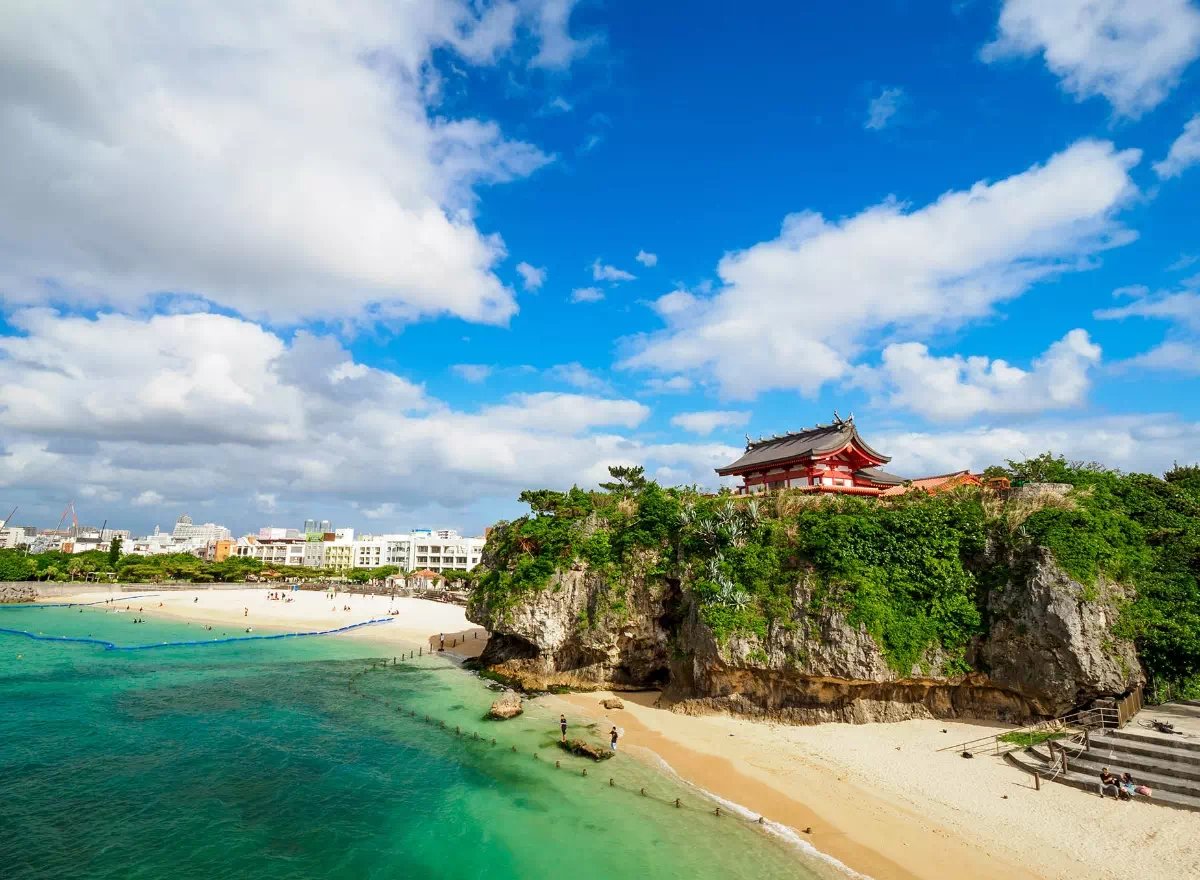
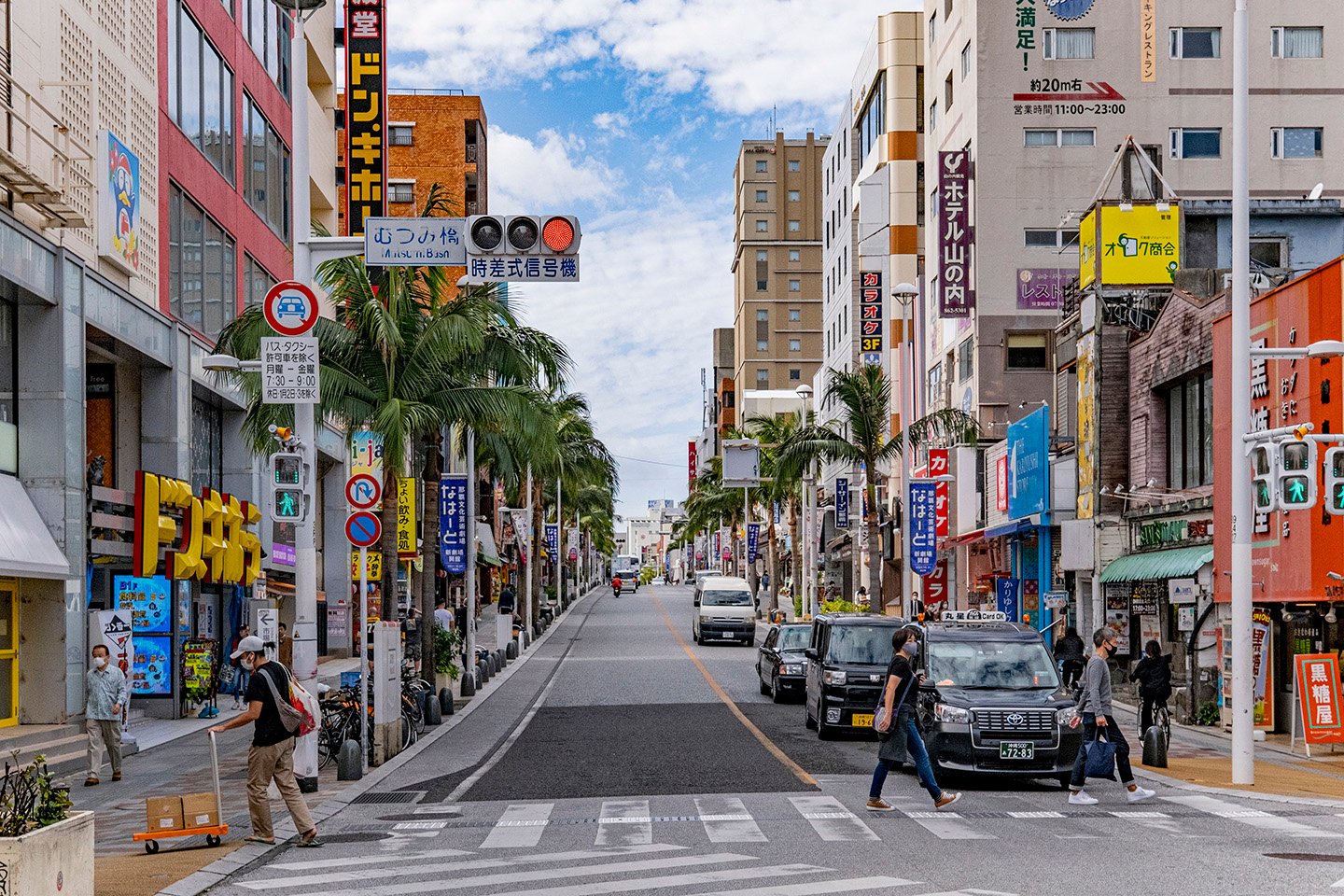
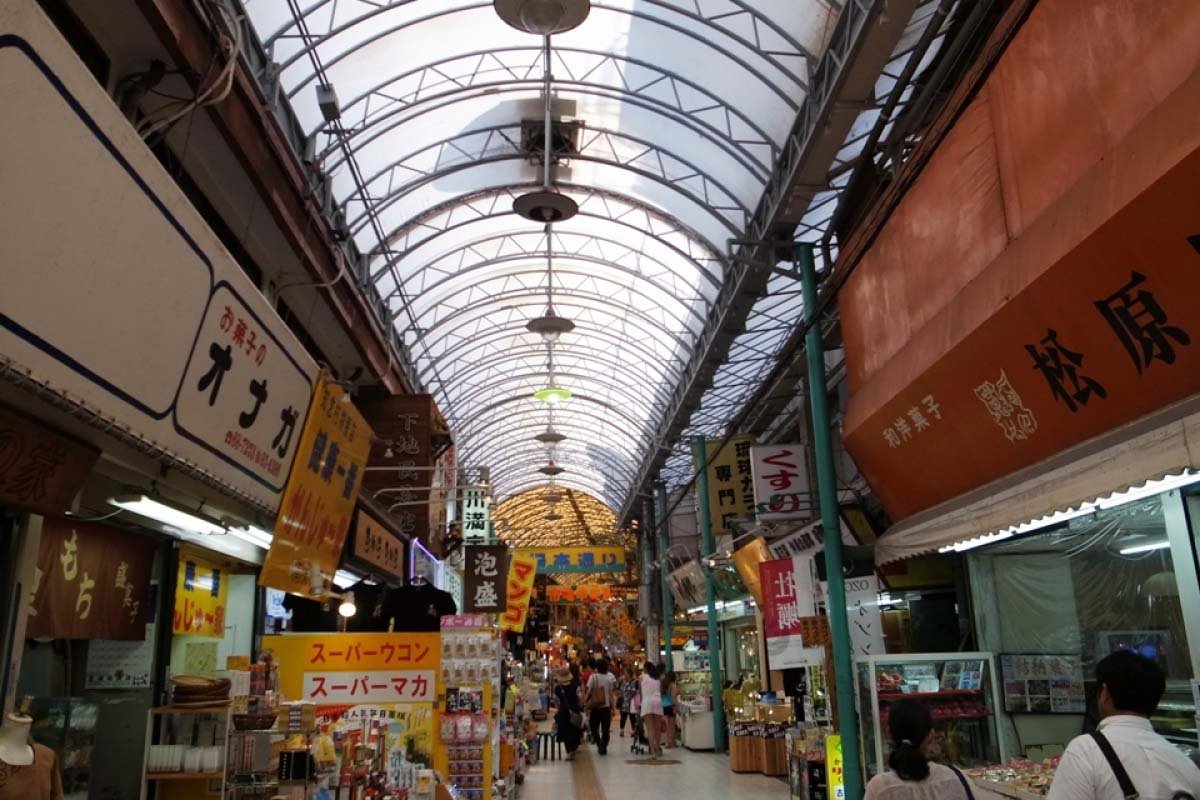
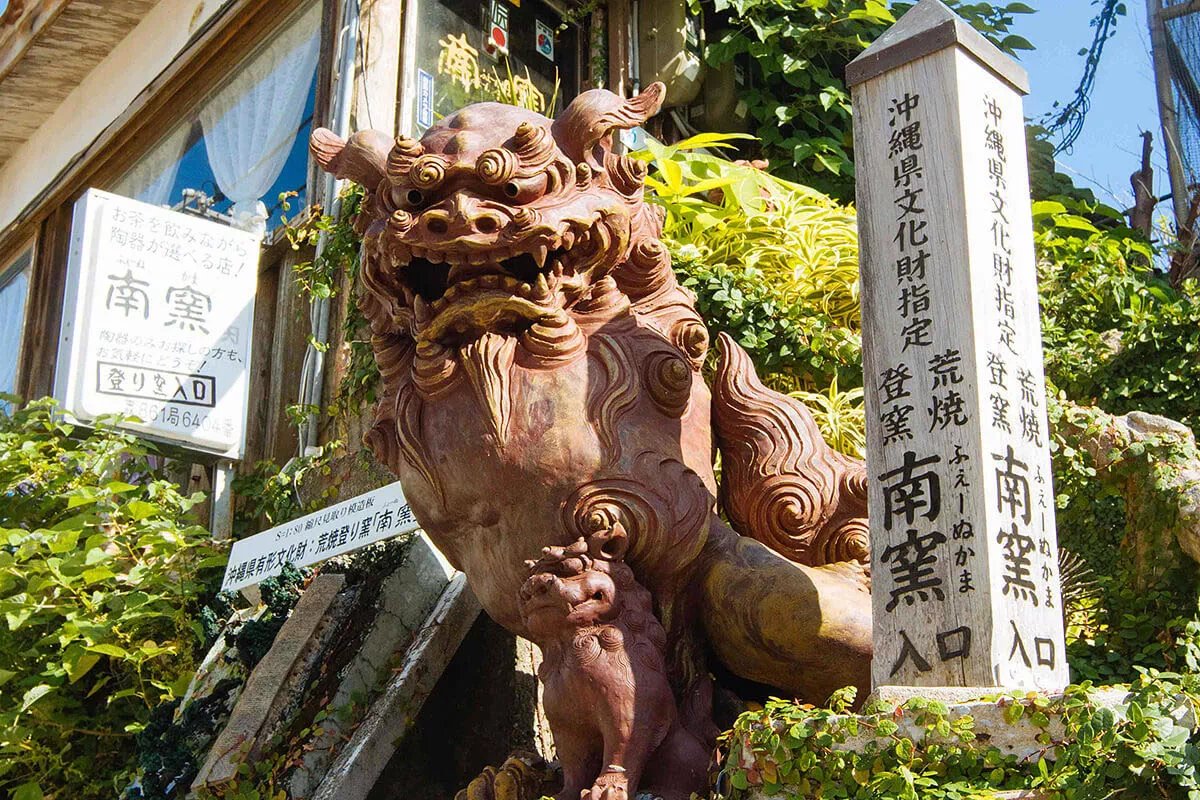
Naha on the southern main island is the capital of Okinawa Prefecture and the cultural and commercial centre of the islands. It is a compact, walkable city with the most concentrated collection of historic sites, restaurants, and markets in Okinawa.
Kokusai-dori (International Street) is the main shopping and dining boulevard of Naha, a 1.6 km strip running through the city centre lined with souvenir shops, restaurants serving Okinawan cuisine, awamori (the local spirit) bars, and craft shops selling Ryukyu lacquerware, bingata textiles, and shisa guardian lion statues. It is best walked in the evening when the restaurants and bars are fully open and the street has its most social energy.
Makishi Public Market (Makishi Ichiba) one block off Kokusai-dori has been the kitchen of Naha since 1950. It is a covered market selling the most extraordinary range of tropical fish, octopus, sea grapes (umi-budou), and produce unavailable on the Japanese mainland. The fish market section in the basement of the new building is the most visually extraordinary. Many of the restaurants upstairs will cook whatever you select from the market stalls below for a small preparation fee.
Tsuboya Yachimun Street, a short walk from Kokusai-dori, is the historic pottery quarter of Naha, where kilns have been producing the distinctive thick-walled Okinawan ceramic tradition (yachimun) since the 17th century. The street is lined with workshops and galleries selling work by both traditional and contemporary Okinawan potters, and several kilns are open for viewing.
Shuri Castle and the Ryukyu Kingdom
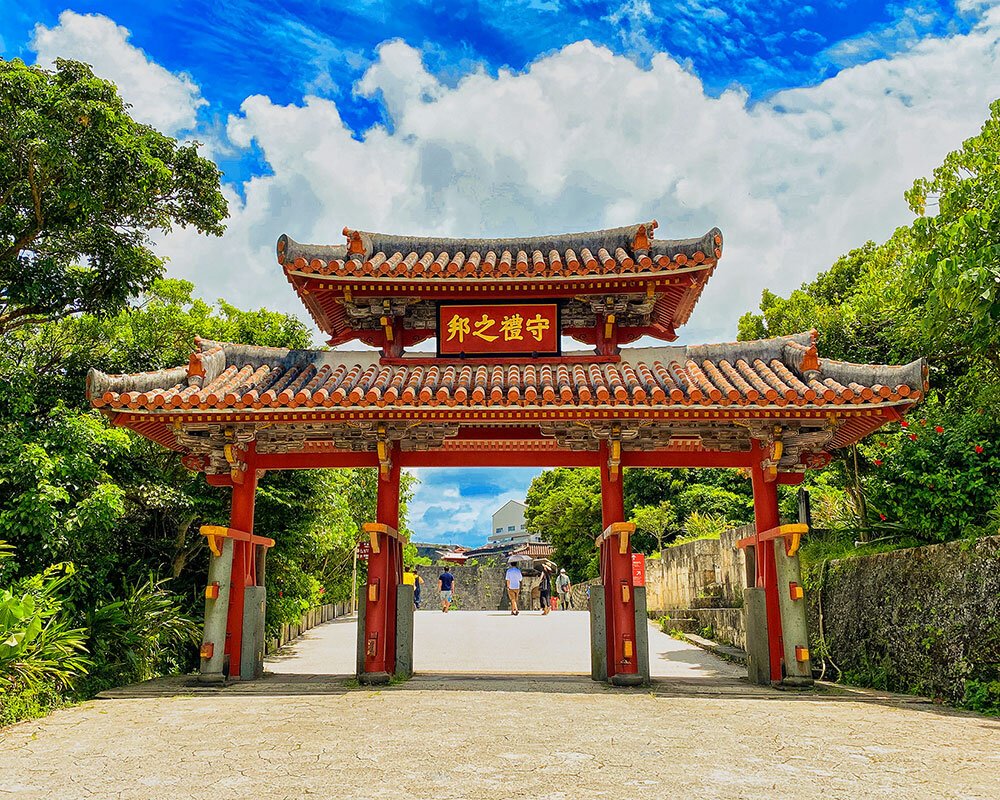
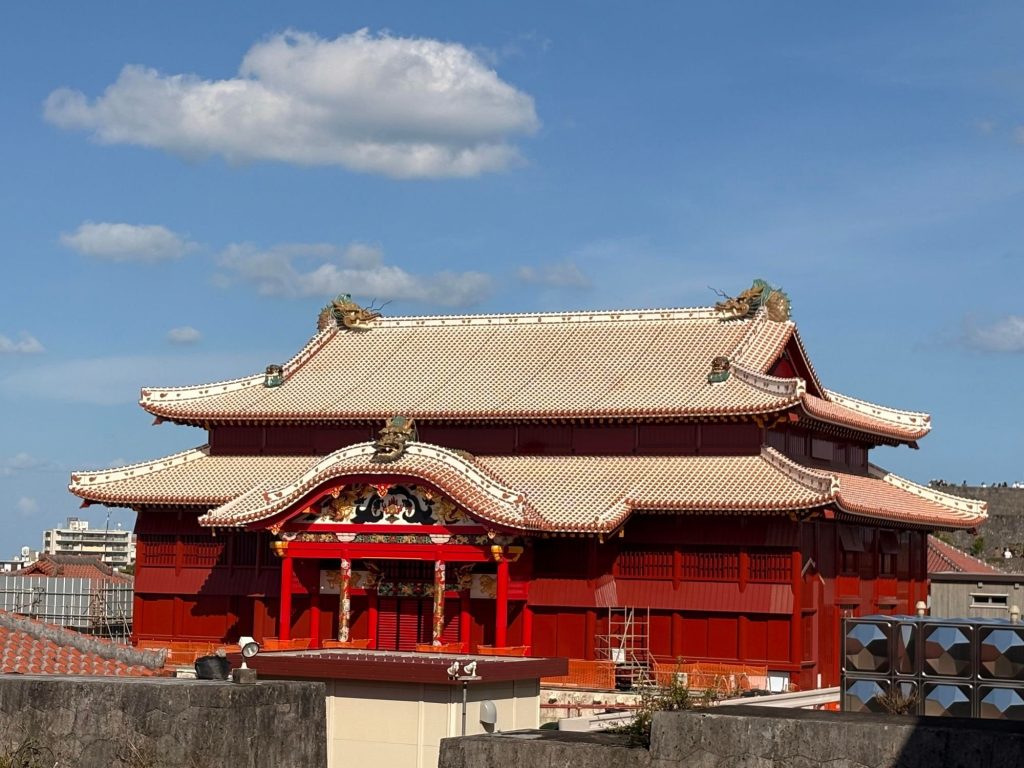
From Naha's commercial streets, a short monorail ride east brings you to the most significant historical site in Okinawa.
Shuri Castle (Shurijo) on the hill above the city was the seat of the Ryukyu Kingdom from the 15th to the 19th century, a UNESCO World Heritage Site, and the most important architectural monument in Okinawa. The castle was almost entirely destroyed in the Battle of Okinawa in 1945 and then comprehensively rebuilt starting in 1992 in its distinctive Chinese-influenced architectural style (quite different from mainland Japanese castle design), with the red-lacquered main hall (Seiden), the stone arches of the Shurei Gate, and the terraced castle grounds giving a full picture of the Ryukyu Kingdom's distinctive cultural synthesis of Chinese, Japanese, and Southeast Asian influences.
The main hall was again destroyed by fire in October 2019, and reconstruction is currently underway. Few sections of the castle are accessible during this period, and the surrounding gardens and lower buildings remain fully open. The reconstruction is itself an opportunity to observe traditional Ryukyuan craftsmanship at work.
The Shureimon Gate, photographed at the entrance to the castle complex, is the most iconic image in Okinawa and the symbol of the Ryukyu cultural identity. Its image appears on the 2,000 yen banknote.
Okinawa Churaumi Aquarium
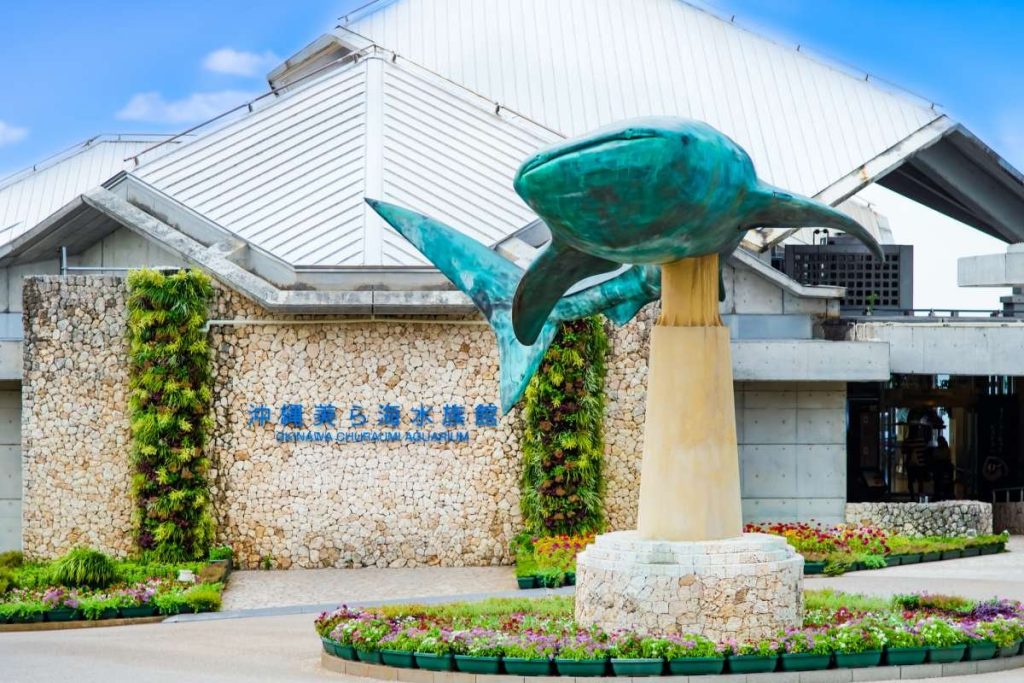
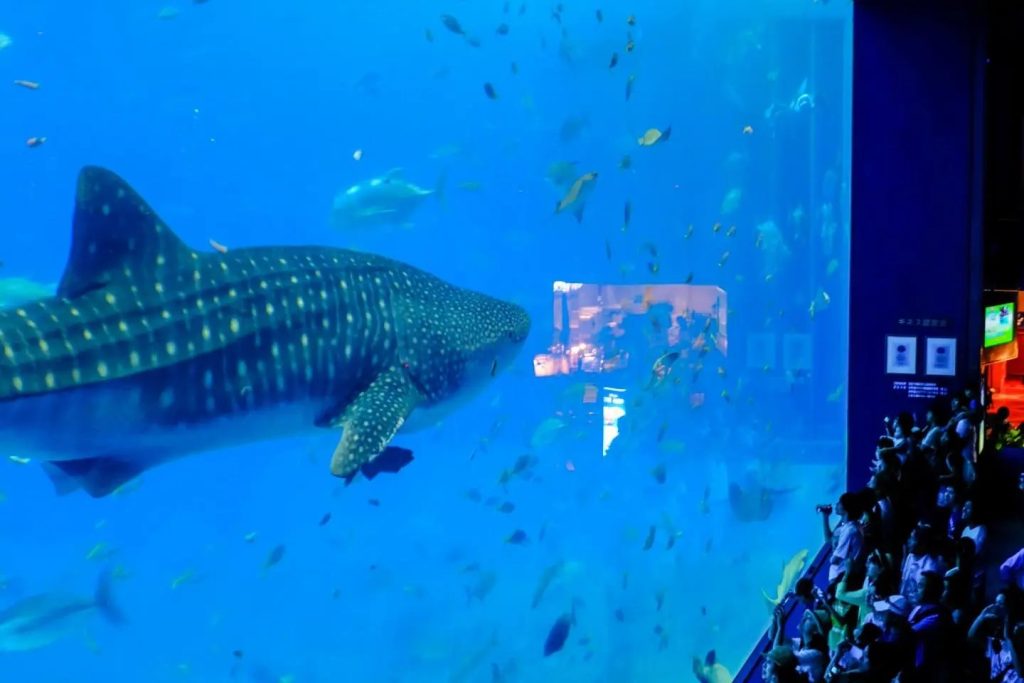
From Naha, driving north along the main island for about 2 hours through the central and northern regions brings you to the landmark attraction of northern Okinawa.
Okinawa Churaumi Aquarium in the Ocean Expo Park in Motobu is consistently ranked among the finest aquariums in the world and was the largest aquarium on Earth when it opened in 2002. The central Kuroshio Sea tank holds 7,500 cubic metres of water (one of the largest single tanks in the world) and houses multiple whale sharks and manta rays alongside thousands of other species, visible from multiple viewing levels, including a massive 8.2-metre-wide acrylic glass panel.
The Ocean Expo Park surrounding the aquarium has additional attractions, including a dolphin show, sea turtle lagoon, manatee pool, and the Oceanic Culture Museum covering the Pacific Island and Ryukyu maritime traditions. A full day is needed for the aquarium and the surrounding park.
Yanbaru: The Northern Forest
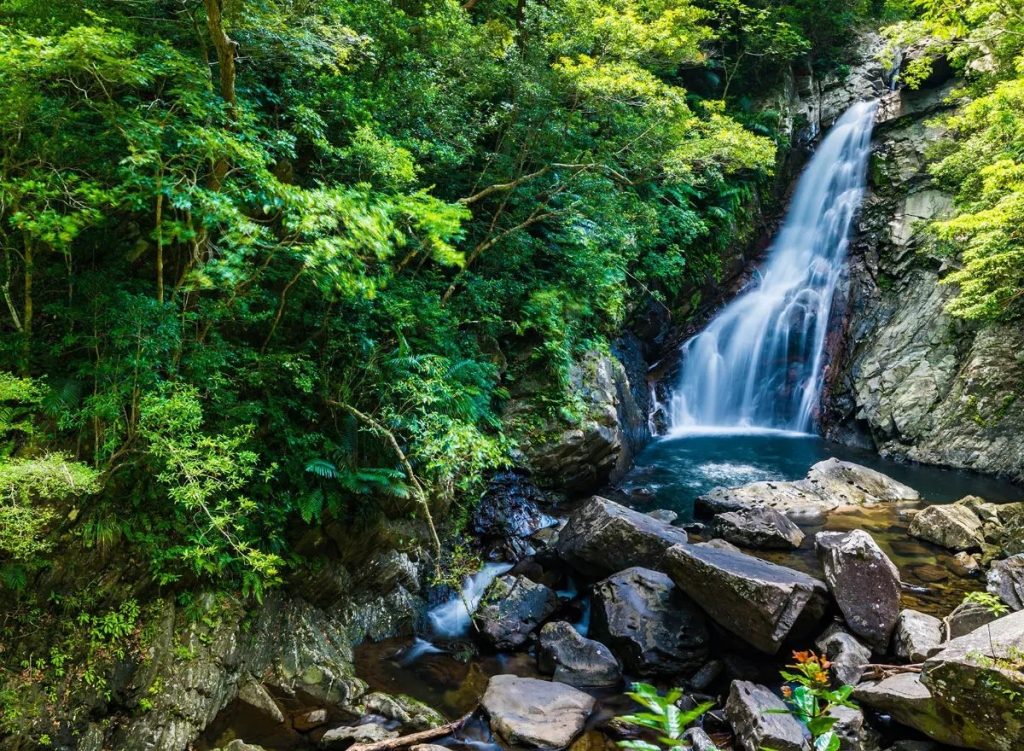
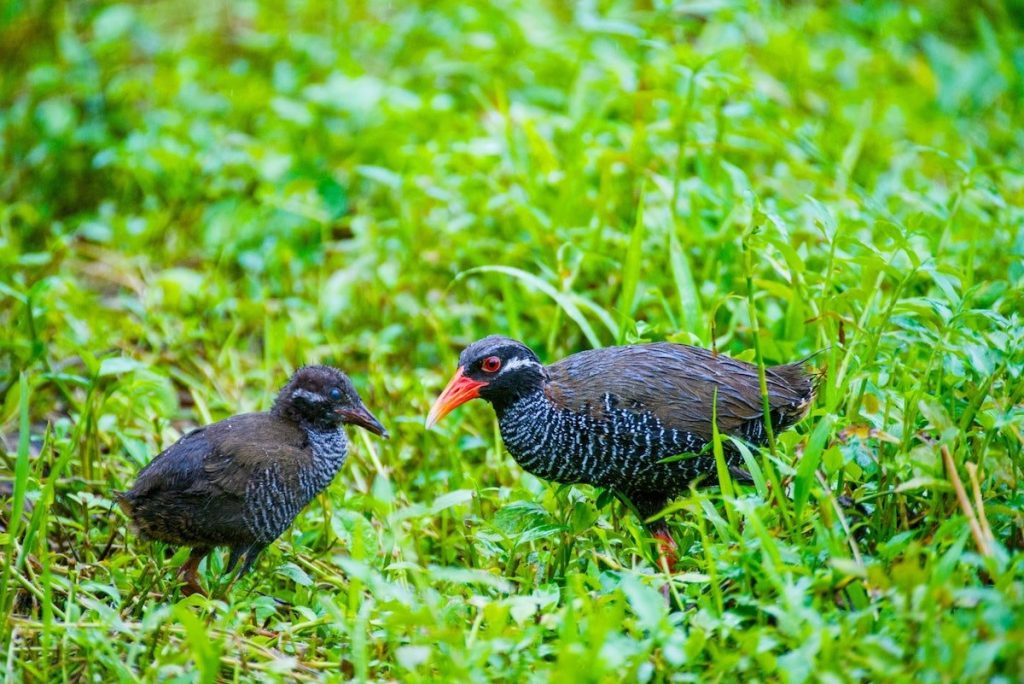
Beyond the aquarium, the northern third of the main island is covered by Yanbaru (literally "mountain field"), the subtropical forest that makes Okinawa one of the most biodiverse places in Japan.
The Yanbaru National Park, inscribed as a UNESCO World Heritage Site in 2021 alongside Iriomote Island and parts of Amami Oshima, covers dense jungle canopy, mangrove estuaries, and the habitat of species found nowhere else on Earth.
The Okinawa Rail (Yambaru Kuina) is the most famous endemic species. This is a flightless bird found only in the northern forests of the main island, critically endangered, and the emblem of the national park. The Okinawa woodpecker, the Ryukyu black-breasted leaf turtle, and dozens of unique reptile, amphibian, and insect species also inhabit these forests.
Kayaking through the Gesashi mangroves in the Higashi village area, night tours to spot the endemic wildlife, and hiking in the Benoki and Ada dam areas are the recommended ways to experience Yanbaru.
The forest is also home to the Okinawa Fruits Land and several other family attractions in the northern area.
Junglia Okinawa
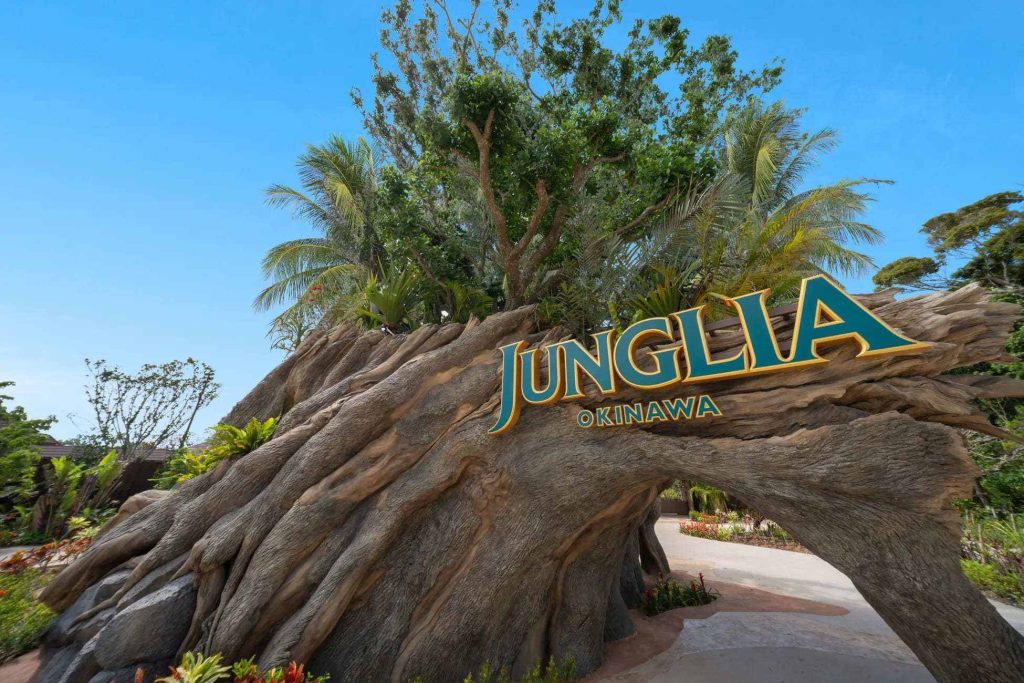

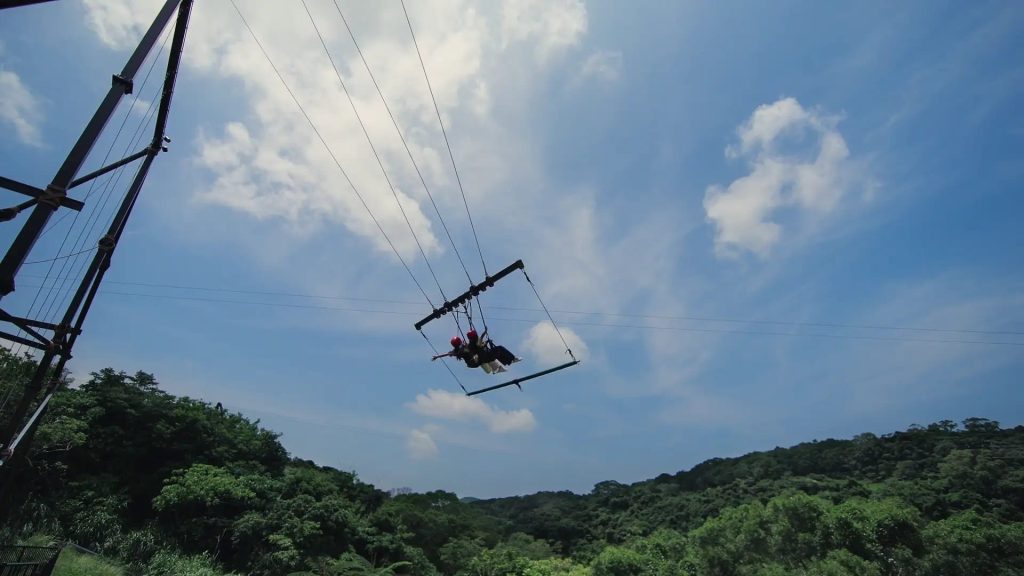
In the northern part of the main island, set within the extraordinary natural landscape of the Yanbaru region, Junglia is Okinawa's newest and most ambitious entertainment complex.
Built across a dramatic hillside site surrounded by subtropical forest and coastal views, Junglia combines adventure activities, nature experiences, and family entertainment in a setting that uses the northern Okinawa landscape as its defining feature rather than building against it.
The park covers zip-line experiences over the forested hillside, adventure courses through the canopy, water play areas, shows, and dining options with sea views, all within the natural environment of the northern forest that gives the destination its character.
Unlike a conventional theme park built on flat land, the topography of the Junglia site creates a genuinely spectacular backdrop for every activity.
Book in advance, as availability is limited during peak seasons and the park has become one of the most talked-about new openings in Japanese tourism.

Okinawa’s Beaches
The beaches of Okinawa are the reason the rest of Japan comes here on holiday, and the quality of the water, the coral visibility, and the variety of beach environments across the 160 islands are exceptional by any international standard. The best approach is to treat the islands not as a single beach destination but as a progression, each island group offering something distinct.
On the main island, the western resort coast has the most accessible options with the best facilities. Manza Beach, Maeda Beach, and Kise Beach are the most popular, while the beaches of the Motobu Peninsula near the aquarium are some of the finest.
Cape Maeda (Maeda Misaki) on the west coast deserves special mention as the best shore-diving and snorkelling site on the main island, with an underwater arch accessible directly from the beach and coral gardens beginning just below the surface.
From the main island, the natural progression takes you to the Kerama Islands, just 20 minutes to an hour from Tomari Port in Naha by high-speed ferry. Zamami, Aka, and Tokashiki islands have what many marine biologists consider the finest coral and clearest water within easy reach of any major city in Japan, and the turtle-watching sites around Aka Island are among the most reliable in the country.
Further southwest, Miyako Island (45 minutes from Naha by flight) is the destination that beach enthusiasts tend to return to. Sunayama Beach, Yonaha Maehama (a 7 km stretch of flour-fine white sand facing west toward the sunset), and Aragusuku Beach on the offshore islet of Kurima represent some of the finest sand beaches in Japan, each with a different character depending on the time of day and the angle of the light.
At the far end of the island chain, the Yaeyama Islands, centered on Ishigaki, offer the finest overall diving and snorkelling in Japan. Kabira Bay on Ishigaki's northwest coast is famous for its protected turquoise water, though swimming in the bay itself is not permitted to preserve the black pearl cultivation below the surface.
From Ishigaki, a short ferry crossing brings you to Iriomote Island, 90 percent covered by subtropical jungle, where the Urauchi River mangrove journey and the Otomi Waterfall trail are the defining land-based experiences of the entire archipelago.
Diving and Water Sports in Okinawa
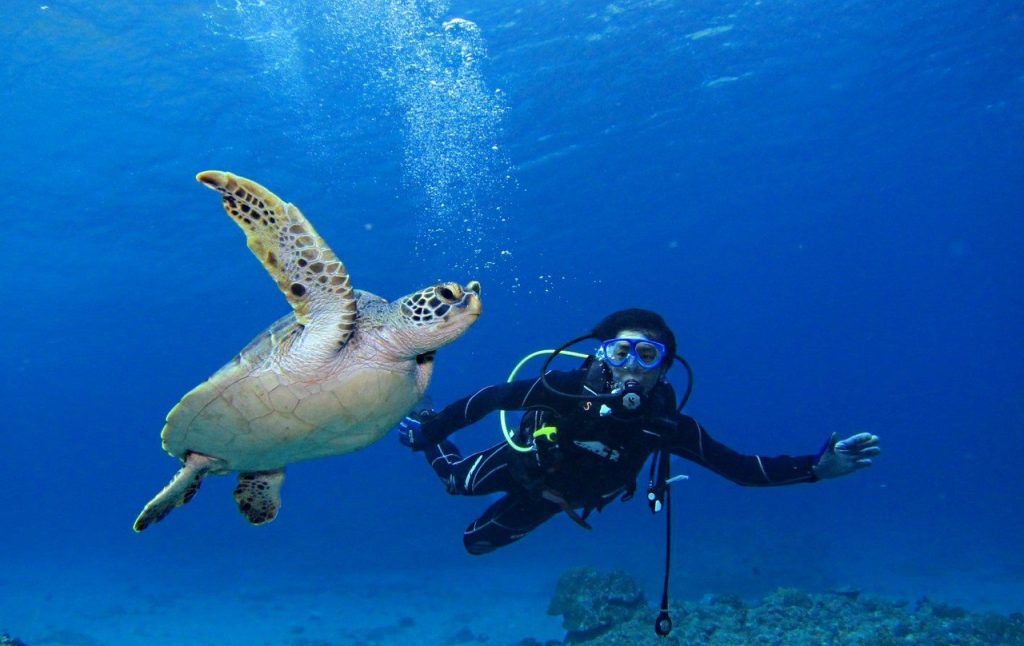
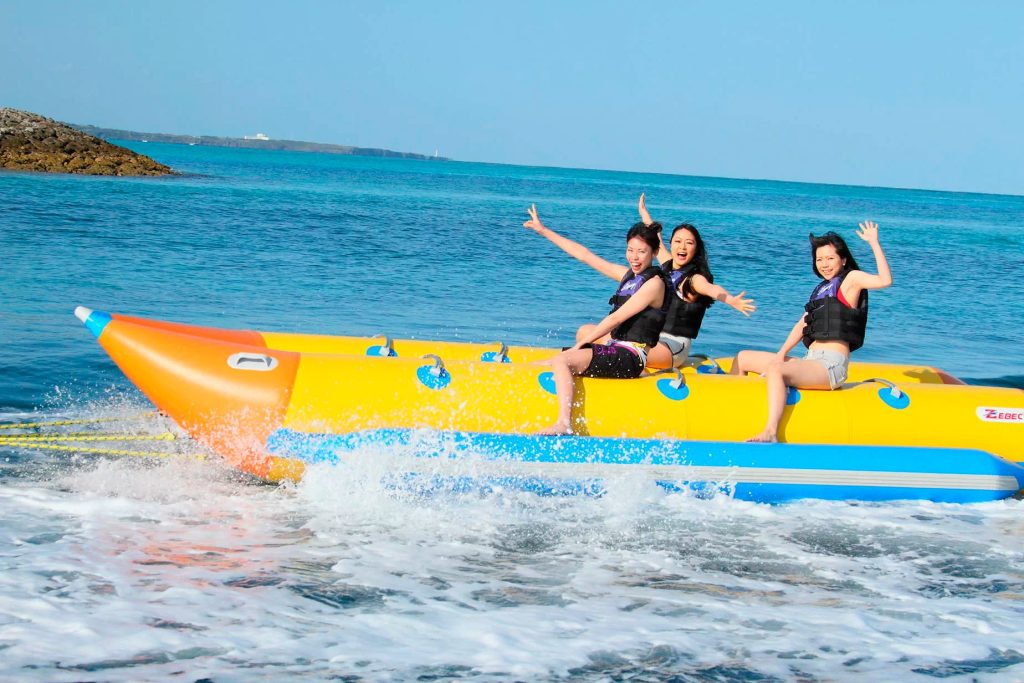
Okinawa has been a world-class diving destination since the 1970s, and the combination of warm water temperatures (26 to 30°C in summer), exceptional visibility, and healthy coral reef systems across the island chain makes it one of the finest in Asia.
The main island's west coast has good accessible diving from Cape Maeda and the Onna Village resort strip, with sites suitable for beginners and certified divers alike. Multiple PADI-certified dive shops operate throughout the resort areas.
The Yaeyama Islands have the most exciting diving, with the Manta Scramble and Manta Way sites near Ishigaki reliably attracting manta rays. The Kabira Ishizaki and Osaki Hanagoi reefs have extraordinary fish life, and the waters around Yonaguni Island have the famous underwater rock formations (the Yonaguni Monument) whose origin (natural geological formation or artificial structure) remains genuinely debated among researchers.
Snorkelling, sea kayaking, parasailing, jet skiing, and the helmet walk (sea-walking) experience are available from most of the resort beach areas across the main island and the outer islands.
The Ryukyu Cultural Experience
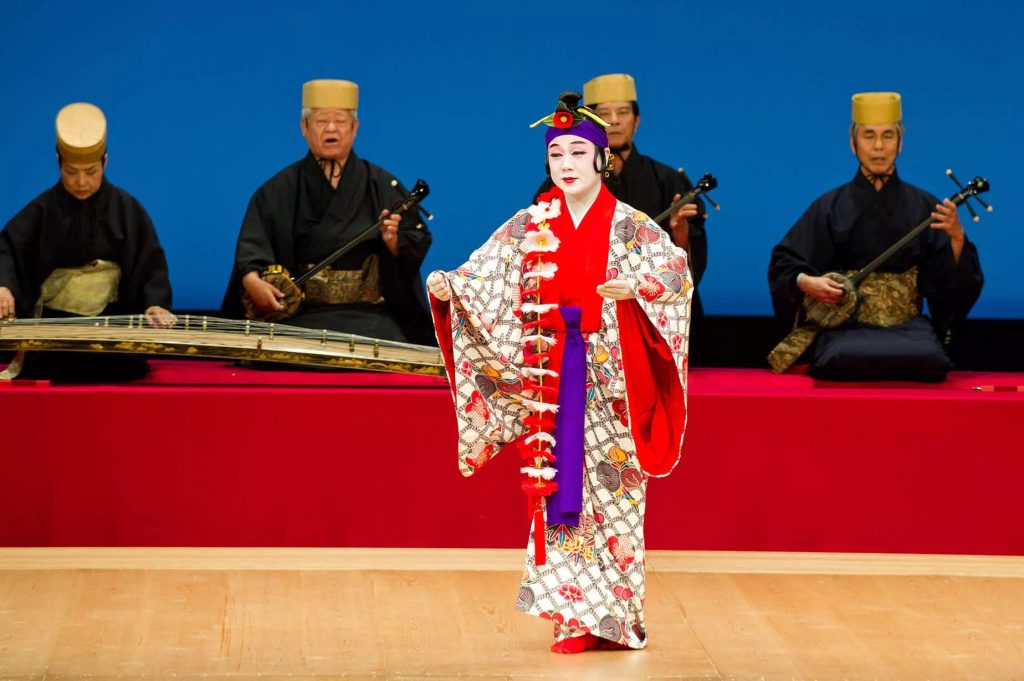
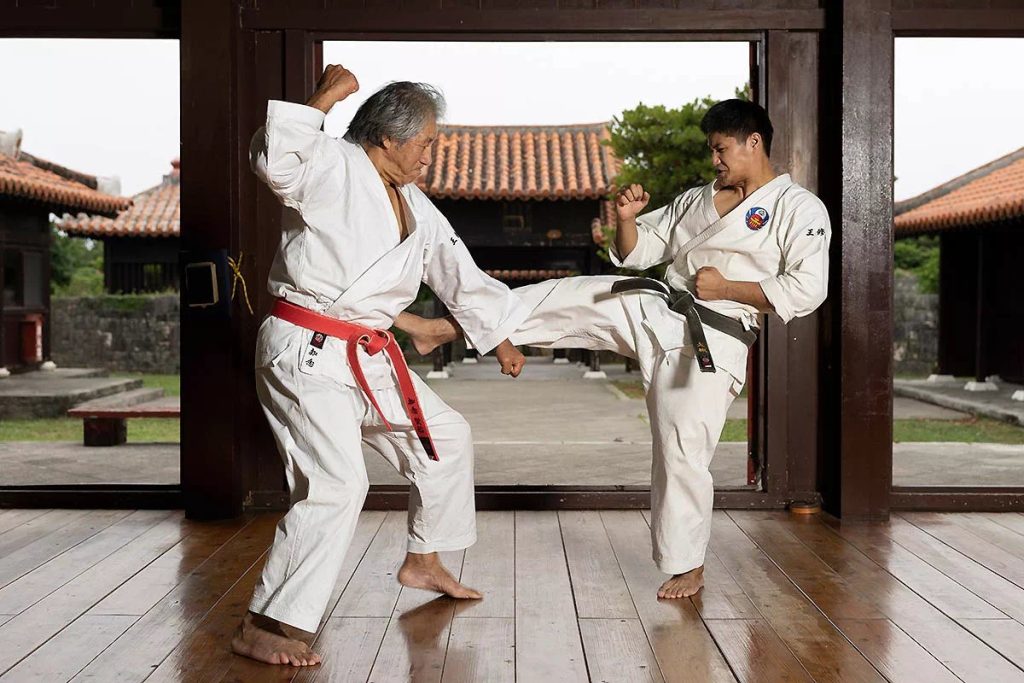
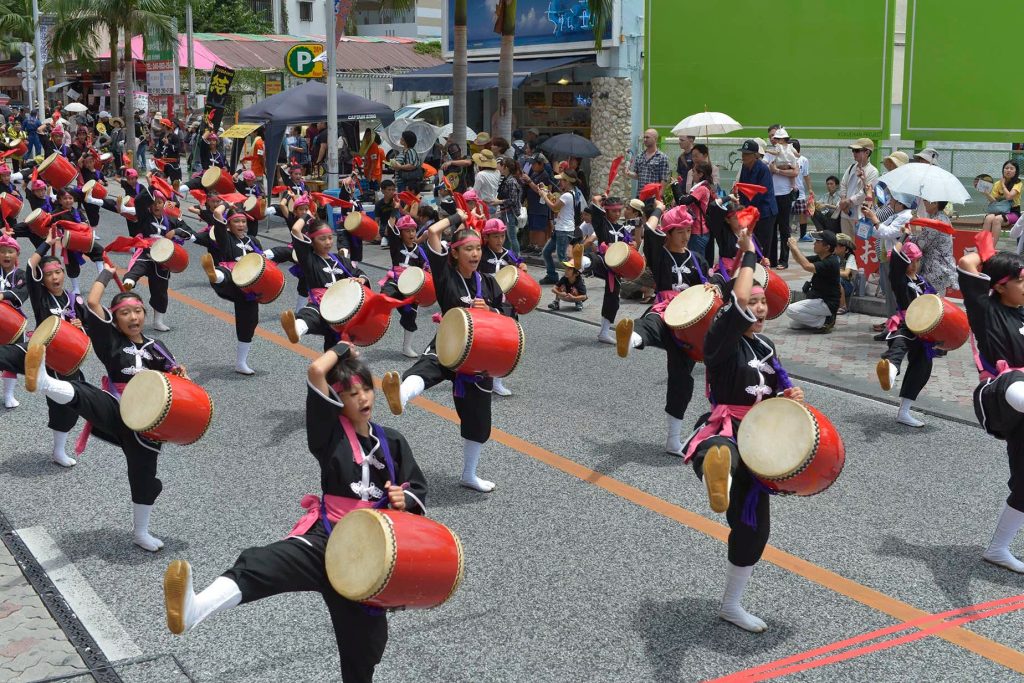
Okinawa's culture is genuinely distinct from mainland Japan and rewards visitors who engage with it beyond the beaches.
Eisa is the traditional Okinawan drum dance performed during the Obon festival period (typically late August on the lunar calendar) across the islands. Performing groups from across Okinawa compete at the Okinawa Zento Eisa Matsuri in Okinawa City every September, one of the most spectacular traditional performance events in Japan.
The festival features odaiko (large taiko drums), shimedaiko, and paranku handheld drums alongside the theodori hand-dance performers in a coordinated spectacle.
Ryukyu Bingata is the traditional Okinawan textile dyeing tradition, using a stencilling and pigment technique that produces bold, colourful patterns inspired by the subtropical flowers, birds, and sea life of the islands. Bingata workshops in Naha (particularly in Tsuboya and the Nishimachi area) offer dyeing classes for visitors, and the fabric is available at craft shops throughout Kokusai-dori.
Shisa are the guardian lion-dog figures that appear in pairs at the gates and rooftops of every building in Okinawa, one with an open mouth (to draw in good fortune) and one with a closed mouth (to keep it in). They are the most ubiquitous symbol of Okinawa and available in every size and style, from tourist souvenir to handmade pottery original.
Ryukyu performing arts, including Ryukyu dance (a slower, more fluid dance tradition than mainland Noh or Kabuki, performed in the elaborate court costume of the Ryukyu Kingdom) and sanshin music (the three-stringed Okinawan predecessor of the Japanese shamisen, with a snakeskin body and a characteristically open, resonant sound), are performed at cultural centres in Naha and at restaurants throughout the island.
Okinawan karate originated on these islands, evolving from the Chinese martial arts brought by traders and diplomats to the Ryukyu court. Naha and the surrounding area have training halls (dojo) where visitors can observe or participate in classes, and the annual Okinawa Karate International Tournament draws practitioners from across the world.
Food in Okinawa
Okinawan cuisine is perhaps the most distinctive regional food culture in Japan, shaped by the Ryukyu Kingdom's trade connections with China and Southeast Asia, by the subtropical climate, and by the simple, plant-forward diet that is credited with the island's extraordinary longevity statistics.
- Champuru is the defining cooking technique: a stir-fry of tofu, vegetables, and meat or fish that is the everyday cooking style of the islands. Goya champuru (bitter melon stir-fried with tofu, egg, and pork) is the most celebrated version and the dish most associated with the Okinawan longevity diet.
- Rafute is the Okinawan braised pork belly: a slow-cooked preparation of thick-cut pork in soy sauce, awamori spirit, and sugar that produces a deeply flavoured, melt-in-the-mouth result very different from the mainland kakuni pork belly dish.
- Okinawa soba is not technically soba (it contains no buckwheat) but a pork broth noodle soup with thick wheat noodles, topped with braised pork, green onions, and pickled ginger. It is the most universally eaten dish in Okinawa and available everywhere from specialist noodle shops to convenience stores, always better than you expect.
- Taco rice is the most distinctly Okinawan fusion dish: a plate of seasoned ground beef taco filling served over white rice with shredded cheese, lettuce, and salsa, invented in Kin Town near the US military bases in the 1980s and now a beloved Okinawan comfort food.
- Awamori is the Okinawan spirit: a distilled rice liquor made from Thai indica rice, typically aged in traditional clay pots, and significantly stronger than mainland sake or shochu. It is the traditional beverage of the Ryukyu court and the social lubricant of the islands.
- Sea grapes (umi-budou) are the caviar of Okinawa: clusters of tiny, bead-like seaweed (named for their resemblance to grape clusters) that pop in the mouth with a mild seawater flavour. Eaten fresh with a ponzu dressing, they are available at every Okinawan restaurant and from market stalls throughout Naha.
Best Time to Visit Okinawa
Spring (March to May) is one of the best windows. Temperatures range from 18 to 25°C, the ocean warms toward swimming temperature by April, and the cherry blossoms flower earlier than anywhere else in Japan (late January to February in Okinawa), making the early months of the year genuinely enjoyable. May is warm and relatively quiet before the summer peak.
Summer (June to September) is the peak beach season but comes with significant caveats. The rainy season (tsuyu) runs through June and early July. July and August are very hot and very humid (31 to 34°C), but the water is warm and clear, and the beaches are at their most lively.
Typhoon season runs from June through October, with the highest risk in August and September. Typhoons can close beaches, ground flights, and shut down the islands for one to three days. Check weather forecasts before travelling and have flexible bookings during this period.
Autumn (October to November) is arguably the finest time to visit: temperatures drop to a comfortable 22 to 28°C, the summer crowds thin significantly, the water remains warm enough for swimming and diving through November, and the typhoon risk reduces after mid-October.
Winter (December to February) is mild by Japanese standards (15 to 20°C) but can be windy and rainy. The beaches are quiet, and some facilities close or reduce hours. The whale watching season for humpback whales in the waters around the Kerama Islands runs from January through March, one of the more extraordinary wildlife experiences available from Okinawa.
Know Before You Go
- Rent a car. Outside Naha, a rental car is the only practical way to explore the main island. Book well in advance during peak season (July, August, Golden Week) since cars sell out completely. Remember, Japan drives on the left.
- Register on Visit Japan Web at vjw.digital.go.jp before departure to speed up the immigration process at Naha Airport.
- Typhoons are real. If you are visiting between June and October, book refundable accommodation and flexible flights and check forecasts regularly from several days ahead. When a typhoon warning is issued, outdoor activities, ferry services, and flights are suspended.
- Sun protection is essential and serious. UV levels in Okinawa are significantly higher than the Japanese mainland year-round. SPF 50+ sunscreen, a UV protection rash guard for water activities, and a hat are non-negotiable for any beach or outdoor day.
- Cash is important. Many smaller restaurants, markets, craft shops, and remote island facilities are cash-only. Withdraw yen from ATMs at 7-Eleven or Japan Post. Both reliably accept foreign cards.
- Book outer island accommodation early. The smaller outer islands (Zamami, Taketomi, Iriomote) have limited accommodation that books out months ahead during Golden Week and the August peak. The earlier the better.
- Habu jellyfish can appear in Okinawa's waters from May through October. Check beach information boards, swim at beaches with jellyfish nets where available, and wear a UV-protective rash guard in the water. If stung, notify a lifeguard immediately.
- Tipping is not done in Japan. Exceptional service is the expectation, not the exception. Additional payment causes confusion and is often returned.
Okinawa earns a particular kind of affection from visitors that is different from the admiration most of Japan inspires. It is warmer and slower and more colourful than the mainland, with a cultural identity that feels genuinely its own, a natural environment of extraordinary biodiversity, and a food culture that has quietly produced more centenarians per capita than almost anywhere on Earth. The beaches are extraordinary, the diving is world-class, and the combination of Ryukyu history and subtropical island life gives it a character unlike any other destination in Japan.
Book your Junglia Okinawa tickets and start planning your island adventure with Thrillark.
Frequently Asked Questions About Okinawa
Do you need a visa to visit Okinawa?
Okinawa is part of Japan, so the same visa rules apply as for the rest of the country. Citizens of approximately 70 countries can visit Japan visa-free for 15 to 90 days depending on nationality. Citizens of the US, UK, Canada, Australia, and EU nations qualify for 90 days. Indian nationals require a visa from the Embassy of Japan. Register on Visit Japan Web at vjw.digital.go.jp before departure regardless of visa status.
How do you get to Okinawa from Tokyo or Osaka?
Direct flights from Tokyo Haneda and Narita to Naha Airport take approximately 2.5 hours. Multiple daily services run on Japan Airlines, ANA, Peach, Jetstar, and other carriers. From Osaka Itami or Kansai Airport, the flight to Naha takes about 2 hours. Okinawa is not accessible by Shinkansen; flying is the only practical option from the Japanese mainland.
What is Junglia, and where is it in Okinawa?
Junglia is Okinawa's newest major entertainment and adventure complex, located in the northern part of the main island in the Yanbaru region. The park combines zip-line and canopy adventure experiences, nature activities, family entertainment, and dining in a hillside setting surrounded by subtropical forest and coastal views. It is one of the most significant new tourism openings in Okinawa and has become a major attraction for visitors to the northern island. Tickets are available through Thrillark.
What is the best time to visit Okinawa?
Autumn (October to November) is the finest overall window: temperatures of 22 to 28°C, warm water for swimming and diving, thinning crowds, and low typhoon risk after mid-October. Spring (March to May) is also excellent, with pleasant temperatures and the earliest cherry blossoms in Japan. Summer (July to August) has the best beach weather but the most crowds, the highest humidity, and the highest typhoon risk. Winter is mild but windier.
What are the best outer islands to visit from Okinawa?
The Kerama Islands (20 to 60 minutes by ferry from Naha) have the finest coral and clearest water close to the main island, with excellent snorkelling and diving. Miyako Island (45 minutes by flight) is famous for its white sand beaches, particularly the 7 km Yonaha Maehama. The Yaeyama Islands, centered on Ishigaki, have the best overall diving in Japan, the subtropical jungle of Iriomote Island, and the atmospheric traditional village of Taketomi.
What is Okinawan food and what should you try?
The essential dishes are goya champuru (bitter melon stir-fried with tofu, egg, and pork), rafute (slow-braised pork belly in soy and awamori), Okinawa soba (pork broth noodle soup with thick wheat noodles, nothing like buckwheat soba), taco rice (seasoned ground beef taco filling over rice, an Okinawan-American fusion unique to the island), and sea grapes (umi-budou, the tiny bead-like seaweed eaten fresh with ponzu). Awamori is the local rice spirit and the correct drink across all of the above.
Is a rental car necessary in Okinawa?
For exploring the main island beyond Naha, yes. The major attractions, including Okinawa Churaumi Aquarium, the Yanbaru National Park, the northern beaches, Junglia, and many of the historic sites, are spread across the length of the island and poorly served by infrequent bus connections. Within Naha, the Yui Rail monorail is sufficient. For the outer islands, rental cars or scooters are available locally. Some smaller islands are navigable by bicycle.
Browse by themes
Top Things to Do in Okinawa