Seoul has a habit of making you feel like you have not done enough research and then immediately proving that it does not matter. The city is enormous, fast, and extraordinarily good at everything it does: the palaces are genuinely magnificent, the food culture runs from street stall perfection to Michelin-starred everything, the nightlife does not bother pretending to stop, and the K-pop wave that has turned the world’s attention toward South Korea turns out to be the least interesting thing about the place once you are actually here.
Ten million people live inside Seoul proper, with granite mountains forming the walls of the bowl the city sits in and the Han River cutting through the middle of it.
There are five Joseon Dynasty royal palaces, theme parks of the first order, a DMZ 50 km away where the 20th century is still technically happening, and more good coffee shops per square kilometre than any city deserves.
Four days is the minimum. The city earns more.
Seoul City Essentials
Entry Requirements for Seoul
- Citizens of many countries can visit South Korea visa-free for periods of 30 to 90 days.
- US, UK, EU, Australian, and Canadian citizens currently qualify for 90-day visa-free entry without a K-ETA, following an extended waiver.
- Non-K-ETA visitors must complete a digital e-Arrival Card before or upon entry. K-ETA holders are exempt from this requirement.
- Indian nationals and citizens of some other countries require a K-ETA or visa in advance.
- Always verify current requirements at overseas.mofa.go.kr before booking, as policies change frequently.
Getting There and Getting Around
Incheon International Airport (ICN) is consistently ranked among the finest airports in the world and handles the vast majority of international flights to South Korea. Several excellent options connect the airport to the city.
The AREX (Airport Railroad Express) is the fastest and most convenient connection, running two services: the All-Stop service reaching Seoul Station in about 53 minutes with stops along the way and the non-stop Express Train reaching Seoul Station in exactly 43 minutes with reserved seating.
Both accept the T-money card and credit cards. The AREX Incheon Airport Express Train Ticket is available through Thrillark for both services.
The Airport Transfer from Incheon to Seoul private transfer service provides a door-to-door private vehicle for visitors with heavy luggage, families, or those arriving late at night when navigating the rail system is less convenient.
Once in the city, Seoul’s public transport is extraordinary. It is clean, punctual, comprehensive, and very affordable.
The Seoul Metro covers the entire city and most suburbs across nine colour-coded lines, connecting every major attraction with frequency. The T-money card is the rechargeable smart card used across the Metro, city buses, and taxis in Seoul, available at any convenience store or station on arrival.
The Korea Unlimited 4G Data SIM and T-Money Transportation Card combines both into a single purchase. You get unlimited mobile data plus a preloaded T-money card, eliminating the need to queue at separate counters on arrival.
For visitors who want to explore beyond Seoul, the KORAIL Pass provides unlimited rides on KTX high-speed trains across South Korea for 2, 3, 4, or 5 days, covering routes to Busan (2 hours 15 minutes), Gyeongju, and other major cities.
The Discover Seoul Pass covers free entry to over 100 Seoul attractions and activities for 24, 48, or 72 hours, and includes a built-in T-money card for public transit. Note that the transit balance must be loaded separately with cash. The pass does not include unlimited free subway rides. It is one of the best-value passes for visitors covering multiple paid attractions across a full stay.
For visitors who prefer not to rely on mobile data through a SIM card, the South Korea 4G WiFi Rental (Airport Pickup) provides a portable WiFi device collected at the airport.


The Royal Palaces
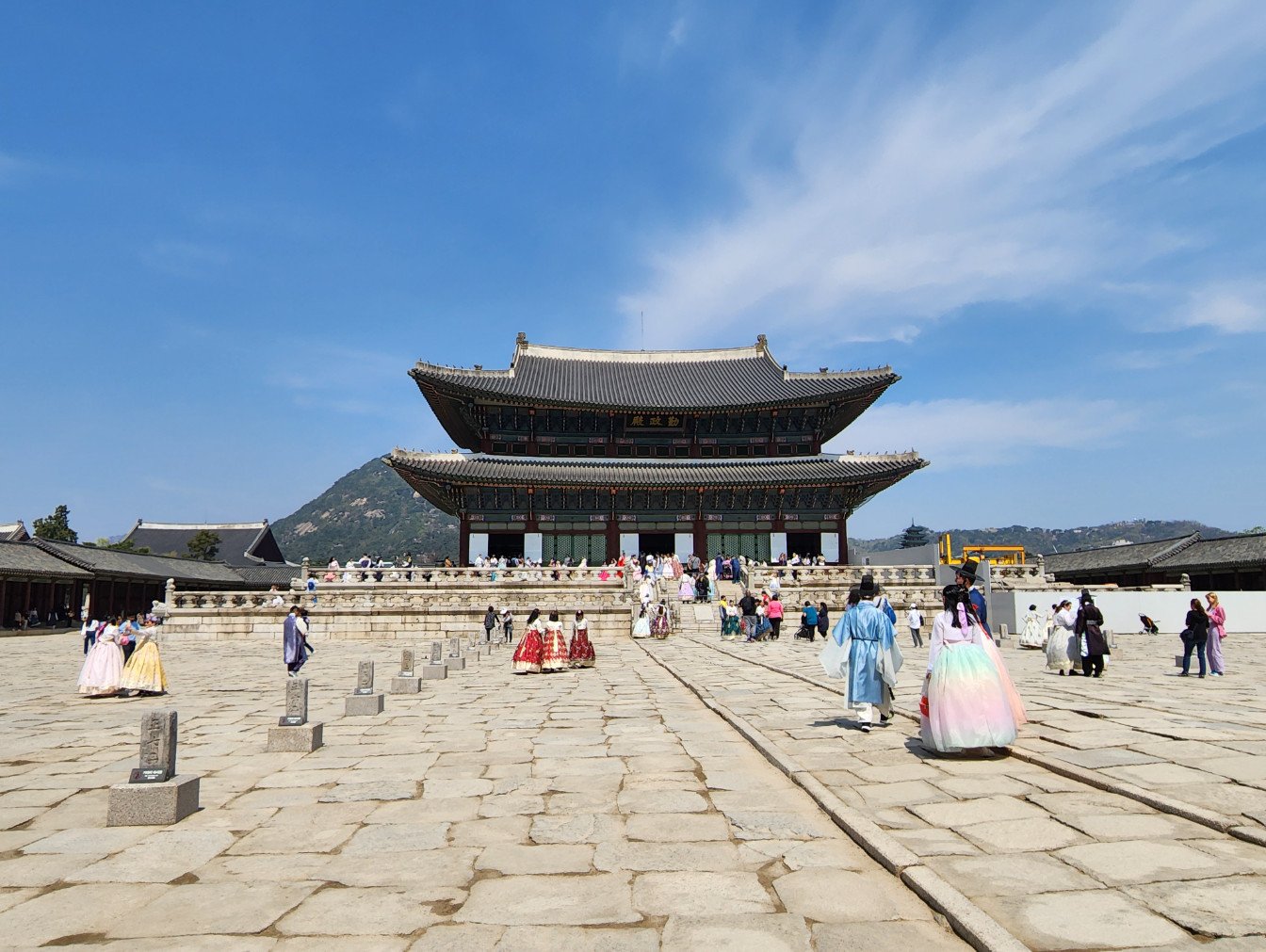
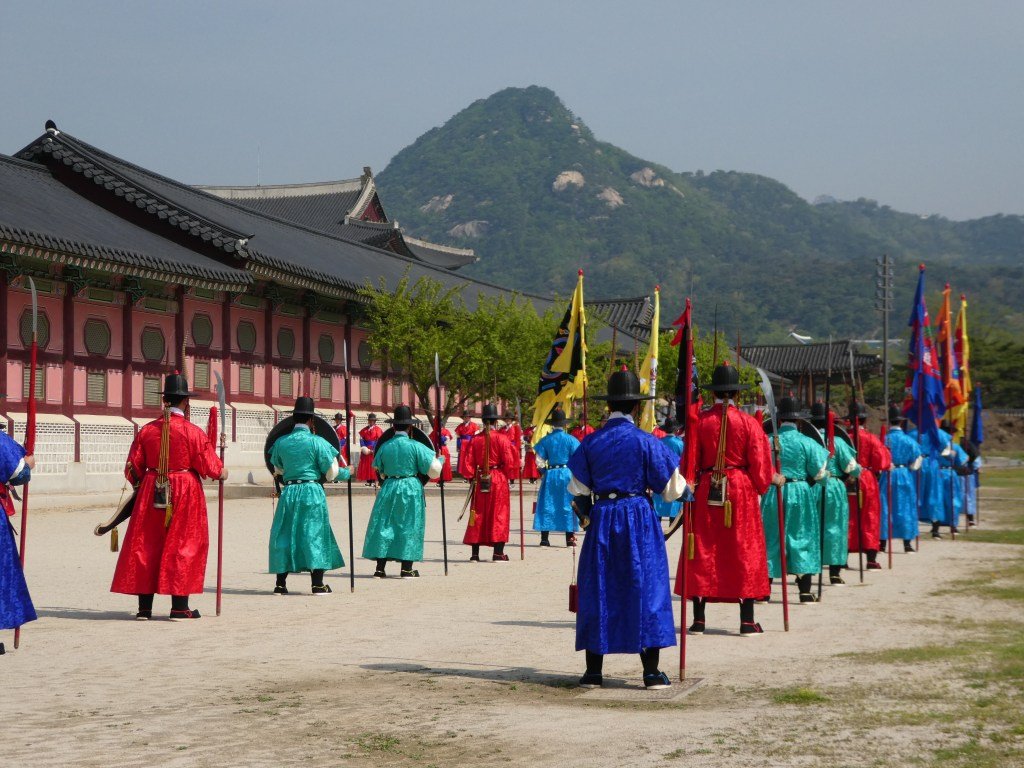
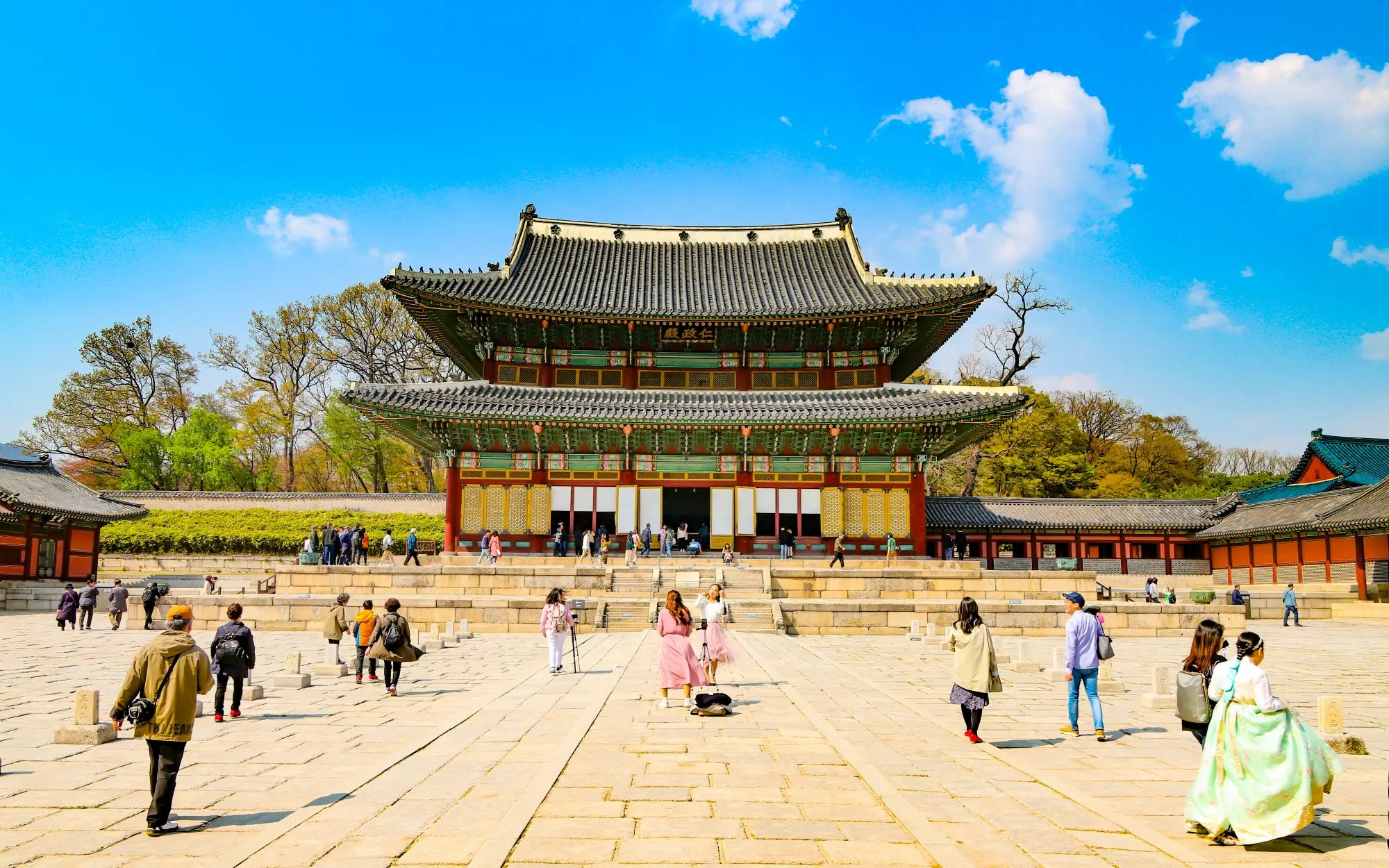
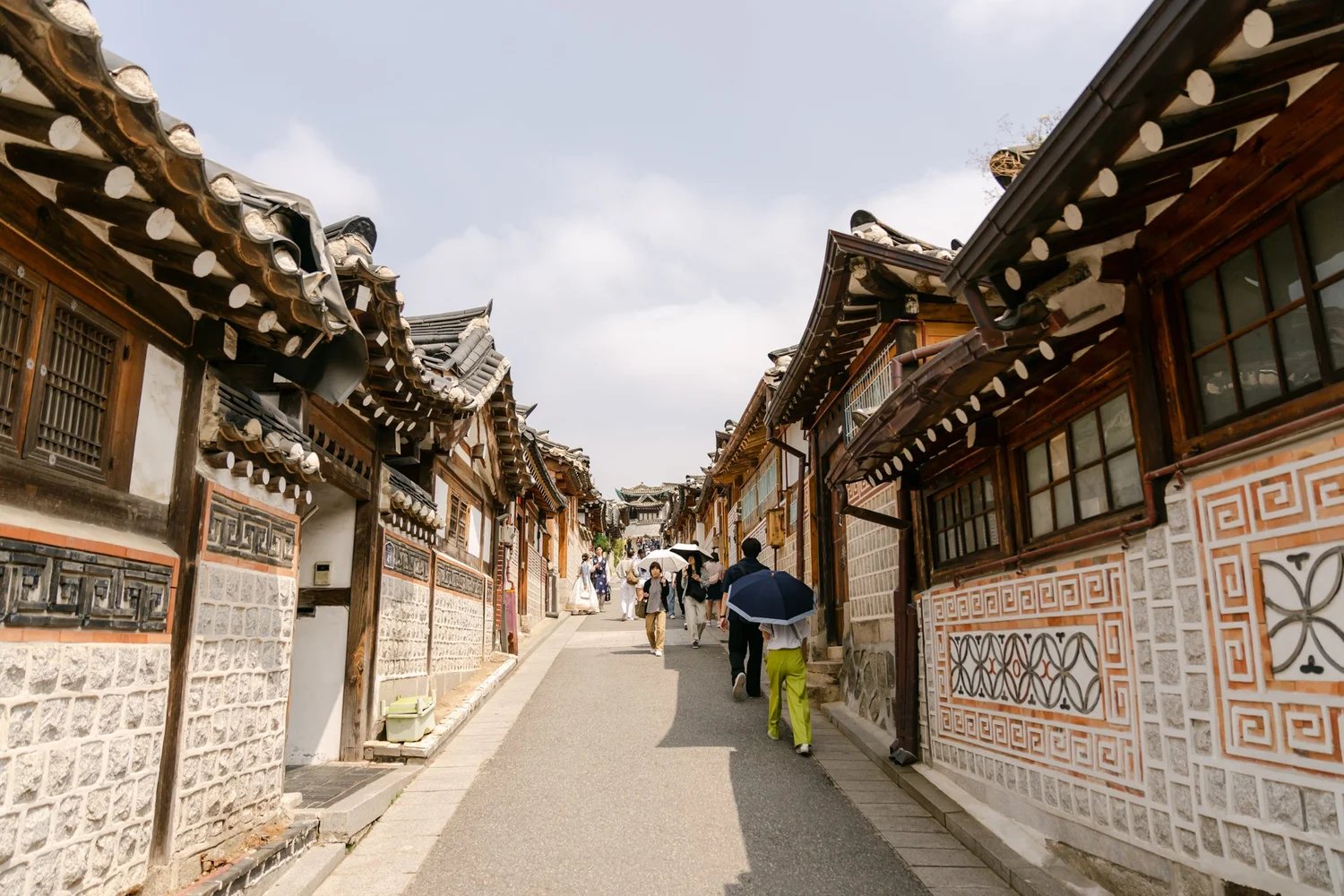
The heart of Seoul is its Joseon Dynasty heritage, and the five great palaces built after the dynasty's founding in 1392 give the city its historical identity and its most spectacular public spaces.
Gyeongbokgung Palace in the northern part of the city is the largest and most impressive. It is the main palace of the Joseon Dynasty, built in 1395 and covering 600,000 square metres of grounds with 330 buildings at its peak.
Destroyed twice by Japanese invasions and partially reconstructed from the late 19th century onward, the current complex includes the throne hall (Geunjeongjeon), the National Folk Museum of Korea, and the National Palace Museum, with the Gyeonghoeru banquet hall pavilion on a pond as one of the most photographed images in Seoul.
The Changing of the Royal Guard ceremony at the Gwanghwamun Gate runs multiple times daily in traditional costume.
Changdeokgung Palace and its rear Secret Garden (Huwon) are the most beautiful of the palaces, a UNESCO World Heritage Site set against the forested hillside of the Bugaksan mountain. The Huwon is accessible only on guided tours, covering 300 years of natural garden development across ponds, pavilions, and ancient trees. The palace is best visited in spring for the cherry blossoms or in autumn for the maple leaves.
Bukchon Hanok Village between Gyeongbokgung and Changdeokgung is a neighbourhood of preserved traditional Korean houses (hanok) in the Jongno district, the largest surviving collection of traditional urban residential buildings in Seoul, with narrow lanes winding between tiled rooftops that look exactly as they did during the Joseon era.
Insadong and Gwanghwamun
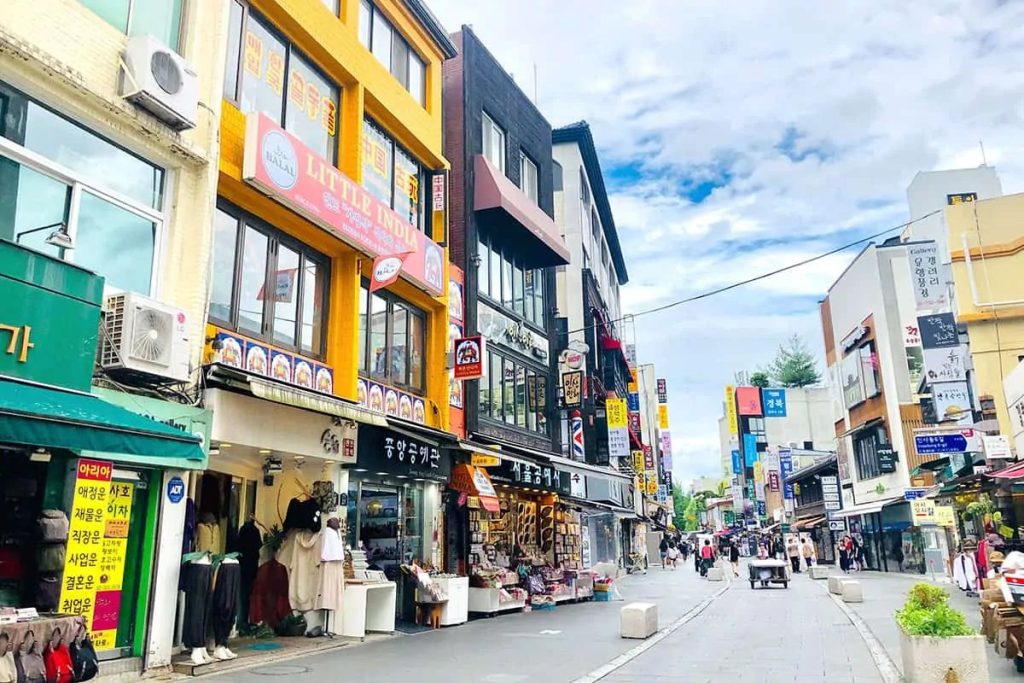
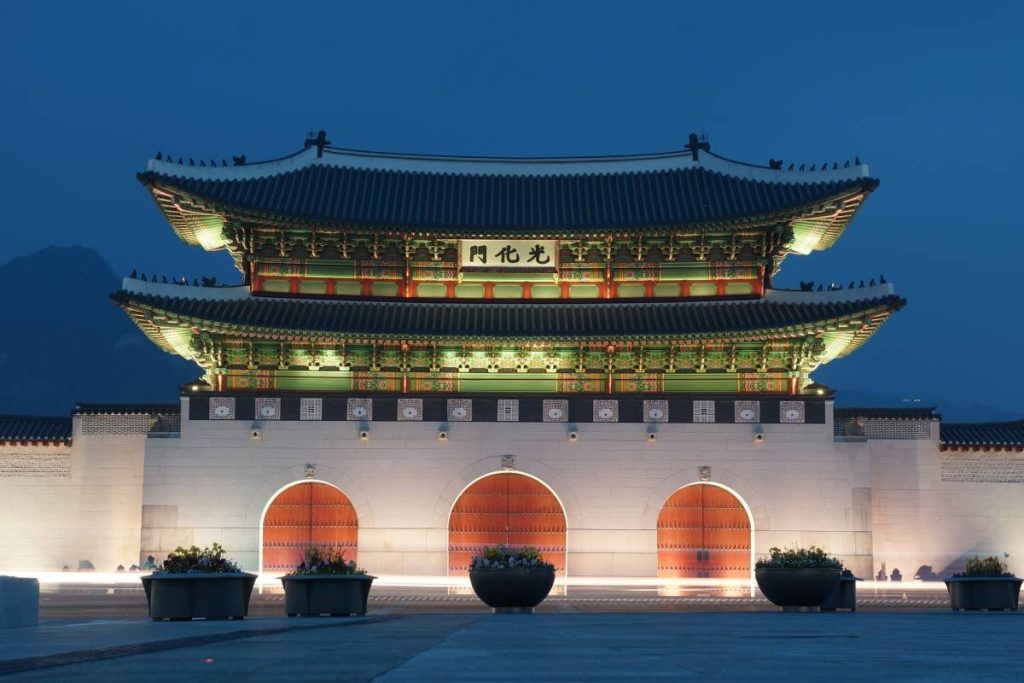
From the palaces, the cultural district of central Seoul extends south toward the city's modern heart.
Insadong is the neighbourhood of traditional crafts, tea houses, antique shops, and galleries concentrated along the main street and its alley networks, the most traditional shopping experience in Seoul, and the place to find handmade ceramics, Korean paper crafts, and traditional sweets.
Gwanghwamun Square at the southern gate of Gyeongbokgung is the defining civic space of Seoul. It is the large pedestrian plaza with the statue of King Sejong (who created the Korean alphabet, Hangul, in 1443) and Admiral Yi Sun-sin at the southern end, and the Cheonggyecheon Stream running east from the square through the city.
The Cheonggyecheon is an urban stream restored in 2005 from an elevated highway, now a 5.8 km linear park running through the heart of the city with some of the finest urban waterside walking in Asia.
Myeongdong and Dongdaemun
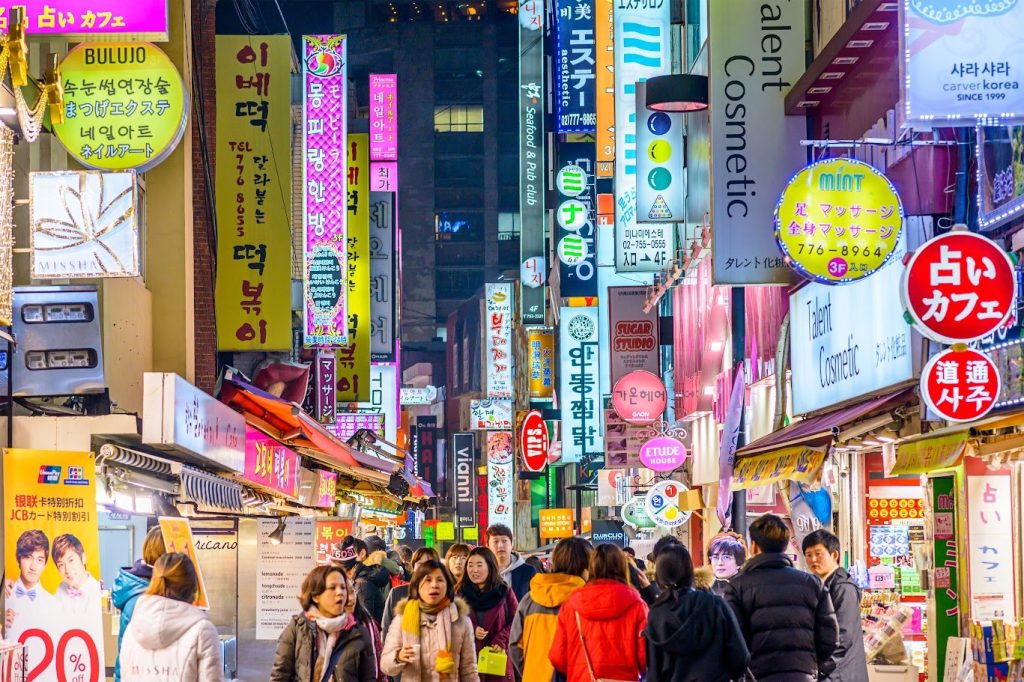
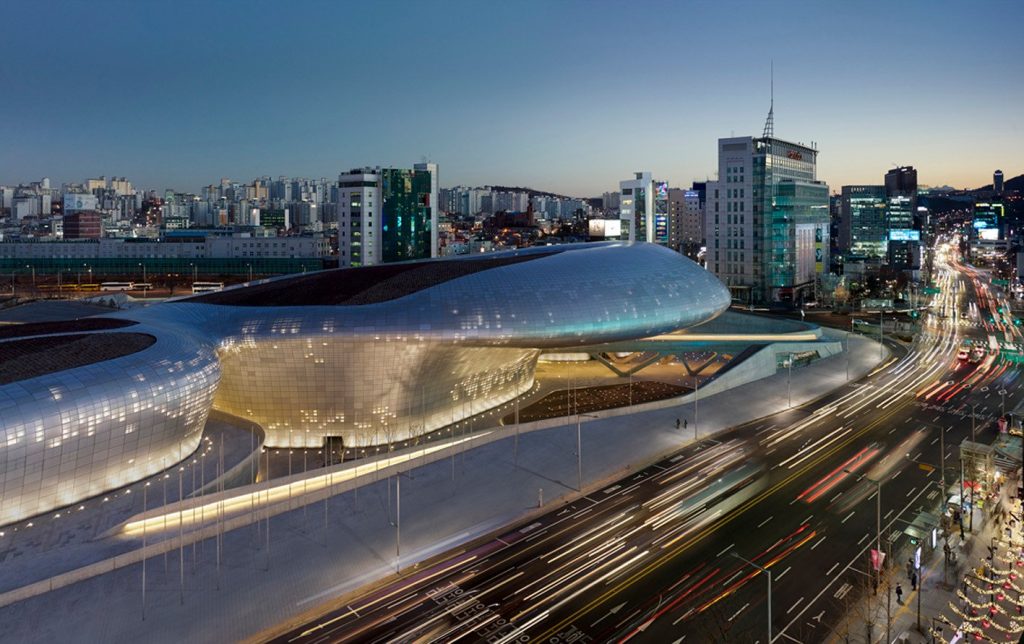
South of Gwanghwamun, the city shifts register completely into the commercial and nightlife energy that makes Seoul feel like a genuinely different city from its historical north.
Myeongdong is the most concentrated shopping district in Seoul. It is a pedestrian zone of Korean cosmetics brands (Innisfree, Etude, Missha, Sulwhasoo), global fast fashion, street food vendors, and the most intense commercial energy in the city. The street food in Myeongdong in the evening, with vendors selling everything from cheese lobster on a skewer to Korean corn dogs and hotteok (sweet pancakes), is one of the most enjoyable eating experiences in the city.
Dongdaemun Design Plaza (DDP) is Zaha Hadid's extraordinary futuristic building that anchors the Dongdaemun district. It is a fluid, curvilinear structure of aluminium panels covering a multi-function design and event space that opened in 2014. The surrounding Dongdaemun fashion market district operates through the night.
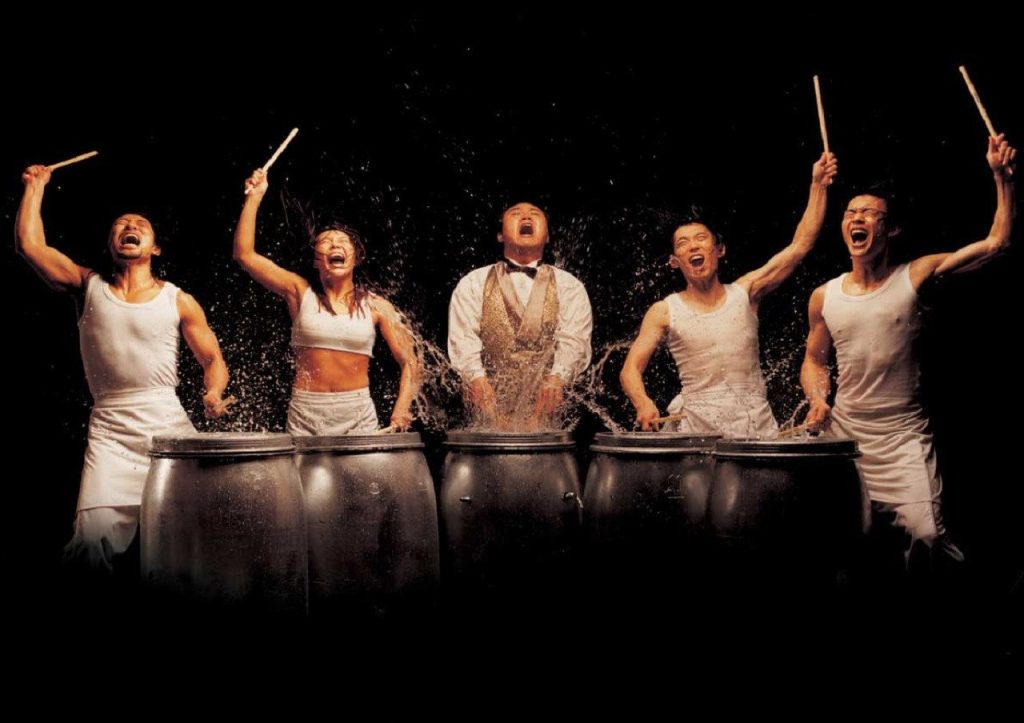
The Myeongdong Nanta Musical Show is Korea's most celebrated non-verbal comedy percussion performance, a 90-minute show built around a high-energy kitchen scenario with audience participation. The Myeongdong venue is the primary long-running stage.
The Hongdae Nanta Musical Show ticket is also available through Thrillark, but make sure to verify current schedule availability before booking, as the Hongdae venue has had operational changes. Nanta has been running since 1997 and is one of the longest-running shows in Asian theatre.


Itaewon and Hongdae
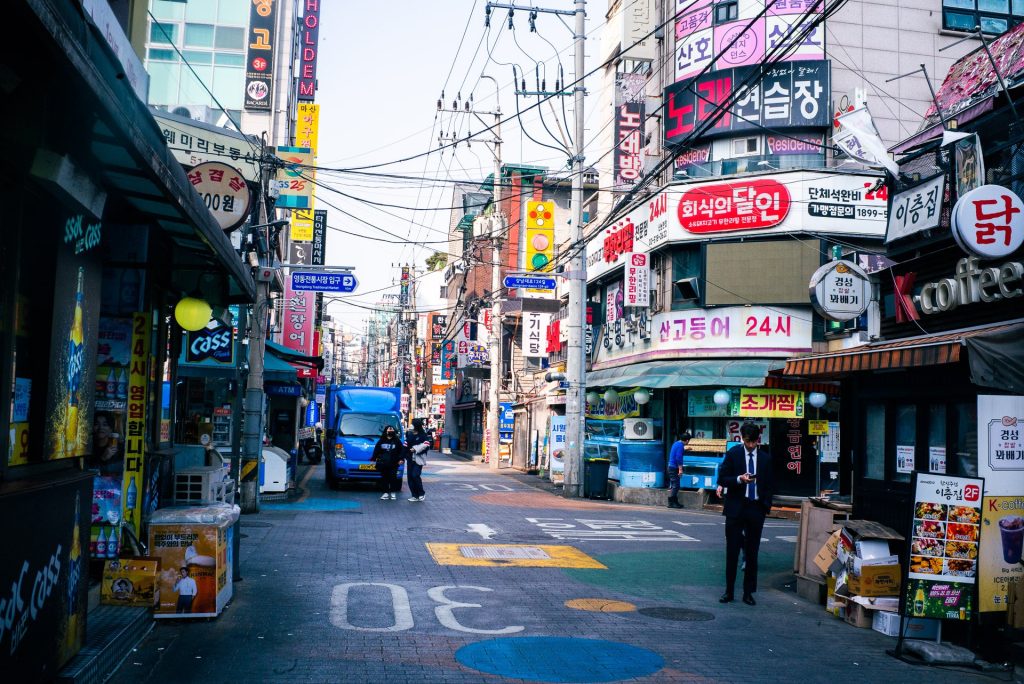
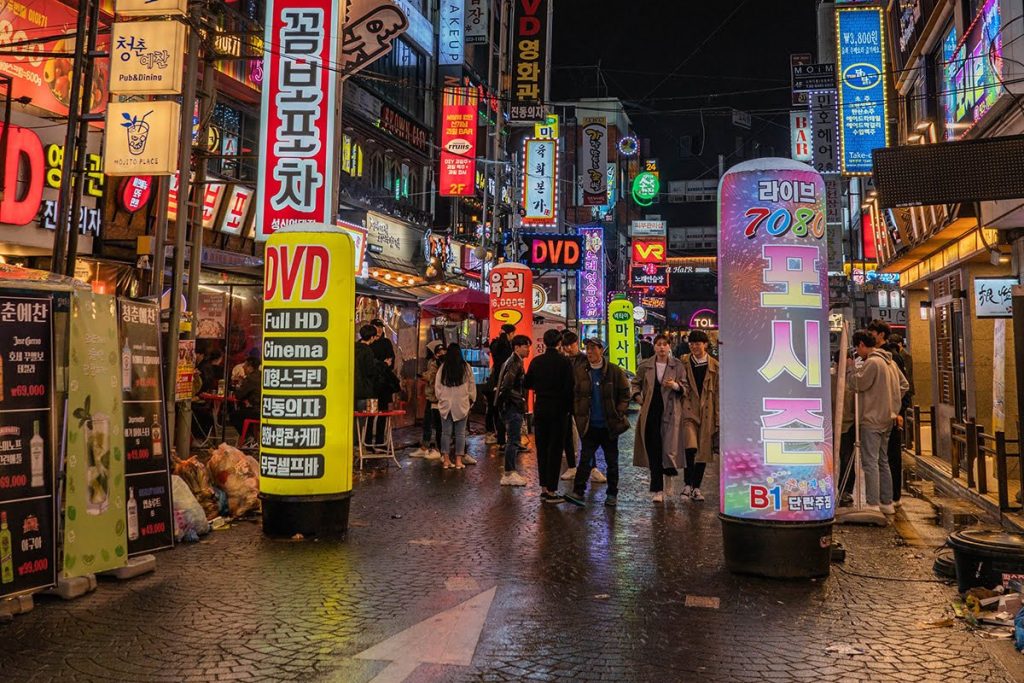
From Myeongdong, the Han River separates the older northern city from the university districts and nightlife neighbourhoods to the south and west that represent a completely different register of Seoul life.
Itaewon is the international neighbourhood with the most diverse eating and drinking area in Seoul, where dozens of cuisines and bar concepts cluster in the streets around the main Itaewon-ro boulevard and the Gyeongnidan-gil side street, now one of the most celebrated independent restaurant strips in the city.
Hongdae is the university arts neighbourhood around Hongik University. You’ll see street art, independent fashion, live music venues, dance clubs, and the energy of a young creative district that generates most of Seoul's cultural innovation.
The weekend flea market, the dance performances at the Hongdae subway plaza, and the late-night club culture make it the most consistently alive neighbourhood in the city from Friday afternoon through Sunday morning.
N Seoul Tower and the Views
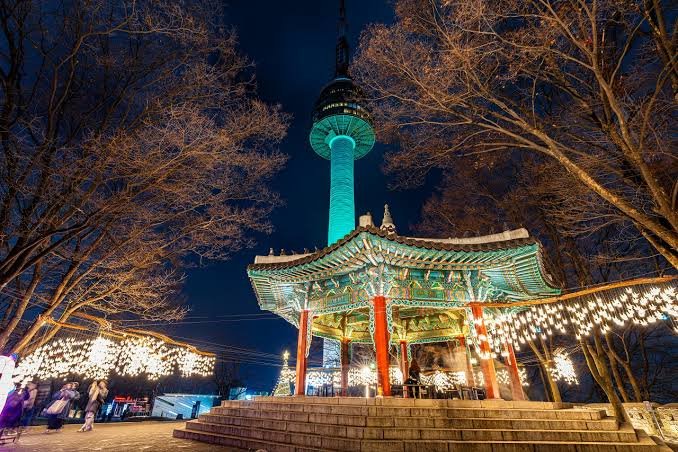
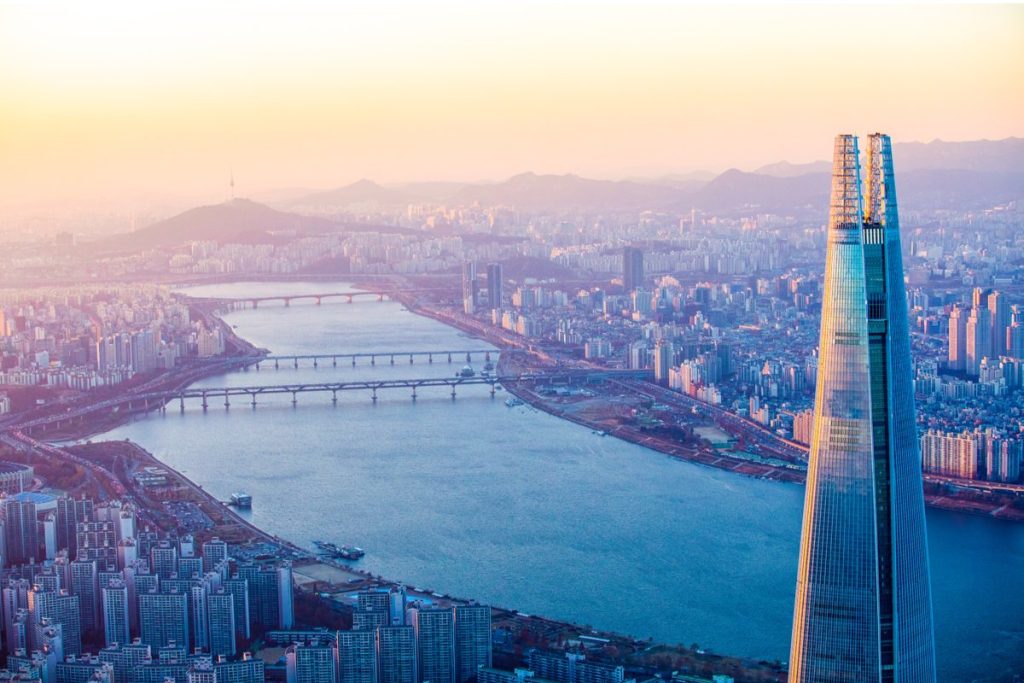
No visit to Seoul makes geographical sense without a vertical moment, and the city has two outstanding options.
N Seoul Tower on Namsan Mountain is the defining landmark of the Seoul skyline. It is a 236-metre broadcasting and observation tower completed in 1975, sitting on the summit of Namsan at an elevation that gives it the highest viewpoint in Seoul. The observatory level at 479 metres above sea level gives 360-degree views over the entire city and, on clear days, extends to Incheon and beyond. The cable car up Namsan is the most enjoyable ascent.
Seoul Sky Observatory in the Lotte World Tower in Jamsil is the newer and higher alternative. It is an observation deck at 500 metres above sea level in the 123-floor tower completed in 2017, and the fifth-tallest building in the world at the time of its opening.


Theme Parks and Entertainment
Seoul has a remarkable concentration of theme park and entertainment options that make it one of the finest family destinations in Asia.
- Lotte World Adventure in Jamsil is one of the largest indoor theme parks in the world. This is a fantasy-themed park covering indoor and outdoor sections with roller coasters, dark rides, a parade, an ice rink, and the full range of family attractions across a single complex connected to Lotte World Mall.
- Everland Theme Park, about 40 km south of Seoul in Yongin, is South Korea's most visited theme park and the setting of the T-Express wooden roller coaster, one of the fastest and steepest wooden coasters in the world. The park covers five themed zones, including Holland Village, American Adventure, and the Zootopia zoo section.
- Seoul Land Theme Park in the Seoul Grand Park complex in Gwacheon, 30 minutes south by Metro, is the older of the two major parks and covers five themed zones with a gentler ride profile suited to families with younger children.
- Seoul Trick Eye Museum is the optical illusion art museum where every exhibit is designed to create dramatic photograph opportunities with forced-perspective and 3D illusion installations. Note that the Hongdae location has permanently closed and rebranded, so verify the current active venue location before visiting. Allow about 90 minutes, and it is endlessly good for group photography.
- Zoolung Zoolung Indoor Animal Theme Park is a family attraction covering interactive experiences with a range of animals in an indoor park setting, suitable for younger children.


The DMZ
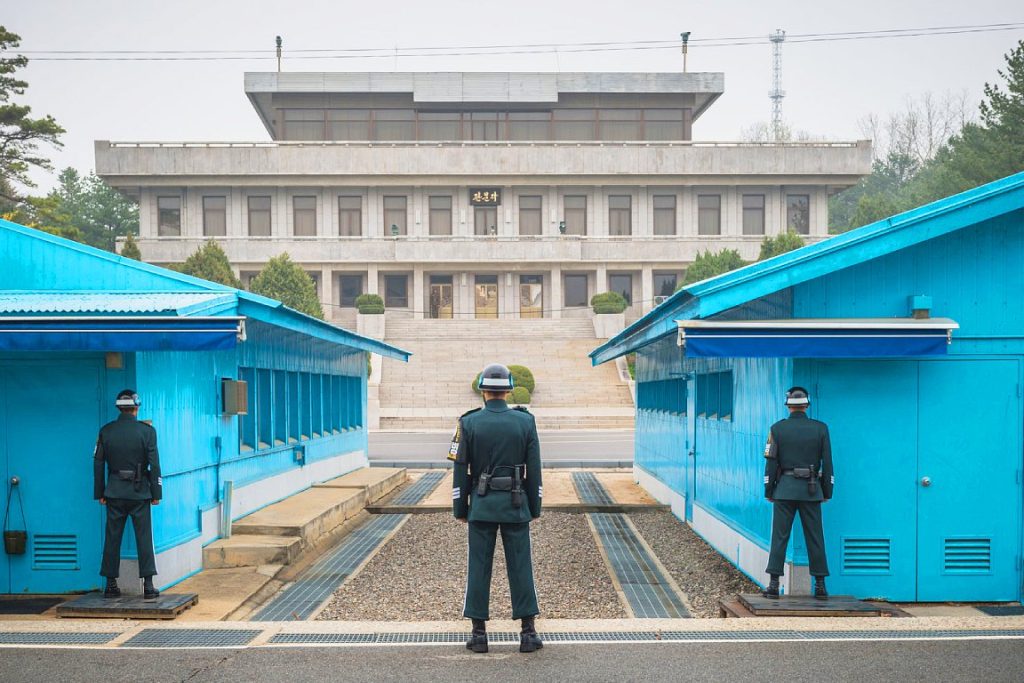
One of the most significant and most sobering experiences available from Seoul is a visit to the Demilitarized Zone. The DMZ is the 250 km buffer zone separating North and South Korea that has been in place since the 1953 armistice, running roughly along the 38th parallel approximately 50 km north of Seoul.
The standard tour covers the Third Tunnel of Aggression, one of four tunnels discovered running under the DMZ that North Korea dug for potential invasion, the Dora Observatory, where visitors can look into North Korea, and Dorasan Station, the southernmost railway station in South Korea.
Note that public access to the Joint Security Area (JSA) at Panmunjom has been suspended following border security incidents. Current tours visit the JSA Museum or photo-recreation exhibits in place of the live JSA crossing. Confirm the current tour itinerary with your operator before booking.
It is one of the most extraordinary half-day experiences available anywhere in Asia and a perspective on the Korean Peninsula's 20th-century history that no museum can replicate.

Day Trips: Nami Island and Beyond
Seoul's surrounding landscape has several extraordinary day trip options, many of them particularly popular with visitors who discovered them through Korean dramas.
Nami Island is a tree-lined crescent island in the North Han River, about 80 km northeast of Seoul, famous for the long tree-lined paths that were used as filming locations in the 2002 drama Winter Sonata and have remained one of the most photographed landscapes in Korea ever since. The island has no cars, excellent walking paths, and a quiet character that makes it a genuine contrast to the city.
Thrillark offers four formats for the Nami Island day trip, covering it in different combinations:
- The Nami Island and Garden of Morning Calm Tour combines the island with the Garden of Morning Calm, a privately managed botanic garden of extraordinary seasonal beauty famous for its spring flower displays and winter light festival.
- The Nami Island, Petite France, and Italian Village Tour adds two European-themed cultural villages in the Gapyeong area to the island visit. Petite France covers Alsatian French architecture and the culture of Antoine de Saint-Exupéry (of The Little Prince), and the Italian Village at Gapyeong recreates Mediterranean architecture in the Korean countryside.
- The Nami Island, Petite France, Italian Village, and Garden of Morning Calm Tour combines all four destinations in a single full-day excursion, which is the most comprehensive format.
- The Vivaldi Park Ski World and Nami Island Full-Day Tour adds the Vivaldi Park ski resort to the combination, available during the winter ski season for visitors who want both the snow and the island in a single day.


Food in Seoul
Korean food is one of the great cuisines of the world, and Seoul is where it is at its most diverse, most creative, and most accessible.
- Korean barbecue (gogi-gui) is the social dining ritual: meat grilled at the table over charcoal or gas, typically samgyeopsal (pork belly) or galbi (beef short ribs), wrapped in lettuce leaves with garlic, fermented soybean paste, and the full array of banchan (small side dishes) that arrives at every Korean meal. It is an experience as much as a meal.
- Tteokbokki (chewy rice cakes in a spicy gochujang sauce) is the defining street food of Seoul, sold from pojangmacha (street food tents) throughout the city, particularly in Myeongdong, Sindang, and the markets.
- Bibimbap (mixed rice bowl with vegetables, egg, and gochujang sauce, stirred together before eating) and sundubu jjigae (soft tofu stew) are the essential sit-down dishes that appear on every Korean restaurant menu.
- Chimaek (fried chicken and beer) is the casual Seoul evening ritual: Korean fried chicken with its extra-crispy batter delivered to your table alongside cold Hite or Cass beer in the thousands of fried chicken restaurants across the city.
Gwangjang Market in Jongno, established in 1905, is the oldest market in Seoul and the best single food destination in the city to get raw beef slices (yukhoe), mung bean pancakes (bindaetteok), mayak gimbap (small rice rolls), and dozens of other preparations at market stall prices.
When Should You Visit Seoul
Spring (March to May) is the most celebrated season. The cherry blossoms typically appear in late March and peak in early April, with Yeouido Park, the Yangjae Citizen's Forest, and Gyeongbokgung being the most beautiful viewing locations. Temperatures from 10 to 20°C and long days make this the finest overall window.
Autumn (September to November) is the second-best period when the foliage turns gold and red across the palace grounds and the surrounding mountains, temperatures are from 10 to 20°C, and the cultural calendar is at full strength. October is the single best month.
Summer (June to August) is hot and humid (28 to 35°C), with the monsoon season (jangma) bringing heavy rain through June and July. August festivals and the vibrant outdoor culture of the Han River parks compensate for the heat.
Winter (December to February) is genuinely cold (-5 to 5°C) with frequent snow and one of the most atmospheric times to visit the palaces, the ski resort day trips, and the winter light festivals at the Garden of Morning Calm and Everland.
Practical Tips Before You Go
- Get a T-money card immediately on arrival. It covers every Metro line, city bus, and most taxis in Seoul at the best available fare. The Korea Unlimited 4G Data SIM and T-Money Transportation Card from Thrillark combine both in a single purchase.
- Download Naver Maps. Google Maps has limited data in South Korea due to mapping restrictions. Naver Maps is the correct navigation app for Seoul and works excellently for public transit routing.
- Tipping is not done in Korea. Exceptional service is the standard. Additional payment causes confusion and is often declined.
- Convenience stores (GS25, CU, 7-Eleven) in Korea are the finest in the world after Japan's, with excellent hot food, kimbap, ramen, and pastries available 24 hours. They are the most cost-effective breakfast and late-night option in the city.
- The Seoul Metro runs from approximately 5:30am to midnight. Plan late nights around this or use the 24-hour bus network and taxis.
- Book the DMZ tour in advance through Thrillark as slots fill quickly, particularly on weekends. Bring your passport as standard ID for the tour. Note that live access to the Joint Security Area at Panmunjom remains suspended, so confirm the current itinerary with Thrillark before booking.
- Kakao T is the best taxi-hailing app in Korea, the local equivalent of Uber. Download it before arriving and add a payment card for seamless taxi booking.
Seoul is a city that manages to be completely itself at a time when many cities are trying to be everywhere else. The palaces are genuine, the food culture is extraordinary, the nightlife is world-class, and the sheer range of what a week here can cover, from the DMZ to Nami Island, from Everland to Gyeongbokgung, from a late-night pojangmacha in Gwangjang to a rooftop view from Seoul Sky, makes it one of the most rewarding urban destinations in the world.
Book your Seoul experiences through Thrillark and make sure you give this city the time it deserves.
Frequently Asked Questions About Seoul
Do you need a visa to visit Seoul?
Citizens of many Western countries, including the US, UK, EU nations, Canada, and Australia, can enter South Korea visa-free for up to 90 days without a K-ETA under the current extended waiver. Non-K-ETA visitors must complete a digital e-Arrival Card before or upon entry; K-ETA holders are exempt from this. Indian nationals and citizens of some other countries require a K-ETA or visa in advance. Always verify current requirements at overseas.mofa.go.kr before booking, as policies change frequently.
What is the best way to get from Incheon Airport to Seoul?
The AREX Airport Express Train is the best option for most visitors: the All-Stop service reaches Seoul Station in about 53 minutes, and the Express Train (reserved seating) reaches Seoul Station in 43 minutes. The AREX Incheon Airport Express Train Ticket is available through Thrillark. Private airport transfers are also available through Thrillark for visitors with heavy luggage or arriving at inconvenient hours.
What is the Discover Seoul Pass, and is it worth buying?
The Discover Seoul Pass provides free entry to over 100 Seoul attractions for 24, 48, or 72 hours and includes a built-in T-money card. The transit balance must be loaded separately with cash; the pass does not include unlimited free subway rides. For visitors covering multiple paid attractions, it consistently saves money compared to individual purchases.
What is the DMZ tour, and what does it cover?
The DMZ (Demilitarized Zone) tour from Seoul covers the 4 km buffer zone separating North and South Korea, including the Third Tunnel of Aggression, Dora Observatory with views into North Korea, and Dorasan Station. Note that live access to the Joint Security Area (JSA) at Panmunjom is currently suspended; tours visit the JSA Museum and off-site exhibitions in its place. The tour runs as a half-day guided experience from Seoul with all transport included. Book in advance through Thrillark as slots fill quickly.
What is the best theme park in Seoul?
Everland in Yongin (40 km south) is the most comprehensive, with the T-Express wooden coaster as the headline ride and five themed zones, including a zoo. Lotte World Adventure in Jamsil is the most convenient, being one of the world's largest indoor theme parks directly on the Seoul Metro network. Both are available through Thrillark, and round-trip transfers from Seoul are also bookable for Everland.
What is the Nanta Musical Show?
Nanta is Korea's most celebrated non-verbal performance: a 90-minute high-energy comedy percussion show set in a kitchen, with traditional Korean music rhythms (samulnori) driving a slapstick narrative that works across all languages. It has been running since 1997 and is one of the longest-running shows in Asian theatre. The Myeongdong venue is the primary active stage. The Hongdae venue has had operational changes; verify current availability before booking. Both the Myeongdong and Hongdae Nanta tickets are bookable through Thrillark.
Browse by themes