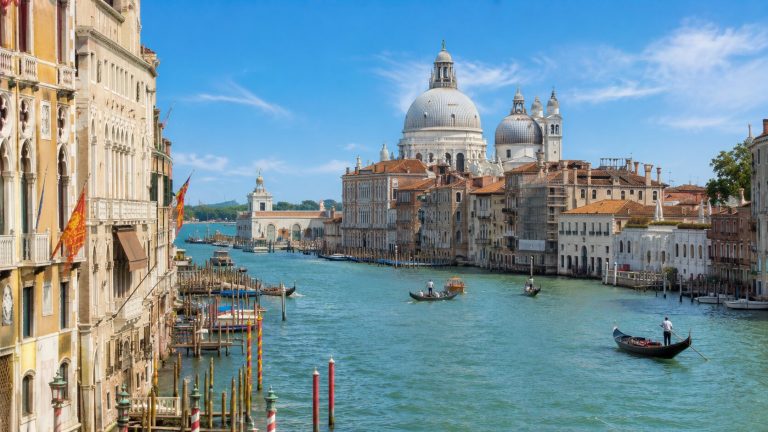
Naples has a reputation, and it is not entirely wrong. It is chaotic, loud, slightly overwhelming, and completely unlike any other Italian city. The traffic ignores traffic lights with cheerful consistency, the street food is eaten standing up from paper cones, the voices are louder, the hand gestures more emphatic, and the whole place operates at a frequency that is specifically its own.
But here’s the thing: Naples is also home to the finest pizza in the world, one of the most remarkable underground cities in Europe, a chapel with sculptures so extraordinary that visitors have been doubting their own eyes for three centuries, and the most important archaeological museum on Earth for understanding the ancient Roman world. It earns the chaos.
Italy’s third-largest city sits on the Bay of Naples in Campania, with Mount Vesuvius visible across the water and Pompeii 23 km away. It has been continuously inhabited for over 2,800 years, and the layers of Greek, Roman, Byzantine, Norman, Aragonese, and Bourbon history are visible in every neighbourhood if you know where to look.
Give it three days. Two for the city and one for Pompeii, which is essential and not optional.
Naples City Essentials
Entry Requirements for Naples
- EU and Schengen Area citizens can travel to Italy without any visa requirements.
- Citizens of the US, UK, Canada, Australia, and most Western countries can visit without a visa for up to 90 days in any 180-day Schengen period.
- Indian nationals require a Schengen visa from the Italian Embassy before departure.
- The EU’s ETIAS pre-travel authorization for visa-exempt non-EU nationals is being progressively rolled out, so check travel.ec.europa.eu before booking.
Getting There and Getting Around
Naples International Airport (NAP) is 6 km northeast of the city centre. The Alibus shuttle connects the airport to Napoli Centrale train station and Piazza Municipio in about 20 minutes.
Taxis from the airport to the city centre operate at fixed rates to designated zones. Make sure to confirm the rate before getting in.
By train: Naples is on the main high-speed rail line from Rome (about 1 hour 10 minutes by Frecciarossa) and is connected to Pompeii, Herculaneum, and the Amalfi Coast area by the Circumvesuviana regional train from Napoli Centrale. The journey to Pompeii Scavi (the archaeological site entrance) takes about 35 minutes.
Getting around the city:
- Metro: Naples has two main metro lines (Line 1 and Line 2). Line 1 is the most useful for visitors, connecting Piazza Dante, Museo (for the National Archaeological Museum), Università, and the waterfront Municipio station with its extraordinary excavated Roman harbour visible through the station’s glass floors.
- Funiculars: Four funicular railways connect the lower city to the Vomero hilltop neighbourhood. It is the most scenic and most practical way to reach the elevated districts above the historic centre.
- Bus: An extensive network covers the entire city but can be slow in the consistently dense traffic.
- Taxi: They are metered and widely available. The white taxis are official, but confirm the meter is running before setting off. Uber also operates in Naples with licensed vehicles only.
- Walking: The historic centre (Centro Storico, a UNESCO World Heritage Site) is compact and best explored on foot. The Spaccanapoli (the long straight street that literally “splits Naples” along the ancient Roman decumanus maximus) runs the length of the old city and covers most of the major sights within walking distance.

The Historic Centre
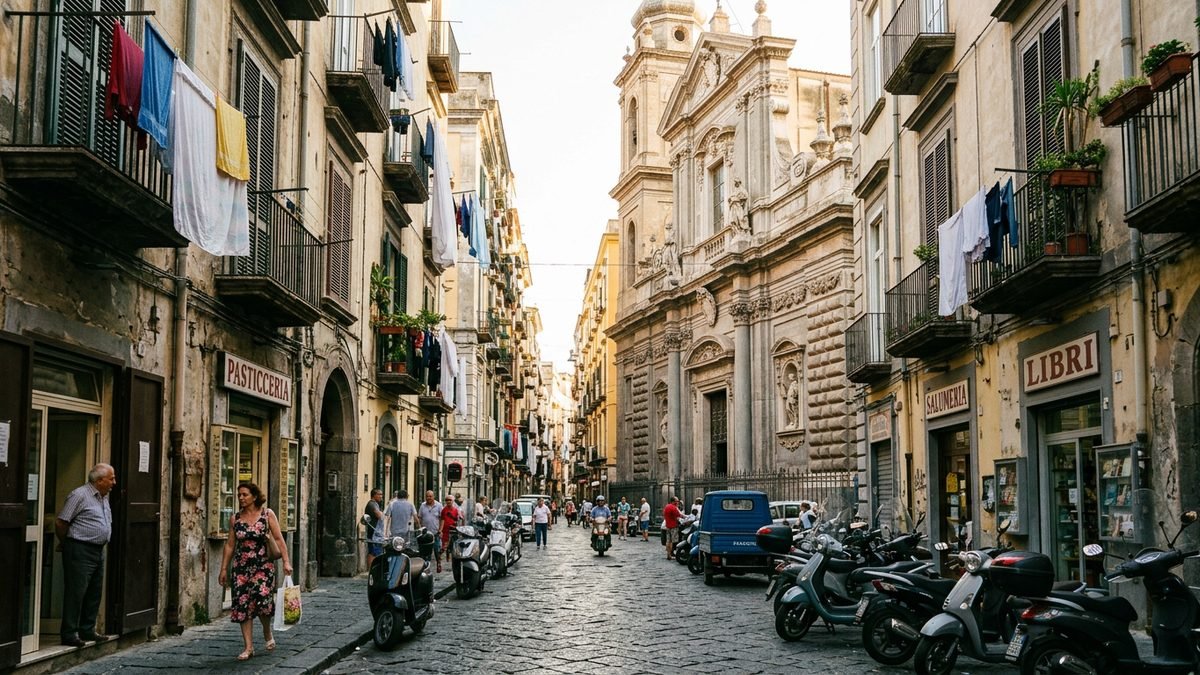

The Centro Storico of Naples was inscribed as a UNESCO World Heritage Site in 1995, the oldest and most densely layered historic urban fabric in Europe. It is a city built on top of itself across 2,800 years of continuous habitation, with Greek foundations beneath Roman streets beneath medieval churches beneath Baroque facades.
Spaccanapoli is the street that bisects the old city from west to east, an arrow-straight road running along the axis of the ancient Greek city of Neapolis. Walking its length from Piazza del Gesù Nuovo in the west to the city's eastern edge takes about 30 minutes and covers churches, presepe (nativity scene) workshops, pastry shops, street food vendors, and the ordinary life of a Neapolitan neighbourhood all simultaneously. Nothing about it is arranged for tourists, and it is all the better for it.
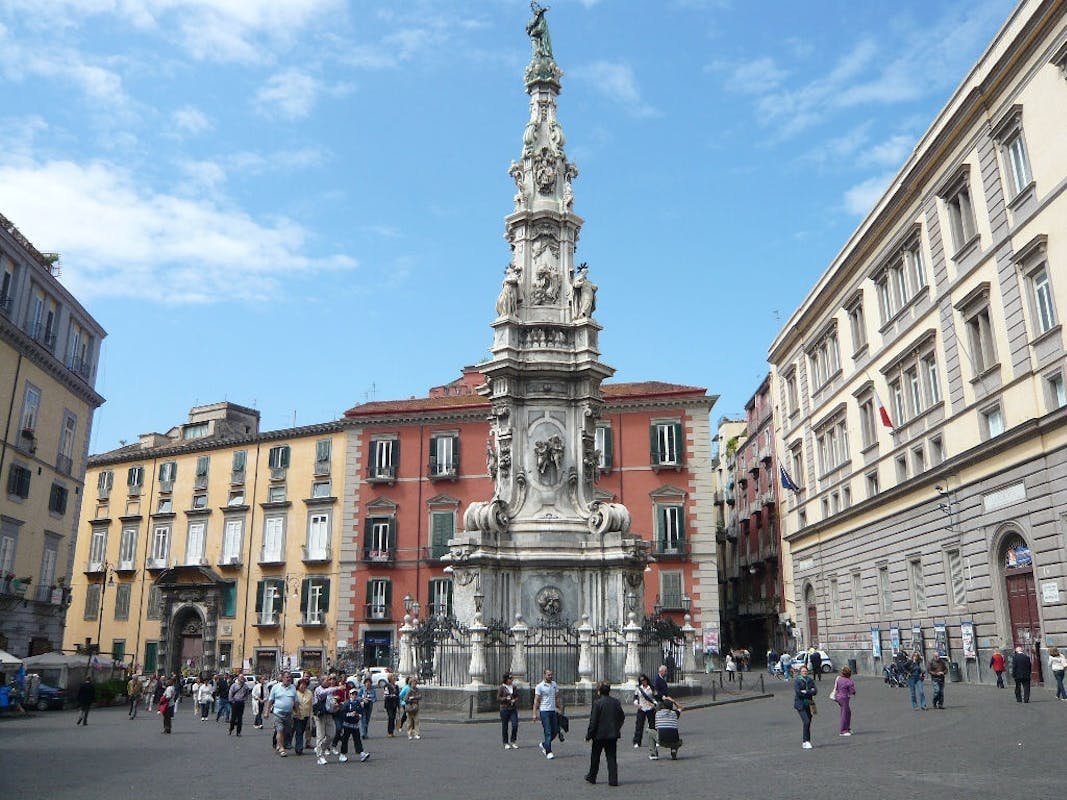
Piazza del Gesù Nuovo has the Guglia dell'Immacolata (an 18th-century Baroque obelisk) at its centre and two of the most remarkable churches in Naples on opposite sides: the Gesù Nuovo, whose unusual rusticated stone facade was the exterior wall of a 15th-century palazzo before the Jesuits converted it into a church in 1601, and the Santa Chiara complex, a 14th-century convent whose cloister is decorated with 18th-century majolica tiles in scenes of Neapolitan life that are extraordinary in their colour and detail.
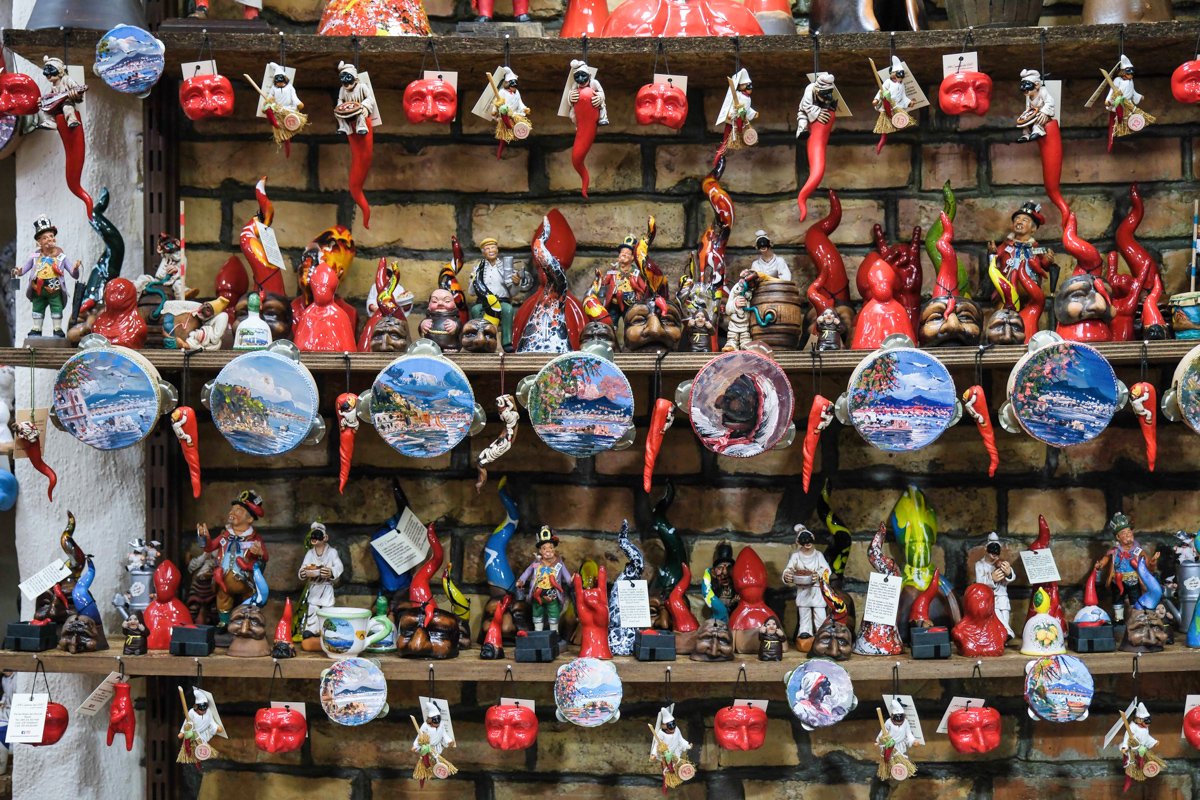
Via San Gregorio Armeno, a narrow lane running north off Spaccanapoli, is the street of the nativity scene craftsmen. You’ll see a tradition so embedded in Neapolitan culture that the workshops producing hand-painted terracotta figures operate year-round, and the lane is as busy in July as it is in December. The most celebrated craftsmen here produce figures that go far beyond the traditional nativity cast to include politicians, celebrities, and footballers alongside the shepherds and Magi.
Naples Underground
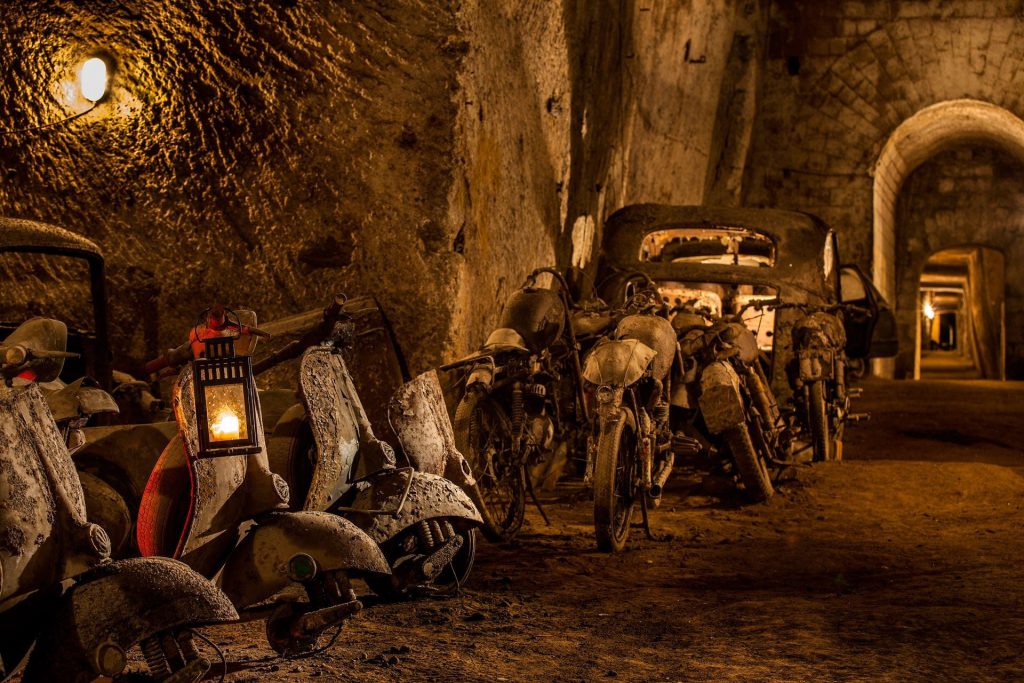
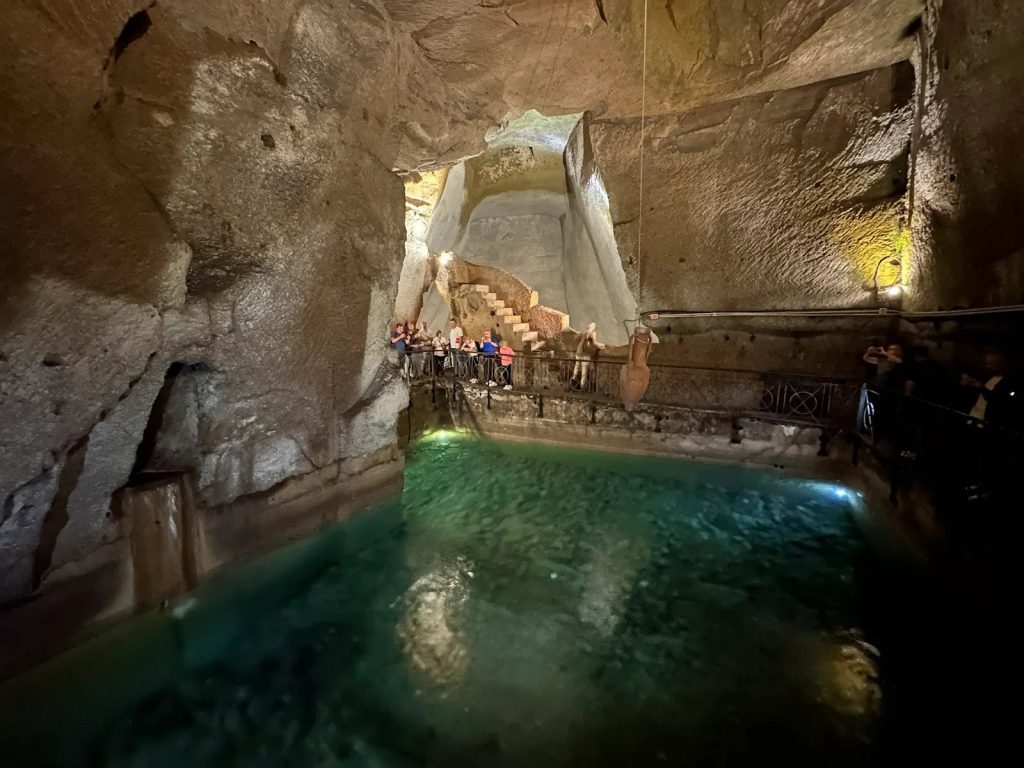
Below the streets of the historic centre lies an entirely different city.
The Naples Underground (Napoli Sotterranea) is a network of tunnels, cisterns, and cavities carved from the tufa rock beneath the city over more than 2,400 years. Explore Greek aqueduct tunnels from the 4th century BC, Roman cisterns that supplied the ancient city's water, wartime bomb shelters used during the Allied bombing of 1943, and a buried theatre where the Emperor Nero reportedly performed.
The tunnels run approximately 40 metres below the current street level and extend for kilometres beneath the city.
The guided tour from Piazza San Gaetano descends through narrow passages lit by candlelight, past the Roman cisterns and the excavated aqueduct channels, through the World War II shelter chambers where the personal belongings of families who sheltered here during the bombing are still in situ, and into the buried theatre of Neapolis where Roman columns and stage machinery survive beneath a modern building above. It is one of the most remarkable underground experiences available in any European city.

The Sansevero Chapel
A short walk east from the Underground through the historic centre brings you to a building that requires no further qualification than this. The sculpture inside it is the most technically astonishing work of art in Naples and among the most extraordinary in the world.
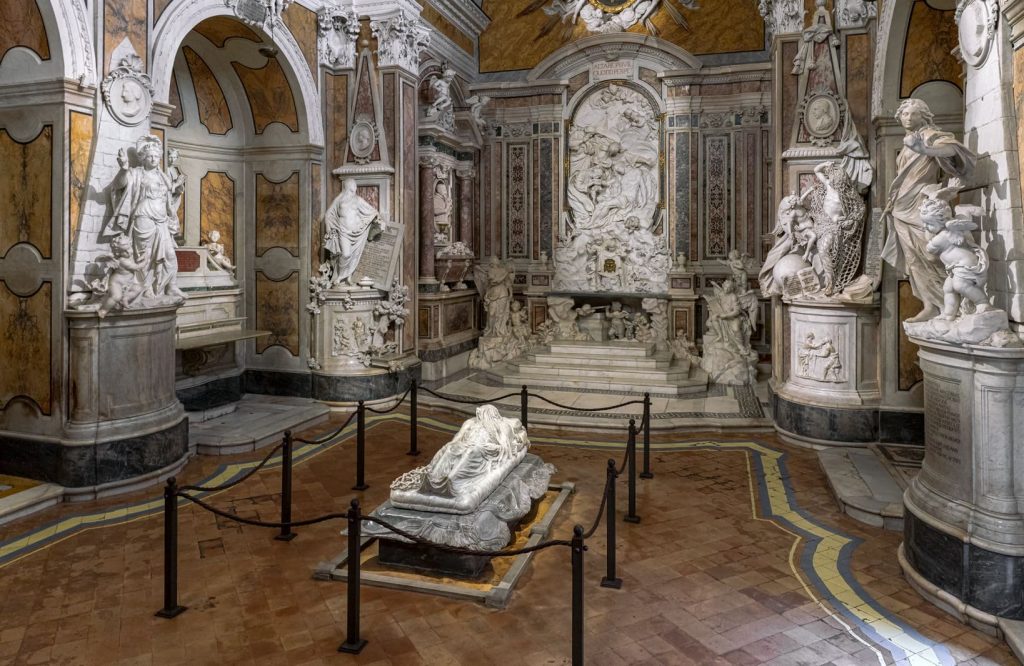
The Sansevero Chapel (Cappella Sansevero) on Via Francesco de Sanctis is a private funerary chapel built by the Sansevero family and decorated primarily between 1749 and 1771 under the direction of Prince Raimondo di Sangro, an 18th-century polymath who combined genuine scientific accomplishment with a taste for the theatrical and the occult. The chapel is modest in size, covering eight Baroque funerary monuments to members of the Sansevero family, but two of the sculptures inside it defy rational explanation of how they were made.
The Veiled Christ (Cristo Velato) by Giuseppe Sanmartino (1753) is a marble statue of the dead Christ lying beneath a transparent veil, where the veil itself is carved from the same block of white marble as the figure beneath it. The transparency of the stone is so complete, and the rendering of the fabric so anatomically accurate in its adherence to the body beneath, that visitors have refused to believe it was carved from marble and insisted a real cloth was somehow petrified in place. It was not. It is marble. It is the most technically astonishing piece of sculpture most people will ever see in person.
Disillusionment (Disinganno) by Francesco Queirolo shows a fisherman extricating himself from a net of sin, where the entire net, every crossing strand and every knot, is carved in marble and entirely freestanding. The sculptor's contemporaries refused to believe it was possible, and Queirolo was reportedly challenged to produce it specifically to prove that it could be done.
The two anatomical machines in the basement (preserved human corpses with their arterial and venous systems intact, created under Prince Raimondo's direction in the 1760s) add a note of 18th-century gothic science to what is already an overwhelming experience.

The National Archaeological Museum
From the chapel, heading north along Via San Gregorio Armeno and continuing to the edge of the historic centre brings you to the institution that justifies the entire trip to Naples for anyone with an interest in the ancient world.
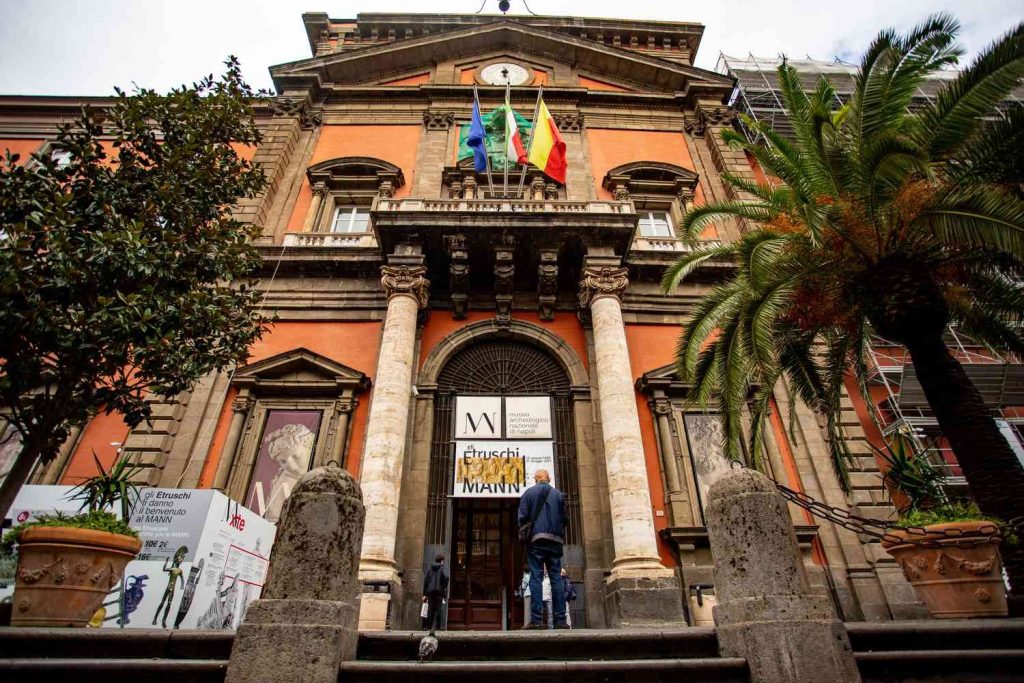
The National Archaeological Museum of Naples (MANN) houses the most important collection of ancient Roman artifacts in the world, assembled primarily from the excavations of Pompeii and Herculaneum following the rediscovery of both cities in the 18th century.
Every piece of art, every mosaic, every household object, every fresco removed from the buried cities for preservation is here: the Alexander Mosaic (a 20 square metre floor mosaic from the House of the Faun at Pompeii showing the Battle of Issus between Alexander the Great and Darius of Persia), the Farnese Collection of monumental Greek and Roman sculpture, and the Secret Cabinet containing the erotic art recovered from Pompeii and Herculaneum, available to adult visitors by separate access.
The museum is overwhelming in the best sense and requires a full morning or afternoon at minimum. A prior visit before going to Pompeii and Herculaneum gives context that the site itself cannot provide, but a visit after gives the objects recovered from the sites the environmental frame that explains their significance.
Pompeii and Herculaneum
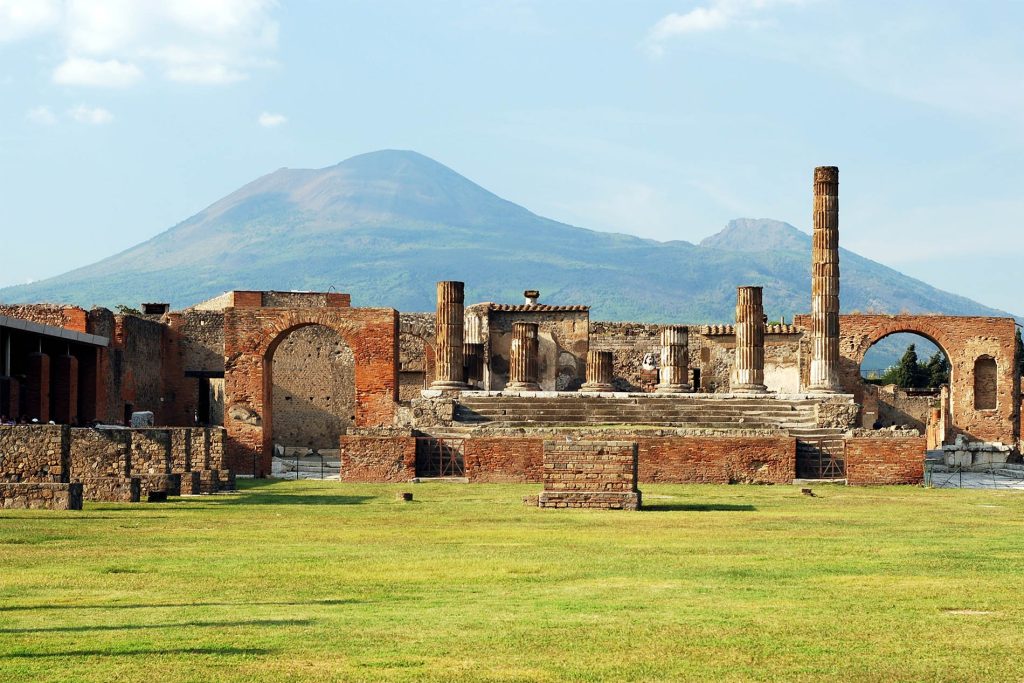
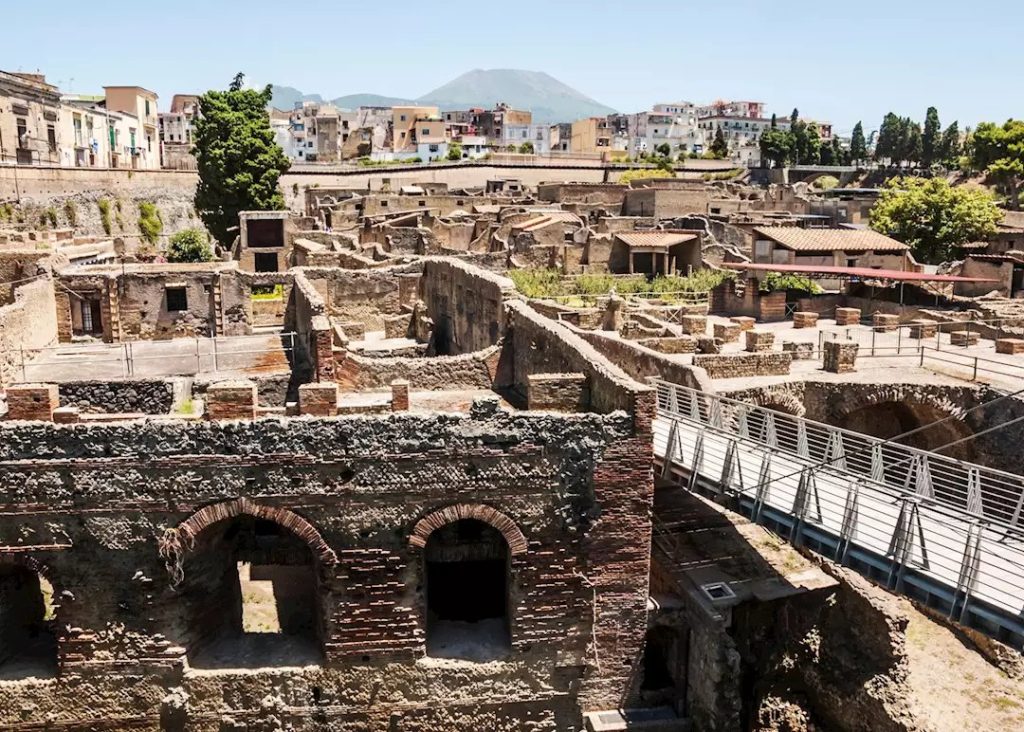
No visit to Naples makes sense without crossing to the other side of Vesuvius, and the Circumvesuviana train from Napoli Centrale makes it entirely straightforward.
Pompeii was a Roman city of approximately 11,000 people when the eruption of Vesuvius on 24 August 79 AD buried it under 4 to 6 metres of volcanic ash and pumice. The city was not rediscovered until 1748, and the excavation has been ongoing ever since, with approximately two-thirds of the ancient city now uncovered.
The plaster casts of the victims, formed by pouring plaster into the cavities left in the volcanic ash by their decomposed bodies, are the most viscerally affecting objects in the site. The Forum, the Temple of Jupiter, the amphitheatre, the brothel, the bakeries, the houses of the wealthy with their atrium gardens and mosaic floors. All of it is accessible in a site that requires at least three hours and rewards an entire day.
Herculaneum, 3 km from Pompeii and accessible from the same Circumvesuviana line, was a smaller, wealthier city that was buried under a different type of volcanic deposit (hot gas and pyroclastic material rather than ash) which preserved organic material that Pompeii's ash did not, like wooden furniture, food, fabric, and the carbonised remains of thousands of papyrus scrolls in the Villa dei Papiri, whose contents are still being decoded using X-ray scanning technology. The site is more compact and less visited than Pompeii, with some of the best-preserved houses in the Roman world.

The Lungomare and the Waterfront
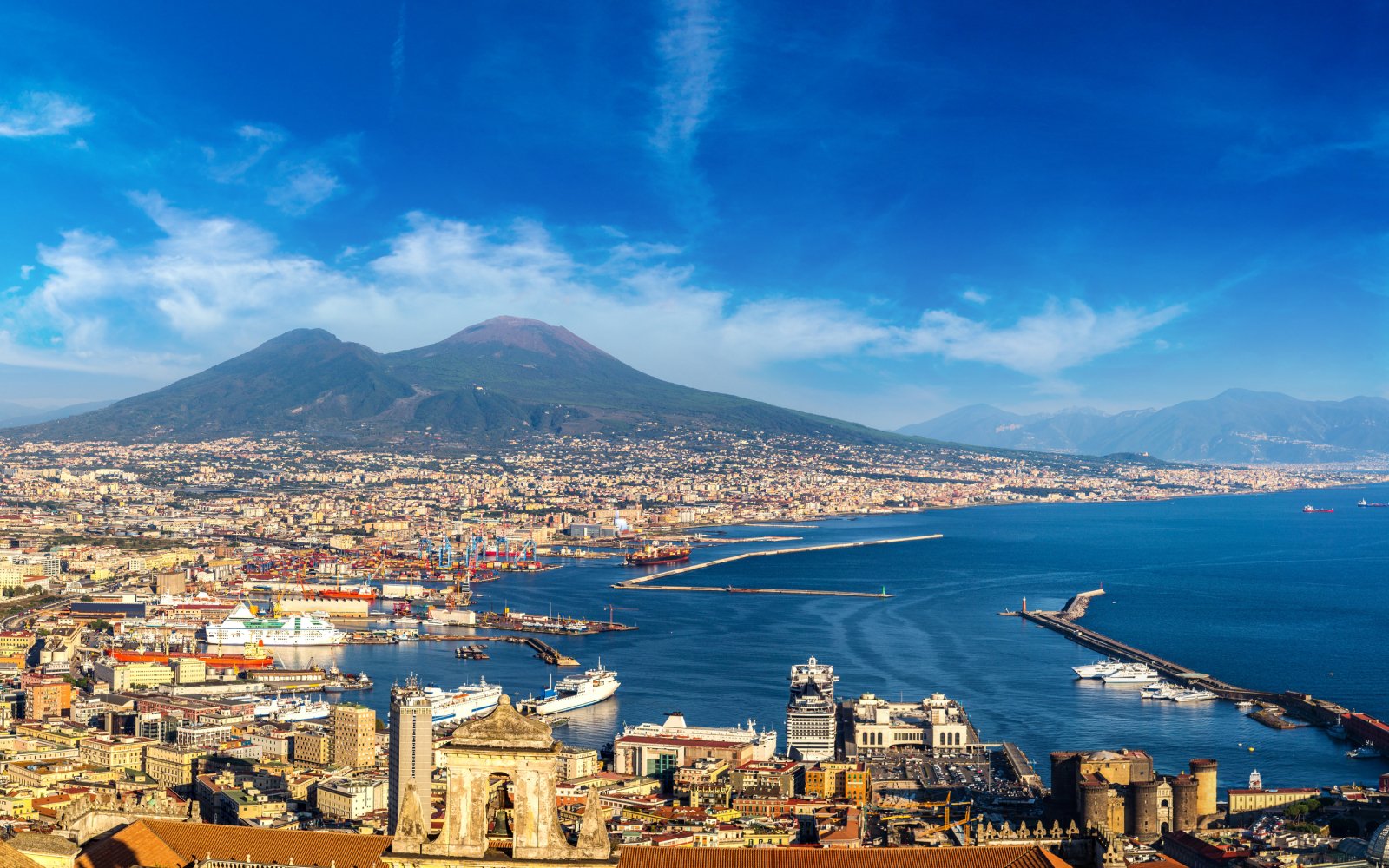
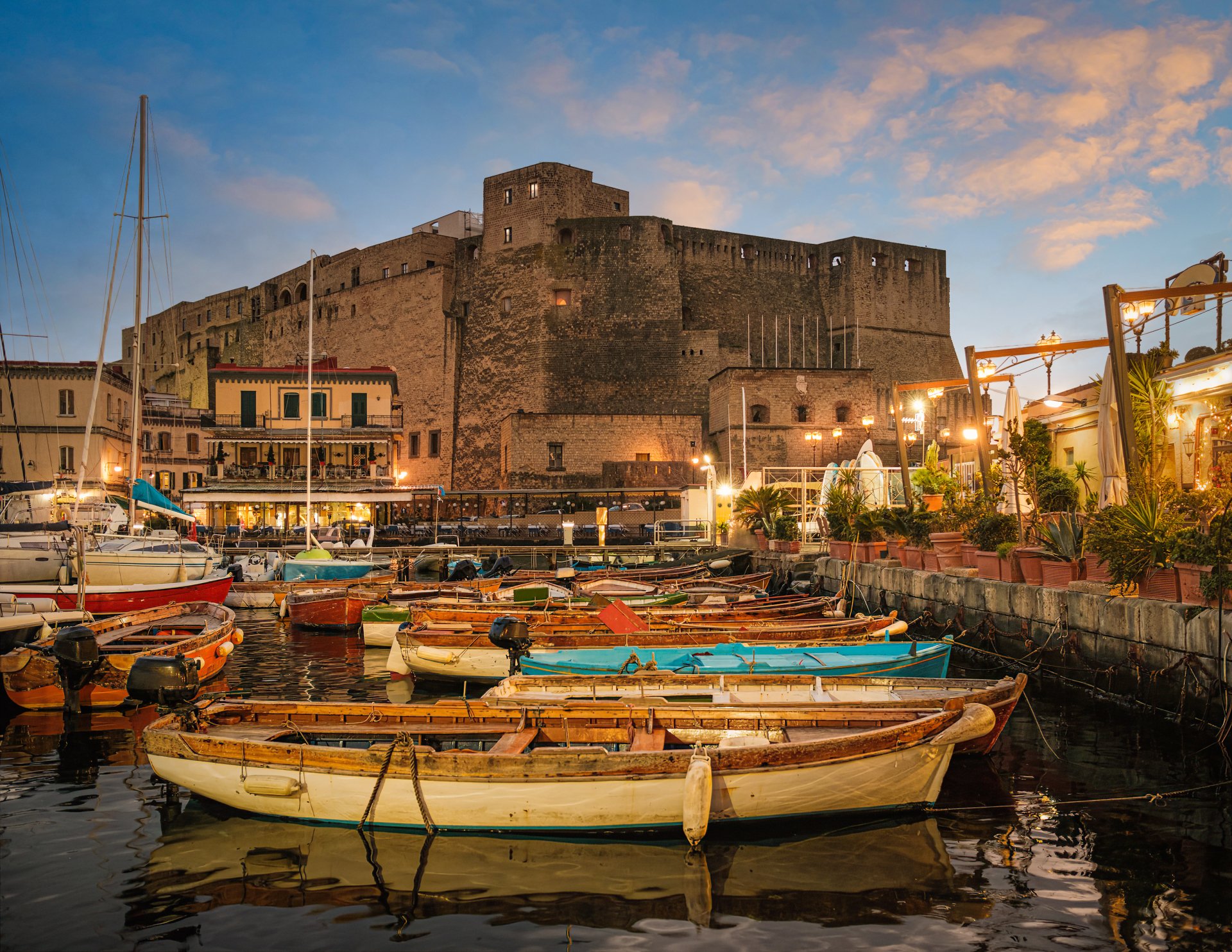
After the intensity of the historic centre, the city opens up dramatically along its waterfront. The Lungomare promenade runs along the bay from the Castel dell'Ovo on its rock just offshore, along the Via Partenope seafront, past the Villa Comunale gardens, and westward toward Mergellina.
The view across the Bay of Naples with Vesuvius in the background and the islands of Ischia and Procida visible further out is one of the finest urban waterfront panoramas in Italy.
Castel dell'Ovo (Castle of the Egg) on the small peninsula of Megaride is the oldest castle in Naples, occupying the site of the first Greek settlement on the bay, begun under the Normans in the 12th century and significantly expanded by the Aragonese.
The name comes from a legend that Virgil placed a magical egg in the foundations, and the castle would fall if the egg ever broke. The panoramic views from the castle ramparts over the bay are excellent and free to access.
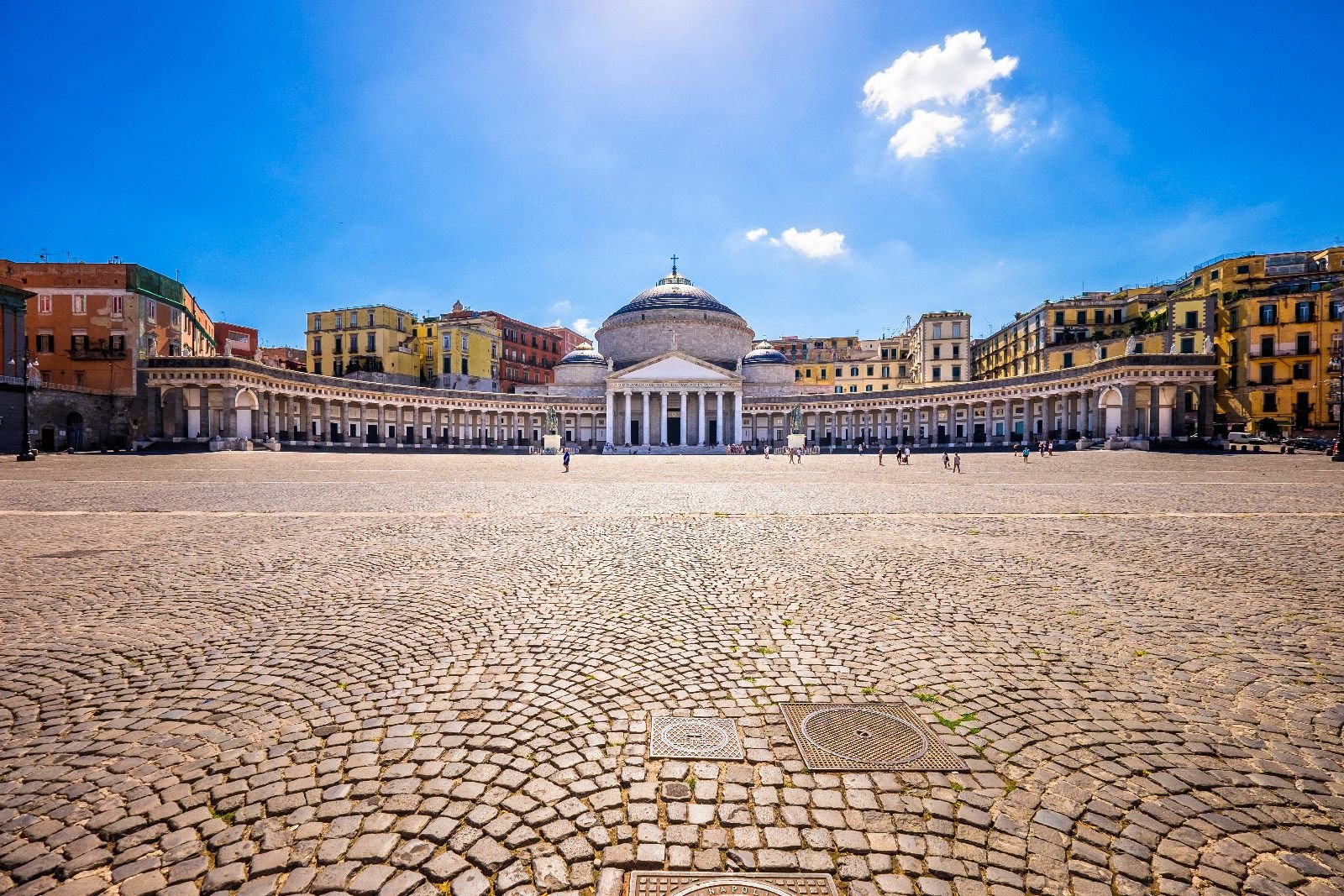
Piazza del Plebiscito, just inland from the waterfront, is the largest square in Naples. It is a semicircular colonnade flanked by the Church of San Francesco di Paola (modelled on the Pantheon in Rome) and the Royal Palace (Palazzo Reale) facing each other across a vast stone-paved oval. The scale of the square is unexpected, and the evening light on the colonnade from a café table at the edge is one of the better ways to end a day in Naples.
Food in Naples
If Naples does one thing better than anywhere else on Earth, it is pizza, and arguing otherwise will not end well.
Pizza Napoletana is the original: a thin, soft, slightly charred base with a puffy, air-pocketed cornicione (crust edge), cooked at 485°C for 60 to 90 seconds in a wood-fired oven, topped with San Marzano tomatoes and fior di latte mozzarella. The Margherita and the Marinara (without cheese) are the two canonical versions.
The queue outside Pizzeria Sorbillo on Via dei Tribunali is the recommendation. There will be one, it moves reasonably quickly, and what comes out of the oven is worth it. Pizzeria Brandi in the Chiaia neighbourhood claims to have invented the Margherita for Queen Margherita of Savoy in 1889.
Sfogliatella is the defining Neapolitan pastry: a ridged shell-shaped pastry with a crispy, layered exterior and a ricotta and semolina filling spiced with cinnamon and candied orange peel. It is eaten hot from the oven at one of the morning pastry shops in the historic centre.
The riccia version (the ridged shell shape) is more technically demanding, while the frolla (smooth shortcrust pastry) is the easier alternative. Both are excellent.
Ragù Napoletano is the slow-cooked tomato and meat sauce that simmers for four to six hours until the tomatoes collapse and the meat dissolves into a deep, dark, extraordinarily flavoured condiment for pasta. It is the Sunday sauce of every Neapolitan family and available at traditional trattorias throughout the city, usually on Sunday.
Frittura (deep-fried things) is the other great Neapolitan street food tradition: cuoppo di frittura (a paper cone of fried seafood and vegetables sold from street stalls throughout the city), fried pizza (pizza fritta), and mozzarella in carrozza (fried mozzarella sandwich). All edible while walking, all better than they sound.
Caffè in Naples is the most serious coffee in Italy, which is a very competitive field. The espresso here is shorter, stronger, and more intensely flavoured than elsewhere, and the ritual of standing at the bar with a cup and a sfogliatella is the most authentically Neapolitan morning available.
Day Trips from Naples
Naples's position on the bay gives it access to some of the finest day trip destinations in Italy.
- The Amalfi Coast (accessible by SITA bus from Naples via Sorrento, or by ferry from Molo Beverello to Positano and Amalfi) is one of the most dramatic coastal drives in Europe. It is a serpentine cliff road above the Tyrrhenian Sea with the UNESCO-listed coastal towns of Positano, Amalfi, and Ravello perched above the water.
- Capri (45 minutes by hydrofoil from Molo Beverello) is the island of the Blue Grotto (Grotta Azzurra), the chairlift ascent to Monte Solaro, the Villa Jovis ruins (the hilltop palace from which Tiberius ruled the Roman Empire), and the main town's extraordinary panorama over the Faraglioni rock stacks.
- Sorrento (35 minutes by Circumvesuviana from Napoli Centrale) is the clifftop town at the northern end of the Amalfi Peninsula, with the finest views over Vesuvius across the bay and the most accessible base for Amalfi Coast and Capri day trips.
- Caserta (40 minutes by train from Napoli Centrale) has the Royal Palace of Caserta (Palazzo Reale), built for the Bourbon kings of Naples in the 18th century and modelled on Versailles, with 1,200 rooms and a park extending 3 km behind it in formal garden terraces and fountains that form one of the most spectacular royal gardens in Italy.
Best Time to Visit Naples
Spring (April to June) is the best time to visit Naples. It offers temperatures from 16 to 25°C, the flowering lemon groves of the surrounding countryside, and the city at its most beautiful before the August heat and the peak summer crowds. May is particularly good.
Autumn (September to October) is the second-best window, with summer heat dropping to comfortable levels (18 to 25°C), the tourist peak passing, and the quality of the light in October making the bay views and the archaeological sites particularly beautiful.
Summer (July to August) is extremely hot (30 to 36°C) and very crowded, particularly at Pompeii, where the exposed site has no shade. Avoid midday visits to any outdoor site in August.
Winter (December to February) is mild (8 to 14°C) and quiet, with the Christmas presepe tradition filling the Via San Gregorio Armeno workshops with their most elaborate seasonal displays. January and February have the lowest hotel rates and the shortest queues at the Sansevero Chapel and the Archaeological Museum.
Practical Tips Before You Go
- Book the Sansevero Chapel in advance. The chapel limits entry to manage numbers and walk-up availability on peak days is unreliable. The guided tour through Thrillark is the most reliable way to secure access.
- Book Pompeii tickets in advance. Timed entry is mandatory, and the most popular morning slots fill quickly during peak season. Arriving at 8 am when the site opens gives the best conditions before midday heat builds.
- The ZTL restricted zone covers most of the Naples historic centre. Do not drive into it, because automatic cameras issue fines. Taxis and public transport are the correct options.
- Dress appropriately for churches. Shoulders and knees must be covered in the Gesù Nuovo, Santa Chiara, and other active churches throughout the city.
- Cash is more important in Naples than in most Italian cities. Traditional pizzerias, street food vendors, and market stalls frequently prefer cash. ATMs are widely available.
- The City Sightseeing hop-on hop-off bus covers the Lungomare, the Castel dell'Ovo, and the Posillipo area routes that are significantly less walkable than the historic centre, making it a practical complement to the walking itinerary rather than a substitute for it.
- Pickpocketing awareness is relevant in the historic centre and on the Metro. Standard common-sense precautions (bags in front, phone not visible) are sufficient.
Naples is the Italian city that gives you the most honest version of what Italy actually is: messy, generous, deeply culturally serious about things that matter (pizza, coffee, football, family), and utterly indifferent to your expectations. The underground is extraordinary, the chapel is beyond extraordinary, the pizza is simply the best in the world, and the fact that Pompeii is 35 minutes away by regional train is the kind of geographical bonus that makes the whole trip feel unreasonably well arranged.
Book your Naples Underground tour, Sansevero Chapel visit, and Pompeii day trip through Thrillark and give this city the time it has been building up to for 2,800 years.
Frequently Asked Questions About Naples
Do you need a visa to visit Naples?
EU and Schengen citizens need no visa. Citizens of the US, UK, Canada, Australia, and most Western countries can visit without a visa for up to 90 days in any 180-day Schengen period. Indian nationals require a Schengen visa from the Italian Embassy. The EU's ETIAS pre-travel authorisation for visa-exempt non-EU nationals is being progressively rolled out; check travel.ec.europa.eu before booking.
What is the Naples Underground, and how do you visit it?
The Naples Underground is a network of tunnels, cisterns, and cavities carved beneath the city from the 4th century BC onward, descending approximately 40 metres below the current street level. The guided tour from Piazza San Gaetano covers Greek aqueduct tunnels, Roman cisterns, a buried ancient theatre, and World War II bomb shelter chambers with personal belongings still in place. The Naples Underground Guided Tour available through Thrillark covers the full circuit with expert commentary in a group format with limited capacity. Make sure to book in advance.
What is the Veiled Christ, and why is it significant?
The Veiled Christ (Cristo Velato) is an 18th-century marble sculpture by Giuseppe Sanmartino in the Sansevero Chapel, depicting the dead Christ lying beneath a transparent veil that is carved from the same block of marble as the figure itself. The transparency and softness of the carved marble veil are so complete that it has consistently been mistaken for real fabric; visitors have refused to believe it is marble for over 250 years. It is considered one of the most technically accomplished sculptures in the history of Western art.
How do you get from Naples to Pompeii?
The Circumvesuviana regional train from Napoli Centrale station to Pompeii Scavi Villa dei Misteri station takes approximately 35 to 40 minutes and stops within walking distance of the main archaeological site entrance. Trains run approximately every 30 minutes. Book Pompeii timed entry tickets in advance before arriving; the most popular morning slots sell out during peak season.
What is the best pizza in Naples?
This is a question Neapolitans take seriously, and no answer is universally agreed upon. The most celebrated names are Pizzeria Sorbillo on Via dei Tribunali (always with a queue, worth the wait), Pizzeria Brandi in Chiaia (claims to have invented the Margherita in 1889), and L'Antica Pizzeria da Michele on Via Cesare Sersale (serves only Margherita and Marinara, no other options, frequently a 45-minute wait). All three are consistently considered among the finest pizza experiences in the world. Order the Margherita.
What is the Pompeii and Naples Tour from Rome, and how does it work?
The Pompeii and Naples Tour from Rome is a full-day guided excursion departing from Rome by coach or high-speed train to the Pompeii archaeological site, with expert archaeological commentary covering the Forum, the amphitheatre, the plaster cast victims, and the major houses, followed by a guided visit to Naples highlights including the historic centre. All transport between Rome, Pompeii, and Naples is included, making it the most practical format for visitors based in Rome who want to cover both destinations without managing their own logistics.
Browse by themes
Top Things to Do in Italy