
Ipoh 3-Day Itinerary: A Practical Guide to Your Trip
Ipoh built its reputation on tin mining money, limestone hills riddled with cave temples, and a food scene that draws visitors from across Malaysia on its own merits. This three-day plan follows that shape: Old Town's heritage streets and street art first, the cave temples and colonial architecture next, then a full day out at Lost World of Tambun before you head out.
- Heritage streets, murals, and cave temples
- Bean sprout chicken and white coffee
- Finish with hot springs at Lost World of Tambun
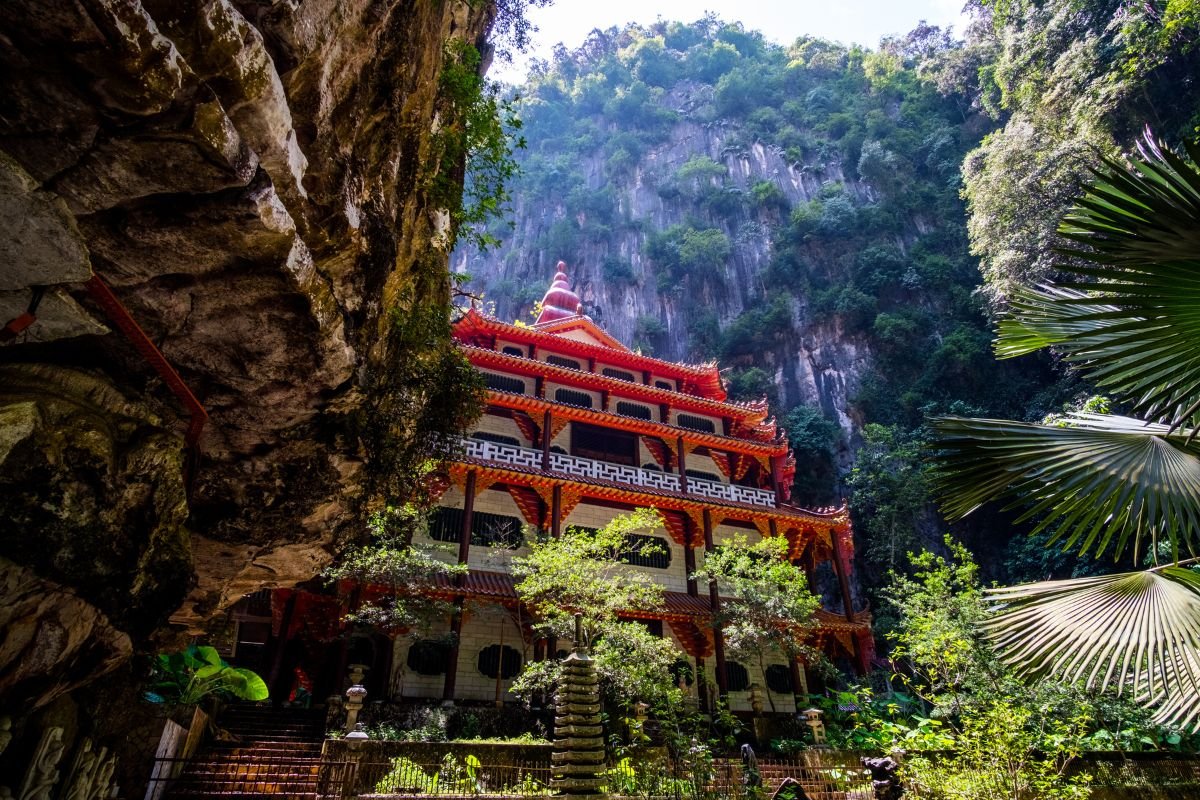
The plan at a glance
- Explore the Old Town and its street art. This includes Ipoh's heritage core, colonial-era buildings, Concubine Lane, and the murals that have turned side streets into an open-air gallery.
- Explore cave temples and New Town. Visit Perak Tong and Kek Lok Tong's Buddhist shrines built into limestone caves, paired with an afternoon exploring Ipoh's other side of the river.
- Visit the Lost World of Tambun. You get a full day at the region's biggest theme park, built around hot springs and limestone cliffs.
New to Ipoh? Start with the city guide
This page is the day-by-day plan. If you're still deciding what Ipoh is actually like, which attractions are worth your time, and what else the city and its surroundings have to offer beyond these three days, our full Ipoh city guide covers the whole picture. It's the better place to start if your dates aren't locked in yet.
Read our complete Ipoh city guide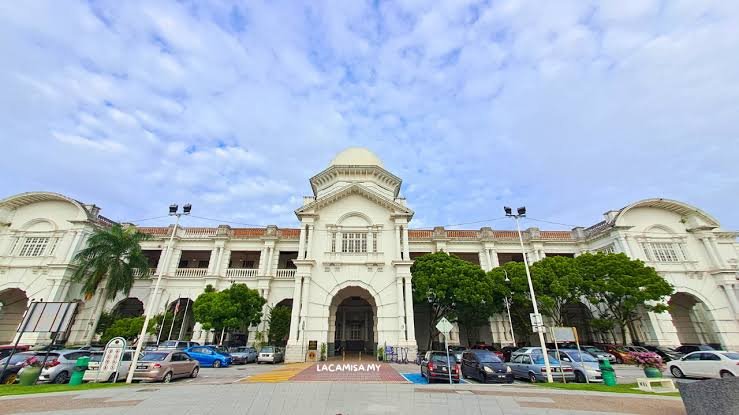
Ipoh Railway Station and the colonial quarter
Nicknamed the "Taj Mahal of Ipoh" for its white, domed Moorish architecture, the railway station remains one of the most photographed buildings in the city and a natural starting point for the day.
- Directly across the road, the Birch Memorial Clock Tower and the Ipoh Town Hall add further examples of the colonial-era architecture that defines this stretch of the city.
- The station itself is still operational, so a quick look inside the main hall is worth it alongside the exterior photos most visitors stop for.
Come before 9 am if you want photos of the station's facade without passing traffic in the frame. The road out front gets genuinely busy once the morning rush picks up.
Concubine Lane and the Old Town heritage streets
This is a narrow lane once home to the mistresses of wealthy tin miners, now a lively strip of shops, snack stalls and photo opportunities in the heart of Old Town.
- The lane connects to a network of similar heritage streets, Market Lane and Panglima Lane among them, sometimes referred to locally as "Hale Lane" or "Memory Lane." They are all worth wandering through rather than treating Concubine Lane as the only stop.
- Local snacks and light meals are easy to find along the way. It is a good excuse to graze through lunch rather than committing to a sit-down restaurant.
Visit on a weekday if your schedule allows it. Weekends bring considerably heavier crowds, particularly from day-trippers making the drive up from Kuala Lumpur and Penang, and the narrow lanes fill up fast.
Ipoh's street art and Kong Heng Square
You get to explore a cluster of large-scale murals painted across Old Town's walls, many by Lithuanian-born artist Ernest Zacharevic, whose work first put Penang's street art on the map before spreading to Ipoh.
- The murals here depict everyday scenes and local characters rather than abstract art, making it genuinely engaging even for visitors who don't usually seek out street art specifically.
- Kong Heng Square, a converted courtyard surrounded by cafés and old shophouses, makes a natural base for exploring the surrounding mural trail at an easy pace.
Download or photograph a mural map before you set out rather than trying to navigate purely by chance. The murals are scattered across several streets, and a rough sense of the route saves considerable backtracking.
Evening
Have an easy dinner in Old Town, drawing on Ipoh's genuinely strong local food scene, to close out a day spent almost entirely on foot through the city's heritage core.
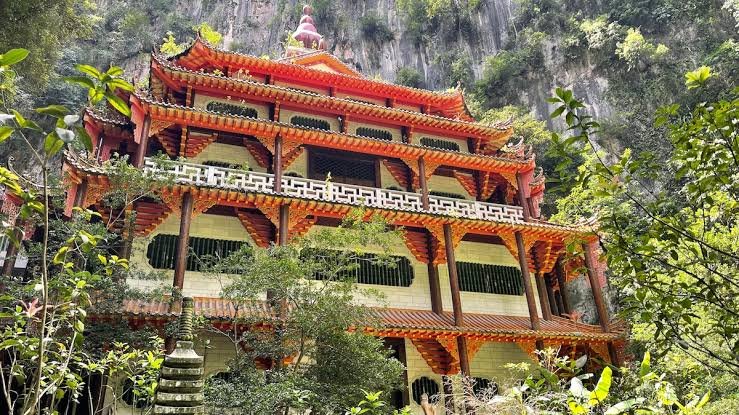
Perak Tong Cave Temple
This is a cave temple built into a limestone hill on the northern edge of the city, home to a 40-foot seated Buddha statue and elaborate murals covering much of the cave's interior walls.
- A staircase of around 218 steps climbs through the cave and out onto the hillside above, rewarding the effort with views back over Ipoh and the surrounding countryside.
- Beyond the main chamber, smaller shrines and passageways branch off, worth exploring if the main temple hasn't already filled your morning.
Scheduling this climb for the morning rather than the afternoon genuinely matters here. The stairs sit fully exposed to the sun, and tackling 218 steps in the middle of the day's heat is a considerably harder climb than the same steps first thing.
Kek Lok Tong Cave Temple
South of the city, this cave temple trades Perak Tong's painted murals for dramatic natural stalactite formations and a garden setting on the far side of the cave.
- Walking through the main cavern leads out to a landscaped garden with koi ponds and Chinese-style pavilions. You get to experience an entirely different atmosphere from the temple's darker interior.
- The contrast between the cool, cavernous main chamber and the open garden beyond makes this one of the more memorable temple visits in the region.
- Routine maintenance occasionally closes sections of the cave for short periods. It is worth a quick check on arrival rather than assuming full access on any given day.
Time your visit for late morning rather than midday. The garden section gets considerably hotter once the sun is directly overhead, and the earlier light suits photography better too.
New Town and the river
Across the Kinta River from Old Town, New Town offers a different pace, modern shopping streets alongside pockets of local life away from the heritage trail.
- Jalan Yau Tet Shin and the surrounding streets hold some of Ipoh's better-regarded local eateries, renowned specifically for their bean sprout chicken and the city's famous white coffee, which is worth exploring for an early dinner or a late lunch.
- A walk along the river itself connects back toward Old Town. It is a relaxed way to close out the afternoon before finding somewhere for dinner.
Ask locally for the current favourite spot for Ipoh's famous white coffee rather than defaulting to the most tourist-facing option. Opinions on the city's best coffee shop shift regularly, and a fresh local recommendation tends to beat an outdated guidebook pick.
Evening
Dinner in New Town or back in Old Town closes out a day spent moving between limestone caves and the city's more everyday side.
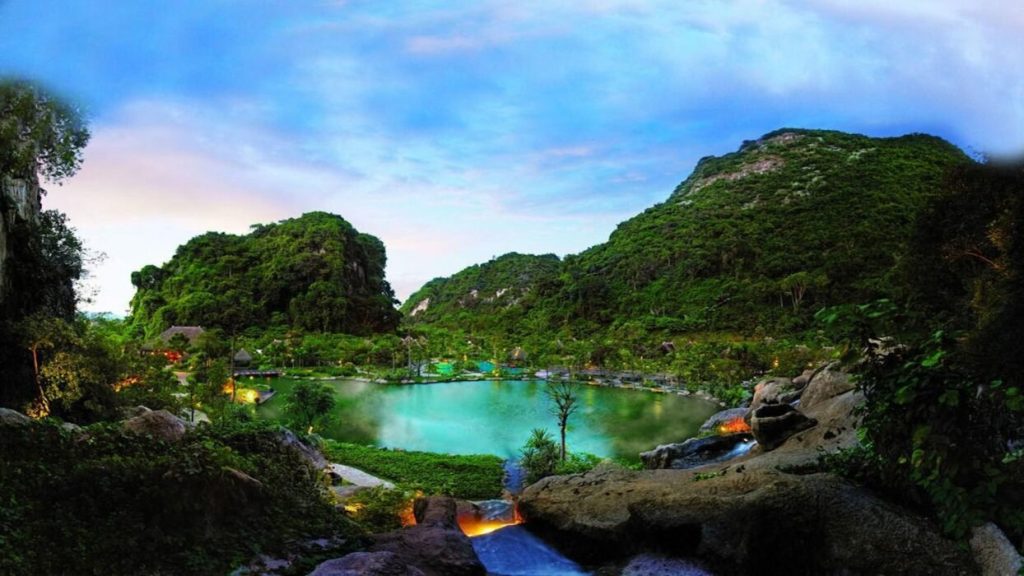
Lost World of Tambun
This is a theme park combining water slides, dry rides, natural hot springs and a wildlife section, all set against a genuinely dramatic backdrop of limestone karst formations.
- The water park side covers a wide range of slides and pools, with the hot spring section being a genuine standout. They have natural thermal water rather than a heated pool.
- Dry attractions include a range of rides suited to different age groups, alongside a petting zoo and other animal encounters for younger visitors.
- Tiger Valley, home to a number of tigers viewable from an elevated walkway, adds a wildlife element beyond the standard theme park format.
Split your day between the water park in the morning and the hot springs in the late afternoon, once the day's heat has started to ease. The contrast between cooling off in the slides earlier and easing into the warm springs later works better than doing both back-to-back.

Evening
An easy dinner near your accommodation closes out three days covering Old Town's heritage streets and murals, the cave temples, and a full day of rides and hot springs at Malaysia's most distinctive theme park setting.
Swap any day for one of these
The structure above suits most first-time visitors, but individual pieces are easy to swap.
Sam Poh Tong Cave Temple
Sam Poh Tong Cave Temple, in place of Kek Lok Tong on Day 2, for another of Ipoh's cave temples, this one with its own garden and a resident tortoise pond, a common alternative or addition if you'd rather see more than two temples.
Gunung Lang Recreational Park
Gunung Lang Recreational Park, added to Day 2's afternoon, for a lake and limestone hill setting with paddle boats. This is a quieter nature stop if the day's temples have left you wanting somewhere to sit and relax.
A day trip to the Cameron Highlands
A day trip to the Cameron Highlands, in place of Day 3, for tea plantations and cooler mountain air, roughly two to three hours from Ipoh, is worth considering if you'd rather trade the theme park for a longer nature-focused day.
Book Now →Getting Around
Ipoh's Old Town is genuinely walkable, while the cave temples and Lost World of Tambun sit outside the city centre and are best reached by taxi, ride-hailing app, or rental car.
| Route | Without a car | By car |
|---|---|---|
| Sultan Azlan Shah Airport to Ipoh Old Town | Ride-hailing app or taxi, about 20 to 25 minutes | About 20 to 25 minutes |
| Within Ipoh Old Town | Walking, 5 to 15 minutes between most points | Not worth driving |
| Old Town to Perak Tong Cave Temple | Ride-hailing app or taxi, about 15 to 20 minutes | About 15 to 20 minutes |
| Old Town to Kek Lok Tong Cave Temple | Ride-hailing app or taxi, about 15 to 20 minutes | About 15 to 20 minutes |
| Old Town to New Town | Walking across the river, about 10 to 15 minutes | About 5 to 10 minutes |
| Old Town to Lost World of Tambun | Ride-hailing app or taxi, about 15 to 20 minutes | About 15 to 20 minutes |
The Best Time to Visit Ipoh
Ipoh is warm and humid all year, so the season mostly decides how much rain you’ll walk through. That matters more than it might seem here, since this trip spends a full day on foot in Old Town, climbs exposed temple stairs, and finishes at an outdoor water park.
June to August
The driest stretch of the year, generally the most comfortable window for a trip with a fair amount of outdoor walking, both through Old Town and up to the cave temples' hillside viewpoints.
December to February
The wetter monsoon season on Malaysia's west coast, bringing more frequent rain, though Ipoh's inland position means it's typically less affected than coastal cities during this period.
March to May and September to November
Shoulder seasons, warm and humid year-round as is typical for the region, with a moderate chance of afternoon showers throughout.
Ipoh's climate stays warm and humid regardless of season, so pack for the possibility of rain whenever you visit rather than relying heavily on the calendar, particularly for Day 3's outdoor water park day.
Where to Stay
Old Town works well as a base for this itinerary, keeping Day 1's landmarks within walking distance and central for taxis or ride-hailing to everything else.
Old Town
It is the most central and practical option, walking distance to the railway station, Concubine Lane and the street art trail.
New Town
It is worth considering if you'd rather stay closer to modern shopping and a wider range of dining, still an easy walk or short ride from Old Town.
Near Lost World of Tambun
It is a reasonable option specifically if the theme park is your main priority, cutting down on Day 3's commute.
Ipoh 3-Day Itinerary FAQs
Is 3 days enough for Ipoh?
Yes, for the core experiences. Three days comfortably covers Old Town's heritage streets and murals, the city's best-known cave temples, and a full day at the Lost World of Tambun. It won't stretch to a Cameron Highlands day trip as well without displacing something else, so that's better suited to a longer trip.
Is the Lost World of Tambun open every day?
No, it's closed on Tuesdays, except when a Tuesday falls on a Malaysian public or school holiday. Check your Day 3 date against the calendar before finalizing this itinerary, and swap Day 2 and Day 3 around if needed so the theme park lands on a day it's actually open.
Which cave temple should I prioritize if I only have time for one?
Perak Tong suits visitors who want painted murals and a hillside climb with city views, while Kek Lok Tong suits those drawn to natural stalactite formations and a landscaped garden setting. Both are genuinely worth seeing if your schedule allows, but Kek Lok Tong's garden makes it a slightly easier recommendation for a single visit. It's also worth checking on arrival whether any sections are temporarily closed for maintenance, since this happens occasionally.
Is Ipoh's street art comparable to Penang's?
It's a genuine offshoot of the same movement, with several murals by the same artist who first made Penang's street art internationally known. Ipoh's collection is smaller in scale but still worth a dedicated afternoon, particularly around Kong Heng Square.
Is Lost World of Tambun worth a full day?
Yes, particularly once you factor in the water park, the hot springs, and Tiger Valley alongside the dry rides. The combination of a theme park with natural hot springs set against limestone cliffs is genuinely unlike anything else in the region, worth the full day rather than a rushed half-visit.
Do I need a car in Ipoh?
Not for Old Town itself, which is entirely walkable. The cave temples and Lost World of Tambun sit outside the city centre, and a taxi or ride-hailing app covers all of them comfortably without needing a rental car.
What is the best month to visit Ipoh?
June to August offers the driest conditions overall, a strong window for a trip involving this much outdoor walking, both through Old Town and up to the cave temples. Ipoh's climate stays warm and humid year-round regardless of season, so pack accordingly rather than relying heavily on the calendar.
Ready to book your three days?
Compare live prices on the Ipoh attractions worth booking ahead, with instant confirmation on your booking.