
Malacca 7-Day Itinerary: A Full Week in the Straits City
A week in Malacca stretches well past the old town walls and the two resort day trips most visitors settle for. This plan works through the compact colonial core, the wildlife parks outside the city, a coastal stretch most tourists skip entirely, and finally the temples and cemetery hill that trace the city's Chinese community back nearly four centuries. Seven days here means treating Malacca as a destination worth exploring properly rather than a quick two-night stopover on the way somewhere else.
- Old town, a zoo, and two A’Famosa days
- A tower, a floating mosque, and the coast
- Chinese heritage sites and a closing beach day
The plan at a glance
- Open with the colonial core. This includes Portuguese ruins, Dutch Square, and Jonker Street's antique shops, closing with a boat ride along the river after dark.
- A morning at Zoo Melaka, paced deliberately rather than crammed into a full day.
- Head north for the water park. Slides, pools and a lazy river at A'Famosa's resort grounds await you.
- Cover the landmarks Day 1 skipped: a ship-shaped museum, a rotating tower, and the coastline south of the city.
- Return to A'Famosa for animals instead of rides. Take a truck safari and a boat trip to see monkeys living free on their own island.
- Explore the country's oldest Chinese temple, a hillside cemetery, and a traditional Malay village nearby.
- Explore a glass-floored tower in the city centre, then a submarine museum and sunset at a beach further up the coastal corridor.
New to Malacca? Start with the city guide
Treat this page as your working plan for seven specific days. For a broader look at what Malacca actually offers, which sites justify the entry fee, and what else sits beyond this particular route, our complete Malacca city guide is worth a read first if your travel dates still have some flexibility.
Read our complete Malacca city guide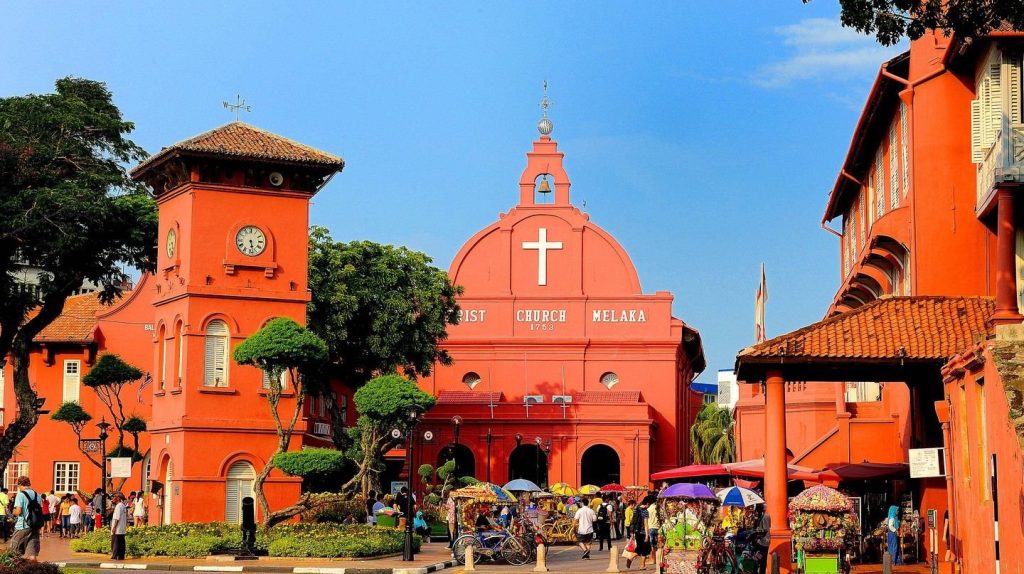
A Famosa and St Paul's Hill
Standing since 1511, the gateway known as Porta de Santiago counts among the oldest European-built structures anywhere in Southeast Asia, with St. Paul's Hill climbing directly up behind it.
- Reaching the summit brings you face-to-face with the crumbling shell of St. Paul's Church, its roof long gone, framing views back toward the city and out across the strait.
- A statue of the missionary Francis Xavier stands close to these ruins, adding real historical weight beyond the site's obvious photogenic appeal.
Tackle this stretch of walking in closed shoes rather than sandals. The stone paths leading up the hill have worn uneven over the centuries, and solid footwear makes the climb considerably easier on your ankles.
Christ Church and the Stadthuys
Two unmissable red buildings define Dutch Square, Christ Church, built during the 18th century as a Protestant place of worship, and the Stadthuys, once the nerve centre of Dutch colonial administration and often cited as the oldest surviving Dutch building anywhere east of Africa.
- Inside Christ Church, look up at the roof beam said to be carved from a single tree trunk, one of the building's more talked-about original features.
- The Stadthuys now functions as a museum tracing Malacca's story through each of its colonial rulers in turn.
Grab a seat on one of the benches ringing the square and simply watch the square for ten minutes before moving on. Between the trishaws, street performers and passing crowds, this spot reveals more of the city's everyday rhythm than the buildings themselves.
Jonker Street and the Baba Nyonya Heritage Museum
Perhaps the single most recognizable street in the city, this stretch of antique dealers, cafés and shophouses sits right at the heart of Malacca's Peranakan community.
- Set inside a lovingly restored 19th-century townhouse, the Baba Nyonya Heritage Museum offers a proper look at a culture born from the blending of Chinese and Malay customs.
- Even without stepping into the museum, wandering the street itself rewards a slow pace, small eateries and antique stalls filling both sides of the road.
Given six more days lie ahead, resist the urge to cram every shop and stall into this single visit. Save your return for whichever evening falls on a Friday, Saturday, or Sunday, when the night market completely reshapes the street.
Evening river cruise
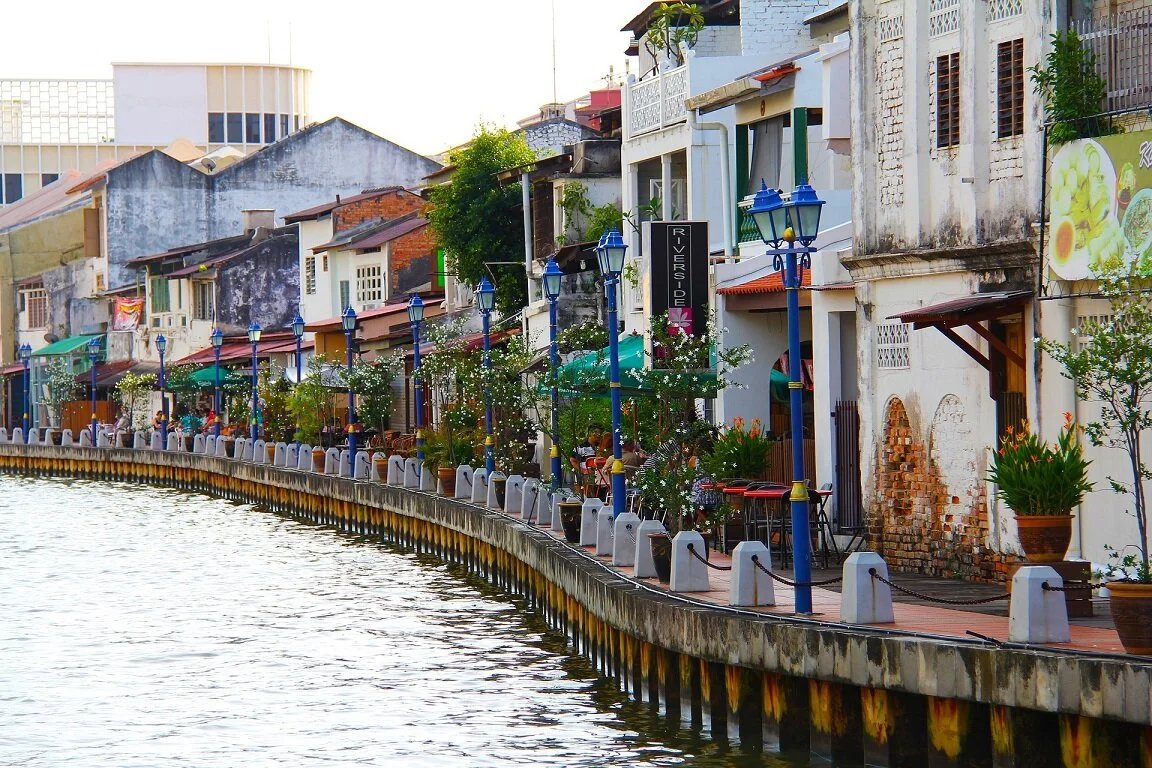
Round off the day on the water, a boat gliding along the Malacca River past murals, old warehouses turned into cafés, and buildings that light up as evening settles in.
- The street art covering these riverside walls has become one of the city's more talked-about modern additions, and it reads considerably better from a boat than from land.
- Catching an evening departure means seeing the same buildings you walked past all day lit up entirely differently once darkness falls.
Skip sitting right at the bow if the choice is yours. Seats further back sit further from the engine noise, which makes actually following whatever the guide happens to be pointing out considerably easier.
Evening
Dinner somewhere in the old town, drawing on the city's strong Peranakan food tradition, wraps up a first day spent almost entirely immersed in colonial history.
Zoo Melaka
Spread across roughly 54 acres in Ayer Keroh, this zoo brings together native Malaysian species and international ones alike, with a night safari option available for anyone keen to return once the sun's gone down.
- Open, naturalistic enclosures replace the cramped cages found in older-style zoos, a setup that suits the animals themselves as much as it suits the people walking through.
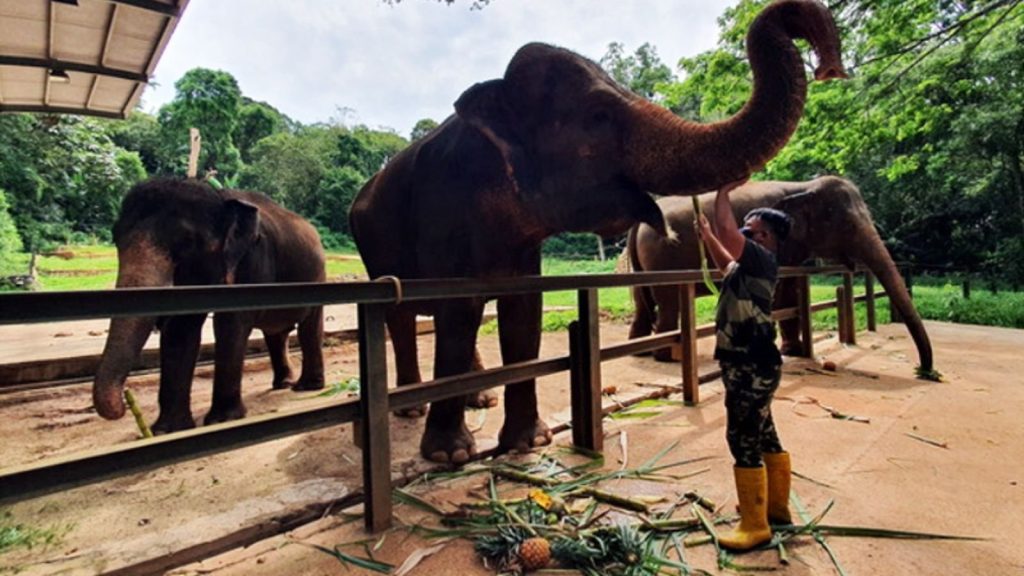
- Elephants, tigers, and a solid range of primates rank among the headline draws, with feeding sessions and keeper talks scheduled throughout the day.
- Given how much of the grounds sit exposed to direct sun with little cover, three to four hours strikes the right balance, plenty of time to see the main enclosures without tipping into genuine fatigue.
Skip trusting an online schedule for that day's feeding sessions and instead pick up a printed one right at the gate. On-site times occasionally shift, and the paper version generally reflects reality more accurately.

An open afternoon
Once the zoo wraps up in the early afternoon, treat the rest of the day as recovery rather than pushing straight into a second attraction.
- Head back into the old town for a relaxed café stop, or simply rest at your accommodation after a morning spent largely on your feet in the heat.
- With five more days still on the calendar, this is a fair window to explore nearby Ayer Keroh attractions if any energy remains.
Put this quiet stretch to practical use by mapping out tomorrow's route to A'Famosa, since it's the first stop this trip that sits genuinely outside the immediate old town area.
Evening
An easy dinner near your accommodation, or back among the old town's restaurants, closes a day built around what the zoo actually demands physically rather than forcing it into a full-day slot.

Getting there
A'Famosa Melaka Waterpark sits in Simpang Ampat, Alor Gajah, roughly 35 kilometres from the city centre.
- Actual drive time tends to run 35 to 45 minutes once traffic is factored in, longer than the raw distance would suggest, so leave with that buffer built into your morning.
- Since Day 5 brings a return trip to this same resort, pay attention to today's route now so the second journey feels considerably less unfamiliar.
A'Famosa Water Theme Park
Part of a much larger resort development, this water park spans 11 separate attractions across slides, pools, and rides. It is a solid choice for families or anyone chasing an active break mid-trip.
- Ride intensity varies widely, from gentle family slides through to the Tornado Chaser, marketed as Malaysia's first of its kind, so check each zone's posted operating hours at the entrance before mapping out a route.
- A lazy river, wave pools and a sandy stretch balance the day out, keeping things from feeling like an unbroken run of adrenaline.
Arrange your ride back before you've even finished for the day, rather than trying to flag one down cold once you're packing up. Cars heading toward central Malacca from this area can be genuinely hard to find as the afternoon wears on.

Evening
An easy dinner near your accommodation closes a day spent entirely in and around water.
The Maritime Museum
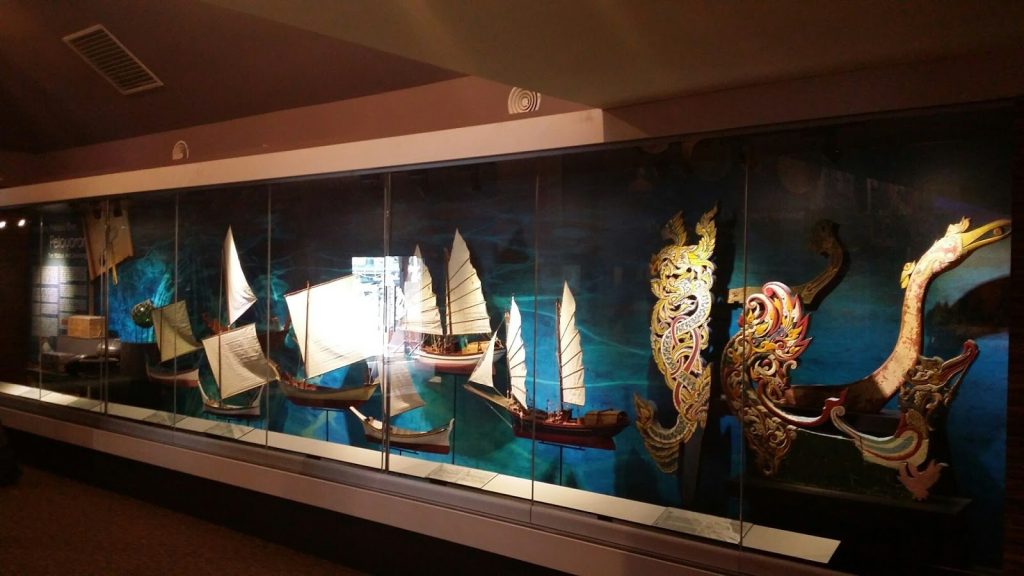
Housed inside a full-scale replica of the Flor de la Mar, a Portuguese trading vessel lost off Malacca's coast in the 1500s, this museum traces the city's rise as one of the region's most contested trading ports.
- Exhibits inside cover the spice trade and the parade of colonial powers who fought over control of the strait, filling in gaps that three days of walking past ruins alone can't quite explain.
- The ship replica itself deserves attention from outside as well. It is a genuinely striking structure sitting right by the river.
Visit here before heading up Taming Sari Tower rather than the other way around. Having this context fresh makes the panoramic view from up top considerably more meaningful once you can actually place what you're seeing.
Taming Sari Tower
Rising 110 metres across 24 storeys near the riverfront, this gyro tower offers a slow, rotating climb with a 360-degree sweep stretching roughly five kilometres across the city and out to the Straits of Malacca.
- From the top, you can pick out the Stadthuys, St. Paul's Hill, the State Mosque, and the strait itself, tying together nearly everything covered so far this week.
- The ride itself takes close to seven minutes and moves gently rather than shooting up like a standard lift. It is worth taking your time to look in every direction as it turns.
Book the earliest available slot the schedule allows. Haze tends to build over the strait as the day heats up, and morning rides consistently deliver sharper, clearer views than an afternoon booking.
Melaka Straits Mosque
Built on stilts just off the coast on an artificial island, this mosque appears to float above the water at high tide, making it a striking piece of modern religious architecture against the older buildings covered elsewhere this trip.
- The setting suits both sunrise and sunset particularly well, with the structure silhouetted against the Straits of Malacca at either end of the day.
- Being an active place of worship, the same modest dress expectations apply here as everywhere else in Malaysia.
Check the tide chart before setting off if the floating illusion specifically draws you here. Low tide pulls the water back considerably, and much of the visual drama disappears along with it.
The Portuguese Settlement
South of the centre in Ujong Pasir, this neighbourhood remains home to the Kristang people, descended from Portuguese settlers who intermarried with local Malays centuries back.
- Food stalls set up in the main square come evening, offering a genuinely different culinary tradition to the Peranakan cooking dominating meals so far this week.
- Kristang language and customs continue here in a way found nowhere else in the country, worth exploring beyond just the food.
Time this visit for early evening specifically rather than mid-afternoon. The square only really comes alive once the food stalls start setting up, and a daytime visit misses most of what makes the neighbourhood worth the detour.
Evening
Dinner at the Portuguese Settlement's stalls closes a day spent filling in the coastal and colonial gaps left over from earlier in the week.
Getting there
A'Famosa Safari Wonderland sits within the same broader resort complex visited on Day 3, connected to the water park by a complimentary shuttle if you're already on-site.
- Travelling from central Malacca rather than the resort itself means the same 35- to 45-minute drive covered earlier this week.
- Having already made this trip once, today's journey should feel a good deal more routine than the first go-round.
A'Famosa Safari Wonderland
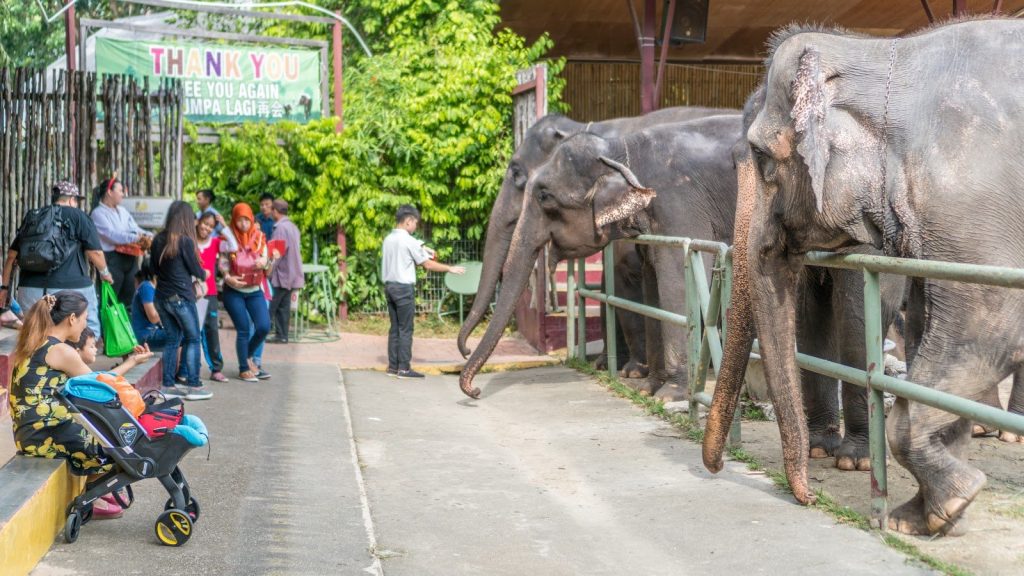
More than 100 species roam across a genuinely spacious, well-kept safari-style park, trading Zoo Melaka's walk-through format for a truck-based safari through open terrain.
- A guided safari truck carries visitors through open savannah sections, with animal handlers on hand while tigers, giraffes, elephants and more move freely within view.
- A short boat ride out to Monkey Island, in the middle of the resort's lake, adds gibbons, lemurs and capuchins to the mix, a different kind of encounter entirely to the truck safari.
- Scheduled shows run continuously through the day, including bird displays, a multi-animal performance and an elephant show among them. It is worth checking the timetable at the entrance to structure your visit around.
Pack your own snacks if you're fussy about food. On-site options lean toward pre-packaged local snacks rather than a proper restaurant spread, which is worth knowing before you're several hours in and genuinely hungry.
Evening
A final dinner wherever suits you closes a day spent watching wildlife roam rather than watching people ride slides.
Cheng Hoon Teng Temple
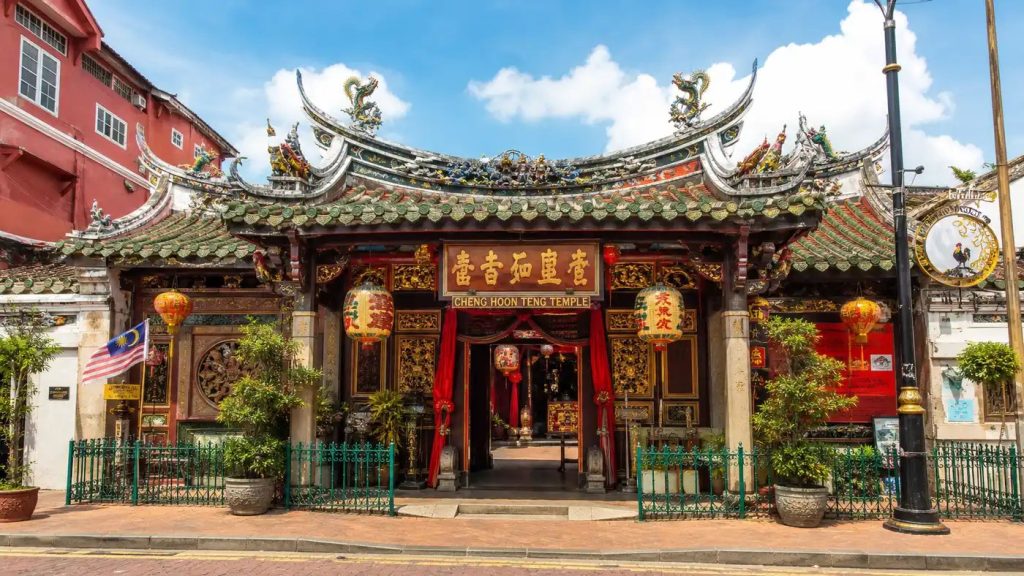
Dating to the mid-1600s, this stands as Malaysia's oldest continuously operating Chinese temple, dedicated to Kuan Yin, the Goddess of Mercy, and still a working place of worship for the Hokkien and Cantonese communities.
- Intricate wood carvings, ceramic tilework and ornate statues throughout reflect a blend of Chinese, Malay and even Portuguese design influences, showing a physical record of the multicultural exchange that's shaped the city since its founding.
- The temple grounds accommodate Taoist, Confucian and Buddhist worship side by side, giving a genuine example of the religious tolerance Malacca is often praised for.
Come early on a weekday morning if you want the halls at their quietest. Weekends draw noticeably heavier crowds, particularly around major festival dates on the Chinese lunar calendar.
Bukit China
A short walk from the temple, this hillside stands among the oldest and largest historic Chinese burial grounds anywhere in Southeast Asia, its slopes covered with graves dating back several centuries.
- Rather than a single dramatic monument, the appeal here lies in the sheer scale and quiet of the place. Experience a genuinely different pace to anywhere else covered this week.
- Paths wind up through the grounds, offering views over parts of the surrounding city as you climb.
Treat this stop with the same quiet respect you would any active cemetery. It's tempting to treat it purely as a scenic walk, but families still visit graves here regularly, and a considerate pace matters.
Kampung Morten
Crossing back toward the river, this traditional Malay village sits preserved right within the city, its raised wooden houses offering a different architectural style to anything covered in the colonial core.
- Several of the older houses remain occupied, giving the village a lived-in feel rather than the museum-piece atmosphere of some heritage sites.
- A walk along the riverside path here connects naturally back toward the old town, making it an easy way to close out the afternoon without arranging separate transport.
Ask politely before photographing any of the occupied houses up close. Residents here are generally welcoming, but treating it as a living neighbourhood rather than a photo backdrop goes a long way.
Evening
Dinner back in the old town closes a day spent tracing four centuries of Chinese presence in the city, from an active temple through to a quiet hillside cemetery and a still-lived-in village.
The Shore Sky Tower
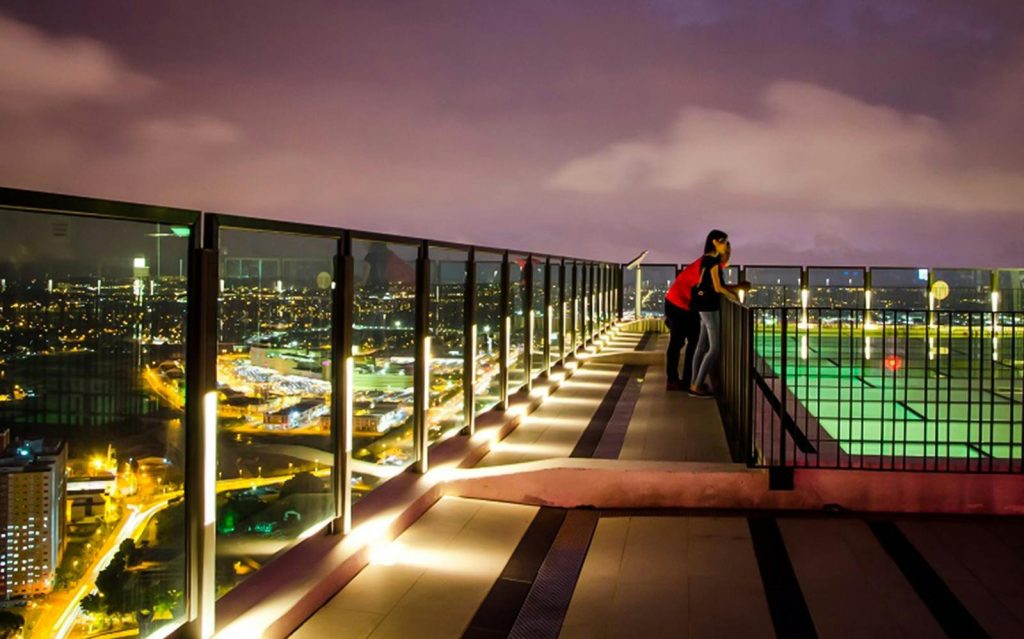
Standing in central Malacca's Bunga Raya area among the city's tallest modern buildings, this observation deck offers a contemporary counterpoint to Taming Sari Tower's older, gyro-style design, with a glass floor section for anyone comfortable with heights.
- Views from up here stretch across both the city and out toward the coastline. You get to see a different angle compared to what Day 4's tower delivered.
- Since this sits within a considerably more modern part of the city, the contrast with the old town's heritage buildings is worth noting as you look down.
Wear socks if you're planning to step onto the glass floor section specifically. Bare feet or sandals against glass tend to leave visible marks, and most venues like this ask visitors to remove shoes before crossing it.
Malacca Submarine Museum
Built around a decommissioned submarine, this museum sits up in the Pantai Kundor area near Klebang, roughly 10 to 12 kilometres north of The Shore Sky Tower. It is an unusual stop compared to anything else covered across this trip.
- Walking through the submarine's original compartments gives a real sense of how cramped and utilitarian life aboard one actually was.
- Exhibits surrounding the vessel cover broader naval history, which is useful context if the submarine itself only whets your appetite for more.
Budget the full drive time getting here from The Shore Sky Tower rather than assuming it's a quick hop. This is a genuine trip up the coast, not a short taxi ride, so build that into your midday timing.
Klebang Beach at sunset
Sitting just along the coast from the Submarine Museum, Klebang Beach offers a genuinely quiet, local alternative to the more built-up attractions covered earlier this week.
- Coconut trees line much of the shore here, and a scattering of casual food stalls, including stands known locally for coconut shakes, sets up as evening approaches, a low-key way to close out a full week.
- Sunset over the Straits of Malacca from this stretch of sand rounds out the trip on a considerably calmer note than the city's busier landmarks.
Since this beach sits right by the Submarine Museum, stay in the area rather than heading back into town and returning later. Arrive with enough time to walk the beach before the light fades, since the stretch itself is longer than it first appears from the road.
Evening
A final, relaxed dinner near the beach closes out seven days that moved through colonial ruins, two very different resort visits, coastal landmarks, and the layered history of the city's Chinese community, a considerably fuller picture of Malacca than a short weekend trip ever allows.
Swap any day for one of these
The week above suits travellers chasing the fullest possible look at Malacca and its surroundings, though individual days shift around without much trouble.
Encore Melaka
Encore Melaka, a rotating theatre production on the waterfront, worth adding to any evening this week if a scripted cultural performance appeals more than another dinner spent wandering.
Book Now →Taman Mini Malaysia & ASEAN Cultural Park
Taman Mini Malaysia & ASEAN Cultural Park, near Zoo Melaka in Ayer Keroh, worked into Day 2's open afternoon, for scaled replicas of traditional houses drawn from across Malaysia and the wider region.
Night Safari at Zoo Melaka
Night Safari at Zoo Melaka, in place of Day 2's morning visit, if seeing nocturnal species active appeals more than a daytime walk through the same grounds.
The Upside Down House or an illusion art museum
The Upside Down House or an illusion art museum, added to Day 6 or Day 7 for a lighter, purely playful stop if a full week of heritage and history calls for a genuine break in tone.
Getting Around
Malacca's old town covers itself easily on foot, while Zoo Melaka, A'Famosa Resort, the coastal landmarks and Klebang Beach all sit outside the centre and are best reached by taxi, ride-hailing app, or rental car.
| Route | Without a car | By car |
|---|---|---|
| Kuala Lumpur (TBS) to Malacca Sentral | Express bus, about 2 to 2.5 hours | About 2 hours |
| Malacca Sentral (bus terminal) to the old town | Ride-hailing app or local bus, about 15 to 25 minutes | About 15 to 20 minutes |
| Within Malacca’s old town | Walking, 5 to 15 minutes between most points | Not worth driving |
| Old town to Zoo Melaka (Ayer Keroh) | Ride-hailing app or taxi, about 20 to 25 minutes outside peak traffic | About 20 to 25 minutes |
| Old town to A’Famosa Resort (Simpang Ampat) | Ride-hailing app or taxi, with the return trip pre-booked, about 35 to 45 minutes | About 35 to 45 minutes |
| A’Famosa Water Park to Safari Wonderland (same resort) | Complimentary resort shuttle, about 10 to 15 minutes | About 10 to 15 minutes |
| Old town to Melaka Straits Mosque | Ride-hailing app or taxi, about 20 to 25 minutes | About 20 to 25 minutes |
| Old town to the Portuguese Settlement | Ride-hailing app or taxi, about 15 to 20 minutes | About 15 to 20 minutes |
| Old town to Cheng Hoon Teng Temple and Bukit China | Walking, or a short ride-hailing trip, about 10 to 15 minutes | About 10 to 15 minutes |
| Old town to The Shore Sky Tower (central Malacca) | Ride-hailing app or taxi, about 10 to 15 minutes | About 10 to 15 minutes |
| The Shore Sky Tower to the Submarine Museum and Klebang Beach | Ride-hailing app or taxi, about 20 to 30 minutes | About 20 to 30 minutes |
The Best Time to Visit Malacca
A full week in Malacca spends most of its daylight outdoors, from St. Paul’s Hill and two resort days to a hillside cemetery and a beach sunset on Day 7. The season mostly decides how much rain gets in the way, while the floating mosque on Day 4 depends on the tide rather than the weather, so that visit needs its own kind of planning regardless of when you go.
June to August
The driest stretch of the year, generally the most comfortable window for a week involving this much outdoor walking, from the old town through to Klebang Beach on Day 7.
December to February
The wetter monsoon season on Malaysia's west coast, bringing more frequent rain, though shorter downpours rarely derail a full day's plans.
March to May and September to November
Shoulder seasons, warm and humid throughout as is typical for the region, with a moderate chance of afternoon showers scattered across most weeks.
Given how much of this particular week sits outdoors, between two full resort visits, a hillside cemetery and a beach sunset, pack for rain regardless of which month you travel rather than trusting the seasonal averages entirely.
Where to Stay
Malacca's old town works well as a base for most of this itinerary, keeping Day 1's landmarks within walking distance and central for taxis or ride-hailing to everything else.
Old Town or Jonker Street area
They are the most central and practical option, within walking distance to A Famosa, Christ Church, Jonker Street and Cheng Hoon Teng Temple.
Riverside
It is worth considering for easy access to Day 1's evening cruise and the murals lining the water.
Near A'Famosa Resort
It is a reasonable option specifically given the two separate visits this week, cutting down considerably on both Day 3 and Day 5's commute.
Malacca 7-Day Itinerary FAQs
Is a full week too long for Malacca?
Not if you're using the extra days for genuinely different territory, as this itinerary does throughout. A second A'Famosa visit for the safari rather than the water park, a full day tracing Chinese heritage, and a closing day along a quieter stretch of coastline all cover ground a shorter trip simply skips past.
Why visit A'Famosa Resort twice instead of combining both attractions into one day?
The water park and Safari Wonderland are each substantial enough to fill a full day on their own. Cramming both into a single visit means rushing at least one, so spreading them across Day 3 and Day 5 lets each get the time it deserves.
Is Bukit China really the largest Chinese cemetery outside mainland China?
Not quite, though it's still genuinely significant, one of the oldest and largest historic Chinese burial grounds anywhere in Southeast Asia. A few other sites in the region exceed it in total land area, but its age and scale still make it well worth the visit.
Are The Shore Sky Tower, the Submarine Museum and Klebang Beach all close together?
Not entirely. The Shore Sky Tower sits in central Malacca, while the Submarine Museum and Klebang Beach cluster together roughly 10 to 12 kilometres further north near Klebang. Treat Day 7 as two separate stops geographically, a city-centre morning followed by a coastal afternoon and evening, rather than one continuous loop.
Do I need a car in Malacca?
Not for the old town itself, which is entirely walkable. Zoo Melaka, A'Famosa Resort, the coastal landmarks and Klebang Beach all sit outside the city centre, and a taxi or ride-hailing app covers each comfortably without needing a rental car.
What is the best month to visit Malacca for a full week?
June to August offers the driest conditions overall, a strong window given how much of this itinerary happens outdoors, from old town walking to two full resort days and a beach sunset to close things out. Malacca stays hot and humid year-round regardless of season, so pack for rain whenever you travel.
Ready to book your seven days?
Compare live prices on the Malacca attractions worth booking ahead, with instant confirmation on your booking.