Hanoi does not ease you in gently. You step out of the airport or off the train, and within the first five minutes, you are already in the middle of it: the motorbike swarm, the steam from a pho pot, and the incense drifting out of a temple doorway onto a street that looks like nothing has changed in fifty years. It is the kind of city that makes you forget what you were doing before you arrived.
Vietnam’s capital is one of the oldest cities in Southeast Asia, over a thousand years old, and still carrying every era of that history in its streets. French colonial boulevards lined with tamarind trees. A 36-street Old Quarter, where each street was once dedicated to a single trade and still largely is. The Ho Chi Minh Mausoleum, where the revolutionary leader lies in state. Hoan Kiem Lake, the geographical and emotional centre of the city, where people come to walk, to exercise, to sit, and to watch the day pass. And alongside all of that history: a coffee culture that is entirely its own, a street food scene that consistently places among the best in Asia, and an increasingly confident contemporary art and nightlife scene that is catching the attention of travelers who know what they are looking for.
Give Hanoi three days minimum. The city rewards slow exploration more than almost anywhere else in Vietnam.
Hanoi City Essentials
Entry Requirements for Hanoi
Most visitors to Vietnam need a visa. The most convenient option for most nationalities is the Vietnam e-Visa, which is single or multiple entry, valid for up to 90 days, and obtained entirely online through the official immigration portal (evisa.xuatnhapcanh.gov.vn) before arrival. Its processing typically takes three business days.
Citizens of a growing number of countries also qualify for visa exemption for shorter stays (ranging from 15 to 45 days), including South Korea, Japan, several European countries, and others. The list is expanding, so make sure to check the current exemption list at the official Vietnam immigration website before travelling.
Indian nationals currently require a Vietnam e-Visa for most purposes. Visa-on-arrival is also possible but requires a pre-arranged approval letter.
All visitors must also complete a Vietnam e-customs declaration before arrival if required. Check the latest requirements at the Vietnam Ministry of Public Security’s official immigration portal (immigration.gov.vn) before travelling, as digital pre-arrival processes continue to evolve.
Where to Stay in Hanoi
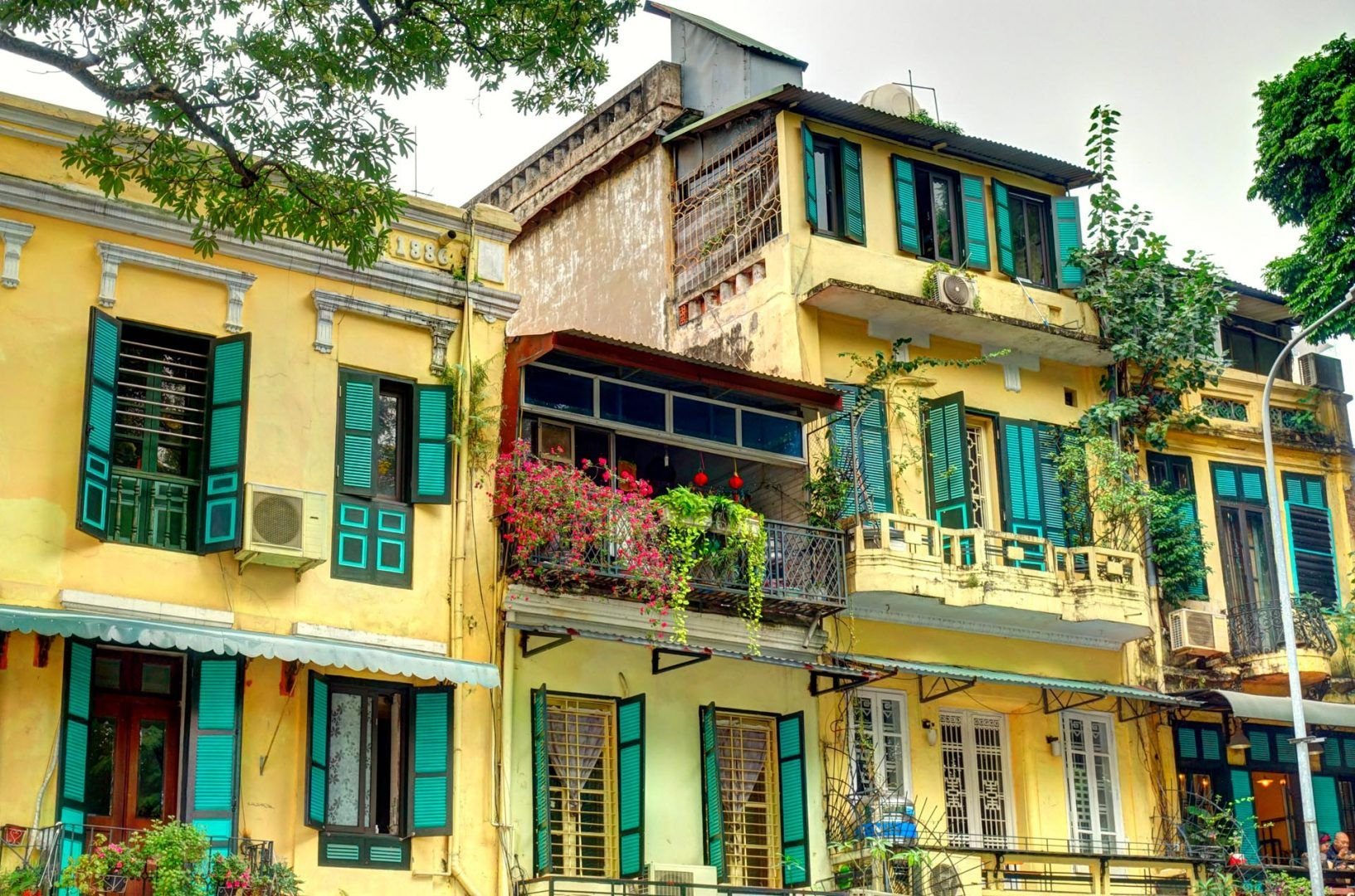
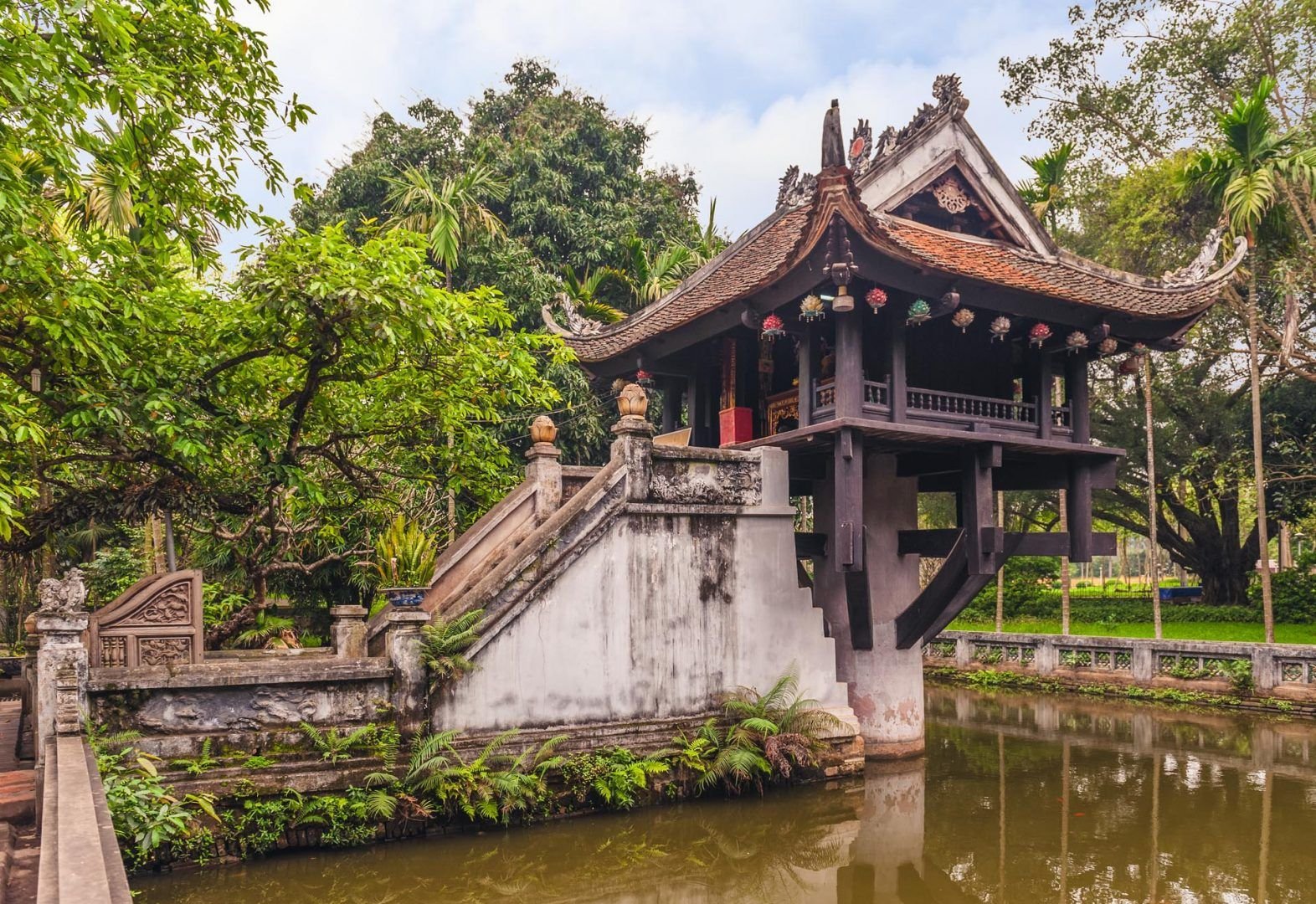
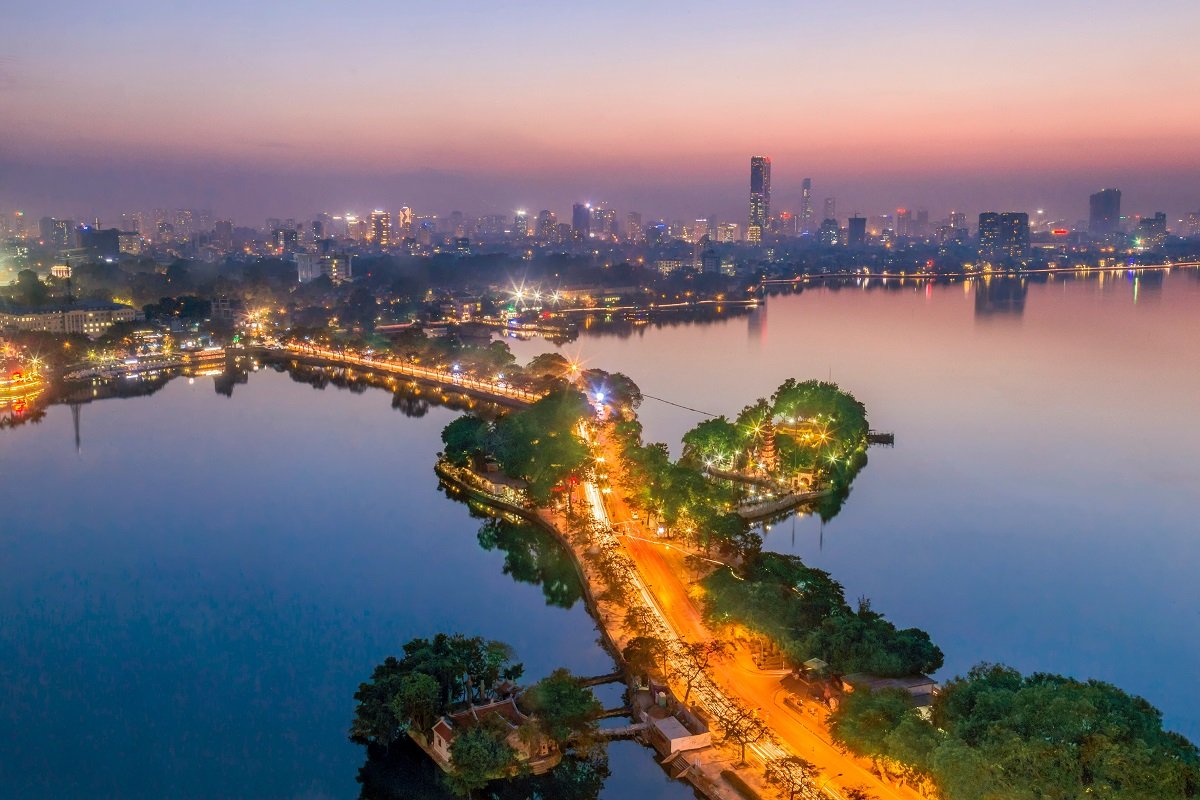
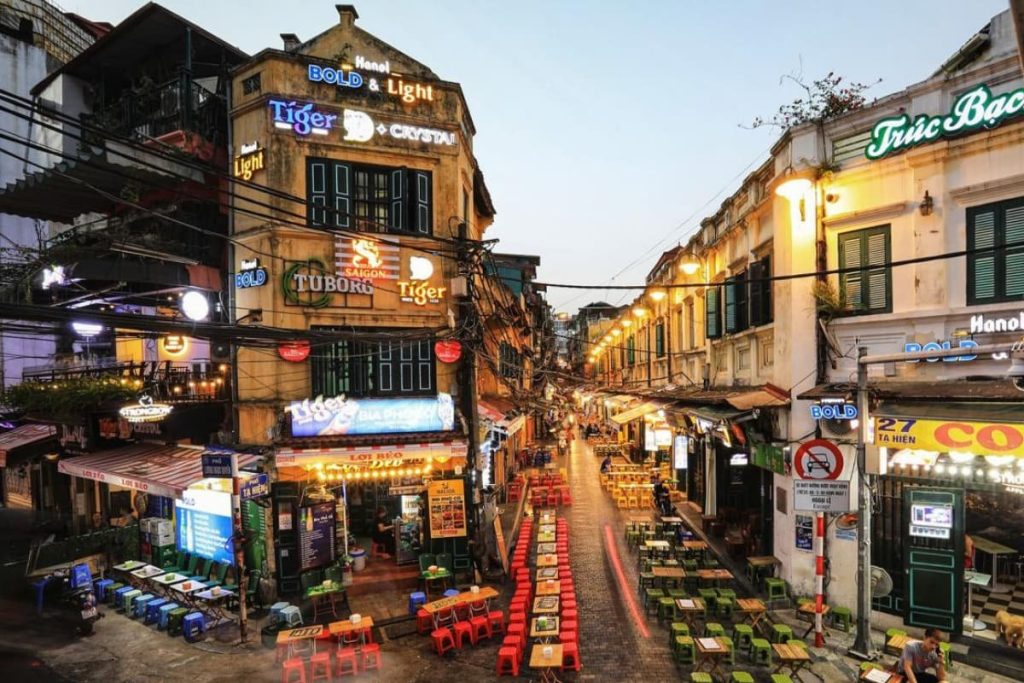
- The Old Quarter (Hoan Kiem District) is where almost every first-time visitor should base themselves. It puts you within walking distance of Hoan Kiem Lake, the 36 streets of the trading quarter, the best street food, the city's most celebrated temples, and the majority of the tour operators running day trips to Ha Long Bay and beyond. Guesthouses, boutique hotels, and mid-range properties are densely concentrated here. The streets around Hang Bac, Ma May, and Ta Hien (known informally as Beer Street) are the most central.
- The French Quarter (Hoan Kiem / Ba Dinh border) has wider streets, colonial architecture, and a slightly quieter atmosphere than the Old Quarter's narrow lanes. The Sofitel Legend Metropole Hanoi on Ngo Quyen Street is the most famous hotel in Vietnam, a grand colonial property operating since 1901, and the city's most iconic luxury stay.
- Ba Dinh District is further from the Old Quarter's tourist density and suits visitors who want to base themselves near the Ho Chi Minh Mausoleum, the Temple of Literature, and the Museum of Ethnology. It is quieter and more residential, with good mid-range hotel options.
- Tay Ho (West Lake) is the expat neighbourhood, built around the shores of Ho Tay, Hanoi's largest lake. Restaurants, cafes, and bars here serve a mix of Vietnamese and international food, and the neighbourhood has a calmer, more spacious feel than the centre.
Getting There and Getting Around
Flying in: Noi Bai International Airport (HAN) is 45 km north of the city centre. The most convenient option to the city is the Vietnam Airlines Minibus or a Grab car booked through the app before you exit the terminal. The journey takes about 45 to 60 minutes, depending on traffic. Metered taxis are available at the official taxi stands. Use Vinasun or Mai Linh taxis and confirm the meter is running before setting off. Try to avoid unofficial taxis soliciting passengers inside the terminal.
Getting around once you're there:
- Grab: Download the Grab app before you arrive. It is the most reliable, safest, and most transparent way to get around Hanoi, with GrabCar and GrabBike options. GrabBike (motorbike) is the fastest option for short distances in traffic.
- Metered taxis: Vinasun and Mai Linh are the most reliable companies. Always confirm the meter is running and have small-denomination bills ready. Avoid taxis without visible company branding.
- Cyclo: The traditional three-wheeled pedal rickshaw is a slow, atmospheric way to explore the Old Quarter streets. Negotiate the fare before setting off and agree on both the route and the time. They are best for short scenic circuits rather than practical transport.
- Walking: The Old Quarter and the streets around Hoan Kiem Lake are best explored on foot. The traffic can be intimidating at first, but the key is to walk slowly and steadily and let the motorbikes navigate around you. Do not run and do not stop suddenly.
- Metro: Hanoi now has two operational metro lines: Line 2A (Cat Linh to Ha Dong, opened 2021) and the elevated section of Line 3 (Nhon to Hanoi Station, opened 2024). Neither line runs directly through the Old Quarter tourist hub, but Line 3 stops at Hanoi Station and Line 2A connects southwestern districts. For most tourist journeys, Grab remains more practical.
Traffic note: Hanoi's Old Quarter traffic is dense and motorbike-dominated. Nothing about it is intuitive when you first arrive. Give yourself half a day to adjust before attempting complex navigation, and use Grab for the first few journeys until you have your bearings.

Hoan Kiem Lake and the Old Quarter
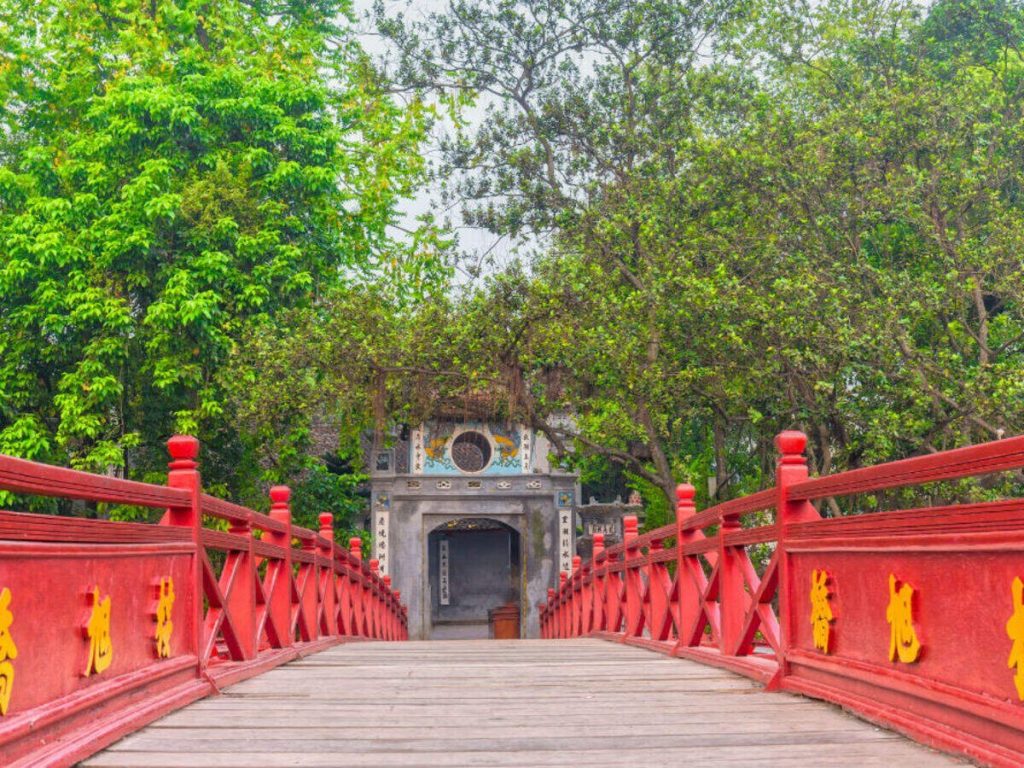
Hoan Kiem Lake (Lake of the Restored Sword) is the geographical and emotional heart of Hanoi, a lake of legend and daily life, sitting at the junction of the Old Quarter and the French Quarter.
Legend holds that a magical sword given to King Le Loi was reclaimed by a giant golden turtle after he used it to drive out Chinese invaders in the 15th century. The lake takes its name from this story, and a real Yangtze giant softshell turtle (affectionately known as Cu Rua) did live in the lake for generations, becoming a beloved symbol of Hanoi. Cu Rua died in January 2016, and its embalmed body is now on display inside Ngoc Son Temple, where it remains an object of reverence.
The red Huc Bridge leads from the lakeside to Ngoc Son Temple on a small island, dedicated to a 13th-century military hero and several other figures from Vietnamese tradition. The temple is small and beautiful, its incense smoke mixing with the lake breeze in a way that makes it one of the most atmospheric spots in the city.
Entry costs a few thousand dong. Visit early in the morning when the lake is full of people doing tai chi, aerobics, and walking circuits in the low light.
The 36 Streets of the Old Quarter stretch north from Hoan Kiem Lake in a dense grid that was once organized by craft: Hang Bac for silver, Hang Ma for paper goods, Hang Chieu for mats, Hang Gai for silk, and so on.
The names remain even where the original trades have given way to tourist shops, cafes, and pharmacies. Wandering without a map, following whichever sound or smell catches your attention, is the only correct approach to the Old Quarter.
Historical and Cultural Sites in Hanoi
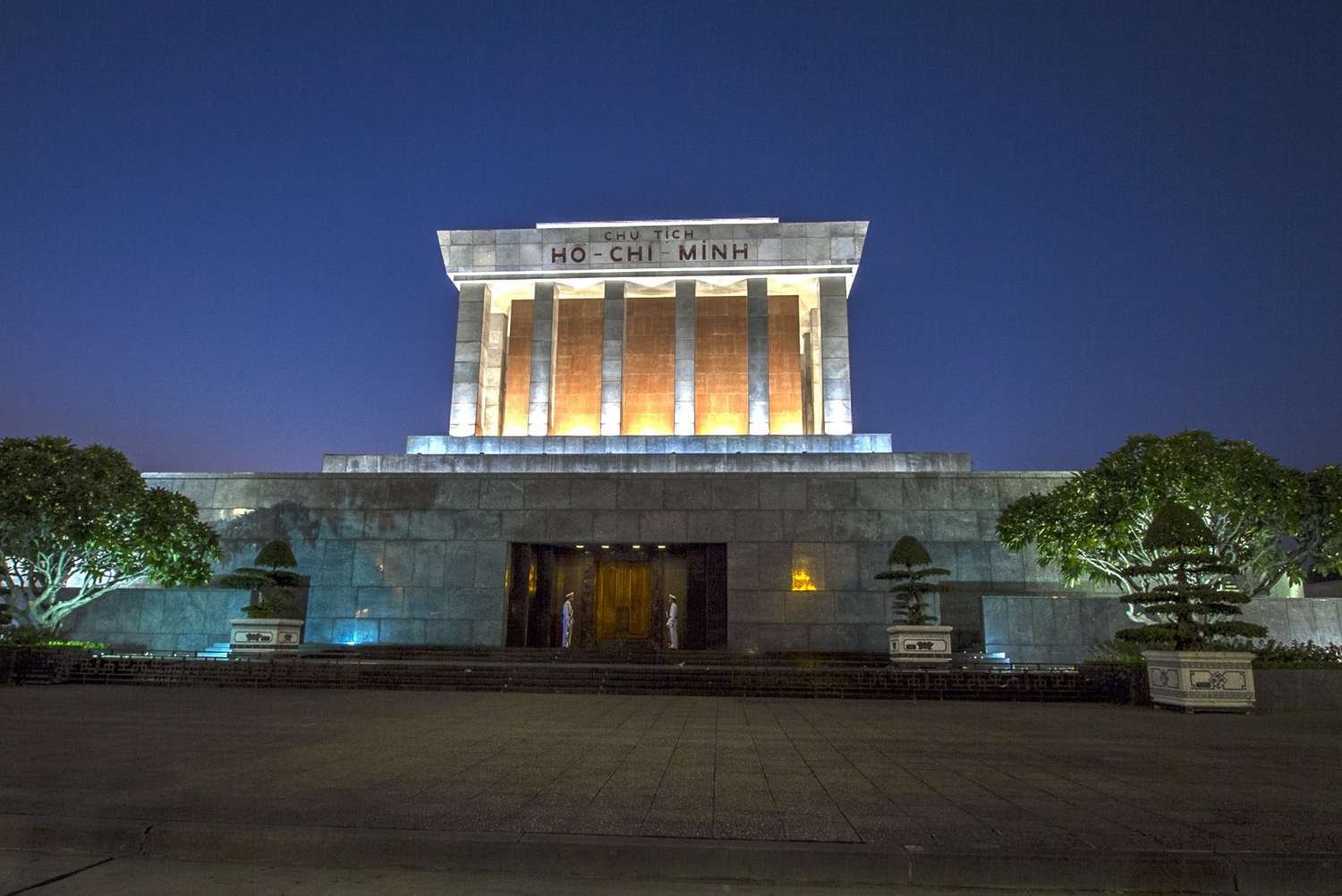
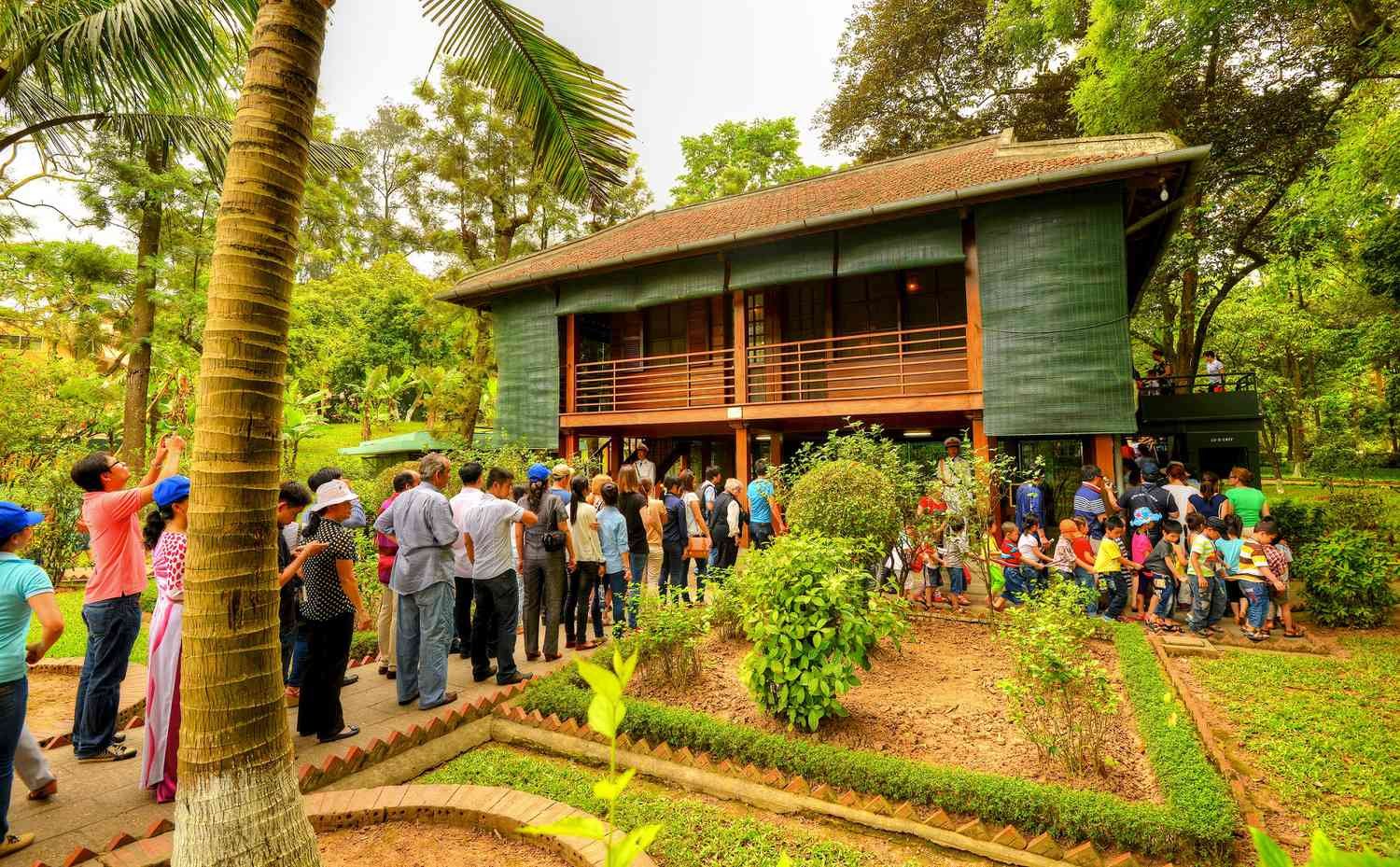
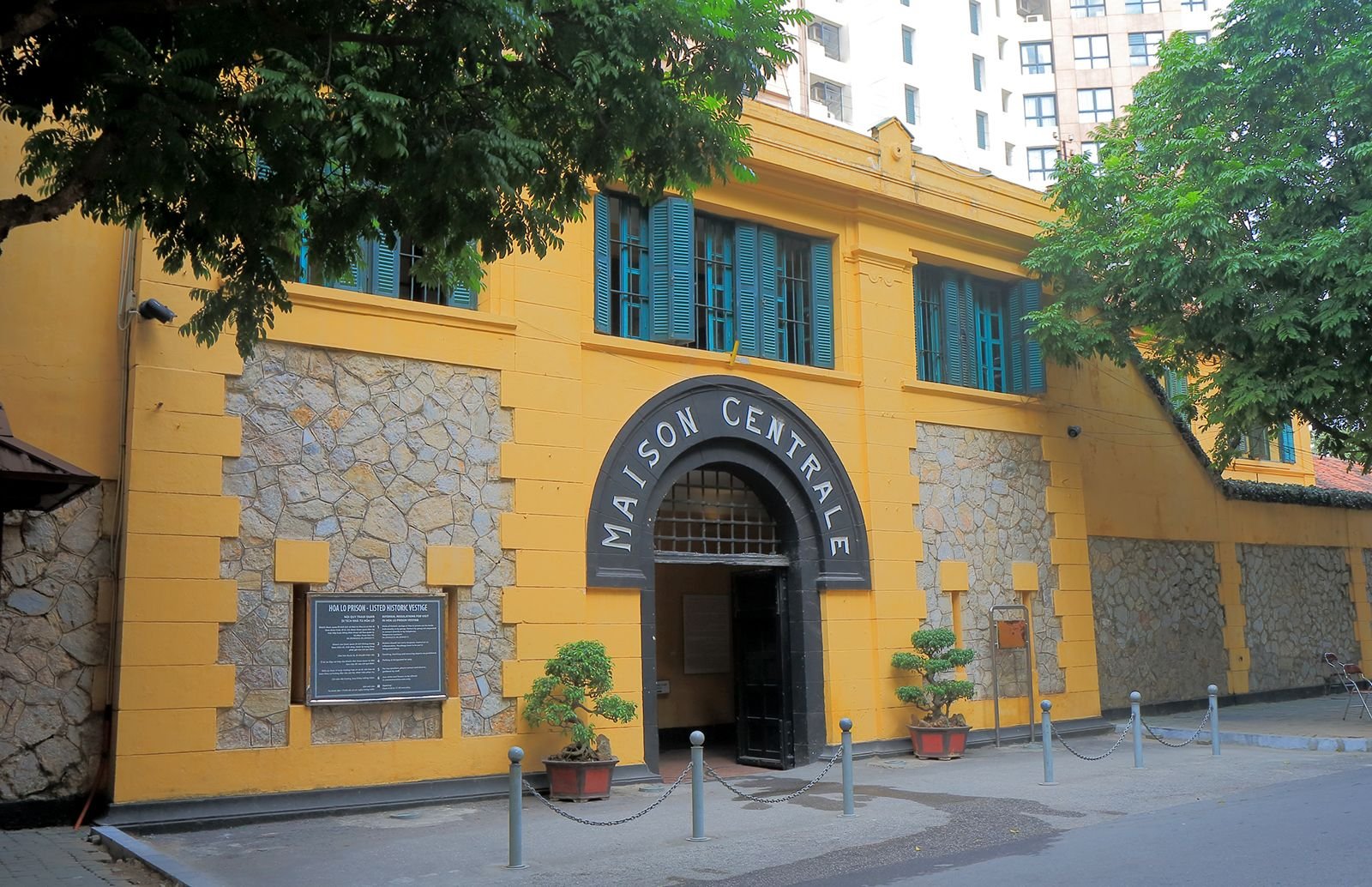
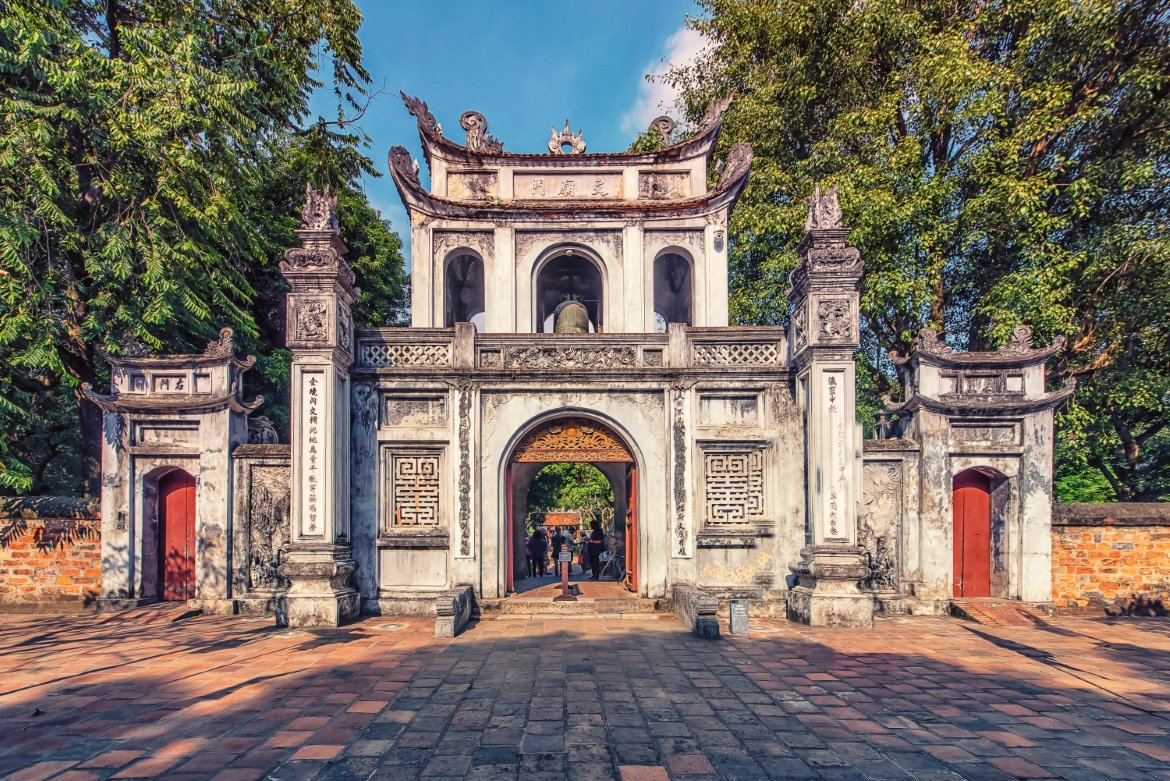
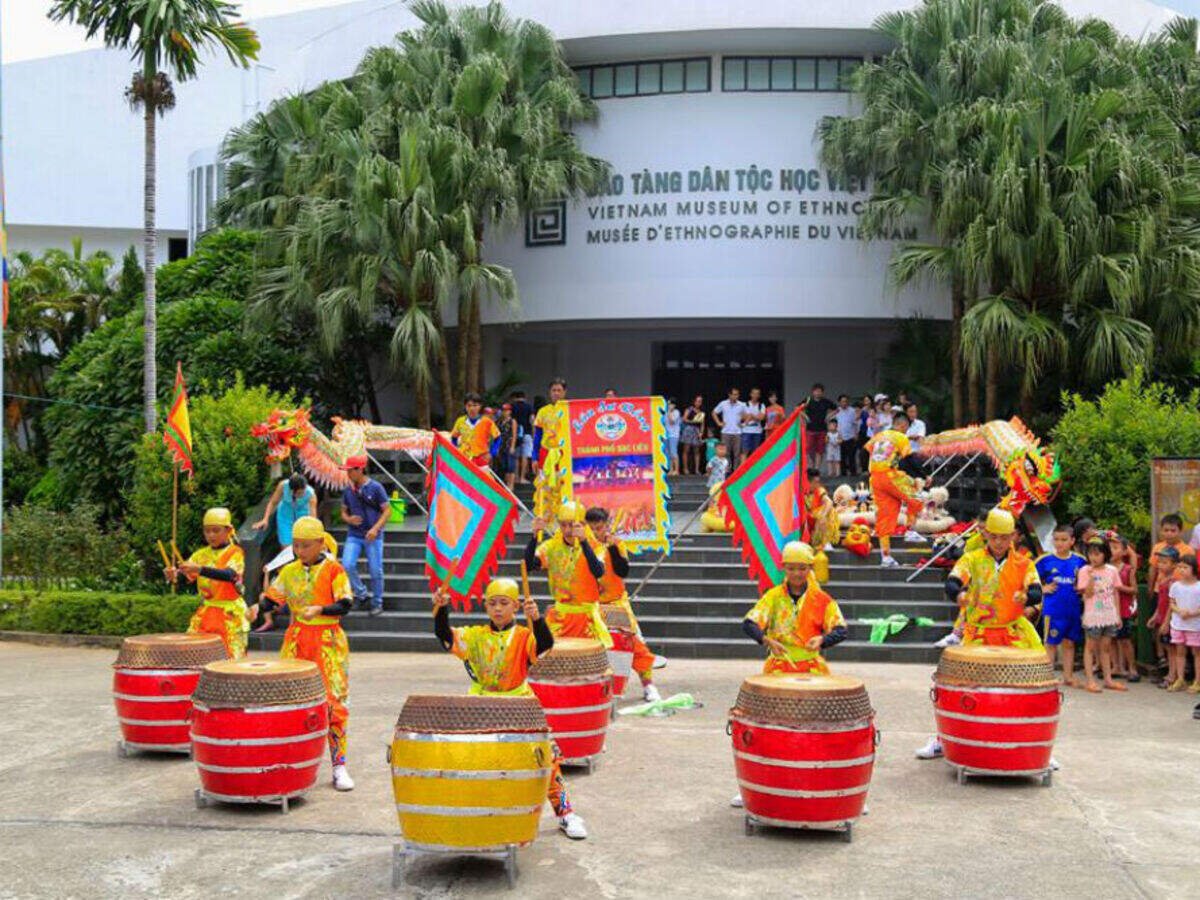
The Ho Chi Minh Mausoleum is the most solemn and significant site in Hanoi, where the preserved body of Ho Chi Minh, the revered leader of the Democratic Republic of Vietnam, lies in state in a granite building on Ba Dinh Square, where he declared independence in 1945. Entry is free here, and visitors are expected to dress modestly (no shorts or sleeveless shirts), walk in single file, remain silent, and keep moving.
Photography inside the mausoleum chamber is not permitted. The mausoleum is closed from September to November for annual maintenance, when the body is sent to Russia for preservation work. Make sure to check the dates before planning your visit around it.
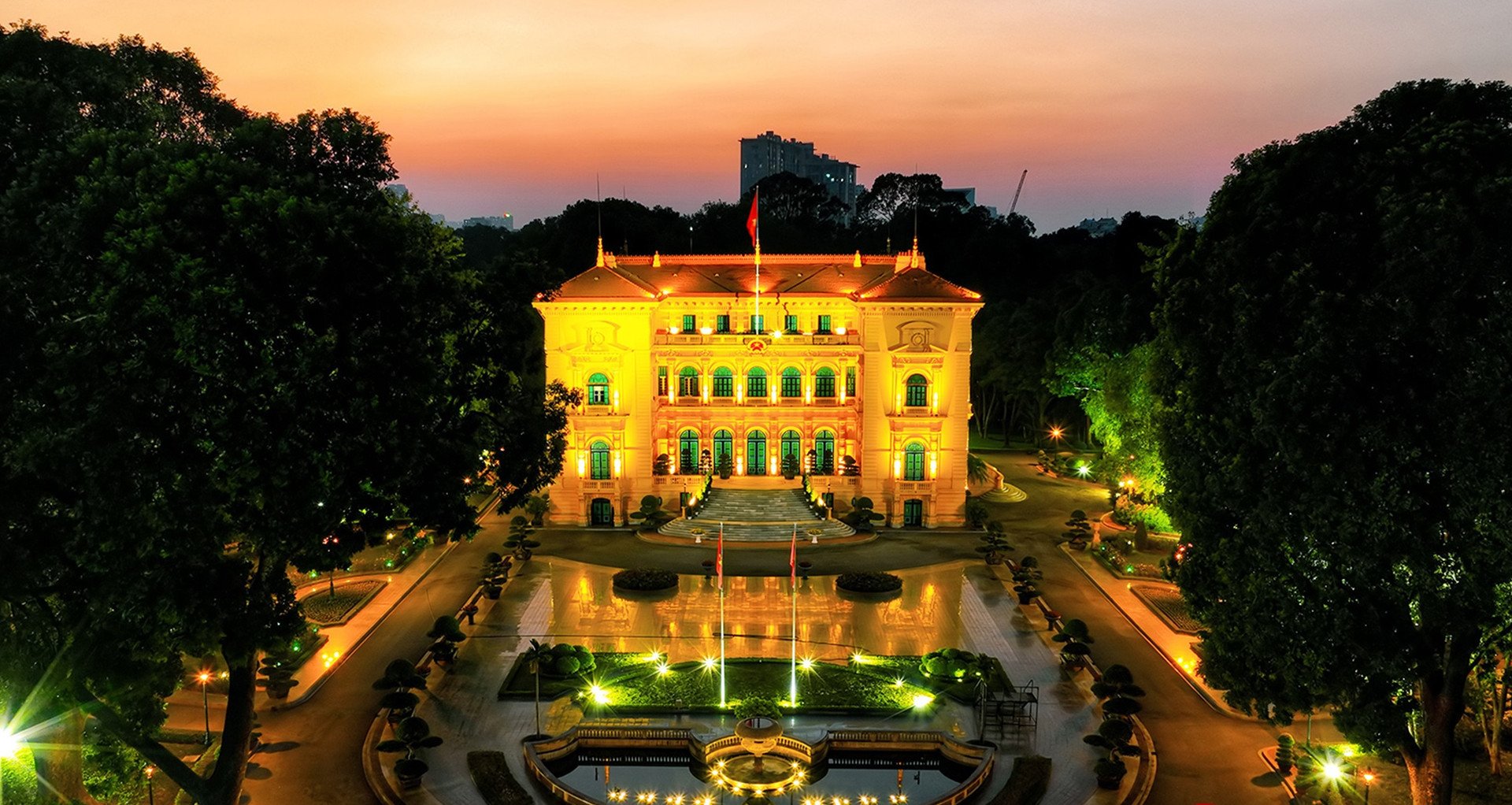
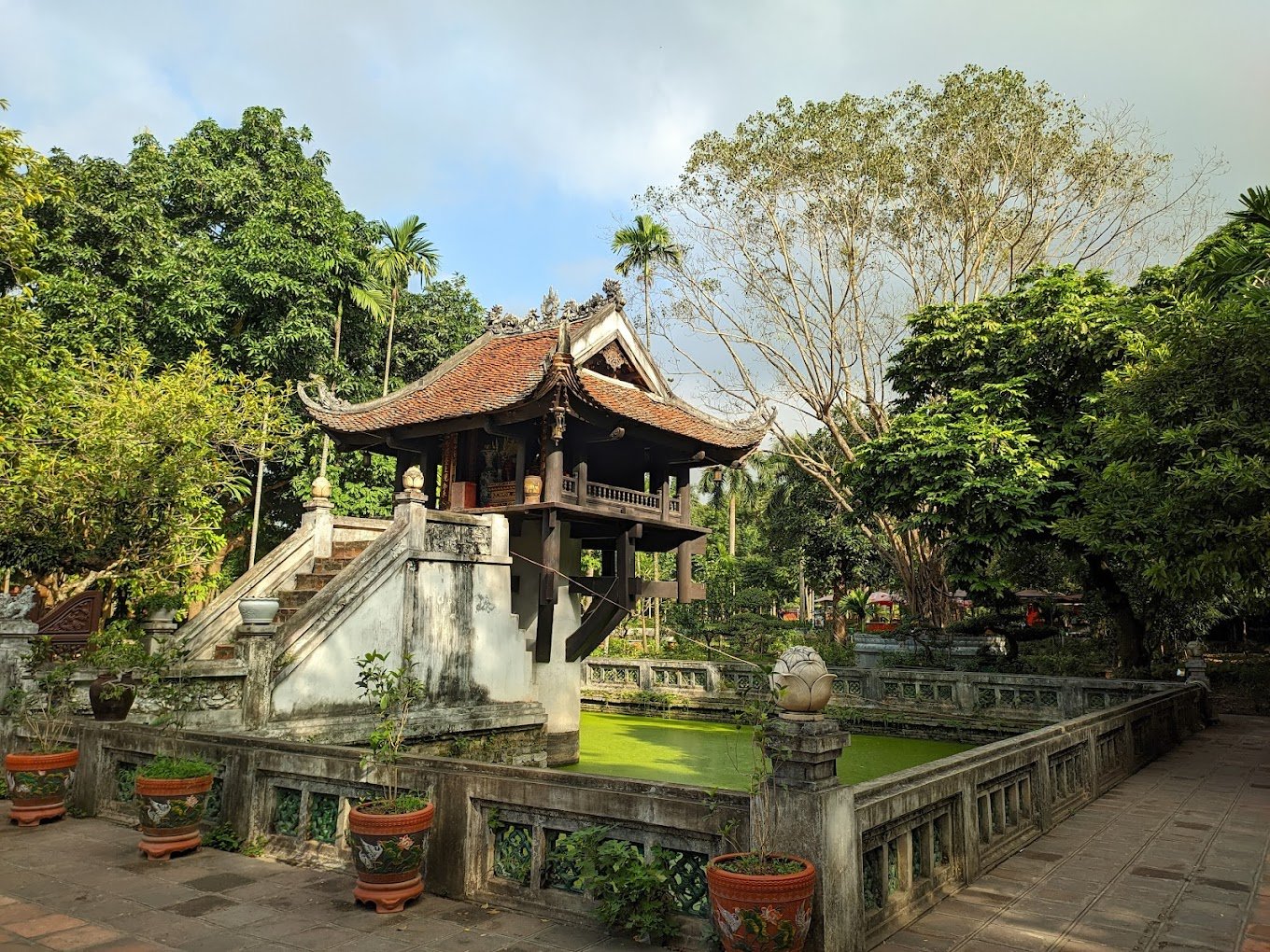
The Presidential Palace (used by French colonial governors and later by Ho Chi Minh), the One Pillar Pagoda, and Ho Chi Minh's Stilt House are all in the same complex and are worth visiting as part of a Ba Dinh morning.
Hoa Lo Prison (the "Hanoi Hilton") is a French colonial prison used to detain Vietnamese independence fighters in the early 20th century and later to hold American prisoners of war during the Vietnam War. The museum addresses both periods with very different tones, and it is one of the most historically complex and thought-provoking sites in the city.
Do not mistake the self-congratulatory framing of the American POW section for a complete picture. The experience is most valuable when approached with an open and questioning mind.
The Temple of Literature (Van Mieu) is a Confucian temple complex established in 1070, housing Vietnam's first national university (established 1076), where students were trained in the classics for over 700 years.
The five courtyards, the stele of doctoral graduates, and the surrounding gardens are quiet, beautiful, and remarkably well-preserved. It is one of the most serene places to spend an hour in the city.
The Vietnam Museum of Ethnology in the Cau Giay district is the most intellectually substantial museum in Hanoi, covering the 54 officially recognized ethnic groups of Vietnam with genuine depth and excellent curation. The outdoor exhibits include full-scale reconstructions of traditional homes from minority communities across the country. Allow two to three hours here.
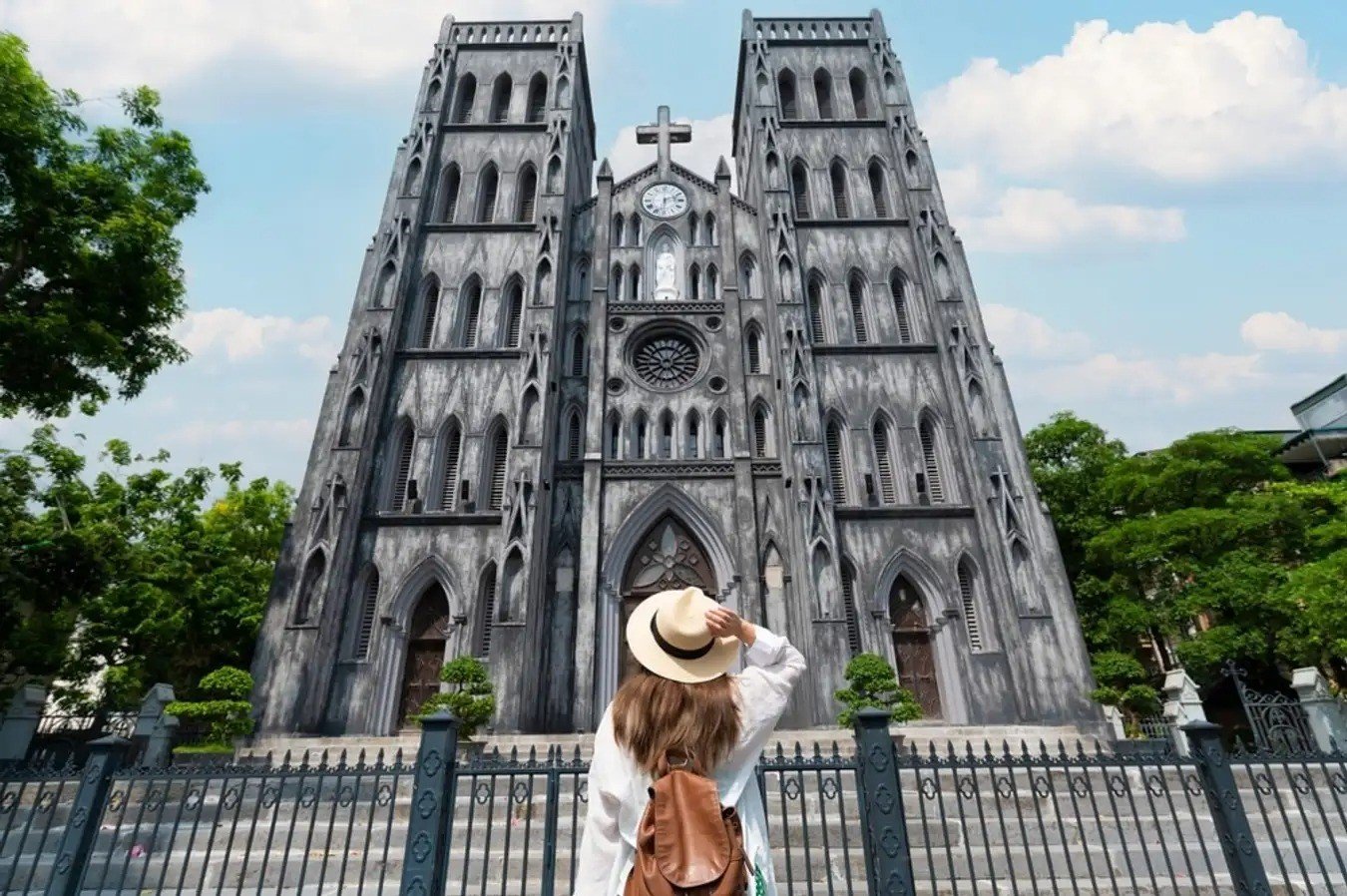
St. Joseph's Cathedral (Nha Tho Lon) near Hoan Kiem Lake is a neo-Gothic church built in 1886 on the foundations of a former Buddhist pagoda. Its twin bell towers are one of the most distinctive architectural features in the Old Quarter, and the surrounding Nha Tho Street has some of the most pleasant cafes in central Hanoi.
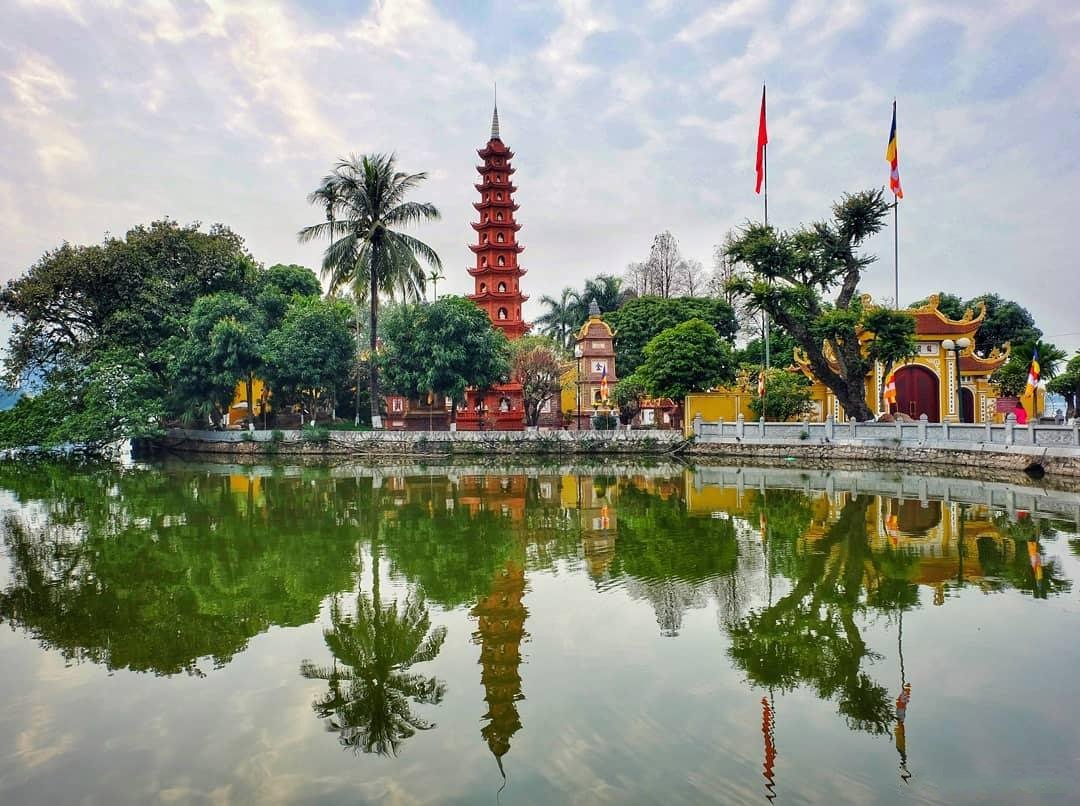
Tran Quoc Pagoda on the shores of West Lake (Ho Tay) is the oldest Buddhist pagoda in Hanoi, originally built in the 6th century and relocated to its current island position in the 17th century. The multi-tiered red tower against the backdrop of the lake is one of the most photographed images in the city and is most beautiful at sunset.
Water Puppetry
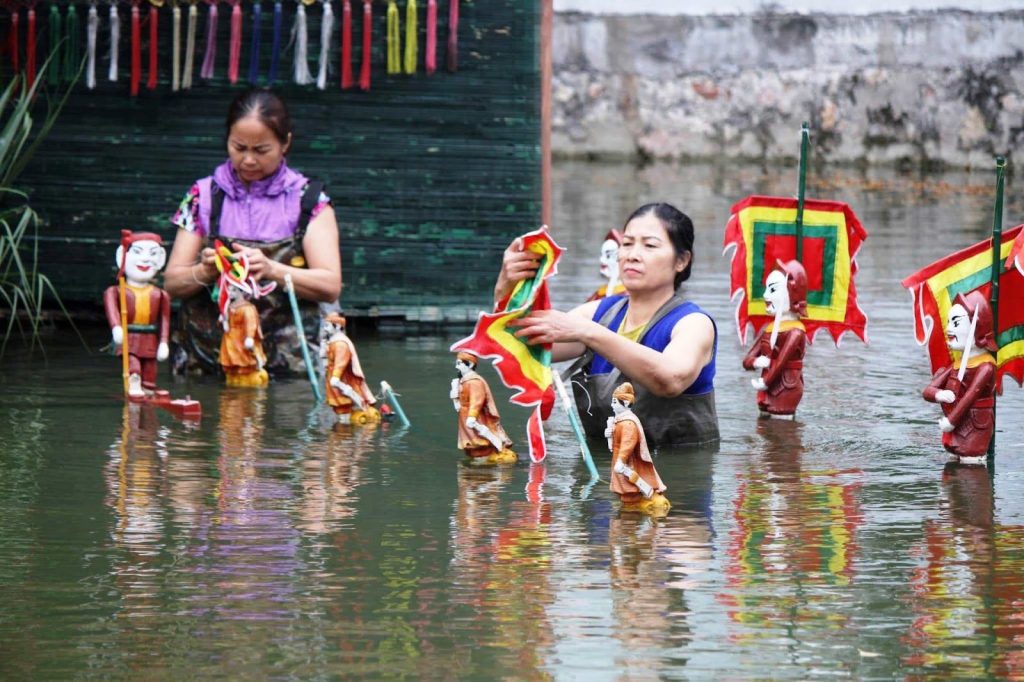
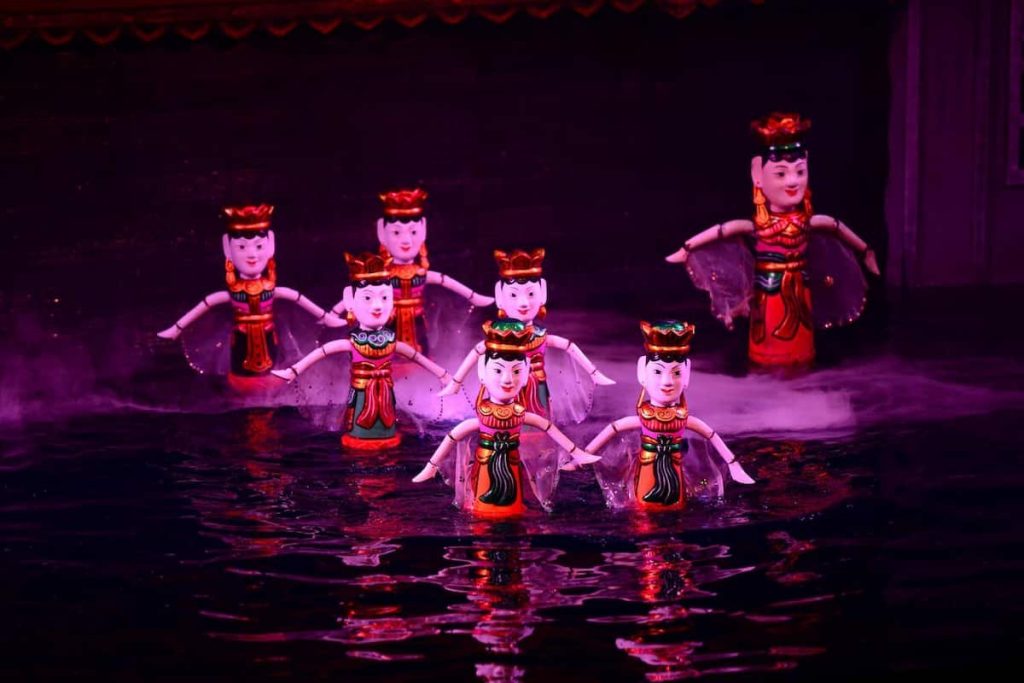
Water puppetry (mua roi nuoc) is a Vietnamese art form that originated in the Red River Delta over a thousand years ago, with performers standing waist-deep in water and manipulating lacquered wooden puppets above the surface through a system of rods and strings hidden beneath the water.
The performances narrate scenes from Vietnamese rural life, mythology, and history, accompanied by live traditional music.
The Thang Long Water Puppet Theatre on the north shore of Hoan Kiem Lake is the best-known venue in Hanoi and runs multiple performances daily. The shows last approximately one hour.
Book it in advance, particularly for evening performances, as the theatre fills quickly during peak season. Even visitors who have seen puppet shows elsewhere tend to find the water puppetry form genuinely distinctive and worth attending.
The Train Street and Café Culture
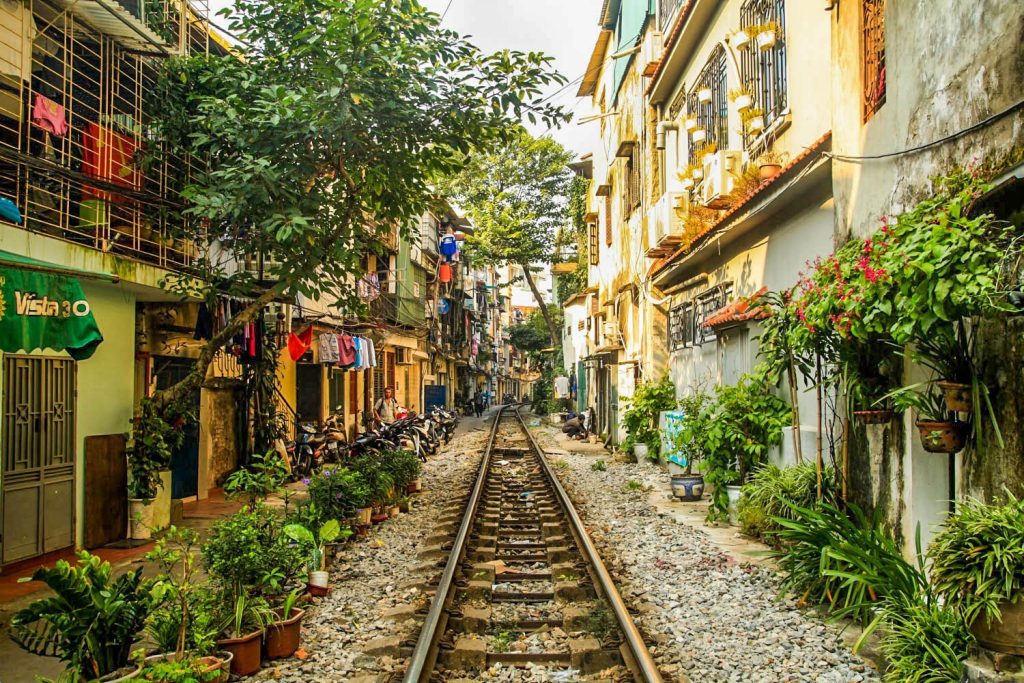
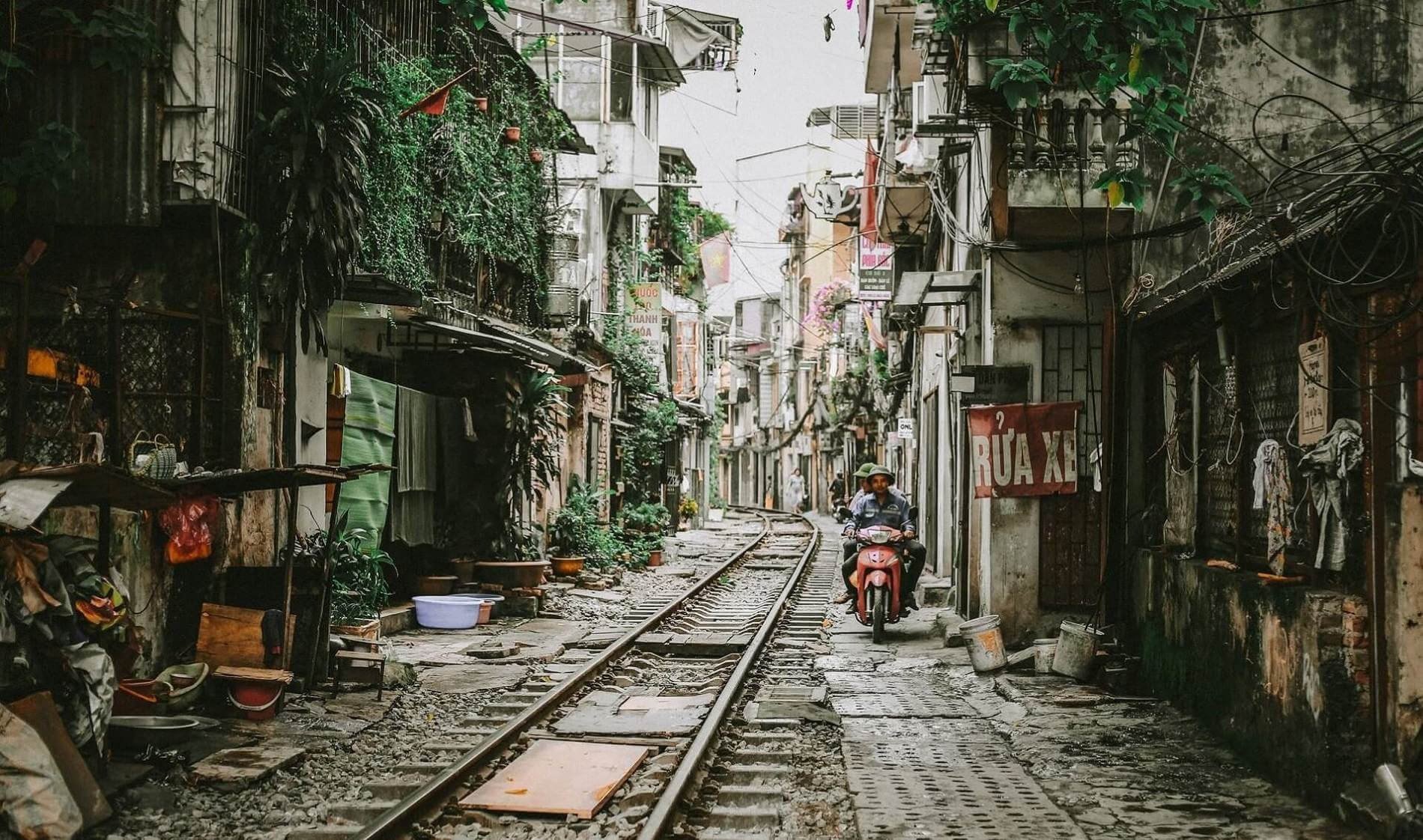
Train Street in the Old Quarter is a narrow residential alley where Hanoi's rail line runs between two rows of houses with barely a metre of clearance on either side. When a train passes, residents and café owners pull in their chairs, tables, and flower pots from the doorways to let it through.
The street gained international fame when photographs of trains threading through café tables went viral, but the Vietnamese government subsequently closed the café terraces on the tracks for safety reasons in 2019 before partially reopening them under managed conditions. The current situation varies, so check locally before visiting if the café experience is specifically what you want.
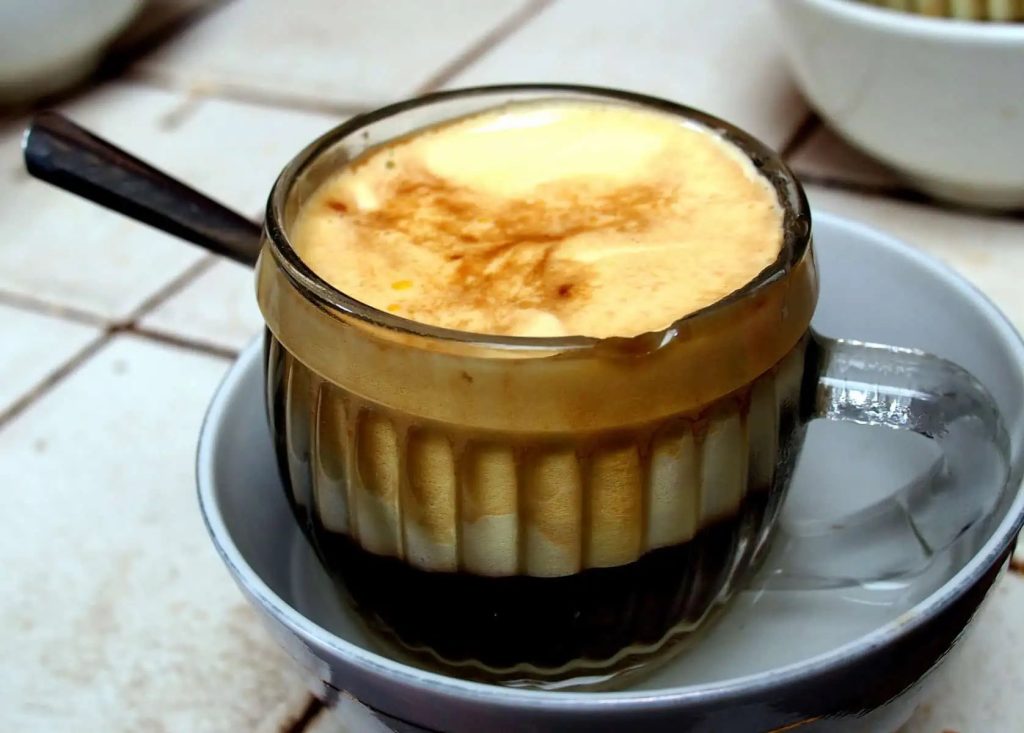
Egg Coffee (Ca Phe Trung) is the most distinctive thing Hanoi has contributed to global coffee culture. It is a cup of strong Robusta coffee topped with a thick, creamy layer of whisked egg yolk and condensed milk that tastes somewhere between a tiramisu and a hot cocktail.
Cafe Giang on Nguyen Huu Huan Street is credited with its invention in 1946 and remains the most famous place to try it, in a cramped, atmospheric upstairs room that has changed very little since.
Cafe Dinh on Dinh Tien Hoang, overlooking Hoan Kiem Lake, is the most scenic location for egg coffee on a cool morning.
Beyond egg coffee, Hanoi's café culture is deep and varied. The city runs on Robusta coffee, stronger and more bitter than the Arabica varieties common in most of the world, often served with ice and condensed milk (ca phe sua da) or black over ice (ca phe den da).
Sitting in a plastic chair on a street corner with a glass of iced coffee, watching the motorbikes pour past, is one of the simple and essential experiences of being in Hanoi.

Food: What to Eat in Hanoi
Hanoi is one of the great street food cities in Asia, and the style here is distinct from southern Vietnamese food. It is cleaner, less sweet, more broth-focused, and built around the freshness of herbs and light condiments rather than the heavier sauces of Ho Chi Minh City.
- Pho Bo (beef pho) is the national dish of Vietnam, and Hanoi is where it originated. The broth here is clear, lightly spiced with star anise and cinnamon, and served with thin rice noodles and slices of beef. It bears almost no resemblance to pho served in Vietnamese restaurants abroad. The best pho in Hanoi is at specialist stalls that open for breakfast and are often sold out by mid-morning. Pho Bat Dan and Pho Gia Truyen on Bat Dan Street are the most celebrated. Make sure to arrive before 8 am.
- Bun Cha is the dish that Anthony Bourdain ate with Barack Obama in 2016 in a scene that circled the internet and defined Hanoi's food identity for a generation of international travelers. You get grilled pork patties and sliced pork belly in a sweet, sour, slightly smoky broth with vermicelli noodles and a plate of fresh herbs on the side. Bun Cha Huong Lien on Le Van Huu Street, where the Obama-Bourdain meal took place, still serves it. The queue here is manageable.
- Cha Ca La Vong is Hanoi's most famous single restaurant, serving a single dish of turmeric-marinated fish fried in oil at your table with dill, peanuts, vermicelli, and shrimp paste. The restaurant has been on Cha Ca Street since 1871 and is one of the most specific and memorable dining experiences in the city.
- Banh Mi in Hanoi is different from the famous Ho Chi Minh City version. The baguette is crispier and the fillings more restrained. It is excellent everywhere, costs almost nothing, and is one of the best fast breakfasts in Vietnam.
- Bun Rieu (crab and tomato noodle soup), Banh Cuon (steamed rice rolls filled with minced pork and wood ear mushroom), and Xoi Xeo (sticky rice with mung bean and fried shallots) are the other Hanoi breakfast dishes worth seeking out.
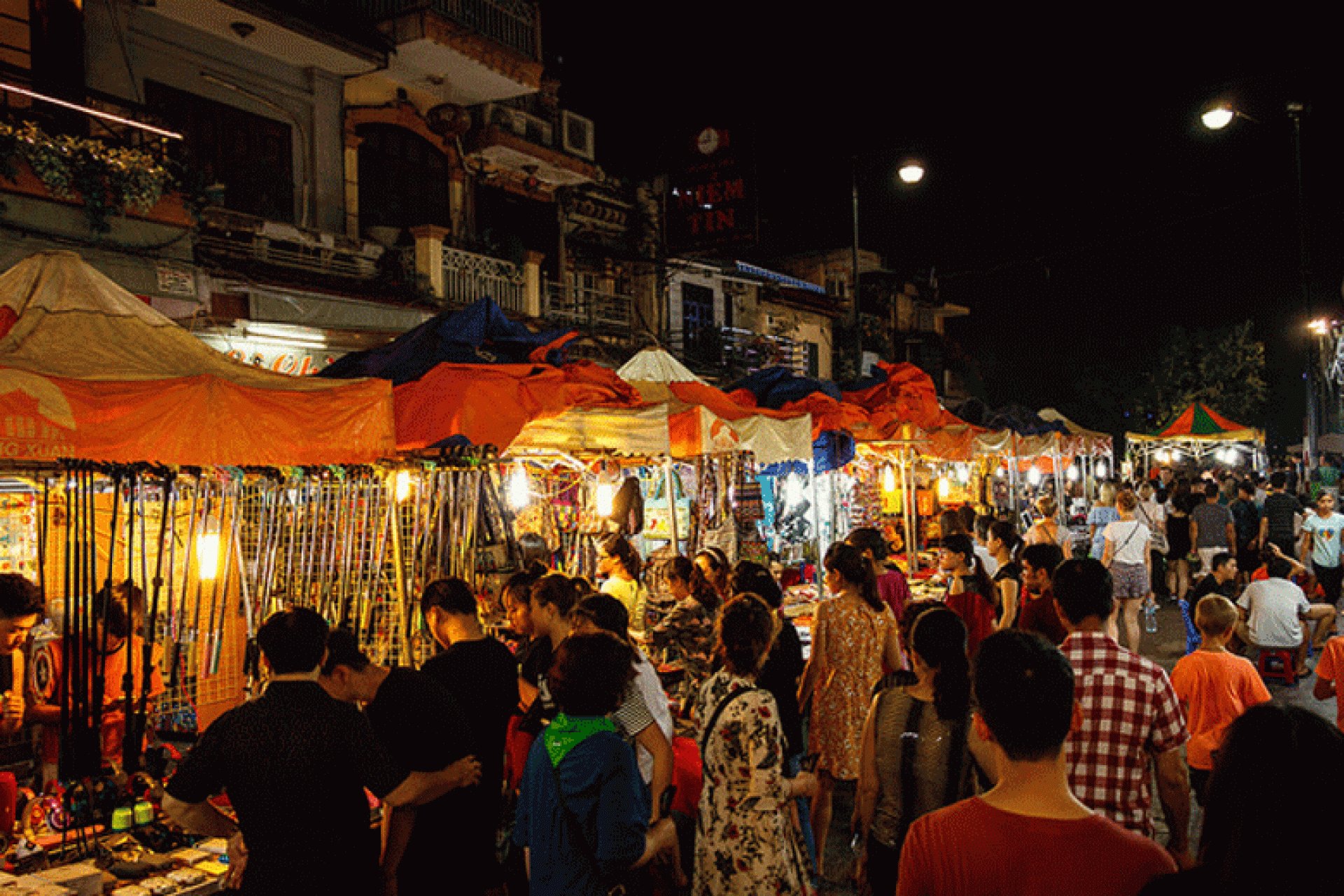
- Bia Hoi Corner (junction of Luong Ngoc Quyen and Ta Hien in the Old Quarter) is where the city's fresh draft beer culture is most concentrated. There are tiny plastic stools, ice-cold, freshly brewed bia hoi for a few thousand dong a glass, and a density of both locals and travelers that makes it the most social spot in the Old Quarter after 5 pm.
Popular Things to Do in Hanoi

- The Thang Long Water Puppet Show at the Thang Long Water Puppet Theatre on Hoan Kiem Lake is one of the most distinctive cultural performances available in Vietnam. The art form is over a thousand years old, with lacquered wooden puppets manipulated above the surface of a water stage through a system of rods and strings while live traditional music accompanies the performance. These shows last approximately one hour and run multiple times daily. Booking in advance is recommended for evening performances.
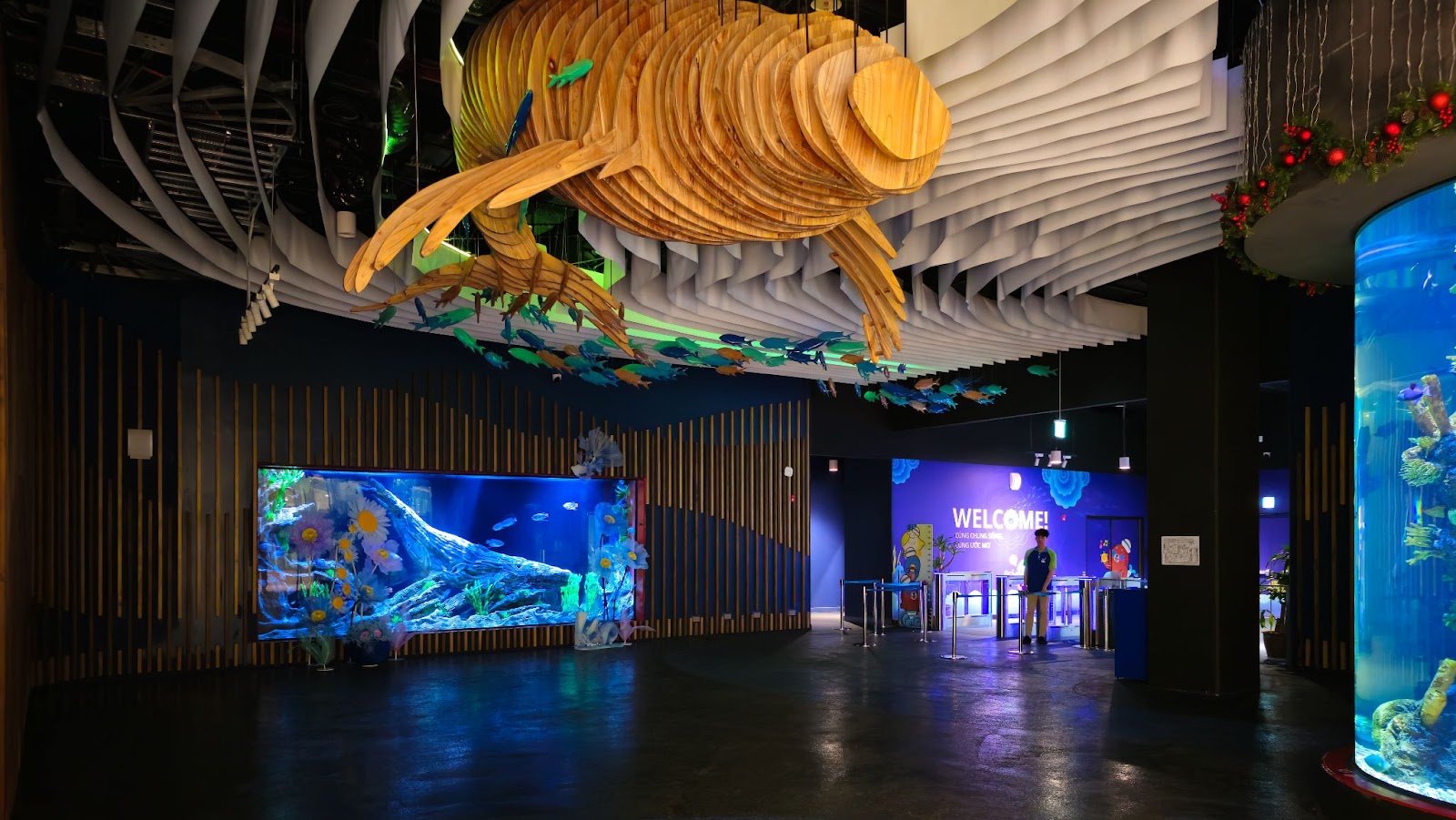
- Lotte World Aquarium Hanoi at Lotte Center Hanoi (Ba Dinh District) is one of the most impressive urban aquariums in Southeast Asia, housing over 20,000 marine organisms across themed zones, including a main oceanarium, a coral reef display, a penguin exhibit, and interactive touch pools. It is a memorable indoor experience for families and marine life enthusiasts.
- Hanoi Small-Group Street Food Walking Tour is the most efficient and enjoyable way to cover Hanoi's extraordinary culinary landscape with local expertise. A small-group guided walk through the Old Quarter covers multiple stops, including pho, bun cha, banh mi, egg coffee, and bia hoi, with guides providing cultural context and language assistance that transforms a meal into a full cultural education.
- Full-Day Hanoi City Tour with Vietnamese Lunch and Transfer covers the city's major landmarks in a single guided day: Hoan Kiem Lake and Ngoc Son Temple, the Ho Chi Minh Mausoleum and Stilt House, Tran Quoc Pagoda, Temple of Literature, and Hoa Lo Prison, with a Vietnamese lunch included and air-conditioned bus transfers throughout. This is a practical and comprehensive introduction for visitors with limited time.
- The unique egg coffee class in Hanoi teaches participants the art of making Hanoi's most famous beverage, the ca phe trung, or egg coffee, with hands-on instruction in the traditional recipe alongside tasting and the cultural history of the drink. It is one of the most popular cooking and culture experiences available in the city.
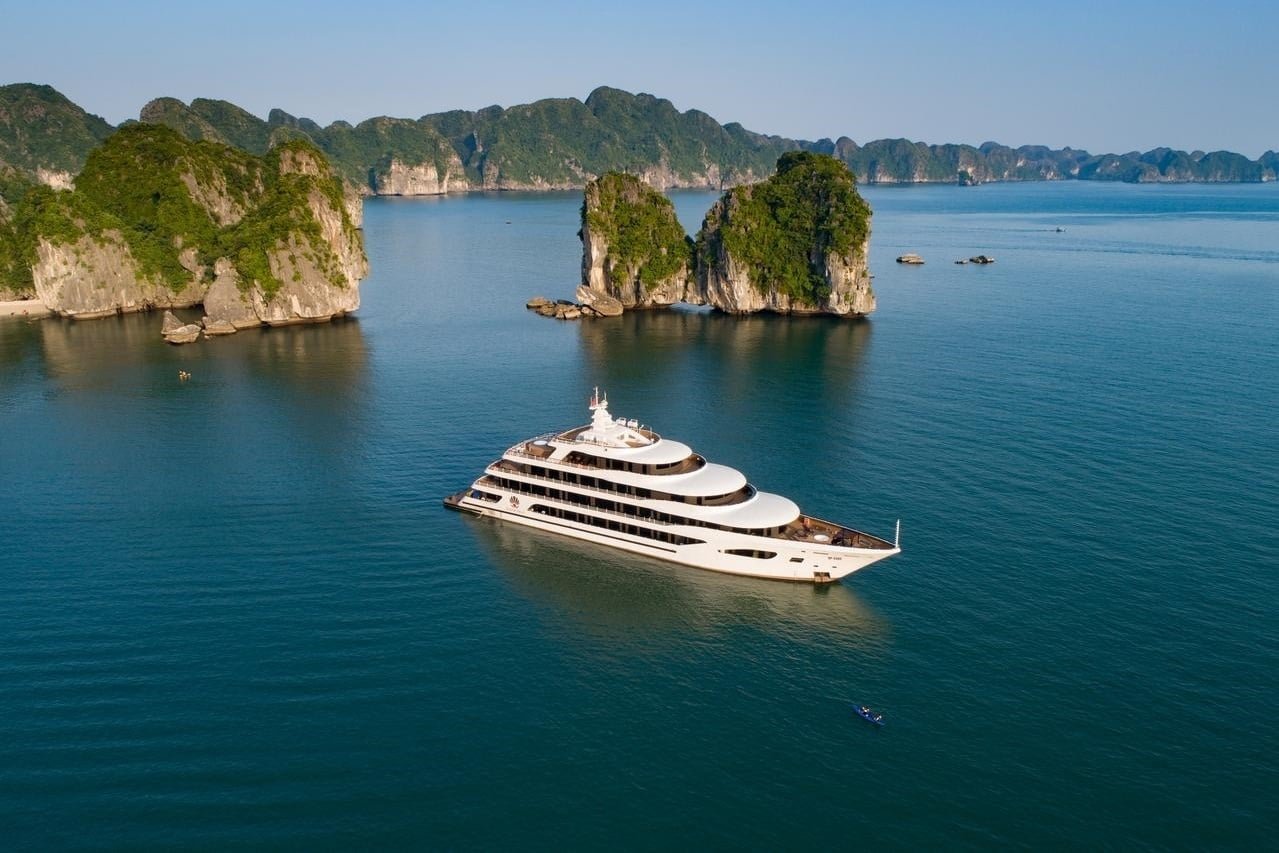
- Ha Long Bay Luxury Cruise with Buffet Lunch and Kayak Experience departs from Hanoi for Ha Long Bay, the UNESCO World Heritage Site approx. 150 km east, with pickup from Old Quarter hotels, a buffet lunch on board, kayaking through the limestone karst formations, and a cave visit. Ha Long Bay is the single most important day trip or overnight extension from Hanoi. Departing early from the city and spending one to two nights on the bay gives the most complete experience.
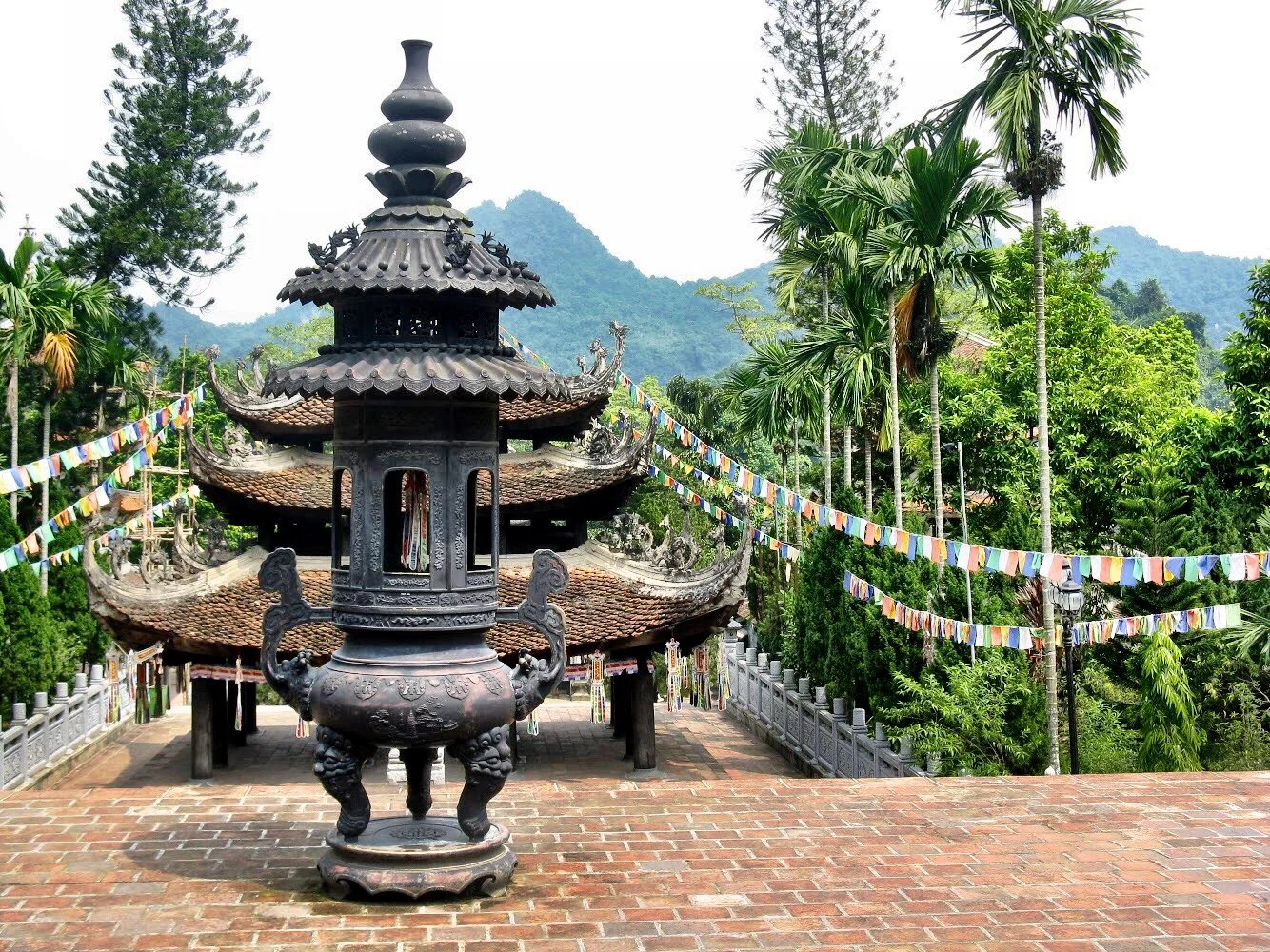
- Perfume Pagoda Full-Day Guided Tour from Hanoi covers the Huong Son mountain complex, about 60 km southwest of Hanoi, a pilgrimage site where dozens of Buddhist temples and shrines are built into and around a dramatic limestone mountain. The journey includes a sampan boat ride along the Yen Stream to the mountain base and a cable car (or hike) to the main cave temple complex.
- The Hanoi Market Tour and Cooking Class with Meals combines a guided visit to a local Vietnamese market, where ingredients are selected and explained, with a hands-on cooking class producing several traditional Vietnamese dishes, followed by a sit-down meal of the dishes prepared. It is one of the most well-reviewed experiences in the city.
- VinKe and Vinpearl Aquarium in Hanoi at Times City (Hai Ba Trung District) combine a VinKe educational play centre for children (with career-exploration activities across various professional themes) with Vinpearl Aquarium, which houses marine life across themed underwater zones. It is a full family day out for visitors with young children.
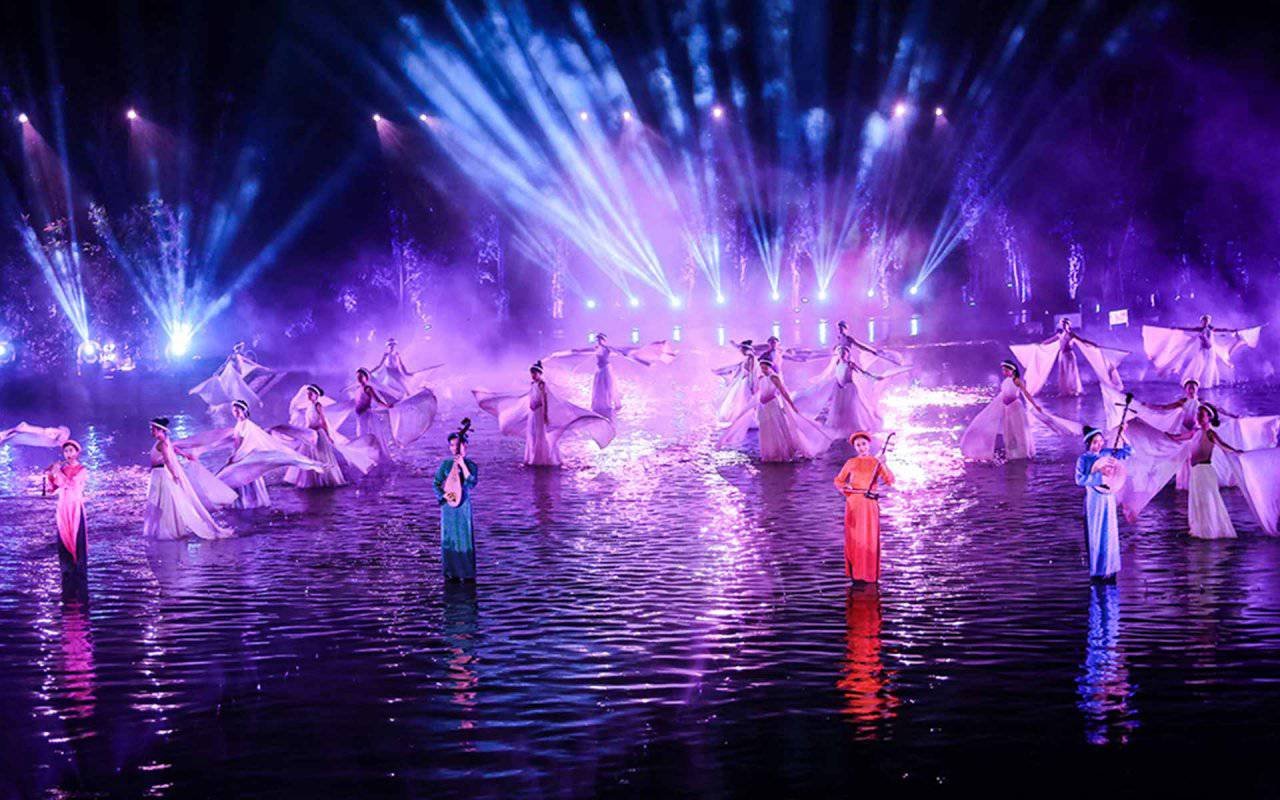
- The Quintessence of Tonkin Show is a large-scale outdoor performing arts production staged at a dedicated cultural park about 12 km from central Hanoi. The show uses a natural lake as its stage, with local village performers (mostly farmers and workers from the surrounding area) using traditional music, acrobatics, bamboo scaffolding, and 100 performers to tell the story of Vietnamese life in the Red River Delta region. This is an extraordinary, atmospheric alternative to indoor cultural shows and one of the most talked-about evening experiences available from Hanoi.


Day Trips from Hanoi
- Ha Long Bay is the most famous and most deserving day trip (or preferably overnight extension) from Hanoi. Designated a UNESCO World Heritage Site in 1994, it covers nearly 1,553 km² of the Gulf of Tonkin with 1,969 islands of limestone karst rising from emerald water. Cruises range from budget one-day boats to multi-day luxury cruises. Giving it two days and one night is the minimum that gives a proper sense of the bay beyond a very rushed visit.
- Ninh Binh (90 km south, about 2 hours by bus or train) is sometimes described as Ha Long Bay on land with limestone karst formations rising from rice paddy floodplains, with the Trang An Landscape Complex (UNESCO World Heritage Site) accessible by boat through cave tunnels, and the ancient capital of Hoa Lu. It is an excellent alternative for visitors who have already visited Ha Long Bay.
- Sapa (300 km northwest, accessed by overnight sleeper train) is the gateway to the Hoang Lien Son mountain range and the rice terrace landscapes of the north. They are some of the most photographed scenes in Vietnam, alongside the culture of the Hmong, Red Dao, and other ethnic minority communities who have farmed these terraces for centuries.
- Ha Giang is the northernmost province of Vietnam and the least-visited of the major destinations from Hanoi, reachable by bus or car in about 5 to 6 hours. The Ha Giang Loop through the Dong Van Karst Plateau Geopark is considered by many experienced Vietnam travelers to be the most spectacular landscape in the country.
When Should You Visit Hanoi?
Hanoi has a distinct four-season climate unusual in Southeast Asia, with a cool winter and a hot, humid summer. The city's best months are:
- October to November is widely considered the best time to visit. The sky clears after the late summer rains, temperatures drop to a comfortable 20 to 25°C, and the city has a particular golden quality in the autumn light.
- March to April (spring) is the second-best window with warming temperatures, blossoms on the trees along Phan Dinh Phung Street, and a city emerging from its coolest months with a seasonal energy.
- December to February is Hanoi's winter. It is cooler and grey, with temperatures occasionally dropping below 15°C and persistent light drizzle. It is not unpleasant for visitors from colder climates, but is worth noting for anyone expecting tropical warmth.
- May to September is hot and humid (30 to 35°C) with heavy summer rains from June through August. Thunderstorm afternoons are common. Not the most comfortable time to walk the Old Quarter, but prices are lower, and the city is less crowded with international tourists.
Practical Tips Before You Go
- Get an e-Visa before arrival at the official Vietnam immigration portal. Processing takes three business days, so do not leave it until the week before departure.
- Download Grab before landing. It is the safest and most transparent way to get around Hanoi. Book your airport transfer in the app before you exit the arrivals hall.
- Use Vinasun or Mai Linh taxis if you do not use Grab. Don’t forget to confirm whether the meter is running before the car moves.
- Cash is king. Most street food, market vendors, smaller restaurants, and local shops are cash-only. ATMs are widely available in the Old Quarter. Withdraw sufficient VND on arrival.
- Cross the road slowly. The traffic does not stop for pedestrians in the way visitors often expect. Step out steadily and maintain your pace. The motorbikes will navigate around you. Do not stop suddenly, and do not run.
- Dress modestly for temples and the mausoleum. No shorts or sleeveless shirts at the Ho Chi Minh Mausoleum, One Pillar Pagoda, or Temple of Literature. Carry a light scarf or shirt to change into.
- An overnight stay in Ha Long Bay is significantly better than a day trip. If the bay is on your itinerary, book at least one night on the water. A day cruise leaves very little time for kayaking, cave exploration, and the actual experience of being on the bay
- Bargaining is expected at market stalls and souvenir shops. A starting offer of around half the asking price is a reasonable opening position.
- Bia hoi costs almost nothing and is genuinely drinkable. Do not overthink it.
Hanoi is the kind of city that you don't know you needed until you are already in it, sitting on a tiny plastic stool on a sidewalk with a bowl of pho, watching the morning traffic pour past like a river that has its own current and its own logic. It is chaotic and beautiful and delicious and historically overwhelming and genuinely unlike anywhere else in Southeast Asia.
Go slowly. Eat everything.
Head to Thrillark to book your Hanoi tours, water puppet shows, cooking classes, Ha Long Bay cruises, and all the experiences that make this city unforgettable, and give Vietnam's extraordinary capital the time it deserves.
Frequently Asked Questions About Hanoi
Do you need a visa to visit Hanoi and Vietnam?
Most nationalities need either a Vietnam e-visa (available online at the official immigration portal, valid for up to 90 days, processing takes three business days) or qualify for a visa exemption for shorter stays. The visa exemption list has expanded significantly in recent years to include South Korea, Japan, and several European countries for stays ranging from 15 to 45 days. Indian nationals require a Vietnam e-Visa. Always check the current exemption list and verify requirements at the official Vietnam immigration website before travelling, as the rules update regularly.
What is the best time to visit Hanoi?
October and November are the most universally recommended months, with comfortable temperatures around 20 to 25°C, clear skies after the rainy season, and a quality of light that makes the city particularly beautiful. March and April are the second-best window, with warming spring temperatures and the blossoms on Hanoi's tree-lined boulevards. Summer (May to September) is hot and humid with heavy rain; winter (December to February) is cool and grey but manageable for visitors from colder climates.
What should you eat in Hanoi?
The non-negotiables are pho bo (beef noodle soup, best at specialist breakfast stalls before 8am), bun cha (grilled pork in broth with vermicelli and herbs), cha ca la vong (turmeric fish with dill), banh cuon (steamed rice rolls), and egg coffee (ca phe trung). The Bia Hoi corner in the Old Quarter at the junction of Luong Ngoc Quyen and Ta Hien is the essential early evening destination. For the most efficient introduction to the full range of Hanoi street food, a guided street food walking tour covers multiple dishes with cultural context in a single session.
What is the Quintessence of Tonkin Show, and is it worth attending?
The Quintessence of Tonkin is a large-scale outdoor cultural performance staged on a natural lake about 12 km from central Hanoi, with around 100 local village performers using traditional music, acrobatics, bamboo structures, and the lake itself as the stage to tell the story of Vietnamese life in the Red River Delta. It runs nightly and is considered by many visitors to be the most memorable cultural experience available from Hanoi, significantly different in scale, atmosphere, and authenticity from indoor theatre performances. A Grab or taxi from the Old Quarter takes about 30 to 40 minutes.
How do you get from Noi Bai Airport to central Hanoi?
The easiest and most reliable option is booking a Grab car from the app before you exit the arrivals hall. Fares are fixed and transparent, and the journey takes 45 to 60 minutes. Metered taxis from Vinasun or Mai Linh are available at the official taxi stands outside arrivals. Make sure to confirm the meter is running before setting off. The Vietnam Airlines minibus is a cheaper shared shuttle option running to a central Hanoi stop, though journey times vary. Avoid unofficial taxi offers from individuals inside the terminal.
What is egg coffee, and where do you find the best version in Hanoi?
Egg coffee (ca phe trung) is a Hanoi invention from 1946: strong Robusta coffee topped with a thick, creamy layer of whisked egg yolk and condensed milk, served warm in a small cup that sits in a dish of hot water to keep it at a temperature. The texture is somewhere between a hot cocktail and a tiramisu, and the flavour is completely unlike any coffee drink available outside Vietnam. Cafe Giang on Nguyen Huu Huan Street is credited with its invention and remains the most famous place to try it. Cafe Dinh on Dinh Tien Hoang, with views over Hoan Kiem Lake, is the most scenic alternative.
Browse by themes
Top Things to Do in Vietnam